
Palluruthy
എസ്.ഡി.പി.വൈ. ബോയ്സ് ഹൈസ്കൂൾ
- ഇവിടെ 7 പ്രവർത്തനങ്ങൾ
- 1 കമ്മ്യൂണിറ്റി ക്ലബ്ബ്
- ഇവിടെ 90 പങ്കാളിത്തങ്ങൾ
Palluruthy
സ്കൂൾ ഞങ്ങൾക്ക് വിട്ടുതരുന്ന ഒരു ക്ലാസ് മുറി, സെഷനുകൾ ഒരുക്കാൻ അവിടത്തെ അധ്യാപകരുടെ സഹായത്തോടെ.
ഇവിടെ നടന്നത്
LifSkool: Taking Our Learning Forward
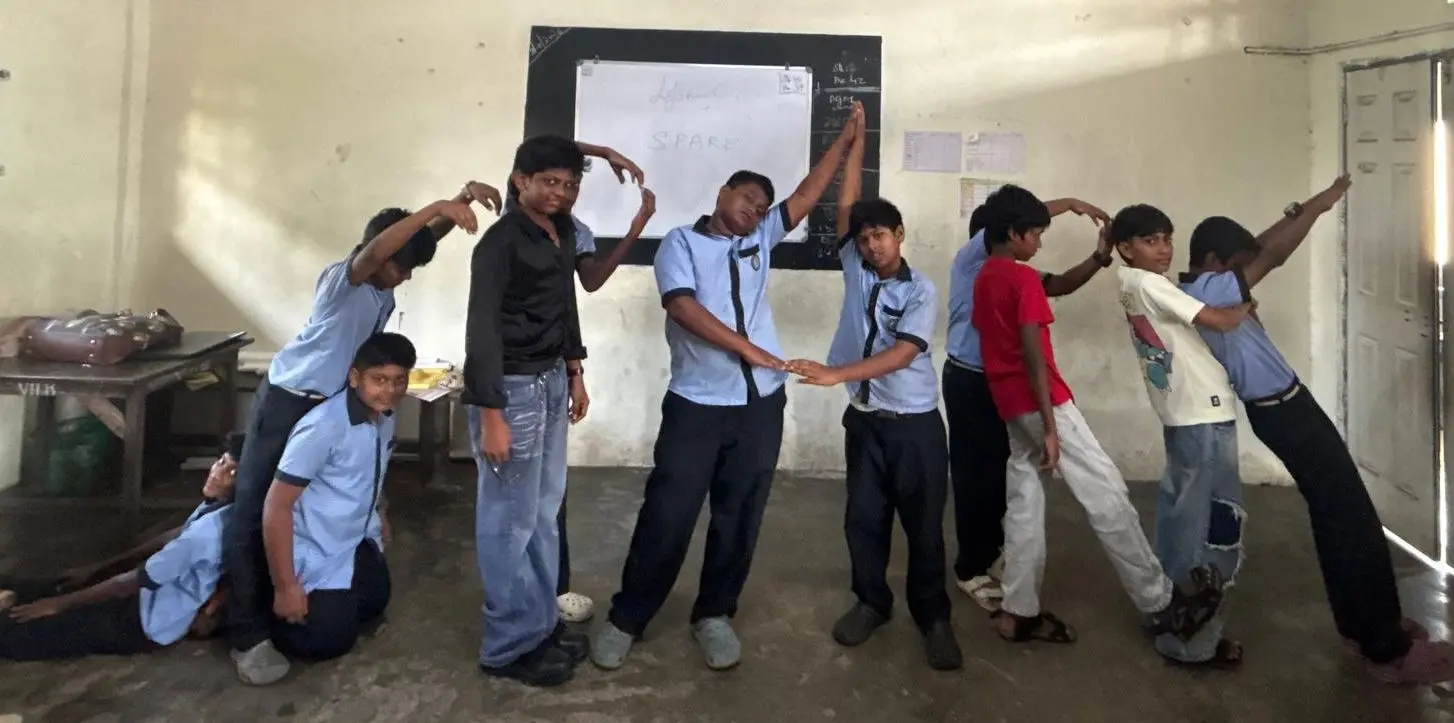
Students were ready to go with our familiar movement and mindful breathing routine and settled into the session quickly. Today was our last in-person LifSkool session before a break and it brought together the skills we had explored throughout the programme. Students revisited what they had learned, why the skills mattered and how they could use them in everyday life. It was encouraging to hear their reflections in their own words. We introduced the SPARK Challenge: noticing a small, real problem at school, at home or in the neighbourhood, and using their life skills together to try making a difference with a buddy. Students will receive weekly SPARK challenge envelopes in person to complete with their buddies. They will share updates through our WhatsApp group, where we will stay connected and support them. At their graduation day in January 2027, they will present their work and learning. To finish, students worked together to spell SPARK using their bodies. It was a playful, emotional close to this part of our journey, with more learning ahead.
LifSkool: Understanding Each Other
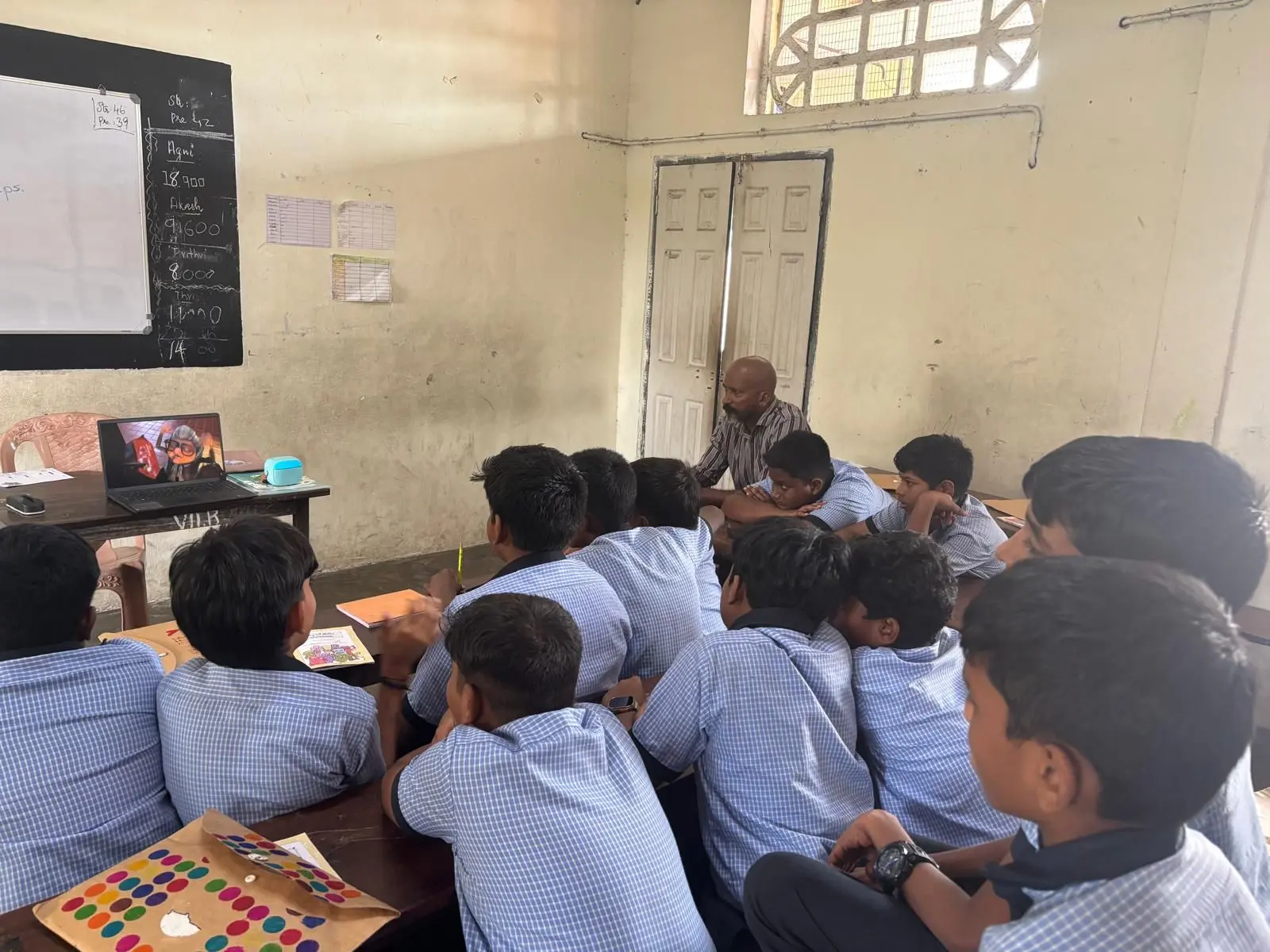
We began by revisiting The Egg Drop Challenge: why had some designs protected their eggs, and how had the teams worked together? This connected our previous session to interpersonal relationships - how we listen, share ideas and make decisions together. We explored the relationships in our lives and what strengthens or damages them. The idea of a “relation-ship” helped us talk about trust, listening and respect, and how to work through disagreements. This time, we changed the pace, watching two short films, Snack Attack and Purl, and coming together for circle discussions. We explored misunderstandings, being left out and the pressure to change ourselves to fit in, connecting the stories to everyday school situations. Students practised asking directly before making assumptions and inviting someone to join their group. We closed with a reflection on being themselves and responding to peer pressure, bringing the discussion back to everyday choices in their relationships.
LifSkool: The Egg Drop Challenge
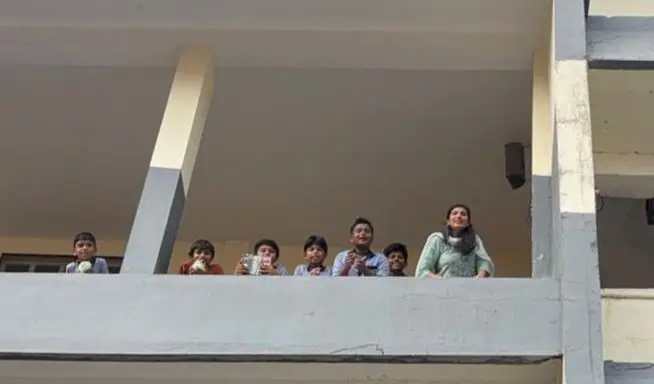
Students returned with creations they had continued at home after “LifSkool: What Else?”—photo frames, a little fan, a house, a puzzle and chopsticks. It was lovely to see their ideas develop beyond the session. We began with our routine movement break and mindful breathing, giving students time to shake off the school day and settle. Then six teams took on The Egg Drop Challenge: protect your egg from a fall. We chose the task to bring problem-solving, effective communication, decision-making and creative thinking together through discussing ideas, choosing a design and testing it. Students combined recycled materials from home with supplies from our inventory to create their egg carrier. We planned a second-floor drop, but their confidence went one floor higher and they asked to test from the third! One student from each team stayed with a facilitator to drop their design, while the others went downstairs to watch and check whether their egg survived. Much to their amazement, two of the six eggs appeared to remain intact. With little time left after returning to class, we planned to revisit why some designs worked and how the teams worked together in the next session.
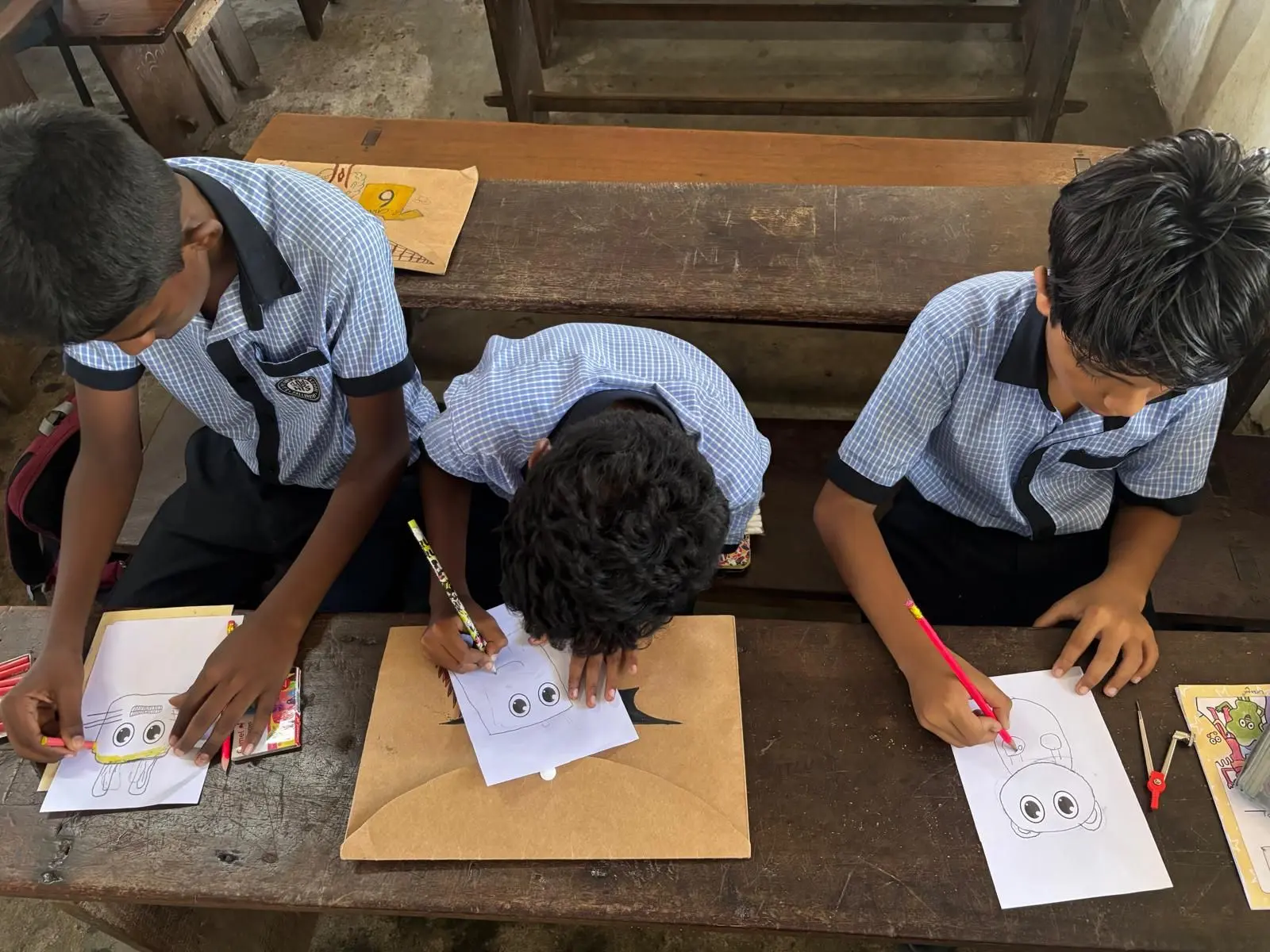
ഇന്നത്തെ ലൈഫ്സ്കൂൾ സെഷൻ സർഗ്ഗാത്മക ചിന്തയെ പര്യവേക്ഷണം ചെയ്തു. "നിങ്ങൾക്ക് എങ്ങനെ അറിയാം?" എന്ന കഴിഞ്ഞ ആഴ്ചയിലെ ചോദ്യം ഞങ്ങൾ വീണ്ടും പരിശോധിക്കുകയും "വേറെന്താണ്?" എന്ന പുതിയൊരു ചോദ്യം പരീക്ഷിക്കുകയും ചെയ്തു. ആൺകുട്ടികൾ ഒരേ കണ്ണുകളുടെ ജോഡികളെ പൂർണ്ണമായും വ്യത്യസ്തമായ ചിത്രങ്ങളാക്കി മാറ്റി. തുടർന്ന് ജോഡികളായി, അവർ ദൈനംദിന വസ്തുക്കളുടെ പുതിയ ഉപയോഗങ്ങൾ കണ്ടെത്തുകയും രണ്ട് വസ്തുക്കൾ സംയോജിപ്പിച്ച് പുതിയൊരു കണ്ടുപിടുത്തം നടത്തുകയും ചെയ്തു. ഒടുവിൽ, ഓരോ ജോഡിക്കും ഒരേ ഐസ്ക്രീം സ്റ്റിക്കുകളും ജോയിനറുകളും നൽകി, എന്തും നിർമ്മിക്കാൻ സ്വാതന്ത്ര്യം നൽകി. ഓരോ നിർമ്മിതിയും വ്യത്യസ്തമായ ദിശയിലേക്ക് പോയി, ഇത് ഒരു പ്രാരംഭ പോയിന്റ് എങ്ങനെ നിരവധി സാധ്യതകളിലേക്ക് നയിക്കുമെന്ന് കാണിക്കുന്നു. ചർച്ചയിൽ, ഒരു ആശയം അവസാനിക്കുമ്പോൾ എന്താണ് സഹായിച്ചതെന്ന് വിദ്യാർത്ഥികൾ പങ്കുവെച്ചു: ചിന്ത തുടരുക, പങ്കാളിയെ ശ്രദ്ധിക്കുക, ആശയങ്ങൾ സംയോജിപ്പിക്കുക, അപൂർവ്വമായ എന്തെങ്കിലും പരീക്ഷിക്കുക. വെല്ലുവിളികളിലൂടെ കടന്നുപോകുമ്പോൾ, "എനിക്ക് വേറെ എന്താണ് പരീക്ഷിക്കാൻ കഴിയുക?" എന്നത് ദൈനംദിന പ്രശ്നങ്ങൾ പരിഹരിക്കാൻ മറ്റൊരു വഴി കണ്ടെത്താൻ എങ്ങനെ സഹായിക്കുമെന്ന് അവർ മനസ്സിലാക്കിത്തുടങ്ങി. ചില നിർമ്മിതികൾ പൂർത്തിയായിരുന്നില്ല, അതിനാൽ തുടർന്ന് ചെയ്യാൻ അവർ അത് വീട്ടിലേക്ക് കൊണ്ടുപോയി.
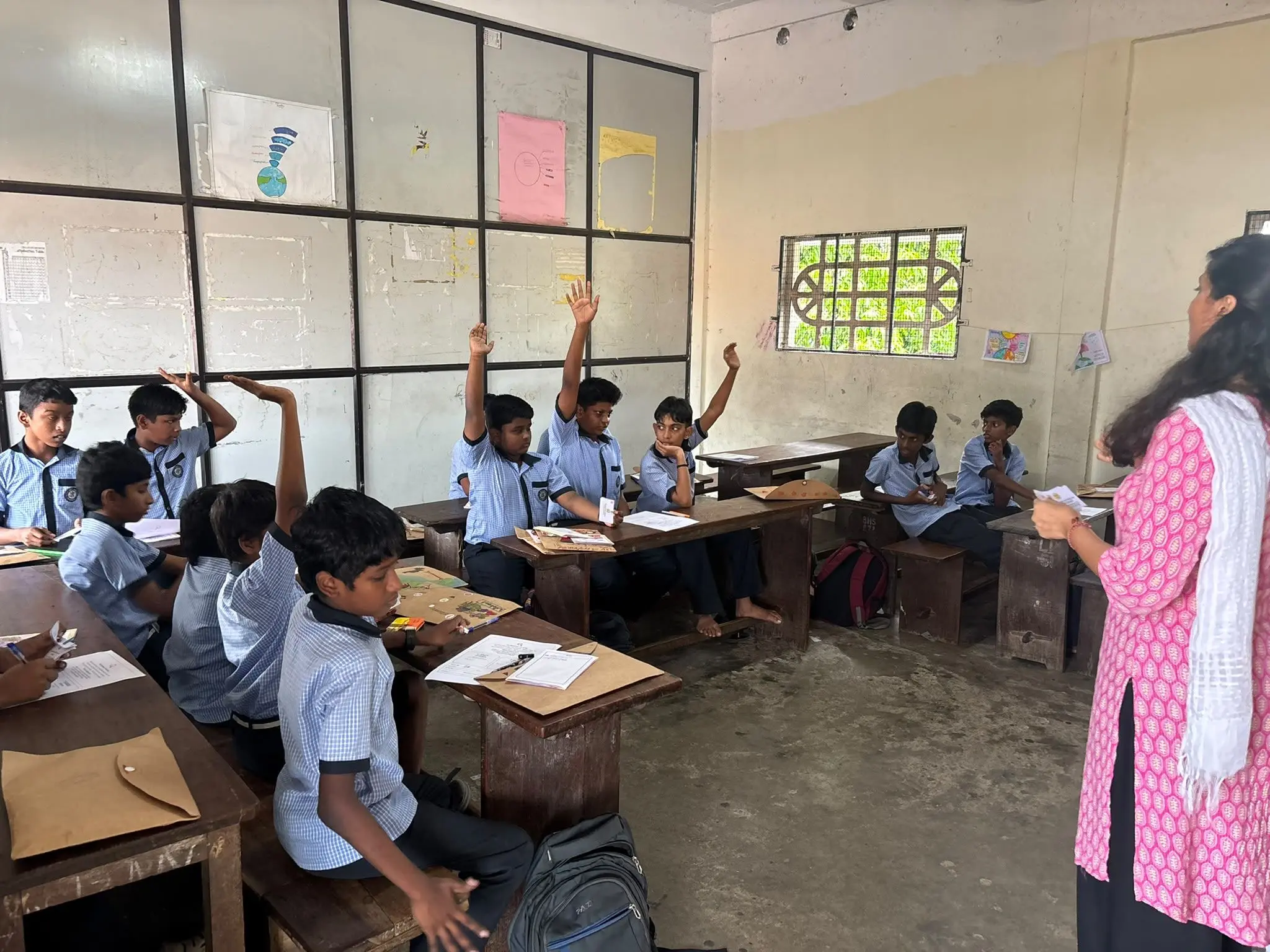
ലൈഫ്സ്കൂൾ: ഒരു ഡിറ്റക്ടീവിനെപ്പോലെ ചിന്തിക്കൂ
ഞങ്ങളുടെ ലൈഫ്സ്കൂൾ (LifSkool) സെഷൻ മുൻപത്തെ ക്ലാസുകളെക്കുറിച്ച് ഓർത്തെടുത്തുകൊണ്ടും കുട്ടികൾക്ക് എന്തൊക്കെ ഓർമ്മയുണ്ടെന്ന് ചോദിച്ചുകൊണ്ടുമാണ് ആരംഭിച്ചത്. ആശയവിനിമയം, പ്രശ്നപരിഹാരം, തീരുമാനങ്ങളെടുക്കൽ എന്നിവയുൾപ്പെടെ തങ്ങൾ പരിശീലിച്ച കഴിവുകളുമായി മുൻപത്തെ പ്രവർത്തനങ്ങളെ ബന്ധിപ്പിക്കാൻ അവർക്ക് സാധിച്ചു. ഇന്നത്തെ ലൈഫ്സ്കൂൾ സെഷൻ കാര്യകാരണസഹിതം ചിന്തിക്കുന്നതിലേക്ക് (critical thinking) ശ്രദ്ധ കേന്ദ്രീകരിച്ചുള്ളതായിരുന്നു. ചെറിയ ചിന്താ വെല്ലുവിളികളും കൂട്ടായ അന്വേഷണ രീതികളും (collaborative investigation) ഉപയോഗിച്ച് ഡിറ്റക്ടീവുകളെപ്പോലെ ചിന്തിക്കാൻ ഞങ്ങൾ കുട്ടികളെ ക്ഷണിച്ചു. കാര്യങ്ങളെക്കുറിച്ച് ആദ്യം തന്നെ വിശദീകരിക്കുന്നതിന് പകരം, ചോദ്യങ്ങൾ ചോദിക്കാനും വിവരങ്ങൾ പരിശോധിക്കാനും എന്താണ് സംഭവിച്ചതെന്ന് സ്വയം കണ്ടെത്താനും ഞങ്ങൾ അവരെ പ്രോത്സാഹിപ്പിച്ചു. പ്രവർത്തനങ്ങളുടെ വേഗതയും (pace) ചിന്താശേഷിയും (reflection) തമ്മിലുള്ള സമതുലിതാവസ്ഥയാണ് ഇന്ന് വളരെ നന്നായി ഫലിച്ചത്. പ്രവർത്തനങ്ങളും ഉപകരണങ്ങളും മുൻകൂട്ടി തയ്യാറാക്കിവെച്ചതിനാൽ ഒട്ടും സമയം കളയാതെ അടുത്ത പ്രവർത്തനങ്ങളിലേക്ക് പെട്ടെന്ന് മാറാൻ കഴിഞ്ഞു. എന്നാൽ ഉത്തരത്തിൽ എങ്ങനെ എത്തിച്ചേർന്നു, എന്തൊക്കെ കാര്യങ്ങളാണ് ധരിച്ചുവെച്ചിരിക്കുന്നത്, നിലപാടുകൾ മാറ്റാൻ എന്താണ് കാരണമായത് തുടങ്ങിയ കാര്യങ്ങൾ ചോദിക്കാനായി പ്രവർത്തനങ്ങൾക്കിടയിൽ ചെറിയ ഇടവേളകളും നൽകി. കുട്ടികൾ ഈ രീതിയോട് വളരെ ആവേശത്തോടെയാണ് പ്രതികരിച്ചത്. കൗതുകത്തോടെ സംസാരിക്കാനും ചോദ്യങ്ങൾ ചോദിക്കാനും എല്ലാ കുട്ടികളും മുന്നോട്ടുവന്നു. സവിശേഷമായ ഒരു വിഷയത്തെക്കുറിച്ച് കേട്ടിരിക്കുന്നതിനേക്കാൾ, ഡിറ്റക്ടീവ് ശൈലിയിലുള്ള അന്വേഷണ രീതി എല്ലാവർക്കും ഒരുമിച്ച് ചിന്തിക്കാൻ പ്രായോഗികമായ അവസരമൊരുക്കി. സെഷന് ശേഷമാണ് ഞങ്ങൾ ആ നൈപുണ്യത്തിന് പേരിടുകയും അതിനെ ഒരു ലളിതമായ ആശയവുമായി ബന്ധിപ്പിക്കുകയും ചെയ്തത്: എന്തെങ്കിലും തീരുമാനിക്കുന്നതിന് മുൻപ് ചോദ്യങ്ങൾ ചോദിക്കുകയും നിങ്ങൾക്കറിയാവുന്ന കാര്യങ്ങൾ ശരിയാണോ എന്ന് പരിശോധിക്കുകയും ചെയ്യുക. വേഗതയേറിയ സെഷനുകൾ എന്നാൽ പഠനം വേഗത്തിൽ തീർക്കുക എന്നതല്ല എന്നതായിരുന്നു ഞങ്ങൾക്ക് ലഭിച്ച പ്രധാന പാഠം. മികച്ച തയ്യാറെടുപ്പ് ക്ലാസിലെ ഊർജ്ജസ്വലത നിലനിർത്താൻ സഹായിച്ചു, അതുപോലെ ചെറിയ ഇടവേളകൾ കുട്ടികൾക്ക് സ്വന്തം ചിന്താഗതികൾ മനസ്സിലാക്കാൻ അവസരം നൽകി. ഭാവിയിൽ, ഇതിലും അല്പം കൂടെ വെല്ലുവിളി നിറഞ്ഞ അന്വേഷണപരമായ പ്രവർത്തനങ്ങൾ ഇതിലേക്ക് കൂട്ടിച്ചേർക്കാൻ ഞങ്ങൾ ആഗ്രഹിക്കുന്നു. ഗ്രൂപ്പ്: ലോക്കൽ ഗവൺമെന്റ് സ്കൂൾ | ക്ലാസ് 5–7 | 15 ആൺകുട്ടികൾ ഉപകരണങ്ങൾ: ലളിതമായ ചിന്താ വെല്ലുവിളികൾ, അന്വേഷണ ഉപകരണങ്ങൾ, വൈറ്റ്ബോർഡ്, ലൈഫ്സ്കിൽസ് വർക്ക്ബുക്കുകൾ സ്ഥലം: ബെഞ്ചുകളും ഡെസ്കുകളുമുള്ള സാധാരണ ക്ലാസ് മുറി സമയം: ഏകദേശം 45 മിനിറ്റ്
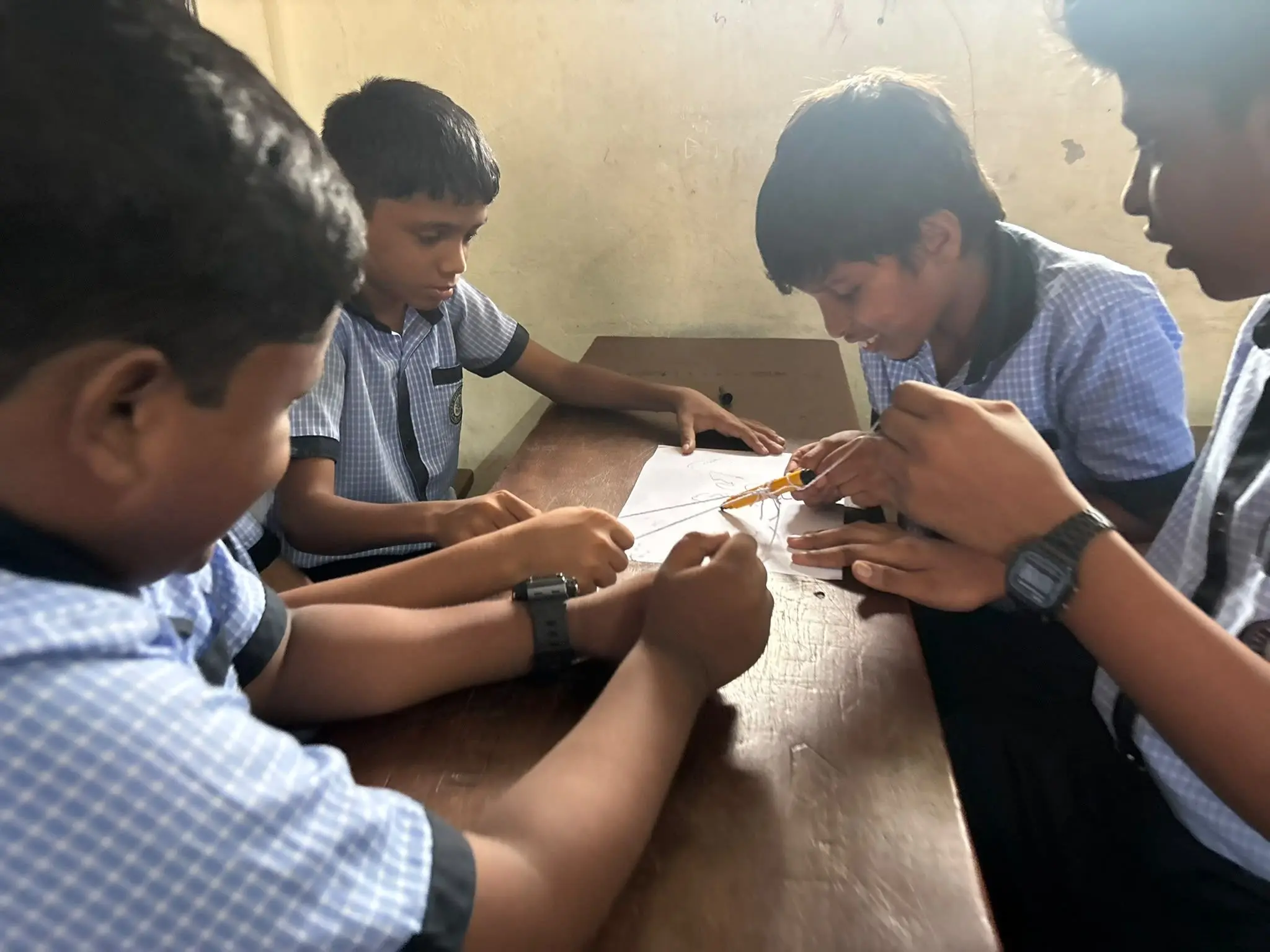
ഇന്ന് ഒരു 'ടീം ചലഞ്ച് ഡേ' (Team Challenge Day) സംഘടിപ്പിച്ചുകൊണ്ട് ഞങ്ങൾ ലൈഫ്സ്കൂളിന്റെ (LifSkool) ശൈലിയിൽ മാറ്റം വരുത്തി. ഓർമ്മശക്തി, ഏകോപനം, പ്രശ്നപരിഹാരം, ആശയവിനിമയം എന്നിവയുമായി ബന്ധപ്പെട്ട ചെറു വെല്ലുവിളികൾ ജോഡികളായും ചെറിയ ഗ്രൂപ്പുകളായും കുട്ടികൾ ഏറ്റെടുത്തു. തുടക്കം മുതൽ തന്നെ കുട്ടികൾ കൗതുകത്തോടും വലിയ ആവേശത്തോടും കൂടിയാണ് പങ്കെടുത്തത്. പരസ്പരം ശ്രദ്ധിച്ചു കേൾക്കാനും, പെട്ടെന്ന് പ്ലാനുകൾ തയ്യാറാക്കാനും, വ്യത്യസ്ത ആശയങ്ങൾ പരീക്ഷിക്കാനും, ഒരെണ്ണം ഫലപ്രദമായില്ലെങ്കിൽ രീതികൾ മാറ്റാനും അവർക്ക് കഴിഞ്ഞു. മുൻപത്തെ സെഷനുകളിൽ, ഒരു പ്രവർത്തനത്തിൽ നിന്ന് മറ്റൊന്നിലേക്ക് മാറുമ്പോഴും കുശലാന്വേഷണങ്ങളിൽ ഏർപ്പെടുമ്പോഴും ലഭിക്കുന്ന പരിമിതമായ സമയം പെട്ടെന്ന് നഷ്ടപ്പെട്ടുപോകുന്നത് ഞങ്ങൾ ശ്രദ്ധിച്ചിരുന്നു. അതിനാൽ, ഒരു പ്രവർത്തനത്തിൽ നിന്ന് അടുത്തതിലേക്ക് തടസ്സമില്ലാതെ മാറുന്നതിനായി ഇന്ന് ഞങ്ങൾ ഒരു ലളിതമായ 'ശ്രദ്ധാ കേന്ദ്രീകരണ രീതി' (attention routine) അവതരിപ്പിച്ചു. അത് വളരെ നന്നായി ഫലിച്ചു. കുട്ടികൾ പെട്ടെന്ന് പ്രതികരിക്കുകയും ചലഞ്ചുകൾക്കിടയിലുള്ള മാറ്റങ്ങൾ കൂടുതൽ സുഗമമാവുകയും ചെയ്തു. കളികളിലൂടെ ജീവിതനൈപുണ്യങ്ങൾ (life skills) എത്രത്തോളം സ്വാഭാവികമായാണ് പുറത്തുവന്നതെന്ന് കാണാൻ കഴിഞ്ഞതായിരുന്നു ഈ സെഷന്റെ ഏറ്റവും പ്രധാനപ്പെട്ട ഒരു കാര്യം. ആശയവിനിമയം, പ്രശ്നപരിഹാരം, തീരുമാനങ്ങളെടുക്കൽ എന്നിവയെക്കുറിച്ച് സംസാരിക്കുക മാത്രമല്ല, അവർ അത് തത്സമയം പ്രായോഗികമാക്കുക കൂടിയായിരുന്നു. കഴിഞ്ഞ ആഴ്ചകളിൽ ഞങ്ങൾ മനസ്സിലാക്കിയ പല കാര്യങ്ങളും കോർത്തിണക്കാൻ ഈ സെഷന് സാധിച്ചു. ആശയങ്ങൾ വളരെ അമൂർത്തമായിരിക്കുമ്പോൾ (abstract), കൂടുതൽ വിവരണം നൽകുന്നത് പങ്കാളിത്തം കുറയ്ക്കുമെന്ന് ഞങ്ങൾ നേരത്തെ കണ്ടെത്തിയിരുന്നു. ഇന്ന് ഞങ്ങൾ അത് ബോധപൂർവ്വം മാറ്റിമറിച്ചു: കുറഞ്ഞ വിശദീകരണം, വ്യക്തമായ ദിനചര്യകൾ, കൂടുതൽ പ്രായോഗിക പരിശീലനം, കാര്യങ്ങൾ സ്വയം കണ്ടെത്തി ചെയ്യാൻ കുട്ടികൾക്ക് കൂടുതൽ അവസരം. സമയക്രമീകരണവും മികച്ചതായിരുന്നു; ഈ സെഷനുള്ളിൽ തന്നെ ആസൂത്രണം ചെയ്ത എല്ലാ ചലഞ്ചുകളും പൂർത്തിയാക്കാൻ ഞങ്ങൾക്ക് കഴിഞ്ഞു. ഞങ്ങൾക്ക് ലഭിച്ച പ്രധാന പാഠം ലളിതമായിരുന്നു: കുട്ടികൾ ഒരു നൈപുണ്യം ആദ്യം നേരിട്ട് അനുഭവിച്ചറിയുമ്പോൾ, പിന്നീട് ആ പഠനത്തെക്കുറിച്ച് സംസാരിക്കുന്നത് വളരെ എളുപ്പമാണ്. ജീവൻ തുടിക്കുന്ന ഒരു സെഷൻ, ഒരുപാട് കൗതുകങ്ങൾ... ക്ലാസ് മുറിയിൽ നിന്ന് നമ്മൾ പഠിക്കുന്ന കാര്യങ്ങൾക്കനുസരിച്ച് ഈ പ്രോഗ്രാം നിരന്തരം മാറിക്കൊണ്ടിരിക്കണം എന്നതിന്റെ നല്ലൊരു ഓർമ്മപ്പെടുത്തൽ കൂടിയായിരുന്നു ഇത്. ഗ്രൂപ്പ്: ലോക്കൽ ഗവൺമെന്റ് സ്കൂൾ | ക്ലാസ് 5–7 | 14 ആൺകുട്ടികൾ ഉപകരണങ്ങൾ: ലളിതമായ ടീം-ചലഞ്ച് ഉപകരണങ്ങൾ, പേപ്പർ, മാർക്കറുകൾ, ലൈഫ്സ്കിൽസ് വർക്ക്ബുക്കുകൾ സ്ഥലം: ബെഞ്ചുകളും ഡെസ്കുകളുമുള്ള സാധാരണ ക്ലാസ് മുറി സമയം: ഏകദേശം 45 മിനിറ്റ്
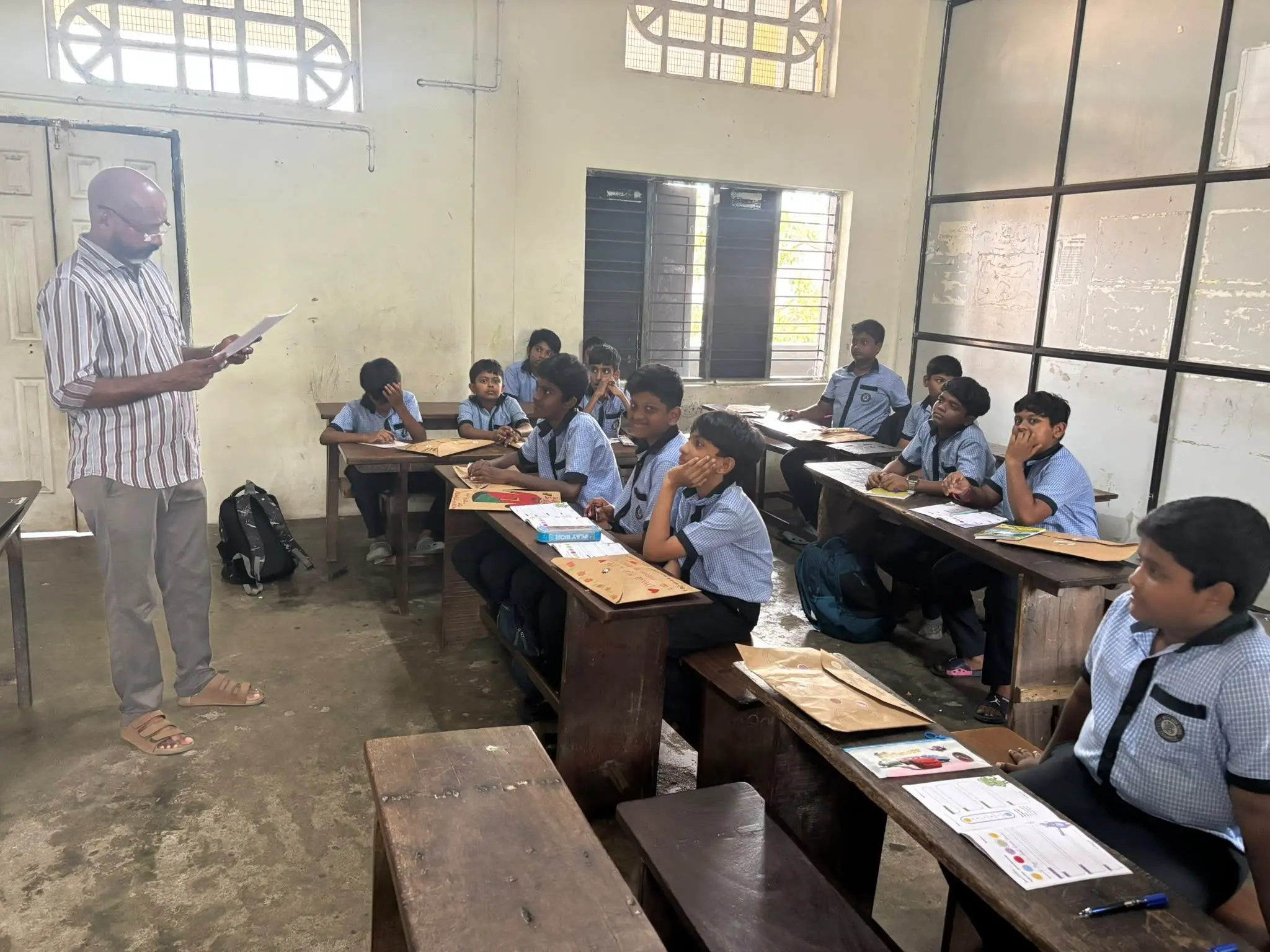
ഈ സെഷൻ പ്രധാനമായും സഹാനുഭൂതിയിലും ദയയിലുമാണ് ശ്രദ്ധ കേന്ദ്രീകരിച്ചത് — മറ്റൊരാൾക്ക് എന്ത് തോന്നുന്നുവെന്ന് മനസ്സിലാക്കുകയും നമ്മുടെ വാക്കുകളും പ്രവൃത്തികളും മറ്റുള്ളവരെ എങ്ങനെ ബാധിക്കുന്നുവെന്ന് ചിന്തിക്കുകയും ചെയ്യുക. ഫെസിലിറ്റേറ്റർമാർ എന്ന നിലയിൽ ഞങ്ങൾക്കും ഇതൊരു പഠന സെഷനായിരുന്നു. ജോർജ്ജ് ആദ്യമായാണ് ഒരു ലൈഫ്സ്കൂൾ ക്ലാസ് നയിക്കുന്നത്. അദ്ദേഹം മുൻകൂട്ടി നന്നായി തയ്യാറെടുത്തിരുന്നുവെങ്കിലും, ആദ്യത്തെ പരിഭ്രമം കാരണം പ്രിന്റ് ചെയ്ത ലെസൺ പ്ലാനിനെ (lesson plan) കൂടുതലായി ആശ്രയിക്കേണ്ടി വന്നു. മുറിയിൽ അല്പം ഊർജ്ജവും ഉന്മേഷവും കൊണ്ടുവരാൻ സഹായിച്ച ഒരു മൂവ്മെന്റ് എനർജൈസറോടെയാണ് (movement energiser) ഞങ്ങൾ ആരംഭിച്ചത്. തുടക്കത്തിൽ ചില ആൺകുട്ടികൾ നാണിച്ചു നിന്നുവെങ്കിലും, ഭൂരിഭാഗം പേരും ക്രമേണ ഇതിൽ പങ്കുചേർന്നു. അവിടെനിന്ന്, പരിചിതമായ സാഹചര്യങ്ങളിലൂടെയും സംഭാഷണങ്ങളിലൂടെയും ഞങ്ങൾ സഹാനുഭൂതിയെക്കുറിച്ച് ചർച്ച ചെയ്തു — മറ്റൊരു വ്യക്തിക്ക് എന്ത് തോന്നാം, പിന്തുണ നൽകുന്നത് എങ്ങനെയായിരിക്കാം, ചെറുതായ ദയാപ്രവൃത്തികൾക്ക് എങ്ങനെ വലിയ മാറ്റങ്ങൾ വരുത്താം എന്നിവ ഇതിൽ ഉൾപ്പെടുന്നു. തങ്ങളുടെ സ്വന്തം ഉദാഹരണങ്ങൾ പങ്കുവെക്കാൻ കുട്ടികൾക്ക് കഴിഞ്ഞു, കൂടാതെ പ്രധാന ആശയങ്ങൾ അവർ മനസ്സിലാക്കിയതായും തോന്നി. ഫെസിലിറ്റേഷനെക്കുറിച്ചാണ് (facilitation) ഞങ്ങൾ ഏറ്റവും വലിയ കാര്യം പഠിച്ചത്. ഒരു ലെസൺ പ്ലാൻ കൃത്യമായി പിന്തുടരുന്നത് ഒരു പുതിയ ഫെസിലിറ്റേറ്റർക്ക് ആത്മവിശ്വാസം നൽകുമെങ്കിലും, അത് ഐ കോൺടാക്റ്റ് (eye contact), പരസ്പര ഇടപെടലുകൾ, കുട്ടികളോടുള്ള പ്രതികരണം എന്നിവ കുറച്ചേക്കാം. ചില സമയങ്ങളിൽ കുട്ടികളുടെ ശ്രദ്ധ മാറിയെന്നും, അവരുടെ ഇടയിലെ സംഭാഷണങ്ങൾ വർദ്ധിച്ചതായും ശ്രദ്ധയിൽപ്പെട്ടു. വിദ്യാർത്ഥികളുമായുള്ള ബന്ധത്തിന് പകരമാവാനല്ല, മറിച്ച് ഫെസിലിറ്റേറ്ററെ സഹായിക്കാനാണ് ലെസൺ പ്ലാൻ ഉള്ളതെന്ന് ഇത് ഞങ്ങളെ ഓർമ്മിപ്പിച്ചു. ക്ലാസ്റൂം ദിനചര്യകളും മാറ്റങ്ങളും (classroom routines and transitions) പുനഃപരിശോധിക്കേണ്ടതിന്റെ ആവശ്യകതയും ഈ സെഷൻ ചൂണ്ടിക്കാണിച്ചു. ഒരു ആഫ്റ്റർ സ്കൂൾ ഗ്രൂപ്പിൽ (after-school group) സംസാരവും കുട്ടികളുടെ ഊർജ്ജസ്വലതയിലെ മാറ്റങ്ങളും സ്വാഭാവികമാണ്. അതിനാൽ കൃത്യമായ സൂചനകളും പ്രതീക്ഷകളും നൽകുന്നത് കുട്ടികളുടെ പങ്കാളിത്തത്തിന് കൂടുതൽ സമയം കണ്ടെത്താൻ ഞങ്ങളെ സഹായിക്കും. അവസാനം, വരാനിരിക്കുന്ന ടീം വെല്ലുവിളികളിൽ തങ്ങളോടൊപ്പം പ്രവർത്തിക്കാനായി ഓരോ വിദ്യാർത്ഥിയും ഒരു ലൈഫ്സ്കൂൾ കൂട്ടാളിയെ (LifSkool buddy) തിരഞ്ഞെടുത്തു. മുഴുവൻ കുട്ടികളുമായി താരതമ്യപ്പെടുത്തുമ്പോൾ ഹാജർ നില വീണ്ടും കുറവായിരുന്നു; 20 ആൺകുട്ടികളിൽ 12 പേർ മാത്രമാണ് പങ്കെടുത്തത്. ആഫ്റ്റർ സ്കൂൾ പ്രോഗ്രാമിൽ ഇത് തുടരുന്ന ഒരു വെല്ലുവിളിയാണ്. മൊത്തത്തിൽ, കുട്ടികൾ സഹാനുഭൂതി, ദയ എന്നീ ആശയങ്ങൾ മനസ്സിലാക്കി. അതോടൊപ്പം ഫെസിലിറ്റേഷൻ, കുട്ടികളുടെ പങ്കാളിത്തം, ക്ലാസ്റൂം താളം എന്നിവയെക്കുറിച്ച് ഉപയോഗപ്രദമായ ചില പാഠങ്ങൾ ഈ സെഷൻ ഞങ്ങൾക്കും നൽകി. Group: ലോക്കൽ ഗവൺമെന്റ് സ്കൂൾ | സ്റ്റാൻഡേർഡ് 5–7 | 12 ആൺകുട്ടികൾ Materials: ലൈഫ്സ്കിൽസ് വർക്ക്ബുക്കുകൾ, ലെസൺ പ്ലാൻ സാമഗ്രികൾ, സ്പീക്കർ/മ്യൂസിക് Space: ബെഞ്ചുകളും ഡെസ്കുകളുമുള്ള സാധാരണ ക്ലാസ്റൂം Timing: ഏകദേശം 45 മിനിറ്റ്