
Palluruthy
SDPY Boys High School
- 7 activities here
- 1 community club
- 90 participations here
Palluruthy
A classroom the school lends us, with its teachers helping to arrange the sessions.
What happened here
LifSkool: Taking Our Learning Forward
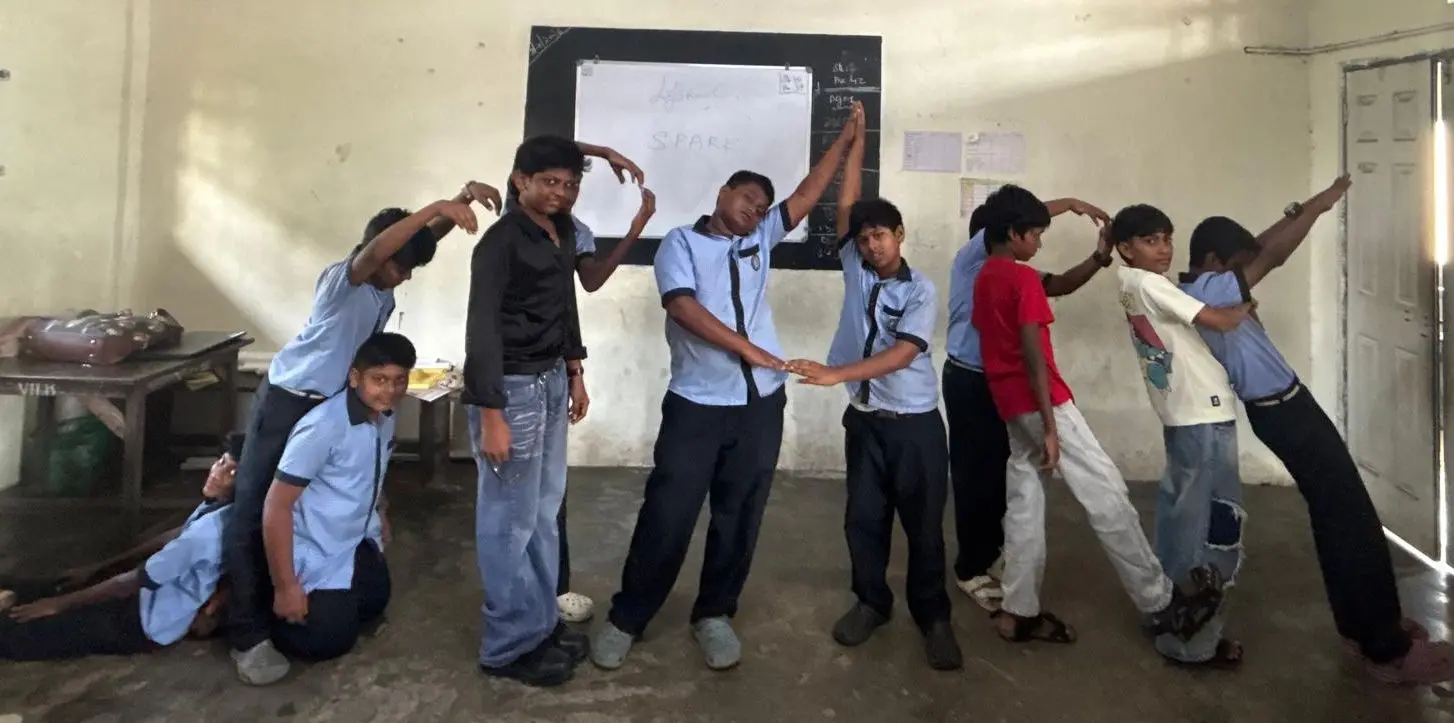
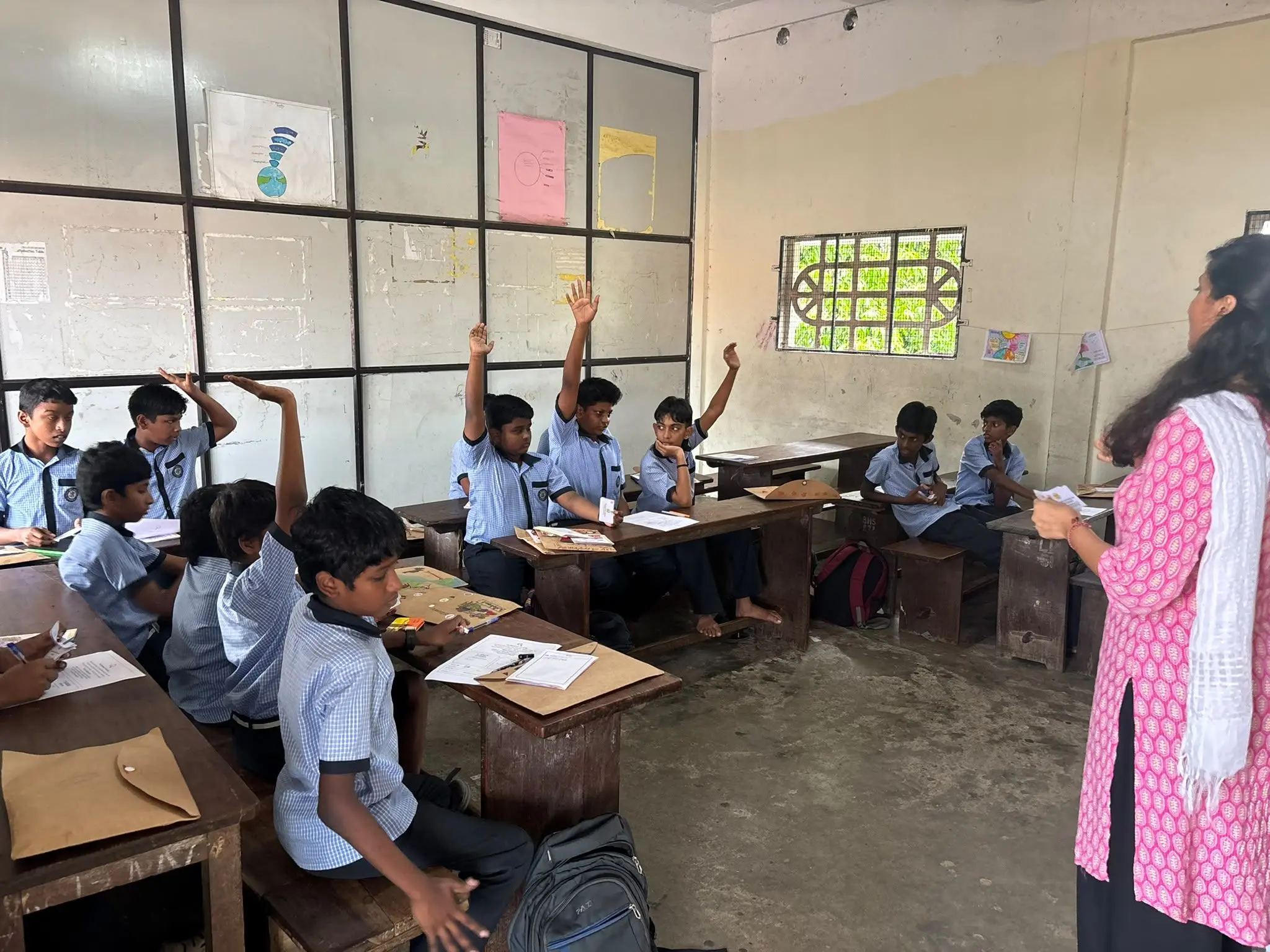
Students were ready to go with our familiar movement and mindful breathing routine and settled into the session quickly. Today was our last in-person LifSkool session before a break and it brought together the skills we had explored throughout the programme. Students revisited what they had learned, why the skills mattered and how they could use them in everyday life. It was encouraging to hear their reflections in their own words. We introduced the SPARK Challenge: noticing a small, real problem at school, at home or in the neighbourhood, and using their life skills together to try making a difference with a buddy. Students will receive weekly SPARK challenge envelopes in person to complete with their buddies. They will share updates through our WhatsApp group, where we will stay connected and support them. At their graduation day in January 2027, they will present their work and learning. To finish, students worked together to spell SPARK using their bodies. It was a playful, emotional close to this part of our journey, with more learning ahead.
LifSkool: Understanding Each Other
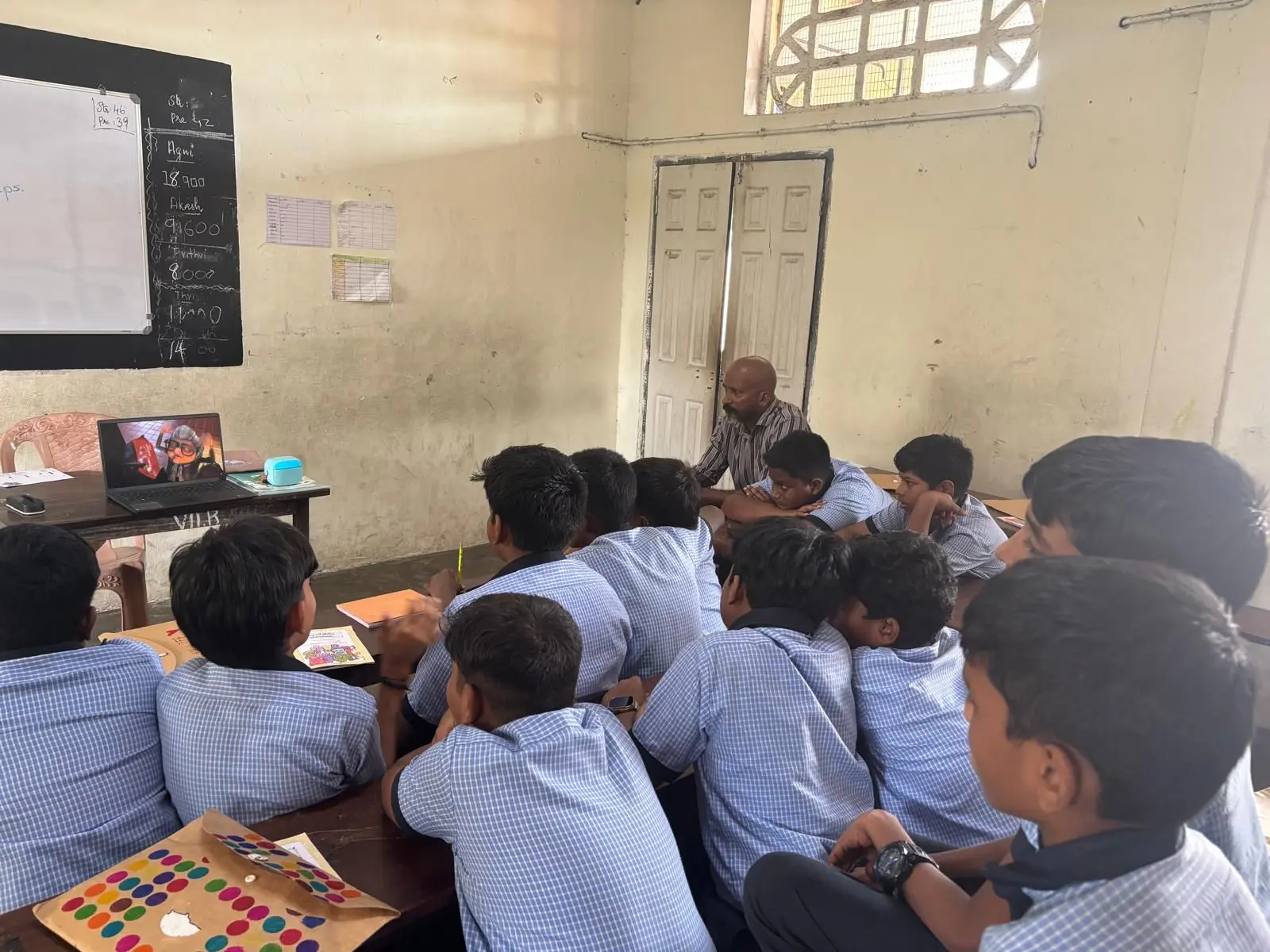
We began by revisiting The Egg Drop Challenge: why had some designs protected their eggs, and how had the teams worked together? This connected our previous session to interpersonal relationships - how we listen, share ideas and make decisions together. We explored the relationships in our lives and what strengthens or damages them. The idea of a “relation-ship” helped us talk about trust, listening and respect, and how to work through disagreements. This time, we changed the pace, watching two short films, Snack Attack and Purl, and coming together for circle discussions. We explored misunderstandings, being left out and the pressure to change ourselves to fit in, connecting the stories to everyday school situations. Students practised asking directly before making assumptions and inviting someone to join their group. We closed with a reflection on being themselves and responding to peer pressure, bringing the discussion back to everyday choices in their relationships.
LifSkool: The Egg Drop Challenge
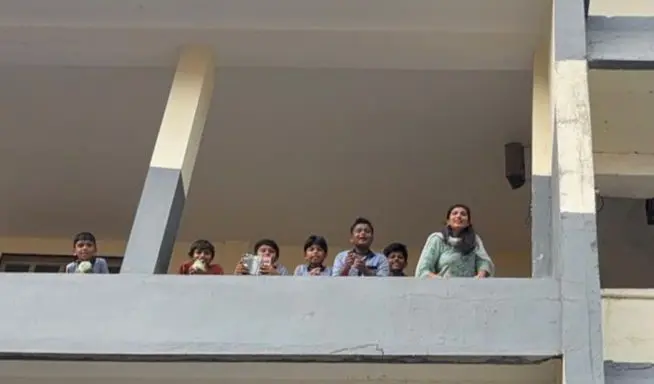
Students returned with creations they had continued at home after “LifSkool: What Else?”—photo frames, a little fan, a house, a puzzle and chopsticks. It was lovely to see their ideas develop beyond the session. We began with our routine movement break and mindful breathing, giving students time to shake off the school day and settle. Then six teams took on The Egg Drop Challenge: protect your egg from a fall. We chose the task to bring problem-solving, effective communication, decision-making and creative thinking together through discussing ideas, choosing a design and testing it. Students combined recycled materials from home with supplies from our inventory to create their egg carrier. We planned a second-floor drop, but their confidence went one floor higher and they asked to test from the third! One student from each team stayed with a facilitator to drop their design, while the others went downstairs to watch and check whether their egg survived. Much to their amazement, two of the six eggs appeared to remain intact. With little time left after returning to class, we planned to revisit why some designs worked and how the teams worked together in the next session.
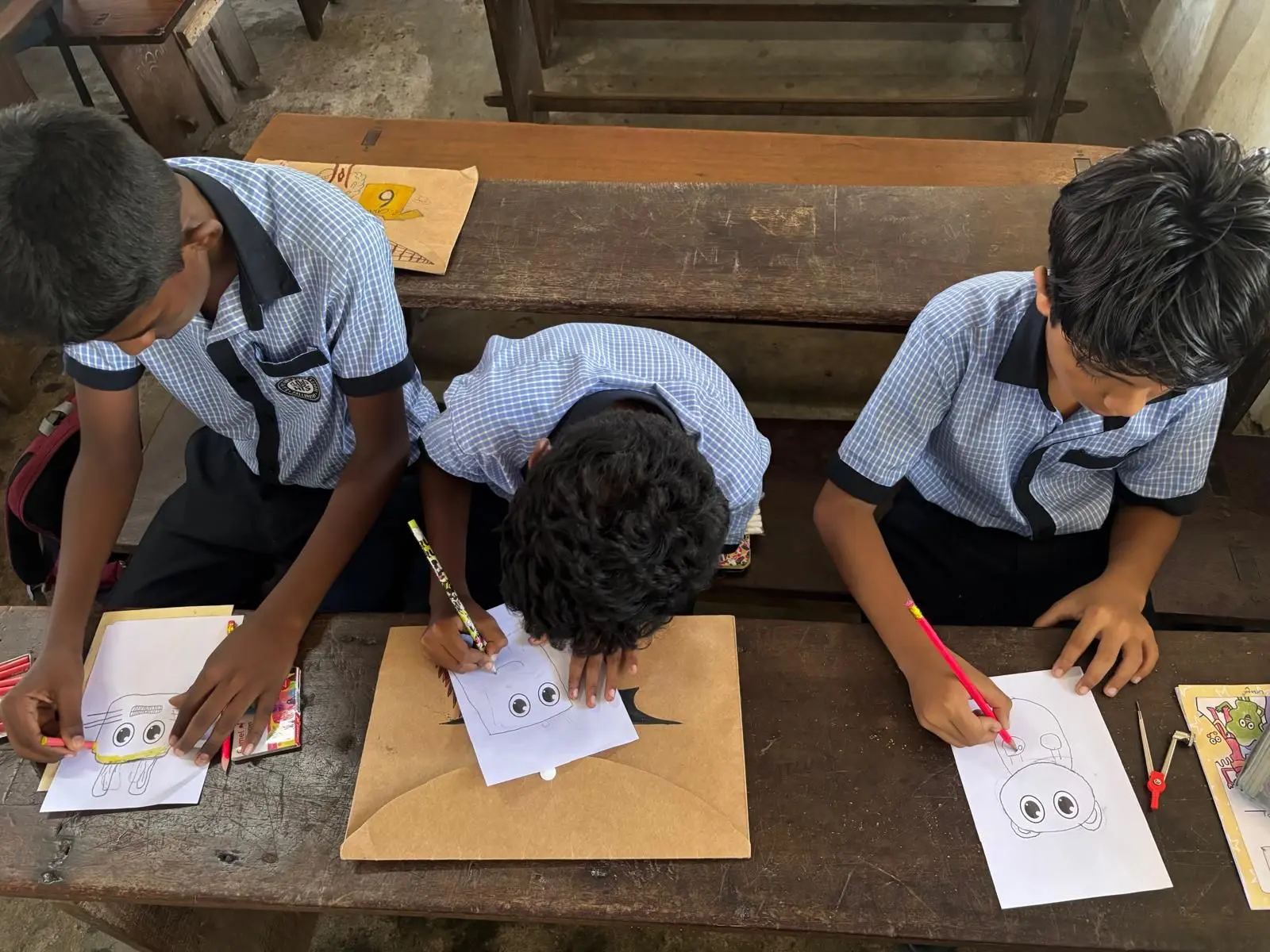
Today's LifSkool session explored creative thinking. We revisited last week's question, "How do you know?", and tried a new one: "What else?" The boys turned the same pairs of eyes into completely different drawings. In pairs, they then found new uses for everyday objects and combined two objects into a new invention. Finally, each pair got the same ice cream sticks and joiners and was free to build anything. Every creation went in a different direction, showing how one starting point can lead to many possibilities. In discussion, the students shared what helped when an idea ran out: keep thinking, listen to a partner, combine ideas and try something unusual. As they worked through the challenges, they began to see how “What else could I try?” might help them find another way through everyday problems. Some creations were still in progress, so they took them home to continue.
LifSkool: Think Like a Detective
Our hour began by looking back at the previous LifSkool sessions and asking the boys what they remembered. They were able to recall the activities and connect them to skills they had already been practising, including communication, problem-solving and decision-making. Today’s LifSkool session focused on critical thinking. We invited the boys to think like detectives, using short thinking challenges and a collaborative investigation. Rather than explaining the skill first, they were encouraged to ask questions, examine information and work out what they thought had happened. What worked particularly well was the balance between pace and reflection. Having the activities and materials prepared in advance meant we could move quickly from one challenge to the next without losing momentum. But we also paused briefly between activities to ask the boys how they reached an answer, what they were assuming, or what made them change their mind. The boys responded strongly to this format. They were curious, eager to talk and ask questions, and every child contributed. The detective-style investigation gave them something concrete to think through together rather than simply listening to an explanation about critical thinking. Only afterwards did we name the skill and connect it to a simple idea: ask questions and check what you know before deciding what you think. Our main learning was that a fast-moving session does not have to mean rushing the learning. Good preparation helped us keep the energy up, while short reflection moments gave the boys space to notice how they were thinking. In future, we would like to build on this with slightly more challenging investigation-style activities. Group: Local Government School | Std 5–7 boys | 15 boys Materials: Simple thinking challenges, investigation materials, whiteboard and LifSkills workbooks. Space: Regular classroom with tables and benches Timing: Around 45 minutes
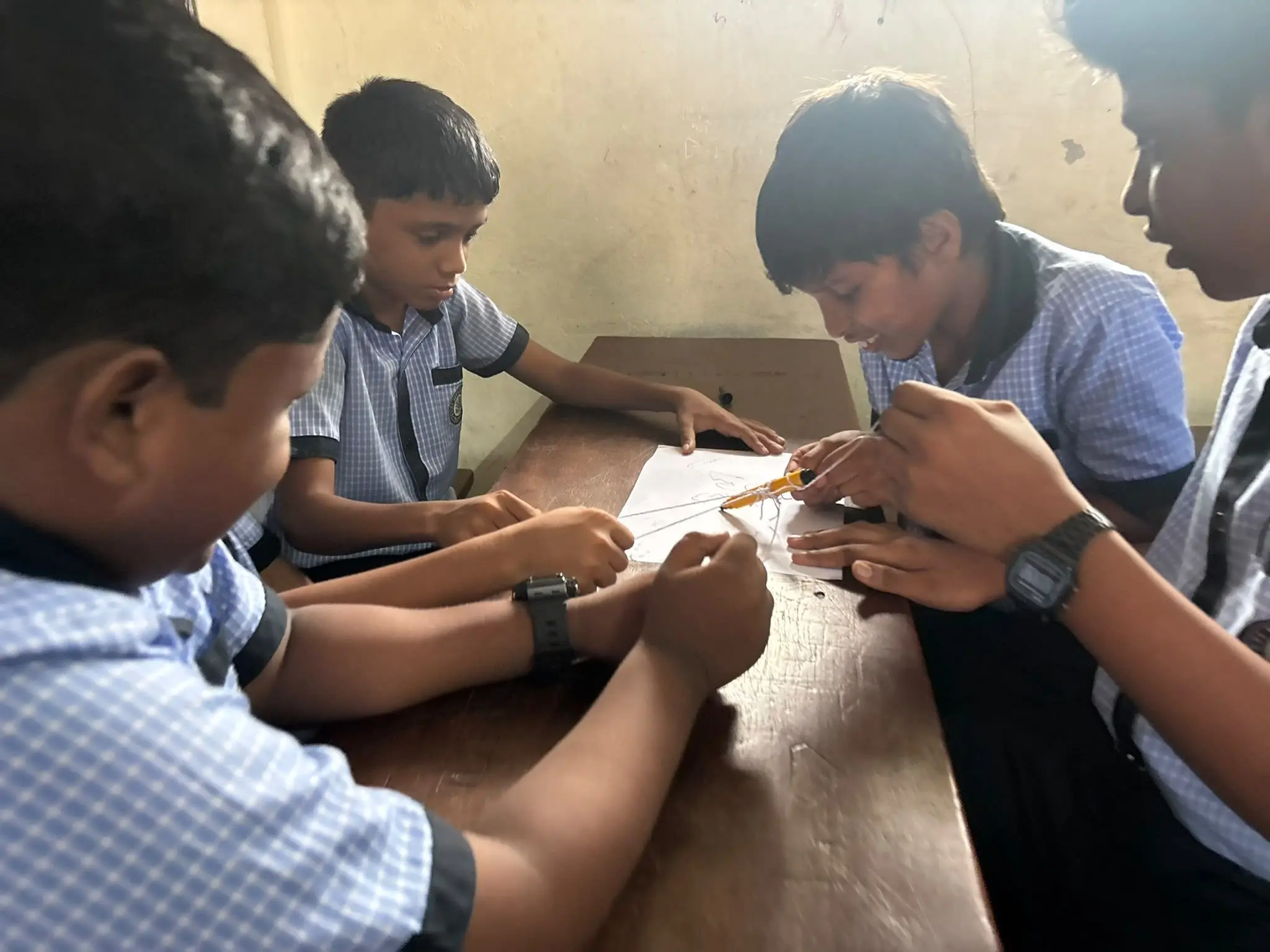
Today we changed the pace of LifSkool with a Team Challenge Day. The boys worked in pairs and small groups through a series of short challenges involving memory, coordination, problem-solving and communication. From the start, the boys were curious and eager to take part. They had to listen to one another, make quick plans, try different ideas and change their approach when something did not work. In earlier sessions, we had noticed that transitions and side conversations could quickly eat into the limited time we had. So today, we introduced a simple attention routine to support smoother transitions between activities. It worked well. The boys responded quickly, and the transitions between challenges felt much smoother. One of the strongest parts of the session was seeing how naturally the life skills appeared through the games. The boys were not only talking about communication, problem-solving and decision-making — they were having to use them in real time. This session also brought together several things we had been learning over the previous weeks. We had already seen that too much explanation could reduce participation, especially when the ideas themselves were quite abstract. Today, we deliberately flipped that around: less explaining, clearer routines, more doing, and more space for the boys to work things out themselves. Timing also worked well, and we were able to complete all the planned challenges within the session. Our main takeaway was simple: when children experience a skill first, it can be much easier to talk about the learning afterwards. A lively session, lots of curiosity, and a good reminder that the programme itself should keep adapting to what we learn in the room. Group: Local Government School | Std 5–7 | 14 boys Materials: Simple team-challenge materials, paper, markers and LifSkills workbooks Space: Regular classroom with tables and benches Timing: Around 45 minutes
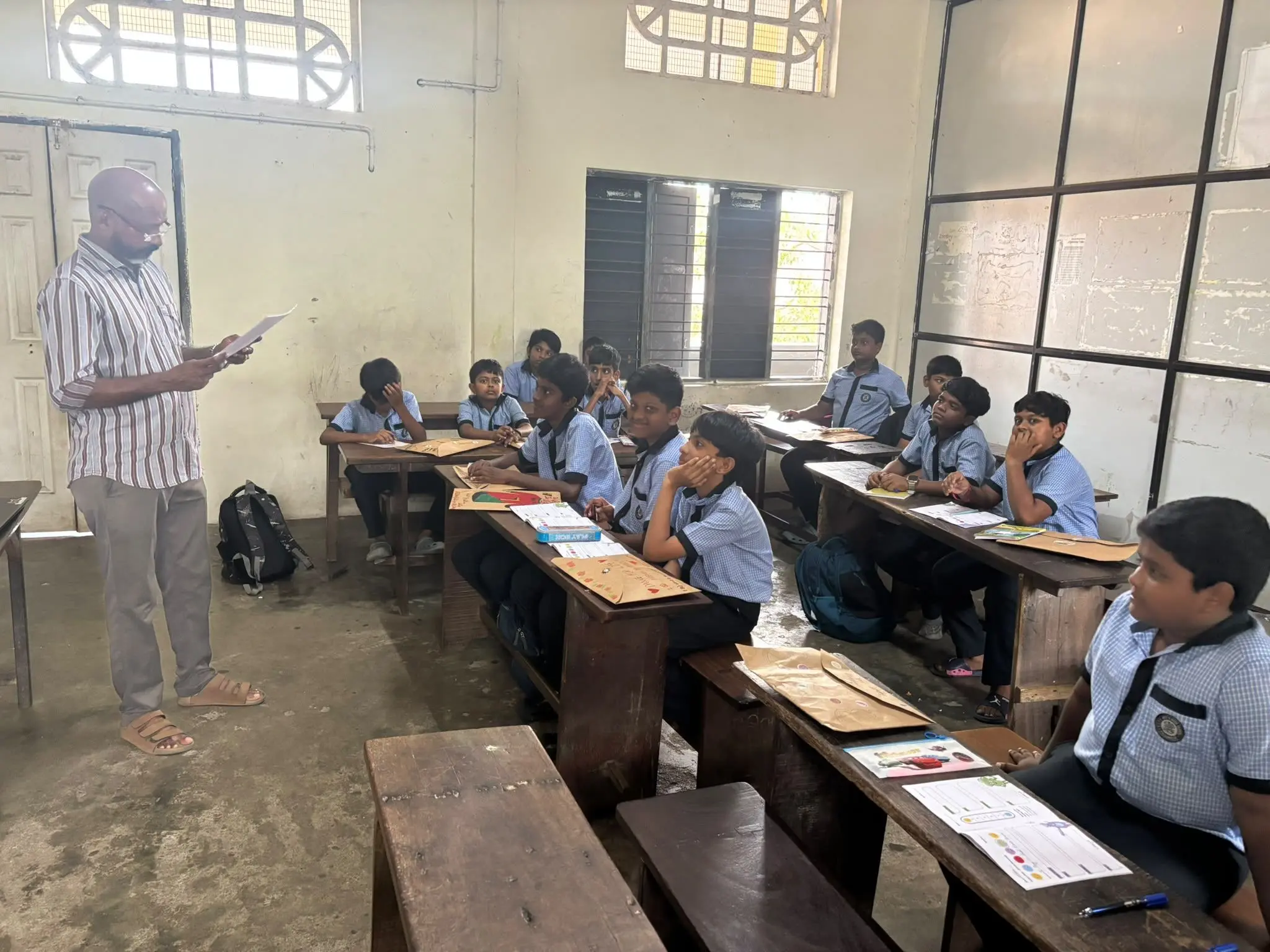
This session focused on empathy and kindness — understanding how someone else might be feeling and thinking about how our words and actions affect others. It was also a learning session for us as facilitators. This was George’s first time leading a LifSkool class. He had prepared carefully beforehand, but nerves meant he relied quite closely on the printed lesson plan. We began with a movement energiser, which helped bring some energy into the room. A few boys were shy at first, but most gradually joined in. From there, we explored empathy through familiar situations and conversations about how another person might feel, what support could look like, and how small acts of kindness can make a difference. The boys were able to contribute examples and seemed to understand the core ideas. The biggest learning for us was around facilitation. Following a script closely can help a new facilitator feel prepared, but it can also reduce eye contact, interaction and responsiveness in the room. Attention drifted at times, and side conversations became more noticeable. It reminded us that the lesson plan is there to support the facilitator, not replace the connection with the students. The session also highlighted the need to revisit classroom routines and transitions. With an after-school group, chatter and changing energy levels are part of the reality, so clearer signals and expectations should help us protect more time for participation. At the end, each student chose a LifSkool buddy, who they will work with during upcoming team challenges. Attendance was again lower than the full cohort, with 12 of 20 boys attending, which remains an ongoing challenge for the after-school programme. Overall, the boys understood the ideas of empathy and kindness, while the session gave us useful learning about facilitation, engagement and classroom rhythm too. Group: Local Government School | Std 5–7 | 12 boys Materials: LifSkills workbooks, lesson-plan materials, speaker/music Space: Regular classroom with tables and benches Timing: Around 45 minutes