- What went in
- Eggs, recycled cardboard boxes, plastic bottles and plastic bags brought by students. We supplied rubber bands, cotton, tape, old sponges, ice-cream sticks and straws.
- Time
- 1 hour
- Cost
- ₹350
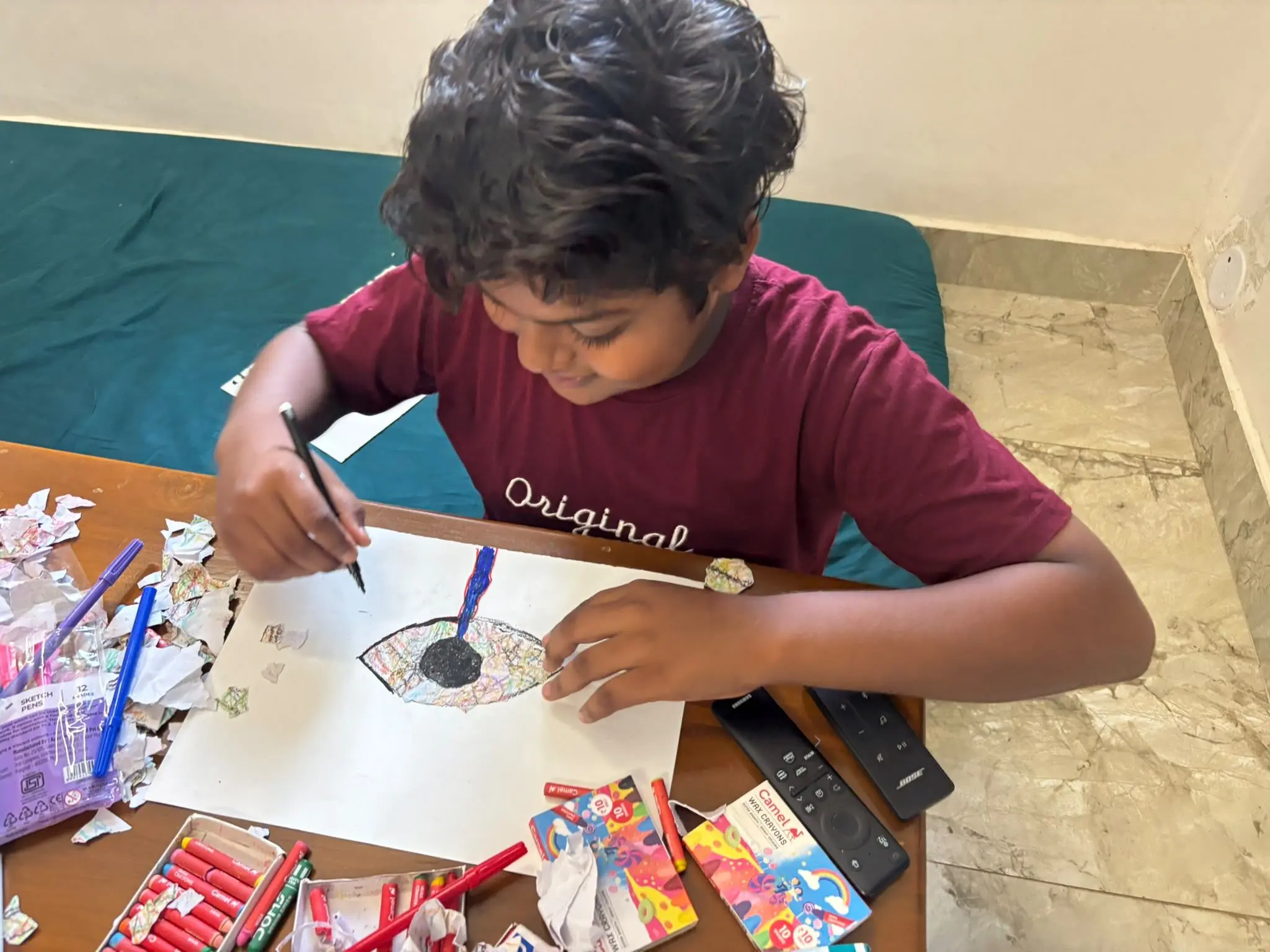
Students returned with creations they had continued at home after "LifSkool: What Else?" — photo frames, a little fan, a house, a puzzle and chopsticks. It was lovely to see their ideas develop beyond the session.
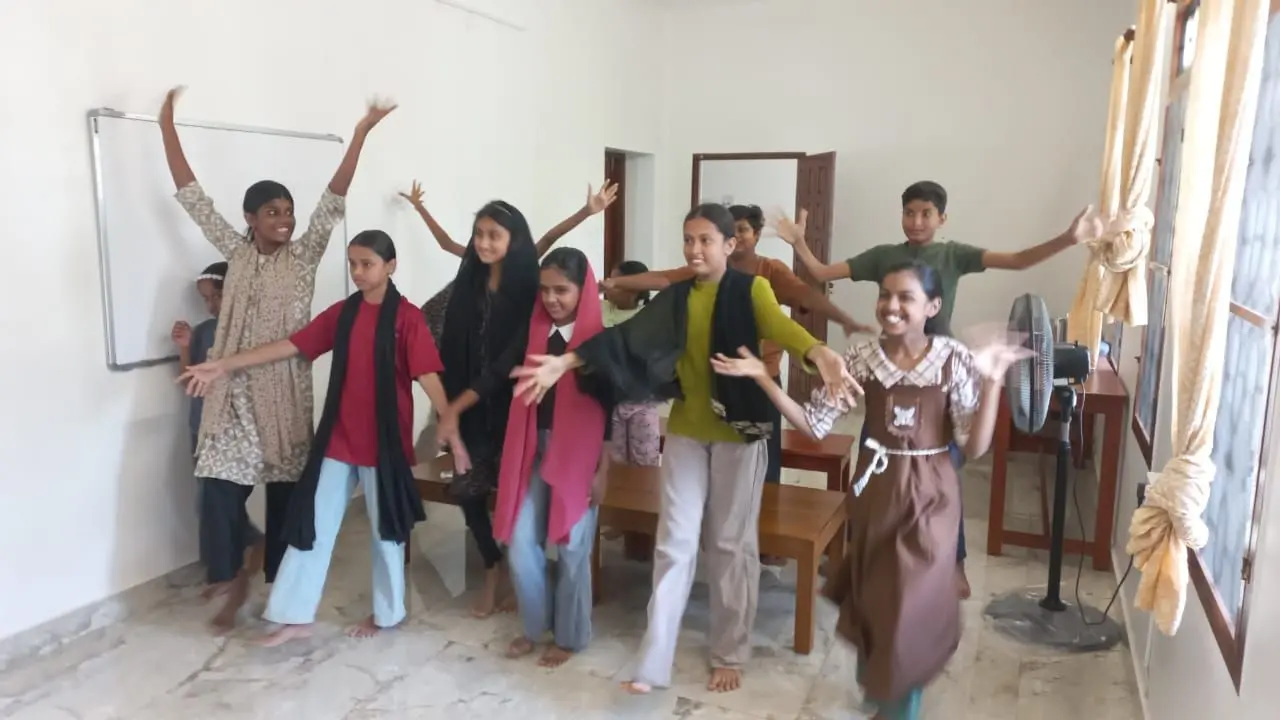
We began with our routine movement break and mindful breathing, giving students time to shake off the school day and settle.
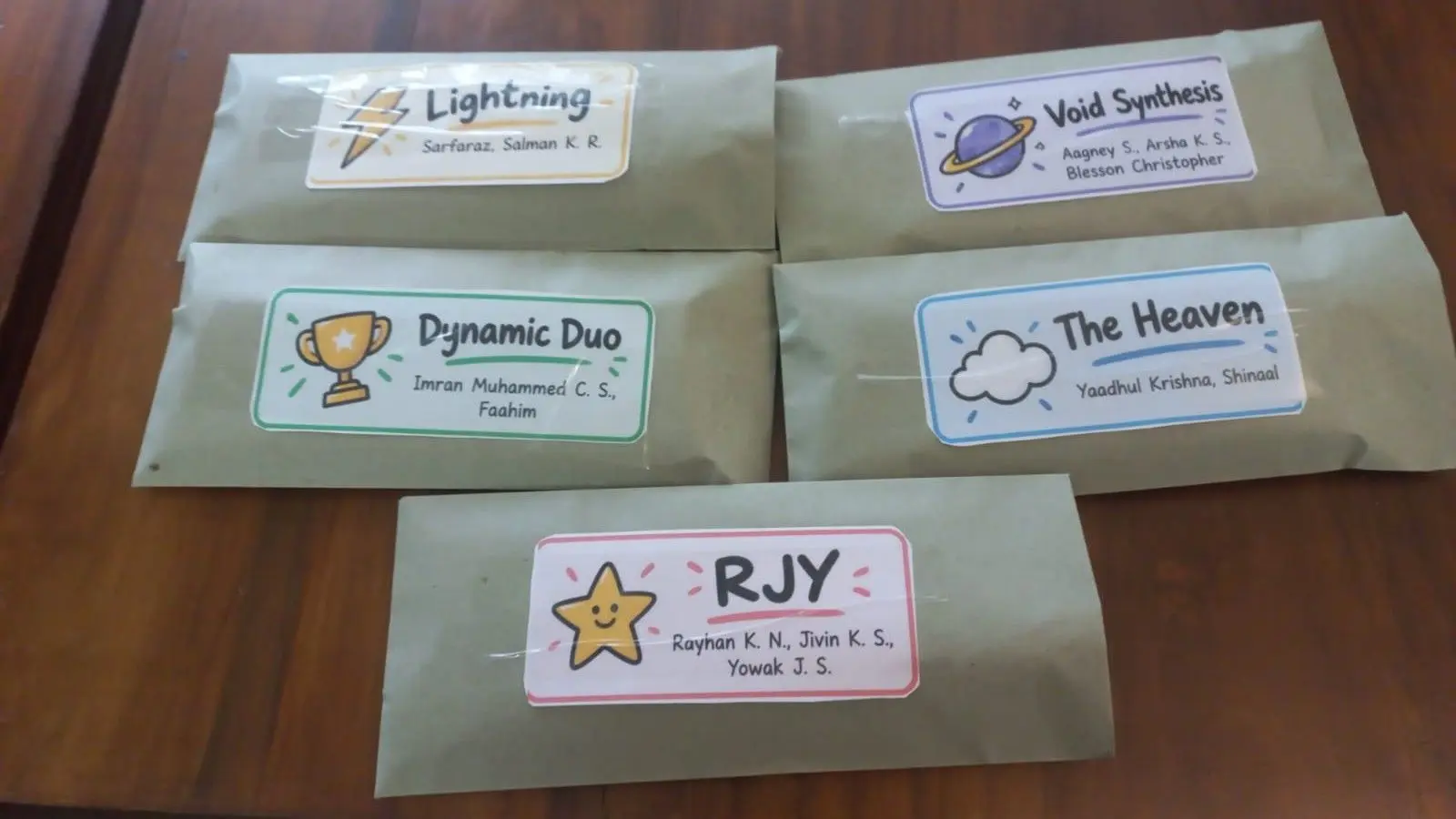
The class split into six teams for the Egg Drop Challenge. Each team tried to protect an egg from a fall. We chose the task to bring problem-solving, effective communication, decision-making and creative thinking together through discussing ideas, choosing a design and testing it.
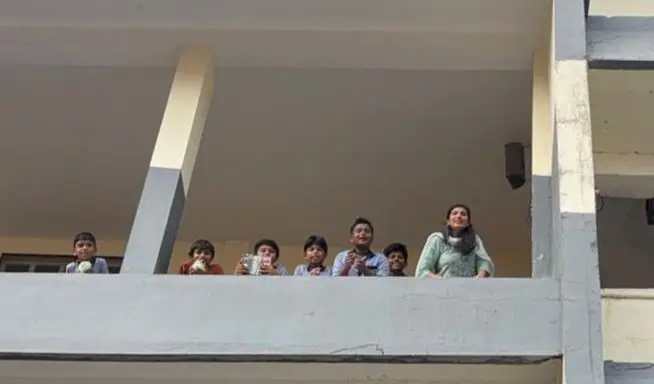
Students combined recycled materials from home with supplies from our inventory to create their egg carrier. We planned a second-floor drop, but their confidence went one floor higher and they asked to test from the third floor.
From each team, a student stayed with a facilitator to drop their design. The others went downstairs to watch and check how their egg fared. Much to their amazement, two of the six eggs appeared to remain intact.
We had little time left after returning to class. We planned to revisit why some designs worked and how the teams worked together in the next session.
- 6 Egg-protection designs built and tested
Students used recycled materials to create and test six egg-protection designs. Two eggs appeared to survive intact, giving them results to compare in the next session. The varied ice-cream-stick creations they brought back also showed that they had continued developing ideas at home.
(We observed it)
Although teams had time to plan, their discussions did not become visible plans before building. Next time, we will ask each team to sketch an idea, agree on five materials and explain their choices before starting. We will also allow more time for moving between floors and reflecting on the designs and teamwork after testing.
Run this activity yourself. You are free to copy, change and share this write-up, as long as you credit aikyam space. Photos are not included. (Creative Commons licence CC BY 4.0)