
Activities
November 2026
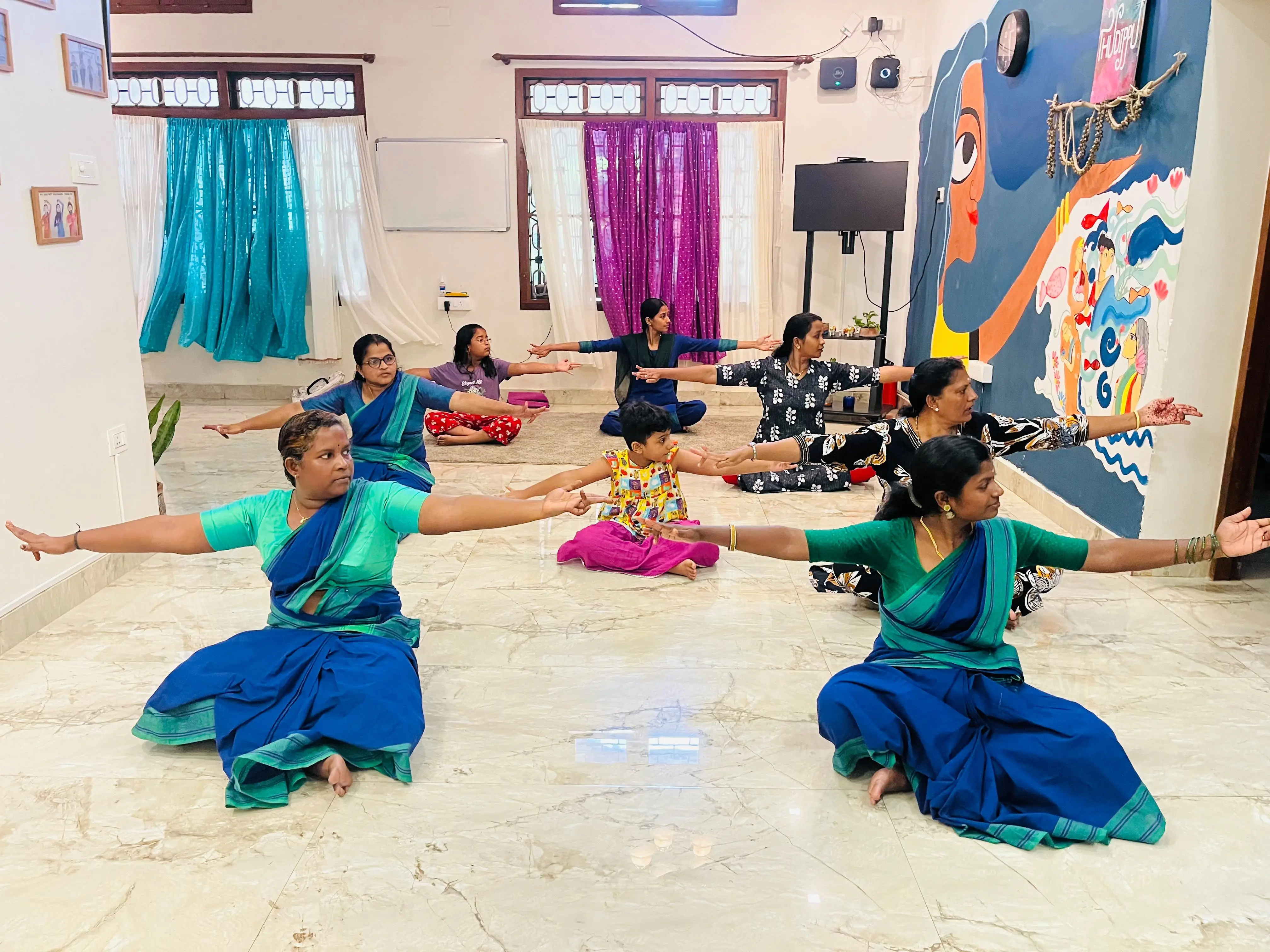
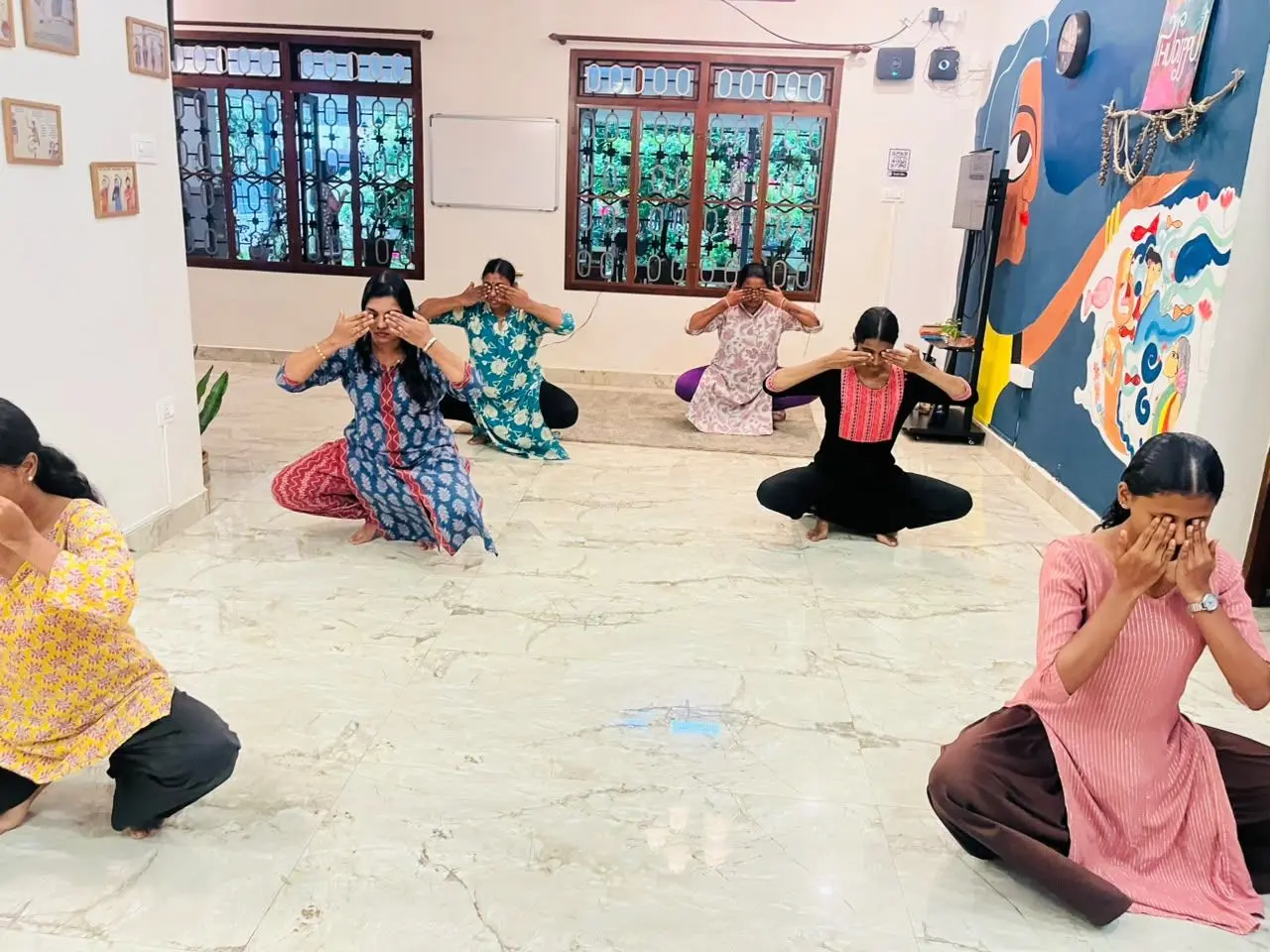
Introducing Eye, Neck and Eyebrow Exercises
On Sunday, as most students in the adults’ batch were absent, we used the session to introduce new sadhakas (exercises) for the eyes, neck and eyebrows. The students who attended were eager and enthusiastic to learn. Some movements felt difficult at first, but they kept trying. In Bharatanatyam, eye and neck movements are an important part of expression and dance technique. Practising these exercises helps students build familiarity and control, supporting clearer and more confident movement in dance.
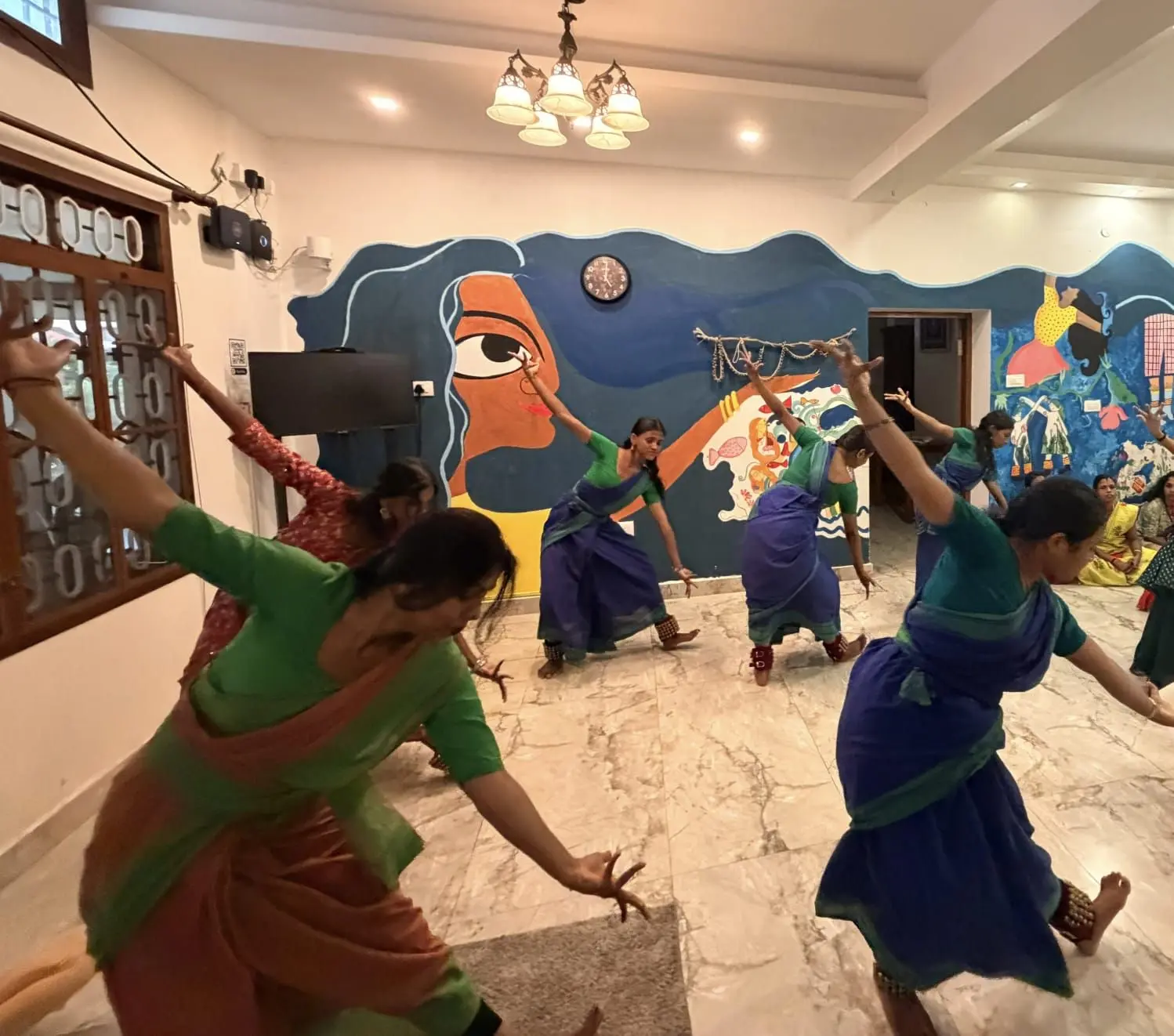
Practising Basic Adavus and Exploring Paraval Adavu
In the second batch, students practised the basic Adavus and went through the detailed notes for the second Paraval Adavu. Building on the Adavus they had learned earlier, they explored a more advanced movement sequence. This practice helped students pay closer attention to body coordination and the coordination of hand and leg movements. As they worked through the steps, they developed greater awareness of how their bodies move.
October 2026
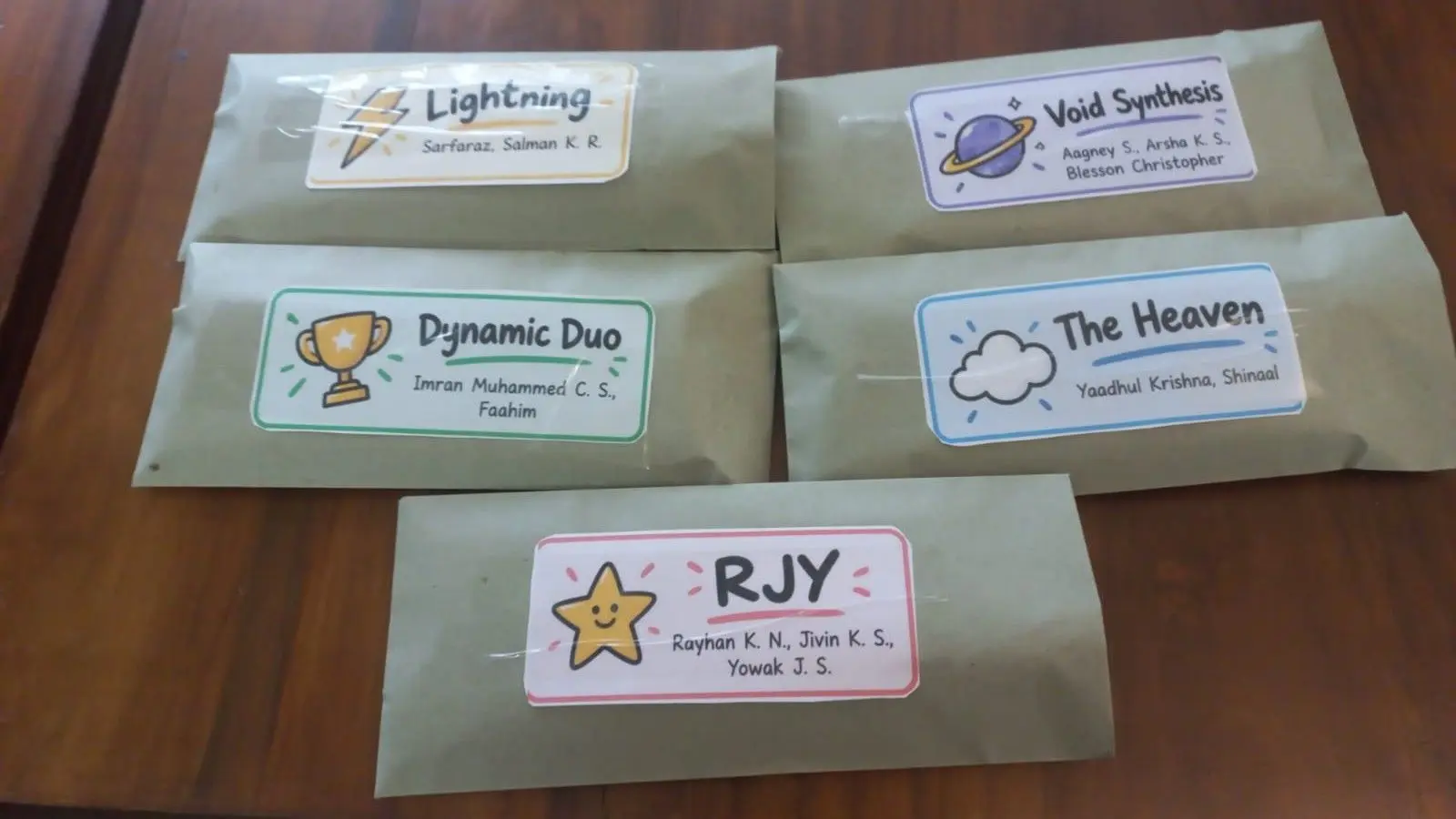
LifSkool: the SPARK Challenge begins
At SDPY Boys High School, students spent five weeks exploring life skills through games and discussions, and through hands-on challenges. They practised recognising and managing emotions, and they practised thinking creatively. They also practised solving problems and communicating, and they worked with others. What happens when there is no facilitator guiding the activity? Can students recognise when to use these skills and put them into practice themselves? This is what we wanted to explore next. During our final LifSkool session, we introduced the SPARK Challenge. The SPARK Challenge is a series of weekly team missions that help students apply what they have learned to everyday situations. The students formed five teams and chose their own names. We also created a WhatsApp group with parents to share the weekly challenges and stay connected with the students. This week, we began with Mission 1, Spot it. Each team received an envelope containing an illustrated instruction sheet and a worksheet. We also shared a Malayalam voice note to explain the mission. The students have one week to look around their school, home or community and notice small problems. We encourage each student to identify at least one problem independently before sharing their observations with their teammates. Together, they will discuss up to three problems. Then they will choose one they would like to explore further and explain why they selected it. They can write or draw their responses in Malayalam or English. Each team submits one completed worksheet at the end of the week. We have deliberately asked them not to find solutions yet. They start by observing and listening to different ideas. They then make a decision together. Over the coming weeks, the missions will build on one another. They give students opportunities to practise the skills they learned during LifSkool without us directing each step. The SPARK Challenge gives students their first opportunity to apply their life skills through an independently managed team activity.
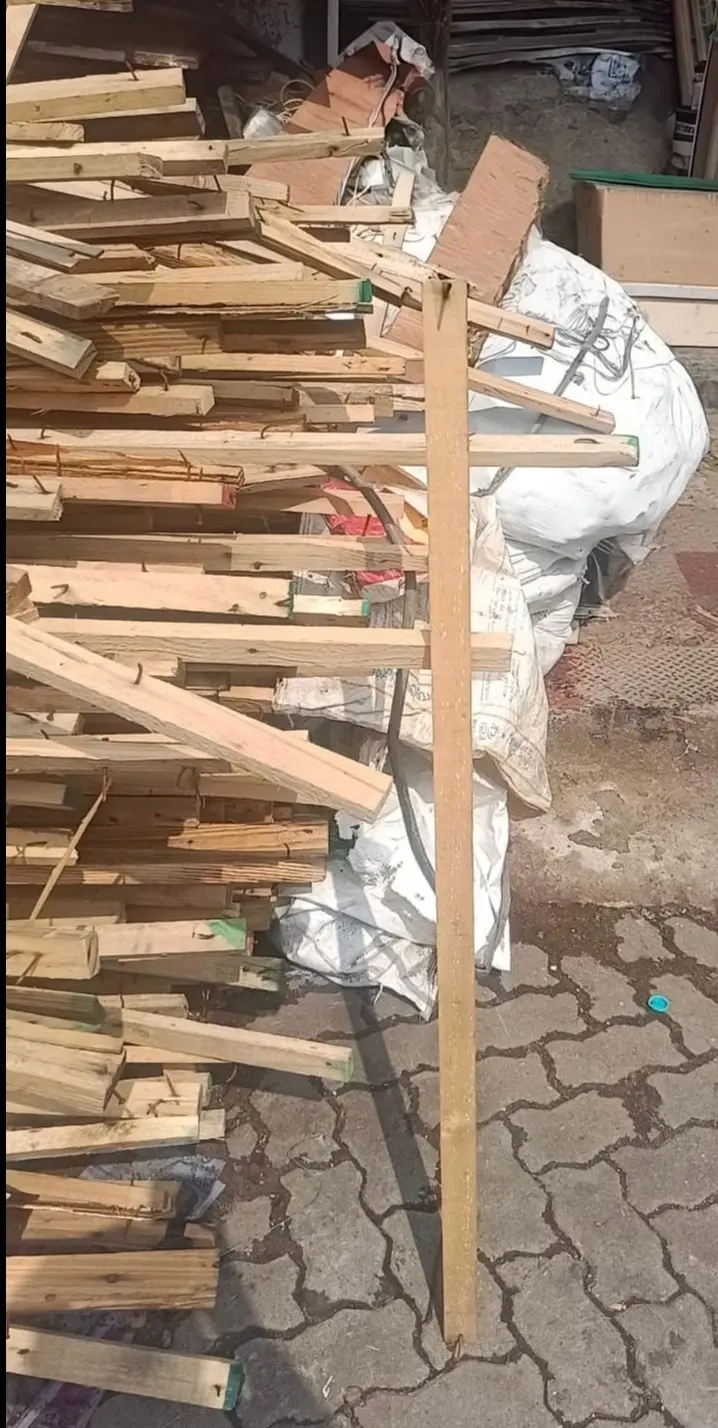
Reclaimed wood delivered for first batch of Preamble frames
Reclaimed wood delivered We delivered reclaimed wood to our carpenter, Mr. Jacob, for the first production batch of Preamble frames. Acrylic sheets We have ordered recyclable acrylic sheets. Cutting them to size will take two more days. We expect the recyclable foam backing sheets to arrive with them.
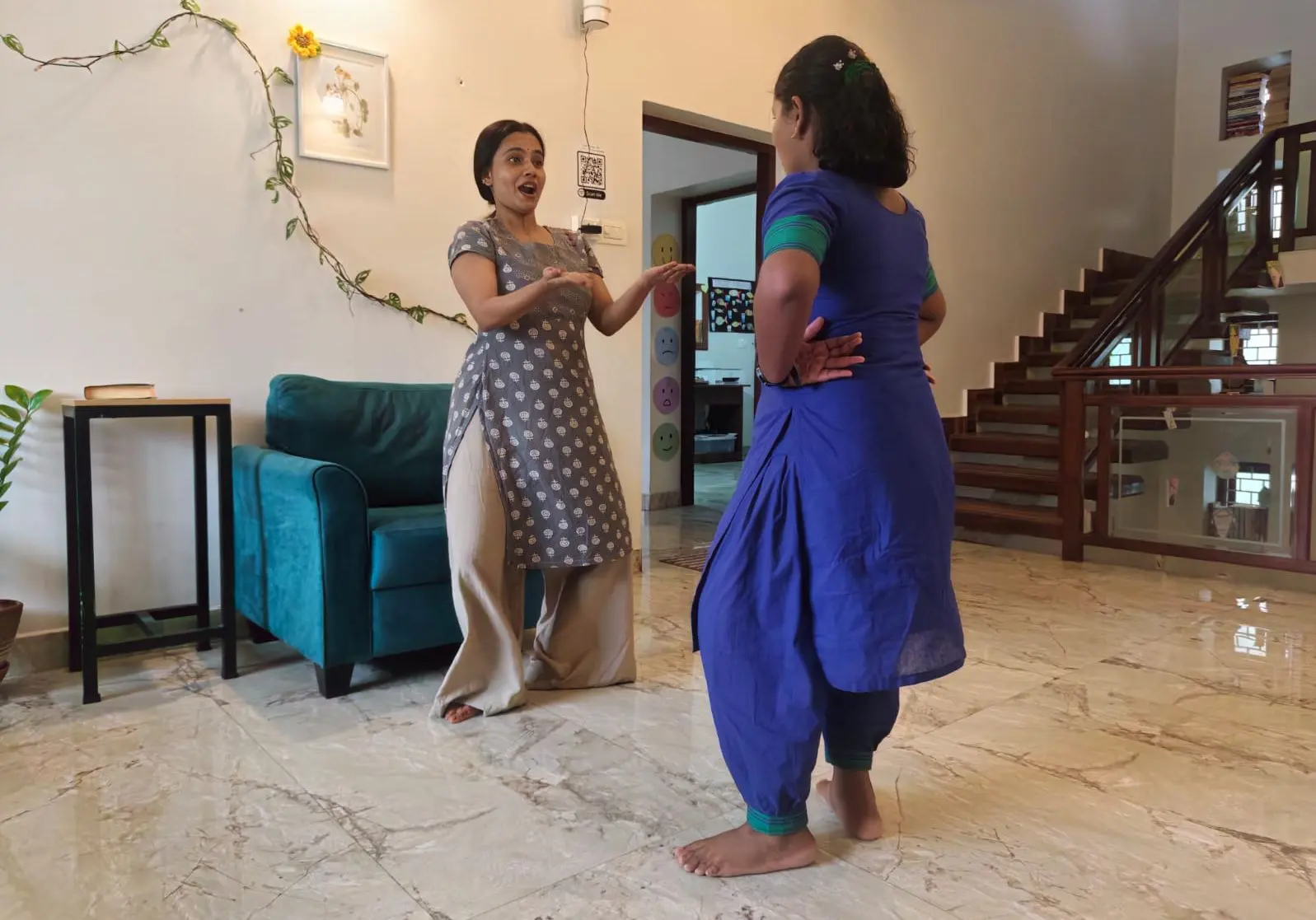
Creating hand gestures to make dance learning accessible
Only one student attended today's class for children with hearing difficulties. The other students were unwell. I gave her individual attention and revised Nattadavu 1, 2 and 3 from the previous class. Today, I began creating my own hand gestures for dance terms and positions. These include aramandi (half-sitting), samam (standing) and muzhu mandi (full-sitting). We did not use these gestures in class before. I developed and introduced them to make dance instructions more accessible for my students. Instead of relying on spoken reminders, I showed the student each gesture and explained the position it represented. She understood the gestures and responded by moving into the corresponding positions. For the last 15 minutes, she joined the other children's batch to practise the Adavus. I stood near her and gave visual cues as she tried to follow along and dance with the group.
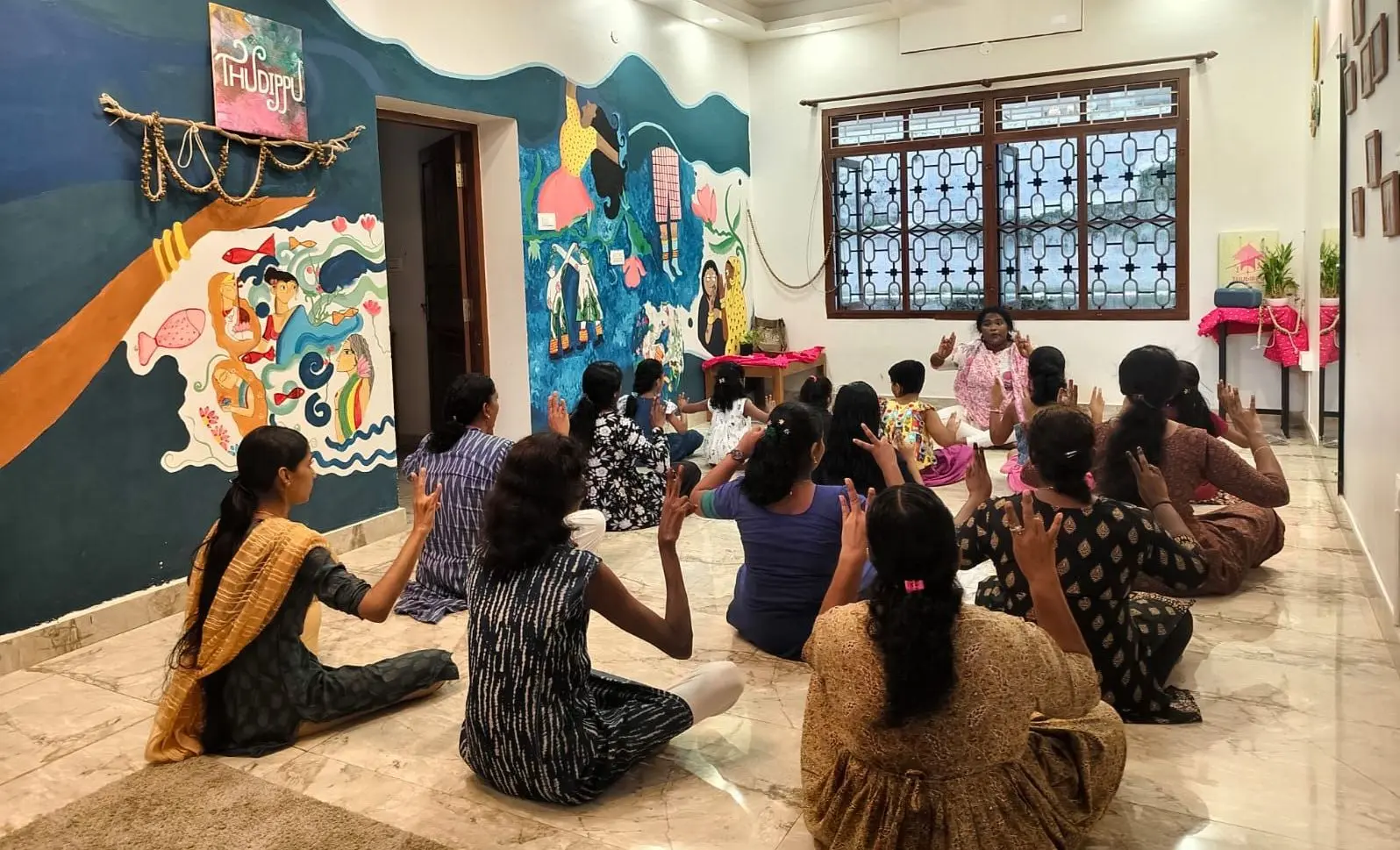
Learning together across generations
Today, the children's batch and the women's batch came together for class. Some of the children's mothers are part of the women's batch. This was a special chance for families to share the dance space. We combined the children's and women's batches for a shared class. We guided the group through activities everyone could take part in. We guided students of different ages through Mudra practice. We practised Thalam together. Together, the students practised Mudras and Thalam. Learning side by side gave children and adults a chance to share the experience, observe one another and connect through dance.
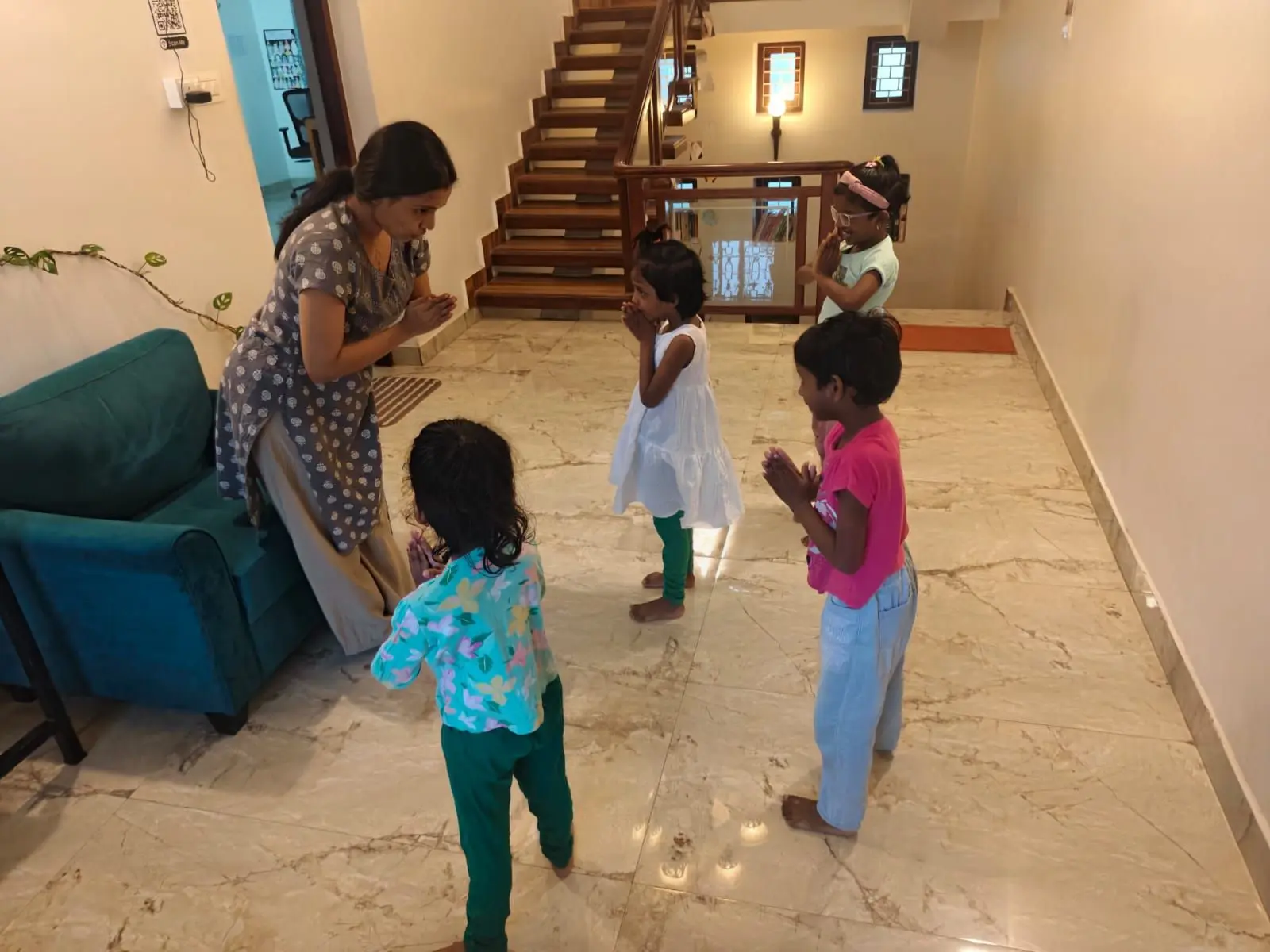
Welcoming a new batch of young learners from Ashwasa Bhavan, Fort Kochi
Today we began a new batch for four children from Ashwasa Bhavan, Fort Kochi. Their sister brought them to class. At four years old, the children were full of excitement and curiosity about the space and their teacher. It took patience and energy to help them settle, as they were eager to talk and explore. We introduced namaskaram as their first dance practice. With stories and encouragement, the children joined in. Since their attention spans are still developing, we kept the session varied. We taught one step at a time and talked together. The children also explored hand gestures that represented a bird, a flower and a river. In the final minutes, the children used paints and paper to draw.
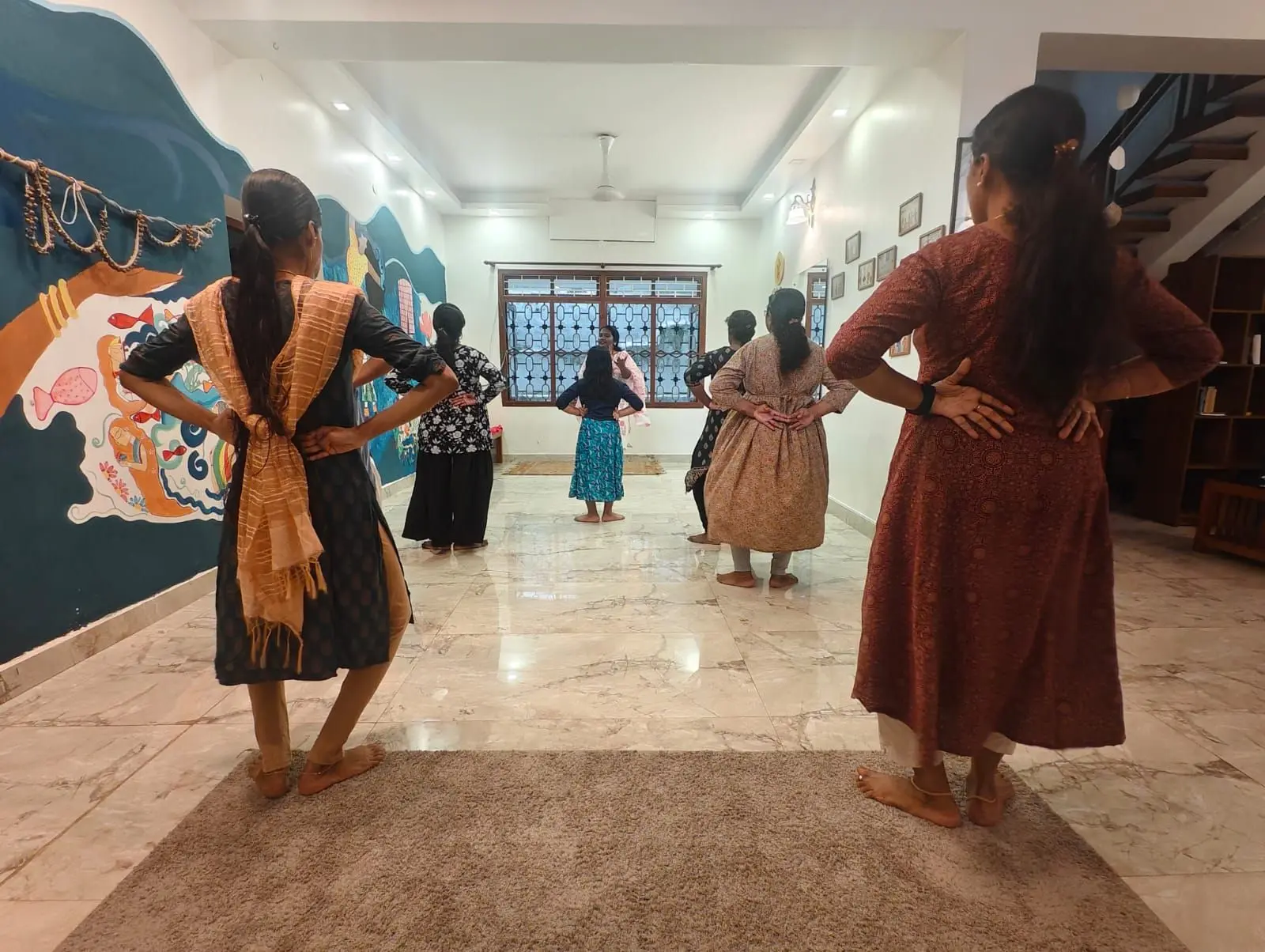
Building stamina through continuous Nattadavu practice
Our women's batch, aged 30+, focused on building stamina in today's class. They practised all the Nattadavus without stopping. They did this at all three speeds. We encouraged them to maintain movement and rhythm through the sequence. The students felt tired, but they kept going. They completed the practice without giving up.
Beginning performance preparation for the seniors' batch
We introduced a dance item to the seniors' batch in preparation for their performances in February. Preparing students for a performance takes time, practice and continued learning, so we are starting early. Regular rehearsal will help the students become familiar with the item and work towards performing it with confidence and accuracy.
A quiet Saturday of drawing and making
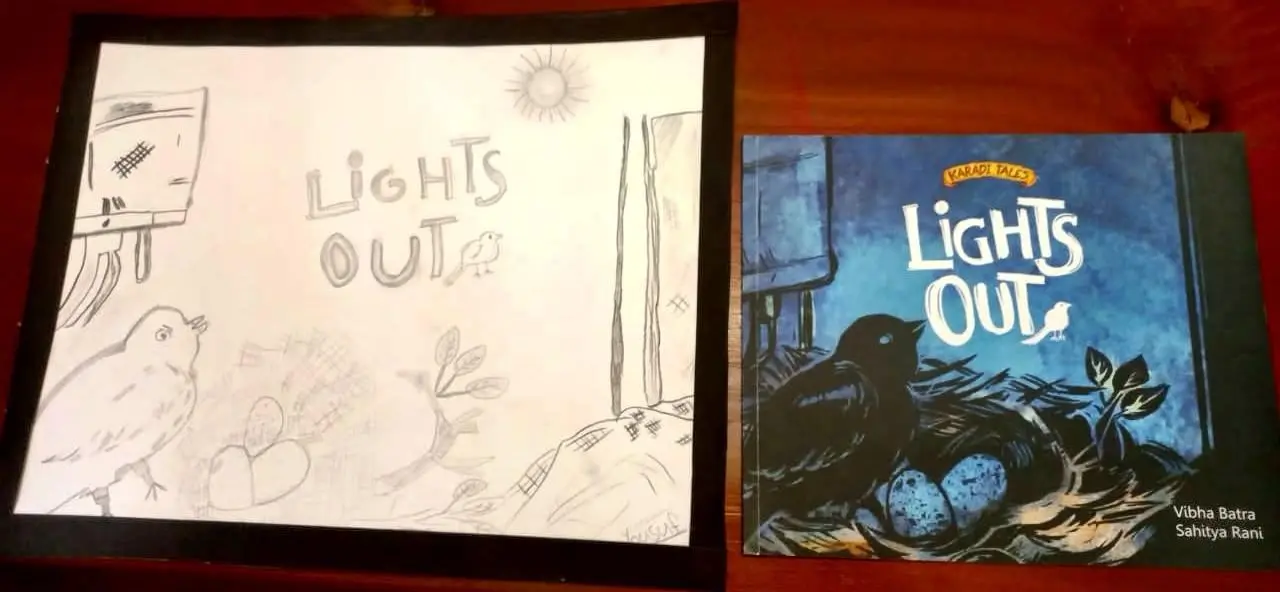
We had prepared a full afternoon. The children would begin with a word activity. Then they would choose books and read together in pairs. After that they would work in teams to invent something that could solve a problem they had noticed at home or around Kochi. This Saturday, just one child arrived. We waited until 2:30 p.m. in case others were coming late. When no one else came, we asked whether he was happy to stay and what he would like to do. He chose drawing. As he had missed the previous session, the word activity was unfamiliar to him. Instead, he tried the Circles Challenge. He turned the empty circles into faces, planets, balls and other pictures. Afterwards, he picked up "Lights Out" written by Vibha Batra and illustrated by Sahitya Rani. He asked whether he could draw his own version of the cover. We gave him chart paper and colours and let him work. When he finished, we cut strips from black paper and added them around his drawing to make a frame. He was curious about what else we could make, so we tried cutting and folding paper into a small cube. While his hands were busy, we talked. He told us about his drawing at school and the prizes he had won. It was not the session we had planned. It became a quiet afternoon of drawing and making, and we got to know one child a little better.
Preparing reclaimed wood for Preamble frames
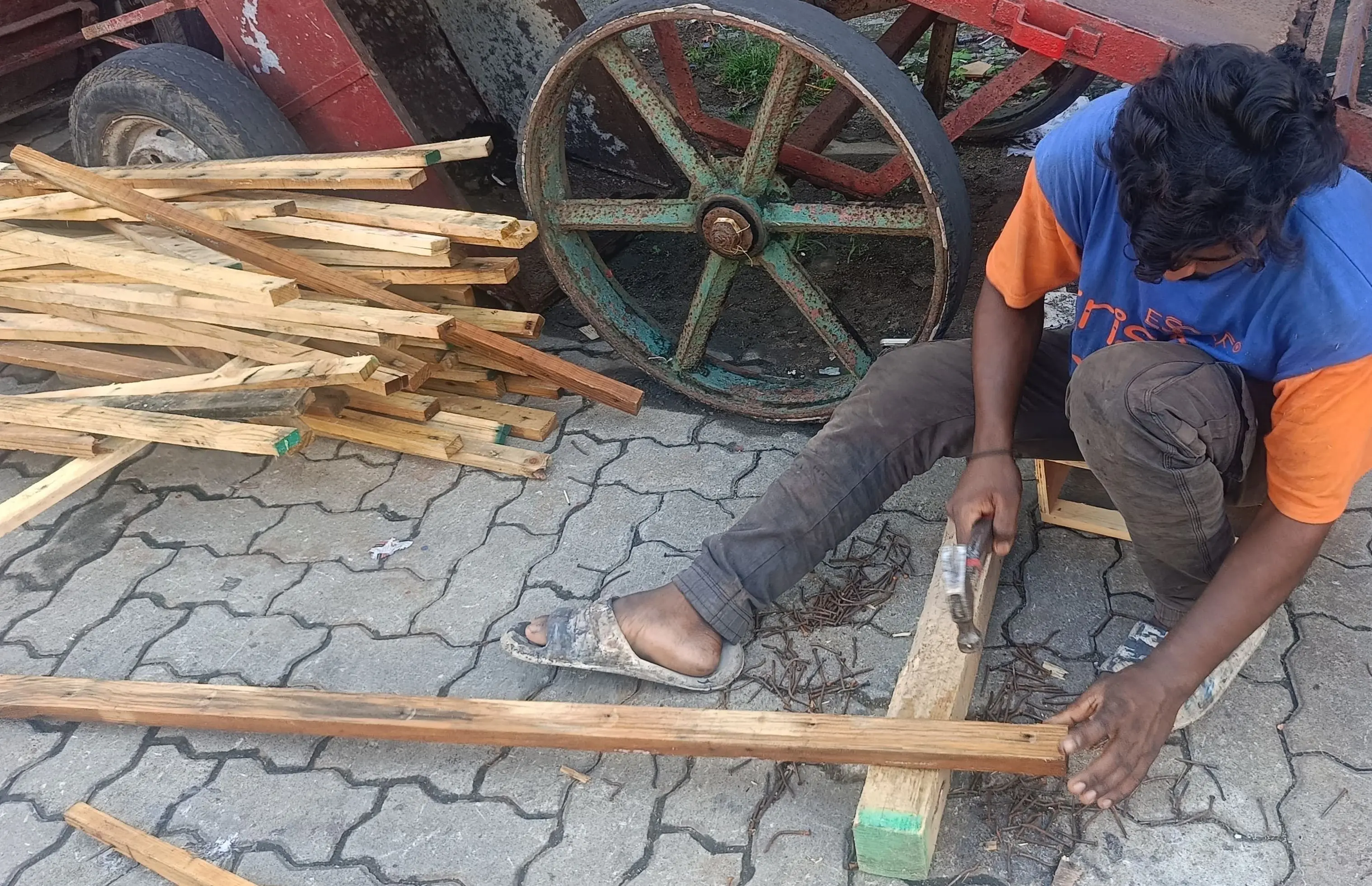
We removed nails from reclaimed wood to prepare frames for the Preamble to the Indian Constitution. This was time-consuming, but it is an important step. If the wood has nails inside it, carpenters who cut the wood to size will be at risk. Power tools that hit hidden nails create a serious risk.
Dance Together Day: celebrating a new milestone
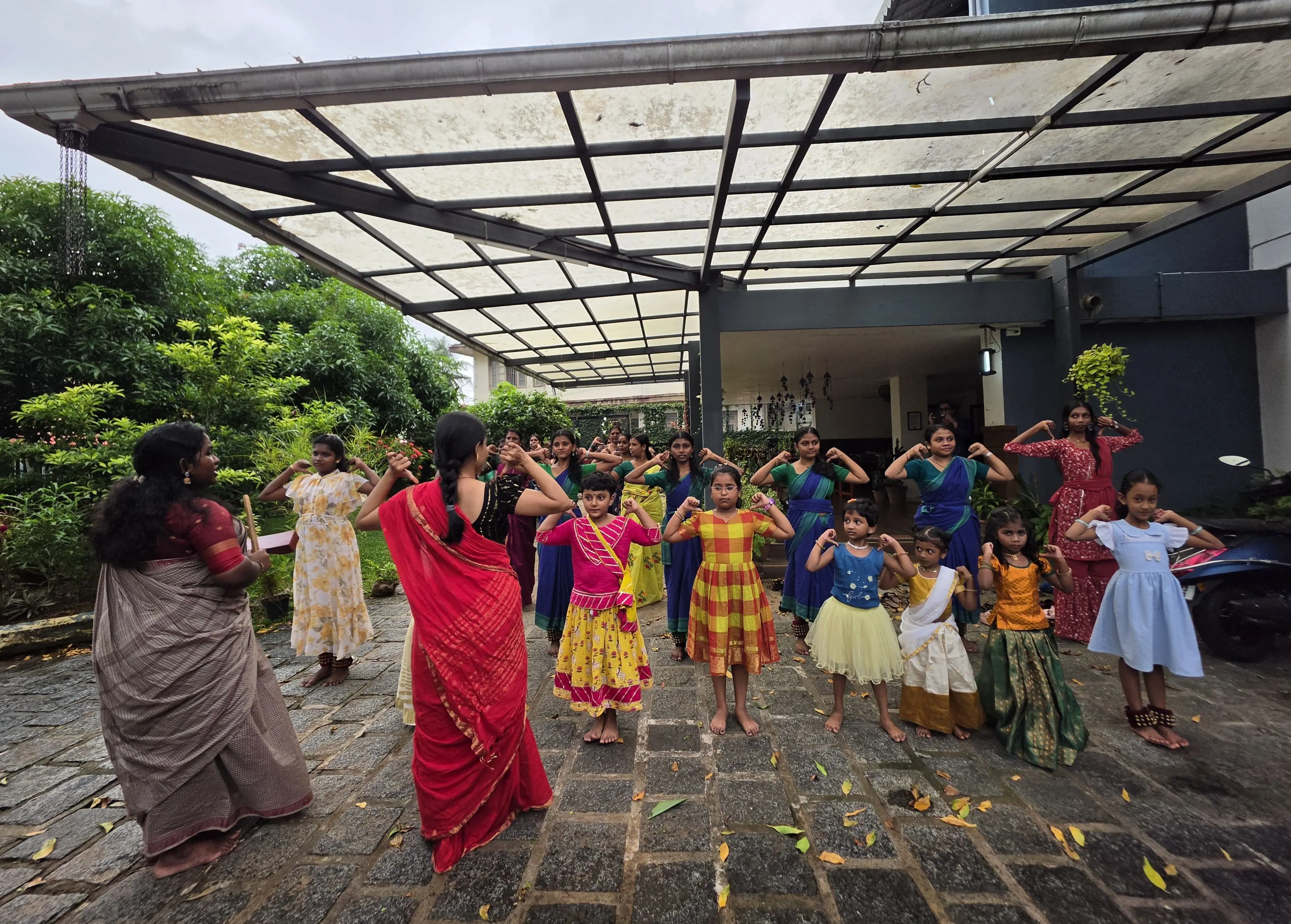
Students from our batches came together for Dance Together Day. They met, danced, and celebrated as one community. This brought together students from different batches and age groups. Students aged 40 and above danced alongside children as young as three years old. It was special to see generations sharing the same dance space. All four teachers were present at the dance gathering. Many students dressed for the occasion. Some students could not attend, but those who came brought plenty of joy and energy. We also celebrated students who were ready for the next level. They wore the chilanka (dance bells) for the first time. Teachers tied the bells for the students, who then danced wearing them. The day felt like a joyful meetup, as students from different batches and age groups shared the dance space.
Tote bag handle redesign and adjustability testing
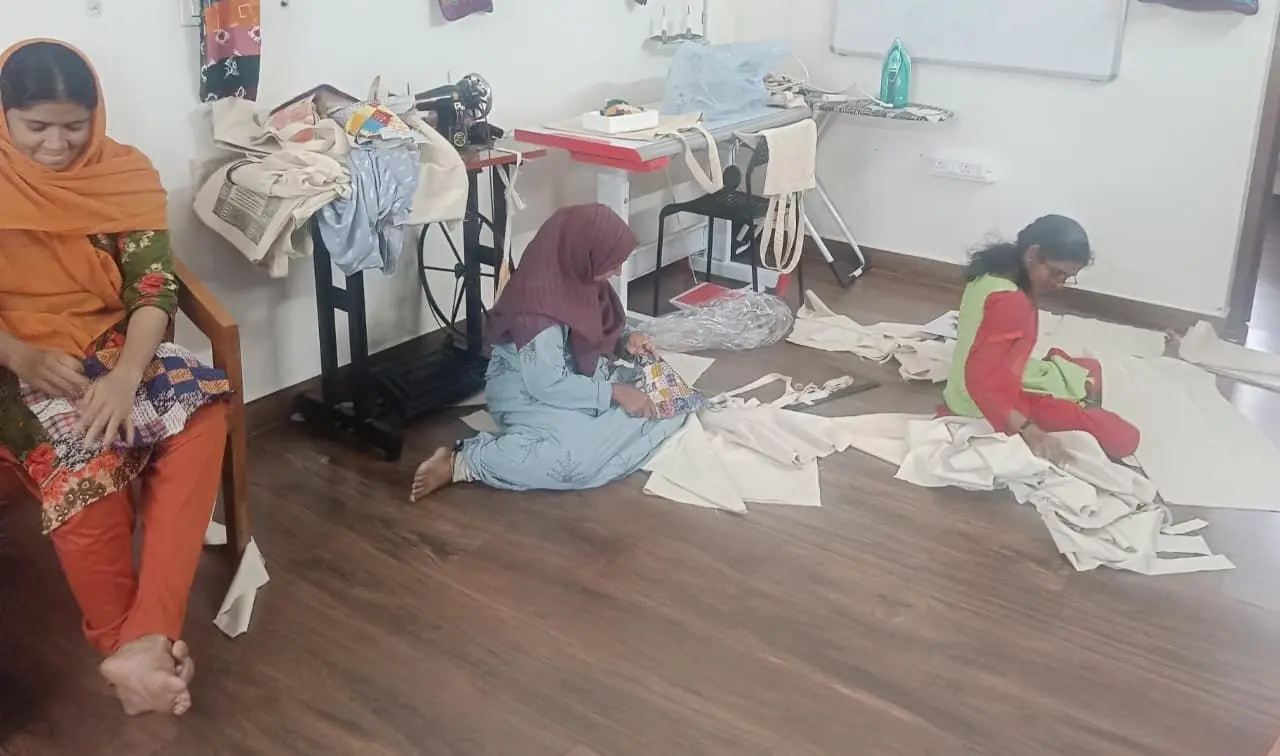
The team ran design tests to make tote bag handles more comfortable and useful. They made a prototype with one handle slightly wider and longer. They looked at how it looked and worked. Finding one standard handle length was hard. Users have different heights and body types. The team thought about making the whole bag smaller. They decided not to. They wanted the bag to stay the same size and wanted to avoid extra production problems. Instead, they tested an adjustable strap with buckles made from sustainable materials. This helps users of different heights. The team also looked at durability and machine washability. Metal buckles could rust and stain the fabric in the wash. Other materials must handle repeated washing and strain from use. They set baseline handle sizes. They began looking for adjustable buckles for more testing before finalising the design.
Growing independence through Adavu practice
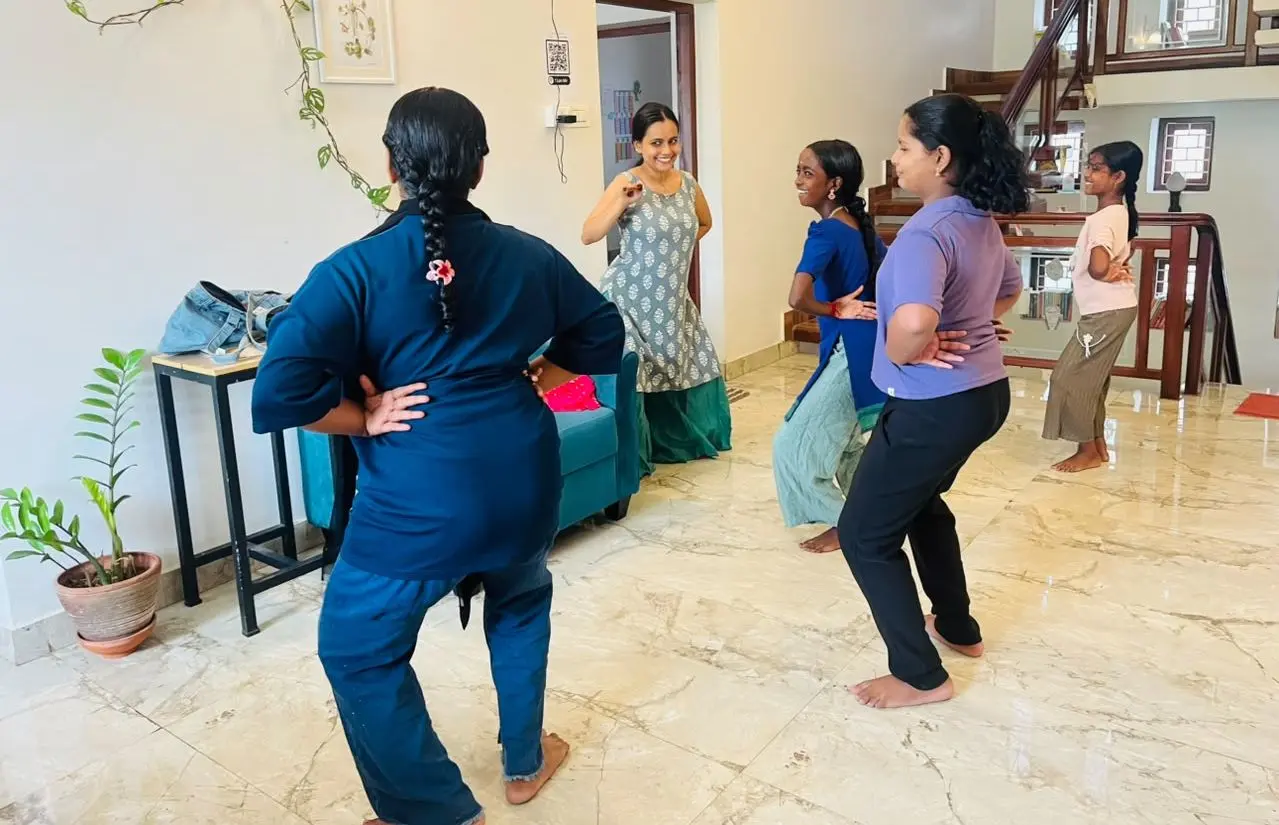
Today was the second class for students with hearing difficulties. The class also welcomed three new children this time. They came with the first student's mother, who had watched the first class and told other families about it. During practice, the children tended to look at the teacher and follow the Adavus by watching. We wanted to help them perform the movements on their own, without having to watch the teacher. The teacher worked with each child one at a time and guided them through repeated practice while looking straight ahead. This was hard at first, but the children kept trying. The teacher then moved behind the students and asked them to perform the third Nattadavu in three speeds. Before that we did hand clapping. It helped them feel and remember the rhythm. By the end of the practice, all the children were performing the Adavu while looking straight ahead.
Learning Thalam, Mudras and Adavus
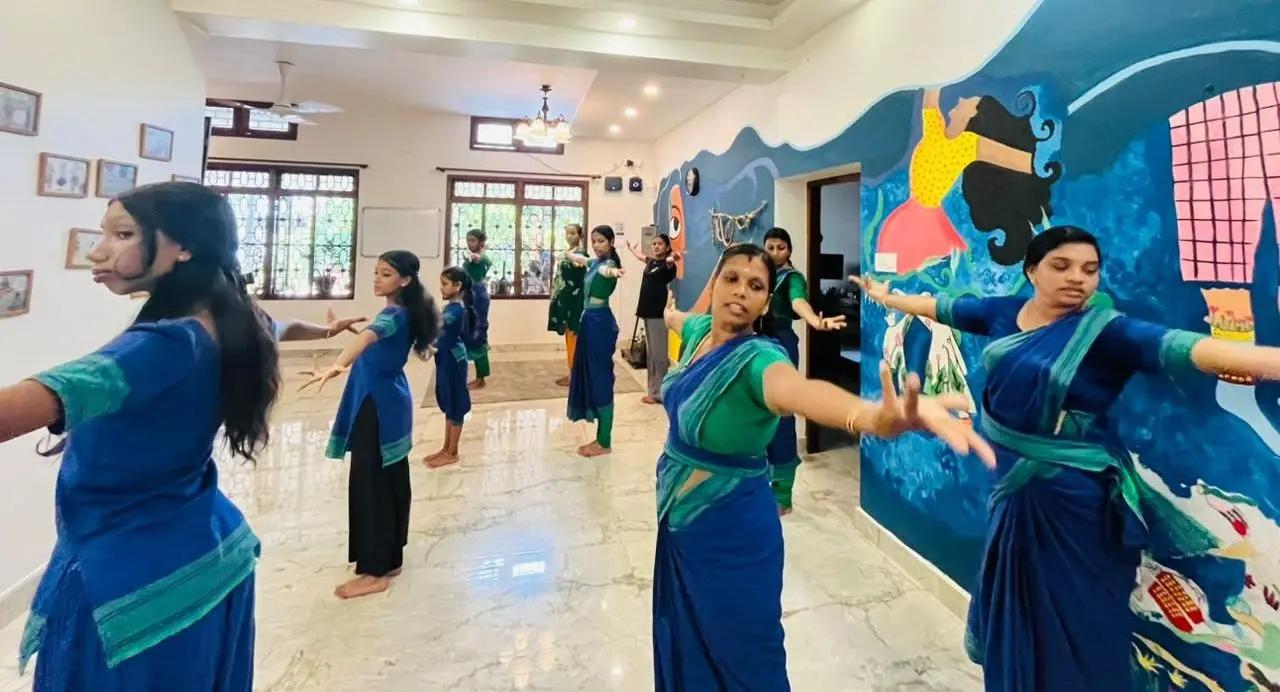
Students practised basic Thalam and Mudras today. They explored how Mudras are used in dance to express different meanings and emotions. They also revised basic Adavus to strengthen their understanding of the steps and rhythm.
Building co-ordination, confidence and patience through Adavu practice
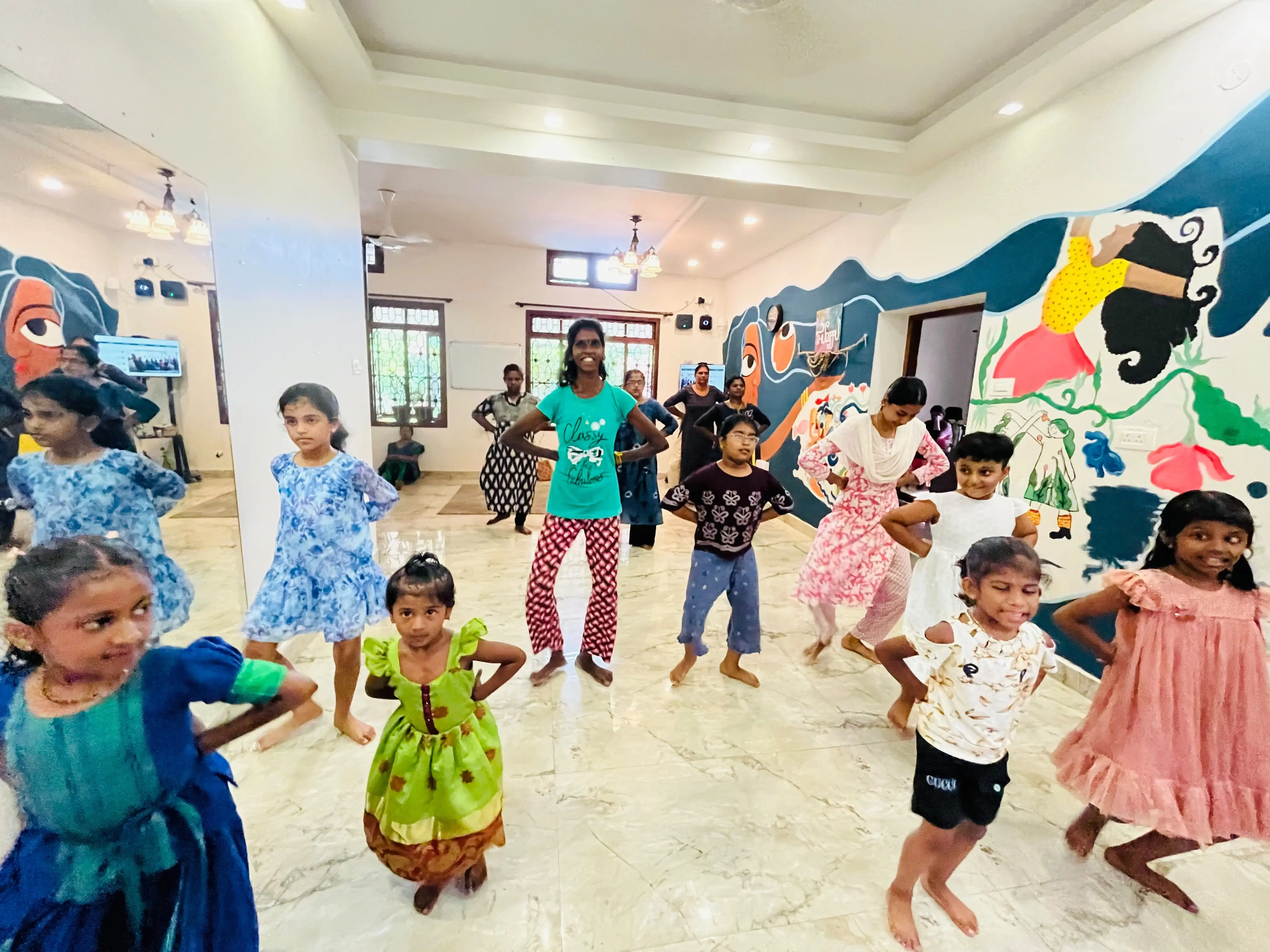
Today in our kids batch, children stayed engaged throughout the practice. They made a consistent effort to understand and perform the movements. Learning Adavus takes repetition, co-ordination, concentration and patience. As children become more familiar with the movements, they learn to co-ordinate different parts of their bodies. They also become more aware of how they move. Dance practice is about more than learning steps or perfecting technique. It gives children an opportunity to develop body-mind co-ordination, concentration, patience and perseverance.
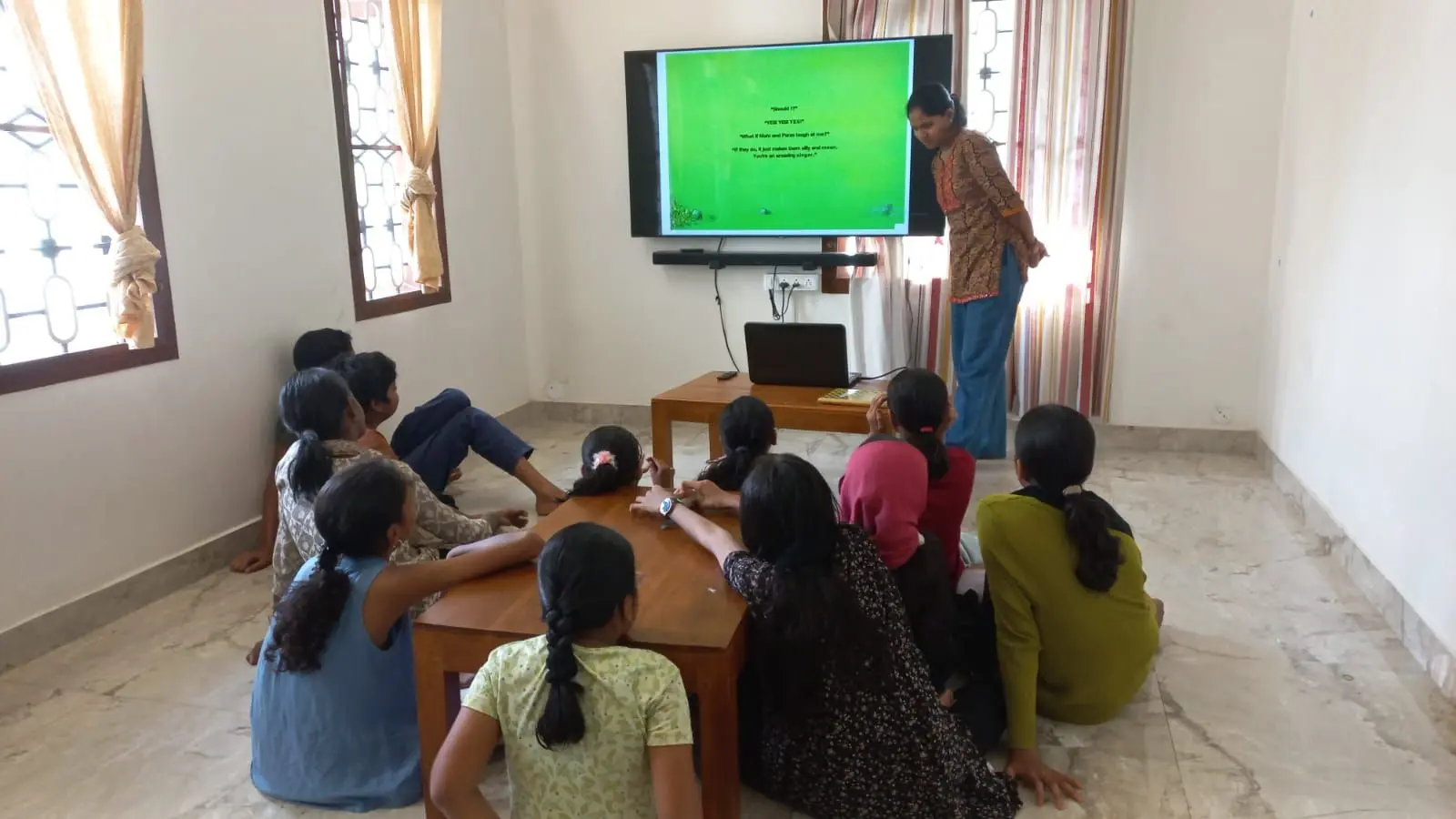
In earlier sessions, some children could read words aloud without fully understanding them. This week, we changed from paired reading to reading aloud together. We paused to explore unfamiliar words and discuss the story's meaning. We chose "Stage Fright" by Pratham Books. It is a story about Champa, who loves singing but is afraid to perform on stage. We prepared slides with selected tricky words. Children guessed their meanings from the story before we revealed the Malayalam explanations. We discussed why Champa felt scared. We asked who had felt like her before. Children shared their own experiences of nervousness. They connected the story to their lives and explored the feelings behind the words.
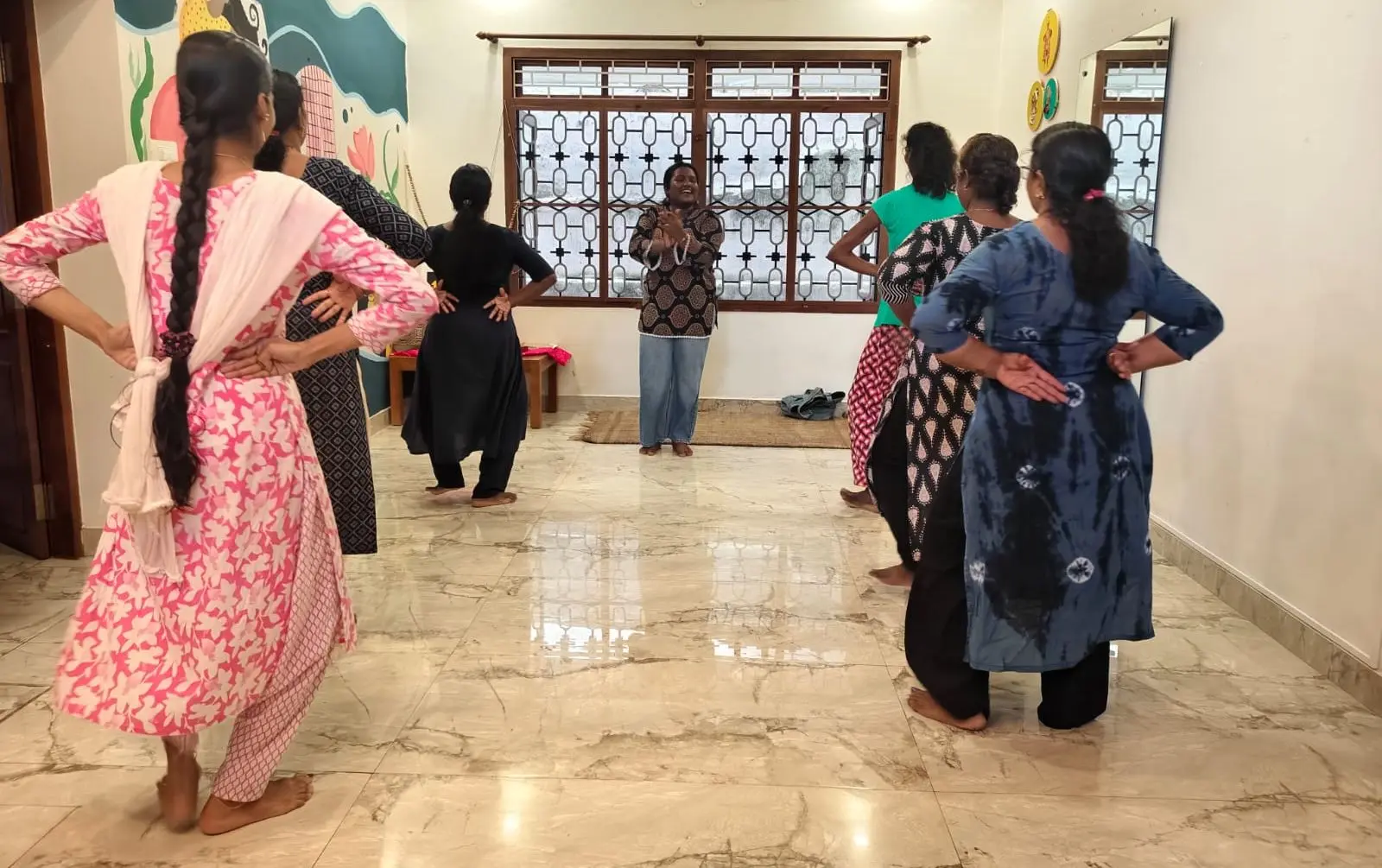
A new dance batch for women 30+
As interest in our regular batch grew and new admissions continued, we started a new batch so we could welcome more students. The batch brings together women aged 30 and above, each arriving with enthusiasm and a strong commitment to learning dance. The faculty find the classes rewarding. The faculty value the interest and hard work the students bring to every class. For many of these women, the class is more than a place to learn dance. It is also a joyful space to explore a long-held dream. The enthusiasm across the batch reflects how worthwhile it can be to begin or return to dance at any age.
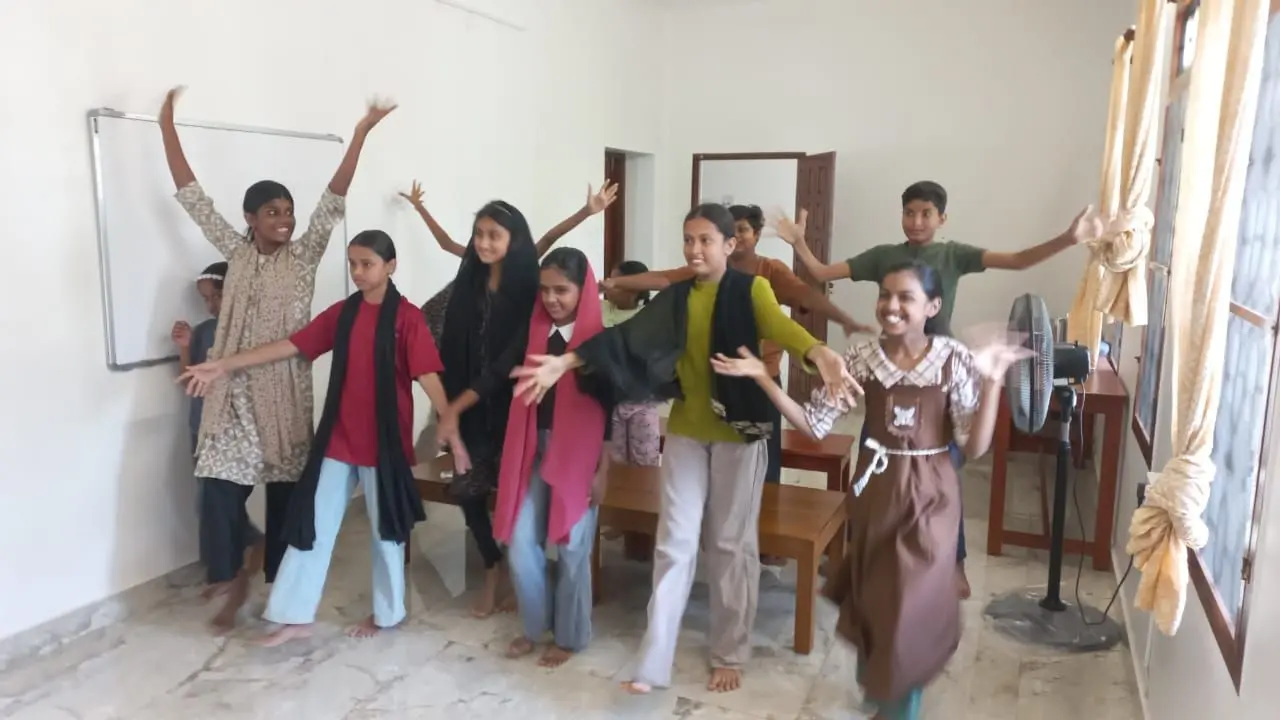
This week at Curiosity Club, we explored a question. What helps us share our ideas when we feel nervous? We began with Champa from "Stage Fright", a story about a child who loves singing but is afraid to perform. Her worries helped children talk about their own feelings when facing an audience. We prepared slides with prompts and examples. We set up a microphone for practice. We started by inviting each child to introduce themselves with an action. Afterwards, we asked how it felt to stand up and speak. Children described shaking hands, trembling legs and sweaty palms. Their experience matched Champa's. This led us to practise breathing to calm our bodies and shaking out our arms and legs to release tension. We then warmed up our voices with tongue twisters and tried changing our volume and expressing different emotions. A facilitator demonstrated different speaking styles, and children noticed the difference posture, voice and energy made. They then chose topics for short talks in Malayalam or English. We introduced PREP, which stands for point, reason, example, point. It helped children organise their thoughts. We provided paper for notes. They then came to the front and used the microphone to share their ideas with the group. We closed by reflecting on how it felt to speak and what had changed after trying.
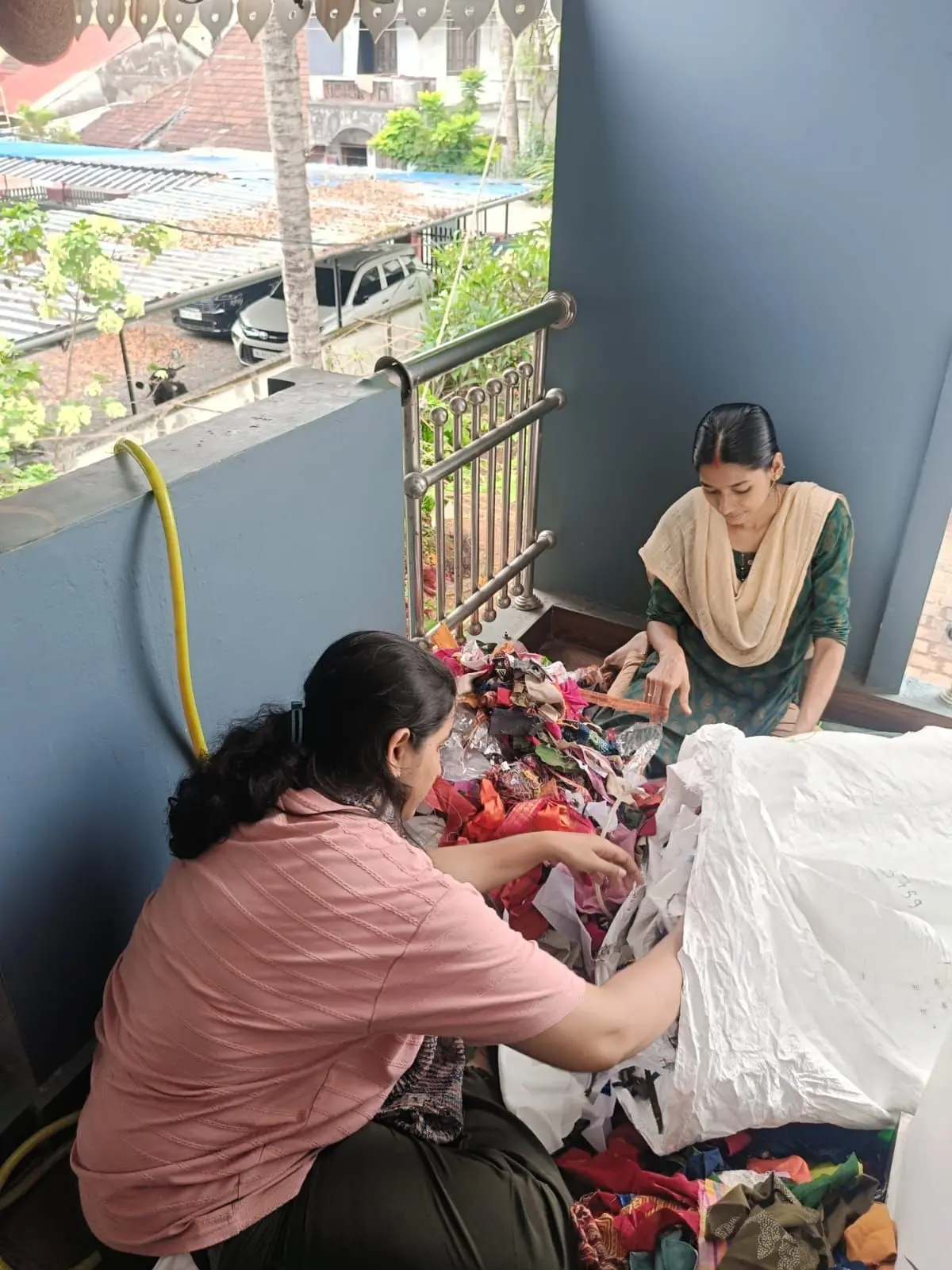
Quality control in fabric pre-treatment: managing shrinkage and color bleed
All team members gathered to select a fresh batch of cotton fabrics from a new supplier of higher-grade materials. We assumed premium quality would prevent dye transfer, so we soaked all the colourful fabric pieces together in one washing container for the first pre-treatment. During soaking and washing, we saw significant color bleeding across many pieces and visible fabric shrinkage as the cotton fibres reacted to the water. To assess the structural and aesthetic effects of the wash, we dried and ironed each fabric panel. Ironing let us examine the extent of color fading, cross-staining, and dimensional shrinkage across the batch. This experience was a crucial quality control lesson: even high-quality cotton fabrics naturally release excess surface dye and contract during their first wash. We realised that using unchecked, colour-releasing fabrics in finished bags would make dyes bleed onto nearby panels and ruin the final products. So we set a mandatory quality control protocol: every newly purchased cotton fabric must be washed individually and thoroughly inspected before we approve it for bag construction.
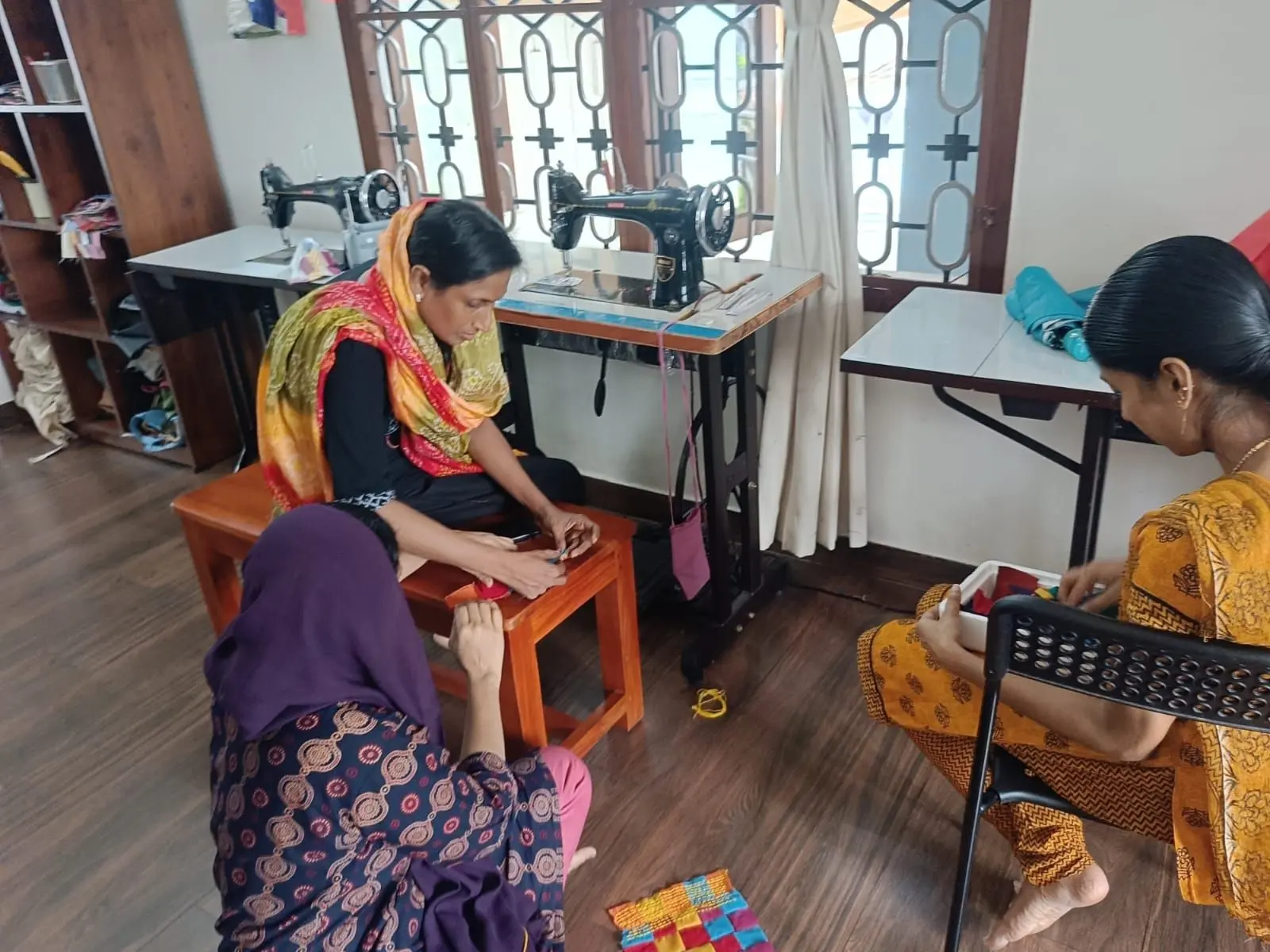
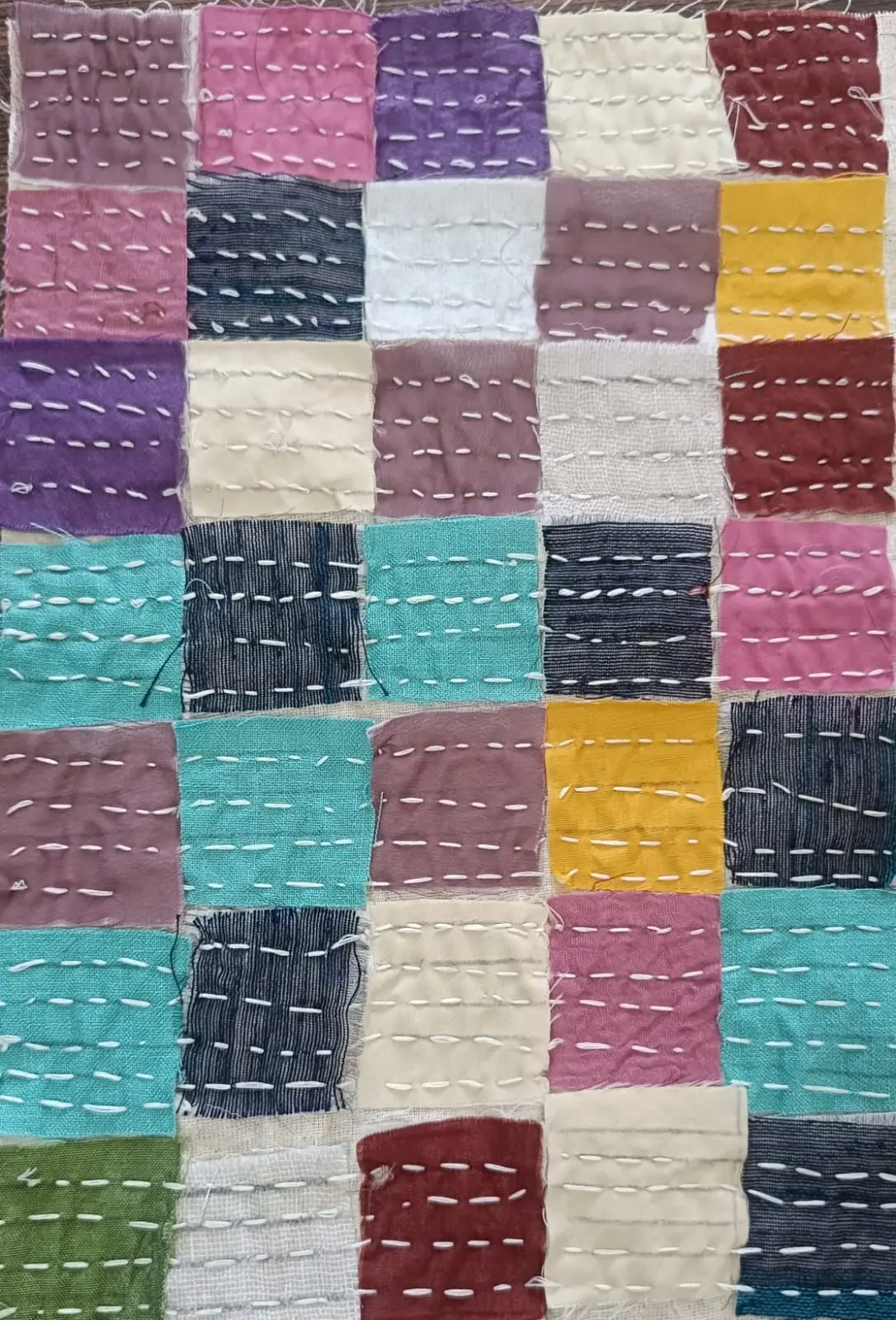
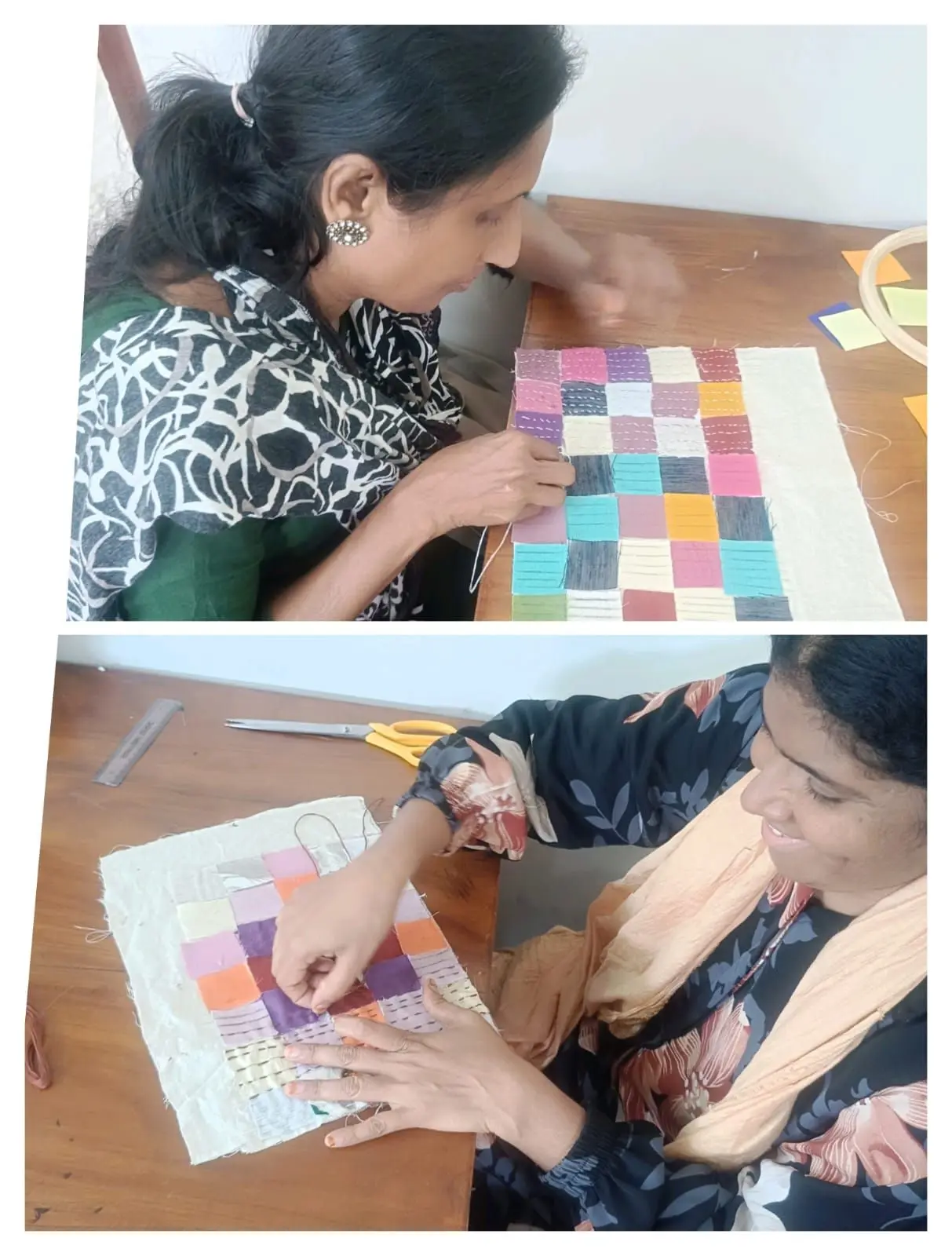
We continued our Kantha work by joining the fabric strips prepared in earlier sessions. The aim was to practise following a design, aligning fabric strips and keeping hand stitching even. Each participant used their design from the Kantha app, printed on A4 paper, to select and arrange the matching 6 cm-wide fabric strips. The printouts helped them check the colour order and placement before stitching the strips side by side into fabric panels. Participants then added rows of Kantha running stitches along the panels. We focused on consistent stitch lengths, even spaces between rows and thread tension, particularly at the thicker seams.
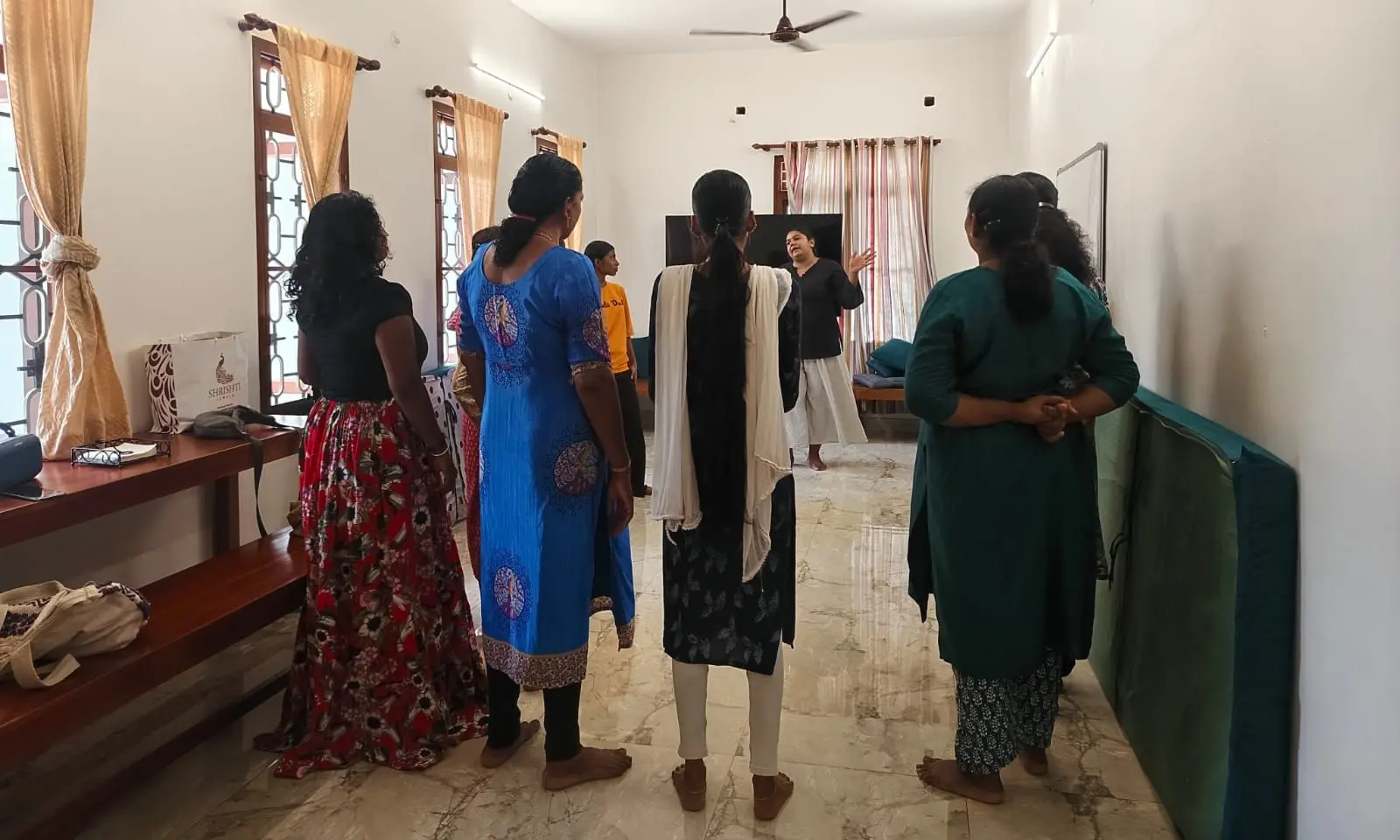
Exploring self-expression through movement, music and art
The session started with a name-and-movement activity. This encouraged introductions and group participation. Participants introduced themselves with simple movements. This helped create a comfortable and welcoming atmosphere. In the mood-sharing activity, participants said how they felt at that moment. This helped them recognise and express their current feelings. Next came guided movement exploration. This encouraged body awareness and creative expression. Participants explored different movements and connected with their bodies. They used movement to express themselves. The group then made music together. They explored sounds and rhythms together. They shared ideas and listened to one another. They showed their creation to the group. After that, participants did an individual art reflection. They used art to express their thoughts and feelings. They also shared their experiences from the session. This gave them a chance for personal reflection and creative expression. The session ended with a closing activity. This reflected on the session and brought the shared experience to an end. Participants responded positively throughout the session. They showed interest and engagement.
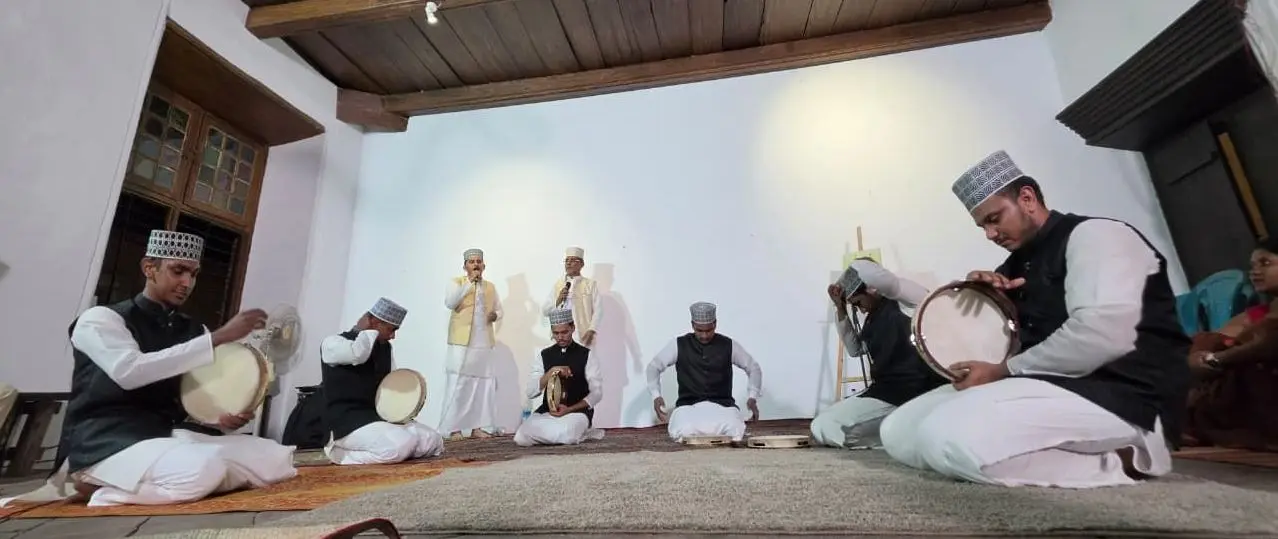
Friends of Thudippu: fifth edition features Daffmuttu and Arabanamuttu
Friends of Thudippu's fifth edition featured Koya Kappad and his team. They performed Daffmuttu and Arabanamuttu at Mattancherry. The event brought audiences closer to Kerala's folk traditions. It went beyond a conventional show. Koya Kappad is a seventh-generation practitioner. His family has long been tied to these art forms. The Allasammveetil family made them popular in Malabar. This Yemeni family came to Kappad in Kozhikode in the fifteenth century. The family has passed the traditions down the generations. The guru tradition is handed down through the male line. Koya Kappad is the latest in this family line. A best part was how Koya Kappad told the history and context. He set out the rhythms and talam used in the traditions. He showed how they worked. He invited the audience to try them together. This hands-on way turned the event into a learning moment. People could take part, not just watch. The performance left a strong impression. Many were seeing these art forms for the first time. The audience response was enthusiastic. The programme showed how live performance and storytelling help people connect with traditions. Such traditions may otherwise remain unfamiliar. Planning took three to four months. The team researched Kerala's folklore traditions and found the art form and artist. They fixed the venue and performance needs. They prepared promotional materials and reached out to possible audiences. The team also managed event-day tasks, looking after the artists, records, and technical co-ordination. Sound and lighting caused problems at the venue, and the microphone and sound support failed. The lighting was not the warm lighting asked for. The team kept the programme going. We found we must confirm technical needs in advance. We will put venues with reliable sound and lighting first. Friends of Thudippu gives Kerala's art forms a stage. It supports the communities and practitioners who keep them alive. Keeping cultural heritage live needs more than records. Artists need chances to perform and share what they know. We see this as our duty to the state's living culture.
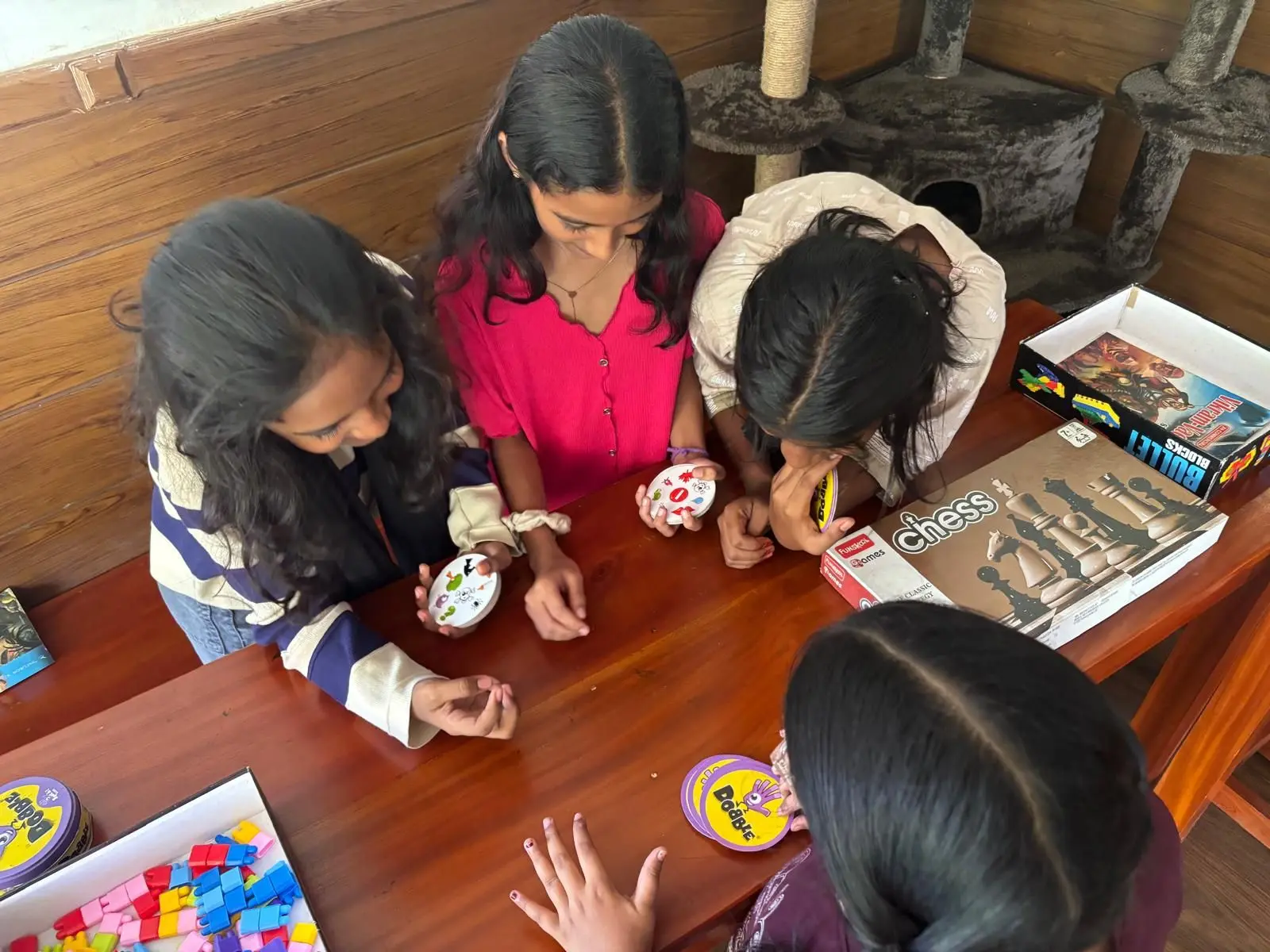
We start our Curiosity Club with free play as children arrive. They choose games and building materials, then play together. This gives everyone time to arrive before we gather for the guided activity. We asked children what they wanted to play and added games based on their suggestions. The children were excited to see their choices. They started setting the games up themselves. With six games going on at once, children could choose what interested them. On their first visit, two older children were unsure how to join in. Our facilitator invited them into an "UNO" game with others. As they played, they became more involved and helped explain the rules to younger children. The group later learned dominoes together too. Another group prepared "Guess Who" for next week. "Jenga", "LEGO" and "Dobble" were also popular.
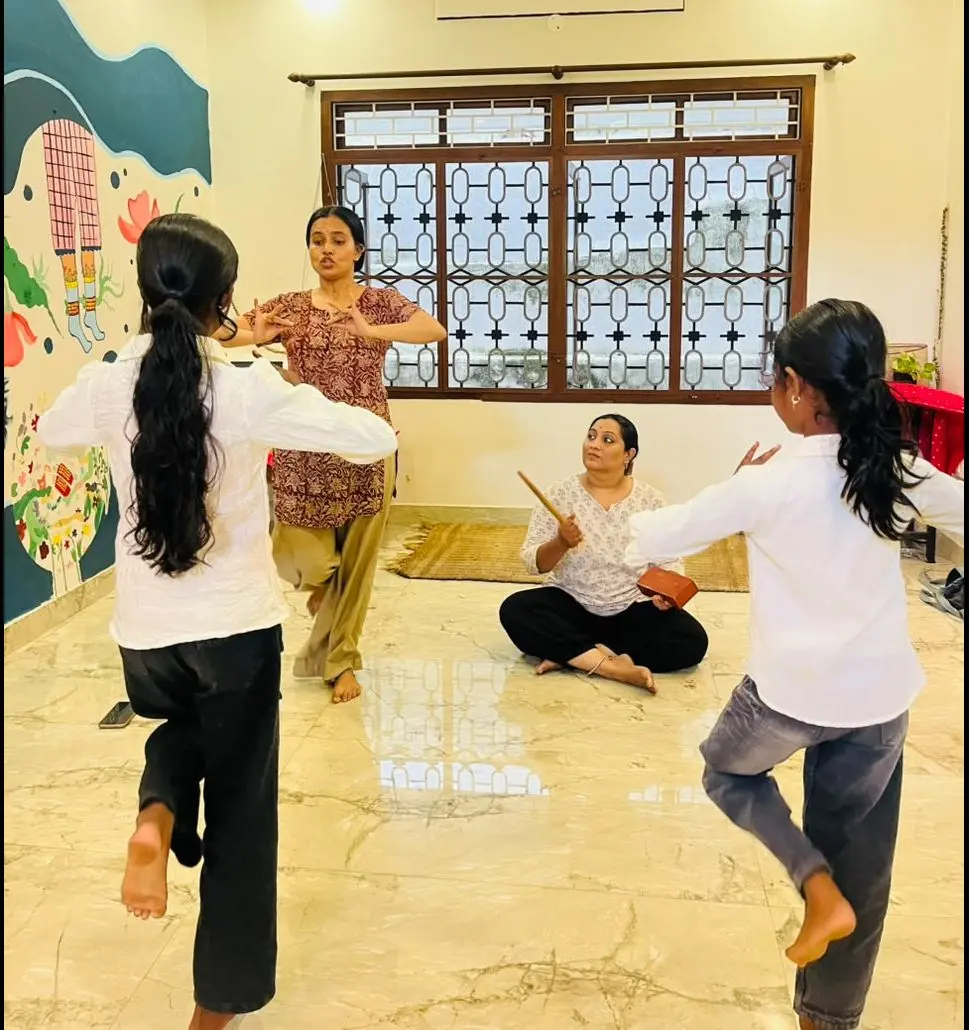
Children feel rhythm beyond sound in classical dance
We began a new batch for Deaf and hard-of-hearing children. This work has been in preparation for a few months, shaped by our years as dancers and teachers of Indian dance. We believe Bharatanatyam and Mohiniyattam can give children useful ways to explore rhythm, movement, co-ordination and expression when taught in accessible ways. Two teachers led the session. One demonstrated the steps while the other gently guided the child's hand to clap along with the rhythm. We loved seeing her grasp the rhythm, and she recognised the gaps between beats. She also responded to changes in speed. In time, she copied the movements and soon performed the steps on her own. By the end, she had learnt five Nattadavu sequences, the basic movement units of Bharatanatyam. The session used visual demonstrations, clear movement cues and repetition. We gave patient, one-to-one attention and encouragement. The child learnt at her own pace. This was our first session with the children. One child attended, and three more have registered for the upcoming sessions. This start has strengthened our belief that, with appropriate support and ways of teaching that children can see and feel, classical dance can become an open and good space for Deaf and hard-of-hearing children to explore movement, rhythm and self-expression.
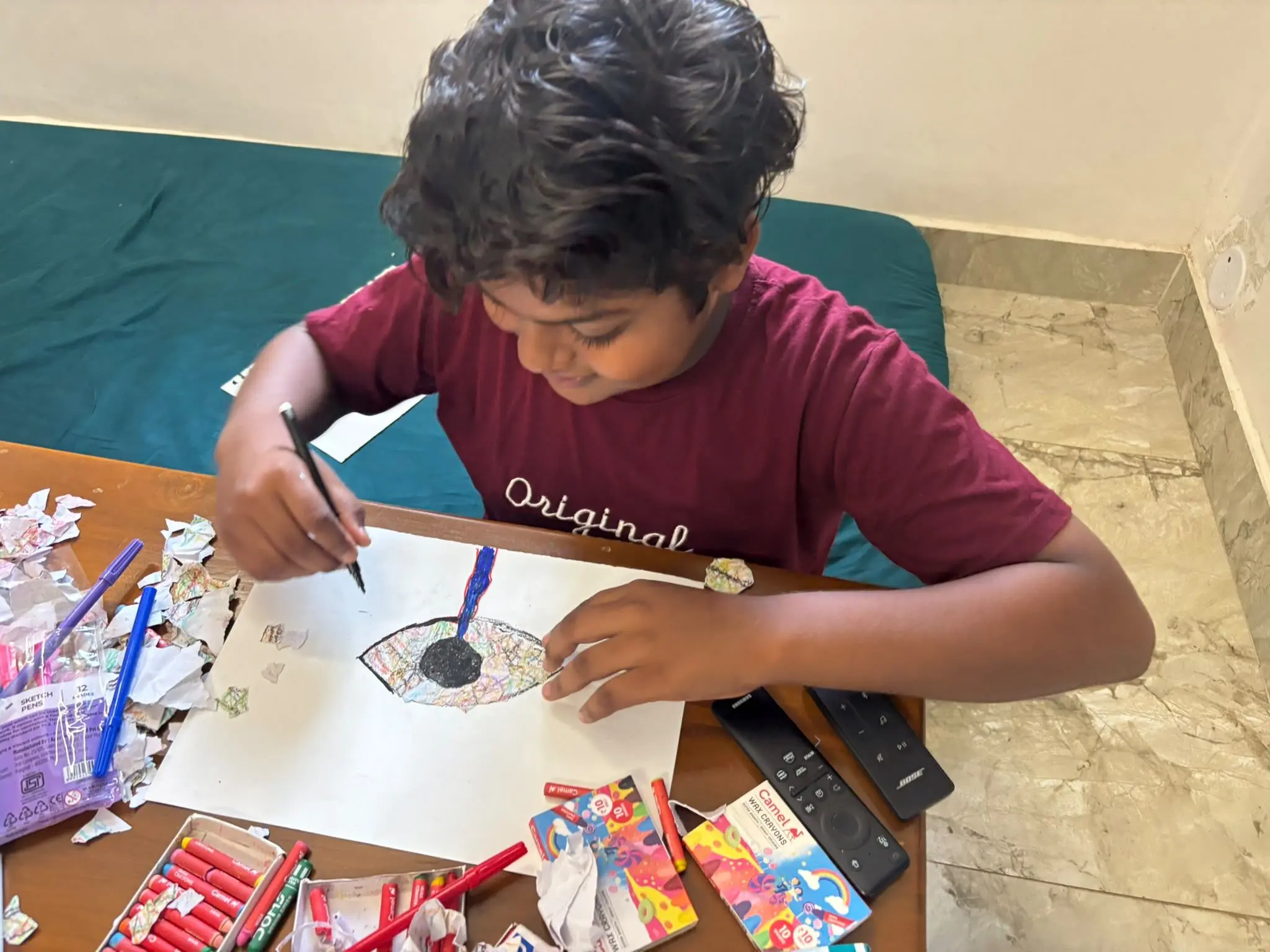
Our Saturday Curiosity Club fell on World Mental Health Day. This made it a fitting time to explore caring for our thoughts and feelings. We prepared slides, art materials and our first Malayalam explainer video made with NotebookLM. The video was about the hand-brain model. It explained why big feelings can make thinking difficult. After a rainstorm movement activity, children and facilitators shared their emotional “weather”. We discussed how feelings change. We used think, pair and share to explore when and where big feelings arise. We talked about making a plan when we can change something. We also talked about coping when it is outside our control. We used three ways to cope: Breathe through bee breathing, Move through gentle movement and a body scan, and Create through art. For Create, children used crayons to scribble their stress or big feelings onto paper. They pressed down and made marks freely. They tore the paper into smaller pieces. Then they arranged and glued the pieces onto a fresh sheet. This created a design of their choice. They added words to encourage themselves. The words included “You are amazing”, “Never give up” and “I love you”. The messages children chose surprised us. On the back, they traced a hand. They added people they could reach out to when they needed support. We closed with a recap of the model and ways to care for our mental health.
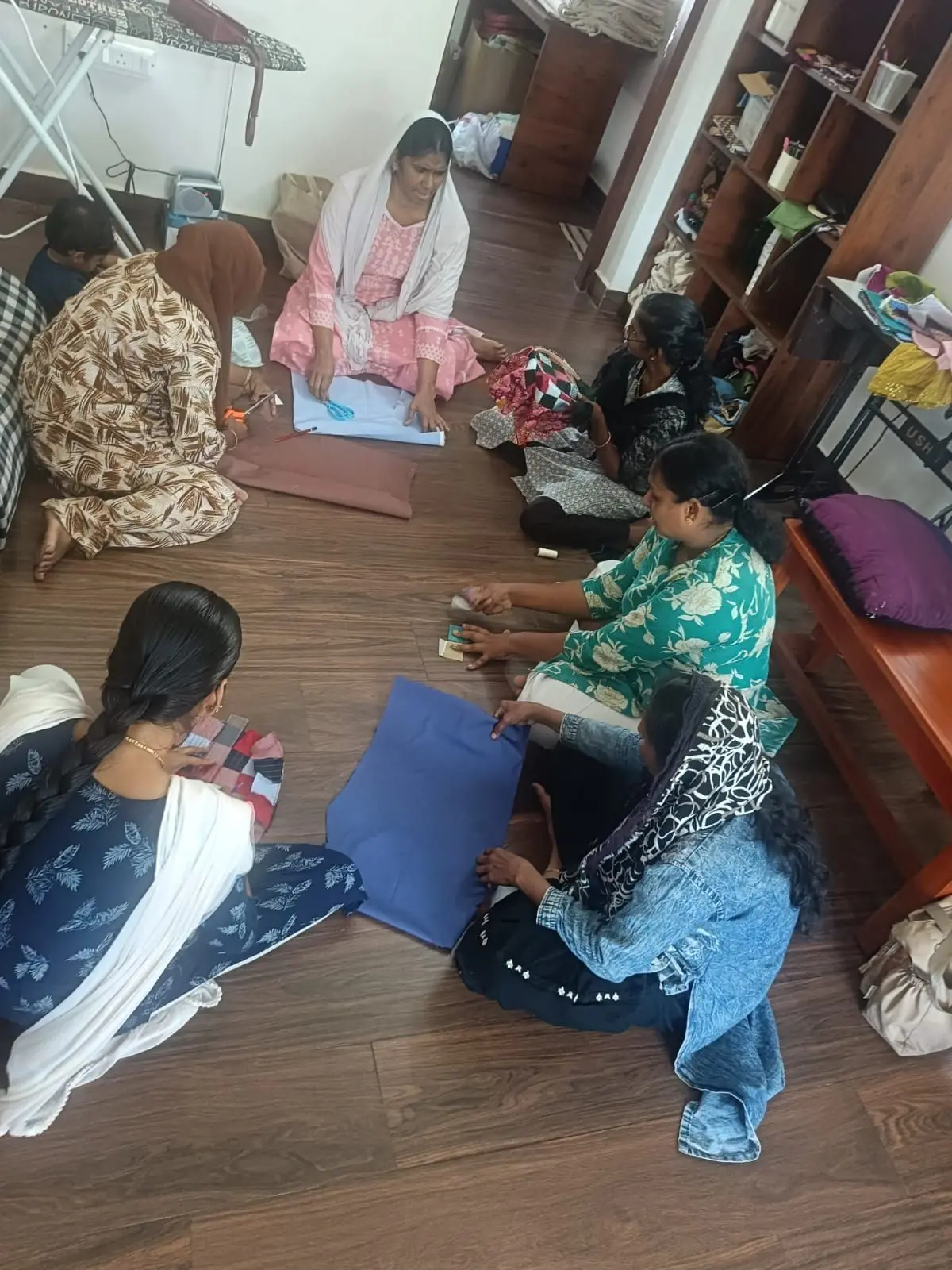
Digital visual planning and Kantha App pattern printing
We used the Kantha App to plan pattern variations. It let us test how different strip widths and color sequences look together. This gave a clear digital preview before we sewed. When we had the best combinations, we printed the design sheets on A4 paper. Each page guided artisans on aligning, ordering, and placing the pre-cut strips for panel assembly.
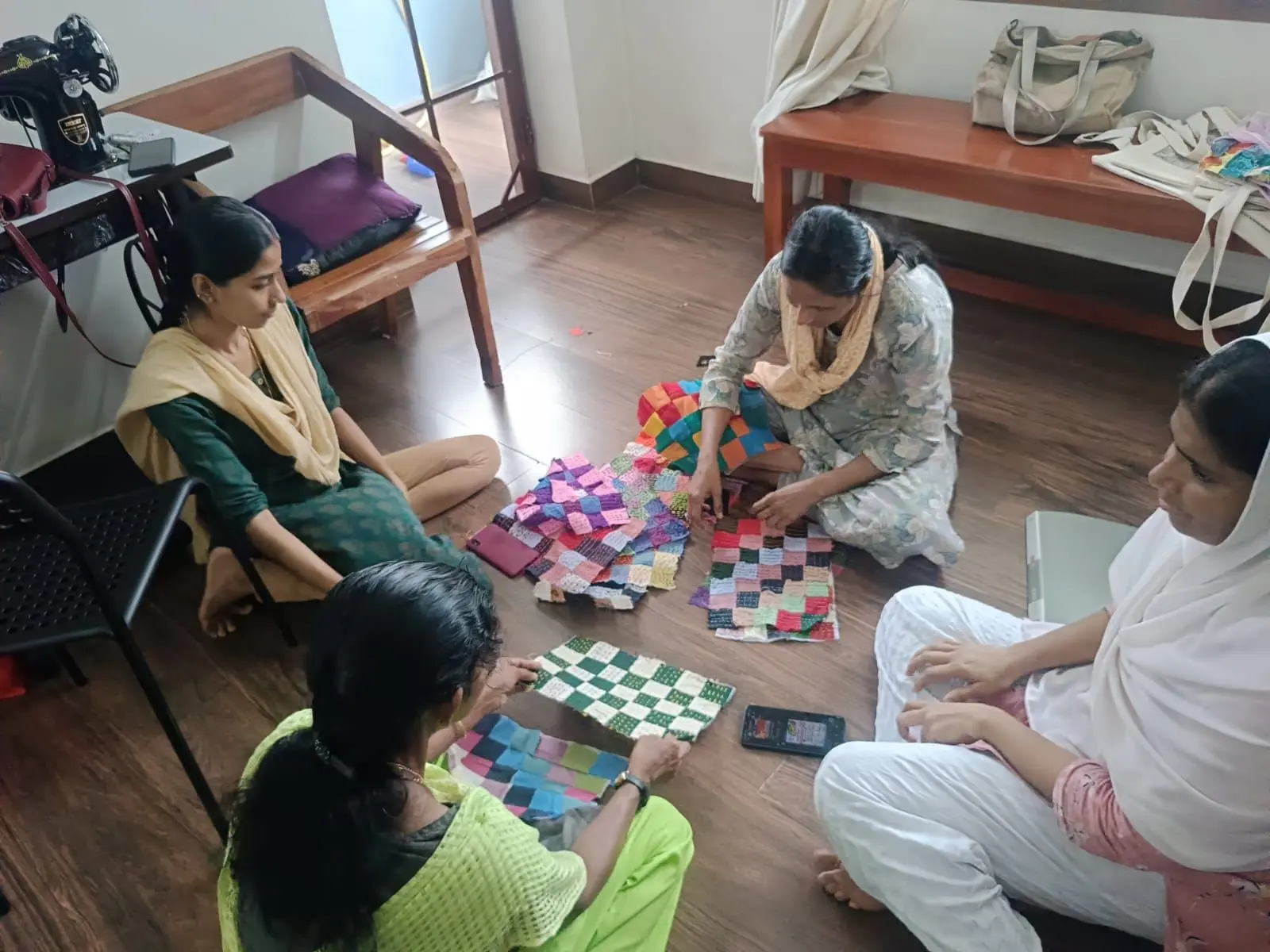
Systematic preparation and precision cutting of fabric strips
We began a new round of work on raw materials before stitching. The team sorted multi-colored fabric scraps by texture, weight and color tone. This kept the colors balanced for the upcoming Kantha panels. To keep strict design uniformity, we accurately marked and cut the selected fabrics into uniform 6 centimetre wide strips. We checked each strip for neat edges and the right length. Then we bundled and labeled the strips and stored them for the next step, pattern assembly.
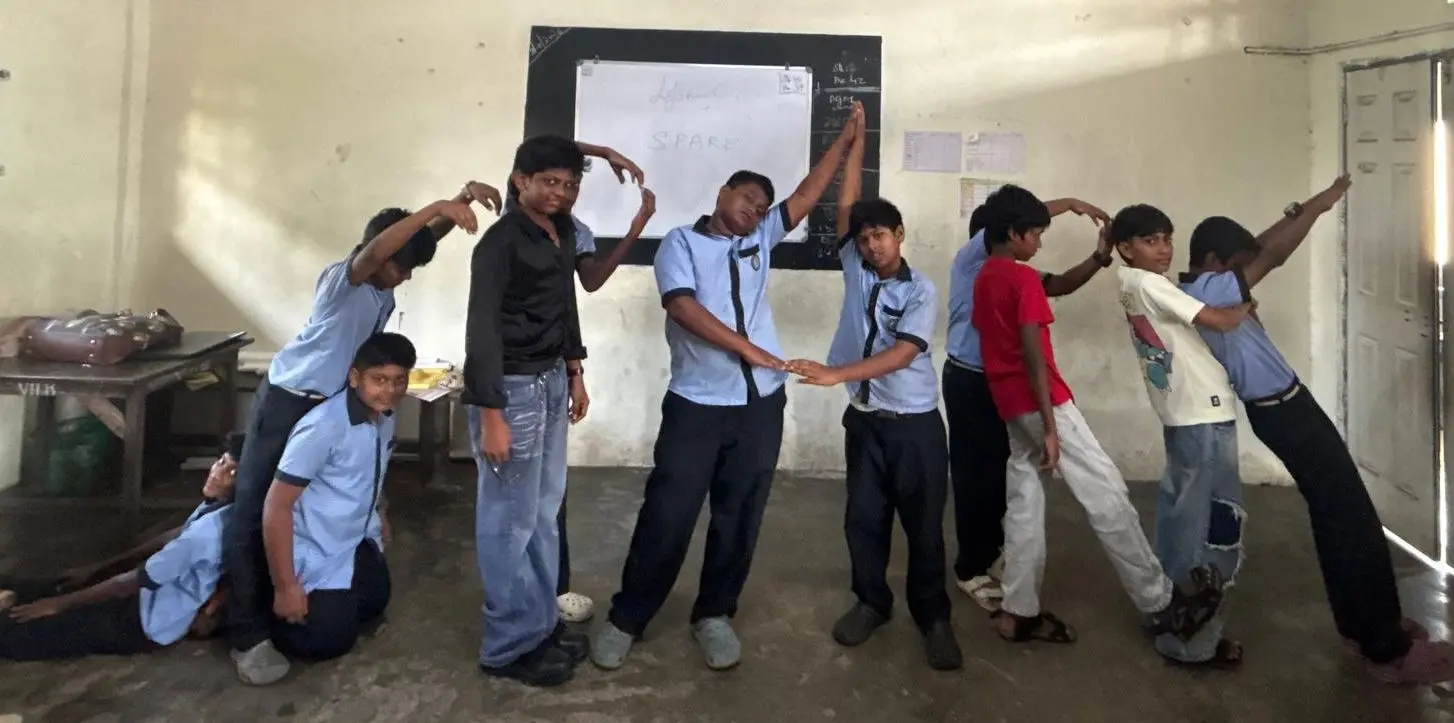
LifSkool: last in-person session and the SPARK Challenge
Students were ready to go with our familiar movement and mindful breathing routine and settled into the session quickly. Today was our last in-person LifSkool session before a break and it brought together the skills we had explored throughout the programme. Students revisited what they had learned, why the skills mattered and how they could use them in everyday life. It was encouraging to hear their reflections in their own words. We introduced the SPARK Challenge. Students notice a small, real problem at school, at home or in the neighbourhood. They use their life skills together to try making a difference with a buddy. Students will receive weekly SPARK challenge envelopes in person to complete with their buddies. They will share updates through our WhatsApp group, where we will stay connected and support them. At their graduation day in January 2027, they will present their work and learning. To finish, students worked together to spell SPARK using their bodies. It was a playful, emotional close to this part of our programme, with more learning ahead.
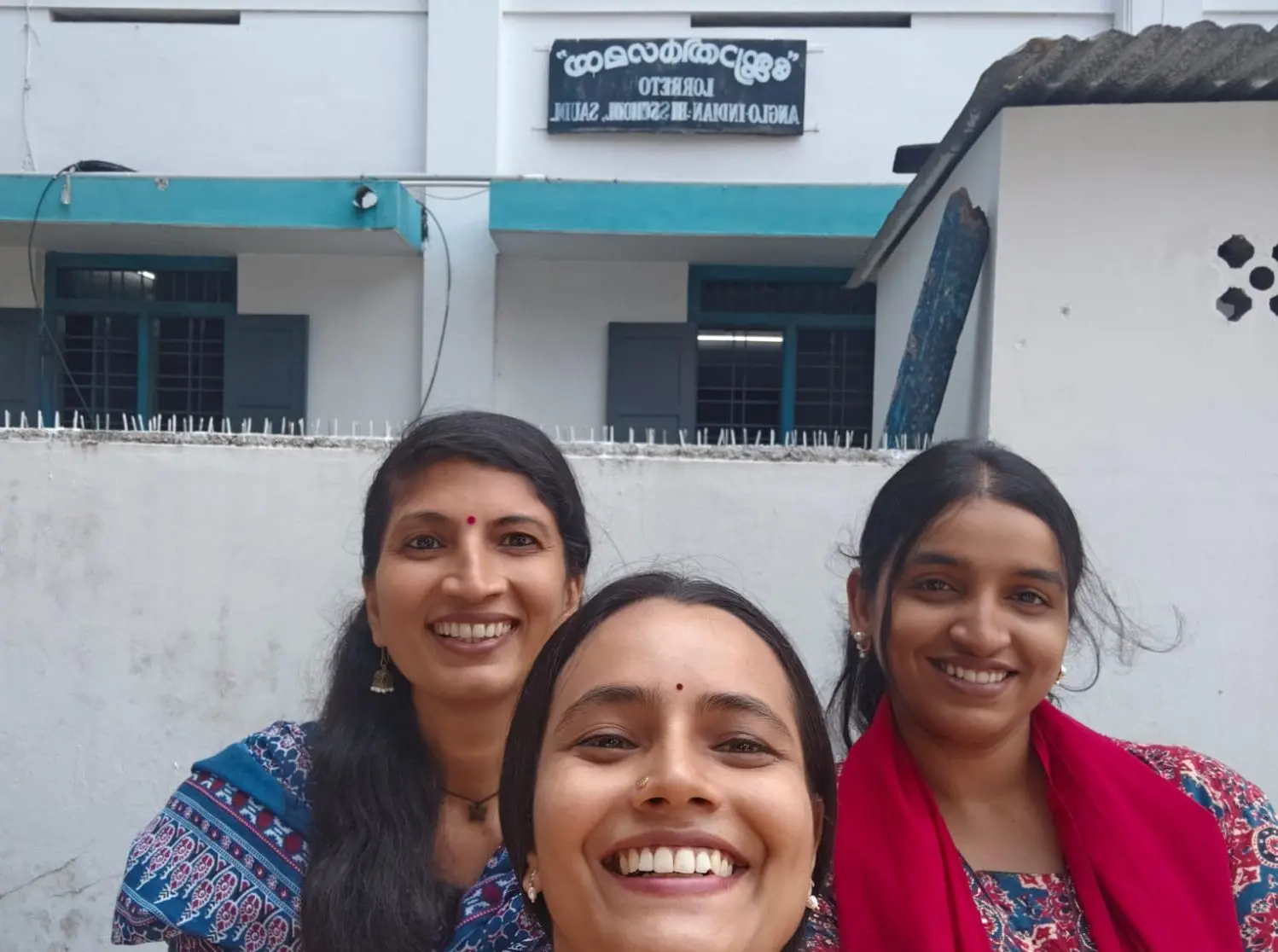
Opening doors: first school outreach together
Our team meetings showed a shared challenge: reaching children and young people who could benefit from the programmes at aikyam. We agreed to bring our networks together and prepare a shared introduction to what we offer. We acted on this and prepared a shared brochure introducing the programmes at aikyam. Each team wrote programme descriptions, and we brought them together in a brochure for the visits. We made our first school visits together as the aikyam, Olimalar and Thudippu team. We visited two schools suggested by Shabana, using her knowledge of the local community. We spoke with headteachers about opportunities for children to take part. One school already knew Olimalar through LifSkool. At the other school, youth festival preparations opened a conversation about possible dance support from Thudippu. We collected their contact numbers and shared printed and digital copies of the brochure. When we returned to aikyam, we discussed the visits and how we could reach more children. Alongside welcoming families to aikyam, we explored finding spaces in schools and communities. We also looked at training facilitators to run activities closer to where children live.
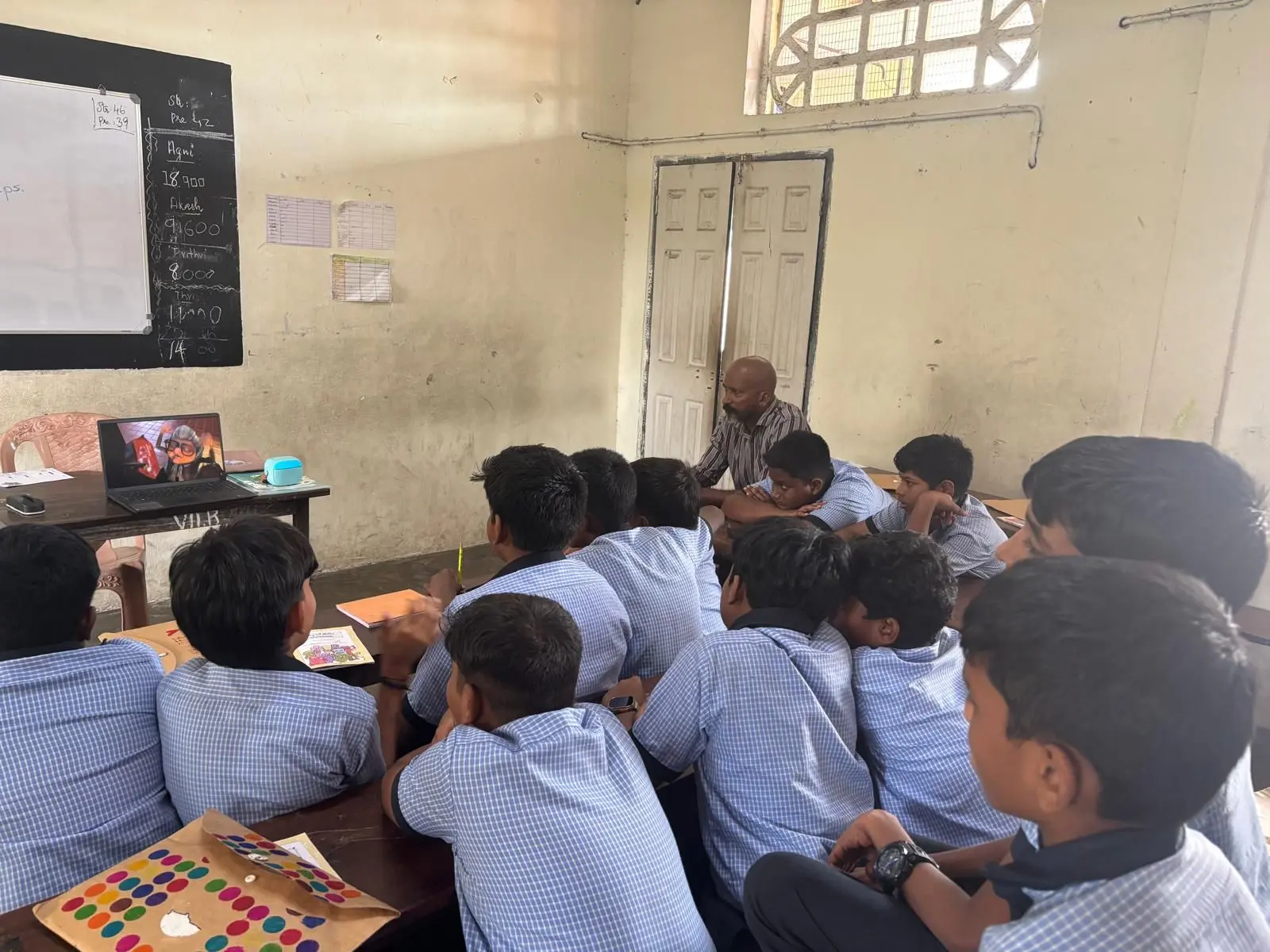
Understanding each other at LifSkool
We began by revisiting The Egg Drop Challenge. Why had some designs protected their eggs, and how had the teams worked together? This connected our previous session to interpersonal relationships. We explored how we listen, share ideas and make decisions together. We explored the relationships in our lives and what strengthens or damages them. The idea of a "relation-ship" helped us talk about trust, listening and respect, and how to work through disagreements. We changed the pace this time. We watched two short films, Snack Attack and Purl, and came together for circle discussions. We explored misunderstandings, feeling left out and the pressure to change ourselves to fit in. We connected the stories to everyday school situations. Students practised asking directly before making assumptions and inviting someone to join their group. We closed with a reflection on being themselves and responding to peer pressure. We brought the discussion back to everyday choices in their relationships.
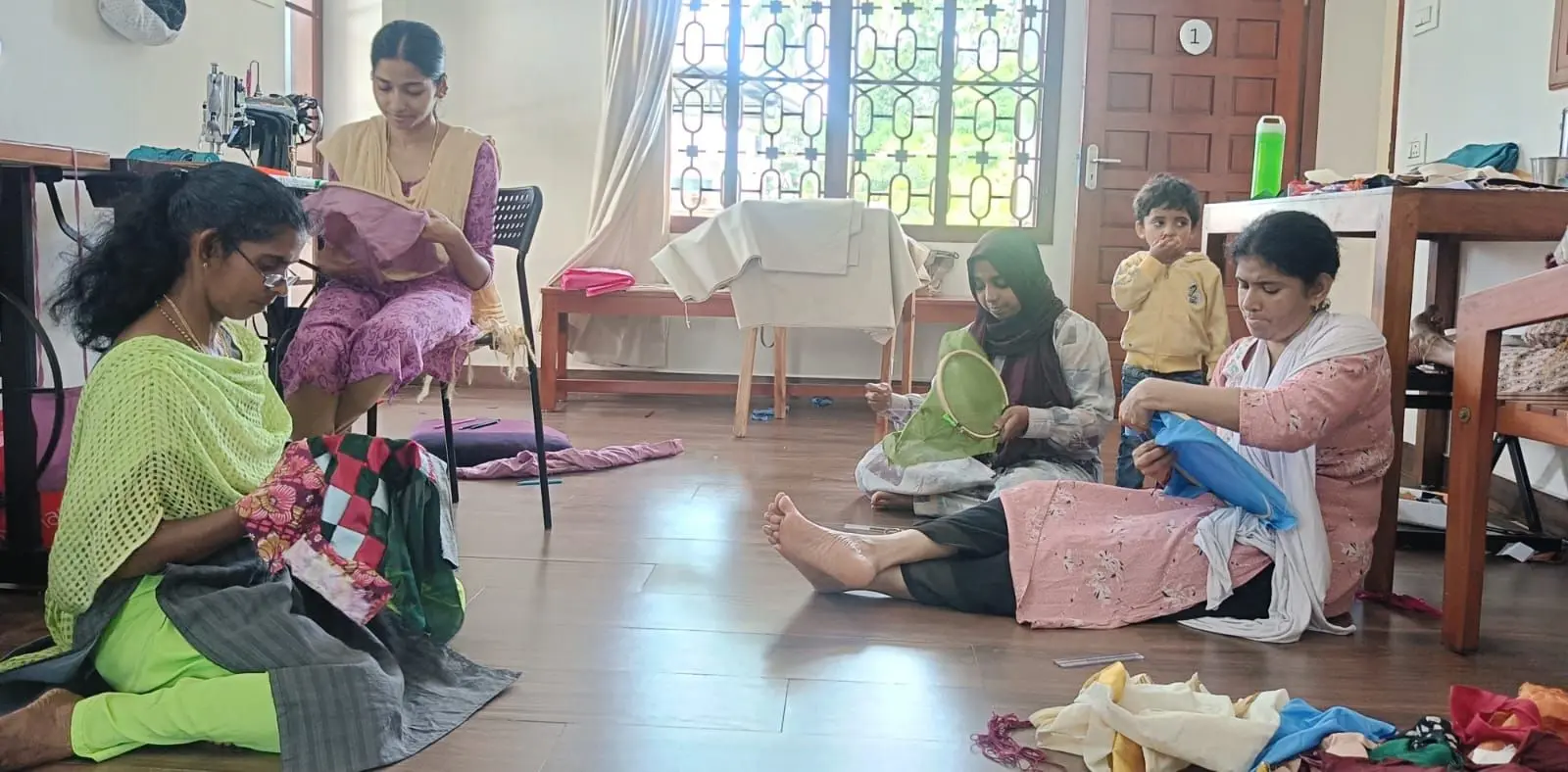
Guided line practice for Kantha stitch precision
Today, the work focused on stitch accuracy and even spacing in Kantha hand embroidery. The artisans moved from small scrap pieces to one larger fabric panel. Trainers drew guided parallel lines on the fabric to train the eye for even spacing. The lines marked the stitch length and gap distance. Working along the measured lines helped the artisans build a steady rhythm and control. The structure made the stitches even, creating a cleaner, more even look across the panel.
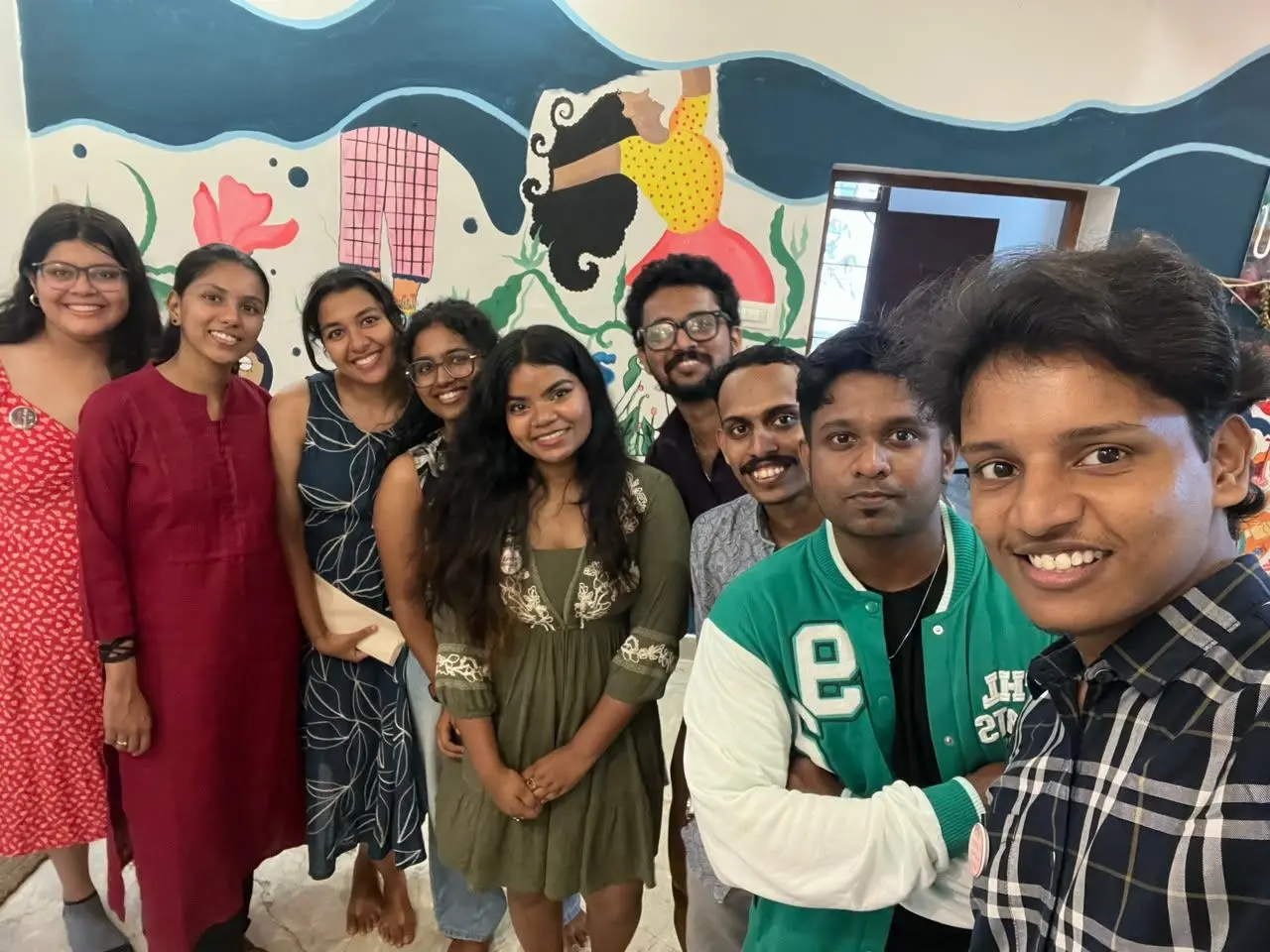
New MAD volunteers come together for an introductory session
Make A Difference (MAD) held an introductory session at aikyam Space for its new volunteers. The session introduced MAD's vision, values and work with children. It also explained the volunteers' roles and responsibilities. Games and group activities gave them time to get to know one another. This happened before they began their work with the chapter.
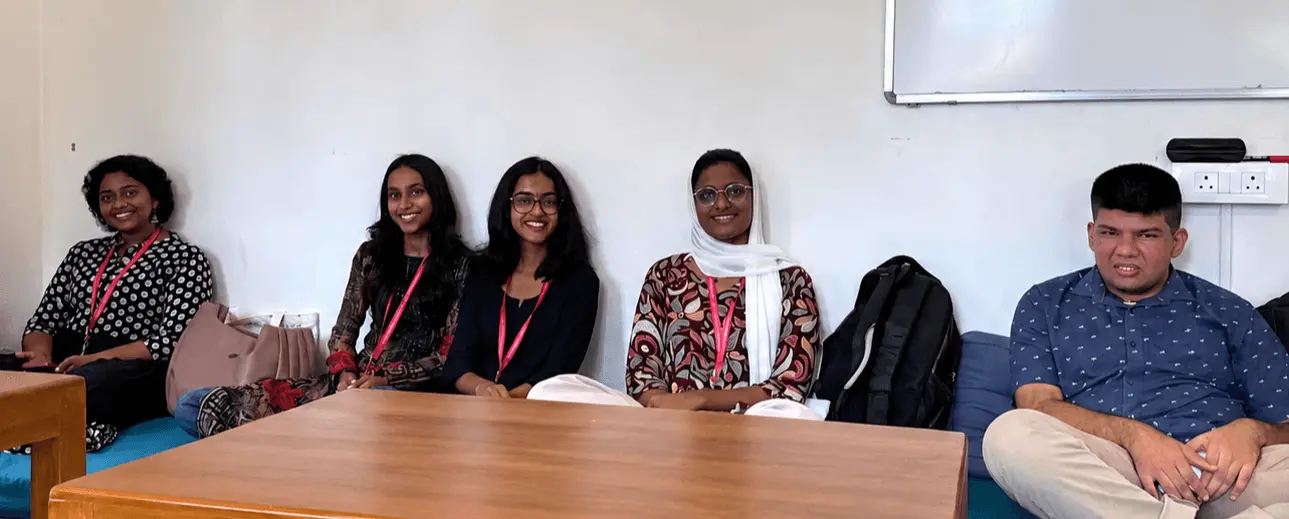
MAD volunteers come together for a workshop
MAD volunteers met at aikyam Space for a workshop. They discussed their plans for the next six months. They talked about which activities to take up and how to organise them. They also talked about where the activities could happen. They decided what to do first and planned the next steps together.
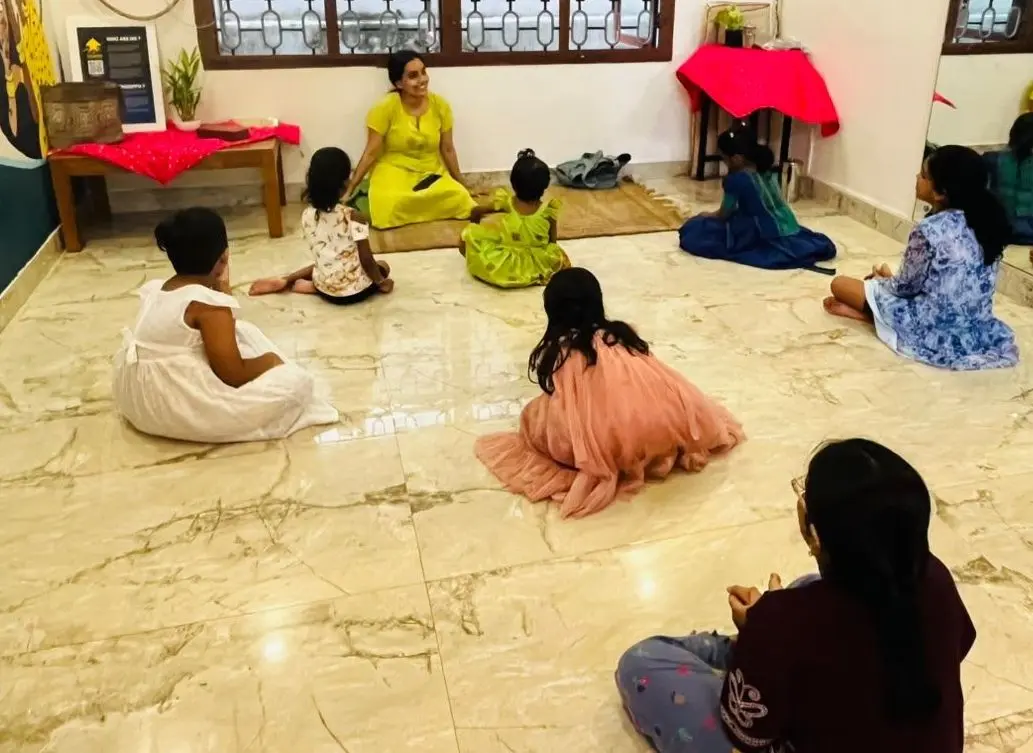
From play to learning: creating space for children to grow
The children arrived for Sunday's dance class in a playful mood, so we began by giving them some time to play before the structured session. They took part eagerly in the muscle-strengthening exercises before we started practising Adavus. The children stayed focused throughout the practice and kept trying to understand and perform the movements. Learning Adavus takes repeated practice, co-ordination, concentration, and patience. As children grow familiar with the movements, they learn to make different parts of their bodies work together and notice how they move.
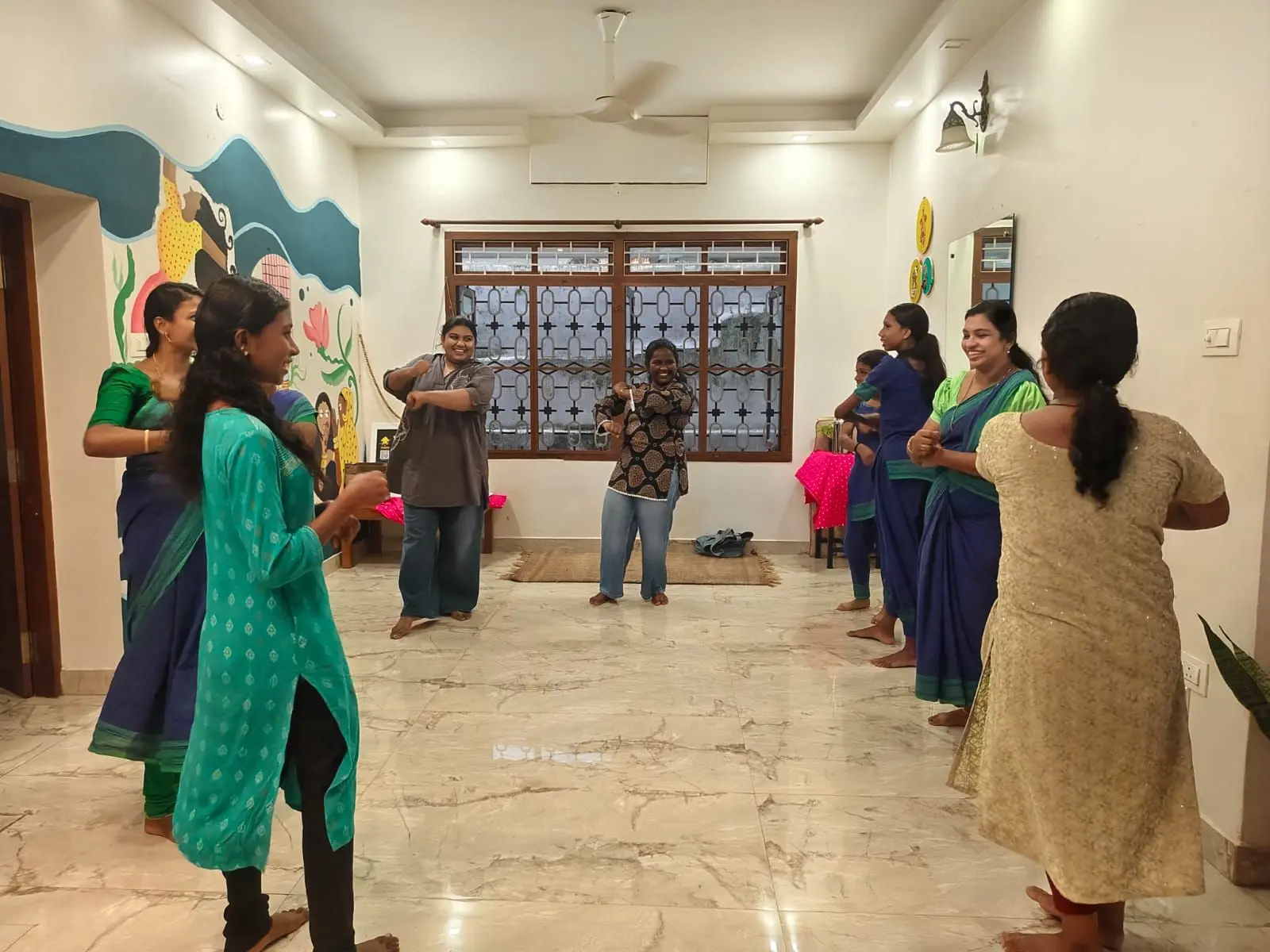
Finding connection through movement
Today's session was different for me. Anjali and Aparna, who are also dance facilitators at Thudippu, joined the session, which had seven participants. The group's energy was quite active and engaging. A few participants needed a little more attention and support. I tried to create a space where everyone could take part in their own way, without putting too much pressure on anyone. As the session went on, I noticed different emotions and experiences slowly coming up through movement. Some participants were more expressive, while some needed more time to connect with the process. I tried to stay present with the group and respond to what was happening in the moment. Since this was our first session, I consciously did not go deeper into the emotional layers that were emerging. Instead, I stayed more on the surface and focused on helping everyone feel comfortable, engaged, and connected with the movement and with each other. Even at that outer level, I could feel that there were many different emotions and personal experiences present in the group. It was interesting for me to notice how movement can bring these things out without directly asking people to talk about them. The session gave me a lot to watch and think about as a facilitator. It was a new experience for me to work with this particular group and in this setting. I feel that today's session gave me a better understanding of the participants. I know more about what they may need in the sessions ahead.
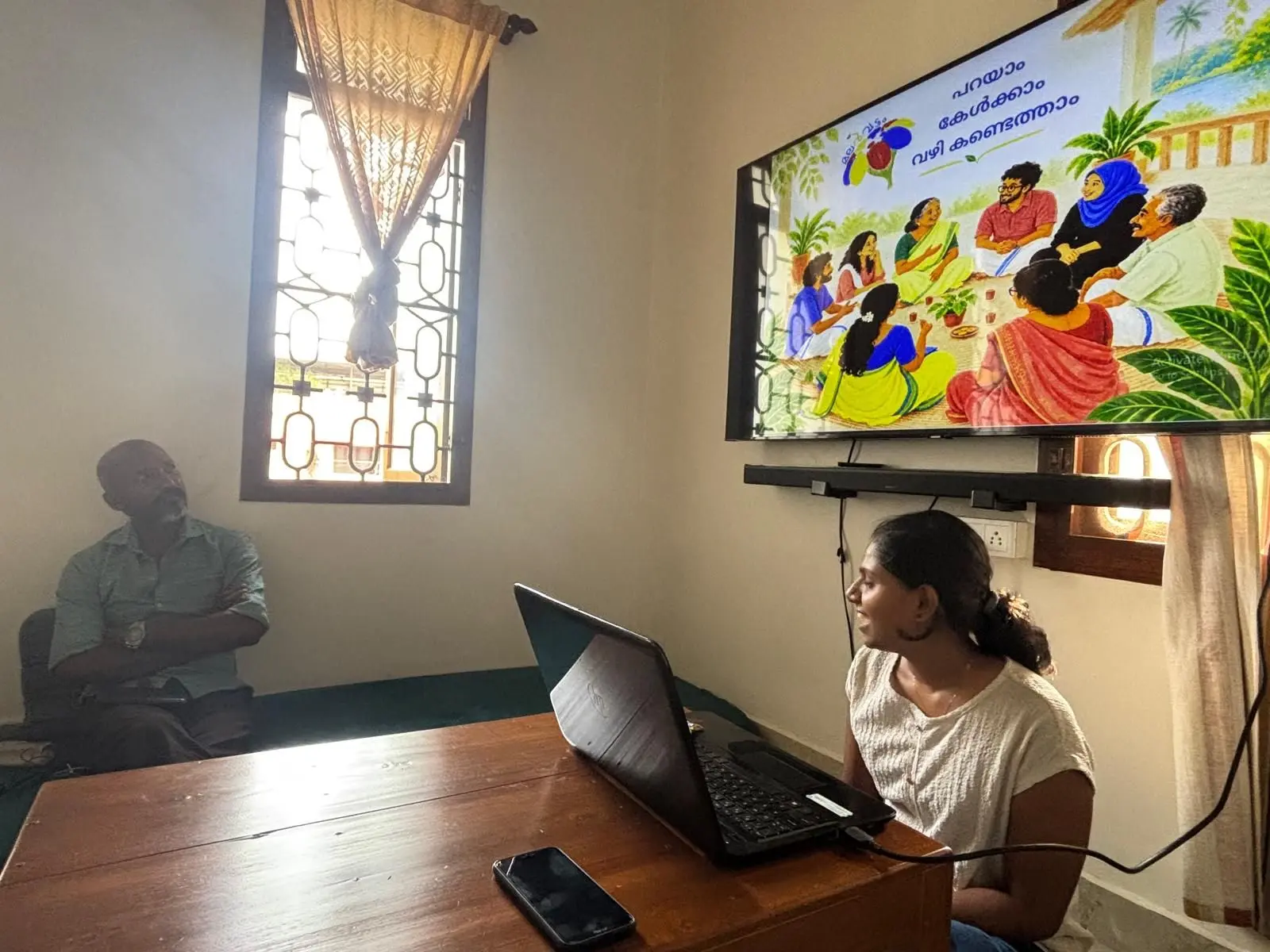
Malarvattam: making space to share
We surveyed nearly 100 people in Fort Kochi and Mattancherry to find out what support parents and caregivers wanted. They told us they wanted to share experiences, feel heard and support one another. This led us to create and name Malarvattam ("flower circle"), a monthly circle for parents and caregivers. For the first gathering, we chose a get-to-know-you conversation. The facilitators reviewed the survey together, developed discussion prompts and prepared slides. Their role was to make space for everyone to contribute, listen and summarise what participants shared. They did not give expert parenting advice. We designed a poster and shared it widely through partners and community contacts. On Saturday, the facilitators ran a mock circle. They worked through the slides and practised how they would introduce questions and guide the discussion. They also prepared their own scripts for Sunday's session. The first circle had two participants. Together, we explored memories of childhood, children's lives today and experiences of parenting and caregiving.
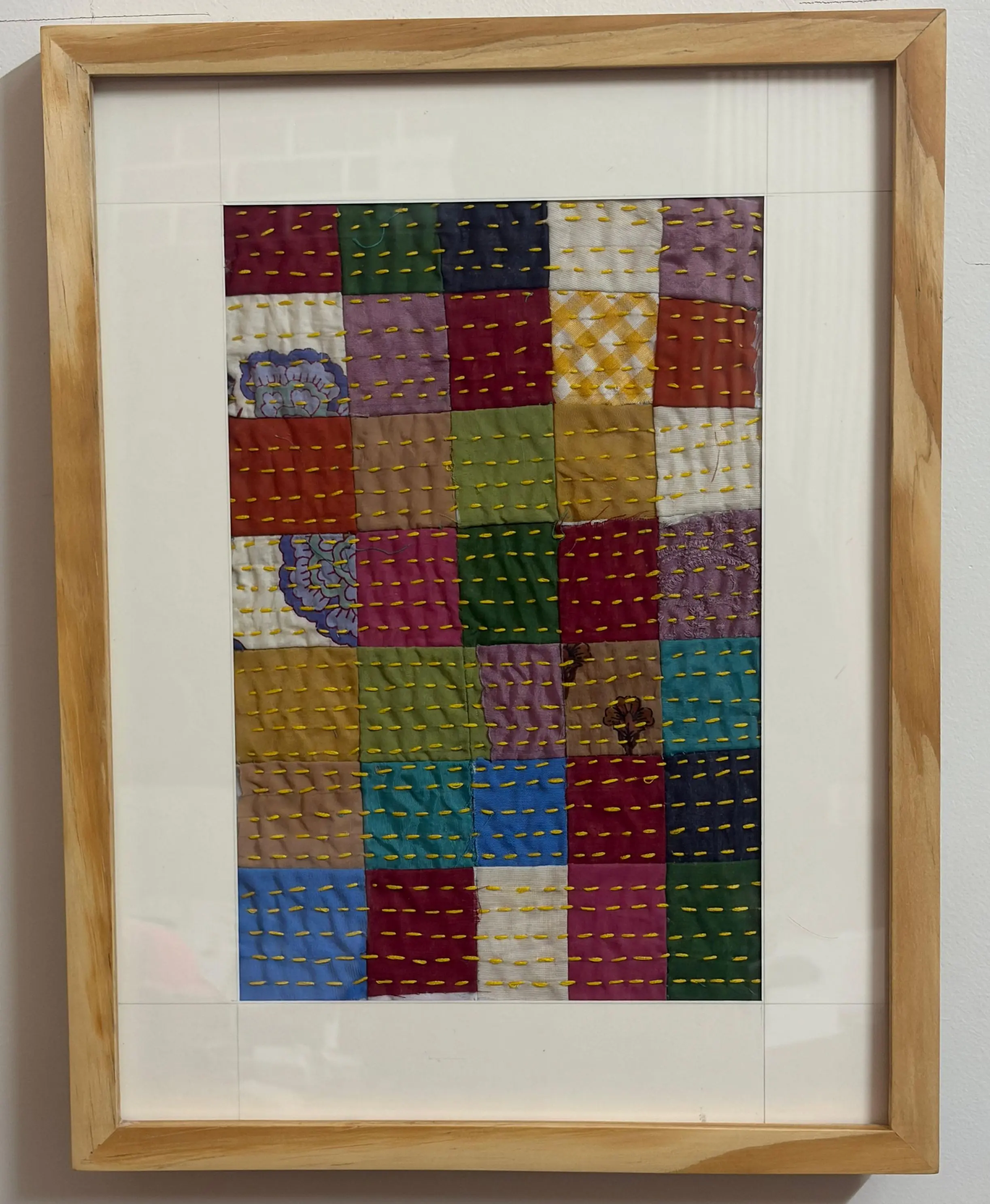
Praise, precision, and peer-led learning in Kantha craft
Today began with choosing suitable fabric pieces for Kantha work. The team washed and laid out the pieces for future use. The team then took yesterday’s pre-washed fabrics. They ironed them smooth, marked them precisely, cut them, and stitched them together to prepare fresh base panels for hand embroidery. As the work progressed, the accurate stitching of two artisans stood out. Their Kantha stitches were neat, quick, and confident. We mounted their finished pieces into wooden embroidery frames and shared them with the rest of the unit. The display sparked an encouraging group discussion, with everyone examining the sample stitches and analyzing technique details. Seeing such quick progress was more than we expected. To build on this progress, the team agreed that the advanced artisans will mentor others by sharing their insights. Before wrapping up, the artisans collectively planned dedicated group practice sessions to learn from one another and refine their craft as a unit.
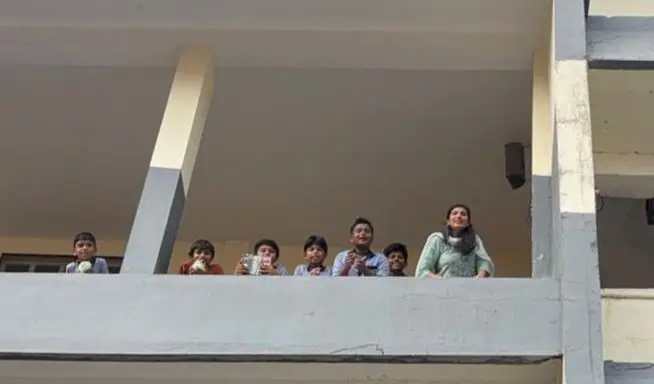
Students returned with creations they had continued at home after "LifSkool: What Else?" — photo frames, a little fan, a house, a puzzle and chopsticks. It was lovely to see their ideas develop beyond the session. We began with our routine movement break and mindful breathing, giving students time to shake off the school day and settle. The class split into six teams for the Egg Drop Challenge. Each team tried to protect an egg from a fall. We chose the task to bring problem-solving, effective communication, decision-making and creative thinking together through discussing ideas, choosing a design and testing it. Students combined recycled materials from home with supplies from our inventory to create their egg carrier. We planned a second-floor drop, but their confidence went one floor higher and they asked to test from the third floor. From each team, a student stayed with a facilitator to drop their design. The others went downstairs to watch and check how their egg fared. Much to their amazement, two of the six eggs appeared to remain intact. We had little time left after returning to class. We planned to revisit why some designs worked and how the teams worked together in the next session.
September 2026
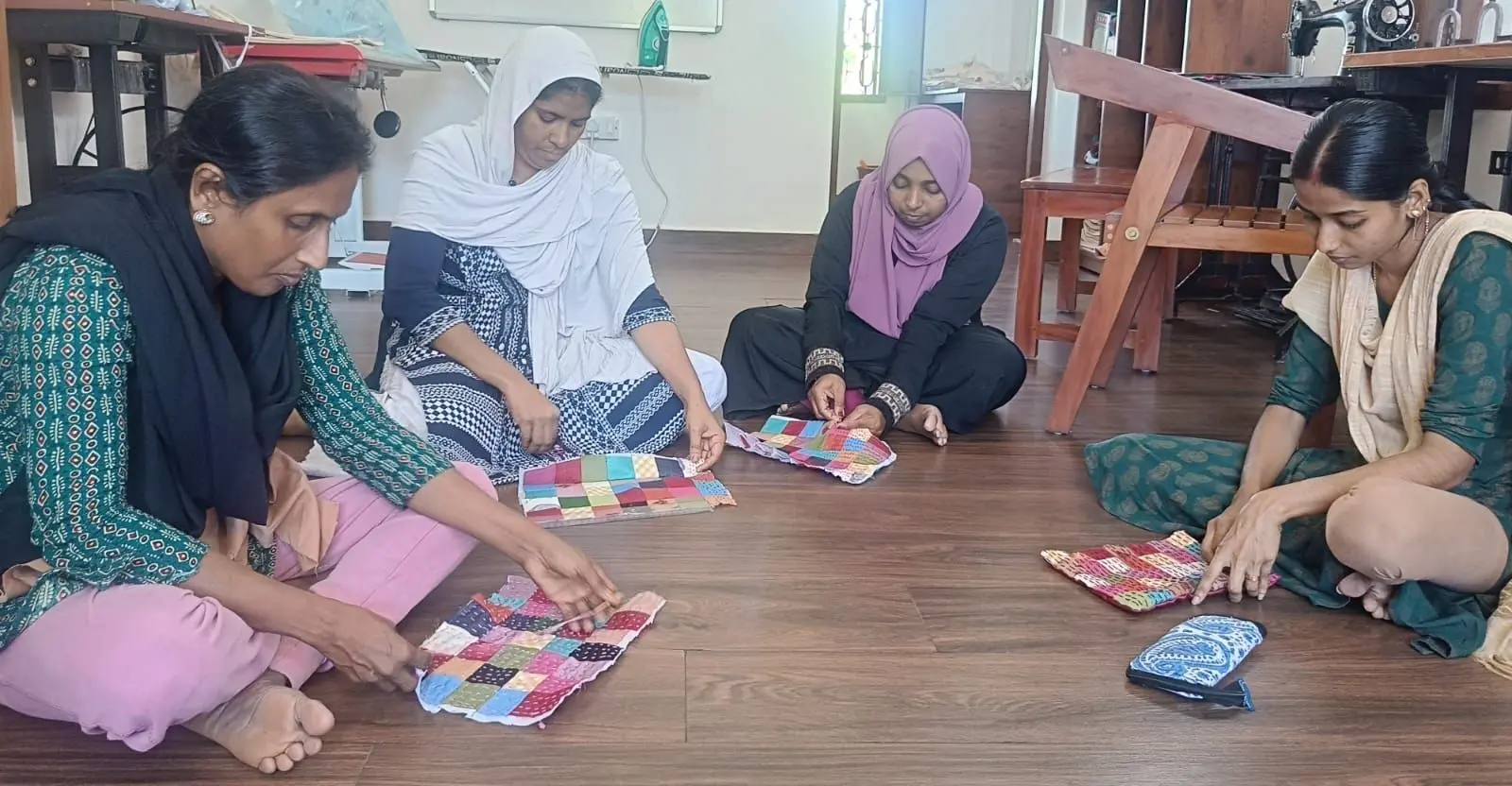
Method testing in Kantha stitching: finding the perfect thread and spacing
Today, the artisans at the stitching unit began crafting a new piece using selected and washed fabric pieces. During the process, questions arose about how far apart to place stitches and how thick the thread should be for Kantha work. To eliminate guesswork and establish a clear quality benchmark, the team decided to compare four techniques in a structured test. Each artisan took on a specific variation. One tested closely spaced stitches with thinner thread. Another maintained small, uniform gaps using the full thread. A third tested three-strand thread layers for a bolder look. A fourth variation was set up for full comparison. With the test panels partially completed, the team paused for the day and plans to finish them tomorrow. The team will compare stitch neatness and overall finish to settle the standard Kantha stitching method.
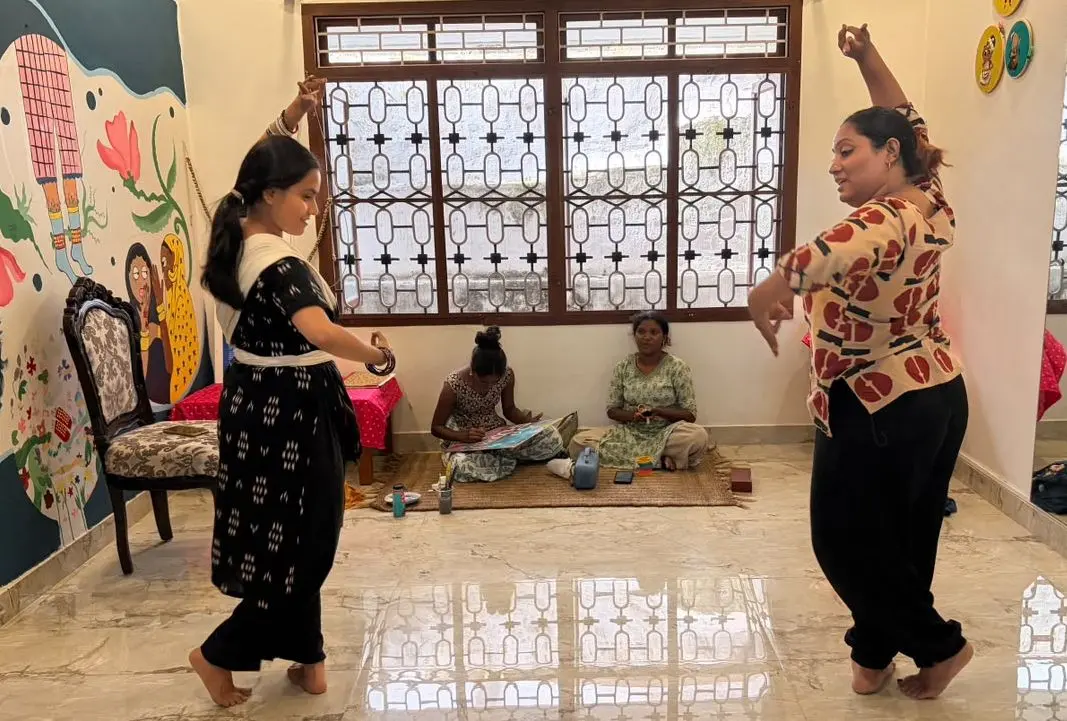
Preparing together for our next sessions
We are rethinking how to introduce traditional art forms to children. We want these sessions to be interesting, easy to follow and enjoyable. We are drafting and refining the syllabus. We are looking again at how we structure and share the art forms. We are exploring new activities, exercises and ways of showing movement and ideas. We are trying new activities and ways of helping children join in. We are thinking about how to present traditional movements and ideas. We want children to understand them, enjoy them and connect with them.
What else? Creative thinking at LifSkool
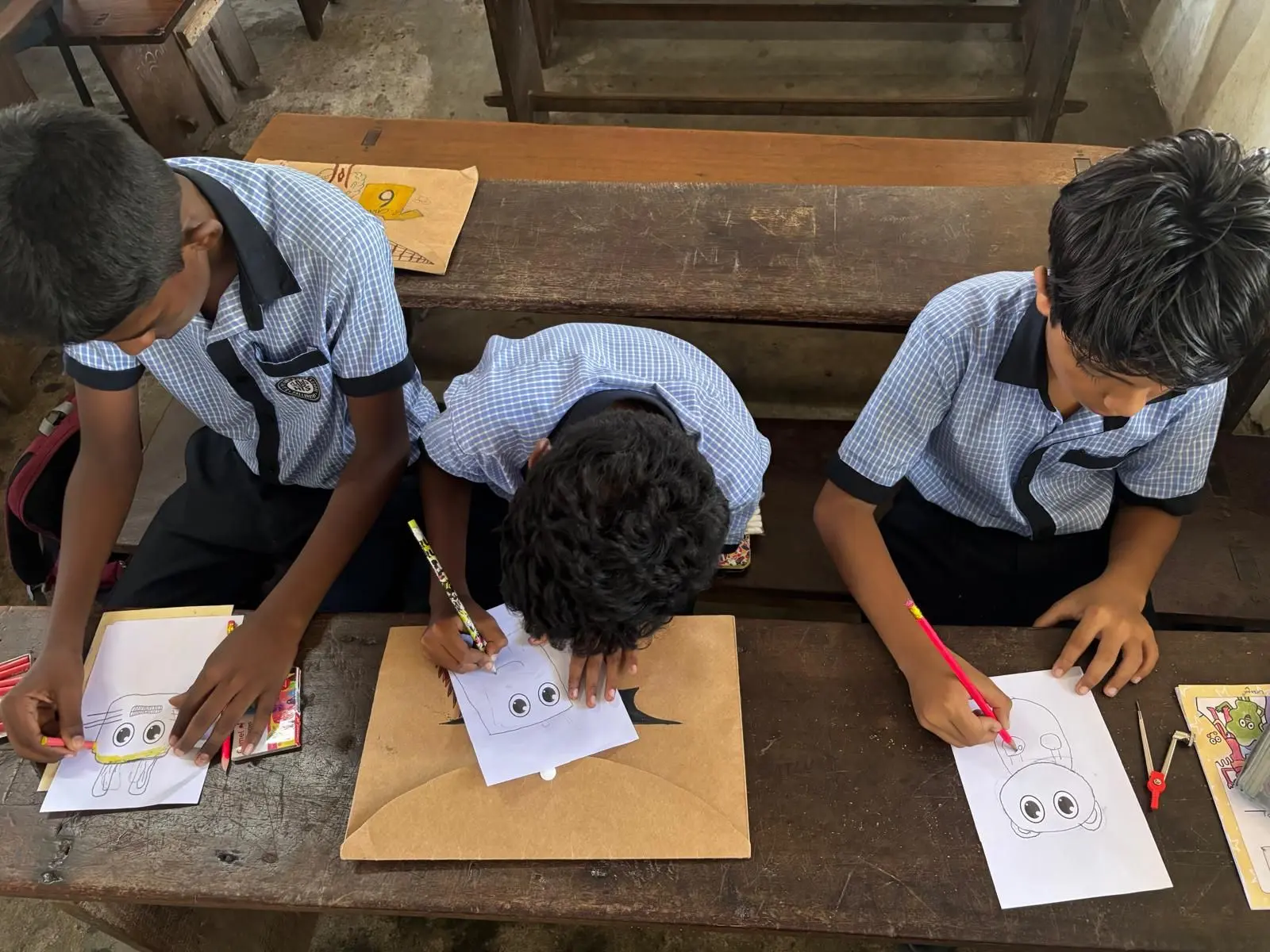
Today's LifSkool session explored creative thinking. We revisited last week's question "How do you know?" and tried a new one, "What else?" The boys turned the same pairs of eyes into different drawings. In pairs, they found new uses for everyday objects. They combined two objects into a new invention. Finally, each pair got the same ice cream sticks and joiners. They were free to build anything. Every creation went in a different direction, showing how one starting point can lead to many possibilities. In discussion, the students shared what helped when an idea ran out. They said to keep thinking and to listen to a partner. Combining ideas and trying something unusual also helped. The students worked through the challenges. Some creations were still in progress. The students took them home to continue.
Reflecting on progress: a clean workspace brings pride and precision to Kantha craft
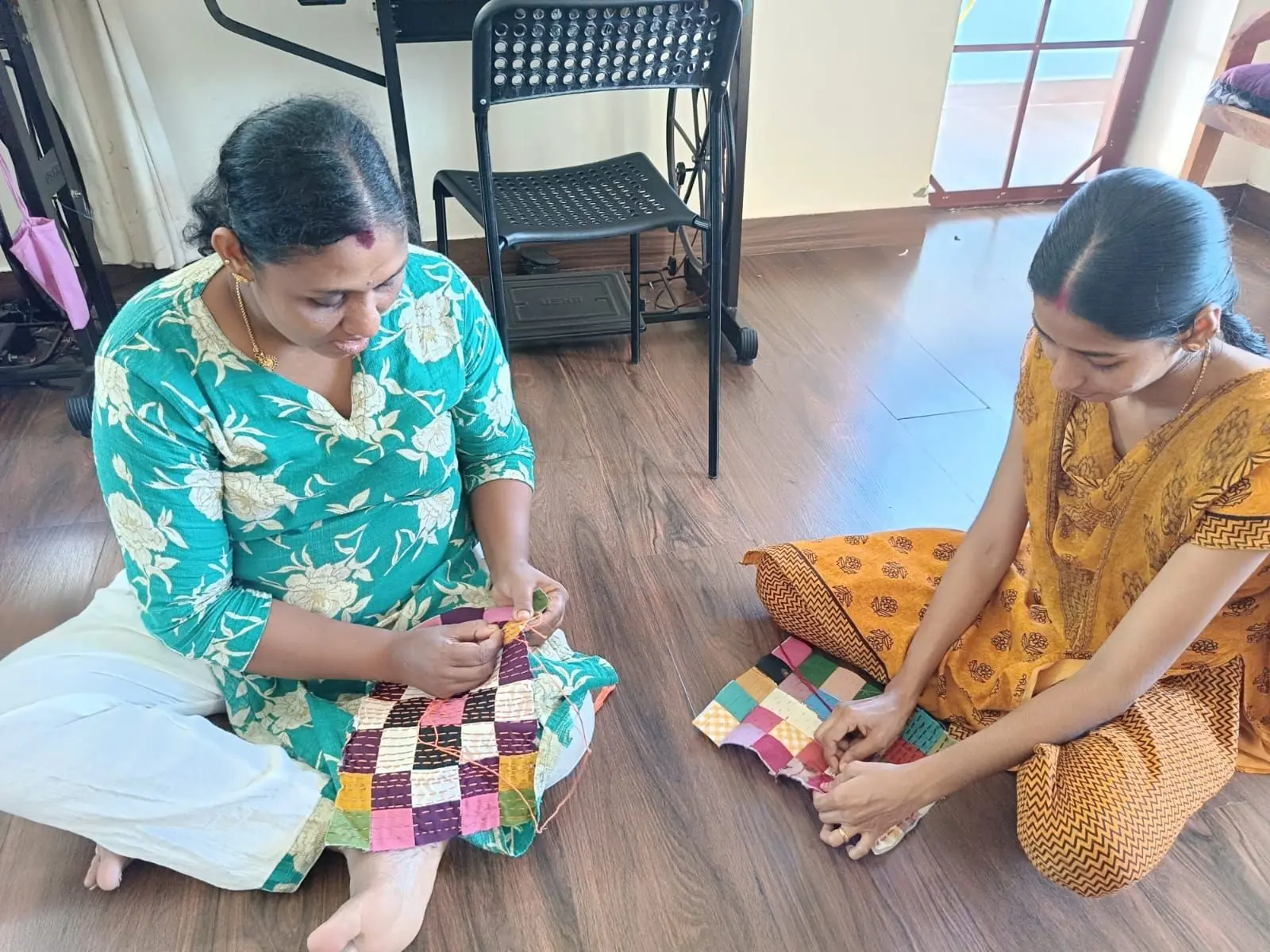
The stitching room felt bright and open today. The team cleaned and reorganized it yesterday. This gave the space a fresh, positive feel. It set an upbeat, focused tone for the afternoon. The artisans started practicing Kantha stitching. They worked on two to three new patterns. Their hard work showed. Every stitch came out neater, tighter, and more precise. They stored each sample in their own portfolio file. The best moment came when the team took out their earliest trials. They placed them next to today's work. Seeing the progress filled the room with pride and joy. They realized how far patience and steady practice had brought them. This gave everyone a strong boost of confidence in their skills.
After the storm: unwinding with fabric sorting and slow Kantha craft
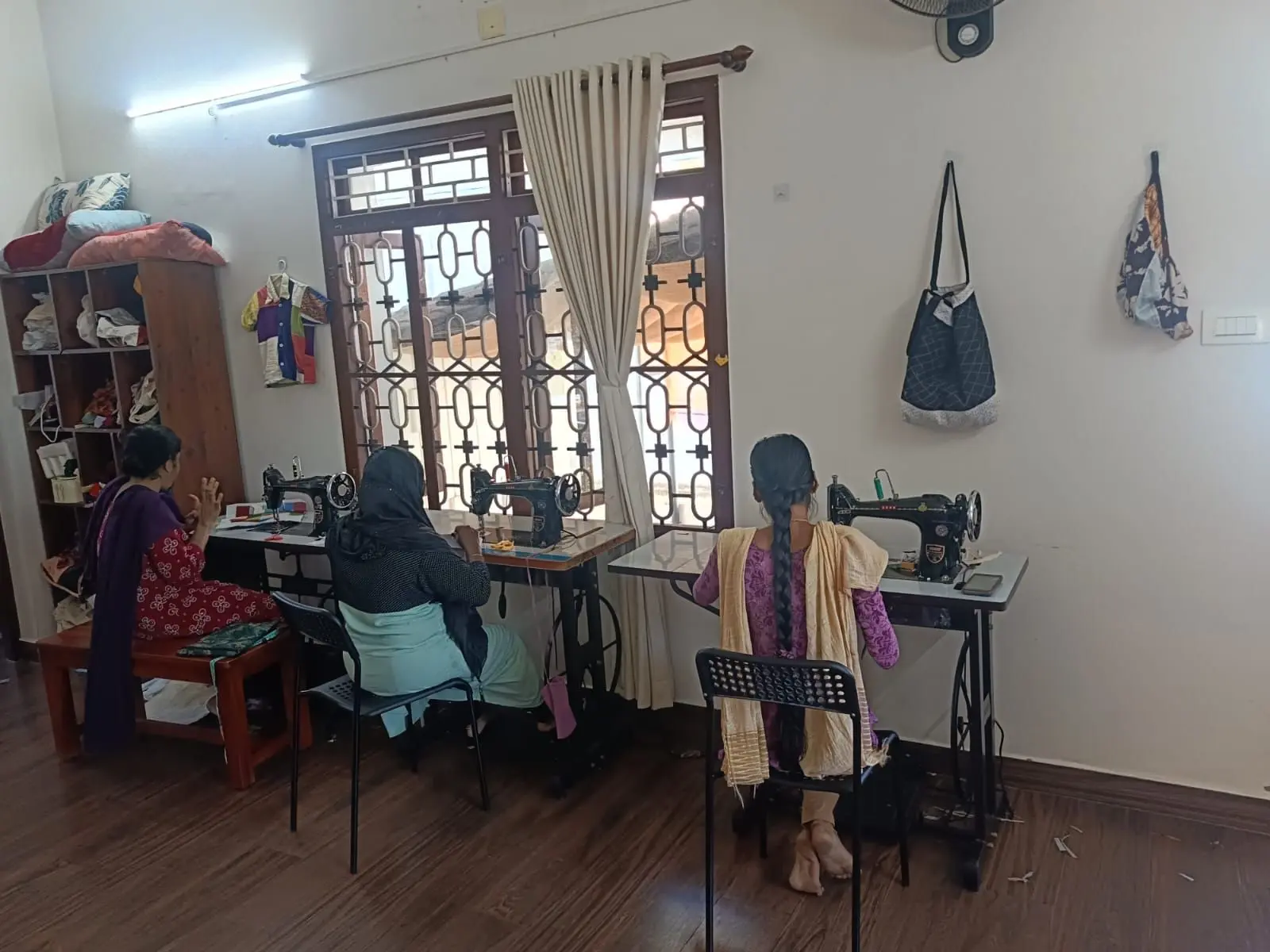
After two days of demanding work, frantic restitching, and tight deadlines, the stitching unit relaxed today. The team gathered around 2 p.m. When they heard that the tote bags they worked hard on received official clearance and moved to the sales stage, the room filled with excitement. The high-pressure rush of the previous days was gone. In its place was a warm, quiet sense of accomplishment. Everyone gathered in a relaxed circle. They untangled and sorted colorful fabric scraps, shared stories, and sipped tea. They continued their slow Kantha practice. Without rigid targets overhead, the team slowed down. They caught their breath and celebrated how far they have come together.
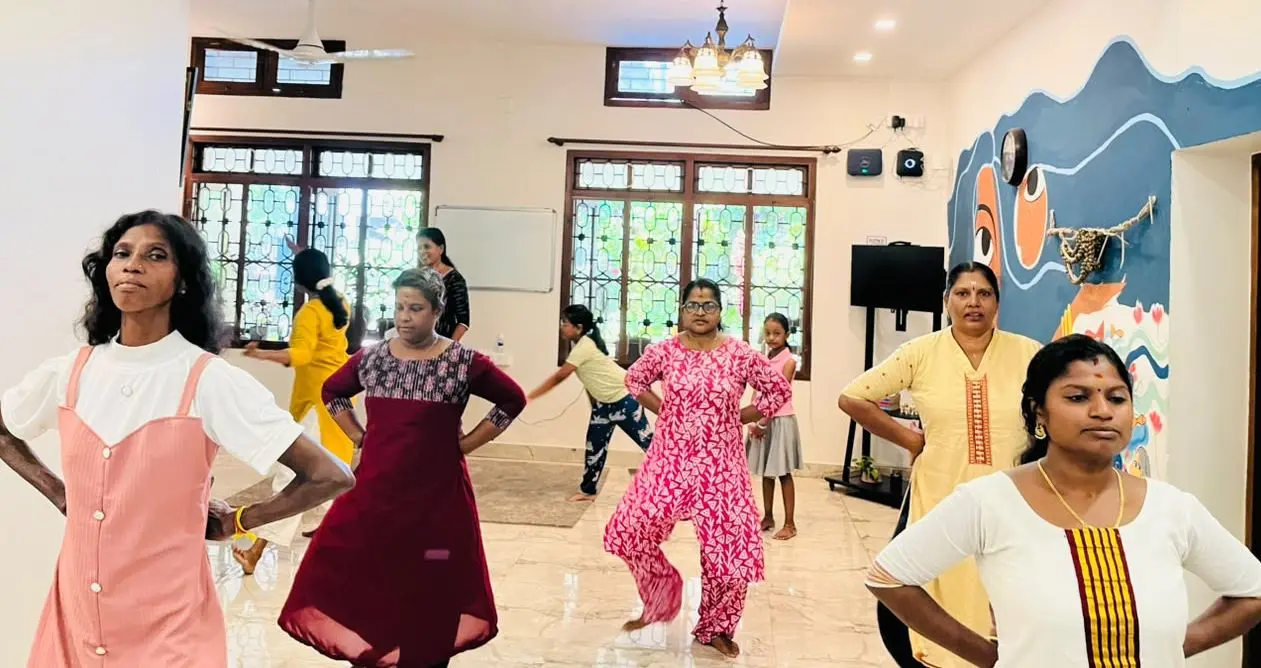
Building rhythm and co-ordination through revision
On Sunday, most students were absent, so I used the class to revise Adavus and Mudras and introduced basic Chollu and Thalam. This helped me realise the importance of changing my lessons to fit the students' needs and giving them enough time to develop rhythm and co-ordination. I learned that even a small class can be a valuable opportunity to observe and support each student.
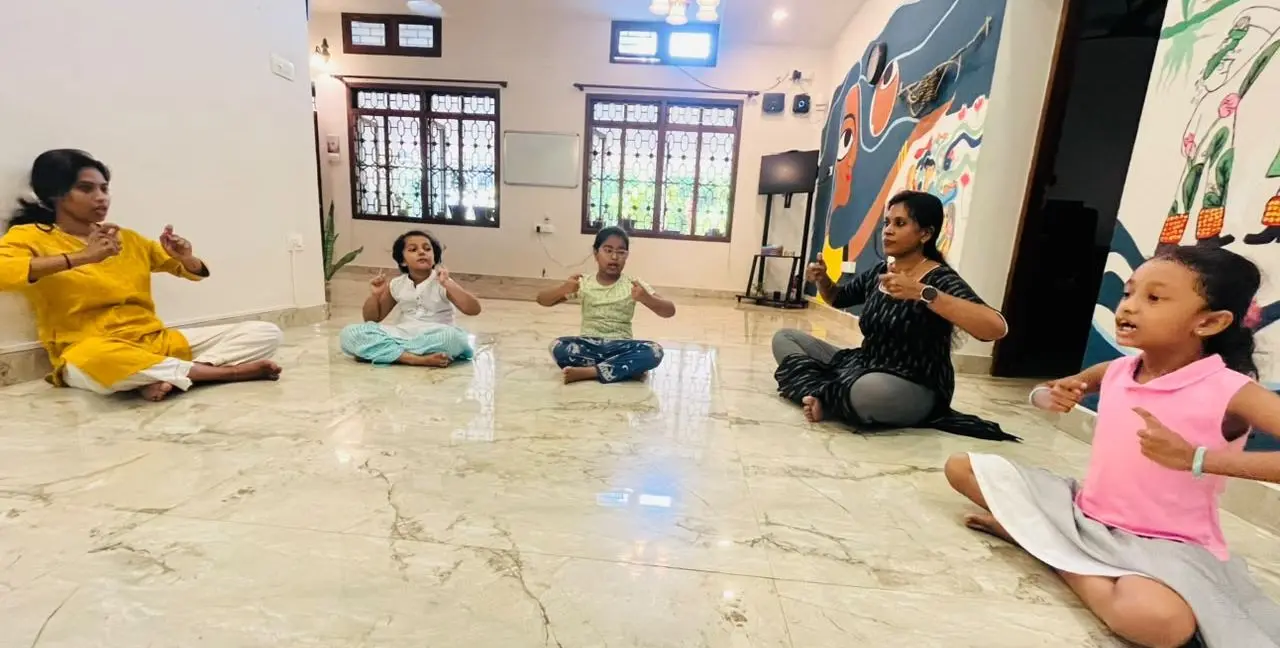
Breaking down Nattadavu: building co-ordination step by step
The students found the adavu Nattadavu difficult to understand, so I started with the leg movements separately. Once the steps were familiar, I added the hand movements. The students struggled to co-ordinate both movements at the second and third speeds, so I spent more time on the leg movements. This taught me that breaking down difficult movements into simple parts helps children learn more effectively.
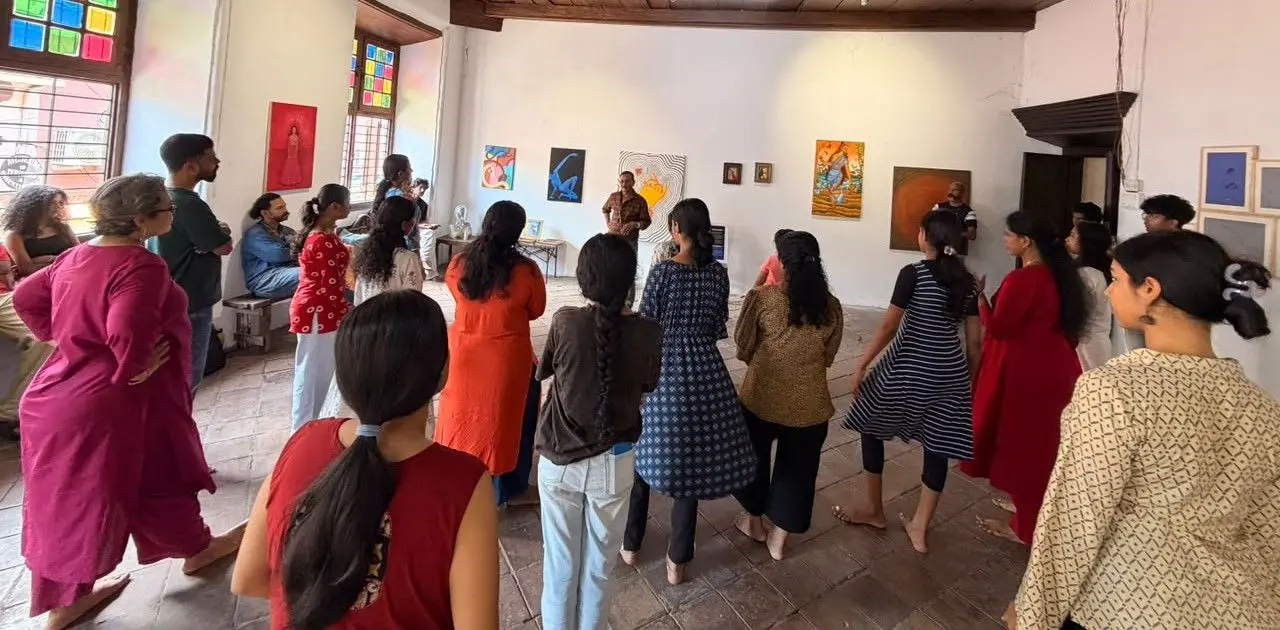
Chavittunadakam workshop, Mattancherry
Thudippu invited me to conduct a Chavittunadakam workshop on the 26th. It felt special to me. The workshop brought together children, adults, women of different age groups, and many people who are actively involved in the arts. Everyone participated so wholeheartedly — listening, asking questions, engaging, and learning together. I truly hope that each person who was there took away something special from the experience. For me, this was one of those days that will remain special in my life. The love, encouragement, and kind words I received from everyone meant so much to me. If anyone comes forward in future, I would be more than happy to work with them and be part of it. They may want to learn more about Chavittunadakam, talk about it, or organise something connected to the art form. — Kalashri Britto Vincent
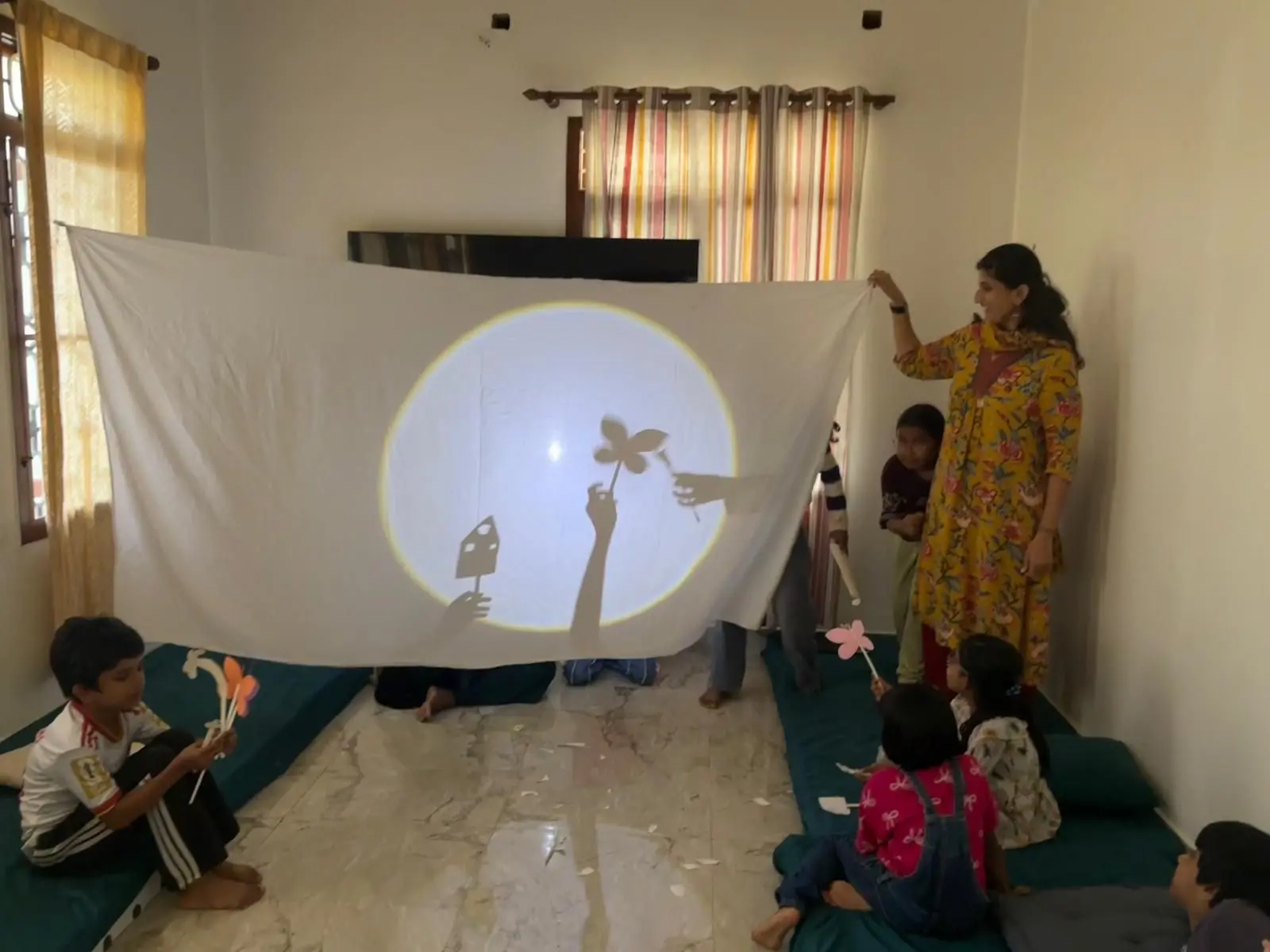
This week, schools were holding make-up classes, so nine children joined us. We began with LEGO, Dobble and building blocks. When the children asked to try body percussion, we set aside the planned reading activity and made a rhythm to "We Will Rock You". We then explored what causes shadows. We watched a video about the history of shadow puppetry in China. We connected it to traditions in Kerala. Using materials left from previous sessions, the children made people, houses, a cat, a coconut tree, bees and an ant. For our theatre, we tied one side of a white blanket to the window, with a facilitator at the other side. A torch lit the puppets from behind, with the audience seated in front. The children worked in teams to create and present three short shadow puppet stories. It was lovely to see them combine their ideas and bring their characters to life.
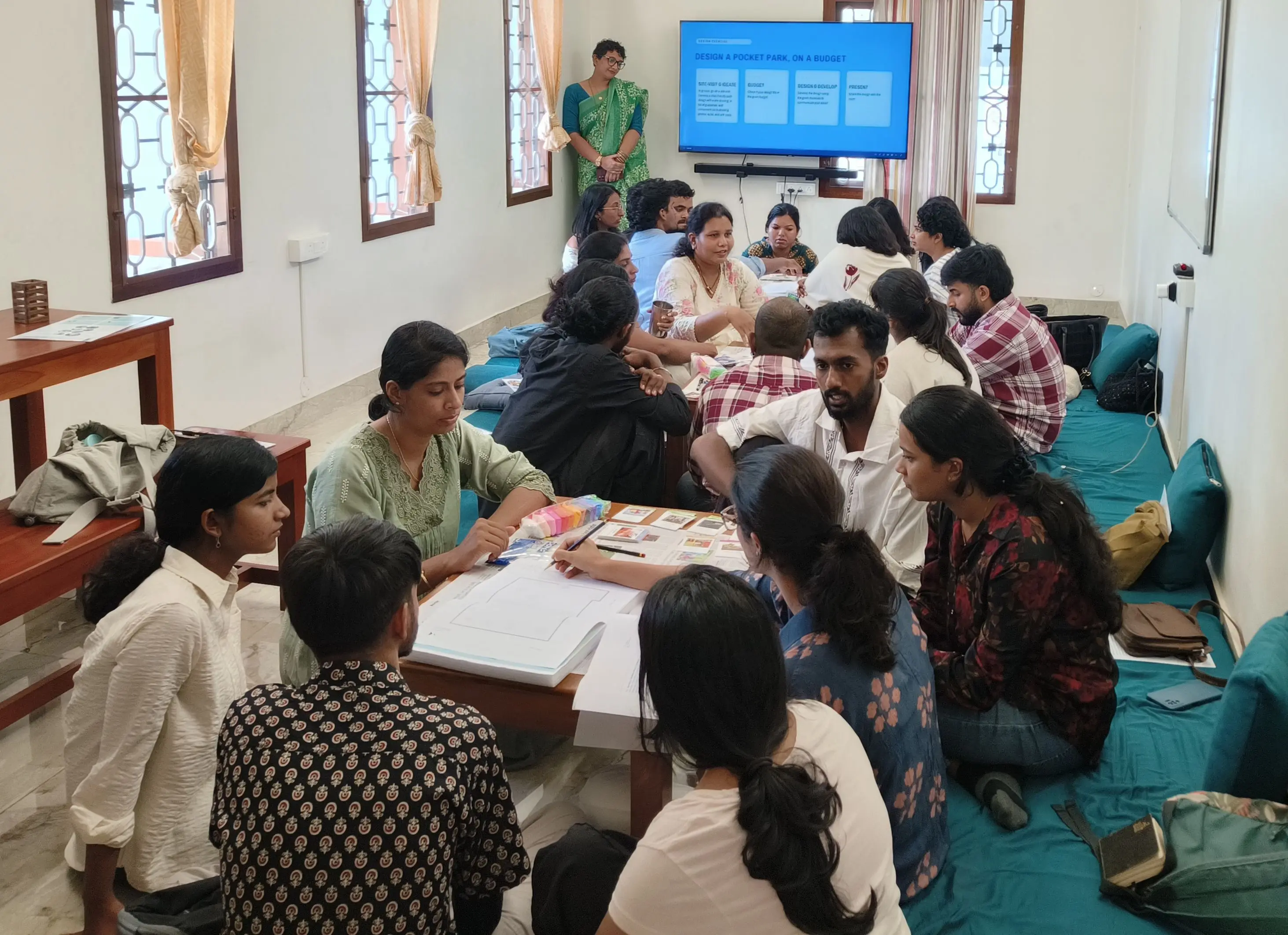
Architects explore how to make Kochi’s everyday spaces more playful for children
Little Big Festival led the first Little Big Everywhere workshop at aikyam space. WRI India supported it through the Nurturing Neighbourhoods 2.0 programme. The workshop focused on children's need for places to play. Architects explored how small changes to everyday places in Kochi could make them more welcoming and playful for children. The pilot will begin by identifying five spaces that could benefit from these changes.
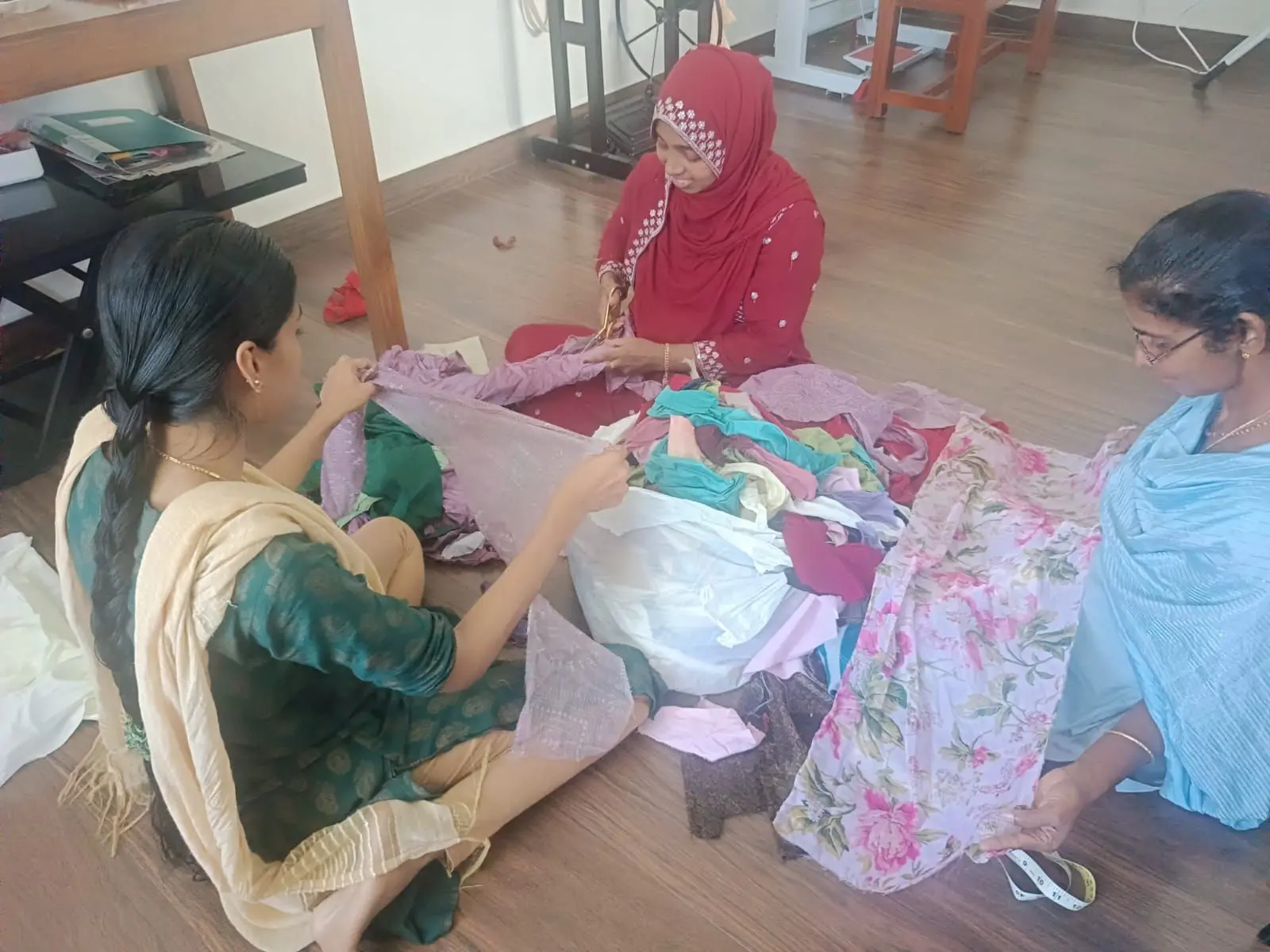
Artisans rest and celebrate with tea, fabric sorting and Kantha
After two days of hard work, rushed stitching and tight deadlines, the stitching unit relaxed today. The artisans gathered at 2 p.m. When they heard the tote bags were cleared and moving to the sales stage, they were excited. The pressure of the previous days was gone. A quiet, warm sense of accomplishment took its place. Everyone sat together in a relaxed circle. They untangled and sorted colourful fabric scraps. They shared stories and sipped tea while practising Kantha. They had no rigid targets. They used the day to slow down and rest. We celebrated how far the team has come together.
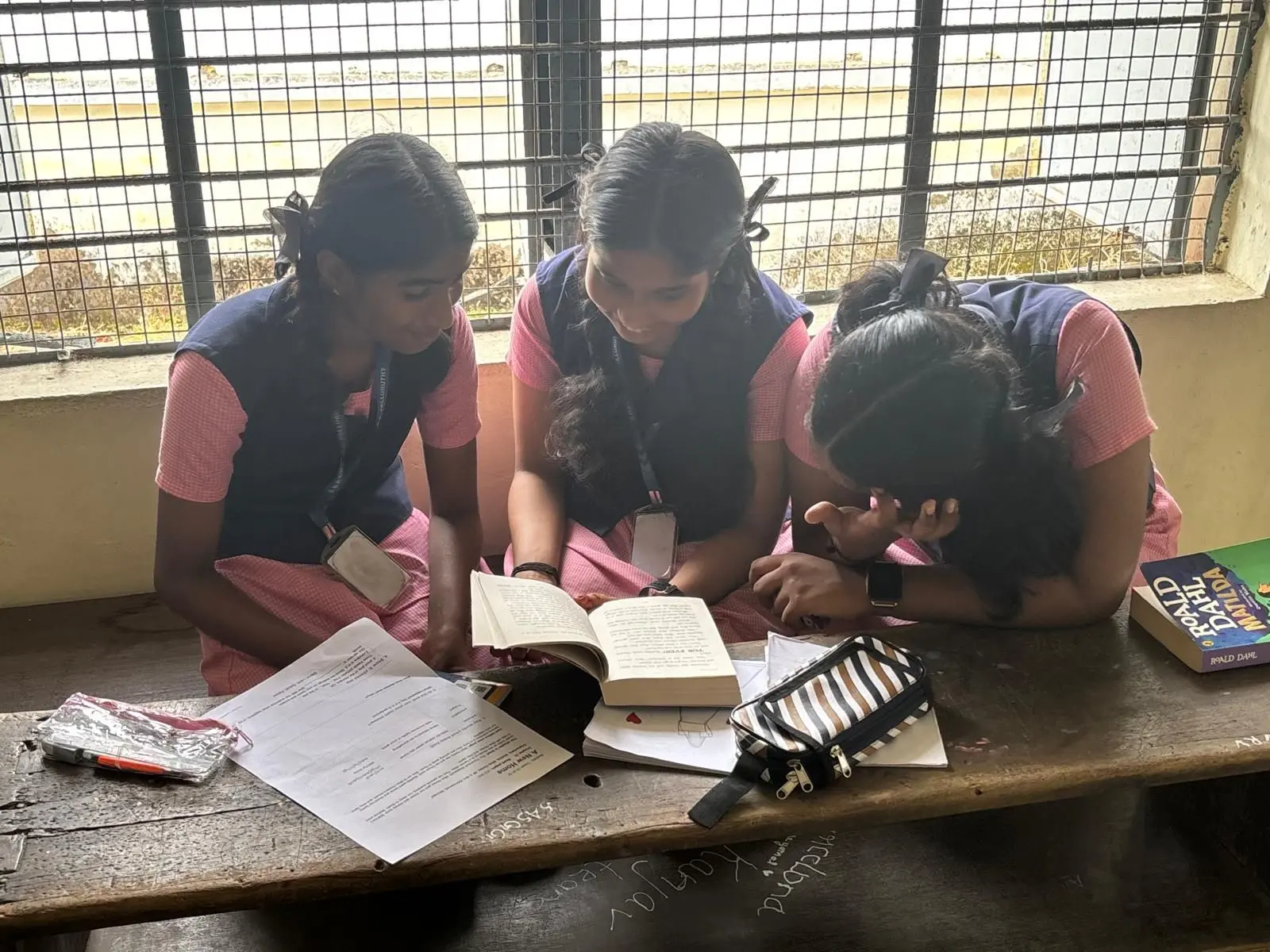
Reading for meaning with Stories, Voices and Confidence
Stories, Voices and Confidence began on July 10 with Standard 7 girls at SDPY Girls High School. We raised funds to buy 50 copies of Roald Dahl's "Matilda". Penguin India gave us a discount. We will use the books with future groups too. Through the story, we are helping the girls understand what they read and share their ideas. Between monsoon rains, Onam, exams and the youth festival, it had been some time since we last met. During the break, we encouraged the girls to read for 15 minutes a day and note difficult words. In our first session back, the girls were at different points in the book. Some had finished it. We planned for 37 girls to read short extracts in groups and then act out scenes or show them through still pictures. Many could read the English words but struggled to understand the passages. Olimalar facilitators and the school teacher moved between groups to help them work through the meaning. With support, the girls understood their extracts, but we did not move on to the performances. The session showed us where to focus next: helping the girls pause, ask questions and understand the story before presenting it.
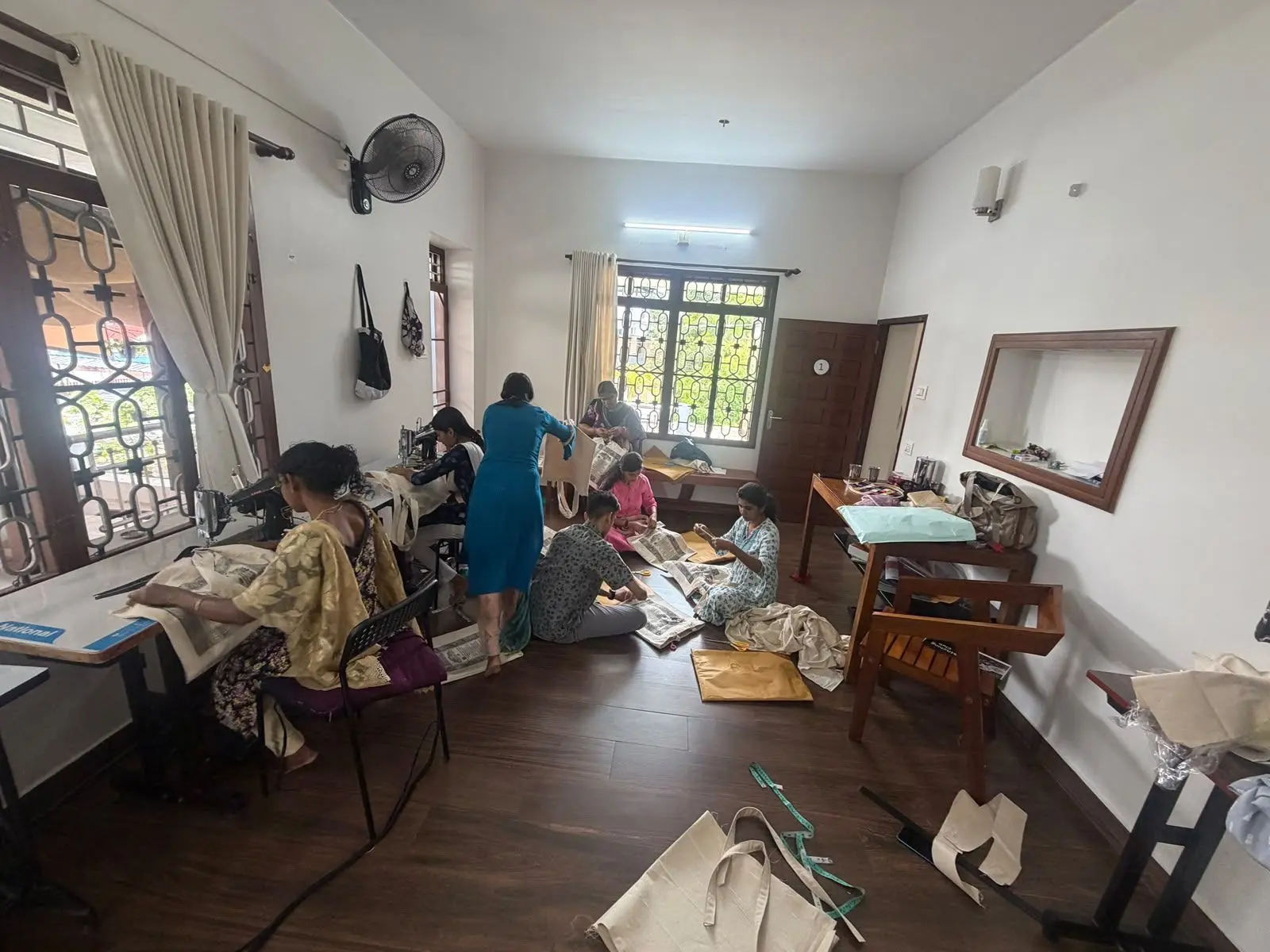
Working under extreme deadline pressure to finish 50 tote bags
Just when we thought the 50 tote bags were ready, misaligned screen prints and mismatched bag models turned our relief into late-stage chaos. With a strict 36-hour deadline looming, we tracked down a local printer who pulled off a three-hour miracle, leaving us to fix the stitching issues. The team rallied at 9 a.m., salvaged 18 bags, and completely restitched the remaining 32 from scratch. They completed quality checks and packed the entire order right on time.
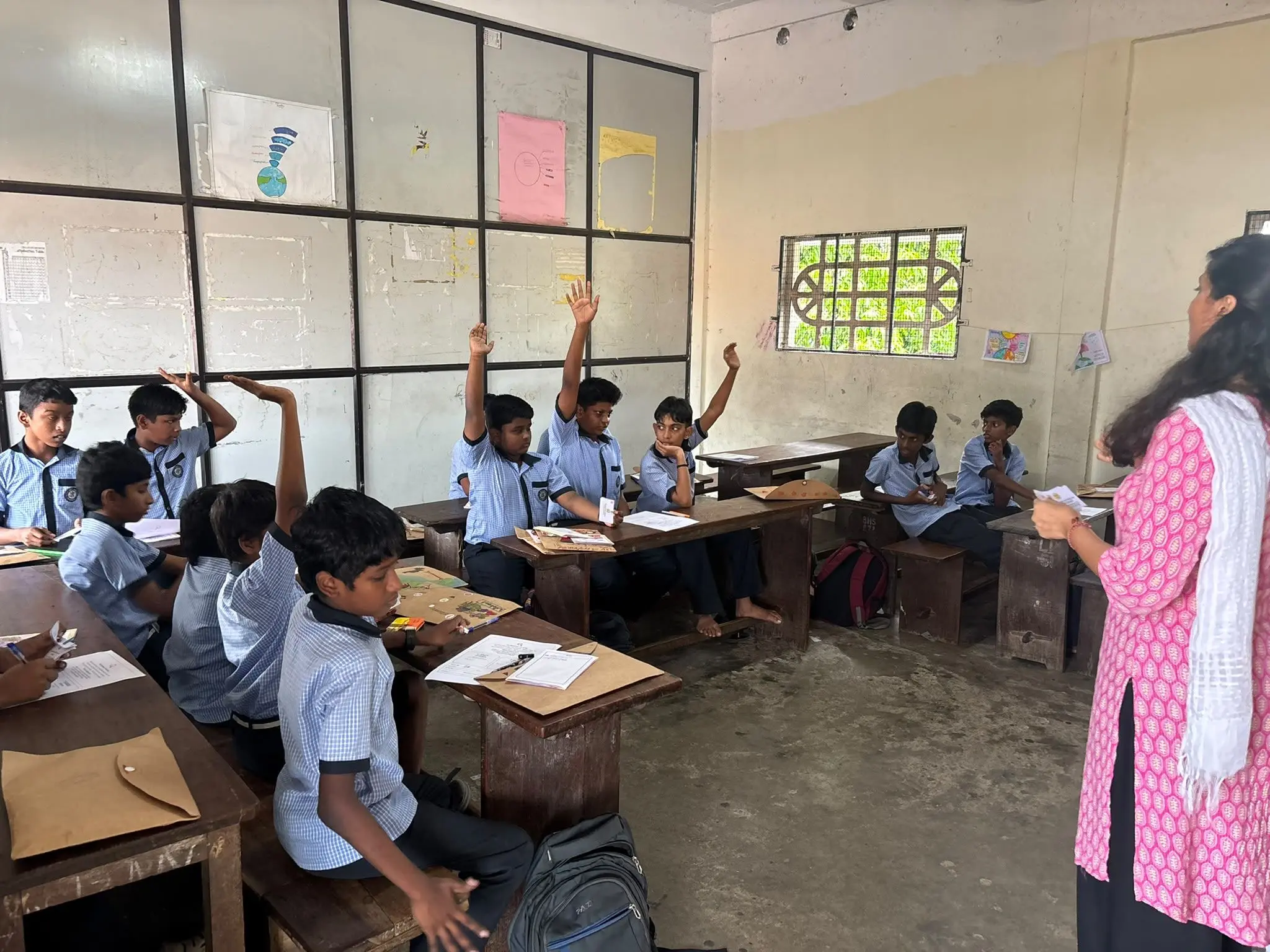
LifSkool: Think Like a Detective
Our hour began by looking back at the previous LifSkool sessions and asking the boys what they remembered. They were able to recall the activities and connect them to skills they had already been practising, including communication, problem-solving and decision-making. Today’s LifSkool session focused on critical thinking. We invited the boys to think like detectives, using short thinking challenges and a collaborative investigation. Rather than explaining the skill first, they were encouraged to ask questions, examine information and work out what they thought had happened. What worked particularly well was the balance between pace and reflection. Having the activities and materials prepared in advance meant we could move quickly from one challenge to the next without losing momentum. But we also paused briefly between activities to ask the boys how they reached an answer, what they were assuming, or what made them change their mind. The boys responded strongly to this format. They were curious, eager to talk and ask questions, and every child contributed. The detective-style investigation gave them something concrete to think through together rather than simply listening to an explanation about critical thinking. Only afterwards did we name the skill and connect it to a simple idea: ask questions and check what you know before deciding what you think. Our main learning was that a fast-moving session does not have to mean rushing the learning. Good preparation helped us keep the energy up, while short reflection moments gave the boys space to notice how they were thinking. In future, we would like to build on this with slightly more challenging investigation-style activities. Group: Local Government School | Std 5–7 boys | 15 boys Materials: Simple thinking challenges, investigation materials, whiteboard and LifSkills workbooks. Space: Regular classroom with tables and benches Timing: Around 45 minutes
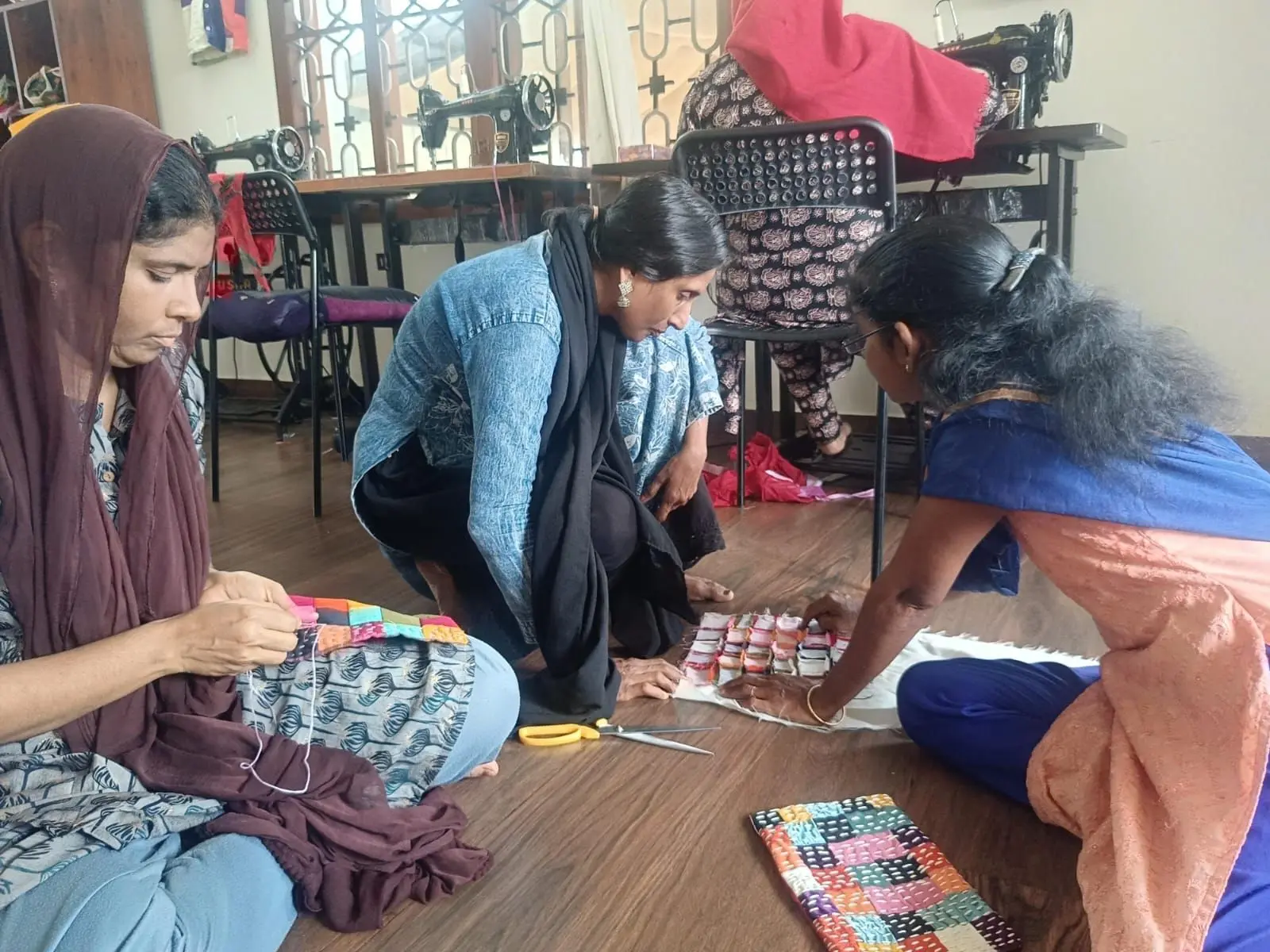
Achieving 4 centimetre grid precision in Kantha panels
We worked precisely on the 4 centimetre grid today. We made a complete Kantha panel with no major setbacks. Each craftsperson got a personal file to keep their trial designs. We handled these files with great care. Tracking progress step by step turned mistakes into visible steps. The team felt deep ownership, pride, and growing mastery.
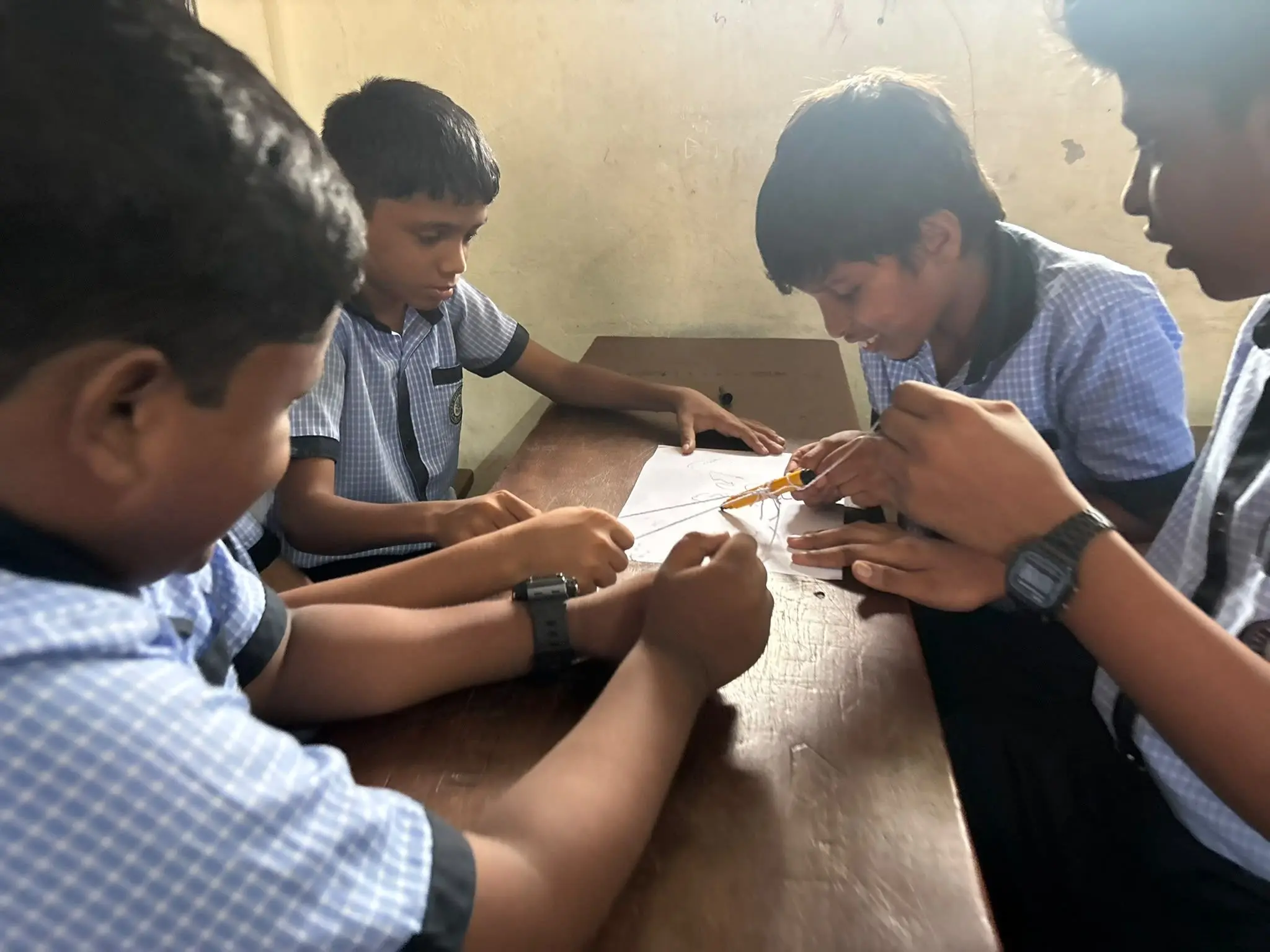
Team challenge day at LifSkool
Today we ran a Team Challenge Day at LifSkool. A group of 14 boys from a Local Government School, in Std 5 to 7, took part. The session ran in a regular classroom with tables and benches. It lasted around 45 minutes. The boys worked in pairs and small groups. They took on short challenges on memory, co-ordination, problem-solving and communication. From the start, the boys were curious and eager to take part. In earlier sessions, we noticed that transitions and side conversations could take up our limited time. Today we introduced a simple attention routine. It supported smoother transitions between activities. It worked well. The boys responded quickly. The shifts between challenges felt much smoother. We saw how naturally the life skills appeared through the games. The boys were not only talking about the skills. They were using them in real time. This session combined a few things we had learned over the previous weeks. We had seen that too much explanation could reduce participation, especially when the ideas were abstract. Today we changed our approach. We explained less and gave the boys more space to work things out themselves.
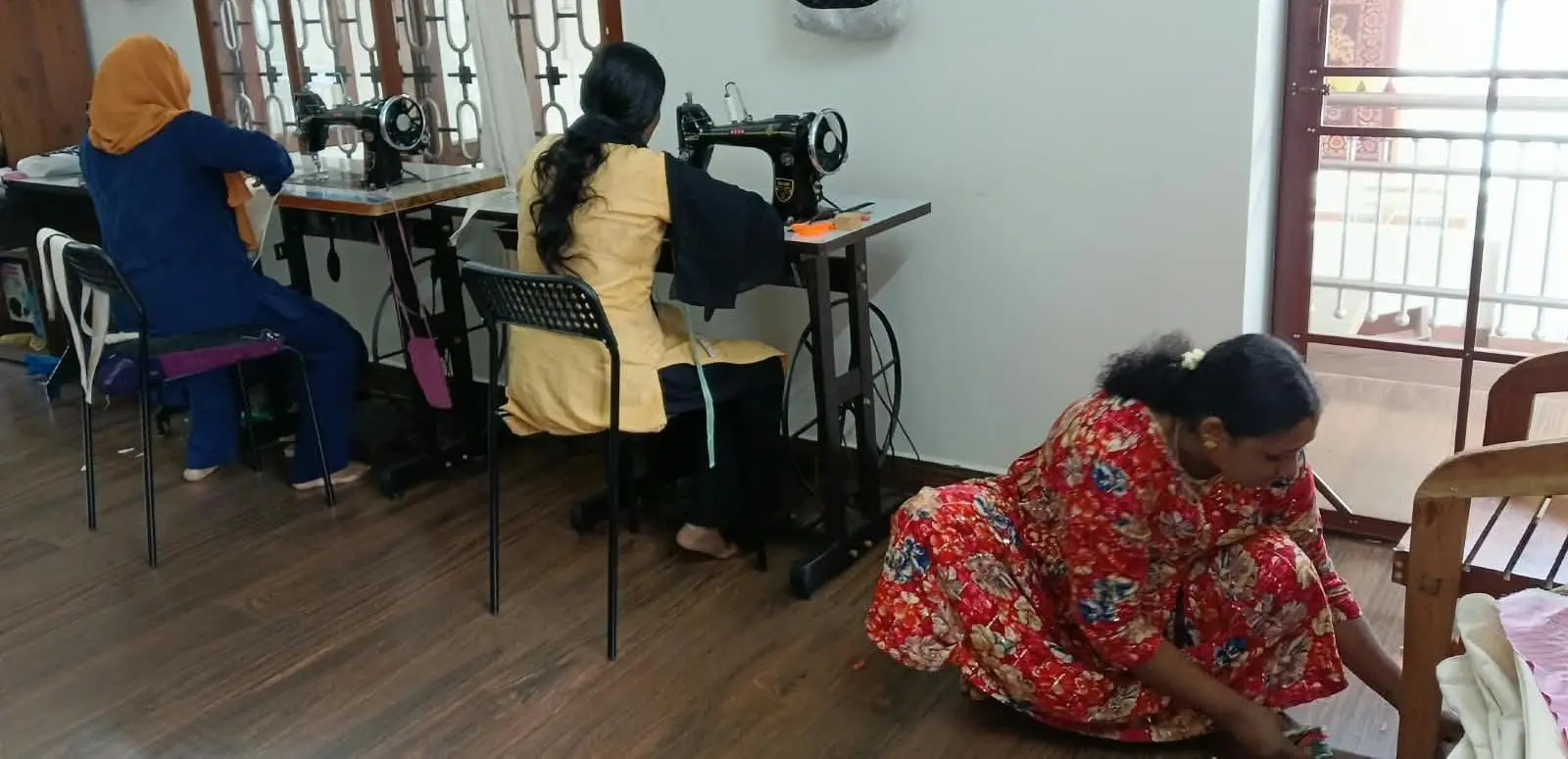
Small-set practice for Kantha alignment
To stop alignment errors adding up in full assembly, the team tested in small batches. They used six-piece clusters. The team stitched and pressed each set. They checked that the final visible area was a square of 4 centimetres on each side.
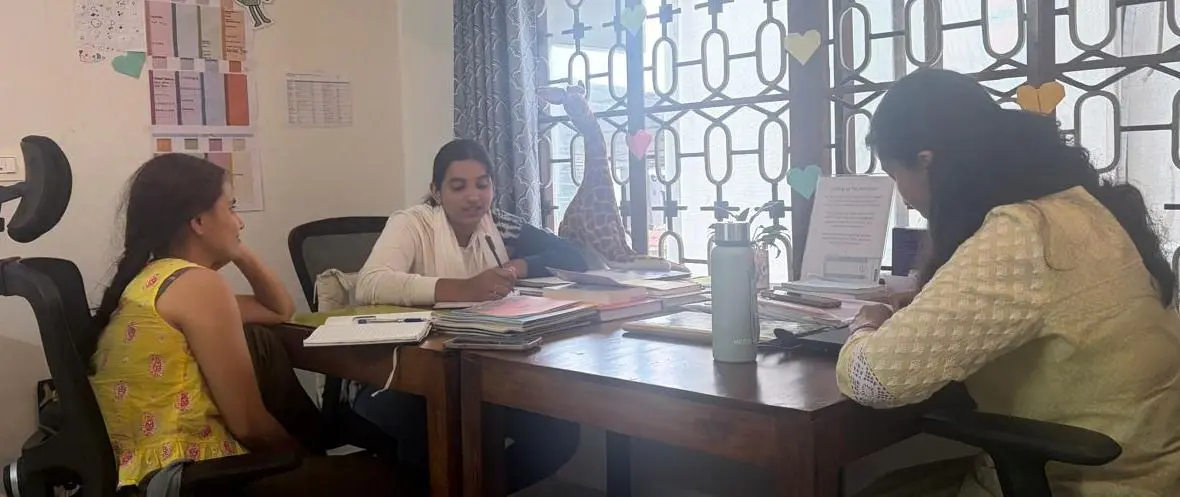
Community programme made shared progress and worked through challenges together
Shabana, who leads the Stitching Club, met Anjali of Thudippu Dance Foundation and Aarthi of Olimalar Foundation for their weekly check-in at aikyam space. They shared updates on their work so far and spoke about the challenges they faced. They helped one another think through possible solutions and reflected on what they learned over the past week.
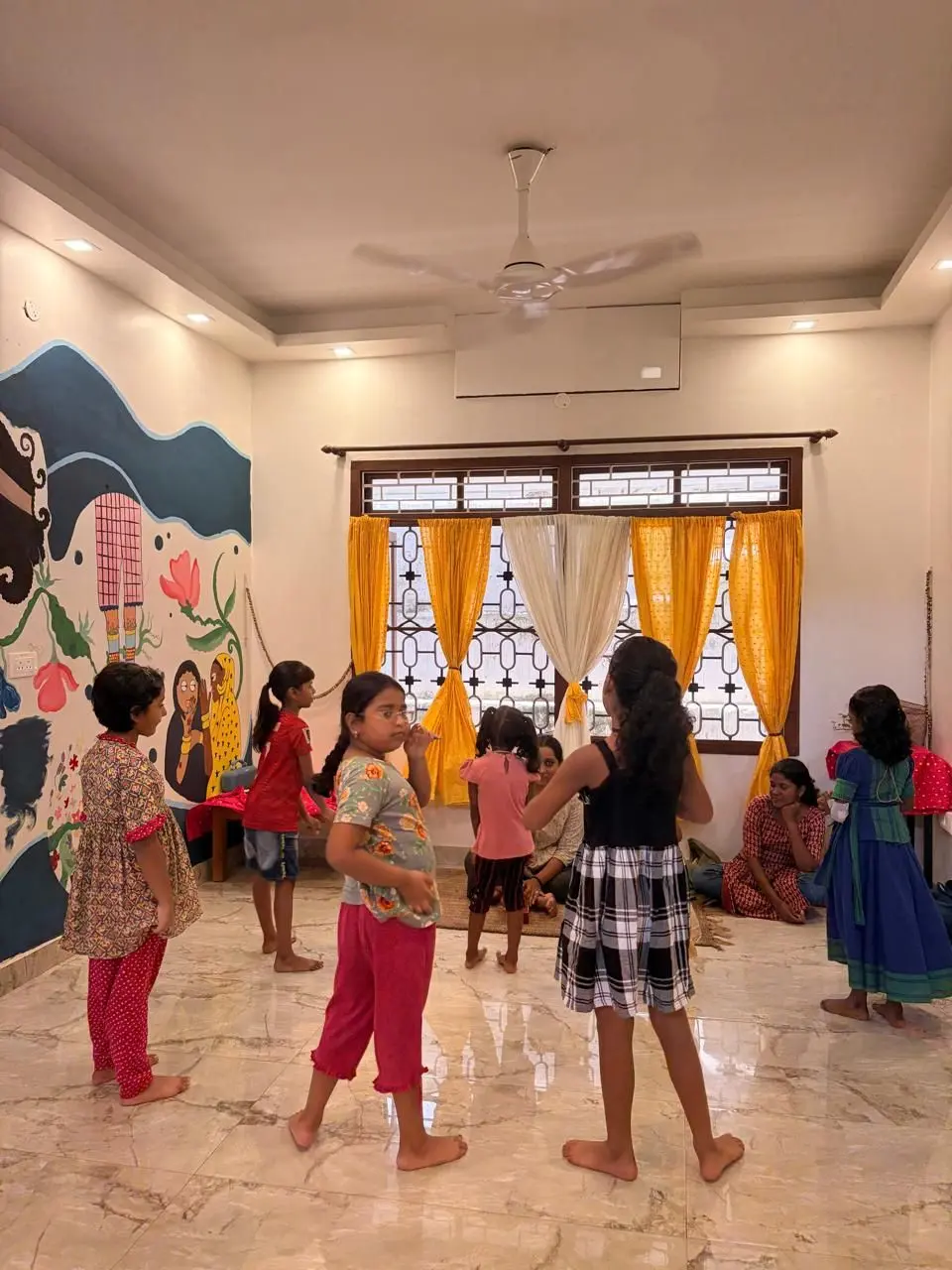
A beginner's first Sunday in Bharatanatyam
This Sunday started like a regular practice day. Our students practised what they had learned the previous Saturday, Kuthithu Mettu Adavu. They repeated the steps until their bodies slowly remembered them. Then three new members walked in with warm smiles and joined our community class. The first day was always a mix of emotions. There was excitement and curiosity. There was also a little nervousness and, of course, the pain of making those first few movements. They learned their first Namaskaram. They also got a little introduction to Bharatanatyam and its history. The class took small steps, with lots of repetition. There were a few mistakes and plenty of smiles. That is the beauty of learning. Everyone starts somewhere. For them, this Sunday was simply the beginning.
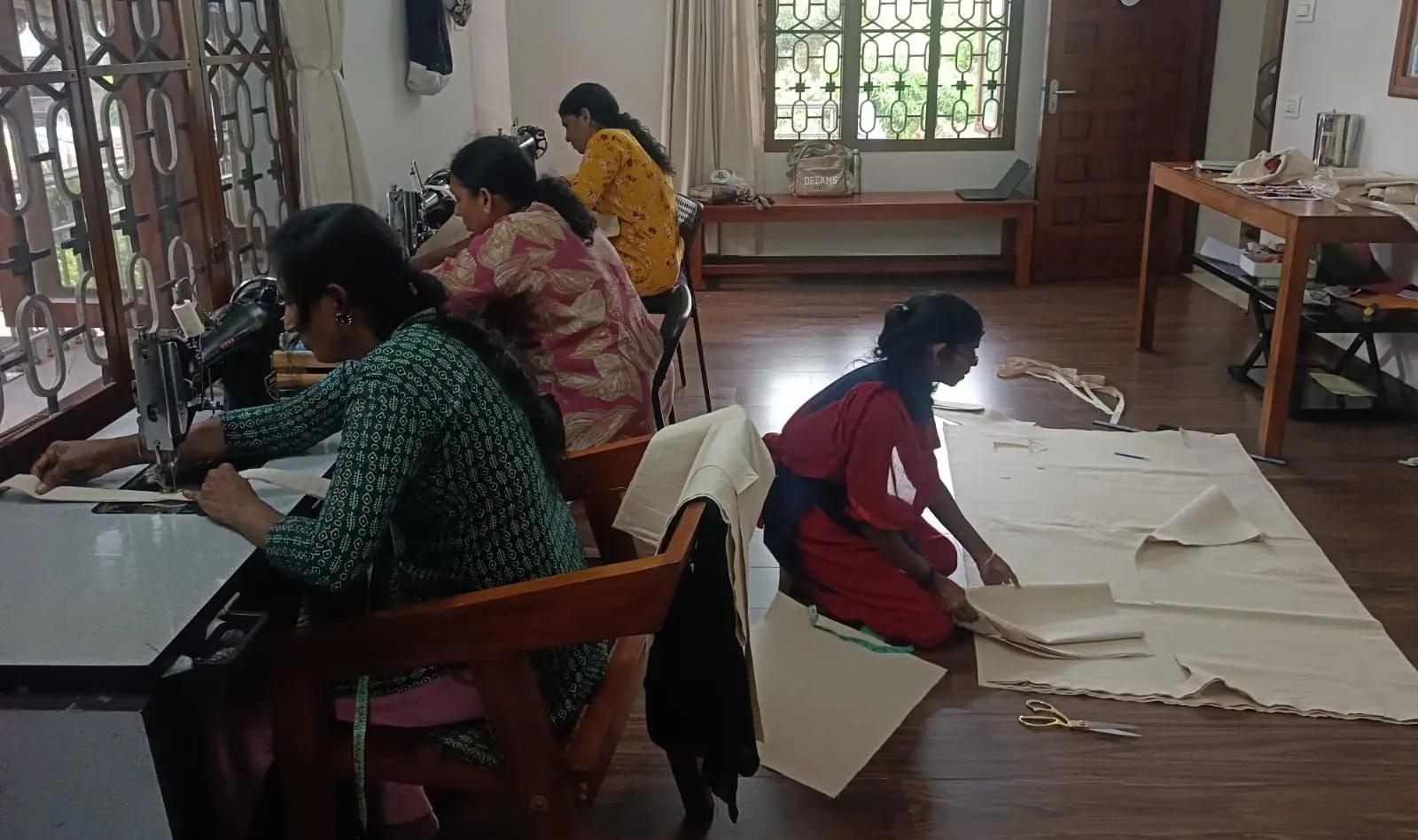
Completing 50 tote bags and reorganizing Kantha craft
The stitching unit worked on an order of 50 tote bags for Bangalore, with a strict end-of-day deadline. Between 11 a.m. and 5 p.m., the team cut, stitched, and finished the remaining 15 bags without a break. Once all 50 totes were handed over for screen printing, the team moved to the Kantha workstation. They spent the late afternoon sorting, measuring, and preparing raw materials for upcoming stitching trials.
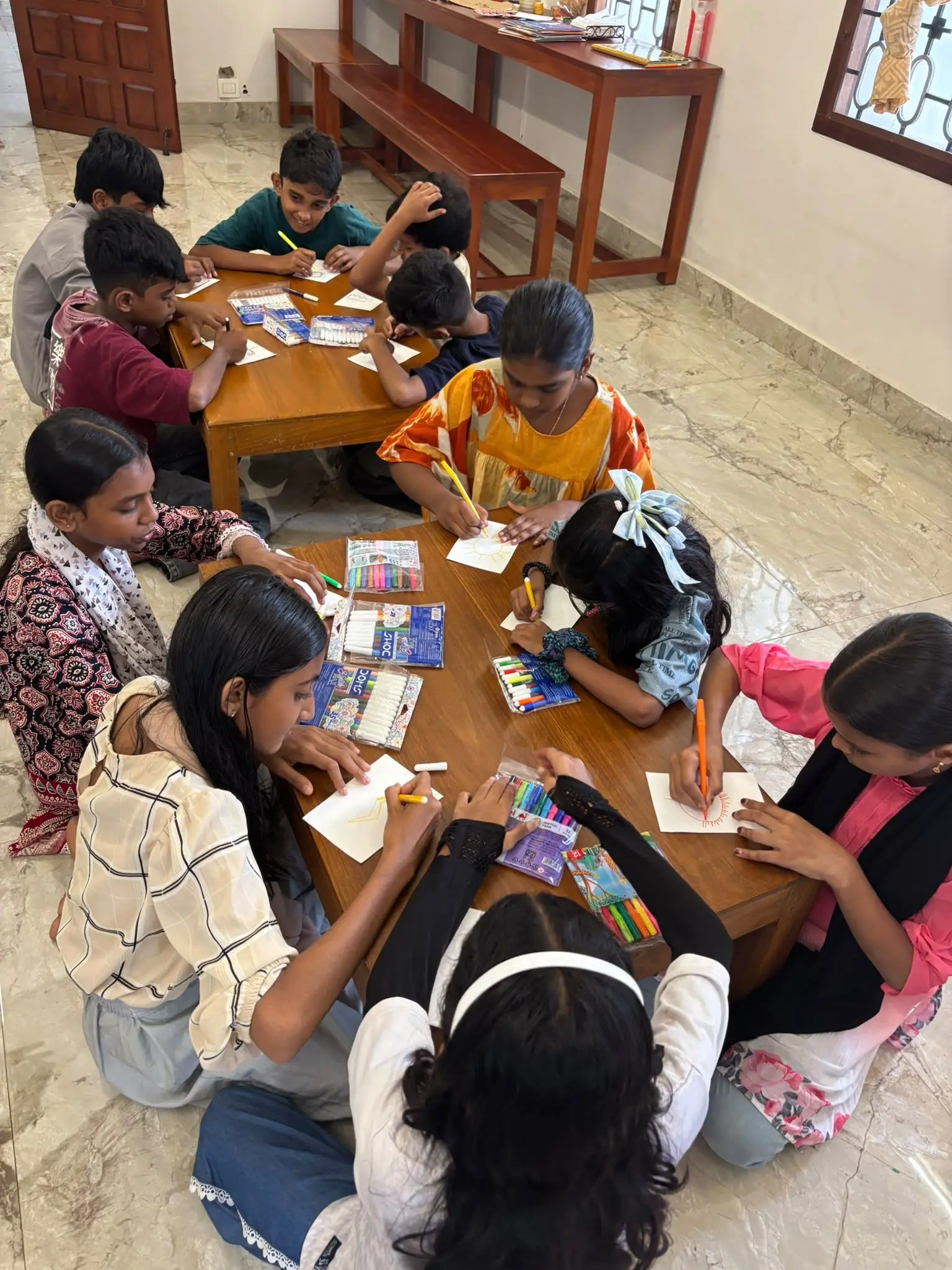
We begin Curiosity Club with a question rather than an explanation. This week, holding up a battery and a small LED, we asked: “What do you think we need to do to make this light turn on?” The children shared their ideas first. From there we introduced a few simple concepts around atoms, electrons and circuits. We used a short game and a digital simulation to help make the invisible parts of electricity a little easier to imagine. Then came the real test. Could they make the light turn on themselves? Each child built a paper circuit using a battery, an LED and conductive tape, then turned it into their own design. We had traffic lights, lightning bolts and cars with working lights. Not every circuit worked first time. We had been unable to source copper tape, so we used aluminium tape instead, and some connections needed to be adjusted or rebuilt. We also noticed that some children used quite a lot of sellotape to hold things in place, which sometimes interrupted the connection and stopped the circuit from working. That ended up being one of the best parts of the session. Instead of giving up, the children kept checking, changing and trying again. One boy struggled for a while, but stayed with it until his light finally came on. The look on his face when it worked said everything. By the end, every child who stayed to complete the activity managed to light their LED. We came away with a few practical learnings. Next time, we would slow the build down further and demonstrate one step at a time before everyone moves on. We are also curious to try reversing the order altogether — letting the children attempt the circuit first, notice what works and what doesn’t, and then using their questions and mistakes to introduce the science behind it. For a concept as abstract as electricity, experiencing the problem first may make the explanation easier to understand. A messy, hands-on session in which the children tried, failed and tried again. That was where much of the learning happened.
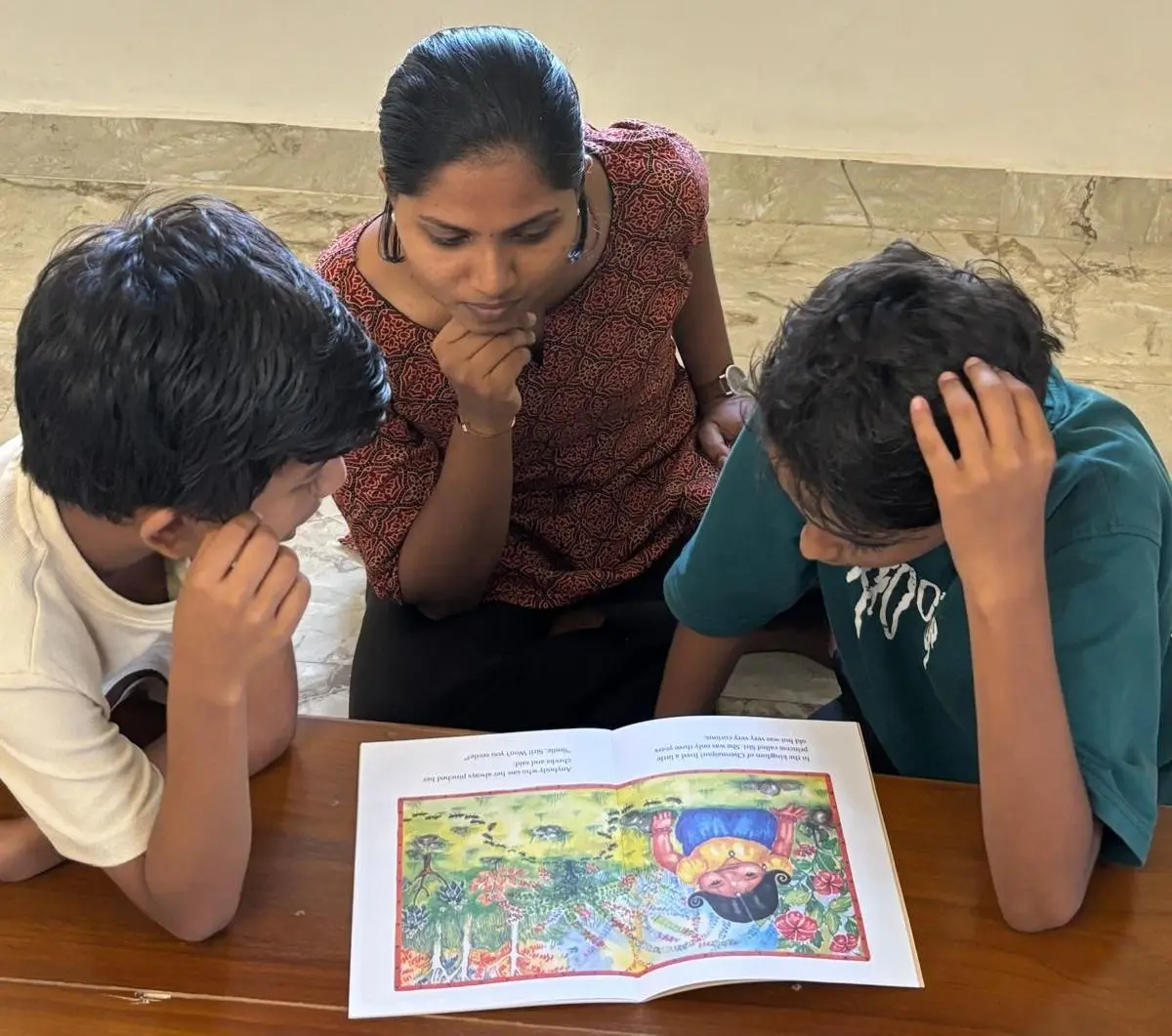
This week's Reading Club was smaller than usual, with 10 children attending. The quieter group gave us more time to support each reader. The children began with informal play downstairs before moving upstairs for the reading session. We recently received a donation of books, which gave us a wider selection to work with. We organised the books across three reading levels. This time, instead of giving every child the same book, the children could choose what they wanted to read from the books at their level. Our emerging readers worked closely with Sreena. They read together and stopped to talk through unfamiliar words and meaning. The other groups worked more independently or alongside a buddy. At the end, we asked each child to tell us what they had understood from their story so far. Almost everyone shared something, which gave us a clearer sense of comprehension than simply knowing they had read the page. One of our main learnings was that children read at different levels, but they can still have a choice. Giving them a few books to choose from at their level helped them stay interested while still reading something suitable for them. Attendance is still something we need to understand better. Numbers have reduced over the past few weeks, so we want to speak with children and families to understand what may be making regular attendance difficult. For those who came, it was a calm and positive session. There was time to play, choose a book, read together, and talk about what they had understood.
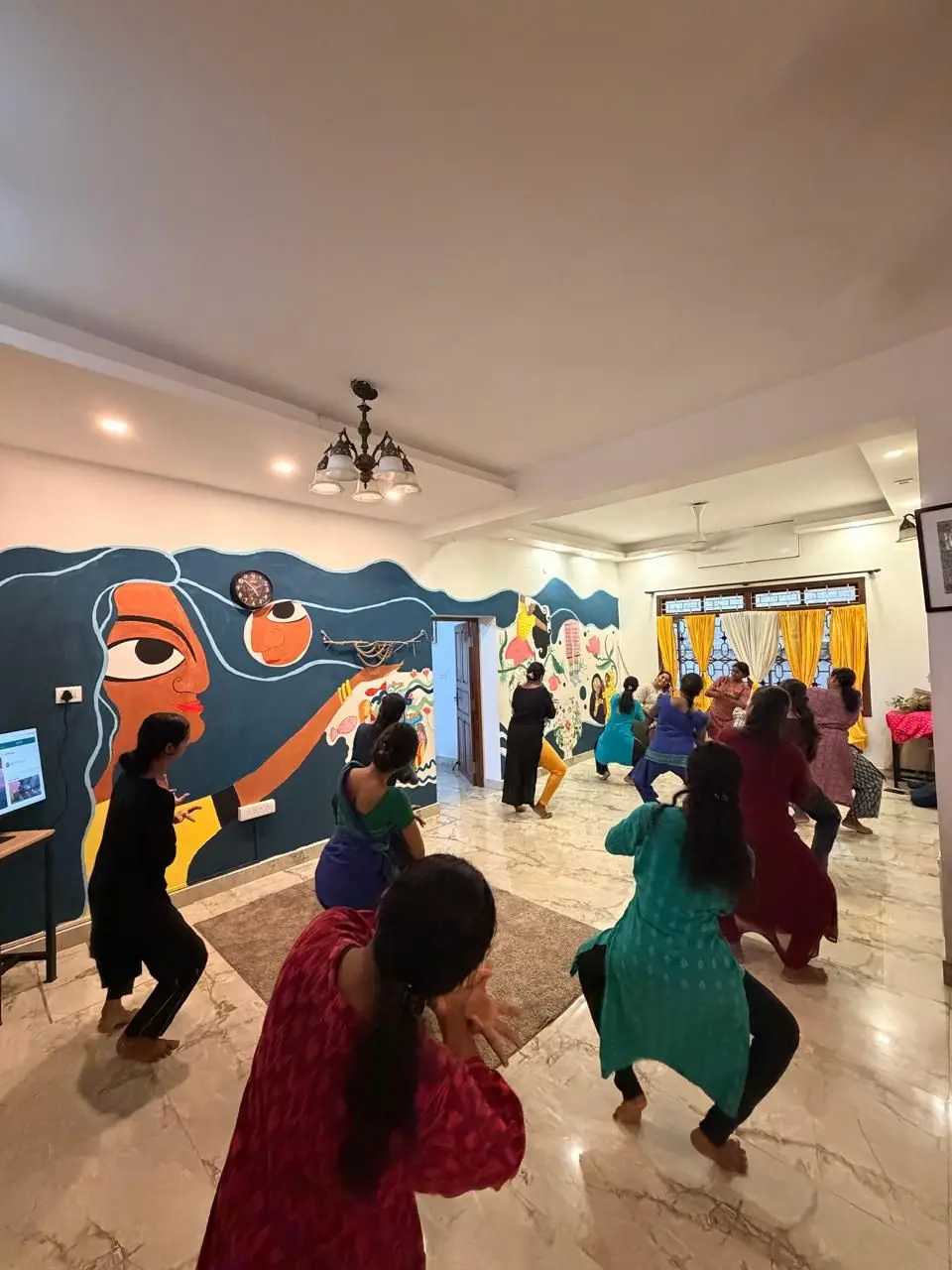
Senior faculty's session on Kuthithu Mettu Adavu
Saturday’s class turned into something really special, quite unexpectedly. We had been wanting our senior faculty, Ponnu Sanjeev, to take a session with the students for a while, and this time it just happened naturally. It wasn’t planned, but the students really enjoyed having a different teacher and a different way of learning. They worked on Kuthithu Mettu Adavu, focusing not only on getting the steps right but also on understanding what happens within the body while doing them. Ponnu introduced them to new techniques and helped them work on balance, control and core strength through the adavu itself. It was lovely to see the students listen, try, make mistakes, try again, and slowly find their balance. More than just learning a new adavu, the session gave them a chance to experience the movement differently. Sometimes, the best classes are the ones that happen without much planning a little change in the room, a new perspective, and a lot of learning.
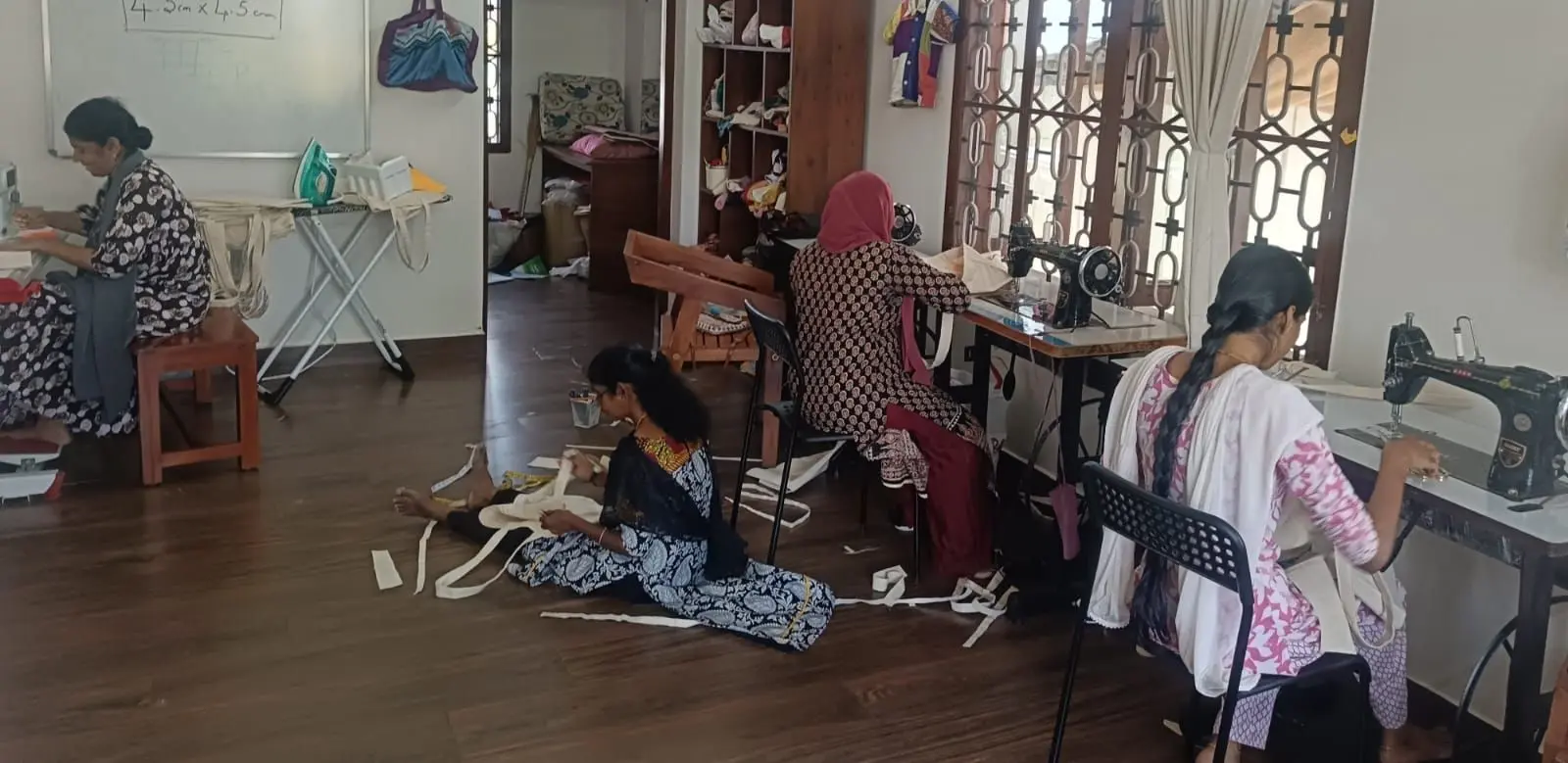
Constitution tote production with Kantha stitch refinement
The sewing room ran at full speed to fill a 50-unit order for Constitution-themed tote bags. The bags measure 17.5 inches by 16 inches. We cut precise patterns. Then we prepared the printing and sewed the bags. While we made the bulk order, we set aside time to refine our Kantha stitching. We tested new adjustments in real time. Deadline work and craft experiments ran together. Output stayed steady. Our technique kept improving.
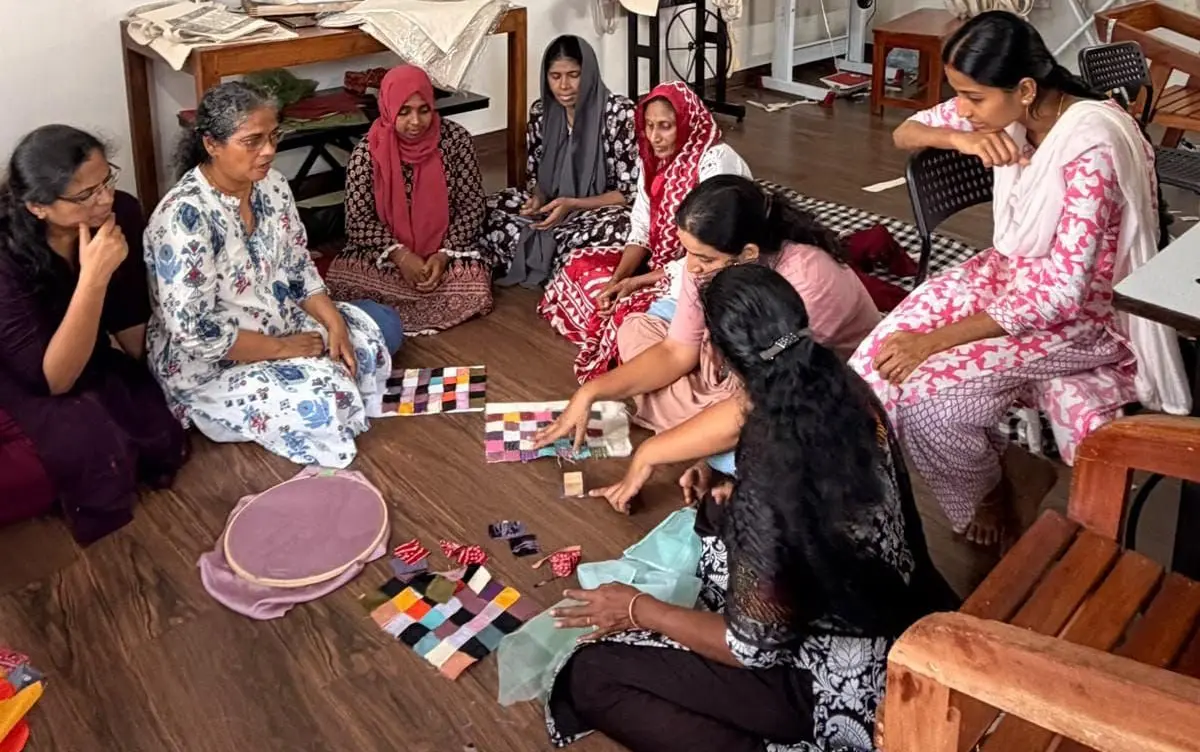
A tailor and a textile designer help fix Kantha assembly alignment
We faced persistent structural problems. We consulted a seasoned Mattancherry tailor and a textile designer to reassess the Kantha assembly process. We used their feedback to cut fabric strips to 6 centimetres with internal guidelines at 4 centimetres. We stabilized the strips with paper and ironed them at the overlaps. After that, we reverse stitched the strips and trimmed them. This collaborative adjustment eliminated previous alignment flaws and produced a clean, highly precise finish. The project is now within 90% of its final targeted design standard.
Adjustments to fabric seam margins
Direct cuts of 4 centimetres with no overlap caused severe fraying. We increased the fabric to 6 centimetres to give seam margins that keep the fabric strong and stable. To remove pencil lines from the final product, we used a custom wooden block that measures 4 centimetres. The block lets you place the fabric by feel. We placed this template directly over the fabric strips that measure 6 centimetres. This gave precise spacing of 4 centimetres and overlap that we could control during Kantha stitching. The finishes were cleaner and had no pencil marks.
LifSkool class on empathy and kindness
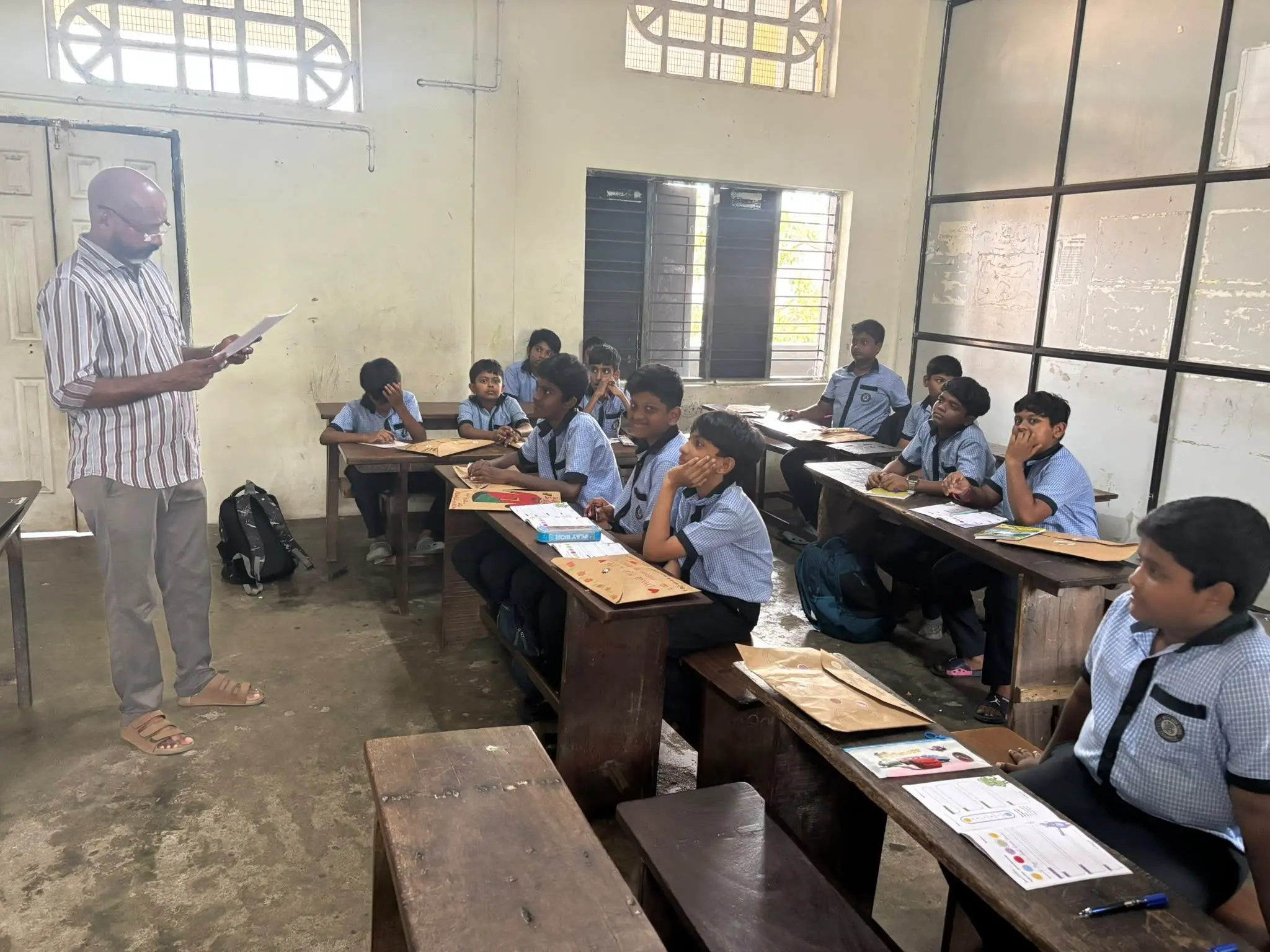
This session focused on empathy and kindness, understanding how someone else might be feeling and thinking about how our words and actions affect others. It was also a learning session for us as facilitators. This was George’s first time leading a LifSkool class. He had prepared carefully beforehand, but nerves meant he relied quite closely on the printed lesson plan. We began with a movement energiser, which helped bring some energy into the room. A few boys were shy at first, but most gradually joined in. From there, we explored empathy through familiar situations and conversations about how another person might feel, what support could look like, and how small acts of kindness can make a difference. The boys were able to contribute examples and seemed to understand the core ideas. The biggest learning for us was around facilitation. Following a script closely can help a new facilitator feel prepared, but it can also reduce eye contact, interaction and responsiveness in the room. Attention drifted at times, and side conversations became more noticeable. It reminded us that the lesson plan is there to support the facilitator, not replace the connection with the students. The session also highlighted the need to revisit classroom routines and transitions. With an after-school group, chatter and changing energy levels are part of the reality, so clearer signals and expectations should help us protect more time for participation. At the end, each student chose a LifSkool buddy, who they will work with during upcoming team challenges. Attendance was again lower than the full cohort, with 12 of 20 boys attending, which remains an ongoing challenge for the after-school programme. Overall, the boys understood the ideas of empathy and kindness, while the session gave us useful learning about facilitation, engagement and classroom rhythm too. The group was 12 boys in Std 5 to 7 at a local government school. The materials were LifSkills workbooks, lesson-plan materials, speaker and music. The space was a regular classroom with tables and benches. The session took around 45 minutes.
Our work with Chavittunadakam: learning, connection and support
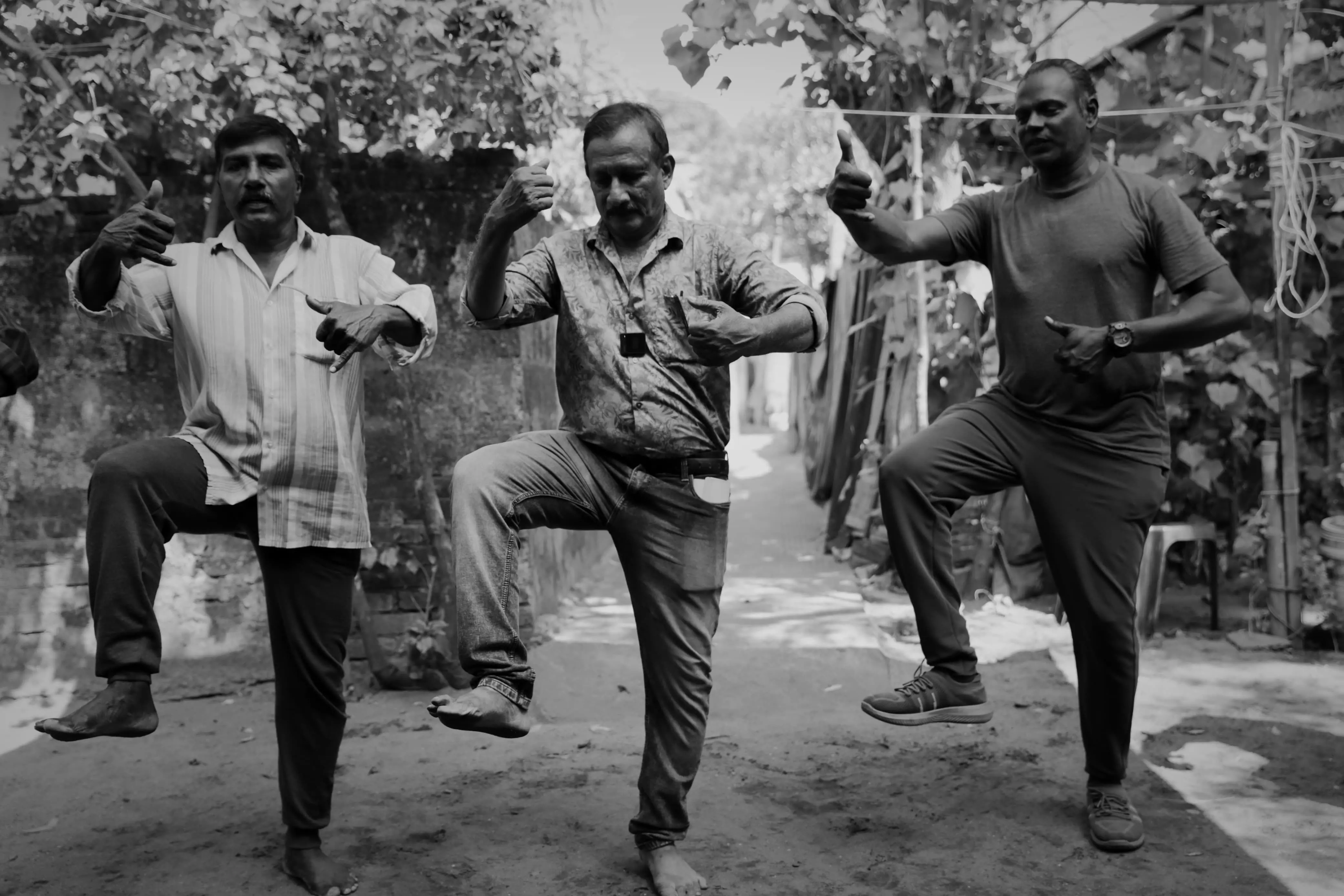
Some connections begin with a performance, but grow through everything that happens beyond the stage. Our time with Cochin Chavittu Nadaka Kalari goes back nearly two to three years. It includes Britto Ashaan and the team. Over time, it has become a continuous exchange of learning and working together, with shared experiences. This connection began in a special way. Chavittunadakam was the first art form we celebrated through Friends of Thudippu.
Moving to a 6-centimetre fabric base
We were initially optimistic about using paper stiffening for exact base cuts, but full assembly showed serious friction. Needle resistance made stitching difficult. Direct 4-centimetre cuts left too little seam margin and caused severe edge fraying. To stop the structure from breaking down during stitching, we moved to a 6-centimetre fabric base with an internal 4-centimetre guide mark. Overlapping these wider margins before stitching ensures enough anchor space. It prevents fraying and keeps the exact 4-centimetre grid lines visible.
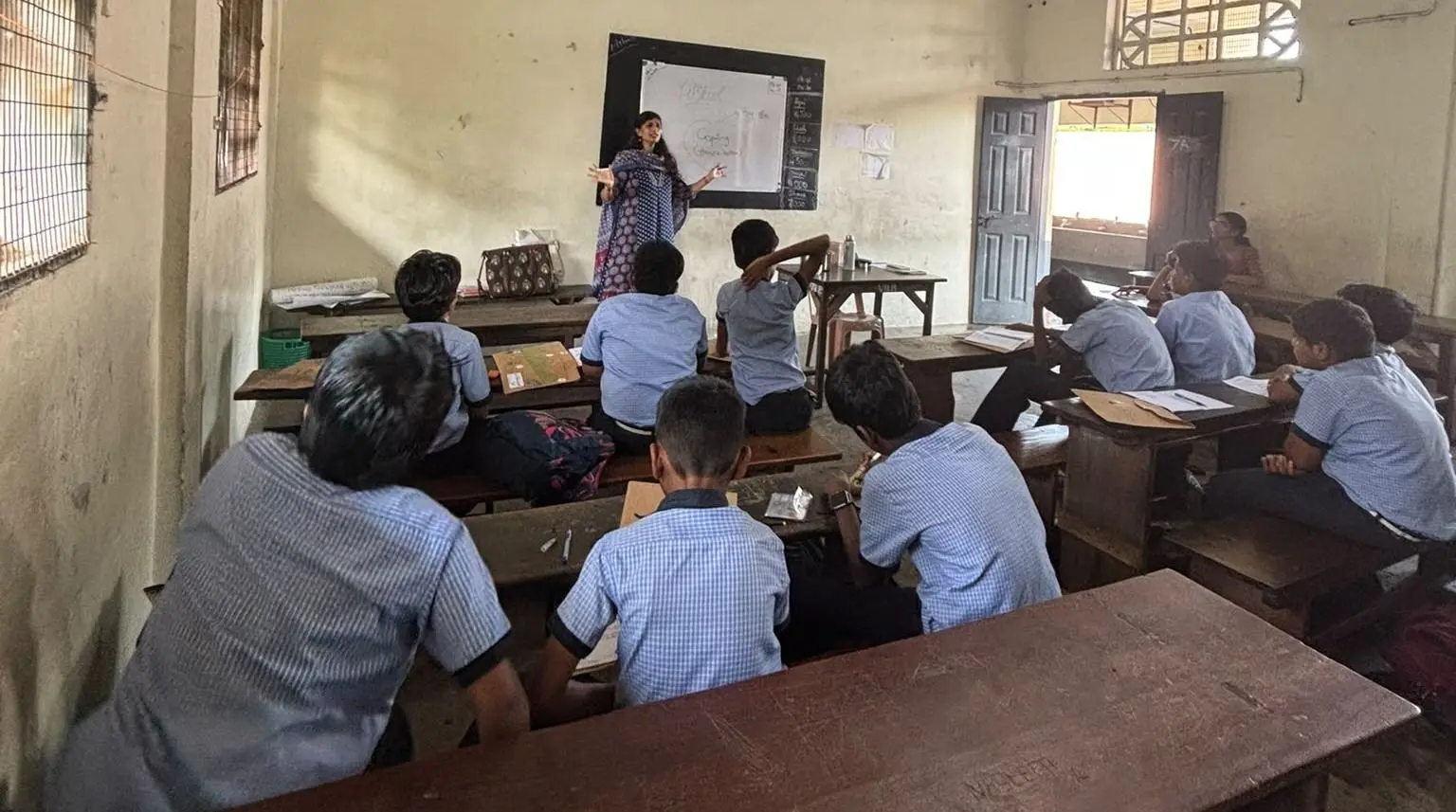
Today's group was smaller than our previous session. After-school football coaching has now started, and some of the boys attended that instead. It is another reminder that after-school programmes have to work alongside the wider rhythm of school life. We began with a quick recap of emotions and the calming tools the boys had already learnt. We revisited STAR breathing and introduced box breathing before moving into the new topic. Stress itself was a little harder to explain than we expected. At first, some of the boys struggled to identify what stress might look like in their own lives. Once we started using familiar examples — schoolwork, running late, arguments, tests, or several small things happening at once — the idea began to make more sense. We used a simple Stress Bucket demonstration with a cut plastic bottle and water to show stress does not always come from one big event. Sometimes lots of smaller things build up over time. From there, we explored coping strategies as ways of releasing some of that pressure. The boys were especially good at coming up with their own ideas for what might help their body and mind settle. They then completed a short reflection activity, thinking about what can add to their own stress and what might help them cope. Our biggest learning today was that abstract ideas need concrete examples with this age group. The word “stress” was difficult to pin down at first, but once the boys could see it, connect it to everyday situations and talk through examples, the conversation became much easier. A smaller group today, but a useful session. It was a good reminder that sometimes showing an idea works far better than explaining it. Group: Local Government School | Std 5–7 | 12 boys Materials: LifSkills workbooks, simple stress and coping activity materials, whiteboard and markers Space: Regular classroom with tables and benches Timing: Around 45 minutes available
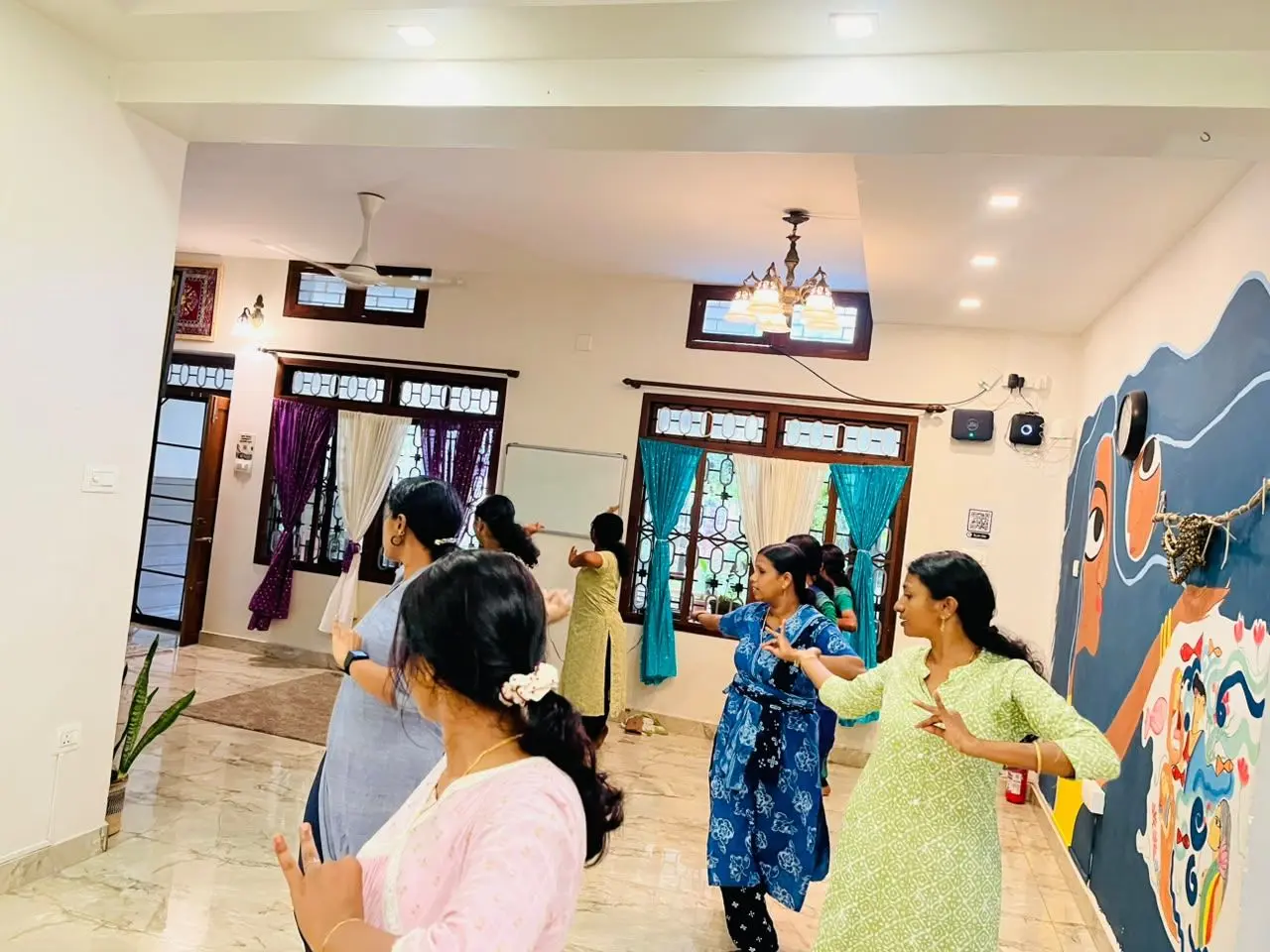
Applying spatial awareness to Bharatanatyam
The Sunday class focused on directions and spatial awareness. These are important parts of learning dance. The students practised the "Tha Thai Thai Tha" adavu. This is the third set of steps in Bharatanatyam. They faced an interesting challenge. I demonstrated the movements facing them. Many students tried to mirror my actions. But in this exercise, they often needed to move in the opposite direction. This caused confusion. There were mix-ups with right and left turns. We did not see these mistakes as a problem. We used them as a learning opportunity. We discussed what was happening and tried different approaches. We also practised repeatedly. Sometimes I turned around and demonstrated with my back to the students. At other times, they consciously tried the opposite side. This helped them understand the directions better. Slowly, the students began to figure it out. By the end of the session, they moved with more confidence and awareness. We learned that learning dance is not just about memorising steps. It is also about understanding space and directions. It is about learning by trying things and fixing mistakes.
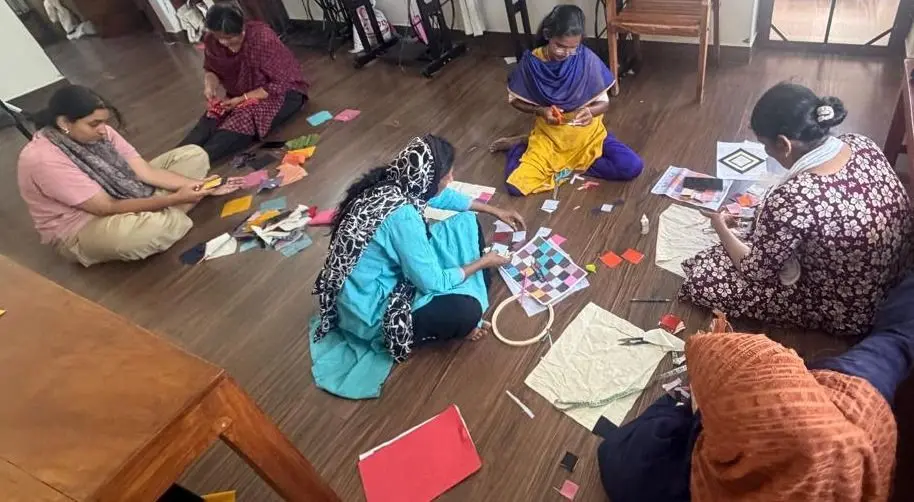
Fabric construction for precise 4 centimetres by 4 centimetres squares
We made precise 4 centimetres by 4 centimetres base squares by ironing fabric onto stiff paper with adhesive backing. This gave the layers a consistent structure for assembly. Combining handloom fabric with canvas and paper layers made the material dense and hard for standard hand tools to pierce. To keep precision without straining the assembly, future work will test finer needles and lighter primary fabrics. We will reserve heavy handloom textiles for the final outer layers only.
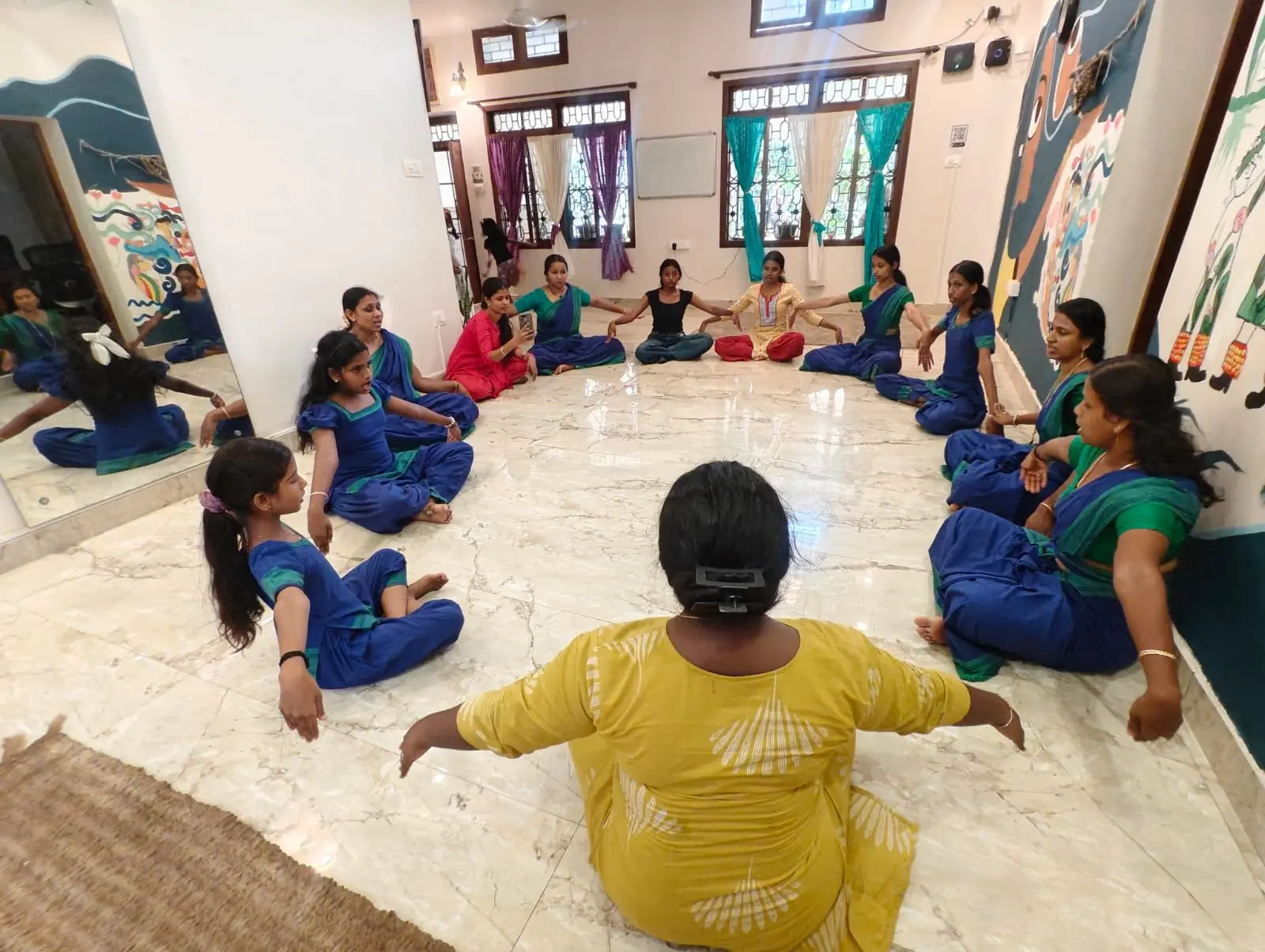
Aparna introduces Mudras and Sanskrit to students
On Saturday, Sept. 12, 2026, Aparna focused on the fundamentals. She led the students through Thattadavu and Nattadavu. She explained why these basic steps build a strong foundation in dance. After working through the adavus, the students moved on to the Mudras. The movements interested them, but remembering and pronouncing the Sanskrit names proved difficult. Some students hesitated when the unfamiliar words did not come easily. Aparna had a simple solution: repetition. She kept encouraging them with the same words again and again: "Guys, repeat, repeat and repeat. You will remember." She did not expect them to get everything right at once. She gave them space to practise, make mistakes and try again.
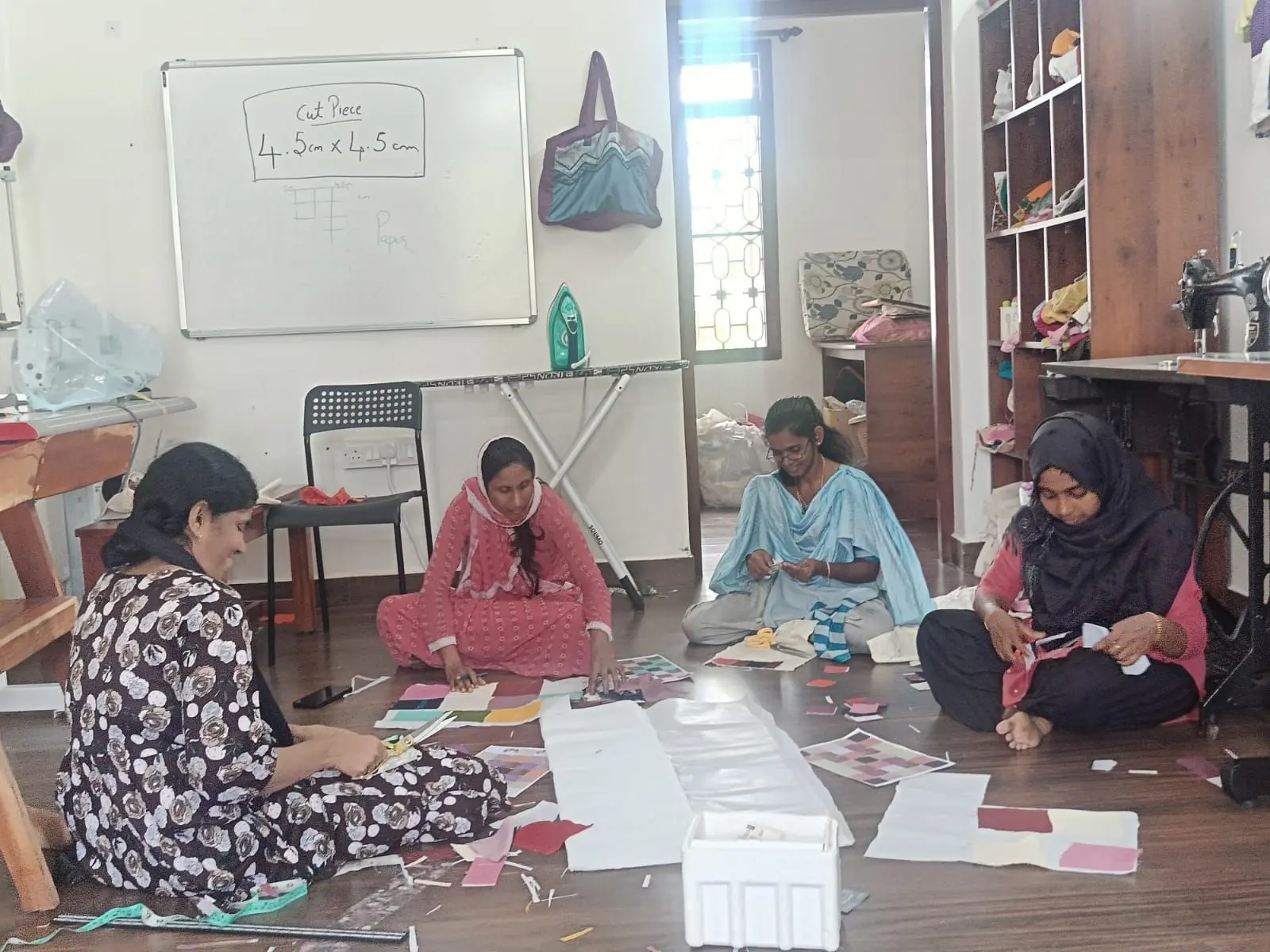
Precision cutting and Kantha joining techniques
We ironed the fabric directly onto stiff paper. This gave us a stable base for cutting exact squares. We also tried joining each Kantha piece. We completed 70% of the work.
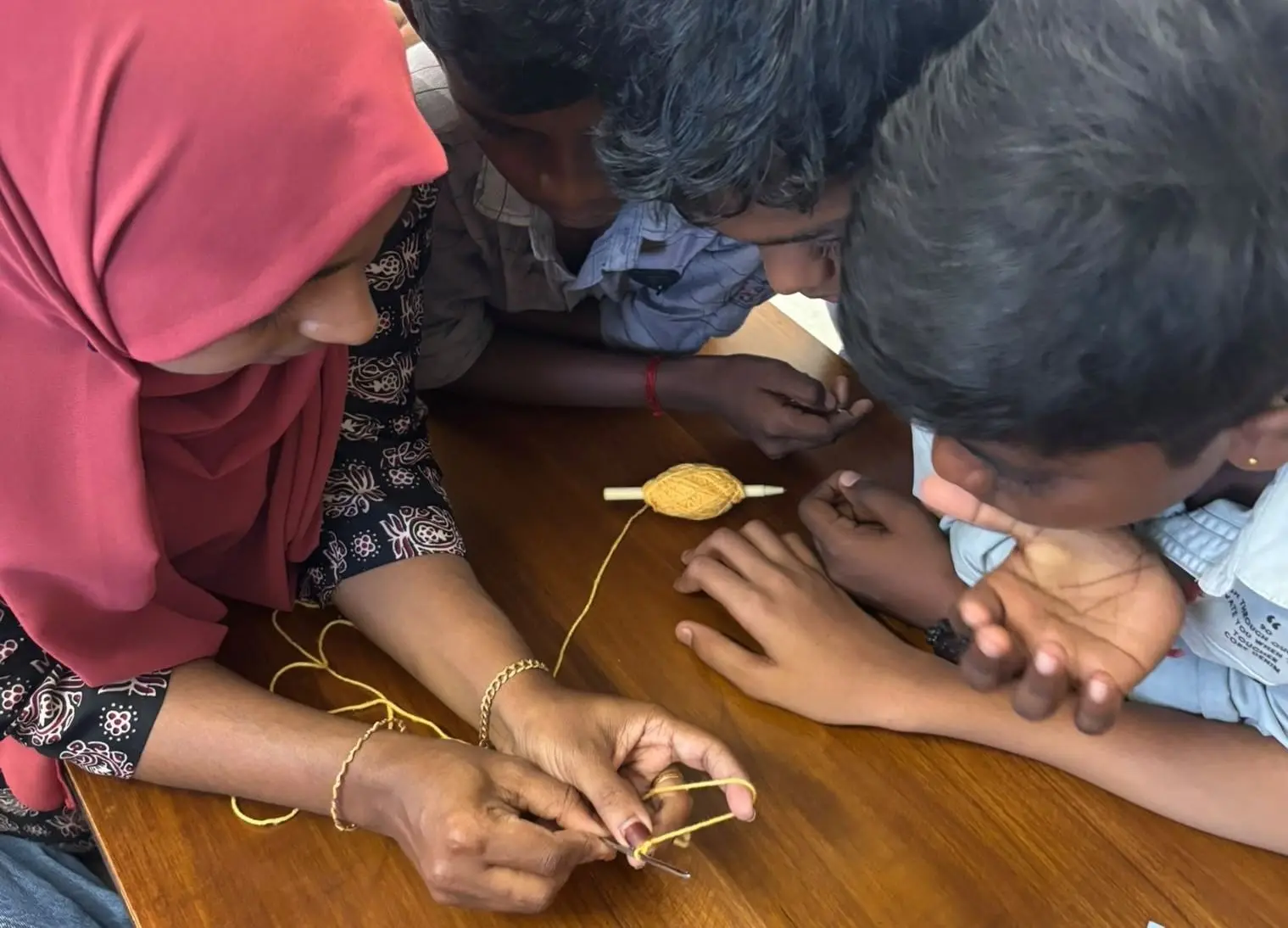
Saturday's crochet session taught 21 children a new skill. A facilitator from aikyam's stitching unit led the group. We split the children into three groups of about seven. Each child received a crochet hook and colourful yarn. Some of the boys hesitated at first and said they did not want to try crochet. Once they had the materials, their interest grew quickly. Most children concentrated and tried to understand the movements. Supporting everyone with one crochet facilitator was challenging. She explained the technique to one table at a time, so some children had to wait. A few children already knew how to crochet, so we encouraged them to help someone else. They showed the movements, encouraging and patiently supporting their friends. A practical challenge became peer learning, cooperation and children sharing skills. Our main learning was that an activity like crochet needs a clear whole-group demonstration at the start. Next time, we would first show the basic movement where everyone can see it before moving into smaller-group and one-on-one support. We would also identify children with previous experience earlier and pair them with those needing extra help. Initial hesitation soon turned into concentration, conversation and shared learning. The session reminded us that people in the community already have skills to share. Children can learn from adults and from one another.
Books, buddies and growing confidence
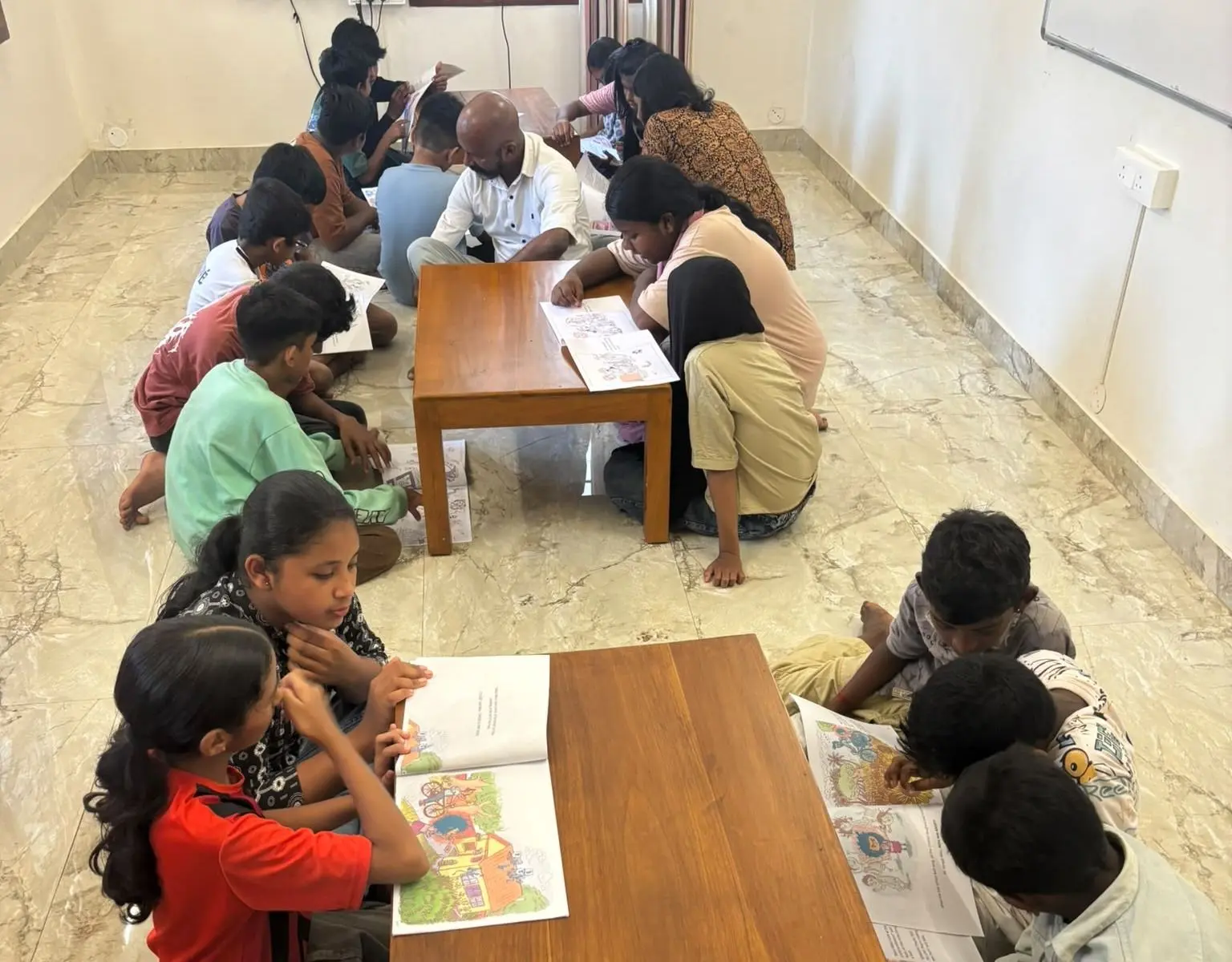
This Saturday, 21 children joined us for our first structured, level-based reading session. Before the session, we reviewed the available reading assessments. They used the Teaching at the Right Level (TaRL) approach developed by Pratham. We chose three storybooks from Pratham Books. They were broadly suited to the children’s different reading needs. We printed multiple copies and arranged the room into three small reading areas, with a facilitator supporting each group. We removed the visible level labels from the books on purpose before giving them to the children. The levels remained useful for facilitators in planning the right support. They were not presented as fixed identities for the children. For about 15 to 20 minutes, the children read together. Some needed more assistance to work through the text. Others read with a buddy. The buddy-reading approach worked well. When one child struggled with a word, another would often step in to help. It was also encouraging to see how comfortable the children were asking for support. Some children raised their hands when they could not read or understand a word. They asked for help and kept taking part. One unexpected challenge was that a few children who attended that day had not completed the earlier reading assessment. We placed them provisionally, using our previous interactions and observations. At the end of the activity, the children completed a short reflection to tell us how manageable they found their book. Our main learning is that we need to check assessment records against the children who actually attend each session. Next time, we will confirm every child’s assessment status, assess anyone we missed, and adjust the groups where necessary. It was a positive first session. Books and buddies helped children participate at their own pace, support one another, and grow more confident about asking for help.
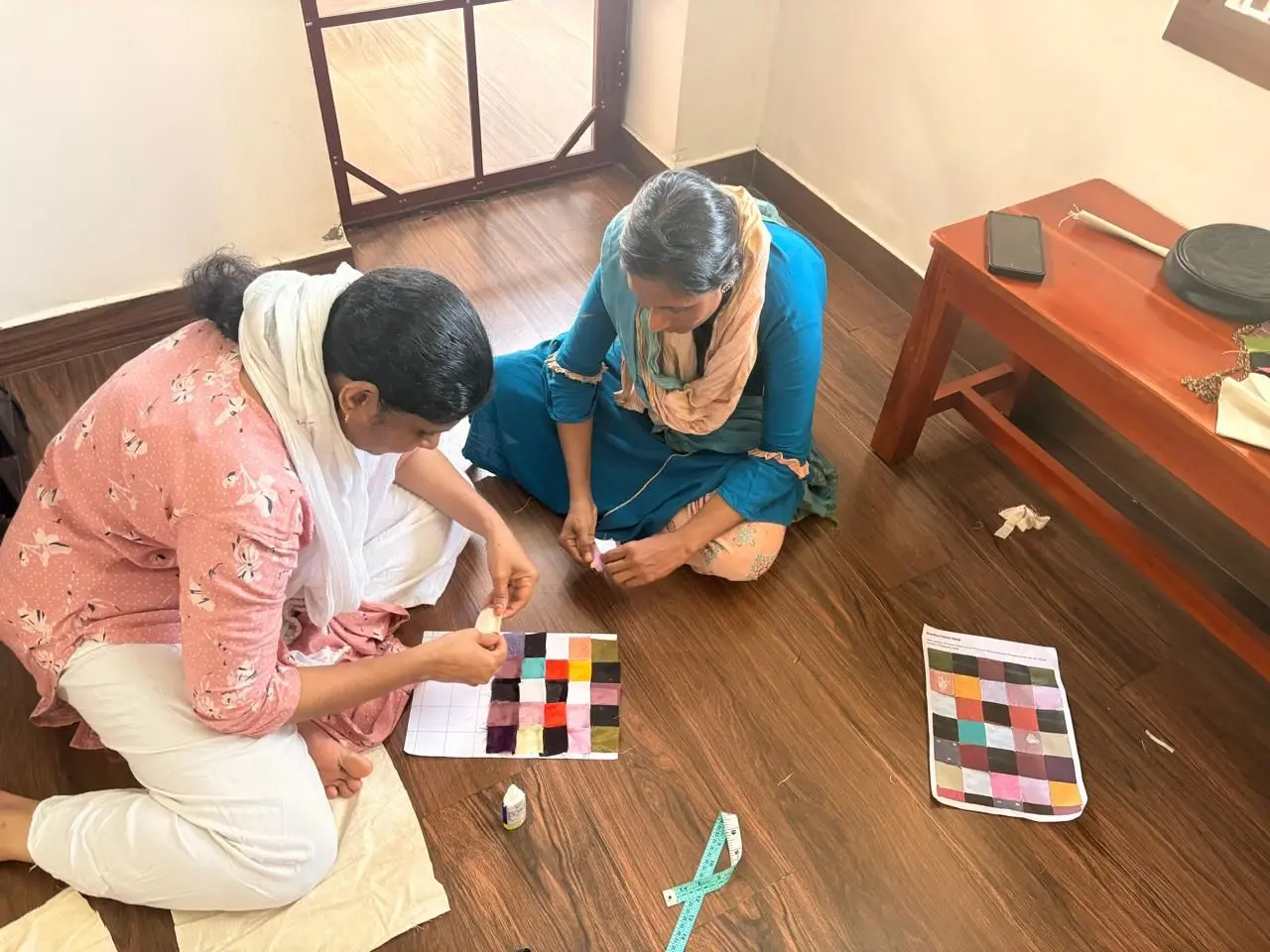
Improving cutting accuracy through fabric stabilization
We ironed the fabric onto stiff paper to stop it stretching and keep the squares accurate when we cut it. This stopped the material moving about, so we could cut the squares properly and get consistent sizes on every piece. Then we tested joining the pieces directly versus pre-joining them first, and it showed how important preparing the fabric is for getting the stitching straight.
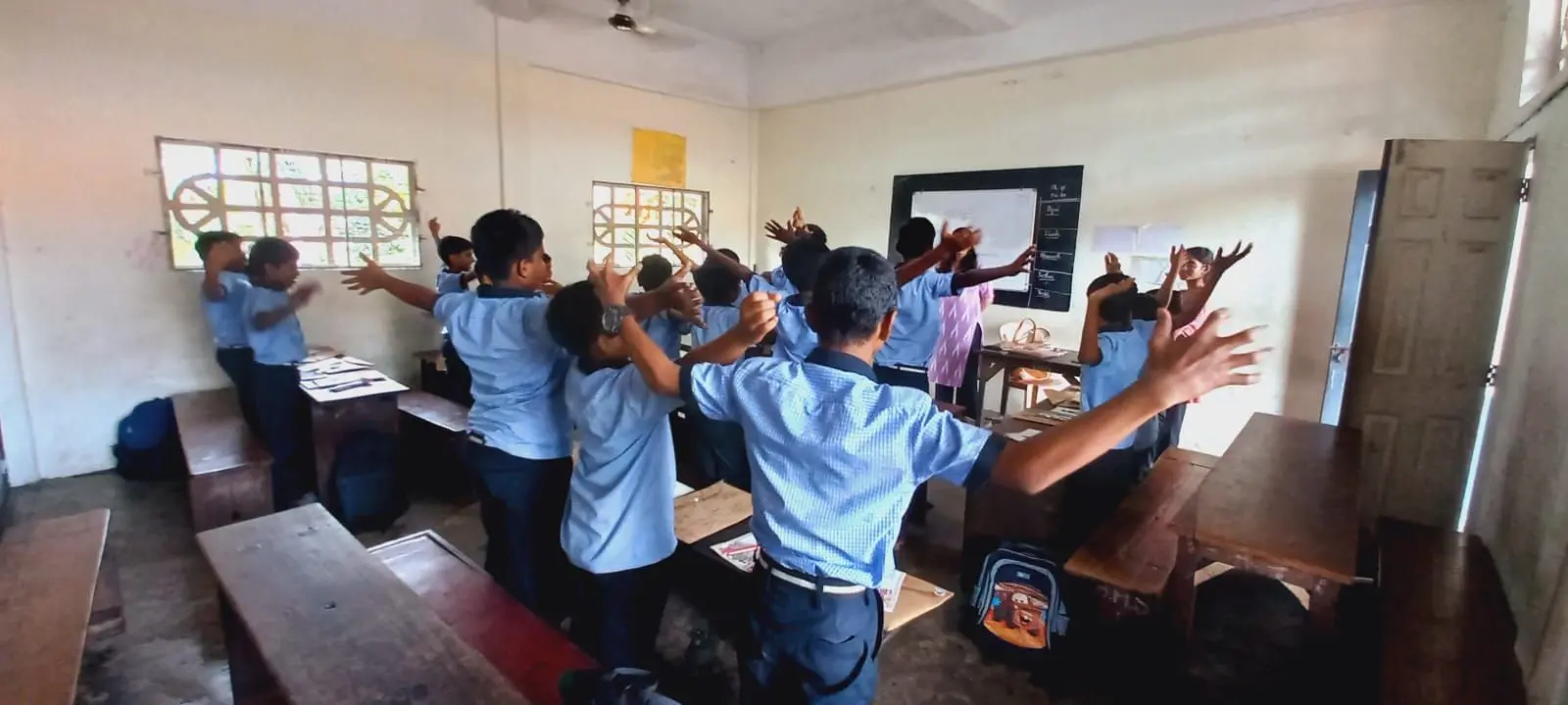
Tuesday was about self-awareness. By Thursday, we moved on to coping with emotions. Meeting the boys twice a week during this 5-week programme helps us build naturally on the previous session. We started by revisiting the previous session and asking the boys what they remembered about self-awareness. A short movement game helped bring energy into the room. Then we discussed emotions, how they can show up in the body, and the difference between reacting immediately and taking a moment to respond. We introduced a simple pause-and-breathe strategy and used familiar situations to explore how taking a moment can help us choose what to do next. We ended with a short story about feelings and ways of responding to them. One of our main reflections was that we spoke more than we wanted to. When time is tight, explaining can feel quicker, but it leaves students less space to connect the skill to their own lives, share ideas and practise for themselves. We are also still finding the best classroom rhythm. Getting everyone together and settled can easily take five or ten minutes, so clearer routines and shorter activity blocks should help us protect more time for participation. A lively second session, plenty of laughs and a useful reminder to keep the learning active and student-led. Group is a Local Government School, Std 5 to 7, with 19 boys. Materials are LifSkills workbooks, completed "This Is Me" folders, whiteboard and markers, Find Your Happy by Emily Coxhead. Space is a regular classroom with tables and benches. Timing is 45 minutes available.
Friends of Thudippu: Edition 05
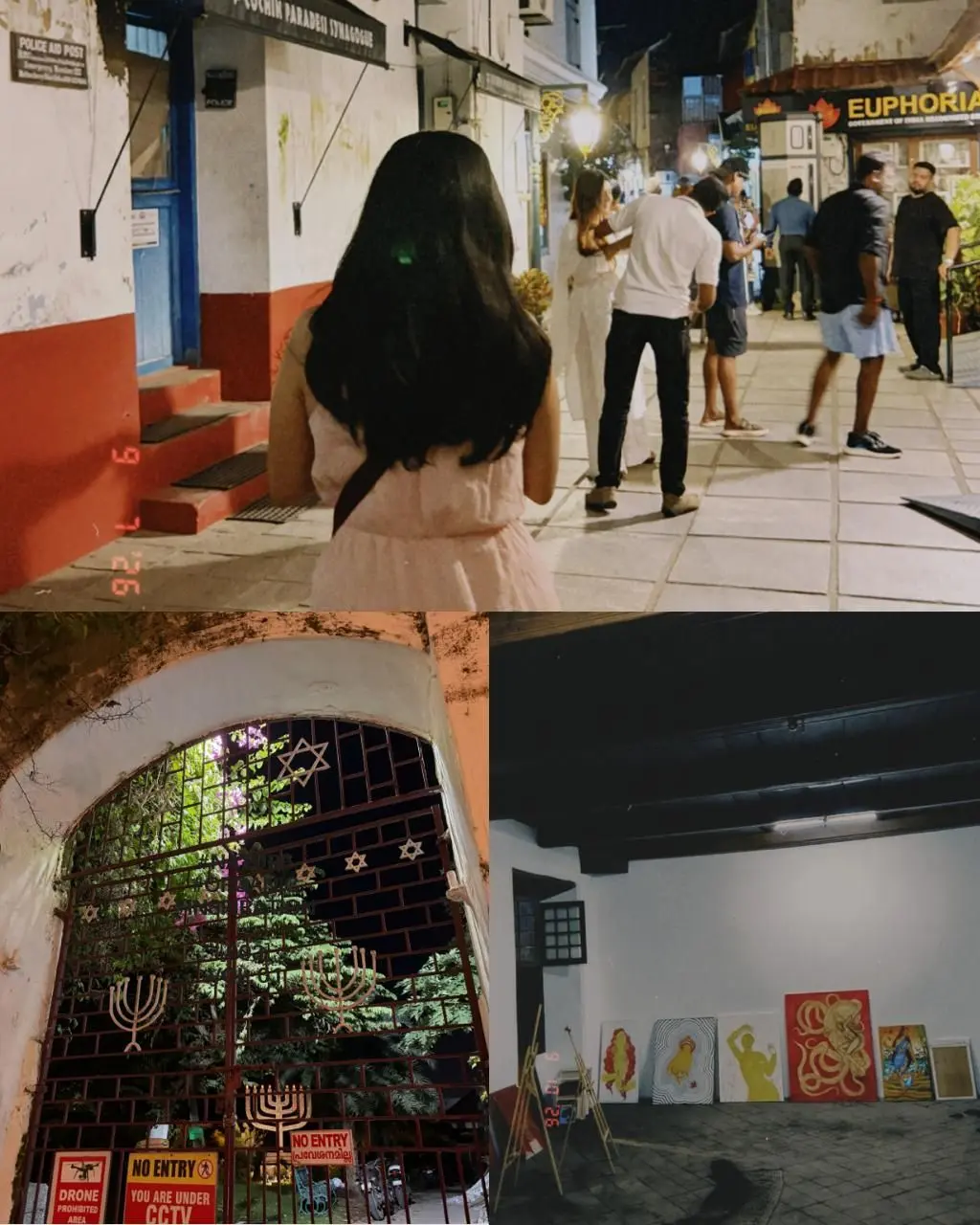
Yes! Kerala has many art forms and traditions, and art is one of them. Many communities have practised and preserved these art forms for generations without expecting anything in return. These art forms reflect the history, culture and people of the land. The question for us was how to bring art forms like these into the mainstream. How can people come together with friends and engage with these art forms? How can we help them reach a wider audience and continue to thrive? This is when we started Friends of Thudippu (FOT). Since then, we have successfully hosted four editions at Thudippu Studio, Vennala. When we began planning the next edition, we wanted to try something different. “What if we take Friends of Thudippu (FOT) closer to a place that is deeply connected to Kerala’s cultural and historical landscape Fort Kochi and Mattancherry?” The whole team said yes! We started with a basic Google search and shortlisted a few spaces to see what might work. But Google was not our only source of information. We also reached out to friends and people around Kochi, and they suggested spaces and possibilities we had not come across ourselves. One of the spaces we came across was Artiko Tales, Mattancherry. It took us a while to explore the space because they had moved to this new location only about a month earlier. On the day we went to visit, we arrived a little early. Instead of going straight to the space, we walked through Jew Town. It was a beautiful, peaceful evening. The yellow lights were already on, and the streets were quieter. The character of that historic place felt different at that time of day. We decided to stop for a tea. Somehow, that chai time became an important part of the process. Sitting there and talking, we started thinking about what it would mean to bring the next Friends of Thudippu edition into this neighbourhood. It was not just about finding a venue anymore. The place itself started becoming part of the idea. When we arrived at Artiko Tales, we saw an artist painting in a room full of artworks, paintings and small sculptures. Some were finished. Others were still in the process of being made. She got up, smiled at us and said, “Hi, I'm Sudharshana.” She was the founder of Artiko Tales. We started talking about the space and our idea for Friends of Thudippu. Then she told us that she already knew about Thudippu. We did not expect that small connection to matter so much. At that point, the space felt less like something we had found. It felt more like something that had somehow come back to us at the right time. We were happy, excited and a little emotional about it. We decided to go ahead with Artiko Tales. And yes, the right space fits the audience and suits the experience.
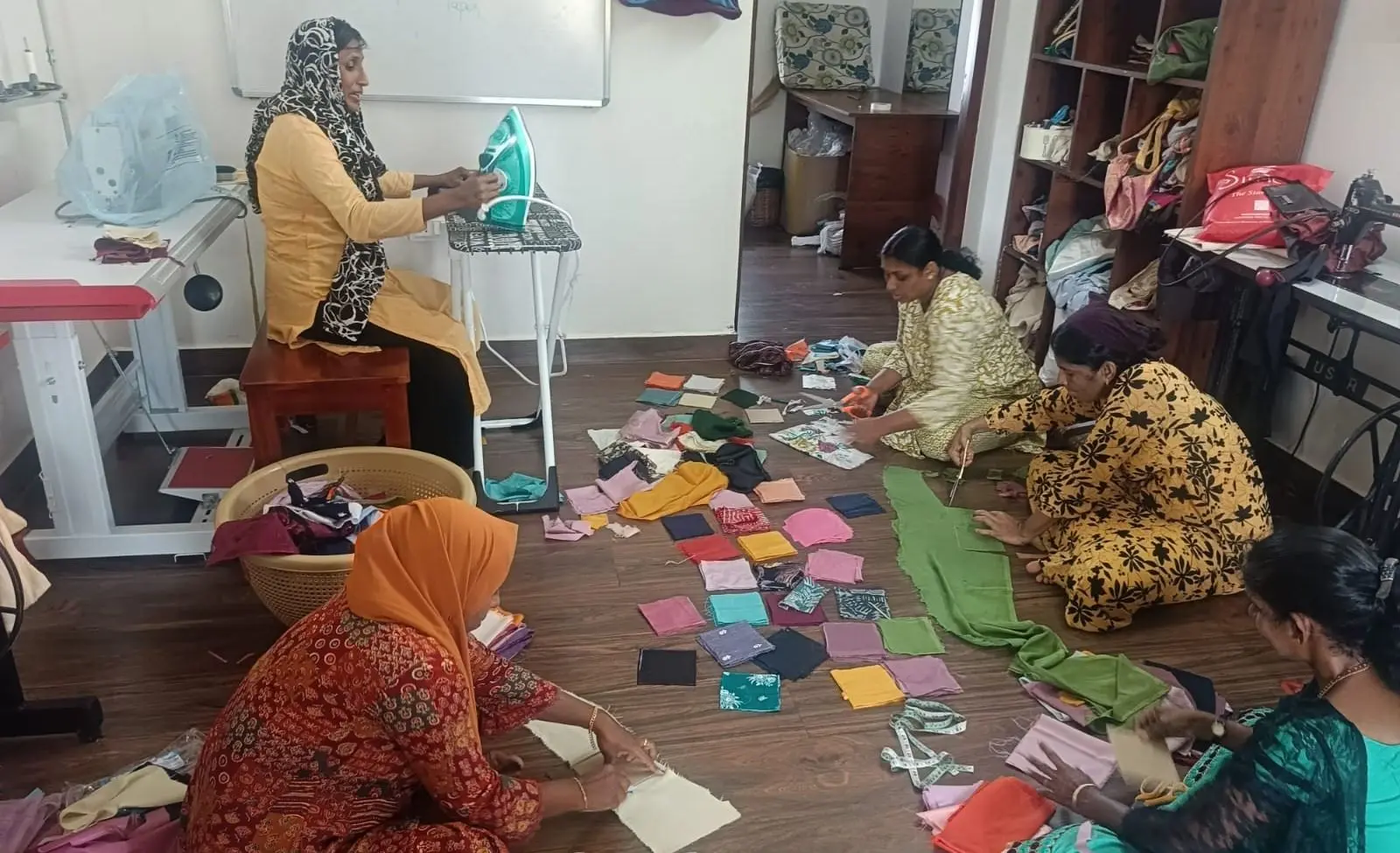
Stitching unit update: fabric cutting and template size correction
Today we finished cutting all the remaining fabric from yesterday. We ironed the templates first, then used them to cut the fabric. We measured a few cut pieces at random to check accuracy. We found a size difference. The cardboard templates were thick, so the marked size on the fabric was about 5 centimetres instead of 4.5 centimetres. To correct the size, we reduced the template size to 4.1 centimetres. This gave us fabric pieces of 4.5 centimetres. We then corrected all remaining pieces we had cut at 5 centimetres down to 4.5 centimetres. Finally, we mixed and matched the cut pieces to check the colours and designs worked together, and that the cutting patterns worked as intended.
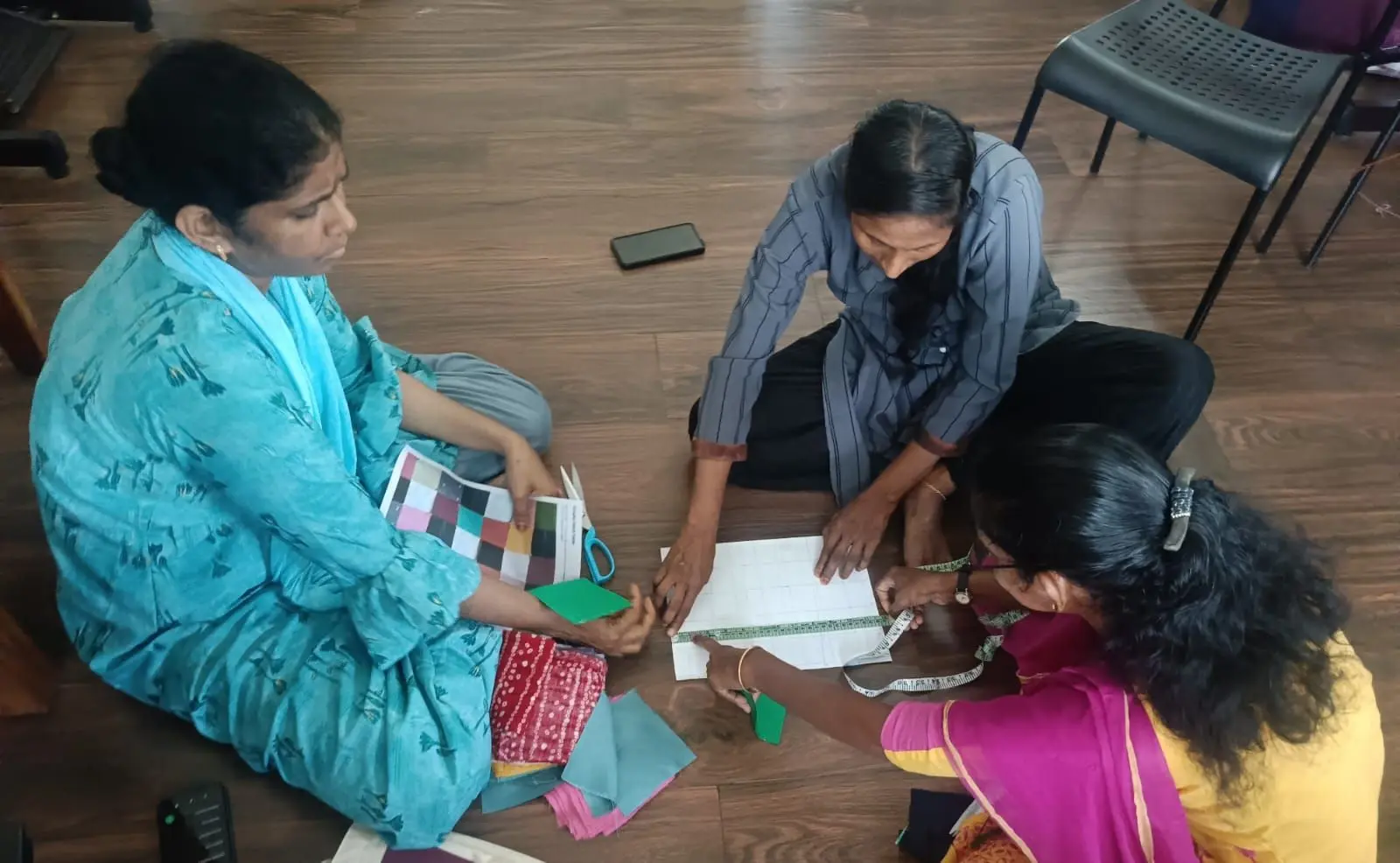
Correcting a 4.5 cm fabric cutting error
During stitching, a critical error occurred when paper templates of 4.5 cm were cut as 4.5 inches, because inches are the standard unit in the industry. The error surfaced when the cut pieces did not fit the target design model, so the team reviewed the templates and layout measurements together. They fixed the problem by making precise new templates, recutting the fabric to 4.5 cm, and finishing the assembly. Always cross-check the unit before cutting. The templates were 4.5 cm. Read as 4.5 inches, a whole batch of fabric was cut to the wrong size and had to be recut.
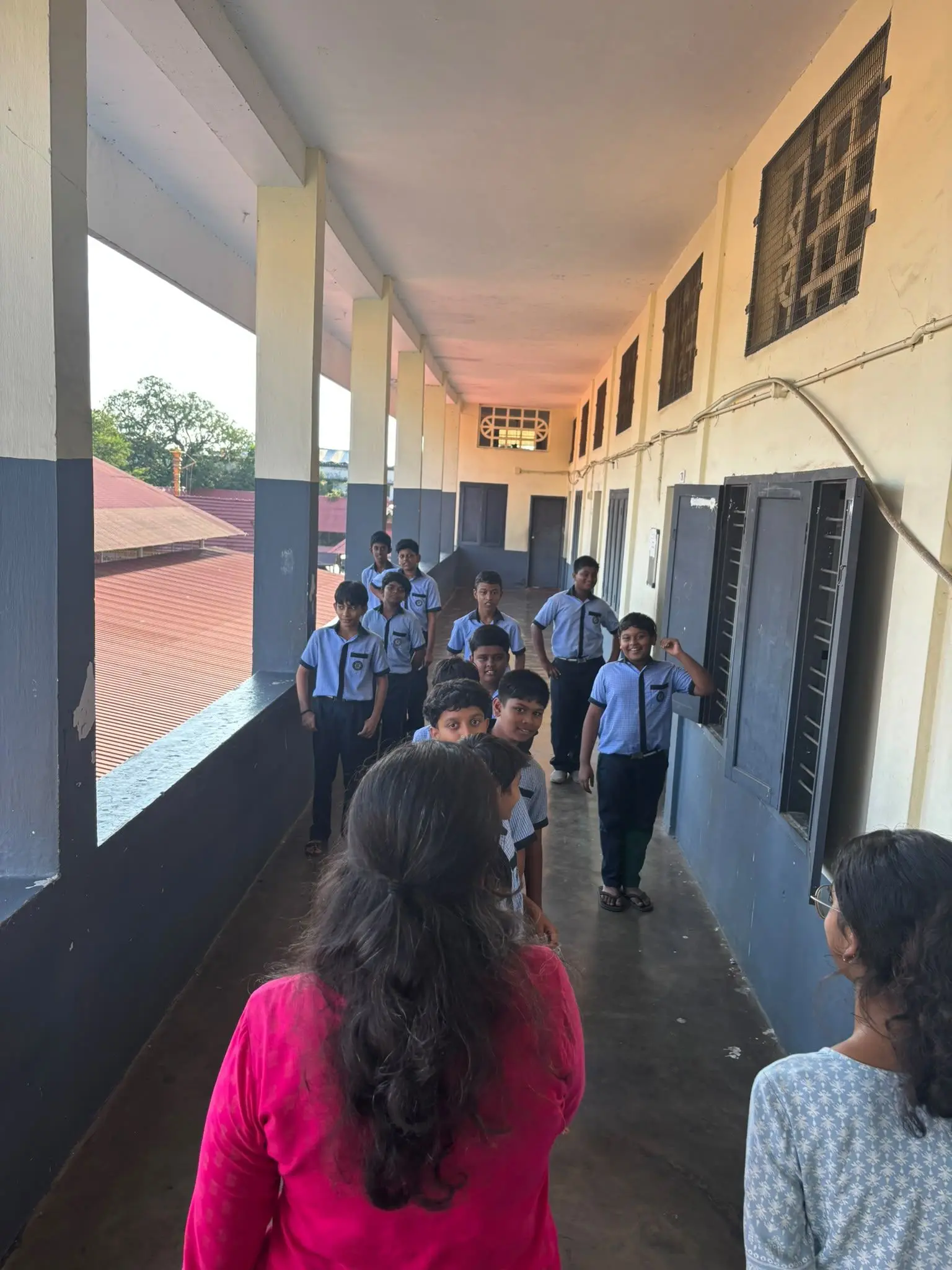
LifSkool is Olimalar Foundation's school-based life skills programme. It helps young people build practical skills for everyday life. Group: local government school | Std 5 to 7 | 13 boys This week, we began a 5-week programme with our Std 5 to 7 boys from a local government school. We chose to return because this is one of the schools where we already have an established partnership. Continuing here lets us build on the trust and relationships formed last year. It was lovely to walk back into the classroom and see a few familiar faces. Boys we had met in Std 5 last year are now in Std 6. They are a little taller, and they still remembered us. Space: regular classroom with students on benches. Timing: we had 45 minutes, and we planned 60 minutes. Our goal for the first session was simple. We wanted to break the ice, reconnect, and begin exploring our first life skill. That skill is self-awareness. We started with "This or That." Because the classroom benches left little room to move, we took the boys into the corridor. We stood them in a line and called out two choices at a time. They moved left or right depending on their preference. This was a simple way to share something about themselves and notice where they were similar to or different from others. Back inside, we introduced the LifSkills workbooks and the LifSkool Promise. We read the promise together, and each student signed it. A member of the LifSkool team signed alongside them. Co-signing helped make the expectations feel shared rather than simply a list of rules. Each student also received their own folder and materials. Their first activity, "This Is Me," was to begin decorating the folder. They used drawings and words to show what they like and what they are good at. They also used symbols to show what matters to them. Because the start was late, the boys had only around 15 minutes to sketch, so they took the folders home to complete.
Techniques for balancing puzzle pieces
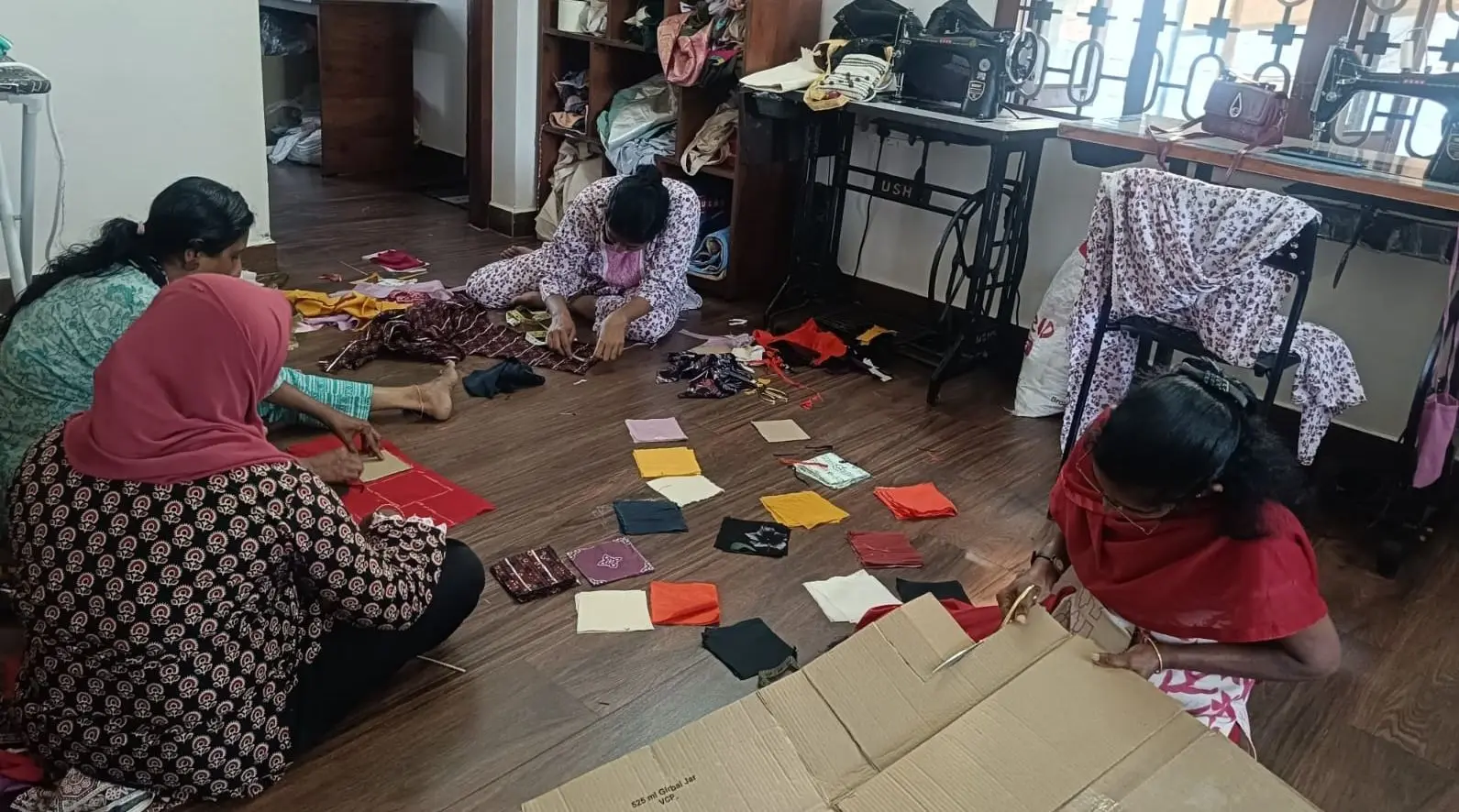
During the Kantha workshop, the team faced challenges aligning puzzle pieces. They tried black and white contrasts and dark and light shades to balance the layout. Once the layout was final, participants developed technical precision. They ironed the fabrics and cut them into pieces measuring 4.5 centimetres. Then they sorted the pieces by colour palette.
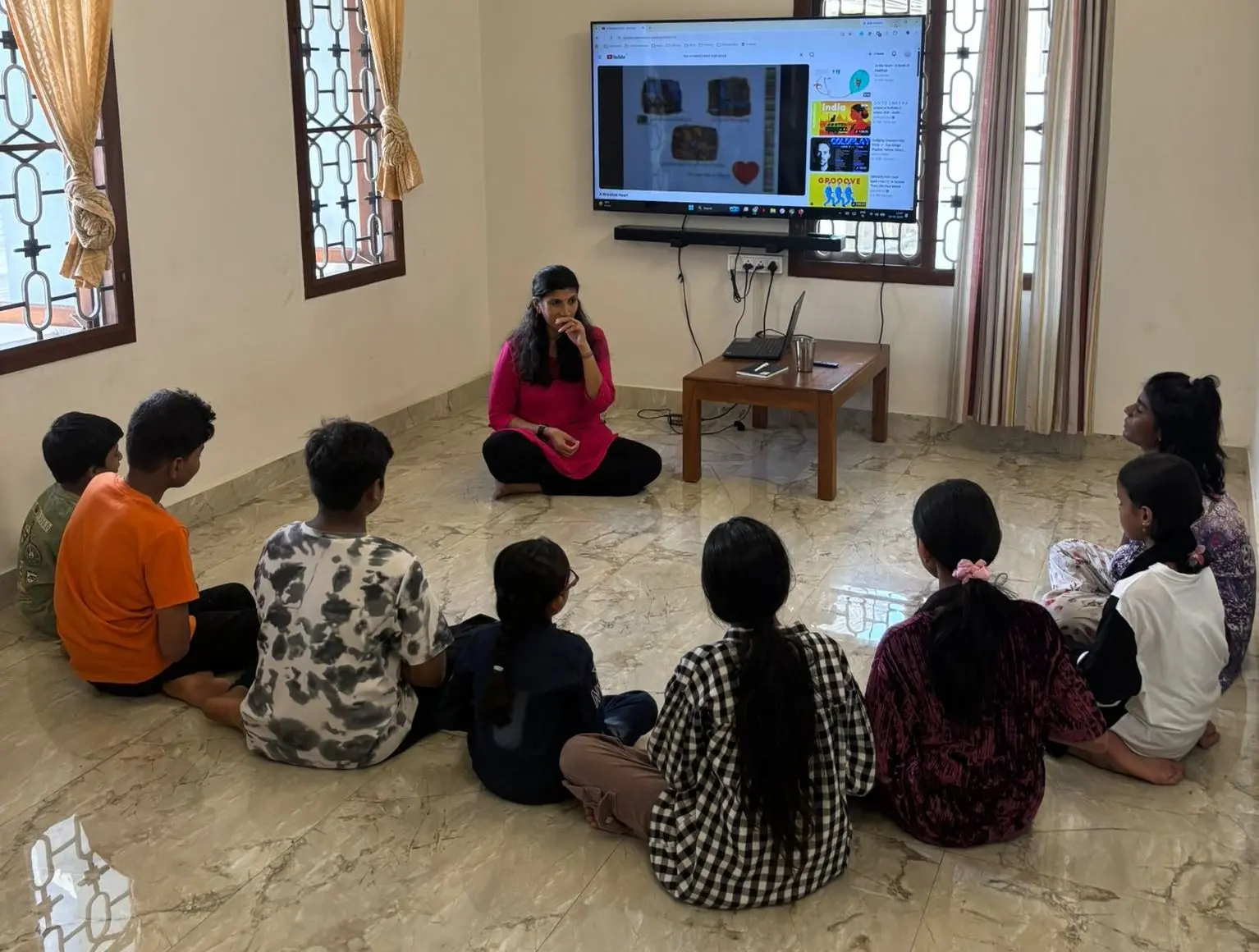
A Wrinkled Heart opens a conversation about kindness
The children read "A Wrinkled Heart" by Tracy Hoexter. We talked about how words and actions can affect other people. The story helped them think about kindness, feelings, and why it is important to speak to others with care.
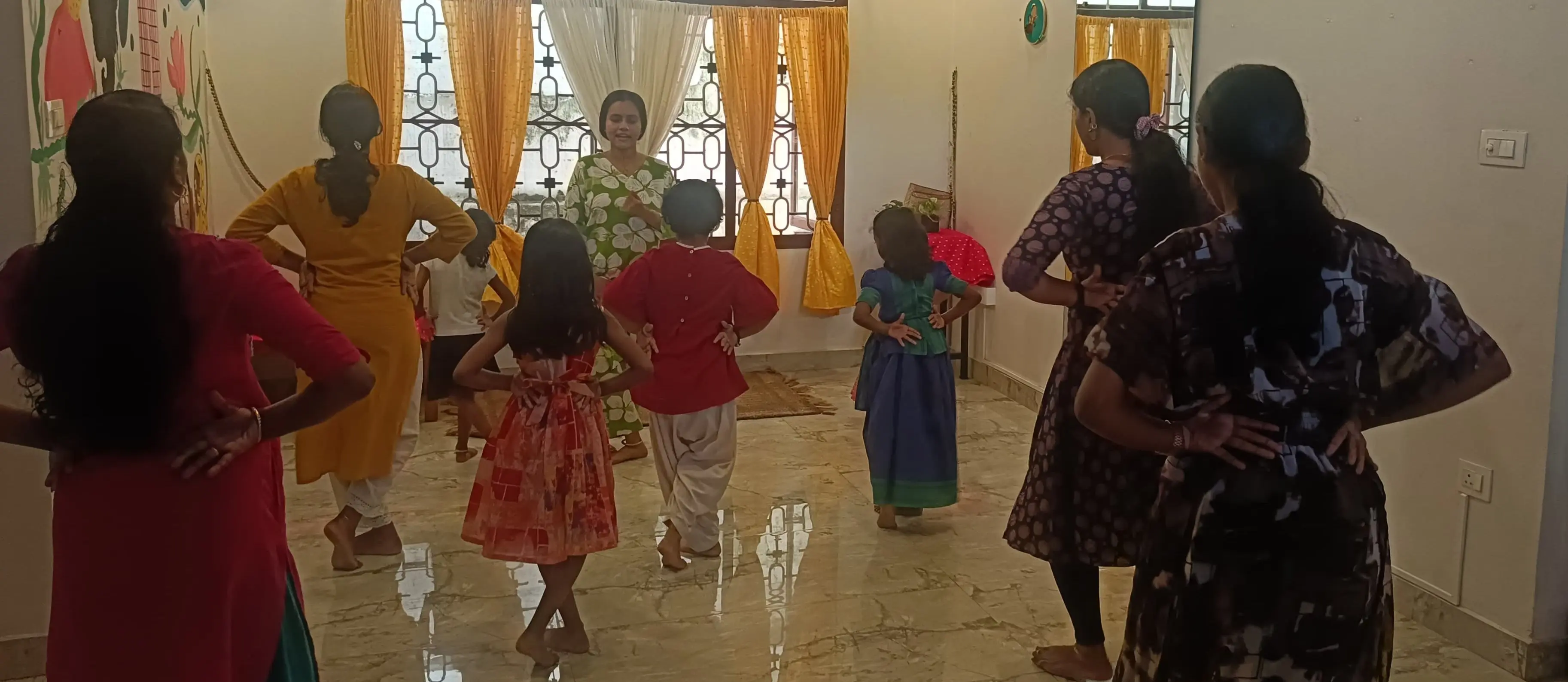
Dance students move into adavu and mudra practice
Community dance classes are moving into a more technical stage. Students are practicing adavus and mudras. These are some of the more demanding parts of Bharatanatyam and Mohiniyattam. The sessions focus on posture, hand movements, and coordination. Students get the basics right through repeated practice.
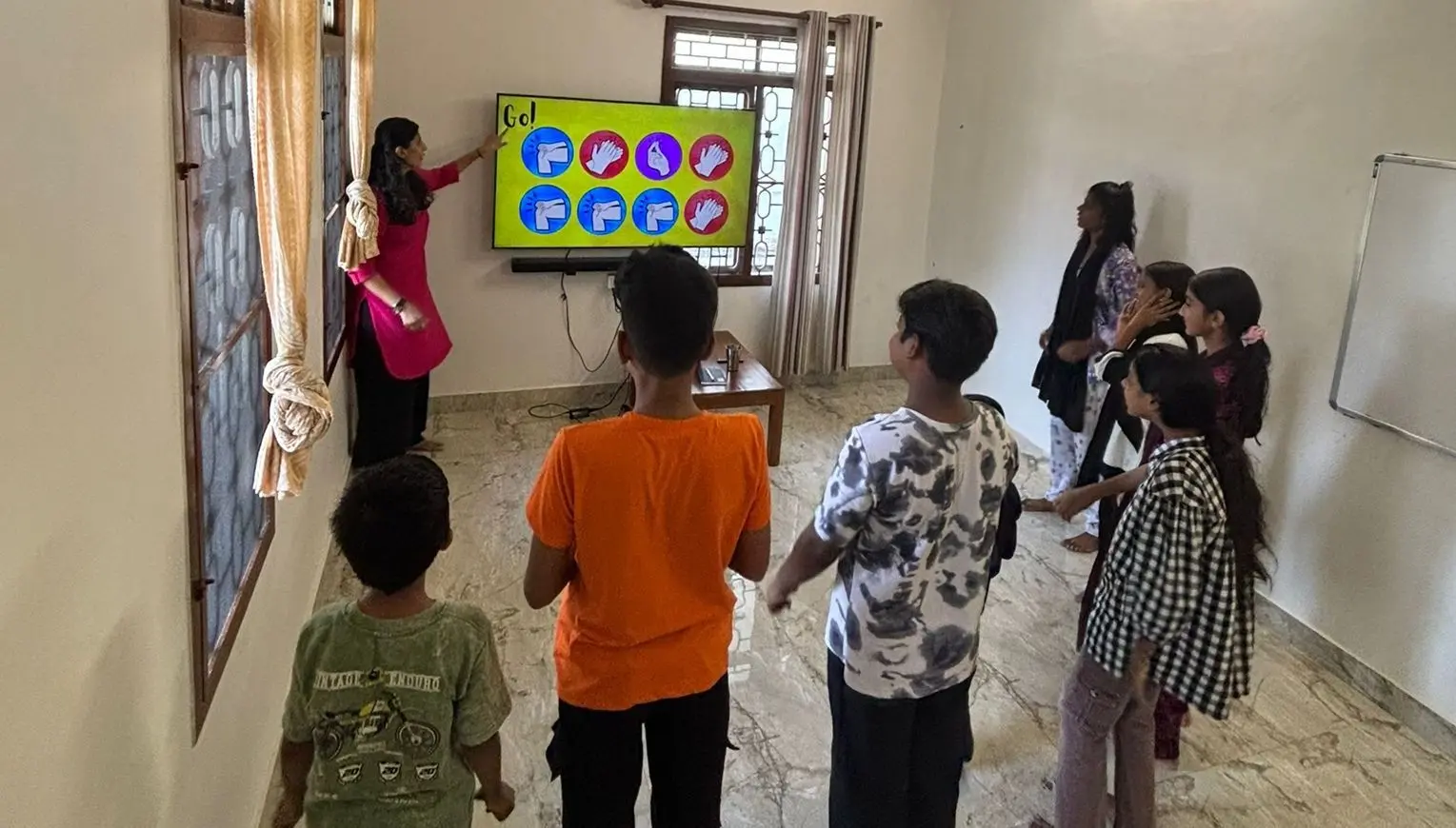
Body percussion and group games get children moving together
We ran a session with 12 children. We used body percussion, movement, and group games. The children listened, responded, and participated. They explored rhythm, coordination, attention, and teamwork.
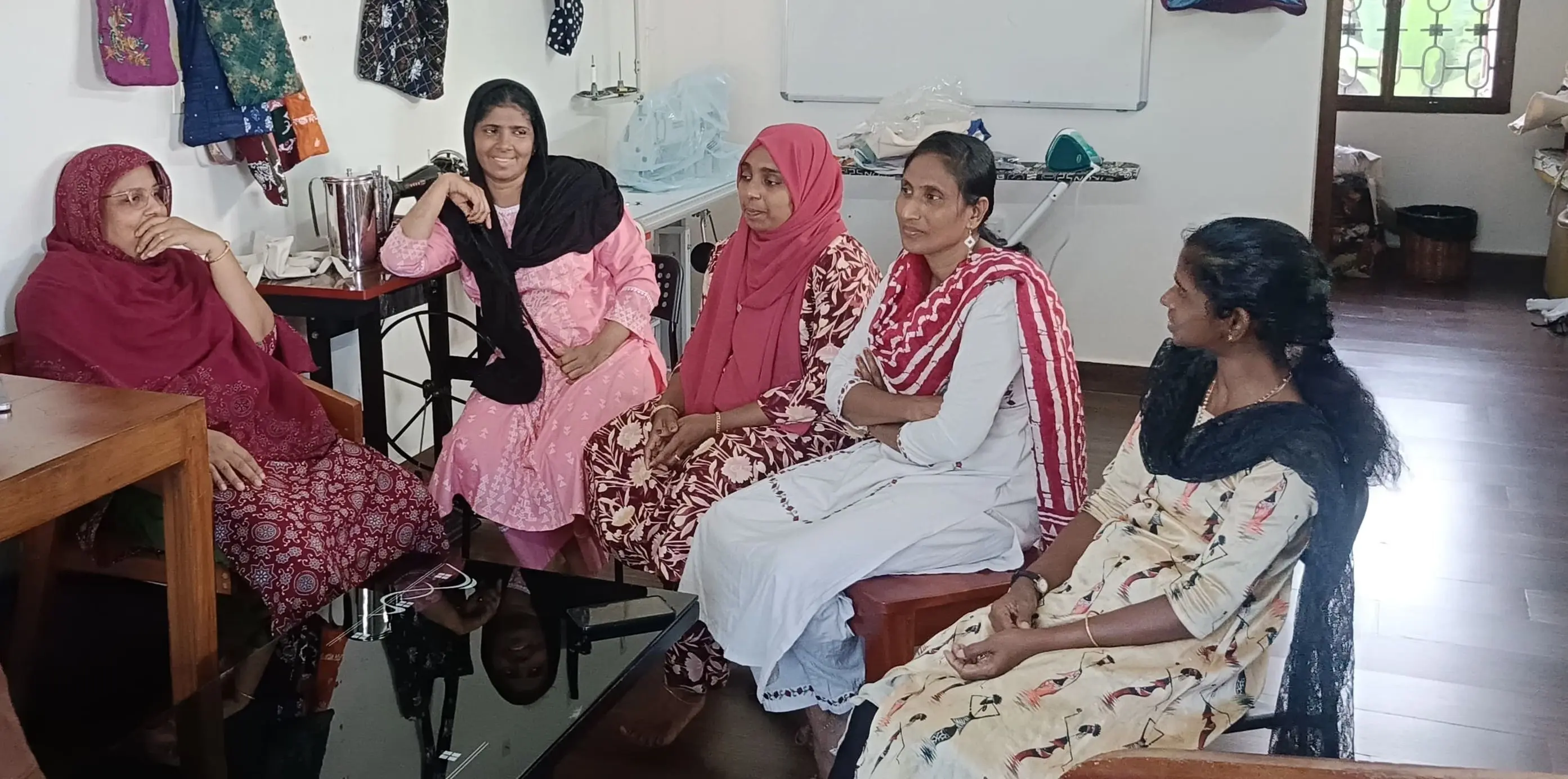
Stitching team plans how to share production work
Shabana met with the stitching team to go over the new designs and current orders. Members also shared the problems they had with different tasks. The main challenge was managing time and co-ordinating duties at once. We divided responsibilities across the team, from sorting cut pieces to stitching the final products, including ironing fabric.
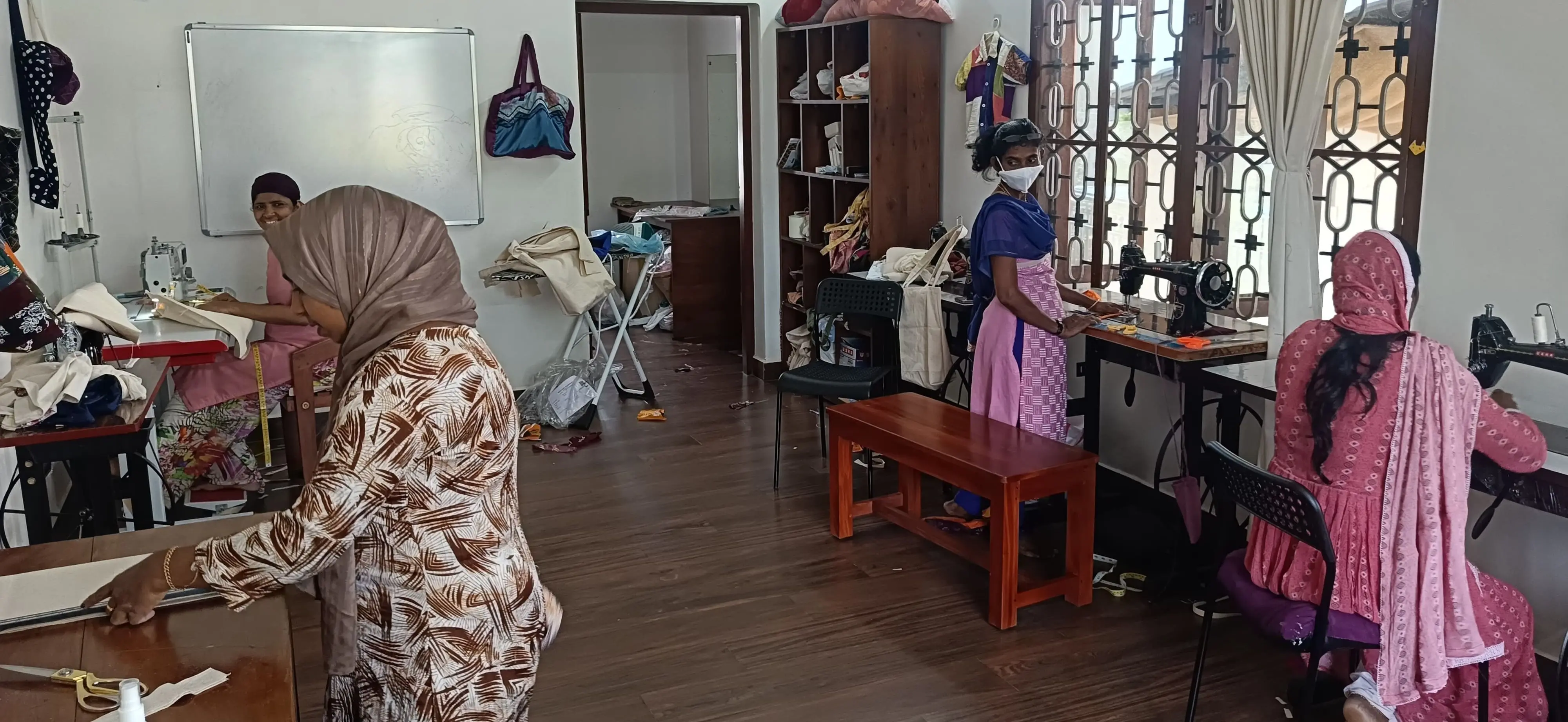
Stitching team balances new designs with current orders
The stitching team learned to fill current orders and still practise new bag designs. This showed members how to keep regular production going while they learned to make new products.
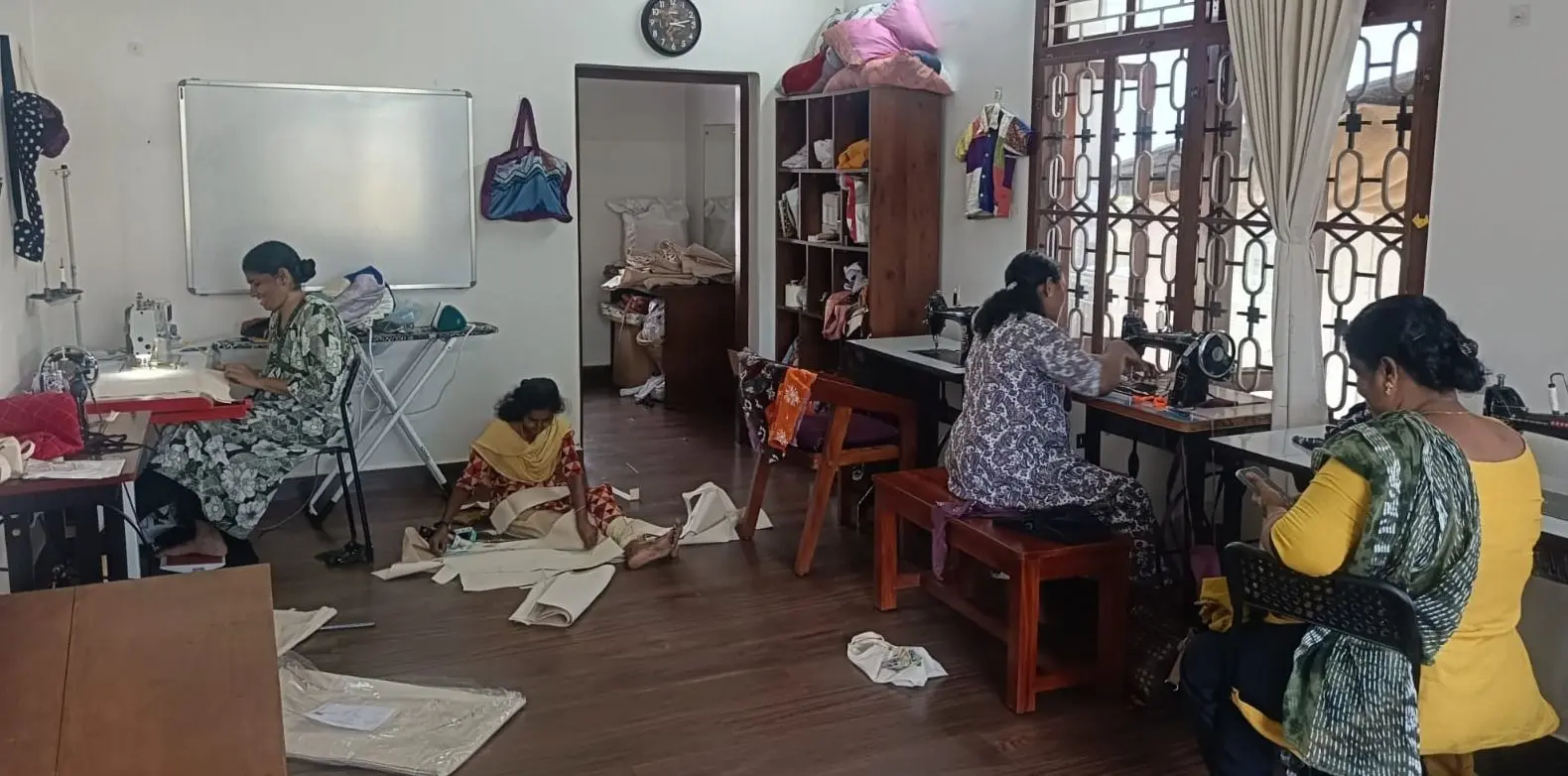
Stitching team starts another 50-bag order for FOSS United
The stitching team started work on another order of 50 bags for FOSS United. The team is preparing the bags for an upcoming festival in Bengaluru. This gives the team another chance to work together. They will focus on production, quality, and on-time delivery.
August 2026
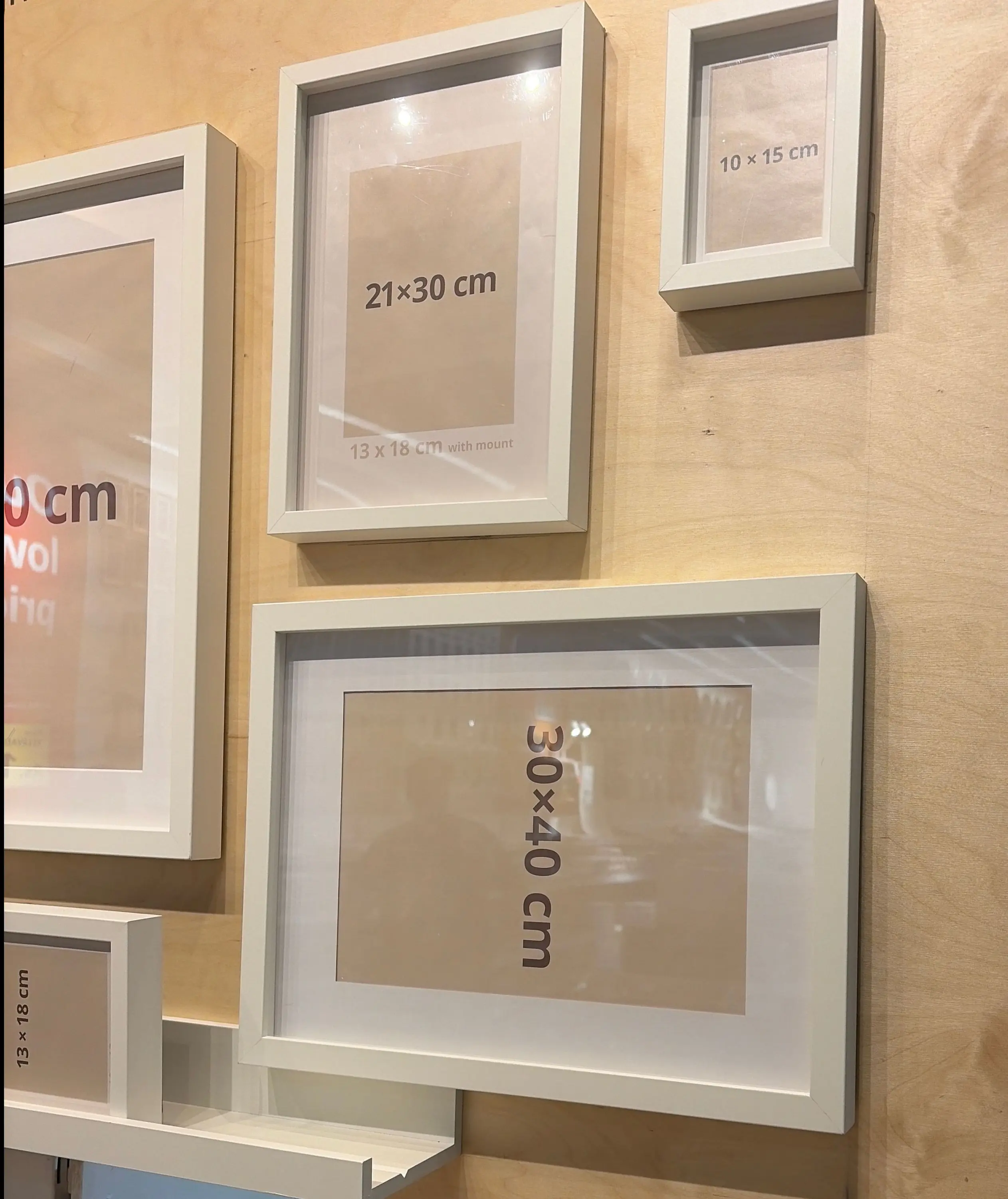
Exploring photo frame designs for the Constitution’s Preamble
We are exploring how to make frames from sustainable materials. The frames would display the Preamble to the Indian Constitution. We visited IKEA to compare frame designs and chose one as our reference. We plan to make a similar model with carpenters from Fort Kochi and Mattancherry. We will use local materials where possible. This supports local craftsmanship and makes the frames more sustainable.
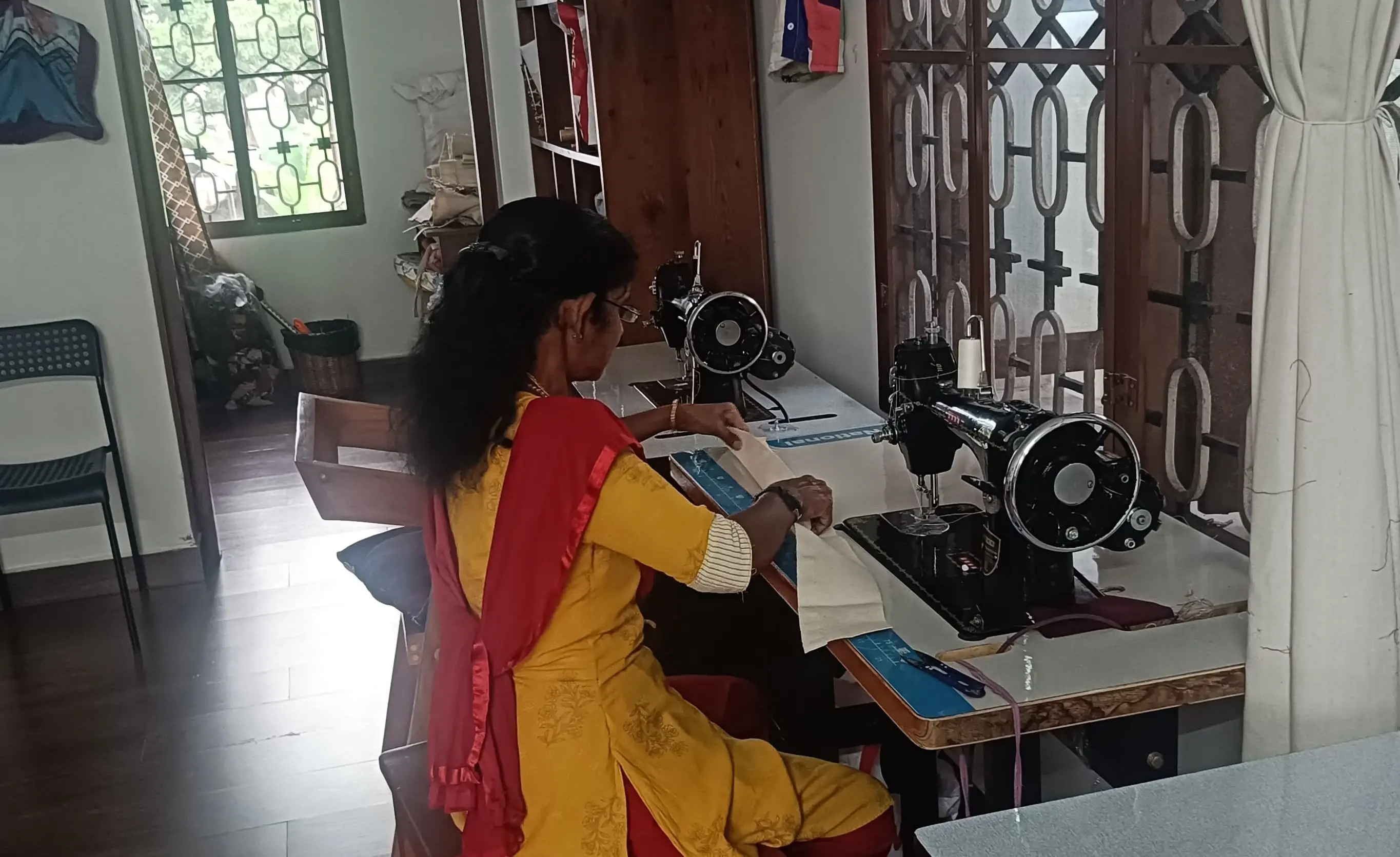
Stitching team plans to focus on two bag designs
We tried several designs and collected feedback. We now plan to focus on two bags. Mary is working on the next round of samples to improve every detail: material, stitching, comfort, strength and finishing, before we finalise the designs.
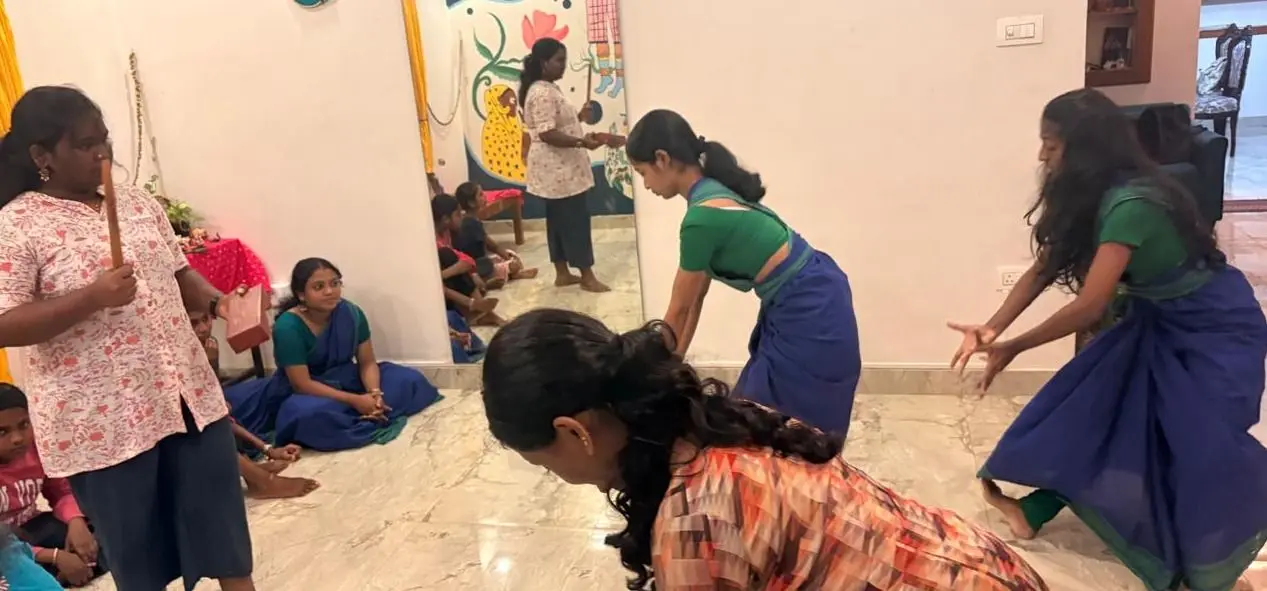
Community dance classes move into abhinaya practice
The Thudippu team ran the community dance classes. They split them into children's and adults' sessions. Aparna now works with both groups on more technical dance, including abhinaya, expression and communicating emotions through movement.
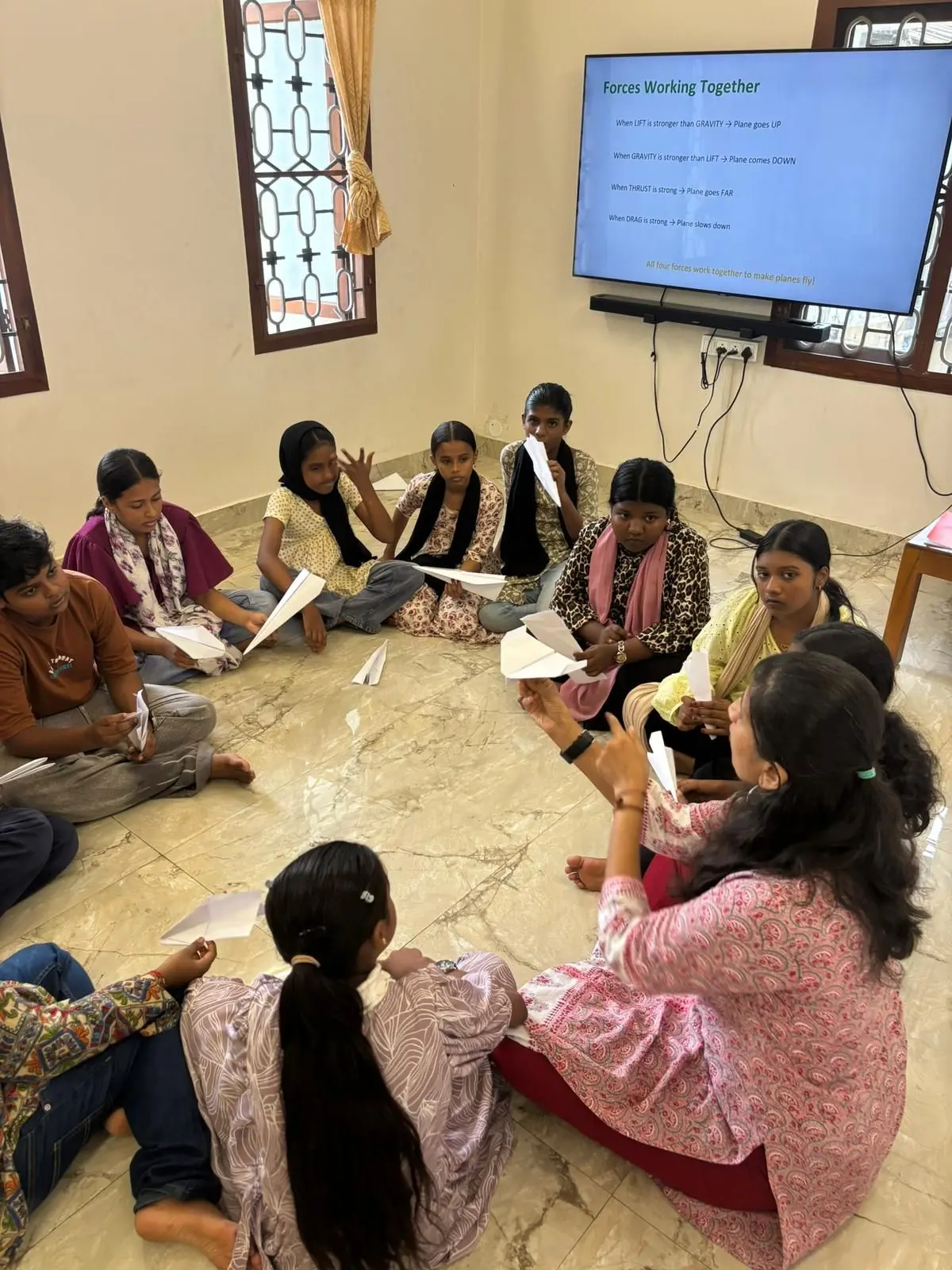
Paper planes help children explore how things fly
We started a Curiosity Club activity about flight using the wings from "Perfectly Norman". Children explored the basic forces that help things fly. Then they made different paper planes and tested how changes in shape affected how far and how well they flew.
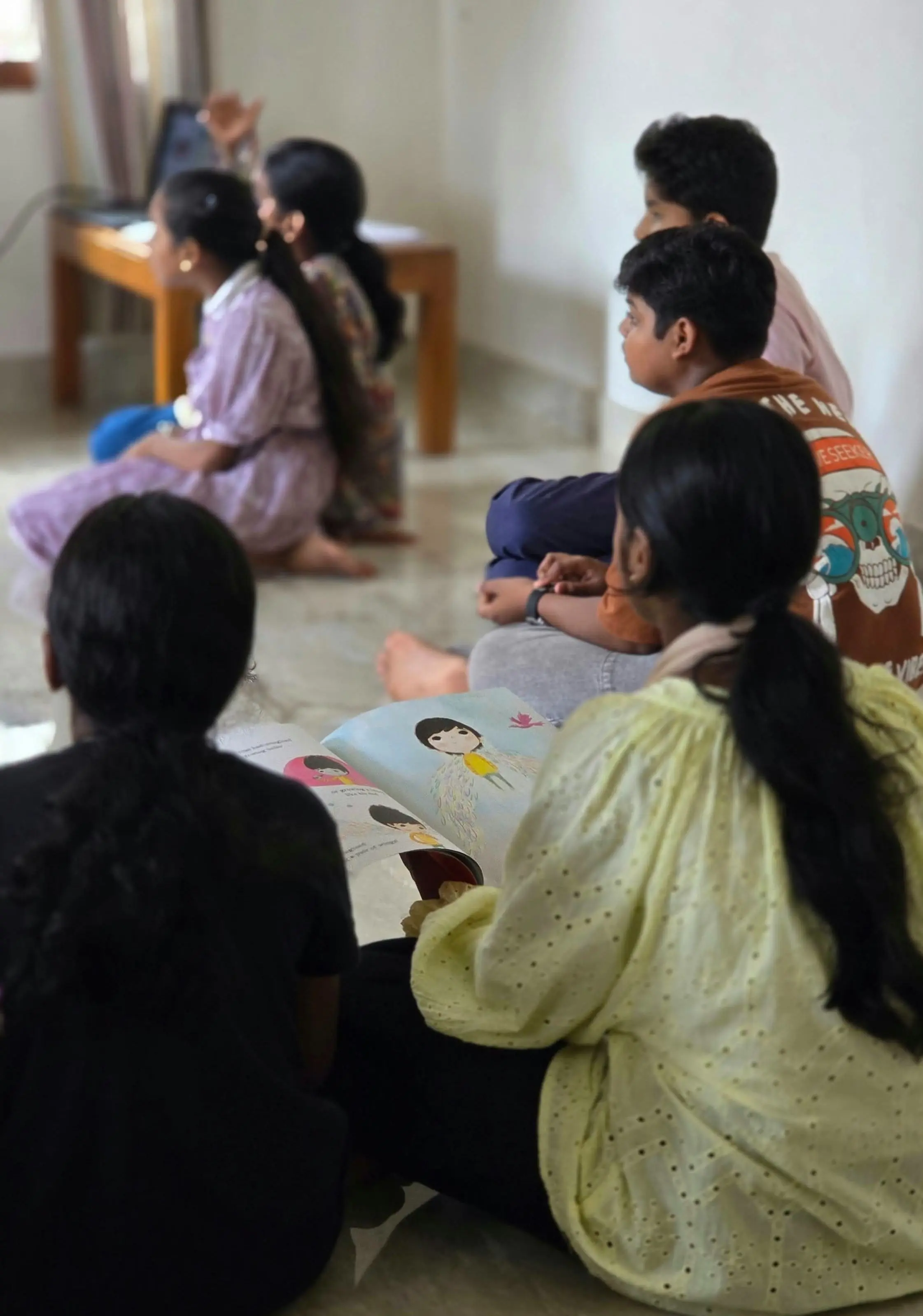
Perfectly Norman opens a conversation about being different
The children read “Perfectly Norman” by Tom Percival. The story is about a boy who grows wings and learns to accept what makes him different. We opened up a simple conversation about being yourself and accepting differences. It was also about feeling comfortable with who you are.
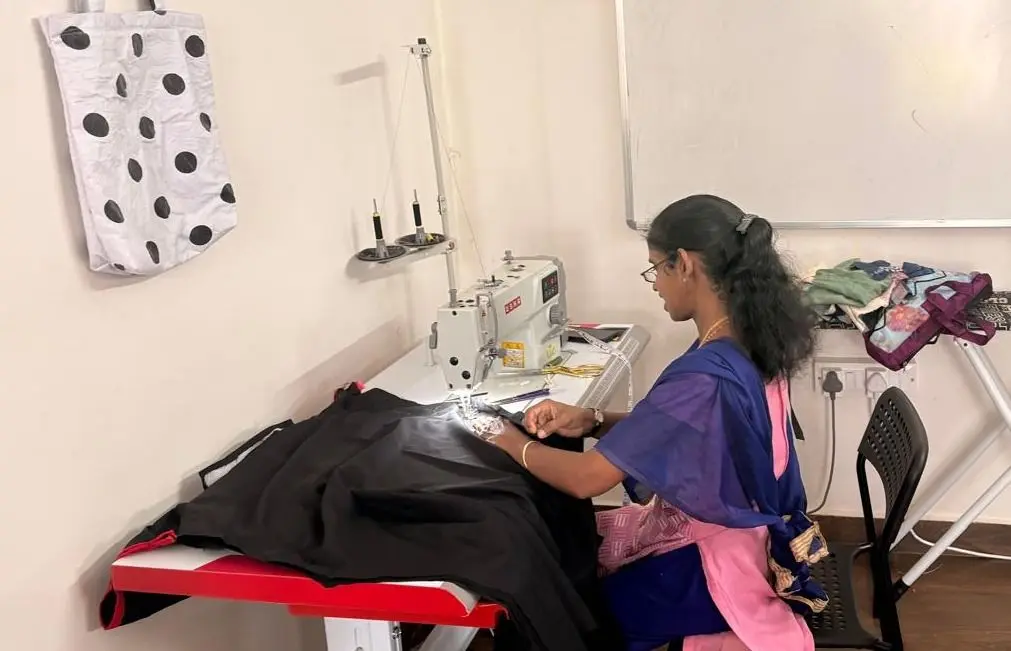
Stitching faculty prepares a new cut-piece bag sample
The stitching faculty member Mary Gracy worked on a new cut-piece bag sample to introduce another model to the students. When the sample is ready, the faculty will use it in class to show the design step by step. The sample will also help students practise the new pattern.
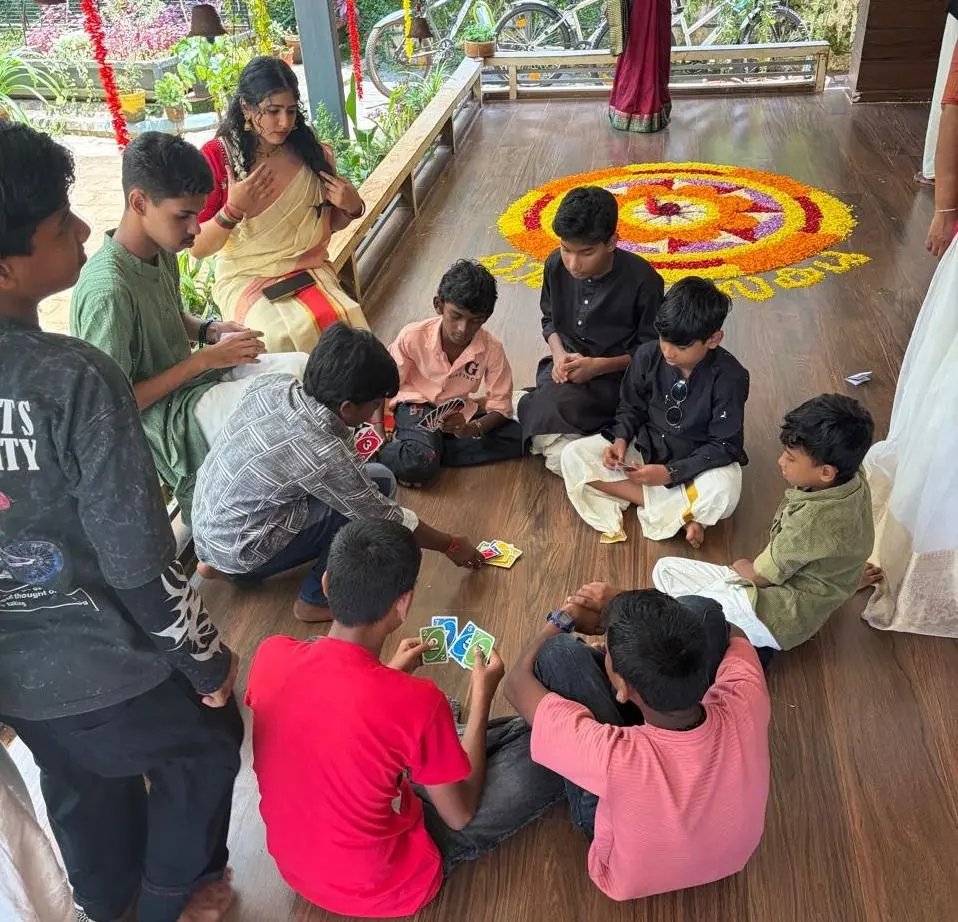
Children make themselves at home during the community program
During the community program, the children made themselves at home. They sat together and played UNO. It was a simple moment that showed how comfortable they felt spending time together. They used aikyam space in their own way.
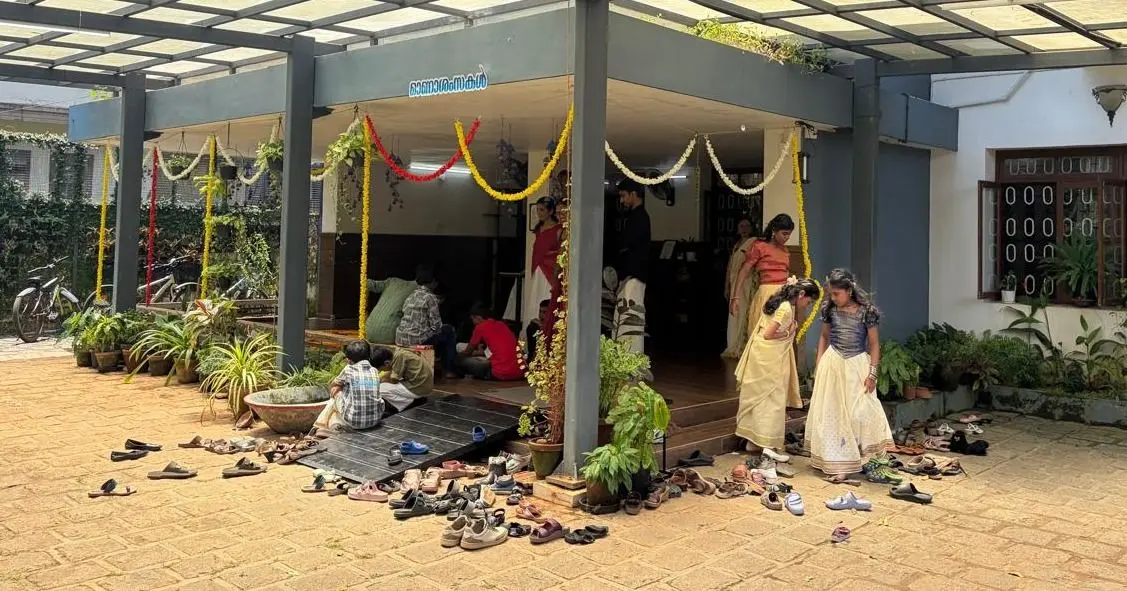
Community program brings learning and conversations together
Community members came together at the space on May 12, 2024, for a day of learning, creative activities and conversation. Children took part in learning and creative sessions. Women joined a workshop focused on skills and livelihood opportunities. We designed the program to increase participation at the space. It supports children's learning and helps women connect with each other and explore new possibilities.
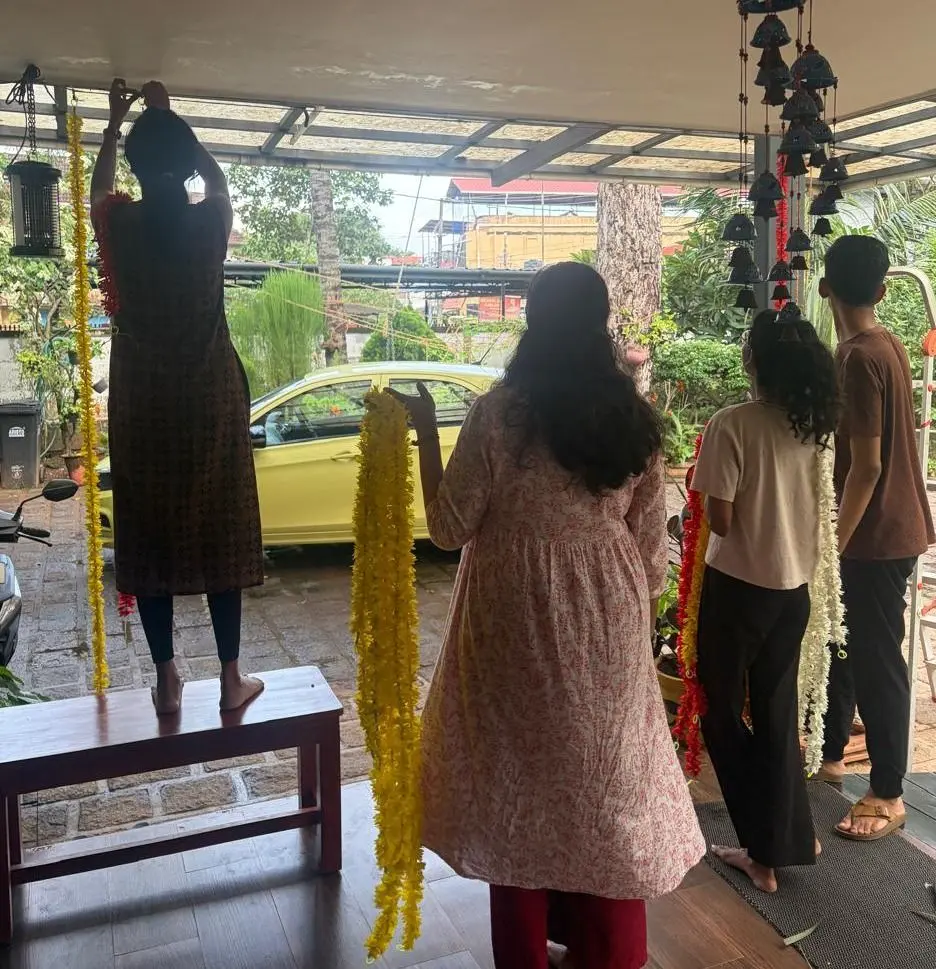
Preparing aikyam space for a community gathering
We started preparing aikyam space for a community program on March 14, 2024. We designed the program to bring people together. We expected community members to take part. We hoped they would get to know one another better. We also hoped they would gradually feel the space was their own.
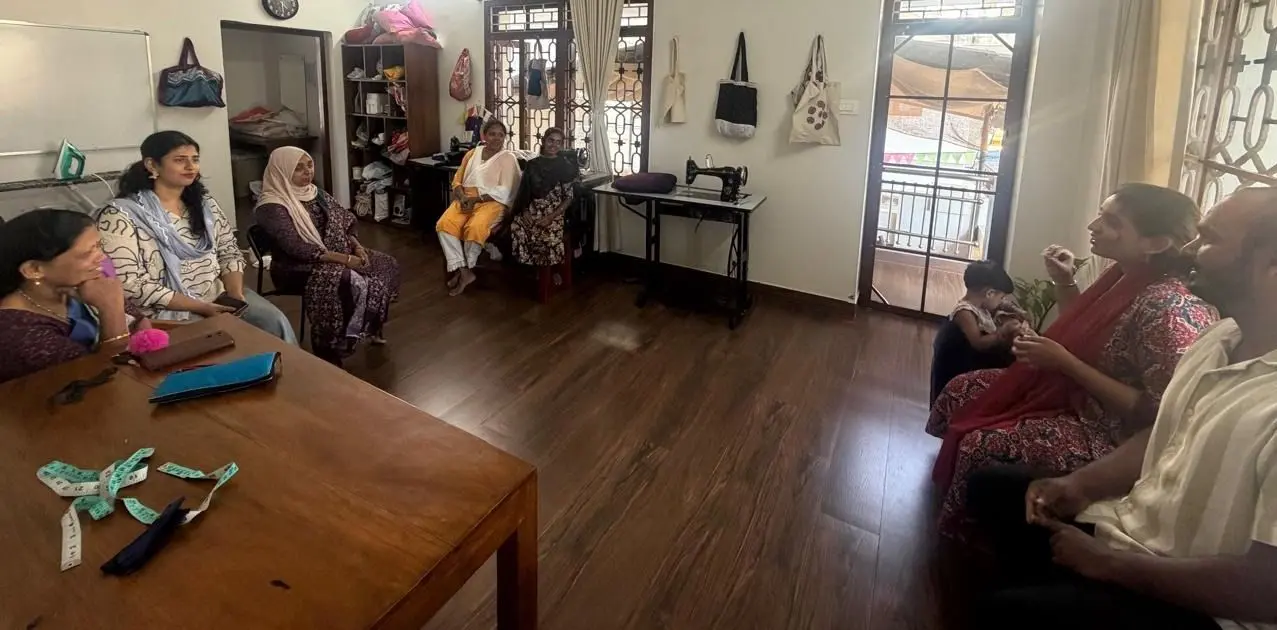
Stitching team reviews designs, stock and upcoming stalls
We met as the stitching team to look at the current bag designs and change a few of them. We also decided on the lowest number we needed in stock for regular sales. We also talked about upcoming events and stalls. We covered what we needed to make and how much money we needed to prepare and sell the products.
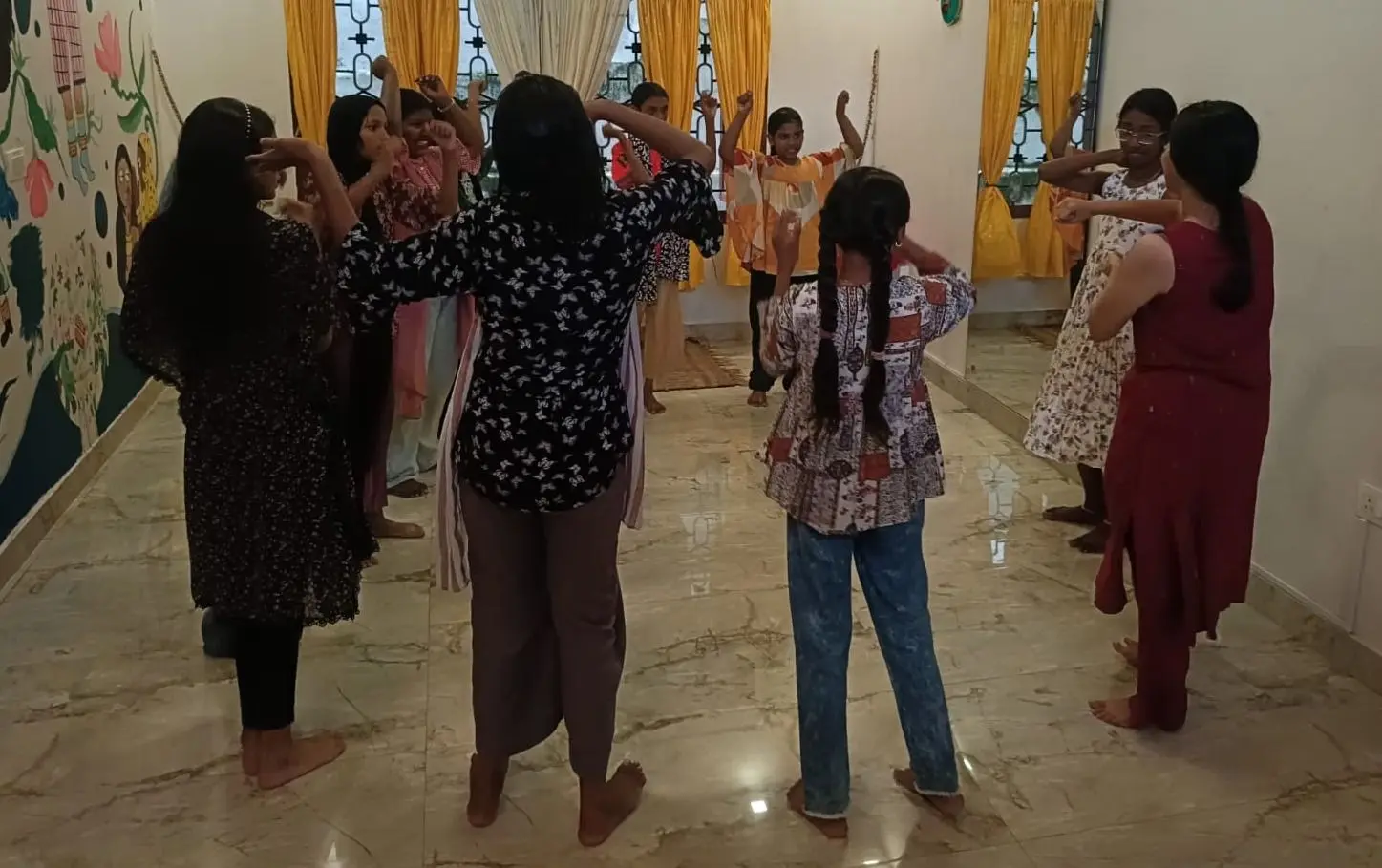
Community students practice for an upcoming program
Community students met at aikyam space for dance practice. They were getting ready for an upcoming program. The sessions gave the group more time to learn together and support one another. They also built stronger connections through regular practice.
Thudippu team meets to plan community activities
The Thudippu Dance Foundation team met at aikyam space for an internal meeting. They planned future activities and talked about their work with the community. They want to keep helping the community through dance and related programmes.
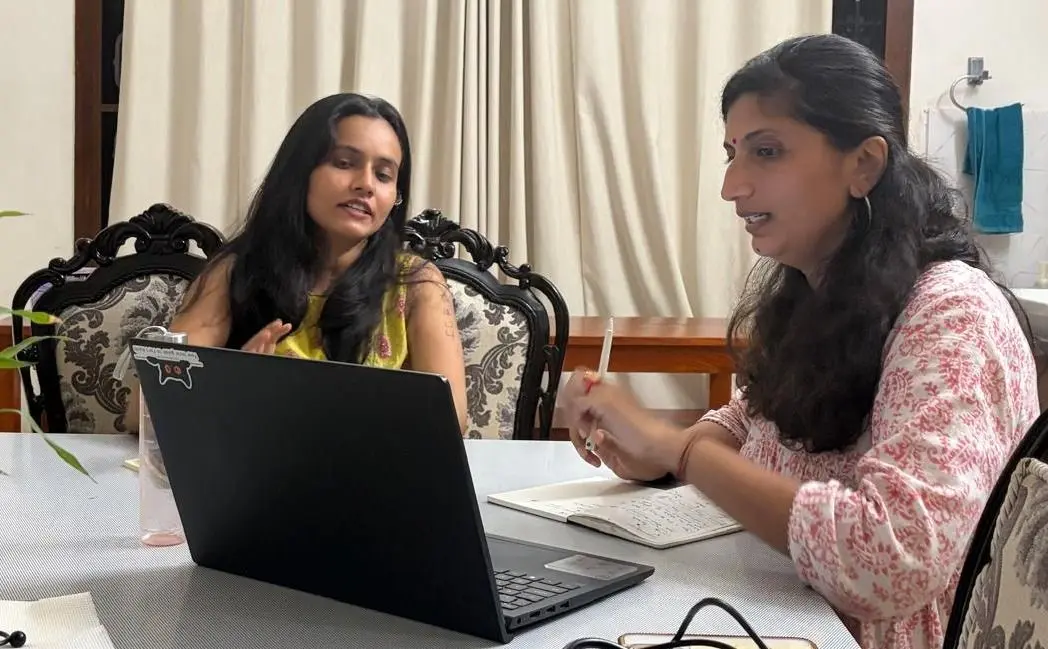
Olimalar and Thudippu discuss how to support children better
Aarthi from Olimalar Foundation and Anjali Krishnadas from Thudippu Dance Foundation met at aikyam space. They discussed how to work together to help children from the community. They talked about understanding the children better. They also talked about ways to support the children's learning, confidence, creativity and participation through future activities.
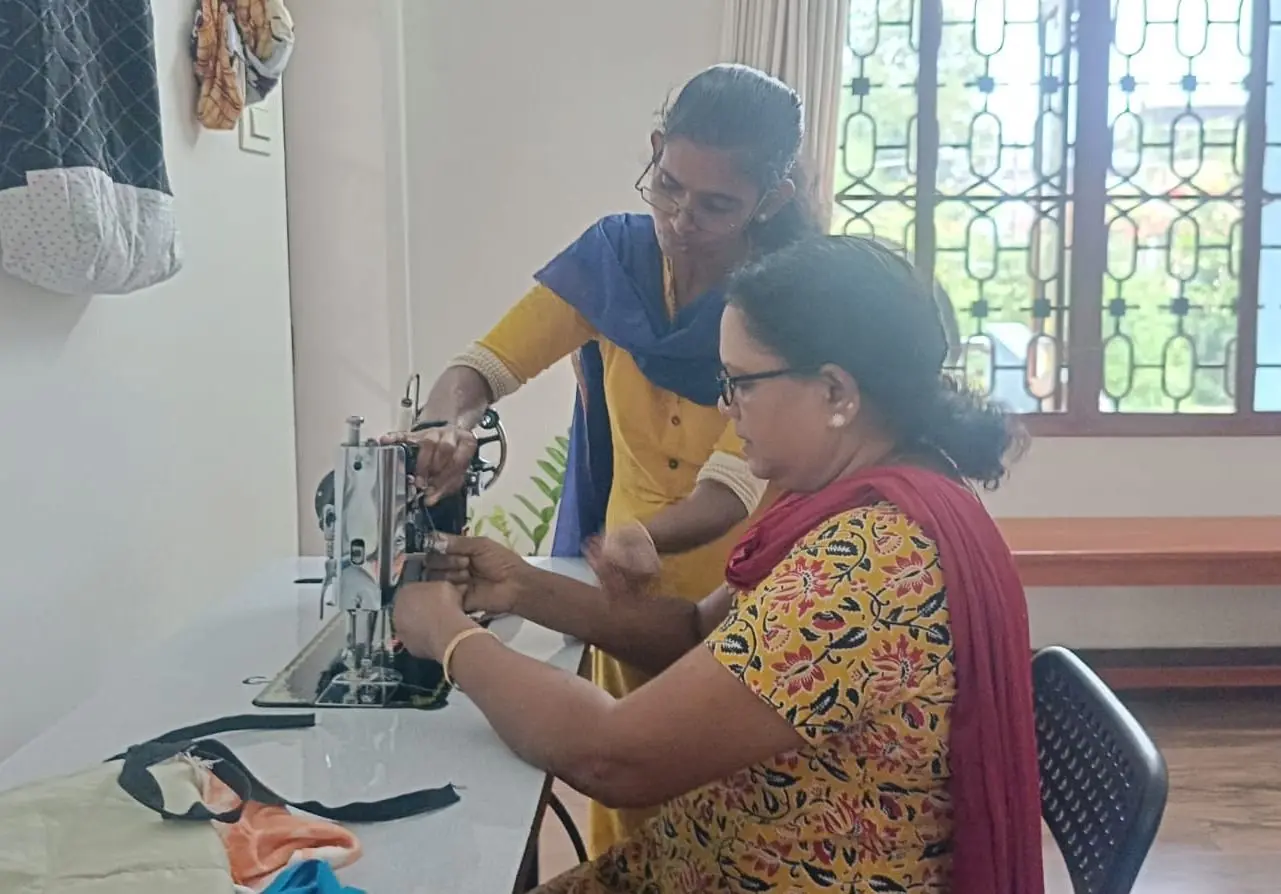
A new student starts learning the sewing machine
A new student joined the Stitching Club. She is learning to use the sewing machine with Mary Gracy. The session starts with the basics. It helps her understand the machine and build confidence. Then she moves on to stitching practice.
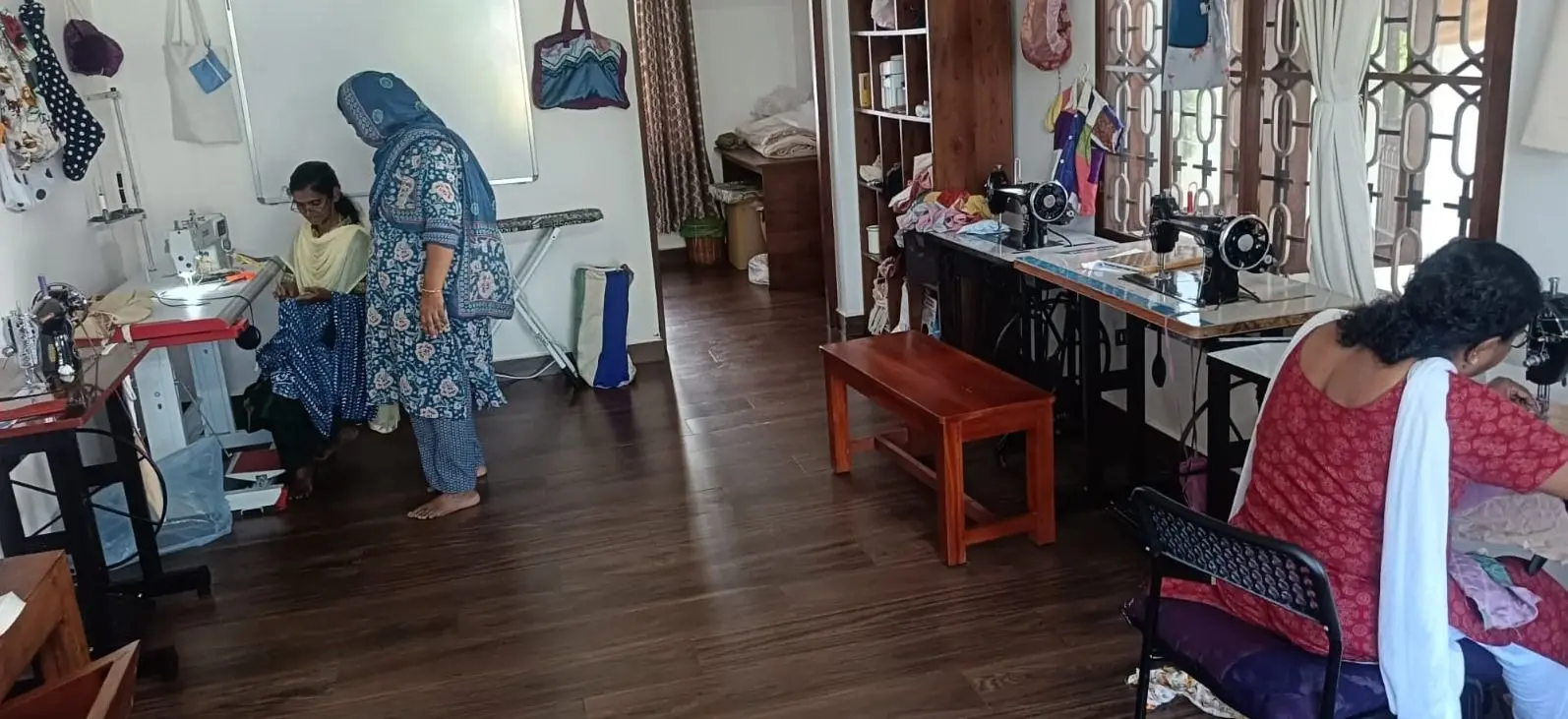
Getting five bag designs ready for regular stock
The stitching team practised five bag designs. They improved the finishing on each one before regular production started. We planned to keep a minimum stock of these designs every month. That way we were ready for new orders and sales opportunities.
Cats have made themselves at home
The cats have settled in at Aikyam space. We kept allowing them to stay there. The space is pet-friendly, so we looked for small ways to make it more welcoming for animals. We want both people and pets to feel comfortable.
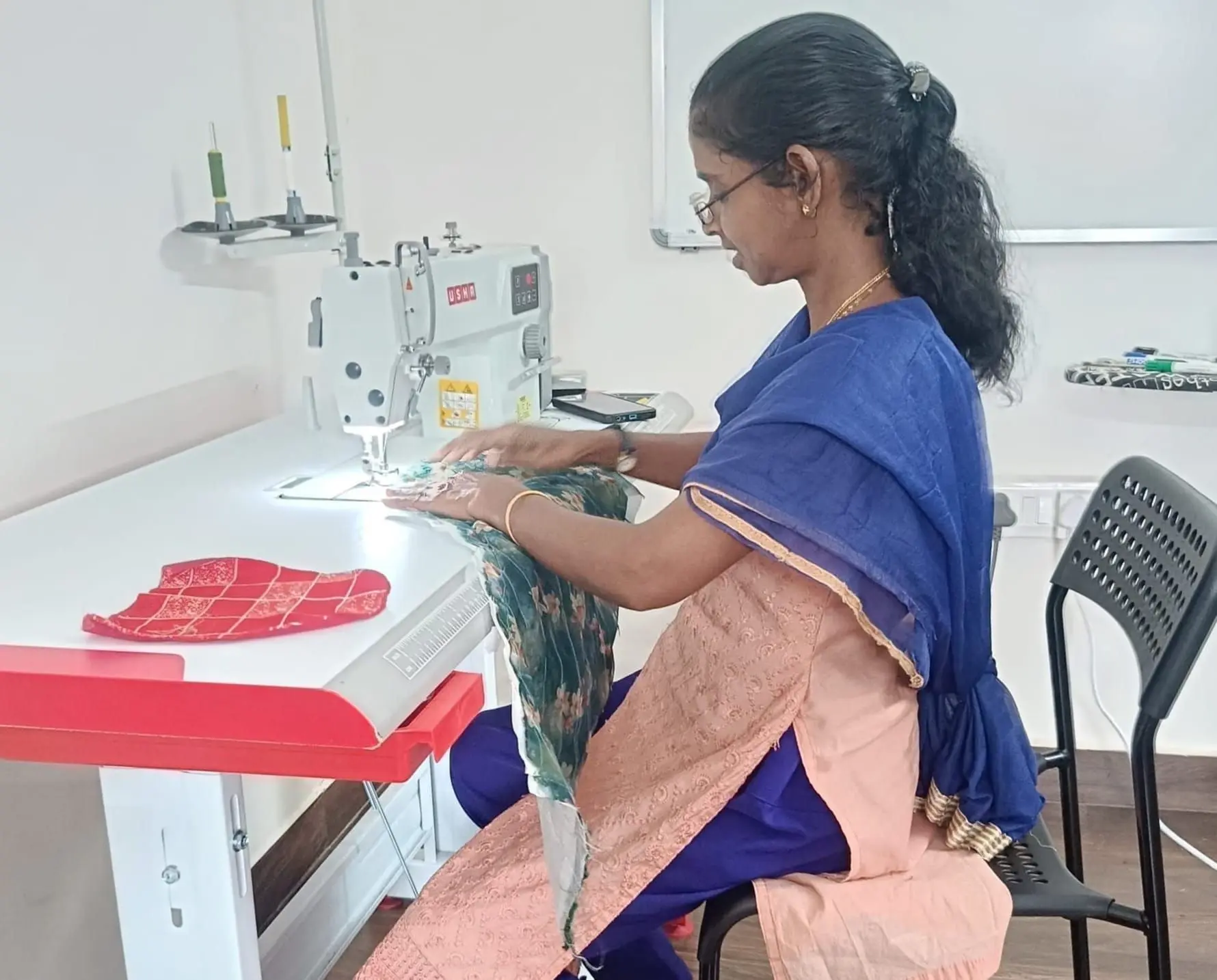
Tote and duffle bags placed at Local Sustainable Living
On March 14, 2024, the stitching team put their cut-piece tote bags and duffle bags at Local Sustainable Living. We wanted to see how people reacted to them. If enough people buy the bags, we will make more.
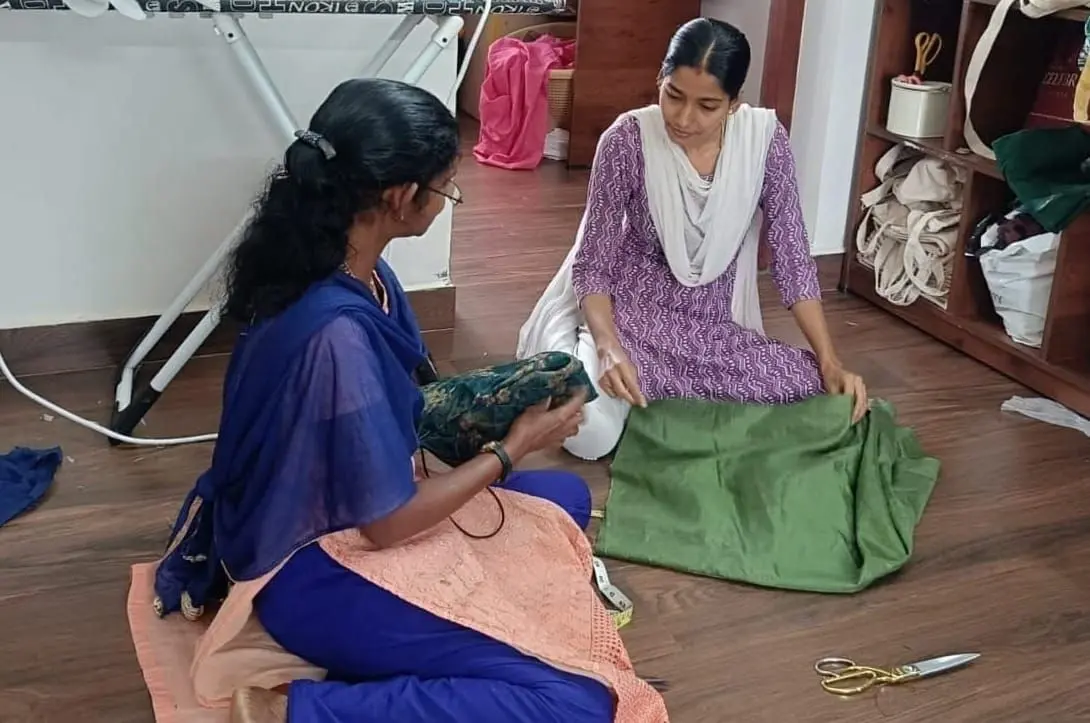
Onam event: stitching team starts five bag designs
The stitching team worked on five new bag designs for the upcoming Onam event by Local Sustainable Living. The team made the bags with handloom fabric and fabric cut pieces.
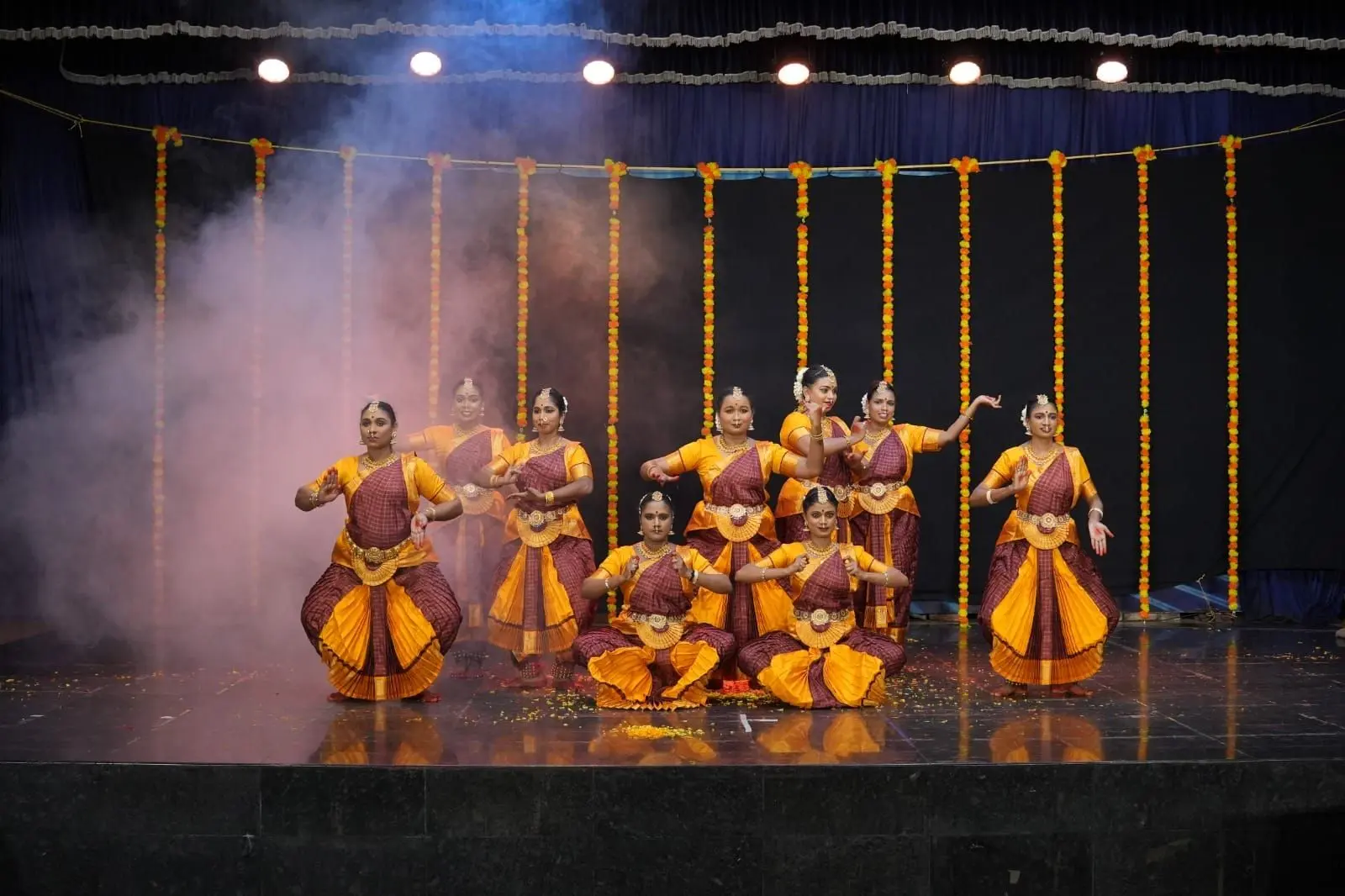
The dance group met after their first stage performance
After our first stage performance, we met at aikyam space to share our experiences and feedback. The talk gave everyone a chance to celebrate what went well. We also thought about what we could do better. We learned from the experience together. Now we are preparing for future performances.
Heavy rain paused activities at Aikyam Space
Heavy rain paused all activities at Aikyam Space for the day. We made this decision to keep community members, children, and staff safe. The sessions could not take place as planned. The break reminded us of the importance of putting safety first during extreme weather.
July 2026
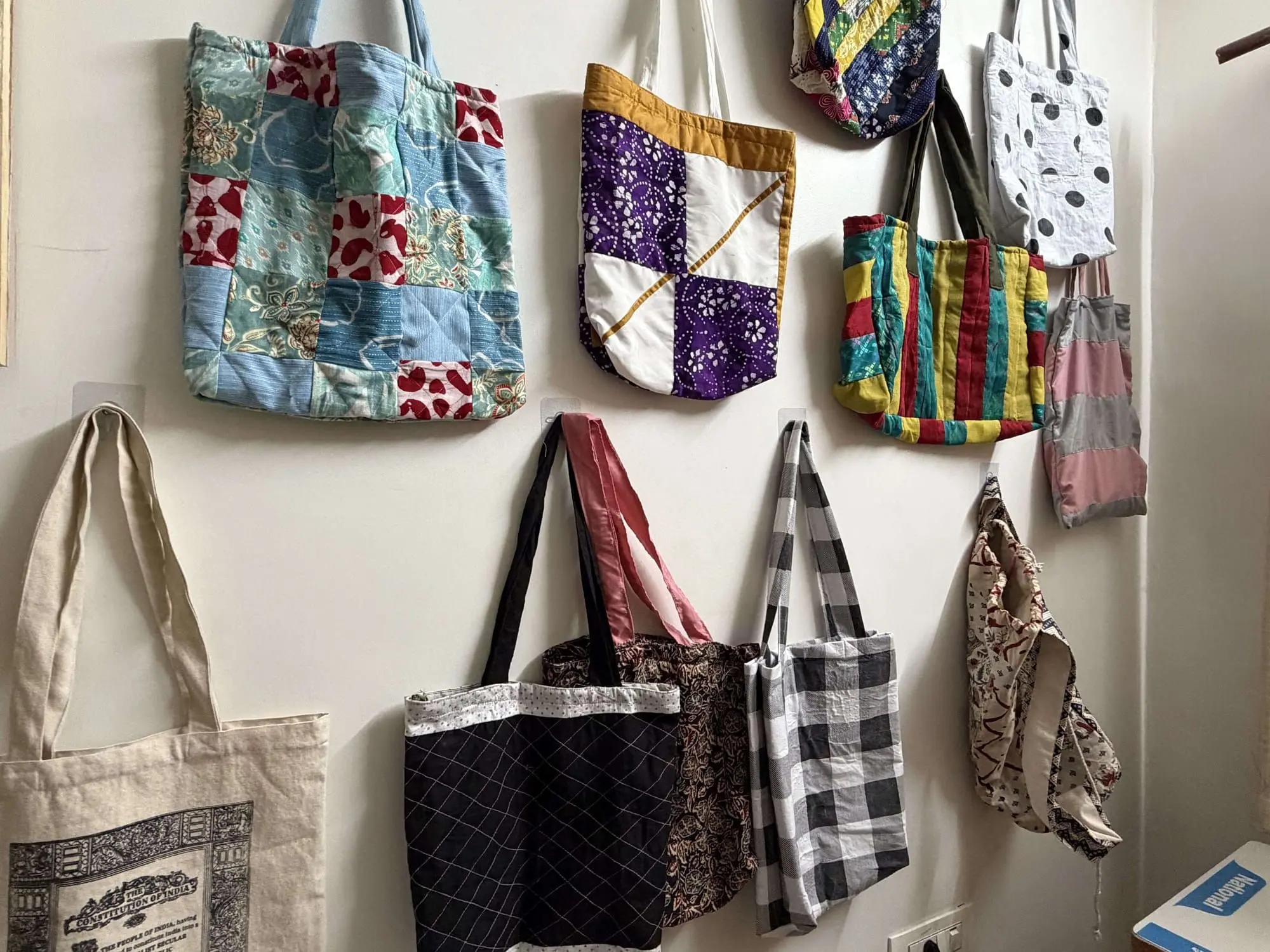
Bag collection grows through member sessions
Members worked together to create a range of unique bag designs. Each session helped improve the collection for future sales. The collection for sale kept growing.
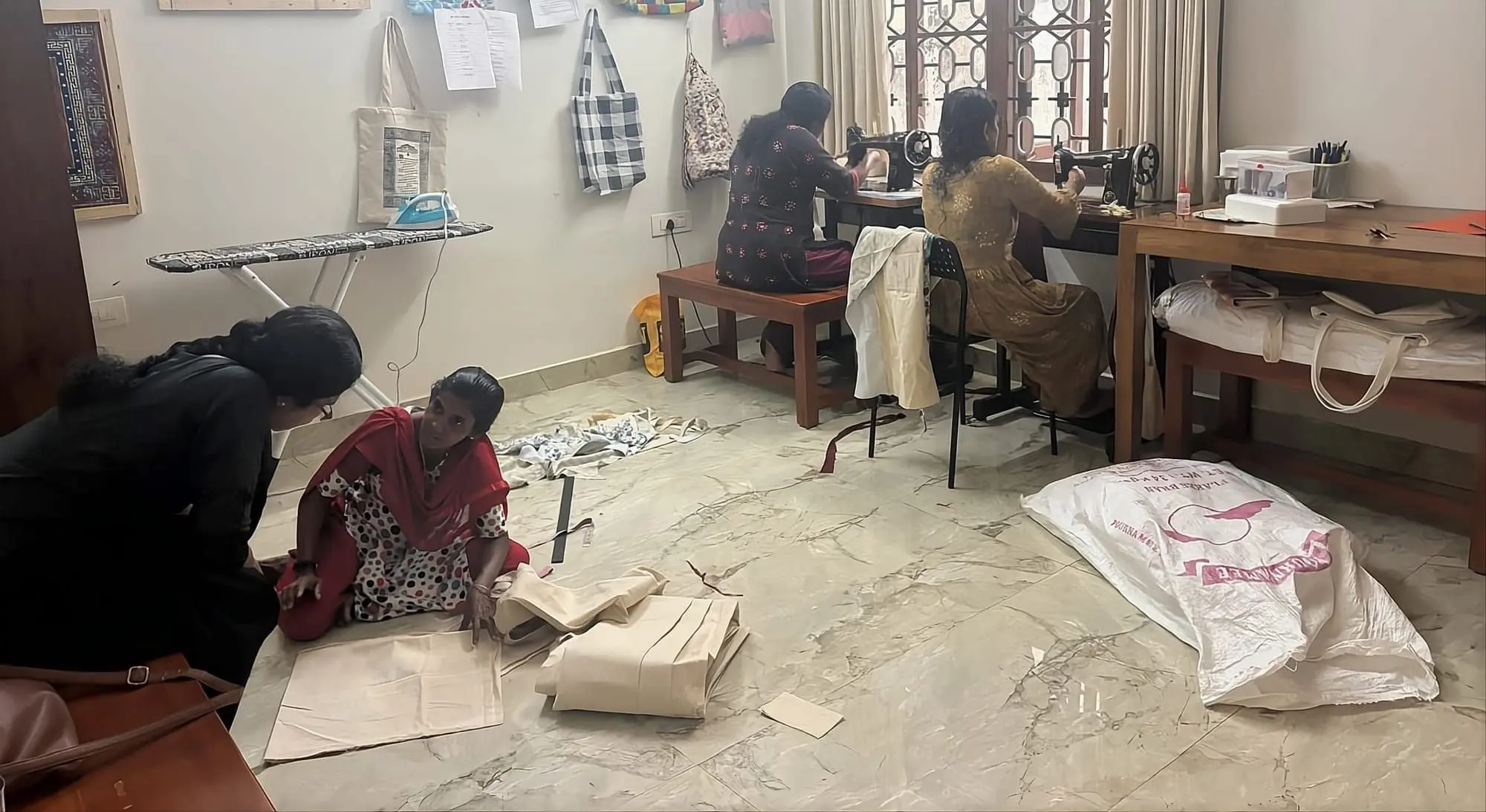
Stitching team develops ten new bag designs for sale
The stitching team is working together to develop 10 unique bag designs that they can introduce to the market. They aim to create products that are practical, well-finished, and made from sustainable materials.
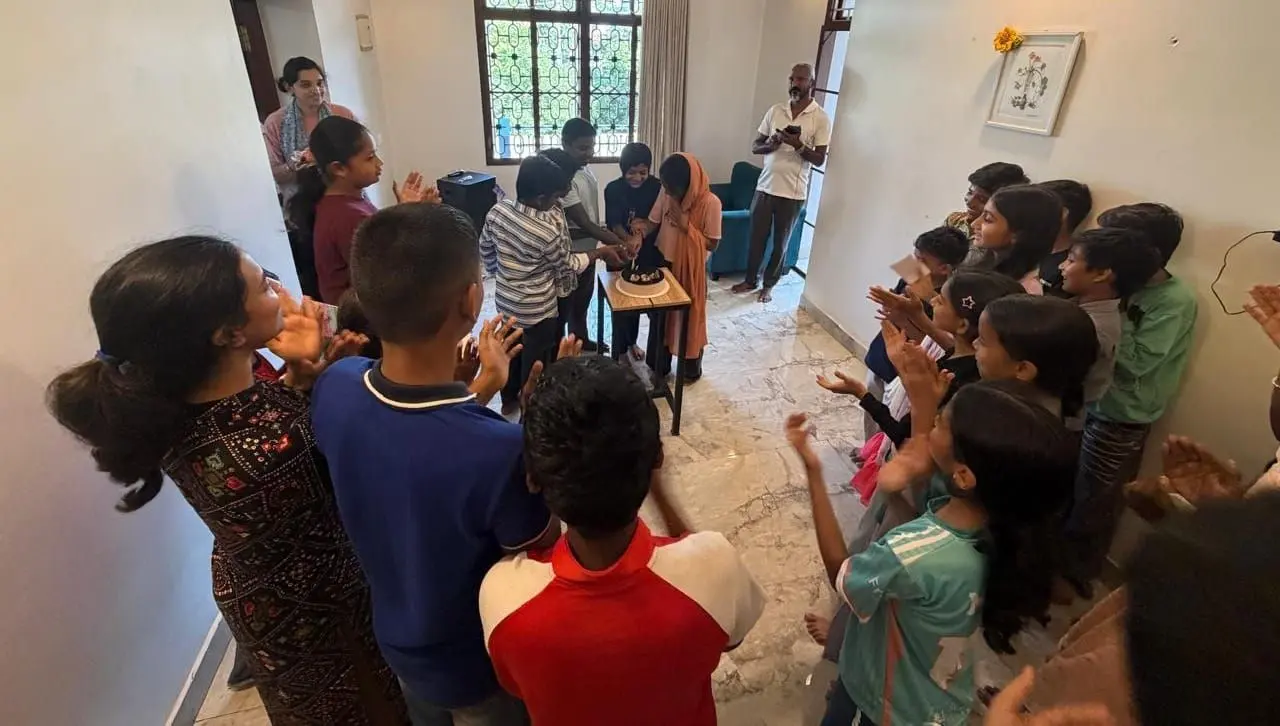
Monthly birthday celebration brought the community together
We met to celebrate members with birthdays this month. It was a happy event. Friends grew closer and made memories together.
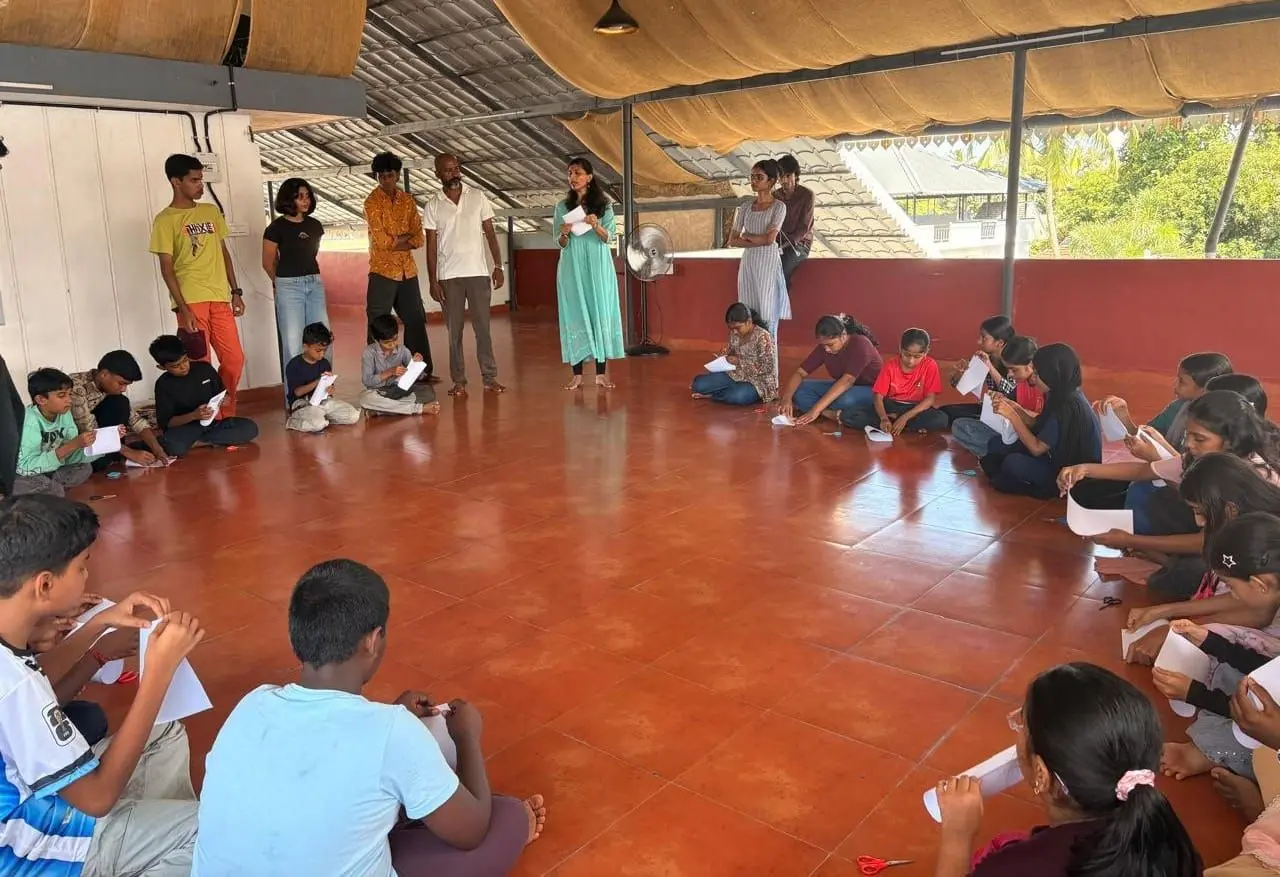
Reading club started testing each child's reading level
Pratham developed the Teaching at the Right Level (TaRL) approach. We used it to assess each child's reading ability. This showed us what each child can read now. We can use these results to plan future sessions around what each child needs. Every child can learn at a pace that suits them.
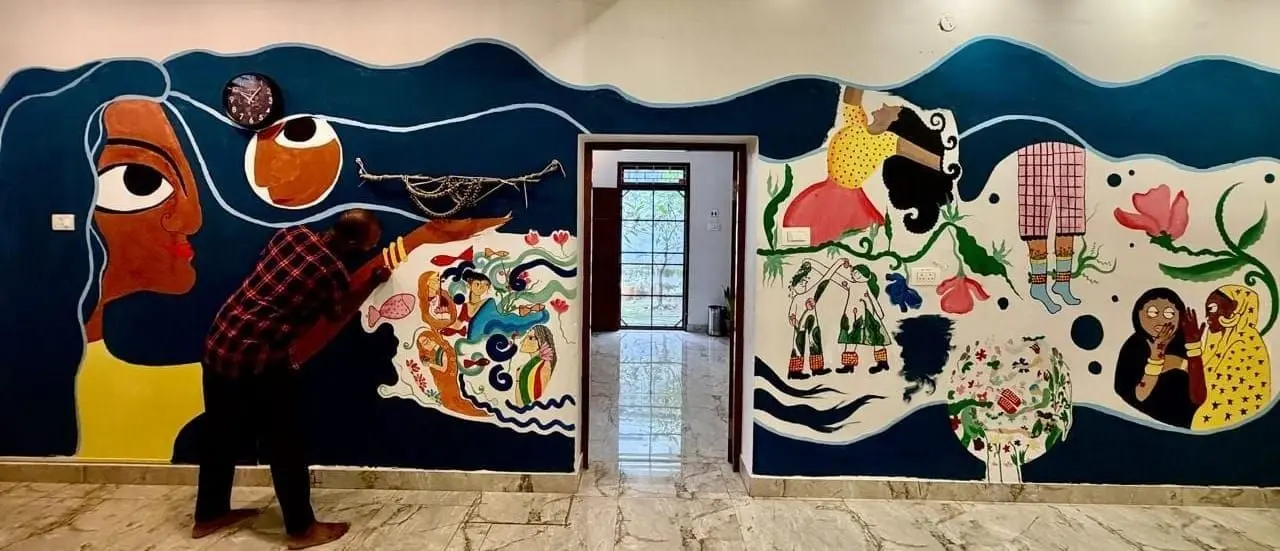
Mural of sea and dance painted at aikyam space
Mr. Krishnan Ghosh painted a new mural on the walls of aikyam space. The sea and dance inspired the artwork. It made the space more colourful and welcoming.
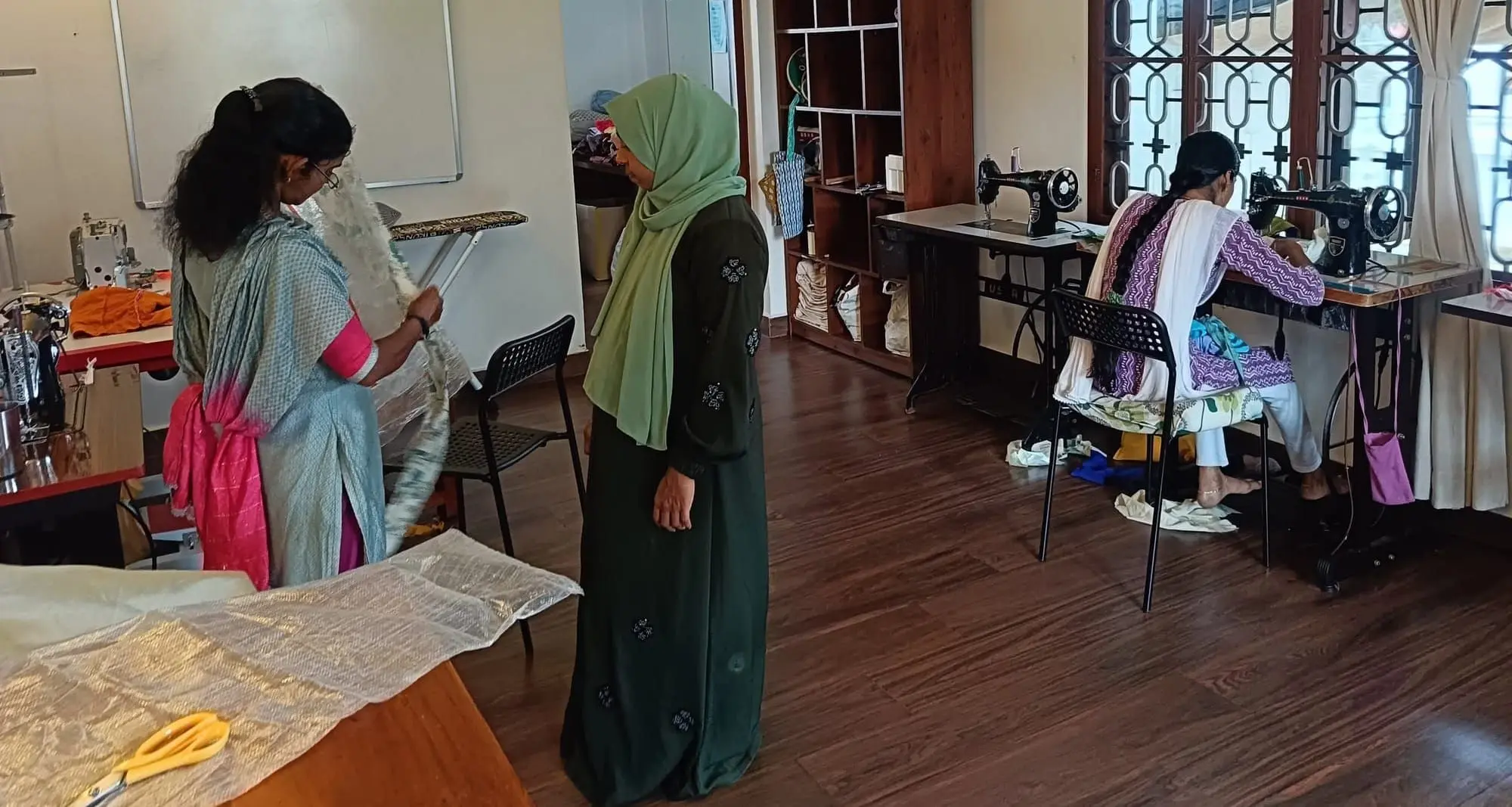
Stitching techniques refined while new designs took shape
The team continued refining its stitching techniques while exploring new product designs.
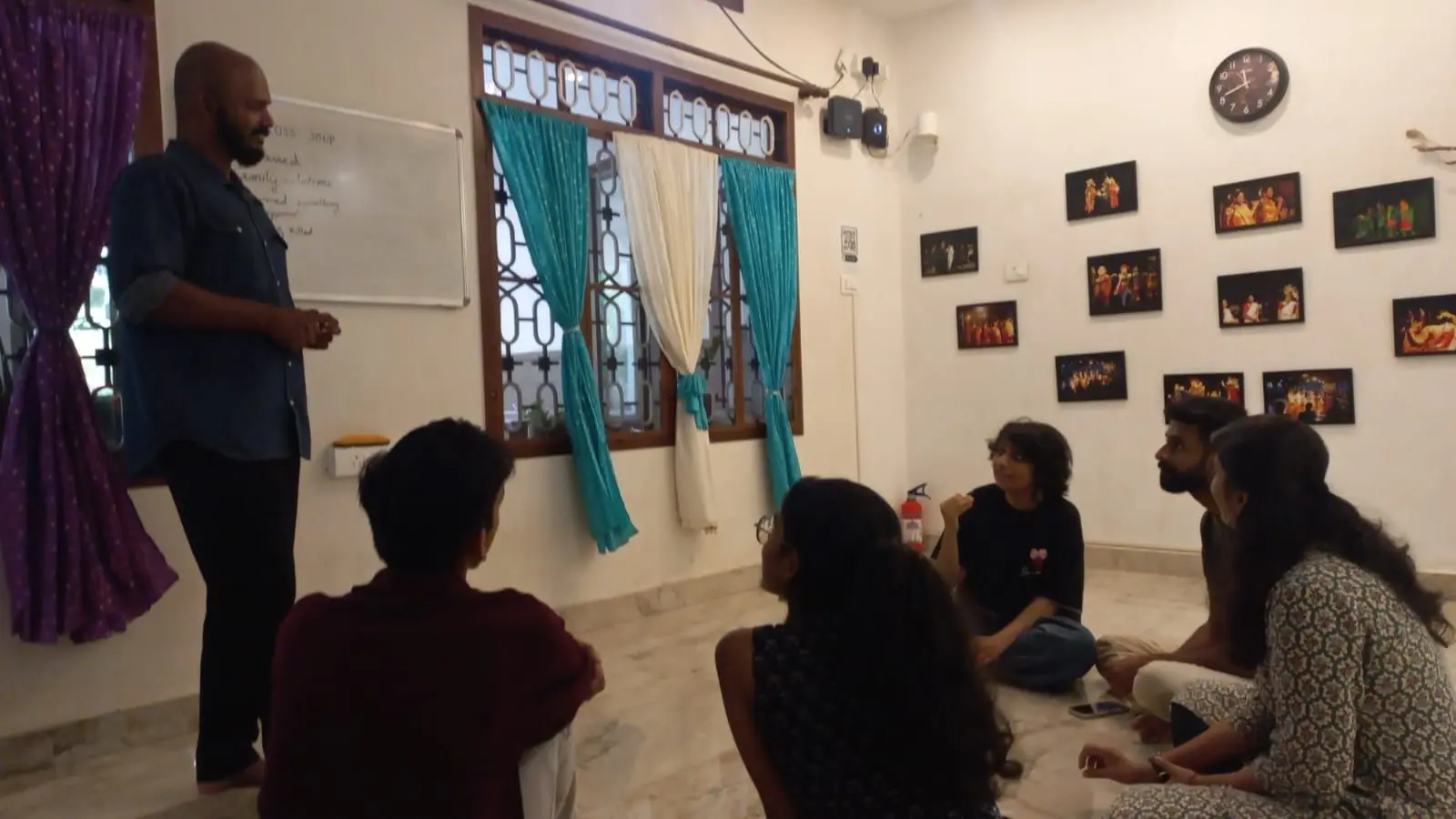
The team played Albatross Soup together
We played "Albatross Soup" together in a team-building session. We laughed, talked and solved problems together. By the end, we felt closer and remembered how important communication and teamwork are.
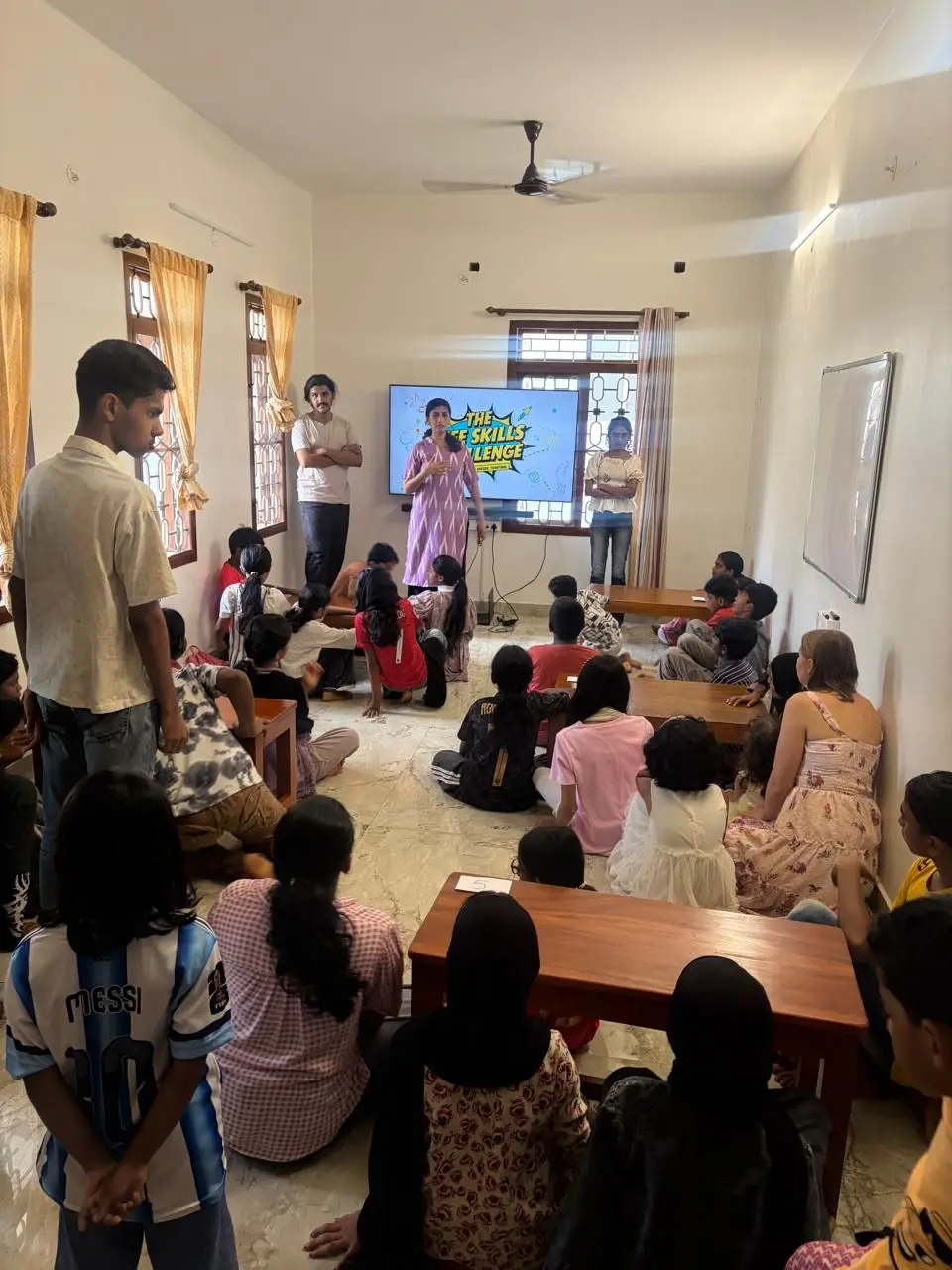
Children built spaghetti towers and drew as a team
On March 14, 2024, we ran two life skills challenges for children. Both were team challenges. In the Spaghetti Tower, they used spaghetti, tape, string and a marshmallow. They built the tallest free-standing tower they could. In Draw Together, they relied on observation and clear communication. They recreated a picture as a team. Both challenges encouraged teamwork, communication, creativity and problem-solving through hands-on learning.
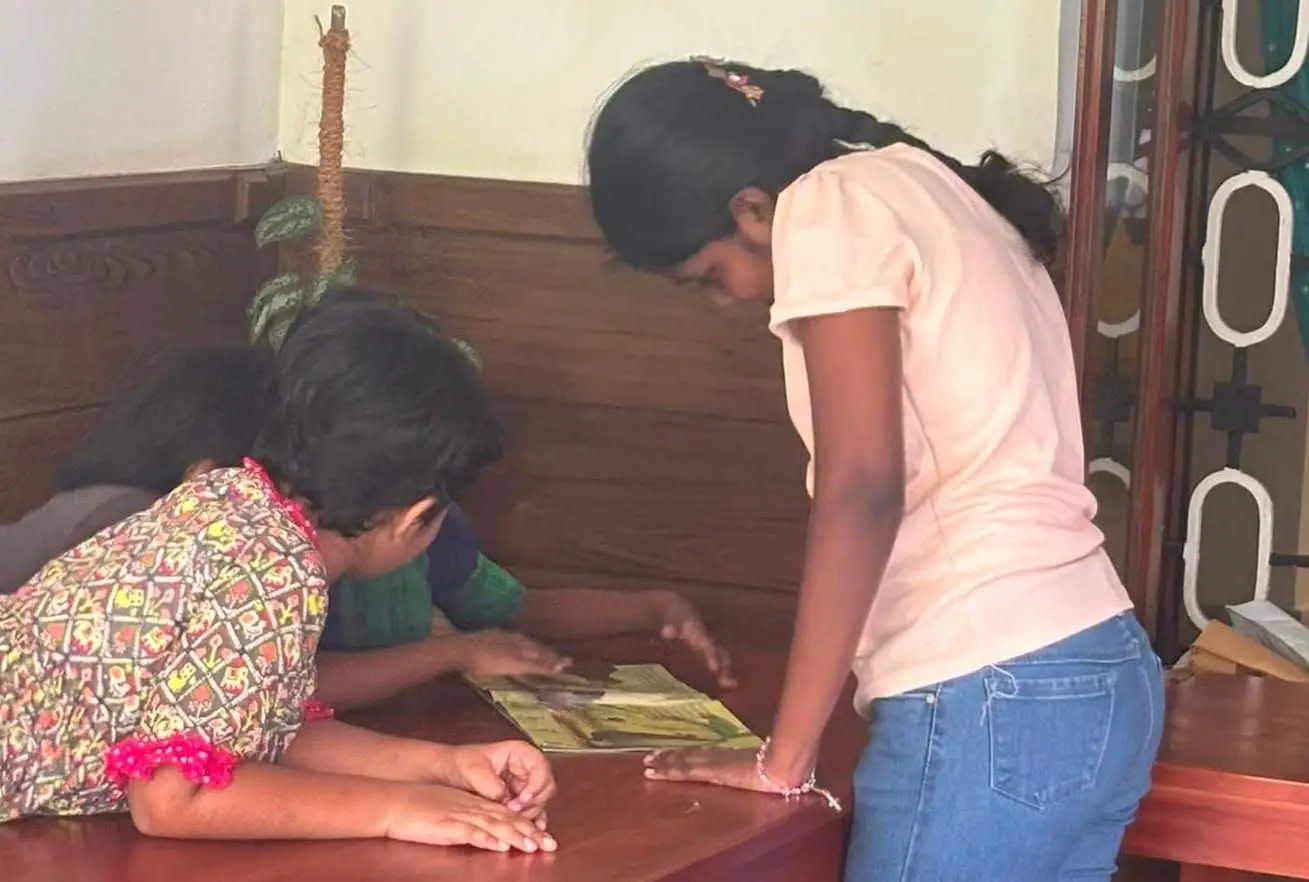
The Reading Club split into small reading groups
The Reading Club continued with small-group activities. These activities encouraged children to read and to discuss stories. They also encouraged children to support one another in their learning.
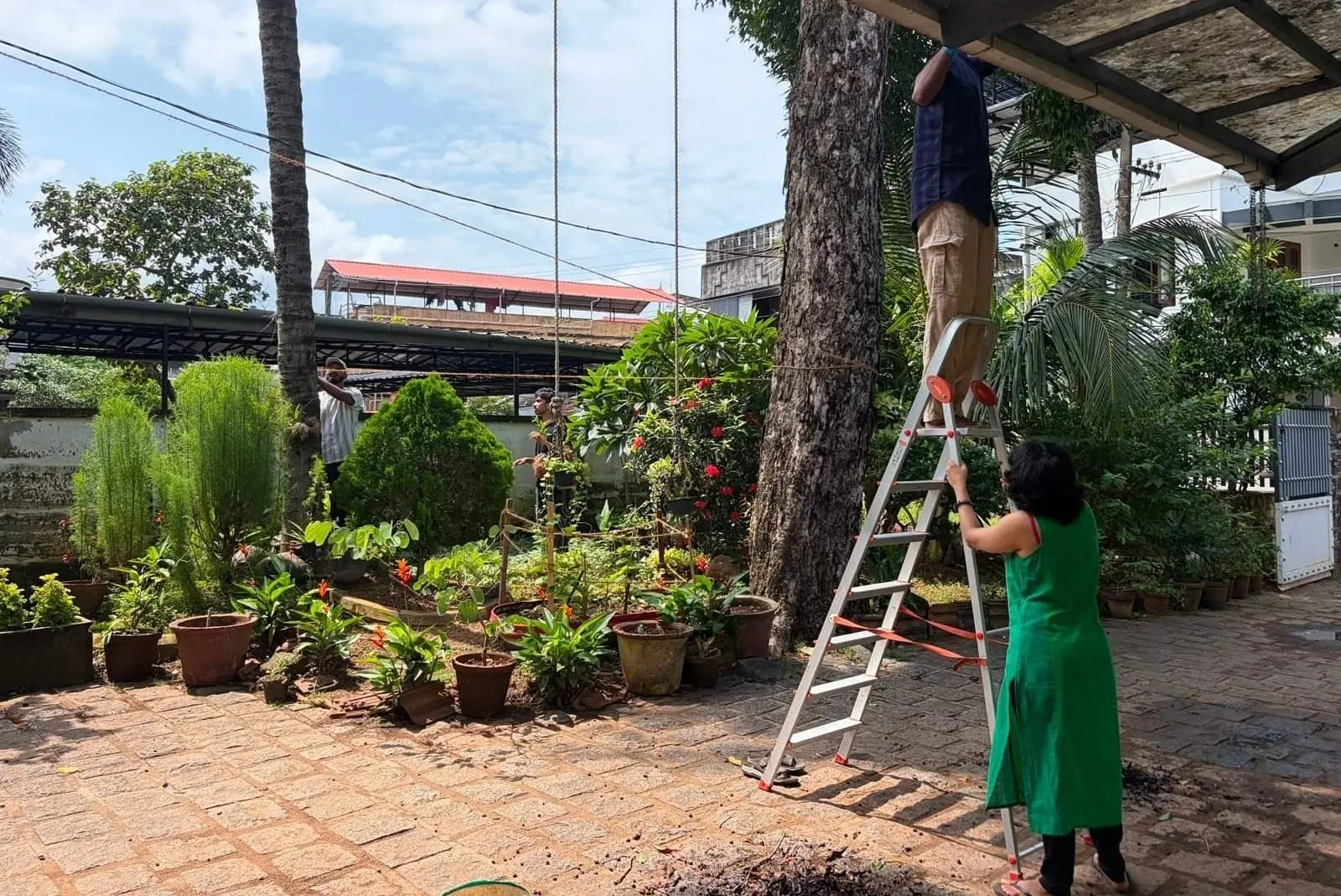
Ropes installed for the climbing vegetables
We put up support ropes for the climbing vegetables in the kitchen garden. We also cleaned leaf waste from the drainage ducts. This work is part of regular maintenance. It helps keep both the garden and the building in good condition.
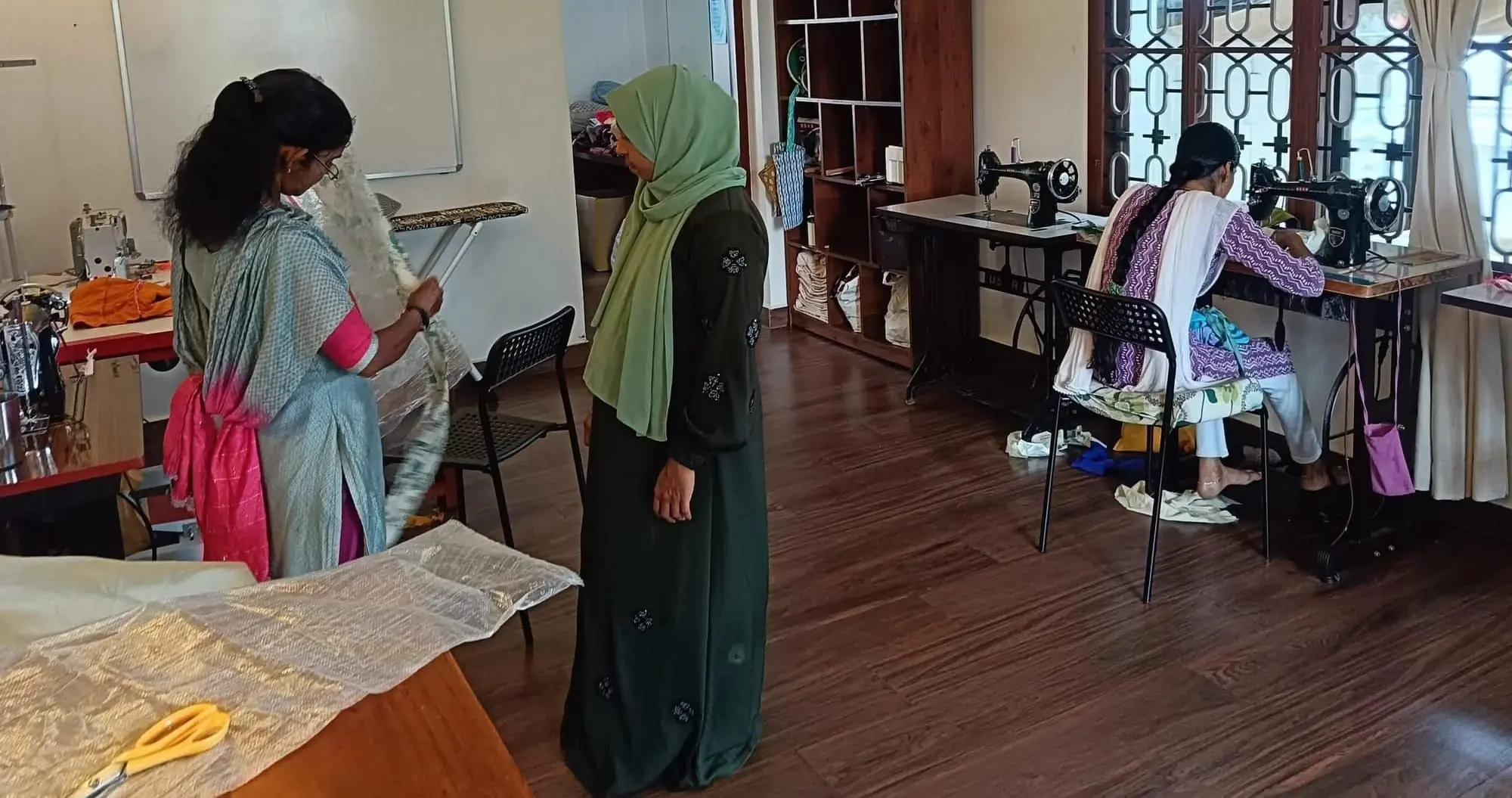
The stitching lab moved upstairs to a bigger room
We moved the stitching team upstairs to a larger room on March 14, 2024. The new space gives us more room for sorting materials and teaching. More people can join the sessions and work comfortably. The move helped us prepare for future growth.
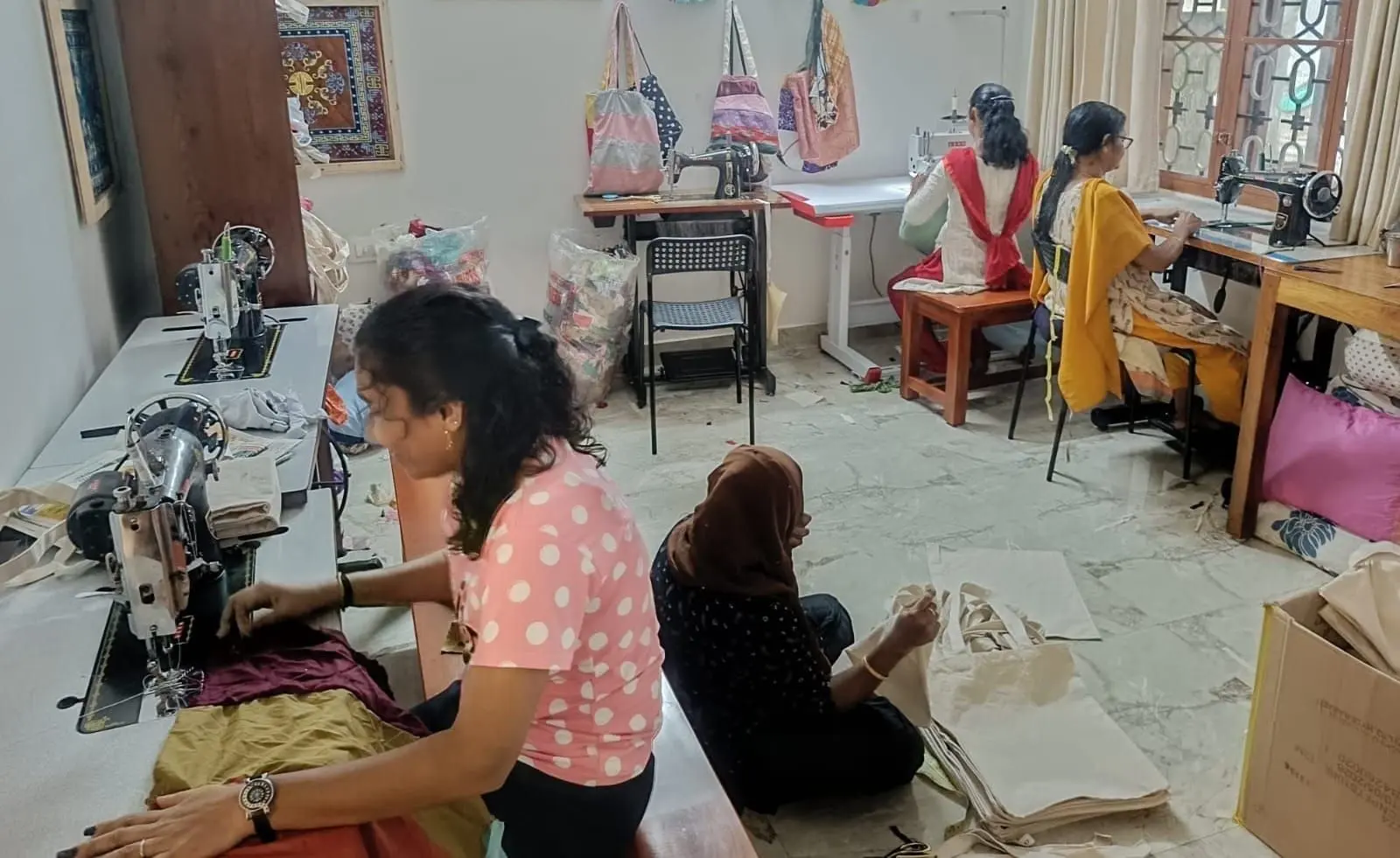
Stitching team discusses move to a larger room
We discussed moving the stitching team to a larger room. More community members are joining the programme. The extra space will help us organise materials better. It will also make the place where people learn and make things more comfortable.
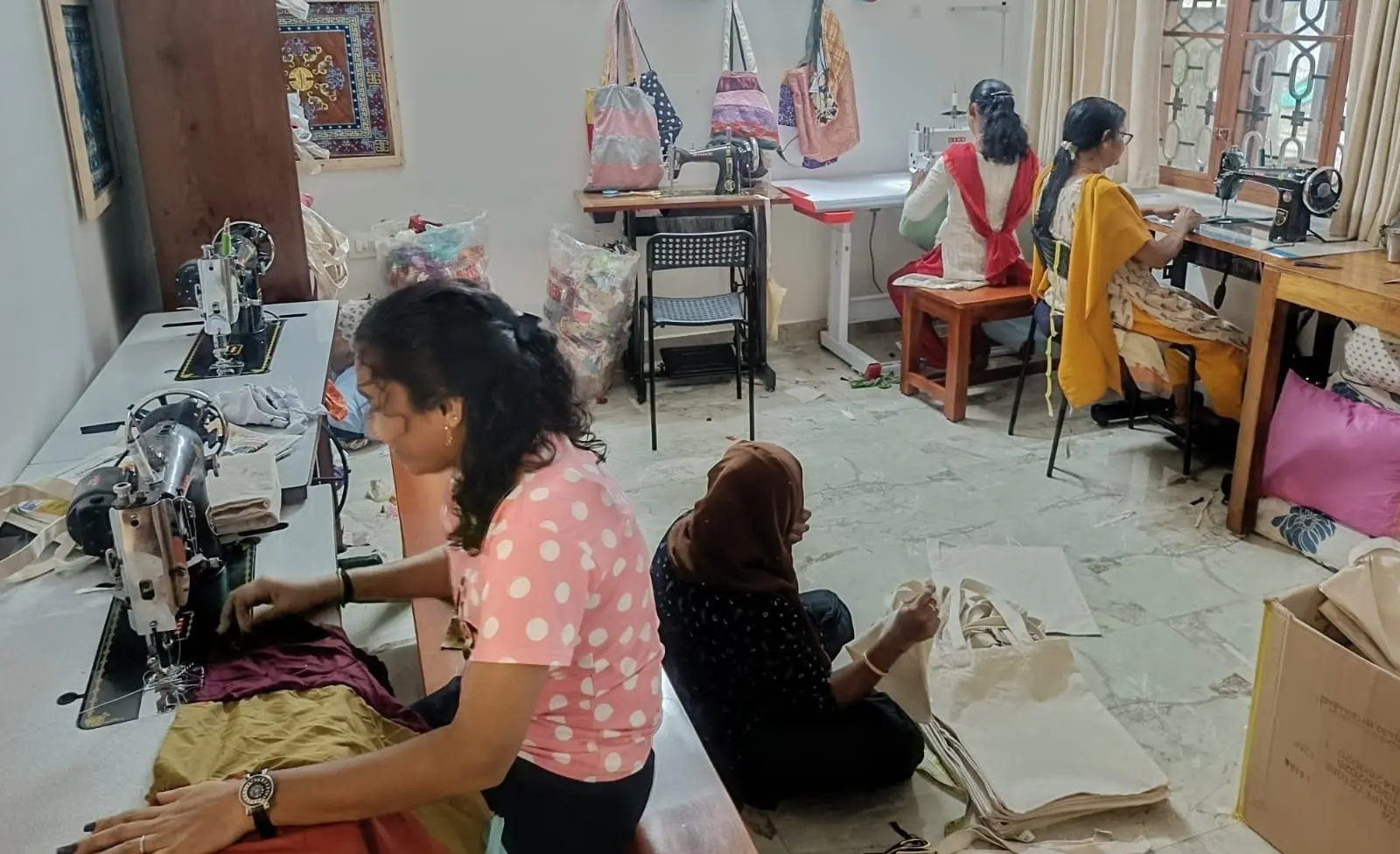
Stitching team keeps practicing new designs
The stitching team kept practicing new designs and improving their skills through regular hands-on sessions.
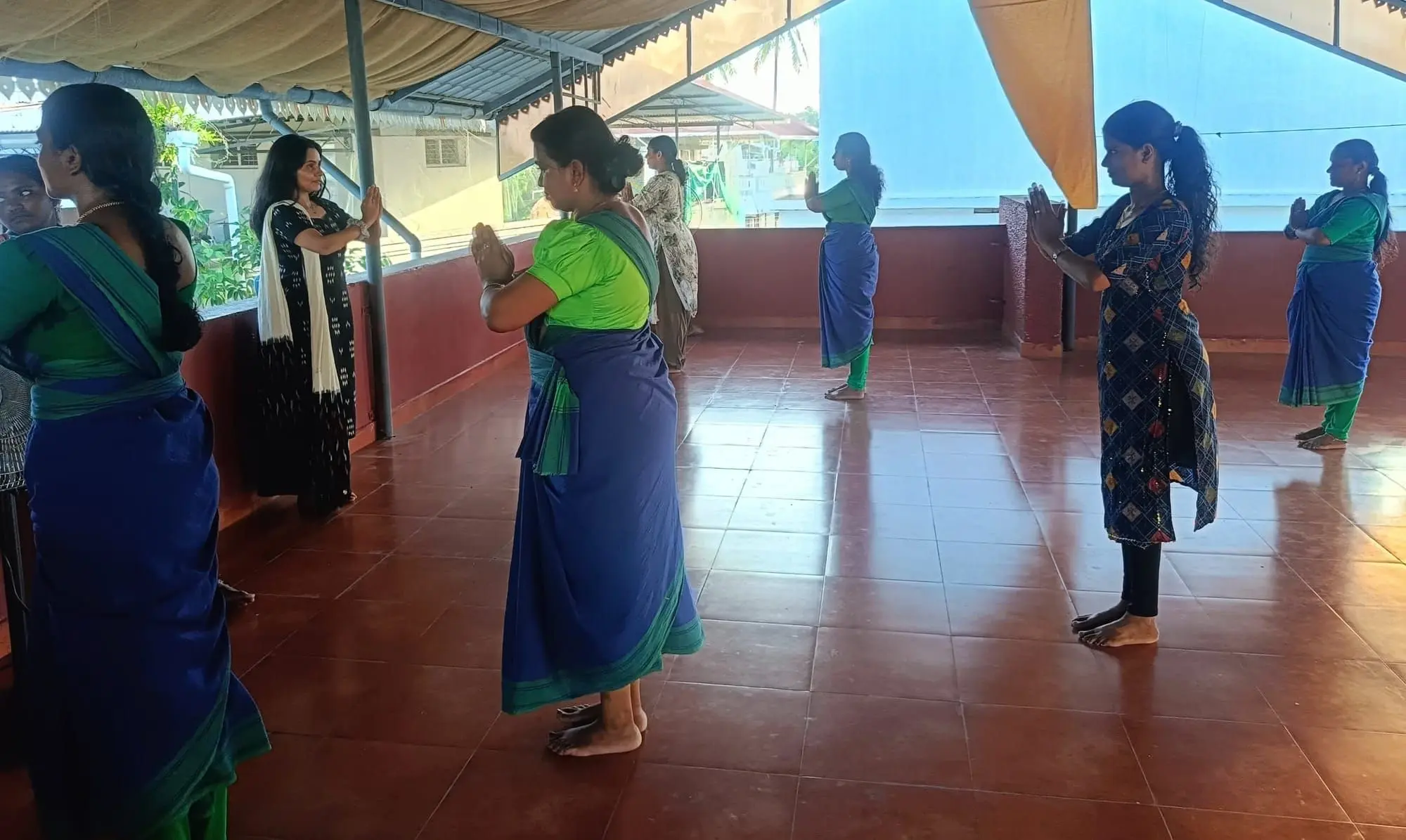
Dance class went on practising
The community dance class went on with regular practice. The dancers got ready together. They felt more sure of themselves in every session.
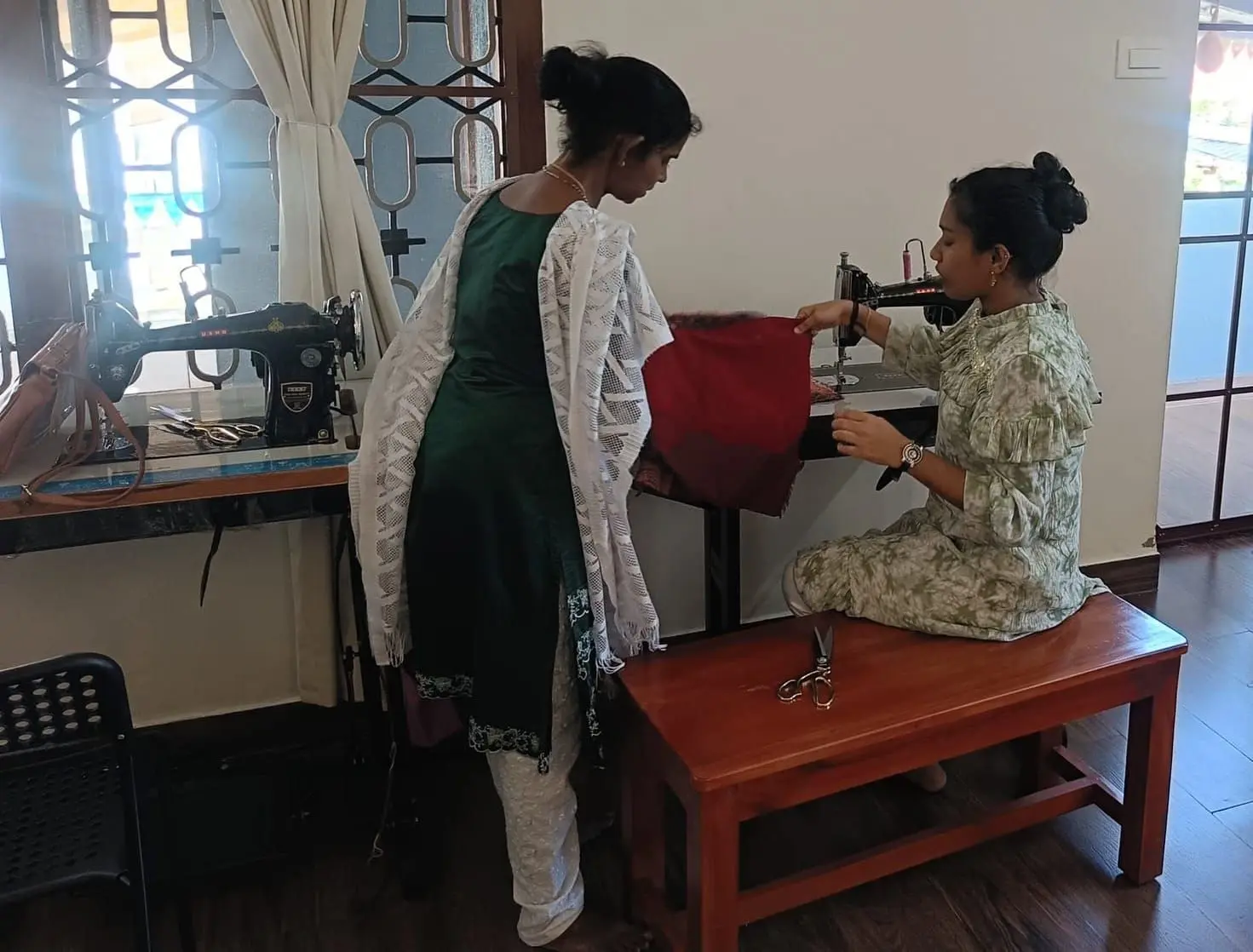
New product ideas tested at the stitching table
Members spent the session testing new product ideas and refining their stitching skills with each attempt.
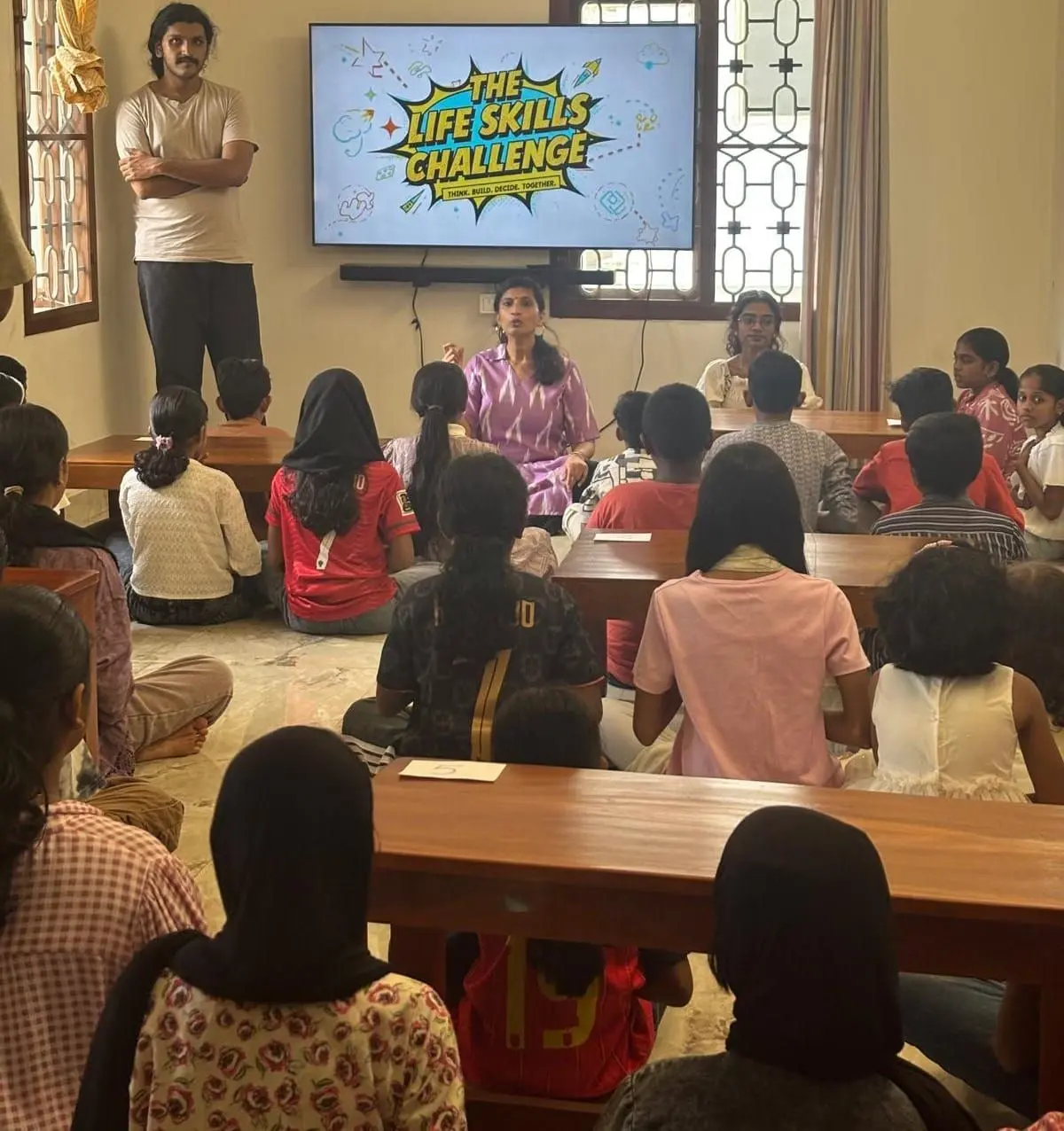
Each child took home a fruit seed to grow
Each child took home a fruit seed to grow in a cup. They will water it regularly and watch it week by week. The session was about plant growth and the basic needs of living organisms. We will track progress with the children. The learning comes from their own observation rather than classroom discussion.
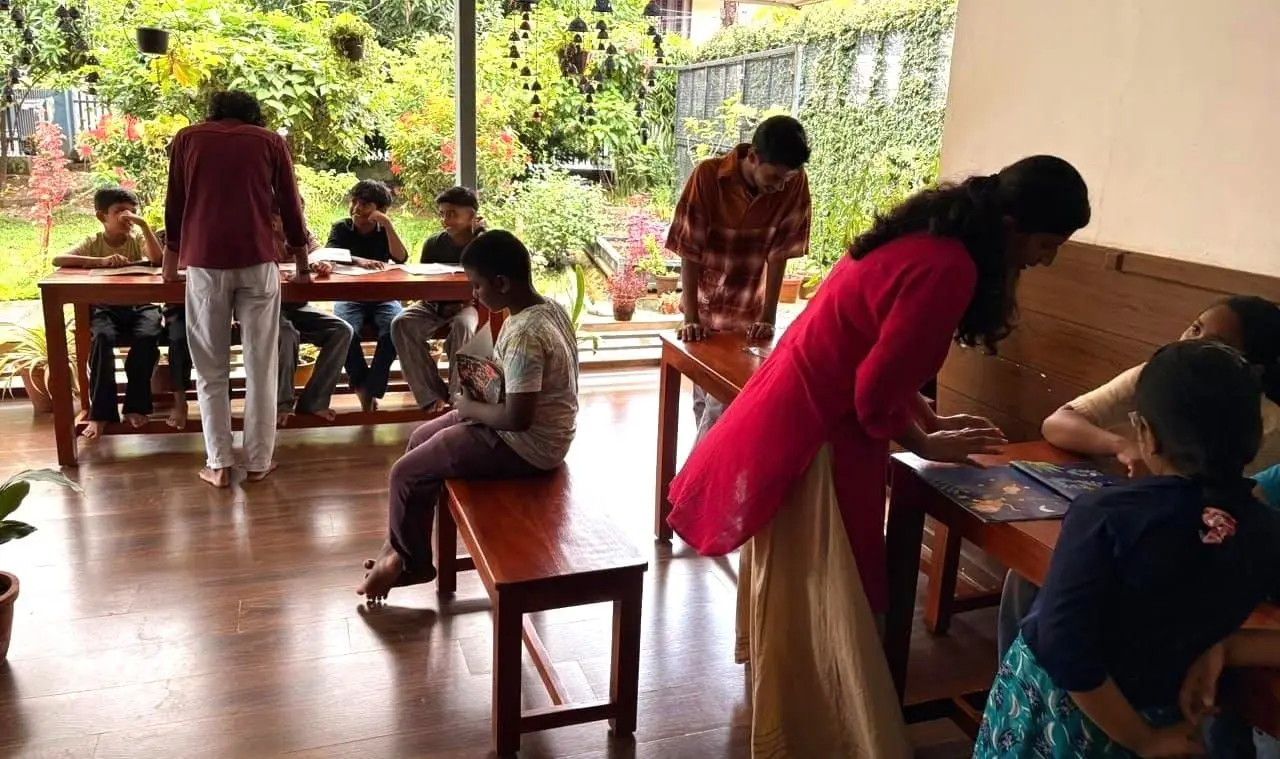
Children read together with volunteers at the Reading Club
On March 14, 2024, children attended the Reading Club. They read books together with volunteers. The session encouraged regular reading and helped children become more comfortable with books.
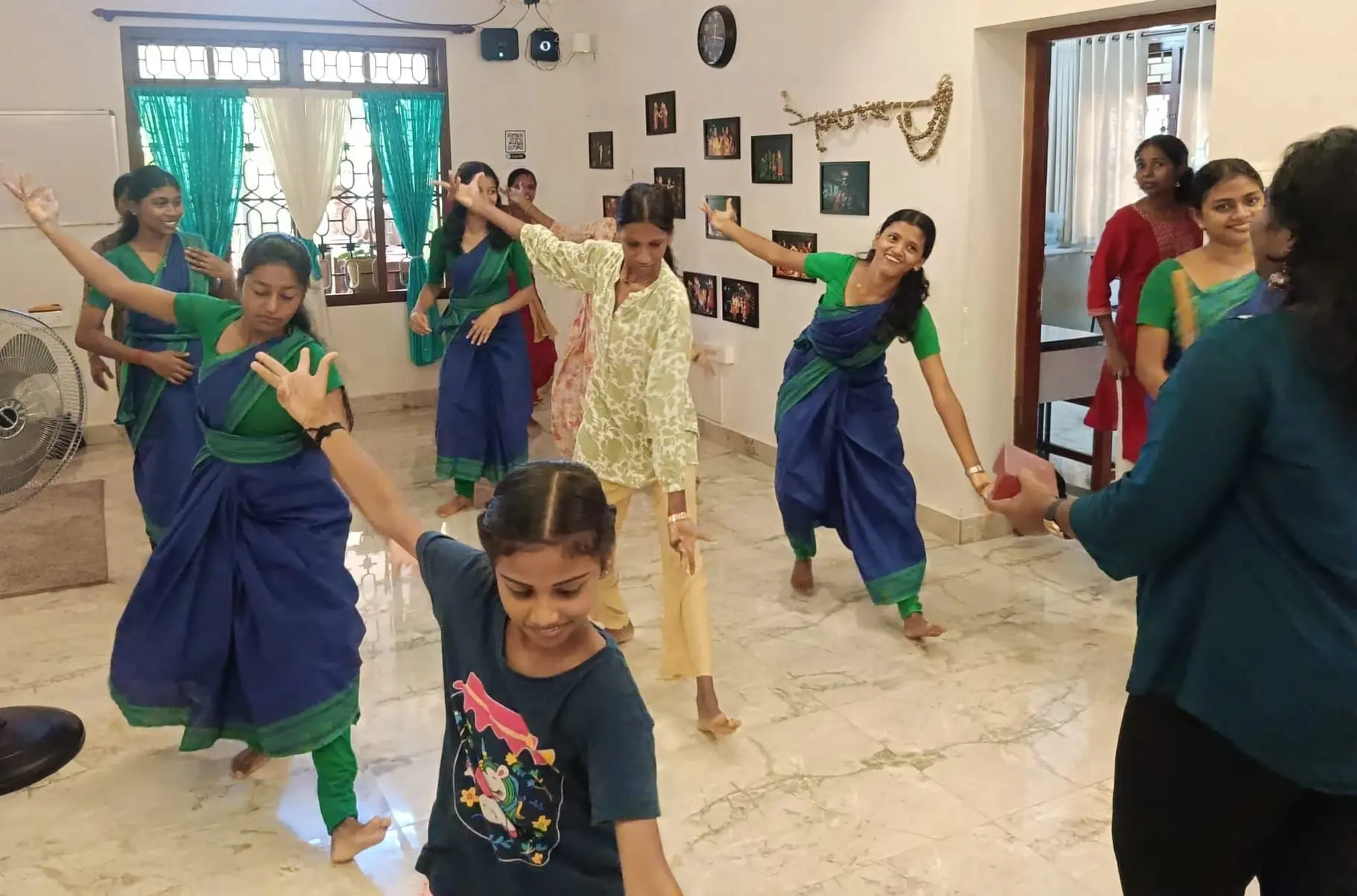
Rehearsals began for a performance in August
Community members practised hard for the performance in August. We improved our confidence, co-ordination, and stage presence. We prepared together through regular rehearsals.
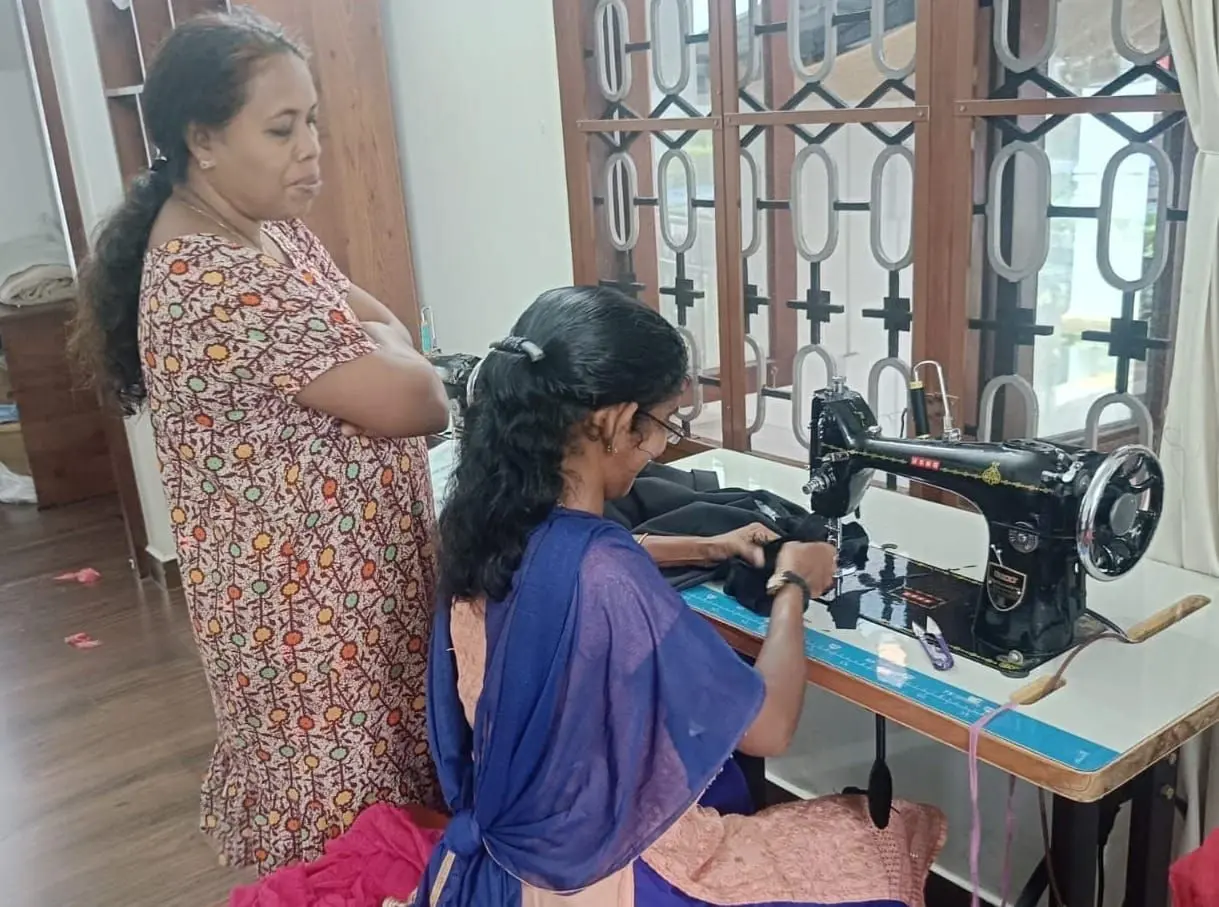
Patterns tested for turning leftover fabric into products
We tested patterns for turning leftover fabric into useful products. The new product designs came from fabric cut pieces. Our stitching skills improved too.
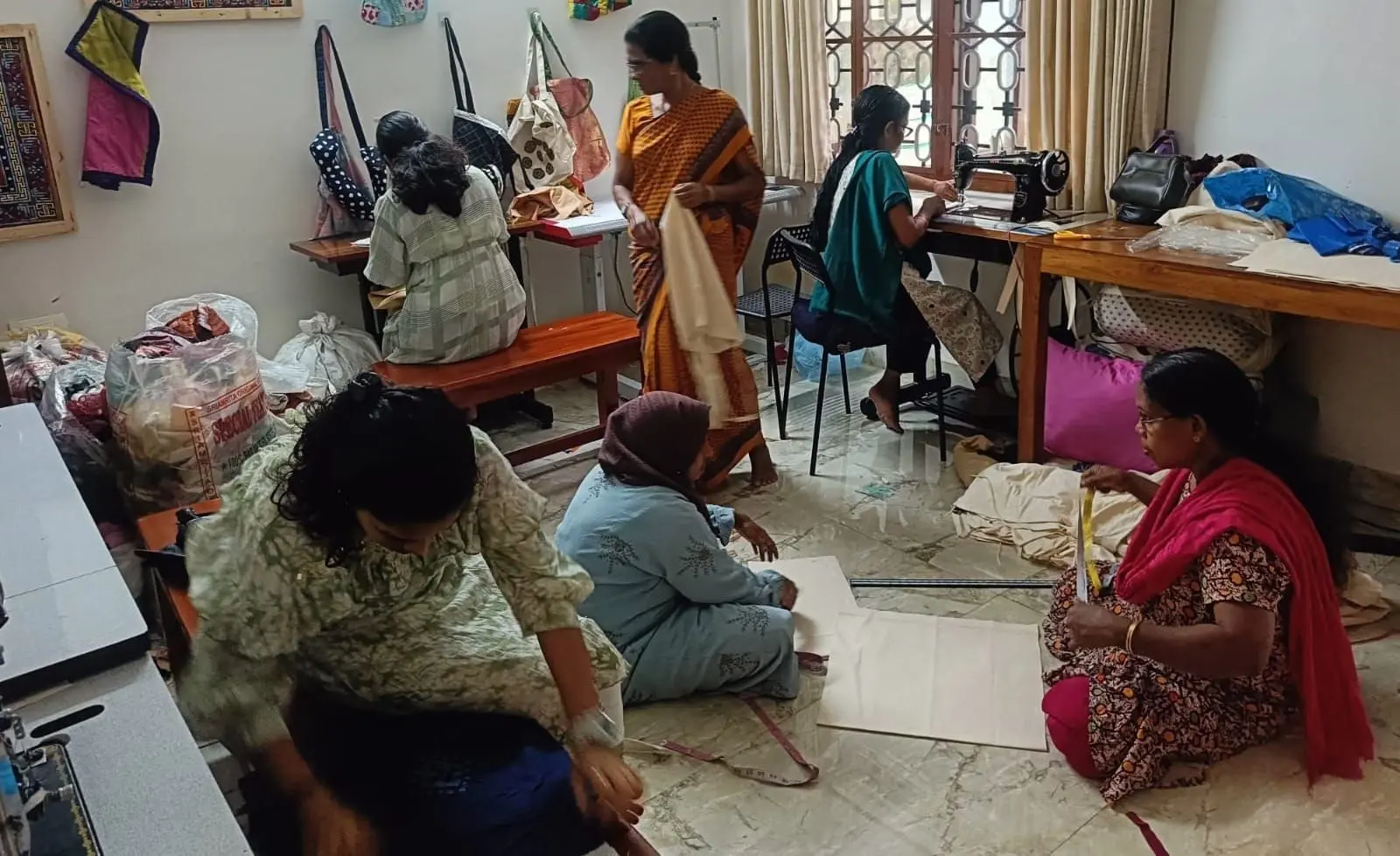
Members visited boutiques for better fabric scraps
At the March 14 stitching session, we visited local boutiques to collect better-quality fabric scraps for future products. We also tested new travel bag designs during the session. We used the time to try out ideas and improve our product range. This showed that finding suitable materials matters while we continue to develop new designs.
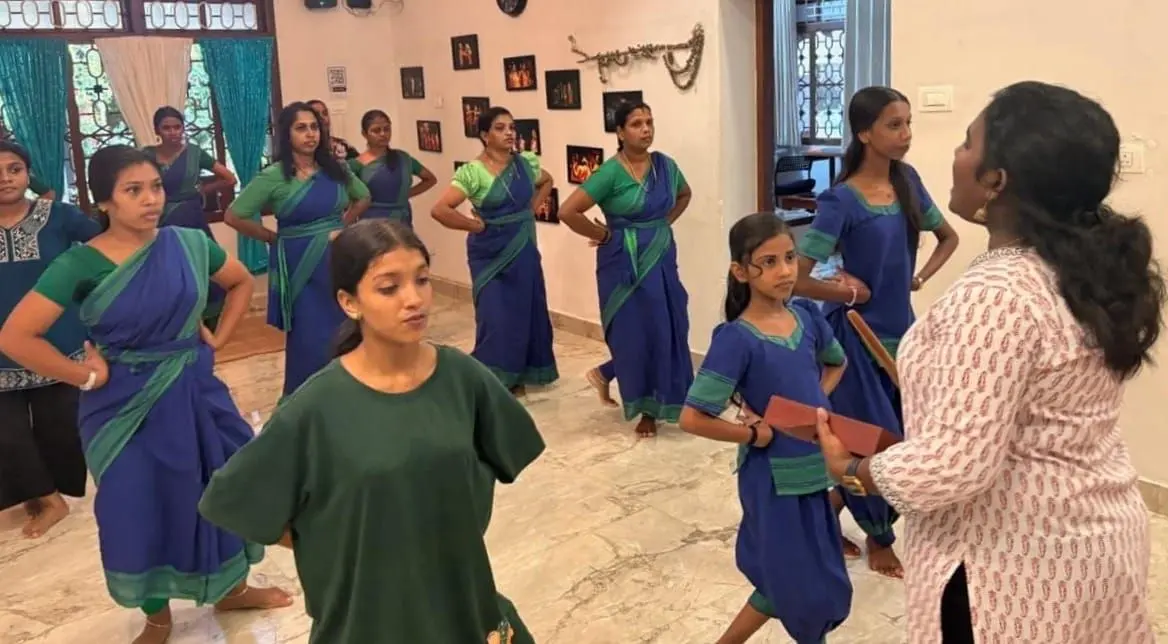
Thudippu students practised for their first stage show
Thudippu Dance Foundation spent the day practising with students for their first official stage show. We focused on improving co-ordination and confidence. We also worked on getting ready for the stage. It was exciting to see the students preparing together for this important milestone.
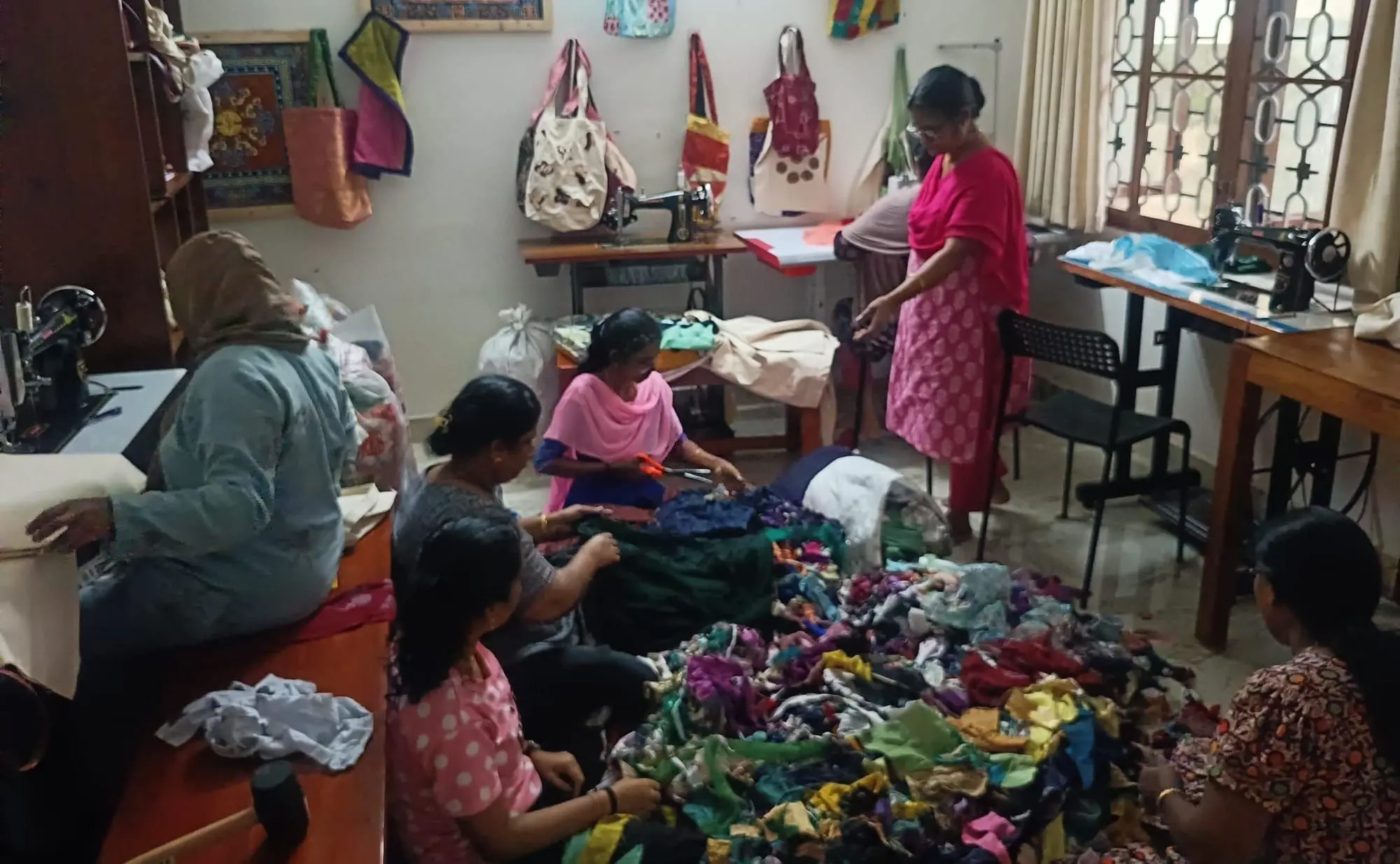
Many of the fabric scraps turned out unusable
During the stitching session, we found that many of the available fabric pieces were not suitable for making good-quality products. We planned to visit more boutiques to look for better fabric scraps. We also discussed how to better support and engage Level 1 members. This will help them keep improving their stitching skills and take on more responsibilities in the future.
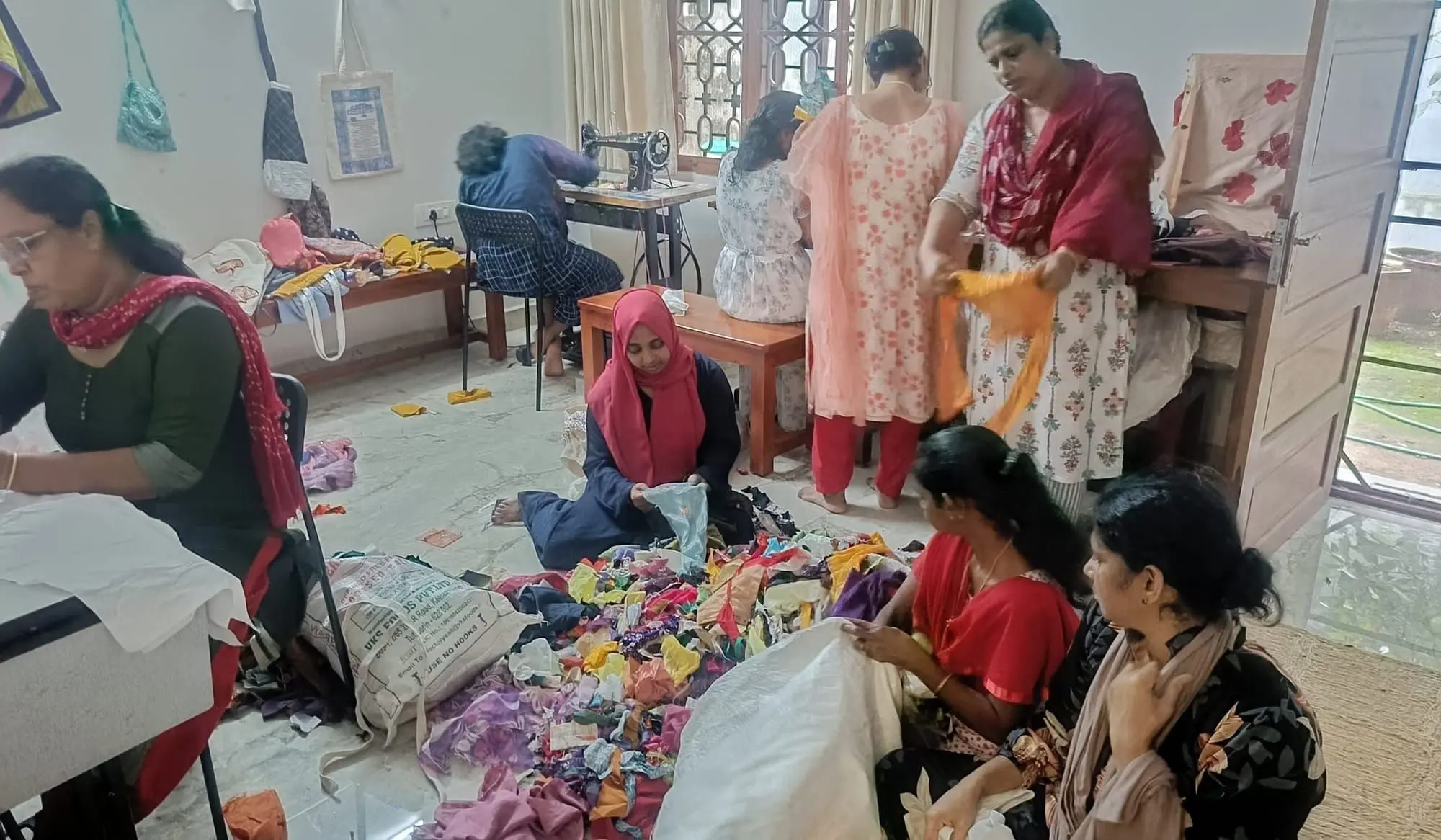
The team planned how to stay busy between orders
The stitching team discussed how to keep members busy when there were fewer orders. We talked about developing new products and using fabric cut pieces. We also talked about improving current designs to make better use of the available time.
Roadside bamboo became supports in the kitchen garden
We started building our kitchen garden and needed supports for climbing vegetables. We first looked at buying old iron rods from a scrap shop. On the way there, we found bamboo poles that KSEB had cut during tree trimming and left by the roadside. We got permission. We collected the bamboo and used it in our garden.
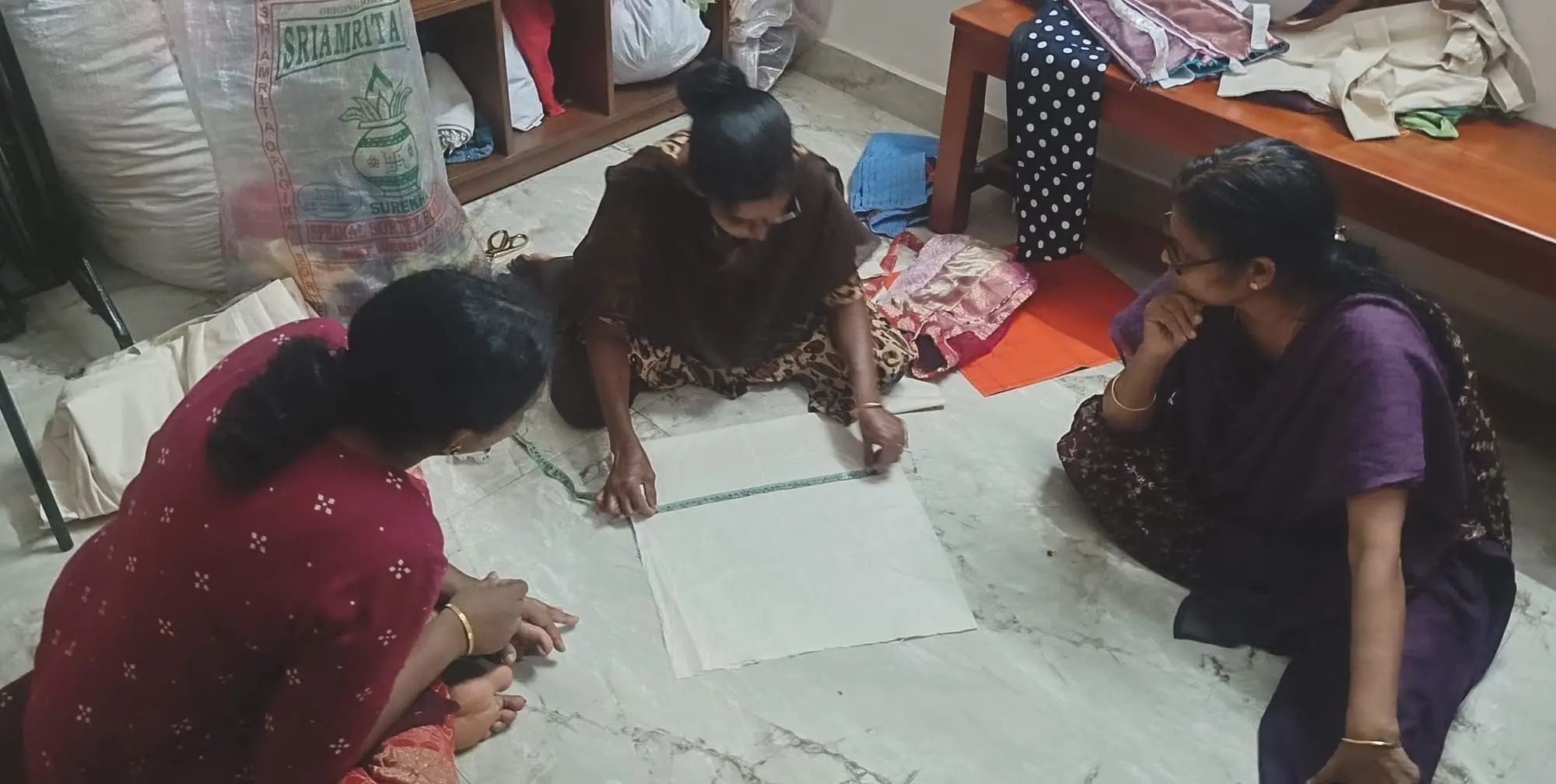
Members practised on fabric scraps and tried out ideas
Stitching team members practised on fabric scraps and tried out new ideas. The exercises helped them improve their skills and find creative ways to turn leftover fabric into useful products.
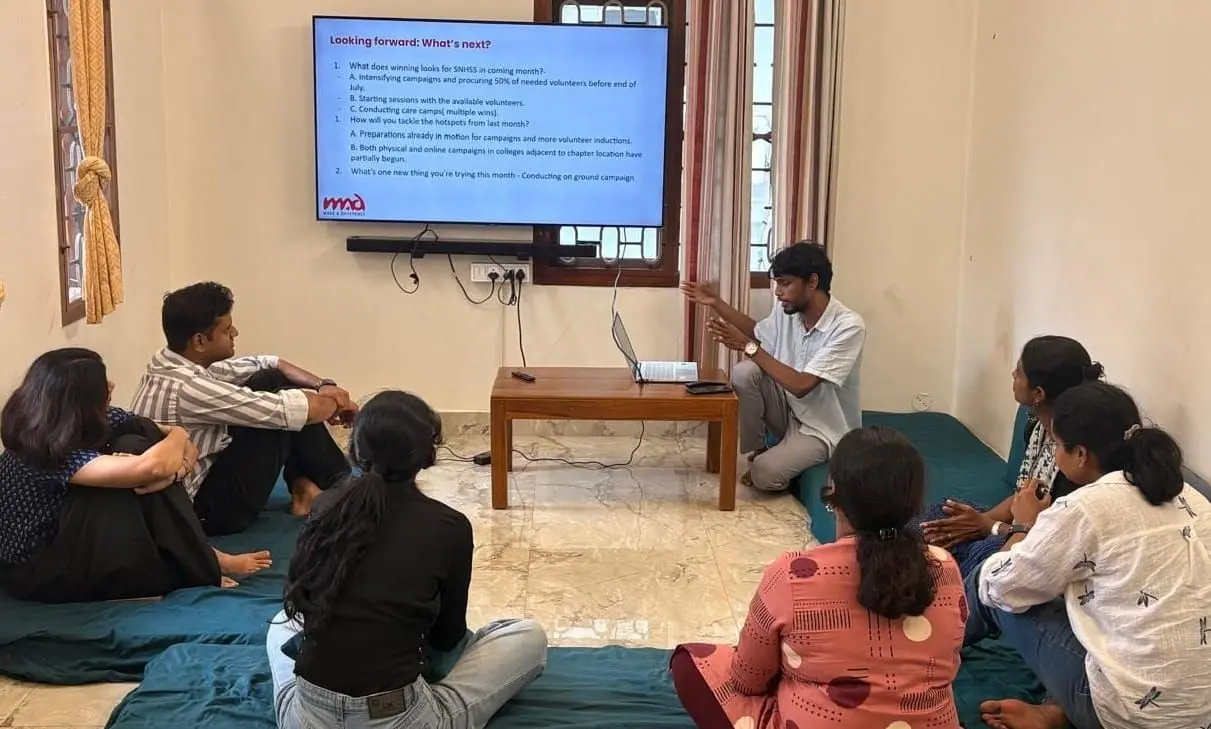
The MAD District Meet-up ran a second day
On Oct. 26, we held the second day of the MAD District Meet-up. People talked and worked together. They also shared what they knew. The sessions let people swap ideas and made connections stronger between those working for change in their communities.
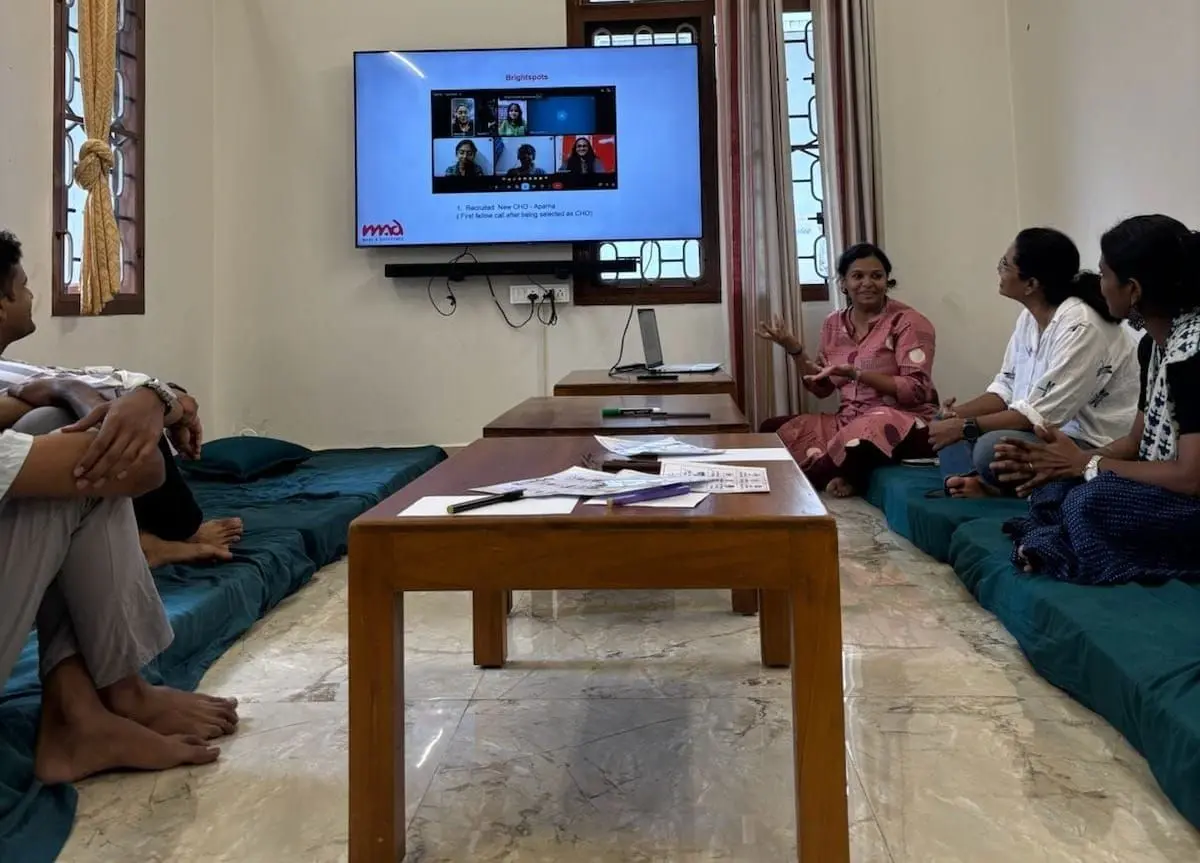
A visitor on what made the space special
Sudina S said what made the space special. 'The home-like feeling. Jasentha Chechi who cooked us breakfast at short notice. The plants in the front yard. The spacious and group-friendly furniture. These are the things that made the space special for us' - Sudina S
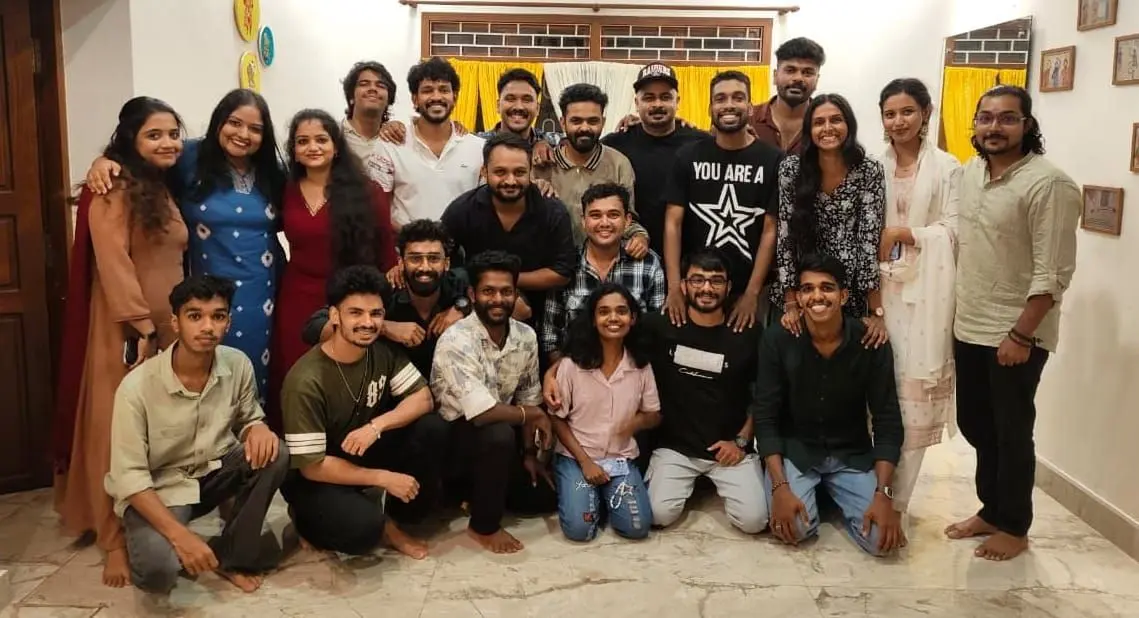
Chapter leaders met for a quarterly district meeting
Quarterly district meetings brought together chapter leaders from across cities. They presented chapter updates and celebrated milestones. They discussed challenges and brainstormed ideas. They worked with others on ongoing projects and planned future initiatives. We also networked, bonded as a team and developed leadership.
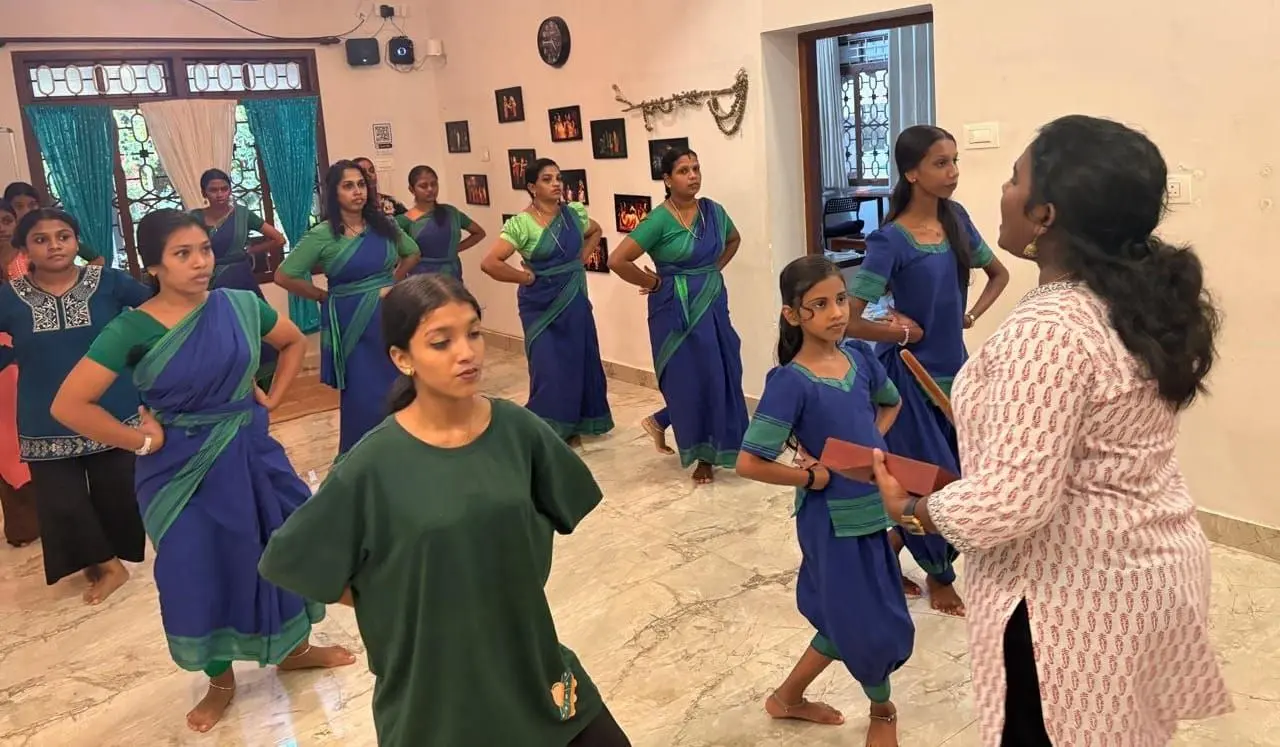
The community dance class practised together again
The community dance class continued. Dancers practised together again. They grew in confidence through regular learning and working as a team.
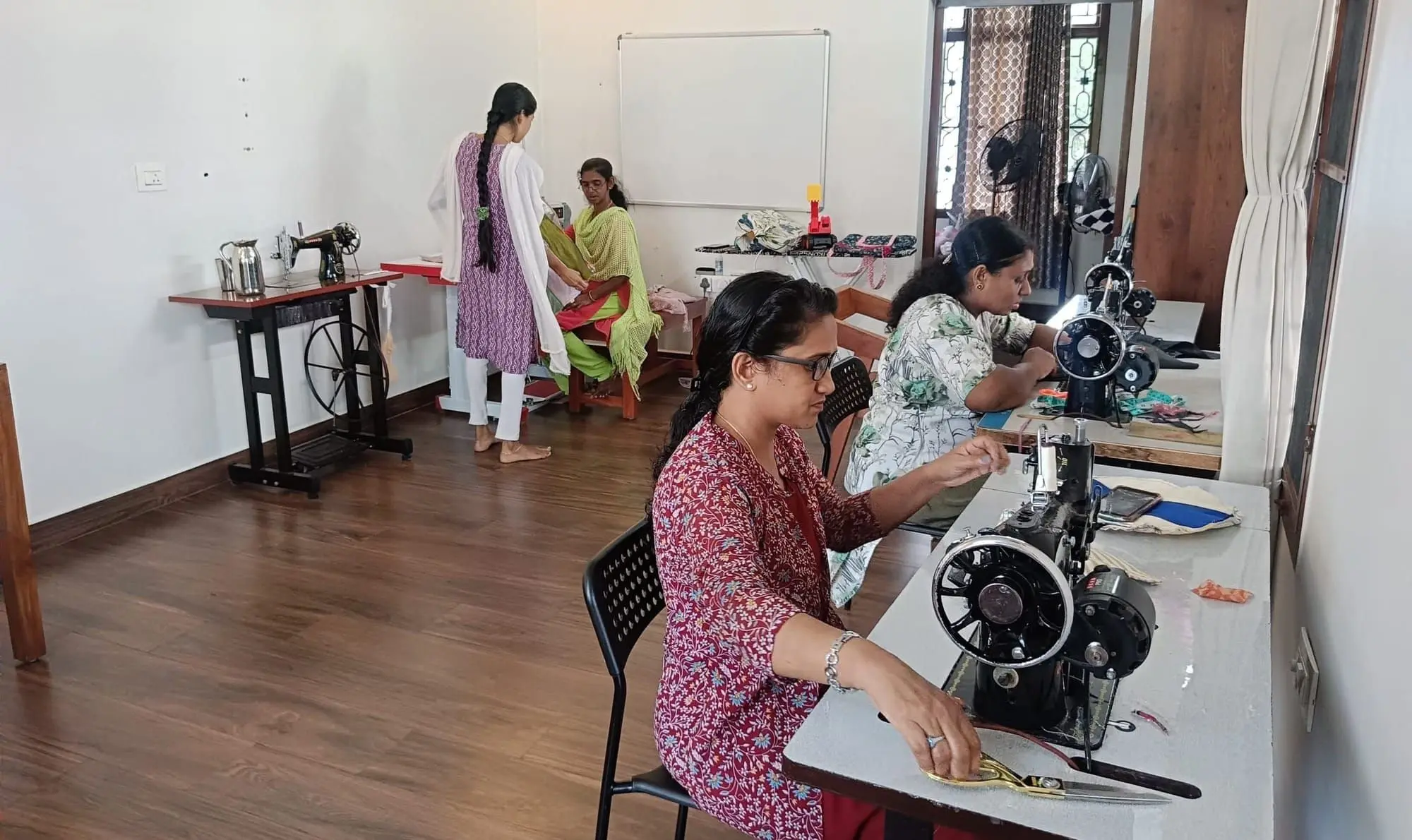
Stitching team keeps working on new products
The stitching team kept working on new products. It improved quality and looked for better ways to produce them.
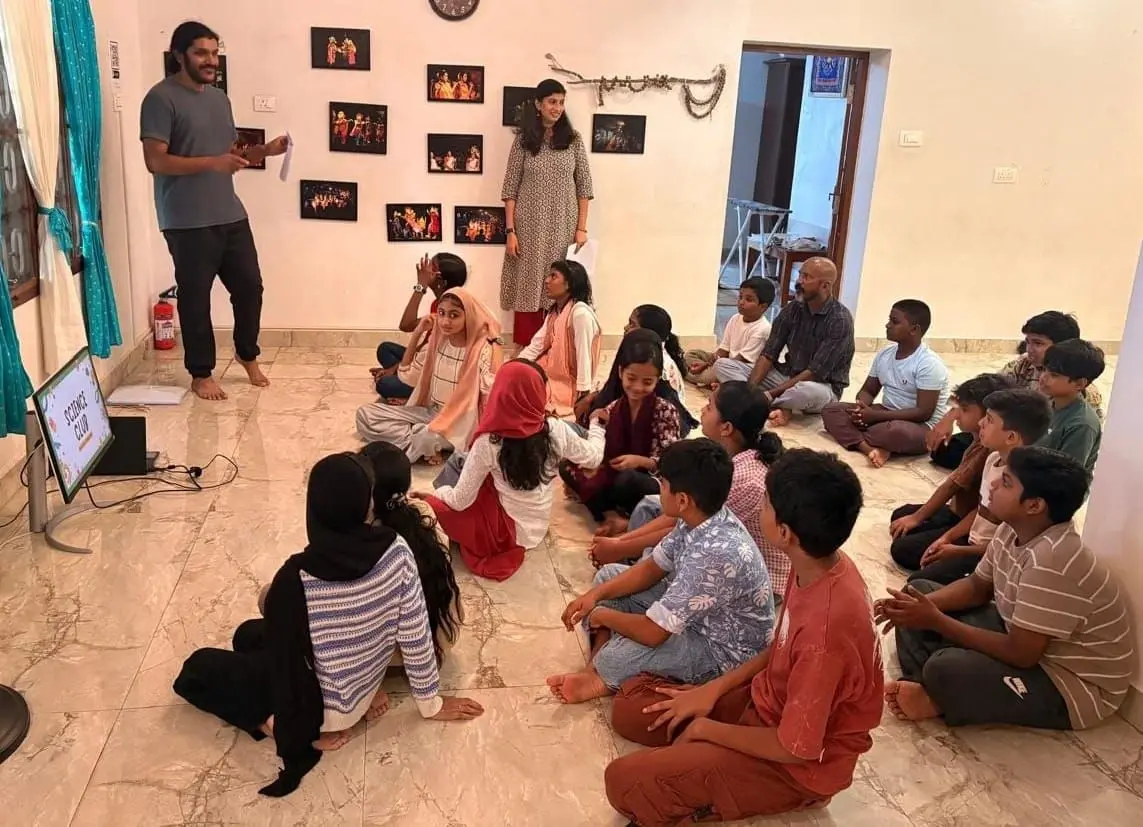
Children began using the new Reading Corner
The science class continued with hands-on learning. Children also began using the new Reading Corner. The reading programme follows a research-based approach adapted from proven models such as ASER and Teaching at the Right Level (TaRL). It helps children build a regular reading habit based on their current reading ability rather than their age or grade. The goal is not just to provide books, but to help children enjoy reading and build confidence over time.
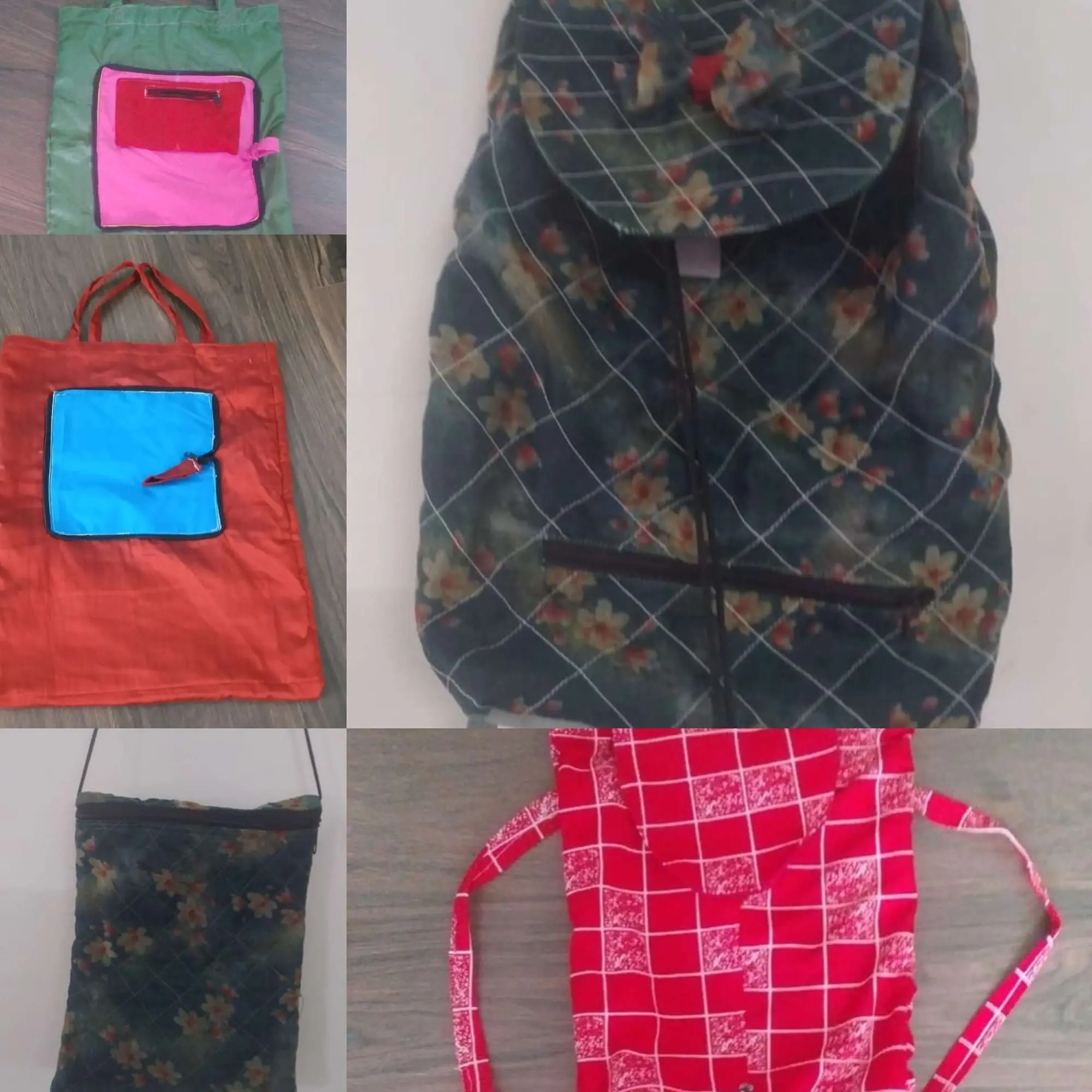
More new designs, still made from fabric scraps
The stitching team continued exploring new designs and found creative ways to use fabric cut pieces.
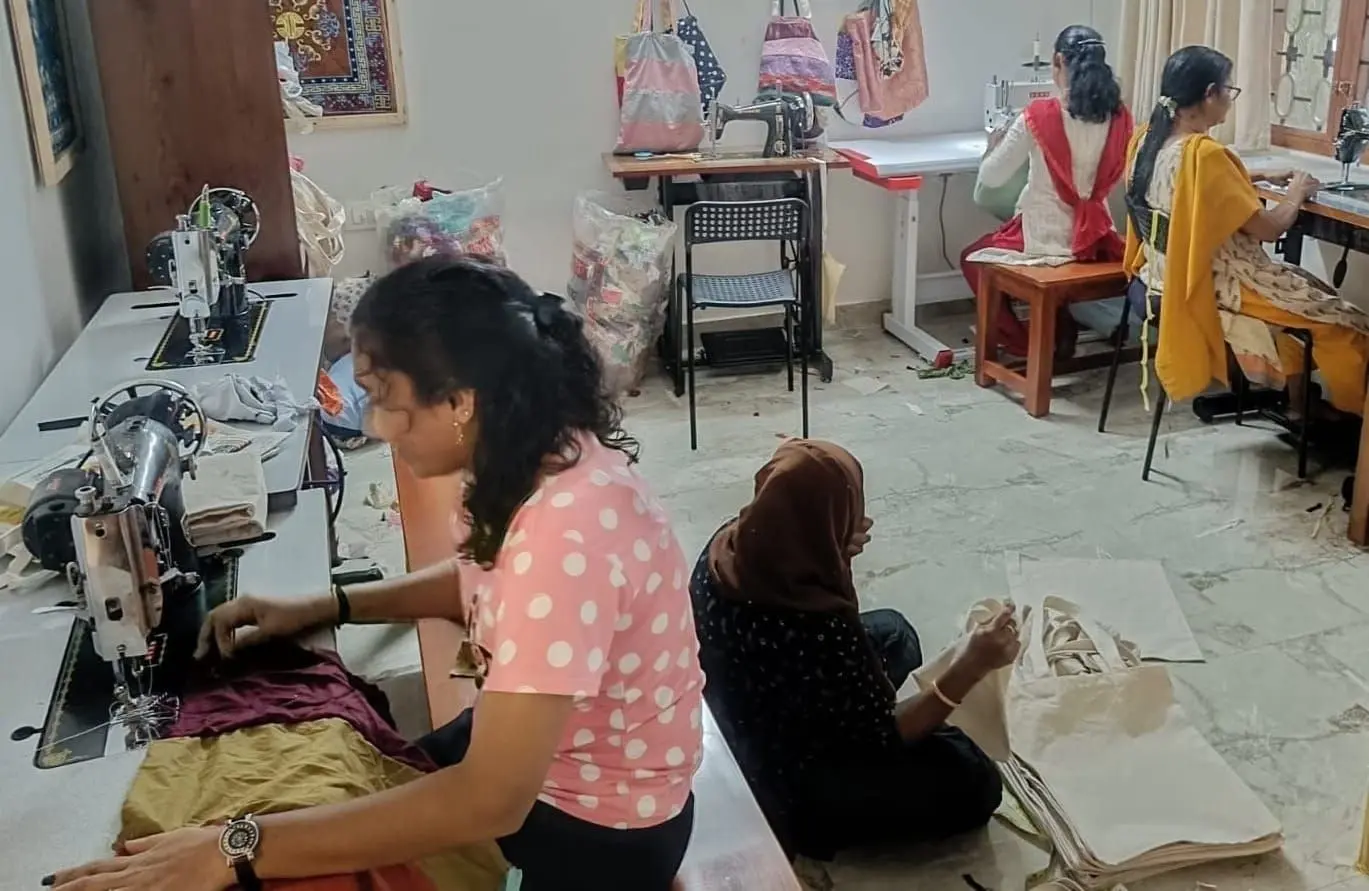
We finished the second batch and started looking at new bag designs and products. We are now focusing on turning fabric scraps into useful items instead of throwing them away. We are experimenting with new ideas and finding practical ways to reduce material waste.
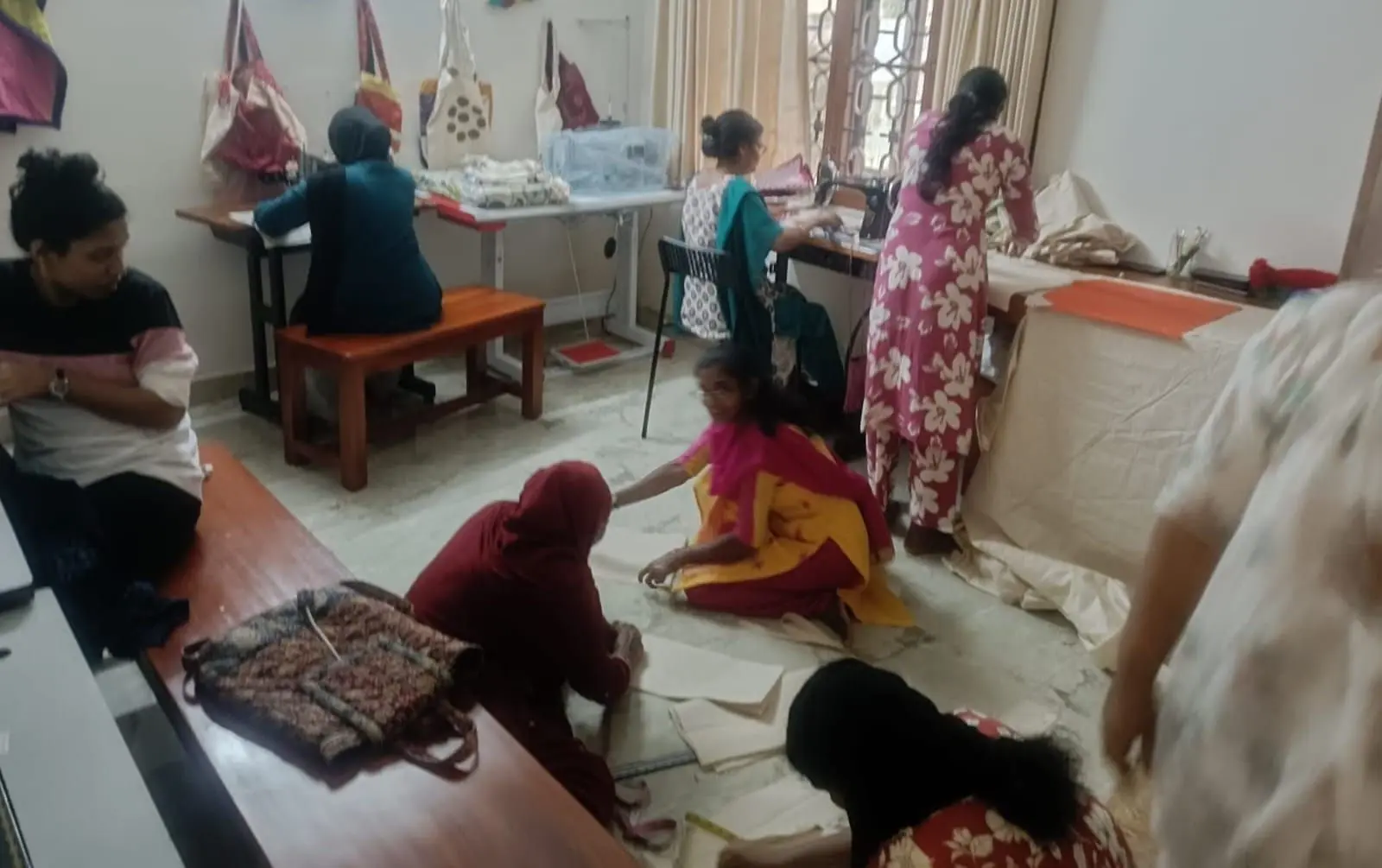
The second batch of bags is ready to deliver
The stitching team completed the second batch of bags. The team is now preparing the order for delivery. The team improved their skills, teamwork, and quality with every batch.
June 2026
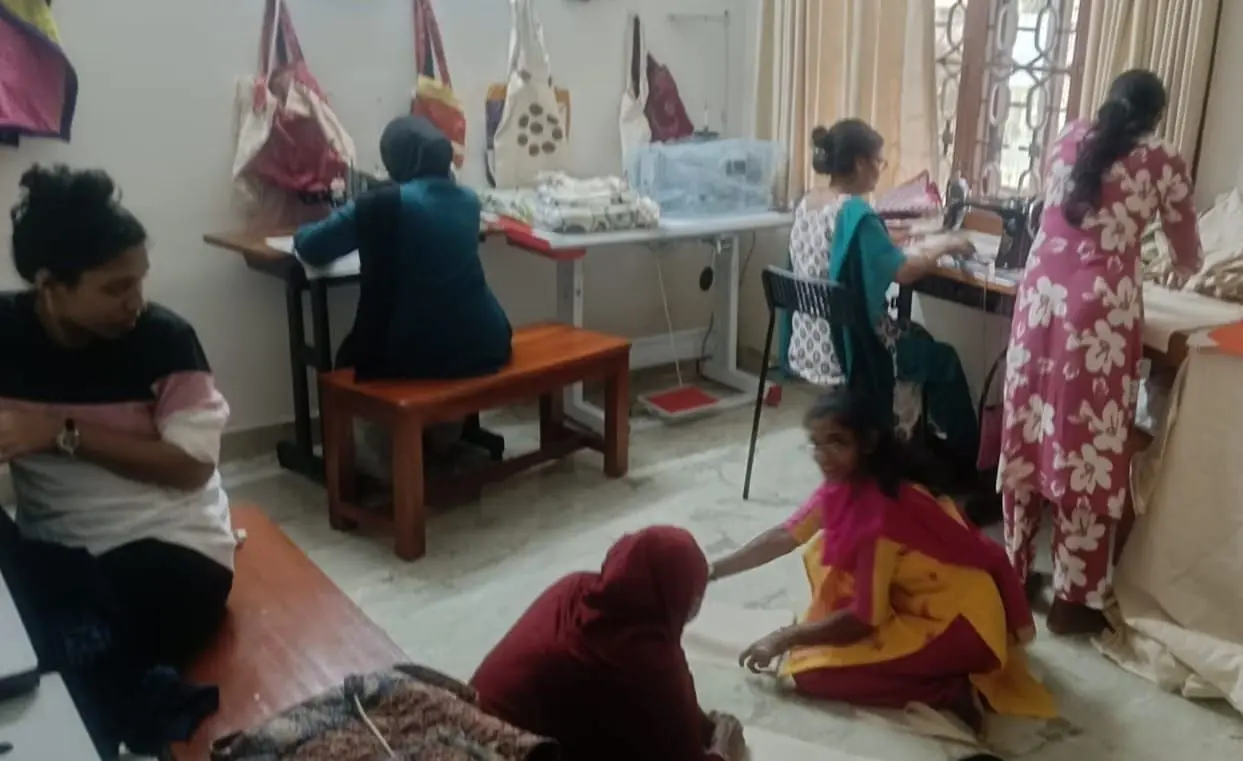
Stitching team finishes another production round
The stitching team ended the month by finishing another round of production. We also looked back at what we learned. We moved from learning basic stitching to handling customer orders. The month showed that we worked better as a team. We also focused more on quality for the next batches.
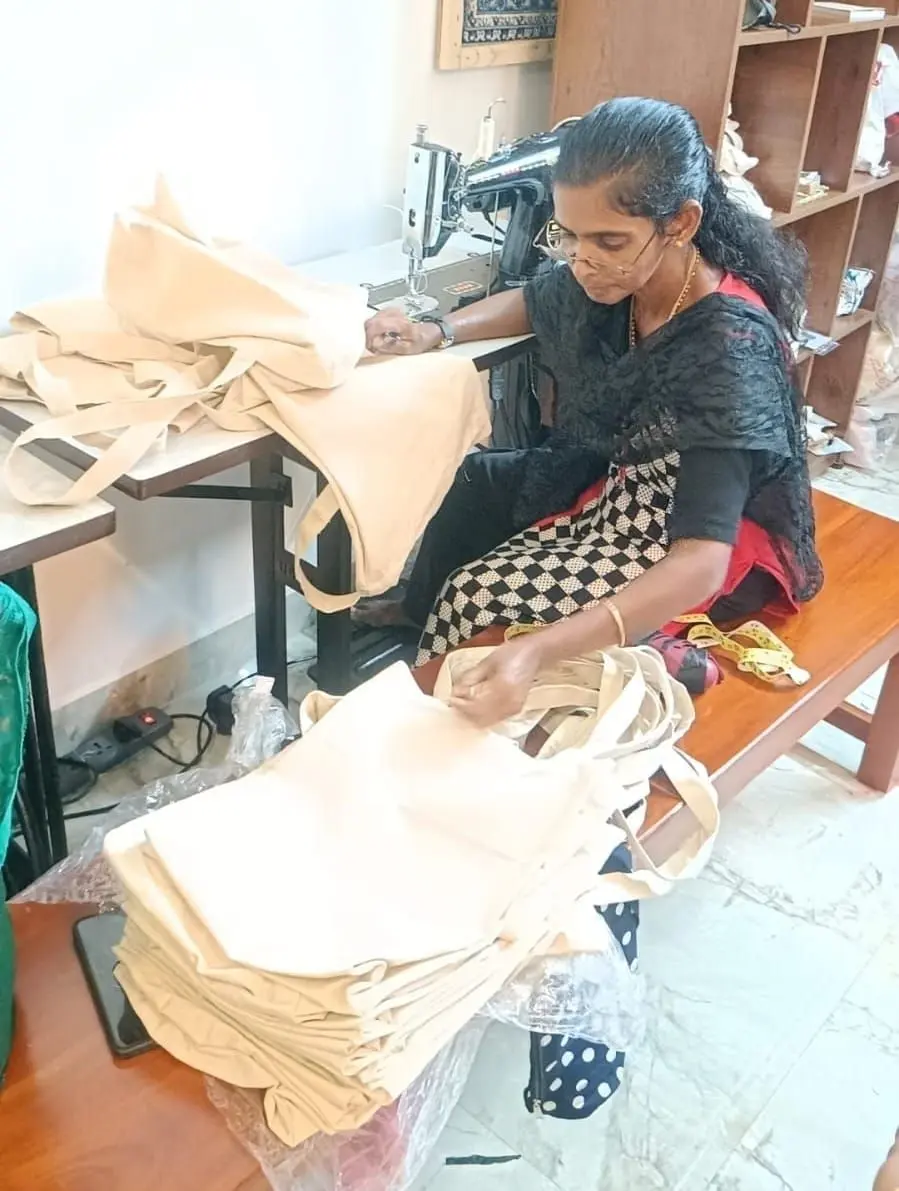
The second batch of bags was finished
The stitching team completed the second batch of bags, marking another milestone in the programme. With each order, the team builds confidence and improves quality. It also strengthens their production process.
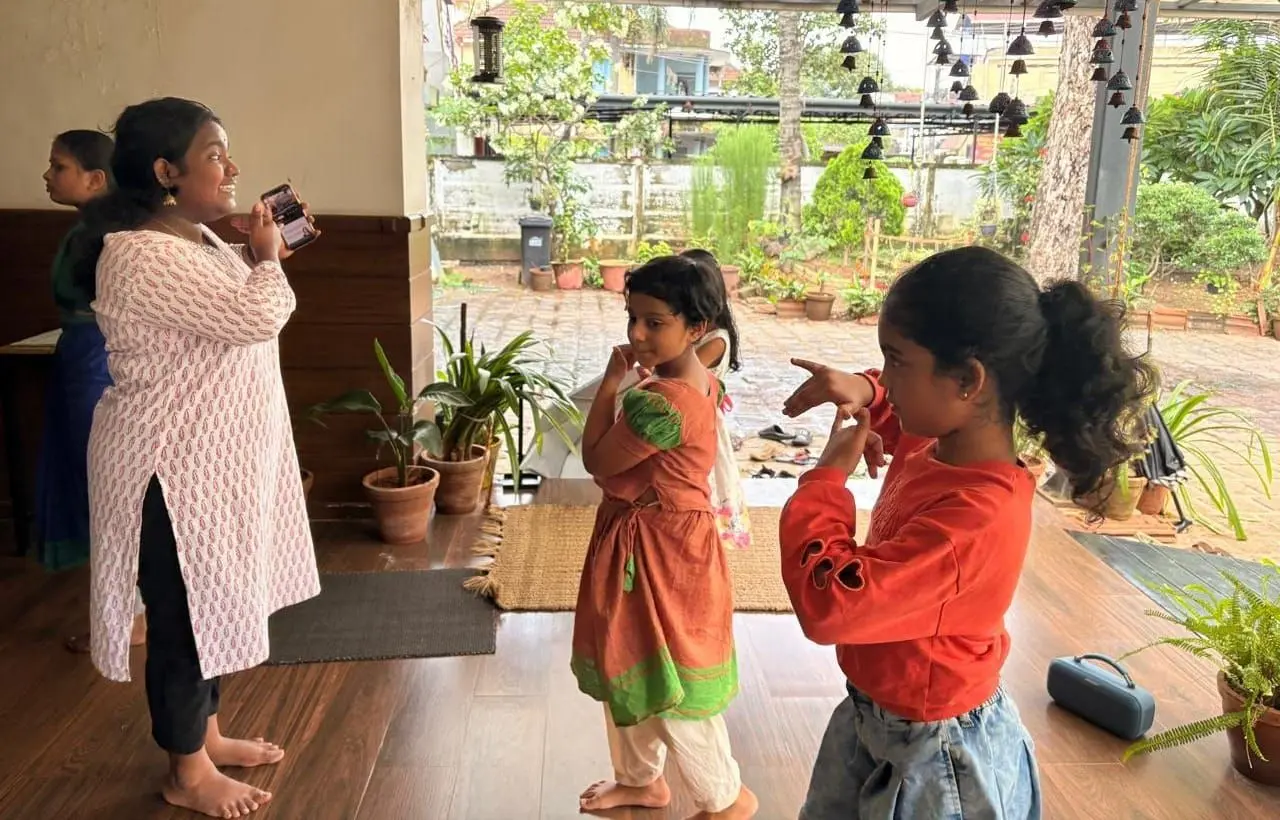
Thudippu ran a semi-classical dance workshop for all levels
Thudippu ran a dance workshop. It was semi-classical. People of all levels came. We gave them room to explore movement, music and self-expression. They learned together.
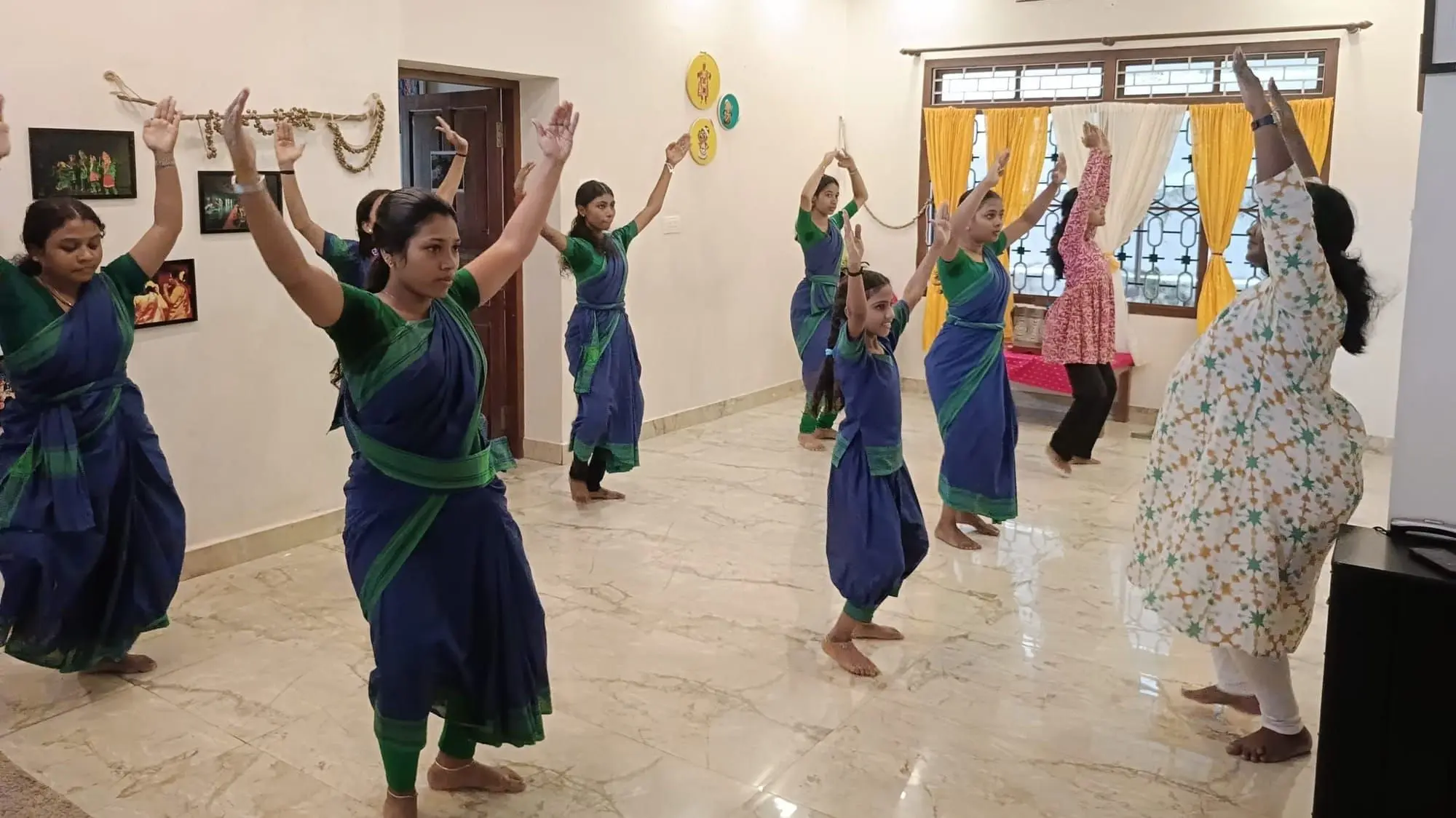
Dance class for the community met to practise
The dance class for the community met to practise together. It brought participants together to practise, learn, and build confidence through dance.
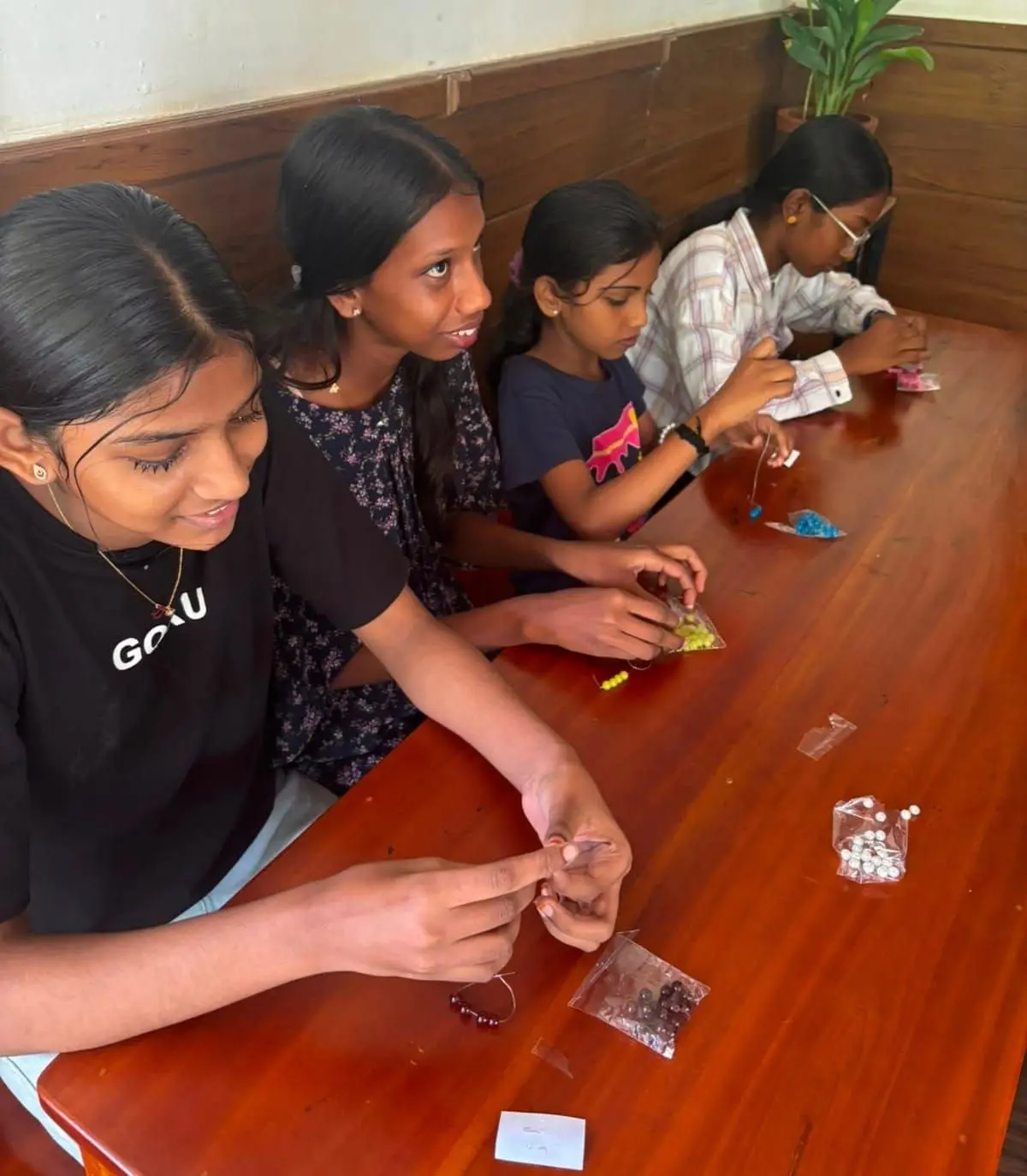
Another craft session for the children
The children had another craft session. They explored their creativity and learned through hands-on activities.
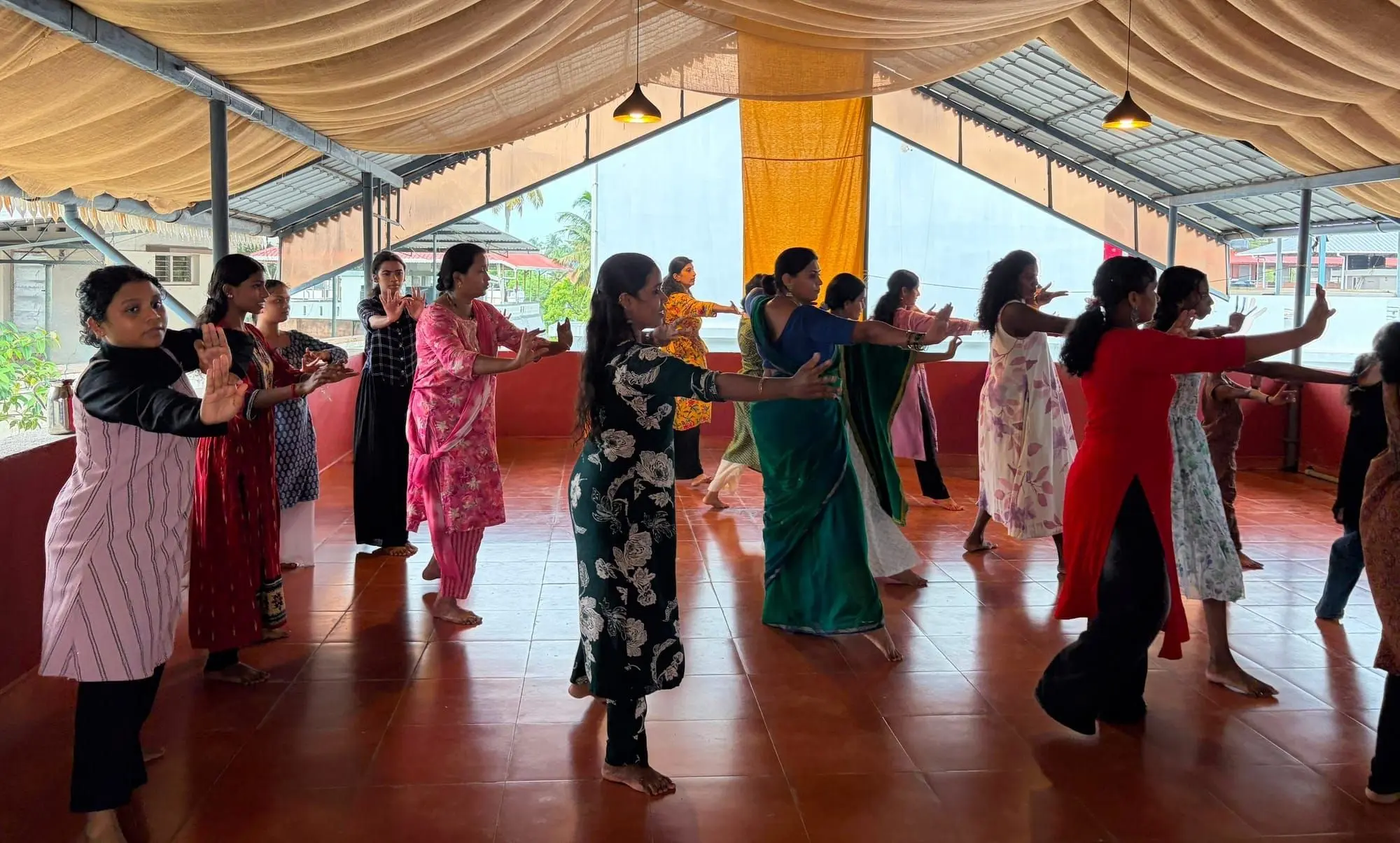
Students grew steadier with every dance practice
Students kept up their regular dance practice. Every session built their confidence. It built their co-ordination too. Their expressions grew with each session.
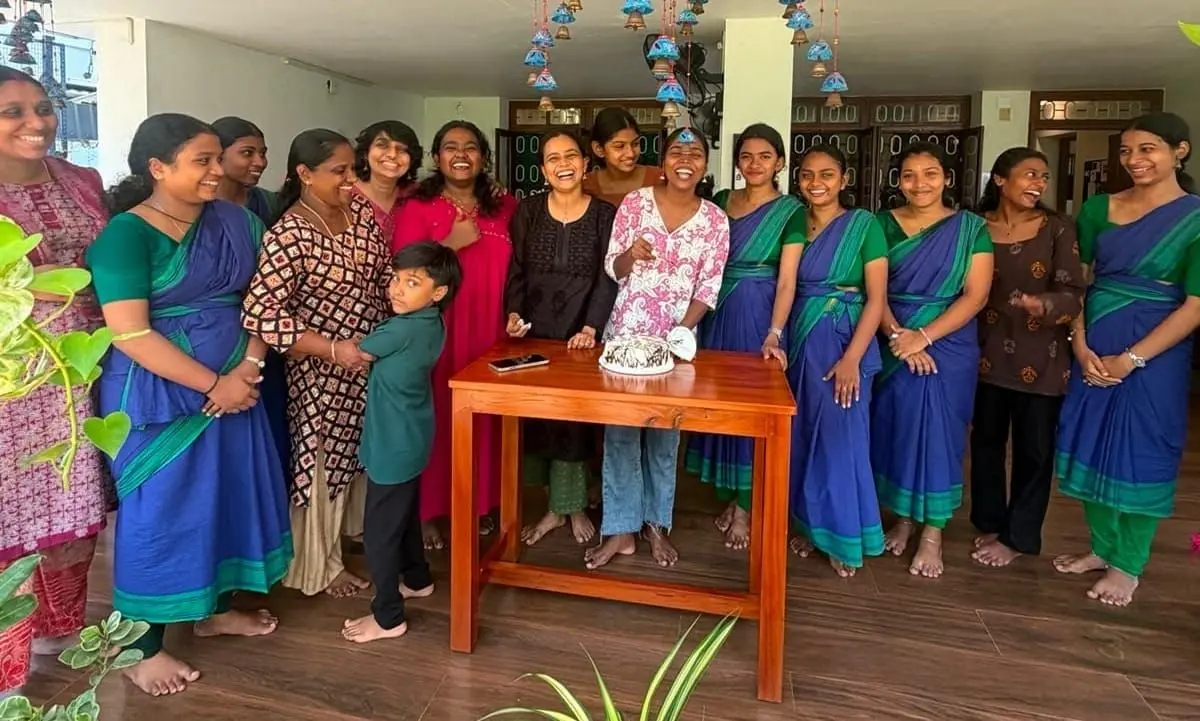
Community members celebrate monthly birthdays
We held a Space Moment on July 12, 2024. Community members celebrated their monthly birthdays there. People talked and enjoyed themselves. It reminded us that small celebrations help build a stronger community.
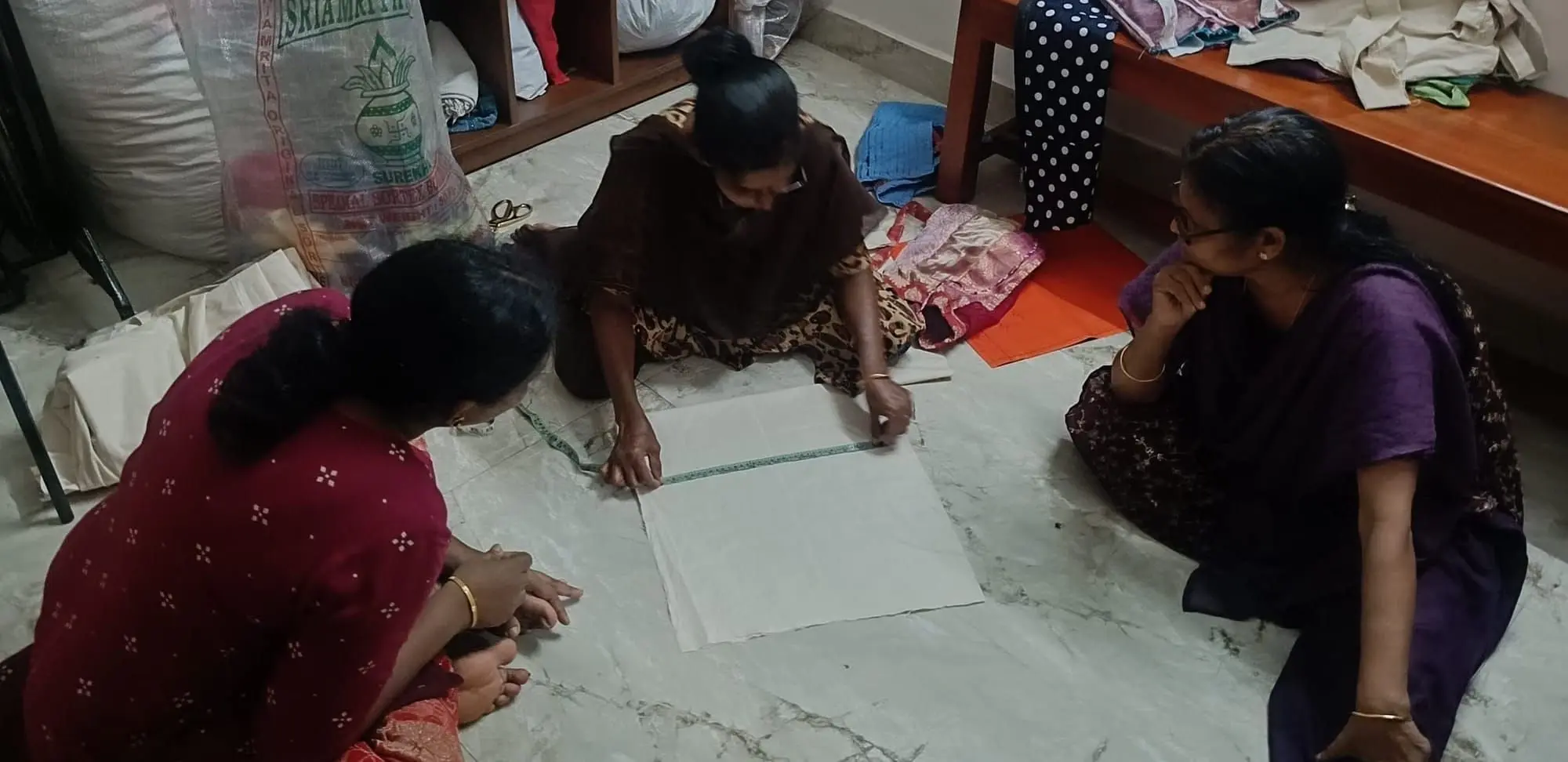
Water stains from the iron box removed two bags from the batch
During finishing, the iron box left water stains on two bags. We pulled them from the batch because they did not meet our standards. The rest of the order moved on.
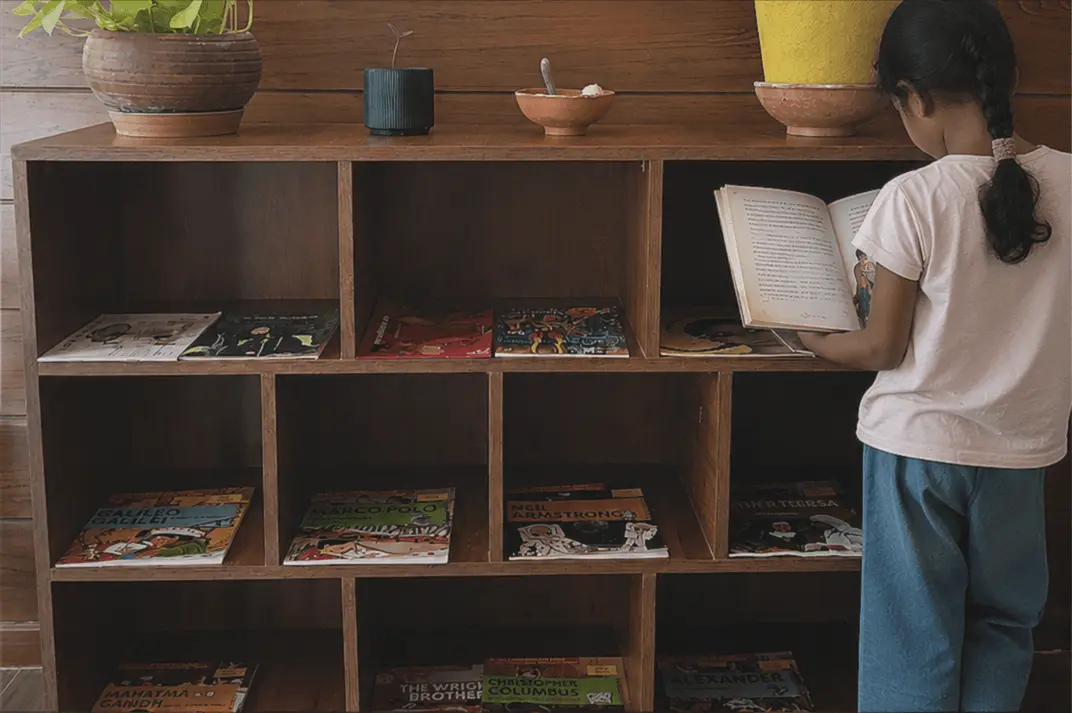
Young readers picked up their first books
The children’s reading corner came to life. Young readers picked up their first books and spent time exploring stories. This small beginning showed that a reading habit starts with a welcoming space. Children also need the freedom to find books at their own pace.
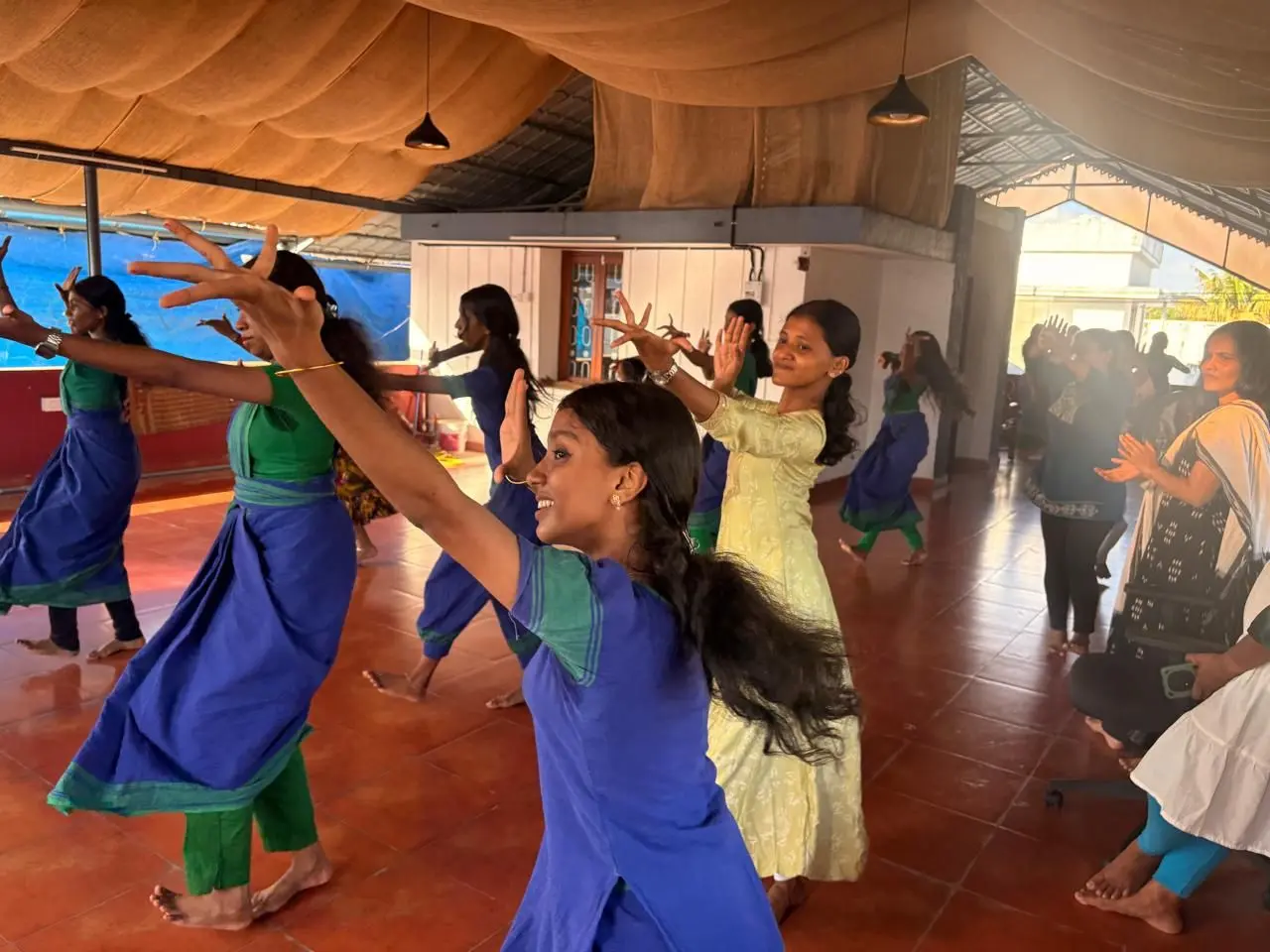
The dance club practiced movement and teamwork
The dance club kept up its regular practice. Members built confidence, co-ordination and teamwork through movement.
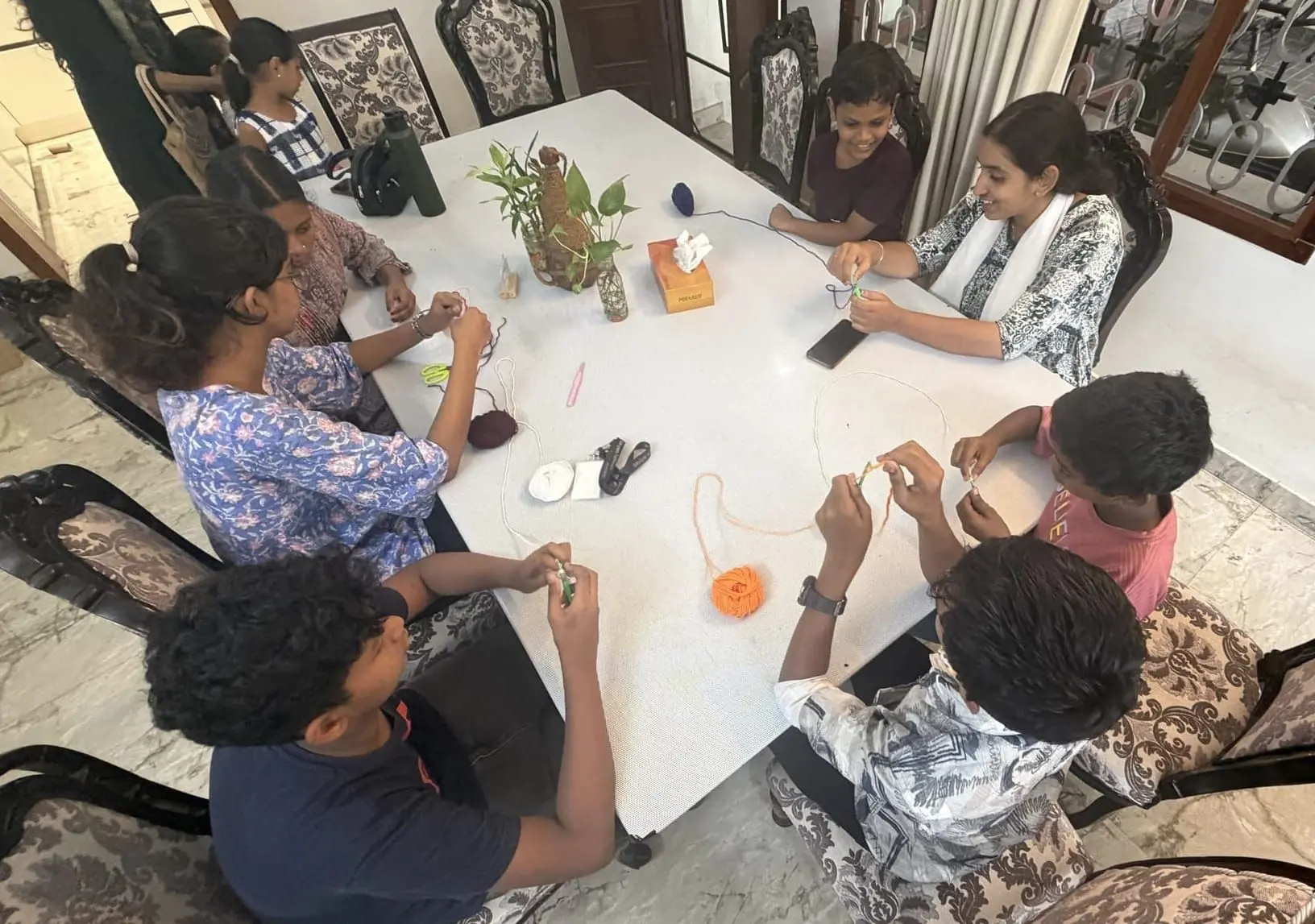
A craft session for children ran again
On March 14, 2024, we ran a craft session for children. The children made things with their hands. The session encouraged creativity, patience, and learning.
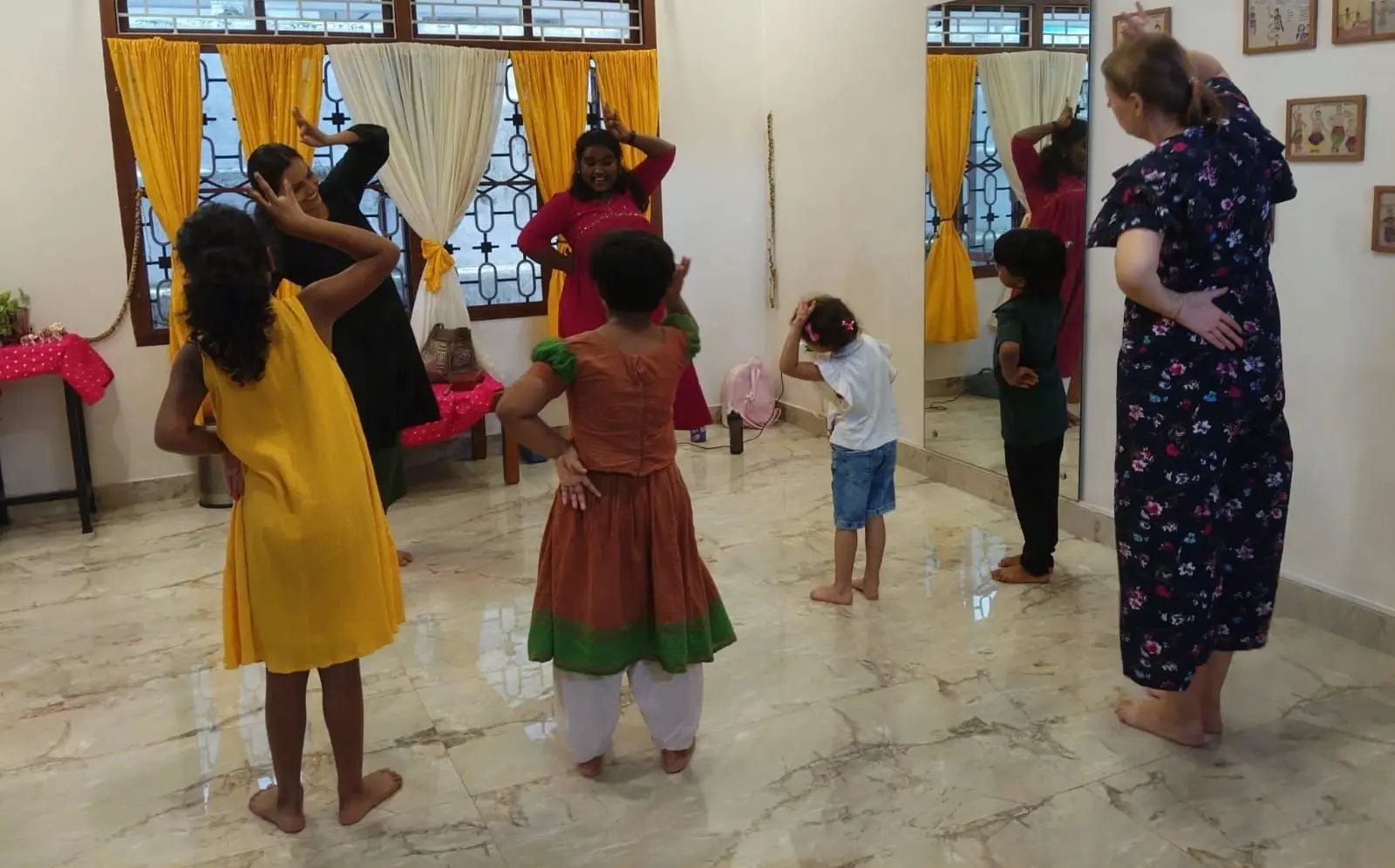
Kids' dance class worked on new steps
The regular kids' dance class continued on Tuesday, Nov. 14, 2023. Students practised new steps, expressions, and co-ordination. Regular practice helped them become more confident in a fun and encouraging environment.
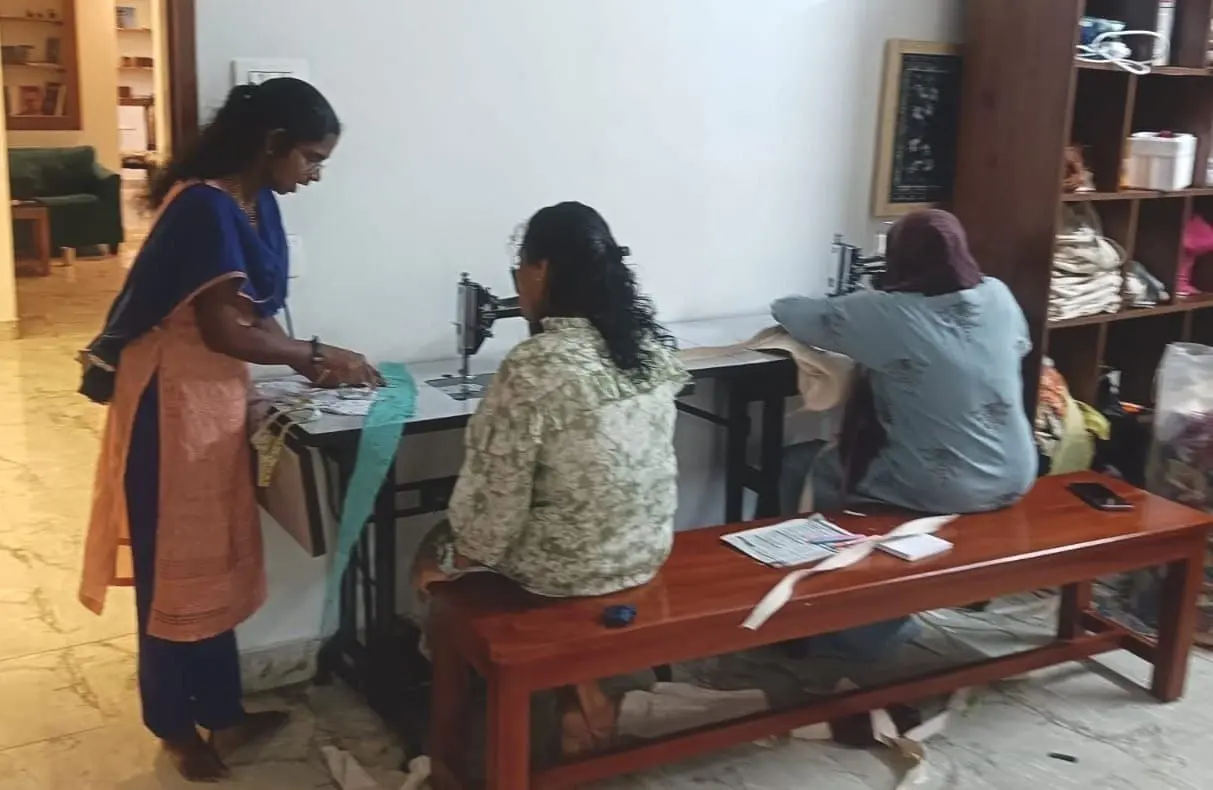
A zipper's stitch line kept showing on the outside
The stitching team kept working on the new bag design and tried to attach the zipper neatly. The stitching line became visible on the outside of the bag, which affected the final look. The team discussed different methods and shared ideas to achieve a cleaner finish without weakening the bag.
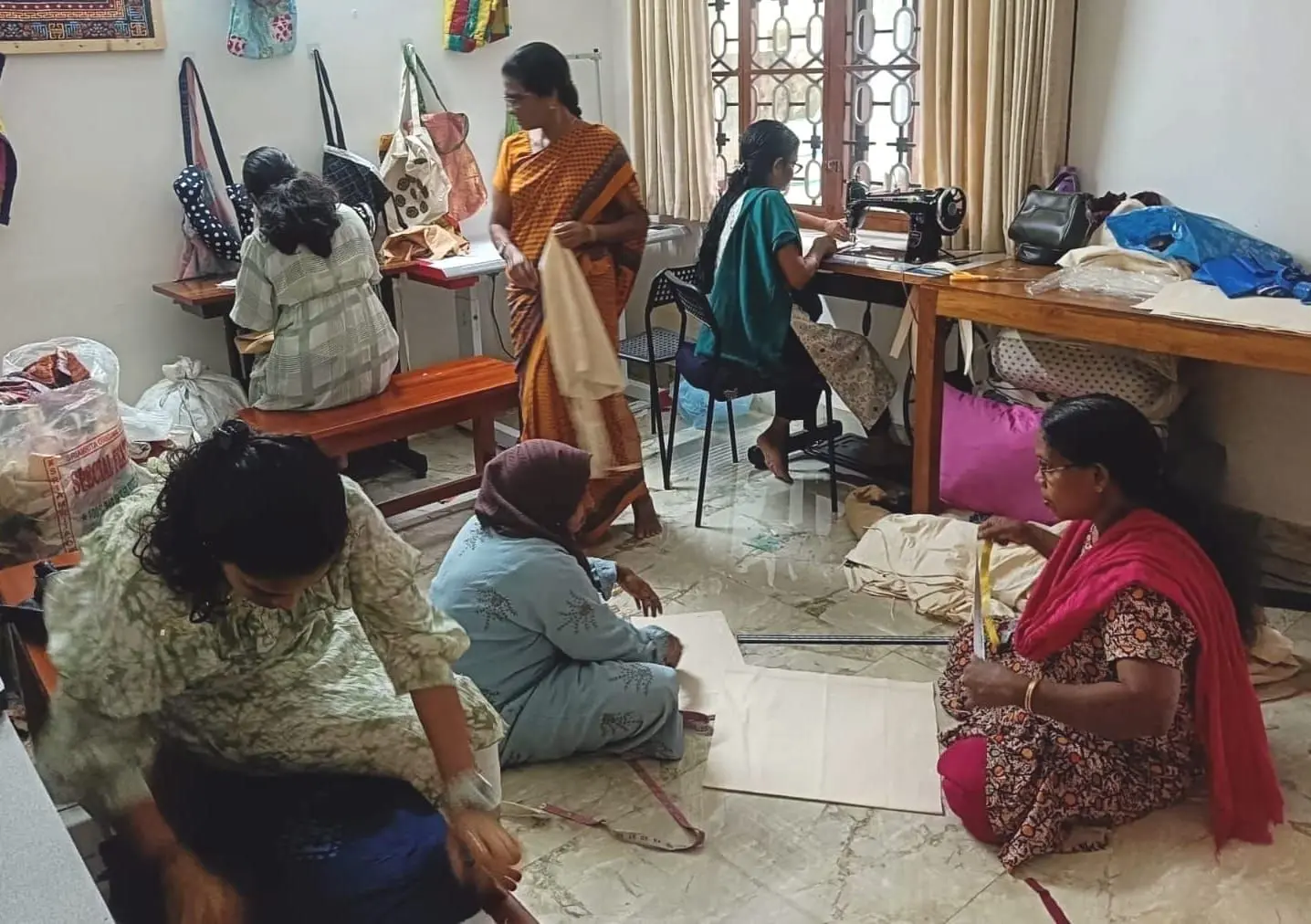
Everyone took a job to keep the order moving
We measured, cut, stitched and quality-checked to keep the next production order moving. We focused and worked as a team.
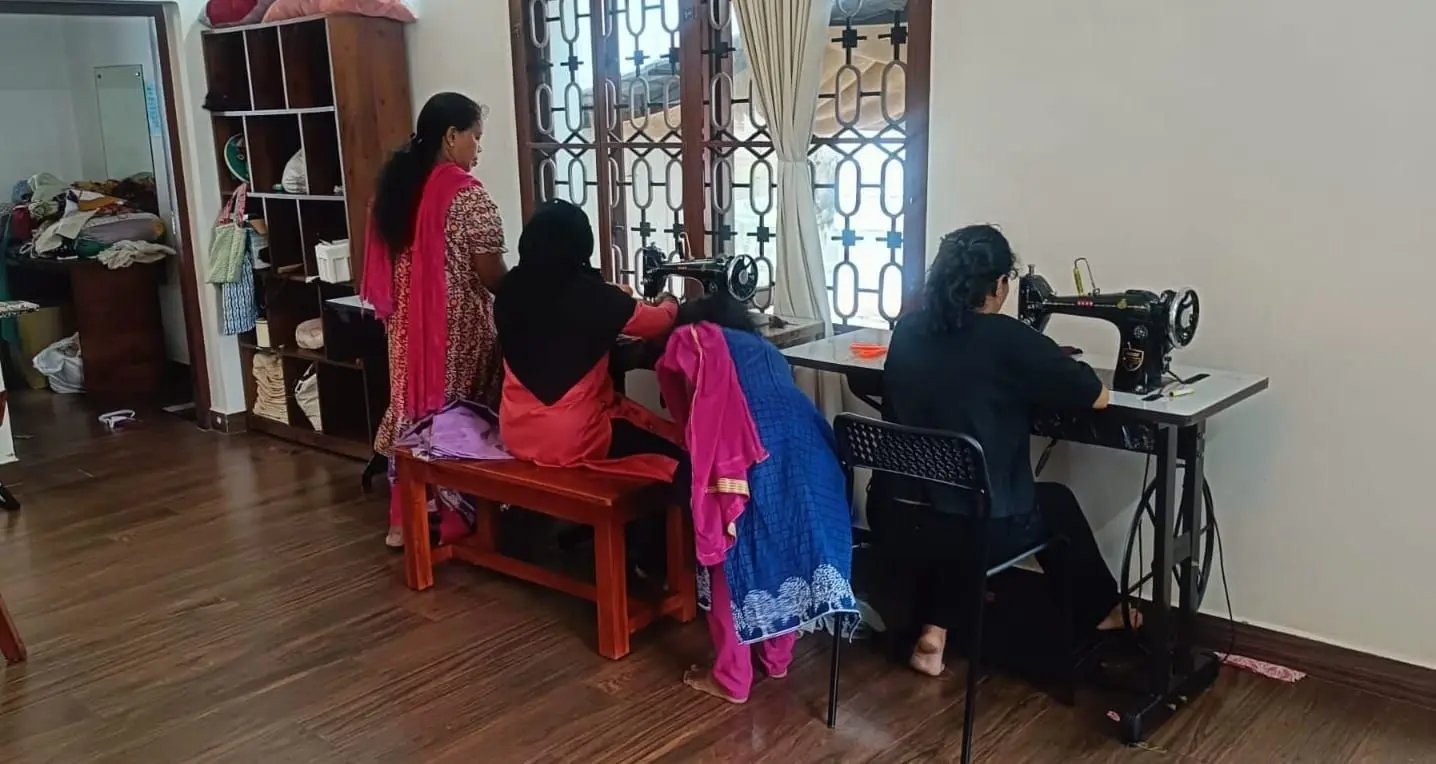
Speed and teamwork improved on the current batch
The stitching team continued working on the current production batch. We improved our speed and teamwork with each session. Regular practice helped us gain confidence while keeping product quality high.
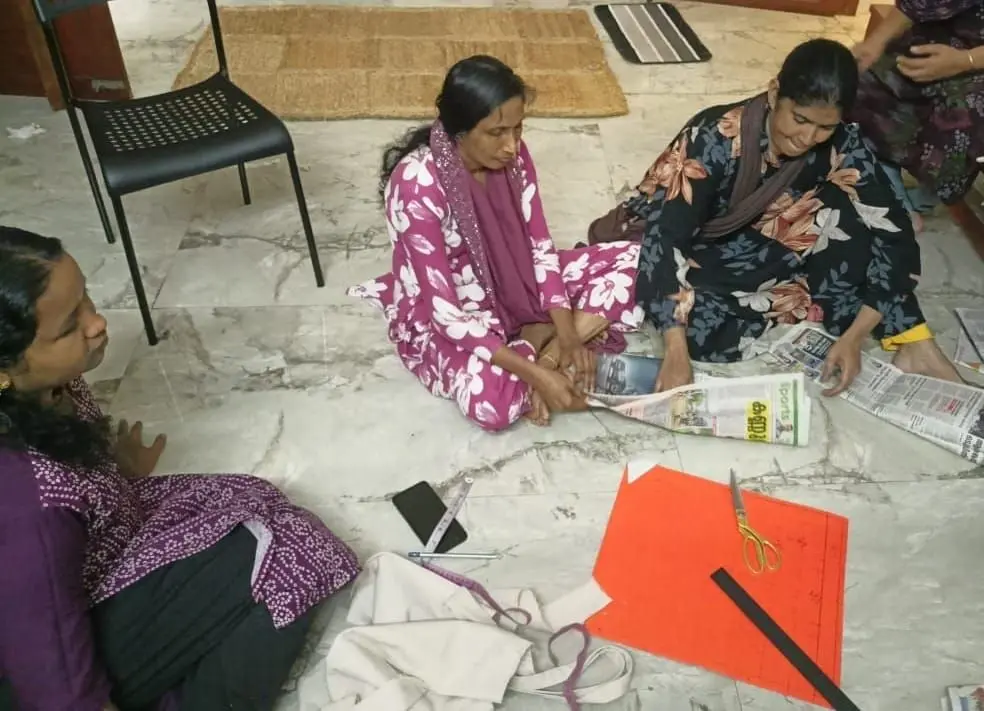
Curved cuts on handloom fabric are still not clean
We still have not solved cutting smooth curves on the handloom fabric. It is thicker and more rigid than regular cloth. The team tested several methods without finding one that gives a clean finish without wasting material. This is part of a new curved tote bag design.
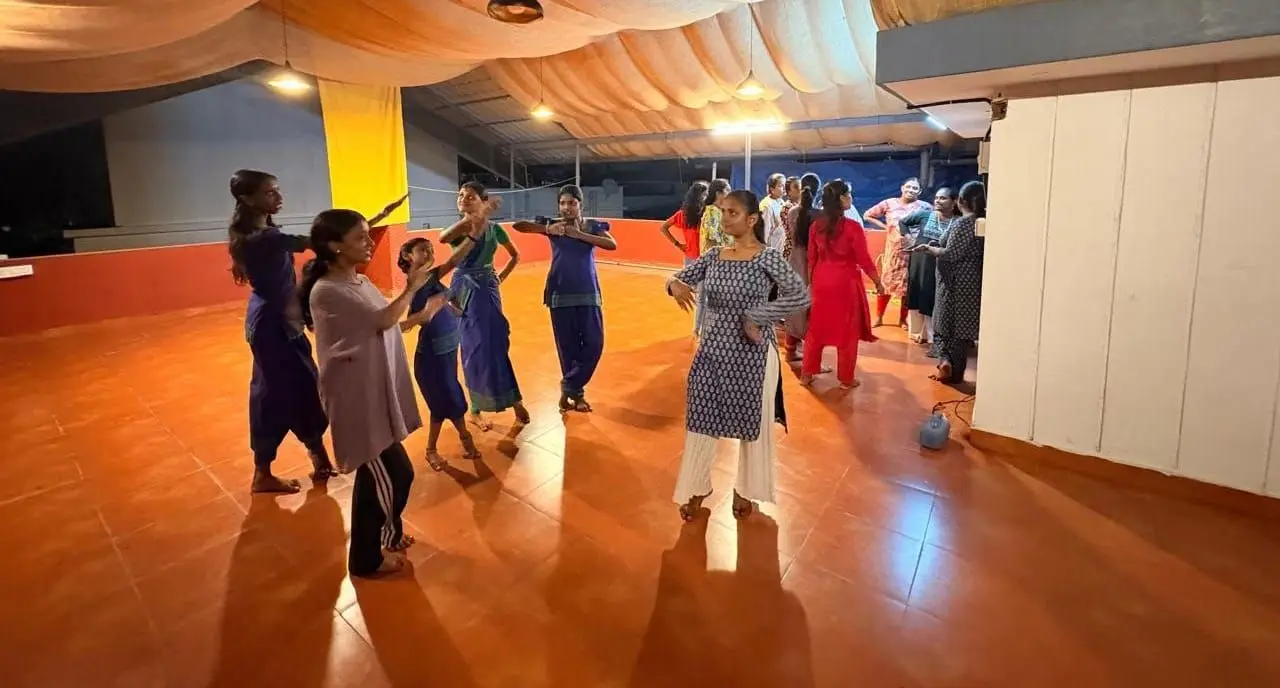
Dancers learned from each other in the group class
Dancers learned from each other in the group class. The community dance class brought people together to learn, practice and enjoy dance as a group. Regular sessions helped participants build confidence while learning from and supporting one another.
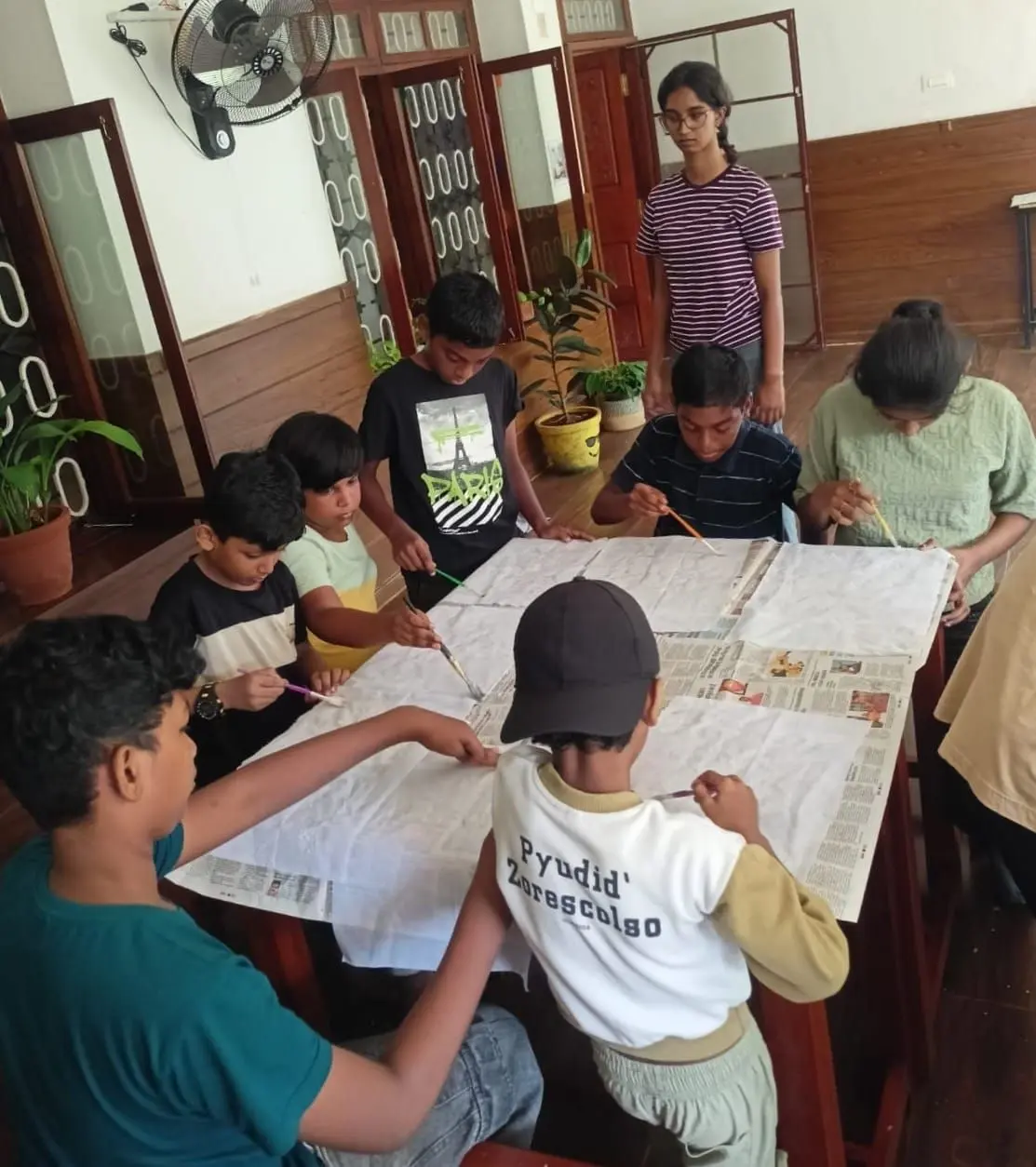
Children made things from simple materials
On March 14, 2024, we ran a craft session for children. They used basic materials to explore new ideas. We encouraged creativity, patience, and learning through making things.
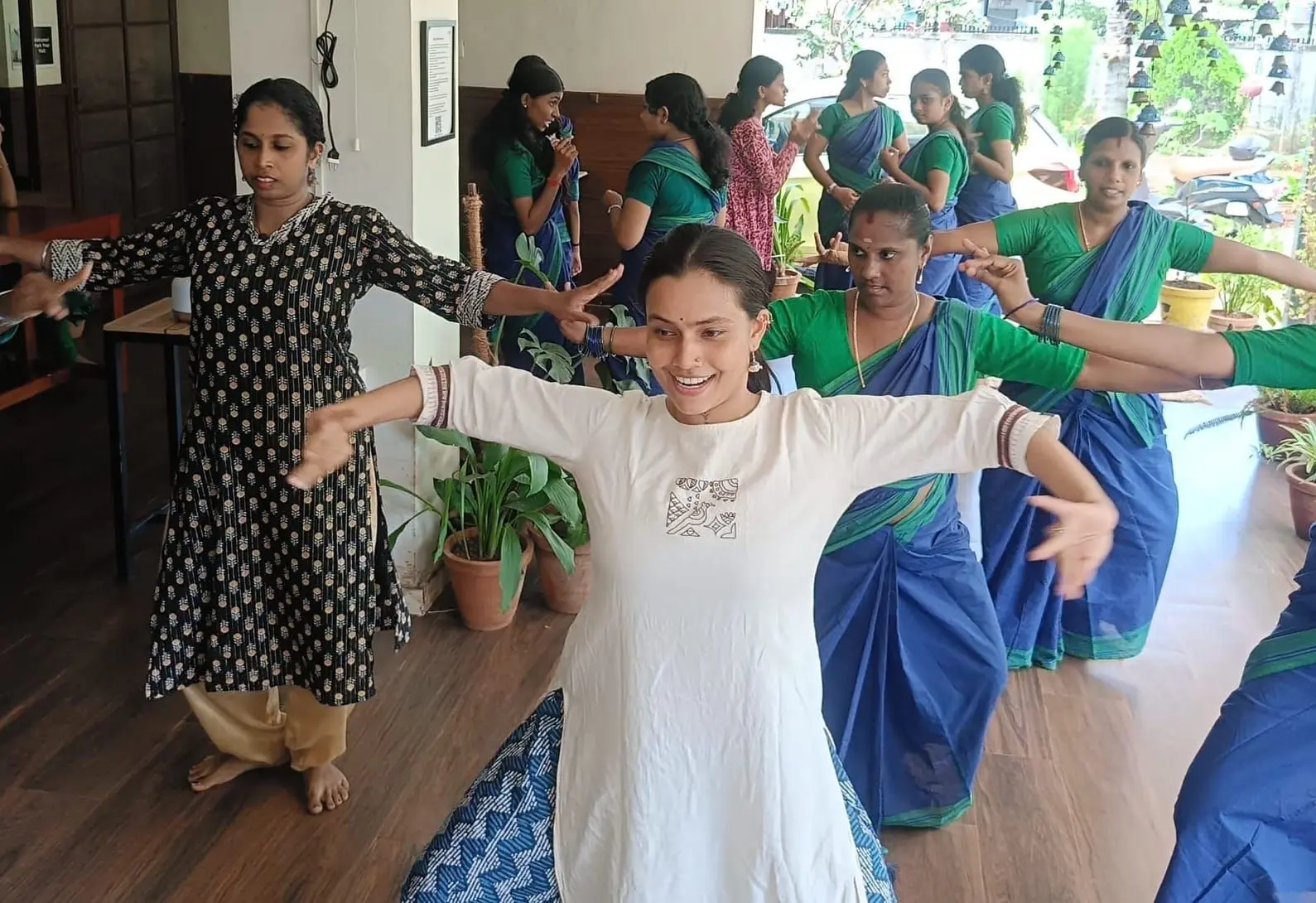
Steps, rhythm and expressions practised again
The regular dance class continued with students practising steps, rhythm, and expressions. Going to every class helped them become more confident and comfortable with each session.
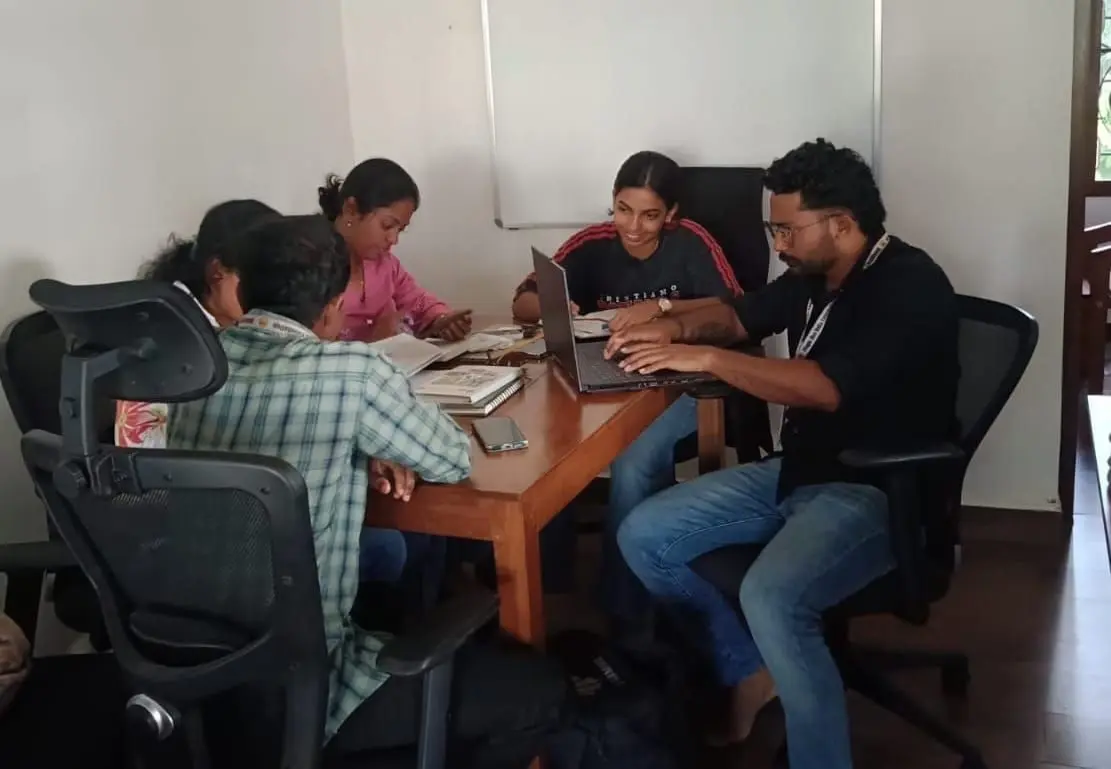
Magic Bus Foundation held a team review meeting at the space
On March 28, 2024, Magic Bus Foundation held a team review meeting at the space. Team members came together to discuss ongoing activities and share updates. They also reflected on their work.
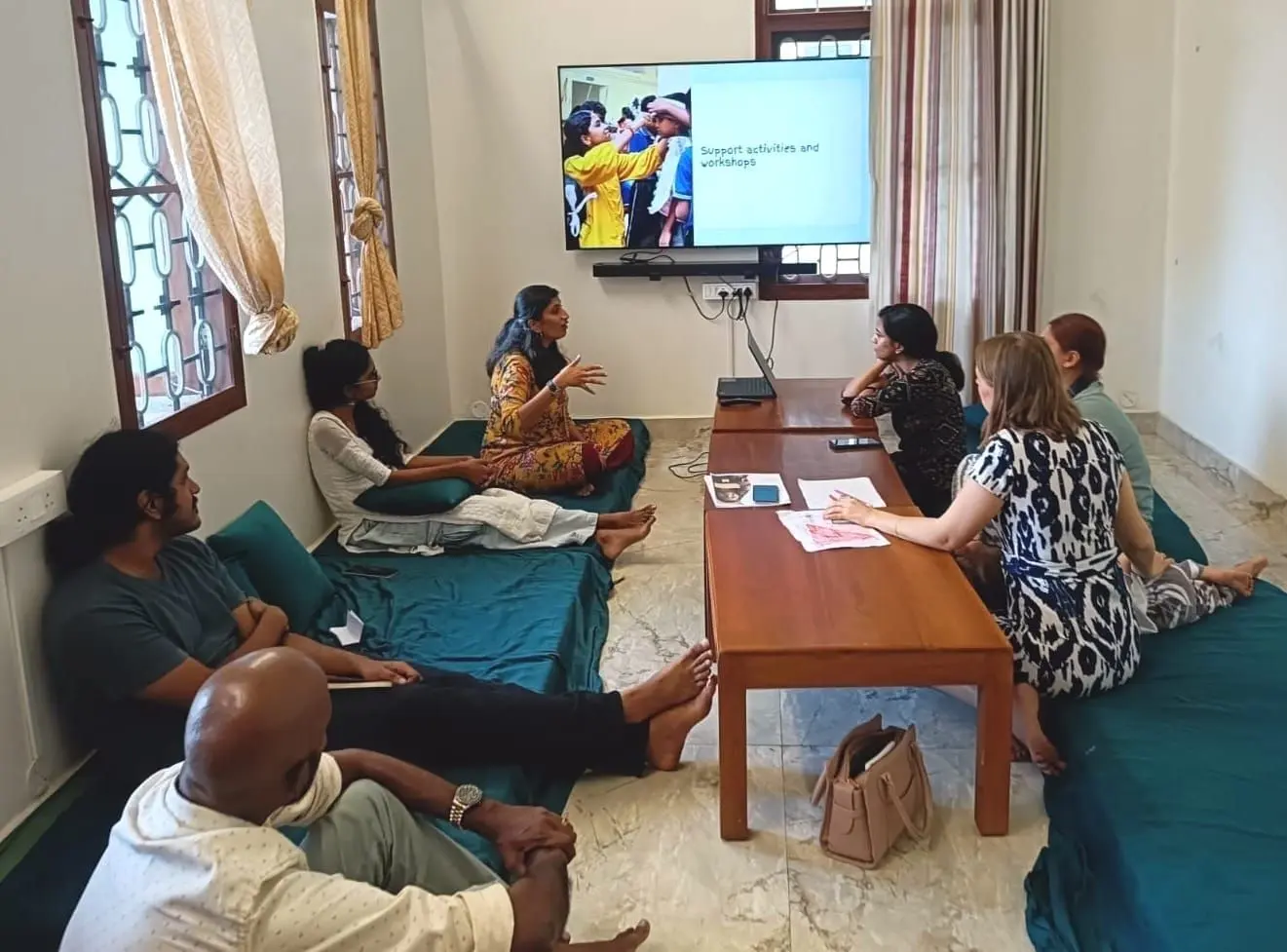
Olimalar Foundation held a meet-up for its volunteers
Olimalar Foundation held a volunteer meet-up on March 14, 2024. It took place at the space. We brought volunteers together. They learned about the organisation's work and future plans. The session encouraged discussion, questions, and sharing of ideas. We learned that regular communication and orientation are important. They help volunteers understand where they can contribute most effectively.
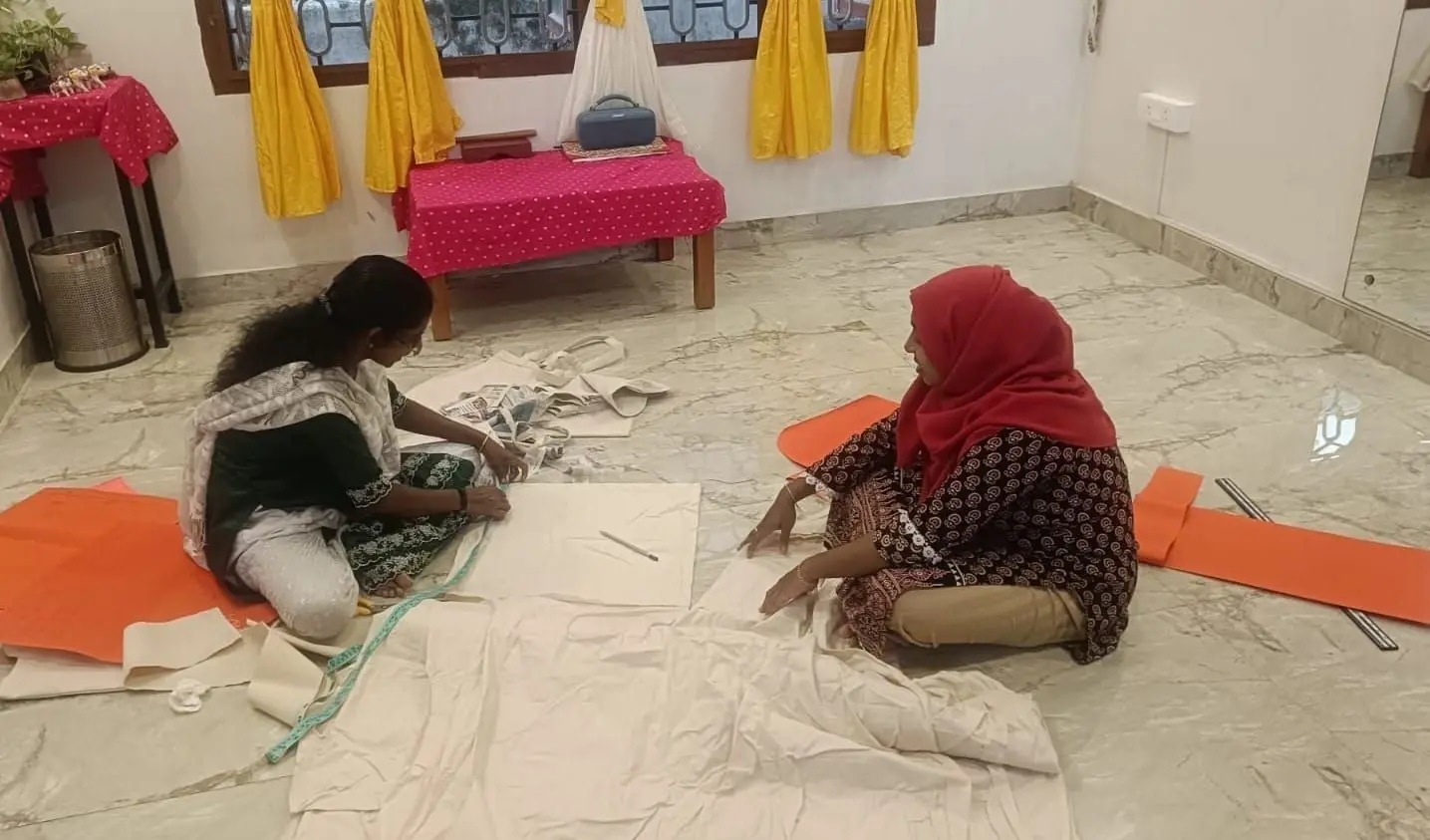
Cutting techniques rehearsed before the next batch
Members of the stitching team spent the session practicing different cutting techniques for the next batch of bags. They tested patterns and measurements before production. They hoped to reduce mistakes and improve consistency.
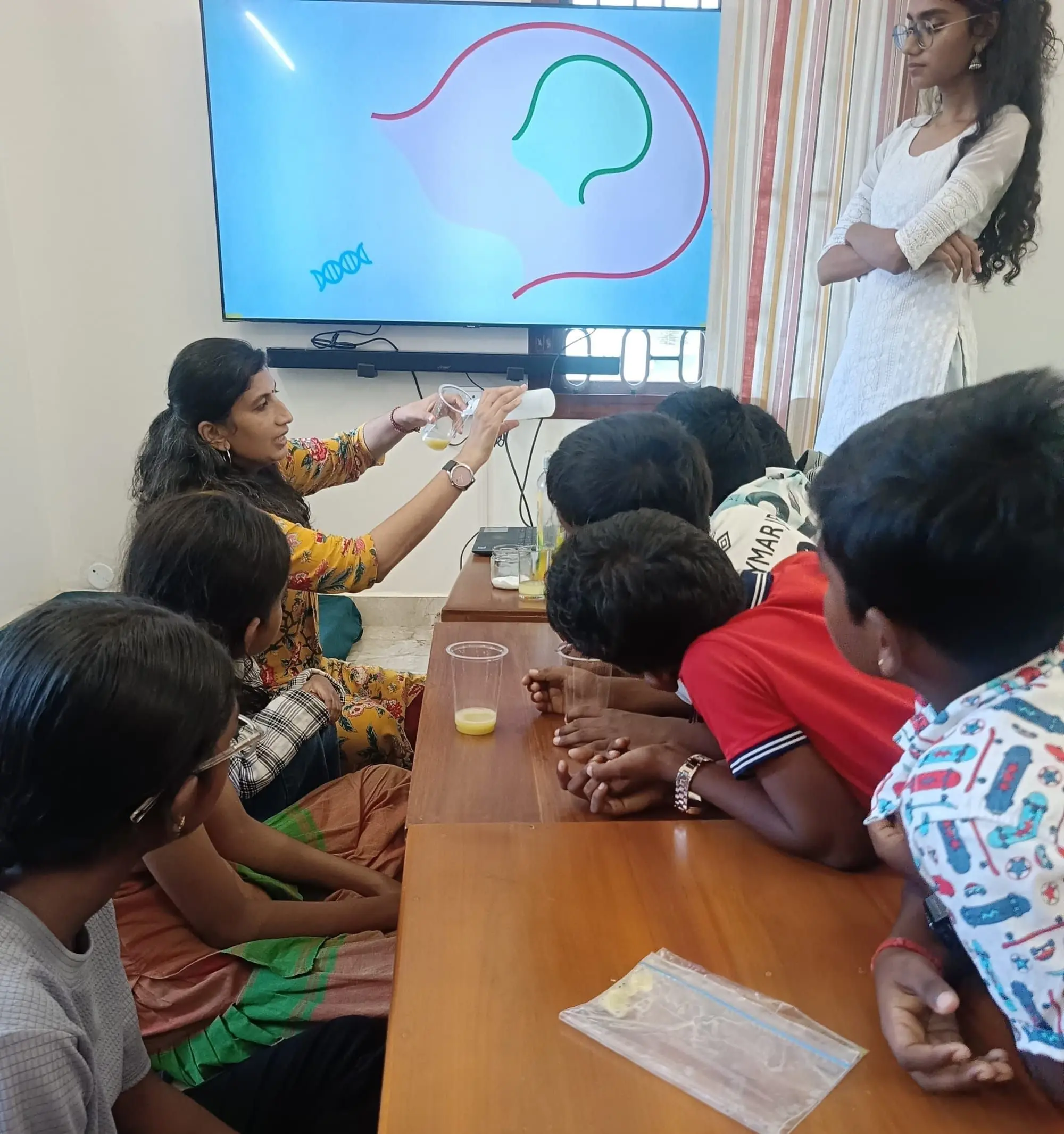
Children pulled DNA out of a kiwi fruit
The science class explored cells and DNA, helping children learn how cells and DNA form living things. Students took part in a hands-on experiment to extract DNA from a kiwi fruit. The activity generated many questions and curiosity. It showed that practical experiments can make science easier to understand and more engaging for children.
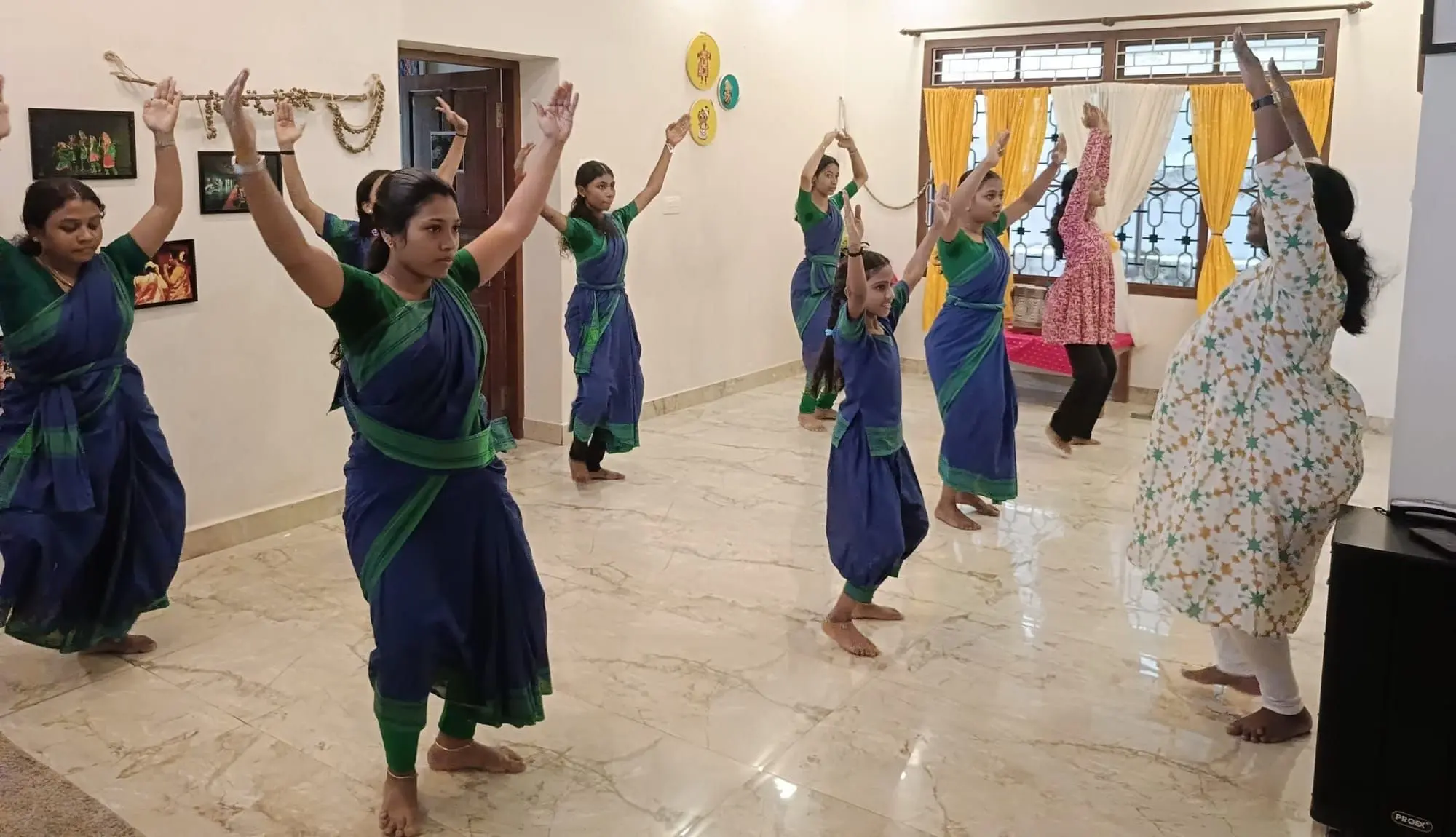
Dancers from different backgrounds practised together
The community dance class took place on March 14, 2024. People from different backgrounds learned and practised dance together. As their confidence grew, many felt more at ease with the movements, expressions and group work.
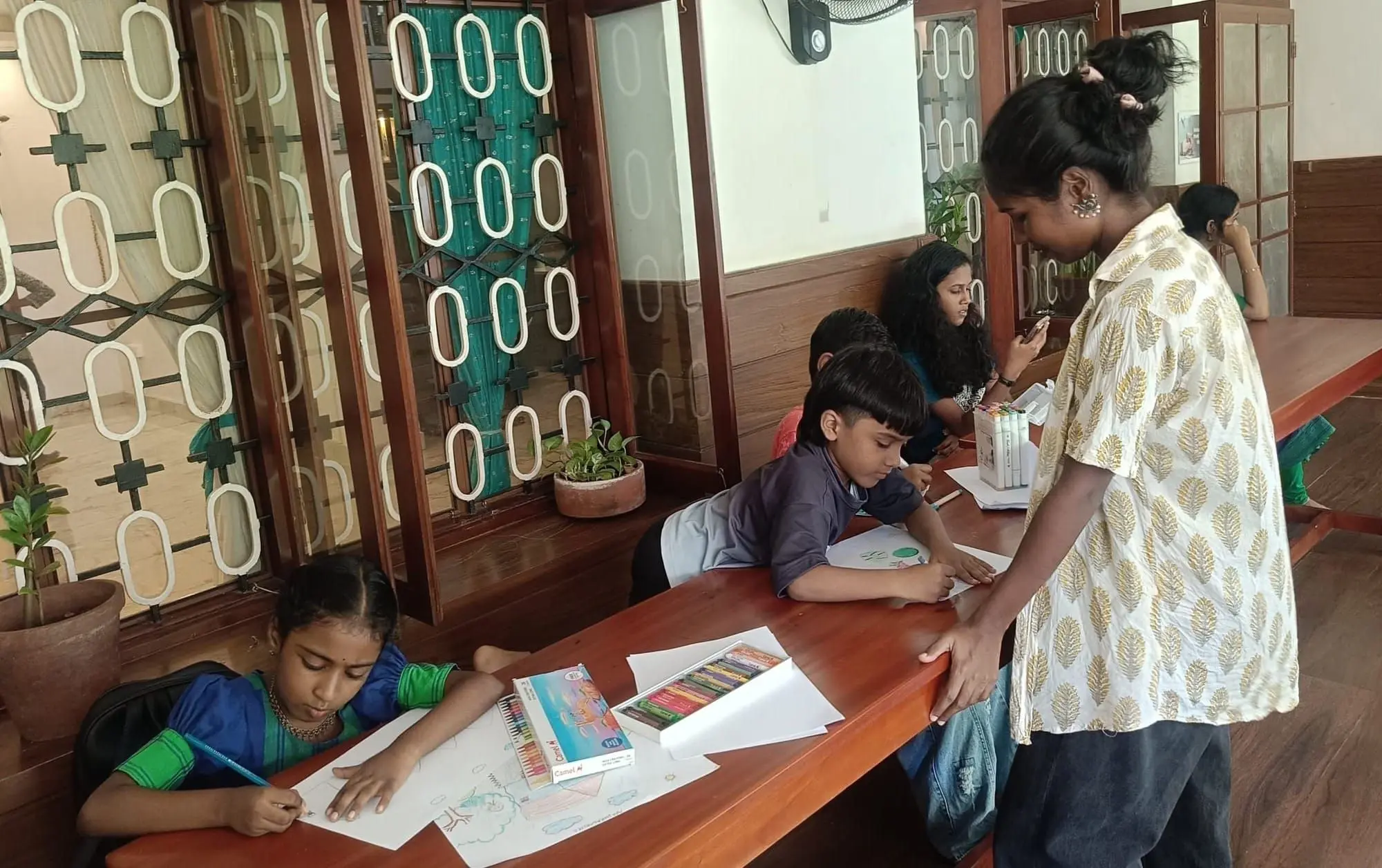
Children drew and made things in the craft session
We ran a craft session for children on July 14, 2024. They drew, made things, and explored ideas. The activity let them be creative and express themselves through art.
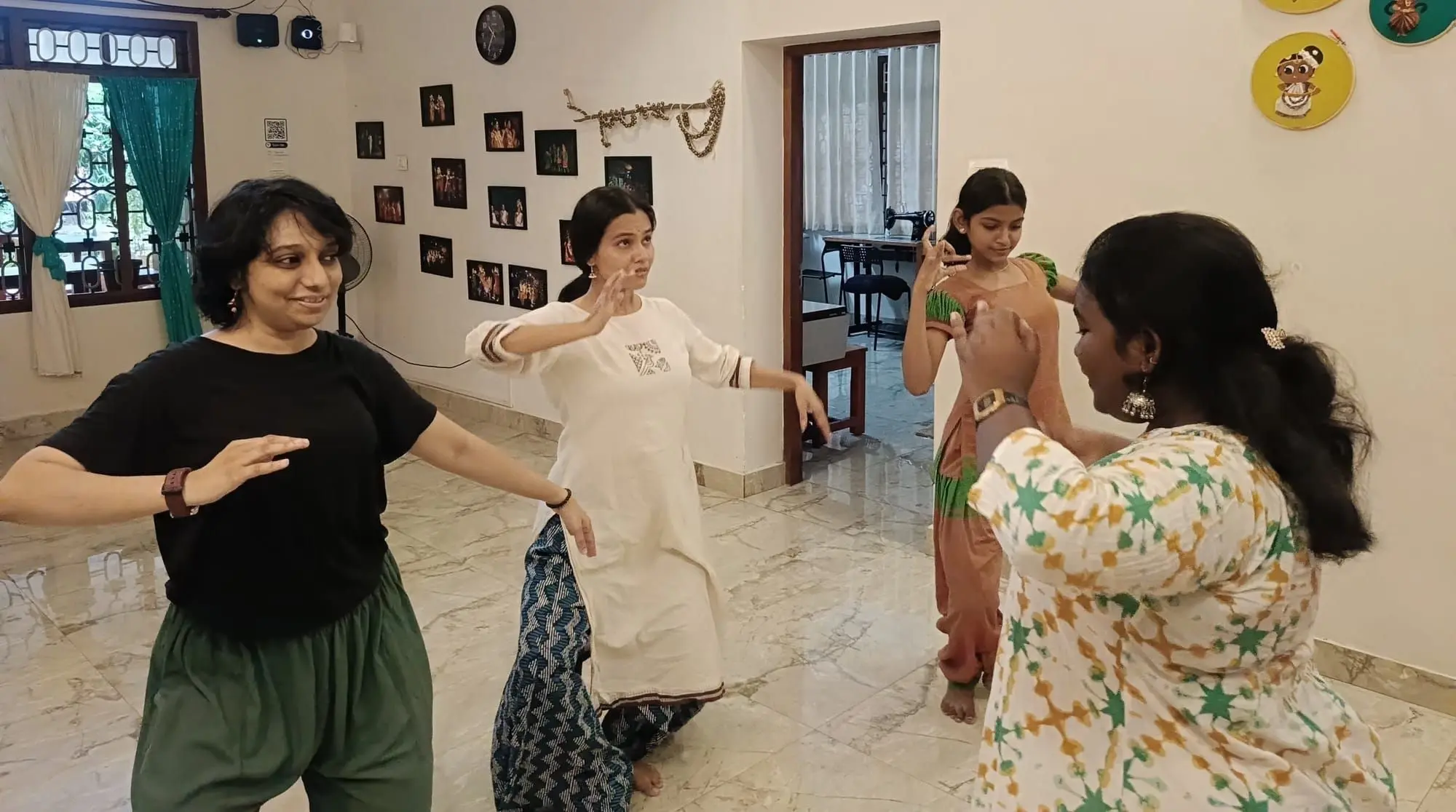
The dance class worked on new movements and expressions
The regular dance class continued. Dancers practised new movements, expressions and co-ordination. They grew more confident and more comfortable with each session. They made steady progress in their learning journey.
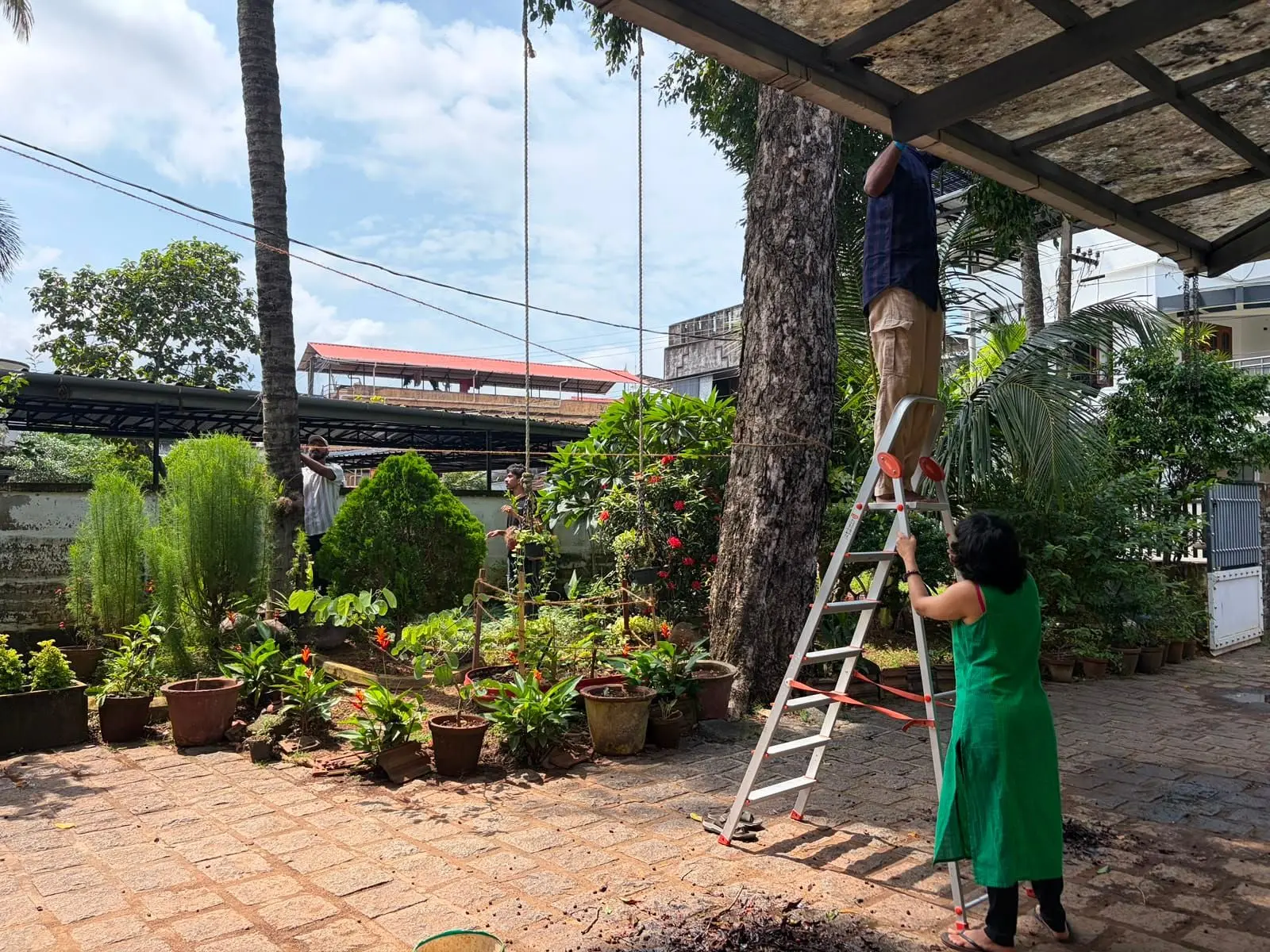
A water leak appeared and its source was not found
We noticed a water leak in the space this morning. It did not stop the day's activities. It reminded us that keeping the place in good condition is hard. We checked the leak but could not find its source. We are still watching it and trying to stop it from getting worse.
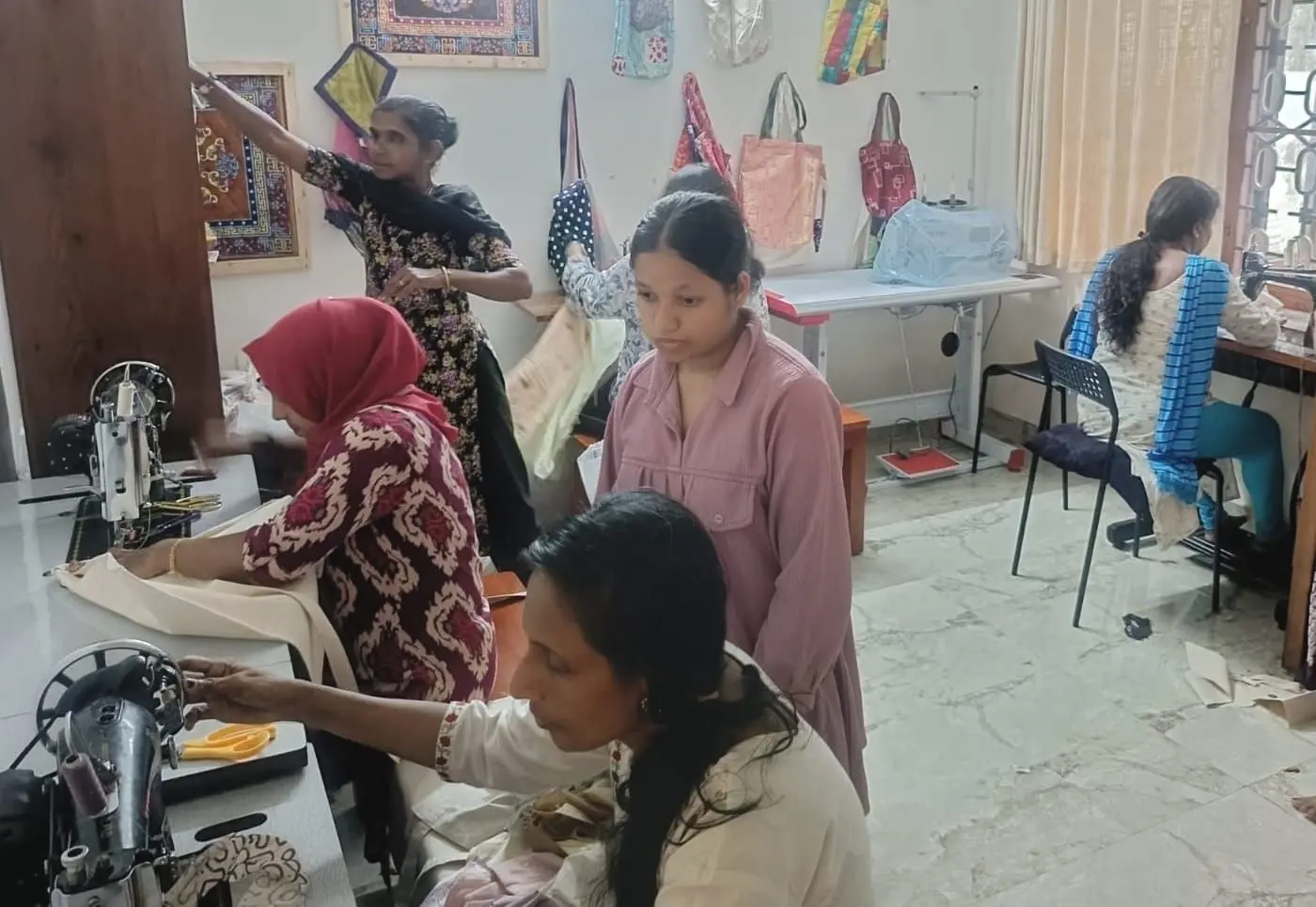
We misunderstood the design brief and made three bags to the wrong design. This caused extra work. We learned a new bag pattern and started talking about checking instructions properly before production. The rest of the second bag order continued as planned.
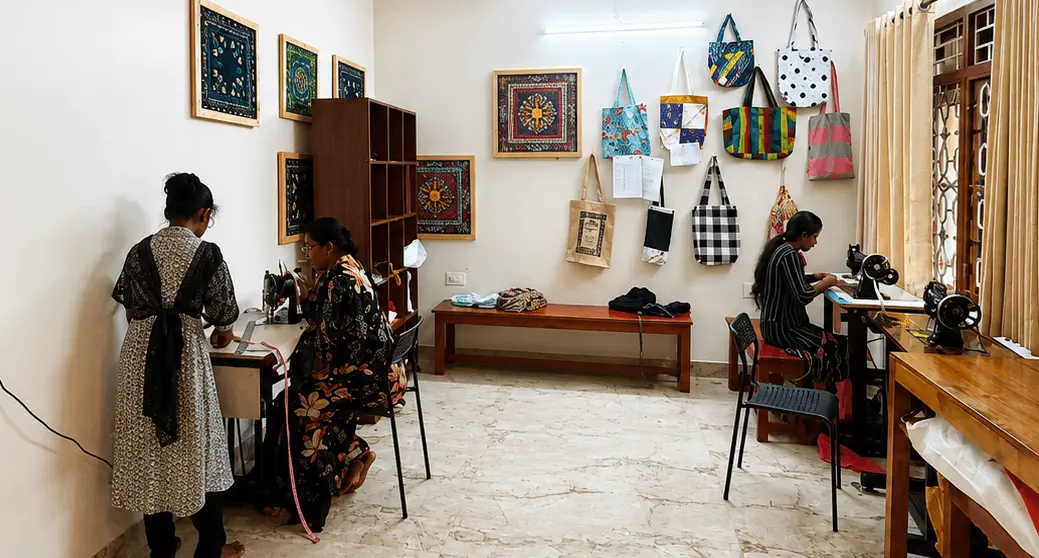
New members practiced while seniors worked the second bag order
New members practiced basic stitching on simple craft items made from fabric cut pieces. They gained a sense of how materials get reused. Senior members continued the second bag order. The session split between learning and production.
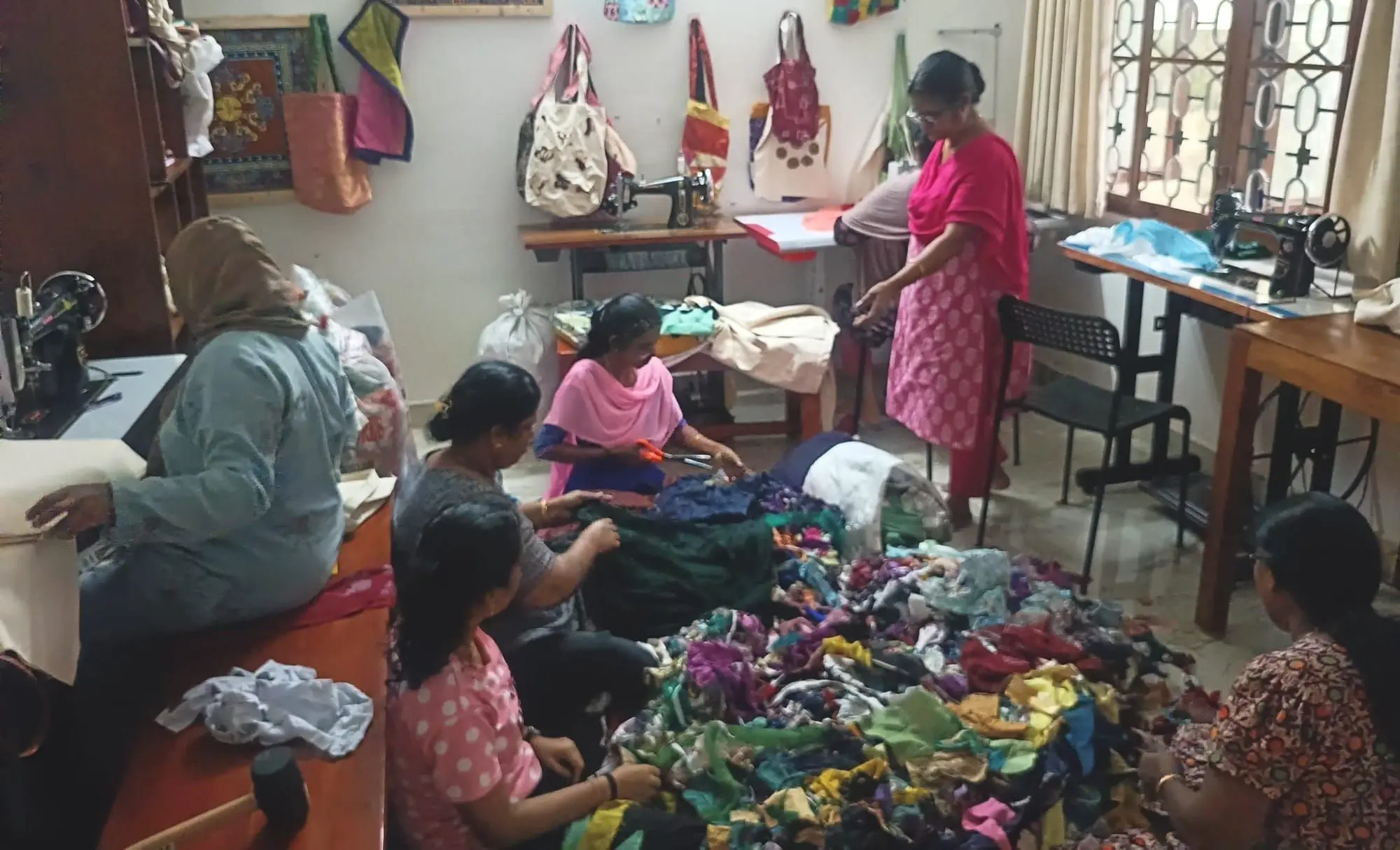
Scraps put to use alongside the second tote batch
The stitching team continued working on the second batch of tote bags. We also looked at how to turn fabric cut pieces into useful products instead of throwing them away. The session focused on reducing waste while creating new learning and livelihood opportunities.
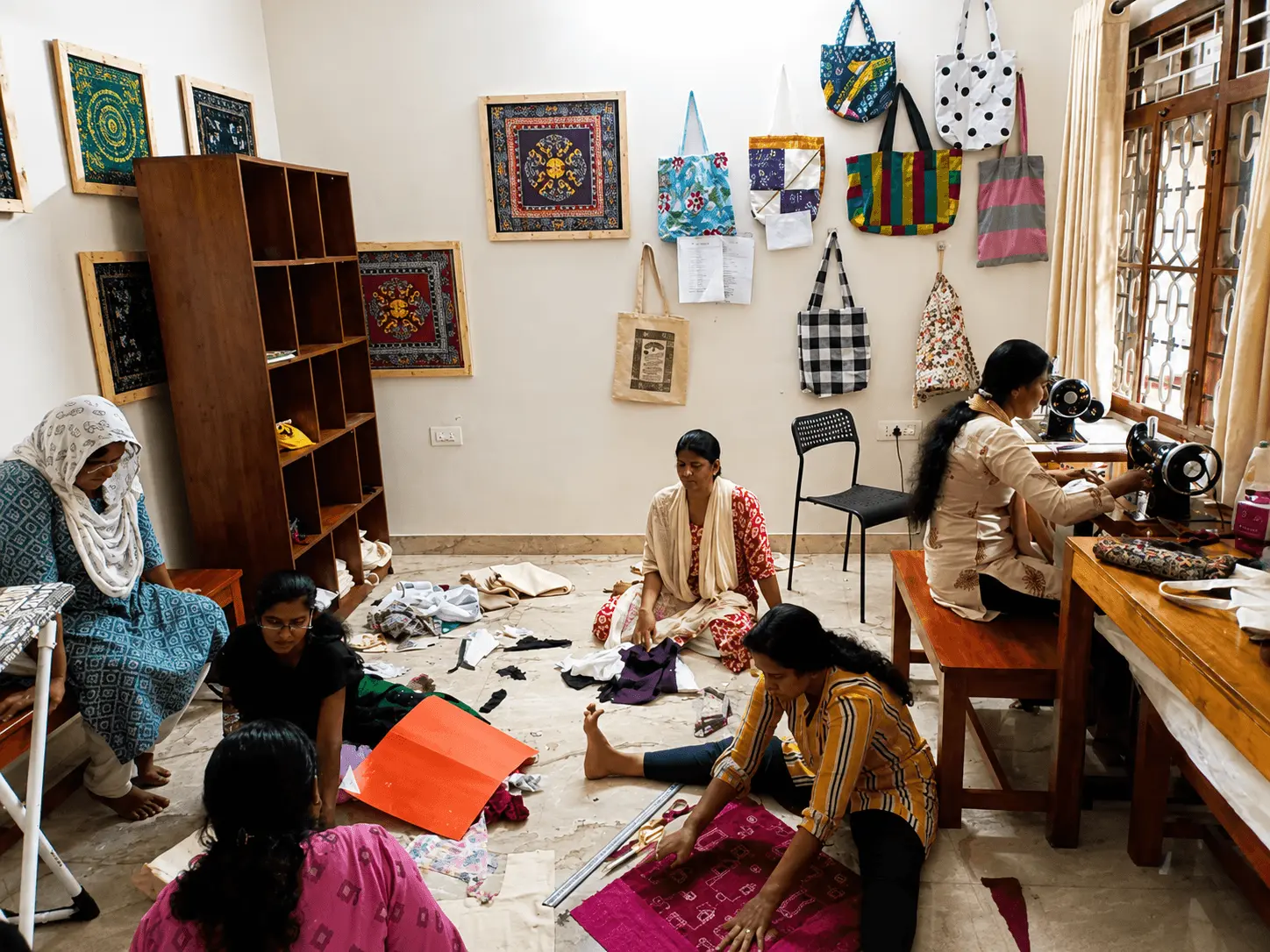
A plastic-free zipper proved hard to find
We found it hard to find a zipper without plastic. Most options had plastic. We kept looking. In the session, we designed a laptop bag and thought about how to pad it for protection.
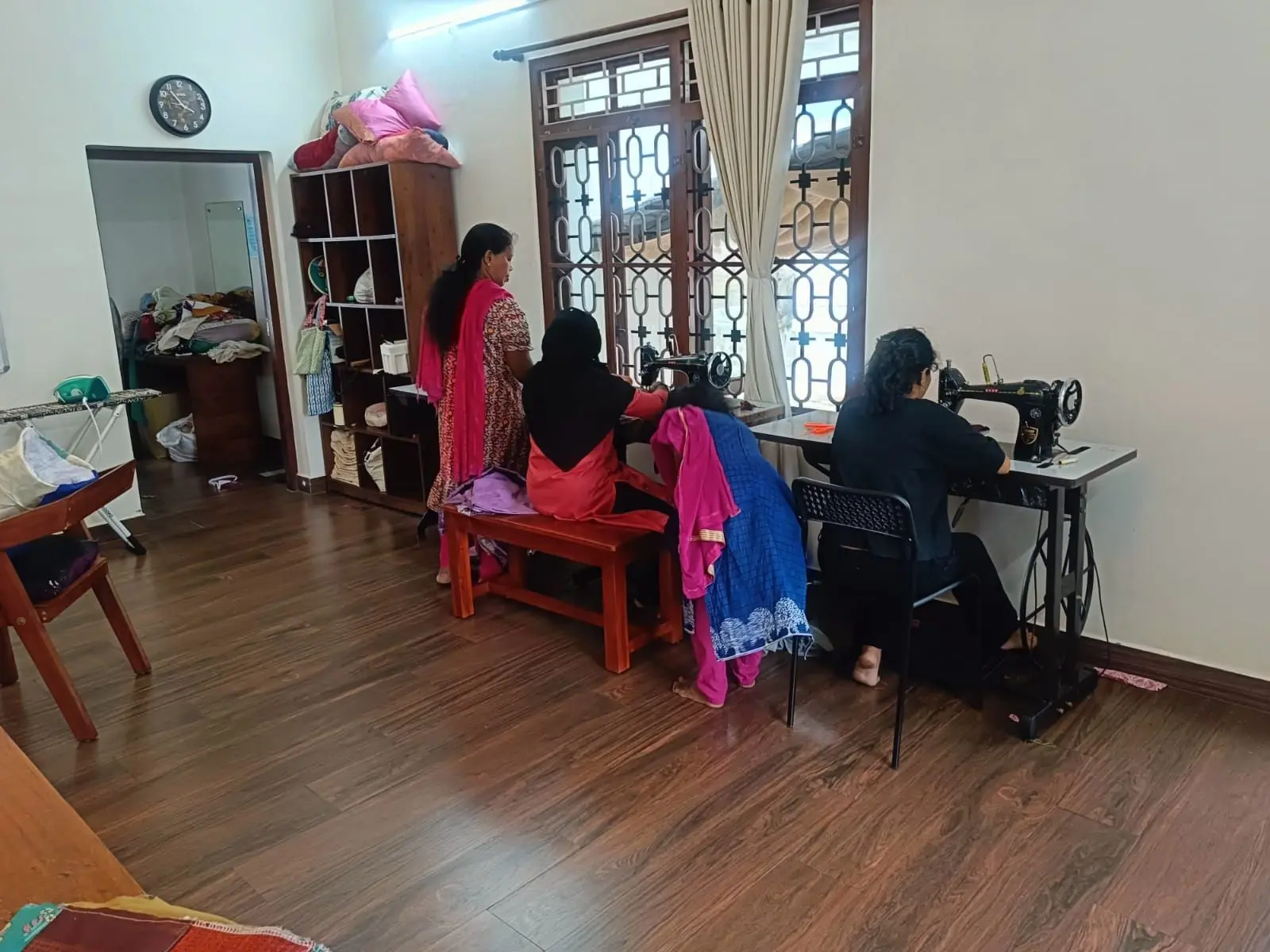
Fever slowed work on the second batch
Meanwhile, we continued working on the second production batch. Some members had a fever and could not attend regularly, so progress was slower than anticipated. Despite this, the session reflected growing interest in the programme and highlighted the importance of planning for continuity when members were unavailable.
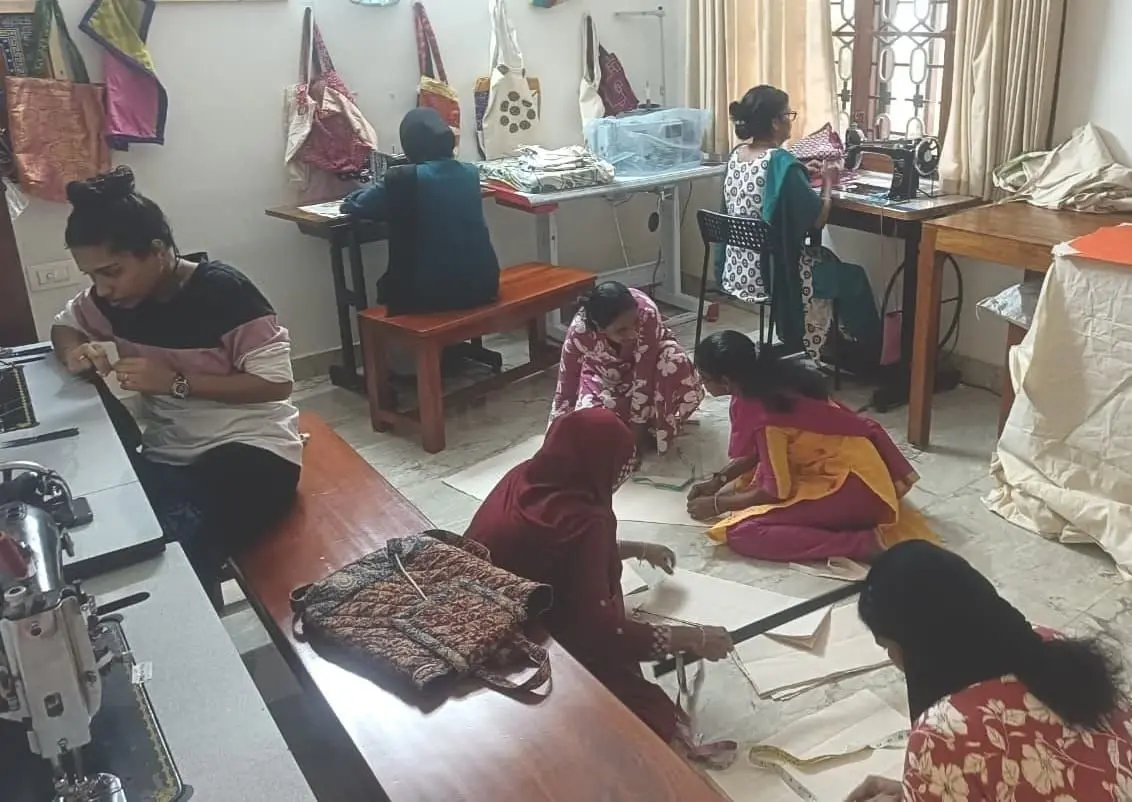
A seventeen-year-old joined the stitching class on her vacation
A 17-year-old student joined the stitching session during her vacation to learn stitching skills. Existing members supported and guided her as she took her first steps in learning the craft.
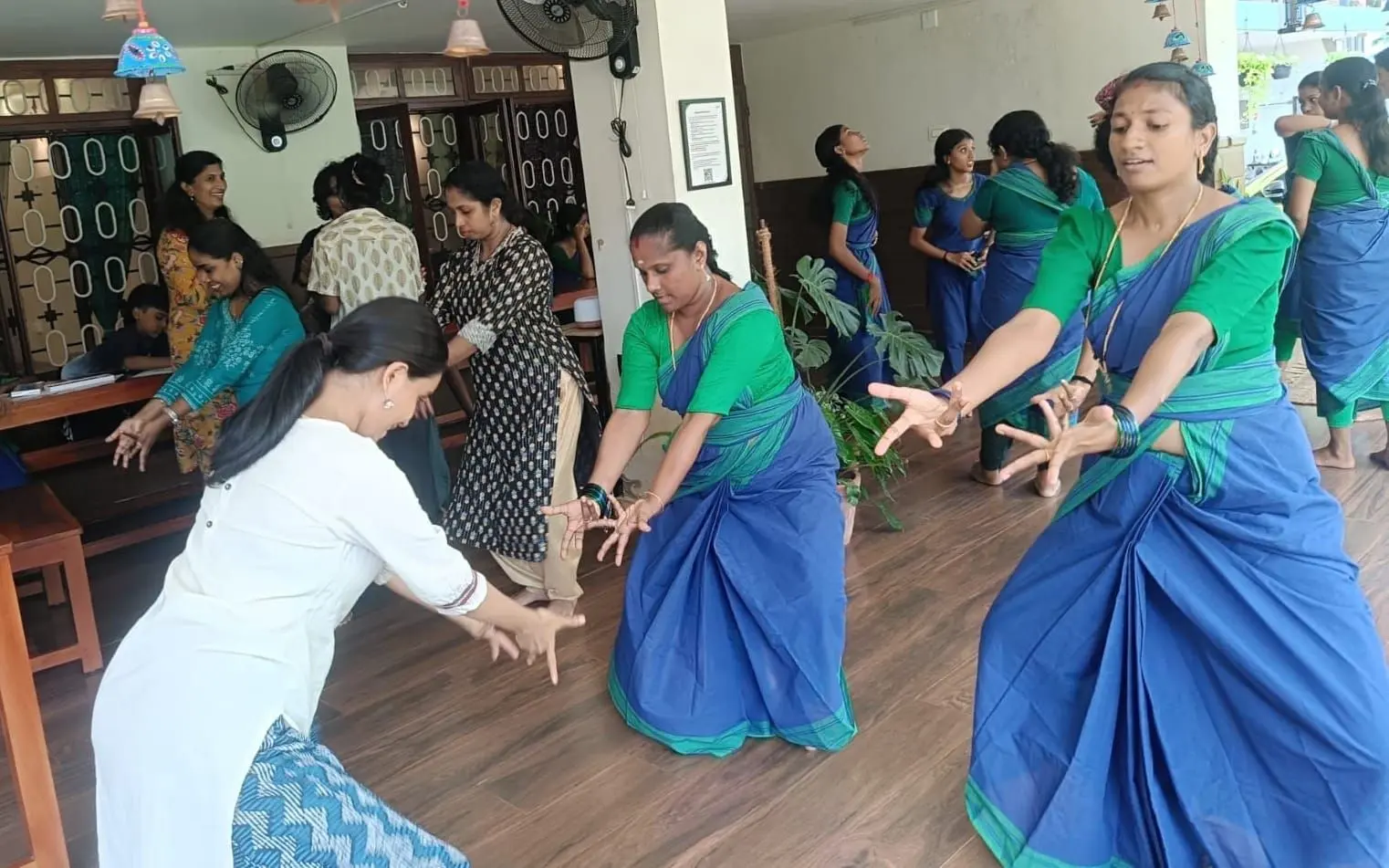
New steps learned at the community dance class
The community dance class went on with enthusiasm. Dancers learned new steps. They practised together.
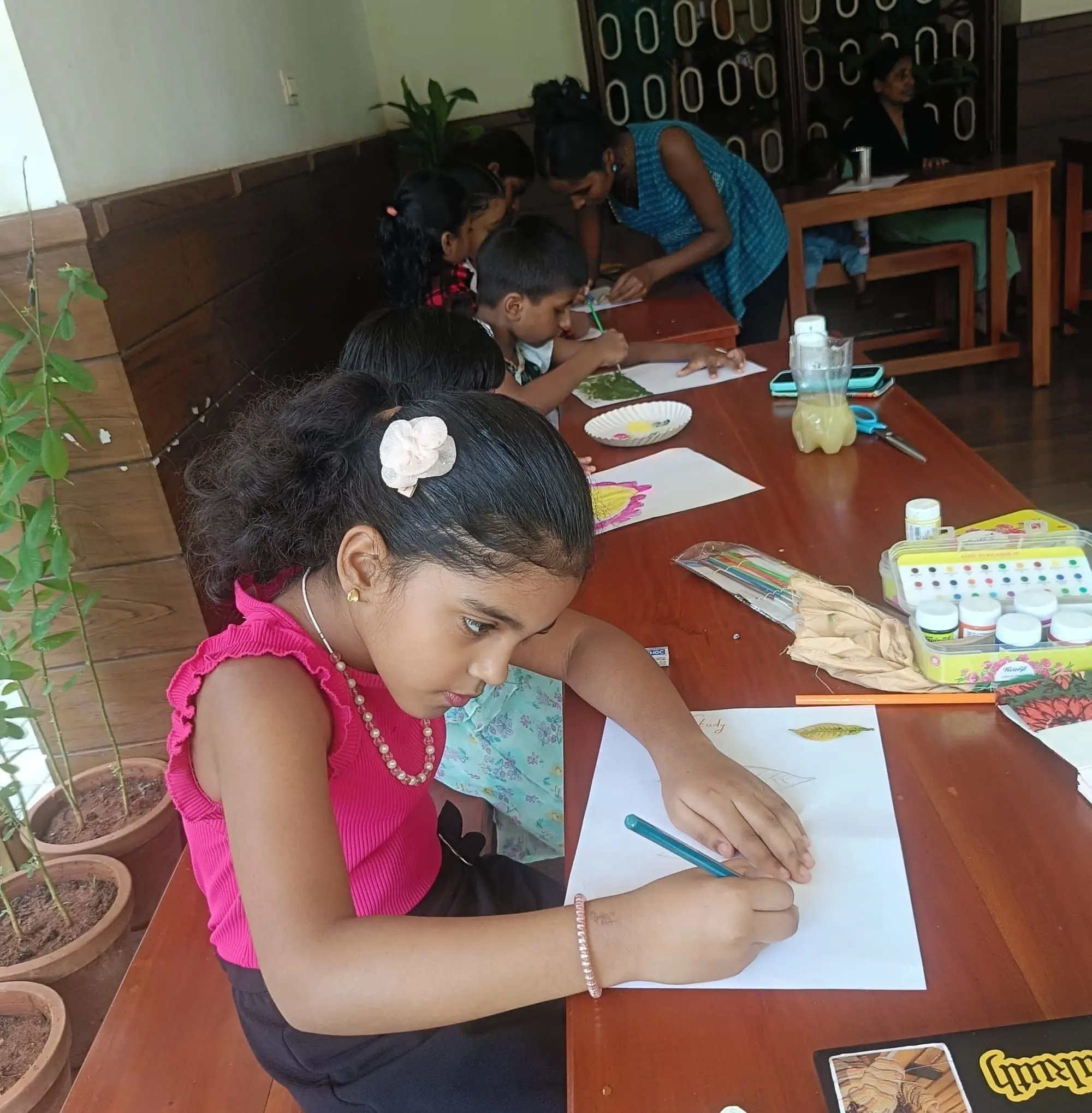
Another day of craft with new ideas and materials
The children did craft activities. They tried new ideas, materials and designs.
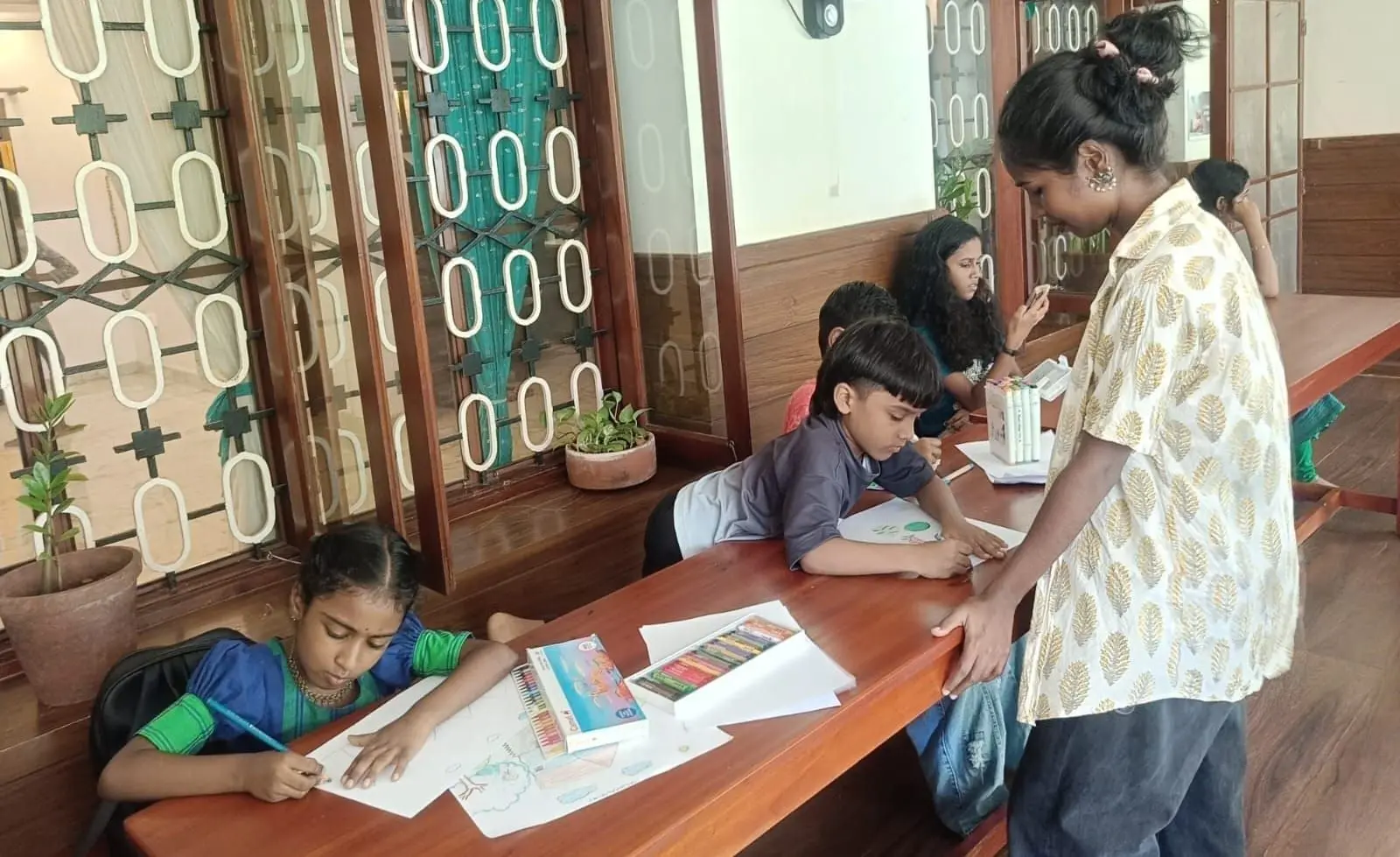
The children keep building skills and discipline
The children keep building their skills and discipline through regular practice.
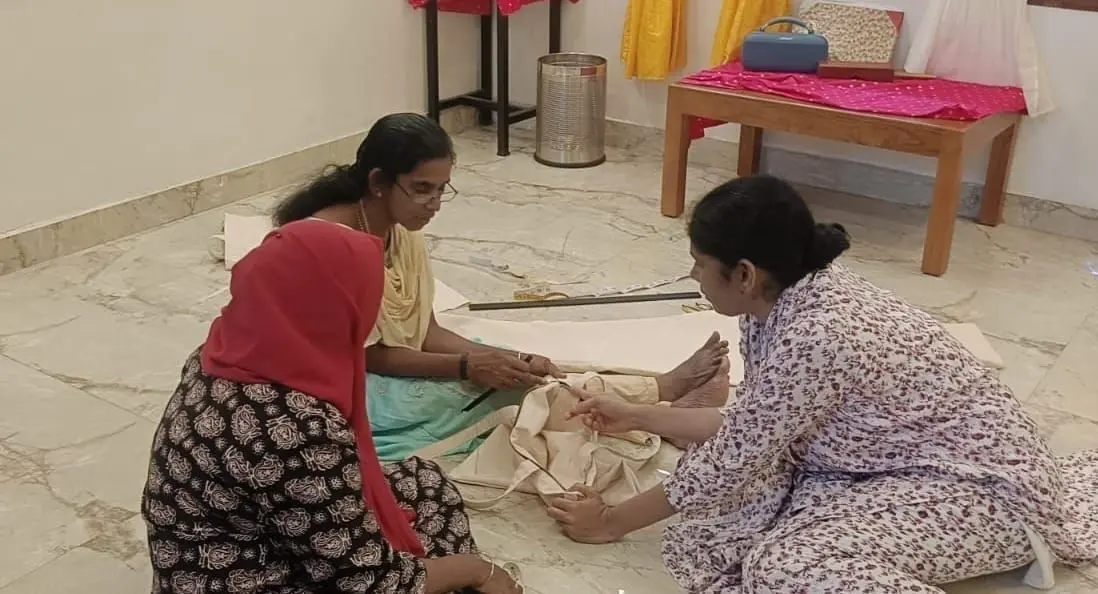
The second production order got under way
The stitching team started work on their second production order. The team was more confident than in the first batch. They took more charge of checking quality and planning the work. The work showed the group what real-world products offer. It also showed what makes them hard.
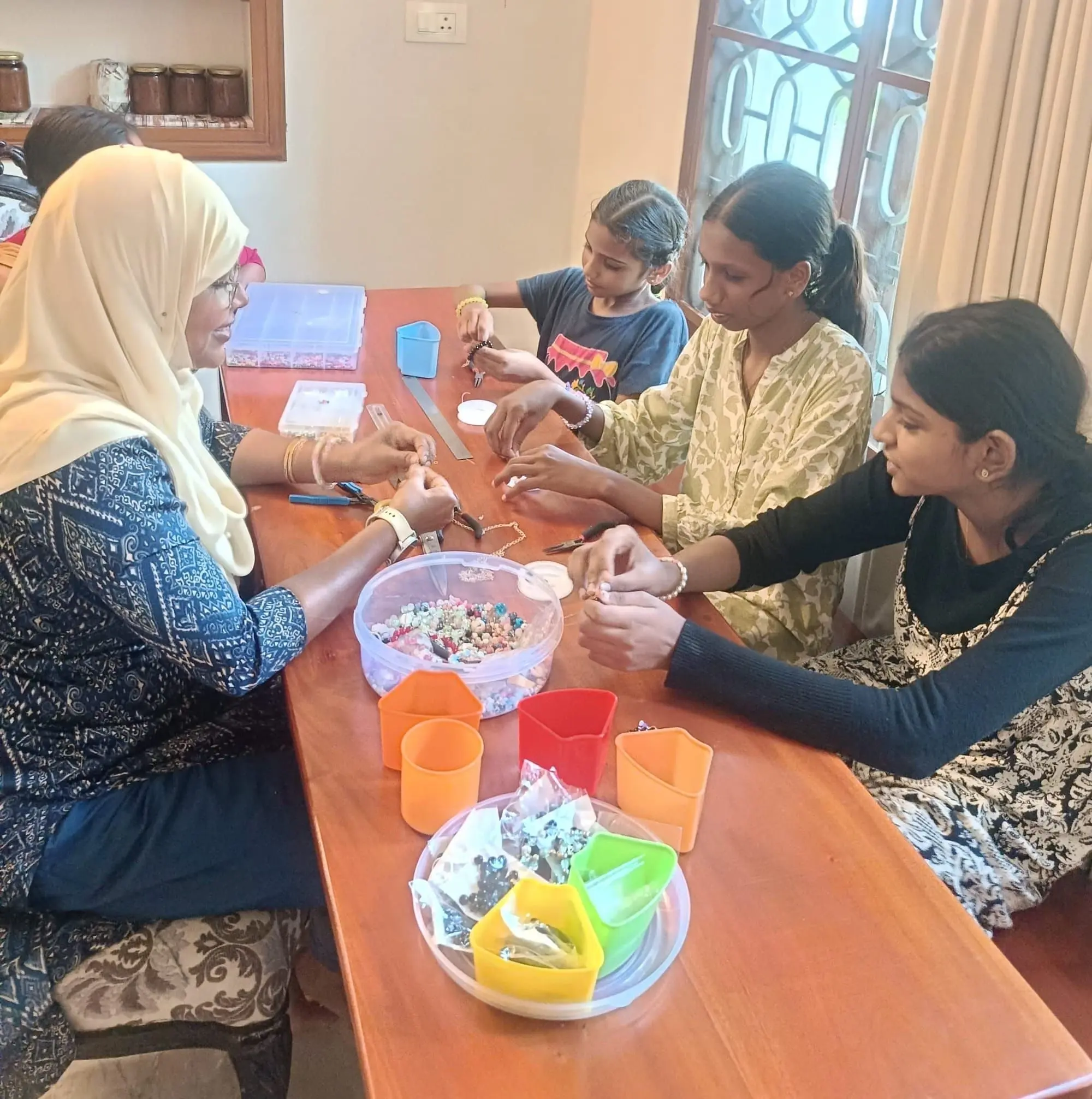
Beading class introduced a possible livelihood
Children took part in a beading class. They learned basic techniques and enjoyed the creative process. The class introduced the idea that these skills could become a livelihood for anyone interested in developing them further.
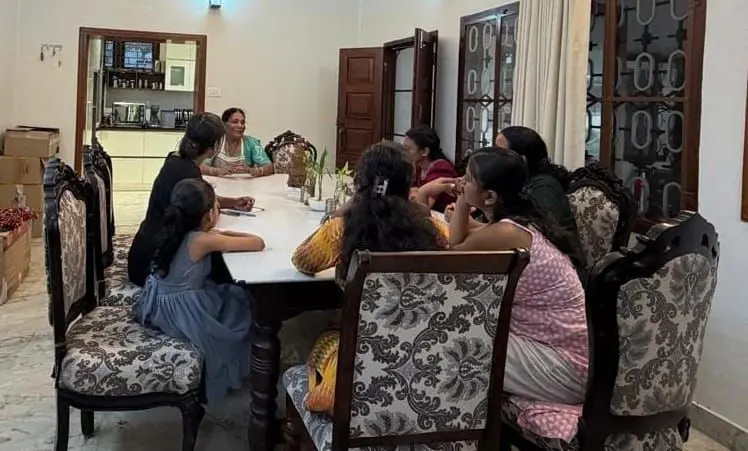
A trial cooking session tested a future paid experience
We ran a trial cooking session at aikyam space on March 14, 2024, to plan future paid experiences. The cooking went well, but we realised a good visitor experience needs more than just cooking. We discussed preparation and storytelling. We also covered how to talk to participants, how to give clear instructions and how to make sure guests have a good time.
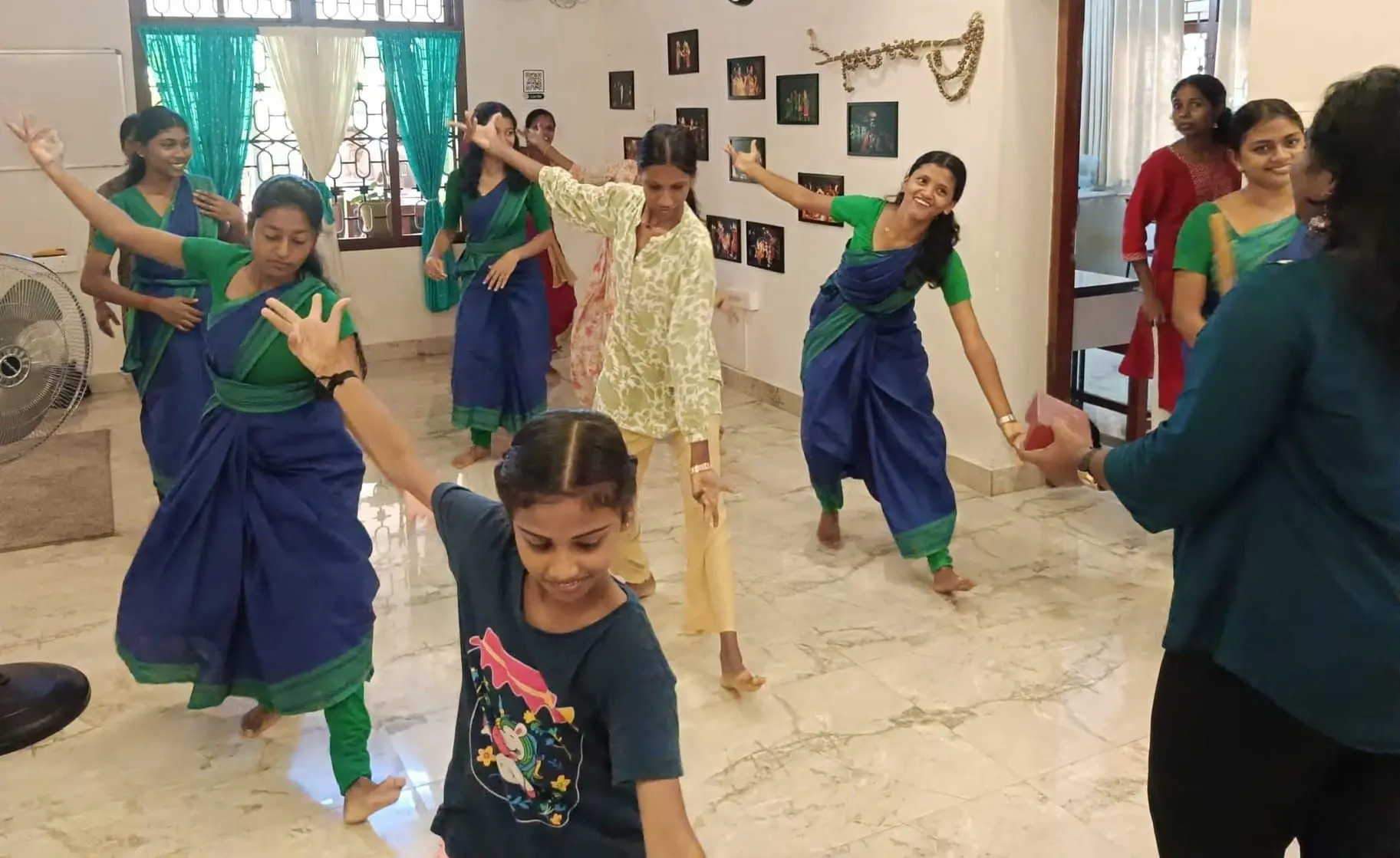
The adult batch started coming in dance uniforms
The adult dance batch started attending classes in their dance uniforms on March 14, 2024. We moved them to the next level of training. This shows their dedication.
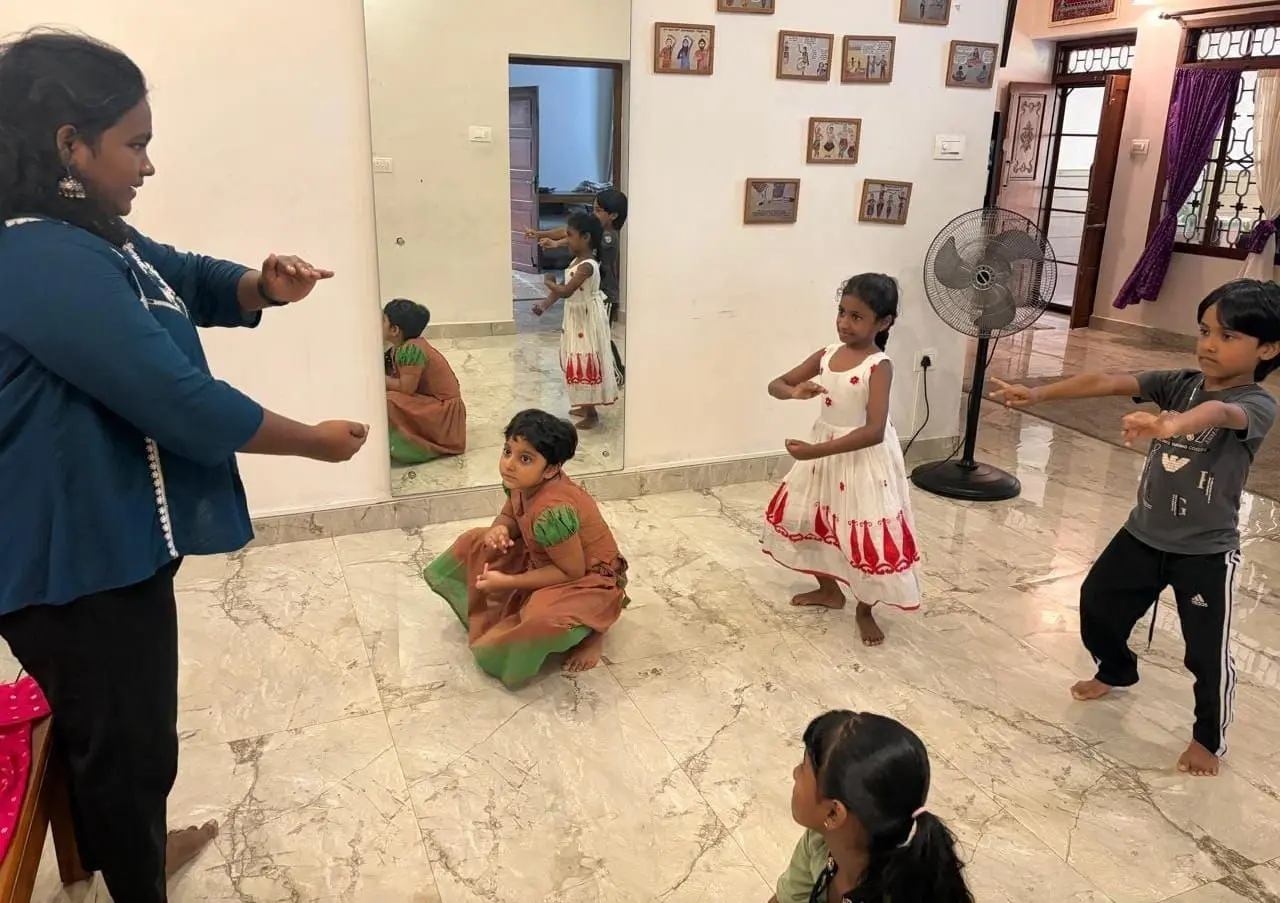
The children dance with more confidence than when they started
The children continued to make good progress in their dance classes. They were more confident, coordinated, and comfortable performing different steps than when they started. Regular practice helped them grow in both skill and confidence.
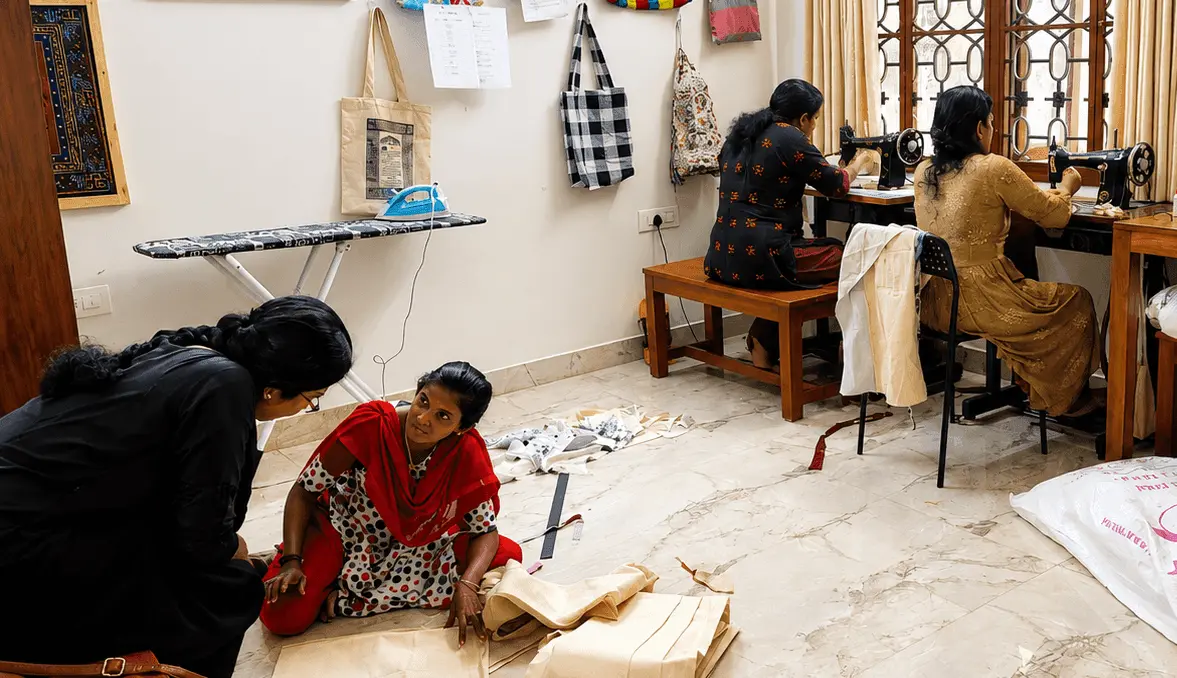
Canvas samples tested shapes and sizes for a buyer
We tested sample bags in canvas cloth for a buyer. We checked shapes, sizes and construction against their requirements. The exercise showed us what we needed to improve before production started.
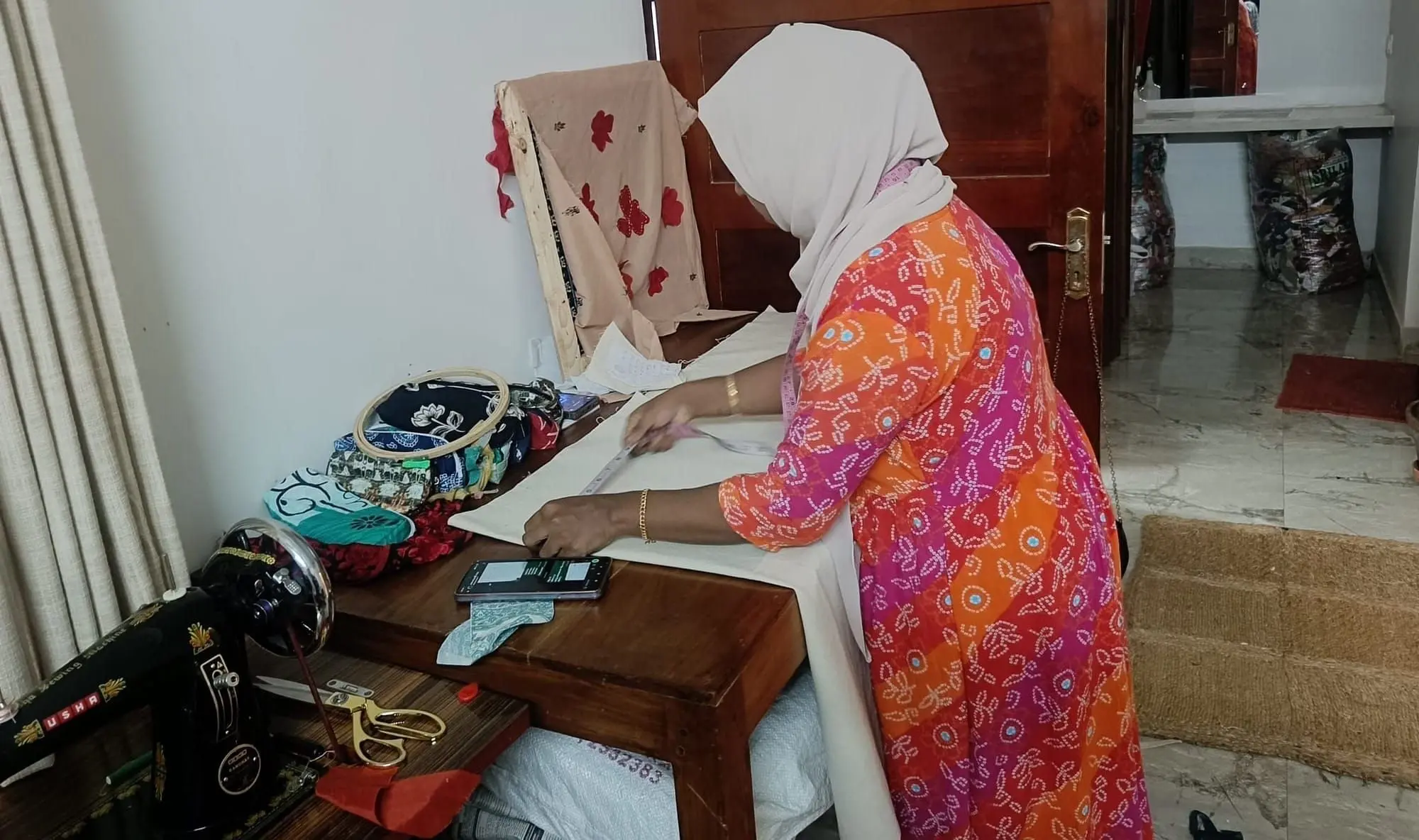
A second tote bag order has begun
We finished the first batch of tote bags and started a second order. We are handling this new order with more confidence. We learned from the first batch. We are committed to quality and teamwork.
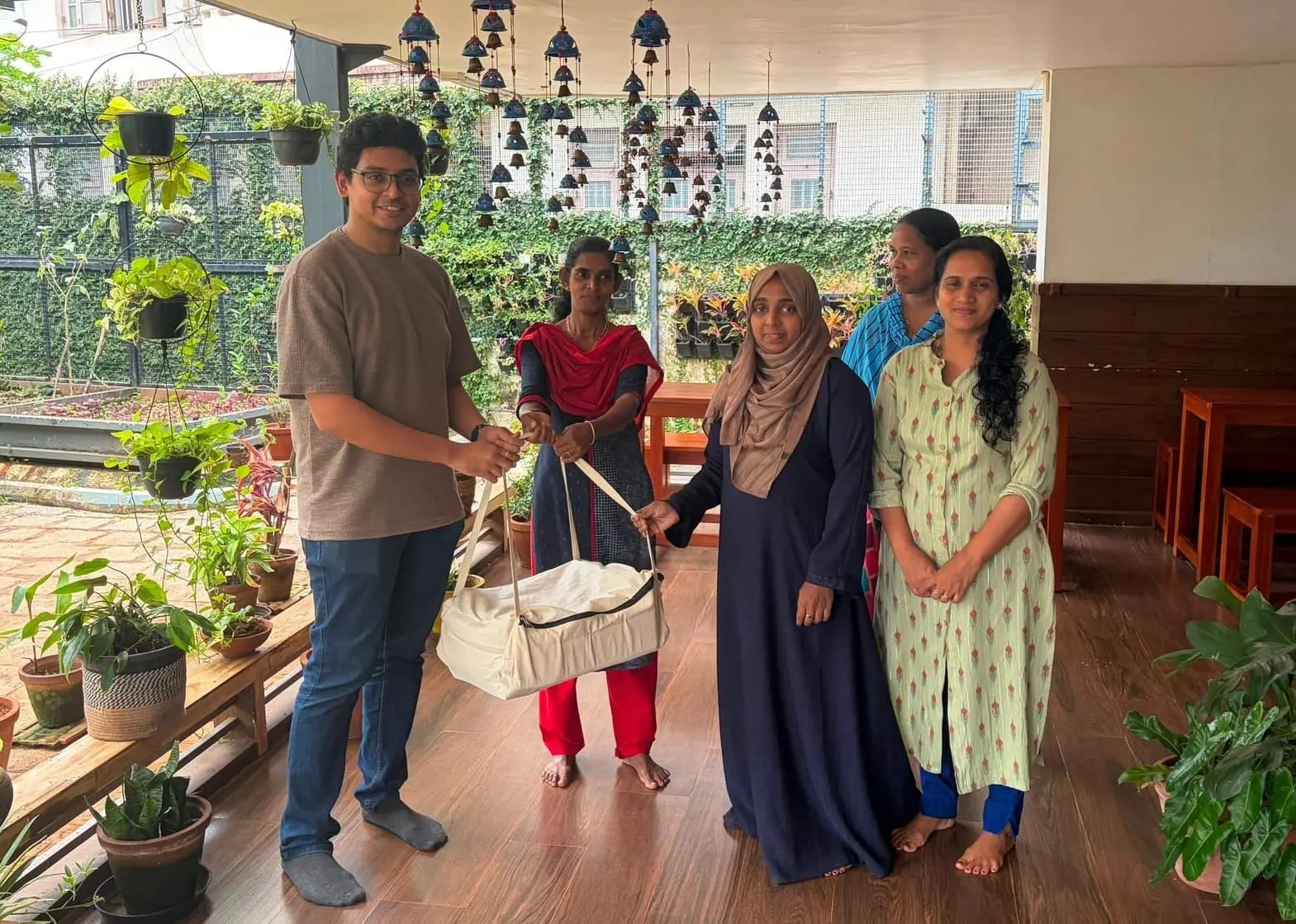
The first fifteen bags went to FOSS United
The Stitching Club completed its first batch of 15 tote bags, a major milestone for the club. The club handed the bags to Siddharth Shivkumar from FOSS United. The handover celebrated the collective effort of everyone who contributed.
Fifteen tote bags are ready to hand over
Fifteen tote bags are ready to hand over. The stitching team is getting ready to hand over its first batch of 15 tote bags. From fabric cutting and stitching to finishing and quality checks, the participants did every step themselves. This is definitely an exciting step in their learning and livelihood.
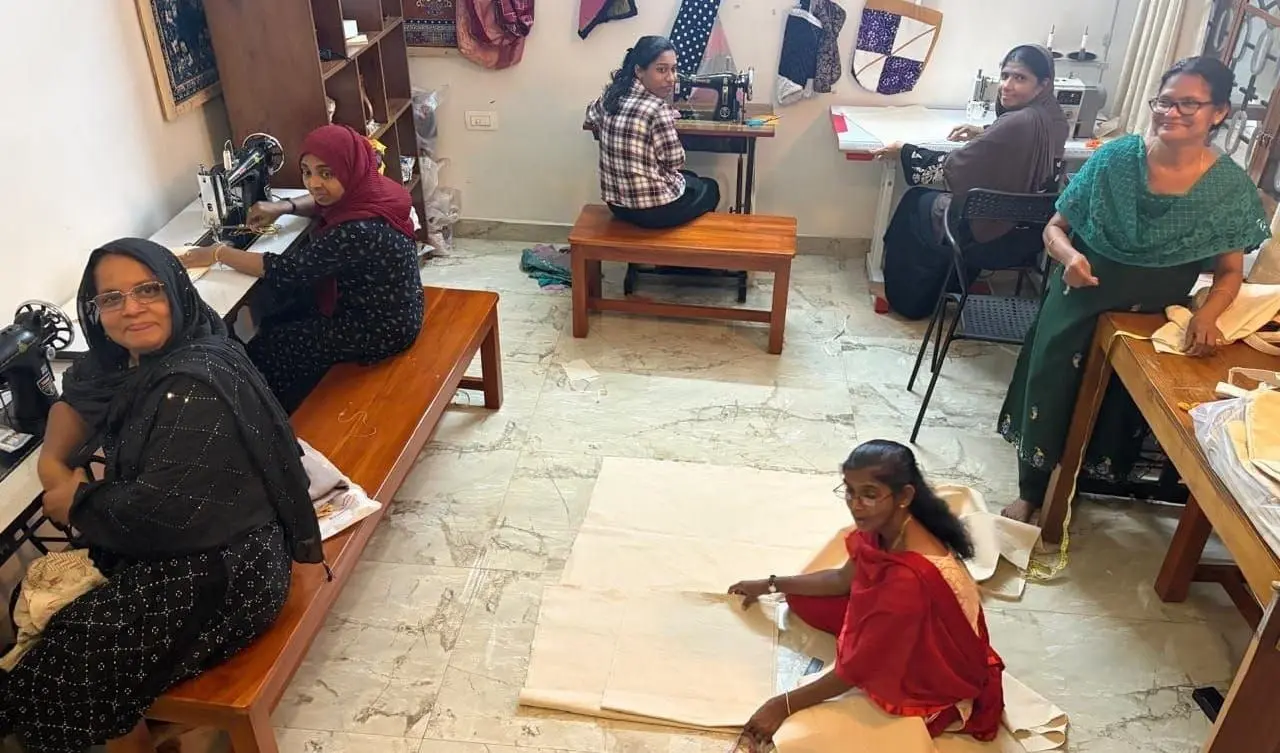
Roles split across measuring, cutting, stitching and finishing
The stitching group continued working together on bag production. Participants measured, cut, stitched and finished the bags. We improved our skills through teamwork and regular practice while preparing products for customer orders.
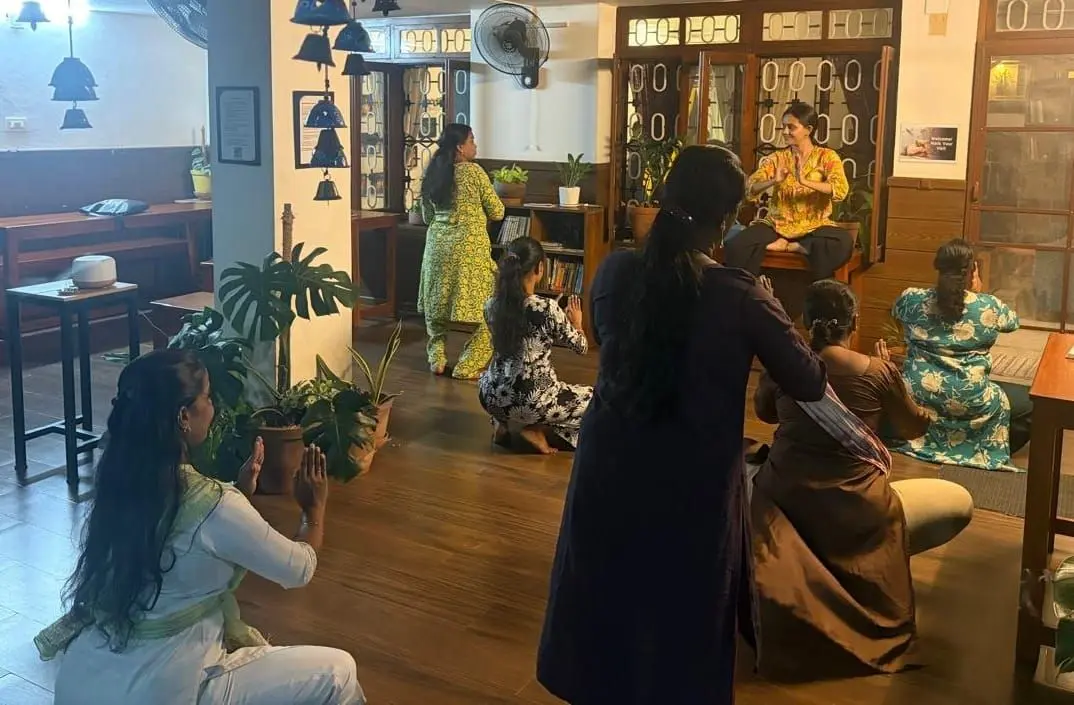
Dancers built on steps learned in earlier sessions
Students returned to dance practice on March 14, 2024. They worked on new steps and revised old ones. We saw them improve in coordination, rhythm and confidence. They seemed to enjoy it.
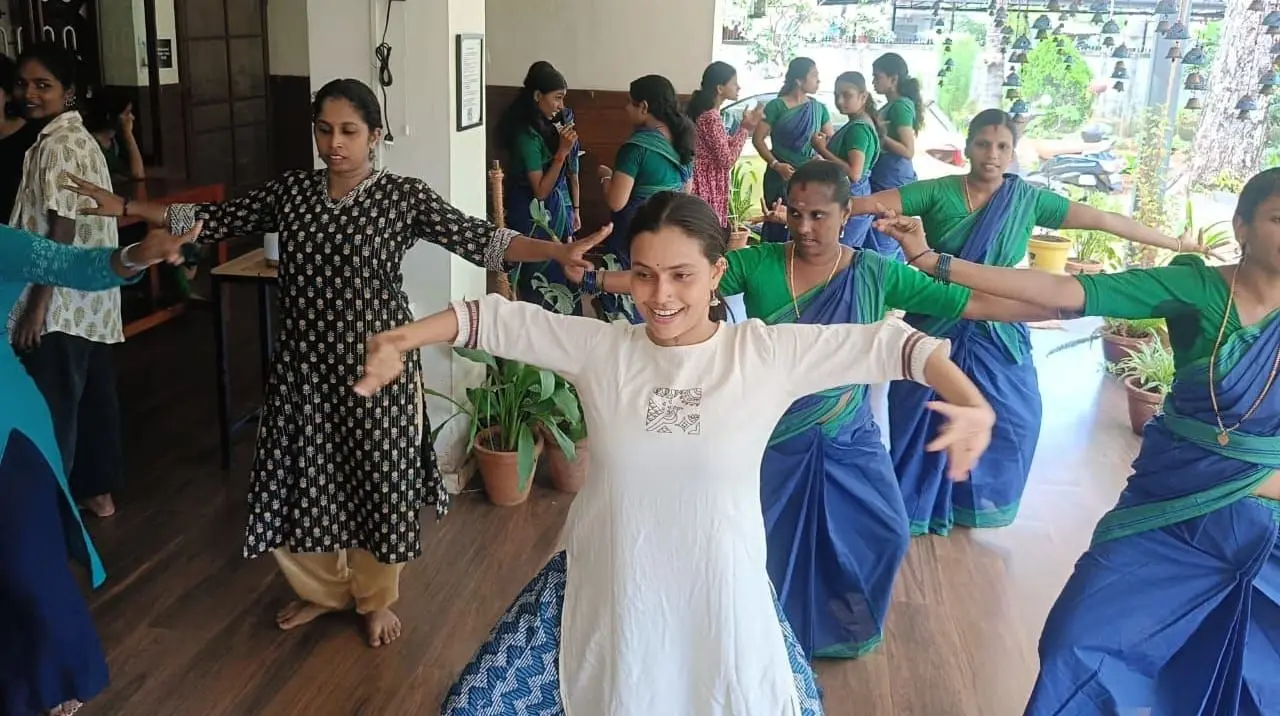
Another dance session spent on movement and expression
Students gathered for another dance session on March 14, 2024. We spent time refining movements, rhythm and expressions. Through regular practice and shared enthusiasm, we became more confident performers while enjoying the connection and teamwork that dance brings.
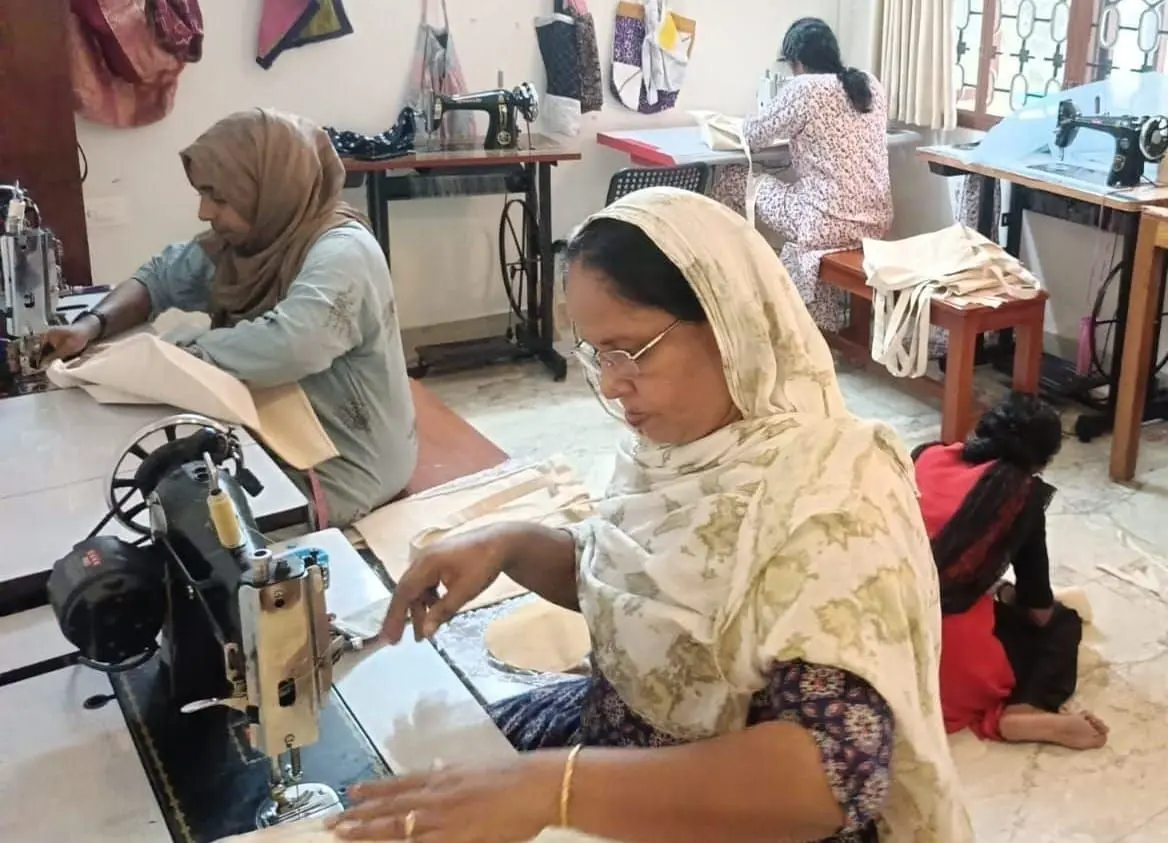
Bag production continues with a team for each stage
Bag production continues, with a team for each stage. The stitching team continued making bags on March 14, 2024. We cut, stitched, finished and checked the quality of each bag. We worked together and supported each other. We built confidence, strengthened skills and gained experience from customer orders.
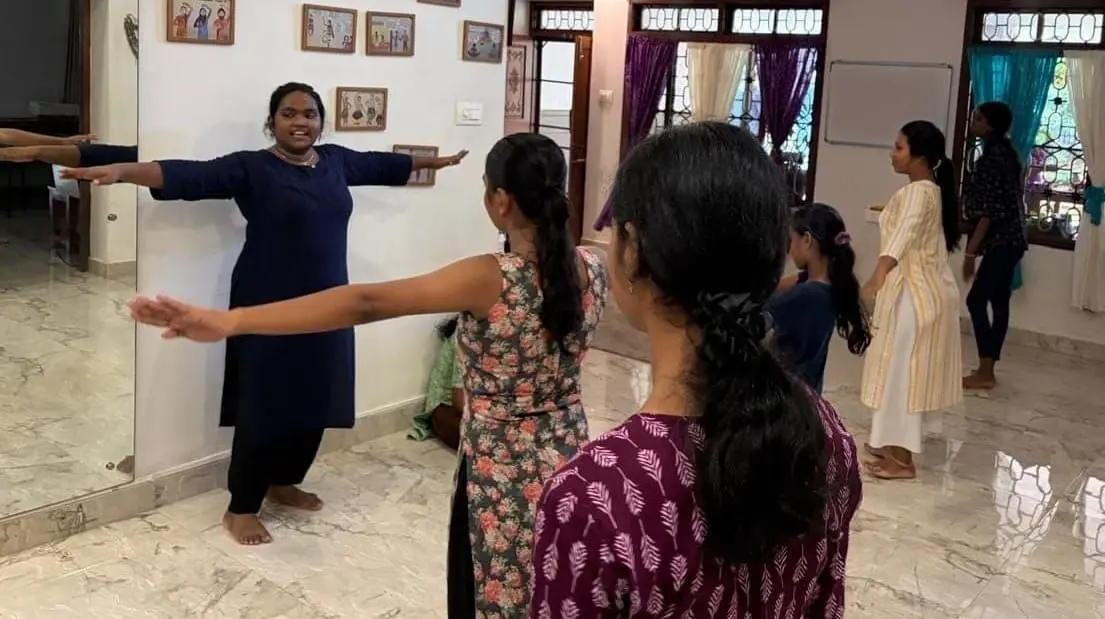
The young dancers worked on co-ordination and rhythm
The young dancers kept working on their co-ordination, rhythm and expression. They did this with regular practice and gentle help. The sessions helped them build confidence. They enjoyed moving and learning together.
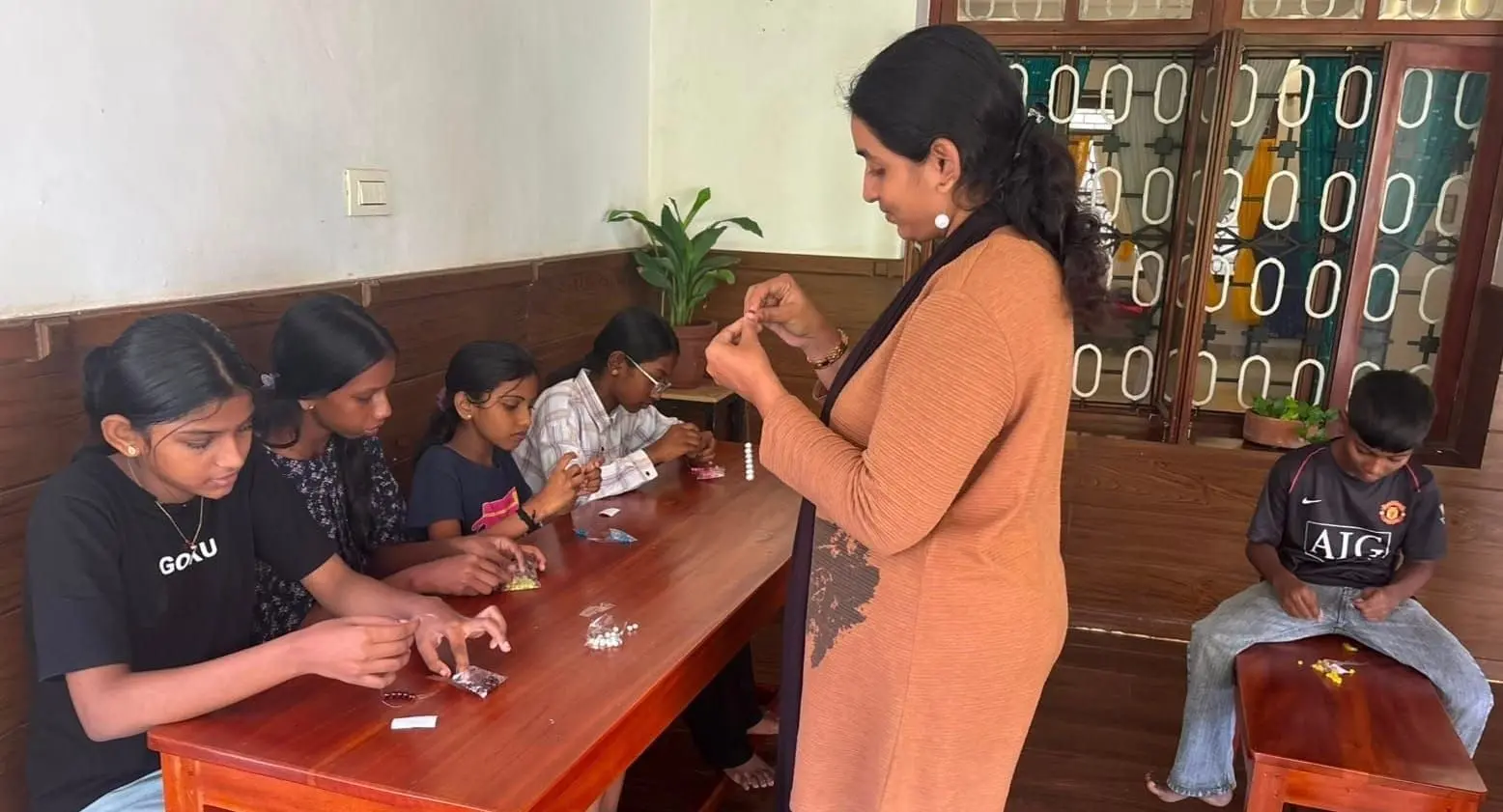
Children learned beading patterns and techniques
On March 14, 2024, we ran a beading session for children. We showed them different patterns, colours, and techniques. The children made their own creations and practised concentration, creativity, and fine motor skills. They also expressed their own ideas.
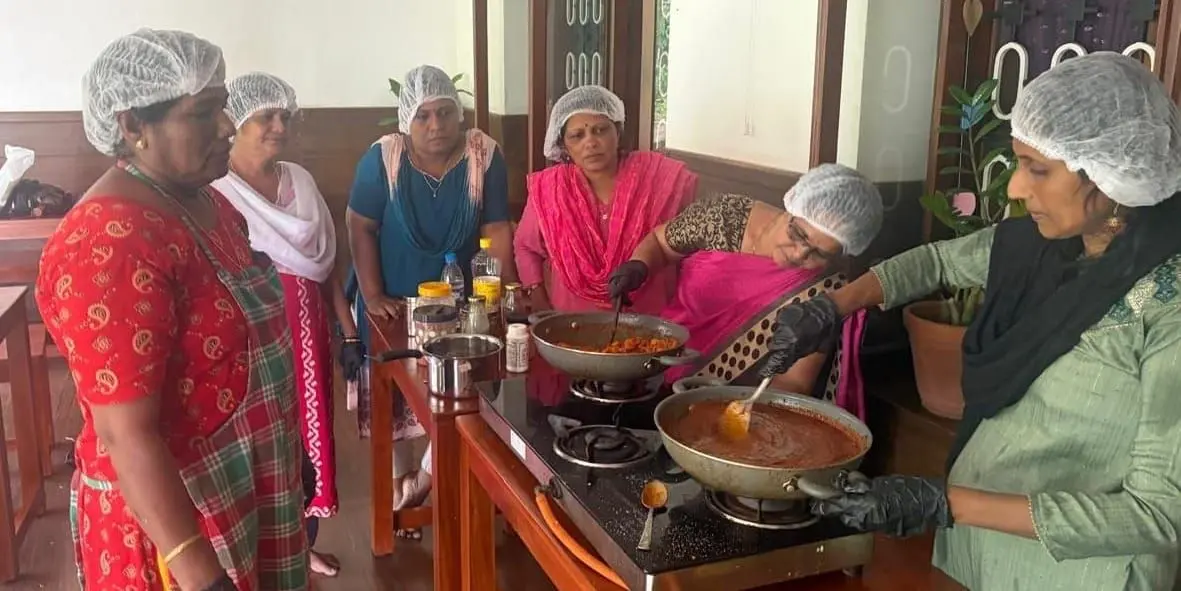
The cooking club made prawn pickle together
Members of the cooking club met to make prawn pickle. They exchanged tips and stories. There was plenty of laughter. The session was lively. It celebrated cooking skills and the value of learning from one another.
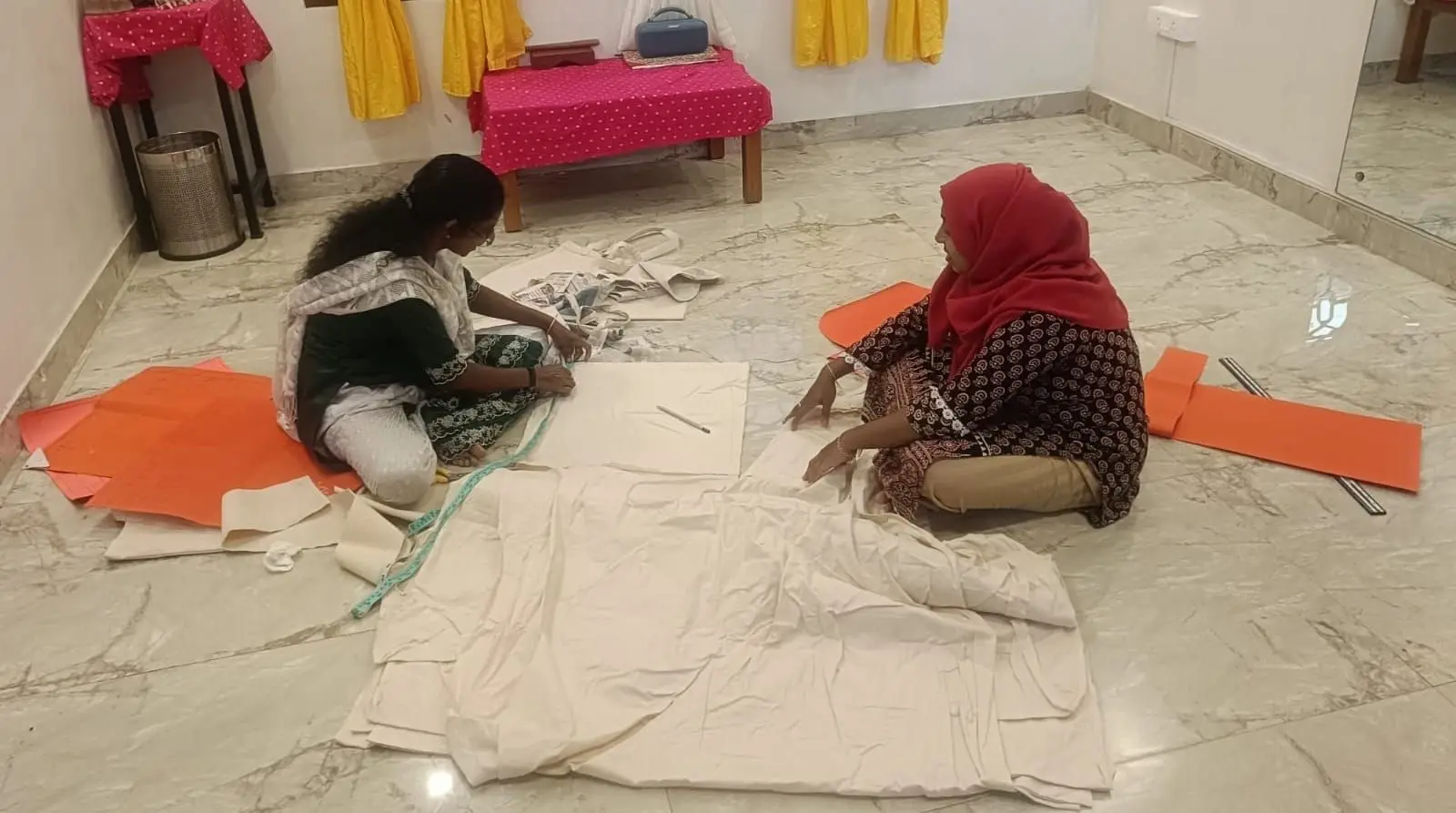
Work continued on the club's first customer order
The stitching team continued work on their first customer order. They put each piece together with care. Members learned by doing. They built confidence through teamwork.
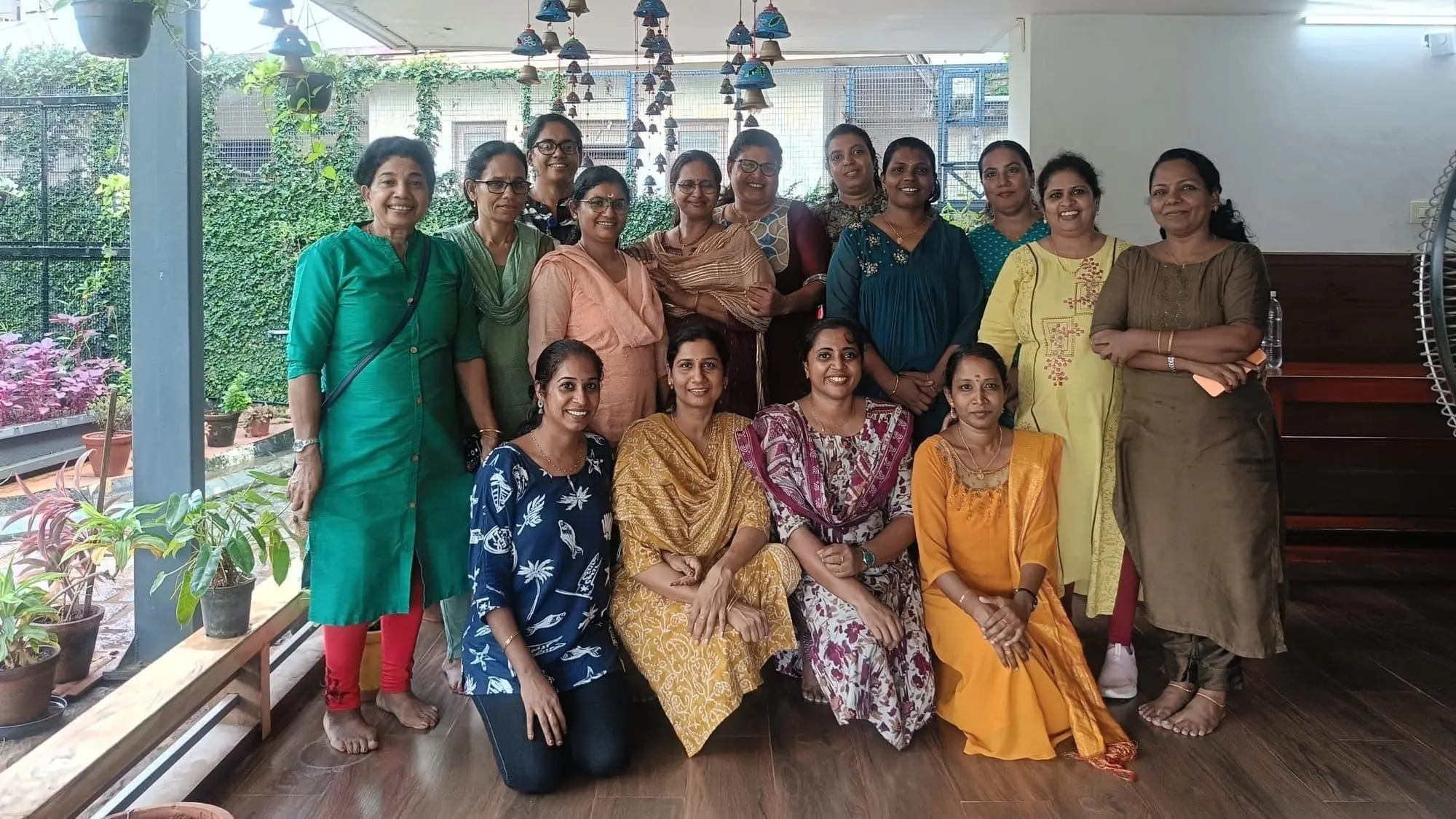
Seventeen women from the palliative care community visit aikyam space
On March 14, 2024, seventeen women from the palliative care community visited aikyam space. They came to meet and document their work. We gave them a calm, comfortable place to talk and work together. After the session, the group said they appreciated the space and were happy.
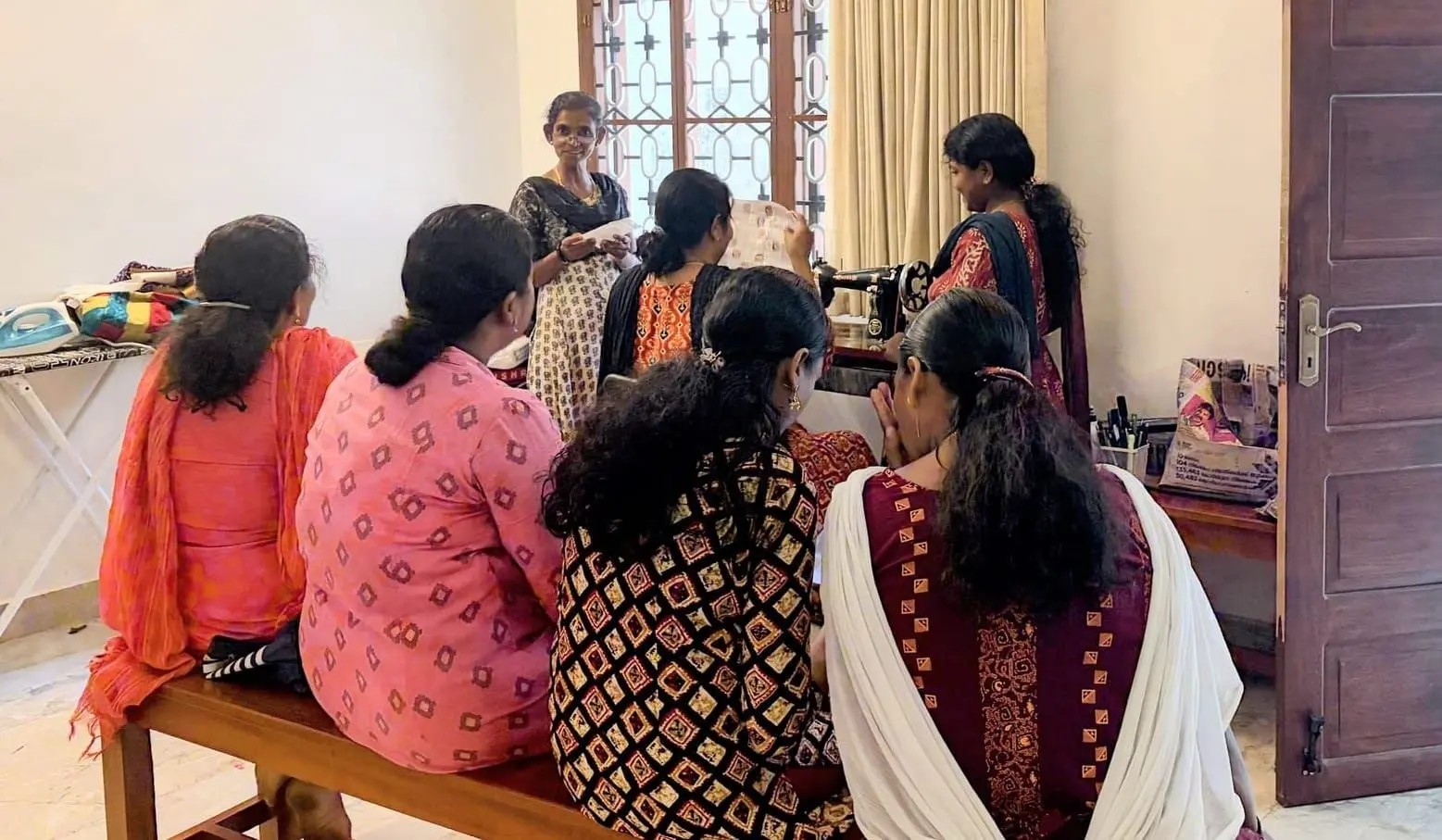
Supplies prepared and techniques tried on the fabric at hand
We prepared supplies and explored stitching techniques. Together we imagined new ideas for the fabric.
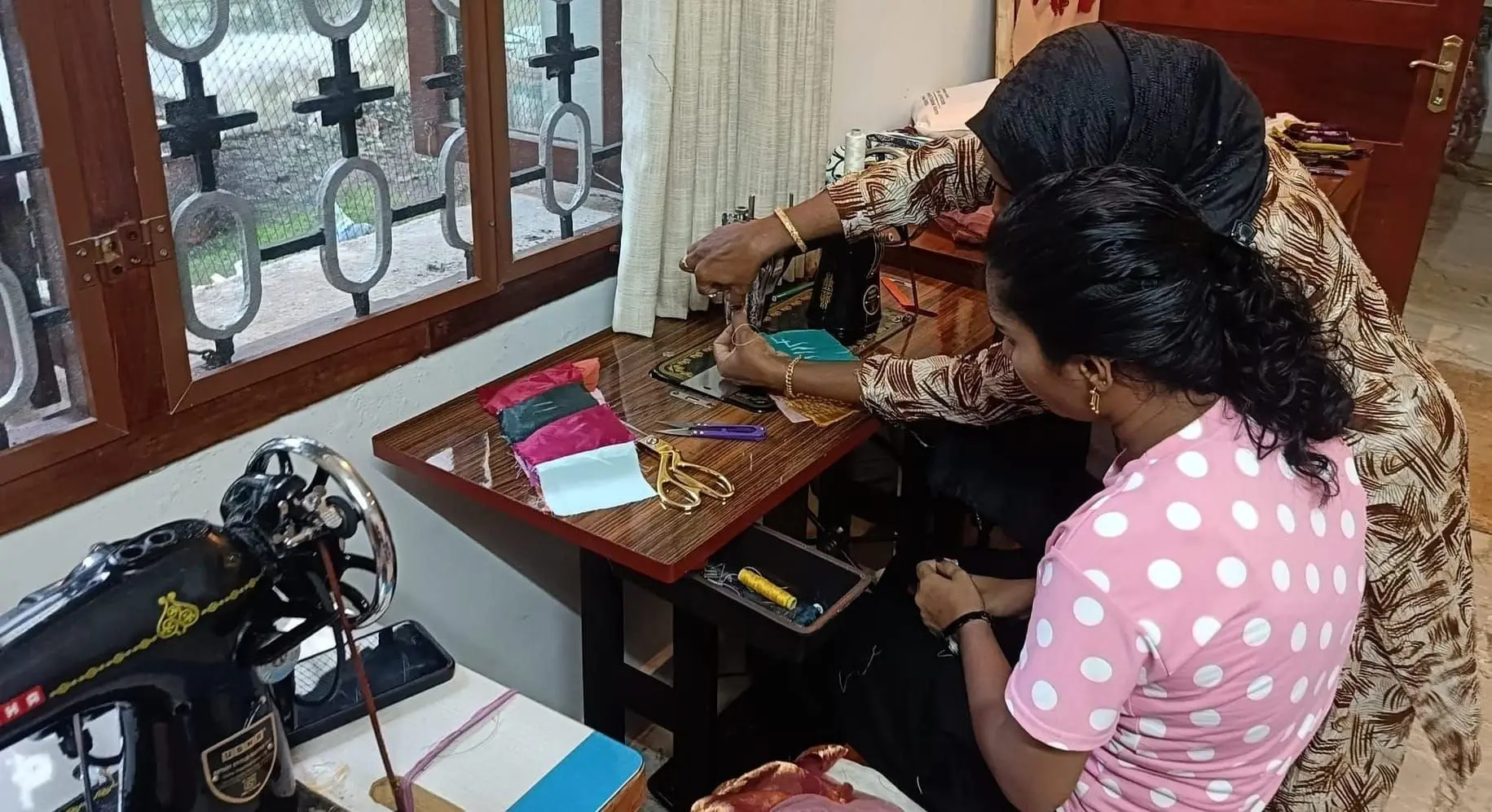
One-to-one coaching on handling the sewing machines
Participants kept practising their stitching with one-to-one guidance. The session covered basic techniques and how to handle the machines. Regular practice helped build confidence.
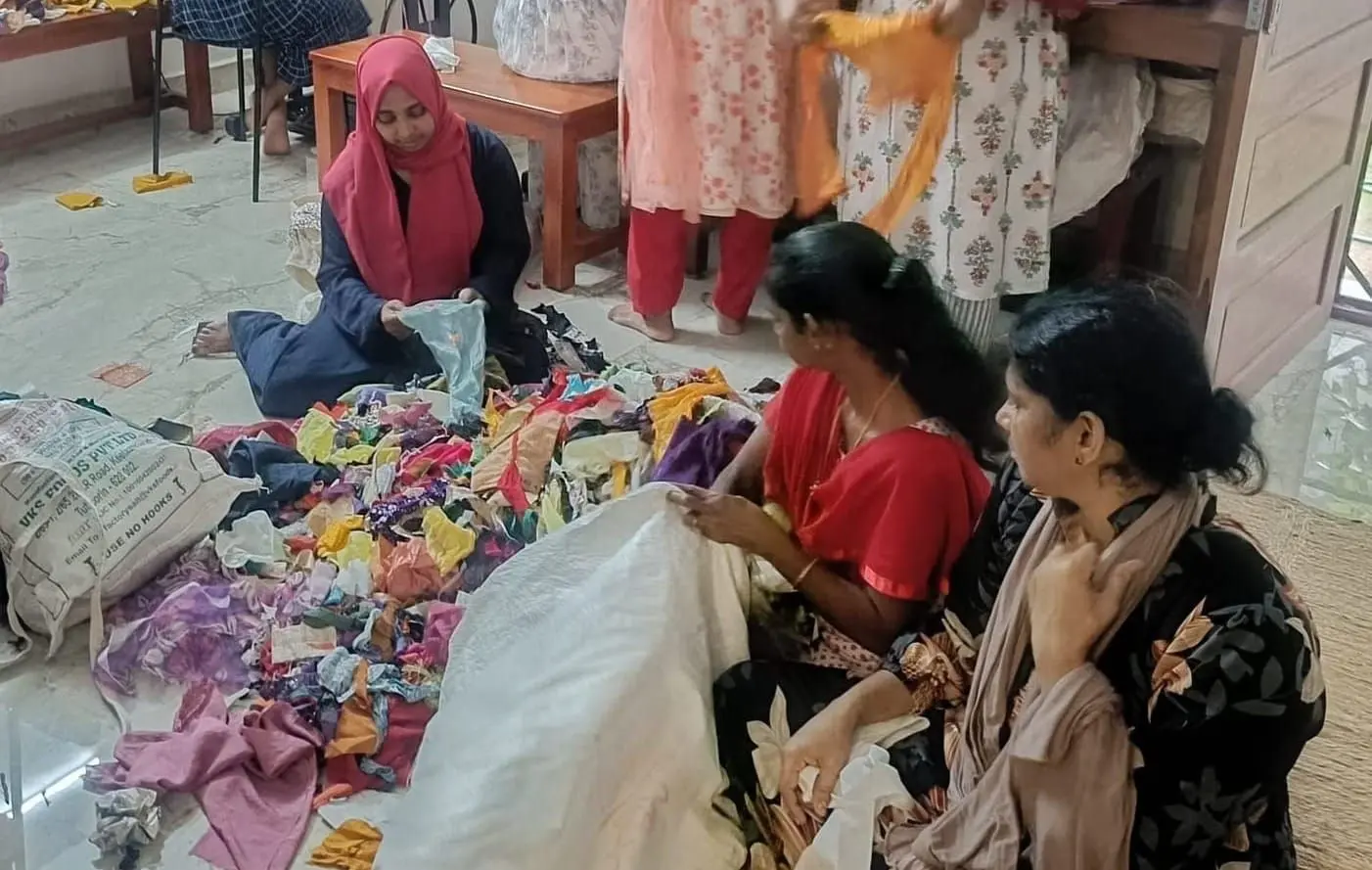
A relaxed session of sorting fabric and practising stitches
We sorted fabric pieces and prepared materials. We also practised stitches. We worked together and learned from each other. We talked about what the fabric could become.
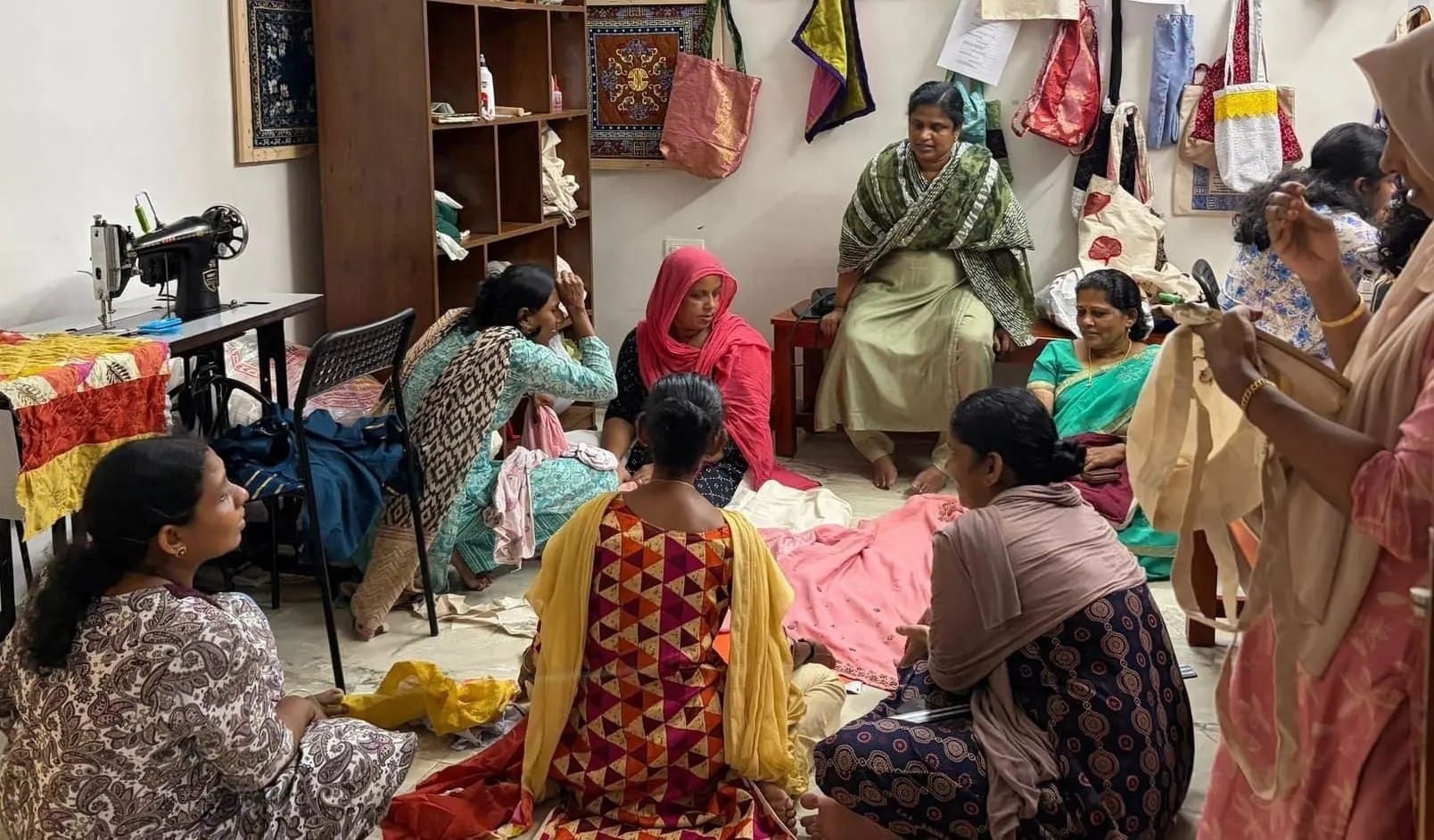
We grouped stitchers by skill for a coming bag order
We grouped stitchers by skill level for a coming bag order. The groups include beginners and experienced members. Experienced members can help other members learn. The group discussed roles and responsibilities. It also covered production planning and quality checks. Members take on more responsibility as their skills build.
May 2026
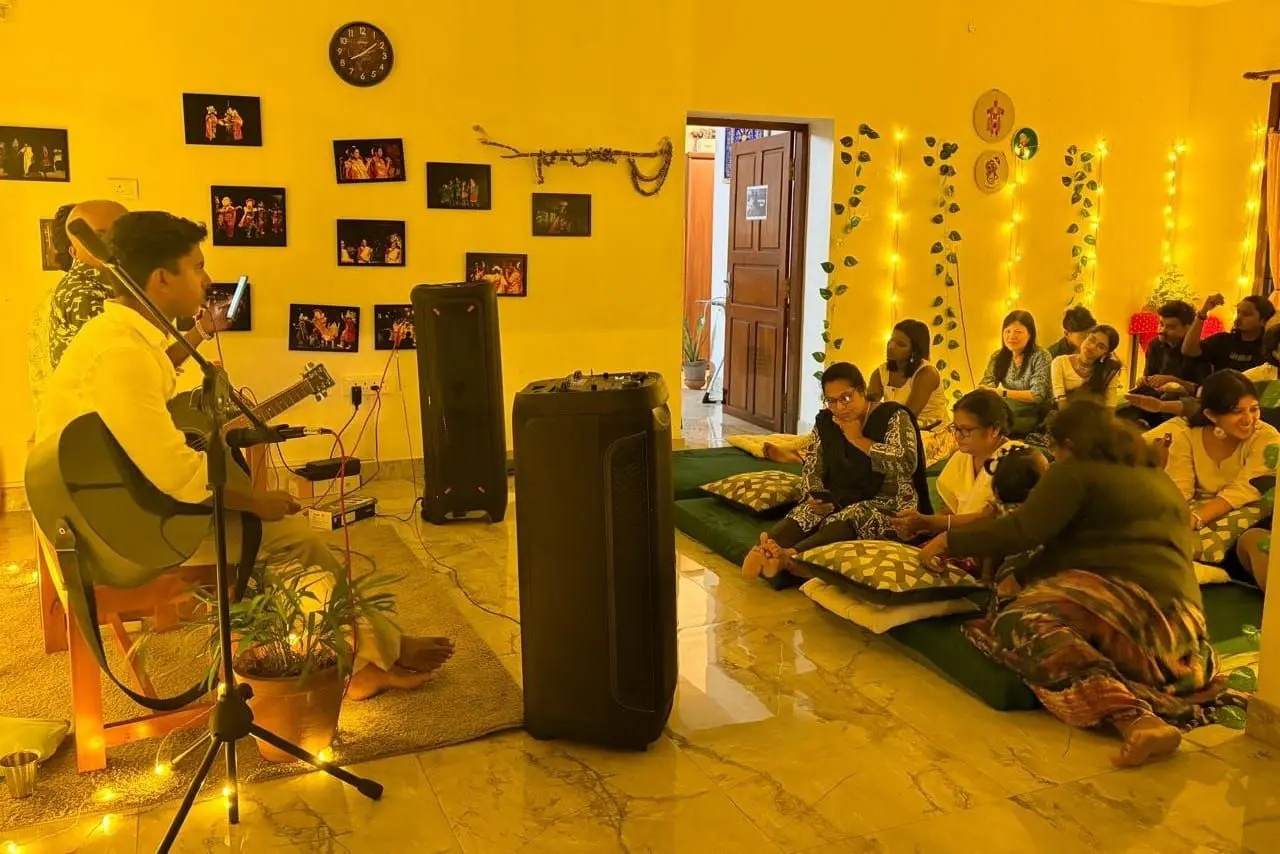
An evening of music and chai raised funds for Olimalar
People from all walks of life came together for an evening of music, chai and community. The event welcomed everyone. Some were seasoned singers, and others simply loved music and wanted to join in. Singing perfectly did not matter. Singing together did. Through shared songs, conversations and laughter, we created a warm and welcoming space. We also supported Olimalar Foundation's work with children and communities across Kochi.
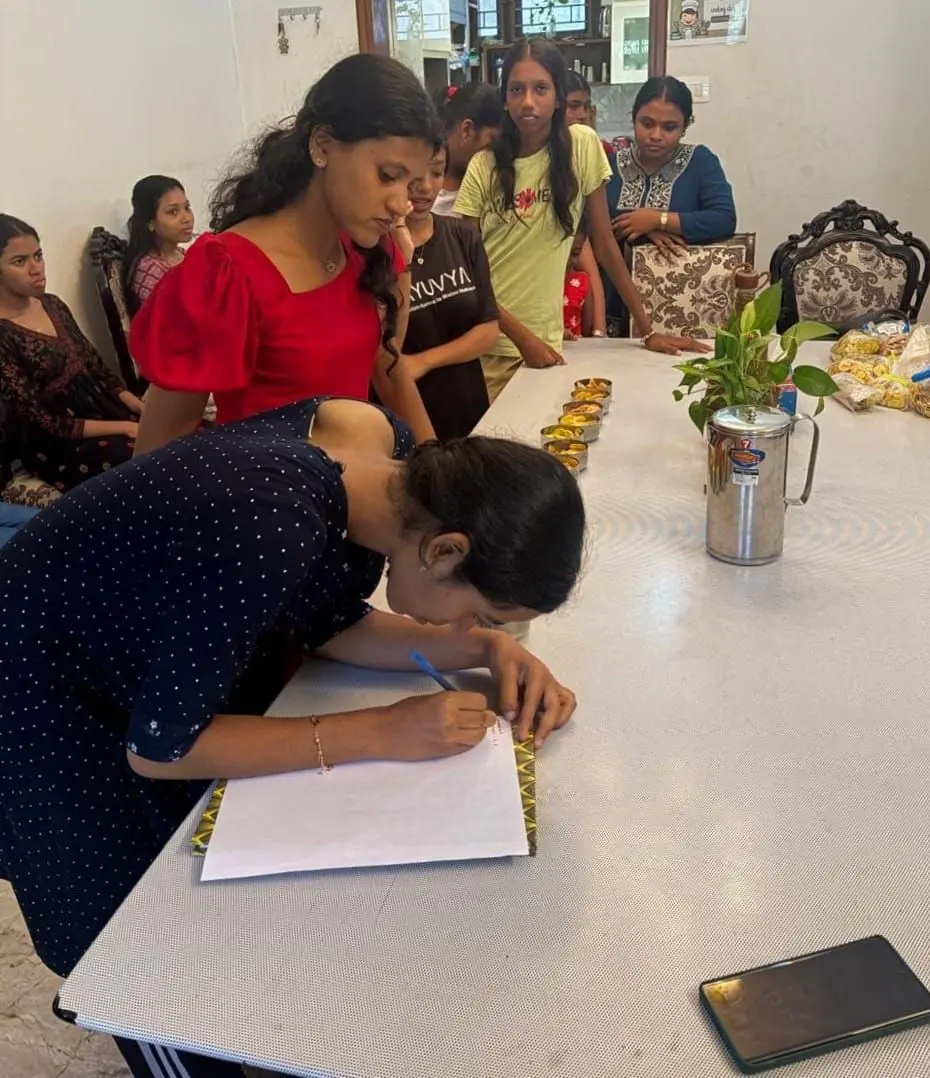
Banana chips winner published on catsofkochi.com
The community led a banana chips tasting challenge for a fun and detailed comparison. They gathered different chips from shops across Fort Kochi. Participants tasted, discussed, and ranked each sample based on flavour, crunch, freshness, and overall experience. After many opinions and a few friendly debates, a clear winner emerged. The results and the best-rated banana chips are on catsofkochi.com. This helps others discover a local favourite through the community's taste test.
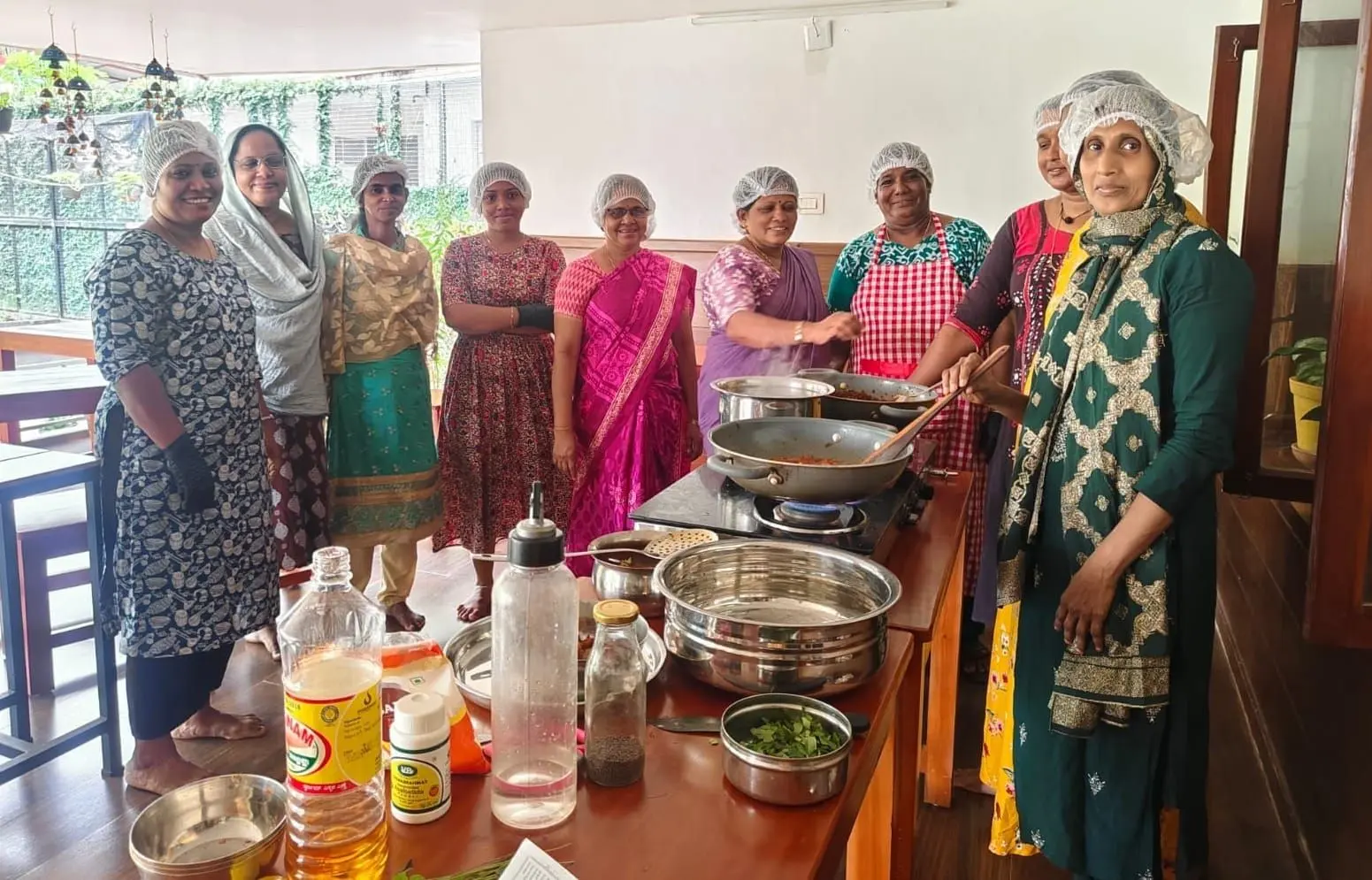
We ran another cooking class at the space on March 22, 2024. Community members came together to make Pidiyum Kozhiyum. We showed them the recipe, step by step. People shared techniques, stories, and laughed.
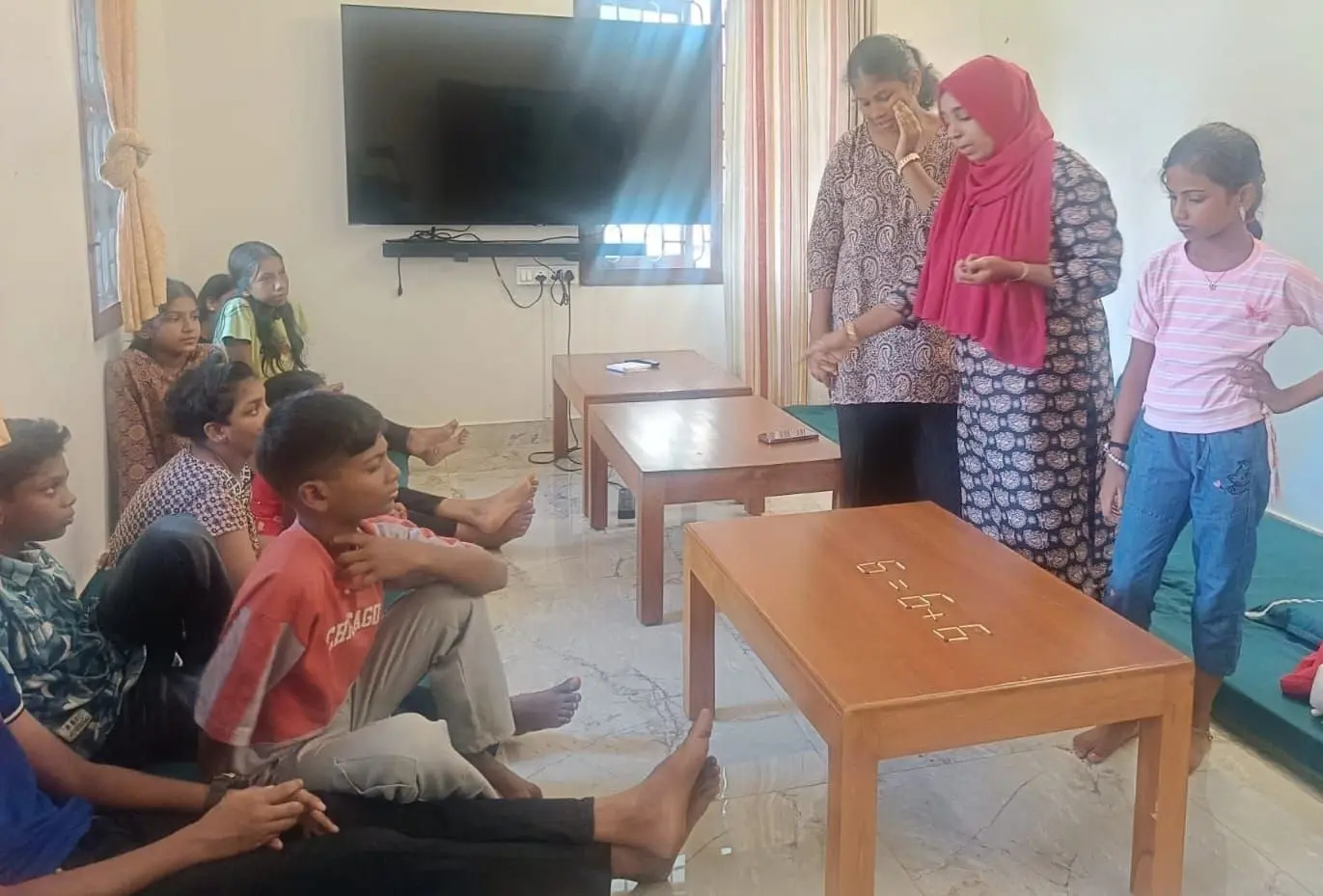
Children worked out maths by doing, not memorising
We ran a maths session for children on March 14, 2024. We did interactive activities, discussions, and problem-solving exercises. The session encouraged curiosity, teamwork, and confidence. Children understood concepts by joining in, not by memorising. We made learning enjoyable and hands-on. The class created a space where children could explore maths with energy and ask questions freely.
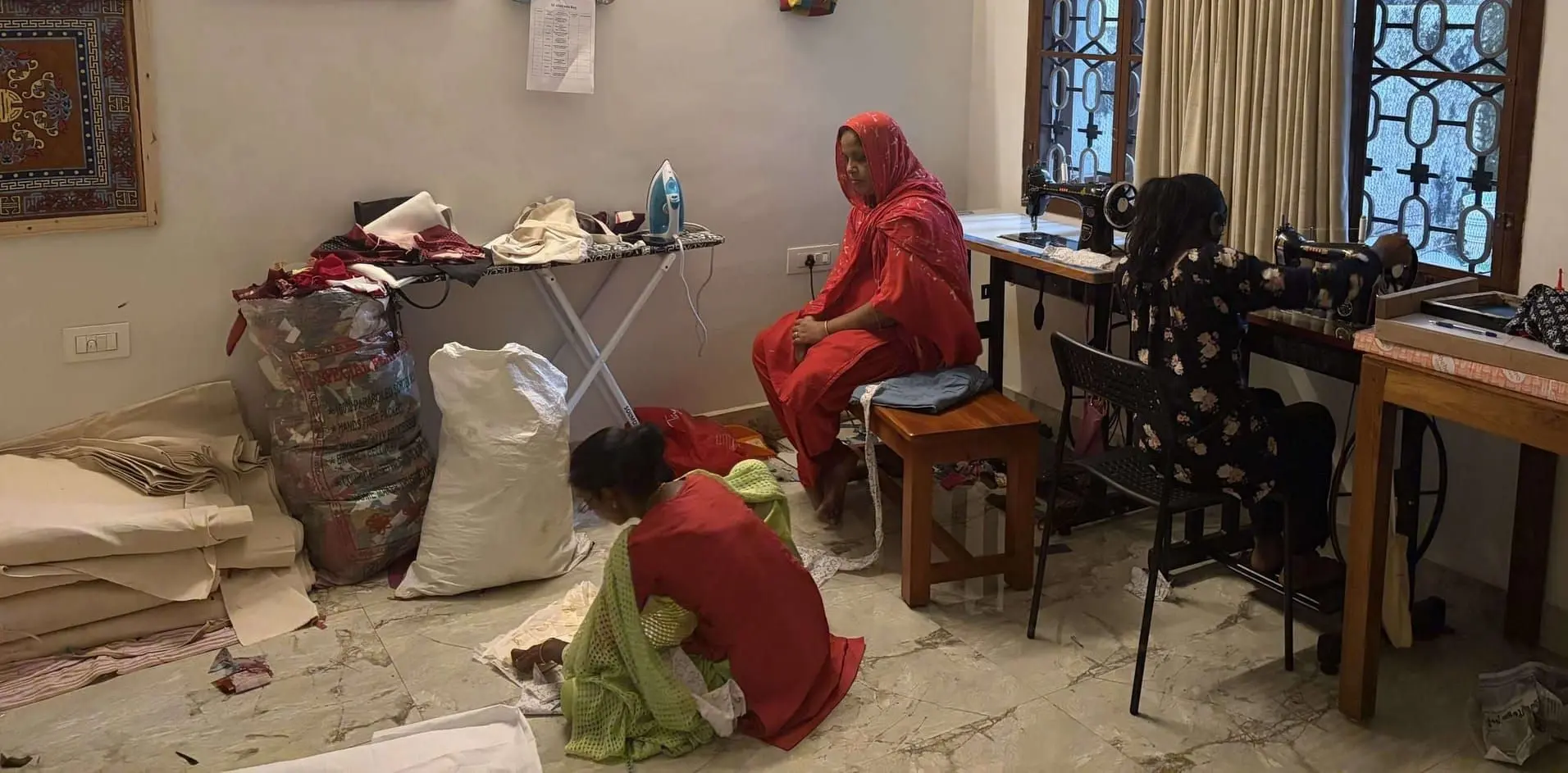
Another day of practice on finishing techniques
We ran the stitching class again today. Students kept practising, measuring and cutting fabric, and working on finishing techniques. Each session seemed to make them more confident and better at details.
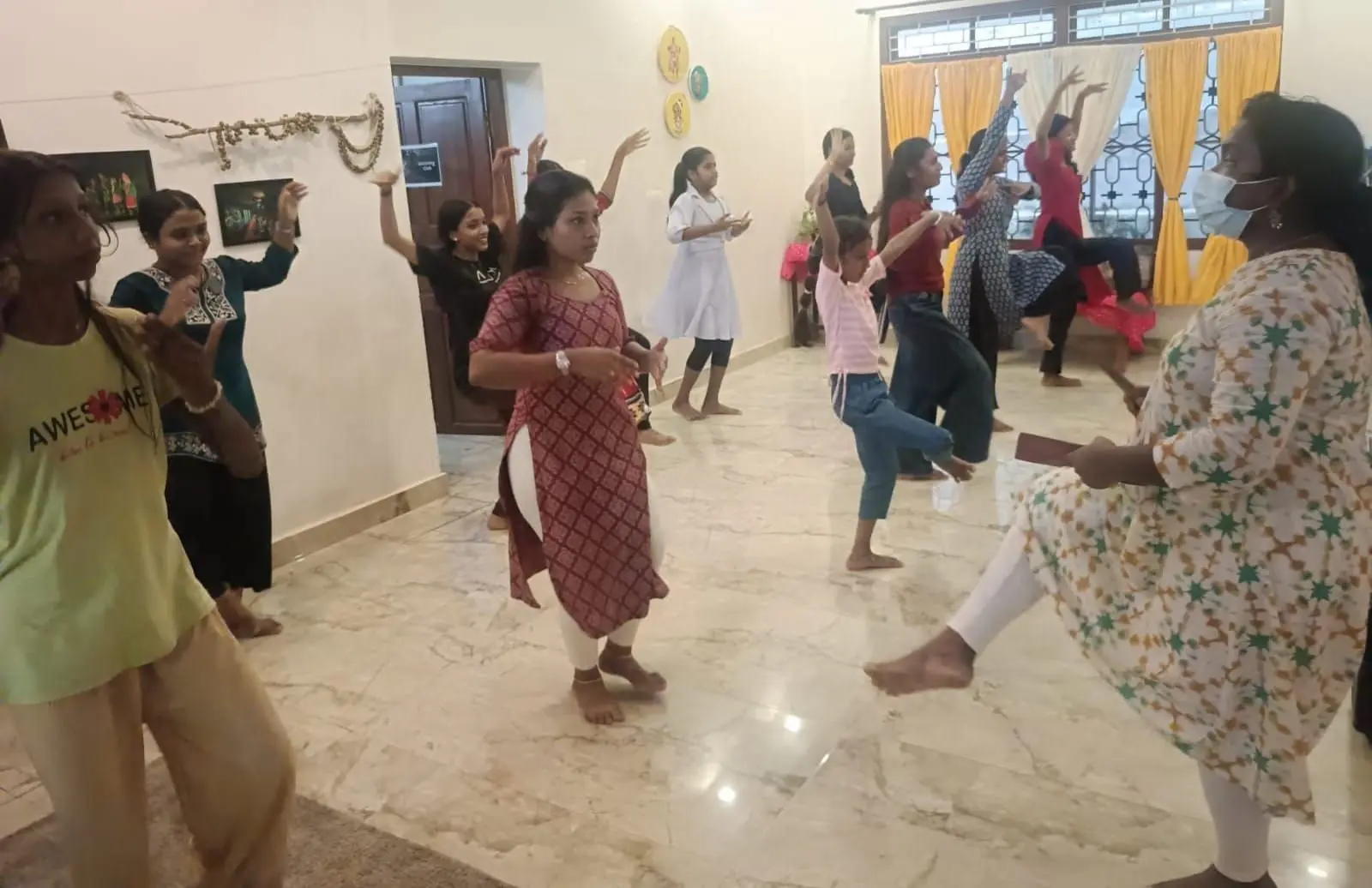
Children learn discipline and storytelling through Bharatanatyam
The children learned discipline and how to tell a story through Bharatanatyam. We practised the steps, the facial expressions and co-ordination often. Their movements became more confident.
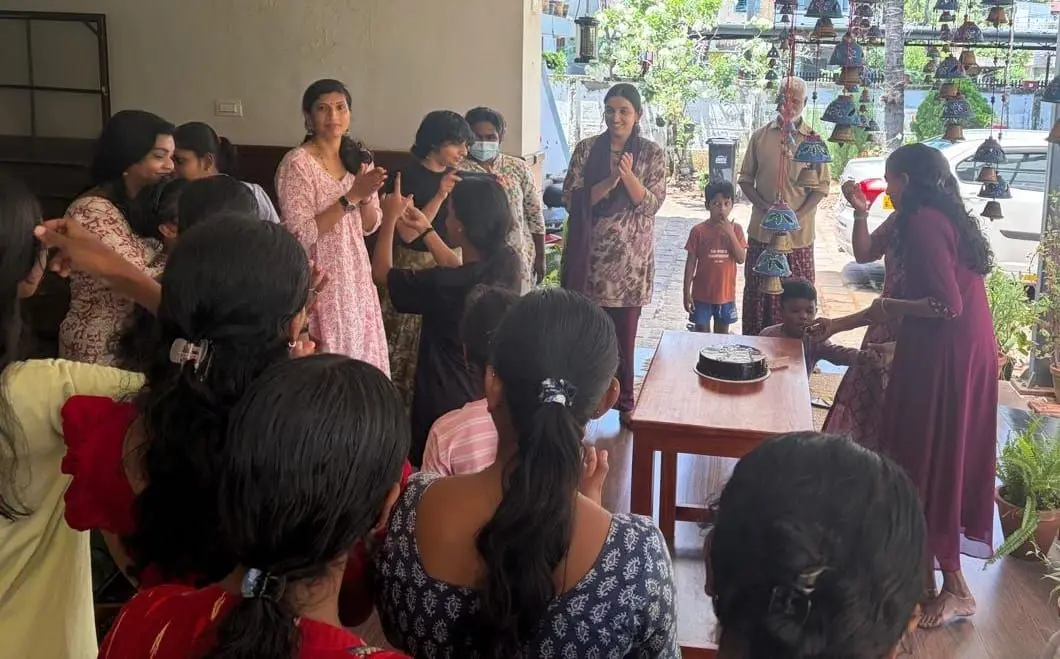
We celebrated May's birthdays together with cake
We held a gathering for everyone born in May. There was cake, smiles and conversations. We wished all our May birthday stars a wonderful year ahead.
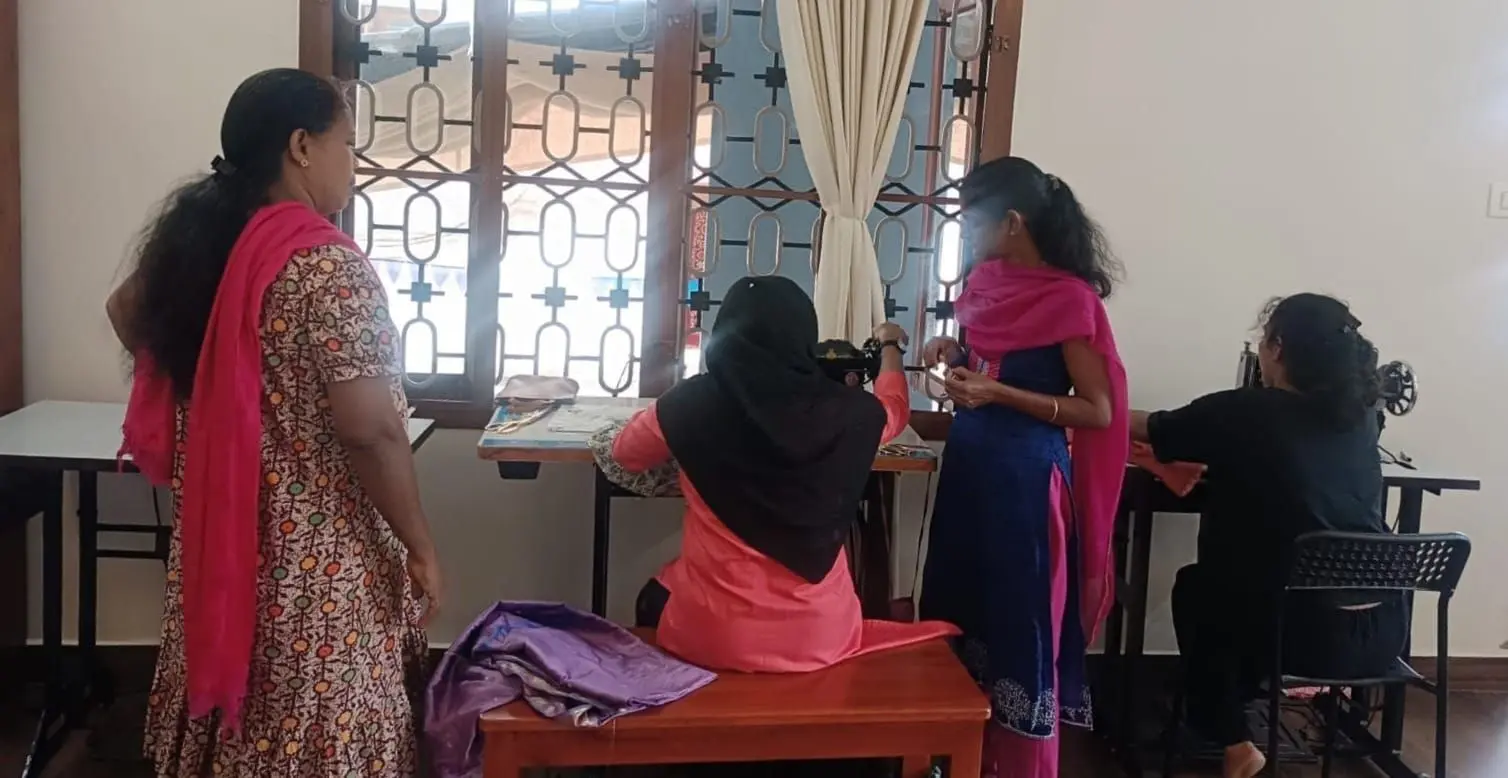
Beginners learned by watching the more experienced
Beginners watched and learned. More experienced learners shared tips and techniques. The session provided a space for building skills and mutual support.
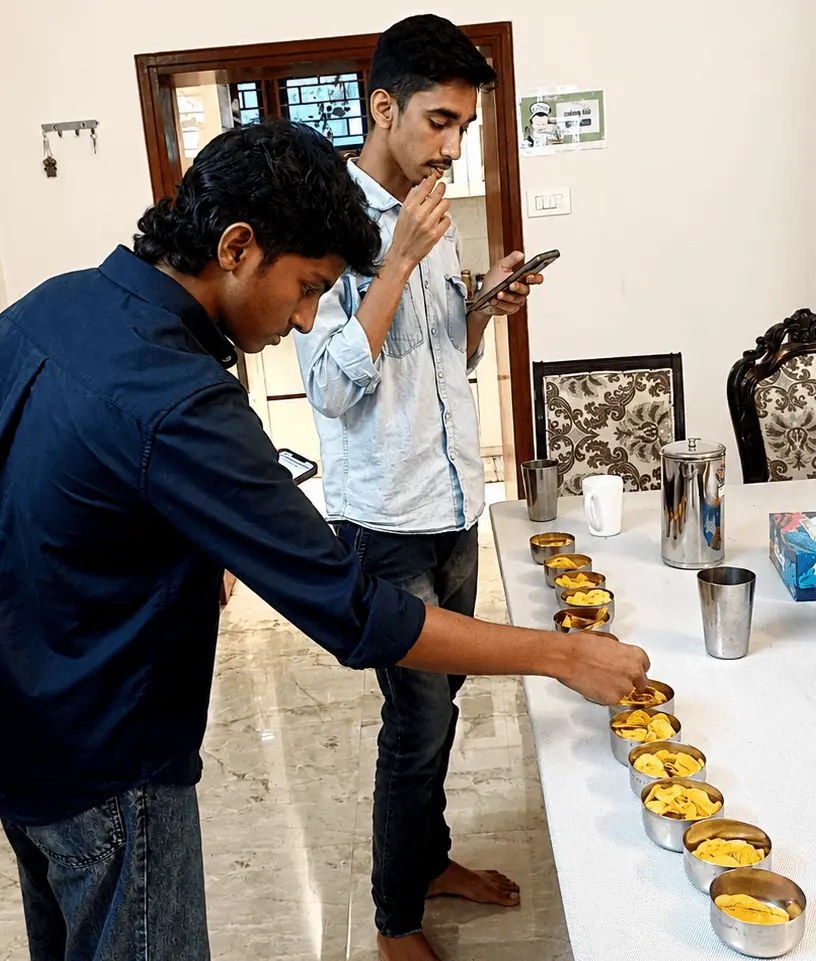
Thirteen banana chips were tasted to find Fort Kochi's best
We held a banana chips tasting session with aikyam members at the space to find the best banana chips in Fort Kochi. We tasted around 13 different chips from local shops. We compared and discussed them on taste, crunch, oiliness, salt and overall experience. It turned into a delicious debate. We plan to hold another one with community members soon.
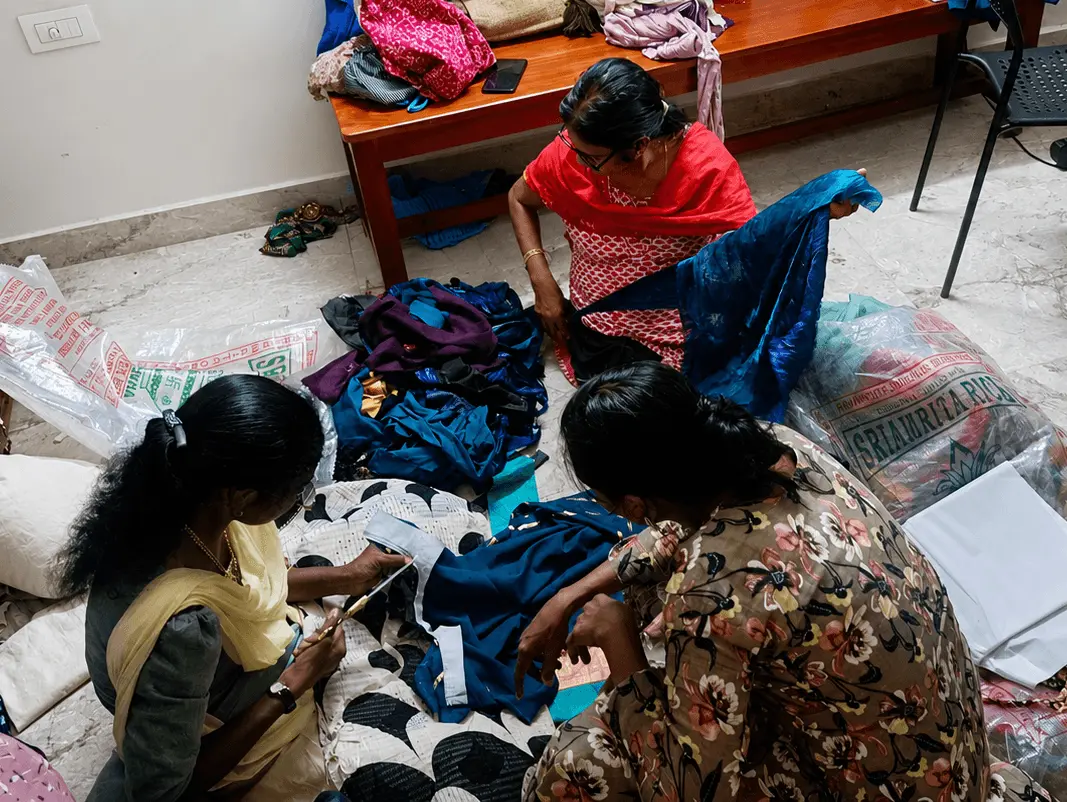
The class got closer to production-quality work
The class got closer to production-quality work. The class worked on cutting, sorting and preparing materials. We improved step by step. It was a session of teamwork, fabric and learning.
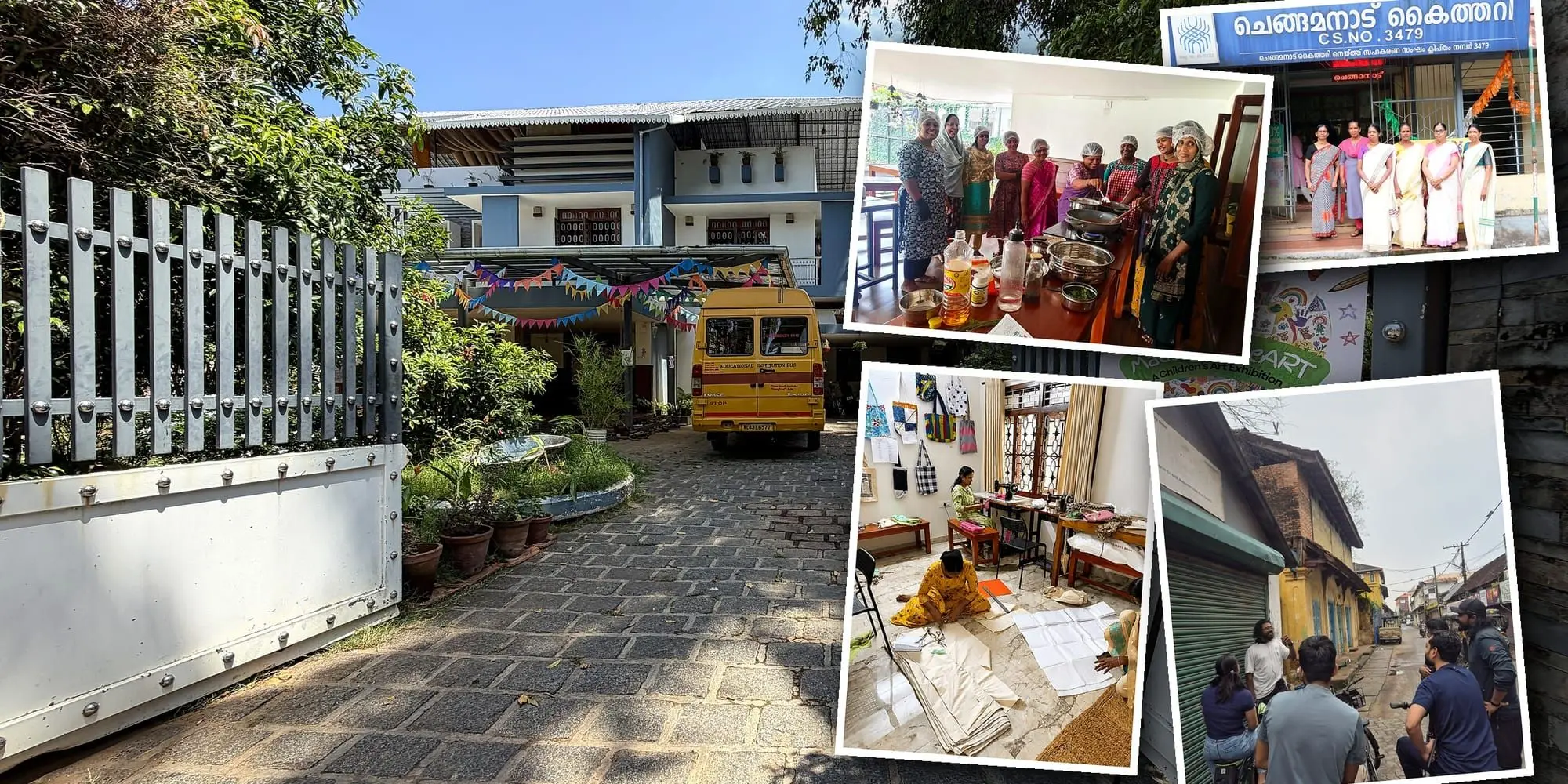
A visit brought talk of the work going on here
The visit included conversations. They were about community engagement and shared ideas. They also covered the initiatives that are under way in the space.
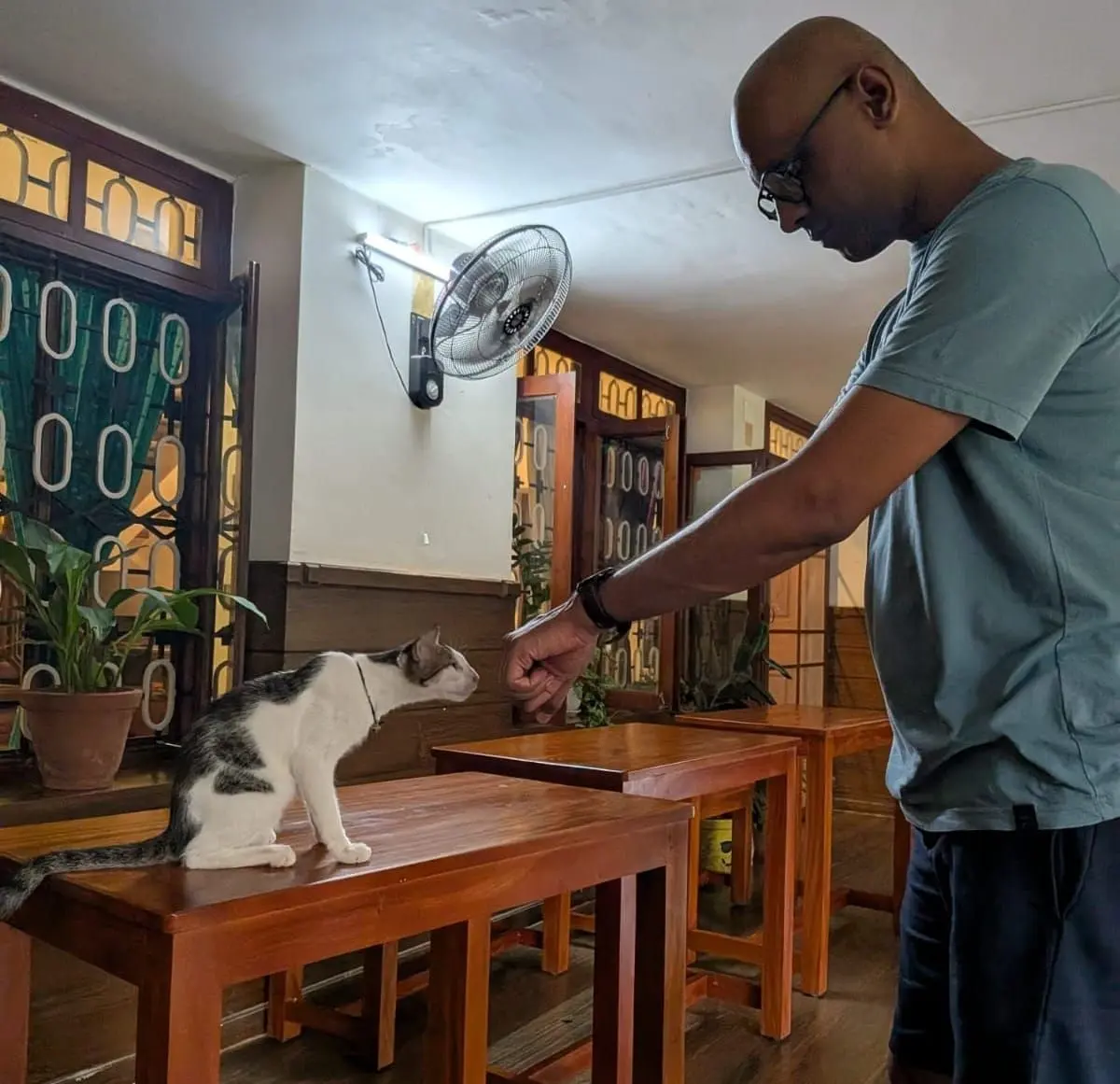
Sriram admired the garden at aikyam and Cheeru joined in
Sriram visited aikyam and liked the garden and the overall atmosphere. Cheeru made sure to join the visit too.
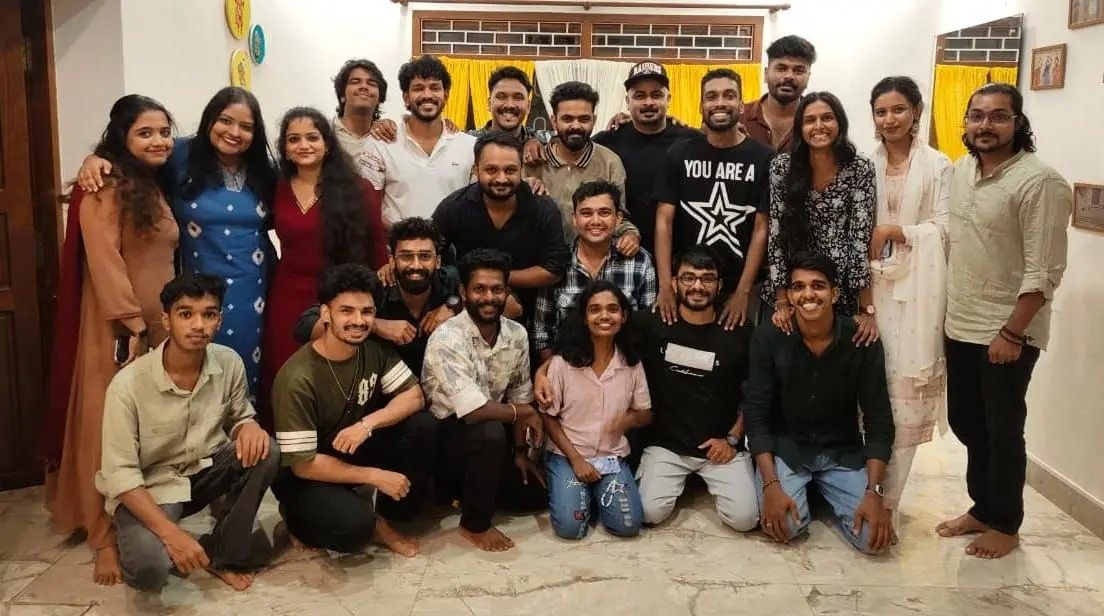
Rise Up Forum volunteers met to plan future projects
Volunteers of the Rise Up Forum met to plan future projects. We met at the space on March 14, 2024, for a volunteer meet-up. We discussed plans for future projects and community activities. We shared ideas and worked on building stronger youth-led initiatives through the Rise Up Forum network.
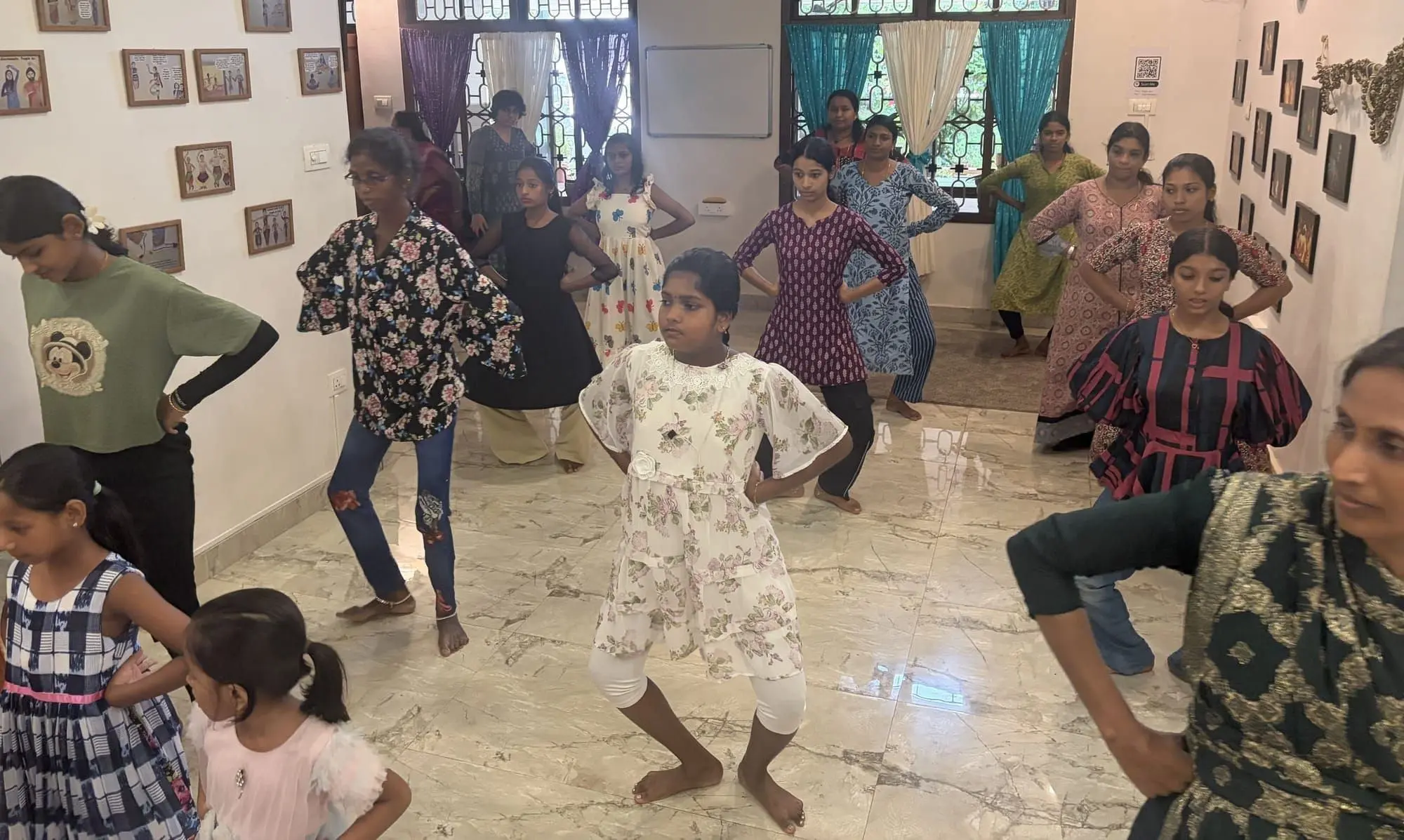
Another day of Bharatanatyam practice for the children
We held another Bharatanatyam class at the space. The children continued to learn movements and coordination together while building confidence and discipline.
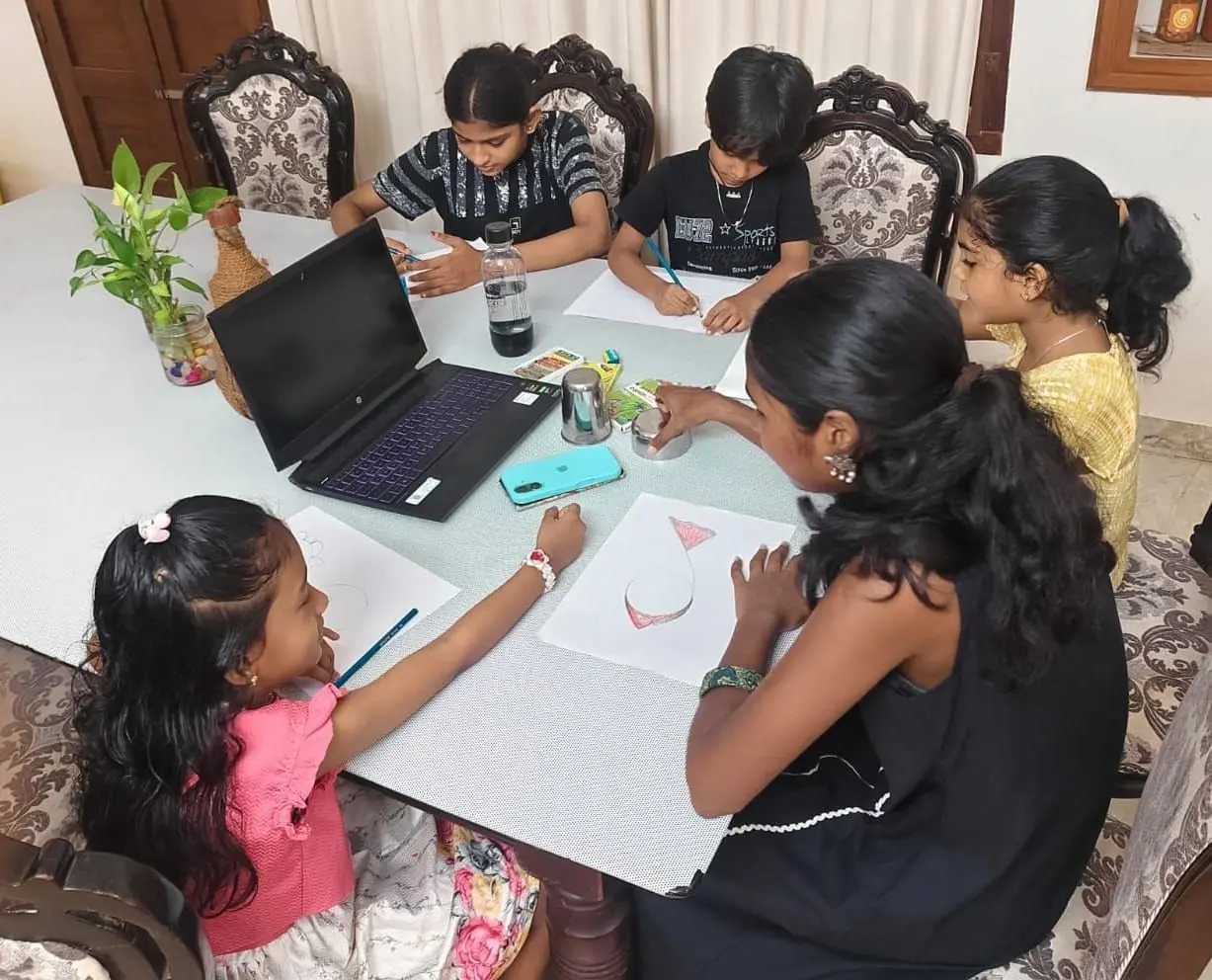
Children experimented in another hands-on craft session
The children made things, tried things out, and learned through simple crafts. They used their imagination, concentrated, and got their hands dirty.
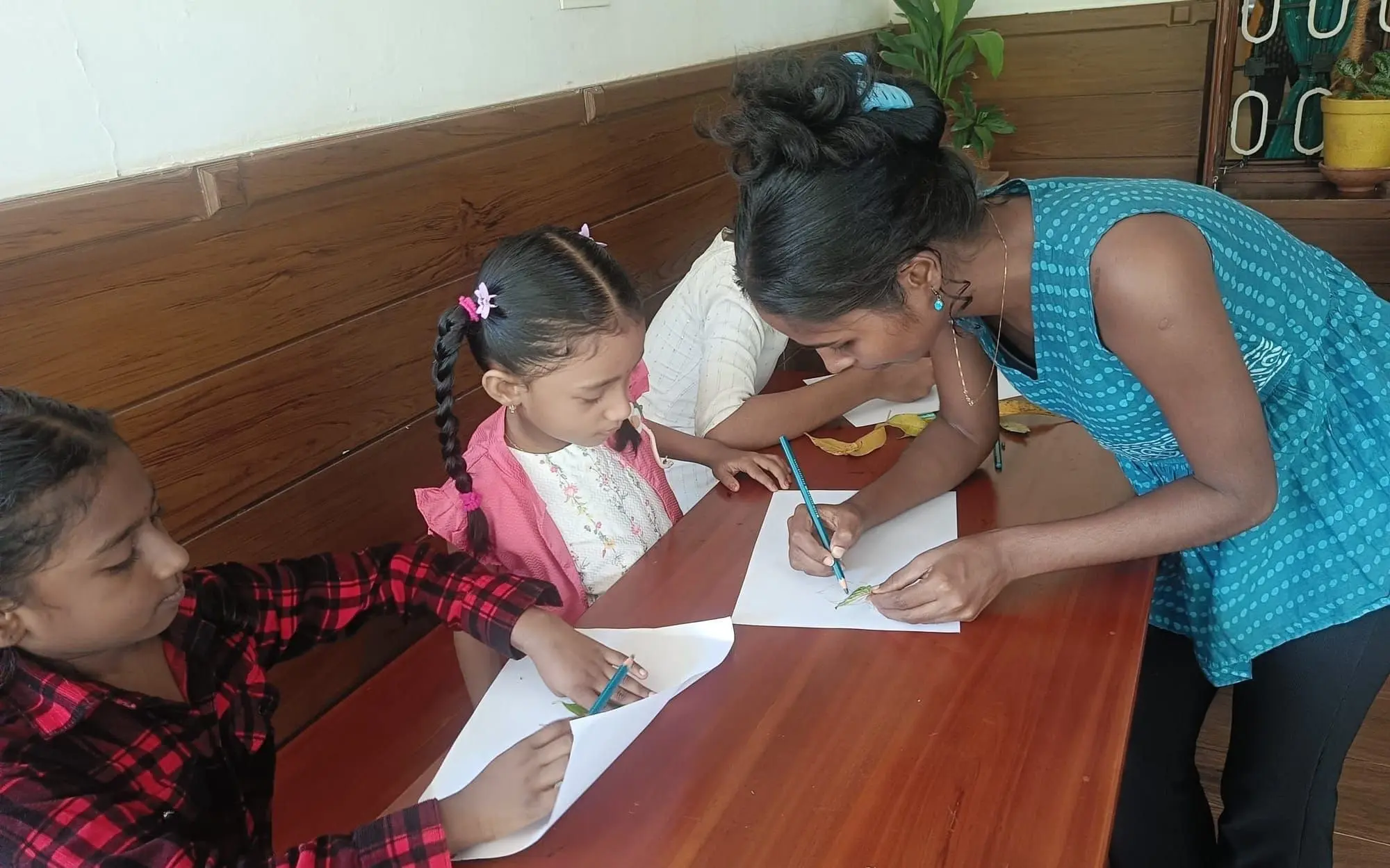
Thudippu started craft-making sessions for children
Thudippu started craft-making sessions for children at its space. Shilpa VS led the sessions. The children got simple hands-on activities. These helped them explore creativity, learn new skills, and enjoy making things together. The sessions were fun and welcoming.
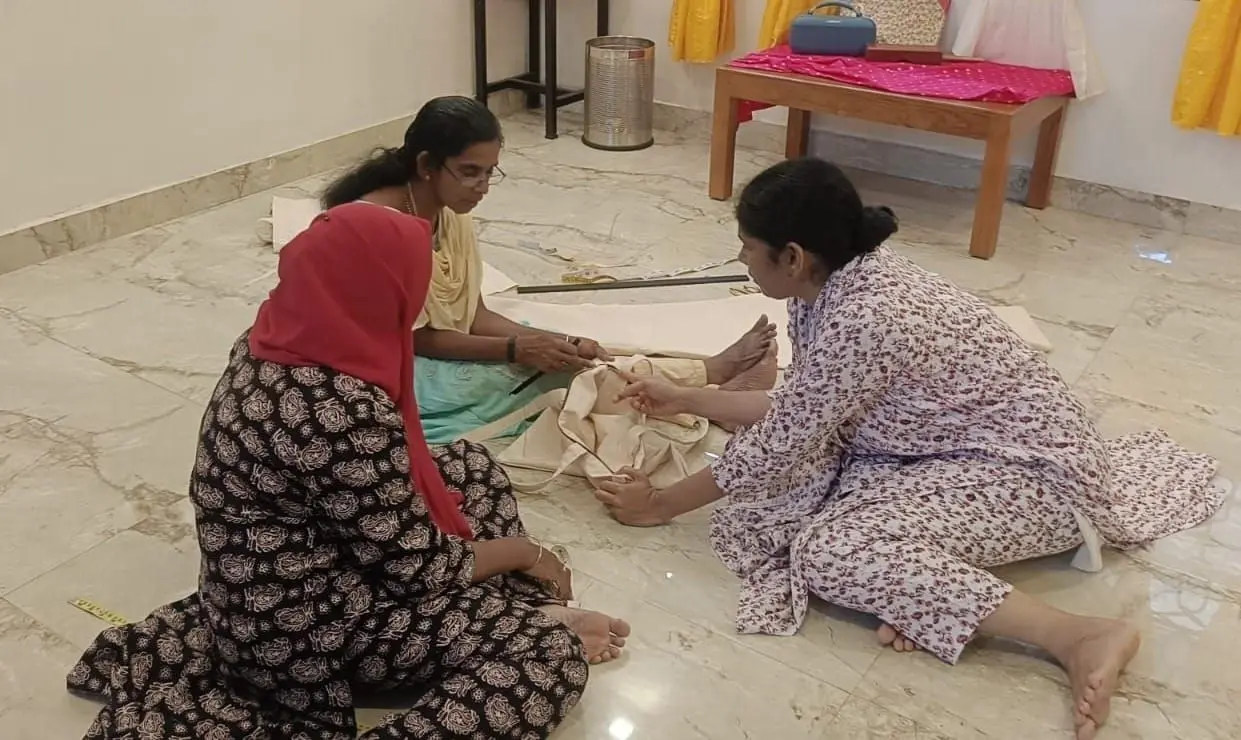
Intermediate students began helping the beginners
Intermediate students guided the beginners step by step. They showed them techniques and helped them feel confident. Slowly, the class became a shared learning space where students supported one another.
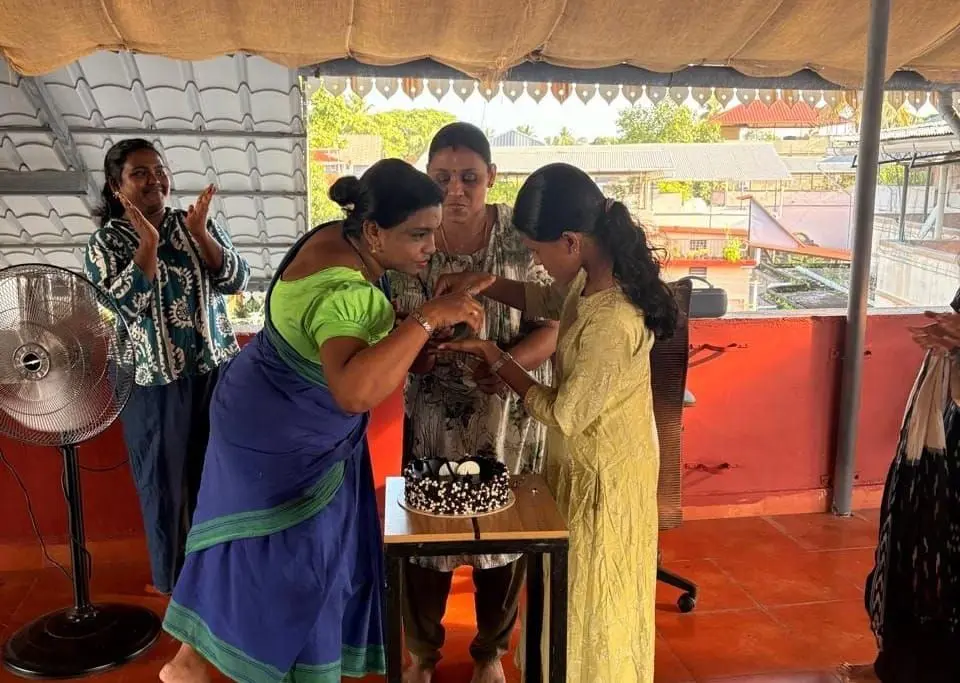
Olimalar Foundation shared a cake with the space
Olimalar Foundation shared a cake with the space. We did it as a small gesture of happiness and togetherness. It became a simple celebration of new beginnings, working together, and the growing bonds within the space.
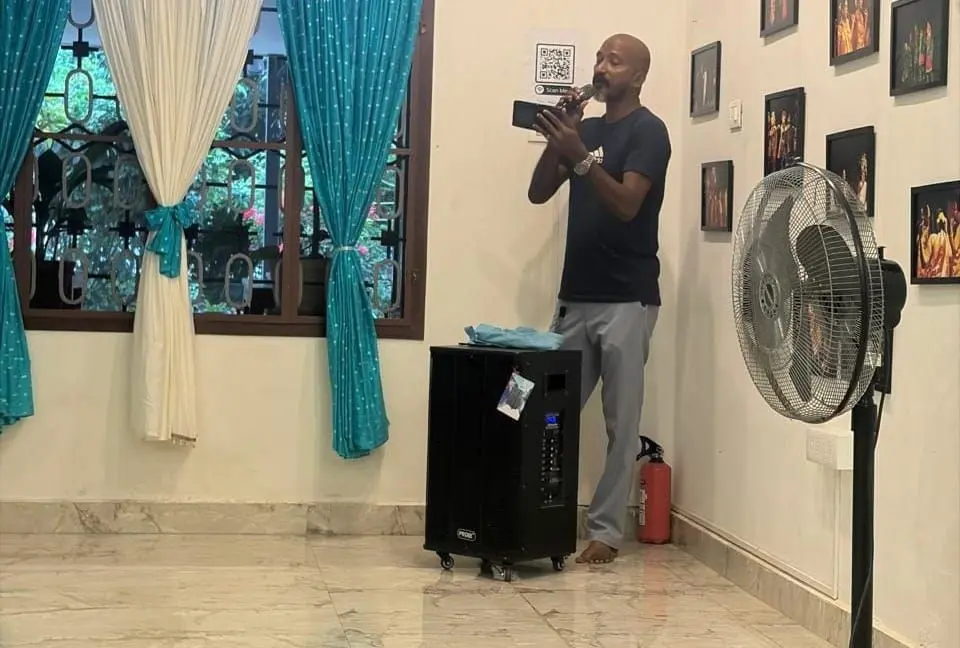
Practice began for the Paattum Chaayayum music fundraiser
Olimalar Foundation organised a community fundraiser called "Paattum chaayayum" on May 30 at aikyam space. We held a practice session at the space recently. It had music, conversations and collective energy for the event.
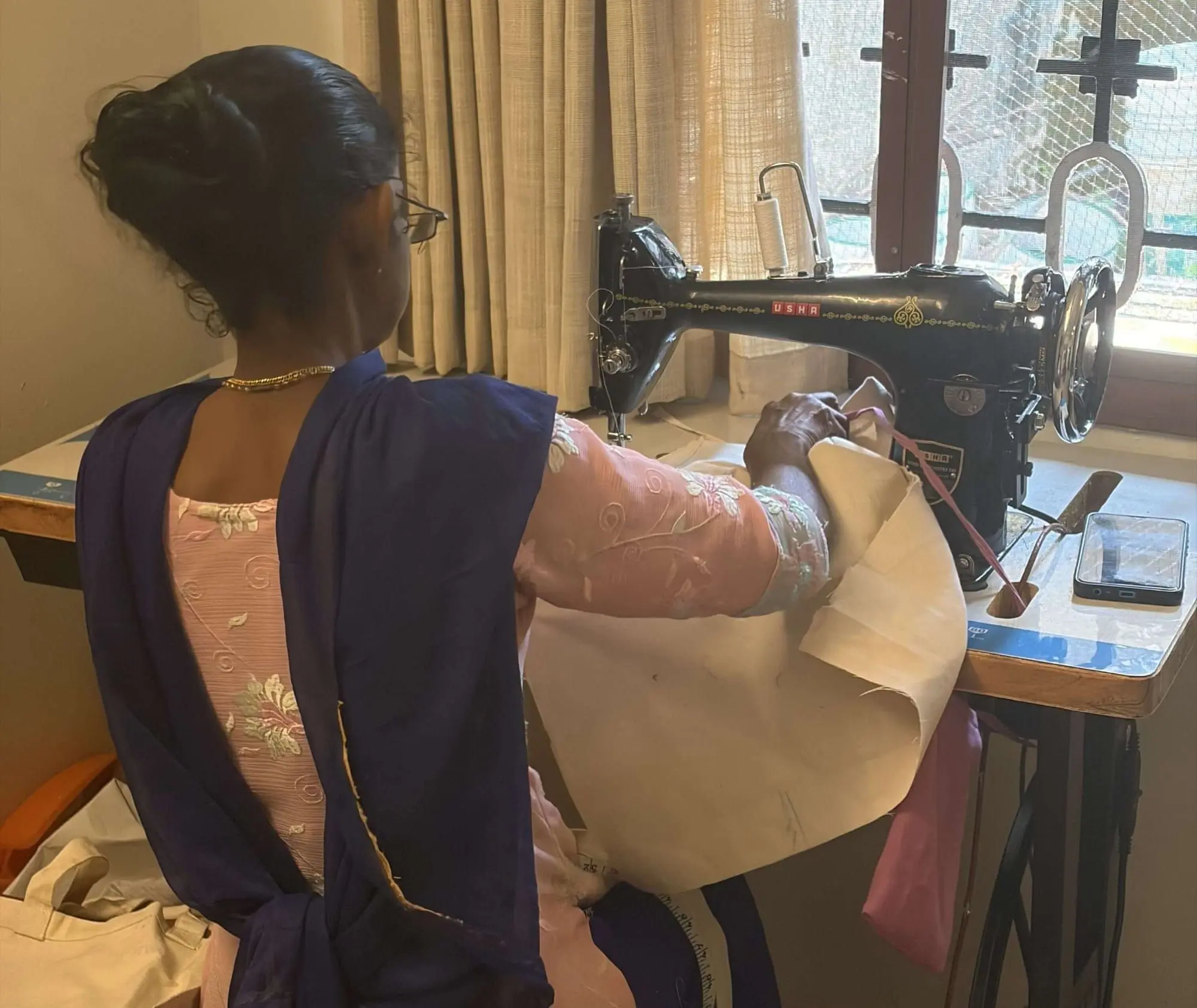
The bags are getting neater and stronger
The bags are getting neater and stronger. They are closer to production quality. Regular practice shows in the skills, the finishing, and the teamwork.
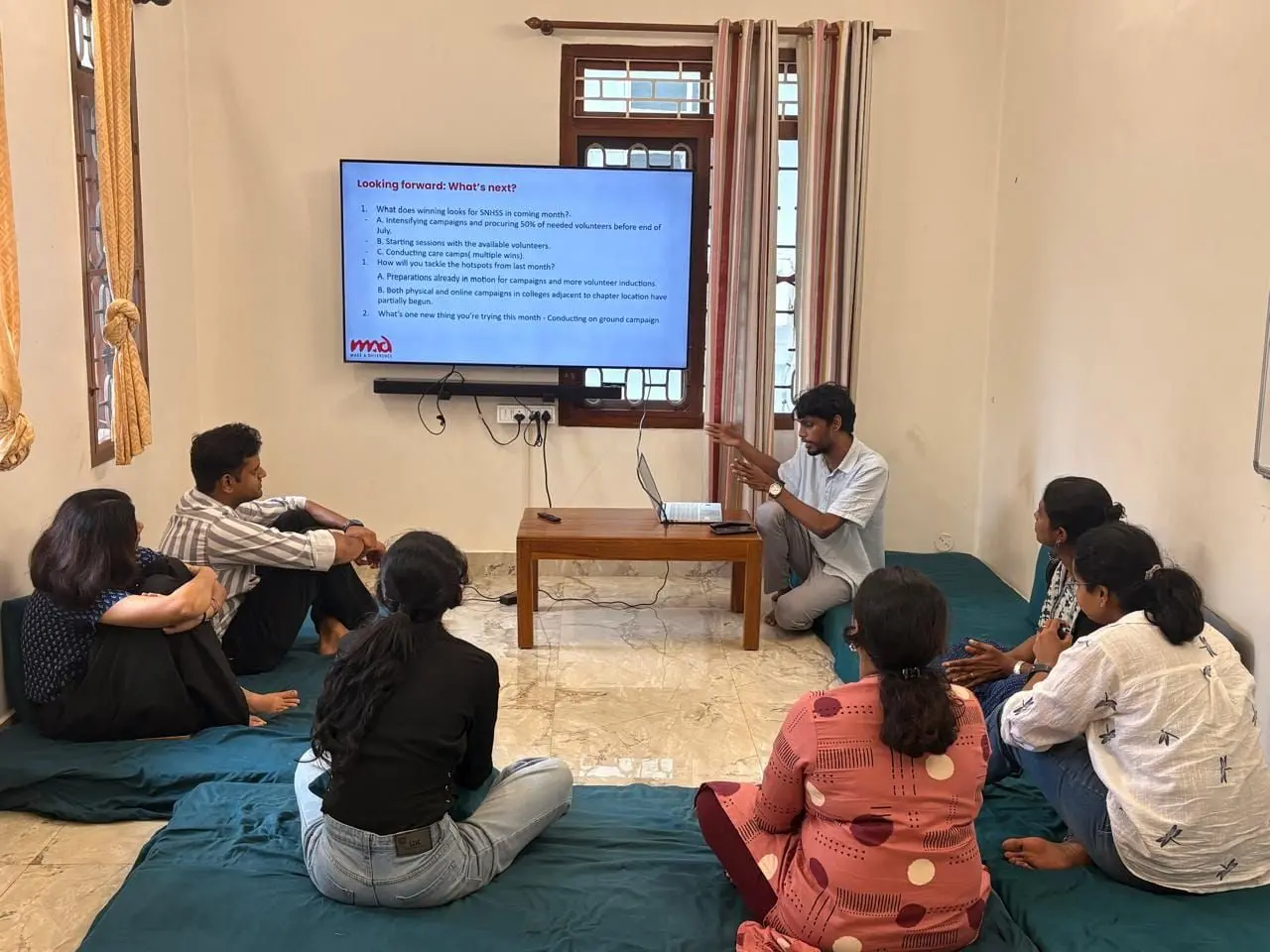
A group met here to plan its community work
On March 14, 2024, we held a stakeholder meeting. People discussed community initiatives. We encouraged them to share ideas, build connections and plan future work.
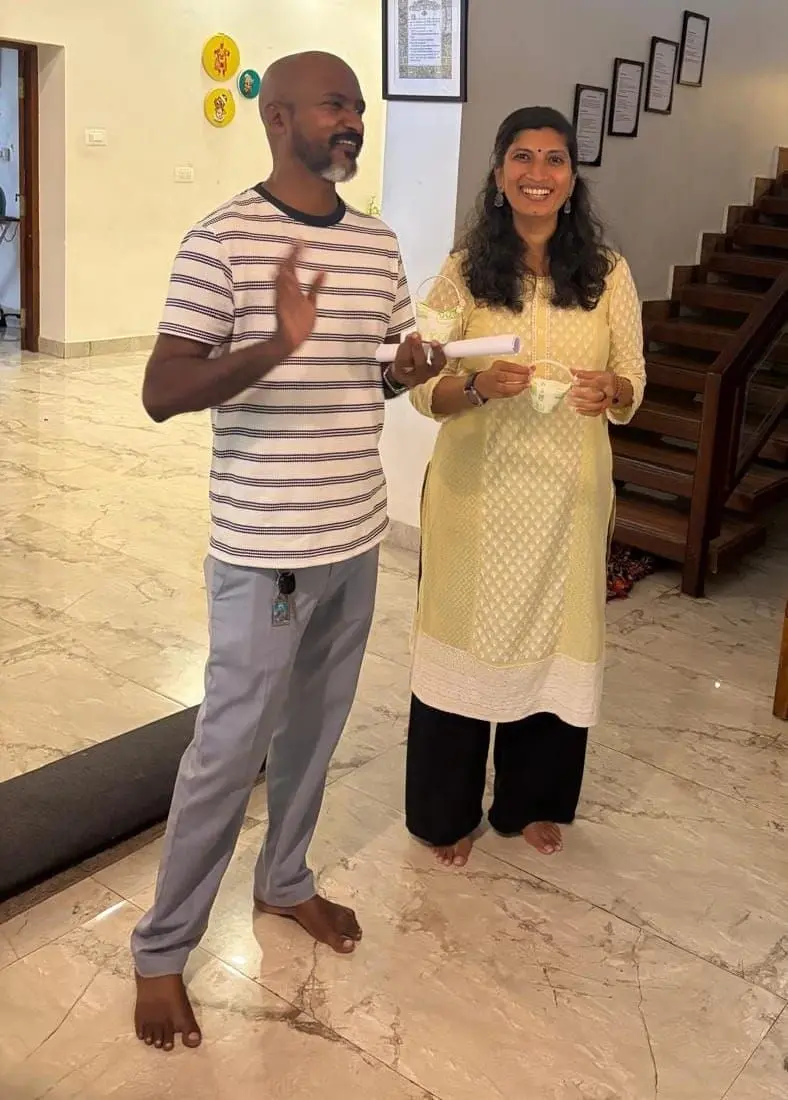
Olimalar Foundation and aikyam began writing shared rules for the space
Olimalar Foundation and aikyam began writing shared rules for the space. On the second day with Olimalar Foundation, we talked about creating shared guidelines. We also talked about how to use the space thoughtfully and together. The conversation helped build clarity and a stronger sense of working together in the space.
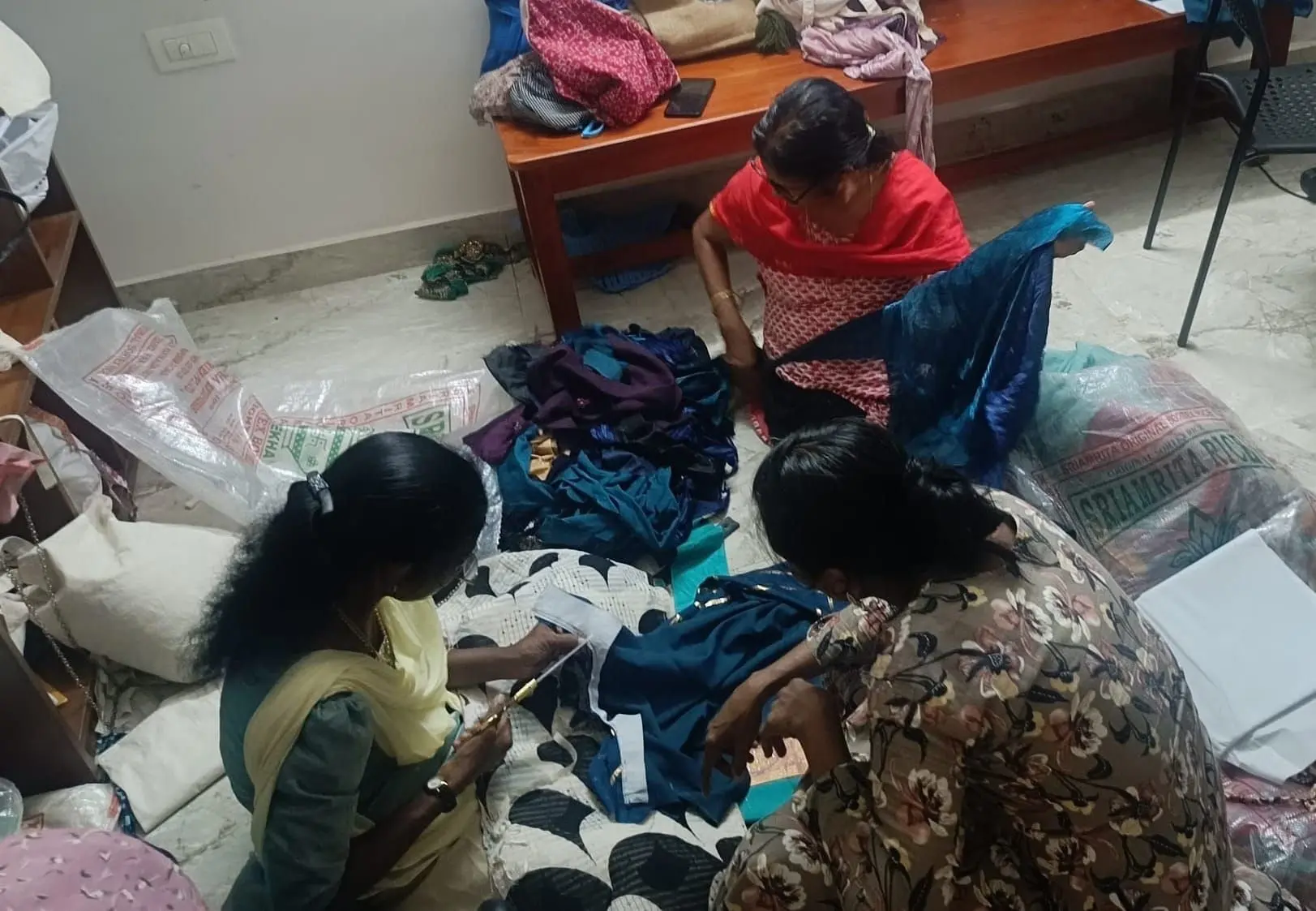
Women practised making production-quality bags from leftover fabric
Women gathered to practise cutting, measuring and stitching. They learned to make strong, production-quality tote bags from leftover fabric. The class keeps growing as a space for learning, teamwork and creativity.
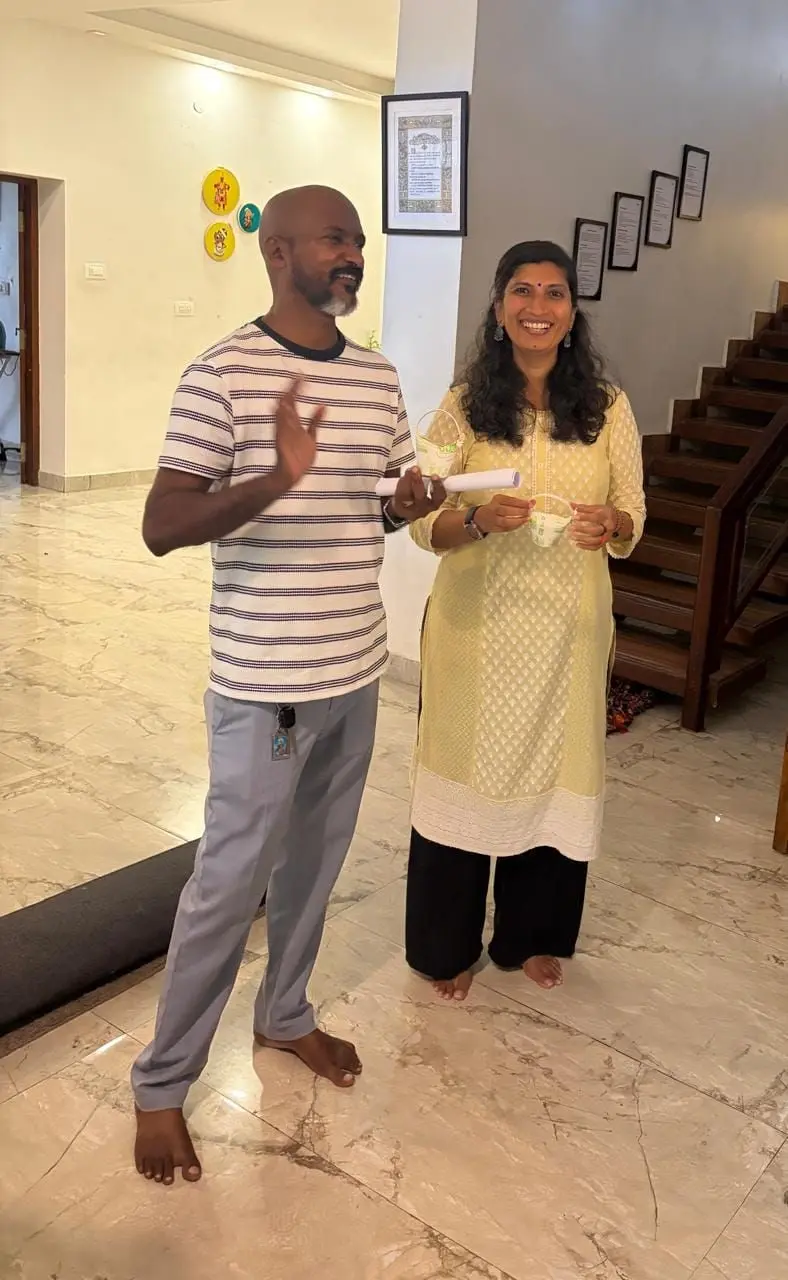
We welcomed Olimalar Foundation with gifts and a note
We welcomed Olimalar Foundation to aikyam space with small gifts and a welcome note. They are starting to use the space for their work and community activities. We expect to work together and learn from each other, building stronger community connections.
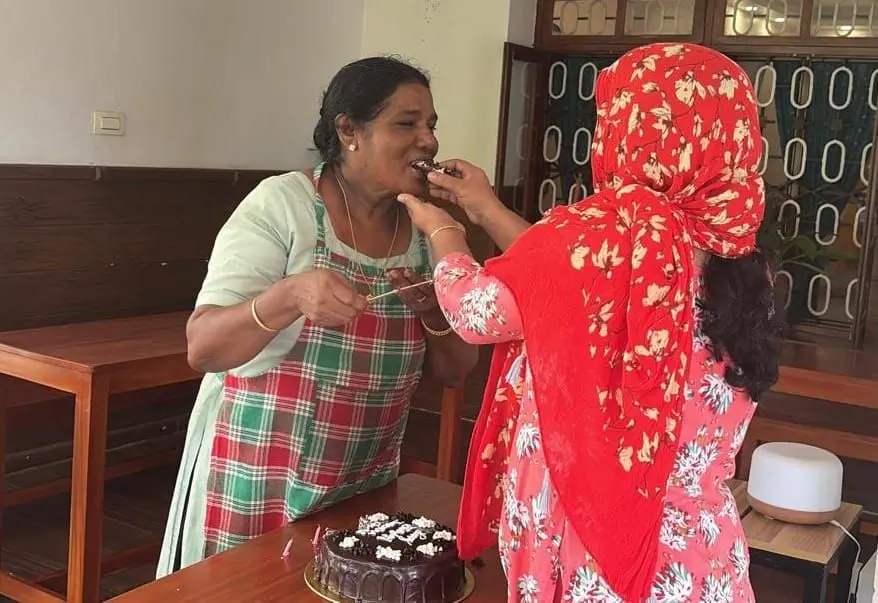
The chef got a surprise birthday cake
We surprised our chef with a cake on her birthday. She always makes sure nobody leaves the space without food or care, so it felt special. The celebration became one of those simple moments that truly reflected the warmth of the space.
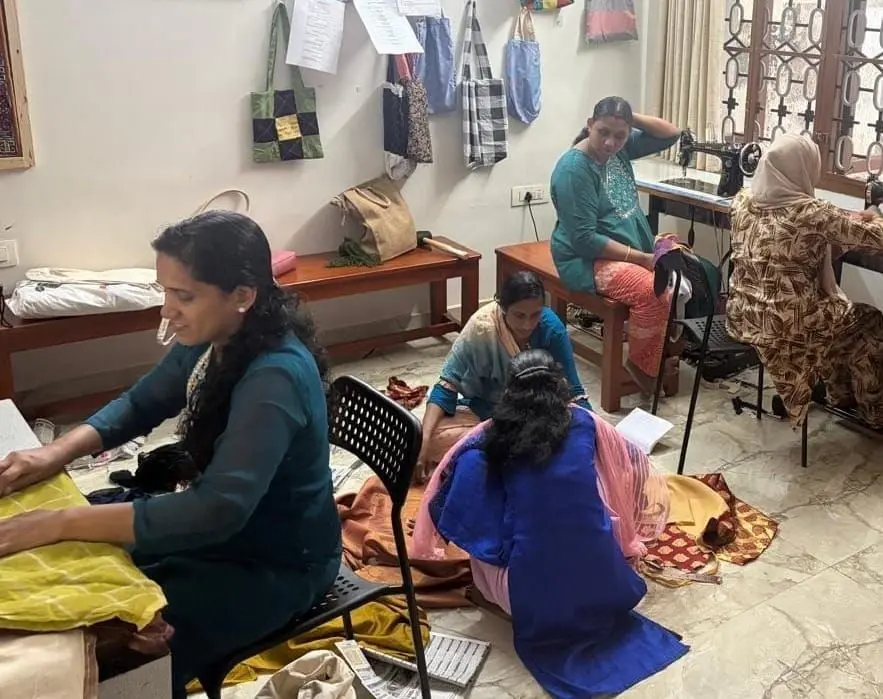
Students worked from sorting scraps to neat finishing
The stitching class continued. Students learned each step patiently, from sorting fabric pieces to finishing neat stitches. With the teacher's support, they slowly turned simple materials into strong and colourful tote bags made with care and teamwork.
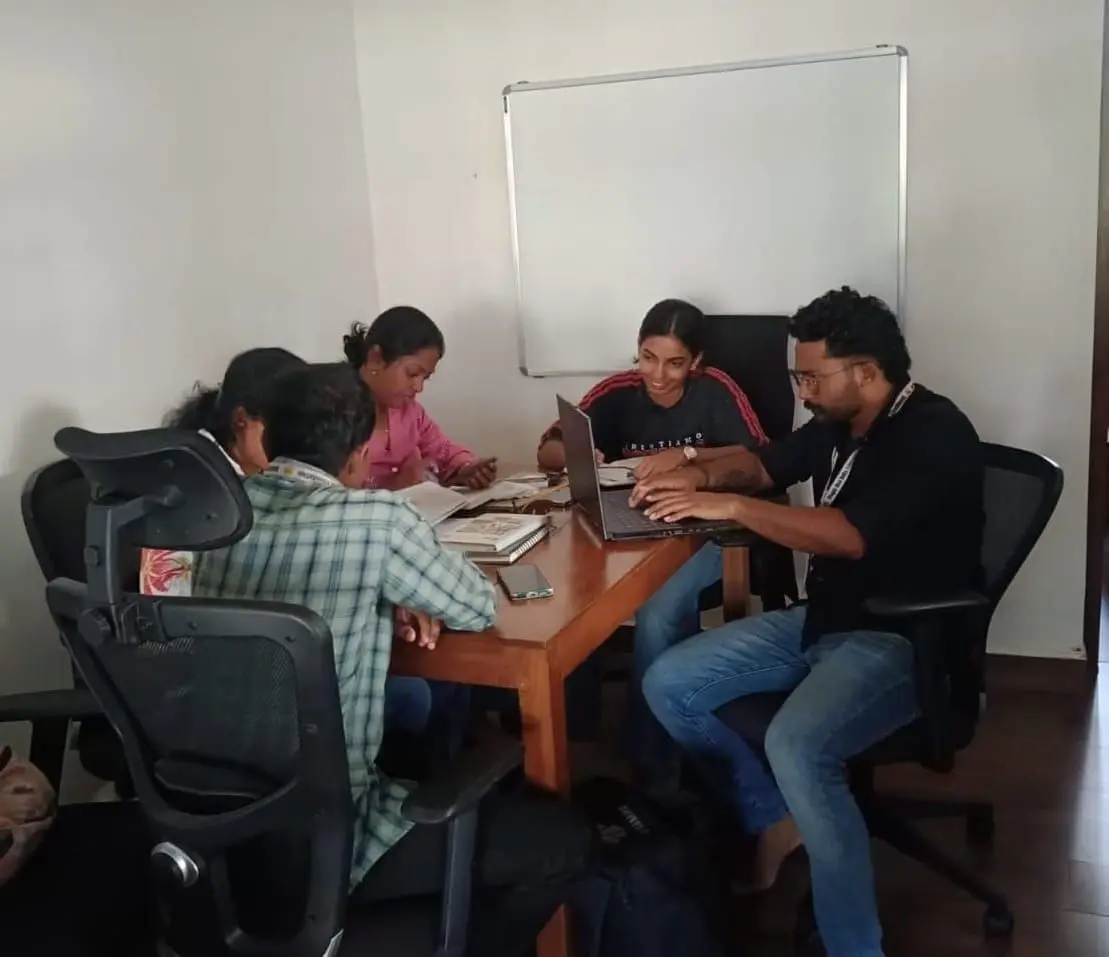
A group used the space to recruit for community projects
A group used the space to recruit for community projects. We started to talk about our upcoming community projects. We also began to recruit people for them. It was good to see people use the space to connect and share opportunities. The space also gave new beginnings some support.
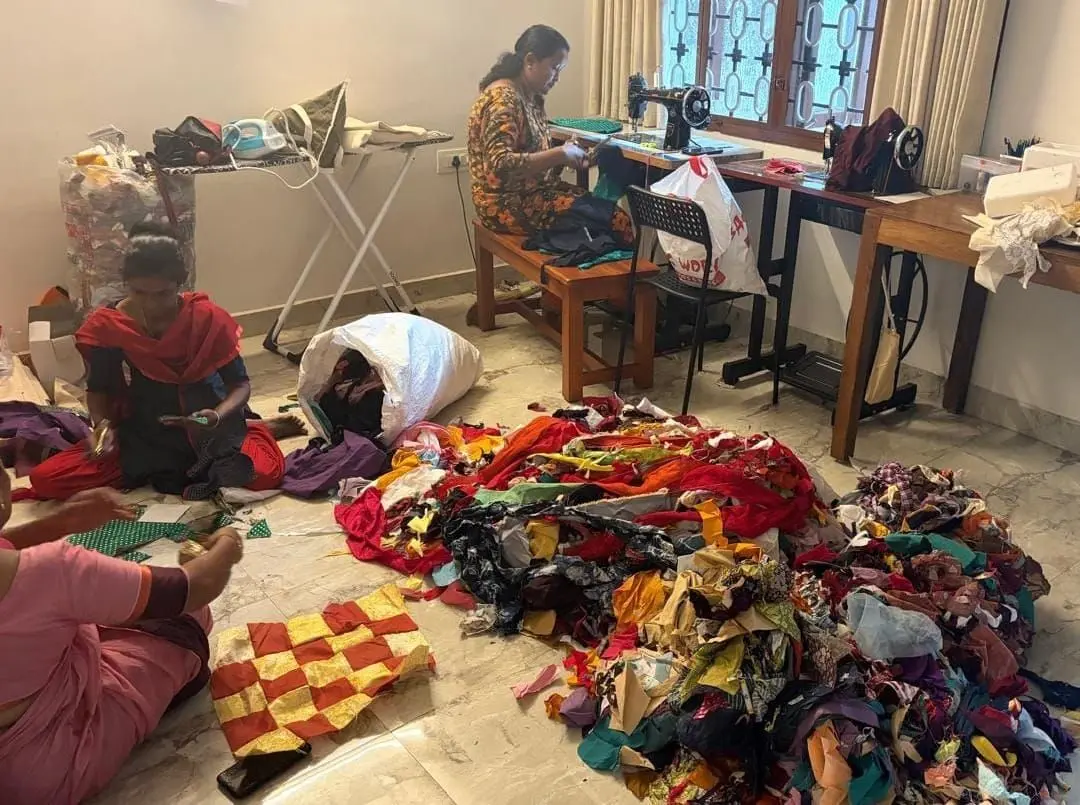
Cutting, measuring and stitching practised under the teacher
Students practised cutting, measuring and stitching with care under the teacher's guidance. The room was full of learning, teamwork and quiet concentration. We are working towards production-quality tote bags, building confidence a step at a time.
Magic Bus Foundation team visits the space
We welcomed the team from Magic Bus Foundation to the space. Their visit started talks about community work and youth engagement. It also started talks about working together. Moments like this keep bringing different people and ideas together at the space, naturally.
Some unexpected visitors from nature walked in
Some unexpected visitors from nature walked into the space today. They made the day feel more special. We slowed down, observed, and enjoyed the space around us.
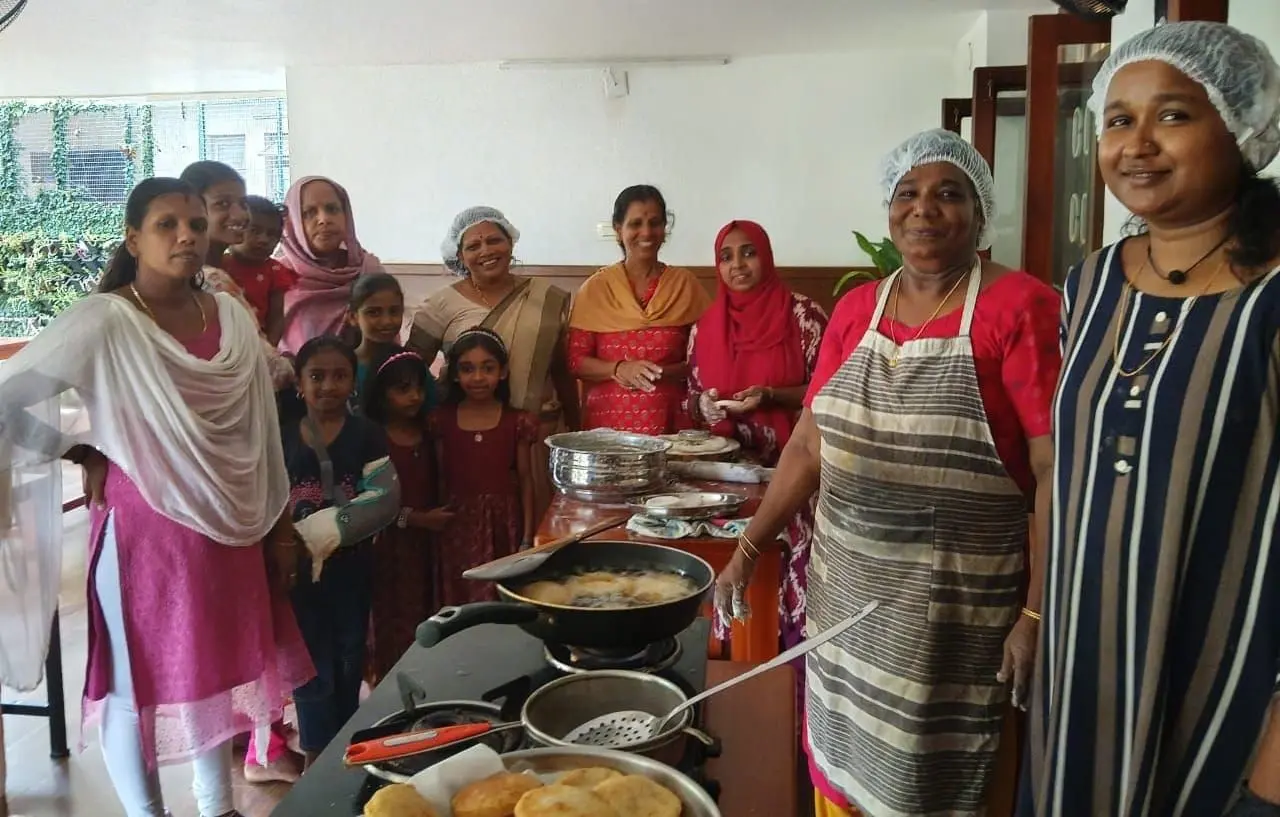
Community members learned to make rice pathiri
Community members came together for a cooking session to learn how to make rice pathiri. We made the dough and then fried the pathiris. The class became a space for sharing food, skills, and conversations.
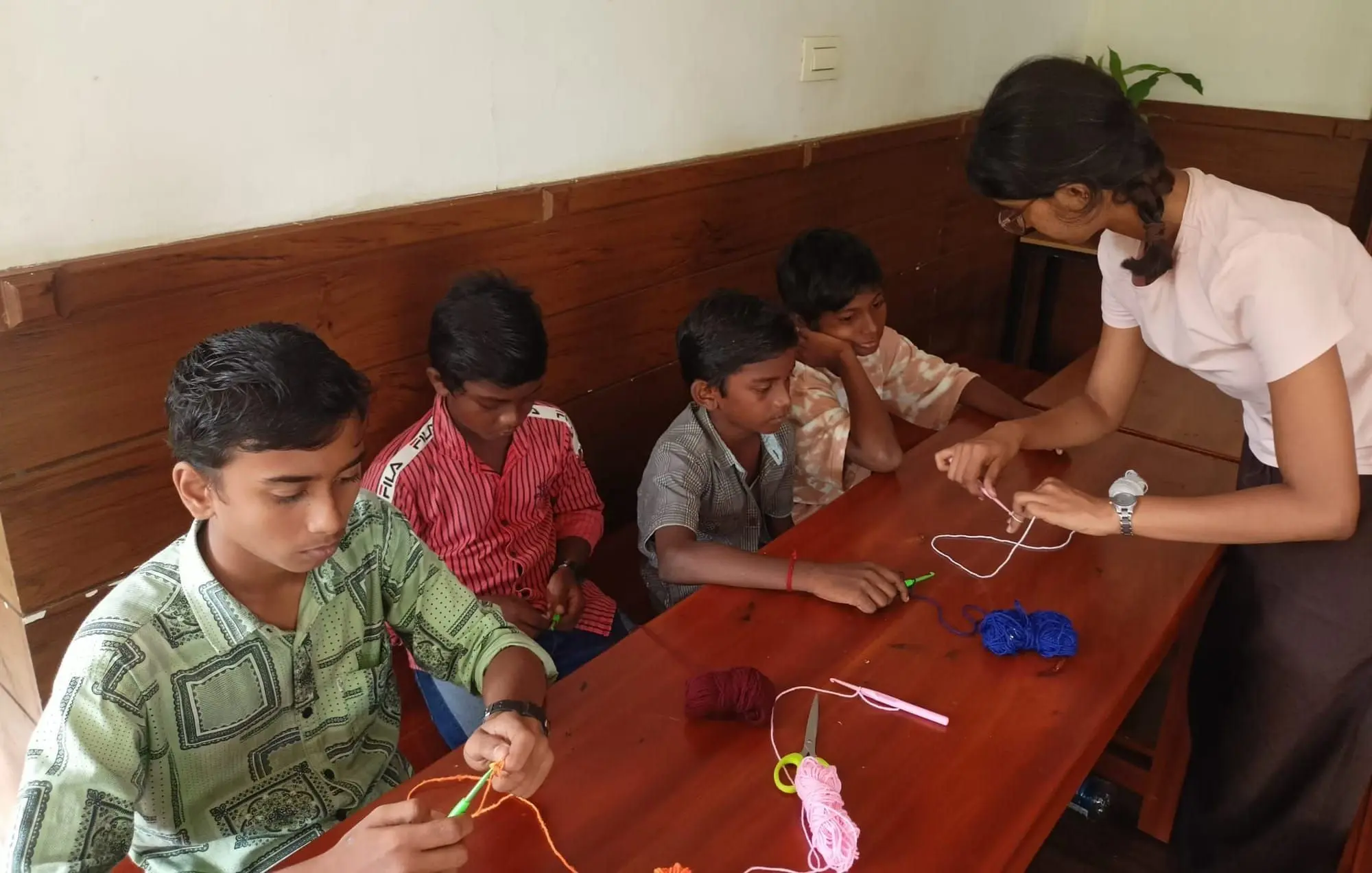
The children finished the final crochet class
The children gathered again for the final crochet class. They learned knots, loops and simple patterns together. The session included curious questions, focused attention and cheerful conversation.
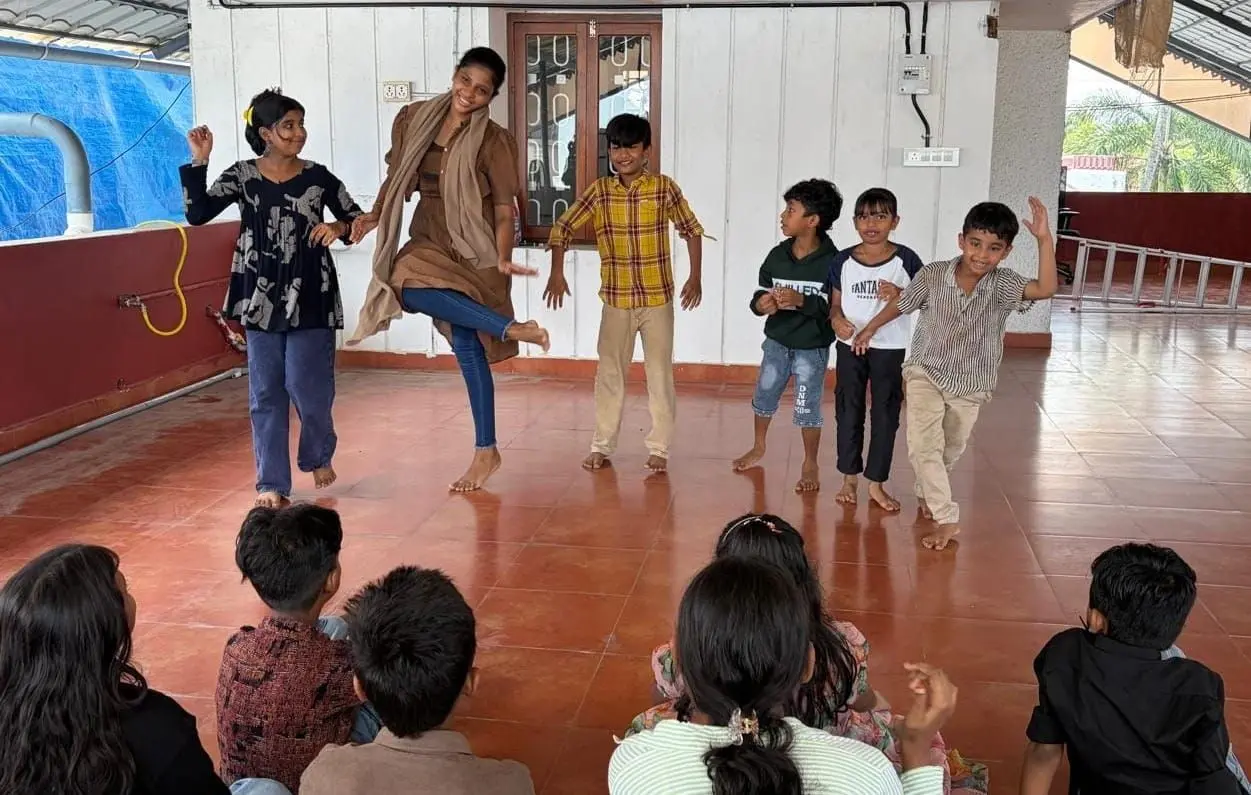
The summer camp closed with an art display and performances
On July 28, the children showed everyone the artworks they made during the summer camp. Later, they performed dances and theatre in the theatre space. It was a joyful celebration.
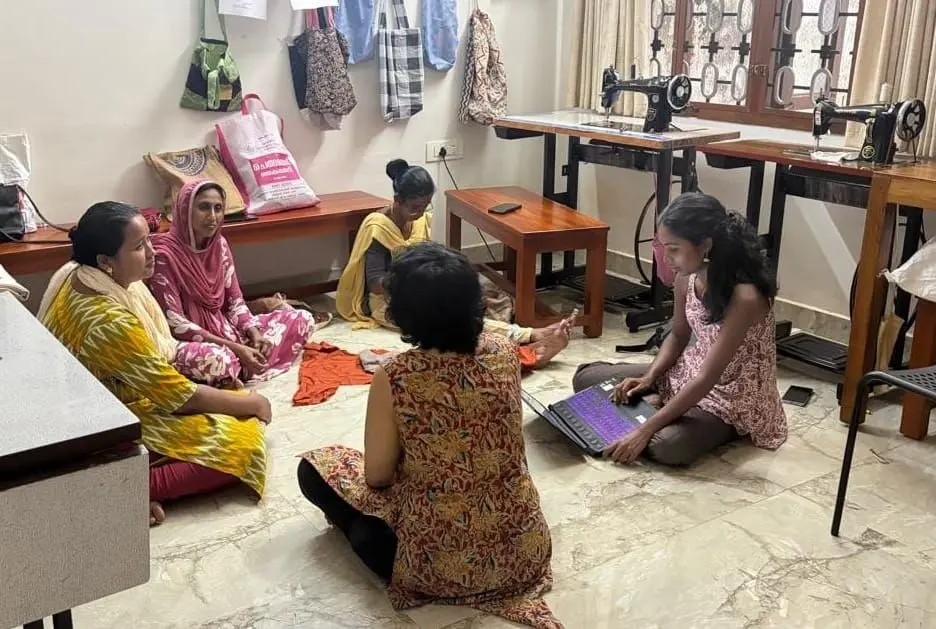
The stitching class talked designs, not just sewing
Students used the stitching class to discuss and share ideas. They learned together. They studied designs and materials, step by step. They found new ways to get better at making bags.
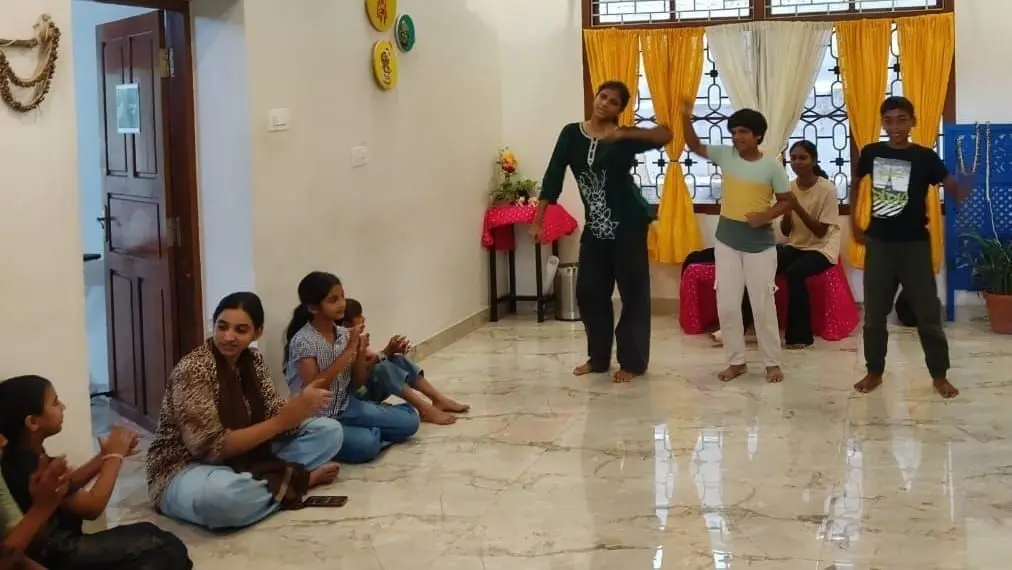
The children learned to work as a group through role play
The children learned to work as a group through movement, role play, and expression.
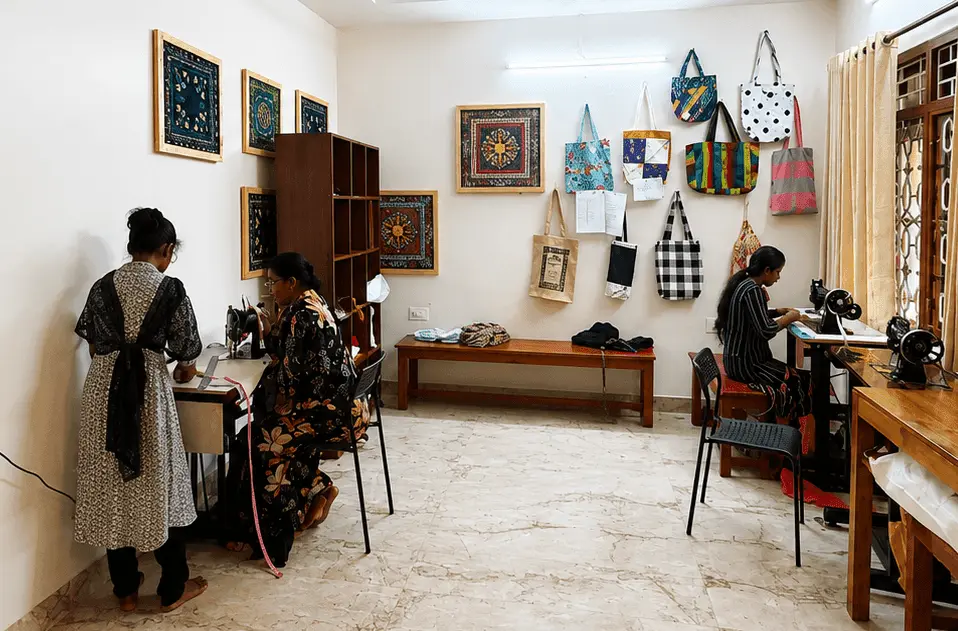
Members followed a product through the whole process
The stitching class went on. Members learned the whole process of making a product. They handled fabric carefully. They practiced clean stitching. Each session helped turn learning into confidence.
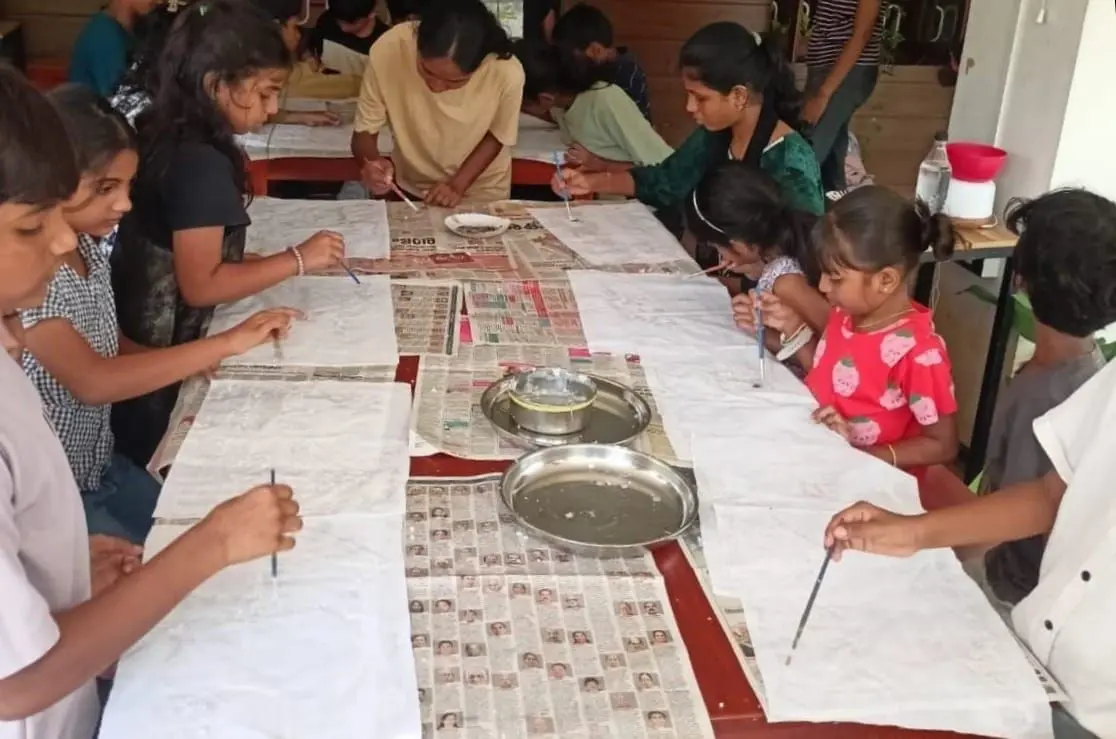
Campers tried resist dyeing along with dance and games
On Day 3 of the summer camp, we ran movement, dance and resist dyeing activities. The children moved freely and thought creatively. Games, expression and group sessions helped them take part with confidence.
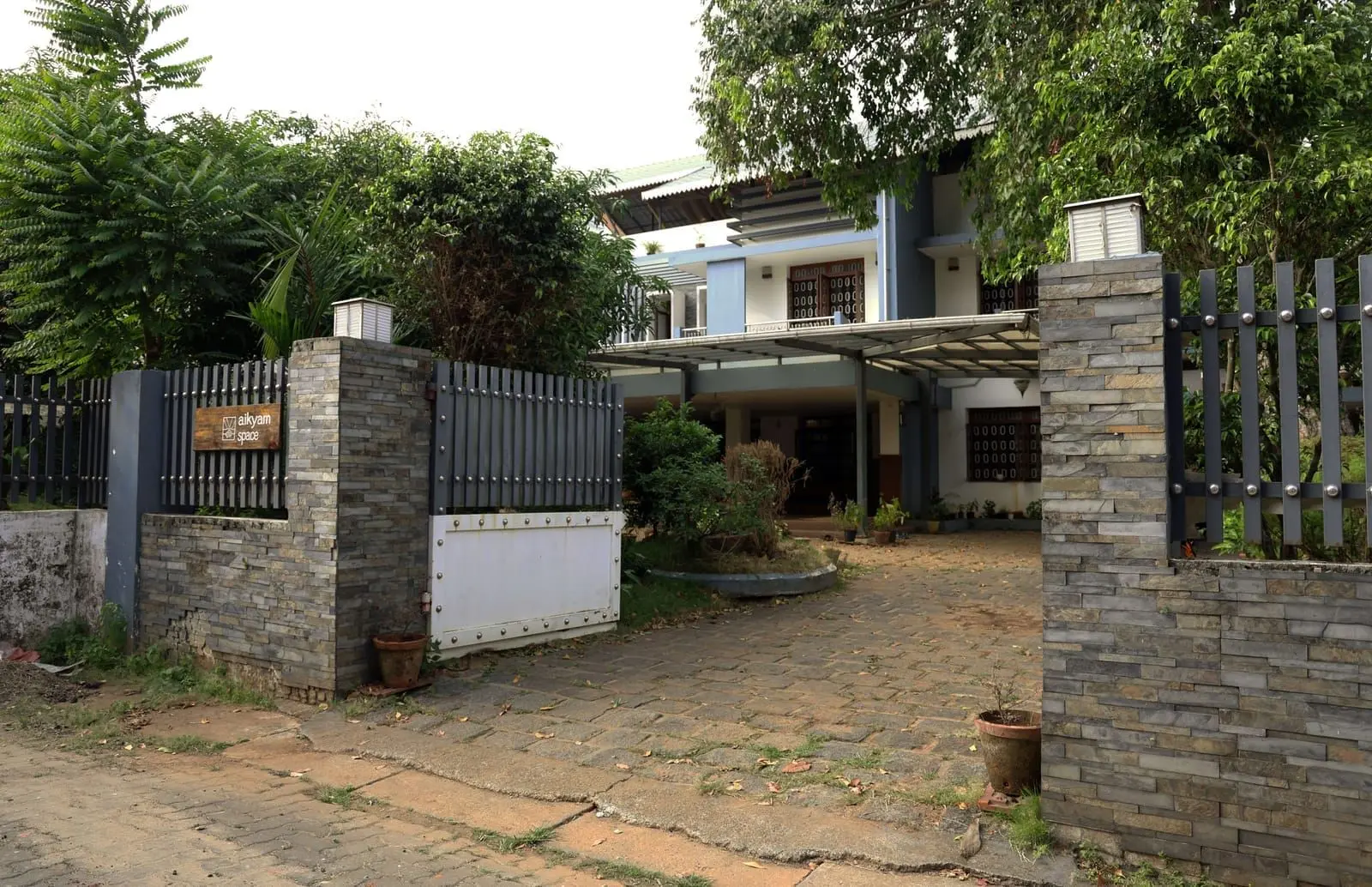
A visitor wrote down how the space felt
"aikyam felt like a mini world where people of different ages and backgrounds came together to learn, create, and feel a sense of belonging." — Rohit Sharma
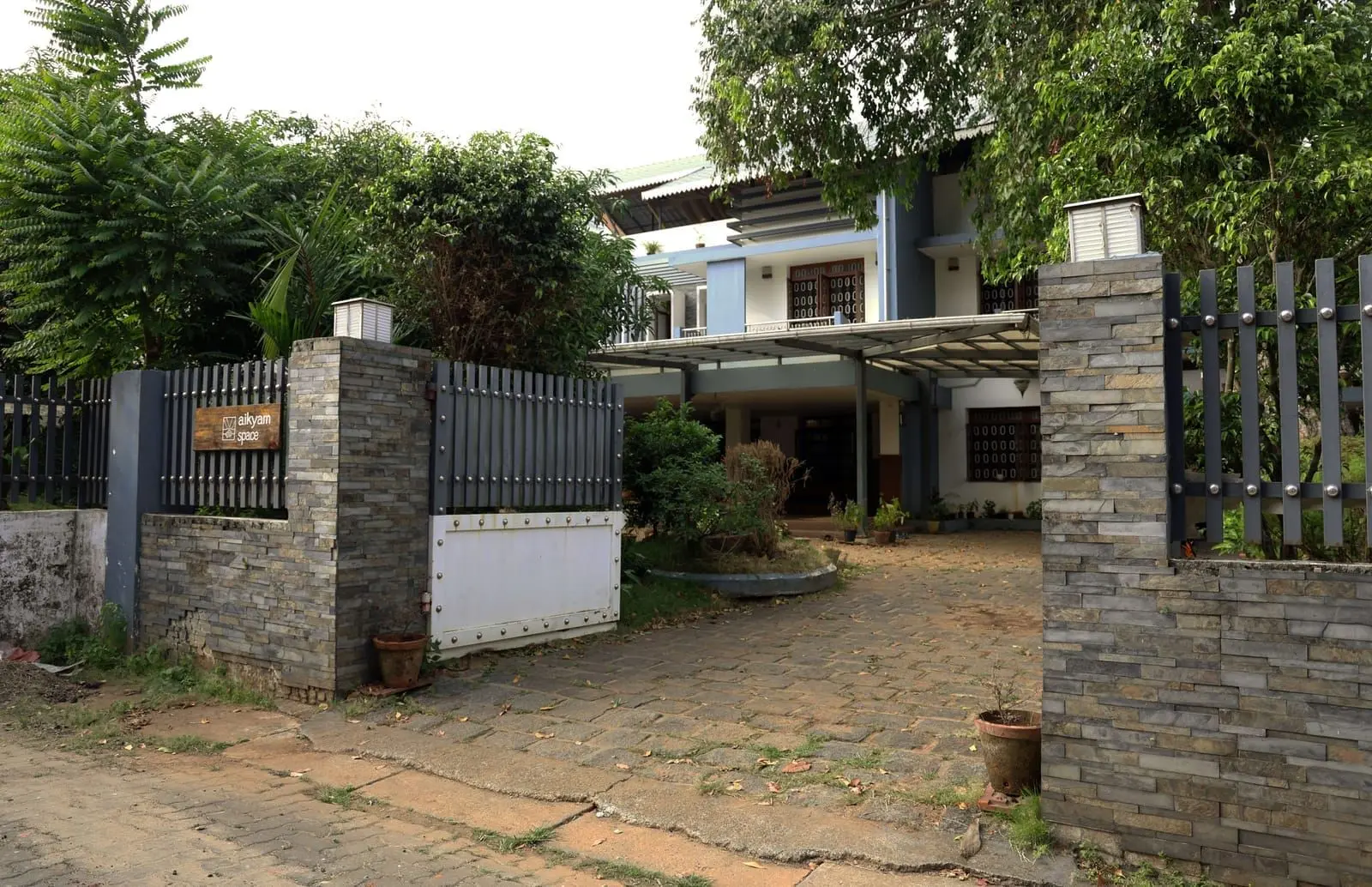
Shemeer and Rohit discussed fundraising for early-stage nonprofits
Shemeer and Rohit discussed fundraising. They talked about the challenges for early-stage nonprofits and how to handle them.
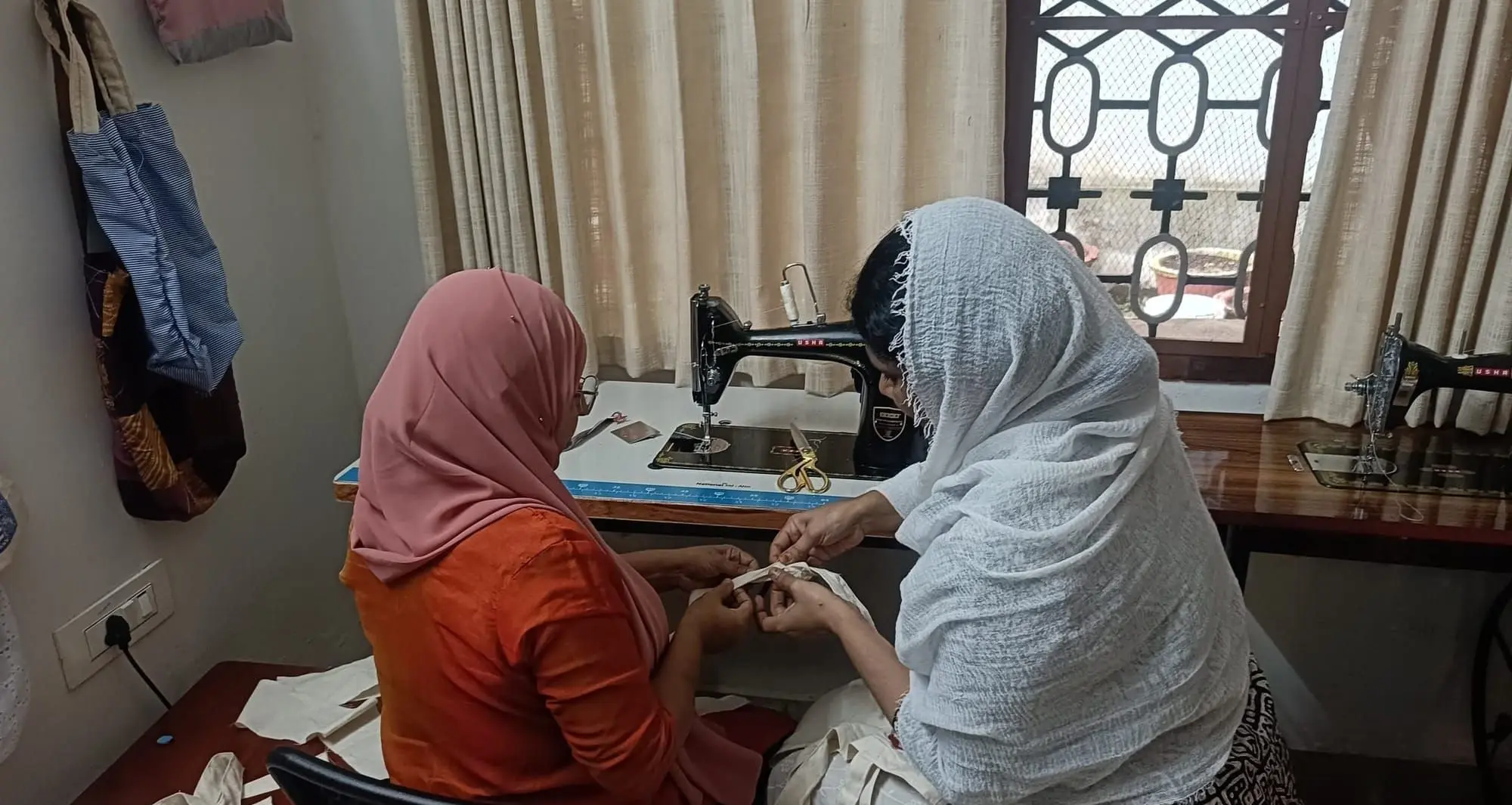
Fabric slowly turned into bags and pouches
We turned fabric into bags and pouches. We practised and we were patient. We made small improvements at every step. The space became a place of learning, support and shared creativity.
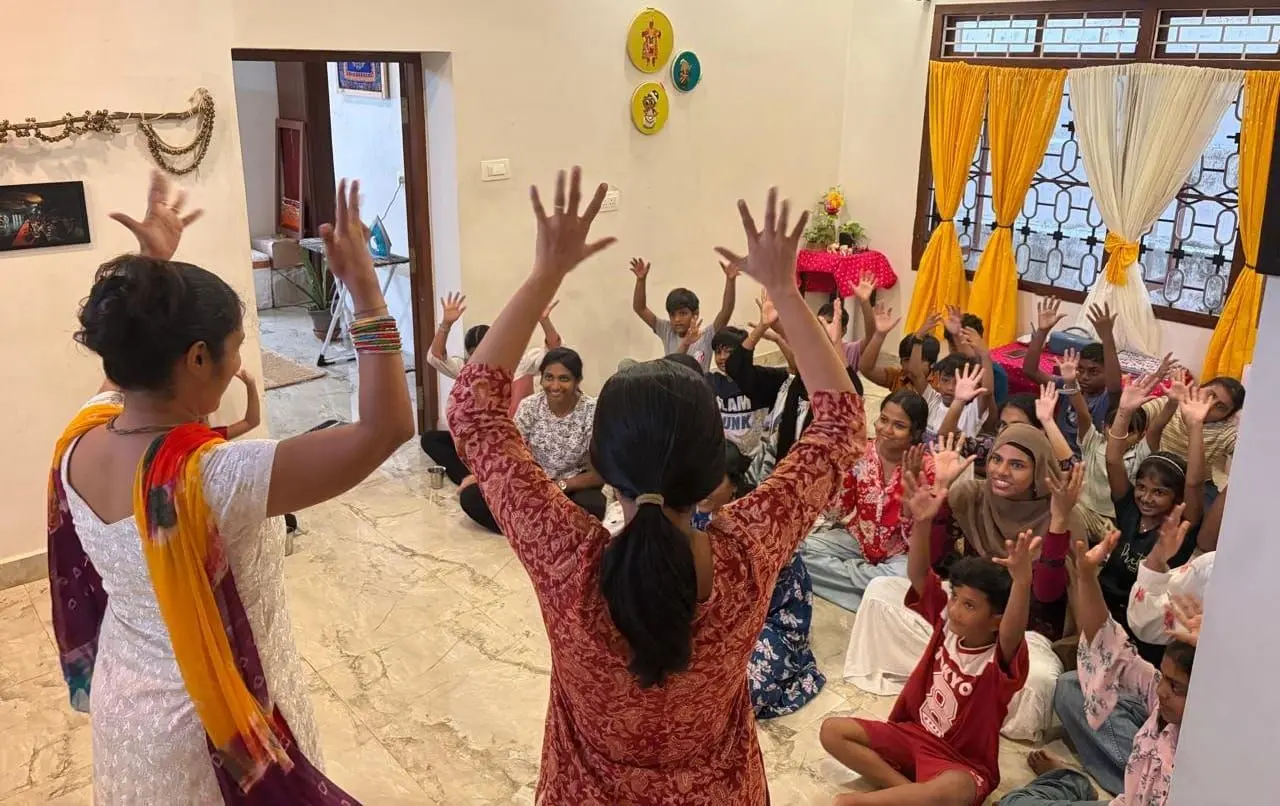
Summer campers learned storytelling and basic sign language
On Aug. 2, we ran Day 2 of the summer camp. We focused on storytelling and basic sign language. The children learned new ways to communicate, listen and understand each other through stories, expressions and simple hand signs.
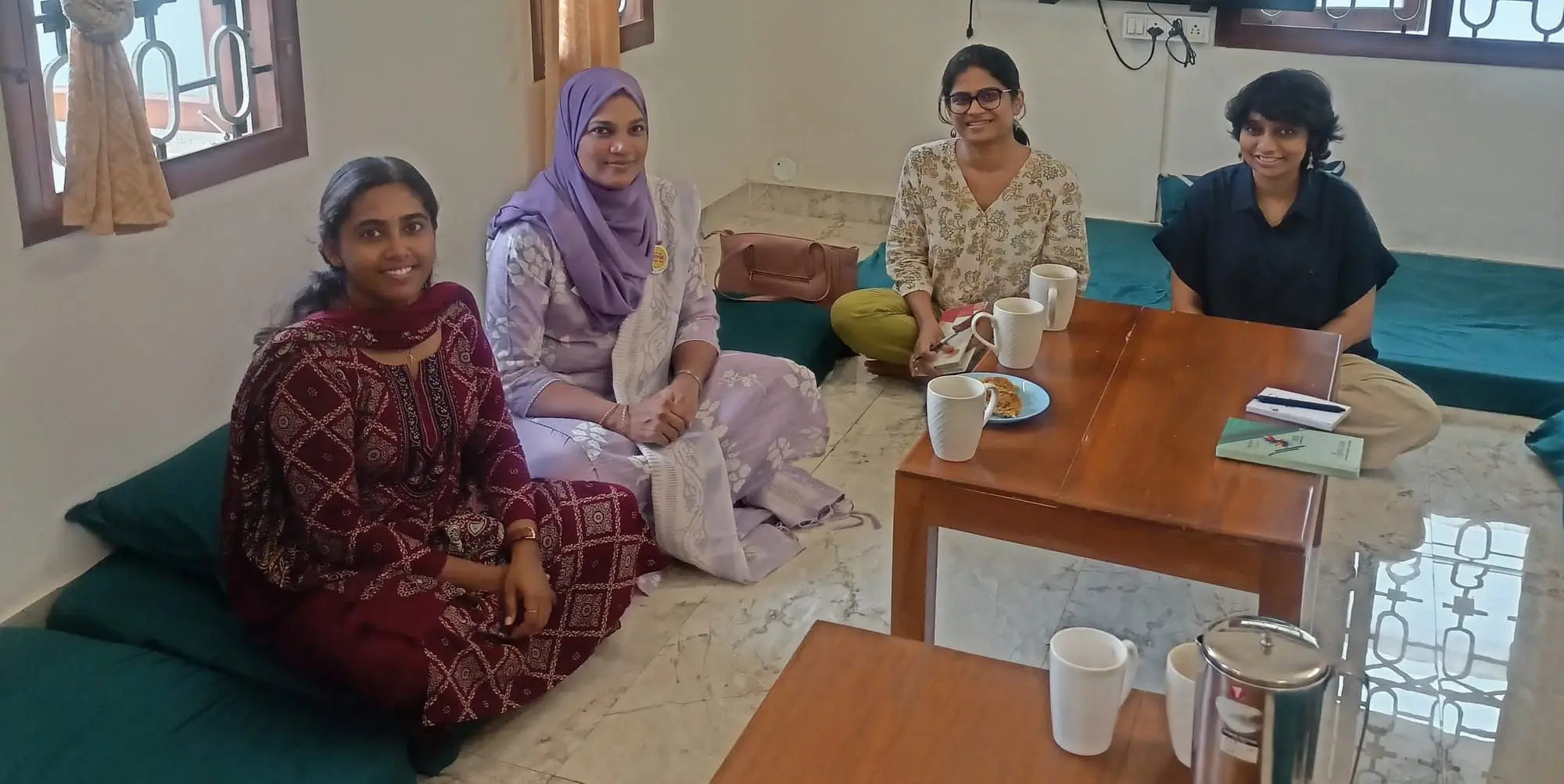
Pranava Institute surveyed technology barriers in Fort Kochi
We spoke with Dhanyashri from Pranava Institute, Delhi, about their survey. It looked at technology barriers faced by NGOs, Kudumbashree members, ASHA, and ICDS workers in Fort Kochi. After the discussion at the space, we went around the community. We spoke with people to understand their experiences and challenges with technology.
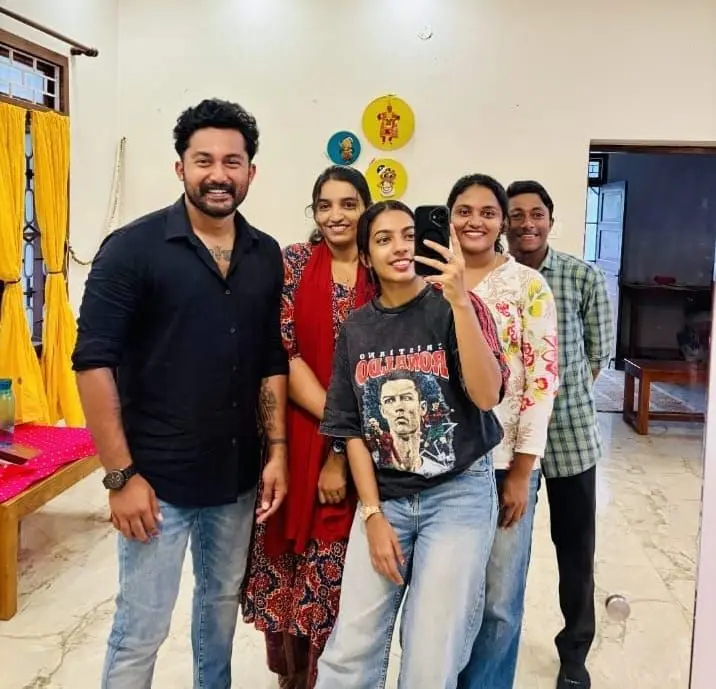
Magic Bus visited to learn what happens here
Members from Magic Bus visited the space on 14 March 2024. They wanted to understand the activities in the community and explore possibilities for future engagement. We shared experiences and ideas with them, and we learned more about their work.
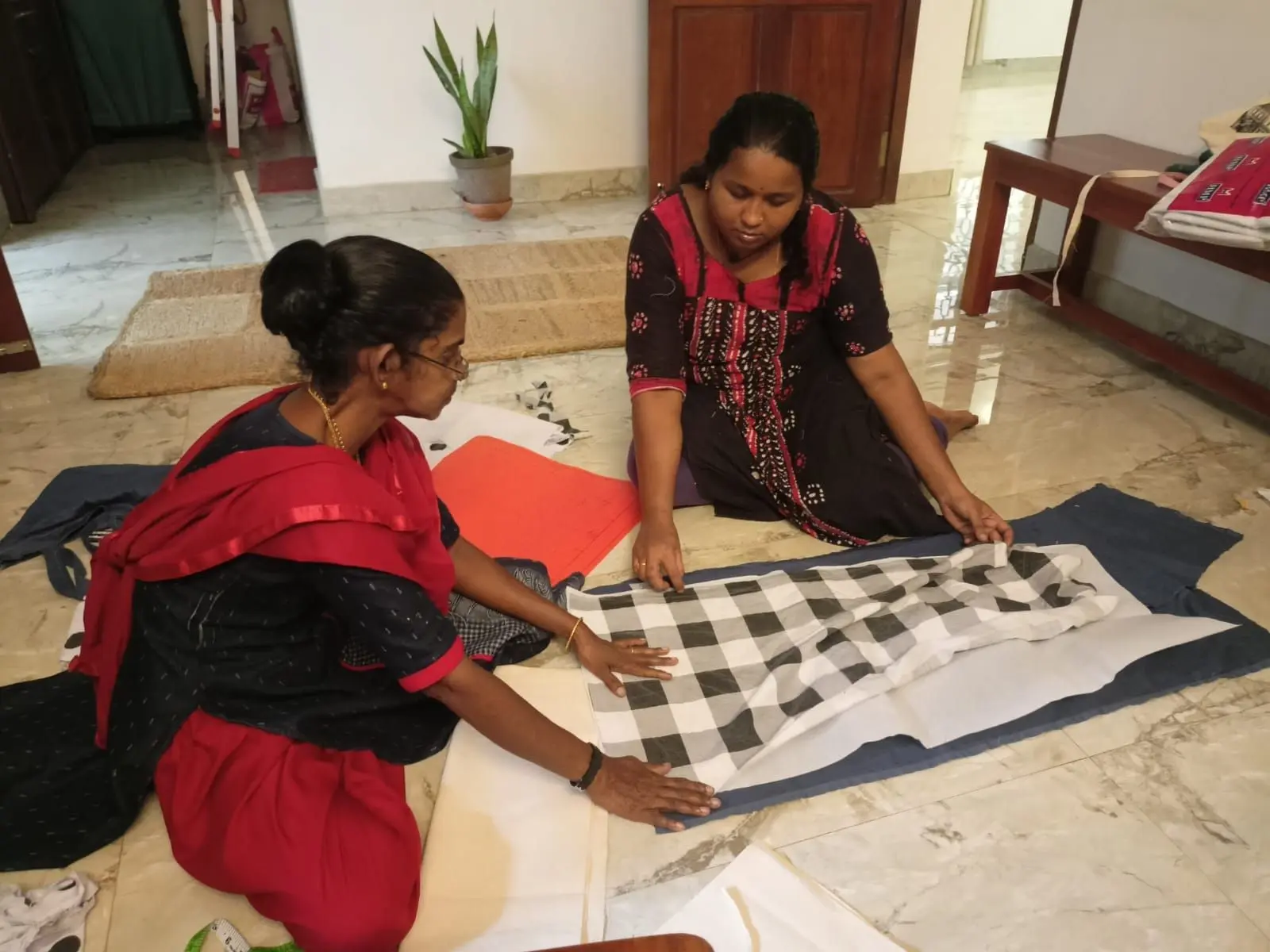
Students grew more confident handling fabric
Students in the stitching class grew more confident handling fabric each day. They learned to cut cloth and finish small details. The sessions helped the community slowly build practical skills through regular practice.
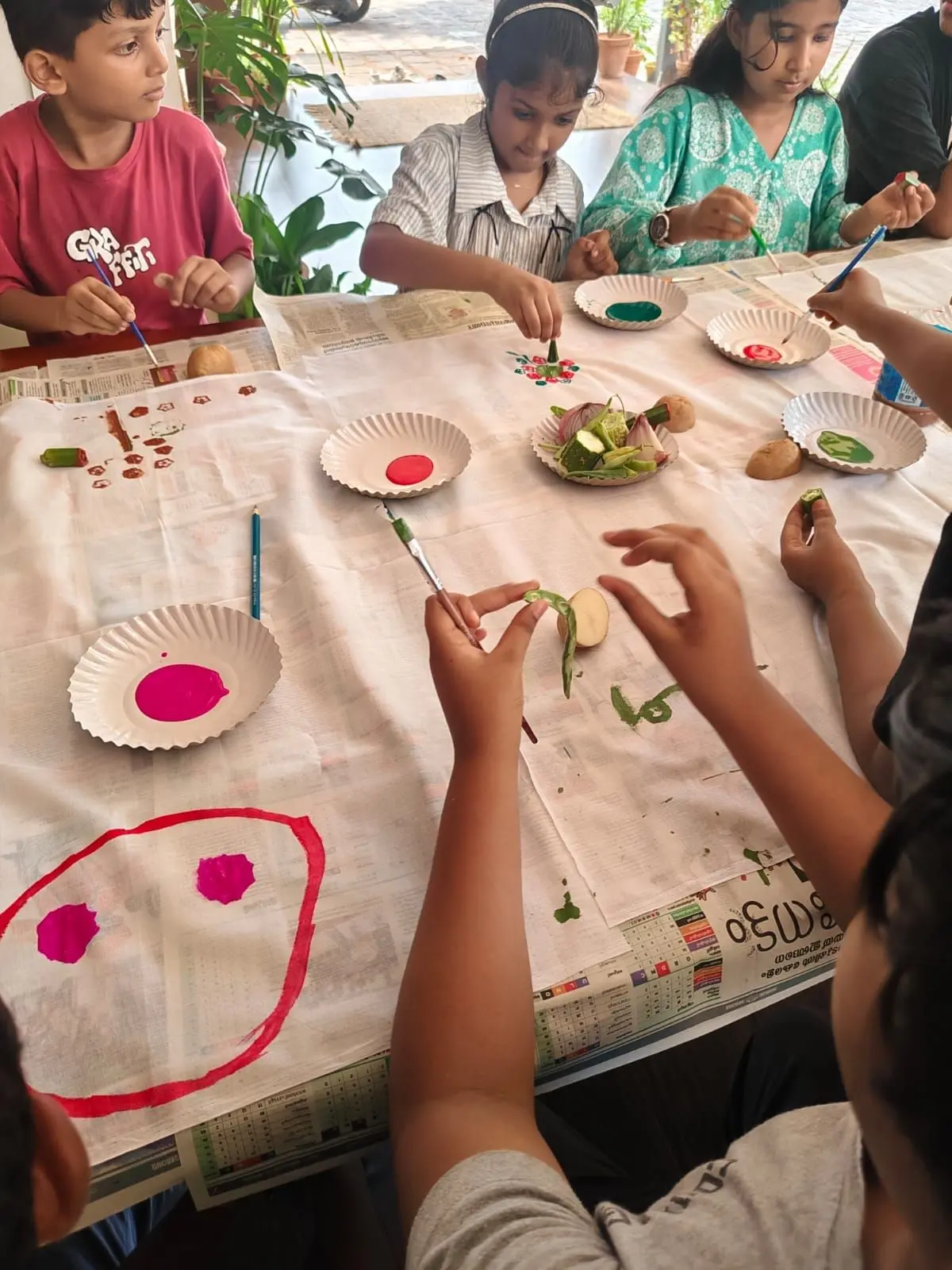
The summer camp opened with yoga and vegetable painting
The summer camp started with an ice-breaking session. Then the children did animal flow movements, games, and group activities. This helped them feel comfortable with each other. The day continued with yoga. It ended with a vegetable painting session on cloth, where the children explored creativity with colours and patterns.
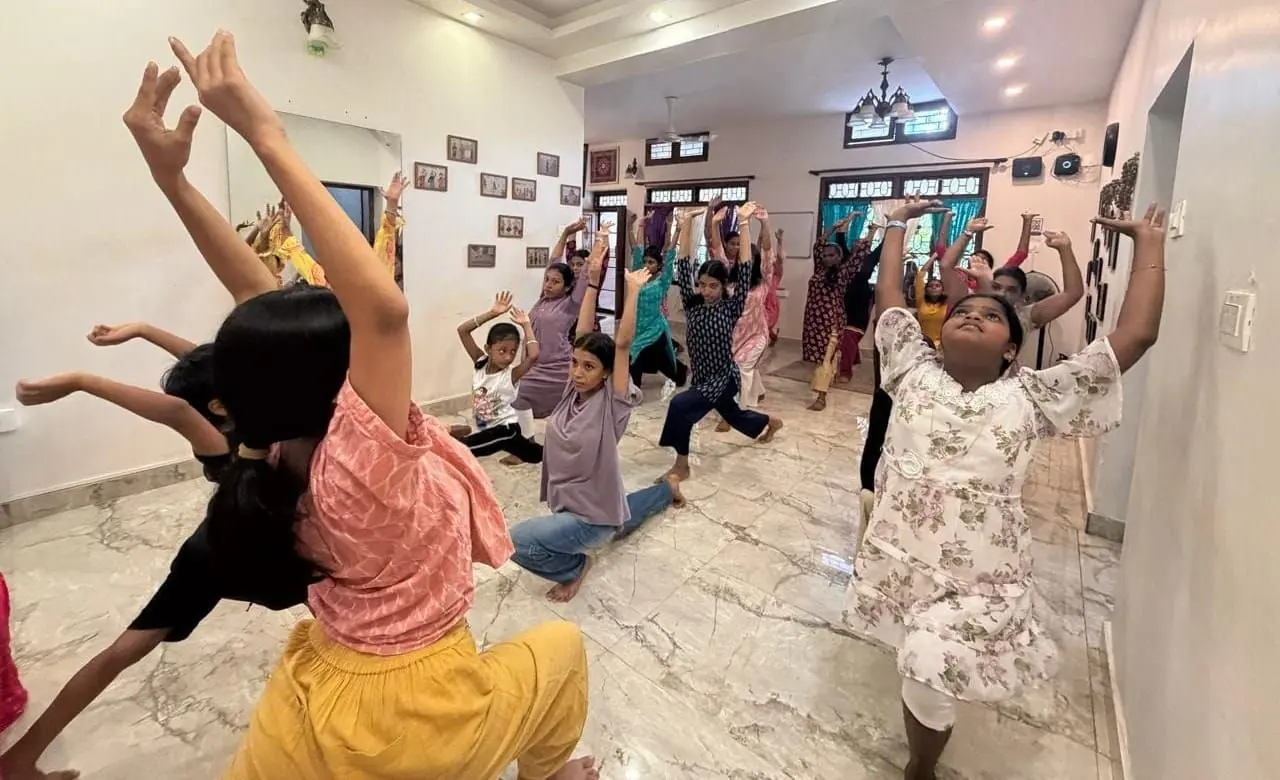
Bharatanatyam students learned to tell stories without words
The Bharatanatyam class was full of energy as students practiced expressions, postures, and movements together. With every step and hand gesture, the children learned how dance can tell stories without words.
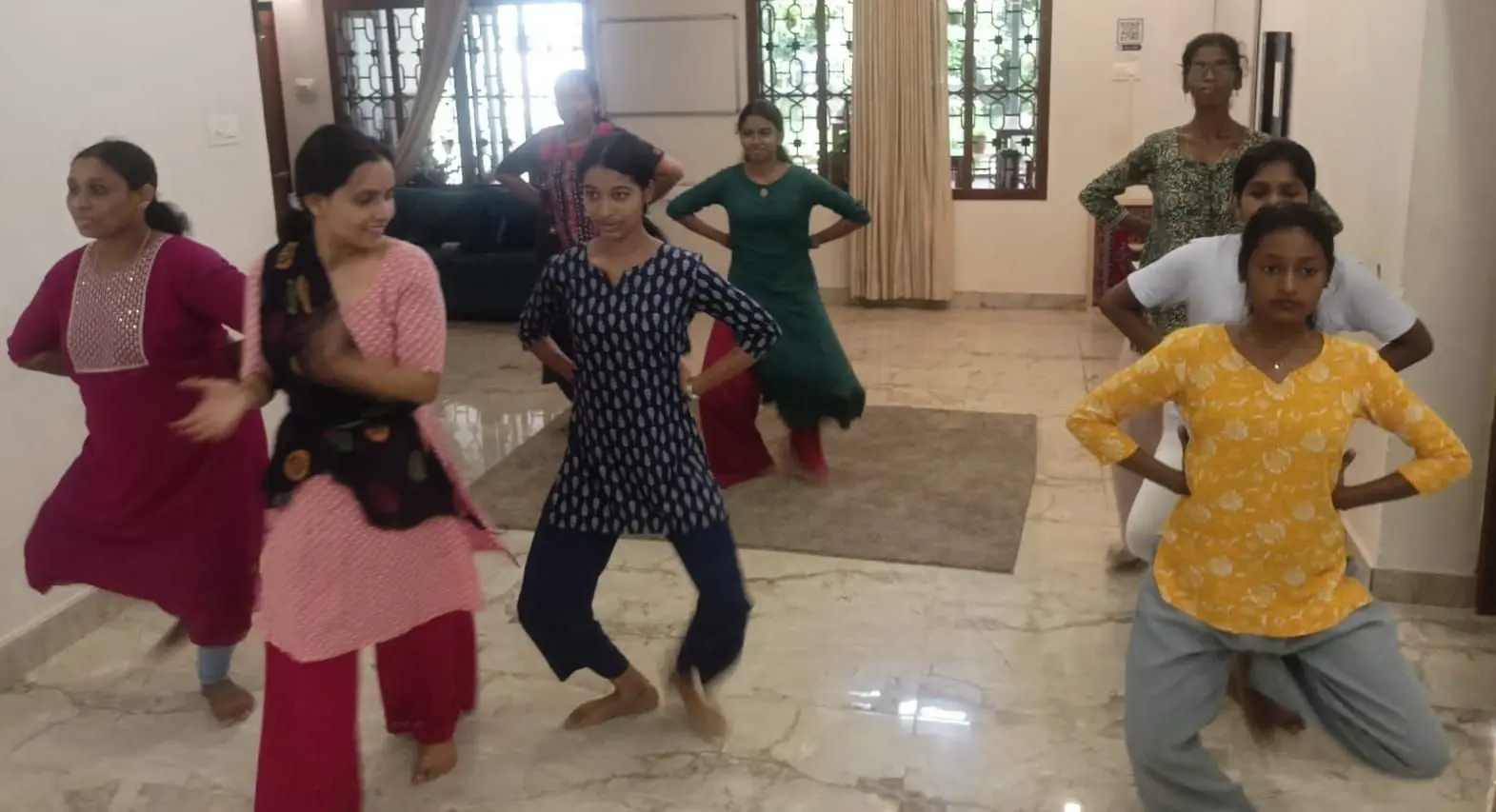
Children and adults practised Bharatanatyam side by side
The Bharatanatyam class brought children and community members together to practise steps, postures, and rhythm as a group. With every session, the space slowly grew into a place where learning, discipline, and art came together.
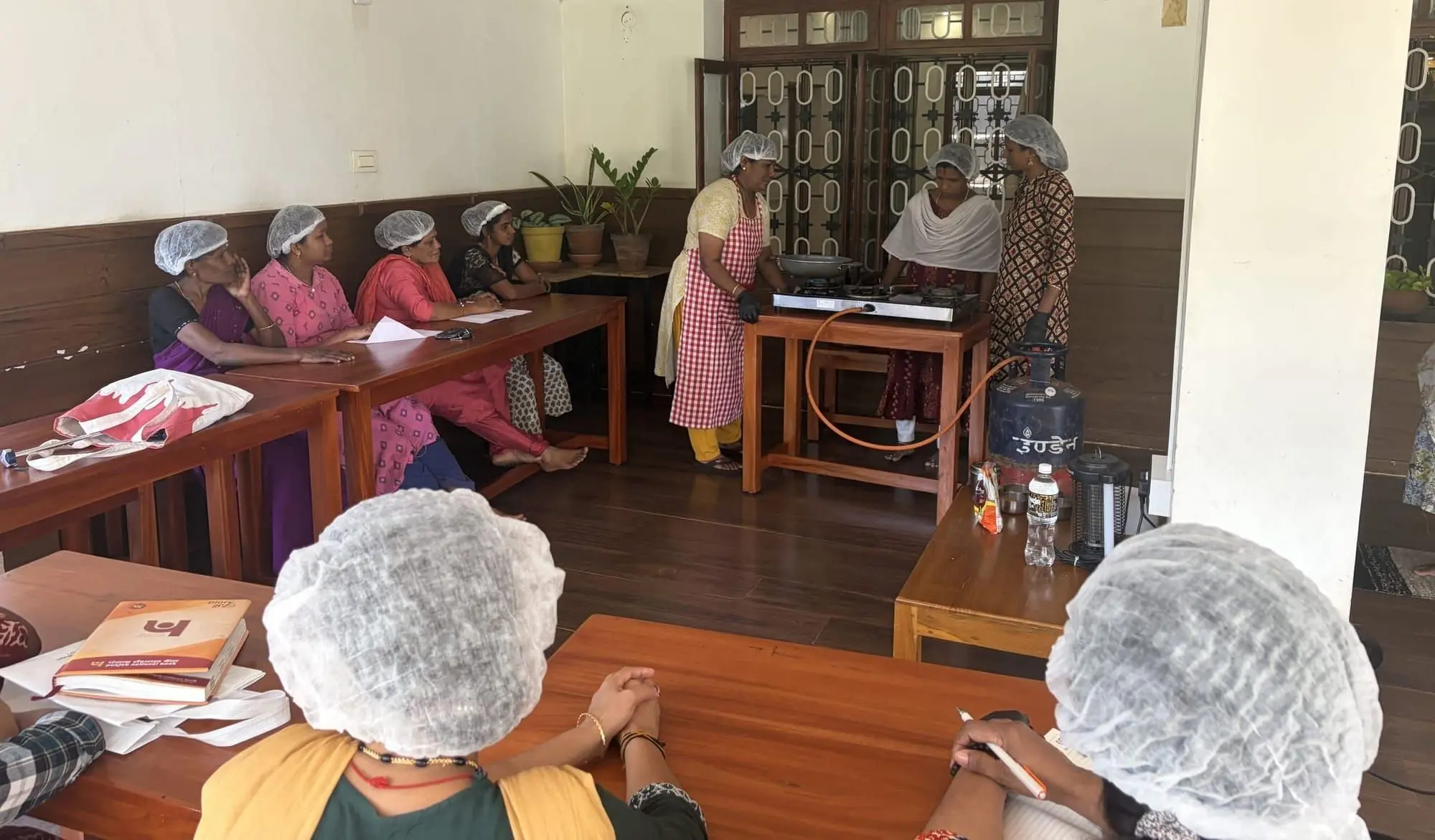
Community members learned to make chicken pickle
Community members came together for a chicken pickle making session. They learned the process in detail through practice. We prepared ingredients and mixed spices. The class became a space to share skills and talk. People learned together.
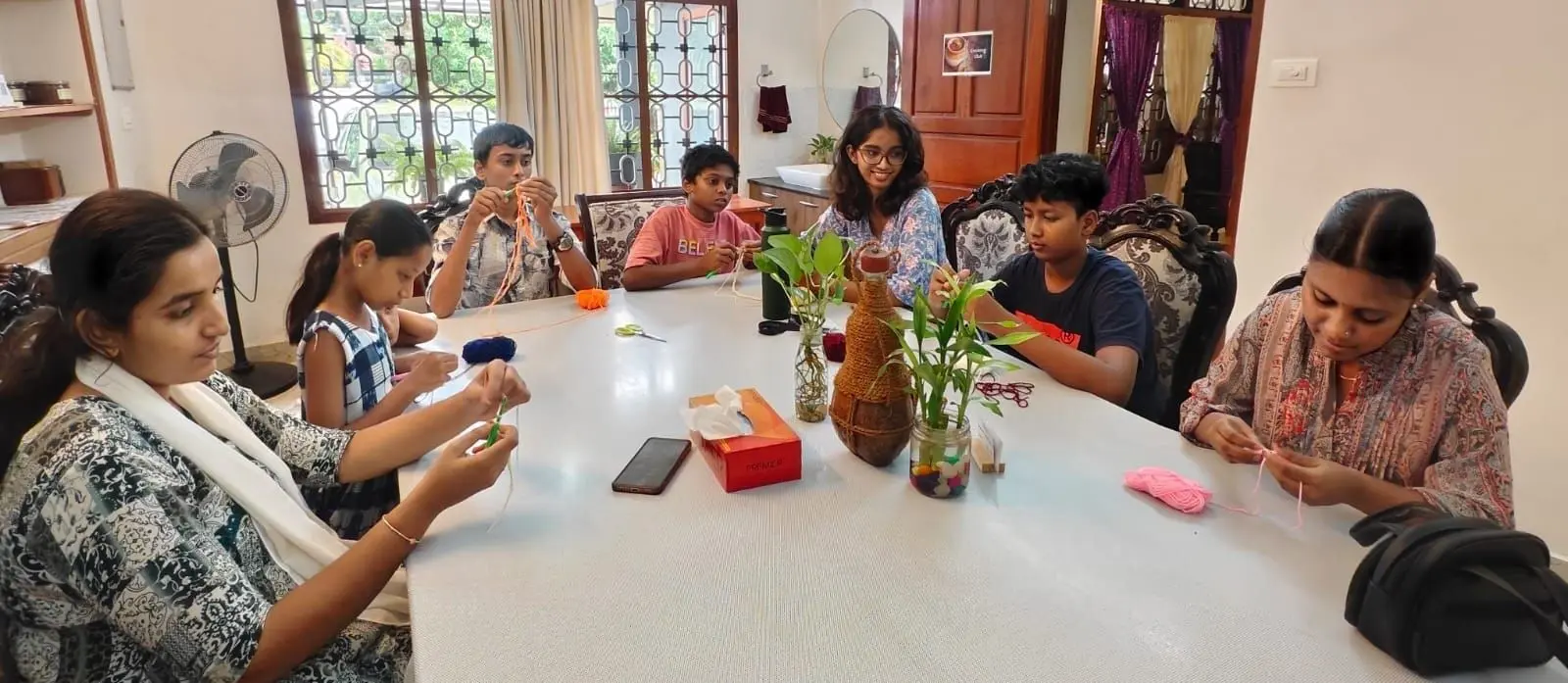
Children picked up their first crochet loops and knots
The children met for the crochet class on March 14, 2024. We showed them how to make loops and tie knots with colourful yarn. They practised patiently and helped each other. They made things with their own hands.
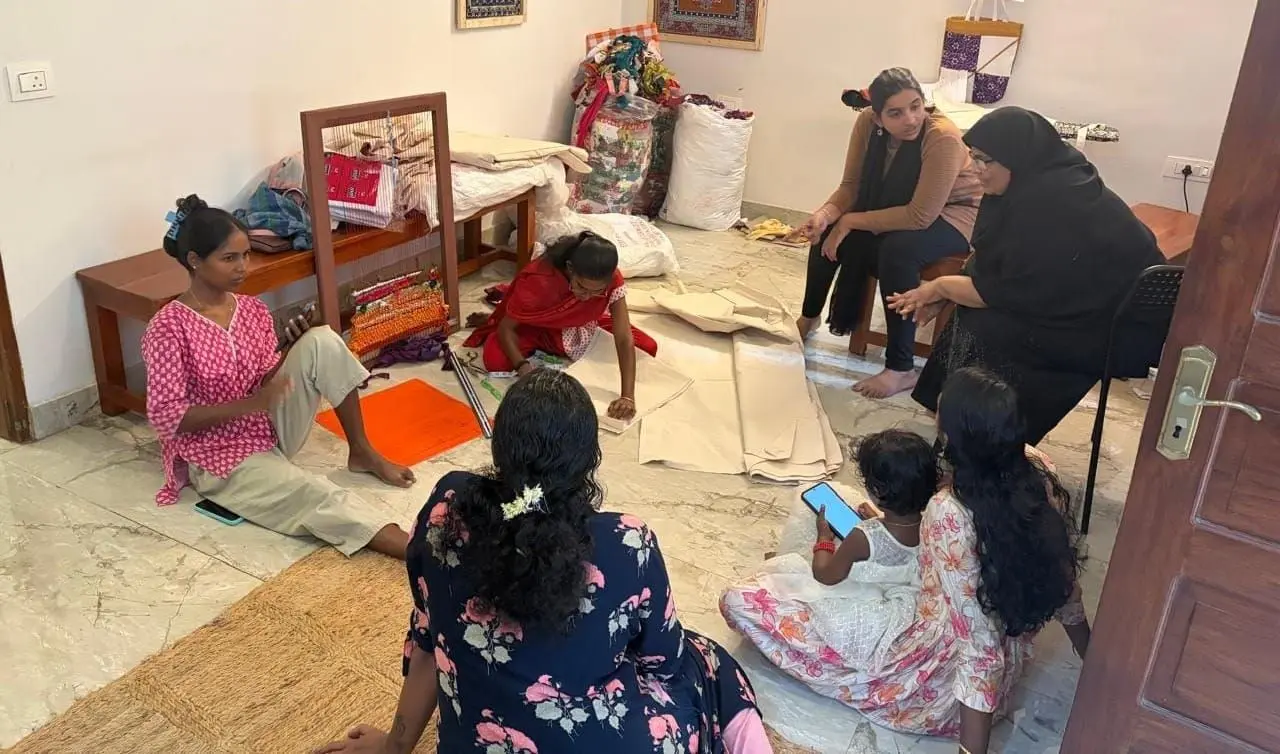
Stitching class covers measurements, cutting and bag patterns
The stitching class covered measurements, fabric cutting, and bag patterns from the start. Students worked together carefully, practising each step slowly. The room was full of learning, teamwork, and creativity.
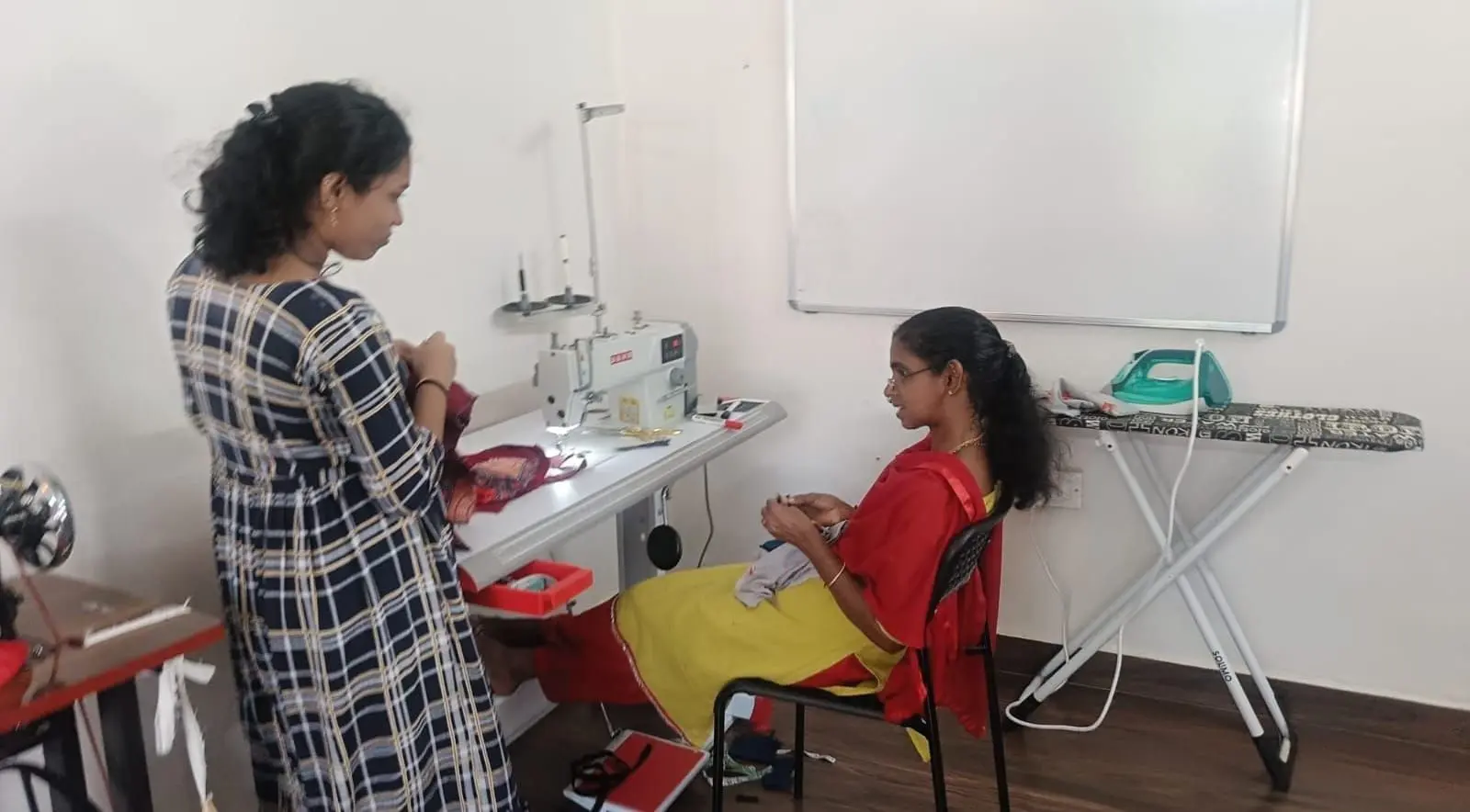
Tracing patterns and preparing cloth for the machines
We traced patterns and prepared cloth for the machines. The room contained fabric pieces and measurement tapes. Everyone concentrated. Each session left them more confident with the process.
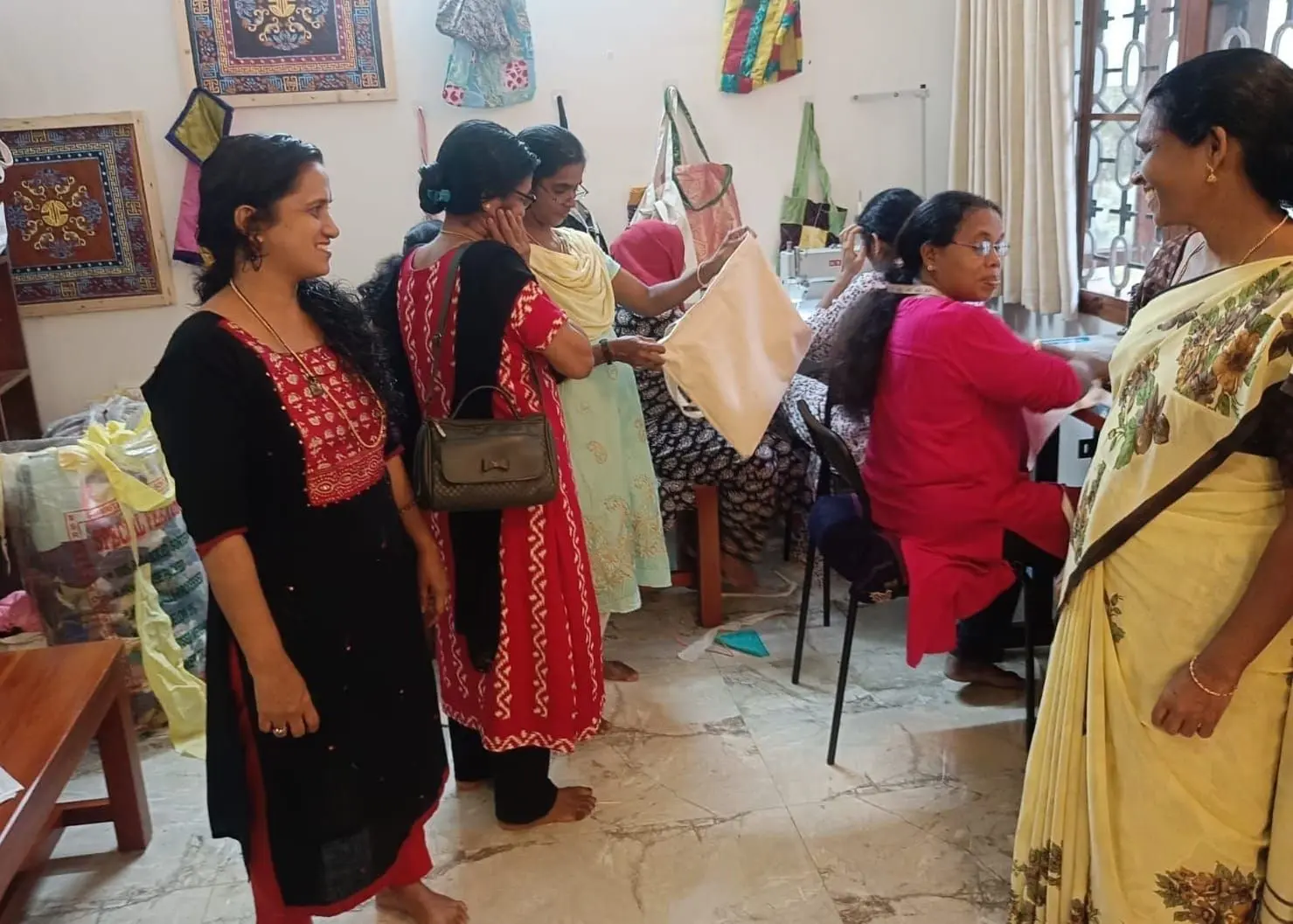
The stitching room fills up every day
The stitching space was busy every day with practice, conversations and learning. Beginners and more confident machine users came to sessions. The sessions helped the community build skills.
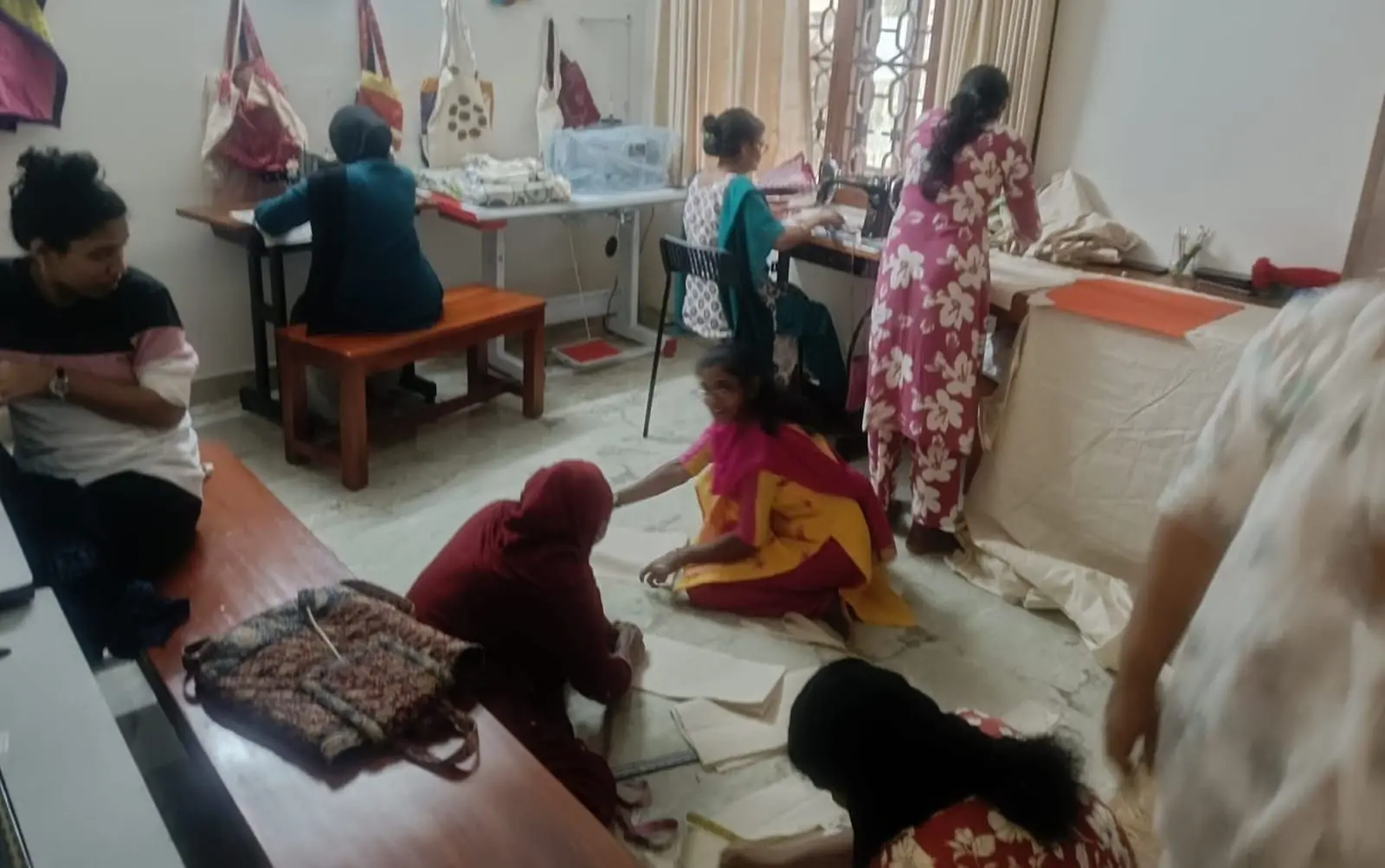
Members learned to make a tote bag from scratch
Members made tote bags from scratch. They measured the fabric and cut it out. Then they stitched the bag on the sewing machines. We gave practice, guidance and teamwork every week.
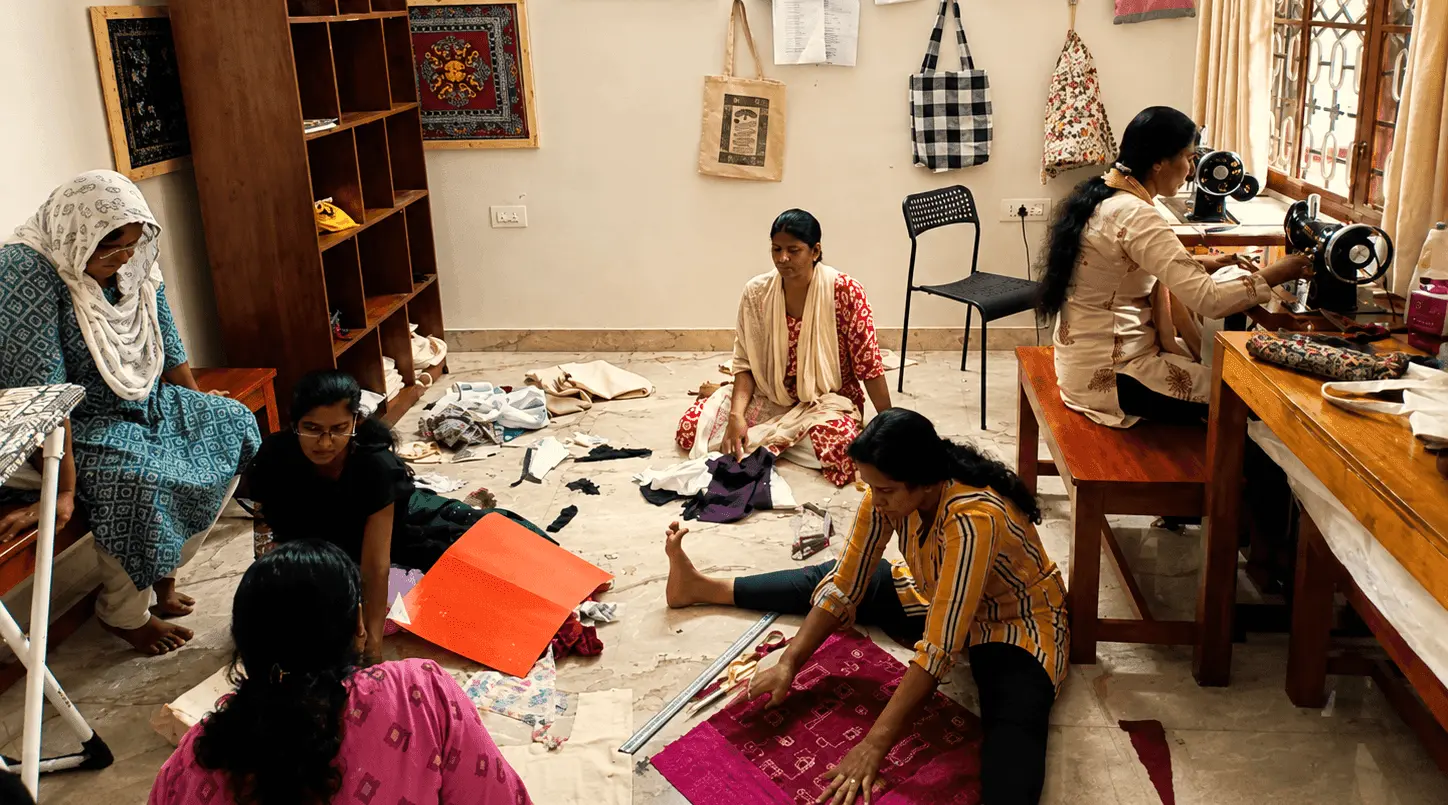
Stitching classes have set times and checklists
Stitching classes have set times and checklists for students. We start with the basics. Members learn slowly with more clarity and consistency.
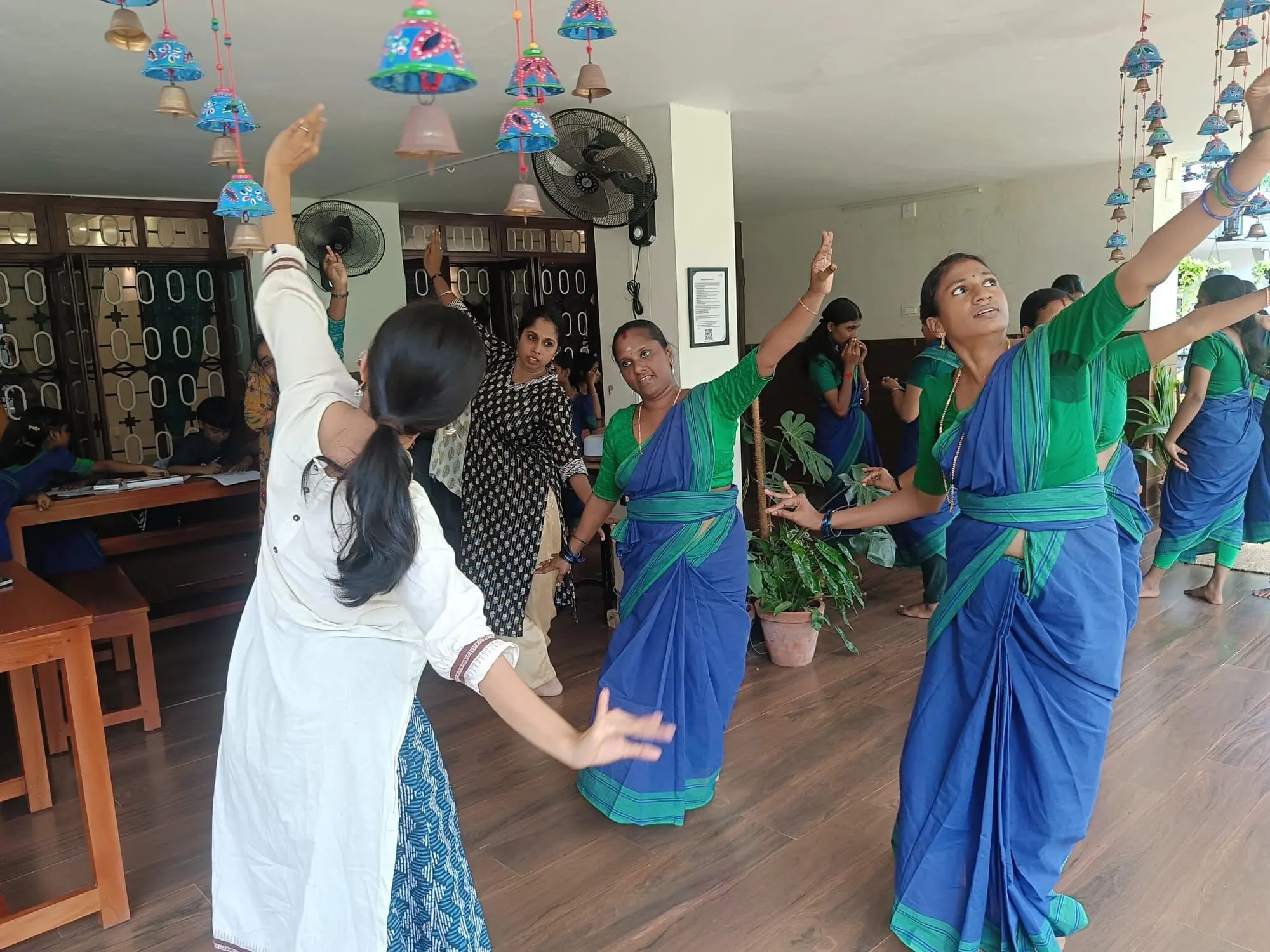
The Bharatanatyam class now runs in two batches
The Bharatanatyam class now runs in two batches. Yesterday, five new students joined, bringing fresh energy as we continued to learn steps, rhythms, and expressions together.
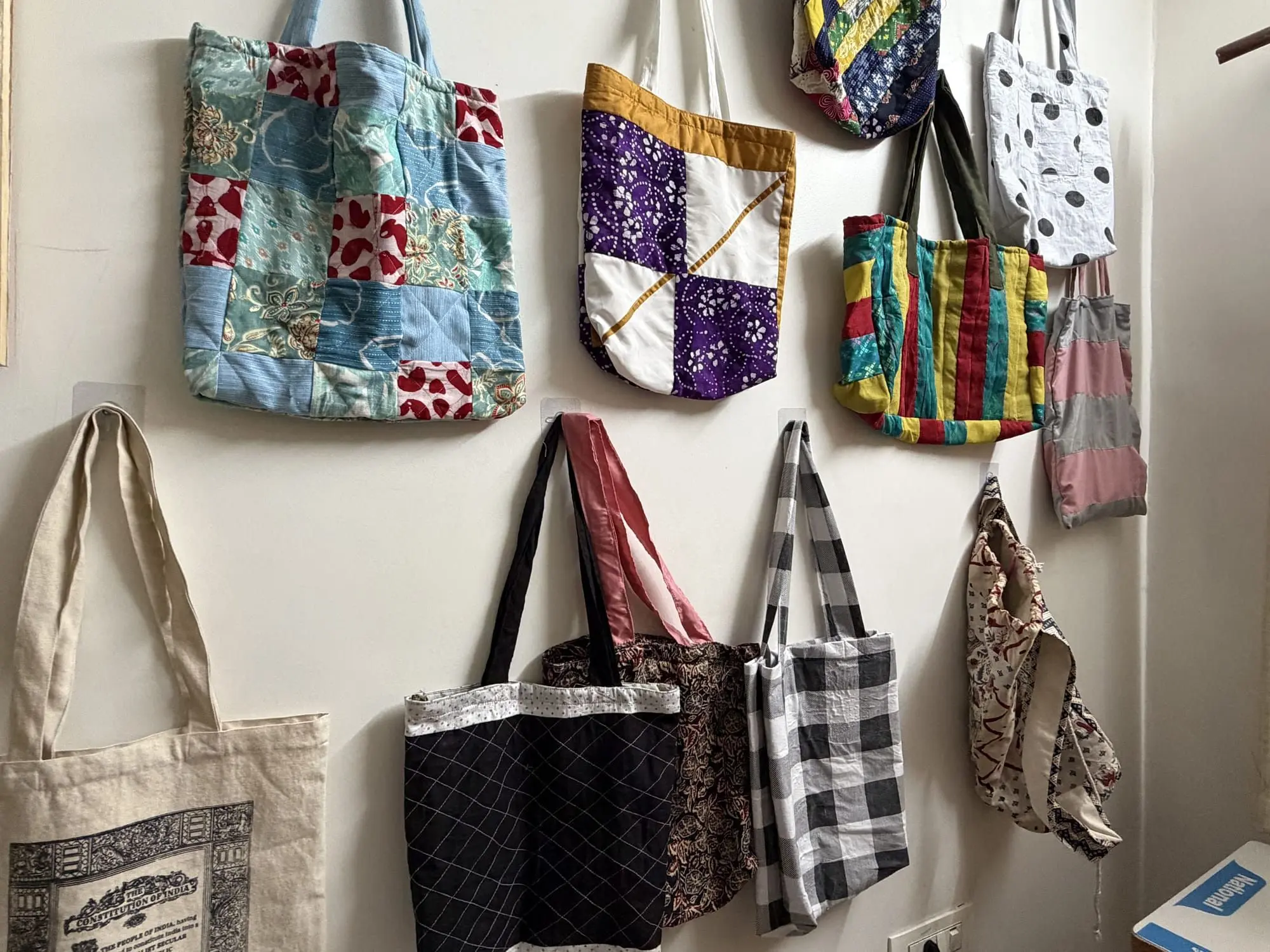
The wall of finished bags shows the class's progress
We ran a stitching class. The finished bags are on the wall. Each bag shows what its maker learned. Some designs were simple. Others were more creative. Every piece shows the effort people put in.
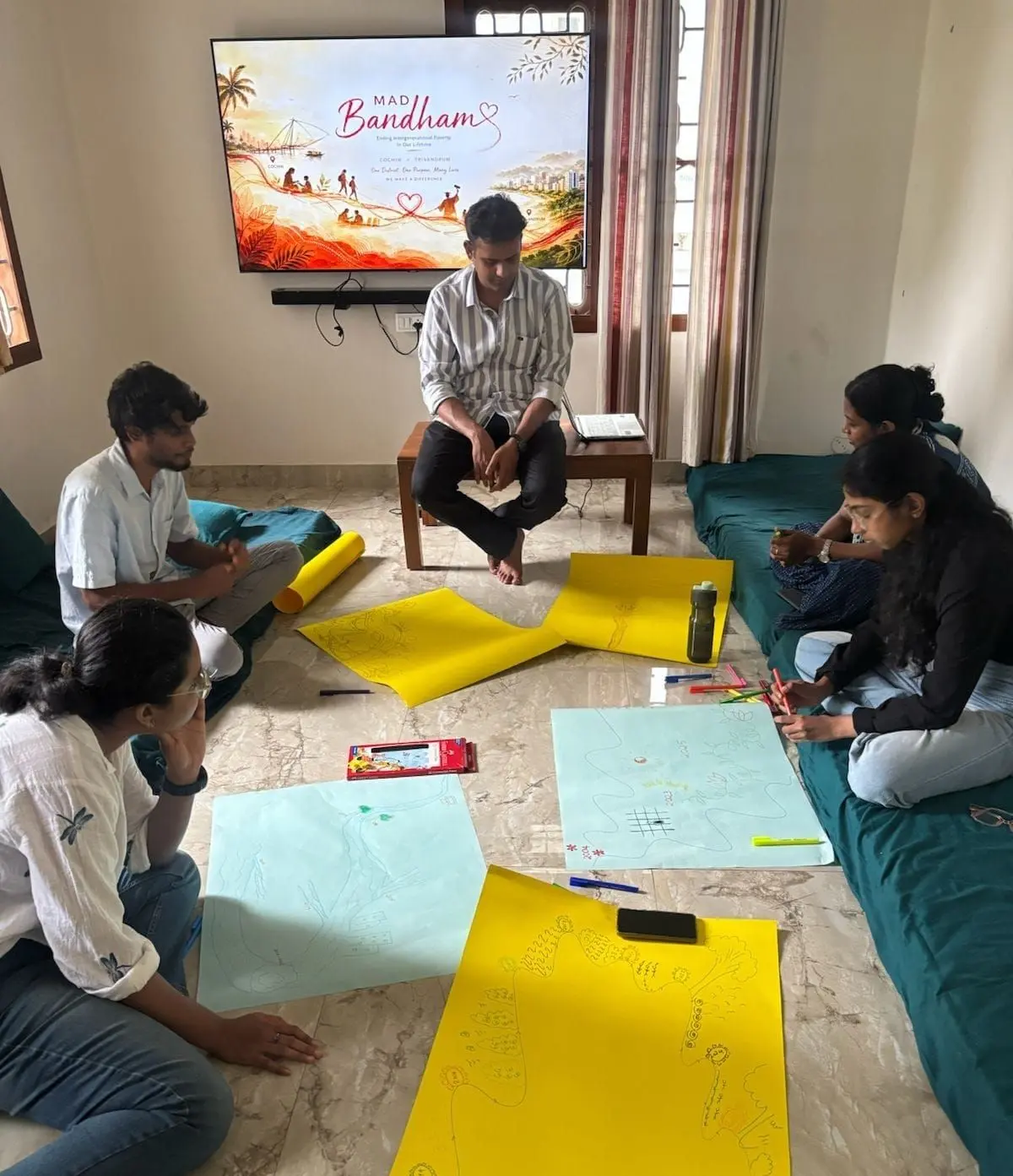
Volunteers gathered to mark the end of their year
Volunteers gathered to mark the end of their year of service. We held the event to mark the end of volunteering for 2025-2026. We brought the volunteers together to talk about what they did and to thank each other.
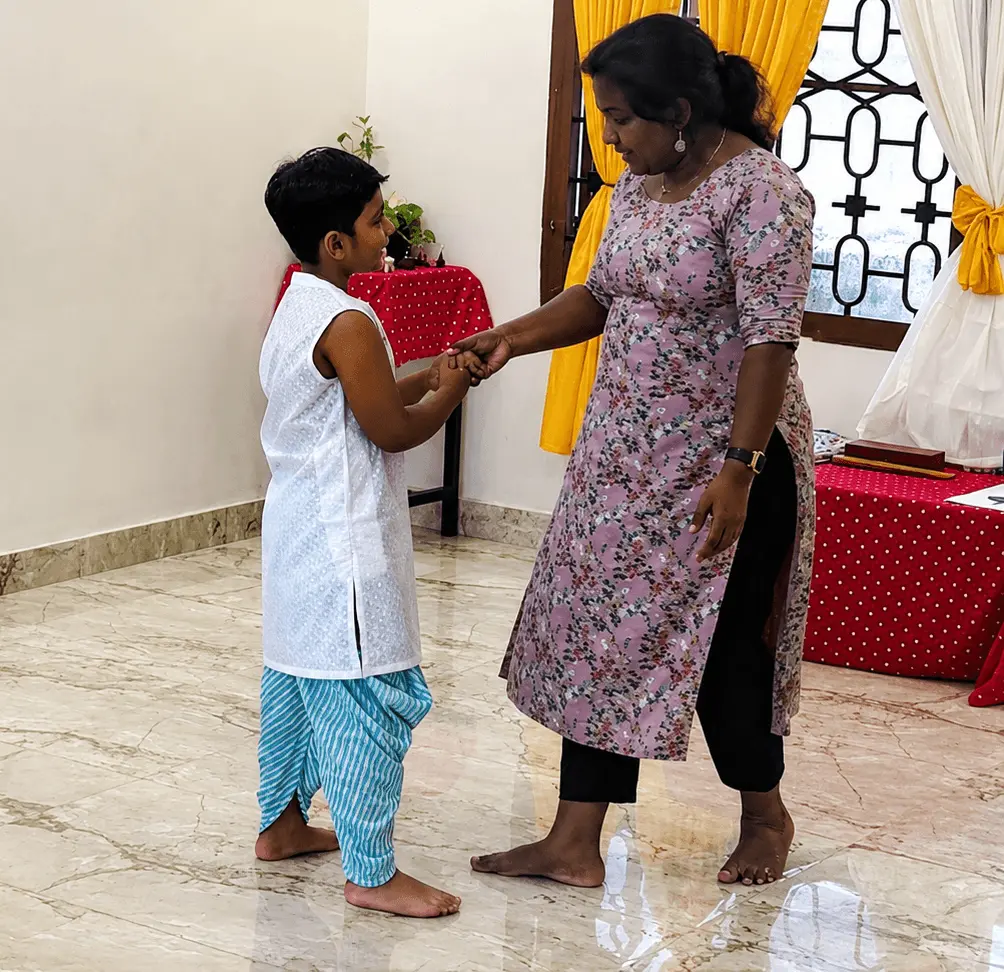
Hand movements and expressions practised in dance class
In the dance class, students practiced hand movements and expressions under guidance. With each correction and repetition, they slowly understood how every gesture tells a story.
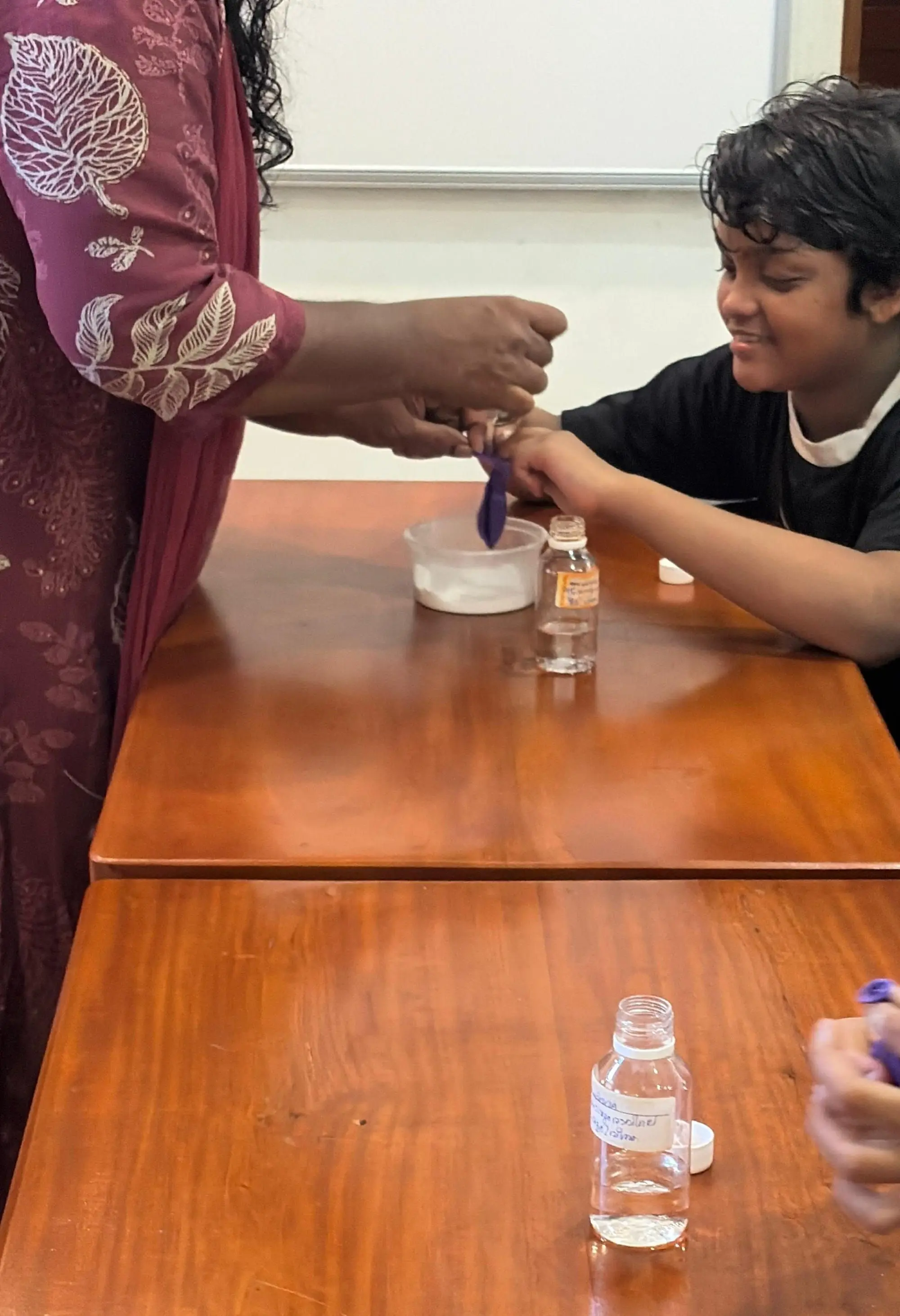
Children learned how air pressure works
Our team explained air pressure to the children on March 14, 2024, using simple examples and activities. We then ran a game session to make the learning more engaging.
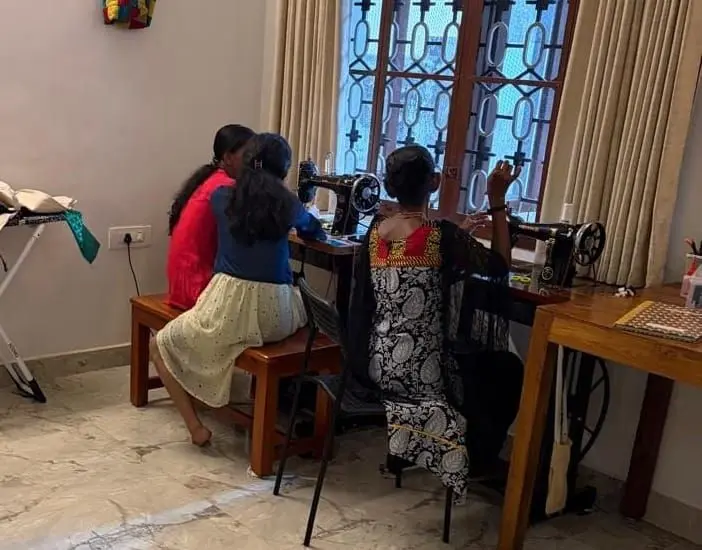
Practical stitching sessions for tote bags
We started practical stitching sessions for tote bags on March 14, 2024. We used straight cutting and measuring. Everyone learned step by step and helped each other.
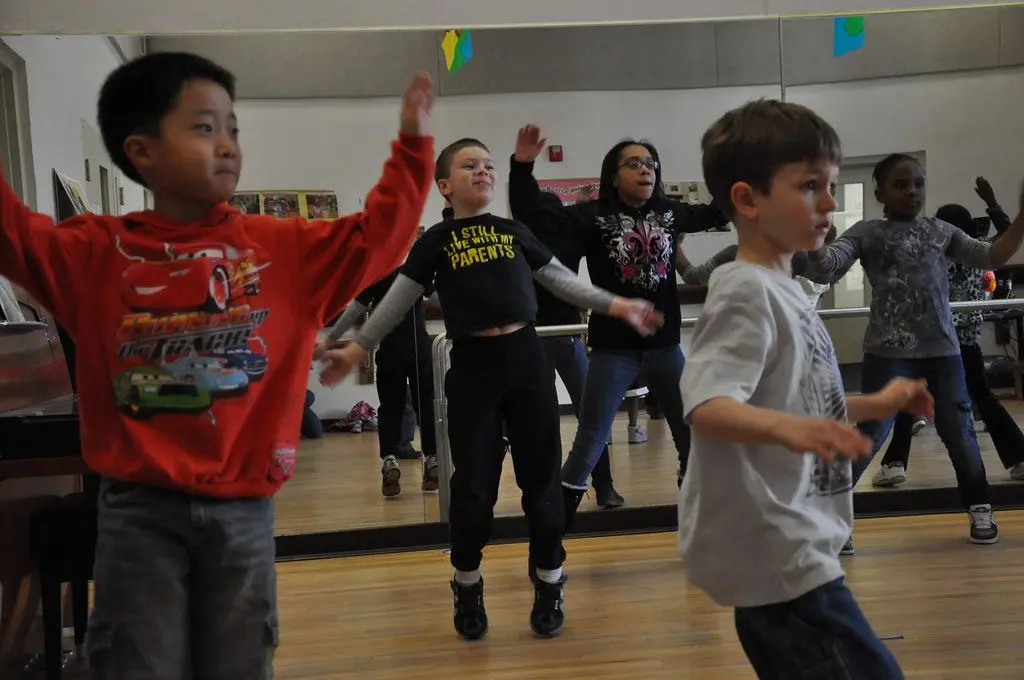
Fee-based dance class started with students
We started a fee-based dance class on March 14, 2024, with students as part of the Change makers in Residence initiative. We did this to explore new ways of learning and growing within the space.
April 2026
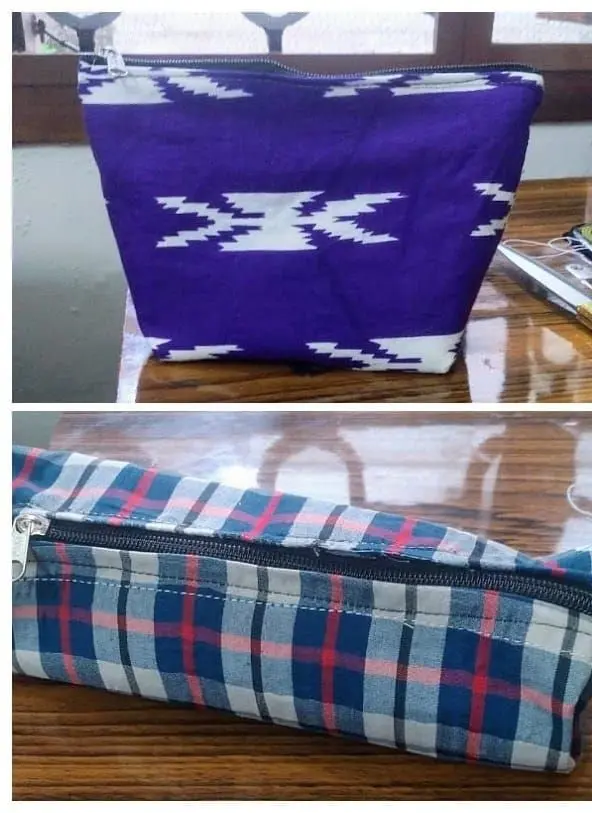
New fabrics and patterns tried out on zip pouches
In the stitching class, we tried different fabrics and patterns to make zip pouches in new styles. Each piece shows practice and experimentation.
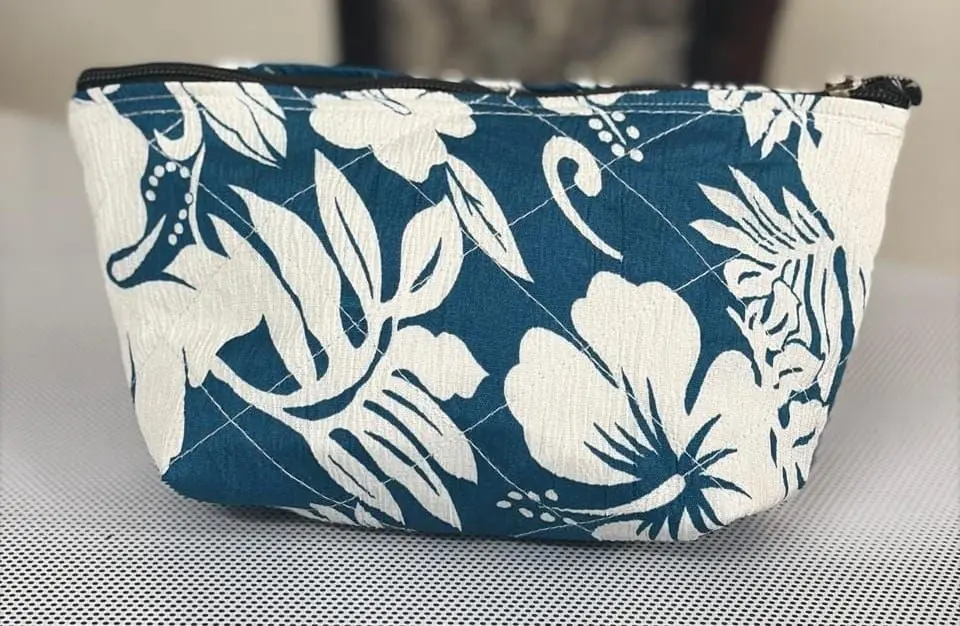
A plain piece of fabric became a zip pouch
We shaped a plain piece of fabric into a neat pouch with a zip in the stitching class. With practice and attention to detail, it became a small but complete product made by hand.
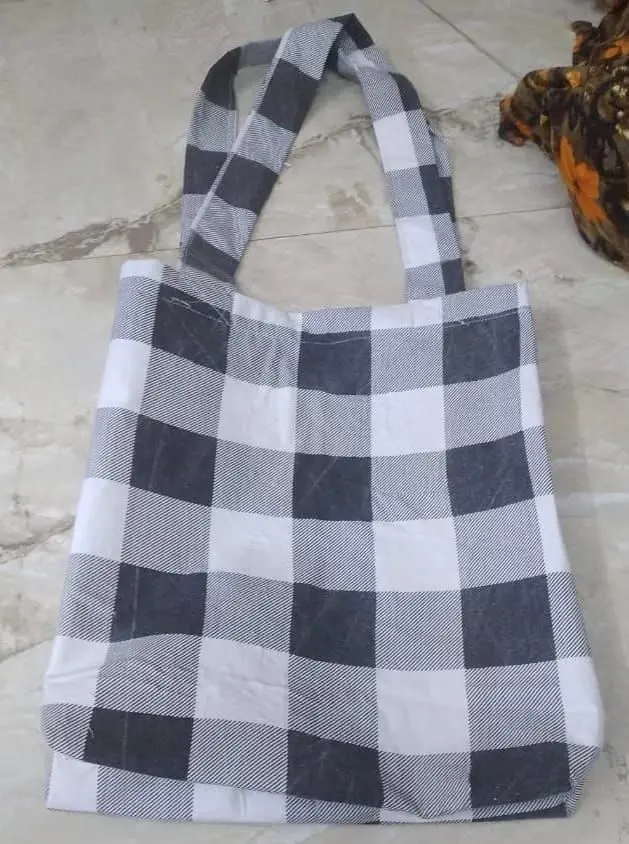
Practice turned into a finished piece
With each stitch, the design came together. Practice turned into a finished piece.
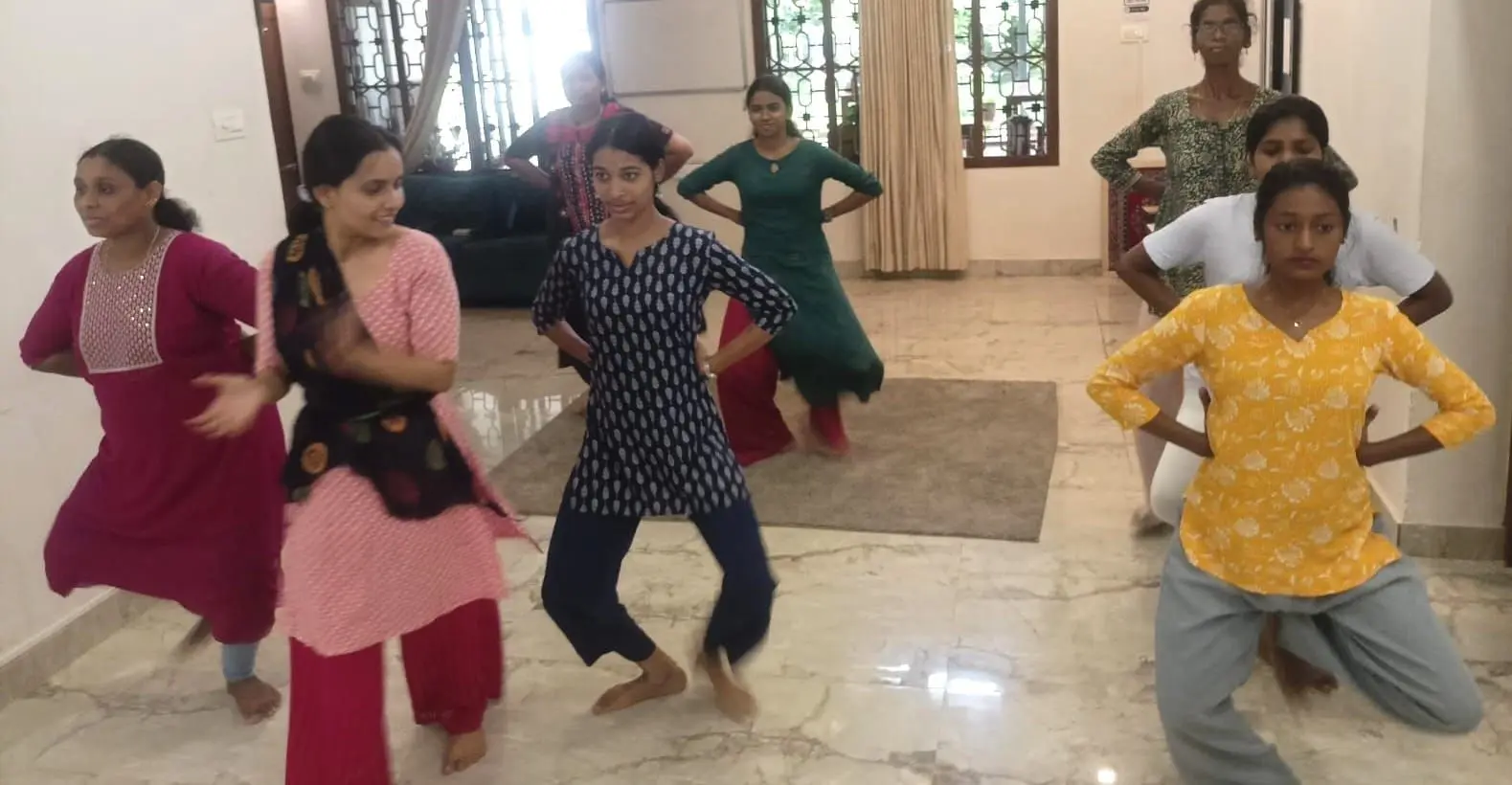
Steps and body movements drilled in the Bharatanatyam class
In the Bharatanatyam class, we practised together and focused on basic steps and body movements. With guidance and repetition, each movement slowly became more confident and expressive, bringing the dance to life.
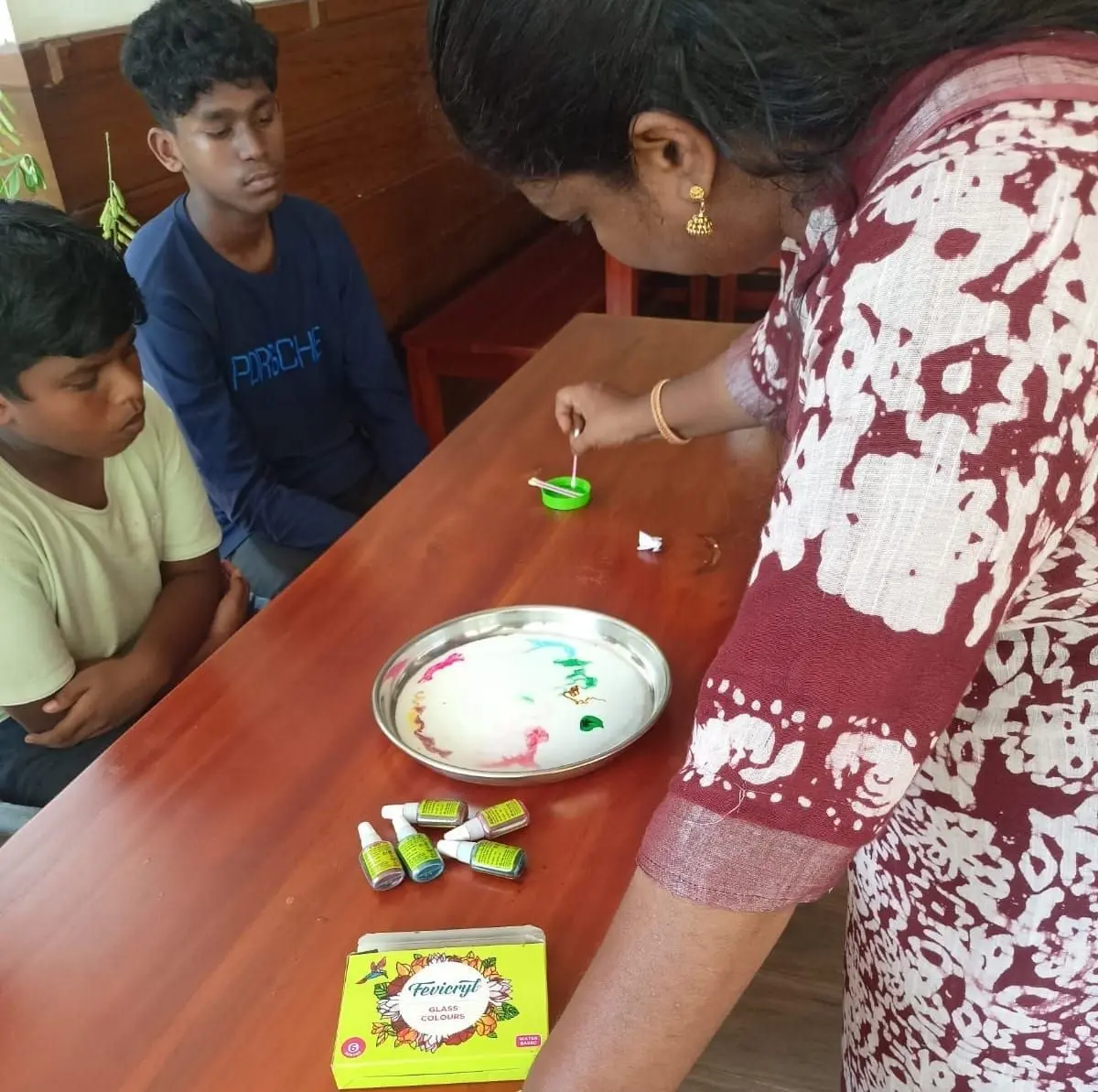
Children mixed colours to see science at work
Children mixed colours to see science at work. Students watched and took part in a simple experiment using colours. By mixing and observing, they learned how small changes can show important science concepts.
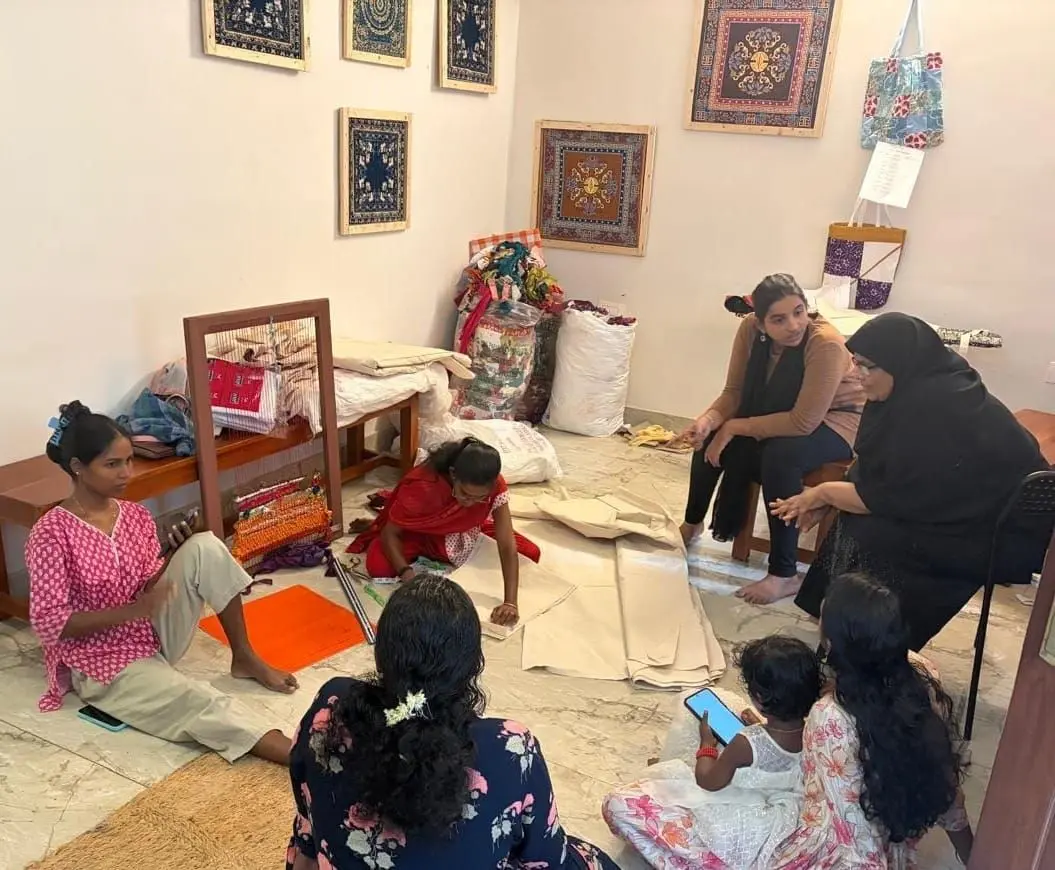
The stitching faculty trained while members watched and helped
We ran a training session for the stitching faculty on making tote bags. Community members came along and helped. They gave ideas, watched, and learned.
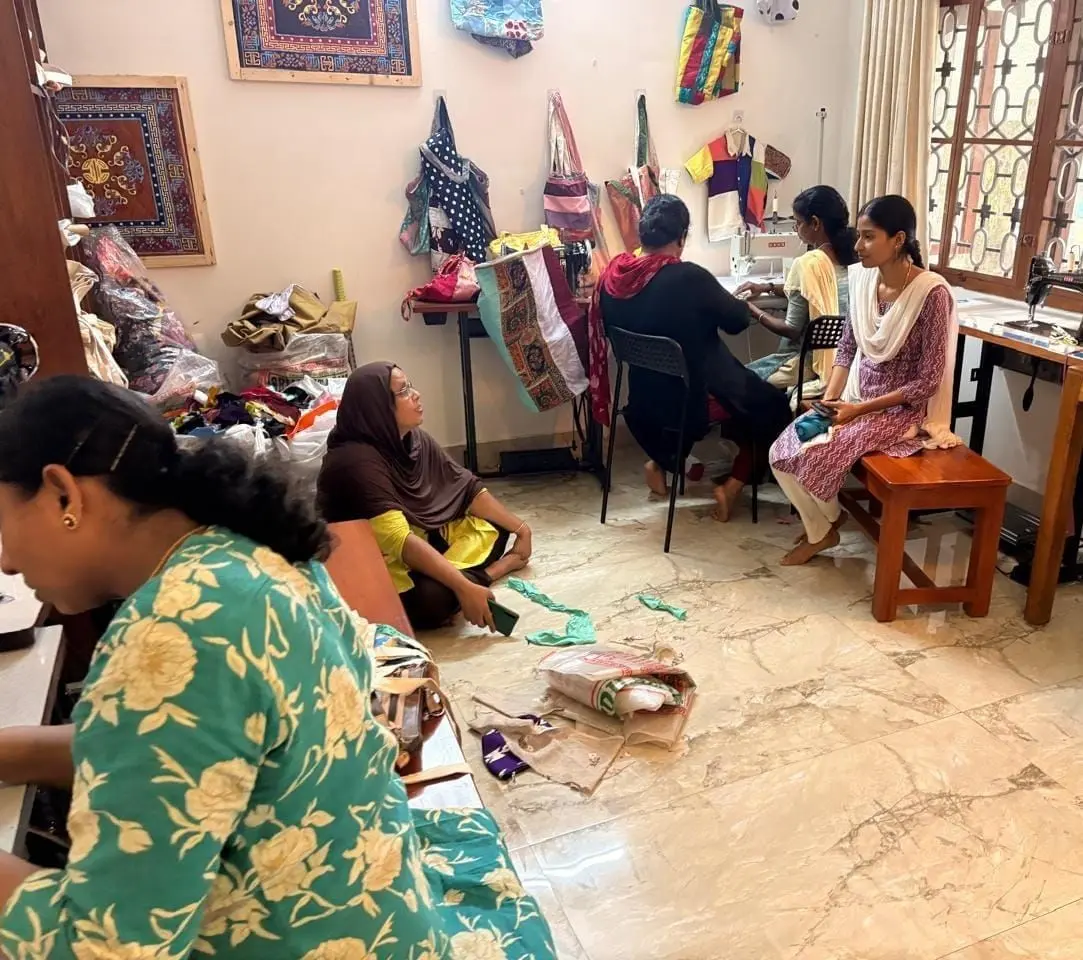
A new group started with tote bags and repairs
We gathered on March 14, 2024, to begin learning stitching. We started with tote bags and simple repairs. We built skills and supported each other. We made something useful together.
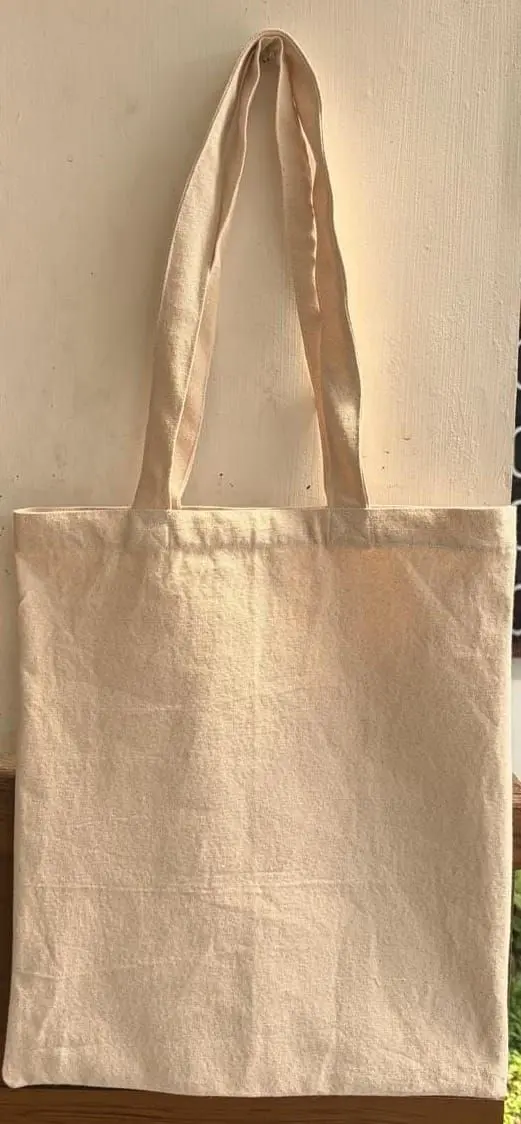
Neater zips and edges show the skills improving
Small details like the zip and neat edges show how skills are slowly improving with each session.
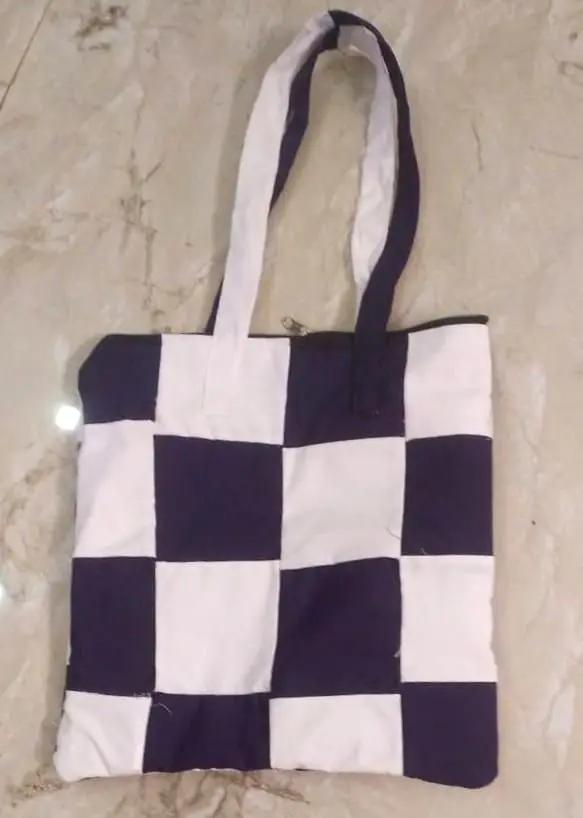
A student made a whole bag on their own
One of our students said at first they did not know how to stitch. Today, they made a bag on their own.
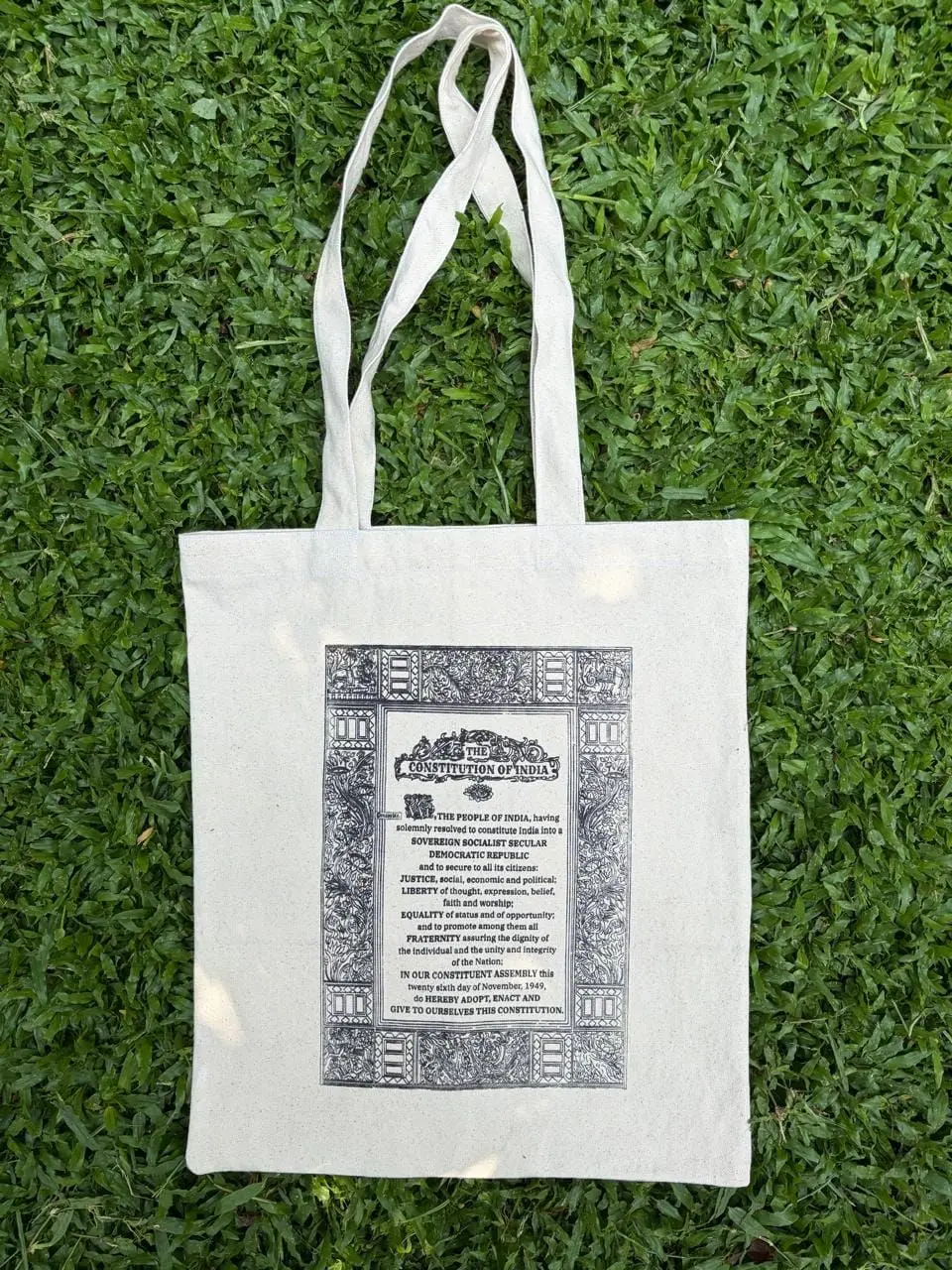
The first Constitution tote bag sample was made
We made a first sample tote bag with the Constitution printed on it. It was simple, but we thought it showed the values we believe in.
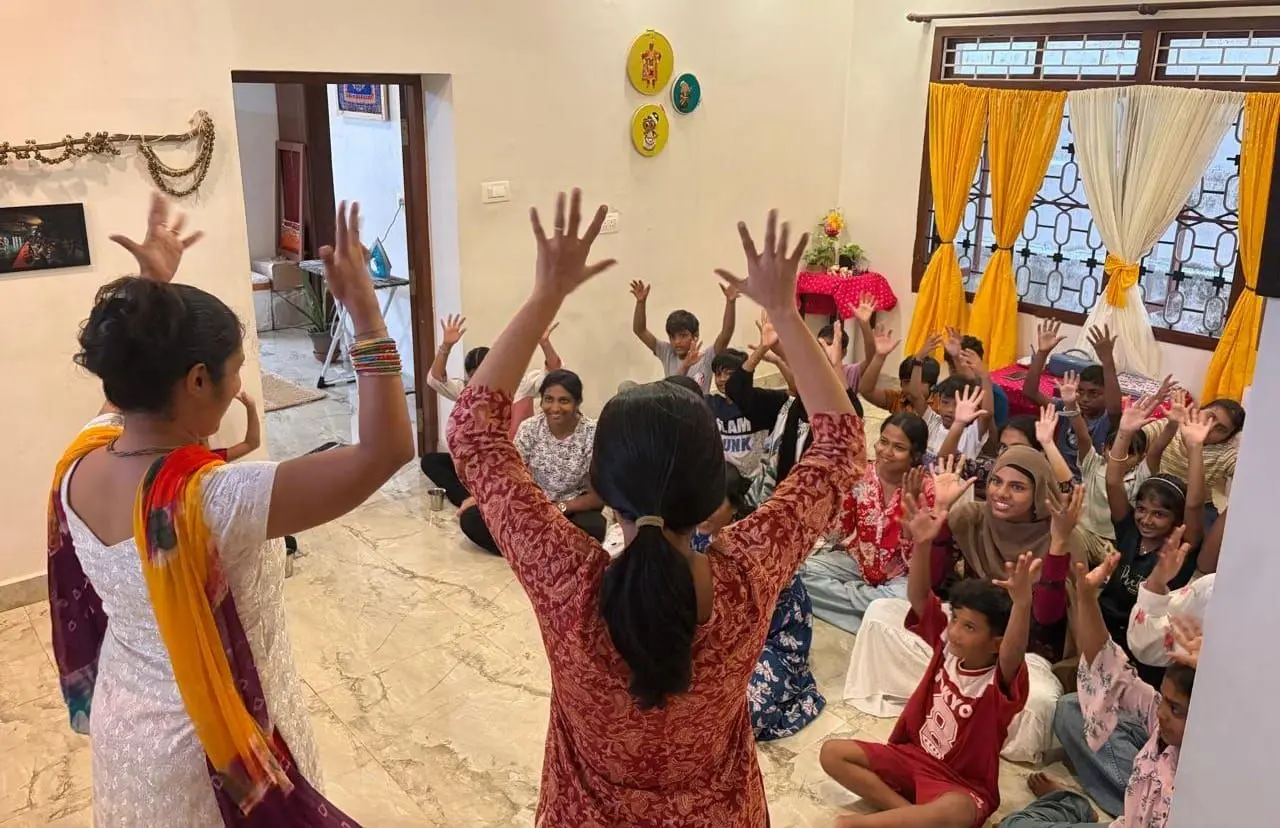
Expressions and gestures began to say something
The question turned into a moment of learning. Expressions, gestures, and small movements began to show what was happening.
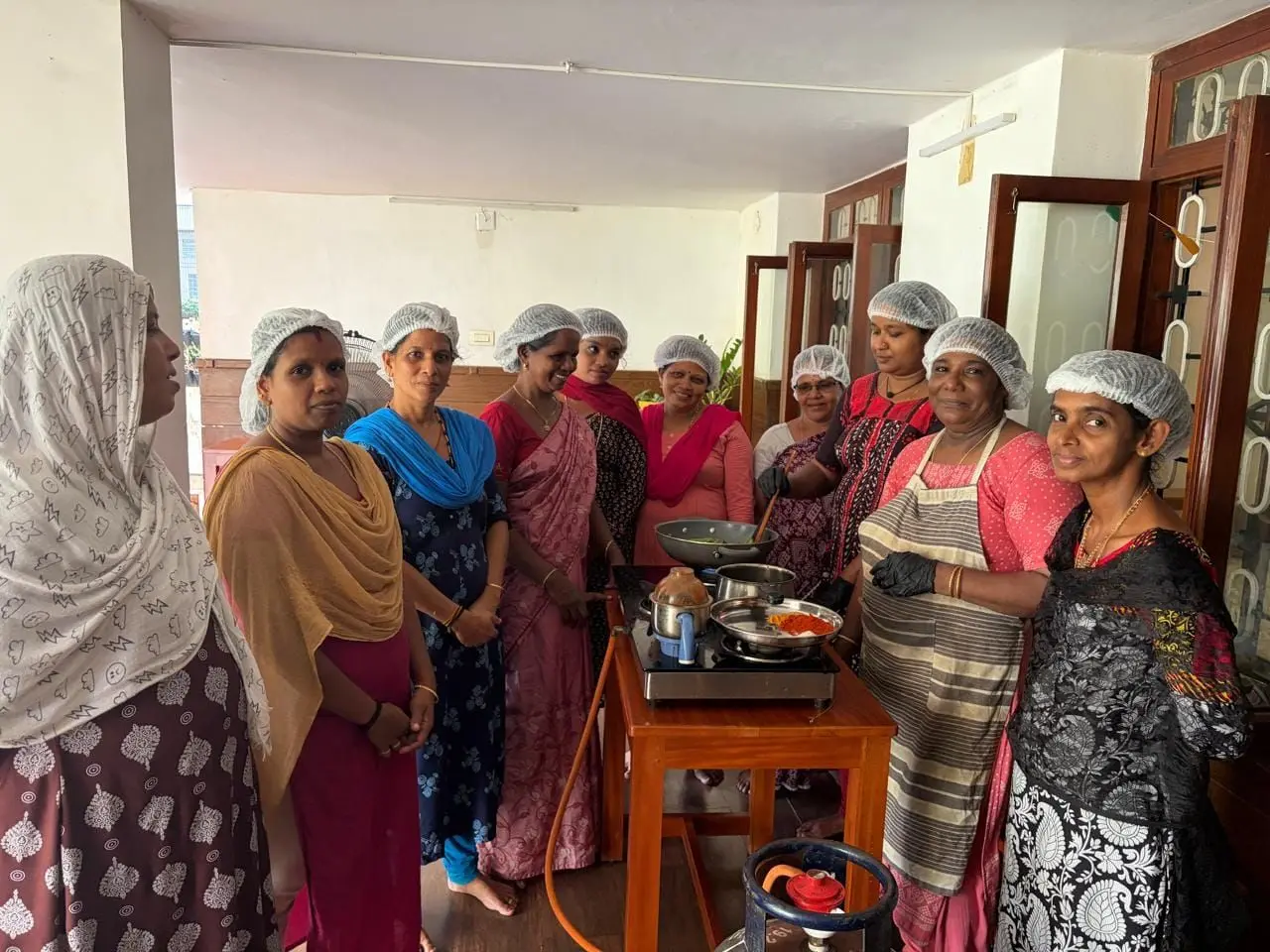
Cooking class for a biriyani side dish
On March 14, 2024, we ran a cooking class where participants learned to make a biriyani side dish, one step at a time. It was a straightforward session with learning, tasting and sharing.
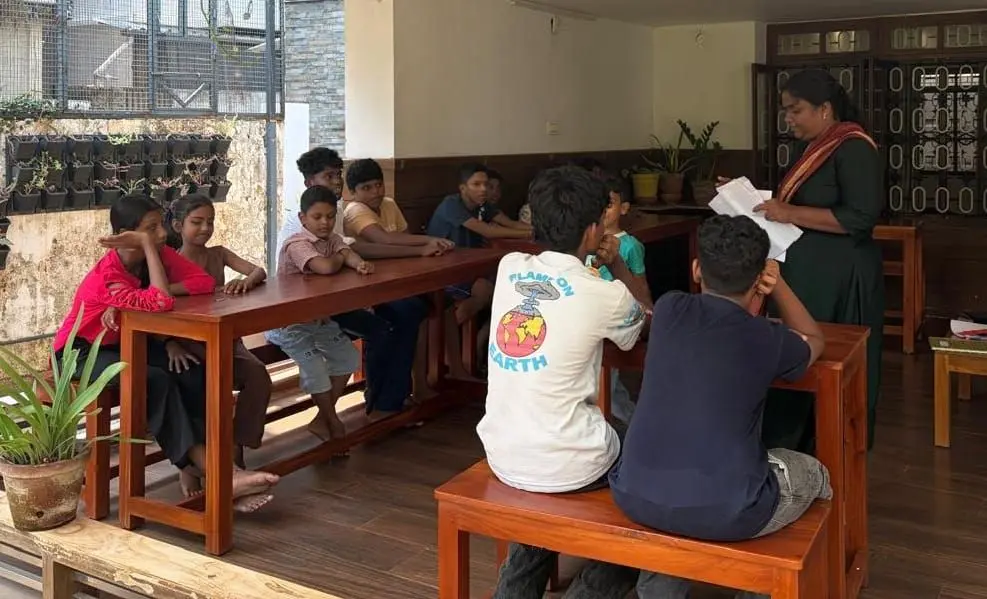
Children explored the brain through hands-on experiments
On March 14, 2024, we ran a workshop for children about the brain. They did experiments to see how different parts worked. We made it practical so they could understand the ideas better.
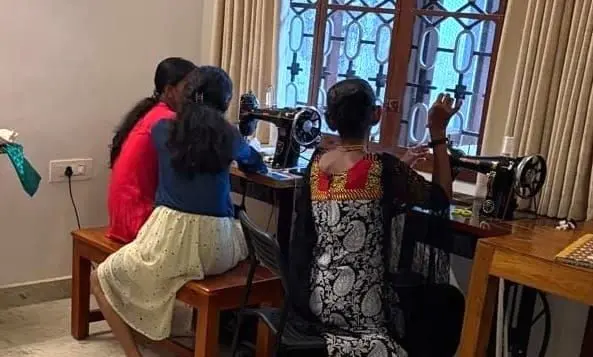
Children started learning to stitch, step by step
We ran stitching sessions where children learned the basics step by step. It was a space for children to learn with their hands. They built patience and slowly gained confidence in creating on their own.
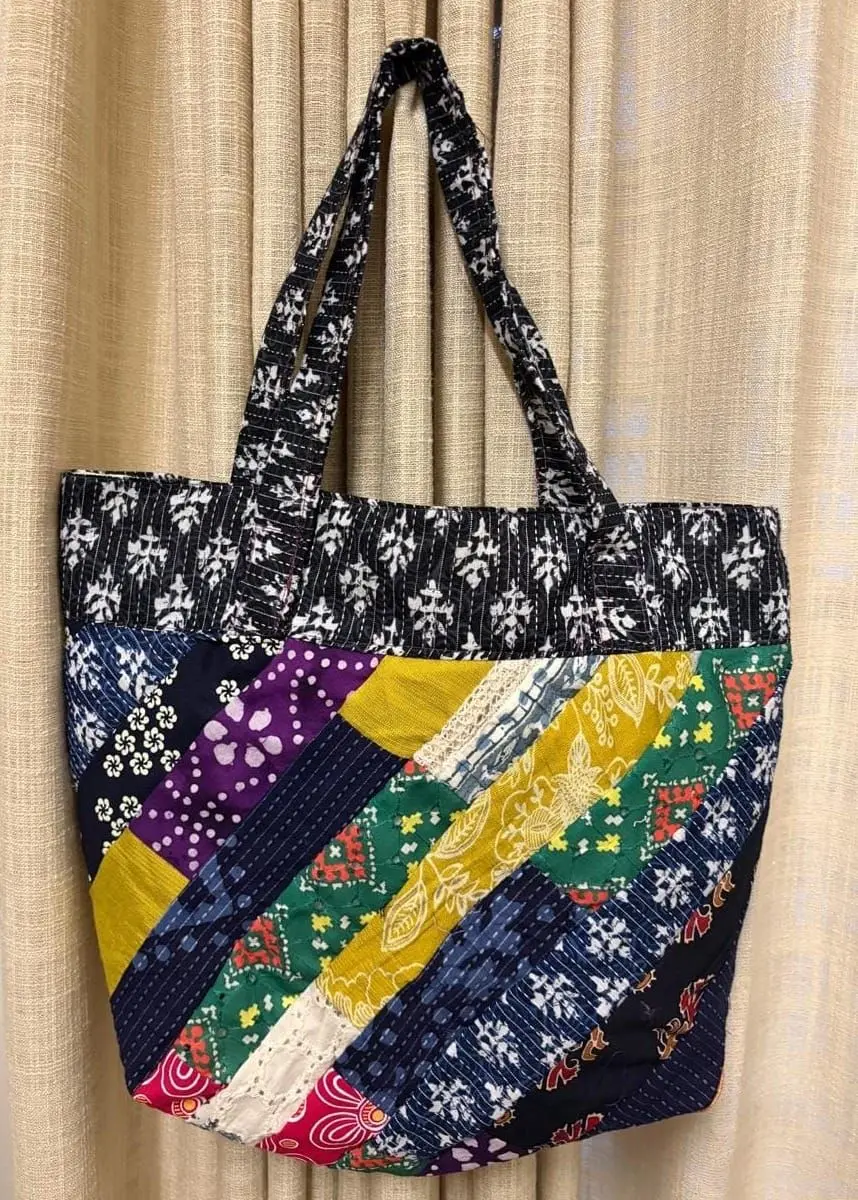
One member turned collected scraps into a bag
One community member collected cut pieces of fabric and brought them together to make a bag. She used colors, patterns, and ideas. What could have been waste is now a thoughtful piece, shaped by creativity, patience, and skill.
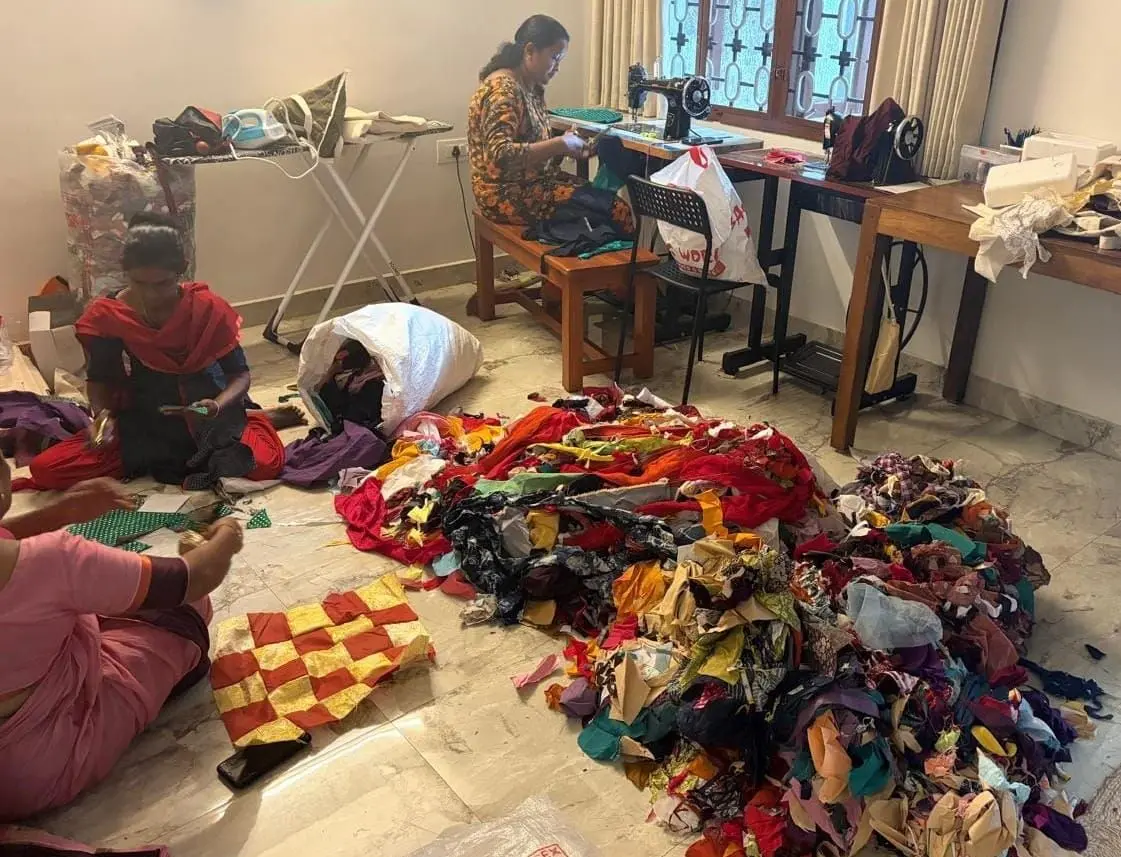
Scrap fabric sorted and given a new purpose
We sorted scrap fabric, stitched it and reimagined it. What once seemed like waste found a purpose. Every small piece and leftover turned into possibilities.
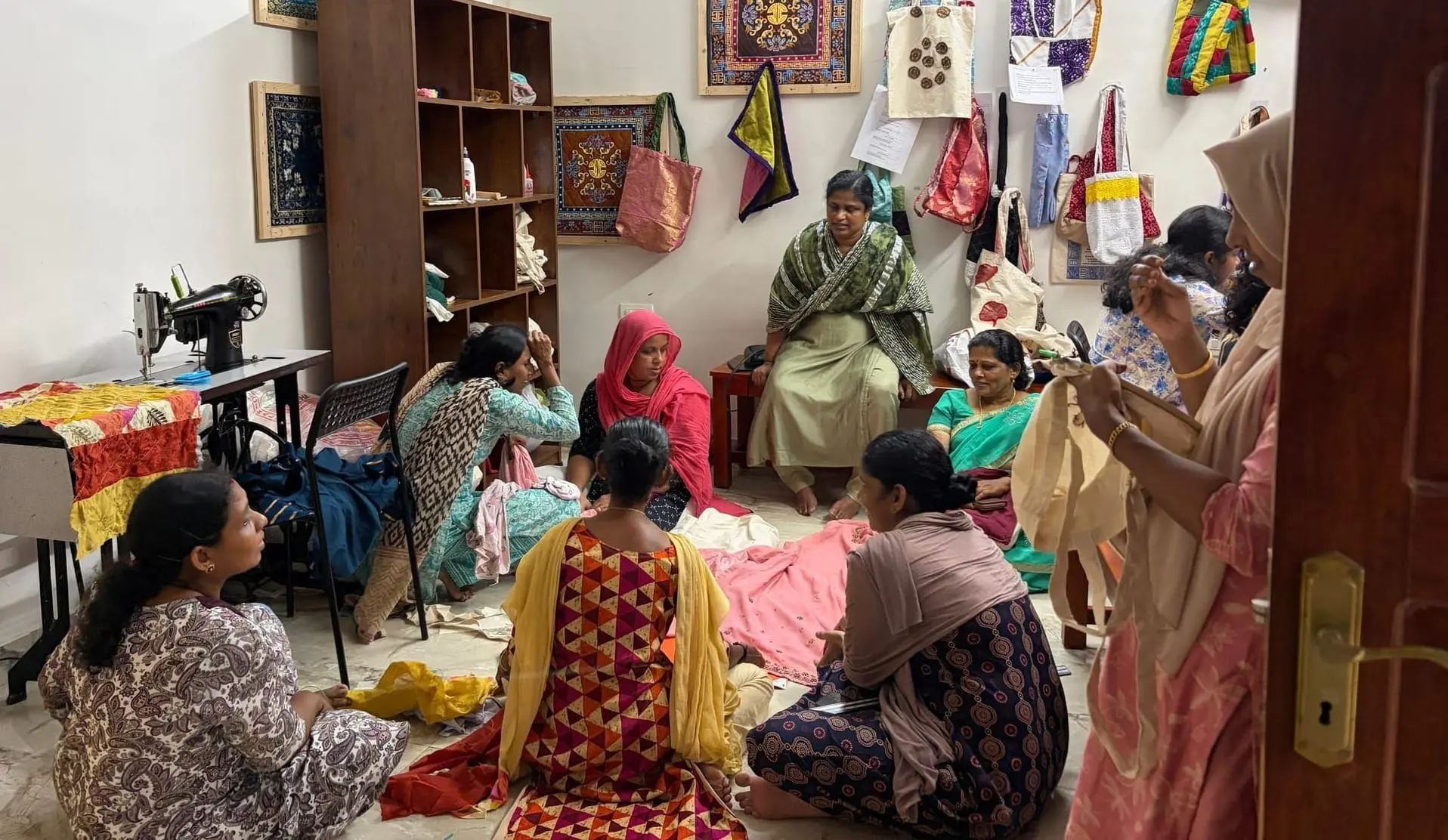
Community members shared skills at the stitching session
Community members came together for a stitching session. They shared skills, ideas, and time. With each stitch, confidence grew and creativity began to take shape.
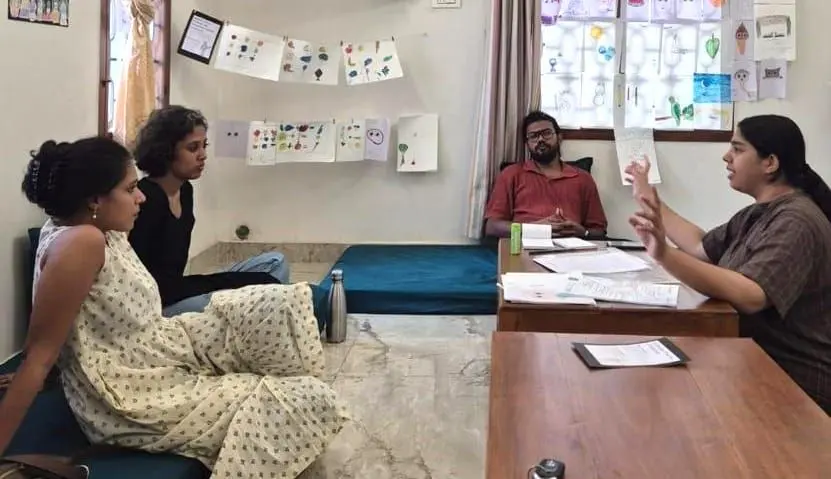
The Community40 group meets to talk about how things are going
The Community40 group met at the space to discuss how things were going. We also talked about what we wanted to achieve and how we would do it. We talked about what we had already done. Then we decided how to move forward.
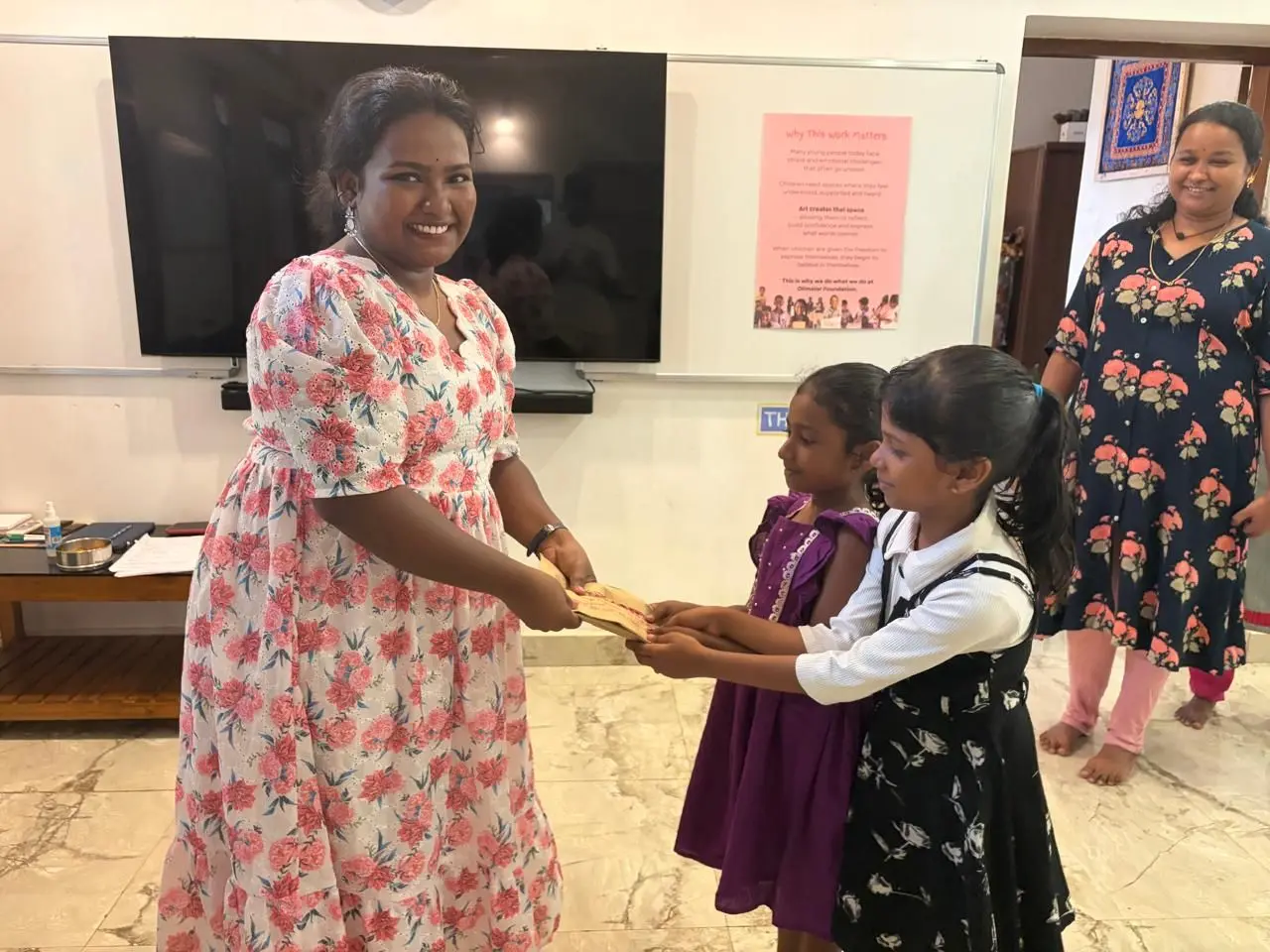
We celebrated the dance faculty's birthday after class
Community members attended Bharatanatyam classes on March 14, 2024. We learned basic steps with focus and consistency. We also celebrated the faculty's birthday together after class.
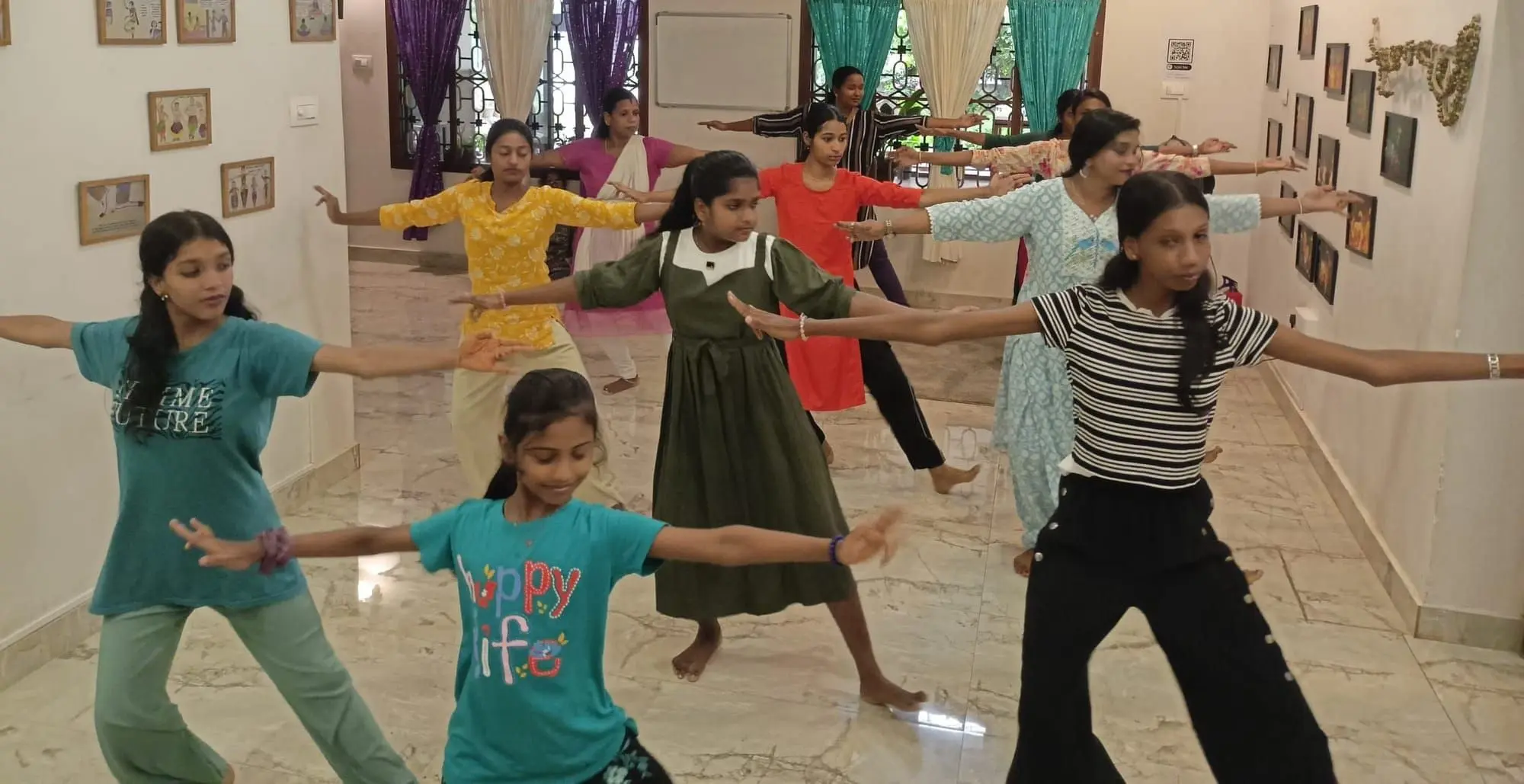
Community members practised basic Bharatanatyam steps
Community members attended Bharatanatyam classes on March 14, 2024. We learned basic steps and practised together with focus and consistency.
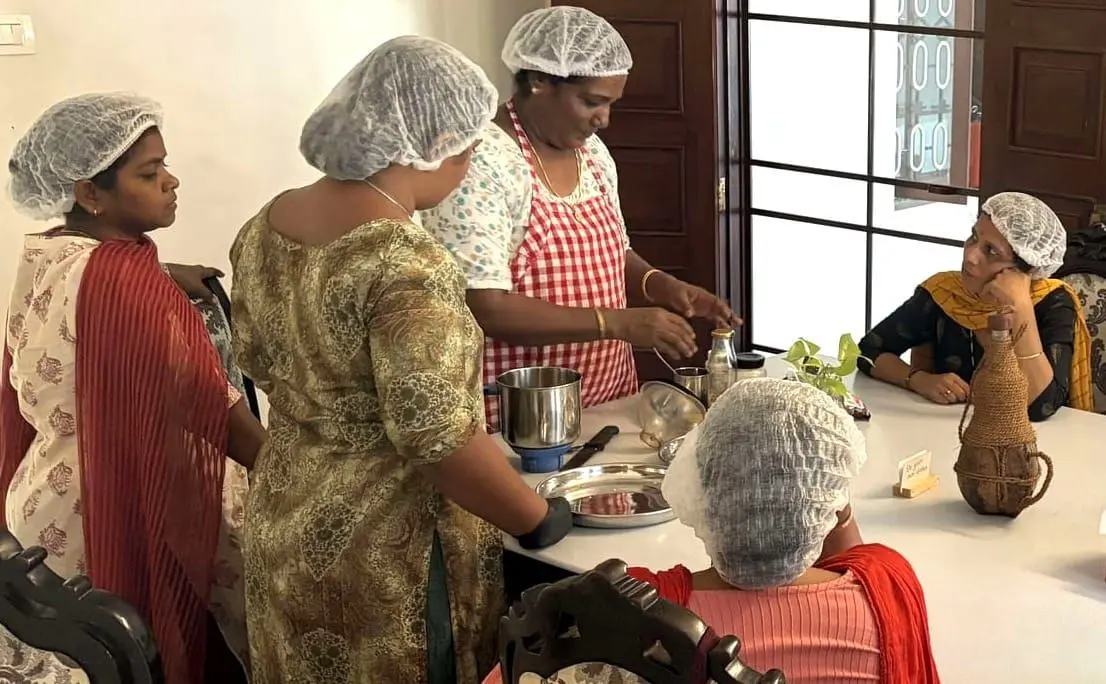
Community members learned to prepare sambar mix
On March 14, 2024, community members gathered to learn how to prepare sambar mix. They shared knowledge, techniques and stories. A simple recipe became a moment of learning together.
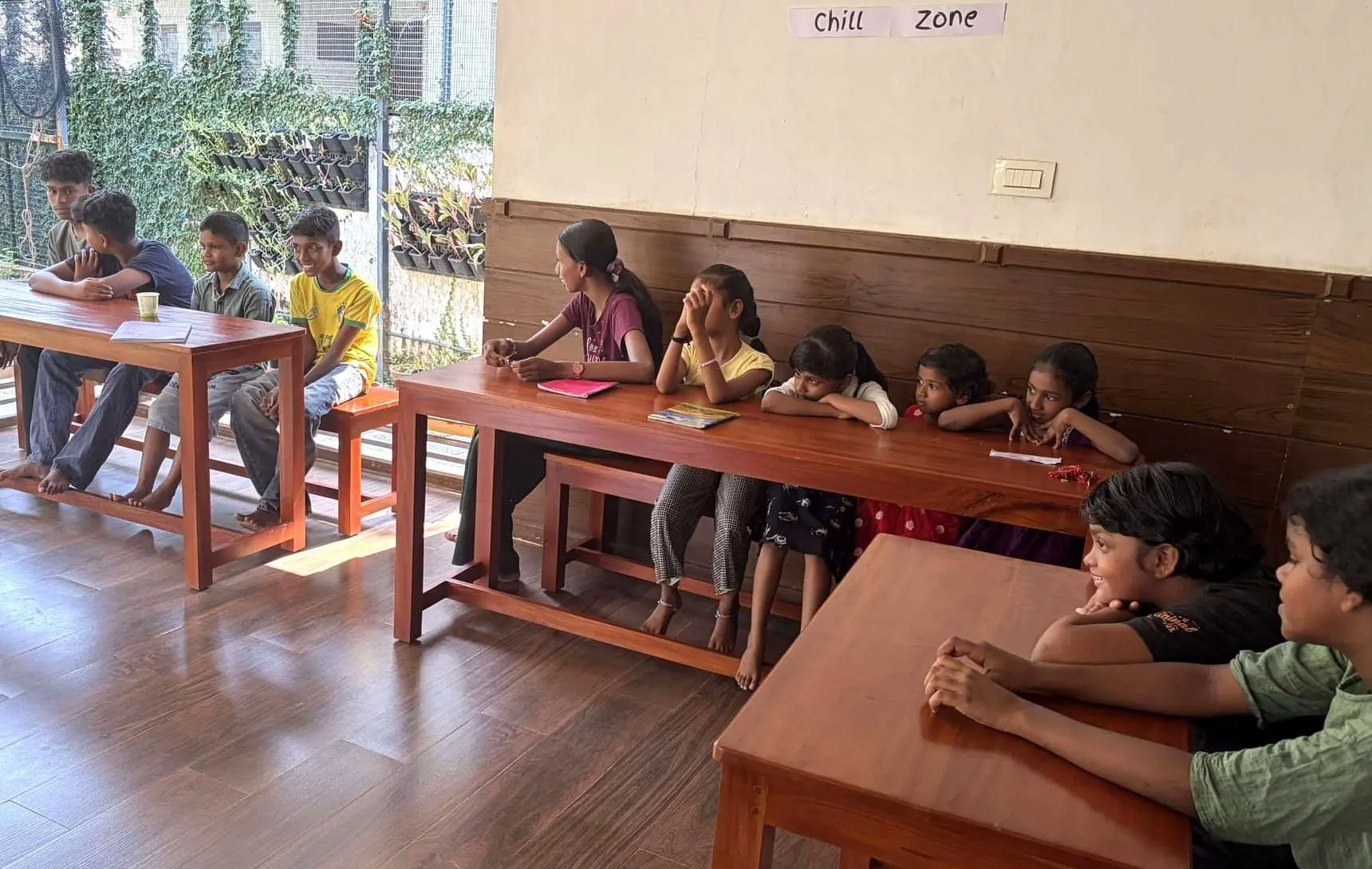
Students saw the laws of motion for themselves
Students saw the laws of motion for themselves On March 14, 2024, we ran a session on the basic laws of motion. The students came to the workshop with curiosity and excitement. We set up experiments so they could see and feel the laws firsthand.
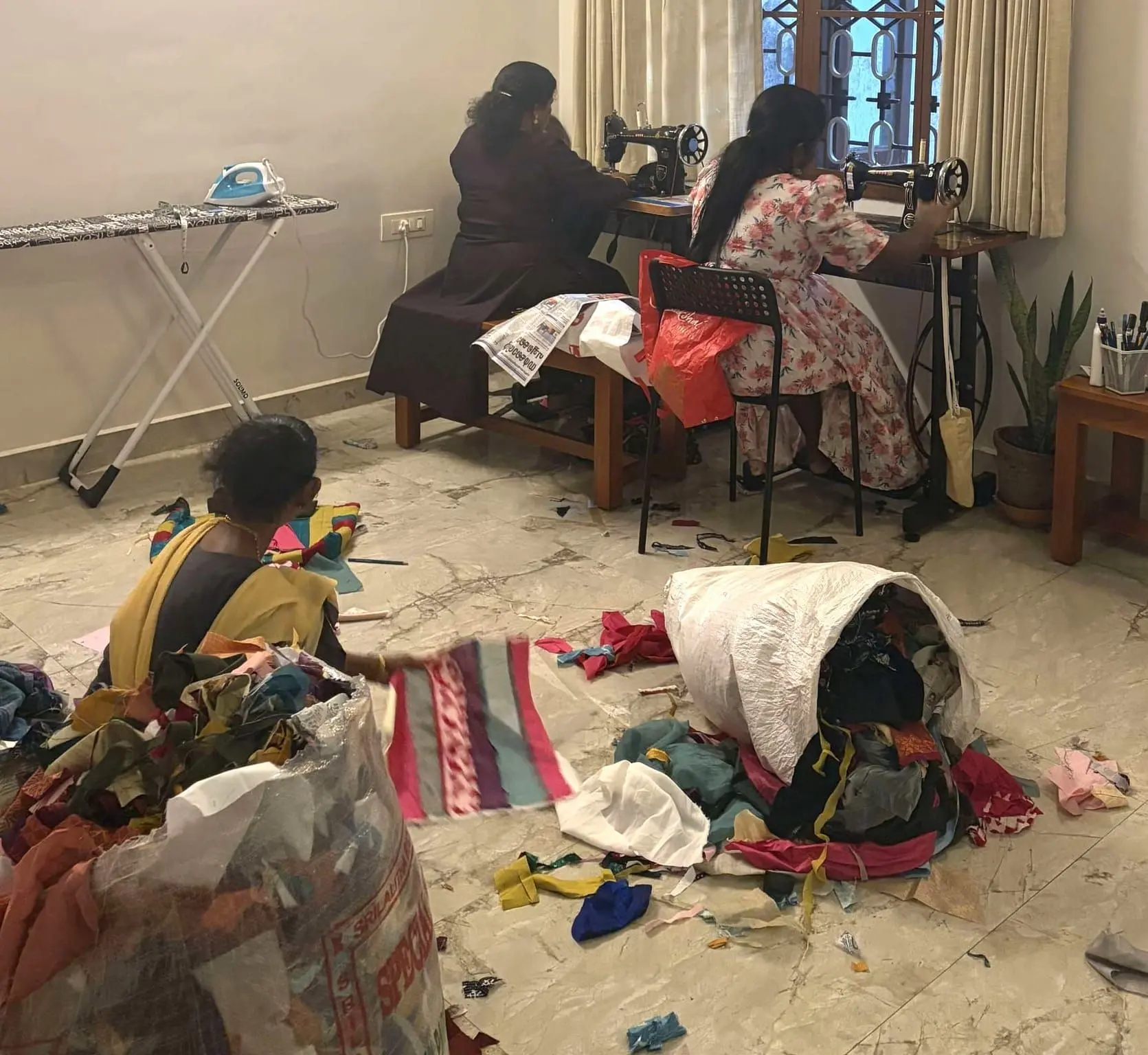
Community member collects fabric bound for landfill from tailor shops
A community member collected fabric pieces from local tailor shops and boutiques. The pieces were once headed for landfill. Now they are sorted and cared for. This gives them a second life. Waste slowly becomes something useful.
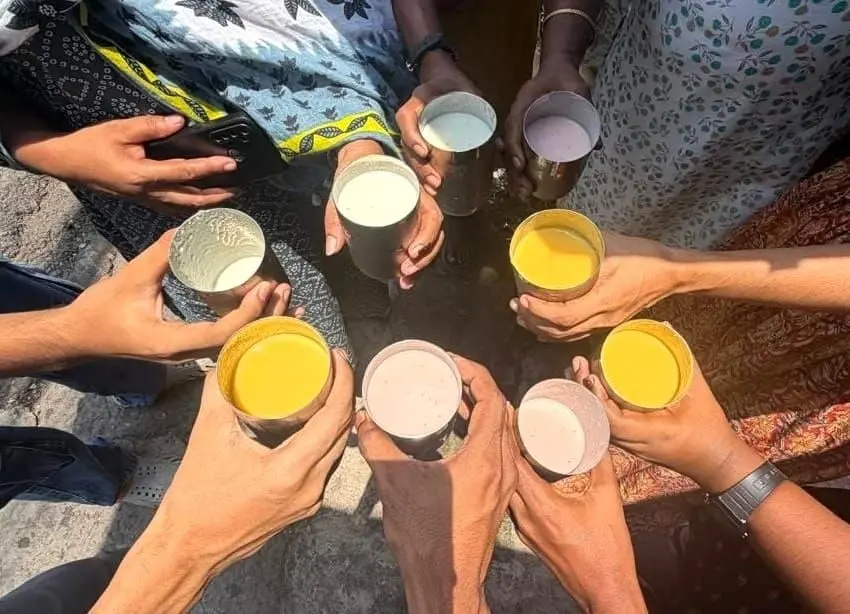
A team session ended with everyone out for lassi
We held a communication enabler session with the team. We talked to understand each other better and build stronger connections. Conversations continued outside, and we all went for a lassi break later that day.
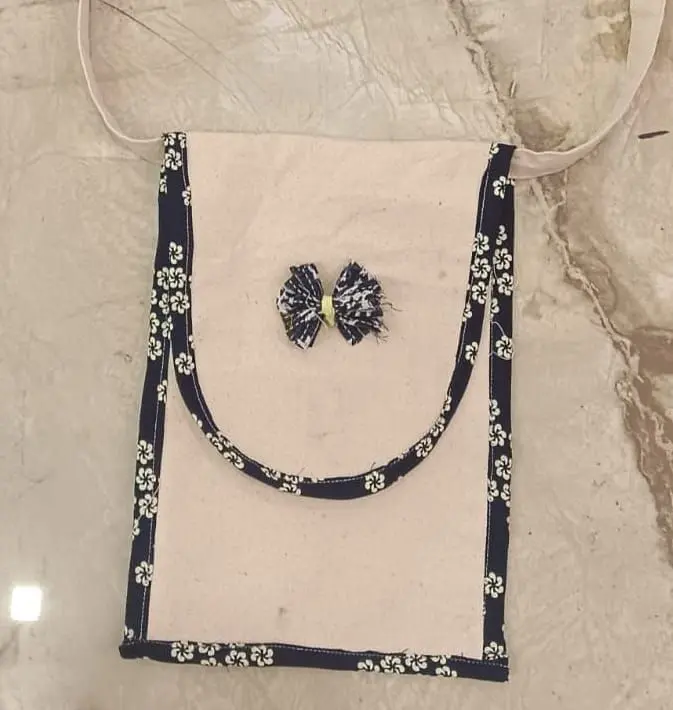
A community member's idea became a small bag
A community member had an idea that became a beautiful little bag. They made it with excitement and curiosity, one stitch at a time. It is full of personal touch and joy.
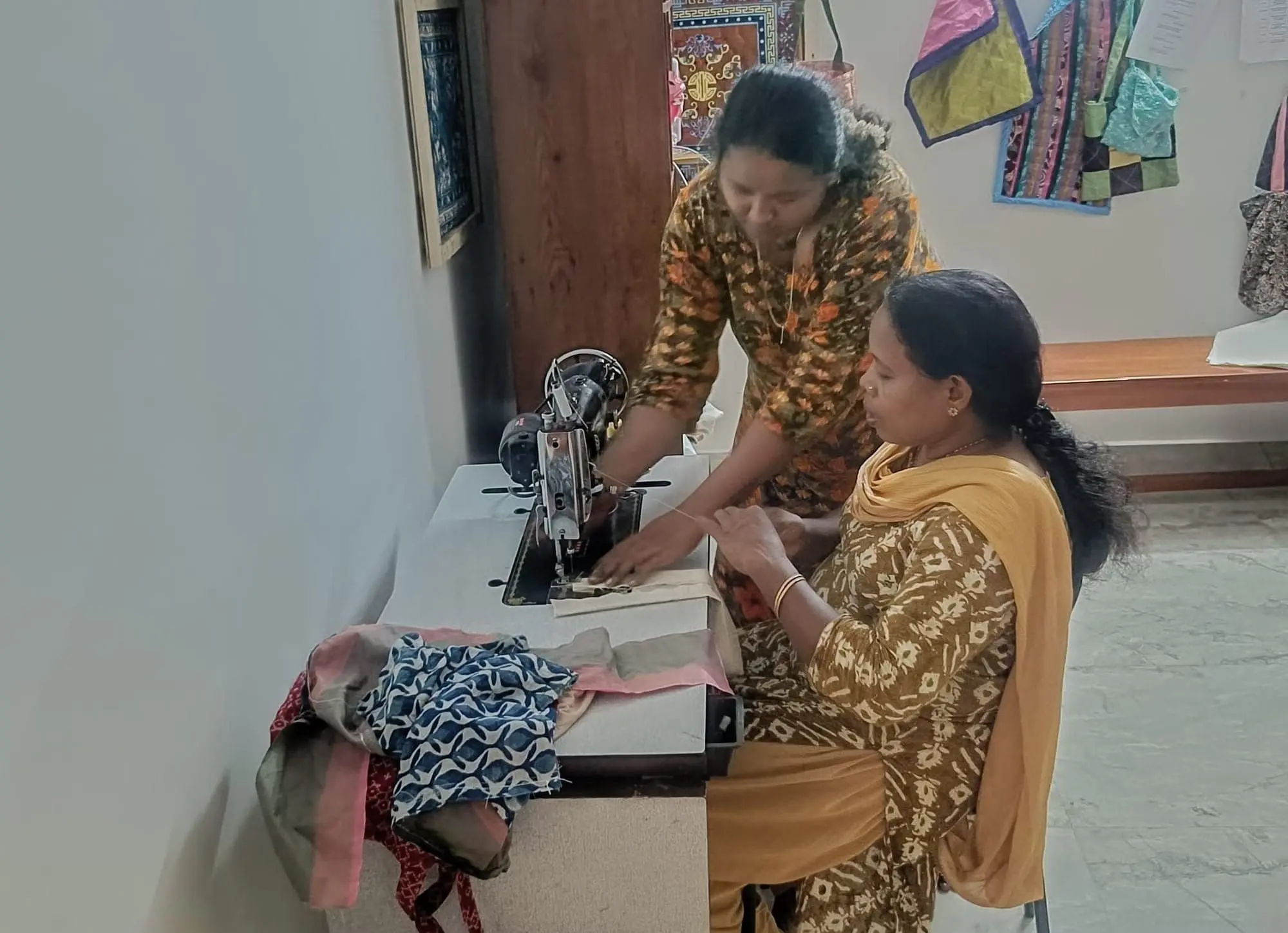
Preparation complete for tote bag production
We prepared for tote bag production, one stitch at a time.
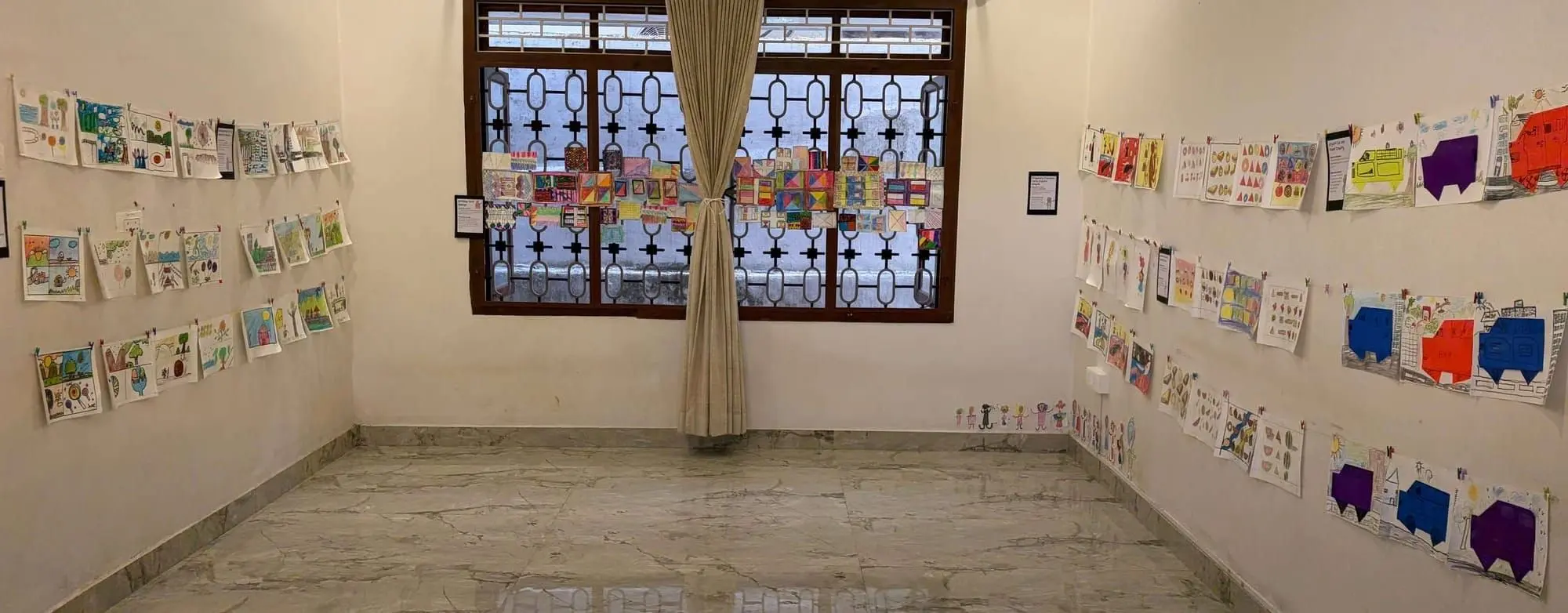
The children's art exhibition filled the walls with colour
The children's art exhibition filled the walls with colour. The walls slowly filled with colour. The space became somewhere children could feel seen, appreciated, and proud of what they had created.
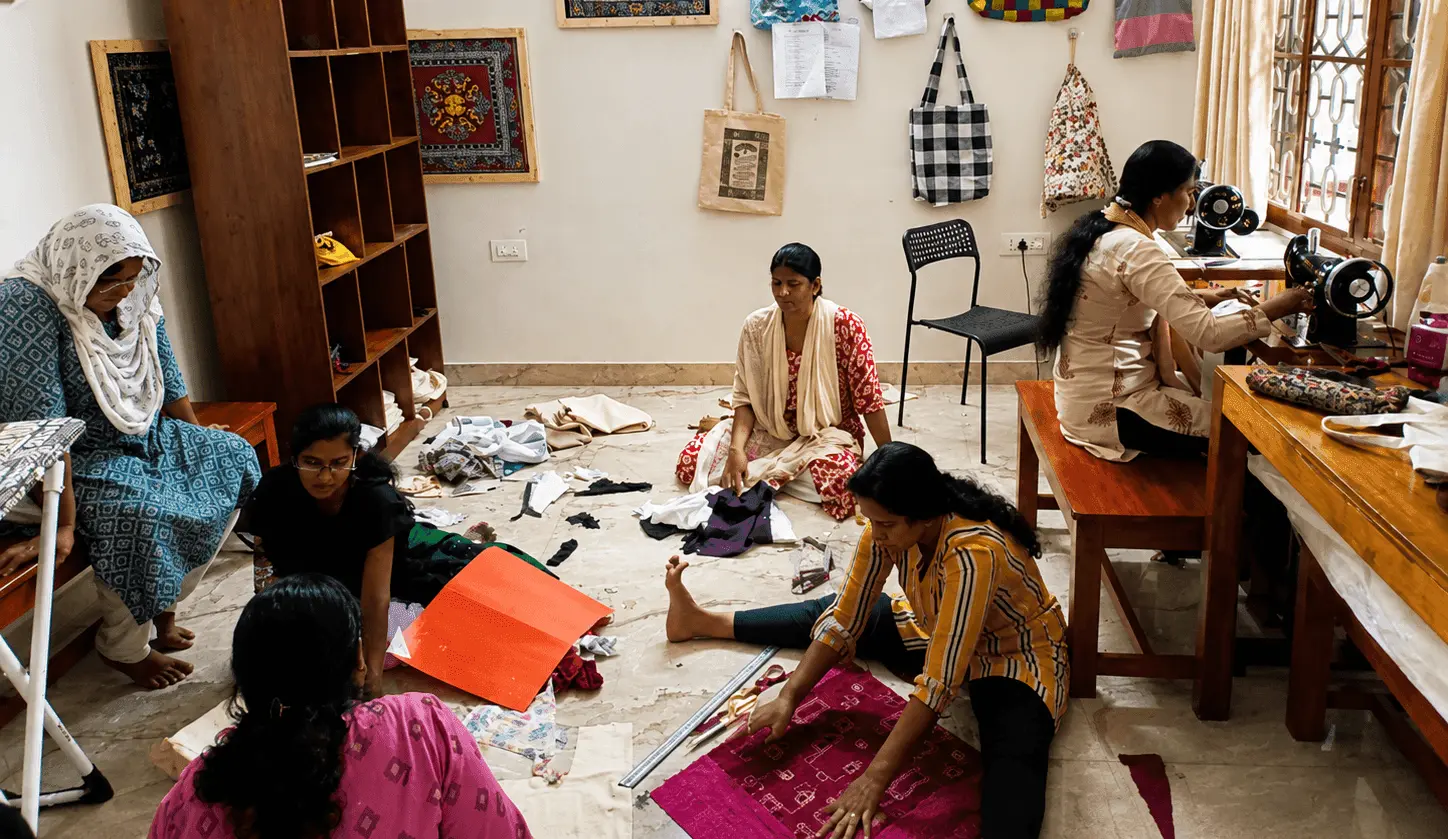
A patient session of measuring and learning each stitch
We measured and learned each stitch with patience and focus. We enjoyed making things by hand.
A Changemakers meeting looked at how people grow
A Changemakers meeting looked at how people grow. It focused on understanding people's journeys and approaches to growth.
Olimalar prepared its eighth children's art exhibition
The Olimalar team organized its 8th children's art exhibition and workshop. We made a colorful space for children to express and share their art.
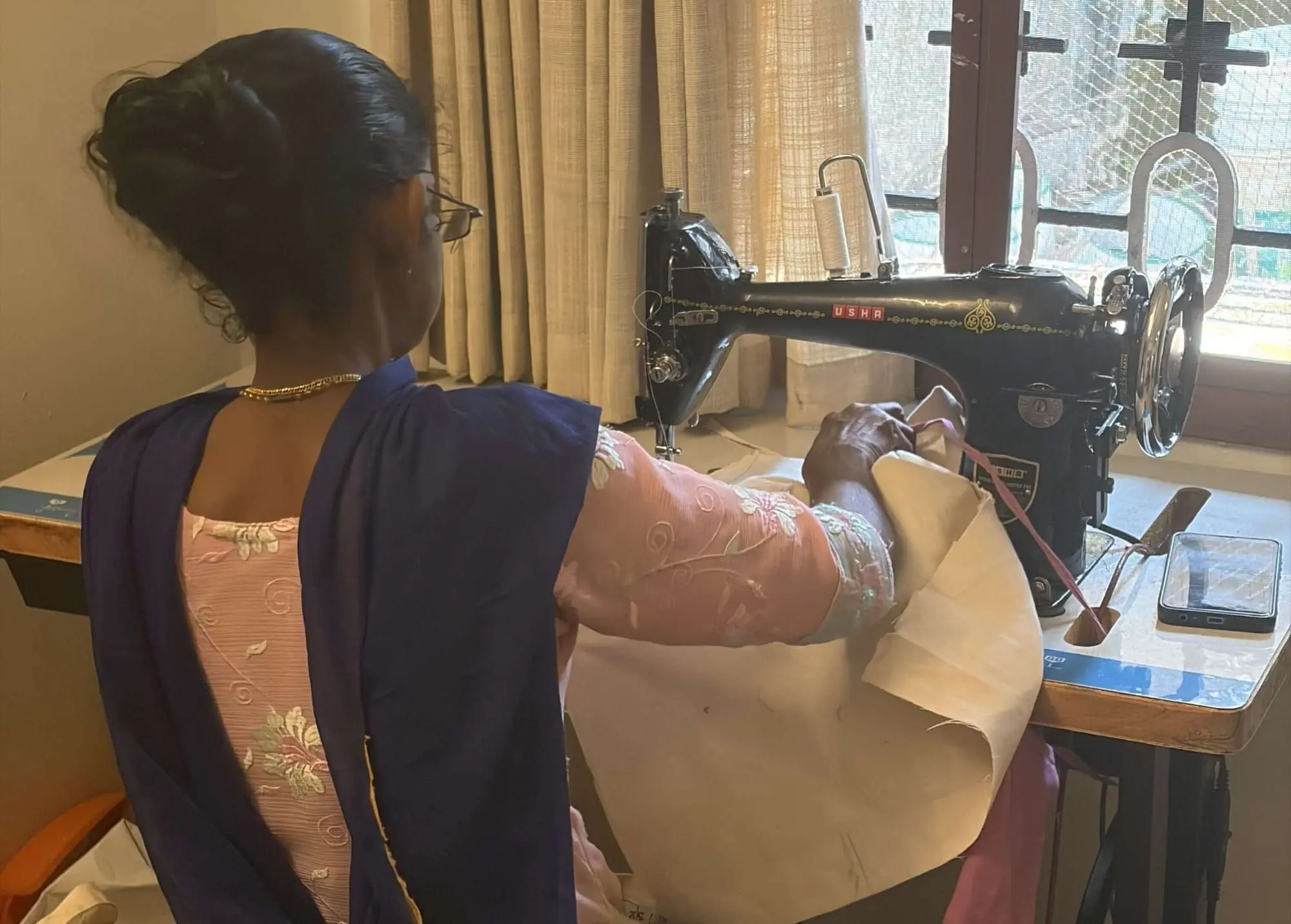
Careful practice ahead of bulk tote bag production
We prepared for bulk tote bag production by practising stitching carefully and precisely.
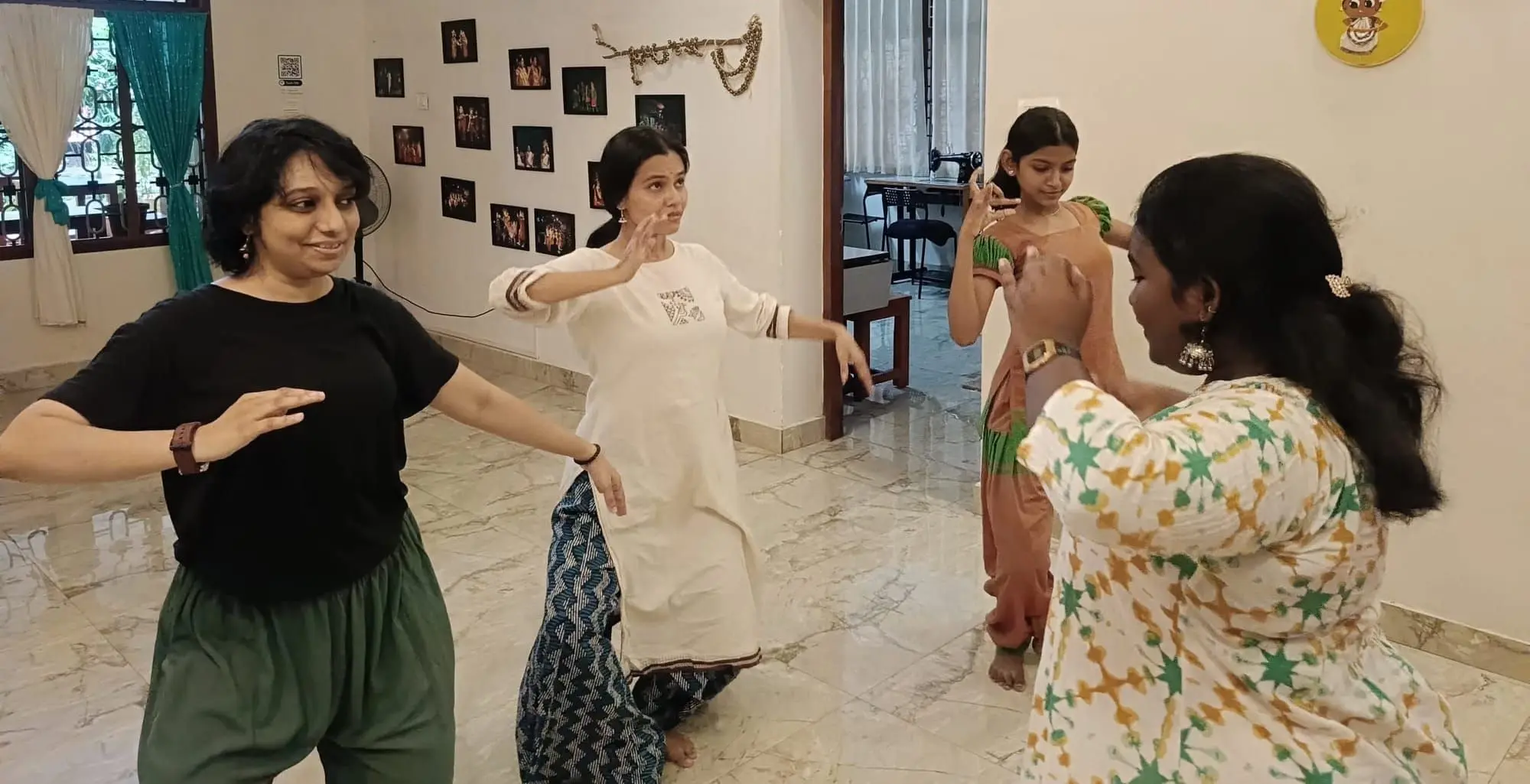
Acting and expression added to the Bharatanatyam lessons
We did acting and expression training as part of our Bharatanatyam lessons. We learned how to show emotions and tell stories with our faces and bodies.
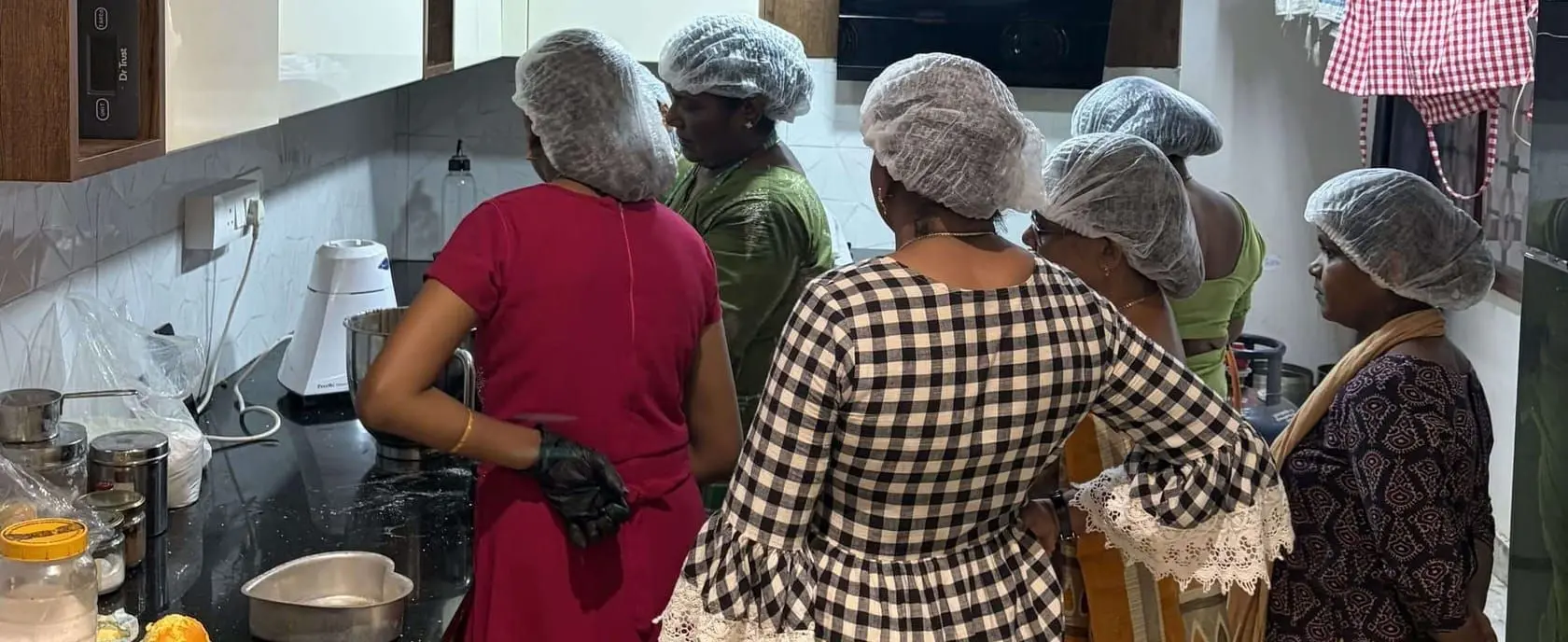
Community women learned to make plum cake
We ran a plum cake-making session for community women on March 14. The women took notes and ate the cake.
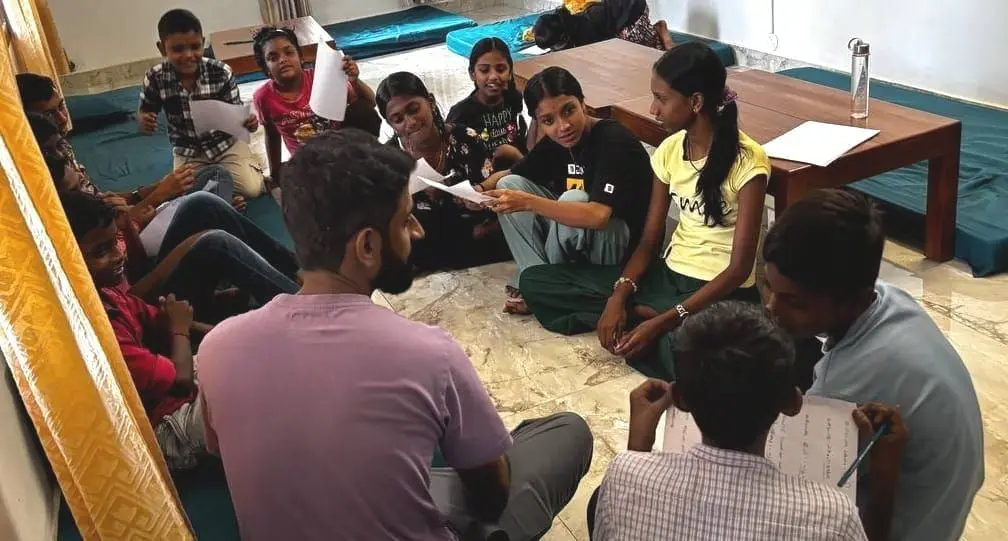
At the science club, twelve children explored gravity and electricity
The science club brought together twelve children from the community. We played games and had conversations to get to know each other. We also joined a simple session exploring how gravity and electricity work.
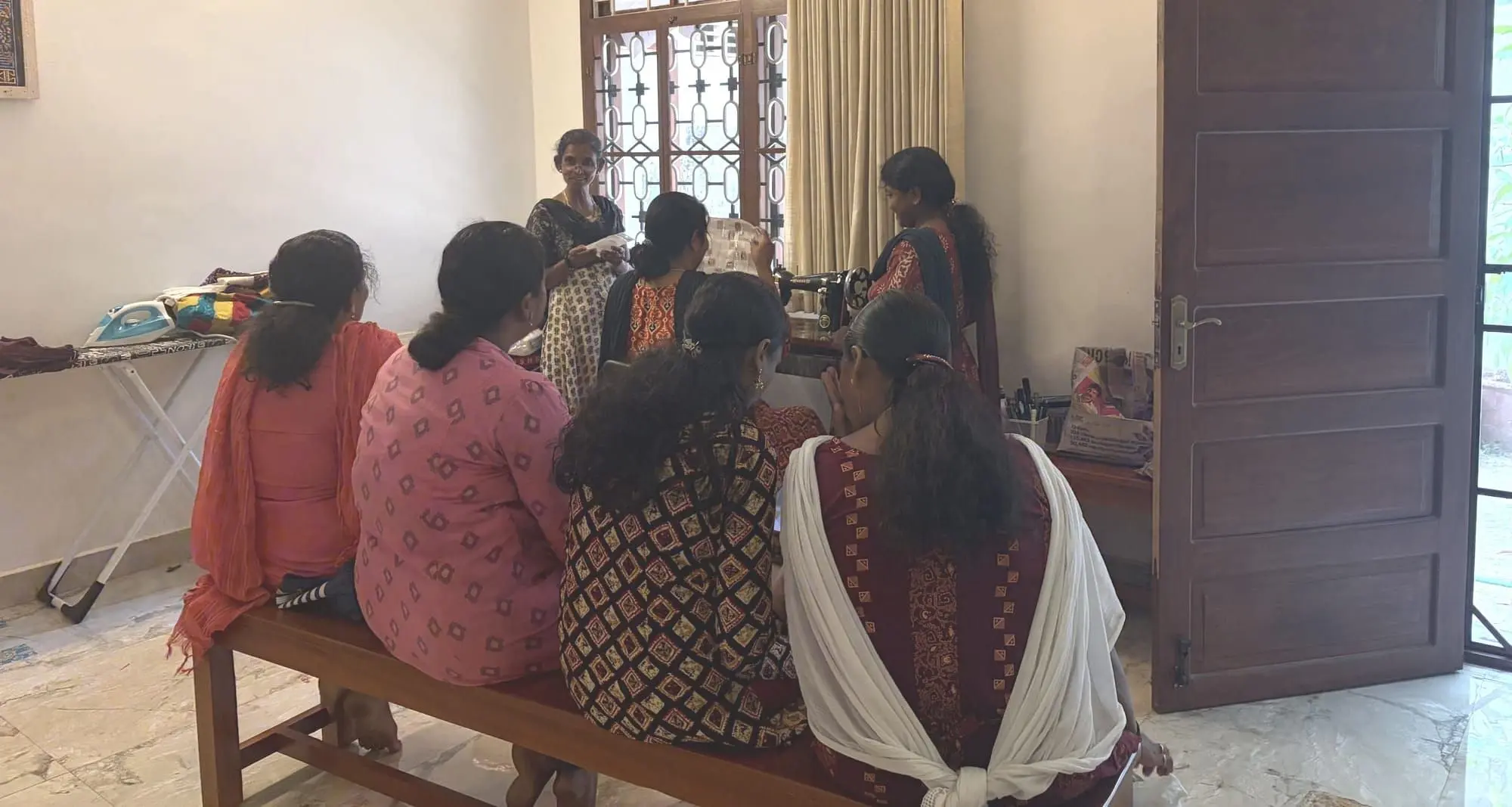
Community women interested in designing their own tote bags
A group of five community women came together to make tote bags. They have now expressed interest in creating their own designs for a few of the bags.
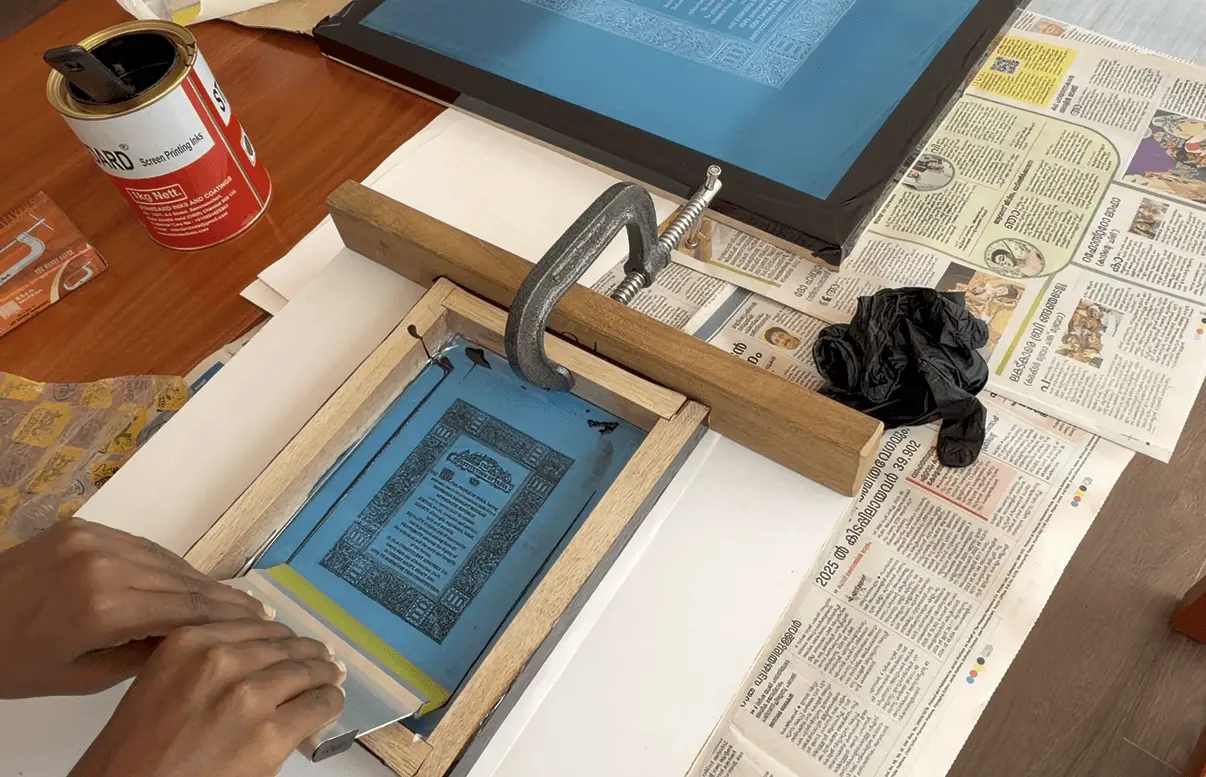
Screen printing practice started for Preamble bags and shirts
We started screen printing practice on Oct. 24, 2024. We are working towards putting the Constitutional Preamble onto tote bags and T-shirts.
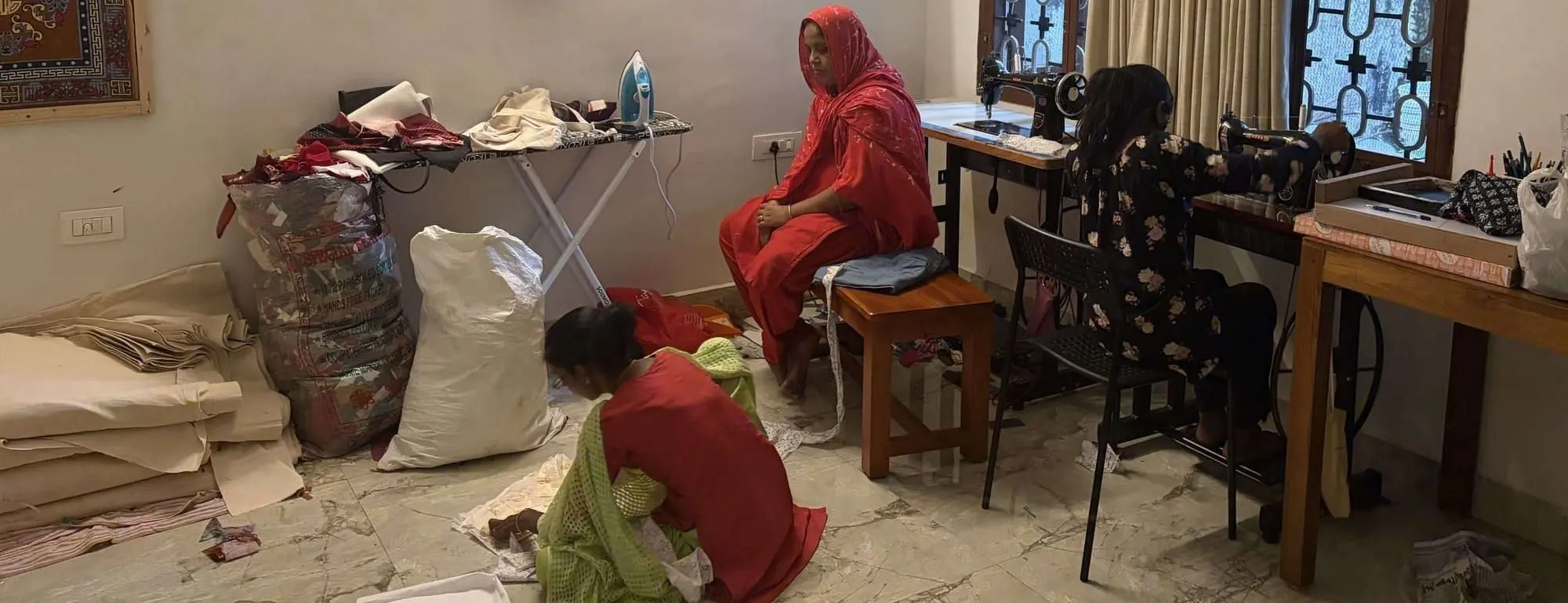
Community women made tote bags and learned basic repairs
On March 14, 2024, the community women met and made tote bags. They learned basic stitching and repair skills.
March 2026
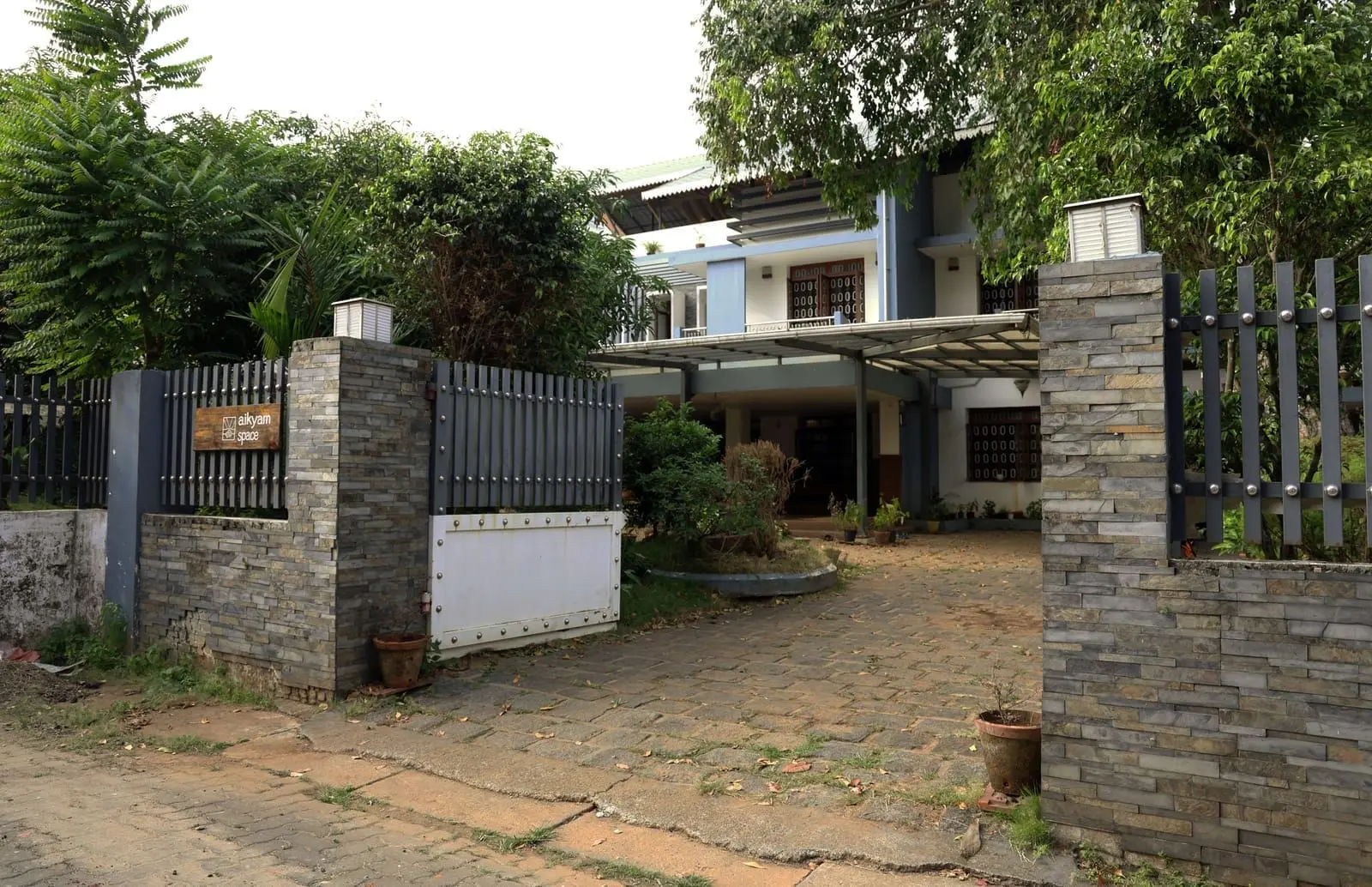
A festival in Fort Kochi kept most members away from the session
Our community members could not attend today's session because many were at a festival in Fort Kochi. We used the time to plan and prepare for the upcoming sessions.
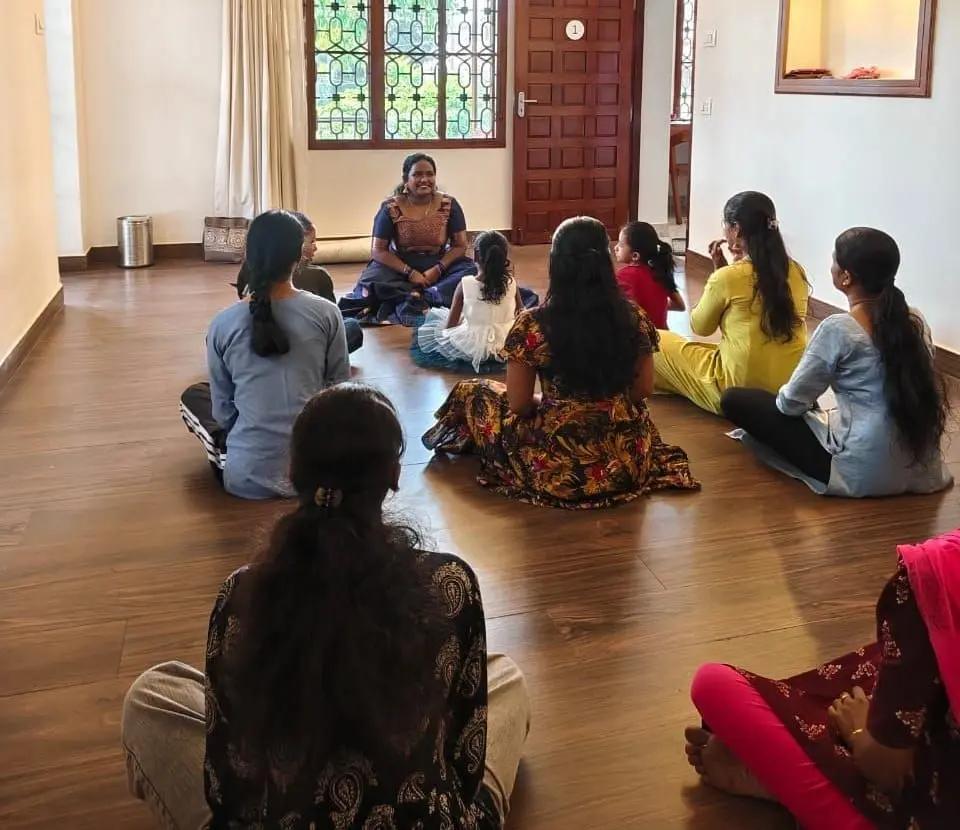
Twenty-five students finished a long Bharatanatyam session
25 students from Fort Kochi and Mattancherry finished a long, tiring yet beautiful Bharatanatyam session. Our esteemed faculty member, Aparna, led the session.
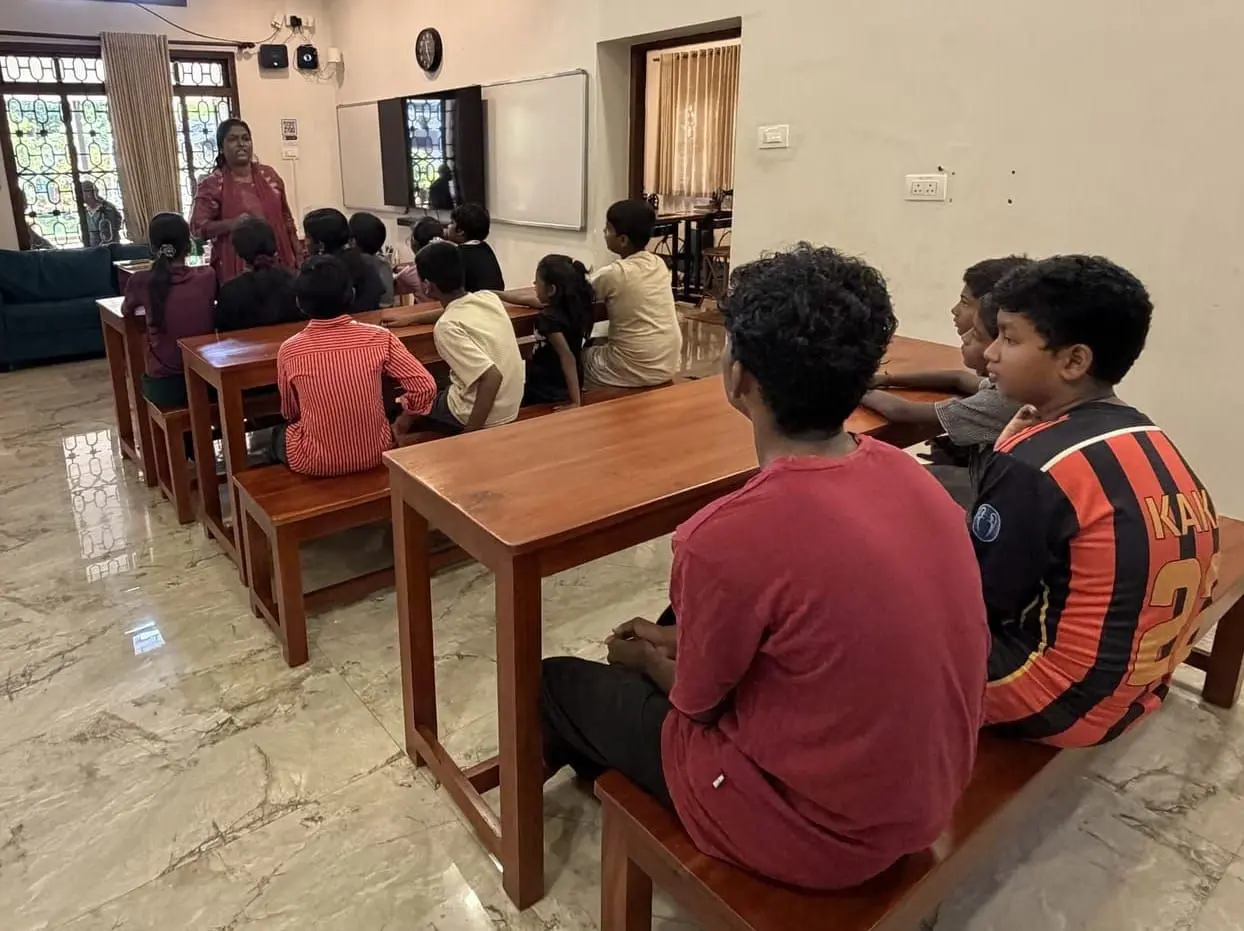
Children learn about the nervous system hands-on
Children from our community, nine in all, came together to learn about the human nervous system through simple explanations and hands-on activities.
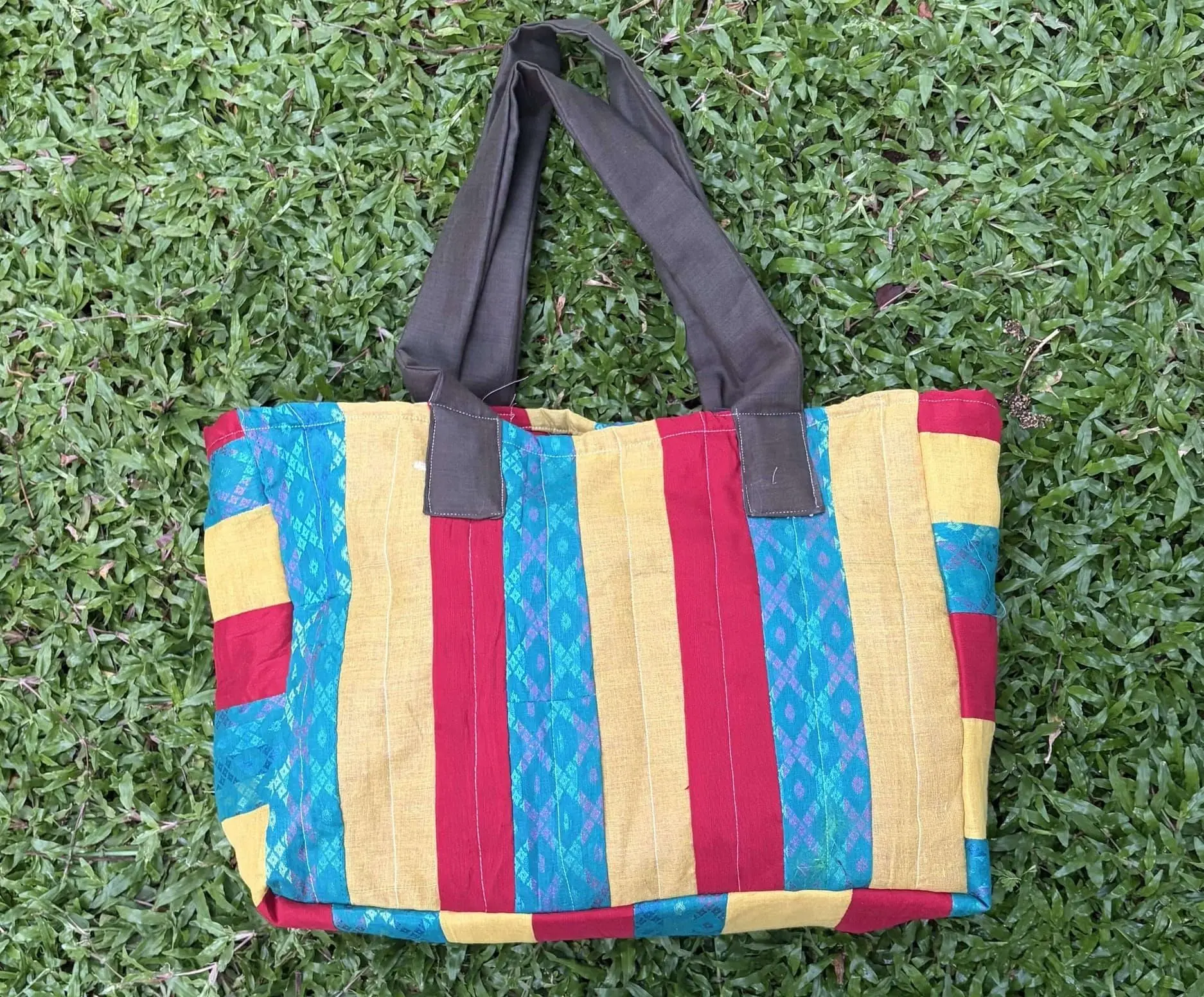
Boutique offcuts become tote bags with three Community Members
In the Lab, three Community Members worked with Mary Gracy and Haseena. We worked on tote bags from cut pieces collected from boutiques.
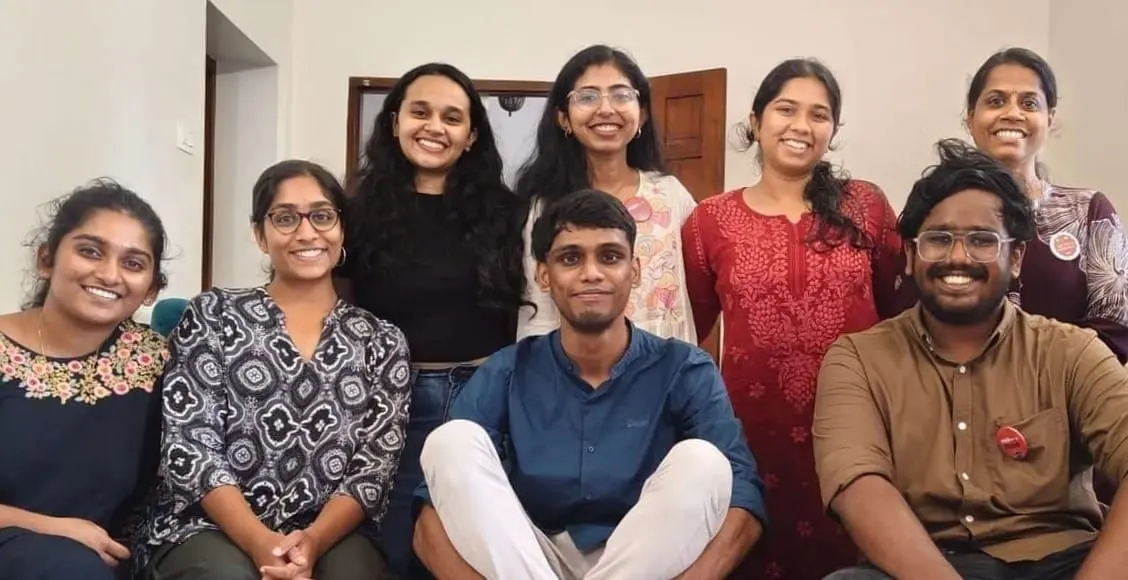
Make A Difference closed its academic year with a celebration
The Year-End Celebration was the last event of the academic year at Make A Difference. We brought volunteers together to reflect on their work and look back at what the organisation has done. We thanked one another and ended the year on a positive note.
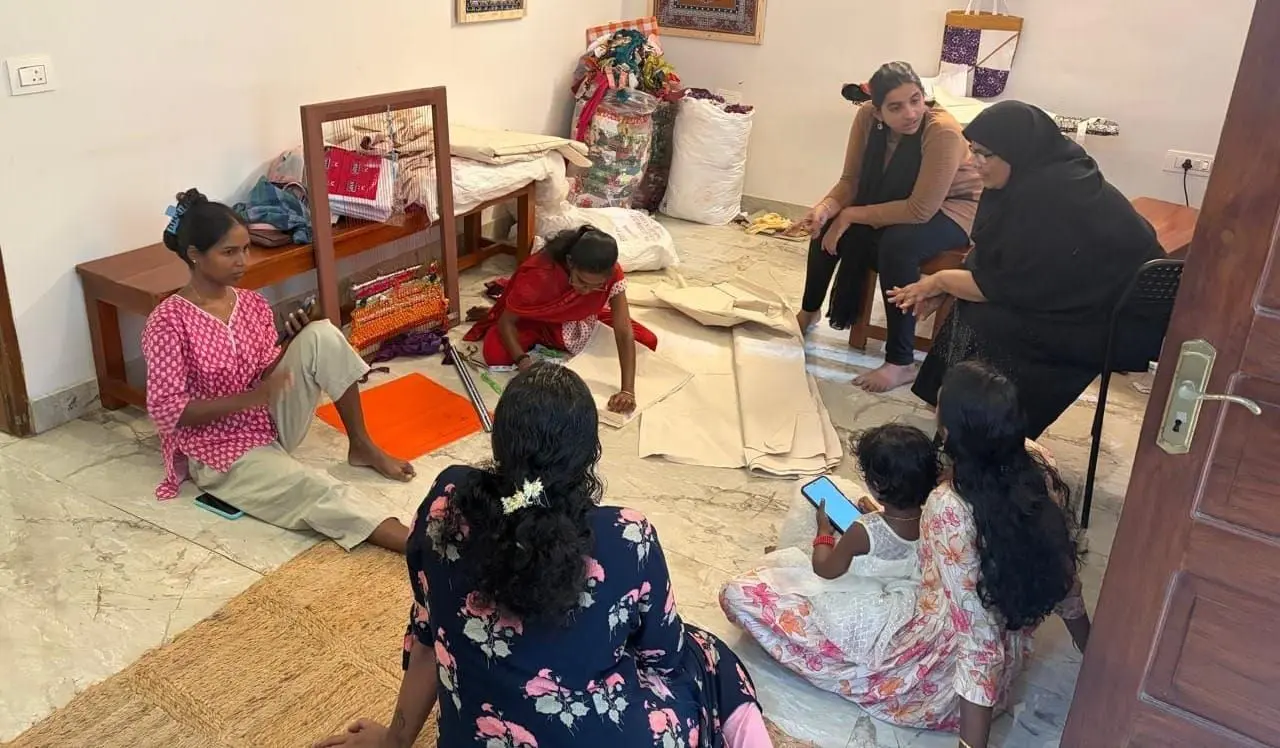
Mending their own clothes in the stitching lab: six members
In the stitching lab, Mary Gracy worked with six community members. We started stitching our own clothes using materials we already had at home, taking time to fix and finish each part neatly.

The team prepared for a beach clean-up expecting over 1,600 people
The team prepared for a beach clean-up expecting over 1,600 people. More than 1,600 people registered for Trash Hunt 4.0 at Fort Kochi Beach on March 28, and more are still signing up. We worked to bring it together. We enjoyed the lunch Jasentha Chechi provided, and the pickles.
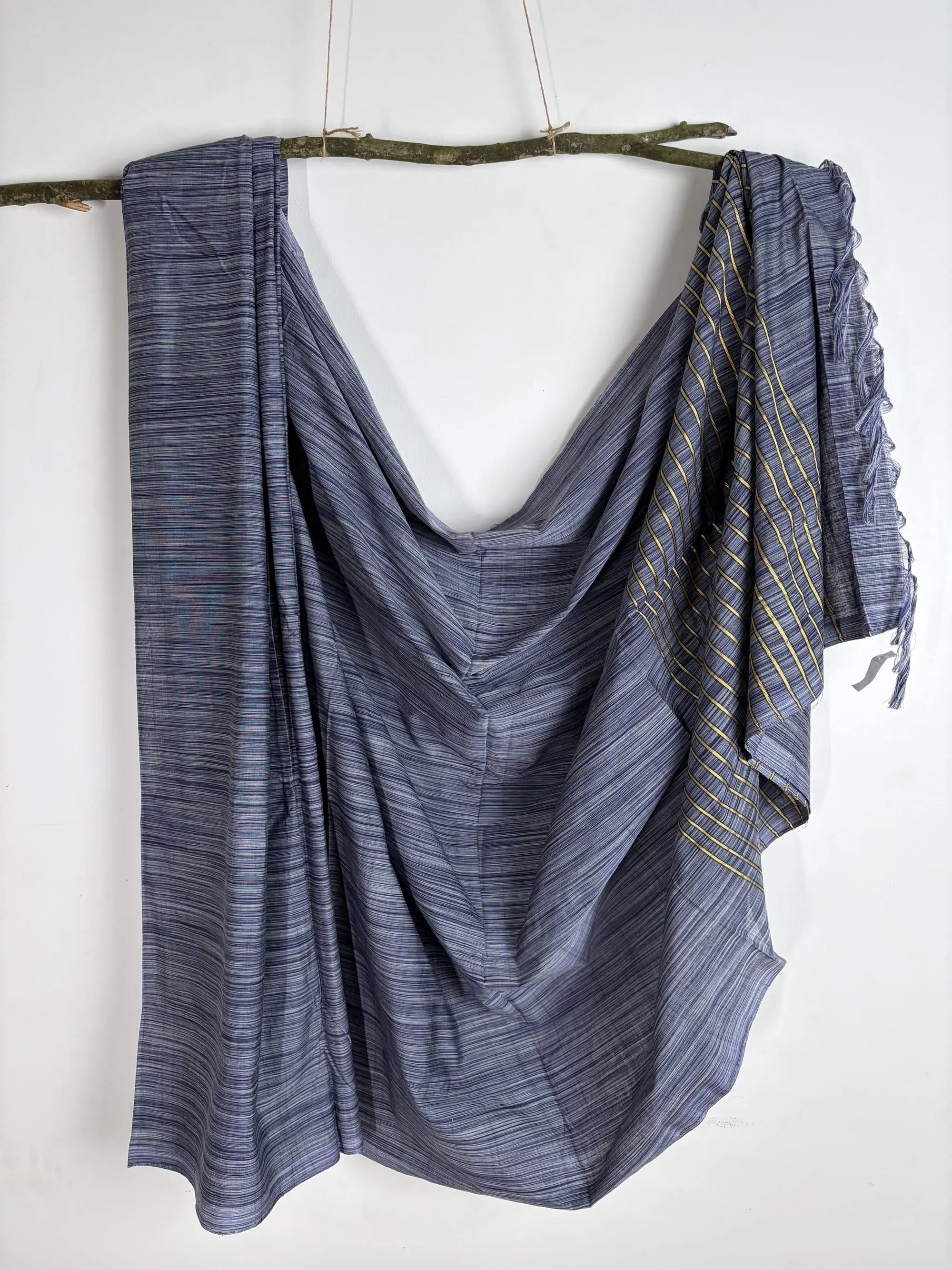
A saree photoshoot made use of the garden's good light
We took photos of handloom sarees in a garden and inside a room. The light was good, and the sarees looked clear and showed their details properly.
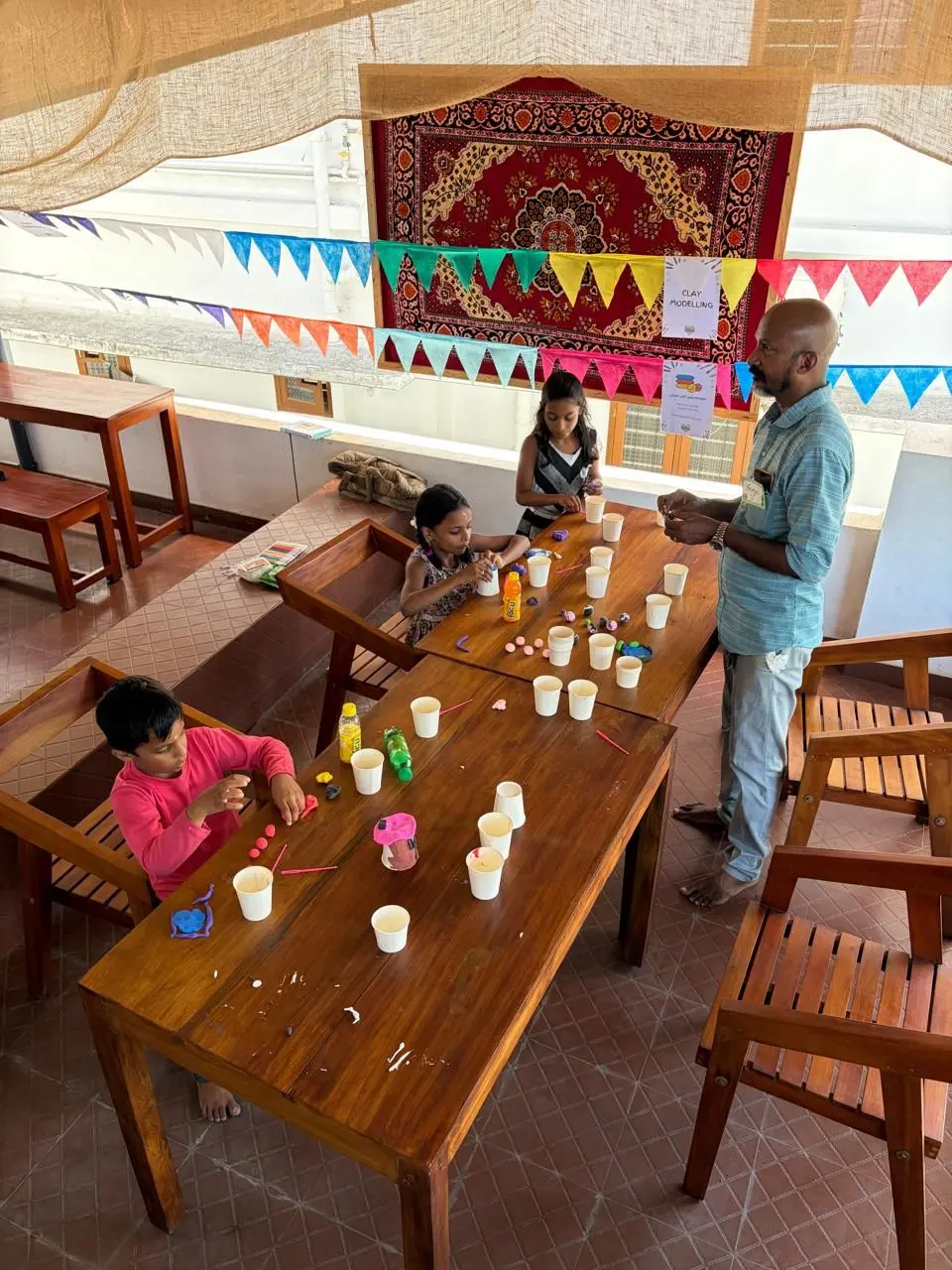
Olimalar Foundation held a children's art exhibition
"Made with HeART", an exhibition of artworks by children from across Kochi, was held on April 8 from 10 a.m. to 5 p.m. Olimalar Foundation hosted it as part of their LifSkool programme. Alongside the artworks were hands-on stations. Guided clay modelling and calligraphy were open to all ages. Entry was free, with no registration.
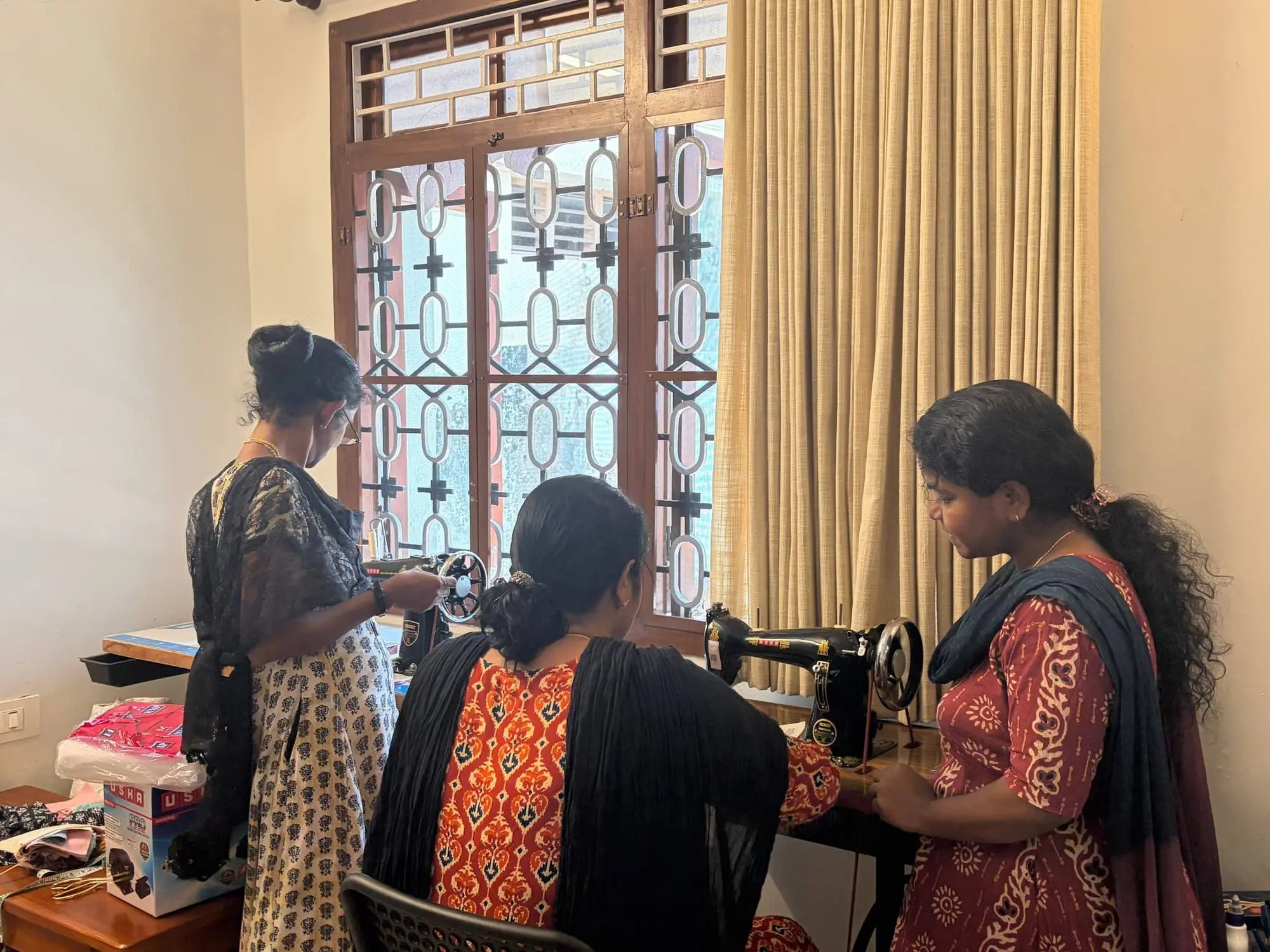
The Stitching Club runs daily except Mondays, free and in Malayalam
The Stitching Club runs daily from 2 to 6 p.m., except Mondays, and is free. Mary Gracy facilitates the club in Malayalam. The club provides all tools and equipment. It has limited seats, with preference to low income and underserved households from Fort Kochi, Mattancherry and nearby. The club runs at four levels. Repair Upcycling boutique offcuts into bags and pouches Making 2K to 5K a month from what you make Setting up your own club
January 2026
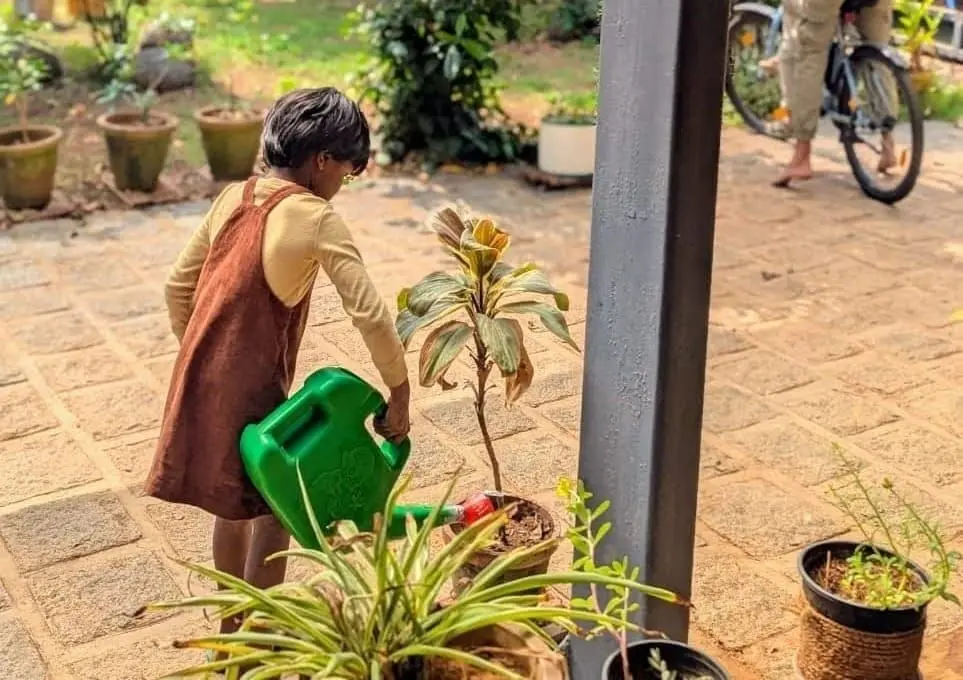
Rise Up Home spent New Year at aikyam space and explored Fort Kochi
Volunteers, team and children from Rise Up Home spent New Year's Eve and New Year's Day at aikyam space. We explored Fort Kochi together as a family. We watched a movie. We cared for the plants.
December 2025
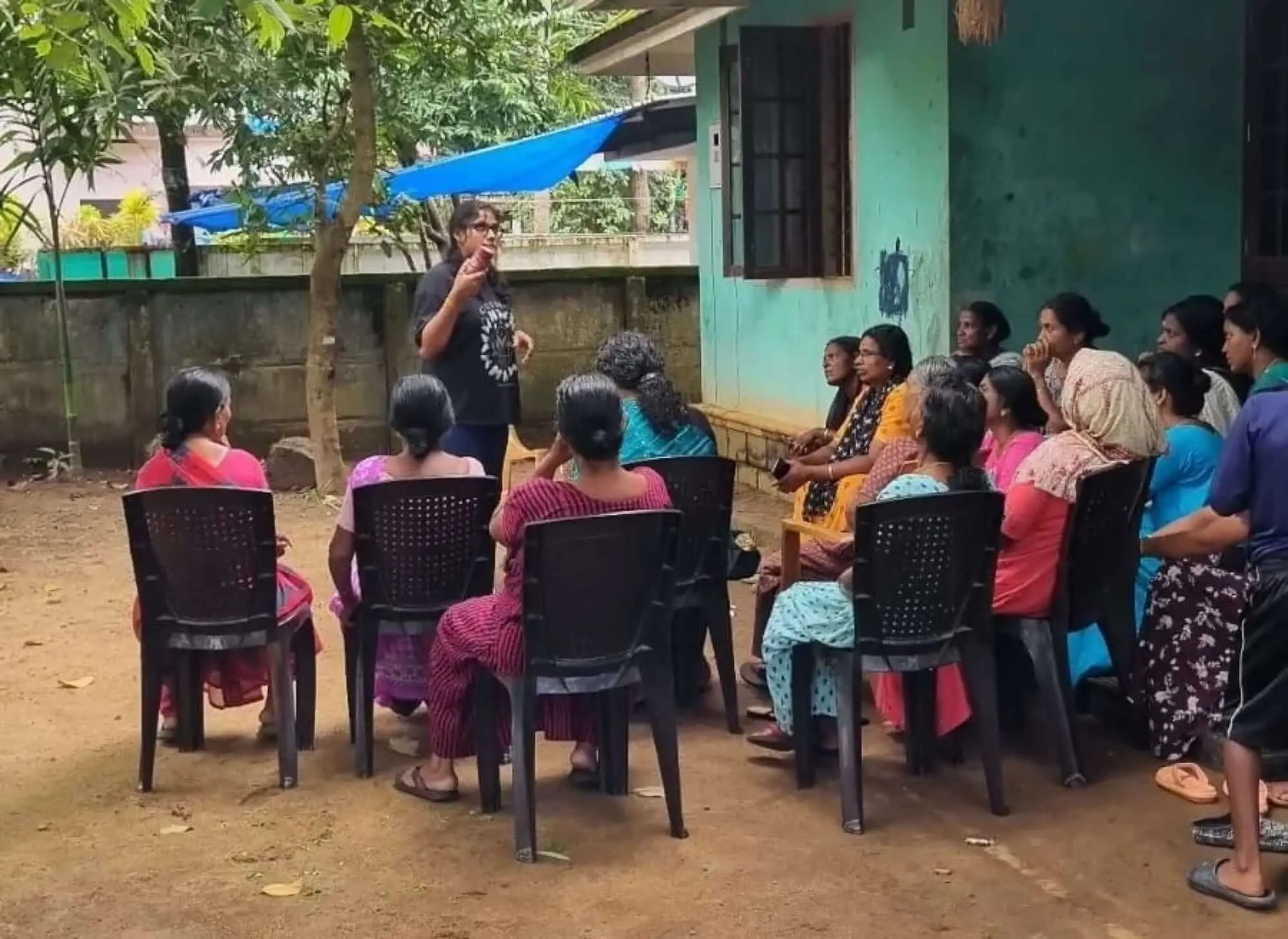
ARISE set goals for 2026 and mapped their stakeholders
We ran a program design workshop with ARISE, who work on mental health awareness and action in local communities through volunteering. The day covered compliance for non-profits and a review of the past year's work. It also covered goal setting for 2026, including stakeholders' top three needs and draft impact levels L1 to L4. Yasar Arafath and Junide Khalid Odungat took part.
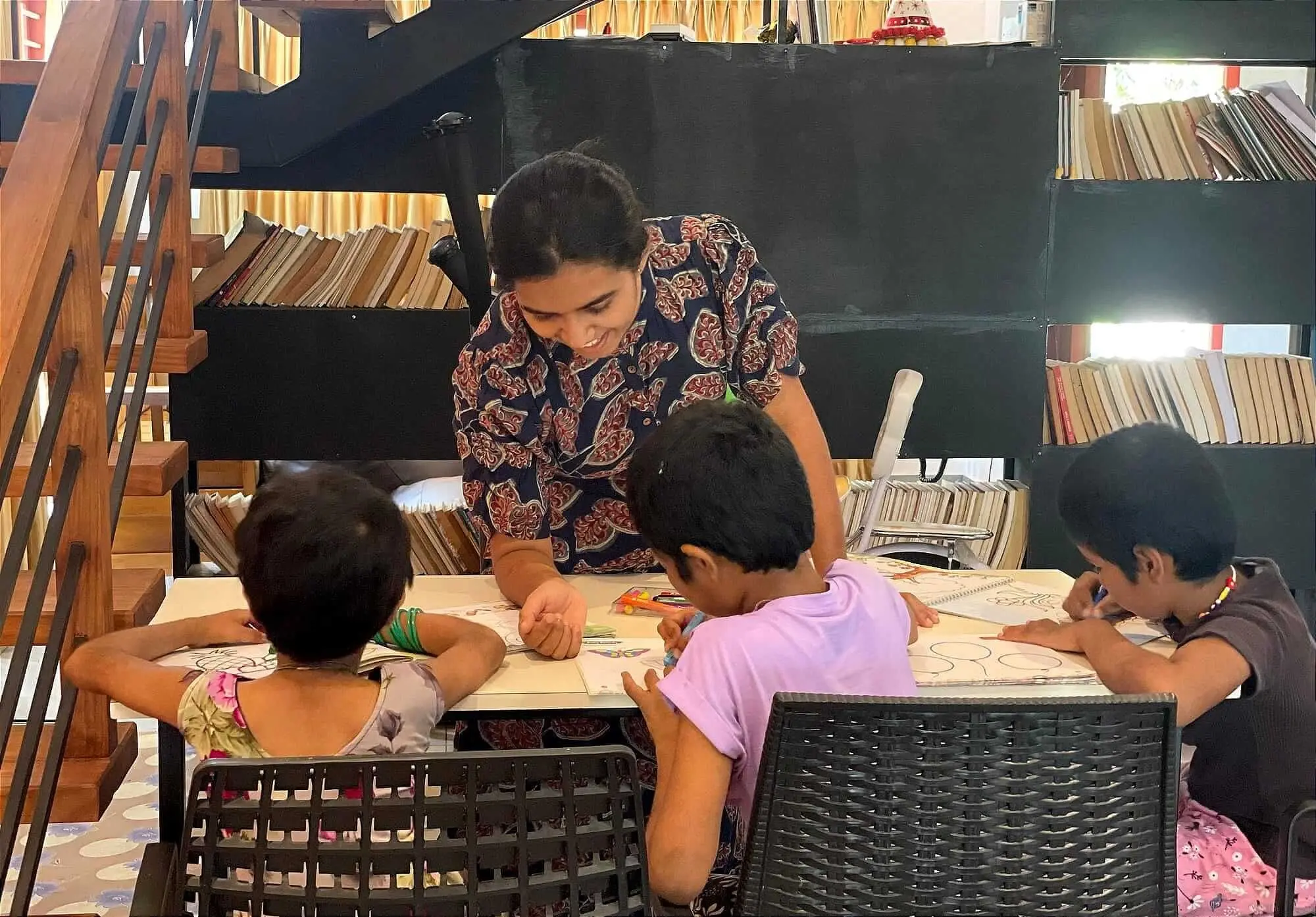
Rise Up Home looked back on a year and mapped its stakeholders
Rise Up Home held a program design workshop. Shemeer was the facilitator. The workshop ran from 10 a.m. to 2 p.m. The first half reviewed the past year's work: successes, areas to improve, and practices to stop. The second half mapped Rise Up Home's main stakeholders, their top three needs, and impact levels L1 to L4.
April 2025
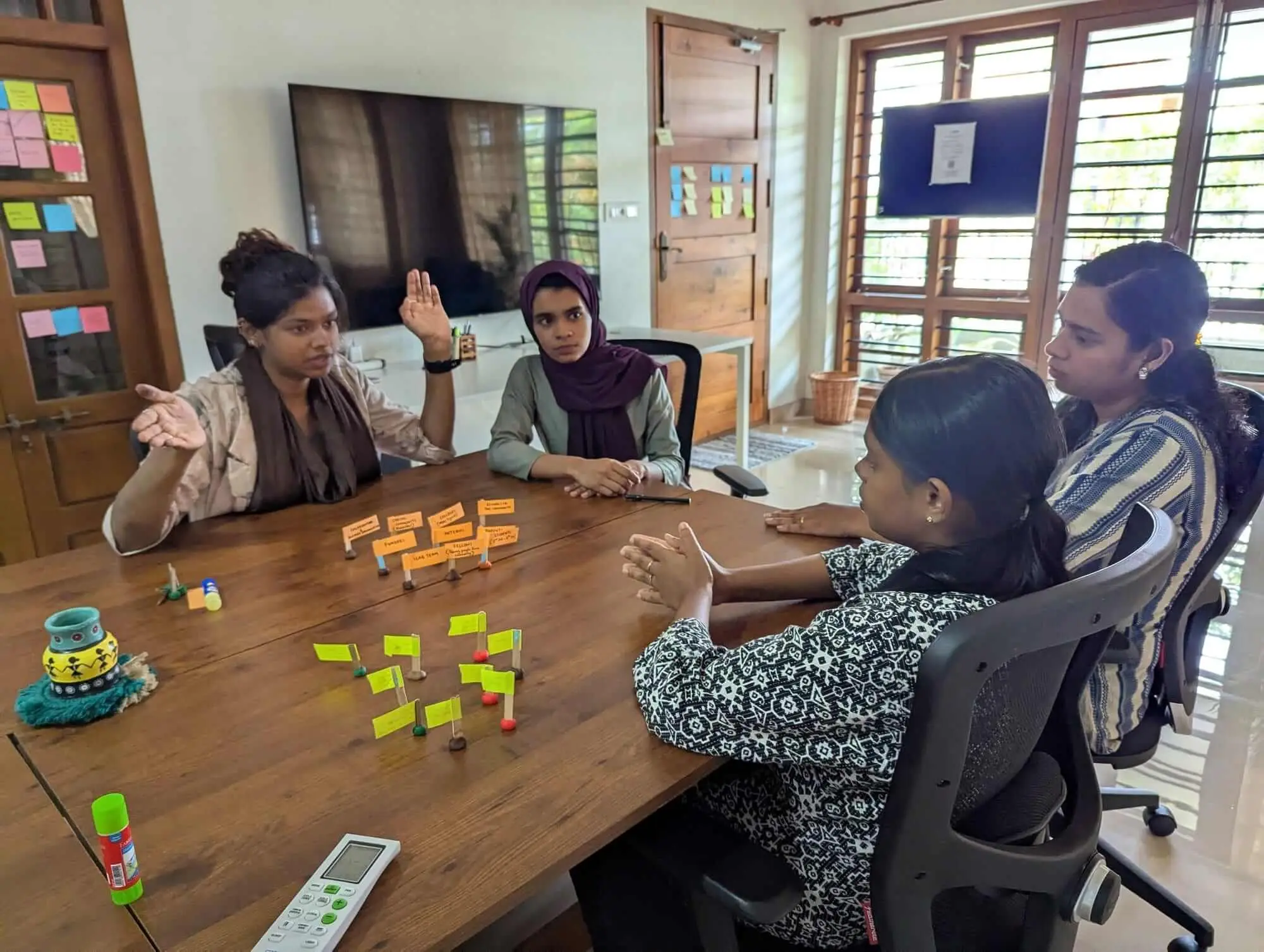
iLAB's team worked through program design and fundraising
Nasmina, Sabeena Ibrahimkutty and Kadeeja Fidha of iLAB India came to work on program design, monitoring and evaluation, and fundraising. We ran activity-based sessions. In those sessions, we identified who was involved and what they needed. We wrote the problem statement. We also worked through funding requirements and how results would be measured. iLAB works with women and children in coastal Kozhikode.
March 2025
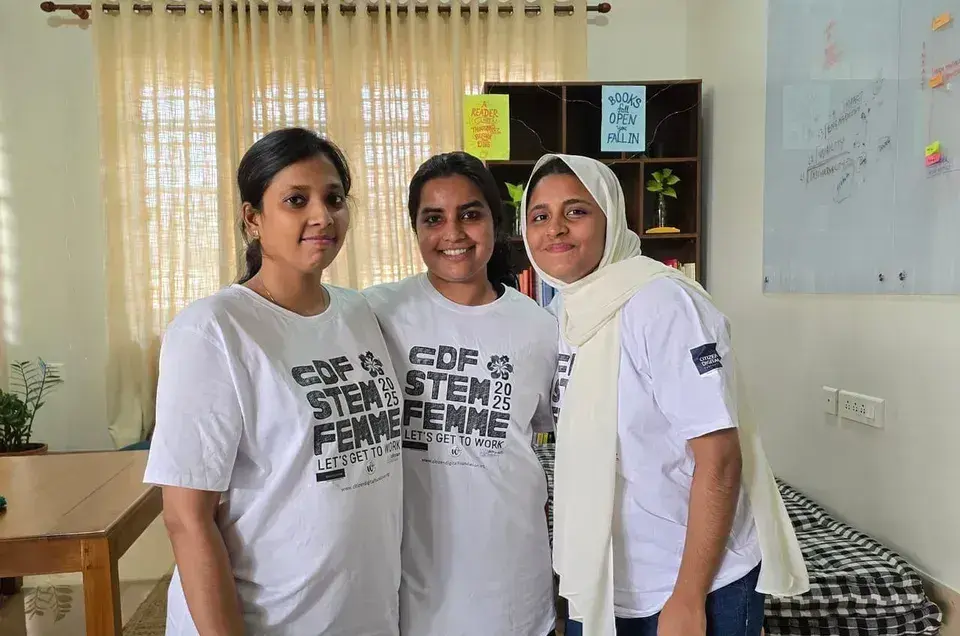
CDF STEM Femme fellows and their programme manager meet in person for the first time
CDF STEM Femme fellows Fathima Hiba and Sharon C came to the Tools for Storytelling Residency that aikyam fellows led. Their programme manager, Shana Shihab, came too. They met in person here for the first time. The residency included a website design session and conversations about setting boundaries and learning from stakeholders directly.
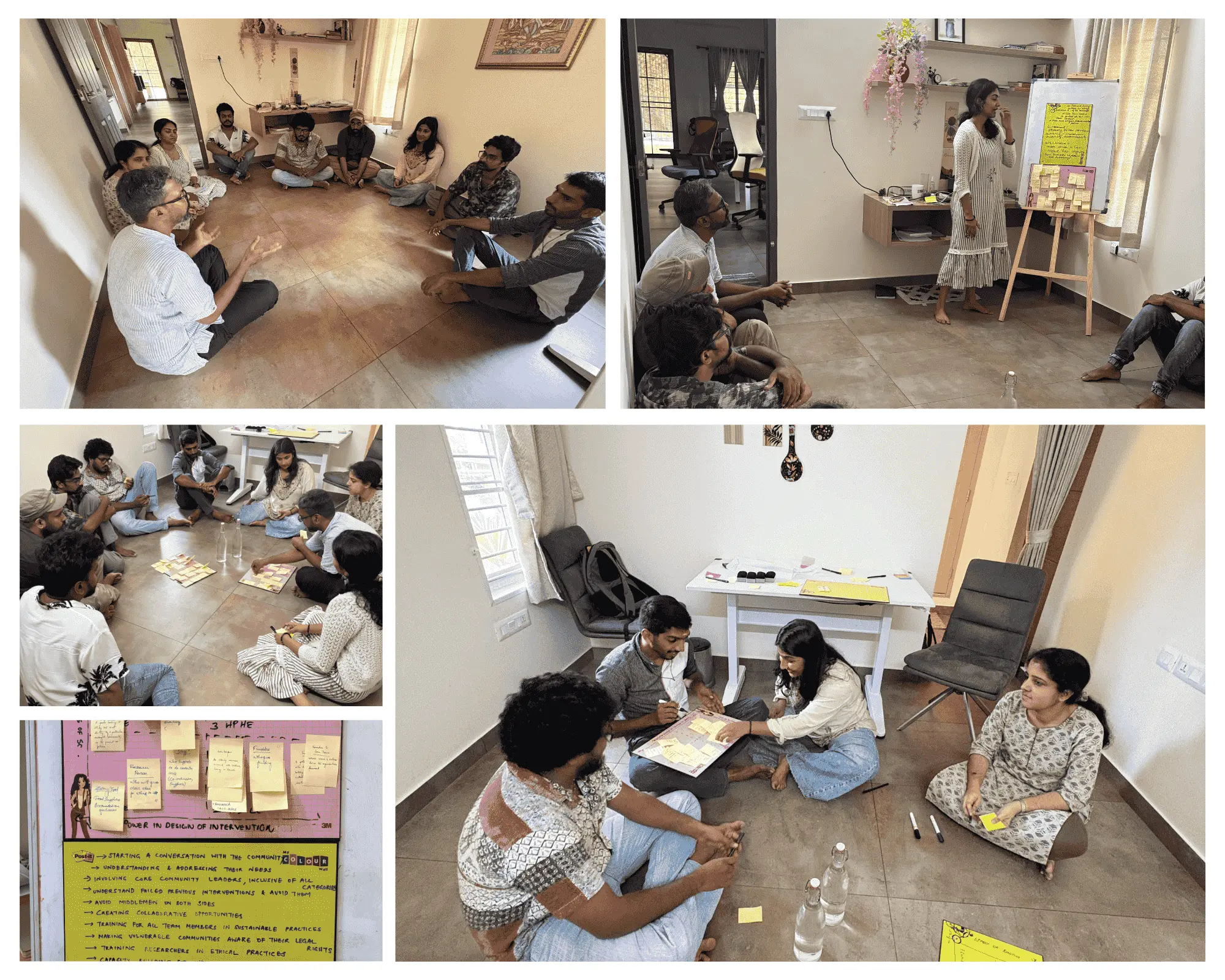
ARPO's team mapped who shapes their work
Sruthin Lal ran a workshop for ARPO's new team on values, teamwork and shared purpose. One exercise mapped stakeholders against power and impact. The exercise showed tribal and Dalit cultural practitioners ARPO works with are most affected by its projects but have the least say in shaping them.
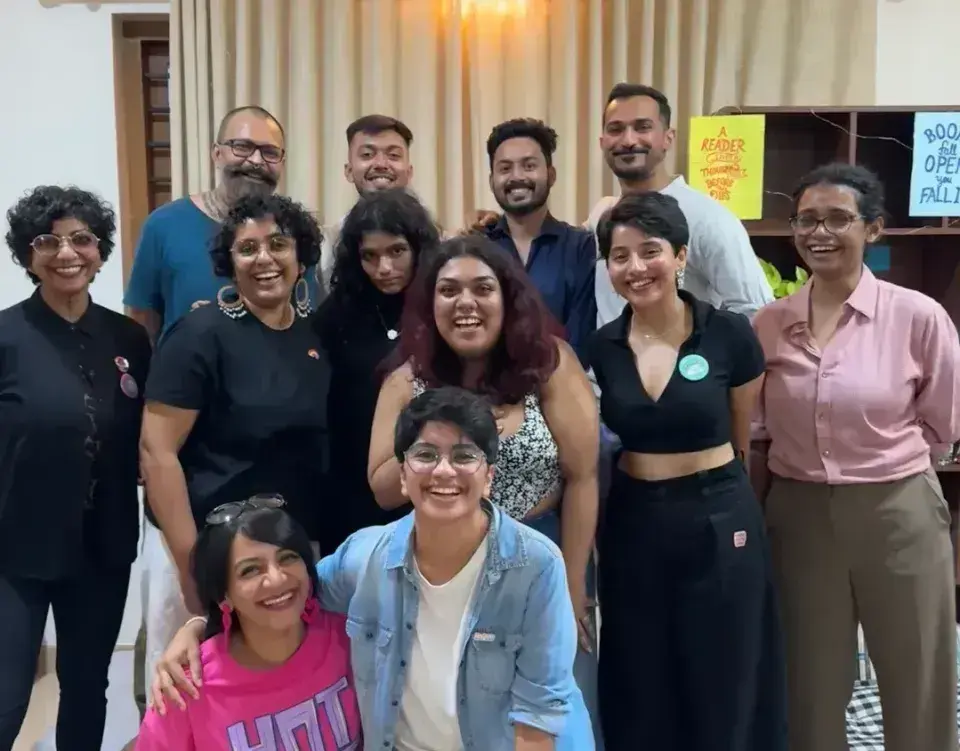
Queers Out and About held its first Hard Conversations session
Queers Out and About (Kochi) held their first Hard Conversations session at aikyam space on Feb. 16. It was an experimental session. It looked at how to become compassionate listeners and how to deal with conflict and hurt in the community. Shibli Suhanah helped structure the session. Rakhi Krishnan provided stickers, badges and chocolates.
February 2025
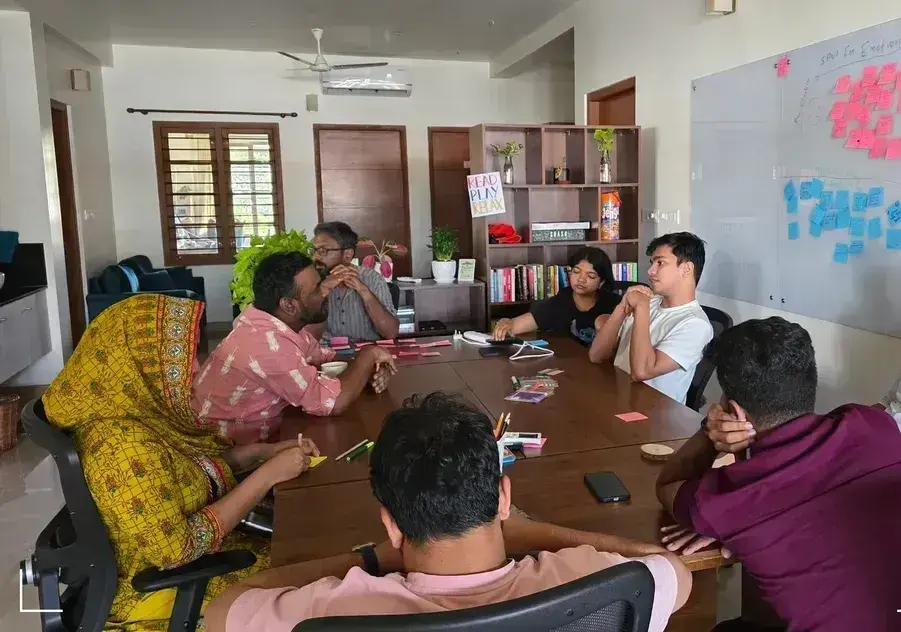
TinkerSpace team reflects on the year and what comes next
On February 4, TinkerHub's TinkerSpace team spent the day reflecting. Mehar, Arundathi, Kurian, Reema, Saneem, Abid and Jasim looked back at the year so far and what comes next in 2025. Shemeer and Abhiram led the discussion. TinkerSpace inspired aikyam space itself. The aikyam fellows team spent many months as guests at TinkerSpace.
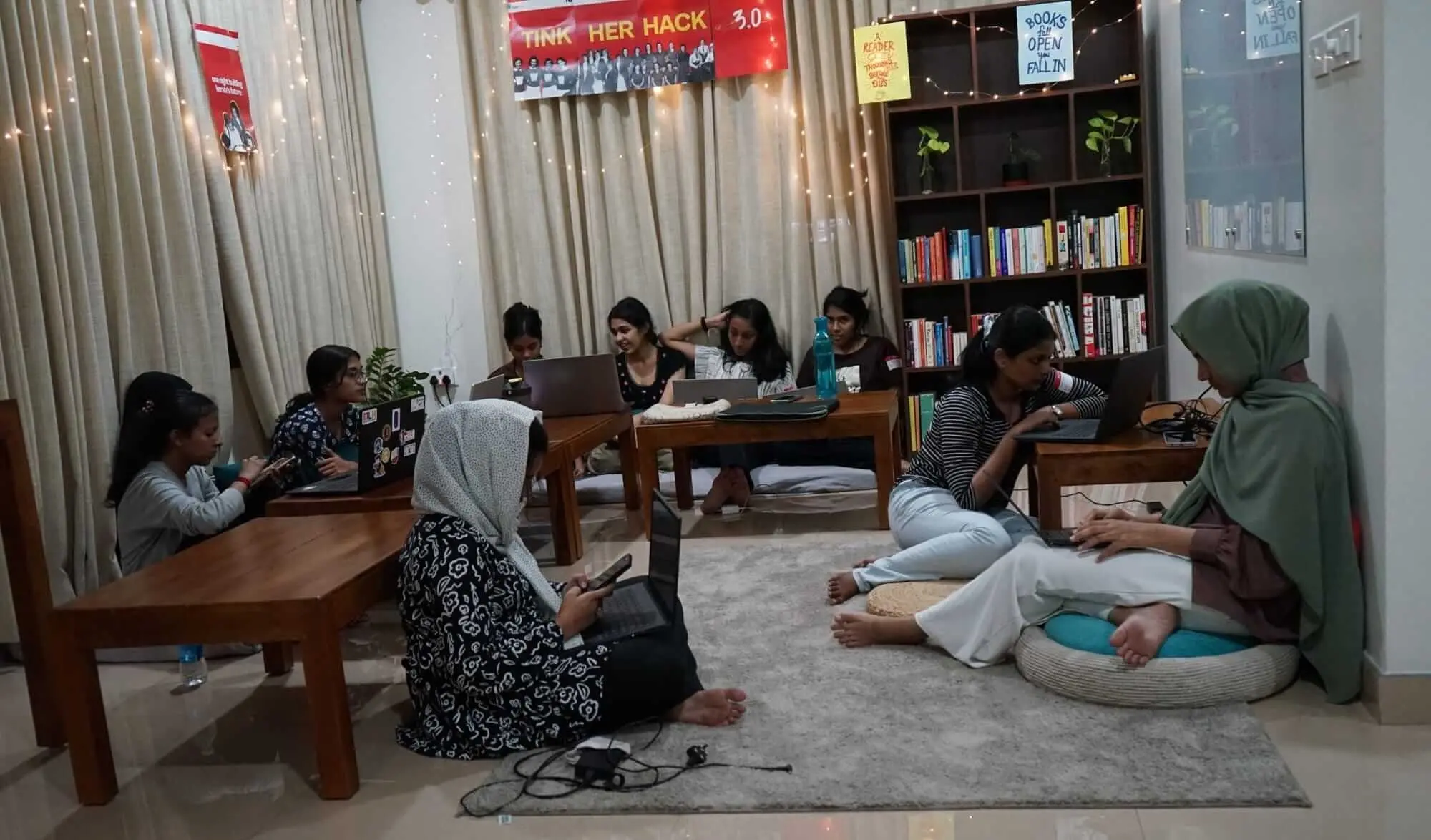
Seventeen women built seven projects in eighteen hours
On the night of Jan. 25 to Jan. 26, seventeen women, most of them first-time hackers, built seven projects in eighteen hours. Gouri took first place with a "travel companion website" and received a badge and a certificate. Sahil, Jinso and Abhiram mentored and judged. The event was one of 60+ Kerala venues in TinkerHub's 4000-women hackathon initiative.
December 2024
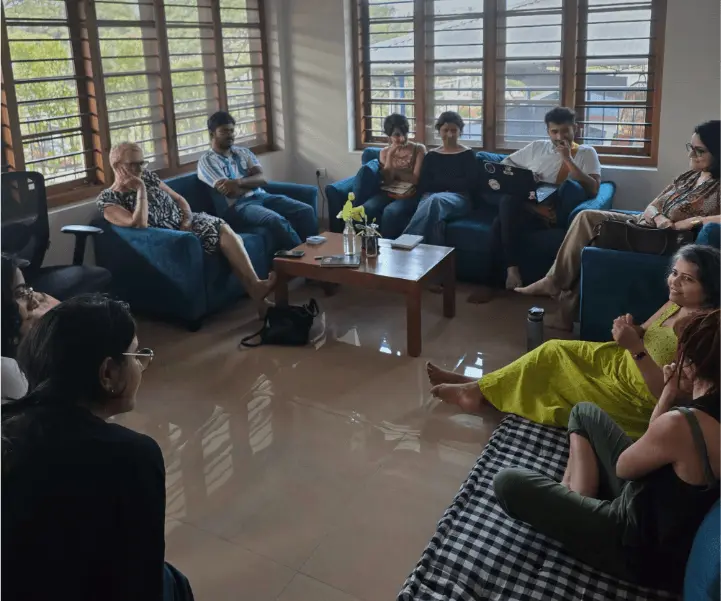
Who are public spaces designed for?
Pragya Sikka of Friends of Toto led a discussion on Dec. 20 with changemakers, queer persons and allies. We began with an empathy walk and asked what a public space meant to them. The group drew parks, libraries, street lights, signboards and clean toilets, and talked about naming pronouns at work.
November 2024
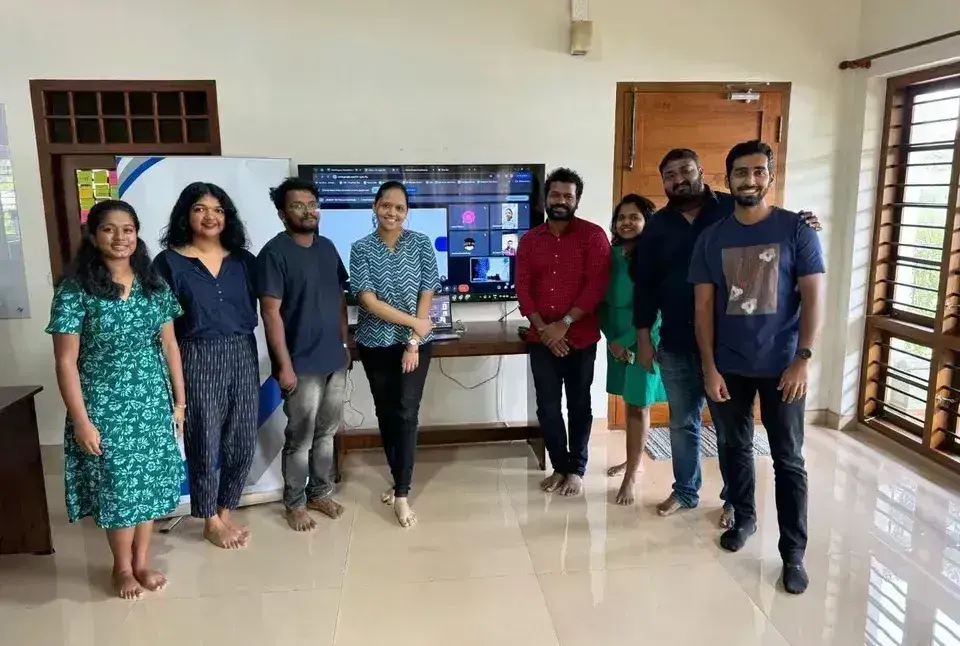
The Global Shapers Kochi Hub inducted its new Shapers
Global Shapers Community Kochi Hub held its induction programme at aikyam space on Oct. 28, 2023. We welcomed and onboarded the newly selected volunteers, known as Shapers. The day included activities, team-building sessions and collaborative workshops. GSC is an initiative of the World Economic Forum. The Kochi Hub works on local projects addressing issues in the city.
October 2024
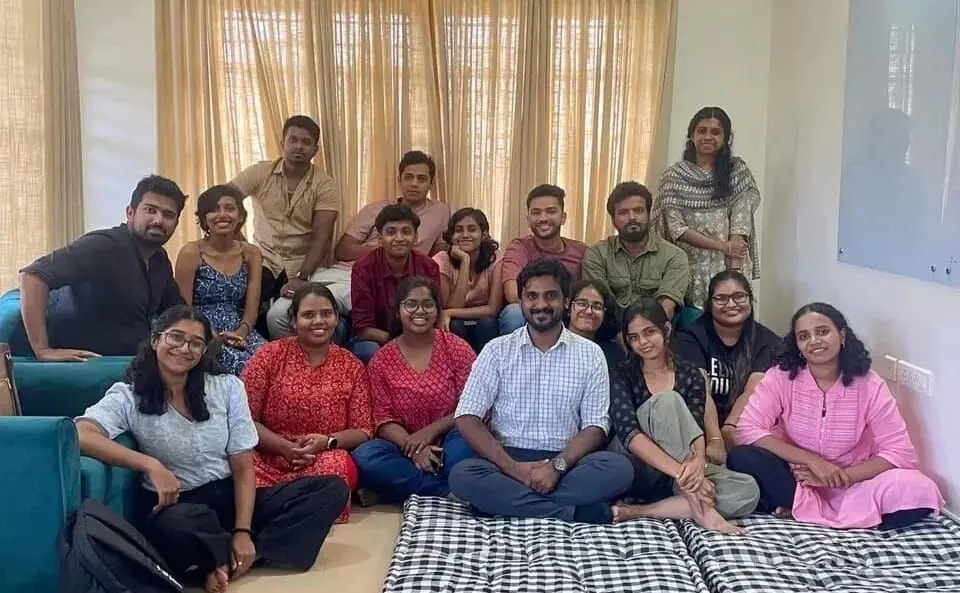
MAD's Leadership Circle planned its next season here
Make A Difference held its Leadership Circle at aikyam space on July 22, 2024. We invited a few volunteers alongside the fellows who oversee city operations. We reviewed the past season, brainstormed changes to the Life Skills and Learning & Development programmes. We looked at volunteer onboarding and training, and discussed fundraising and partnerships with local schools.
September 2024
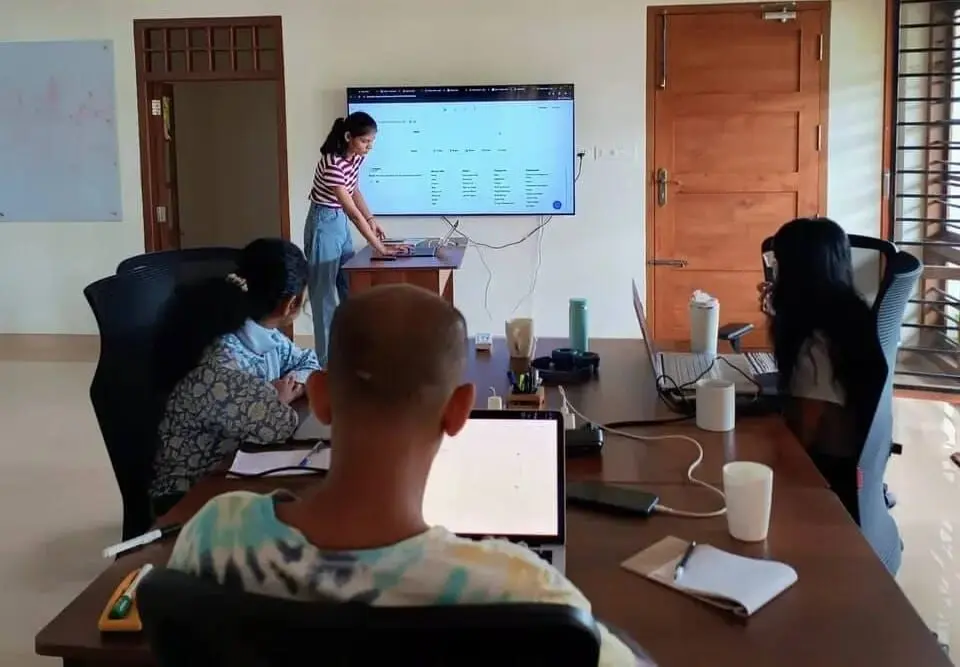
Ignite India and Ninety Degrees built websites in a two-day workshop
Over Sept. 24 and 25, Naji Mahfood and Shanija of Ignite India and Khoj, and Aayushee Jevish of Ninety Degrees, worked on telling their organisations' stories. Megha trained them in the basics of Ghost. Jinso covered servers, self-hosting with NGO credits and mapping a custom domain. Naji built an impact storytelling platform for Ignite India, and Aayushee built the Ninety Degrees website.
July 2024
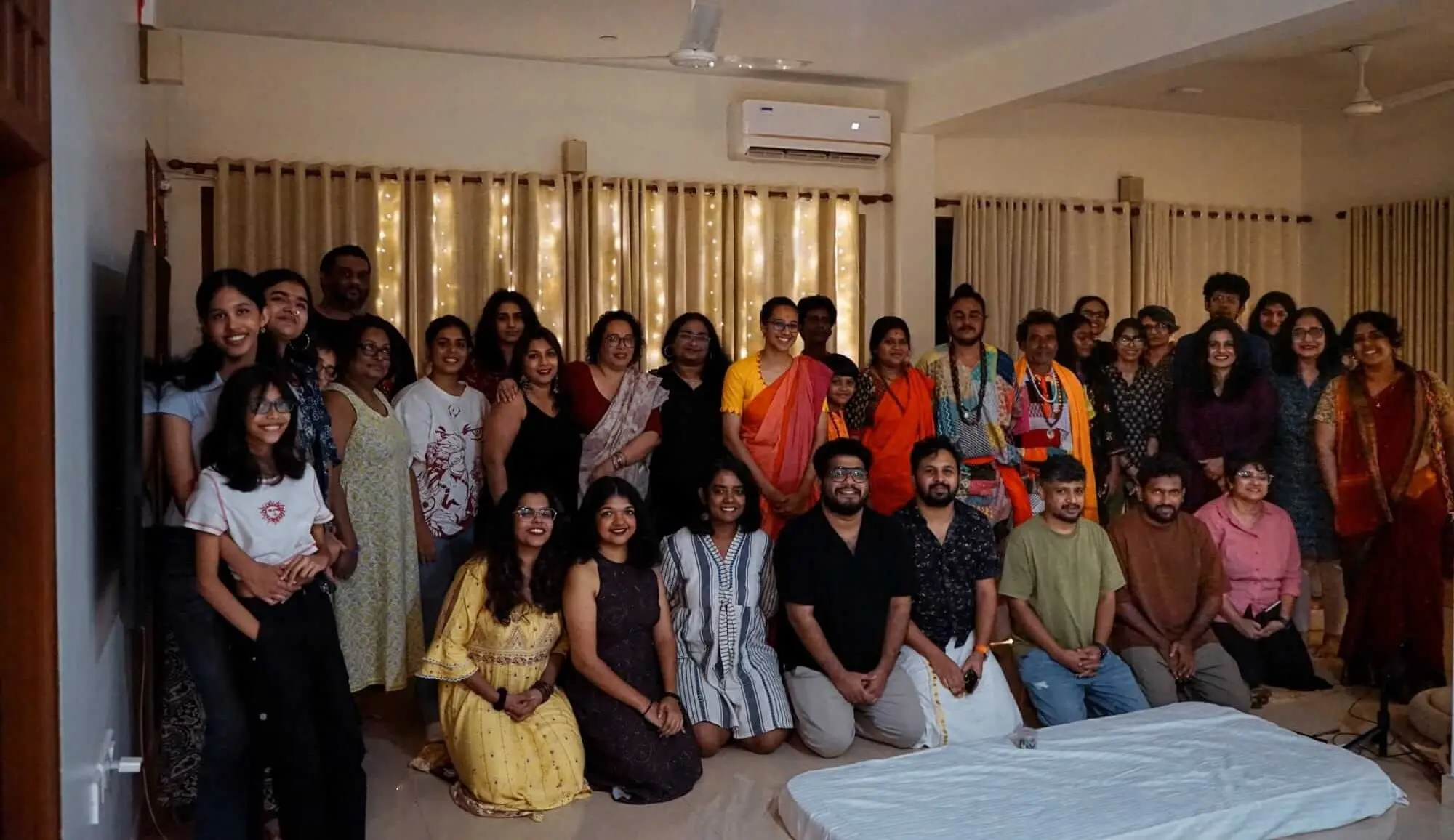
Sumanta Das Baul and his team performed at Nosh Haus
Sumanta Das Baul and his musicians performed a Baul set at Nosh Haus. Shilanjani translated. The dotara, ektara, plucked drum and ghungroo bells carried the songs. Every Baul present sang, including Sumanta's ten-year-old son. The Baul tradition emerged in the early 18th century in West Bengal and Bangladesh.
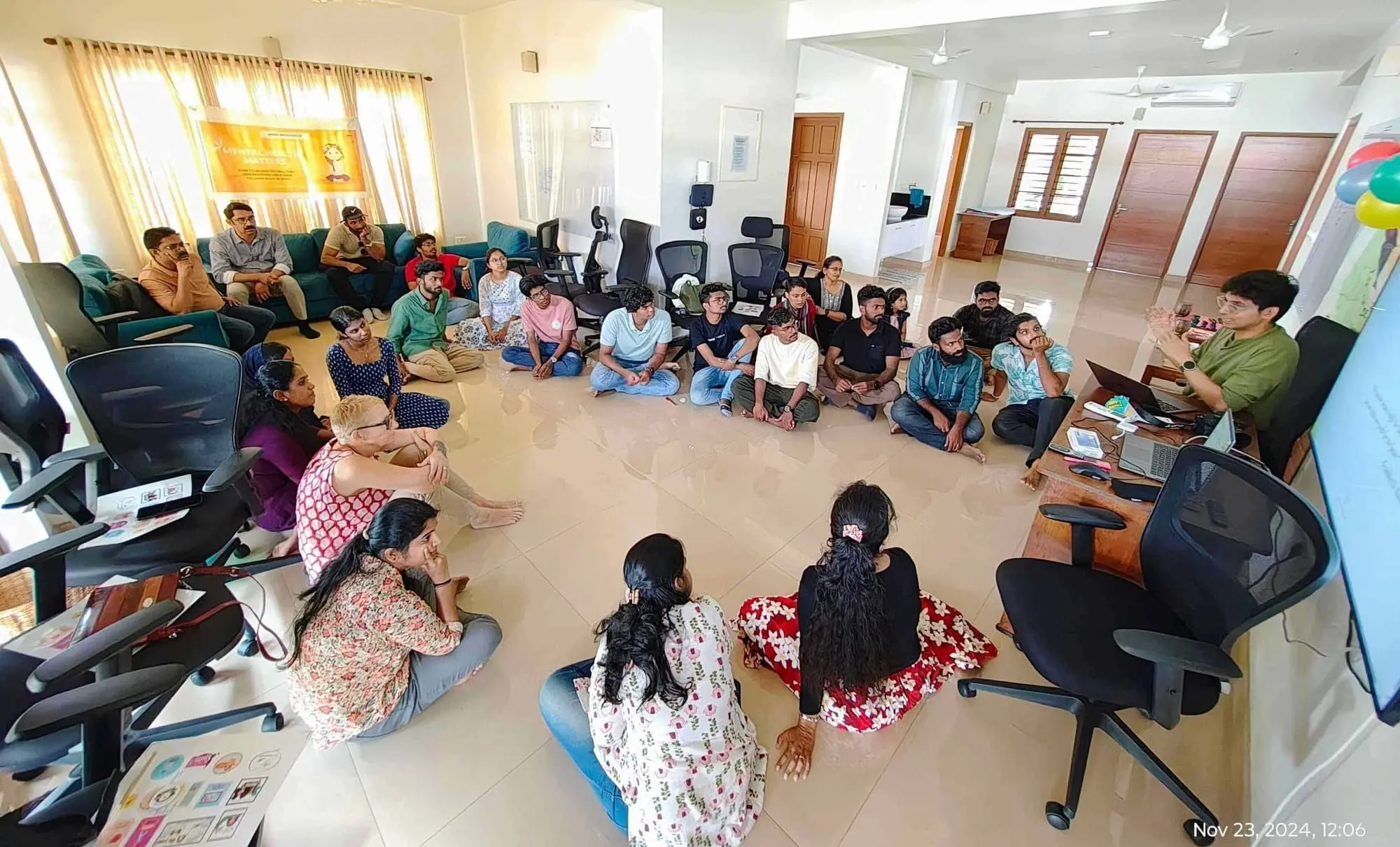
A Wednesday support group met in one of the meeting rooms
Maya of Mind Empowered ran an in-person therapeutic support group in one of the meeting rooms every Wednesday from 5:30 to 6:30 p.m. A small group gathered to share their mental health journeys and support each other through challenges. Sessions were free, and the group kept people anonymous.
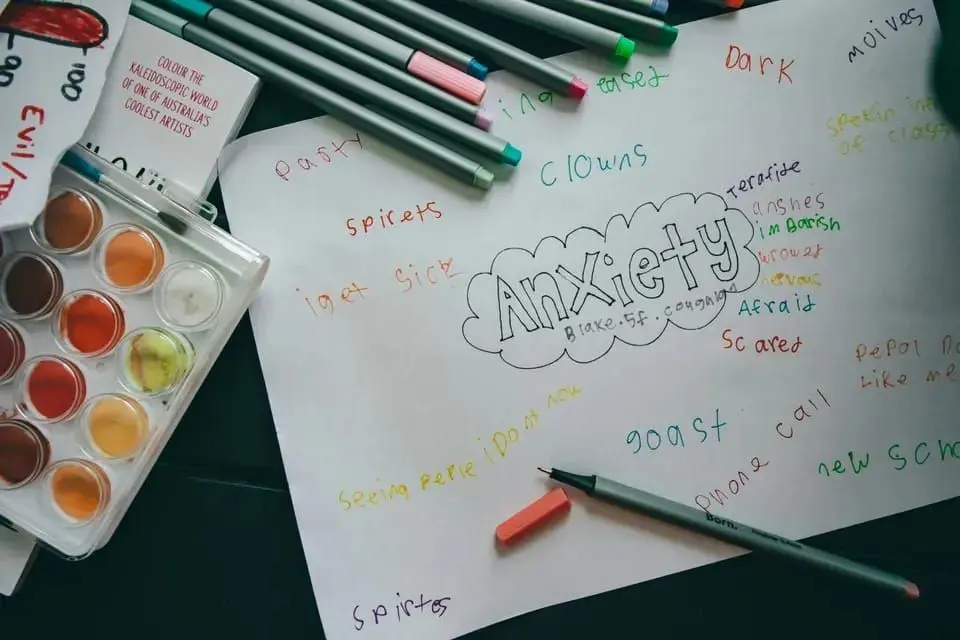
An art therapy session had everyone draw a four-floor house
aikyam space and Mind Empowered hosted an art therapy session led by Cristelle Hart Singh of Dil Se. Participants drew a house with four floors, each floor stood for a different part of their emotional life. The foundation stood for core beliefs, and the first floor stood for habits to refrain from. They then drew the most vivid emotion that came out of it and shared the drawings.
June 2024
Treasure Hunt participants share stories of change
Treasure Hunt participants came to share stories of change. The Great Indian Treasure Hunt's Air phase took place. Twelve to eighteen young people, picked through written applications and interviews, travelled across India in teams of four. The programme has six phases, which are Sky, Water, Fire, Metal, Earth and Air. Participants shared their stories of change.
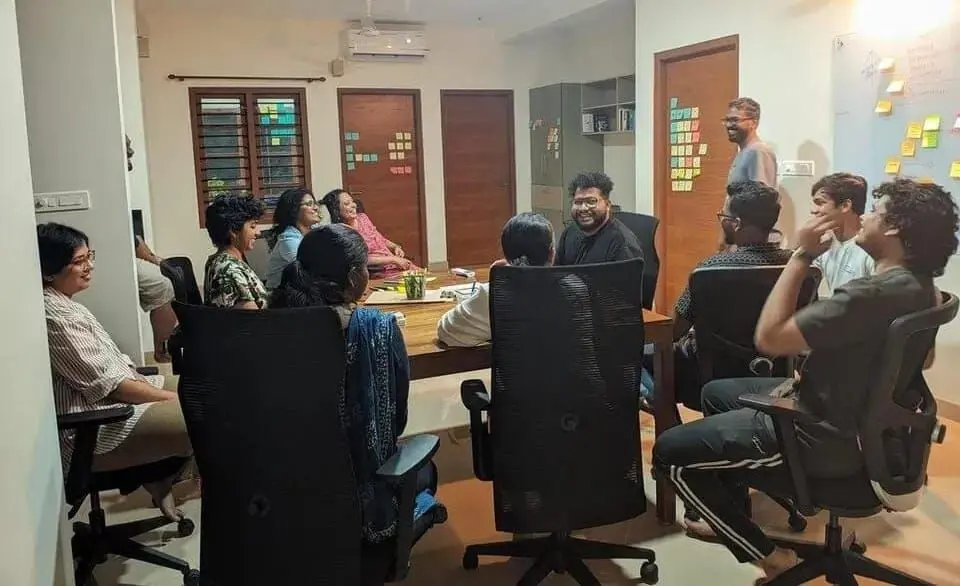
A design thinking workshop led to a new group called PAPAD
On March 14, 2024, we ran the first in a series of human-centred design workshops. We introduced design thinking into the school curriculum. Participants worked in two groups to identify who is most affected by curriculum change and who holds the most power over it. They formed a group called PAPAD, which stands for People's Alliance for Process & Agency in Design.