Input
- What went in
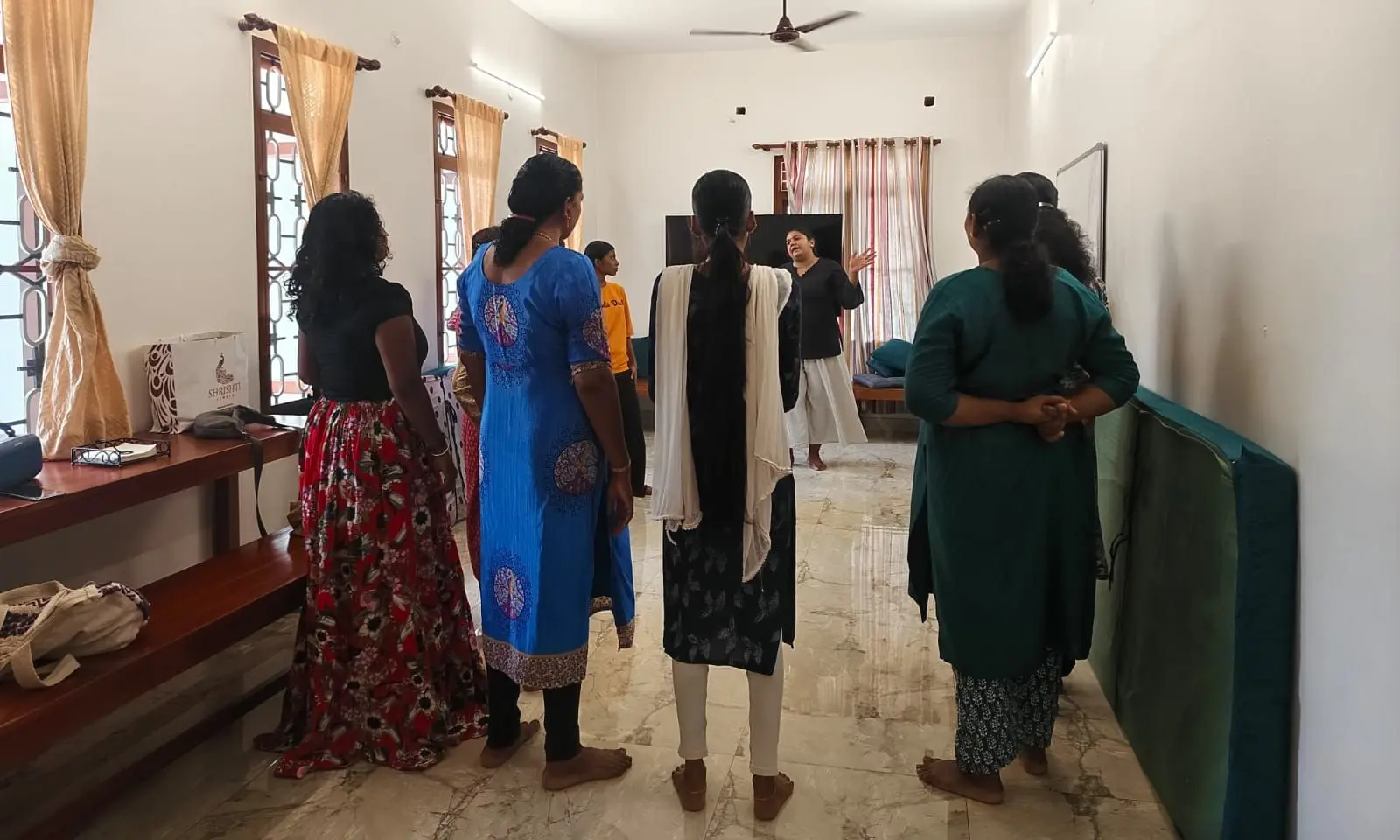
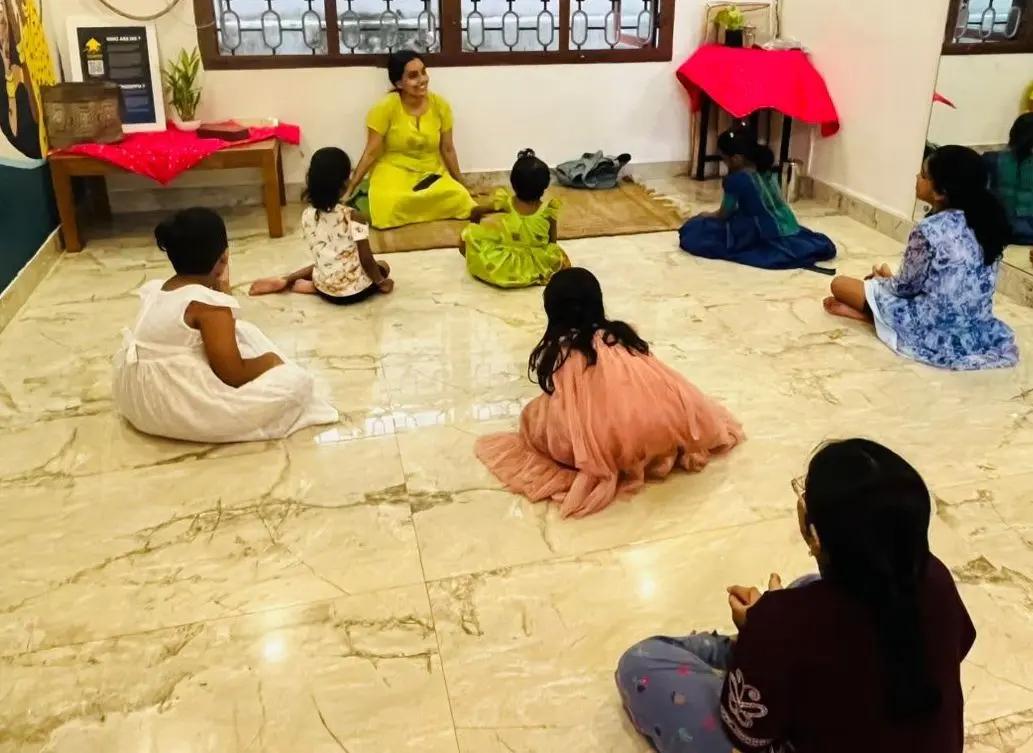
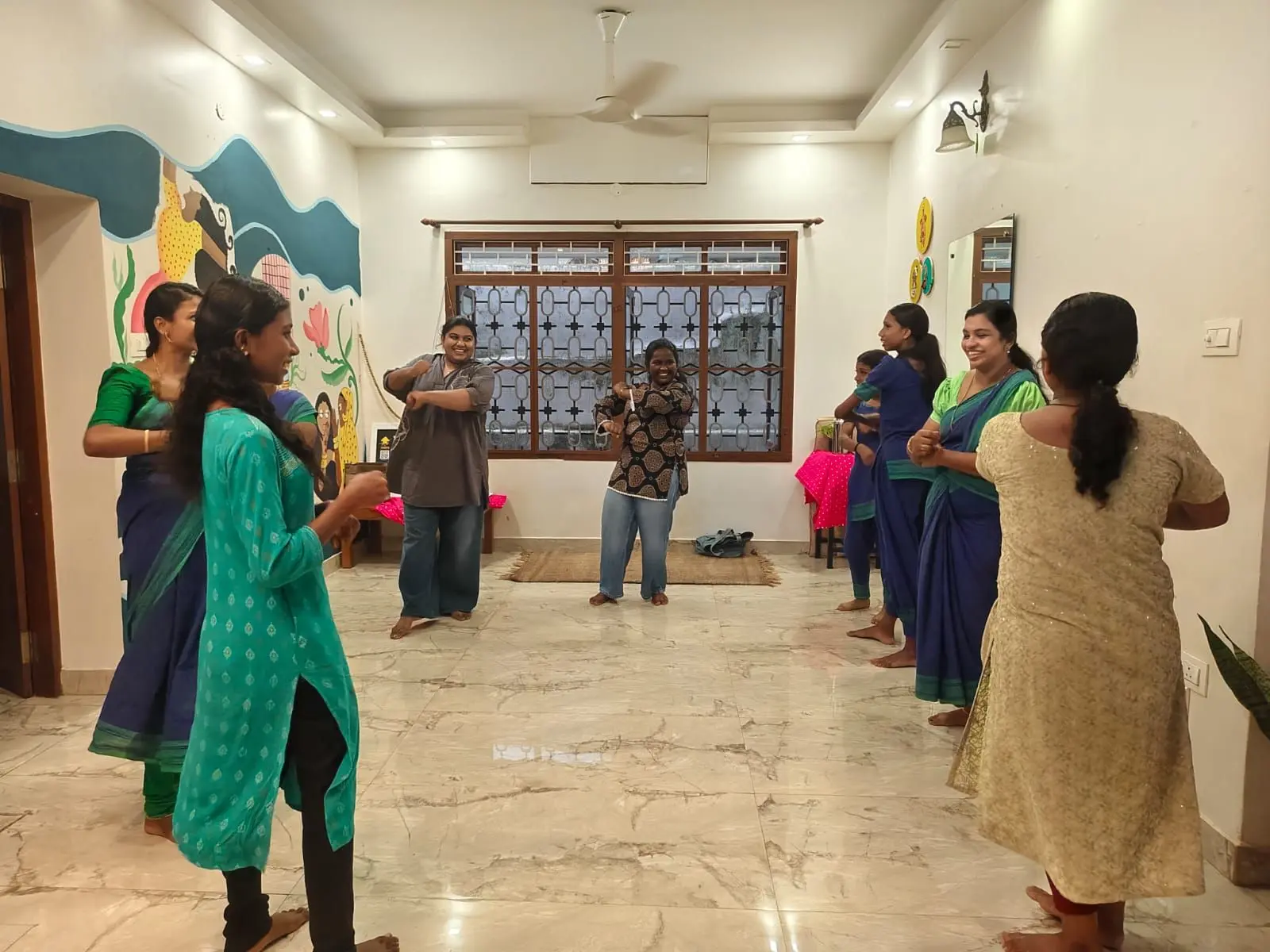
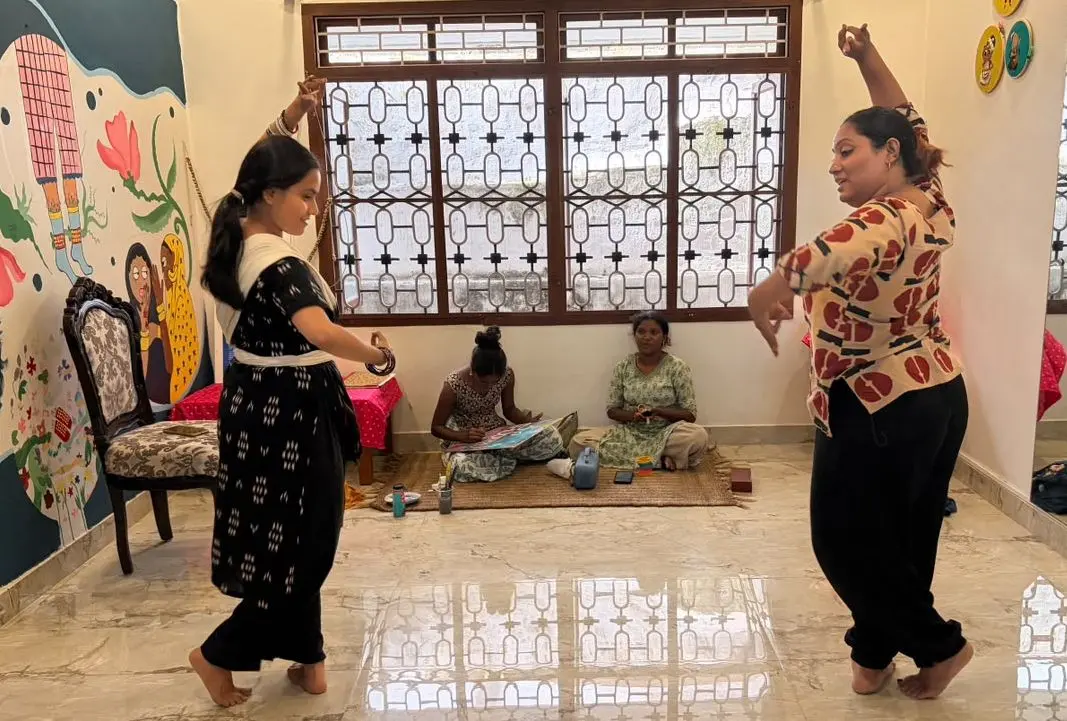
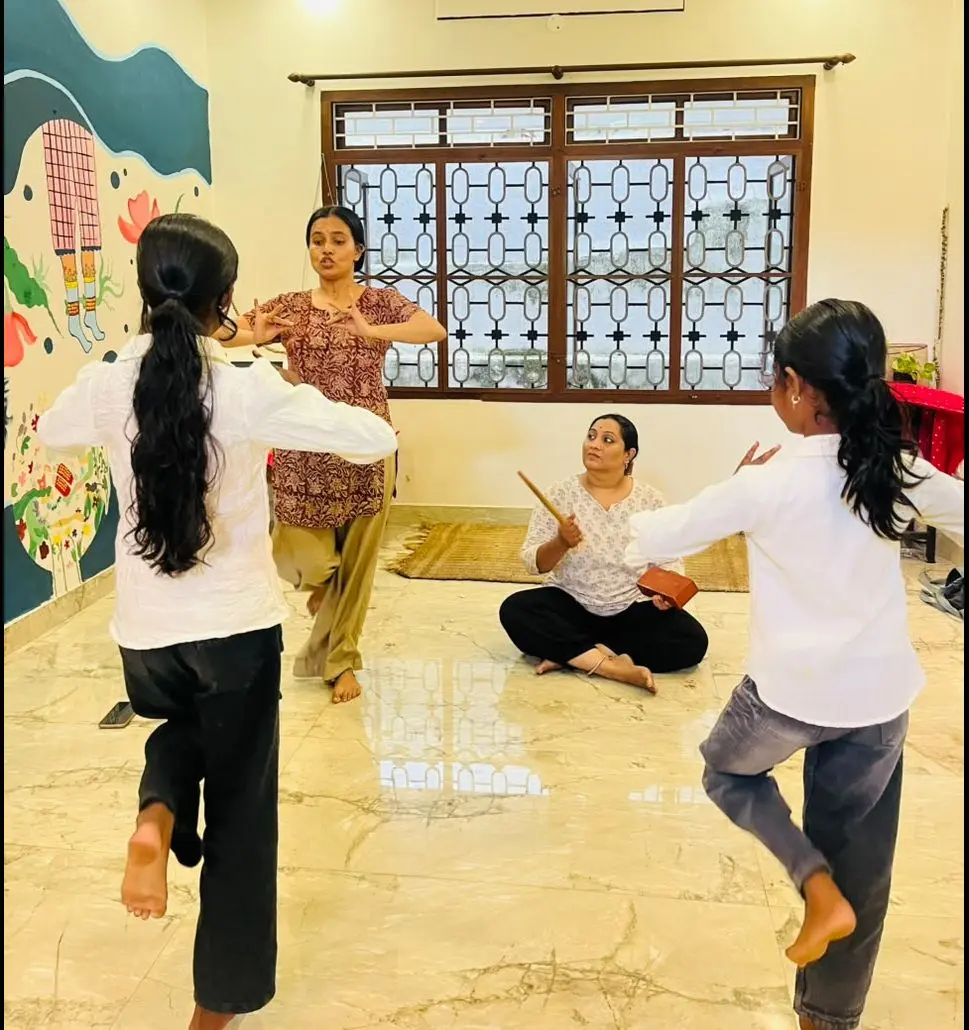
- The session was facilitated by two dance teachers. We used visual demonstrations, foot stamping, clapping, hand gestures, numbers and visual counting to introduce tālam (rhythm) and basic dance movements. While one teacher demonstrated the steps, the other provided gentle physical guidance to help the child clap along with the rhythm. Repetition, patience, individual attention and encouragement were central to the session, allowing the child to explore rhythm, timing and coordination and learn the movements at her own pace.
- Time
- 1 hour
Activity
We began a new batch for Deaf and hard-of-hearing children. This initiative has been in preparation for the past few months, shaped by our years of experience as dancers and teachers in the field of Indian dance. We believe that Bharatanatyam and Mohiniyattam can offer meaningful opportunities for those children to explore rhythm, movement, coordination and expression when taught through accessible methods.
Two teachers facilitated the session. While one of us demonstrated the steps, the other gently guided the child's hand to clap along with the rhythm. We were delighted to see how well she understood the rhythm, recognised the gaps between beats, and responded to changes in speed. Gradually, she began copying the movements and soon started performing the steps independently. By the end of the session, she had learnt five Nattadavu sequences, the basic movement units of Bharatanatyam.
Throughout the session, we focused on visual demonstrations, clear movement cues, repetition, patience, individual attention and encouragement, allowing the child to learn at her own pace.
This was our first session with the children. One child attended the class, and three more children have registered for the upcoming sessions. This beginning has strengthened our belief that, with appropriate teaching methods and support, classical dance can become an accessible and enriching space for Deaf and hard-of-hearing children to explore movement, rhythm and self-expression.
Outcome
The first session showed encouraging progress. The child demonstrated a clear understanding of rhythm, recognised the time intervals between beats, and responded well to changes in speed. She gradually began copying the demonstrated movements and, as she became more familiar with the steps, started performing them independently.
By the end of the session, she had learnt five Nattadavu sequences, the basic movement units of Bharatanatyam. Her progress demonstrated how visual cues, physical guidance and individual attention can support the learning of rhythm and movement without depending solely on hearing.
The initiative has also begun to attract interest, with one child attending the first session and three more children registering for the classes.
(We observed it)
Learnings
The session reinforced our belief that Indian classical dance can be made more accessible through thoughtful teaching methods. Rhythm can be experienced not only through sound but also through physical sensations, visual cues, movement and counting.
We learnt that combining demonstration with gentle physical guidance can help children understand timing and coordination and gradually develop independence in movement. Giving children sufficient time, repeating movements patiently, and recognising each child's individual learning pace are essential to creating an inclusive learning environment.
Run this activity yourself. You are free to copy, change and share this write-up, as long as you credit aikyam space. Photos are not included. (Creative Commons licence CC BY 4.0)