
Anjali Krishnadas
What Anjali Krishnadas did here
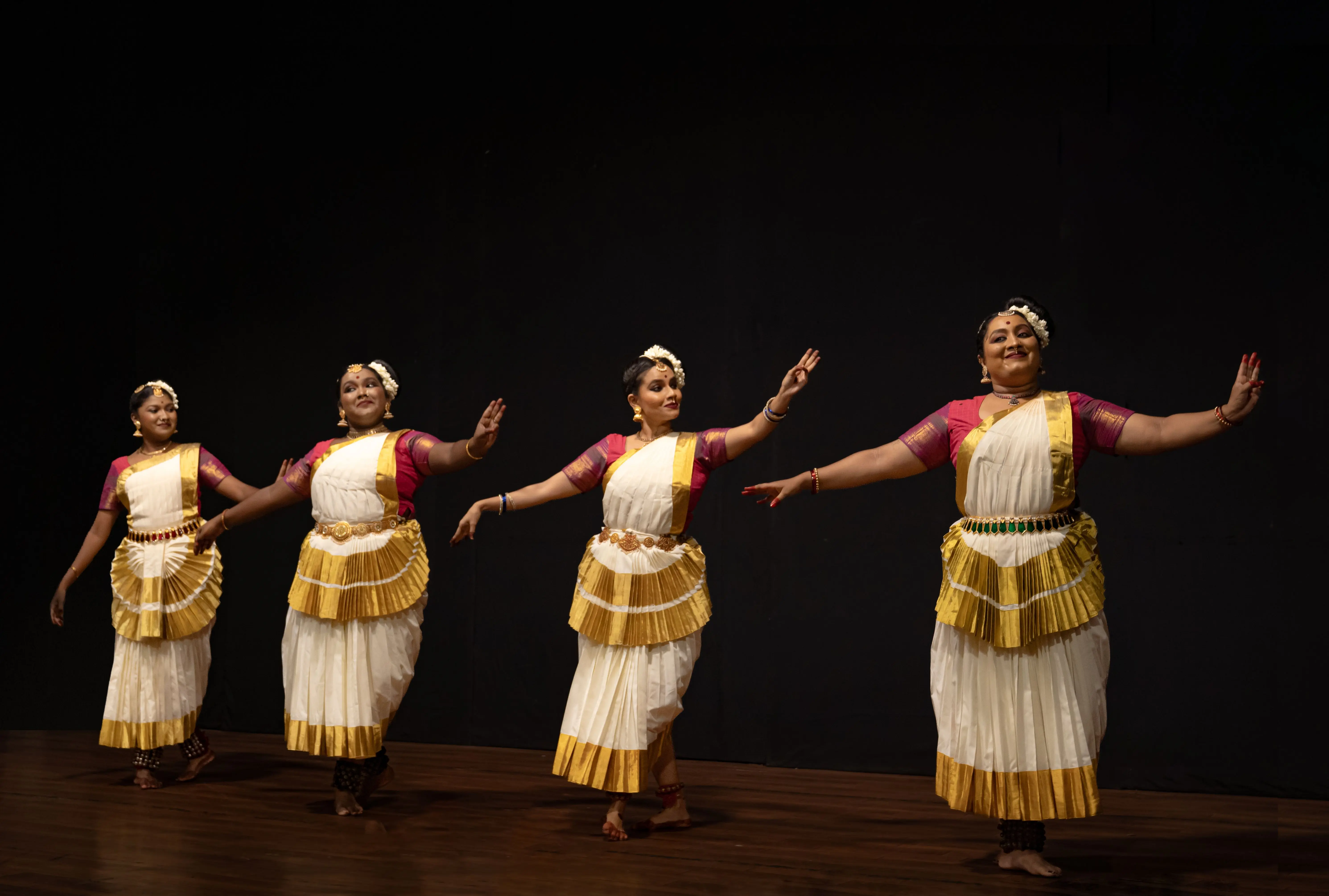
Faculty performance of Mohiniyattam and Kathak for students
On Sunday, we organised a one-hour performance by our faculty for the students. It featured Mohiniyattam and Kathak. Watching live performances is an important part of learning dance. It lets students see how movement, expression and technique come together on stage. The performance was organised especially for the students. It gave them the chance to experience what a dance performance looks and feels like. They also learned by observing the artists.
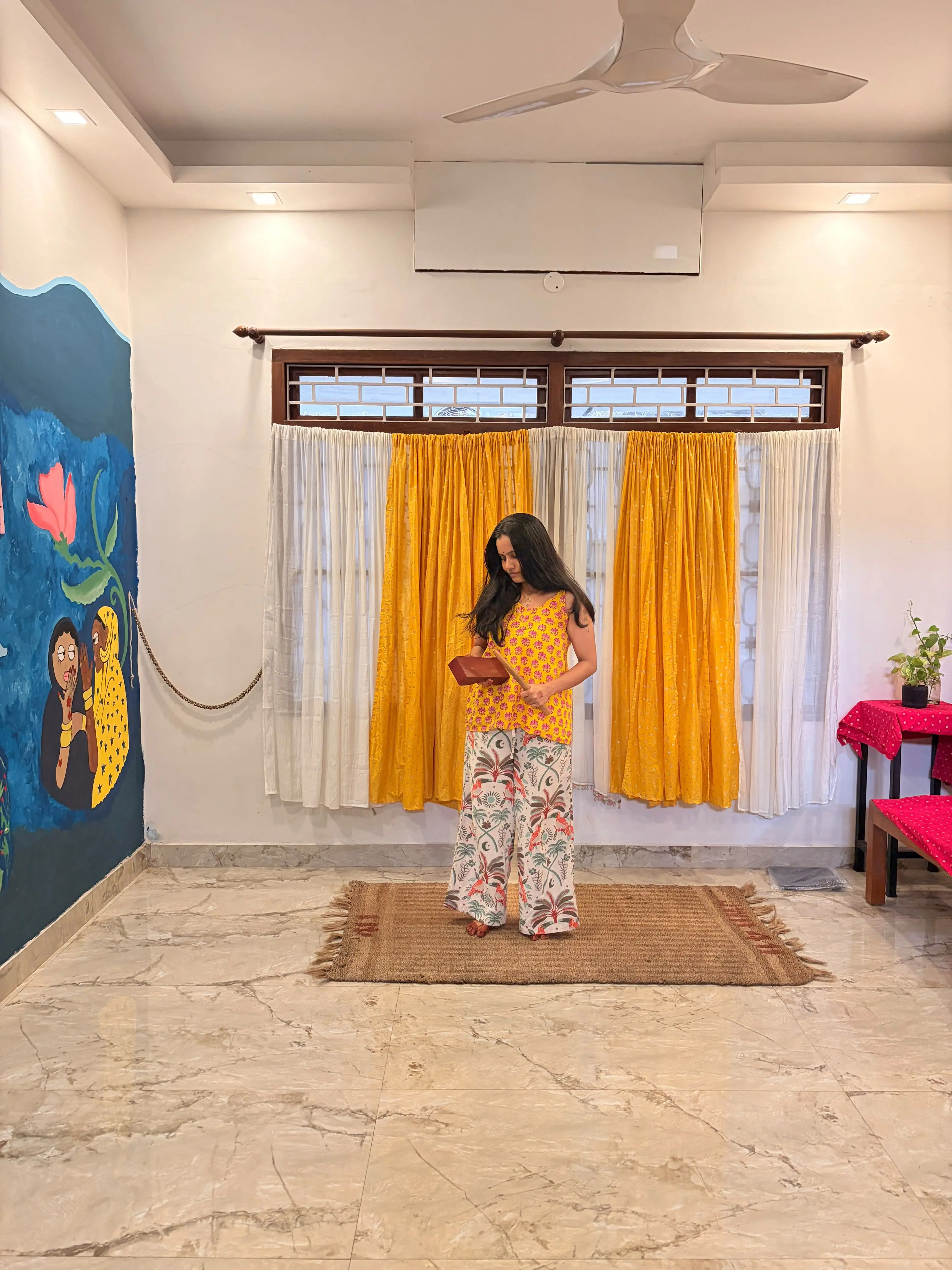
Planning visual ways for students to learn Talam
Today's class for students with hearing difficulties did not take place because no students attended. One parent informed us in advance. After waiting, our team contacted the other families and learned that one student was unwell and another was out of town. I felt disappointed because I had prepared for the class, and not all families told us about their absence beforehand. Our team spoke with the parents about the importance of letting us know when a student cannot attend. We can then plan and use the class time effectively. I used the time to think about ways to make Talam more accessible to the students. I began planning a visual activity using the tattukazhi, the wooden stick and block used to mark rhythm. In the next class, I hope to demonstrate the beats so students can observe them and then try marking basic Talams themselves.
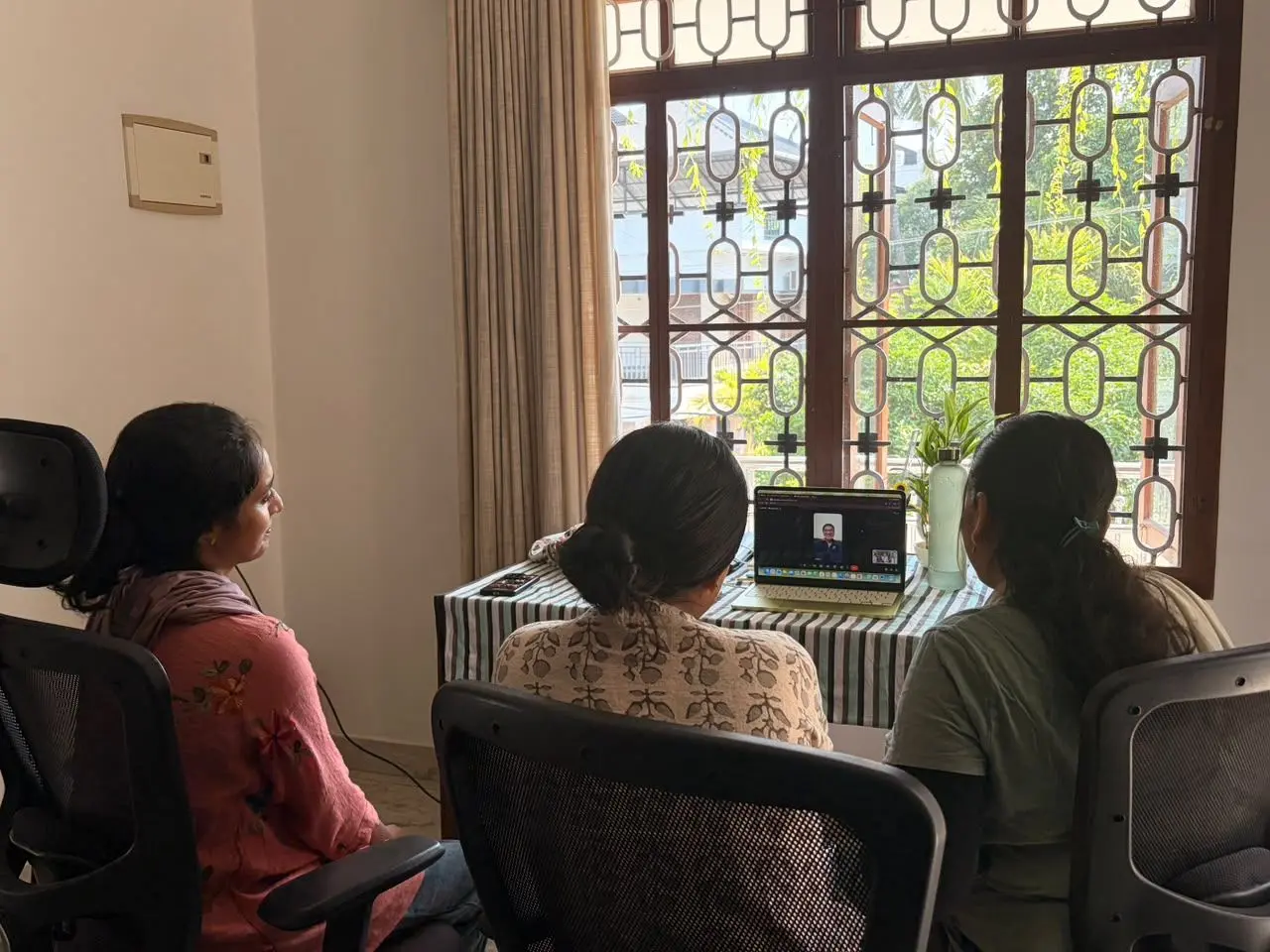
From Lalan Road to London: our weekly check-in
They are miles apart, and still make time to catch up. Shabana from the Stitching Club, Anjali from Thudippu Dance Foundation and Nasrin, a new aikyam fellow, gathered at aikyam. Aarthi from Olimalar Foundation joined online from London. They shared updates on recent activities. Their goal for the month is to find one free, open and safe community space. There they could offer dance, stitching or reading activities. The aim is to bring these activities closer to children and families who might otherwise find them hard to reach.
Show all 12 sessions
Exploring Abhinaya through situations
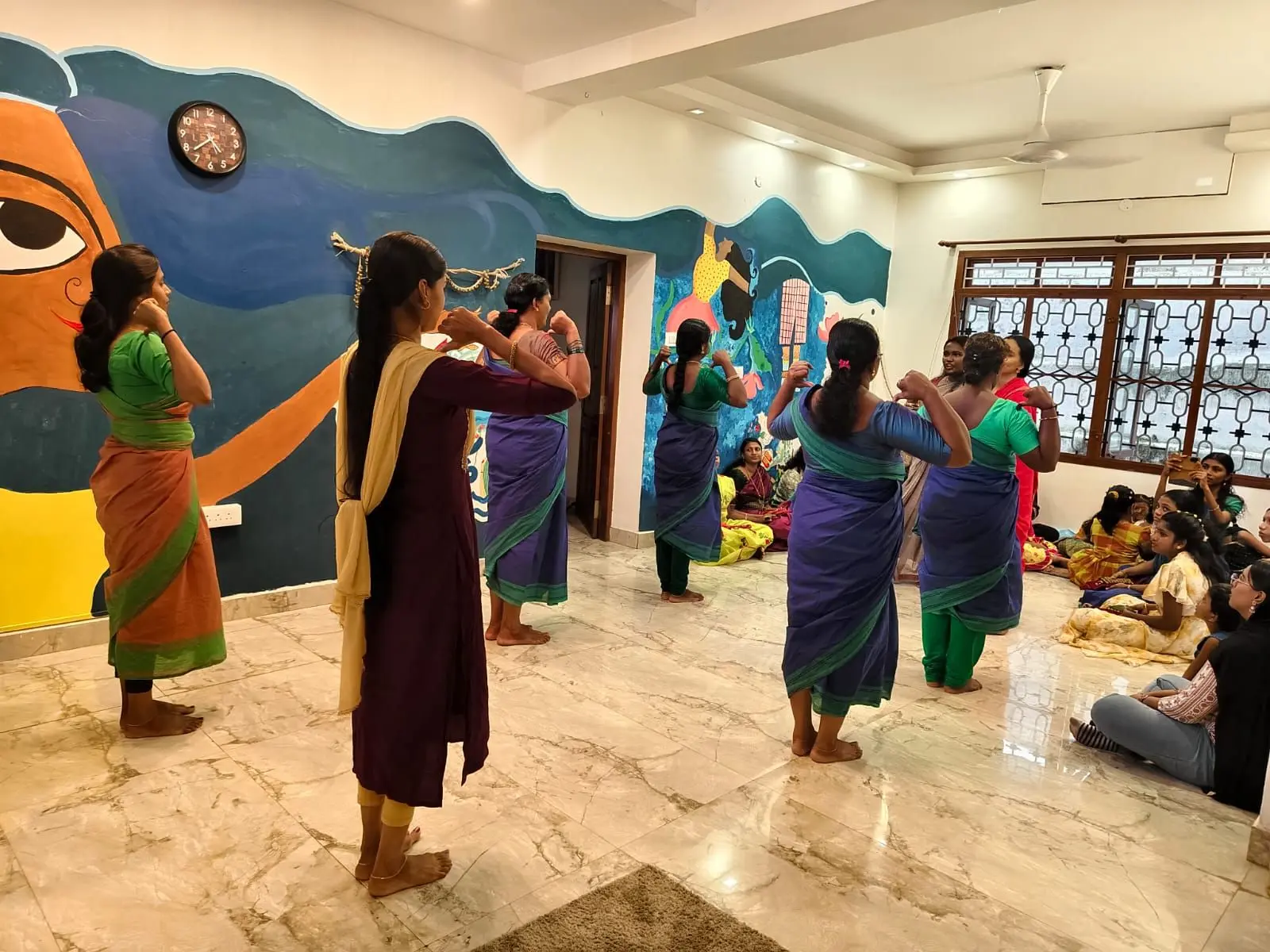
We held a combined Abhinaya session for two batches. Abhinaya is an important part of Bharatanatyam. It helps dancers communicate feelings and meaning through expression and movement. Students imagined different situations and interpreted them in their own way. Shyness and hesitation were an early challenge. We tried ways to help them feel more comfortable. While one group performed, the others sat to the side, which gave each student space to express themselves without feeling watched by classmates. Everyone made an effort to participate. After the improvisation, students enacted a short choreography. We explored śṛṅgāra (love or affection), bhayānaka (fear) and hāsya (laughter or joy). The students found expressing laughter comparatively easier. Regular practice like this can help students build their Abhinaya skills. It can also help them feel more at ease expressing themselves.
Creating hand gestures to make dance learning accessible
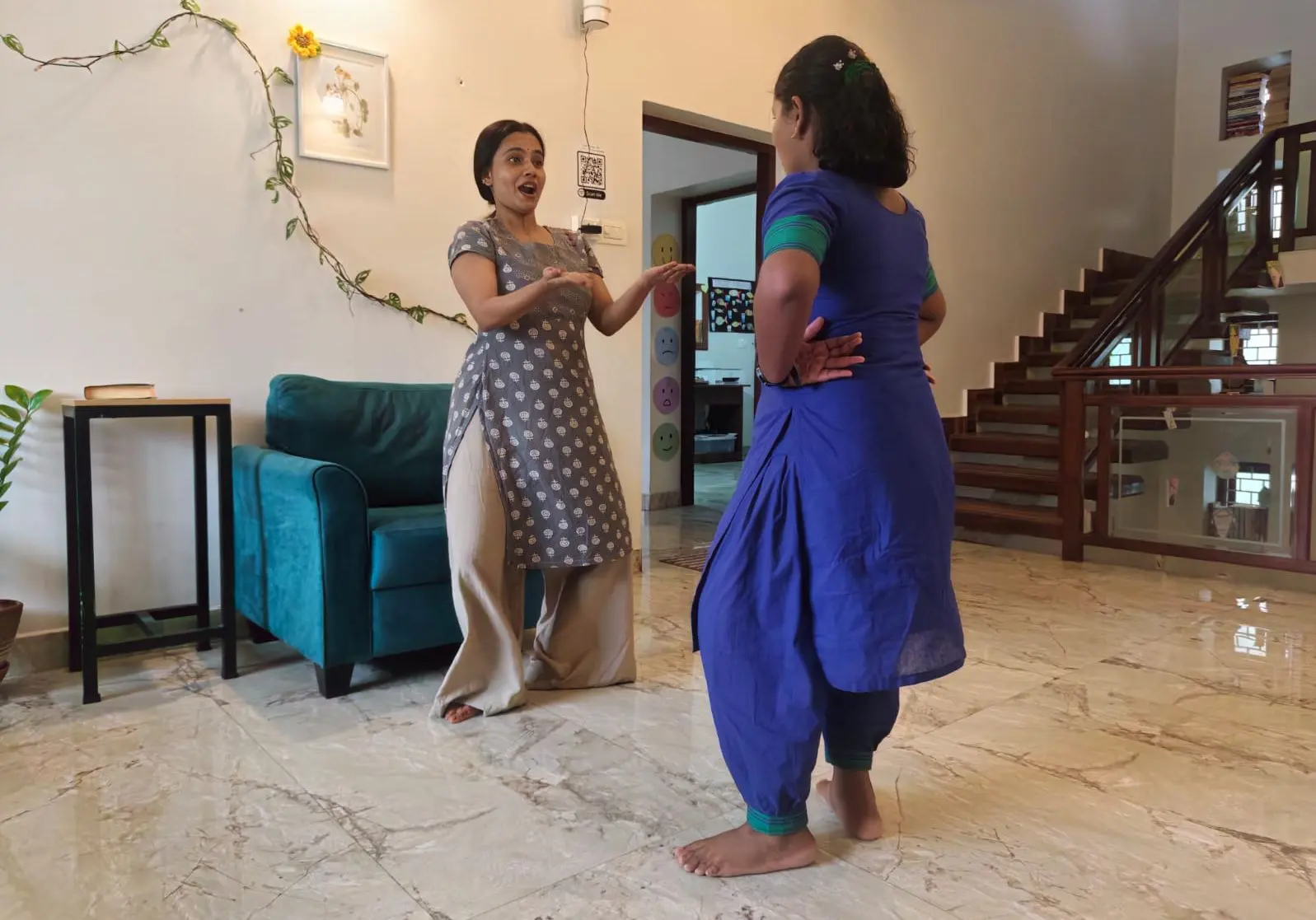
Only one student attended today's class for children with hearing difficulties. The other students were unwell. I gave her individual attention and revised Nattadavu 1, 2 and 3 from the previous class. Today, I began creating my own hand gestures for dance terms and positions. These include aramandi (half-sitting), samam (standing) and muzhu mandi (full-sitting). We did not use these gestures in class before. I developed and introduced them to make dance instructions more accessible for my students. Instead of relying on spoken reminders, I showed the student each gesture and explained the position it represented. She understood the gestures and responded by moving into the corresponding positions. For the last 15 minutes, she joined the other children's batch to practise the Adavus. I stood near her and gave visual cues as she tried to follow along and dance with the group.
Welcoming a new batch of young learners from Ashwasa Bhavan, Fort Kochi
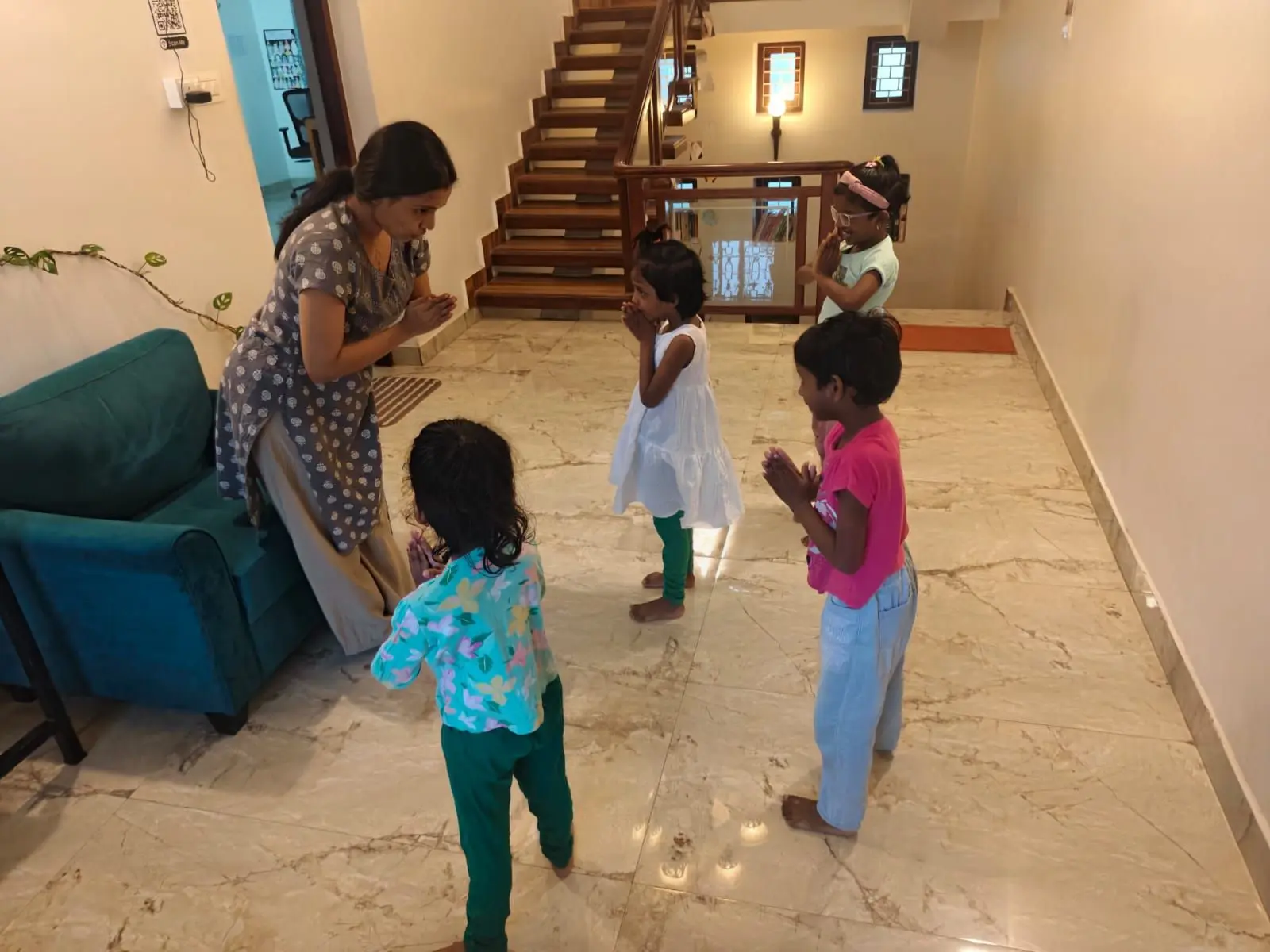
Today we began a new batch for four children from Ashwasa Bhavan, Fort Kochi. Their sister brought them to class. At four years old, the children were full of excitement and curiosity about the space and their teacher. It took patience and energy to help them settle, as they were eager to talk and explore. We introduced namaskaram as their first dance practice. With stories and encouragement, the children joined in. Since their attention spans are still developing, we kept the session varied. We taught one step at a time and talked together. The children also explored hand gestures that represented a bird, a flower and a river. In the final minutes, the children used paints and paper to draw.
Dance Together Day: celebrating a new milestone
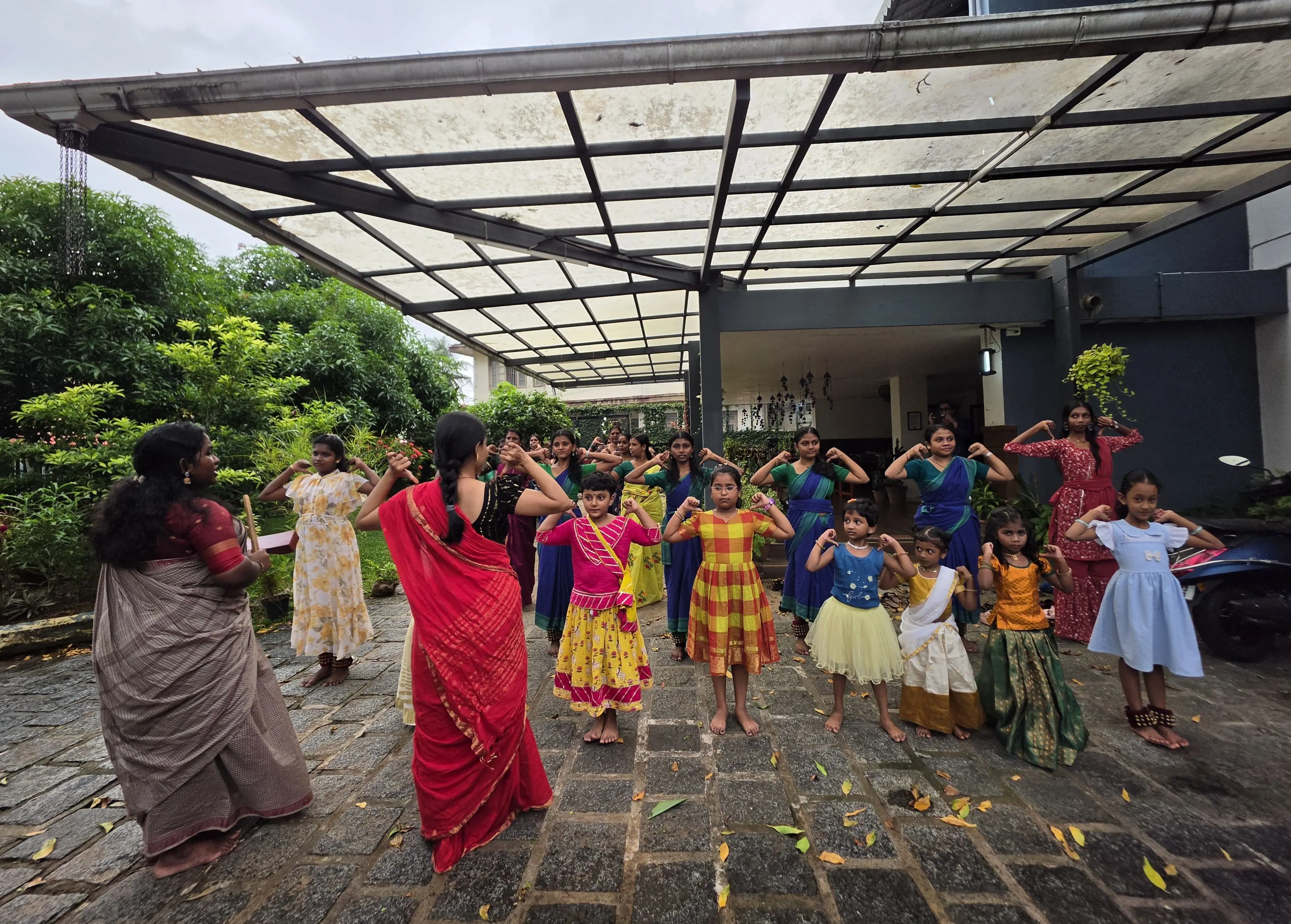
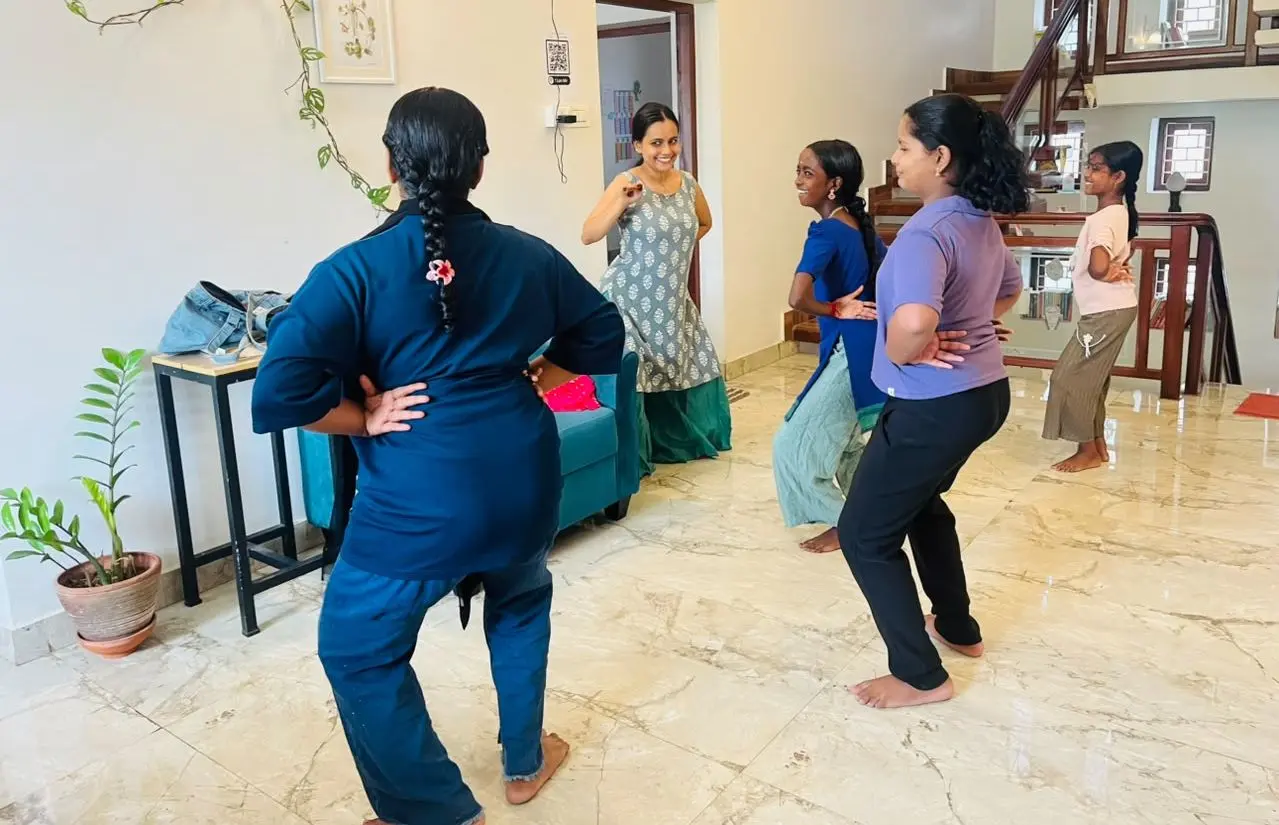
Students from our batches came together for Dance Together Day. They met, danced, and celebrated as one community. This brought together students from different batches and age groups. Students aged 40 and above danced alongside children as young as three years old. It was special to see generations sharing the same dance space. All four teachers were present at the dance gathering. Many students dressed for the occasion. Some students could not attend, but those who came brought plenty of joy and energy. We also celebrated students who were ready for the next level. They wore the chilanka (dance bells) for the first time. Teachers tied the bells for the students, who then danced wearing them. The day felt like a joyful meetup, as students from different batches and age groups shared the dance space.
Growing independence through Adavu practice
Today was the second class for students with hearing difficulties. The class also welcomed three new children this time. They came with the first student's mother, who had watched the first class and told other families about it. During practice, the children tended to look at the teacher and follow the Adavus by watching. We wanted to help them perform the movements on their own, without having to watch the teacher. The teacher worked with each child one at a time and guided them through repeated practice while looking straight ahead. This was hard at first, but the children kept trying. The teacher then moved behind the students and asked them to perform the third Nattadavu in three speeds. Before that we did hand clapping. It helped them feel and remember the rhythm. By the end of the practice, all the children were performing the Adavu while looking straight ahead.
A new dance batch for women 30+
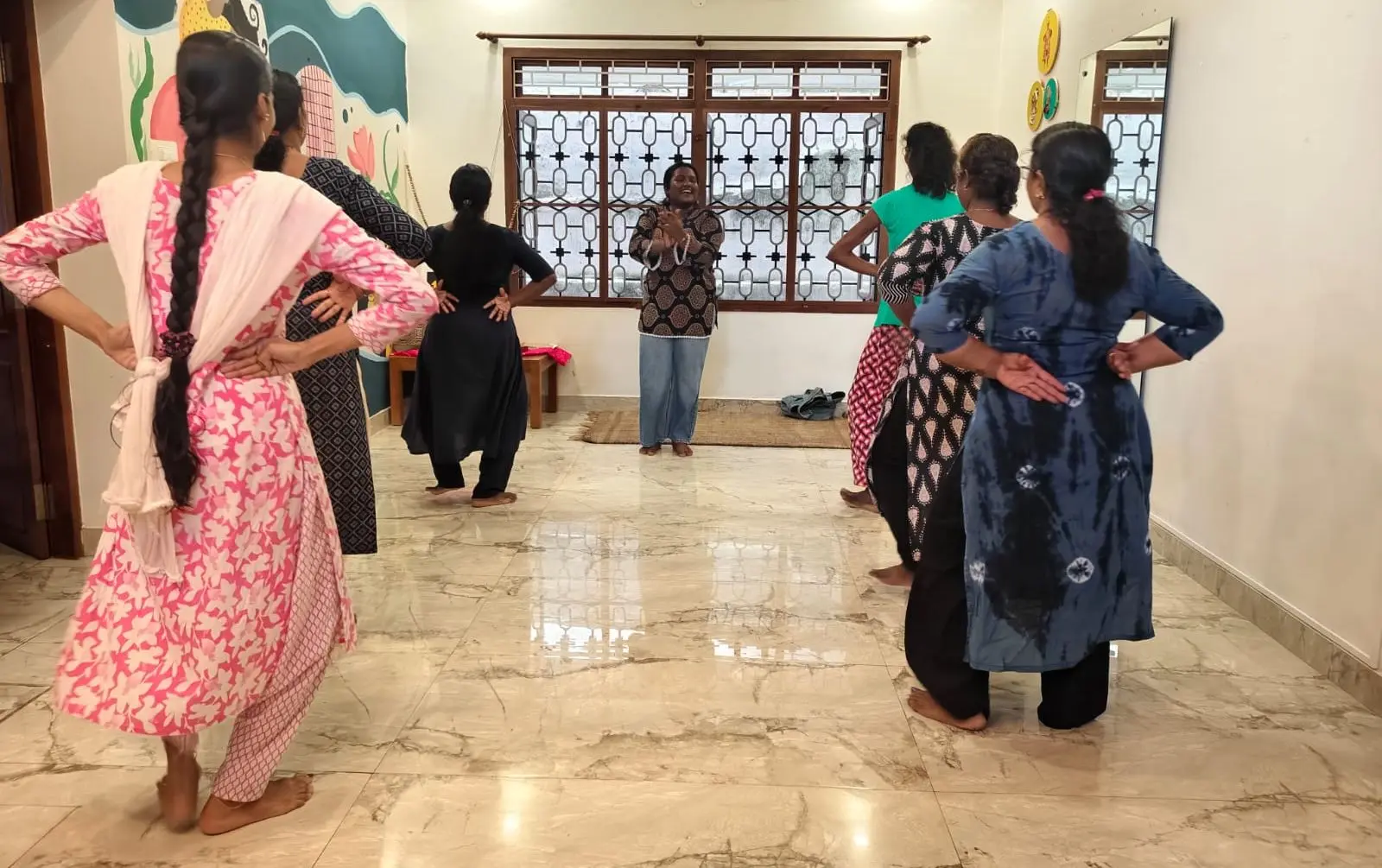
As interest in our regular batch grew and new admissions continued, we started a new batch so we could welcome more students. The batch brings together women aged 30 and above, each arriving with enthusiasm and a strong commitment to learning dance. The faculty find the classes rewarding. The faculty value the interest and hard work the students bring to every class. For many of these women, the class is more than a place to learn dance. It is also a joyful space to explore a long-held dream. The enthusiasm across the batch reflects how worthwhile it can be to begin or return to dance at any age.
Children feel rhythm beyond sound in classical dance
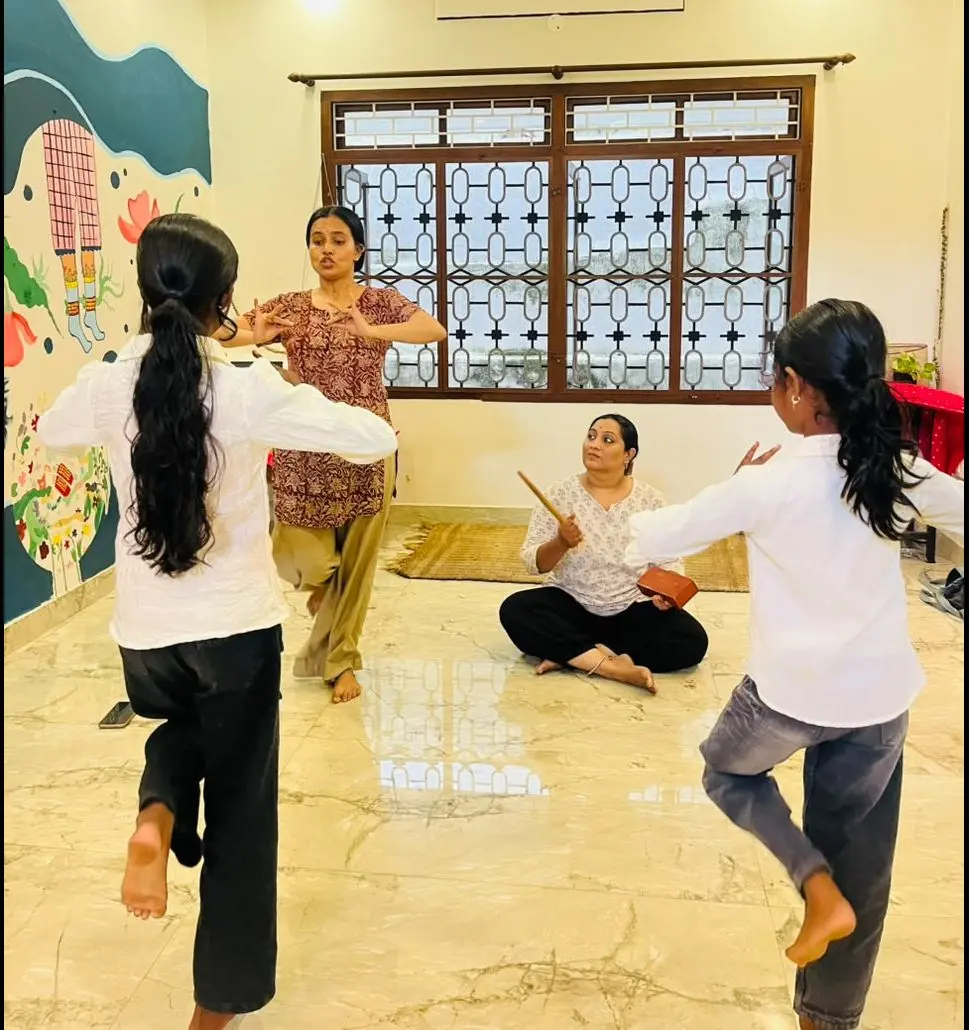
We began a new batch for Deaf and hard-of-hearing children. This work has been in preparation for a few months, shaped by our years as dancers and teachers of Indian dance. We believe Bharatanatyam and Mohiniyattam can give children useful ways to explore rhythm, movement, co-ordination and expression when taught in accessible ways. Two teachers led the session. One demonstrated the steps while the other gently guided the child's hand to clap along with the rhythm. We loved seeing her grasp the rhythm, and she recognised the gaps between beats. She also responded to changes in speed. In time, she copied the movements and soon performed the steps on her own. By the end, she had learnt five Nattadavu sequences, the basic movement units of Bharatanatyam. The session used visual demonstrations, clear movement cues and repetition. We gave patient, one-to-one attention and encouragement. The child learnt at her own pace. This was our first session with the children. One child attended, and three more have registered for the upcoming sessions. This start has strengthened our belief that, with appropriate support and ways of teaching that children can see and feel, classical dance can become an open and good space for Deaf and hard-of-hearing children to explore movement, rhythm and self-expression.
Opening doors: first school outreach together
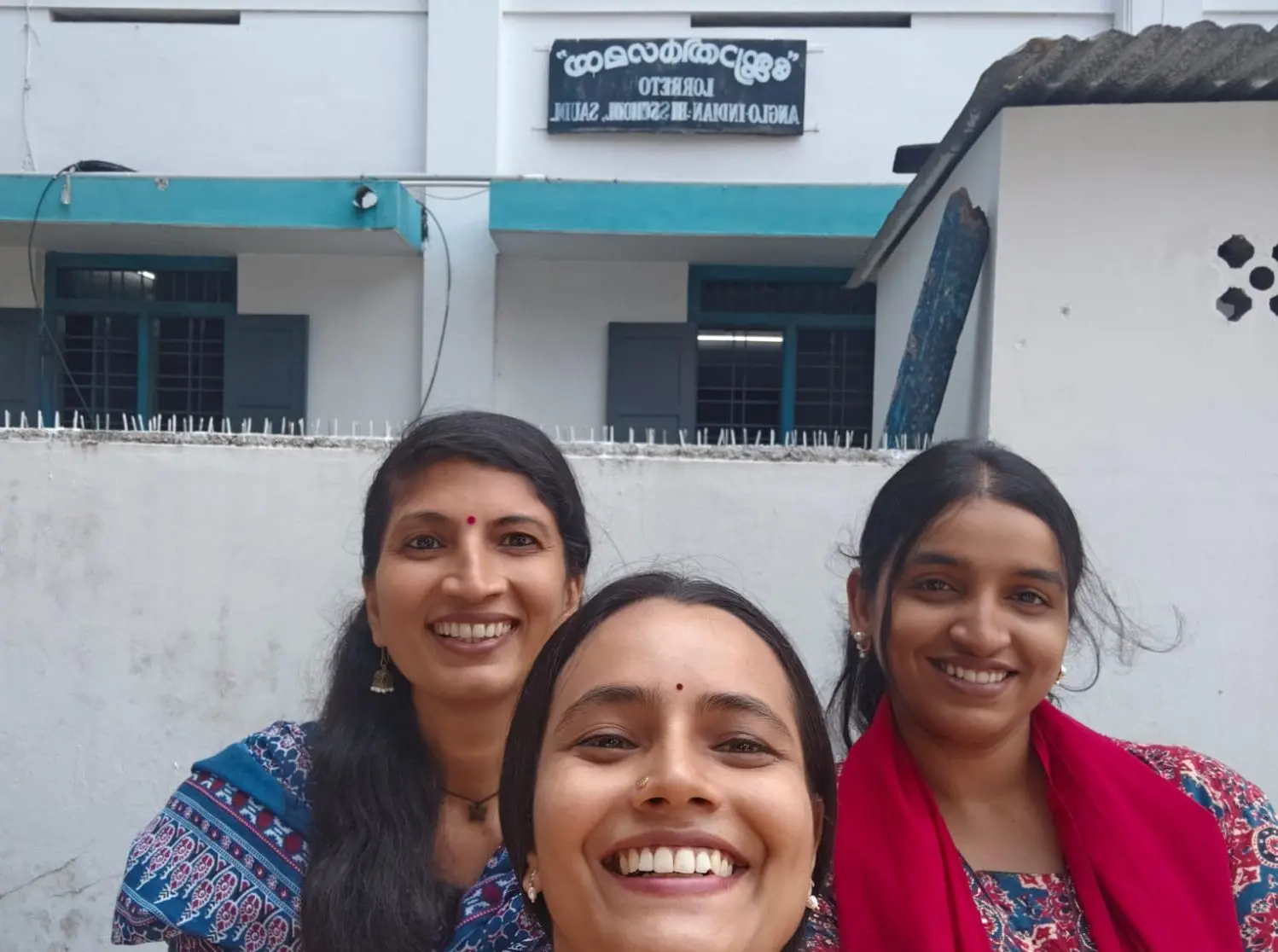
Our team meetings showed a shared challenge: reaching children and young people who could benefit from the programmes at aikyam. We agreed to bring our networks together and prepare a shared introduction to what we offer. We acted on this and prepared a shared brochure introducing the programmes at aikyam. Each team wrote programme descriptions, and we brought them together in a brochure for the visits. We made our first school visits together as the aikyam, Olimalar and Thudippu team. We visited two schools suggested by Shabana, using her knowledge of the local community. We spoke with headteachers about opportunities for children to take part. One school already knew Olimalar through LifSkool. At the other school, youth festival preparations opened a conversation about possible dance support from Thudippu. We collected their contact numbers and shared printed and digital copies of the brochure. When we returned to aikyam, we discussed the visits and how we could reach more children. Alongside welcoming families to aikyam, we explored finding spaces in schools and communities. We also looked at training facilitators to run activities closer to where children live.
From play to learning: creating space for children to grow
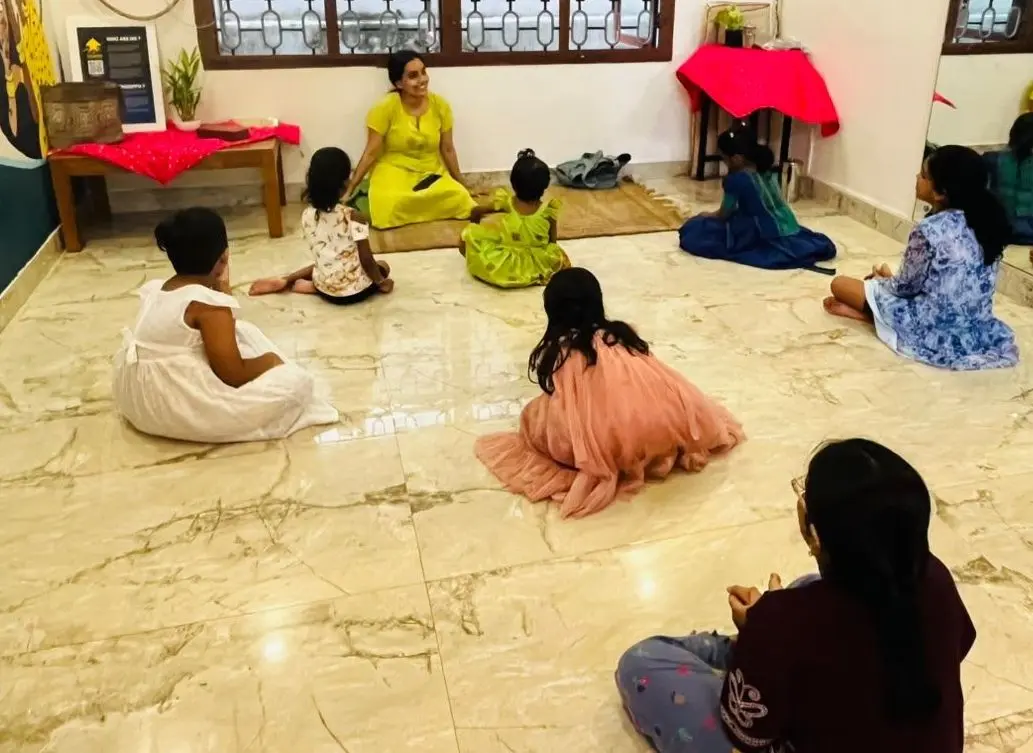
The children arrived for Sunday's dance class in a playful mood, so we began by giving them some time to play before the structured session. They took part eagerly in the muscle-strengthening exercises before we started practising Adavus. The children stayed focused throughout the practice and kept trying to understand and perform the movements. Learning Adavus takes repeated practice, co-ordination, concentration, and patience. As children grow familiar with the movements, they learn to make different parts of their bodies work together and notice how they move.