Input
- What went in
- Time and space for free play, muscle-strengthening exercises, and guided Adavu practice.
- Time
- 1 hour
Activity
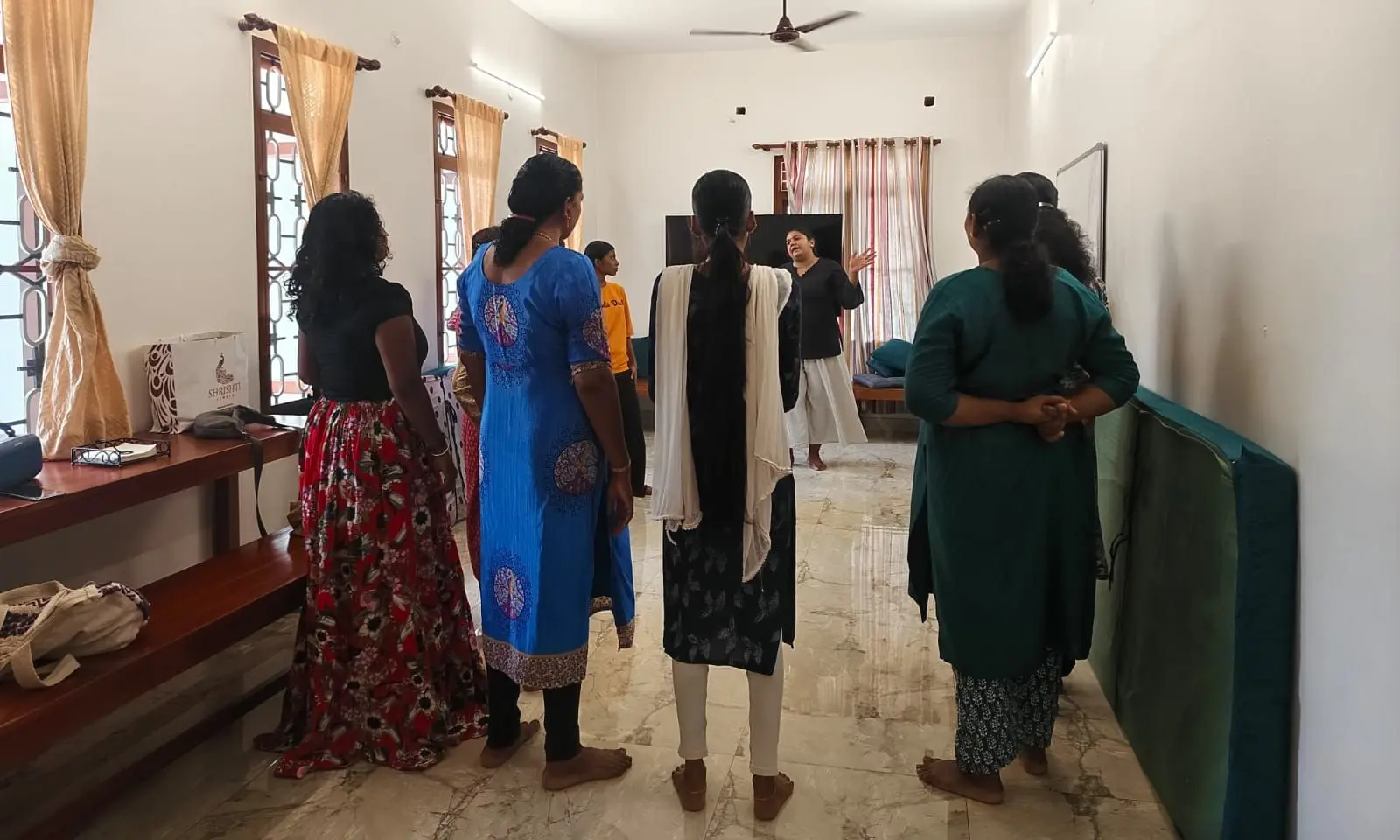
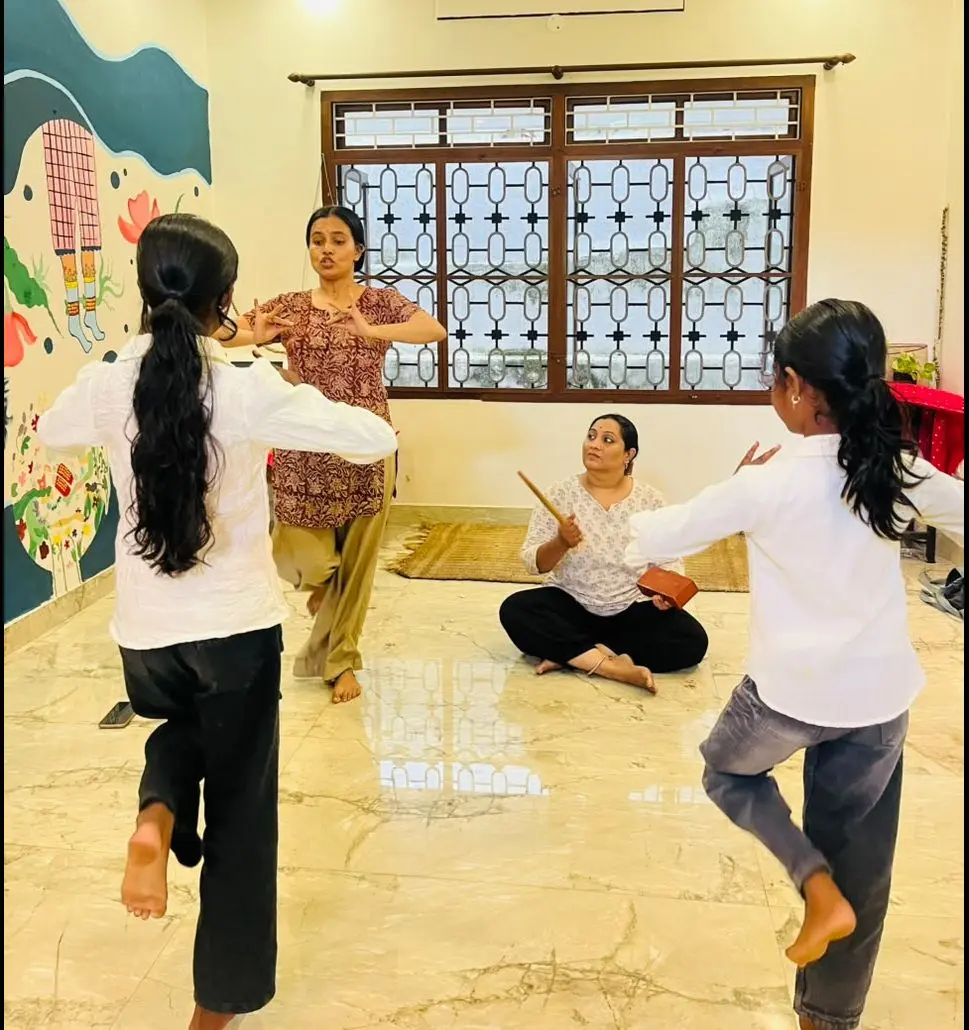
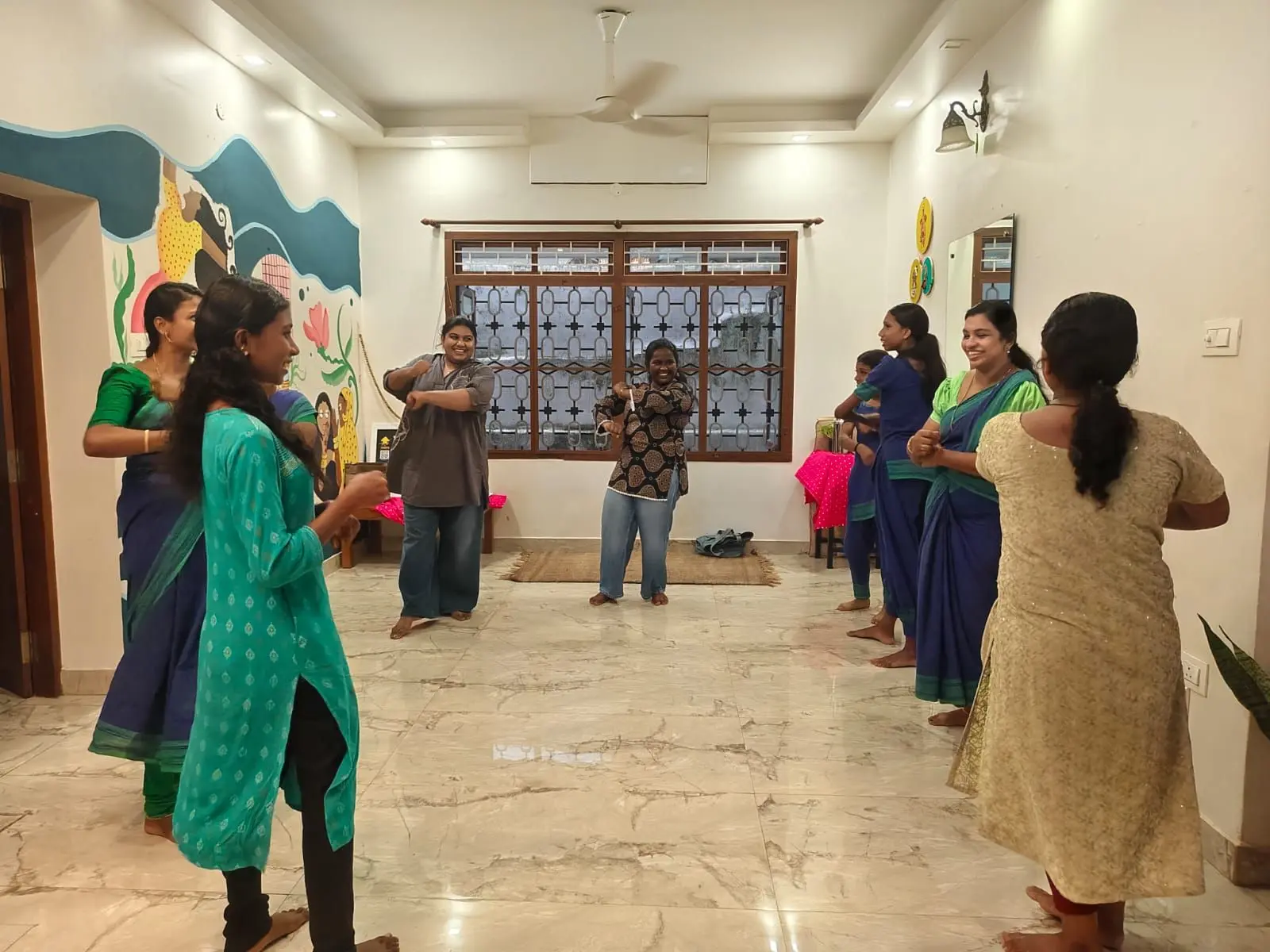
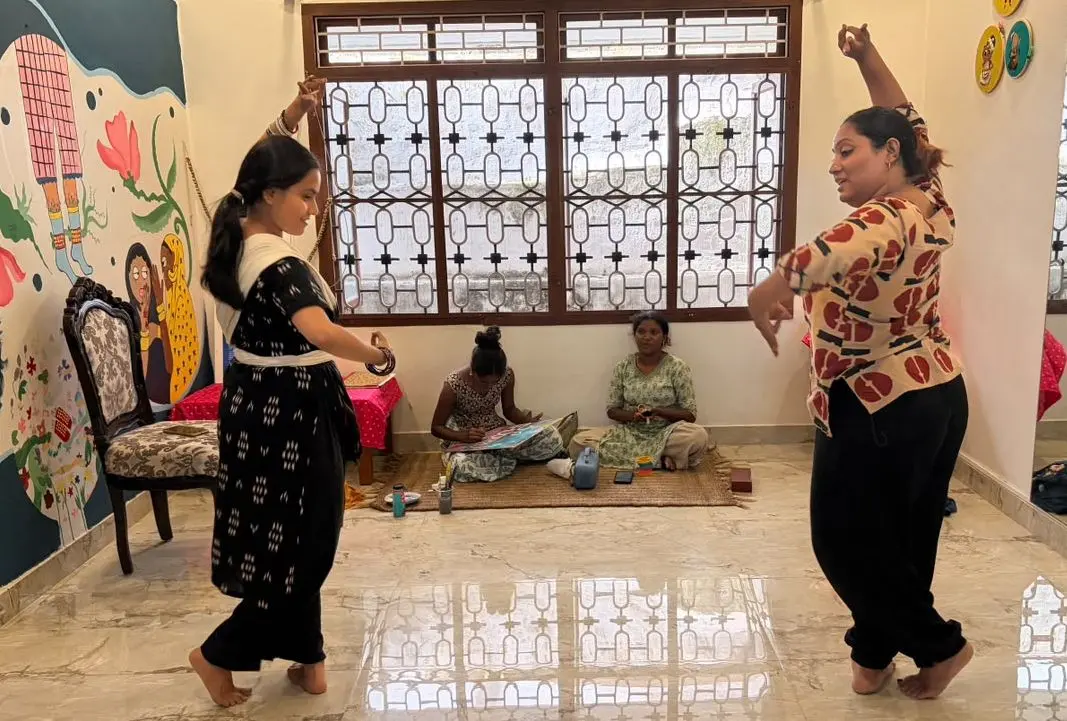
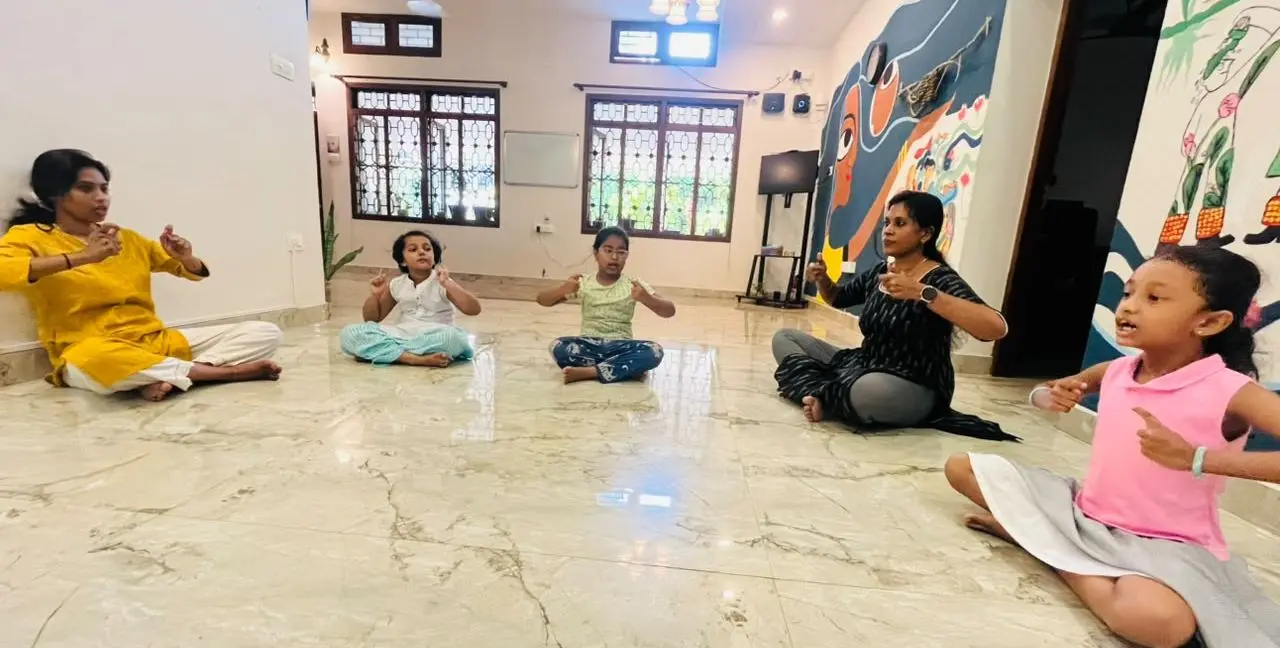
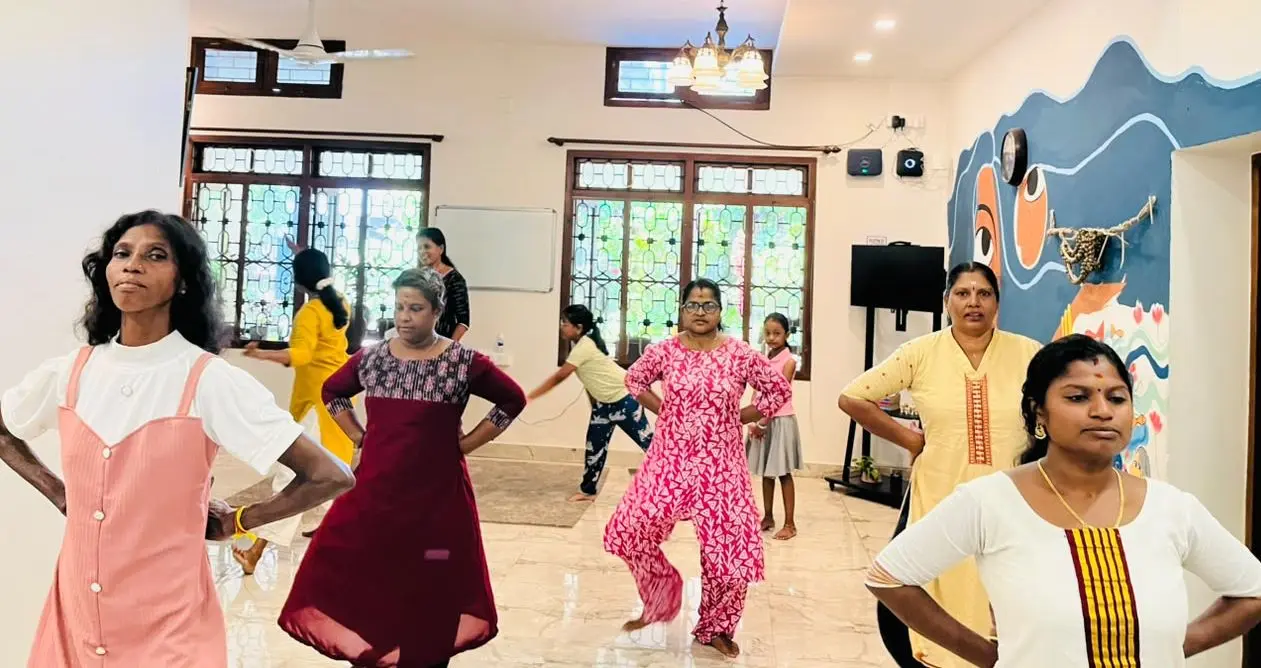
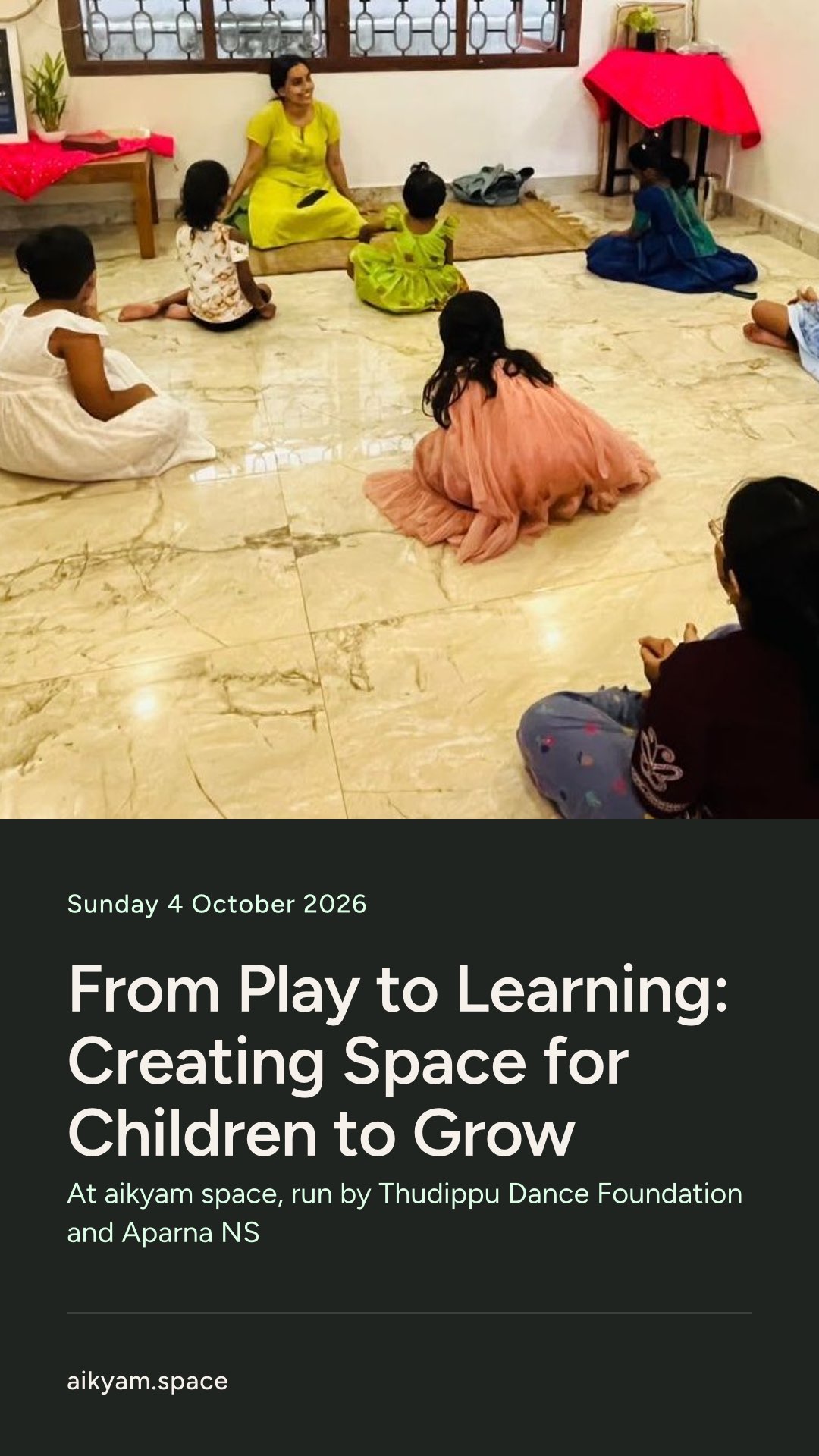
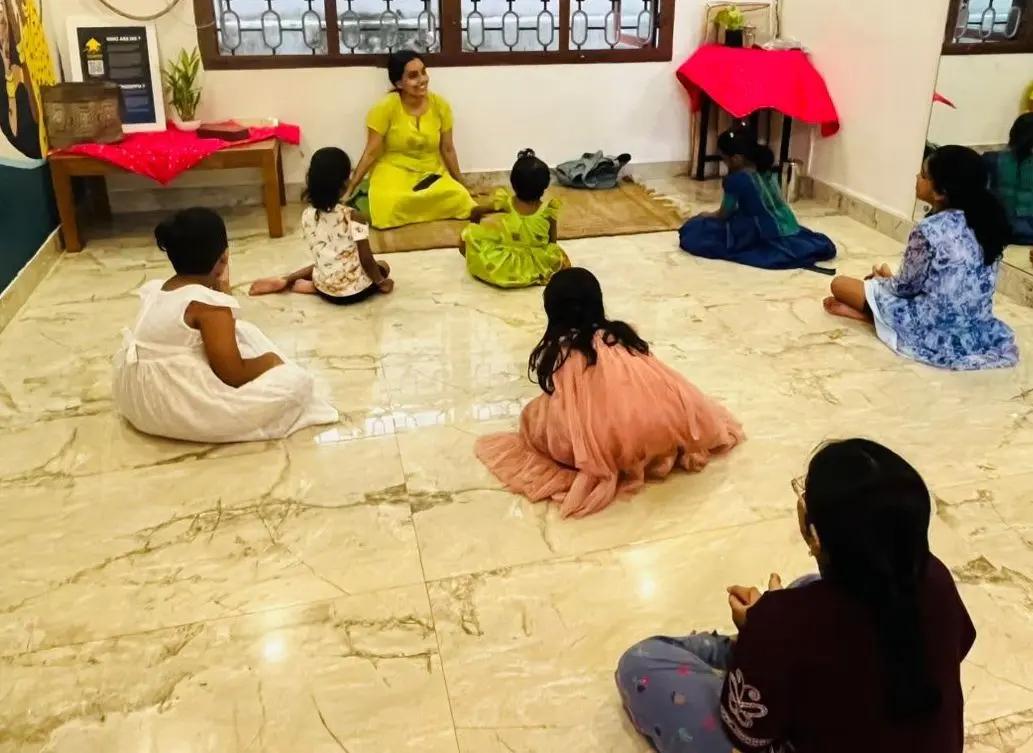
The children arrived for Sunday’s dance class in a playful mood, so we began by giving them some time to play before moving into the structured session. They participated enthusiastically in the muscle-strengthening exercises before we started practicing Adavus.
The children remained engaged throughout the practice and made consistent efforts to understand and perform the movements. Learning Adavus requires repeated practice, coordination, concentration, and patience. As children gradually become familiar with the movements, they learn to coordinate different parts of their bodies and develop greater awareness of their own movements.
Output
Outcome
After their playtime, the children participated enthusiastically in the exercises and dance practice. They remained engaged, made consistent efforts, and showed gradual progress in learning the Adavu movements. This offered an opportunity to observe how responding to children's energy and allowing flexibility in the class routine can support their participation in structured learning.
(We observed it)
Learnings
This session reinforced our belief that supporting children’s learning begins with recognising and respecting their needs. Children do not always arrive ready to participate in structured activities, and making space for play can be one way of responding to them with patience and understanding.
Play and learning do not have to be separate experiences. When children are given the freedom and time they need, we can create opportunities for them to transition into guided activities in a more comfortable and engaging way.
Dance practice itself also offers opportunities to develop body–mind coordination, concentration, and patience through repetition. As facilitators, our role is not only to teach movements but also to create an environment where children feel comfortable, supported, and ready to learn at their own pace.
Run this activity yourself. You are free to copy, change and share this write-up, as long as you credit aikyam space. Photos are not included. (Creative Commons licence CC BY 4.0)