
Dance Club
Sat–Sun, 2–6 PM
Free
In Malayalam
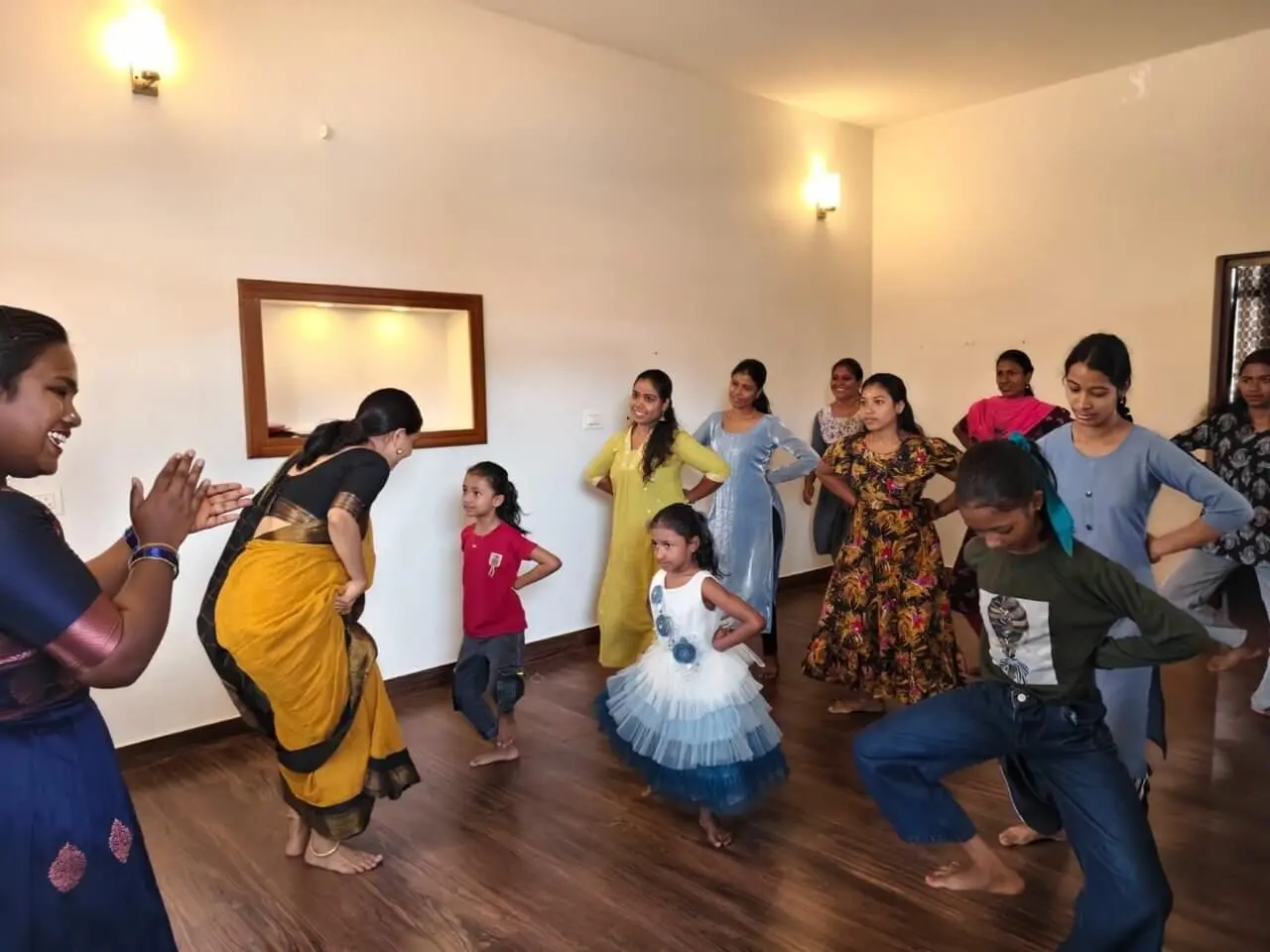
Bharatanatyam - Movement & Expression
About the Sessions: A space to learn and experience Bharatanatyam together, through movement, rhythm, and expression.
What happened at Dance Club
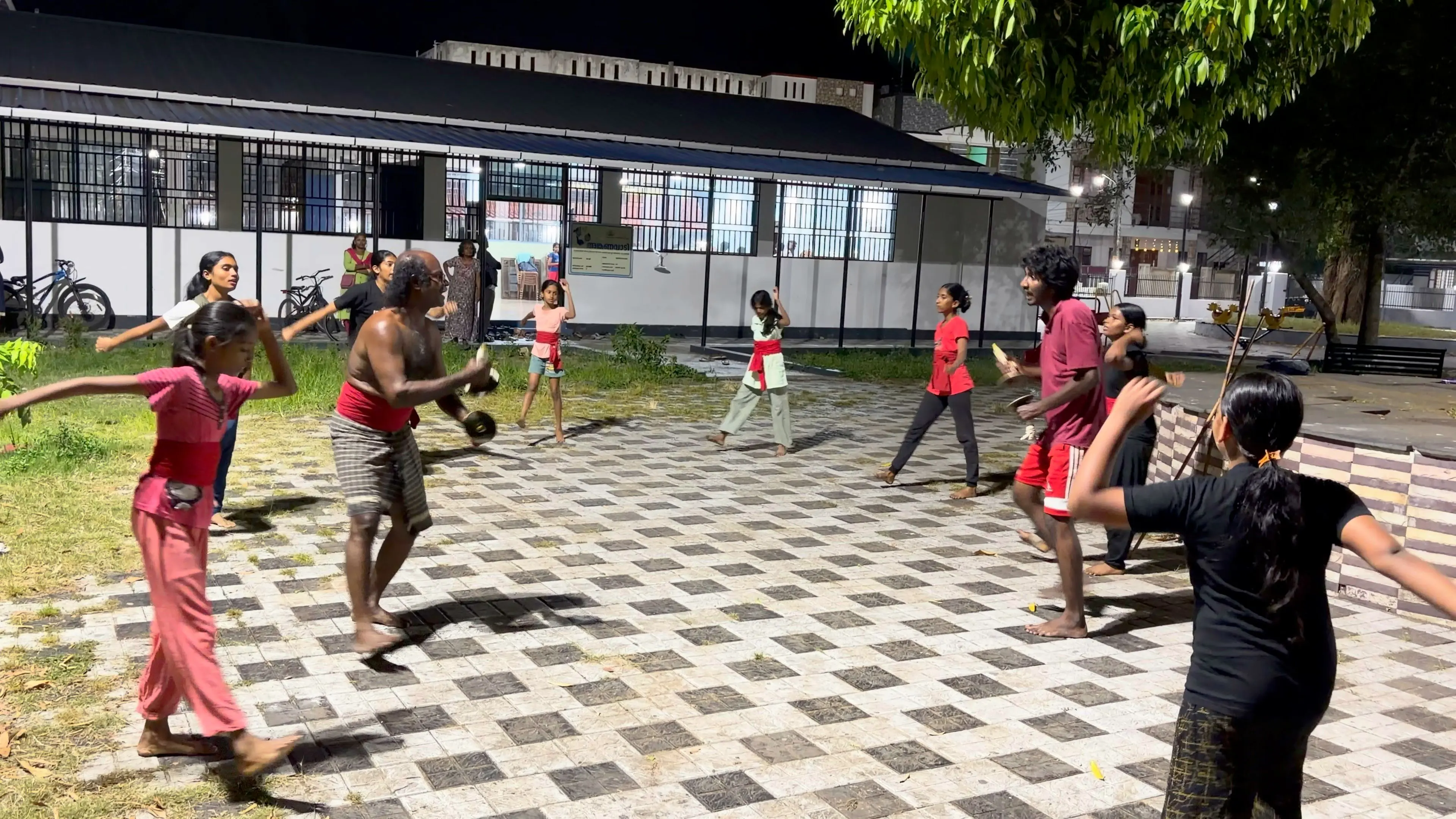
Connecting with Parichamuttu artist and teacher Sabu Ashan
Today, we met Sabu Ashan in the Fort Kochi and Mattancherry area. He is a Parichamuttu artist and teacher. He is also a practitioner. He told us about his work with children. He introduces younger generations to this traditional art form. We want to connect with local artists and learn about the cultural practices of the area. We spoke about his work and why it matters to keep traditional art forms alive. We also discussed possibilities for conducting workshops. We talked about ways to make Parichamuttu more accessible and engaging for young people. Sabu Ashan conducts classes in Nazareth, Jubilee Nagar and Veli in Kochi. The meeting offered an opportunity to learn from his experience. It also gave us a chance to explore how we can share this rich art form with future generations.
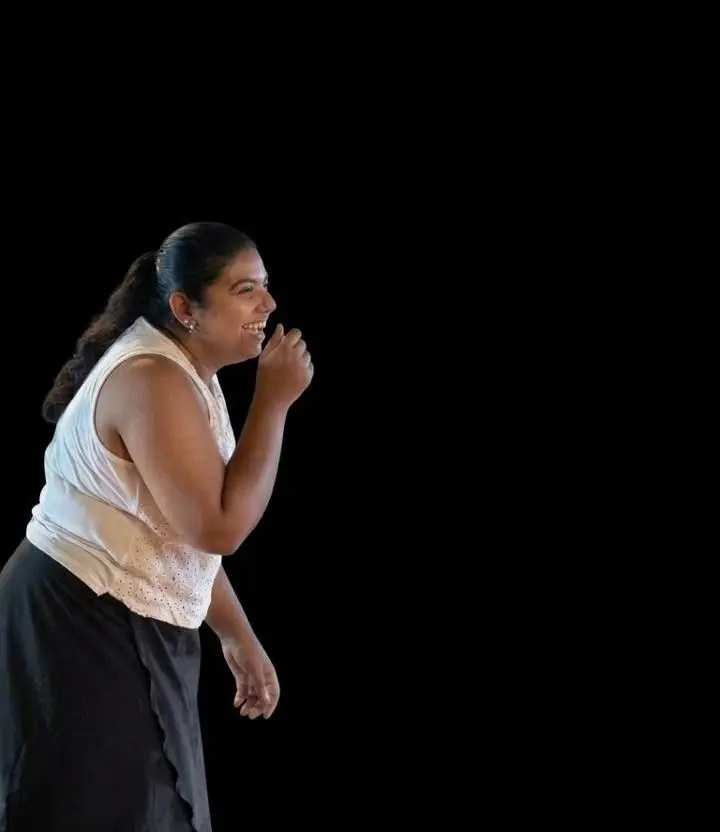
A day of movement, laughter and little challenges at Ashwas Bhavan
On Sunday, Nov. 8, a movement session for girls took place at Ashwas Bhavan, Mattancherry. The children were aged four to ten. They brought different energy levels, attention spans and abilities. Finding activities everyone could enjoy took flexibility and improvisation. The session was full of excitement, playful mischief and laughter. Keeping the group engaged was a challenge and a joy. Each child could take part in her own way. Working with children means plans do not always go as expected. Sometimes, unexpected moments become opportunities for play and connection.
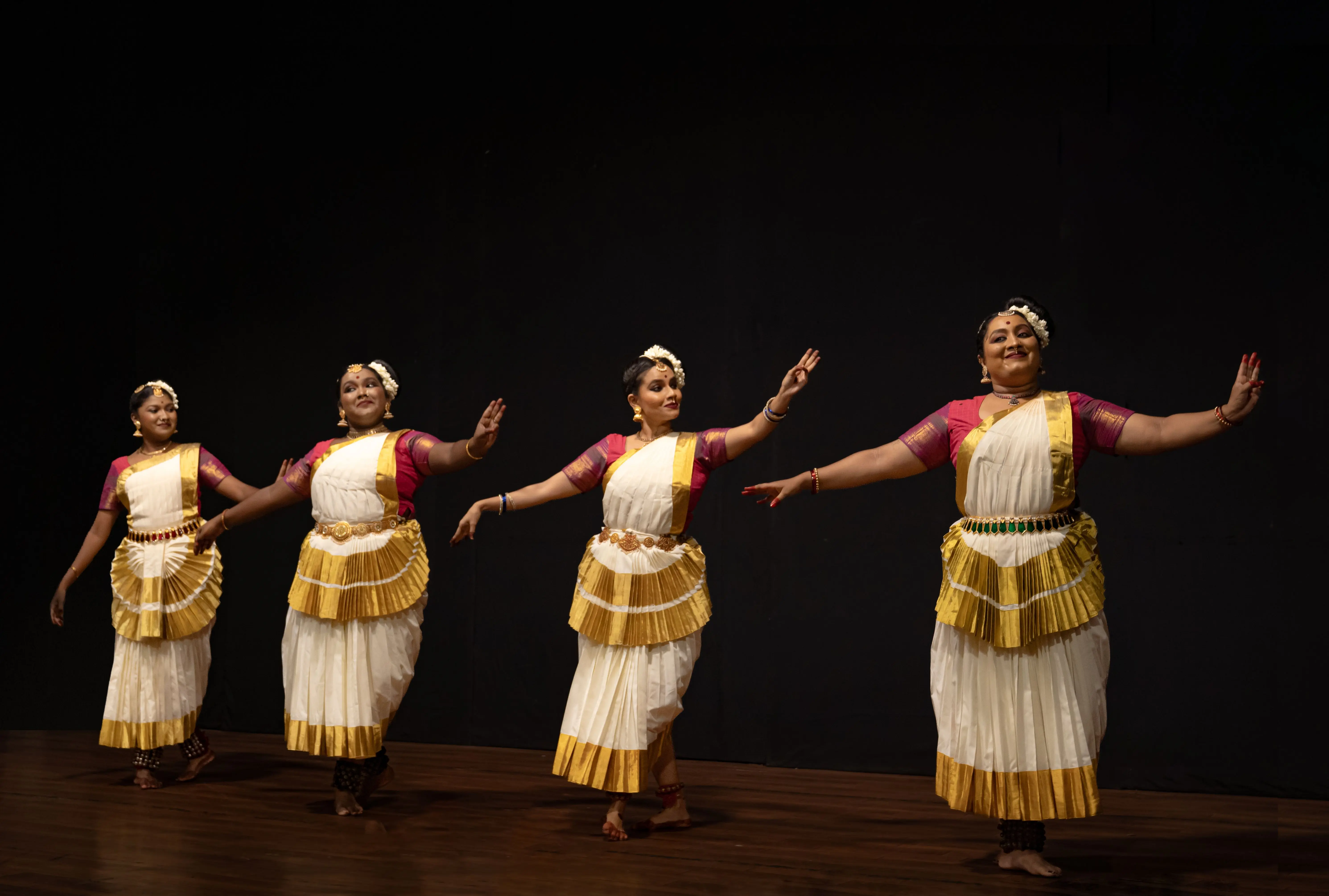
Faculty performance of Mohiniyattam and Kathak for students
On Sunday, we organised a one-hour performance by our faculty for the students. It featured Mohiniyattam and Kathak. Watching live performances is an important part of learning dance. It lets students see how movement, expression and technique come together on stage. The performance was organised especially for the students. It gave them the chance to experience what a dance performance looks and feels like. They also learned by observing the artists.
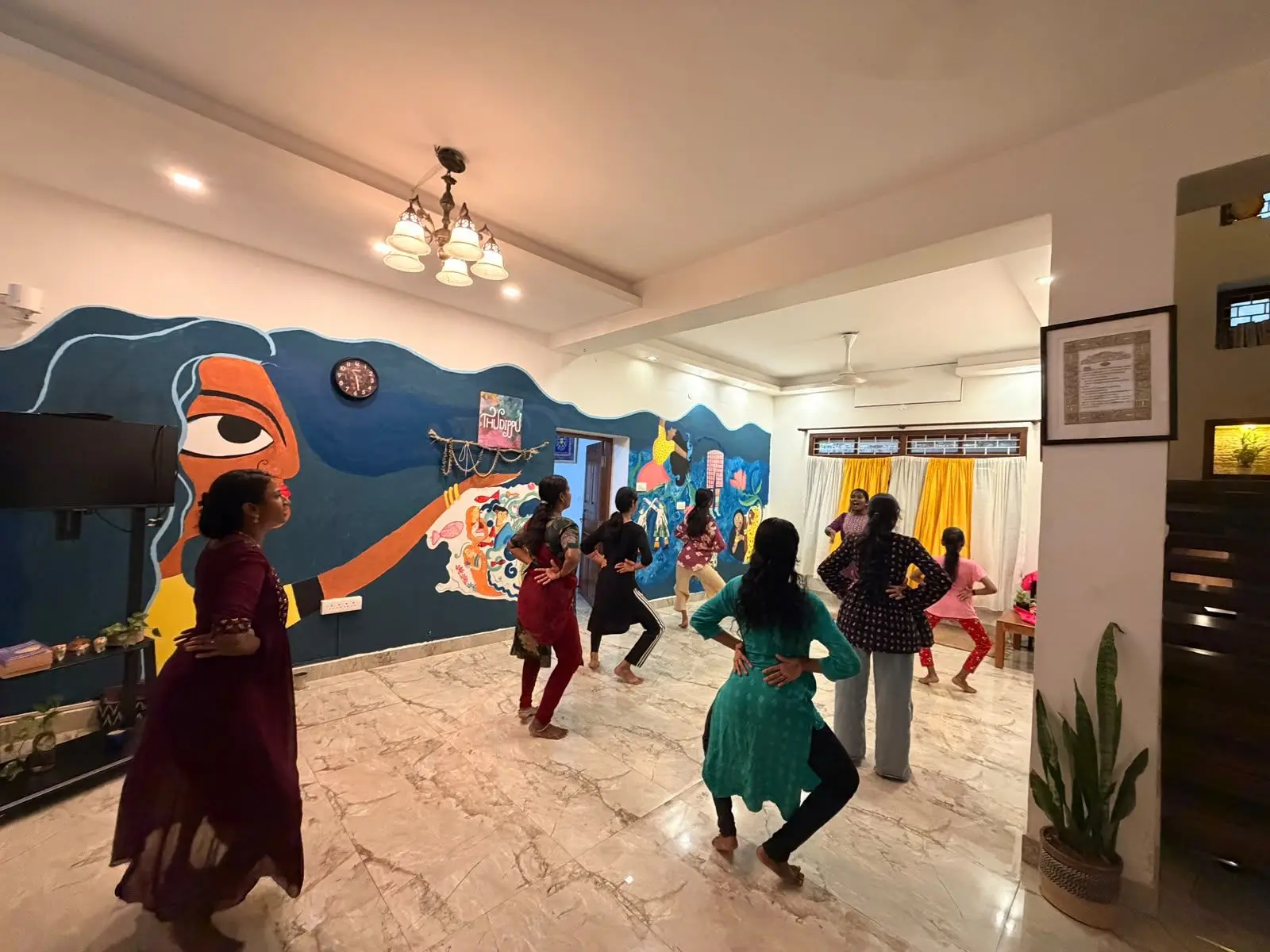
Revising Adavus and reviewing their techniques
On Saturday, most students were absent because they were preparing for exams. We used the session to revise the Adavus we learned earlier rather than introduce new ones. We also reviewed their detailed notes and discussed the techniques involved.
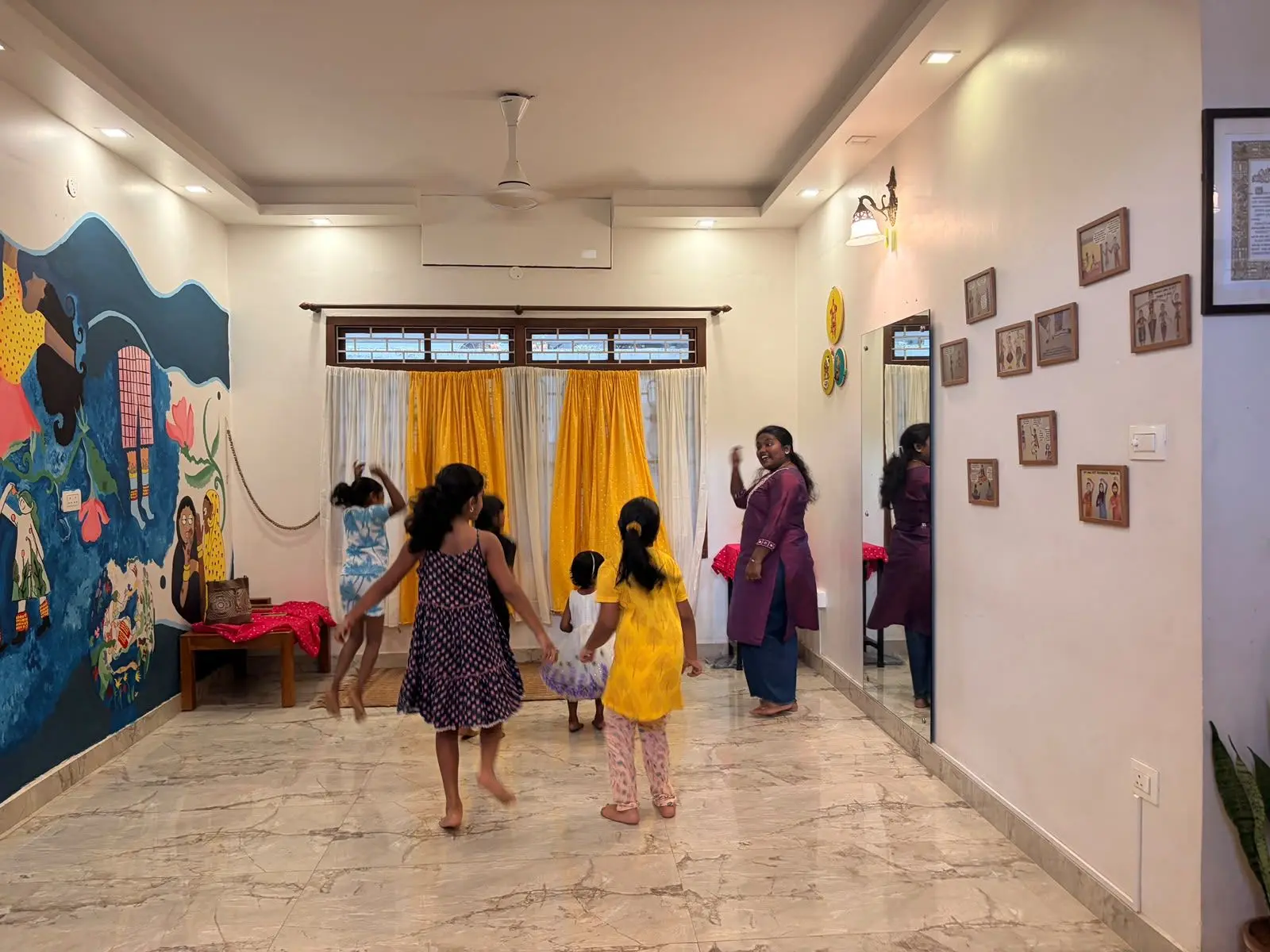
Channeling energy through movement and new Adavu practice
The children arrived with lots of energy. We began with varied movement activities instead of repeating the same Adavus. We explored different kinds of jumps and steps to channel their energy and help them settle. After these activities, we learned a new Adavu.
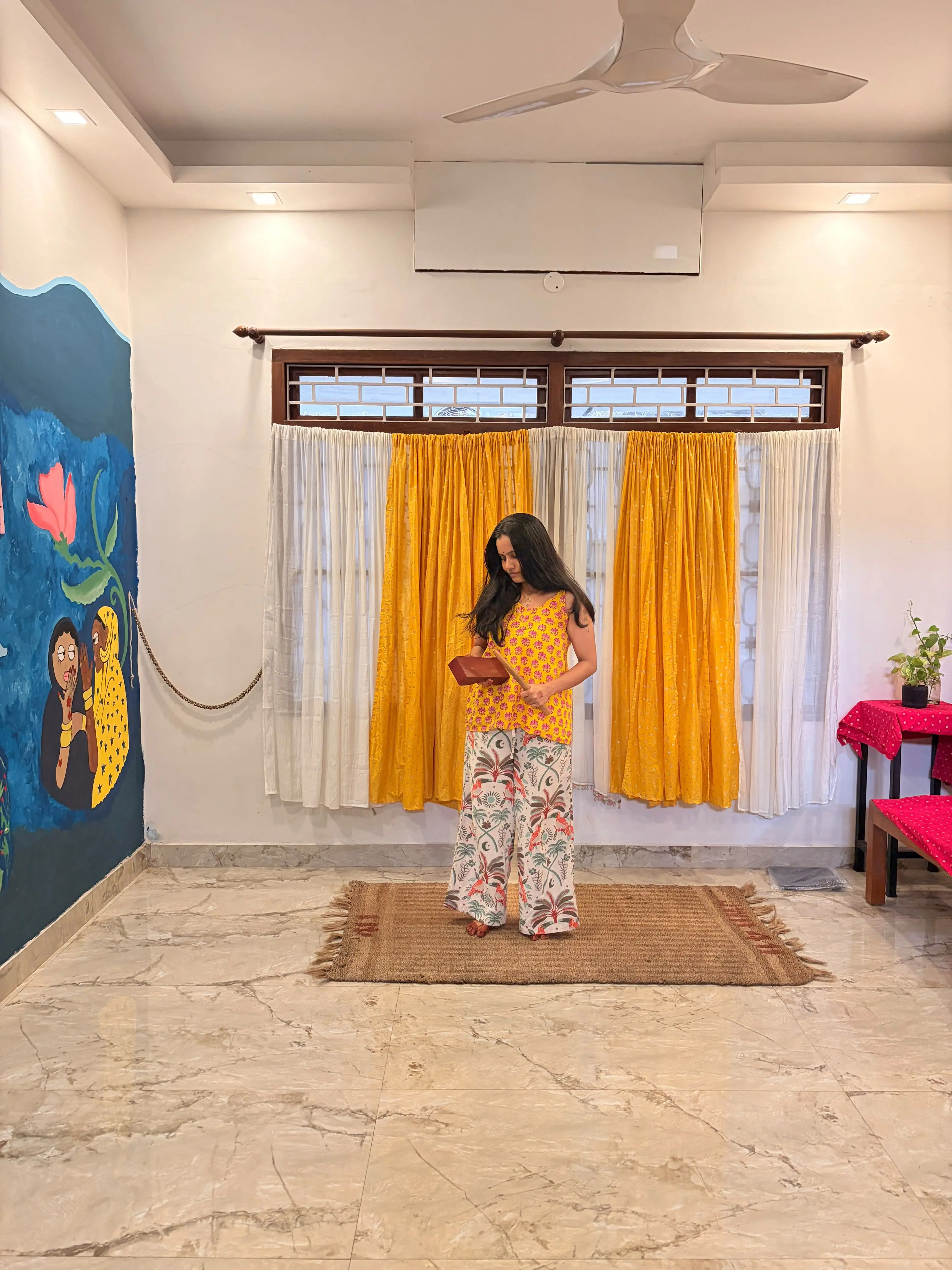
Planning visual ways for students to learn Talam
Today's class for students with hearing difficulties did not take place because no students attended. One parent informed us in advance. After waiting, our team contacted the other families and learned that one student was unwell and another was out of town. I felt disappointed because I had prepared for the class, and not all families told us about their absence beforehand. Our team spoke with the parents about the importance of letting us know when a student cannot attend. We can then plan and use the class time effectively. I used the time to think about ways to make Talam more accessible to the students. I began planning a visual activity using the tattukazhi, the wooden stick and block used to mark rhythm. In the next class, I hope to demonstrate the beats so students can observe them and then try marking basic Talams themselves.
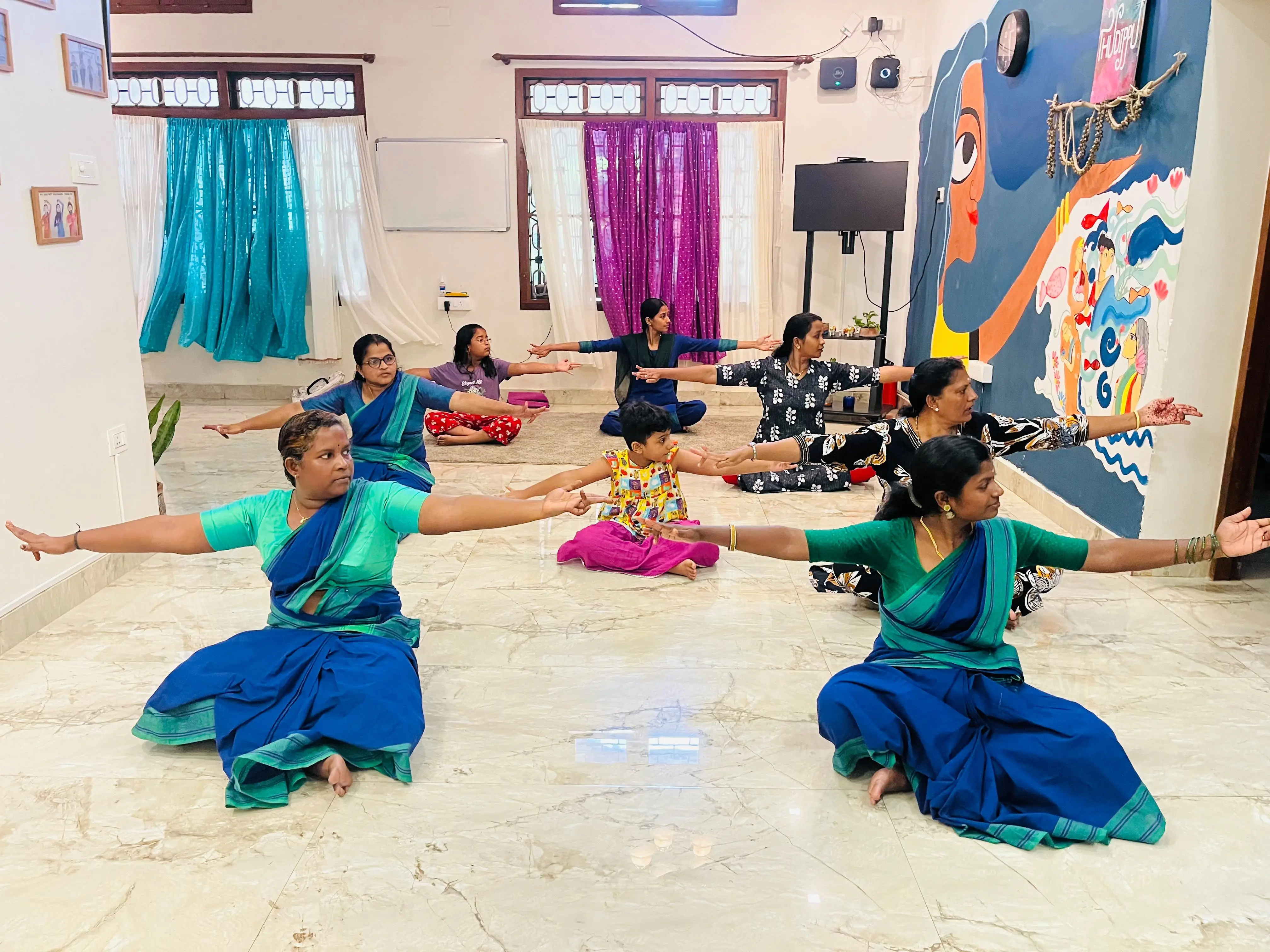
Introducing eye, neck and eyebrow exercises
On Sunday, most students in the adults' batch were absent, so we used the session to introduce new exercises for the eyes, neck, and eyebrows. The students who came were eager to learn. Some movements felt hard at first, but they kept trying. In Bharatanatyam, eye and neck movements are important for expression and technique. Practising these exercises helps students become familiar with them and control them better, which makes their dancing clearer and more confident.
Practising basic Adavus and exploring Paraval Adavu
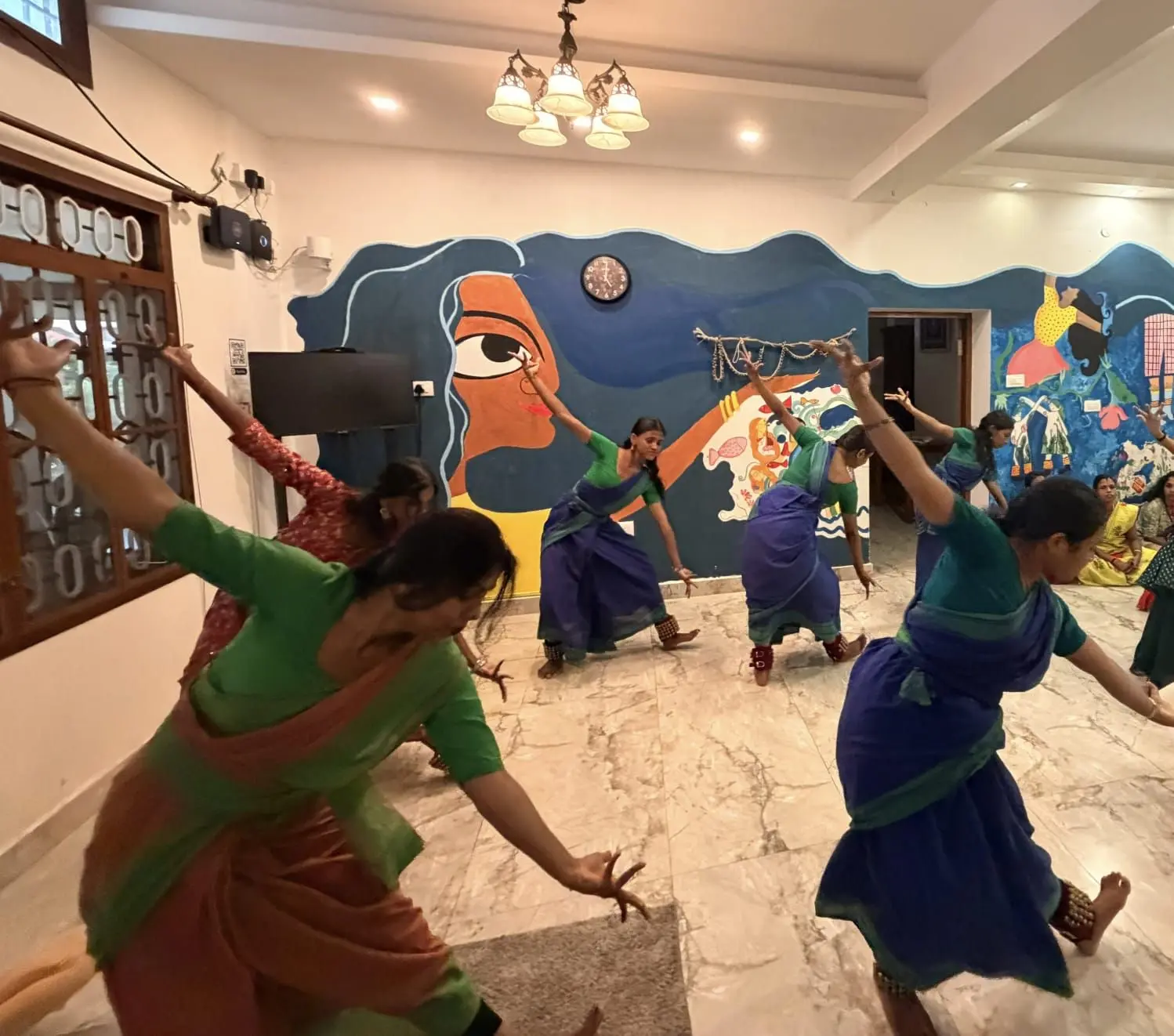
In the second batch, students practised the basic Adavus and went through the detailed notes for the second Paraval Adavu. They then explored a more advanced movement sequence, building on the Adavus they had learned earlier. This practice helped students pay closer attention to body coordination and how their hands and legs move together. As they worked through the steps, they became more aware of how their bodies move.
Exploring Abhinaya through situations
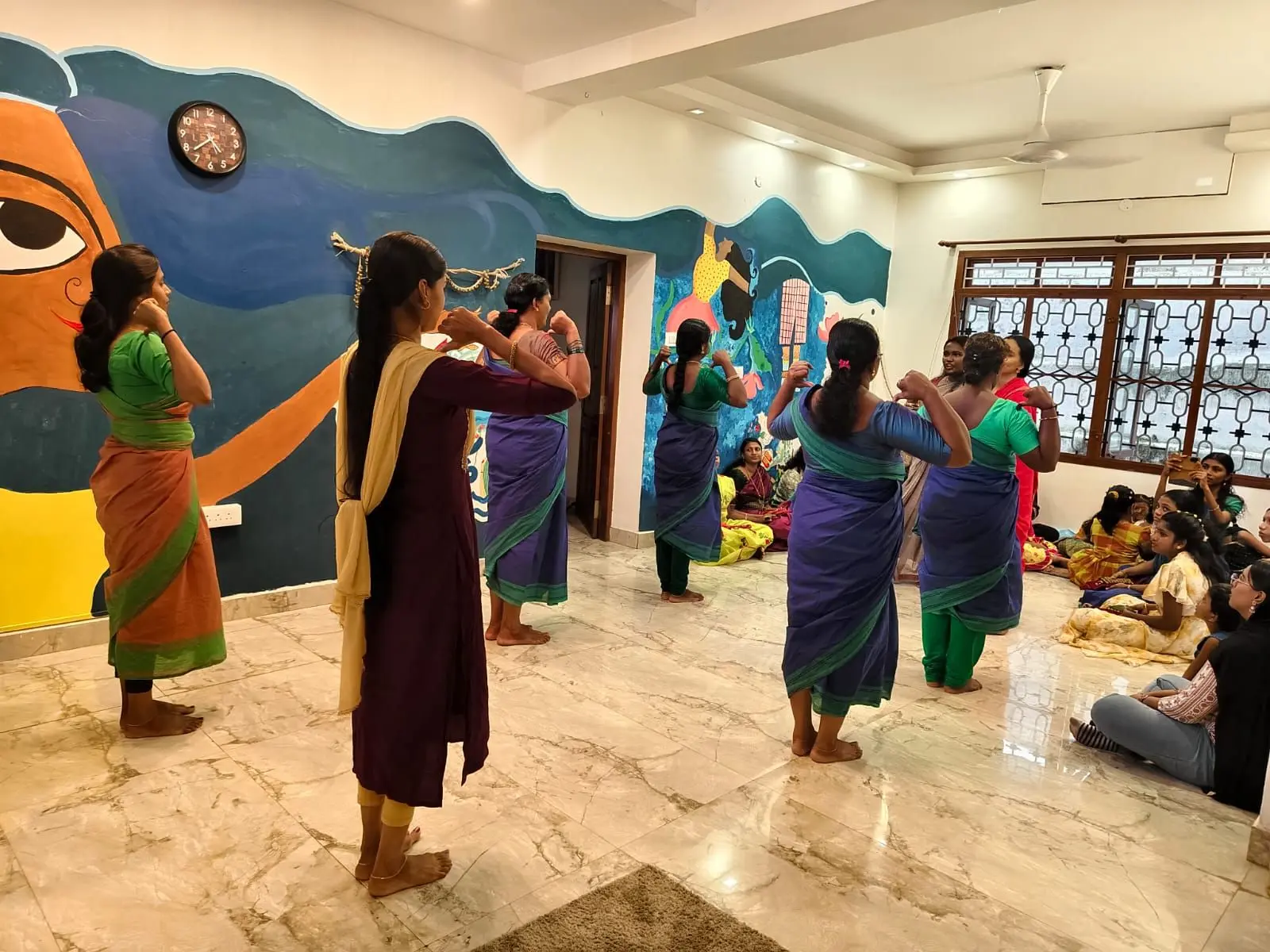
We held a combined Abhinaya session for two batches. Abhinaya is an important part of Bharatanatyam. It helps dancers communicate feelings and meaning through expression and movement. Students imagined different situations and interpreted them in their own way. Shyness and hesitation were an early challenge. We tried ways to help them feel more comfortable. While one group performed, the others sat to the side, which gave each student space to express themselves without feeling watched by classmates. Everyone made an effort to participate. After the improvisation, students enacted a short choreography. We explored śṛṅgāra (love or affection), bhayānaka (fear) and hāsya (laughter or joy). The students found expressing laughter comparatively easier. Regular practice like this can help students build their Abhinaya skills. It can also help them feel more at ease expressing themselves.
Creating hand gestures to make dance learning accessible
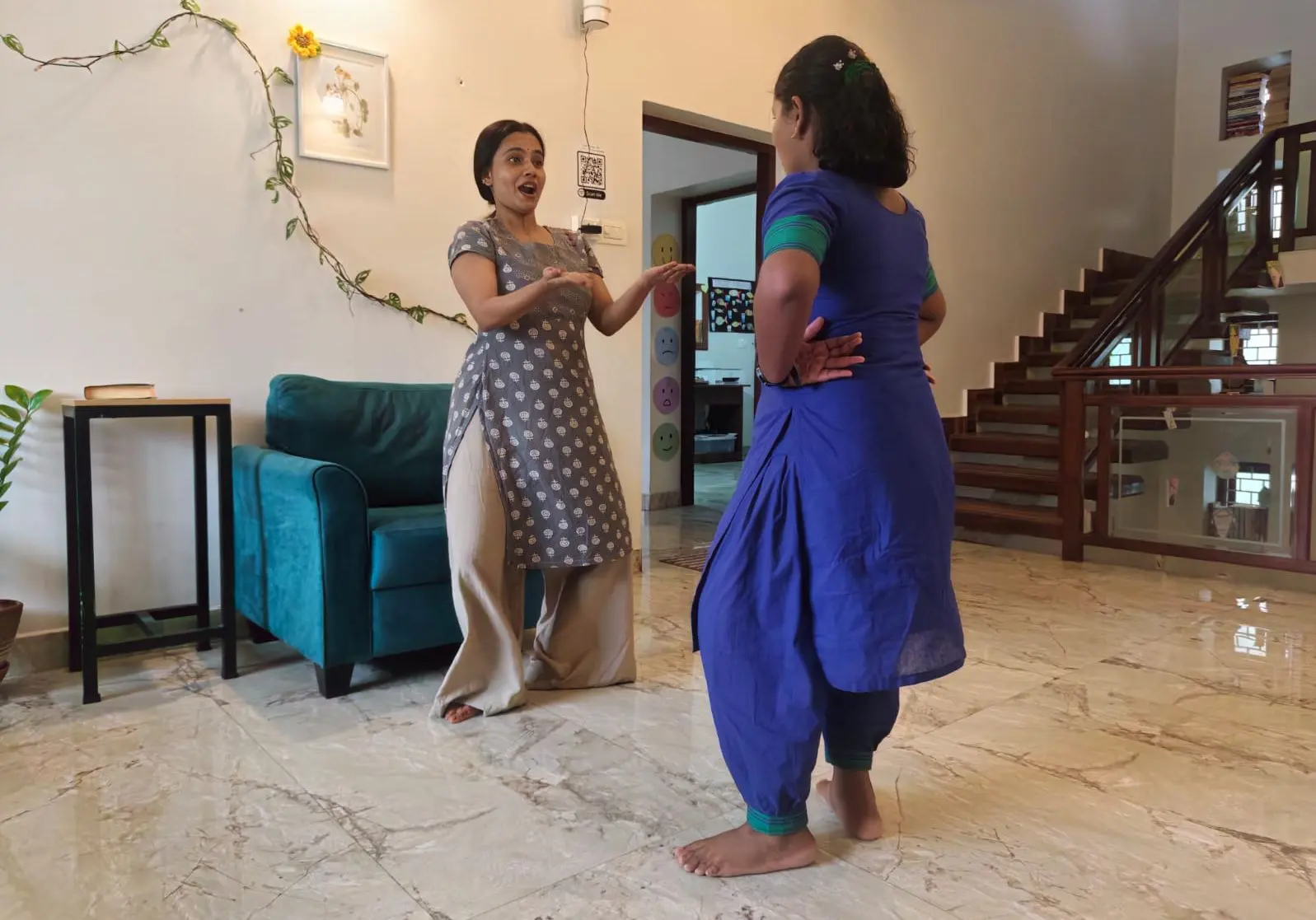
Only one student attended today's class for children with hearing difficulties. The other students were unwell. I gave her individual attention and revised Nattadavu 1, 2 and 3 from the previous class. Today, I began creating my own hand gestures for dance terms and positions. These include aramandi (half-sitting), samam (standing) and muzhu mandi (full-sitting). We did not use these gestures in class before. I developed and introduced them to make dance instructions more accessible for my students. Instead of relying on spoken reminders, I showed the student each gesture and explained the position it represented. She understood the gestures and responded by moving into the corresponding positions. For the last 15 minutes, she joined the other children's batch to practise the Adavus. I stood near her and gave visual cues as she tried to follow along and dance with the group.
Learning together across generations
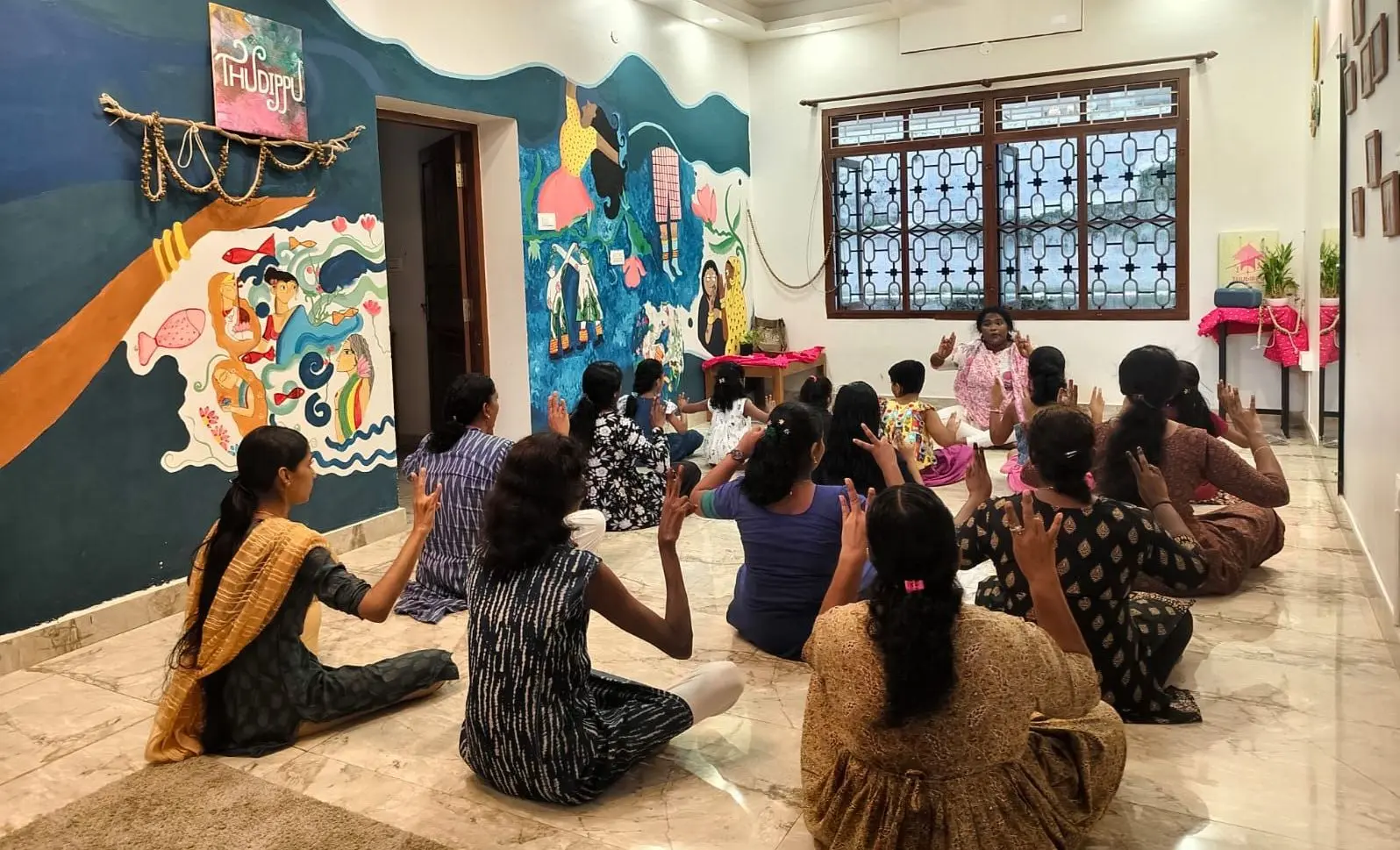
Today, the children's batch and the women's batch came together for class. Some of the children's mothers are part of the women's batch. This was a special chance for families to share the dance space. We combined the children's and women's batches for a shared class. We guided the group through activities everyone could take part in. We guided students of different ages through Mudra practice. We practised Thalam together. Together, the students practised Mudras and Thalam. Learning side by side gave children and adults a chance to share the experience, observe one another and connect through dance.
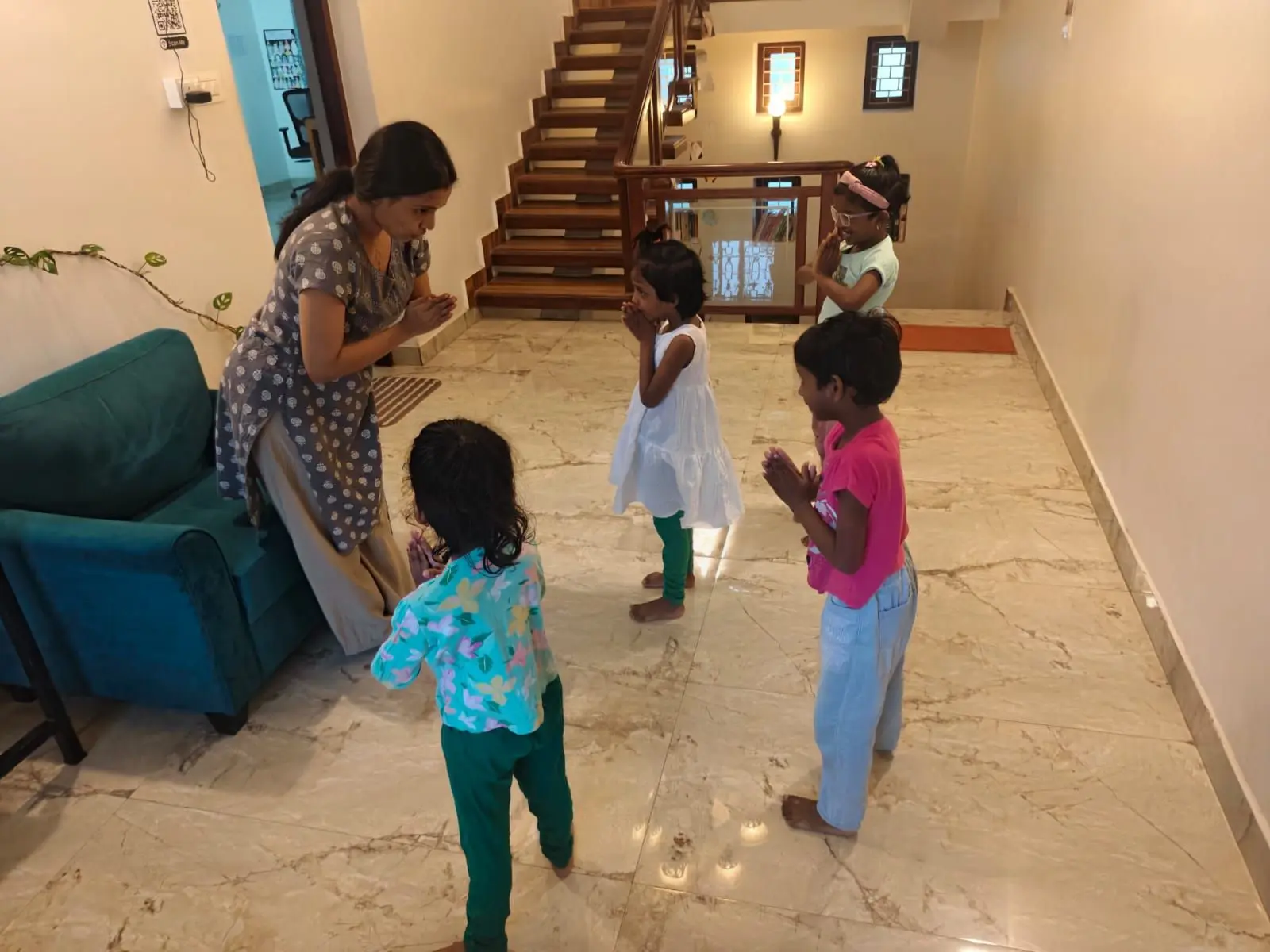
Welcoming a new batch of young learners from Ashwasa Bhavan, Fort Kochi
Today we began a new batch for four children from Ashwasa Bhavan, Fort Kochi. Their sister brought them to class. At four years old, the children were full of excitement and curiosity about the space and their teacher. It took patience and energy to help them settle, as they were eager to talk and explore. We introduced namaskaram as their first dance practice. With stories and encouragement, the children joined in. Since their attention spans are still developing, we kept the session varied. We taught one step at a time and talked together. The children also explored hand gestures that represented a bird, a flower and a river. In the final minutes, the children used paints and paper to draw.
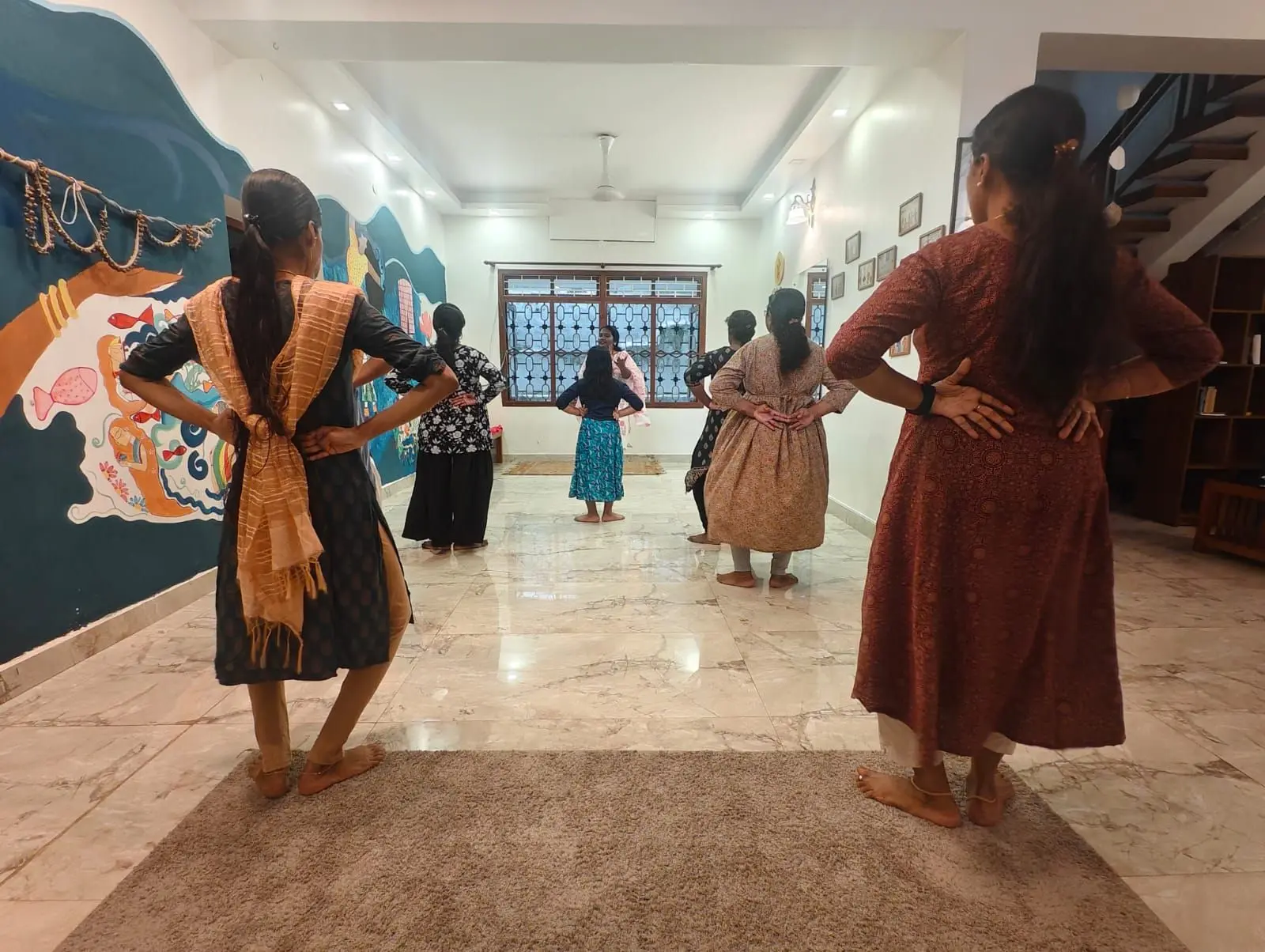
Building stamina through continuous Nattadavu practice
Our women's batch, aged 30+, focused on building stamina in today's class. They practised all the Nattadavus without stopping. They did this at all three speeds. We encouraged them to maintain movement and rhythm through the sequence. The students felt tired, but they kept going. They completed the practice without giving up.
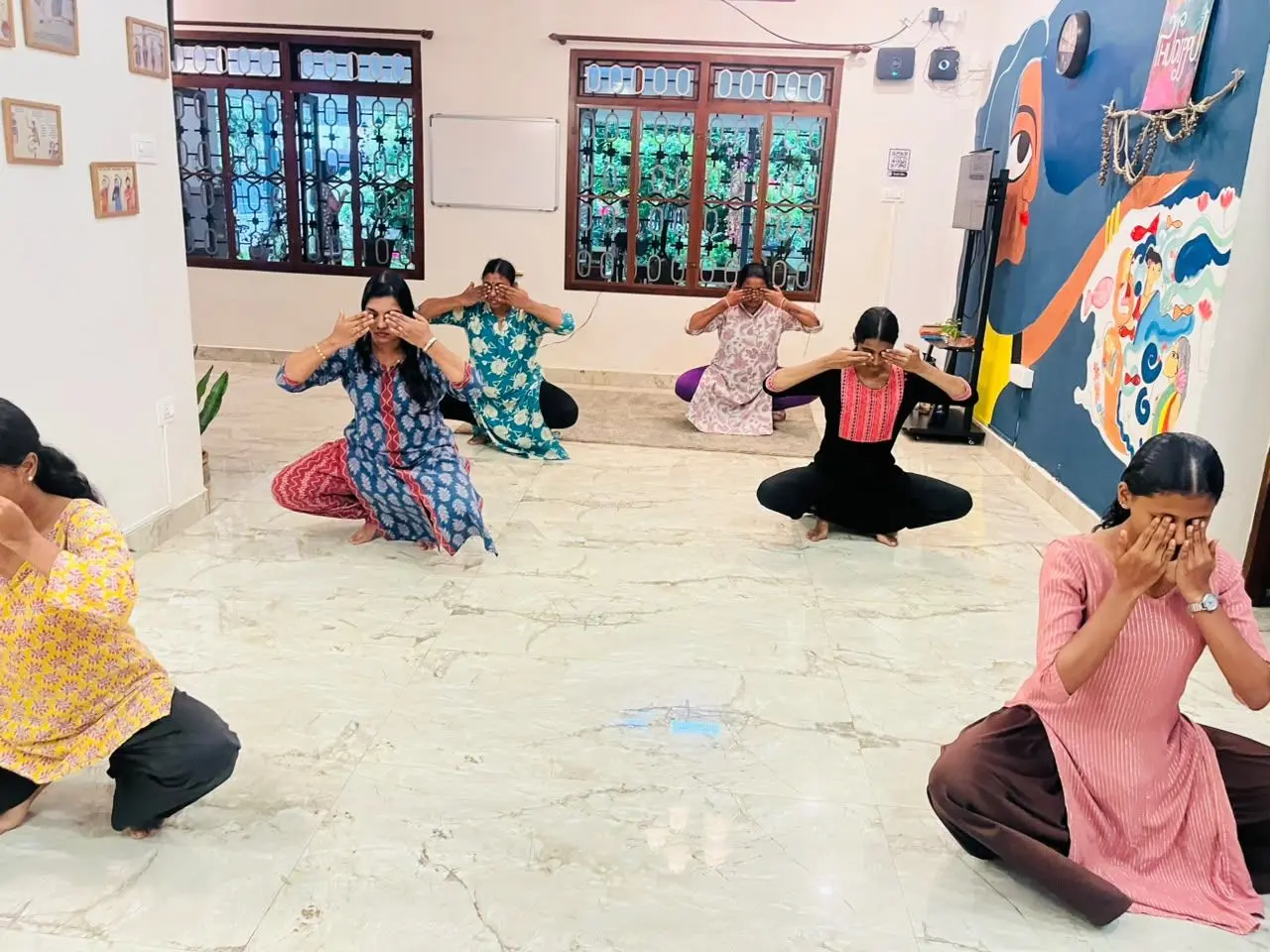
Beginning performance preparation for the seniors' batch
We introduced a dance item to the seniors' batch in preparation for their performances in February. Preparing students for a performance takes time, practice and continued learning, so we are starting early. Regular rehearsal will help the students become familiar with the item and work towards performing it with confidence and accuracy.
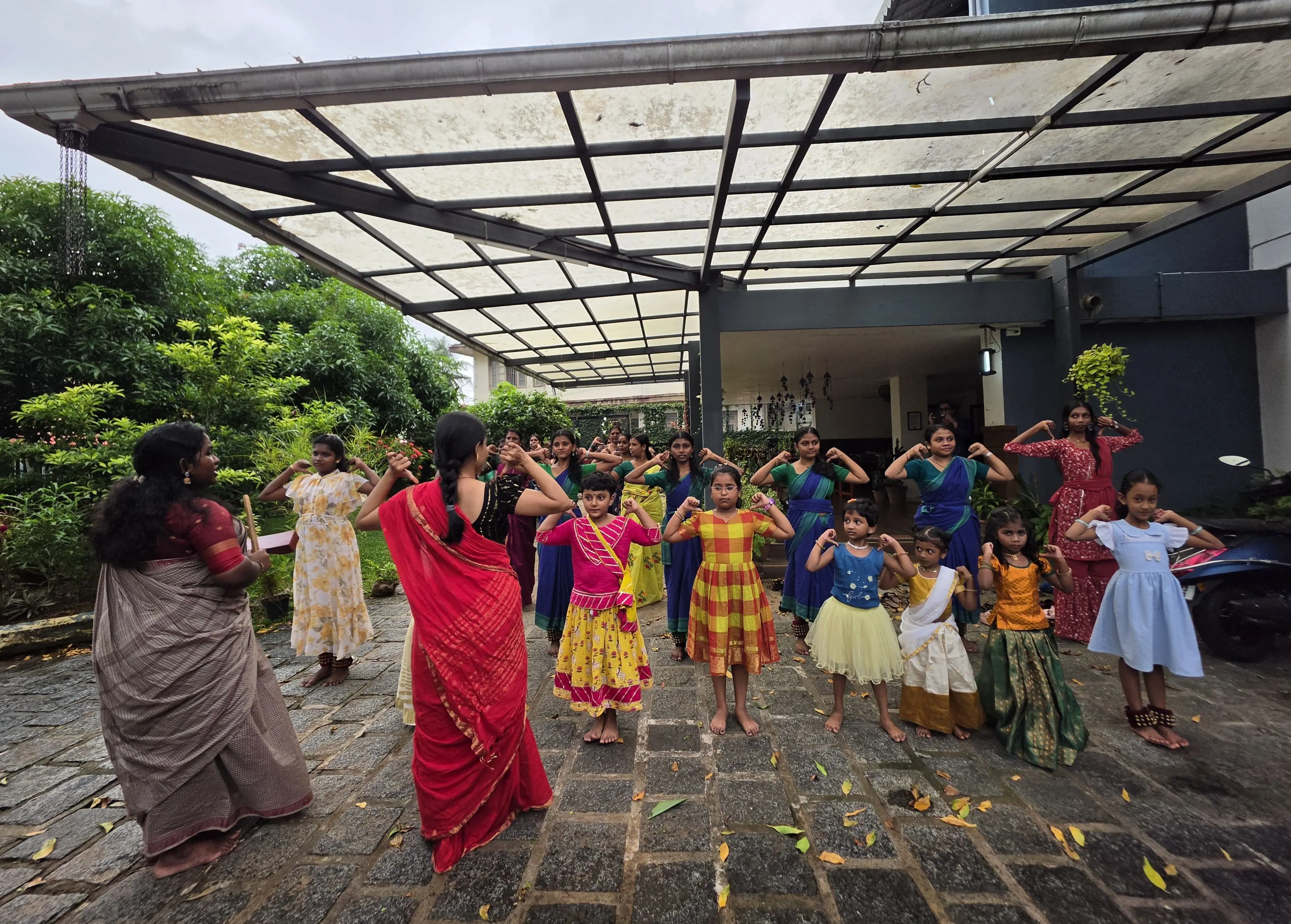
Dance Together Day: celebrating a new milestone
Students from our batches came together for Dance Together Day. They met, danced, and celebrated as one community. This brought together students from different batches and age groups. Students aged 40 and above danced alongside children as young as three years old. It was special to see generations sharing the same dance space. All four teachers were present at the dance gathering. Many students dressed for the occasion. Some students could not attend, but those who came brought plenty of joy and energy. We also celebrated students who were ready for the next level. They wore the chilanka (dance bells) for the first time. Teachers tied the bells for the students, who then danced wearing them. The day felt like a joyful meetup, as students from different batches and age groups shared the dance space.
Growing independence through Adavu practice
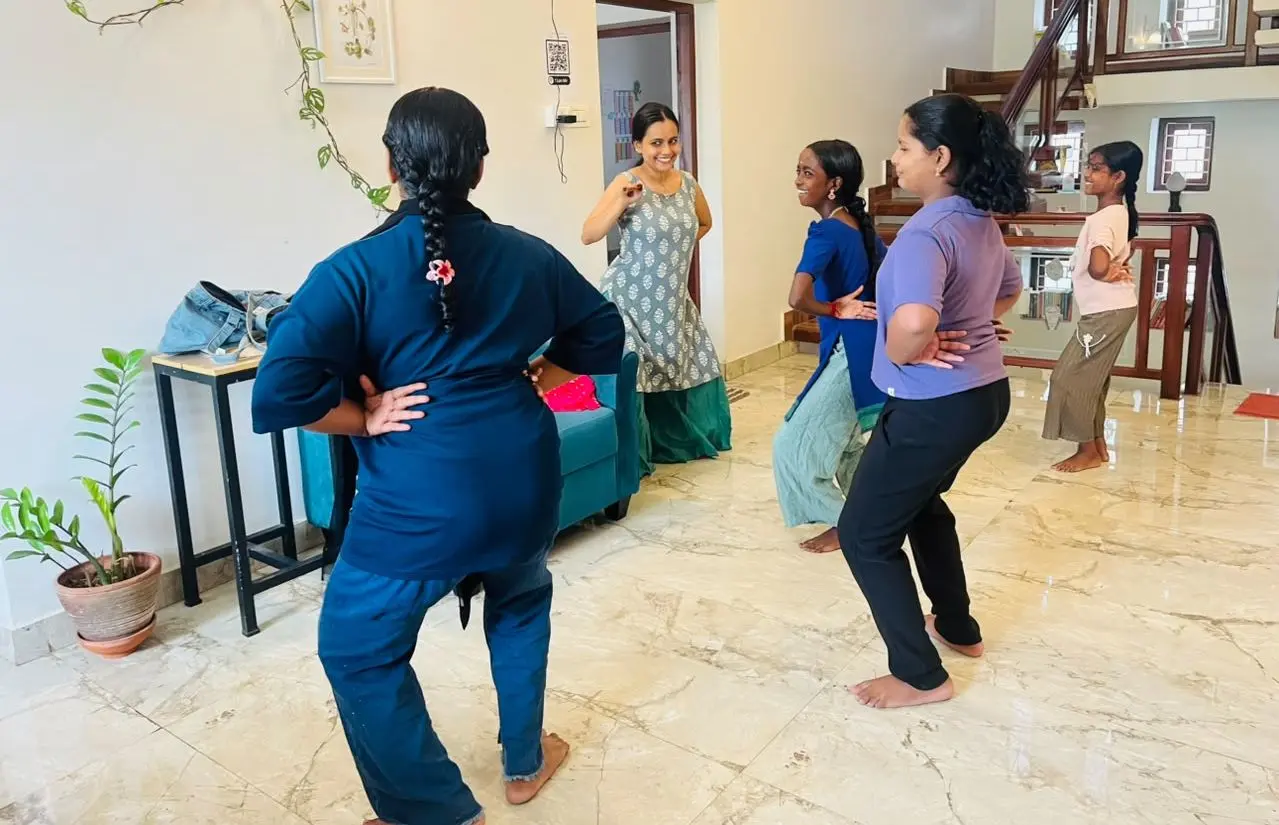
Today was the second class for students with hearing difficulties. The class also welcomed three new children this time. They came with the first student's mother, who had watched the first class and told other families about it. During practice, the children tended to look at the teacher and follow the Adavus by watching. We wanted to help them perform the movements on their own, without having to watch the teacher. The teacher worked with each child one at a time and guided them through repeated practice while looking straight ahead. This was hard at first, but the children kept trying. The teacher then moved behind the students and asked them to perform the third Nattadavu in three speeds. Before that we did hand clapping. It helped them feel and remember the rhythm. By the end of the practice, all the children were performing the Adavu while looking straight ahead.
Learning Thalam, Mudras and Adavus
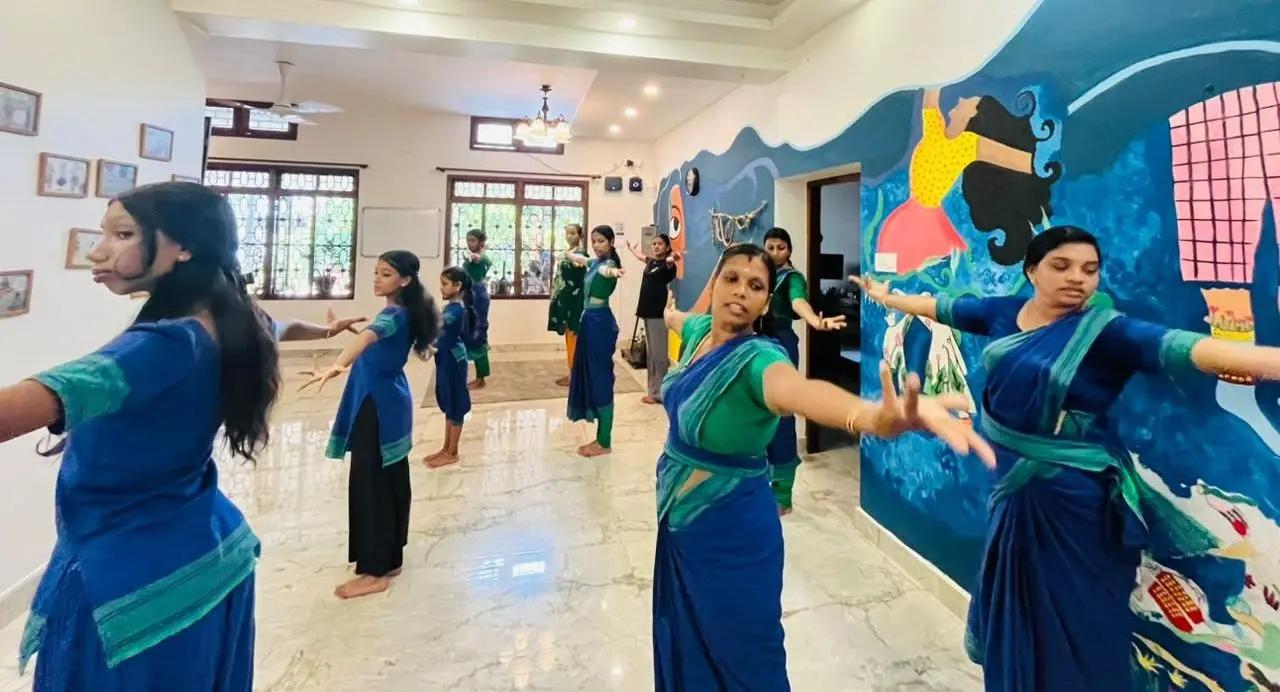
Students practised basic Thalam and Mudras today. They explored how Mudras are used in dance to express different meanings and emotions. They also revised basic Adavus to strengthen their understanding of the steps and rhythm.
Building co-ordination, confidence and patience through Adavu practice
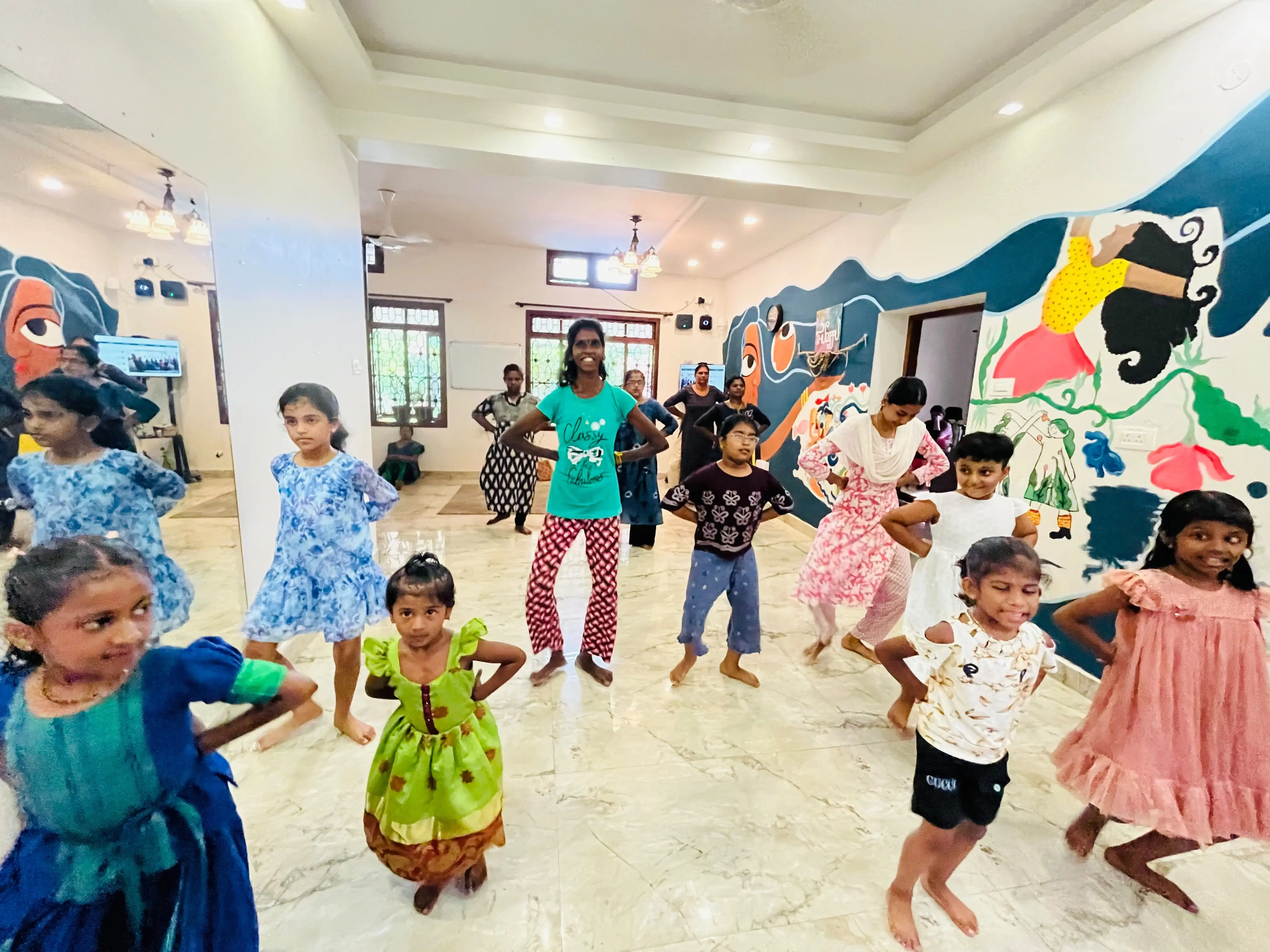
Today in our kids batch, children stayed engaged throughout the practice. They made a consistent effort to understand and perform the movements. Learning Adavus takes repetition, co-ordination, concentration and patience. As children become more familiar with the movements, they learn to co-ordinate different parts of their bodies. They also become more aware of how they move. Dance practice is about more than learning steps or perfecting technique. It gives children an opportunity to develop body-mind co-ordination, concentration, patience and perseverance.
A new dance batch for women 30+
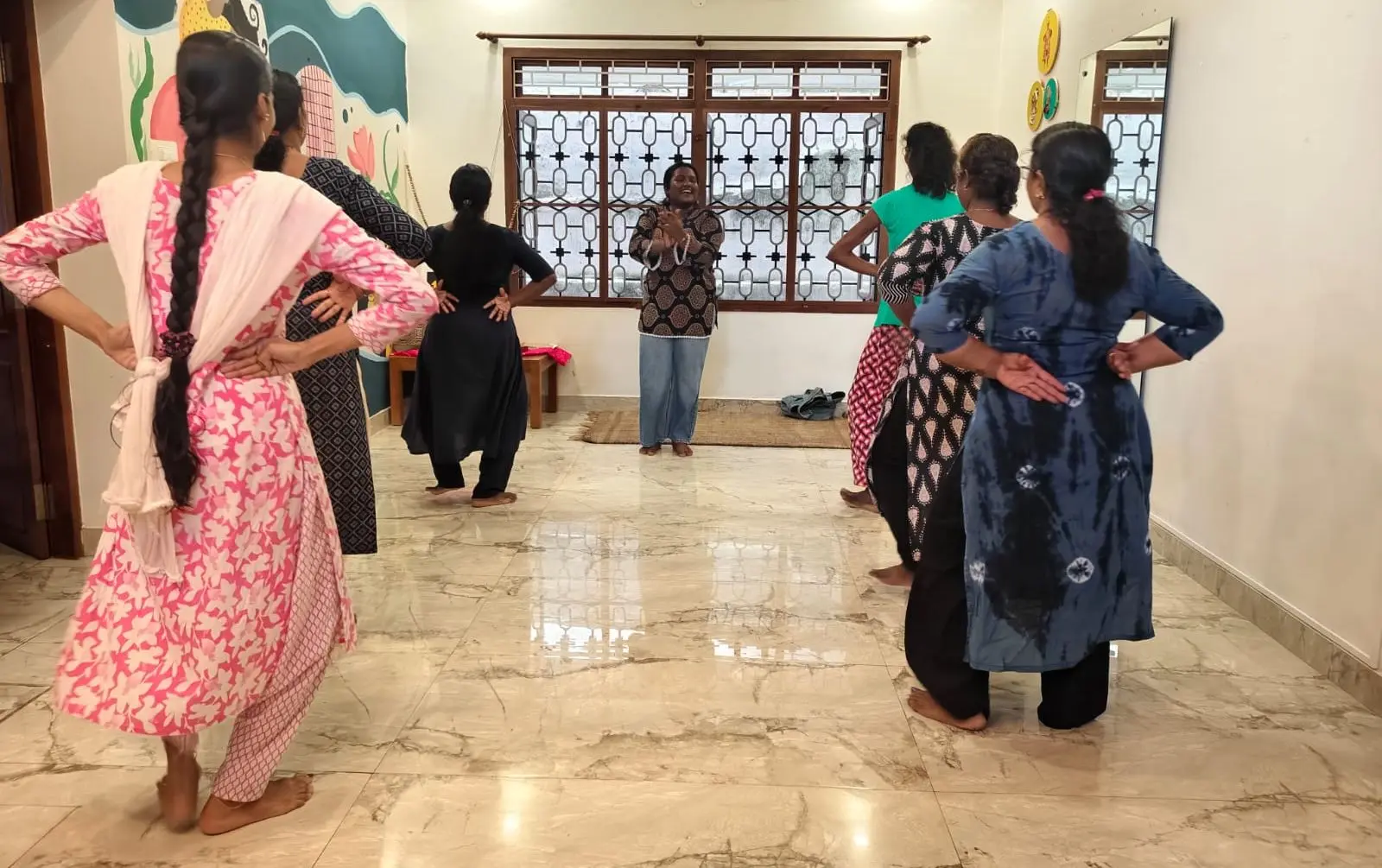
As interest in our regular batch grew and new admissions continued, we started a new batch so we could welcome more students. The batch brings together women aged 30 and above, each arriving with enthusiasm and a strong commitment to learning dance. The faculty find the classes rewarding. The faculty value the interest and hard work the students bring to every class. For many of these women, the class is more than a place to learn dance. It is also a joyful space to explore a long-held dream. The enthusiasm across the batch reflects how worthwhile it can be to begin or return to dance at any age.
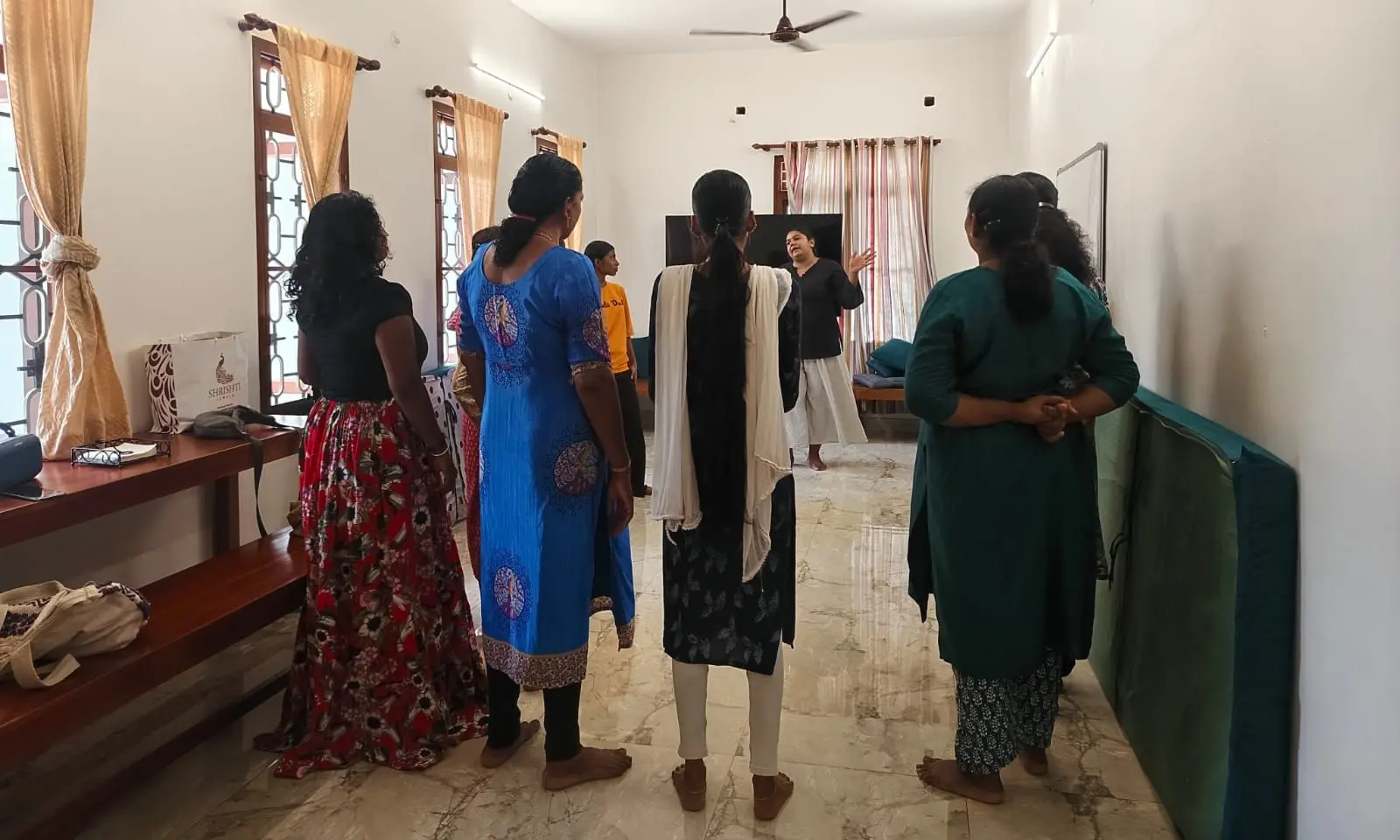
Exploring self-expression through movement, music and art
The session started with a name-and-movement activity. This encouraged introductions and group participation. Participants introduced themselves with simple movements. This helped create a comfortable and welcoming atmosphere. In the mood-sharing activity, participants said how they felt at that moment. This helped them recognise and express their current feelings. Next came guided movement exploration. This encouraged body awareness and creative expression. Participants explored different movements and connected with their bodies. They used movement to express themselves. The group then made music together. They explored sounds and rhythms together. They shared ideas and listened to one another. They showed their creation to the group. After that, participants did an individual art reflection. They used art to express their thoughts and feelings. They also shared their experiences from the session. This gave them a chance for personal reflection and creative expression. The session ended with a closing activity. This reflected on the session and brought the shared experience to an end. Participants responded positively throughout the session. They showed interest and engagement.
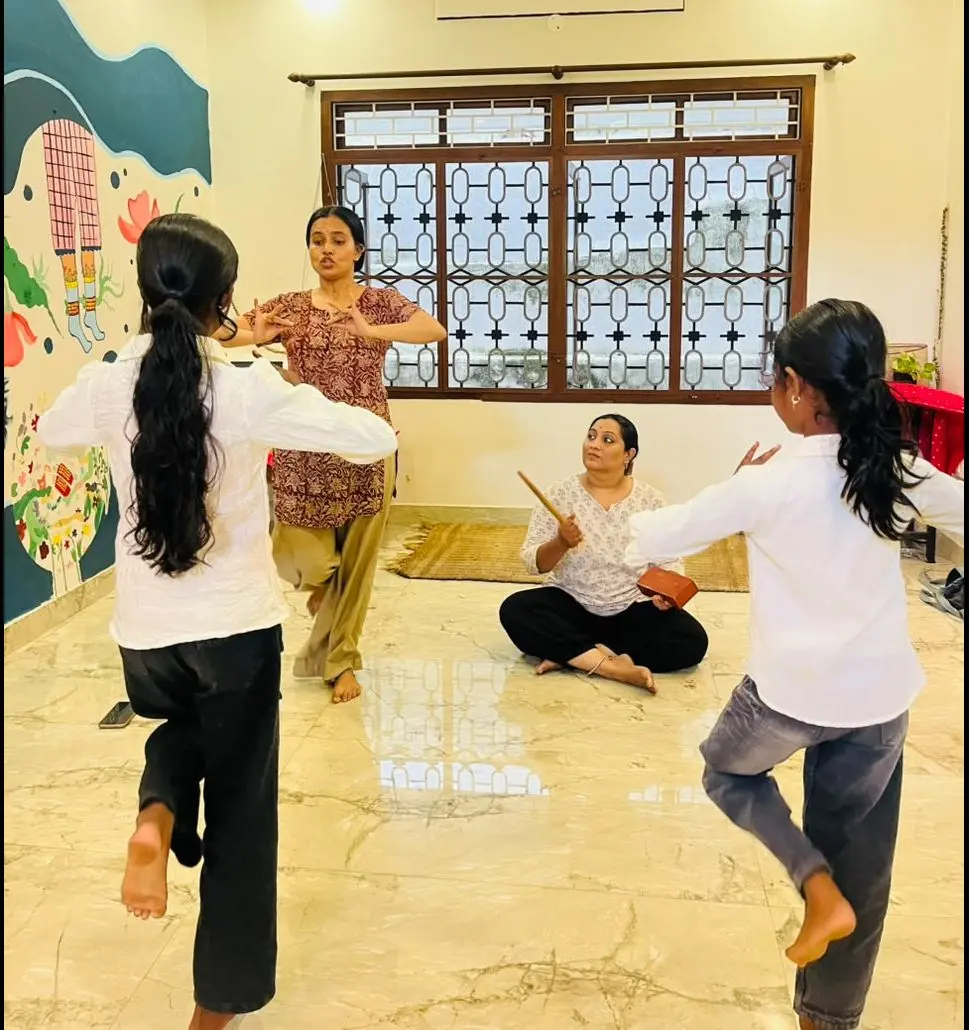
Children feel rhythm beyond sound in classical dance
We began a new batch for Deaf and hard-of-hearing children. This work has been in preparation for a few months, shaped by our years as dancers and teachers of Indian dance. We believe Bharatanatyam and Mohiniyattam can give children useful ways to explore rhythm, movement, co-ordination and expression when taught in accessible ways. Two teachers led the session. One demonstrated the steps while the other gently guided the child's hand to clap along with the rhythm. We loved seeing her grasp the rhythm, and she recognised the gaps between beats. She also responded to changes in speed. In time, she copied the movements and soon performed the steps on her own. By the end, she had learnt five Nattadavu sequences, the basic movement units of Bharatanatyam. The session used visual demonstrations, clear movement cues and repetition. We gave patient, one-to-one attention and encouragement. The child learnt at her own pace. This was our first session with the children. One child attended, and three more have registered for the upcoming sessions. This start has strengthened our belief that, with appropriate support and ways of teaching that children can see and feel, classical dance can become an open and good space for Deaf and hard-of-hearing children to explore movement, rhythm and self-expression.
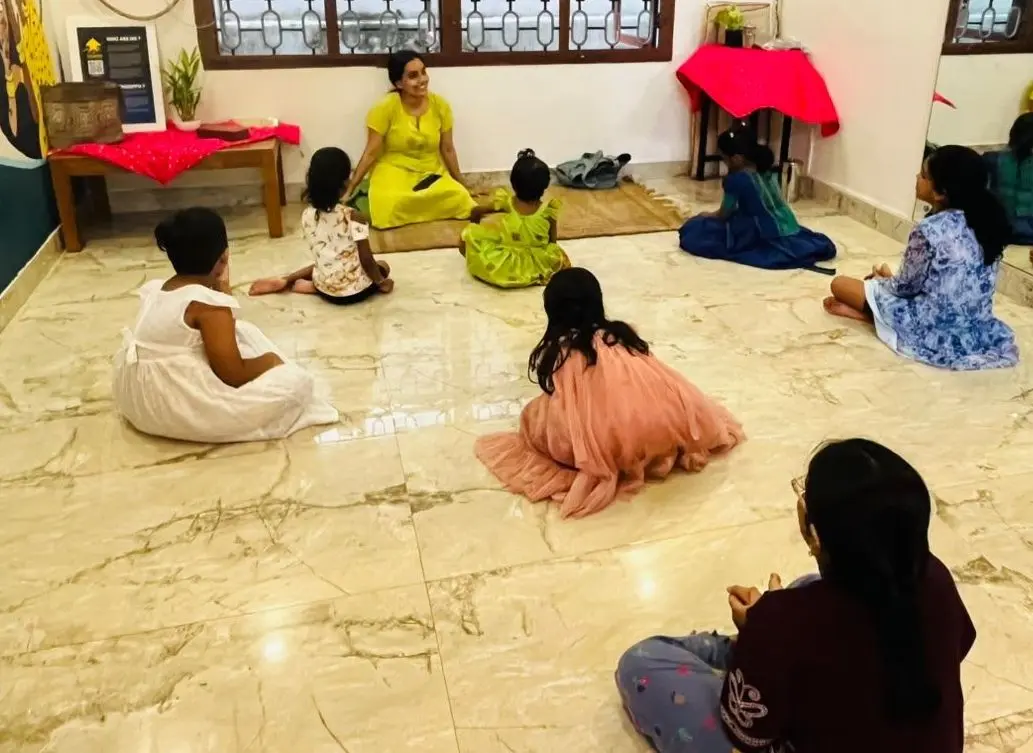
From play to learning: creating space for children to grow
The children arrived for Sunday's dance class in a playful mood, so we began by giving them some time to play before the structured session. They took part eagerly in the muscle-strengthening exercises before we started practising Adavus. The children stayed focused throughout the practice and kept trying to understand and perform the movements. Learning Adavus takes repeated practice, co-ordination, concentration, and patience. As children grow familiar with the movements, they learn to make different parts of their bodies work together and notice how they move.
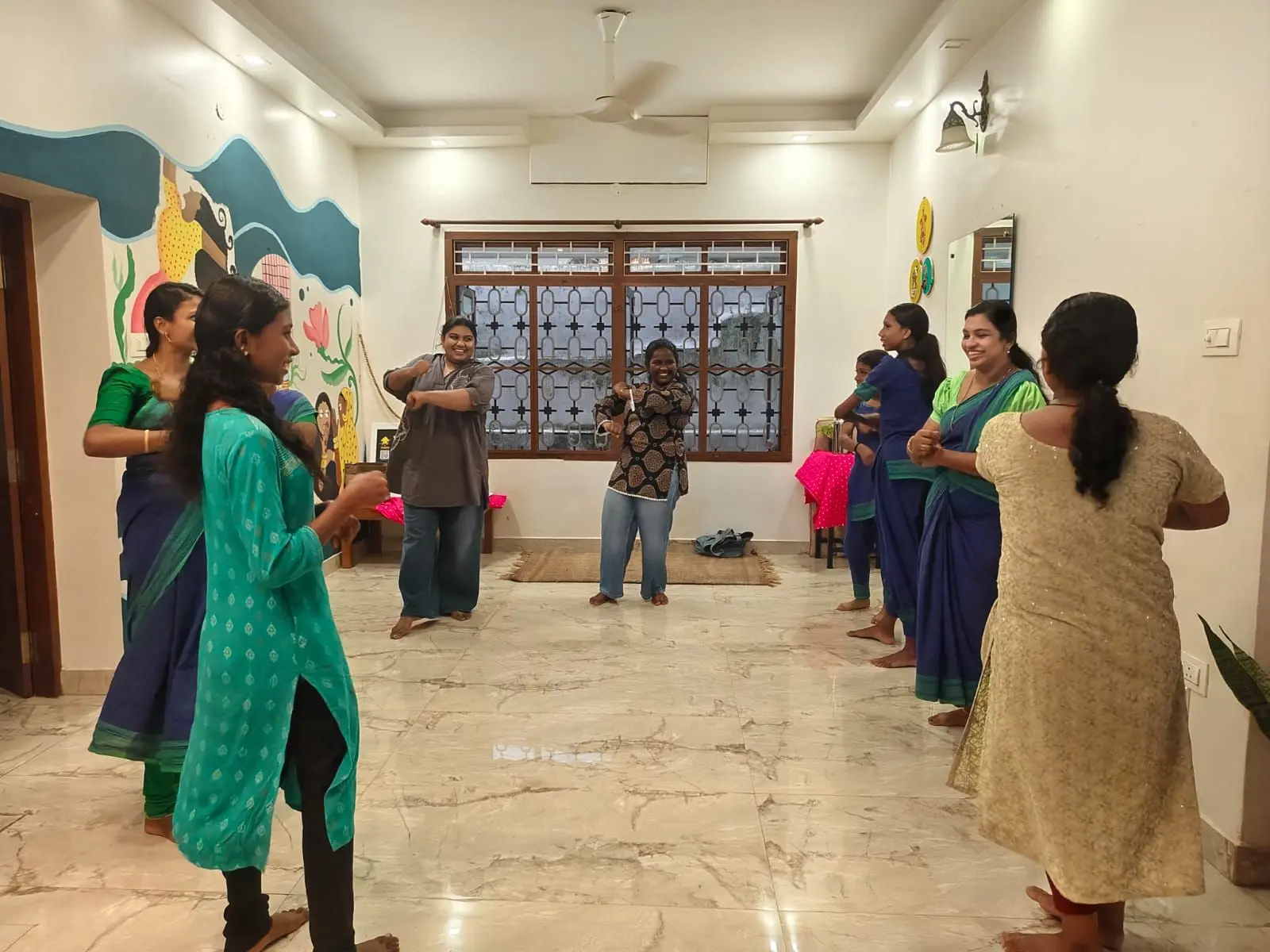
Finding connection through movement
Today's session was different for me. Anjali and Aparna, who are also dance facilitators at Thudippu, joined the session, which had seven participants. The group's energy was quite active and engaging. A few participants needed a little more attention and support. I tried to create a space where everyone could take part in their own way, without putting too much pressure on anyone. As the session went on, I noticed different emotions and experiences slowly coming up through movement. Some participants were more expressive, while some needed more time to connect with the process. I tried to stay present with the group and respond to what was happening in the moment. Since this was our first session, I consciously did not go deeper into the emotional layers that were emerging. Instead, I stayed more on the surface and focused on helping everyone feel comfortable, engaged, and connected with the movement and with each other. Even at that outer level, I could feel that there were many different emotions and personal experiences present in the group. It was interesting for me to notice how movement can bring these things out without directly asking people to talk about them. The session gave me a lot to watch and think about as a facilitator. It was a new experience for me to work with this particular group and in this setting. I feel that today's session gave me a better understanding of the participants. I know more about what they may need in the sessions ahead.
Preparing together for our next sessions
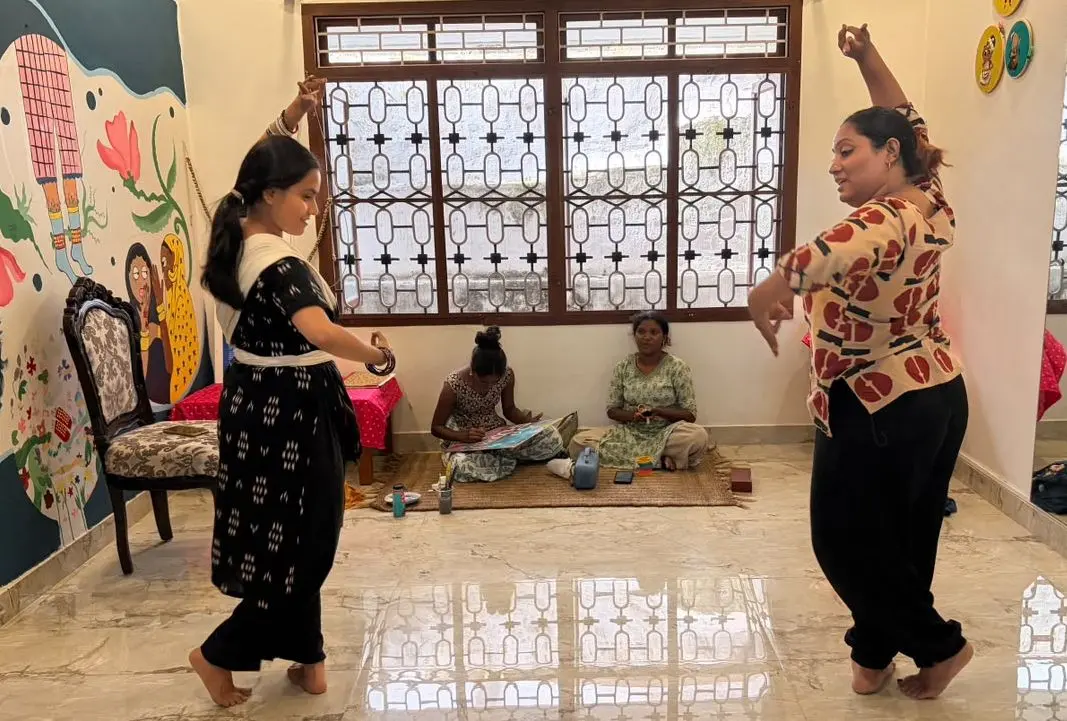
We are rethinking how to introduce traditional art forms to children. We want these sessions to be interesting, easy to follow and enjoyable. We are drafting and refining the syllabus. We are looking again at how we structure and share the art forms. We are exploring new activities, exercises and ways of showing movement and ideas. We are trying new activities and ways of helping children join in. We are thinking about how to present traditional movements and ideas. We want children to understand them, enjoy them and connect with them.
Building rhythm and co-ordination through revision
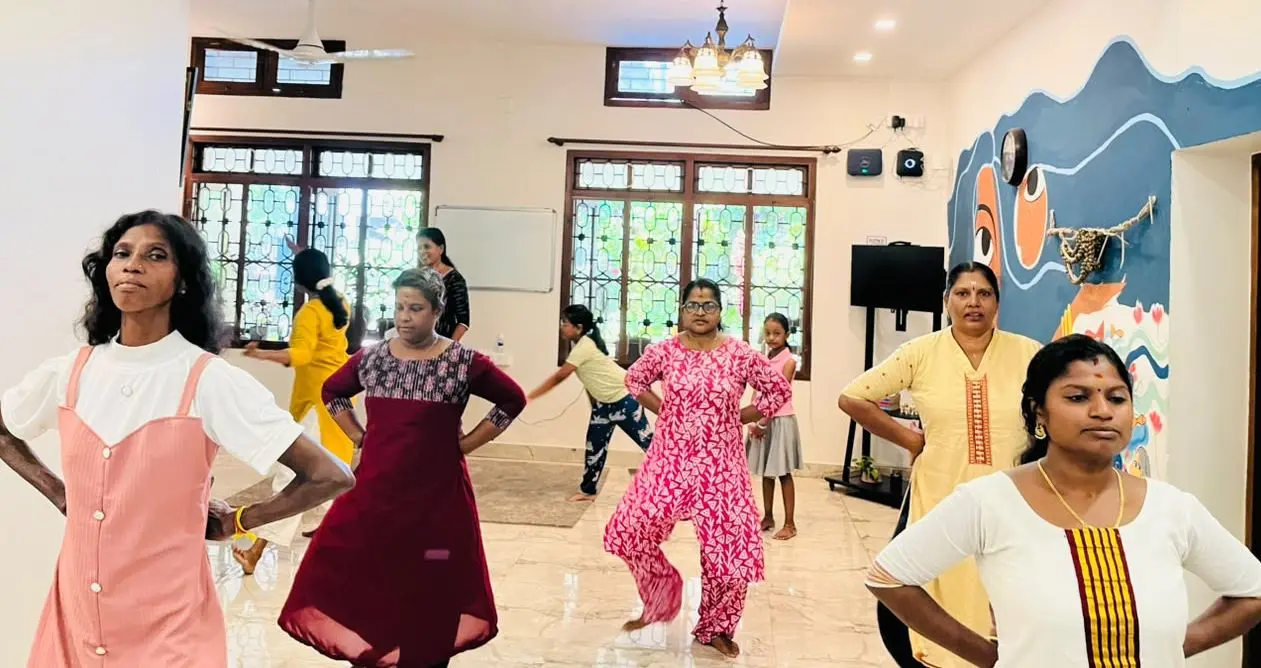
On Sunday, most students were absent, so I used the class to revise Adavus and Mudras and introduced basic Chollu and Thalam. This helped me realise the importance of changing my lessons to fit the students' needs and giving them enough time to develop rhythm and co-ordination. I learned that even a small class can be a valuable opportunity to observe and support each student.
Breaking down Nattadavu: building co-ordination step by step
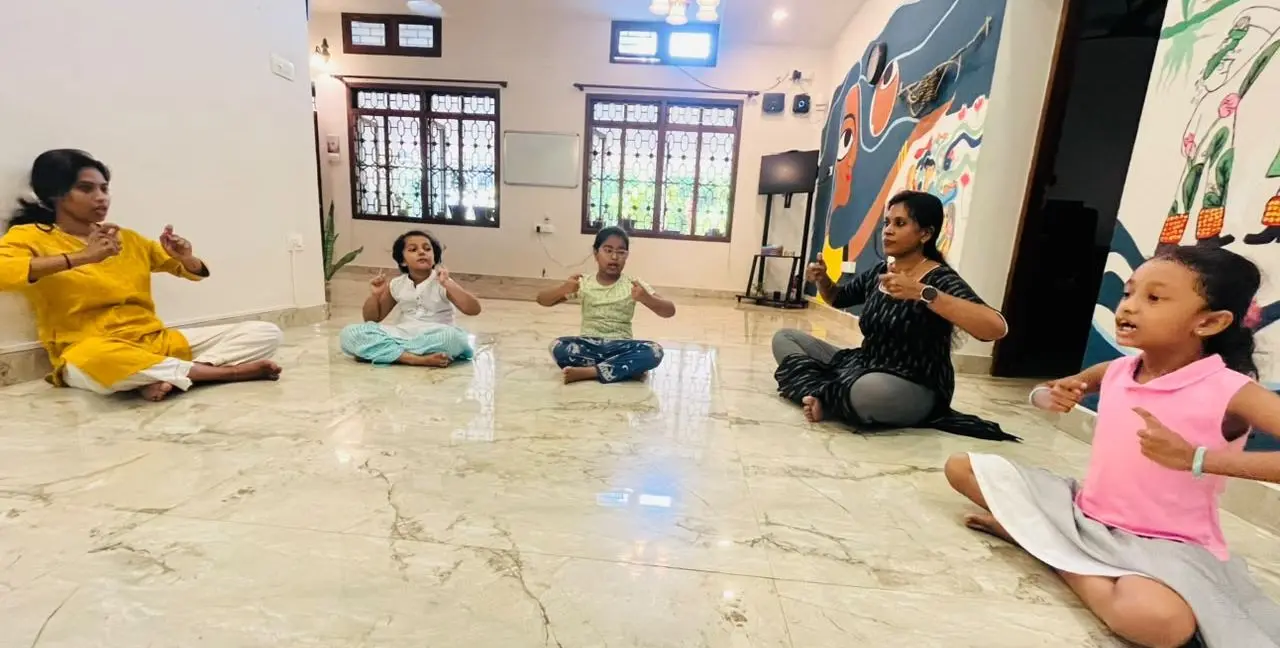
The students found the adavu Nattadavu difficult to understand, so I started with the leg movements separately. Once the steps were familiar, I added the hand movements. The students struggled to co-ordinate both movements at the second and third speeds, so I spent more time on the leg movements. This taught me that breaking down difficult movements into simple parts helps children learn more effectively.
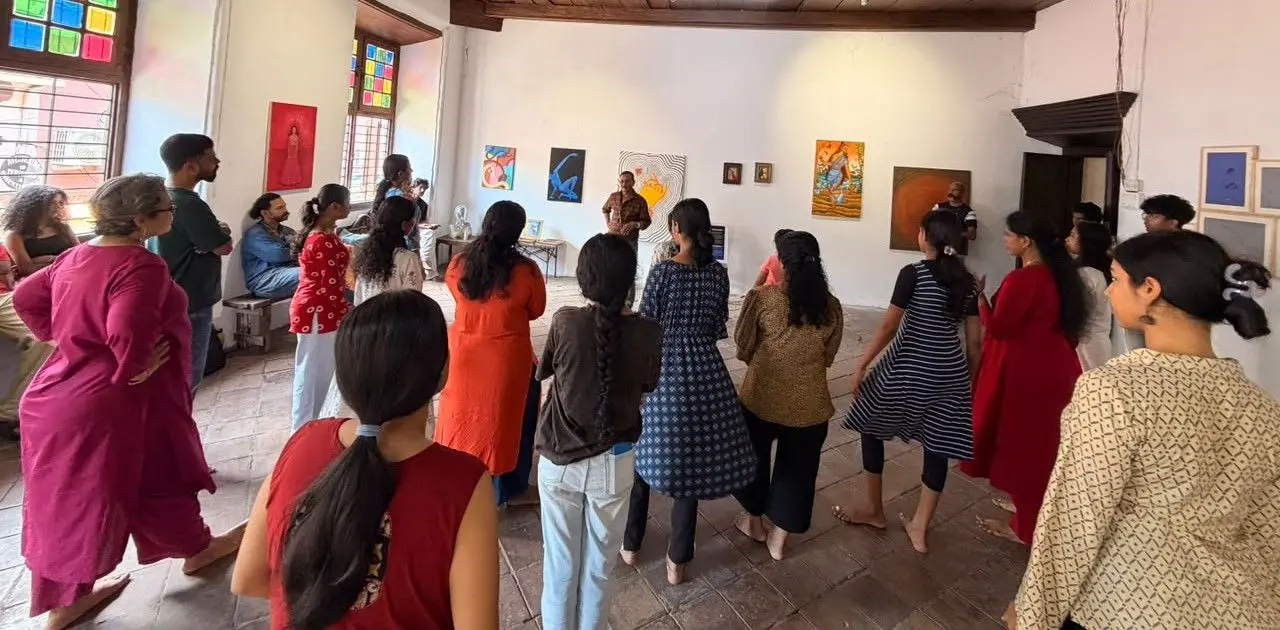
Chavittunadakam workshop, Mattancherry
Thudippu invited me to conduct a Chavittunadakam workshop on the 26th. It felt special to me. The workshop brought together children, adults, women of different age groups, and many people who are actively involved in the arts. Everyone participated so wholeheartedly — listening, asking questions, engaging, and learning together. I truly hope that each person who was there took away something special from the experience. For me, this was one of those days that will remain special in my life. The love, encouragement, and kind words I received from everyone meant so much to me. If anyone comes forward in future, I would be more than happy to work with them and be part of it. They may want to learn more about Chavittunadakam, talk about it, or organise something connected to the art form. — Kalashri Britto Vincent
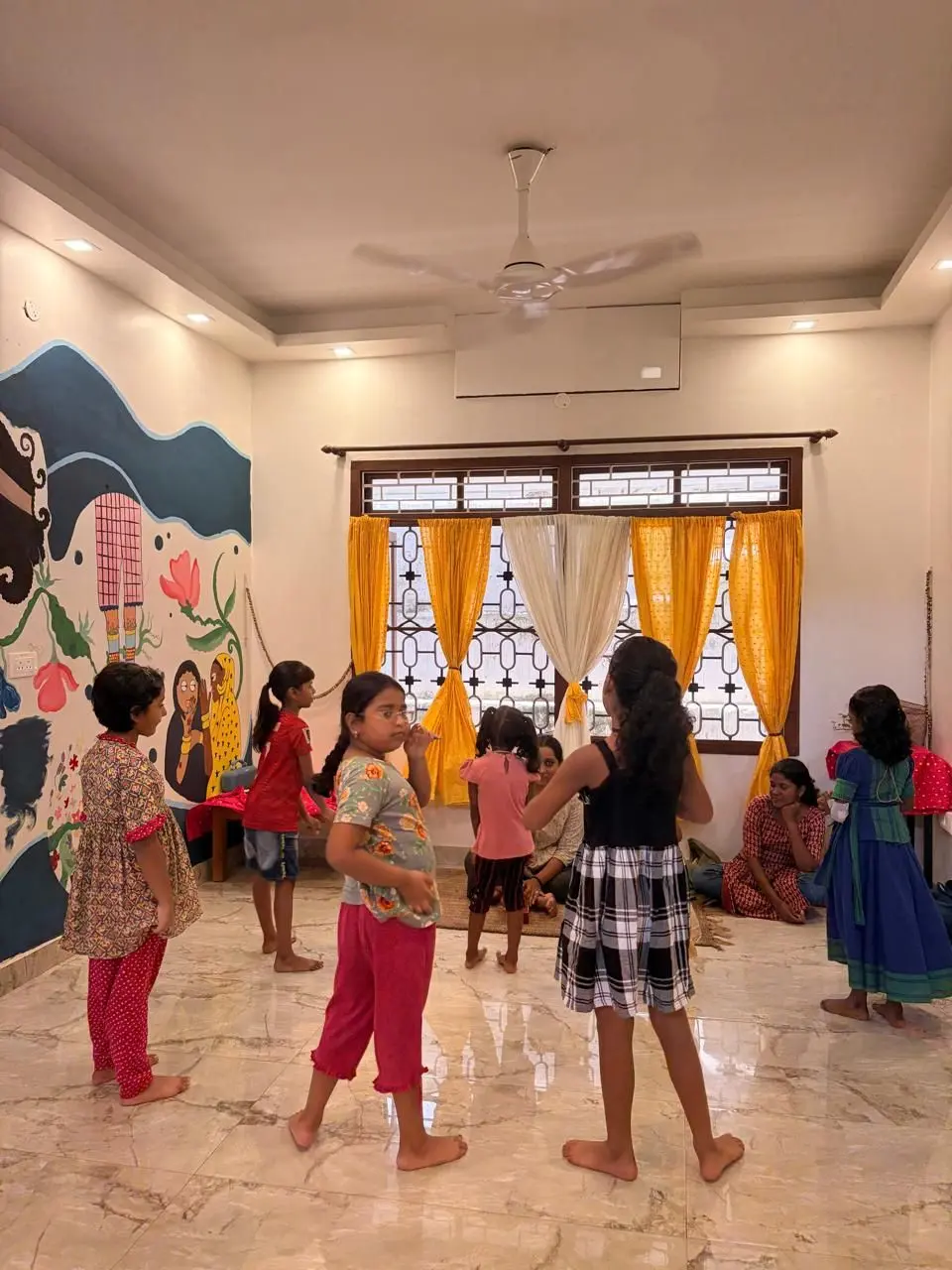
A beginner's first Sunday in Bharatanatyam
This Sunday started like a regular practice day. Our students practised what they had learned the previous Saturday, Kuthithu Mettu Adavu. They repeated the steps until their bodies slowly remembered them. Then three new members walked in with warm smiles and joined our community class. The first day was always a mix of emotions. There was excitement and curiosity. There was also a little nervousness and, of course, the pain of making those first few movements. They learned their first Namaskaram. They also got a little introduction to Bharatanatyam and its history. The class took small steps, with lots of repetition. There were a few mistakes and plenty of smiles. That is the beauty of learning. Everyone starts somewhere. For them, this Sunday was simply the beginning.
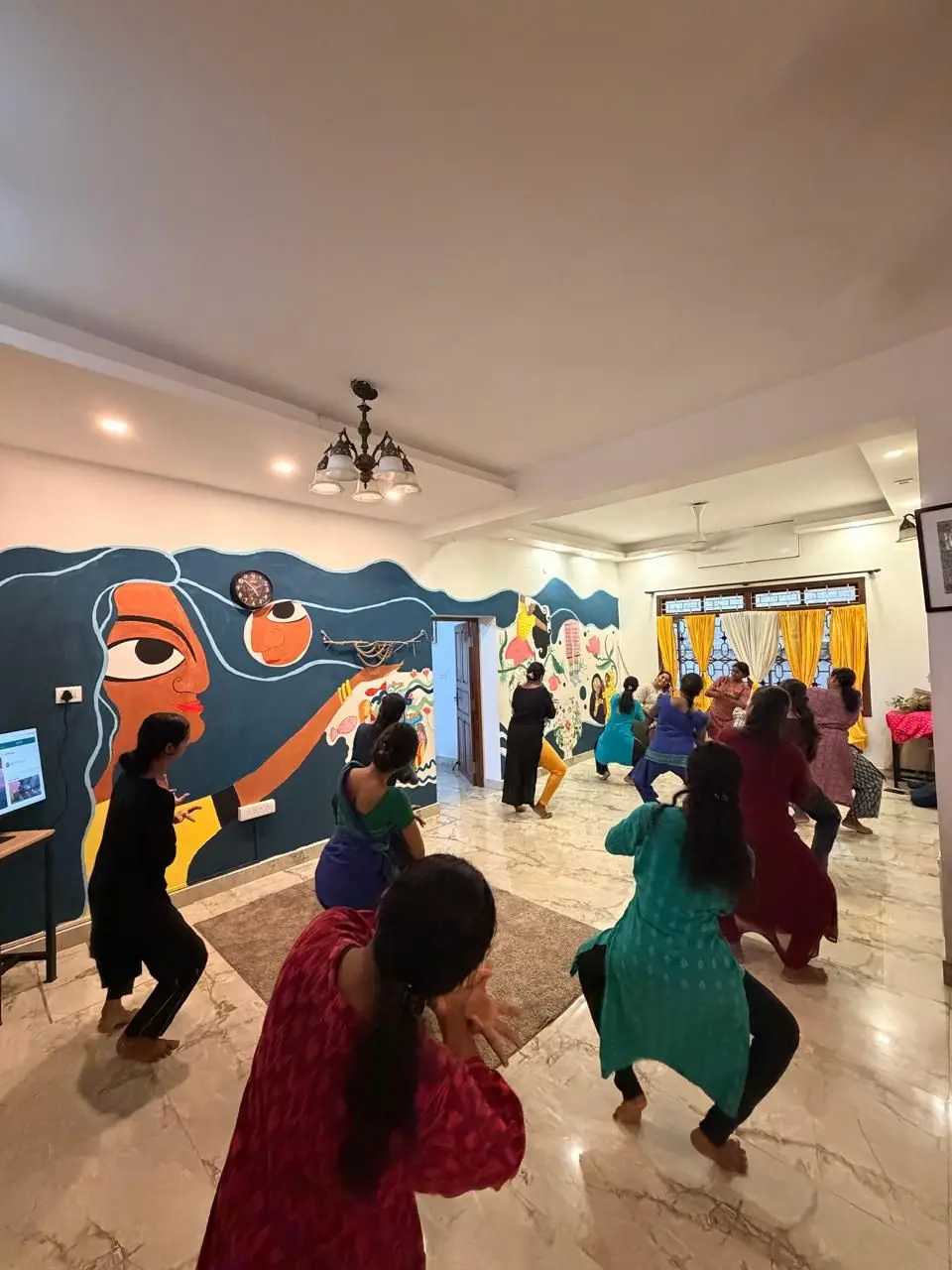
Senior faculty's session on Kuthithu Mettu Adavu
Saturday’s class turned into something really special, quite unexpectedly. We had been wanting our senior faculty, Ponnu Sanjeev, to take a session with the students for a while, and this time it just happened naturally. It wasn’t planned, but the students really enjoyed having a different teacher and a different way of learning. They worked on Kuthithu Mettu Adavu, focusing not only on getting the steps right but also on understanding what happens within the body while doing them. Ponnu introduced them to new techniques and helped them work on balance, control and core strength through the adavu itself. It was lovely to see the students listen, try, make mistakes, try again, and slowly find their balance. More than just learning a new adavu, the session gave them a chance to experience the movement differently. Sometimes, the best classes are the ones that happen without much planning a little change in the room, a new perspective, and a lot of learning.
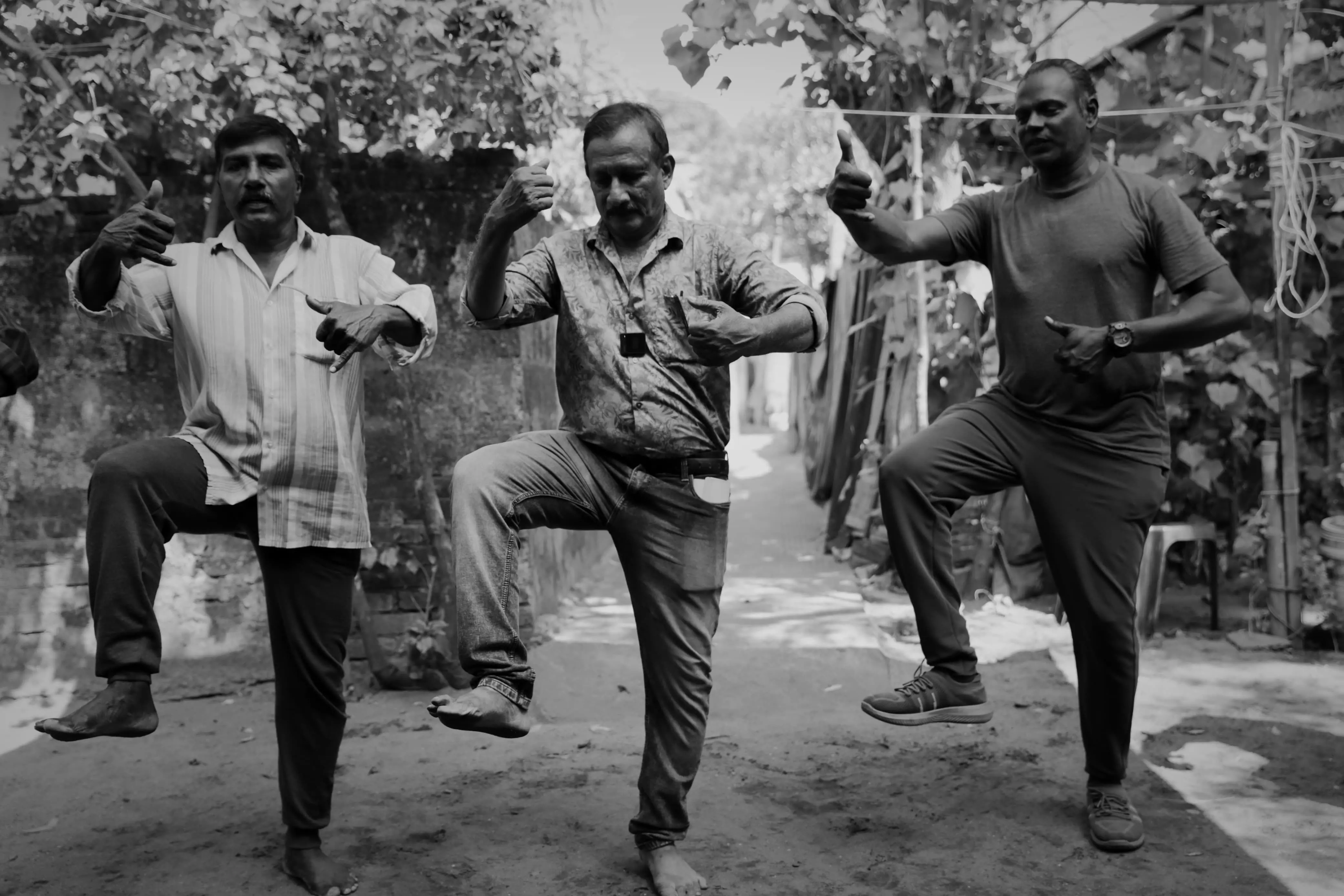
Our work with Chavittunadakam: learning, connection and support
Some connections begin with a performance, but grow through everything that happens beyond the stage. Our time with Cochin Chavittu Nadaka Kalari goes back nearly two to three years. It includes Britto Ashaan and the team. Over time, it has become a continuous exchange of learning and working together, with shared experiences. This connection began in a special way. Chavittunadakam was the first art form we celebrated through Friends of Thudippu.
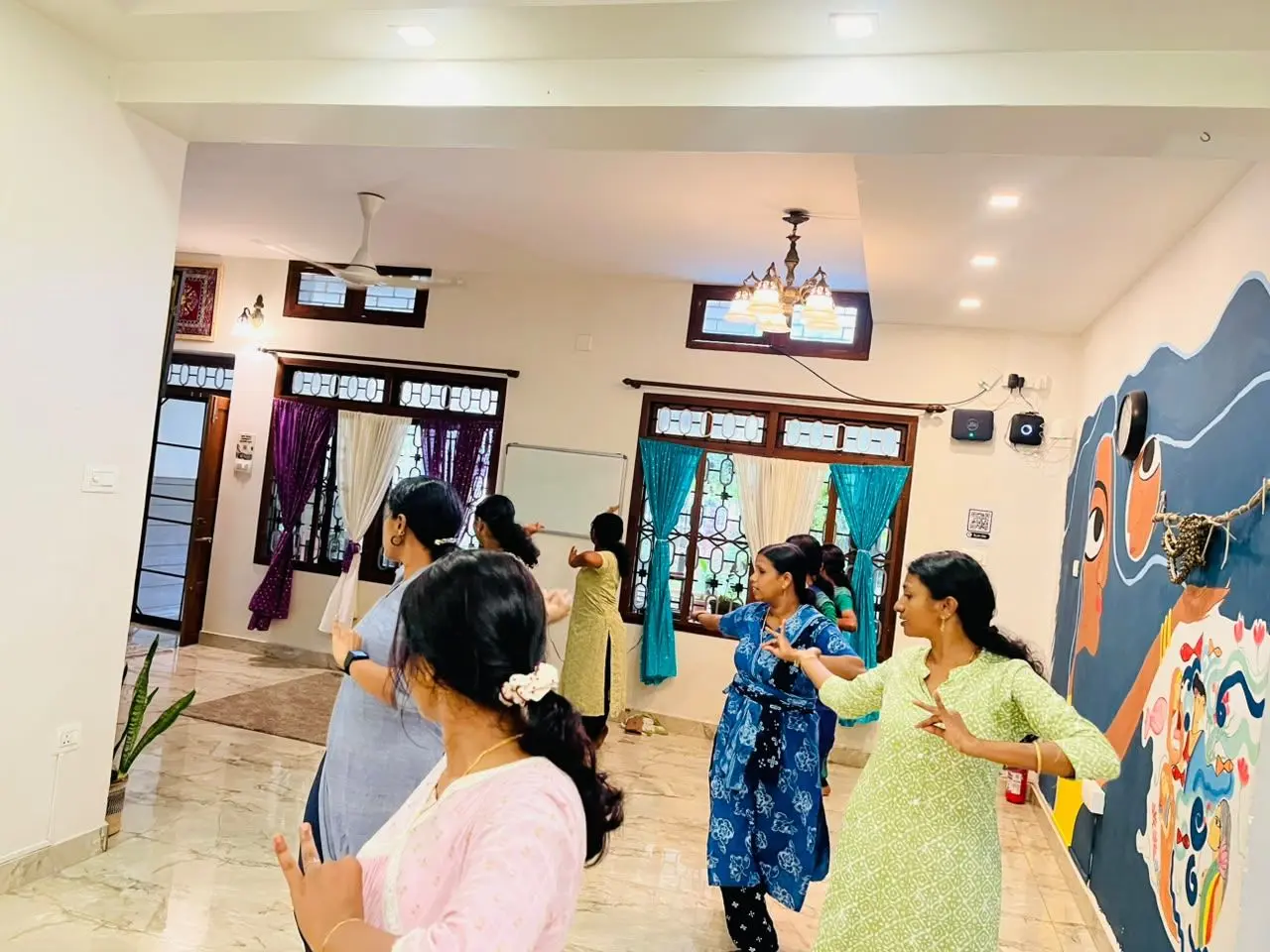
Applying spatial awareness to Bharatanatyam
The Sunday class focused on directions and spatial awareness. These are important parts of learning dance. The students practised the "Tha Thai Thai Tha" adavu. This is the third set of steps in Bharatanatyam. They faced an interesting challenge. I demonstrated the movements facing them. Many students tried to mirror my actions. But in this exercise, they often needed to move in the opposite direction. This caused confusion. There were mix-ups with right and left turns. We did not see these mistakes as a problem. We used them as a learning opportunity. We discussed what was happening and tried different approaches. We also practised repeatedly. Sometimes I turned around and demonstrated with my back to the students. At other times, they consciously tried the opposite side. This helped them understand the directions better. Slowly, the students began to figure it out. By the end of the session, they moved with more confidence and awareness. We learned that learning dance is not just about memorising steps. It is also about understanding space and directions. It is about learning by trying things and fixing mistakes.
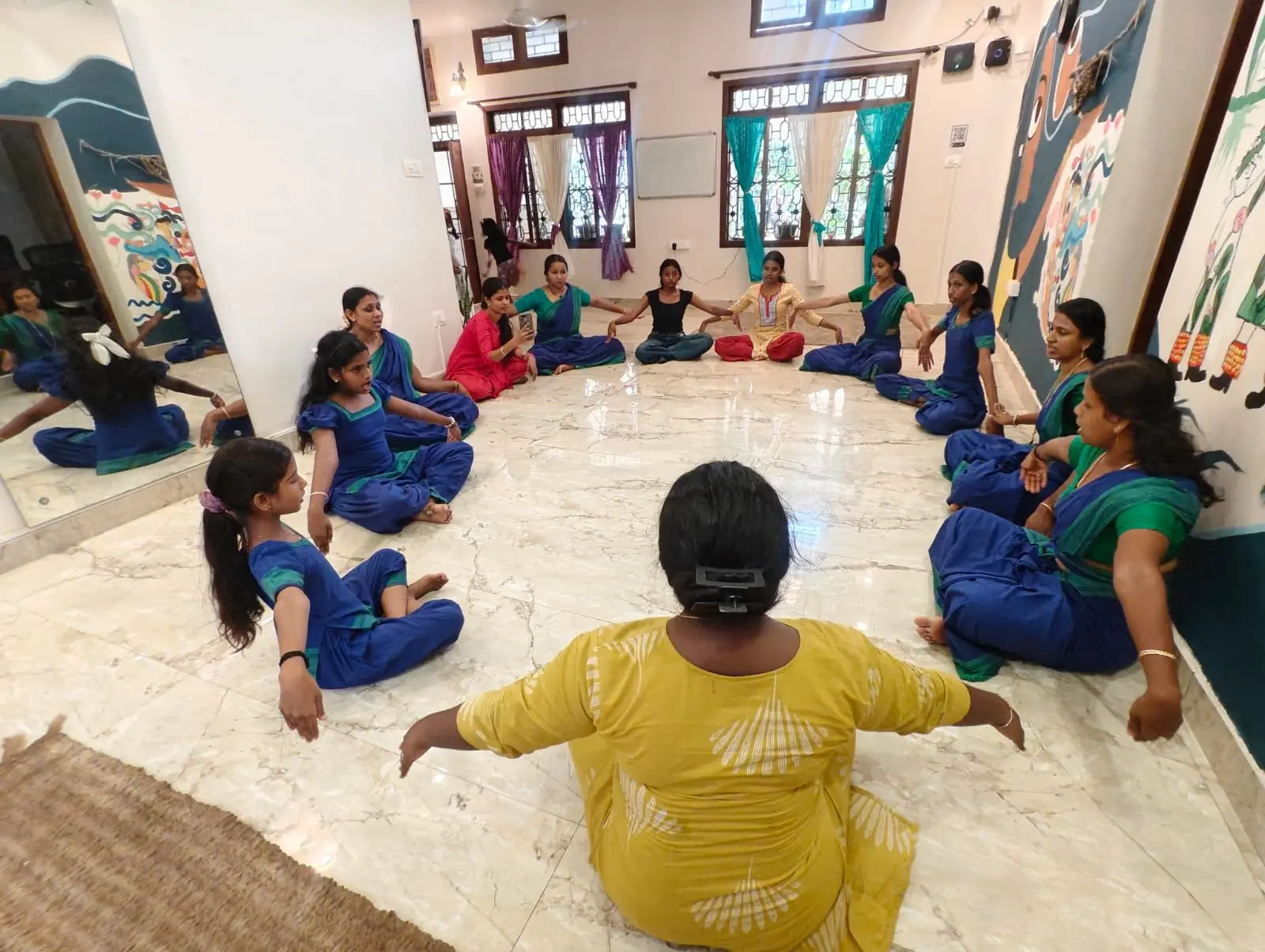
Aparna introduces Mudras and Sanskrit to students
On Saturday, Sept. 12, 2026, Aparna focused on the fundamentals. She led the students through Thattadavu and Nattadavu. She explained why these basic steps build a strong foundation in dance. After working through the adavus, the students moved on to the Mudras. The movements interested them, but remembering and pronouncing the Sanskrit names proved difficult. Some students hesitated when the unfamiliar words did not come easily. Aparna had a simple solution: repetition. She kept encouraging them with the same words again and again: "Guys, repeat, repeat and repeat. You will remember." She did not expect them to get everything right at once. She gave them space to practise, make mistakes and try again.
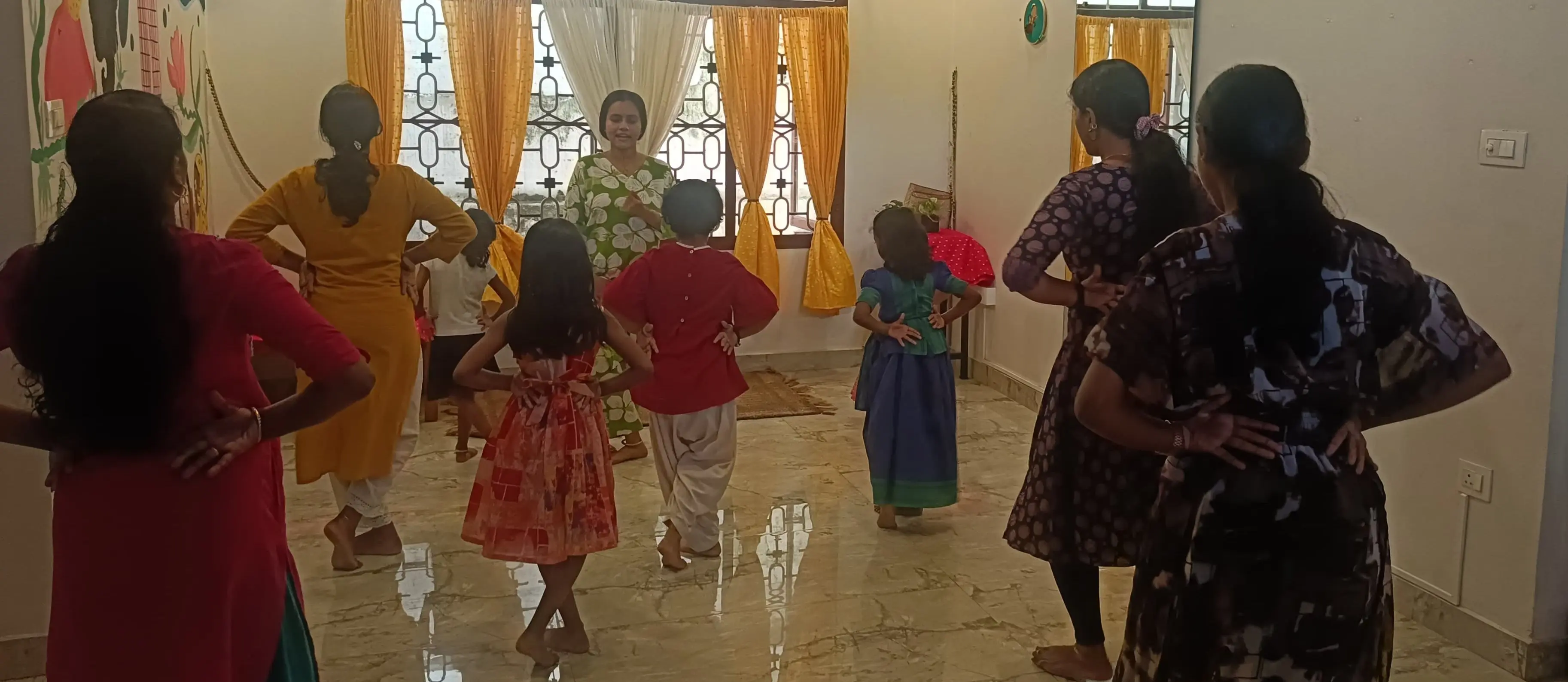
Dance students move into adavu and mudra practice
Community dance classes are moving into a more technical stage. Students are practicing adavus and mudras. These are some of the more demanding parts of Bharatanatyam and Mohiniyattam. The sessions focus on posture, hand movements, and coordination. Students get the basics right through repeated practice.
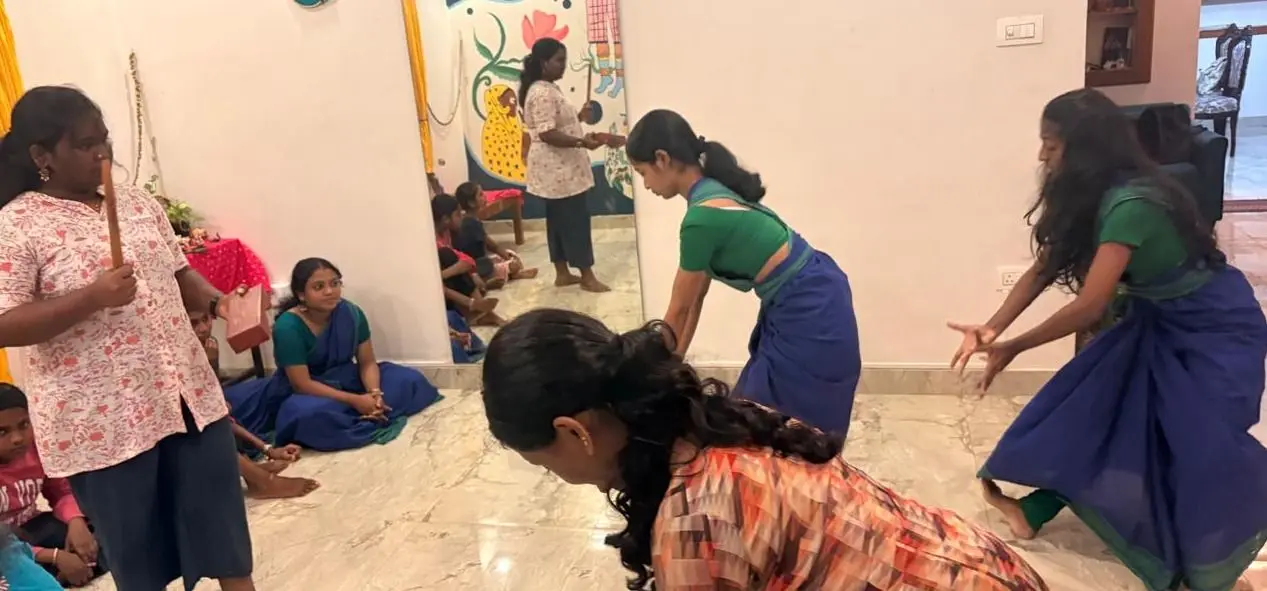
Community dance classes move into abhinaya practice
The Thudippu team ran the community dance classes. They split them into children's and adults' sessions. Aparna now works with both groups on more technical dance, including abhinaya, expression and communicating emotions through movement.
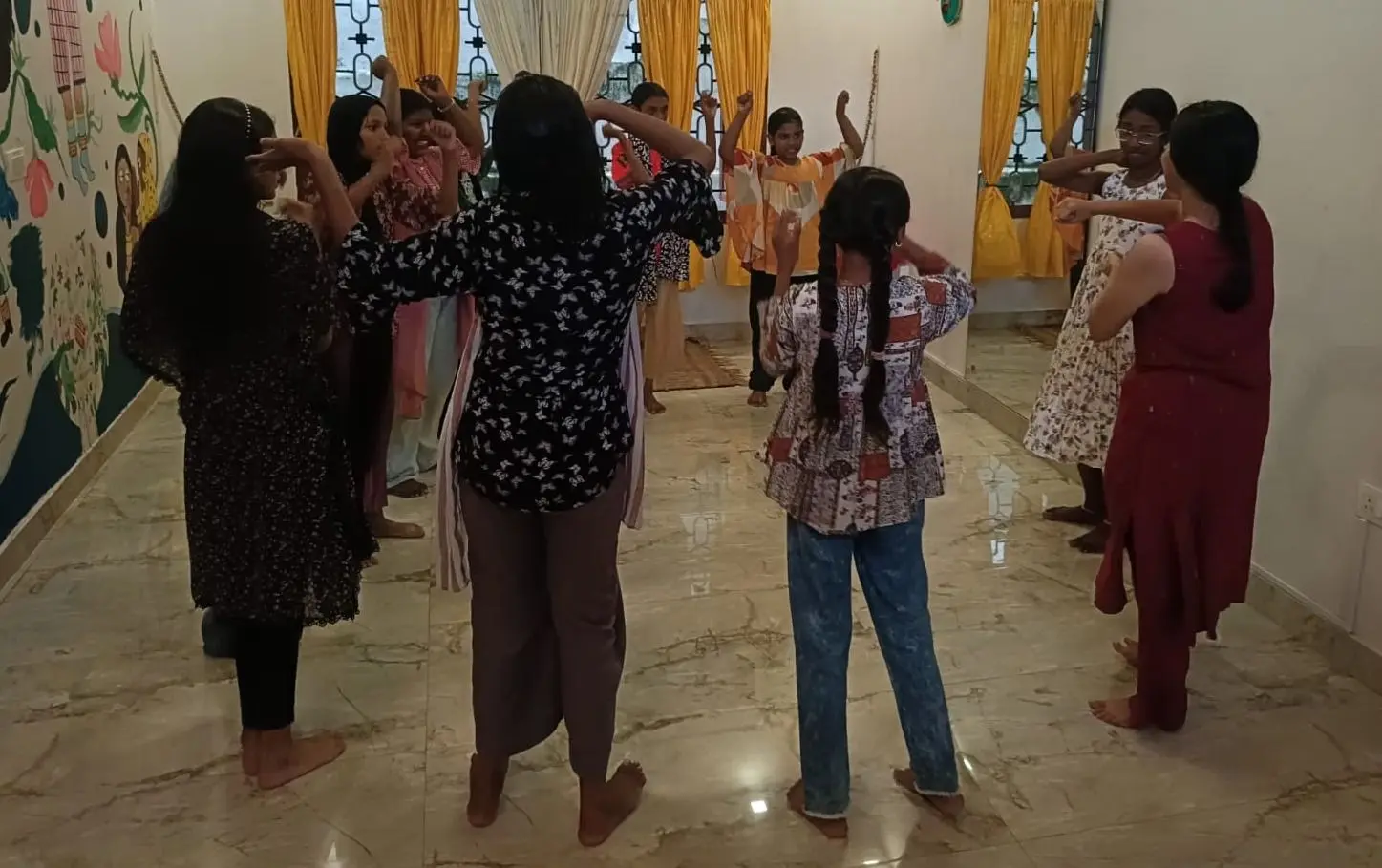
Community students practice for an upcoming program
Community students met at aikyam space for dance practice. They were getting ready for an upcoming program. The sessions gave the group more time to learn together and support one another. They also built stronger connections through regular practice.
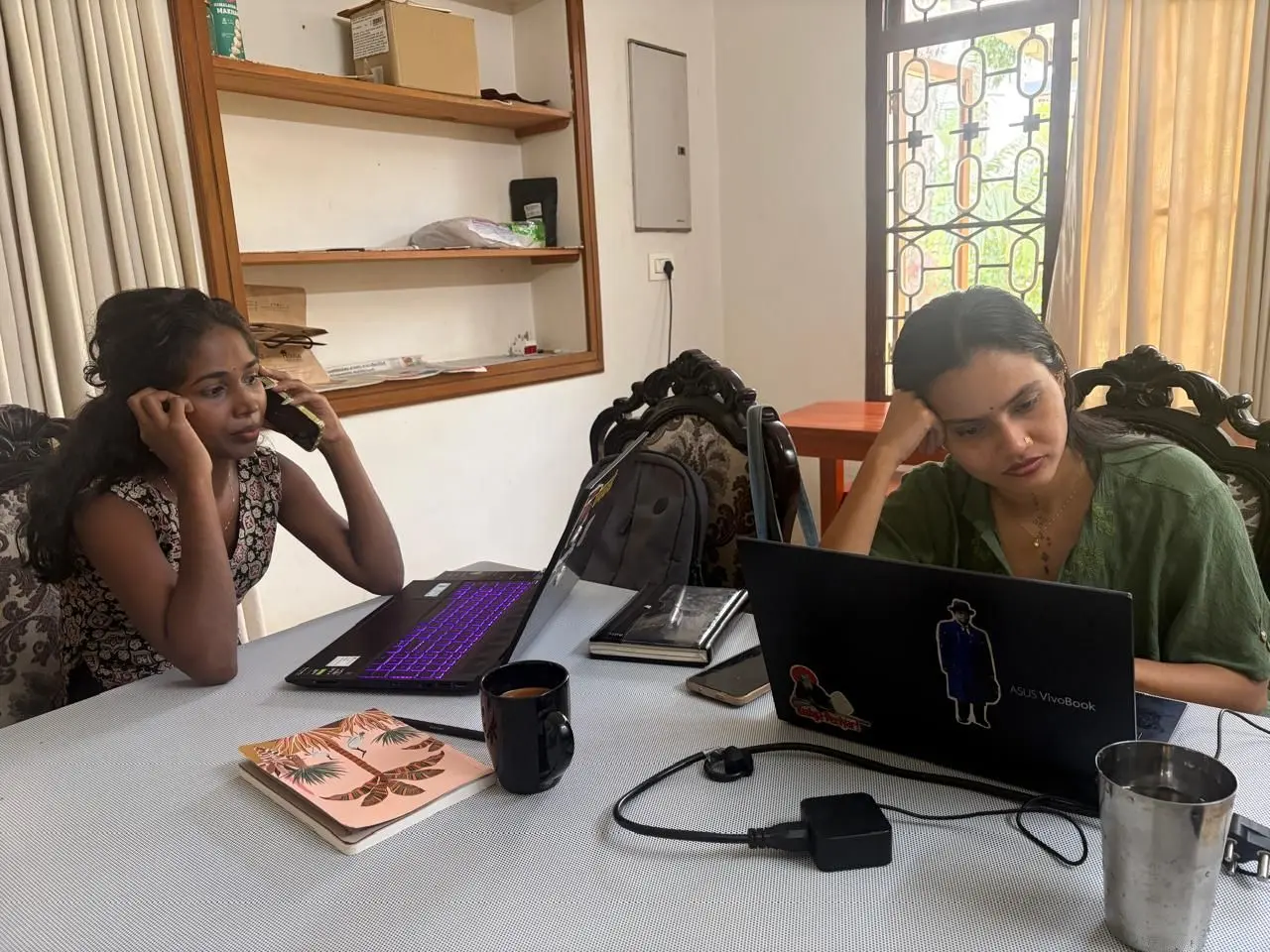
Thudippu team meets to plan community activities
The Thudippu Dance Foundation team met at aikyam space for an internal meeting. They planned future activities and talked about their work with the community. They want to keep helping the community through dance and related programmes.
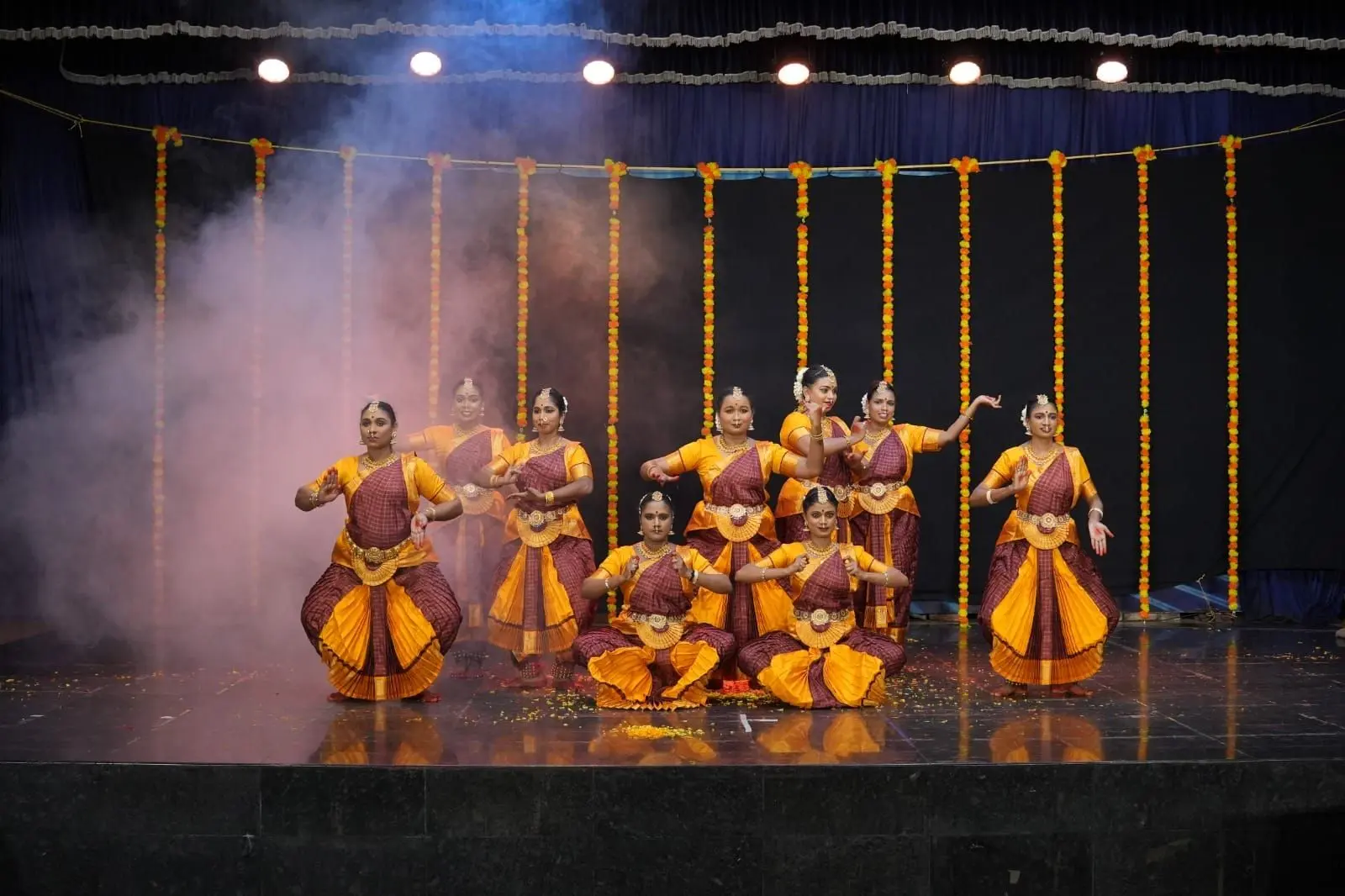
The dance group met after their first stage performance
After our first stage performance, we met at aikyam space to share our experiences and feedback. The talk gave everyone a chance to celebrate what went well. We also thought about what we could do better. We learned from the experience together. Now we are preparing for future performances.
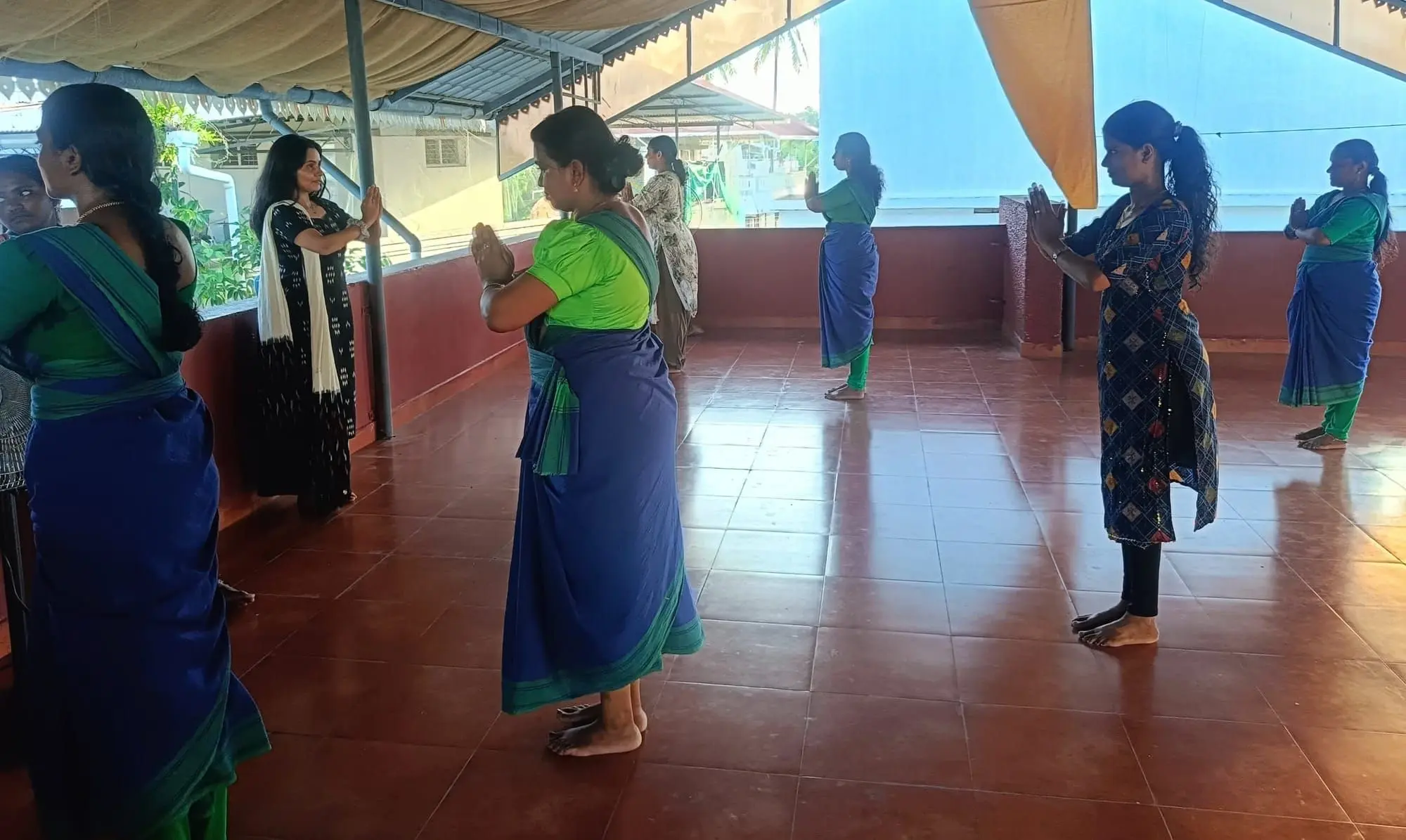
Dance class went on practising
The community dance class went on with regular practice. The dancers got ready together. They felt more sure of themselves in every session.
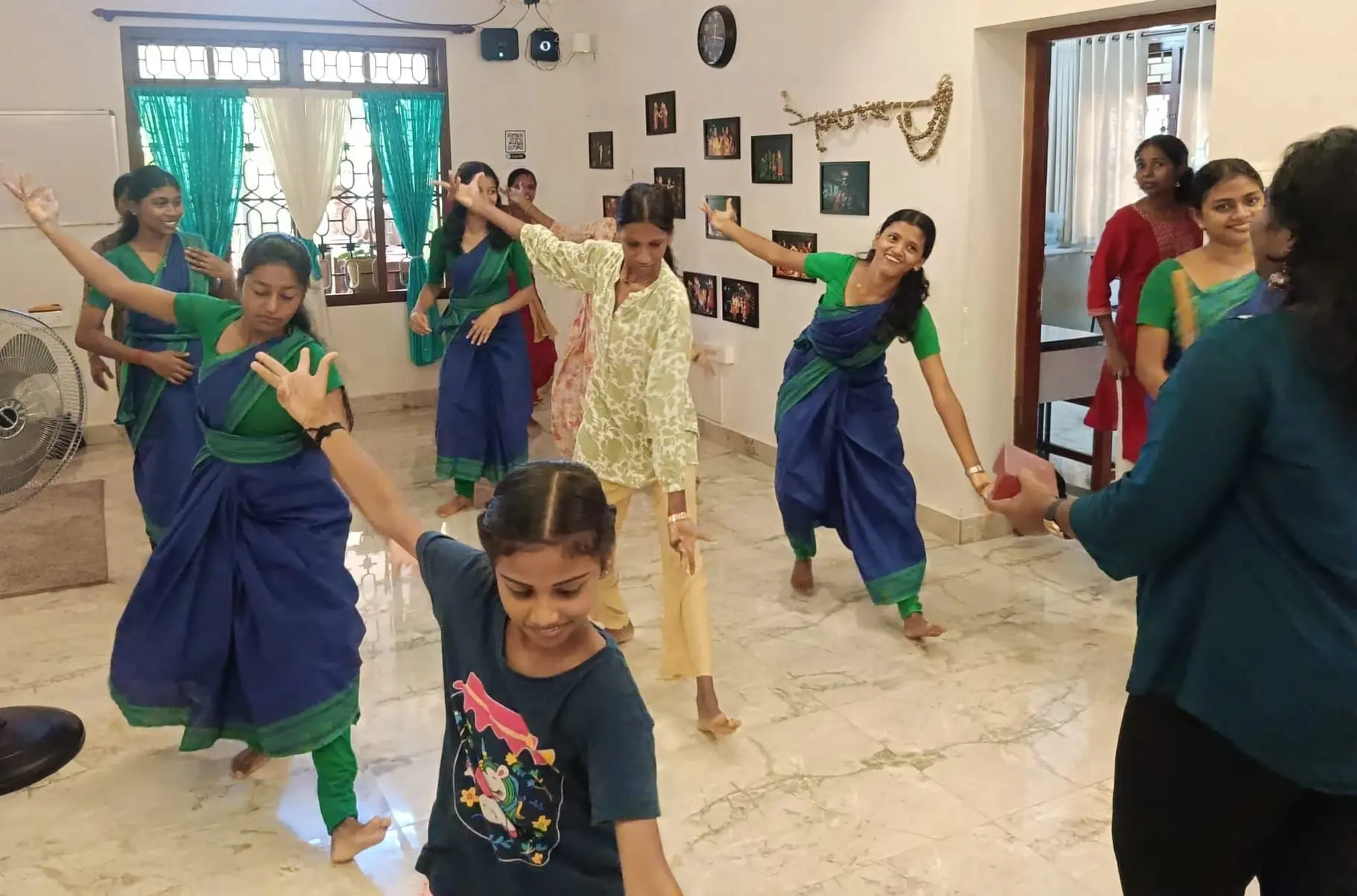
Rehearsals began for a performance in August
Community members practised hard for the performance in August. We improved our confidence, co-ordination, and stage presence. We prepared together through regular rehearsals.
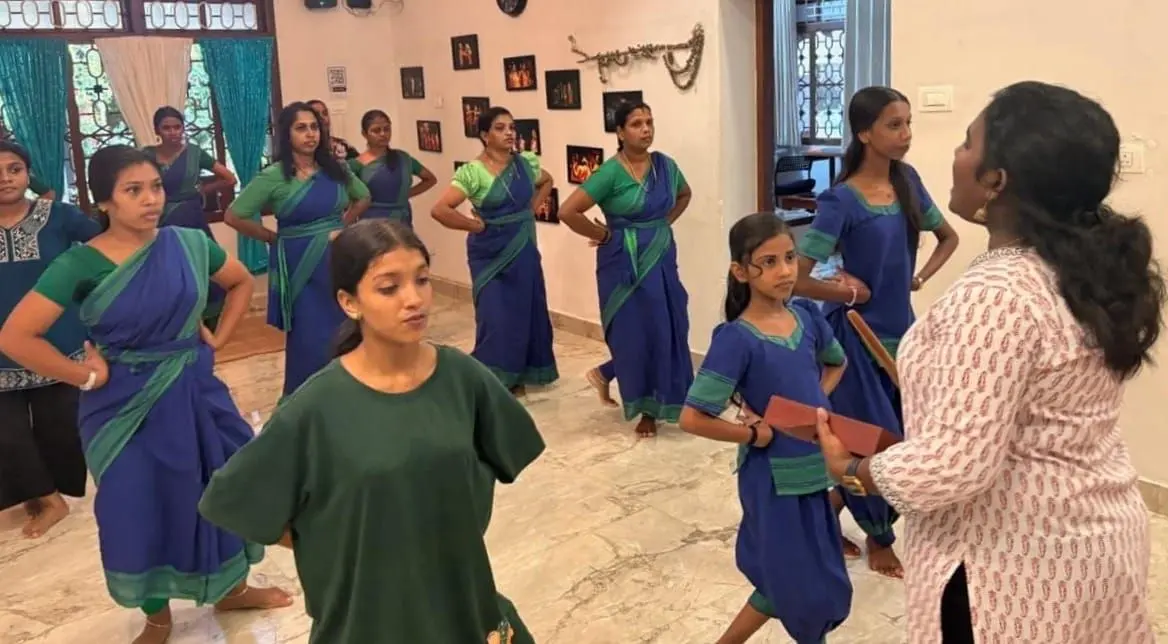
Thudippu students practised for their first stage show
Thudippu Dance Foundation spent the day practising with students for their first official stage show. We focused on improving co-ordination and confidence. We also worked on getting ready for the stage. It was exciting to see the students preparing together for this important milestone.
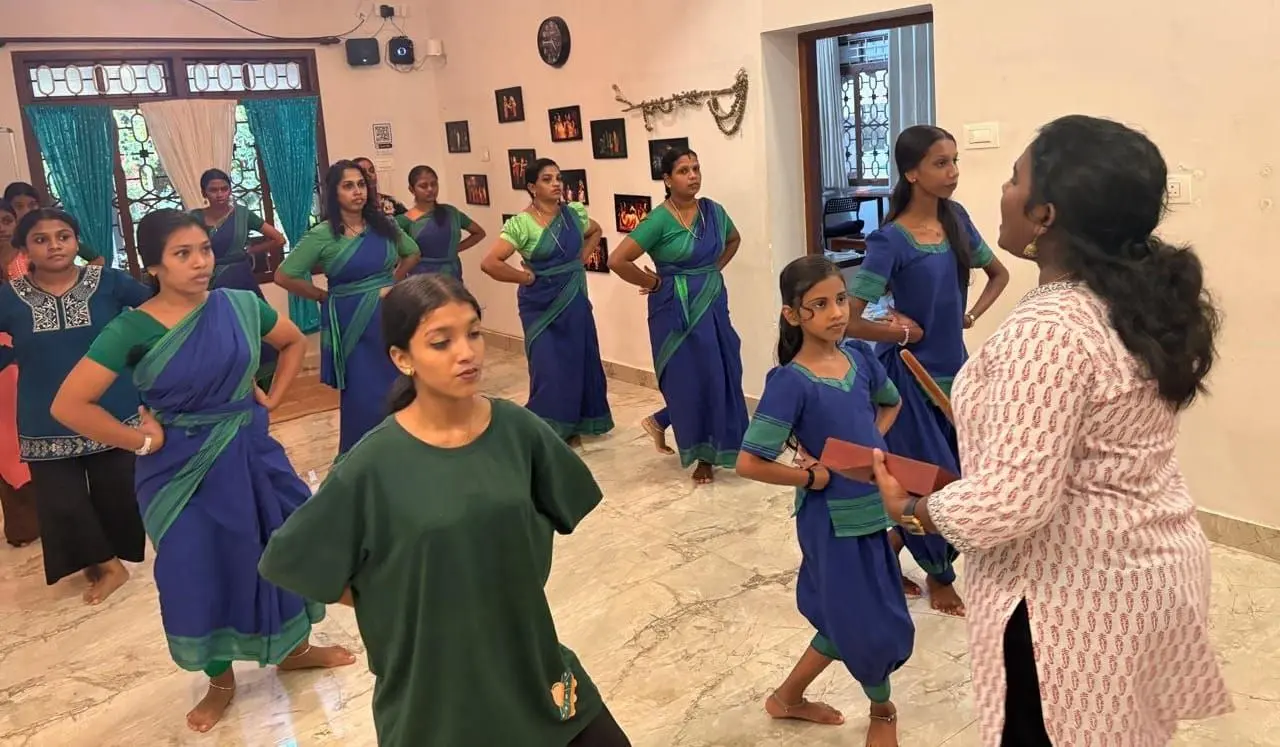
The community dance class practised together again
The community dance class continued. Dancers practised together again. They grew in confidence through regular learning and working as a team.
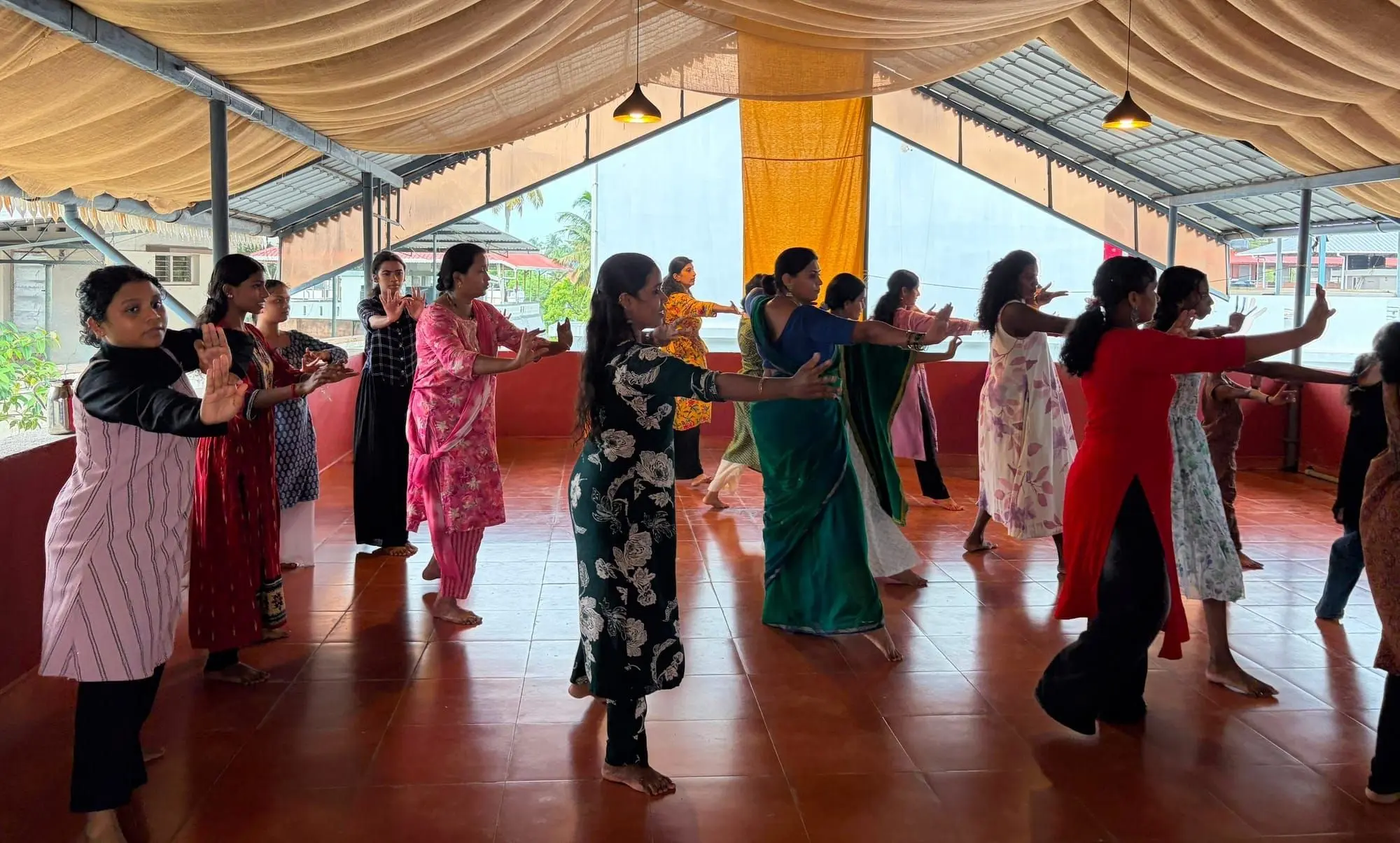
Students grew steadier with every dance practice
Students kept up their regular dance practice. Every session built their confidence. It built their co-ordination too. Their expressions grew with each session.
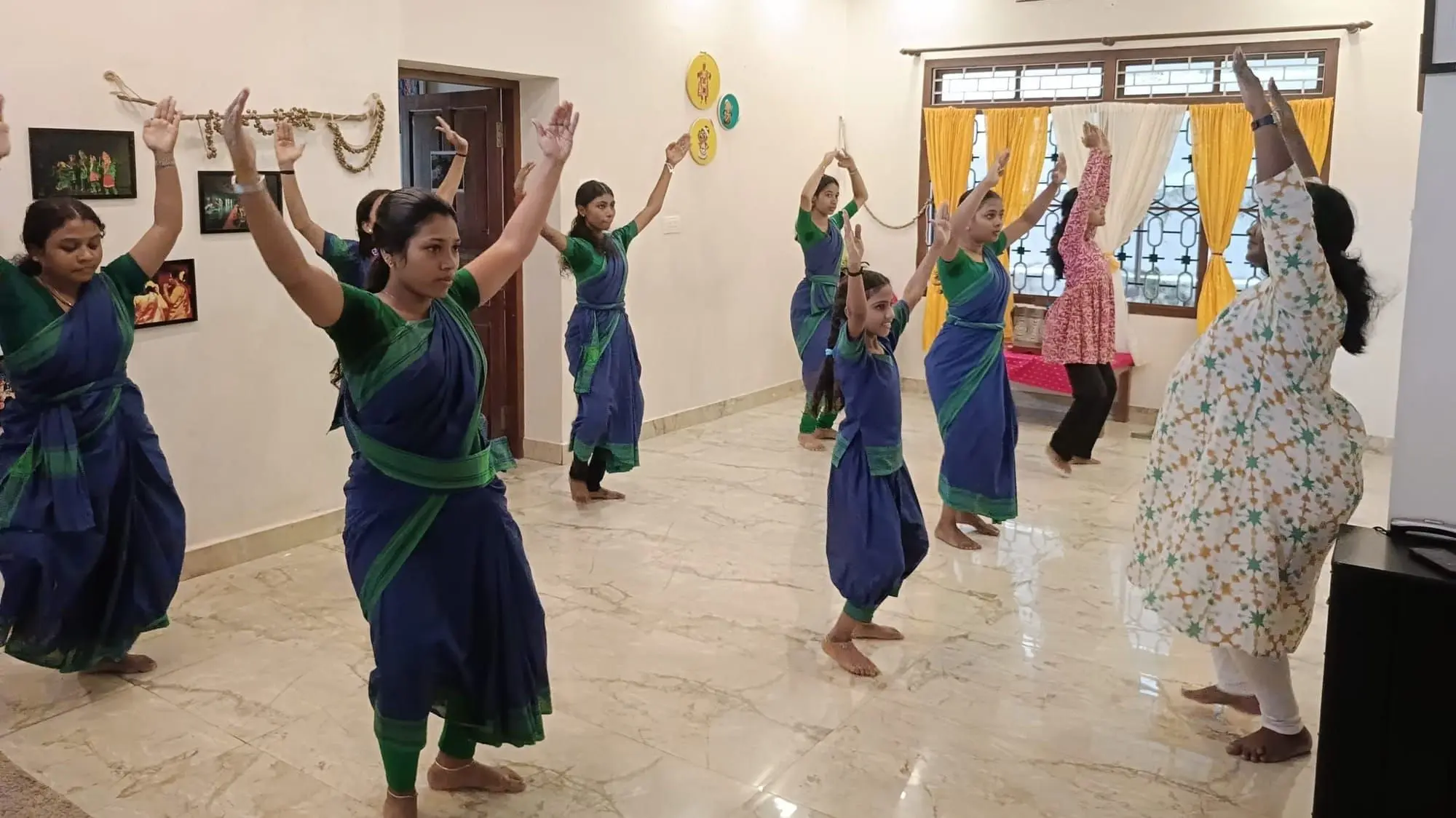
Dance class for the community met to practise
The dance class for the community met to practise together. It brought participants together to practise, learn, and build confidence through dance.
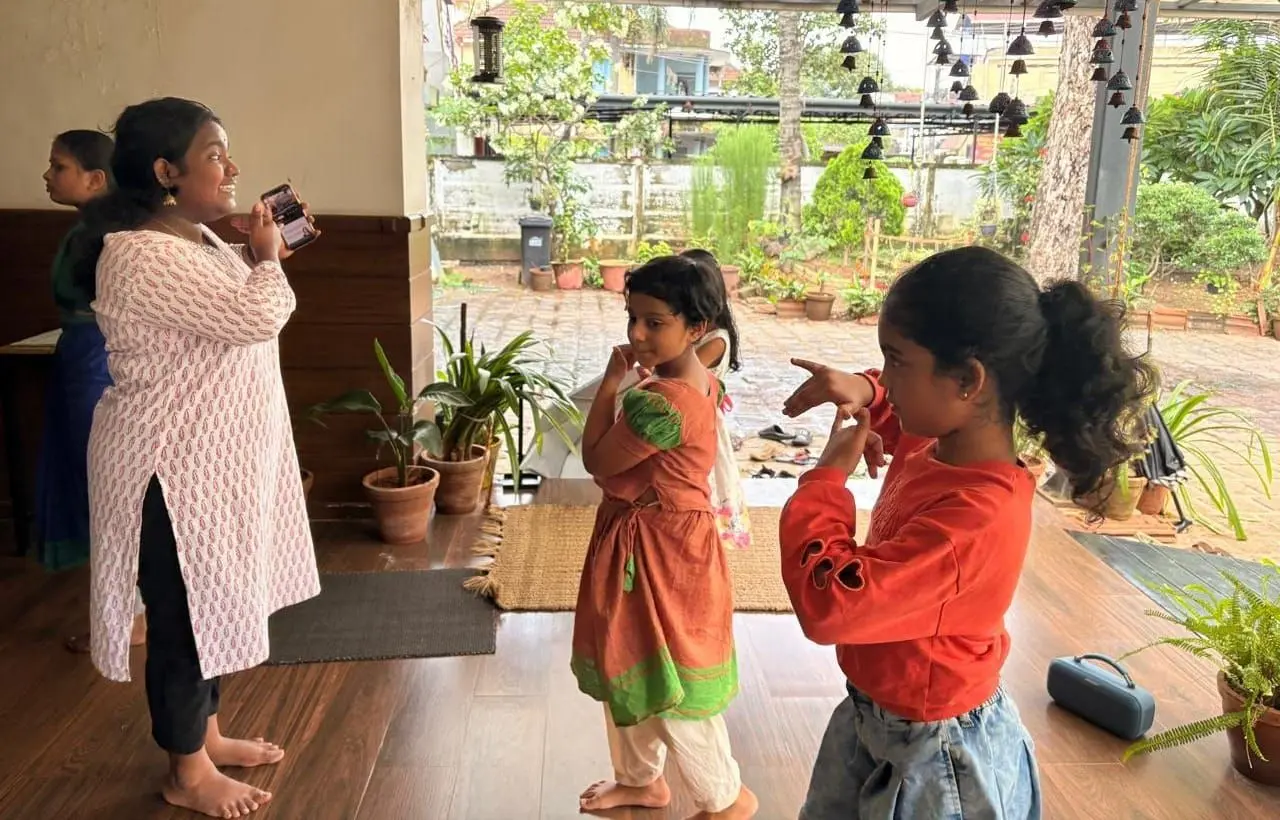
Thudippu ran a semi-classical dance workshop for all levels
Thudippu ran a dance workshop. It was semi-classical. People of all levels came. We gave them room to explore movement, music and self-expression. They learned together.
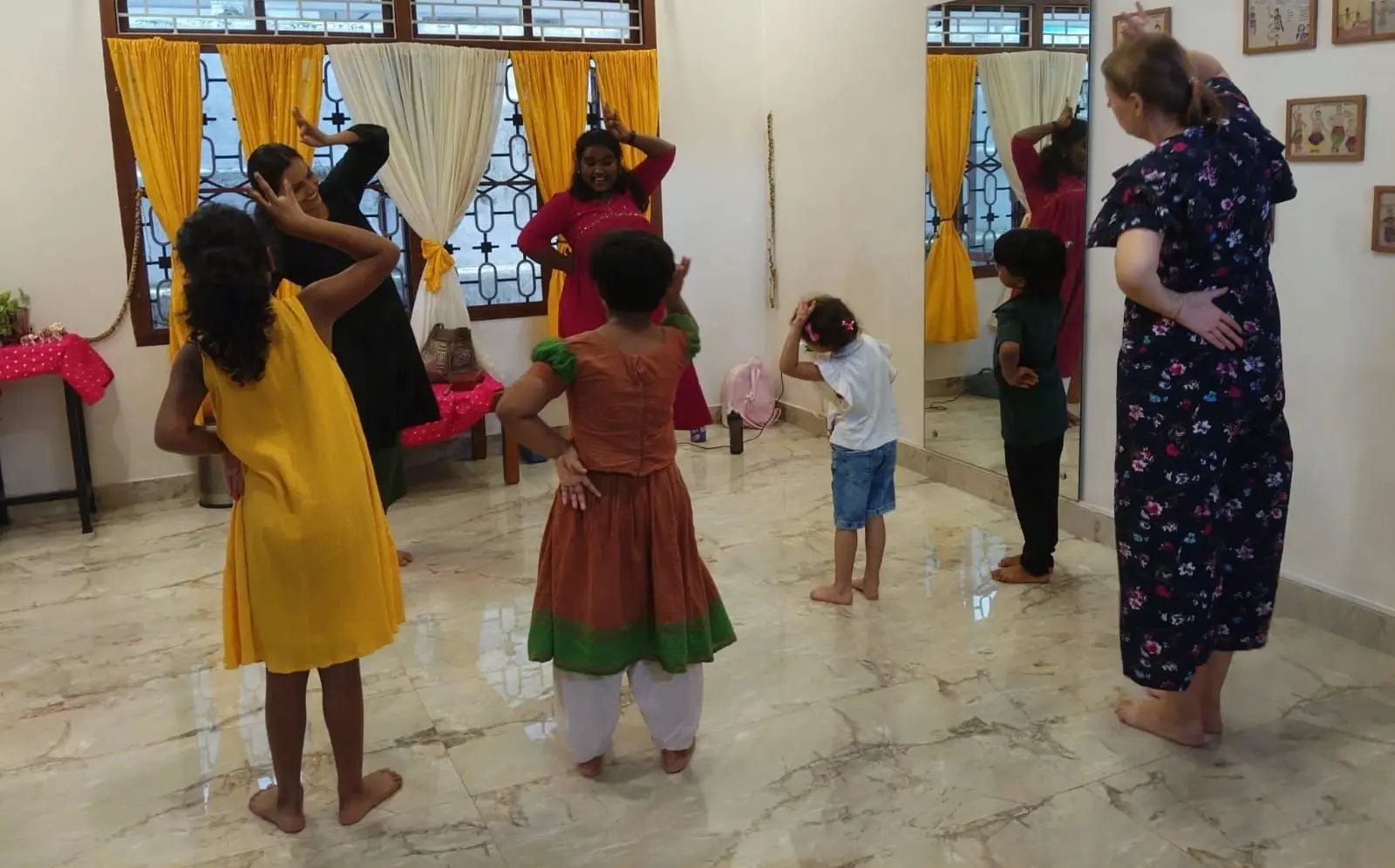
Kids' dance class worked on new steps
The regular kids' dance class continued on Tuesday, Nov. 14, 2023. Students practised new steps, expressions, and co-ordination. Regular practice helped them become more confident in a fun and encouraging environment.
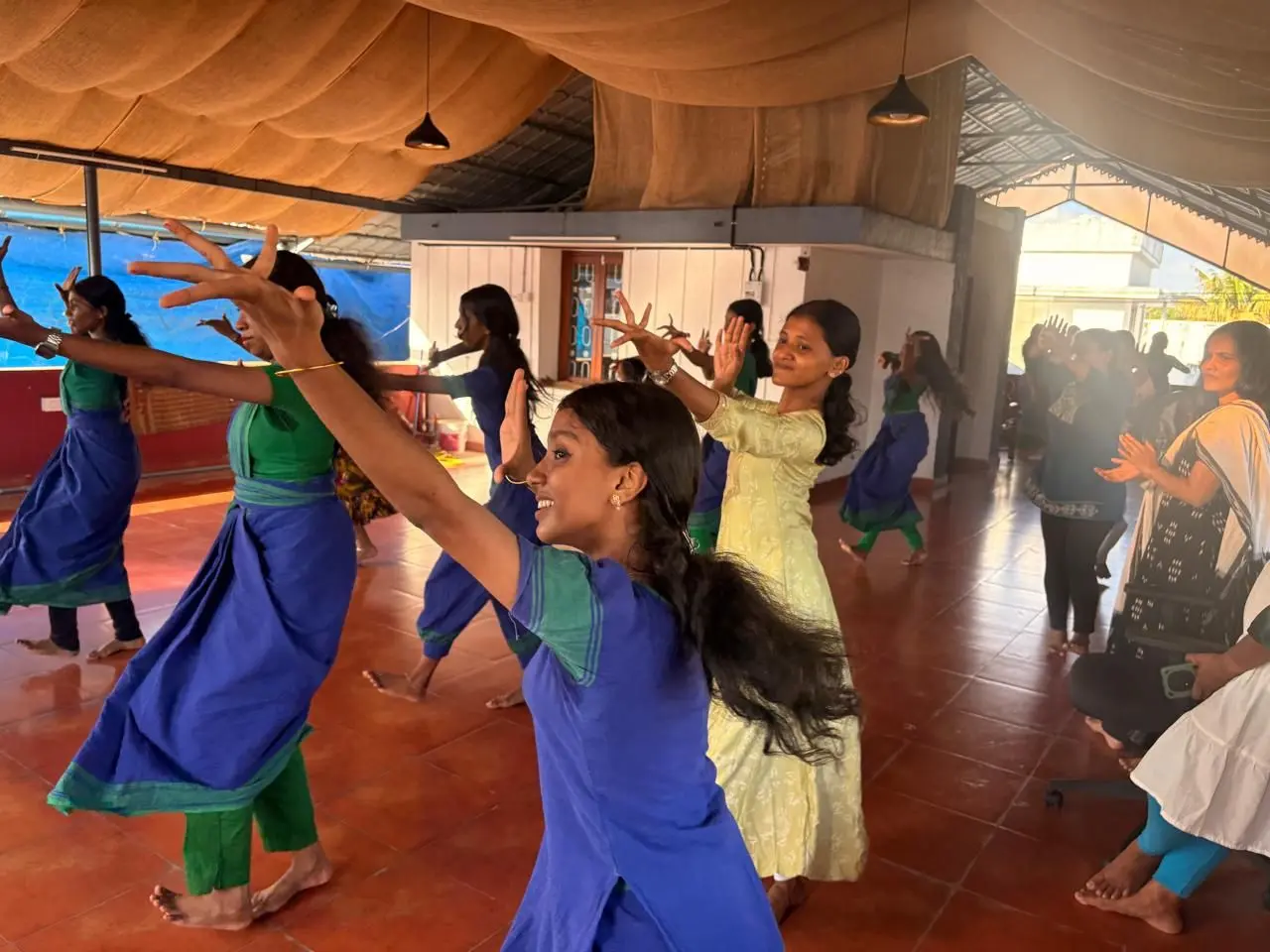
The dance club practiced movement and teamwork
The dance club kept up its regular practice. Members built confidence, co-ordination and teamwork through movement.
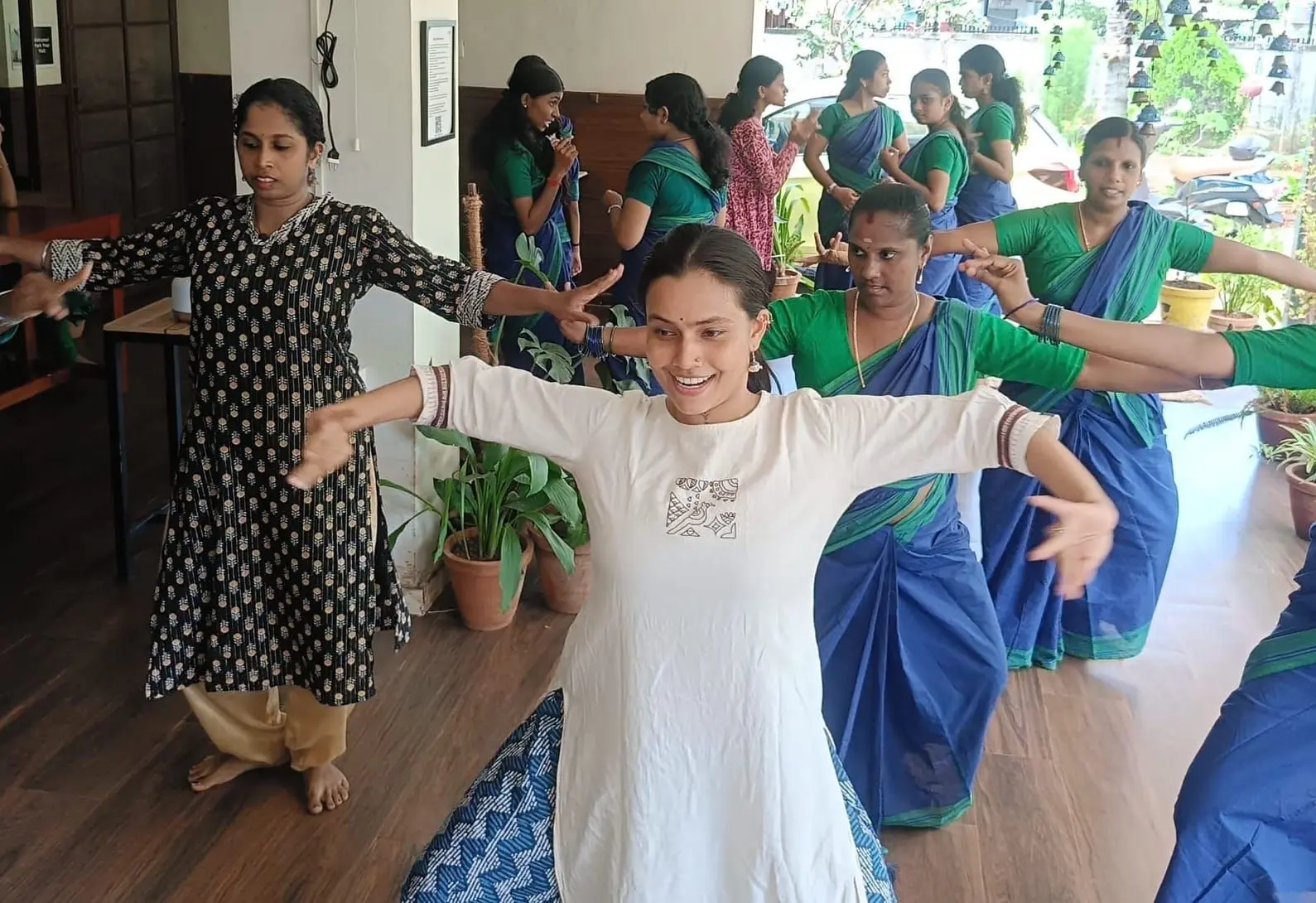
Steps, rhythm and expressions practised again
The regular dance class continued with students practising steps, rhythm, and expressions. Going to every class helped them become more confident and comfortable with each session.
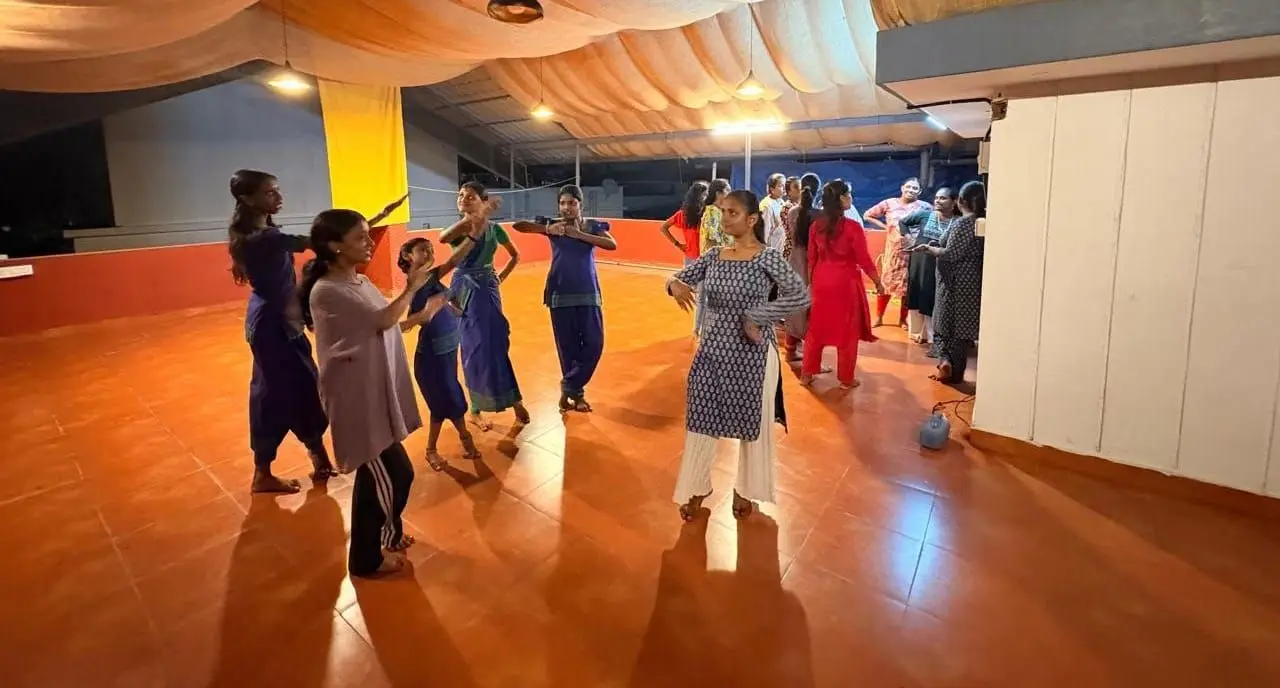
Dancers learned from each other in the group class
Dancers learned from each other in the group class. The community dance class brought people together to learn, practice and enjoy dance as a group. Regular sessions helped participants build confidence while learning from and supporting one another.
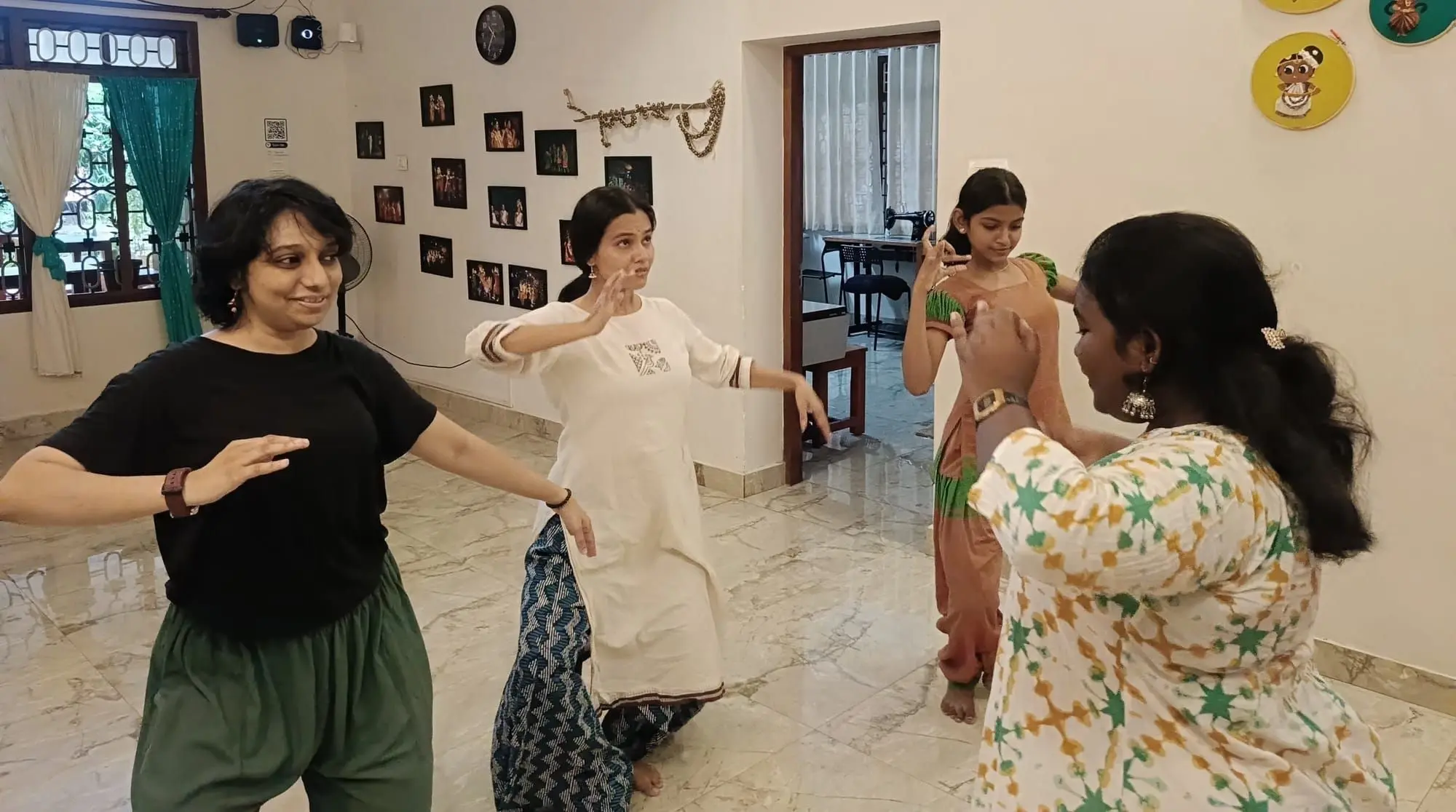
The dance class worked on new movements and expressions
The regular dance class continued. Dancers practised new movements, expressions and co-ordination. They grew more confident and more comfortable with each session. They made steady progress in their learning journey.
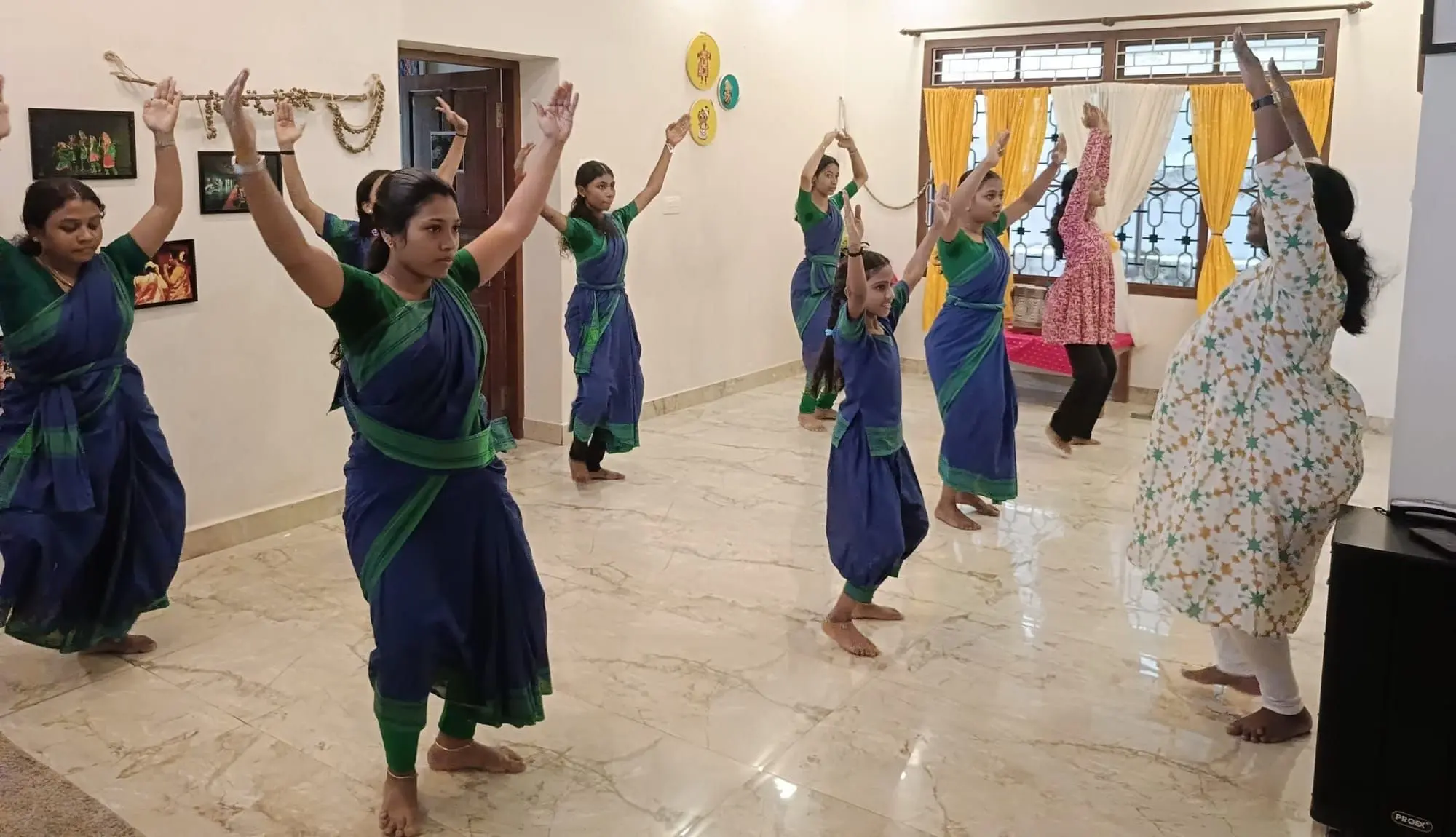
Dancers from different backgrounds practised together
The community dance class took place on March 14, 2024. People from different backgrounds learned and practised dance together. As their confidence grew, many felt more at ease with the movements, expressions and group work.
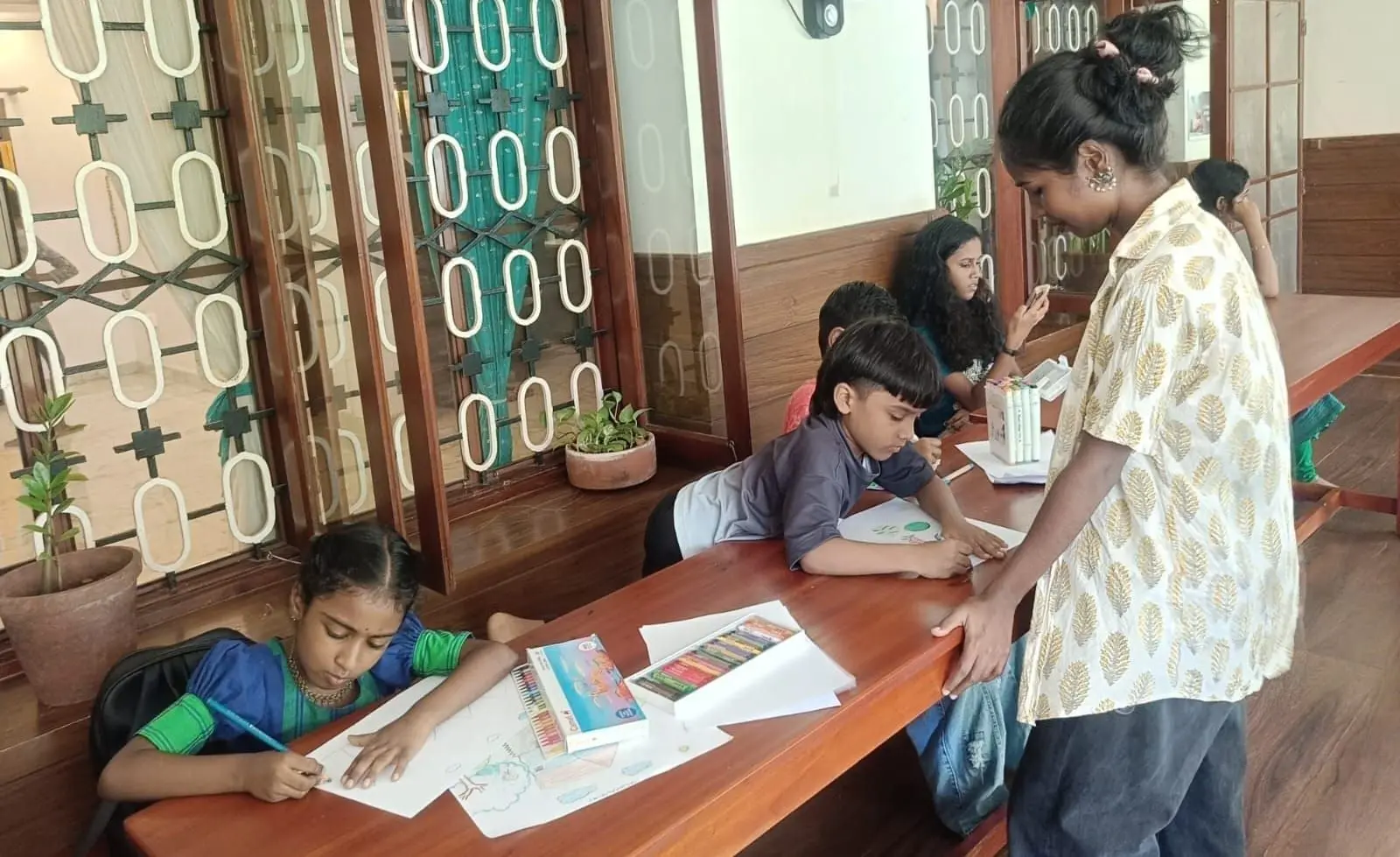
The children keep building skills and discipline
The children keep building their skills and discipline through regular practice.
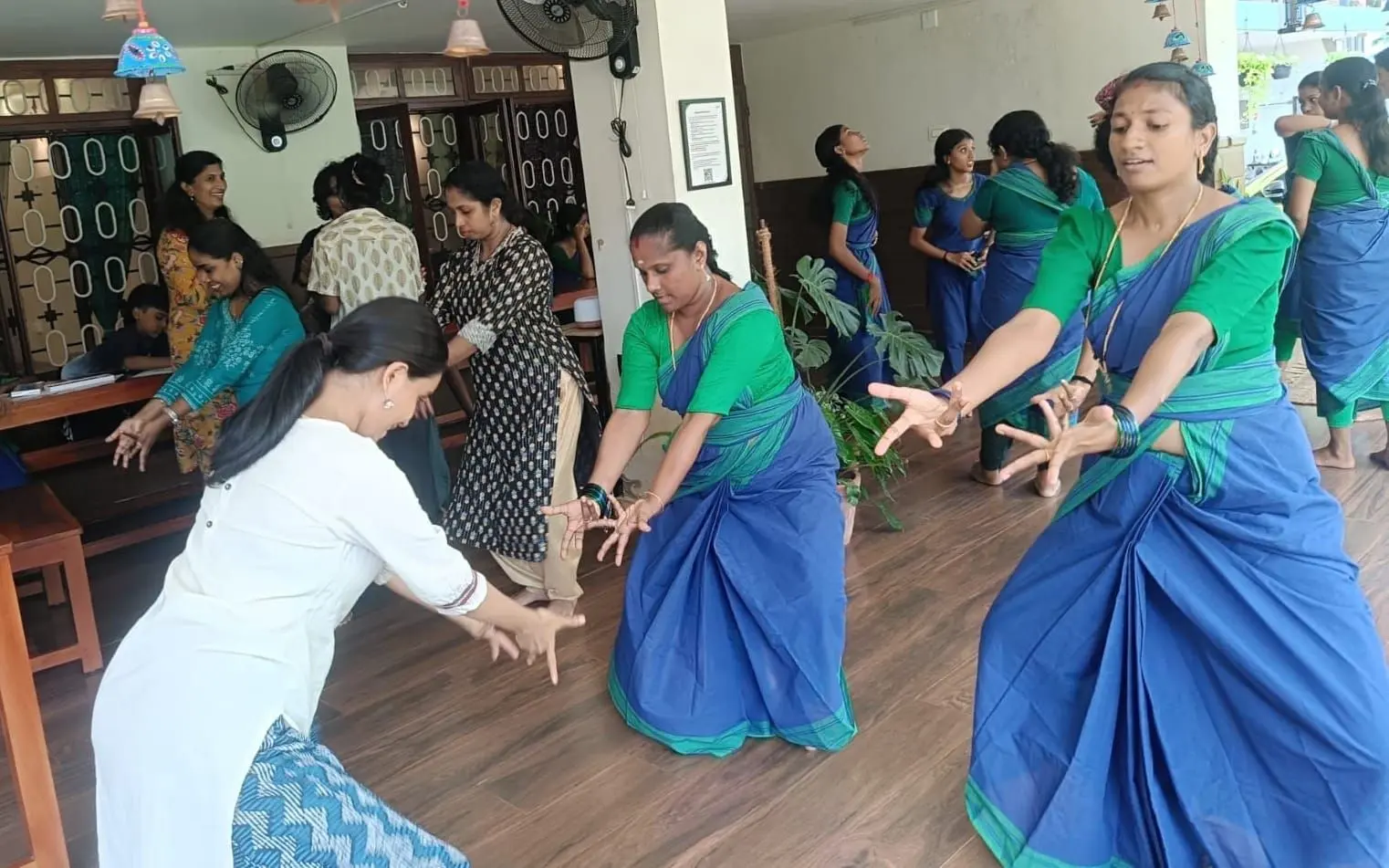
New steps learned at the community dance class
The community dance class went on with enthusiasm. Dancers learned new steps. They practised together.
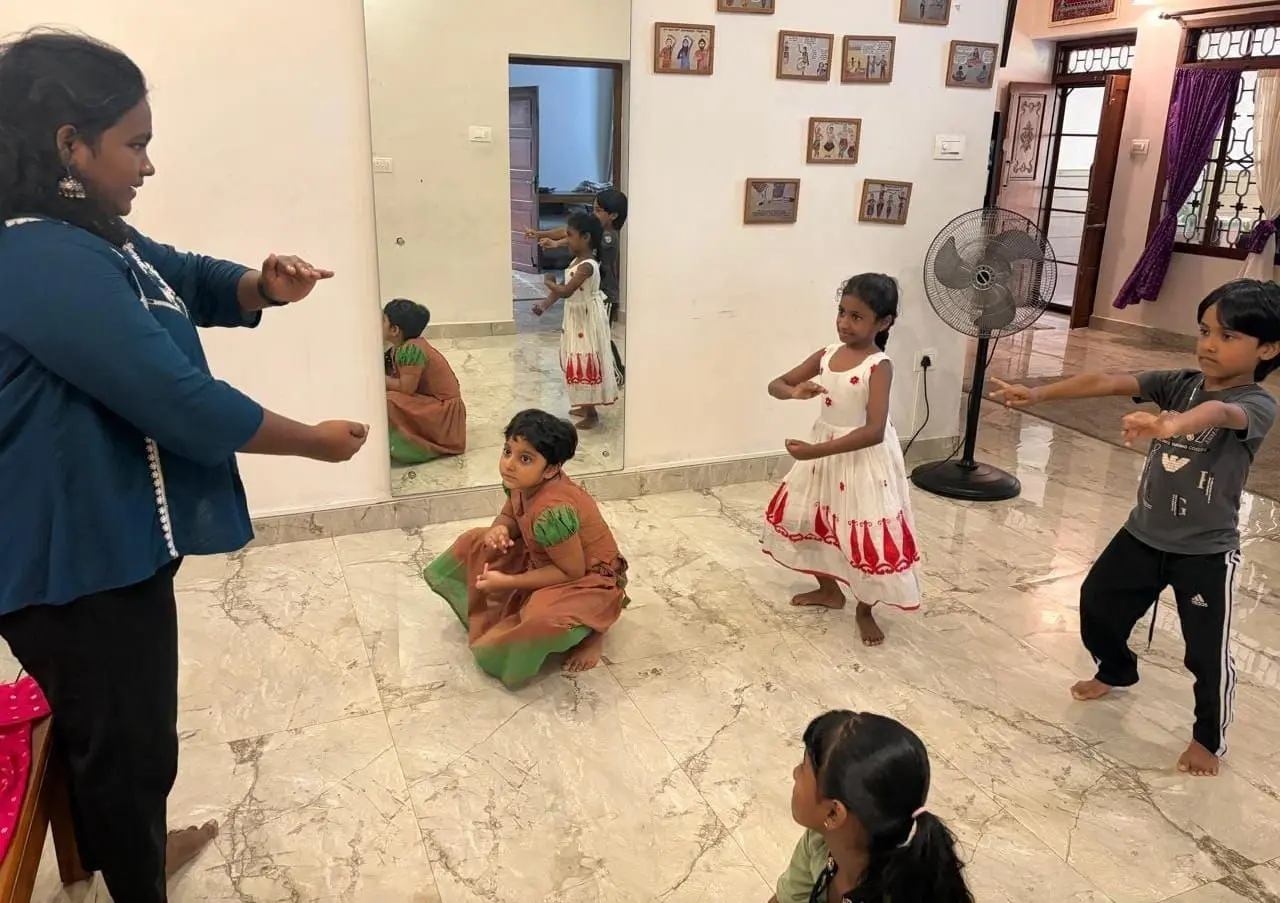
The children dance with more confidence than when they started
The children continued to make good progress in their dance classes. They were more confident, coordinated, and comfortable performing different steps than when they started. Regular practice helped them grow in both skill and confidence.
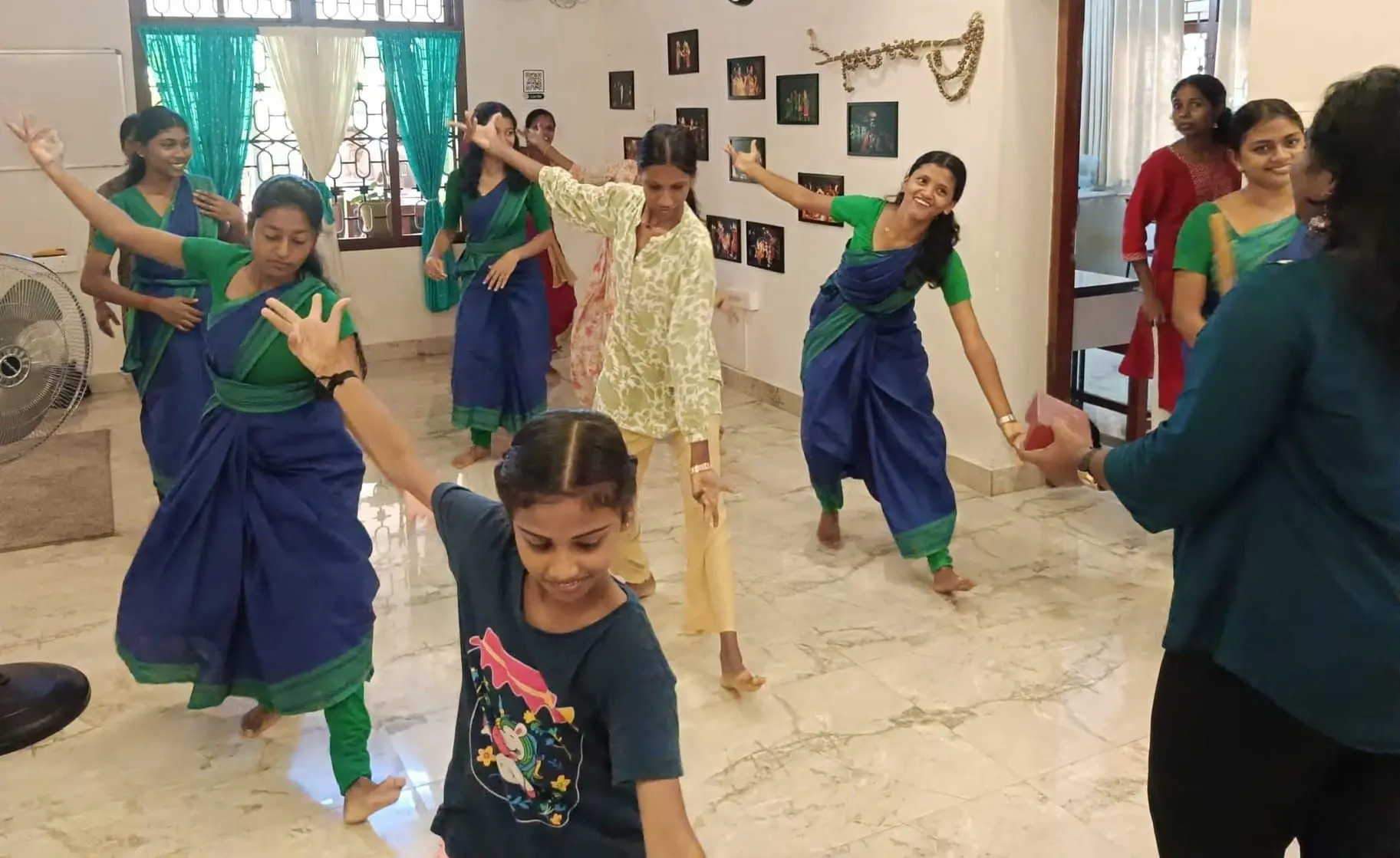
The adult batch started coming in dance uniforms
The adult dance batch started attending classes in their dance uniforms on March 14, 2024. We moved them to the next level of training. This shows their dedication.
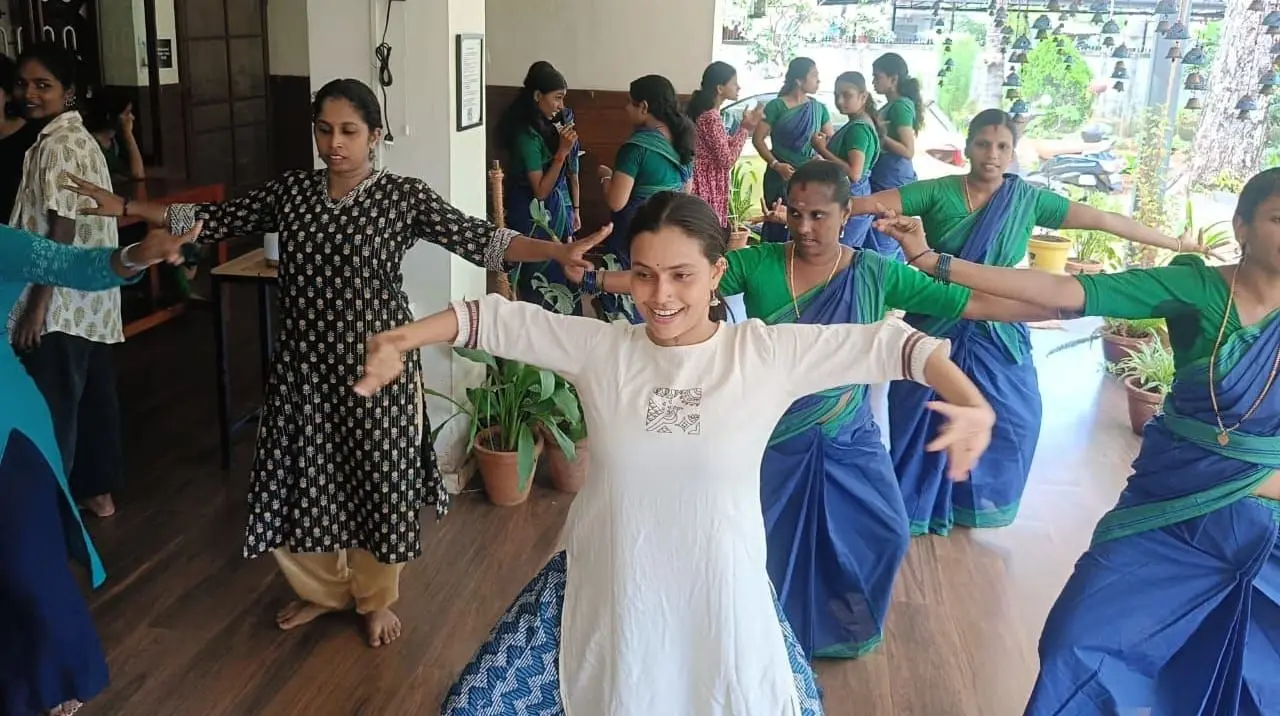
Another dance session spent on movement and expression
Students gathered for another dance session on March 14, 2024. We spent time refining movements, rhythm and expressions. Through regular practice and shared enthusiasm, we became more confident performers while enjoying the connection and teamwork that dance brings.
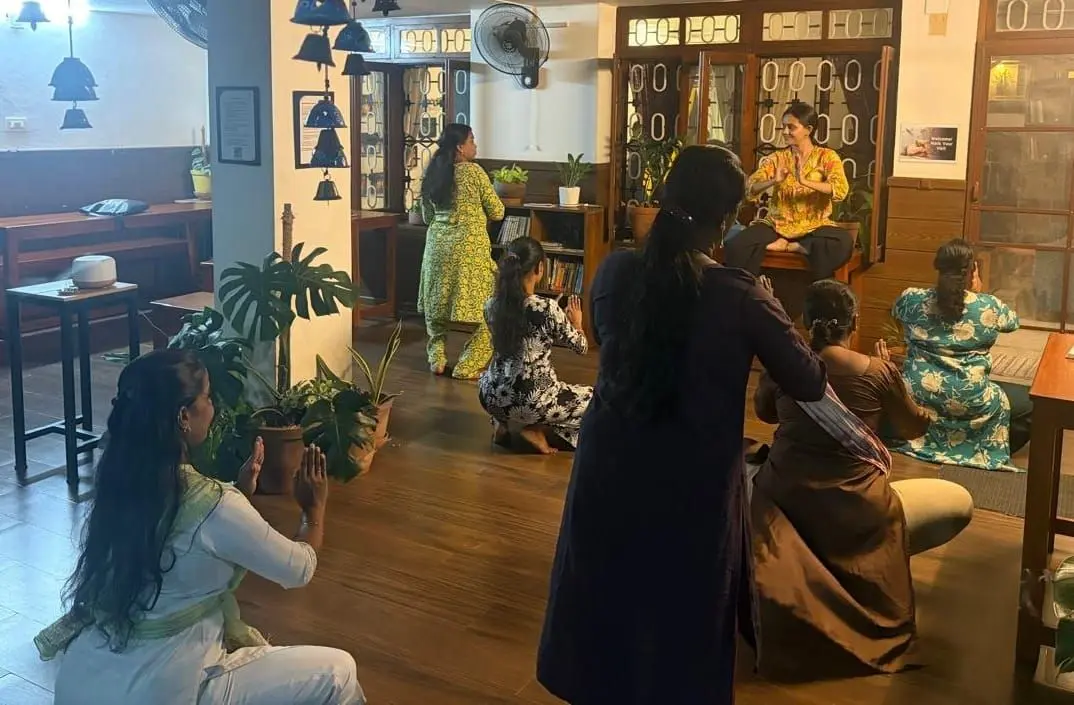
Dancers built on steps learned in earlier sessions
Students returned to dance practice on March 14, 2024. They worked on new steps and revised old ones. We saw them improve in coordination, rhythm and confidence. They seemed to enjoy it.
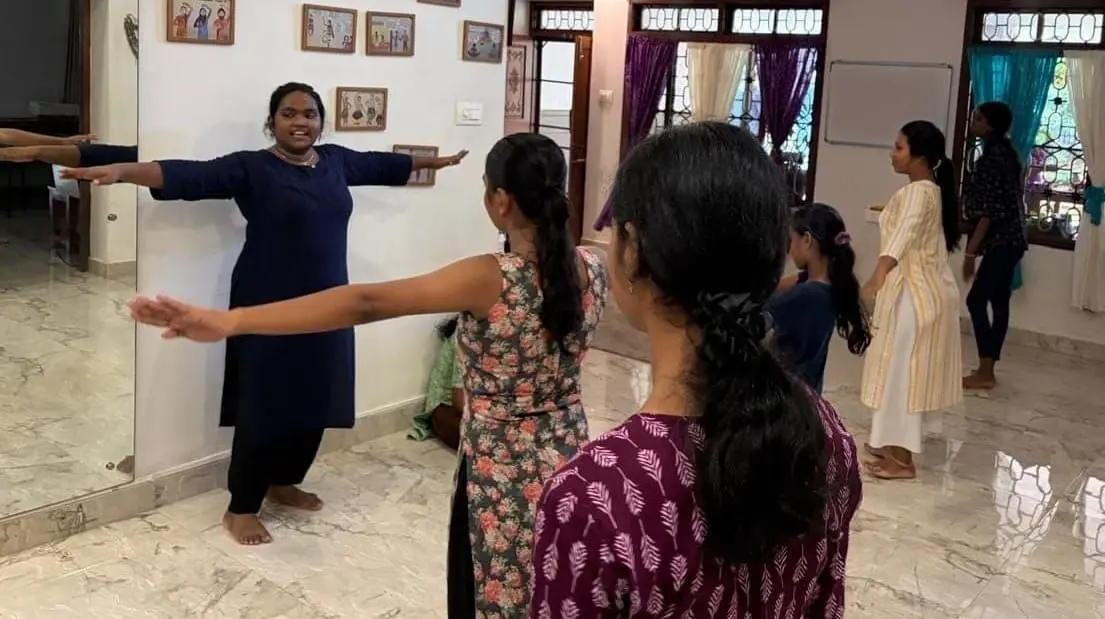
The young dancers worked on co-ordination and rhythm
The young dancers kept working on their co-ordination, rhythm and expression. They did this with regular practice and gentle help. The sessions helped them build confidence. They enjoyed moving and learning together.
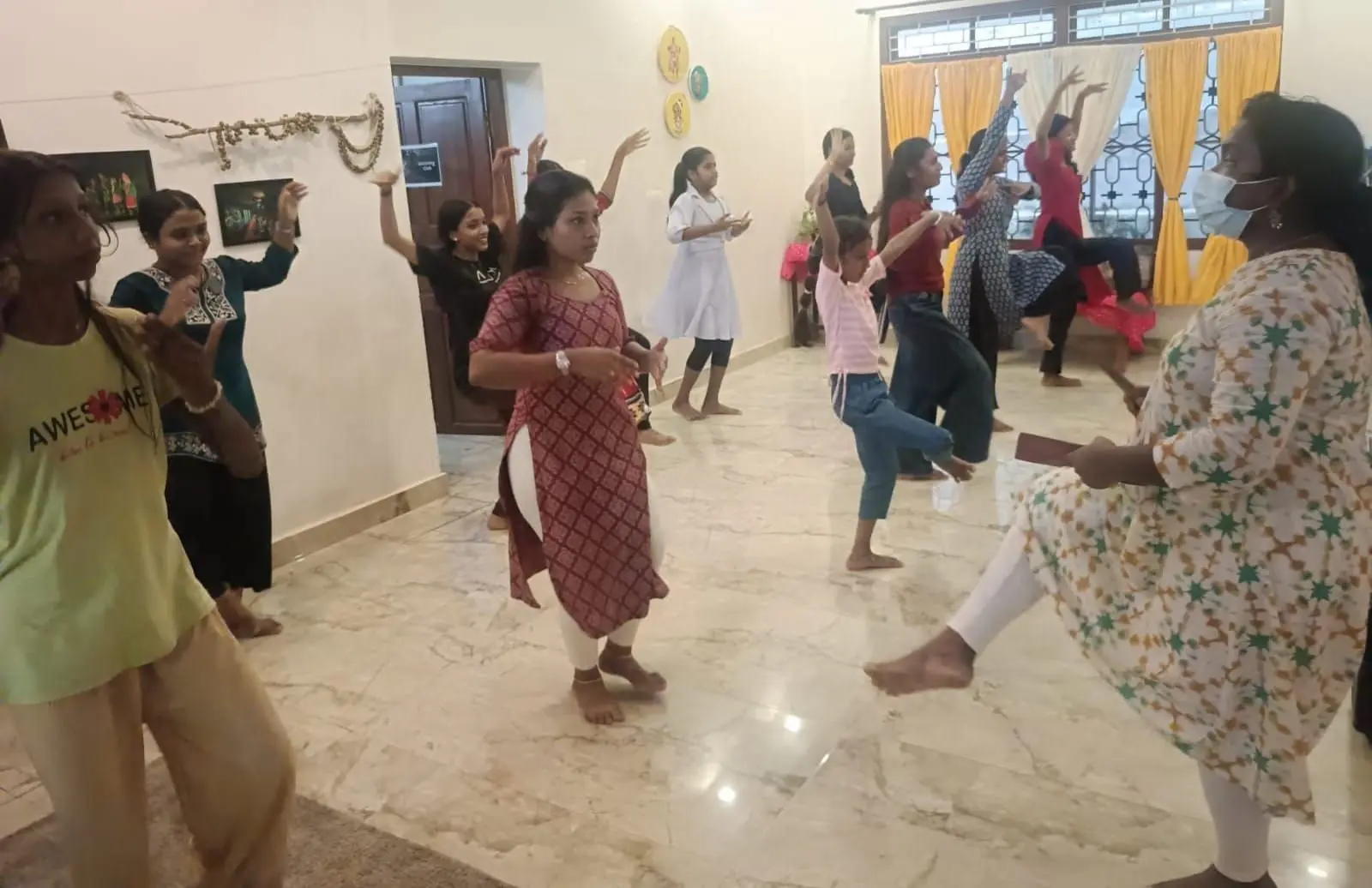
Children learn discipline and storytelling through Bharatanatyam
The children learned discipline and how to tell a story through Bharatanatyam. We practised the steps, the facial expressions and co-ordination often. Their movements became more confident.
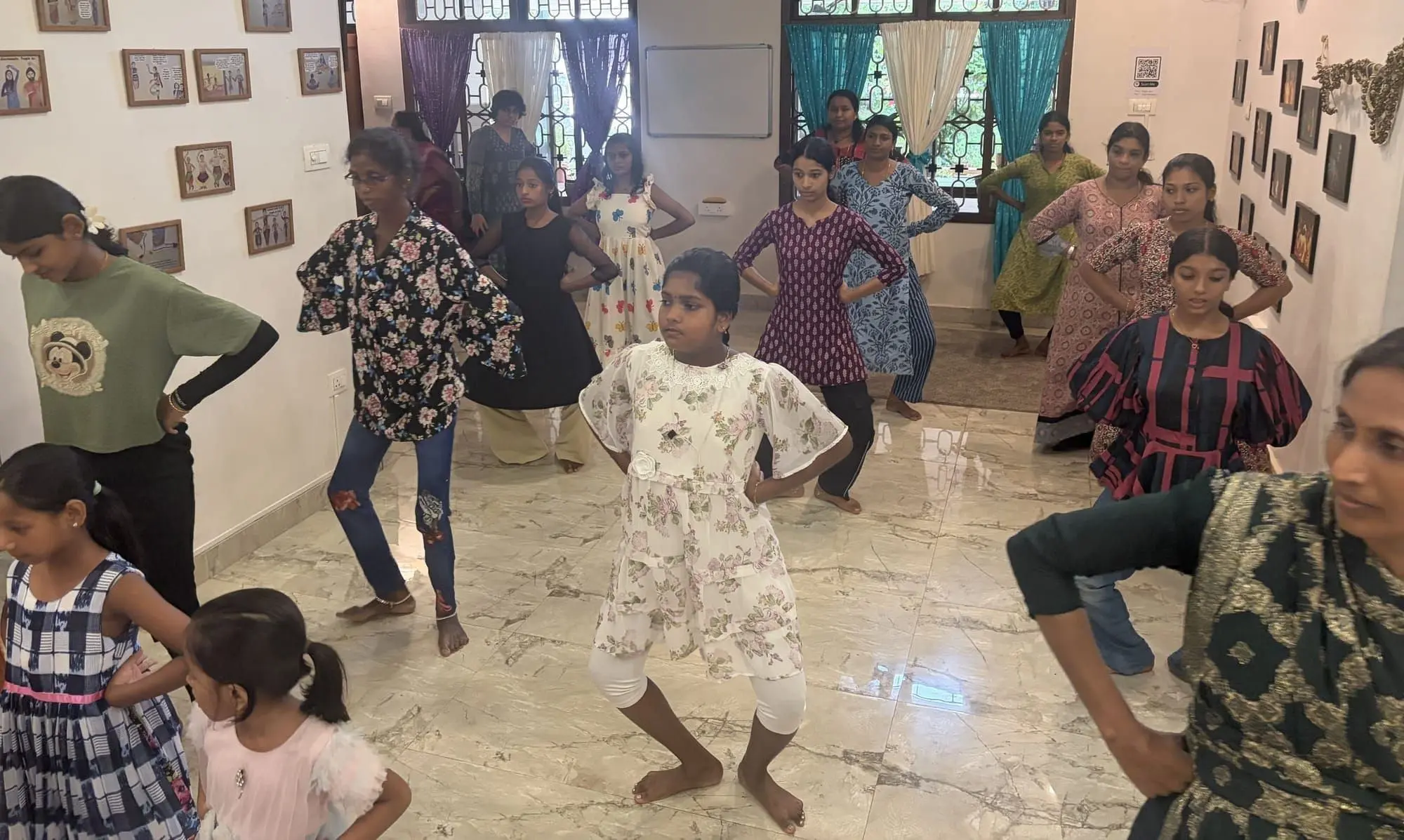
Another day of Bharatanatyam practice for the children
We held another Bharatanatyam class at the space. The children continued to learn movements and coordination together while building confidence and discipline.
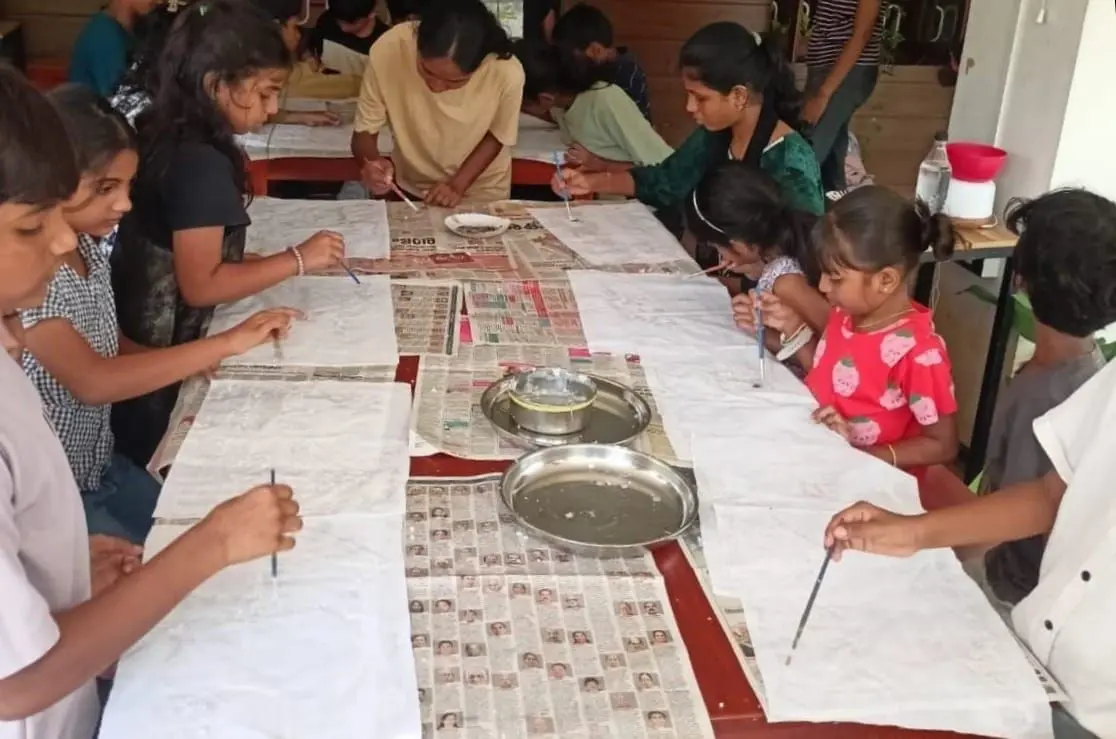
Campers tried resist dyeing along with dance and games
On Day 3 of the summer camp, we ran movement, dance and resist dyeing activities. The children moved freely and thought creatively. Games, expression and group sessions helped them take part with confidence.
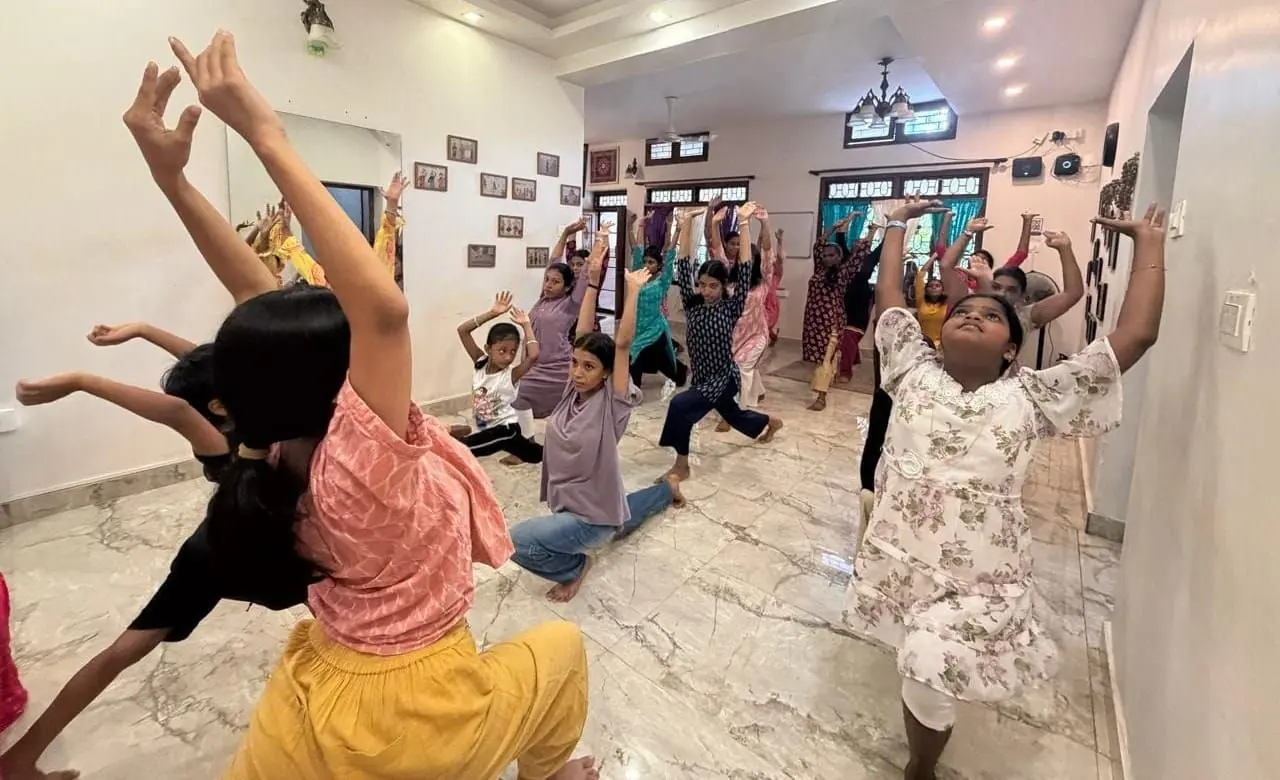
Bharatanatyam students learned to tell stories without words
The Bharatanatyam class was full of energy as students practiced expressions, postures, and movements together. With every step and hand gesture, the children learned how dance can tell stories without words.
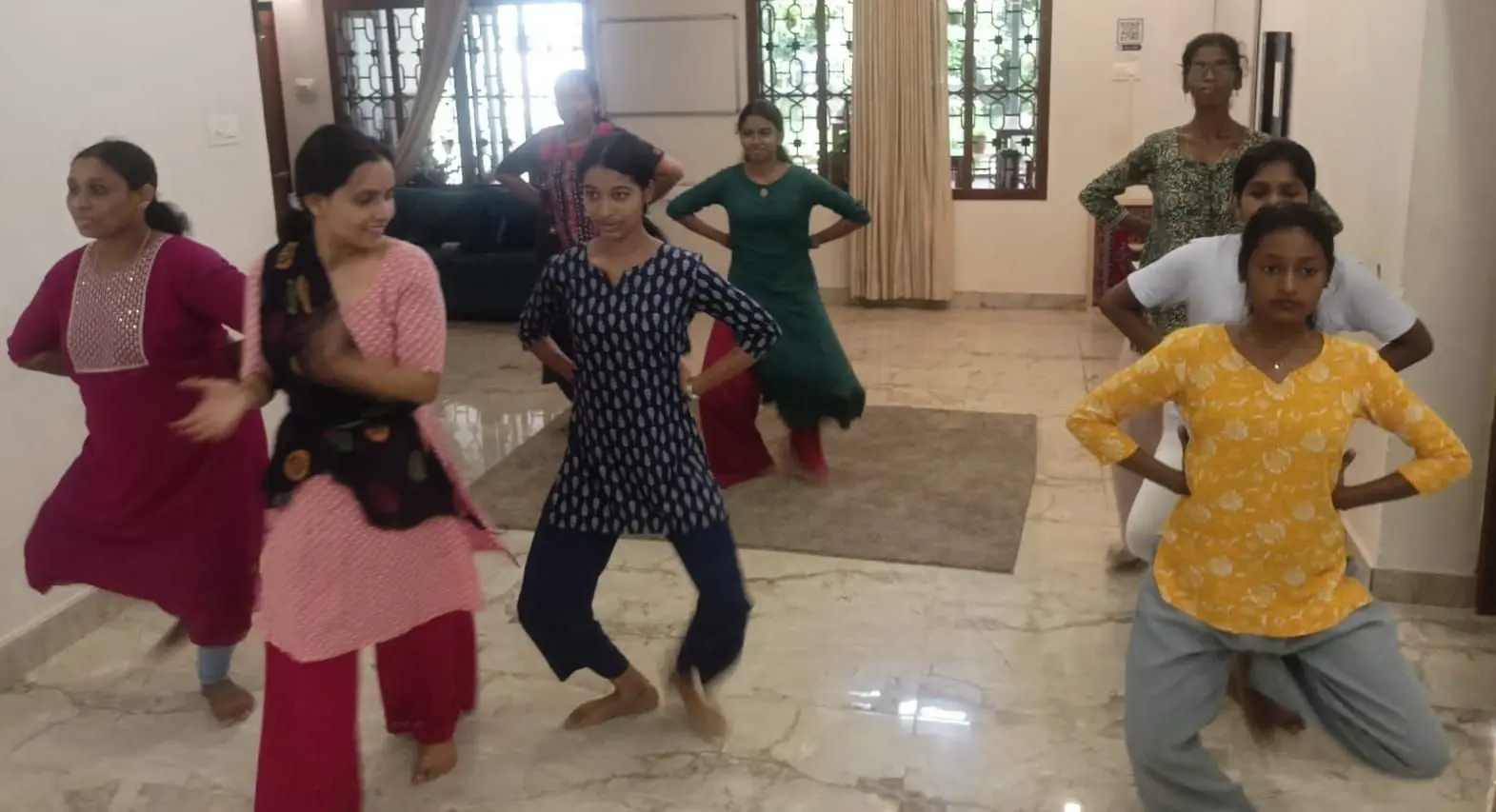
Children and adults practised Bharatanatyam side by side
The Bharatanatyam class brought children and community members together to practise steps, postures, and rhythm as a group. With every session, the space slowly grew into a place where learning, discipline, and art came together.
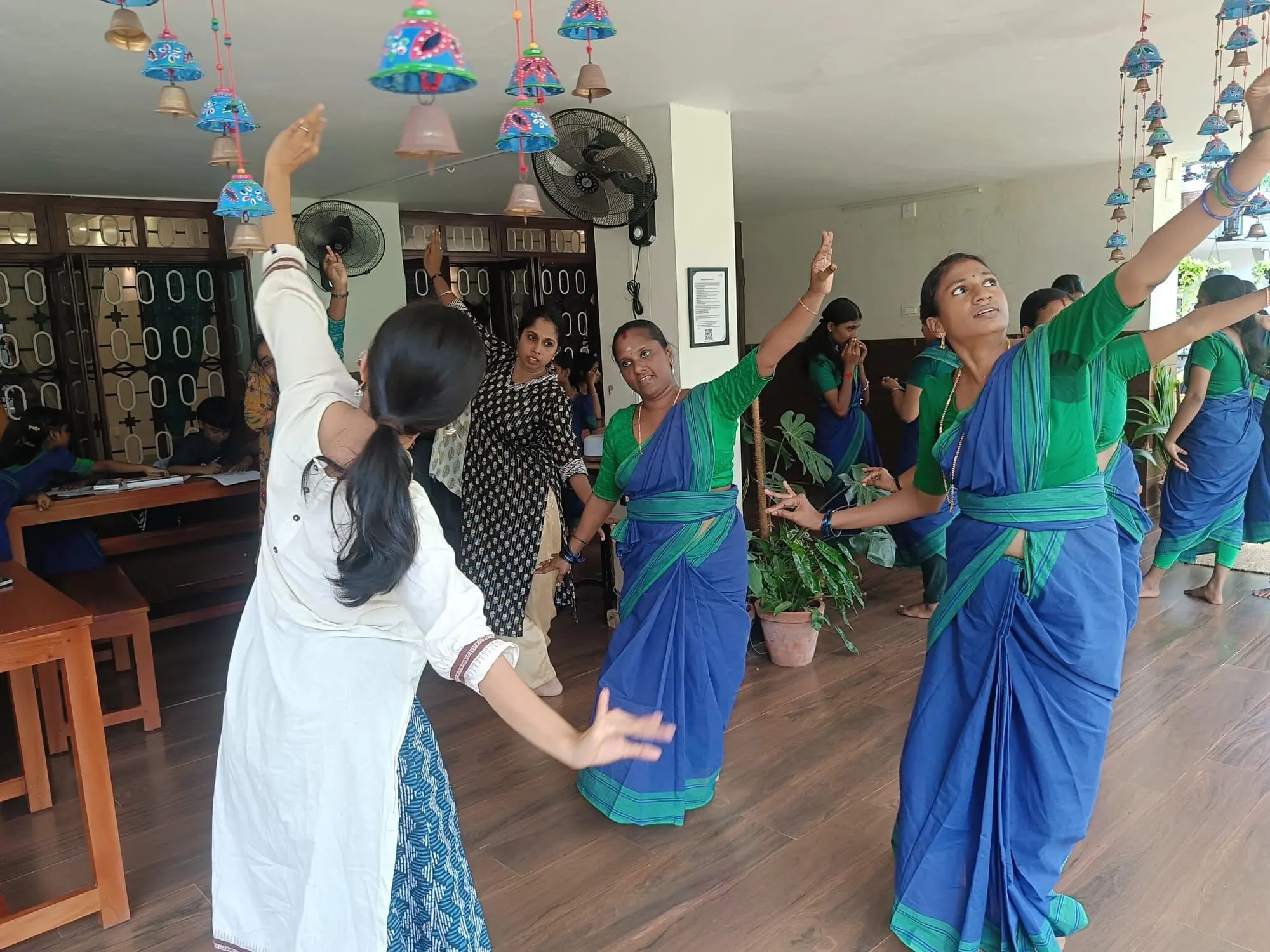
The Bharatanatyam class now runs in two batches
The Bharatanatyam class now runs in two batches. Yesterday, five new students joined, bringing fresh energy as we continued to learn steps, rhythms, and expressions together.
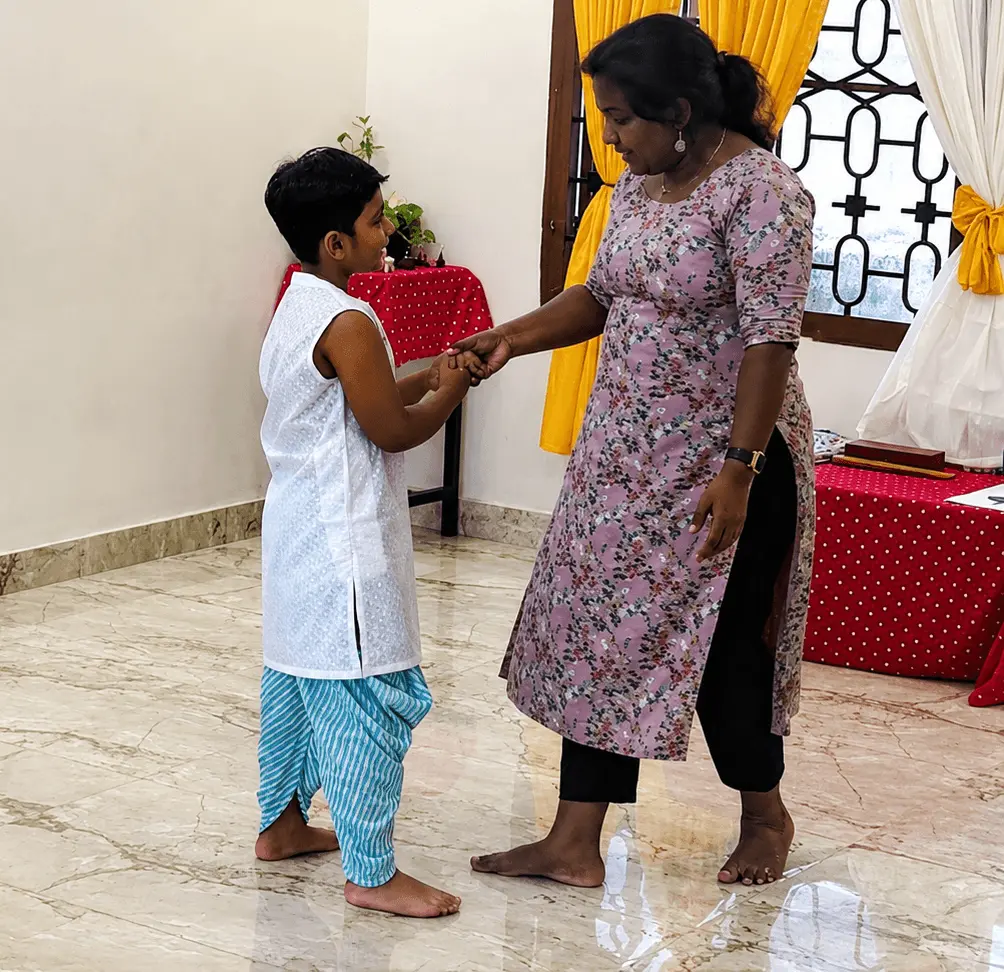
Hand movements and expressions practised in dance class
In the dance class, students practiced hand movements and expressions under guidance. With each correction and repetition, they slowly understood how every gesture tells a story.
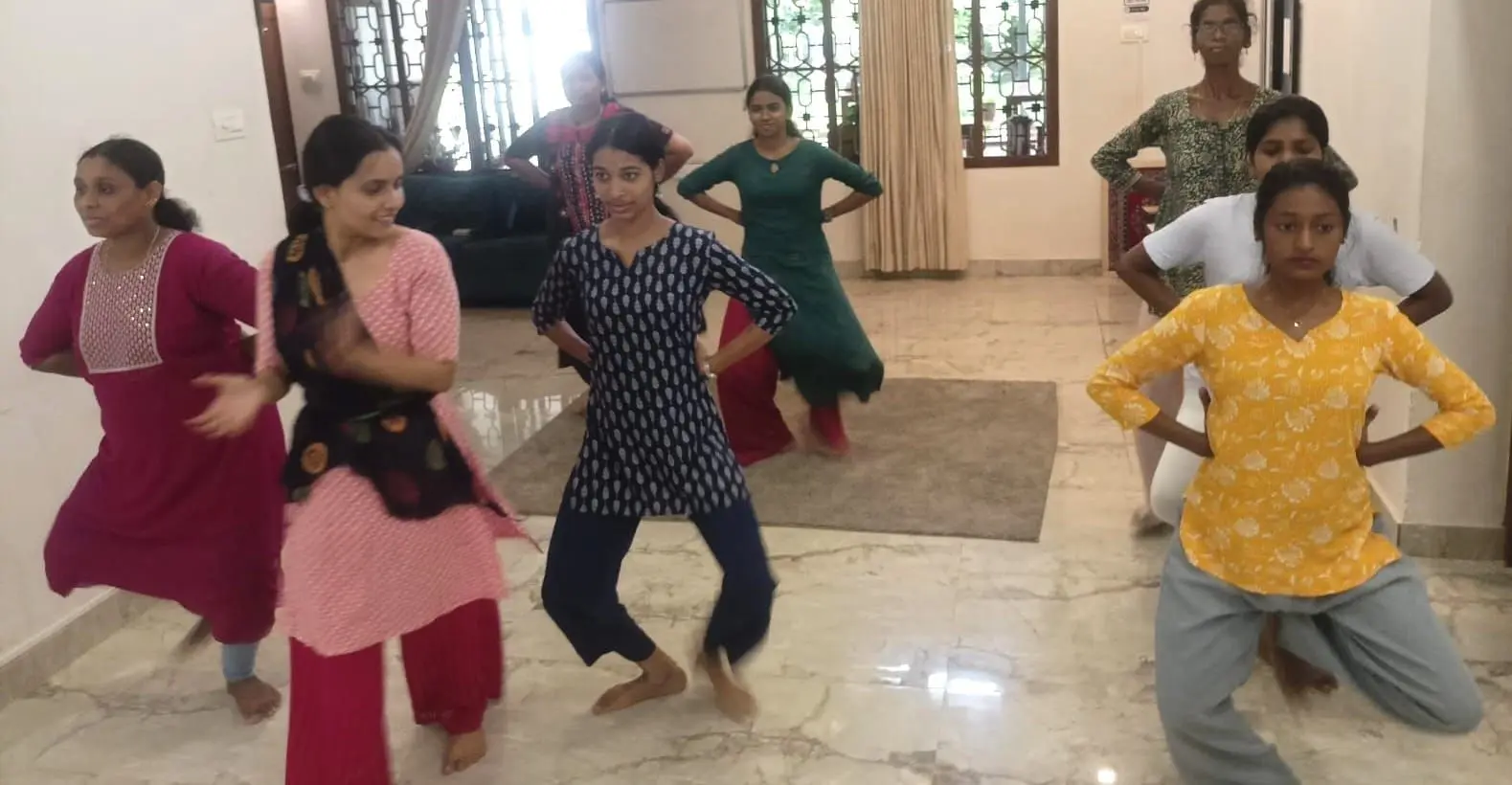
Steps and body movements drilled in the Bharatanatyam class
In the Bharatanatyam class, we practised together and focused on basic steps and body movements. With guidance and repetition, each movement slowly became more confident and expressive, bringing the dance to life.
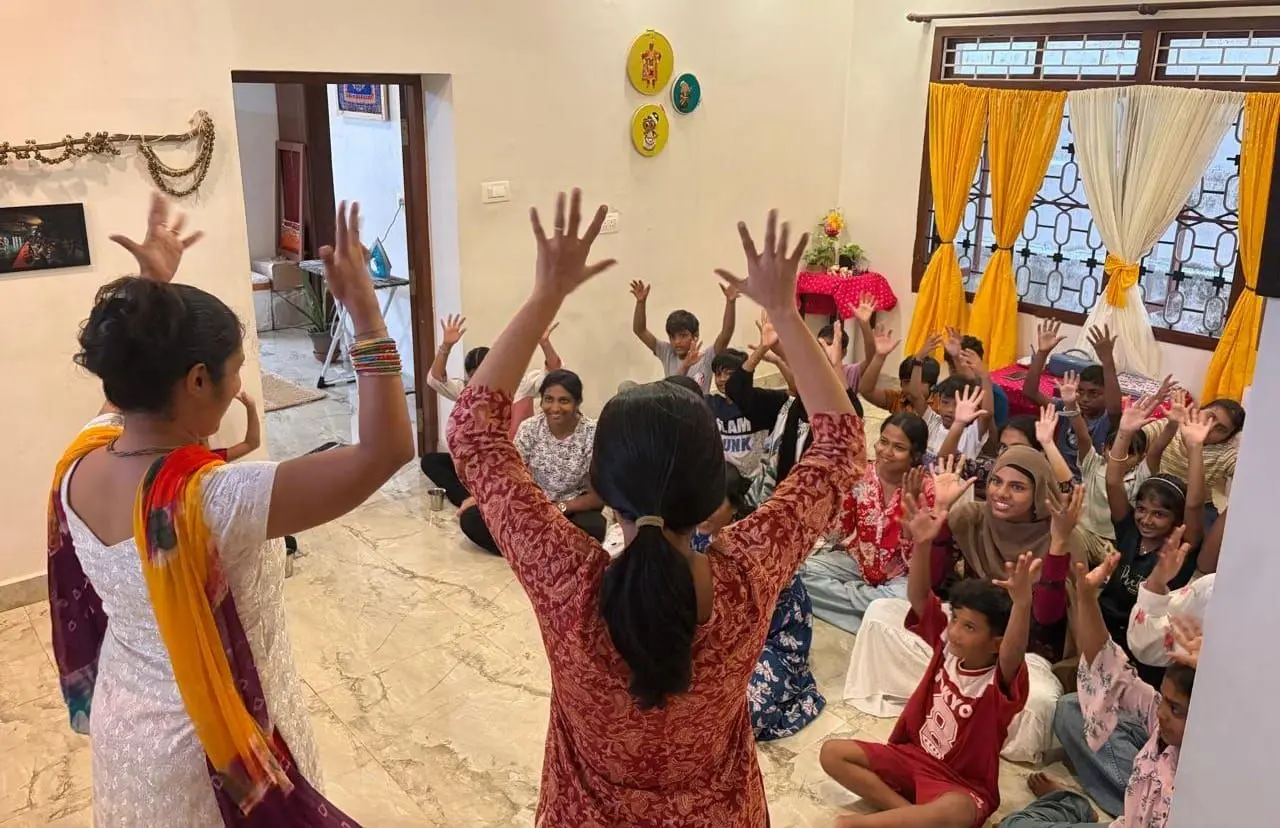
Expressions and gestures began to say something
The question turned into a moment of learning. Expressions, gestures, and small movements began to show what was happening.
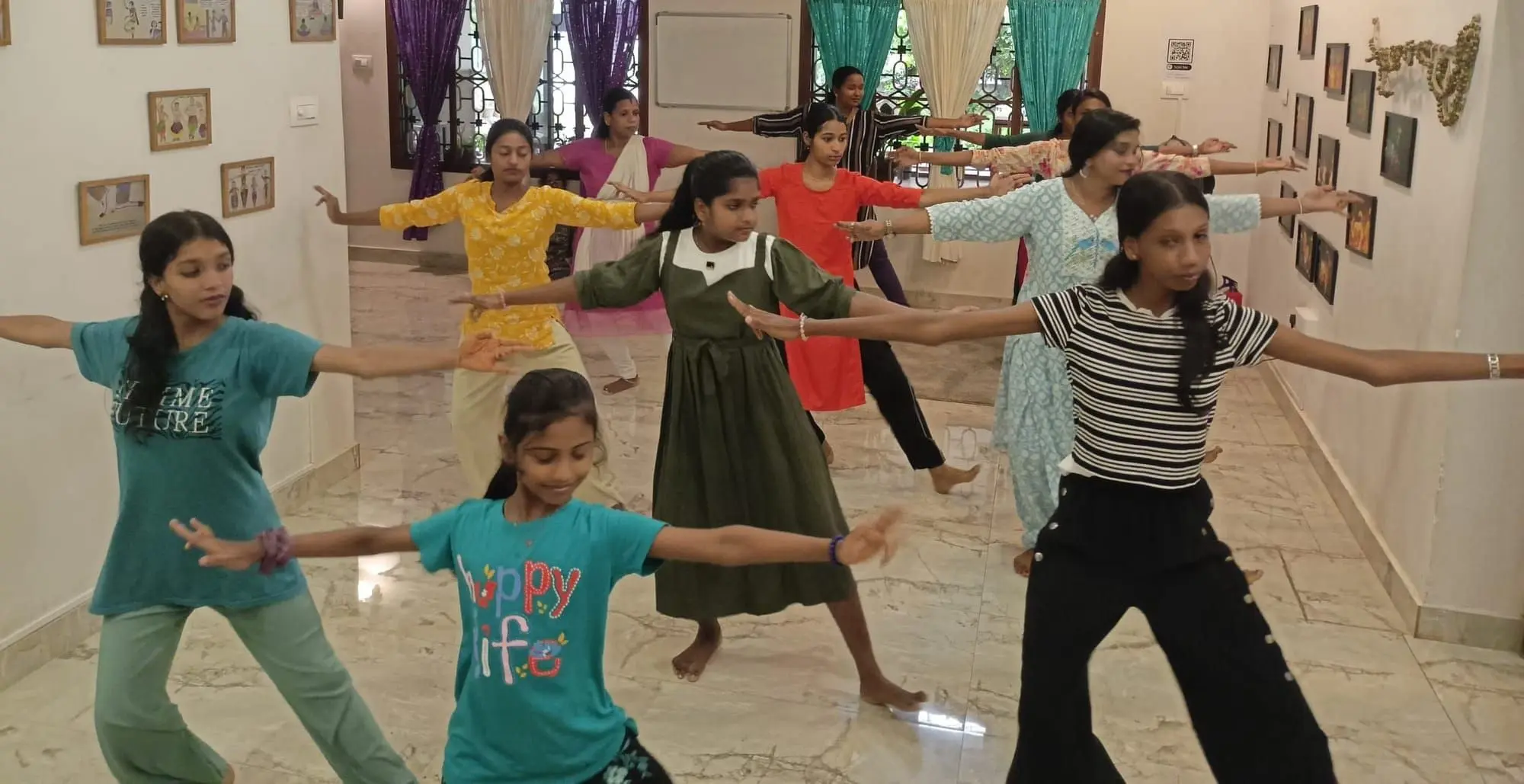
Community members practised basic Bharatanatyam steps
Community members attended Bharatanatyam classes on March 14, 2024. We learned basic steps and practised together with focus and consistency.
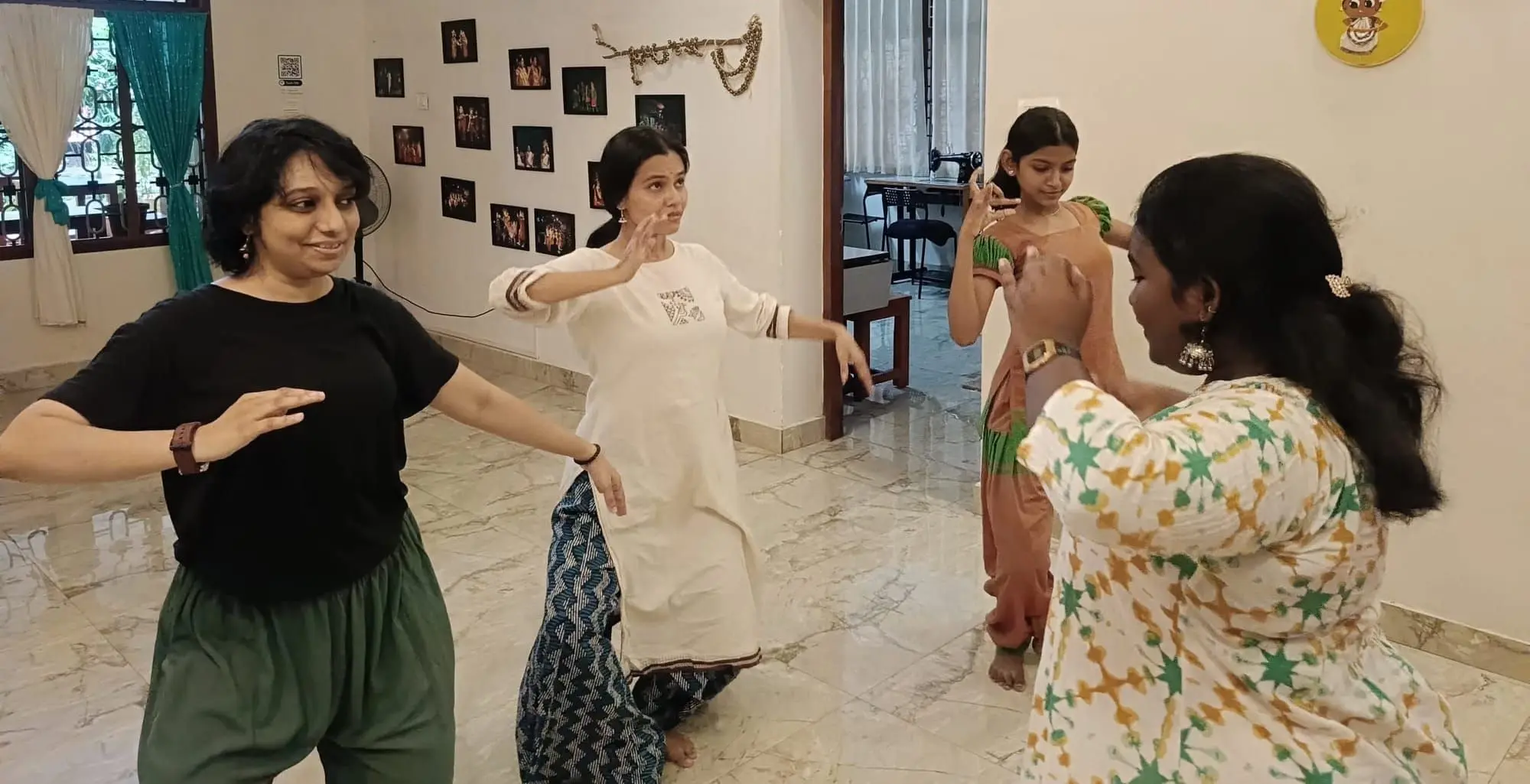
Acting and expression added to the Bharatanatyam lessons
We did acting and expression training as part of our Bharatanatyam lessons. We learned how to show emotions and tell stories with our faces and bodies.
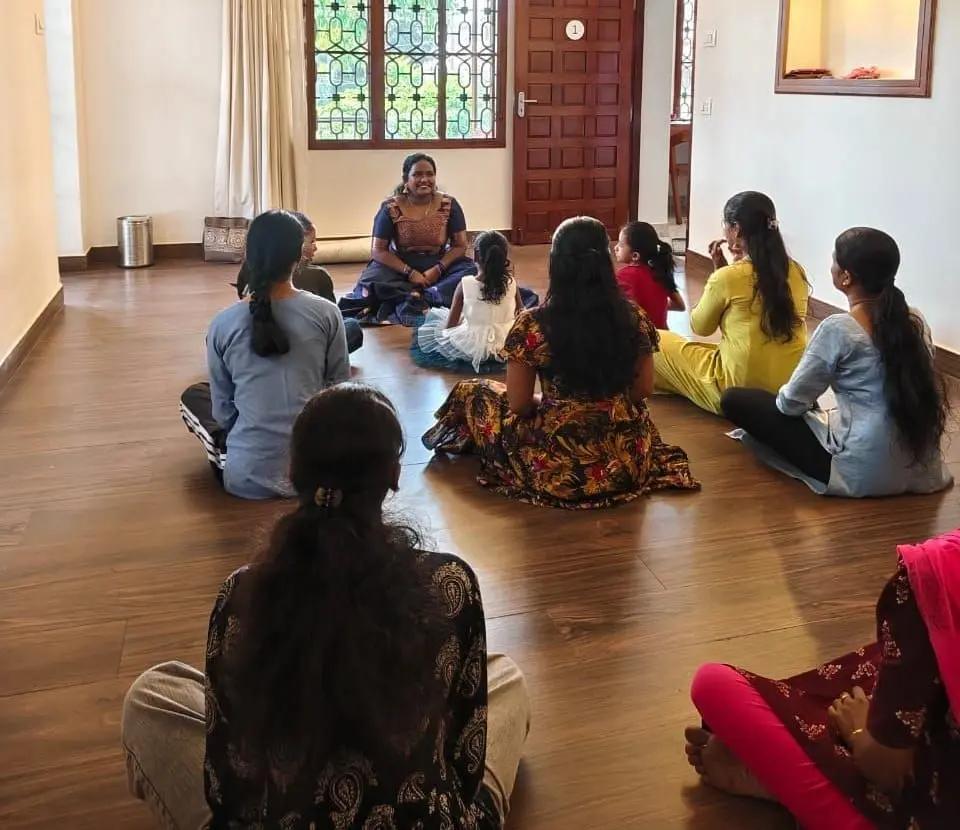
Twenty-five students finished a long Bharatanatyam session
25 students from Fort Kochi and Mattancherry finished a long, tiring yet beautiful Bharatanatyam session. Our esteemed faculty member, Aparna, led the session.
What people said
One of the students
“I never thought I'd be able to dance at this age. I have great fun learning a new art form with my friends”