- What went in
- - Waited for the students and followed up with families about their absence - Spoke with parents about informing us when students cannot attend - Used the planned class time to consider accessible ways to help students learn Talam - Prepared an idea for demonstrating rhythm visually with the tattukazhi
- Time
- 1 hour
Today's class for students with hearing difficulties did not take place because no students attended. One parent informed us in advance. After waiting, our team contacted the other families and learned that one student was unwell and another was out of town.
I felt disappointed because I had prepared for the class, and not all families told us about their absence beforehand. Our team spoke with the parents about the importance of letting us know when a student cannot attend. We can then plan and use the class time effectively.
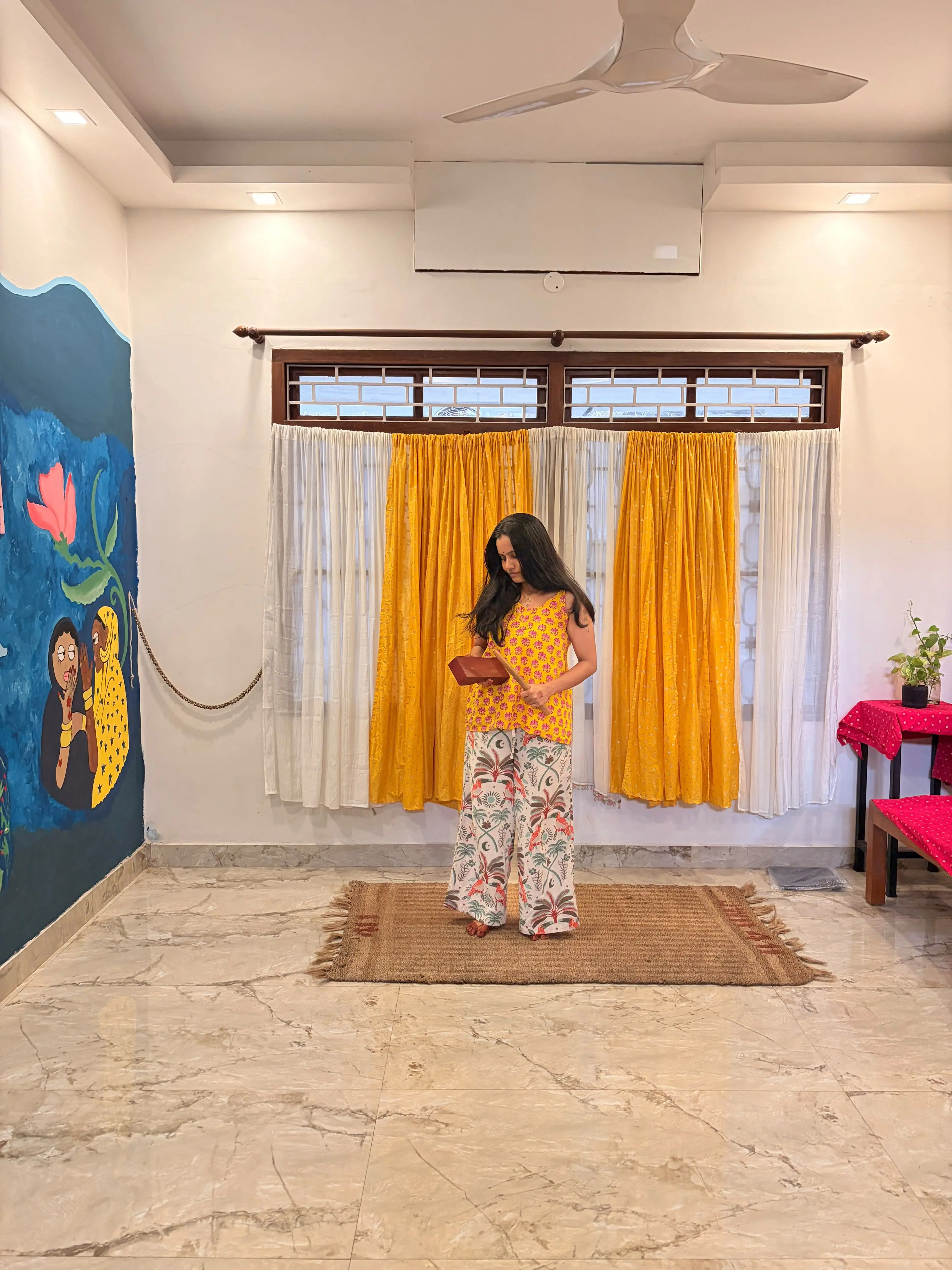
I used the time to think about ways to make Talam more accessible to the students. I began planning a visual activity using the tattukazhi, the wooden stick and block used to mark rhythm. In the next class, I hope to demonstrate the beats so students can observe them and then try marking basic Talams themselves.
Although the class did not take place, the team communicated with families about attendance updates. The preparation time also led to a visual Talam activity to try in the next class, using observation and hands-on practice with the tattukazhi.
Clear communication about absences helps teachers plan classes and support students. When a session cannot go ahead, we can still use the time to develop lesson ideas. In this case, the idea is a visual and practical way to explore rhythm with students who cannot hear.
Run this activity yourself. You are free to copy, change and share this write-up, as long as you credit aikyam space. Photos are not included. (Creative Commons licence CC BY 4.0)