- What went in
- LifSkills workbooks, coping activity materials, whiteboard, markers, and a cut plastic bottle with water for the Stress Bucket
- Time
- 45 minutes
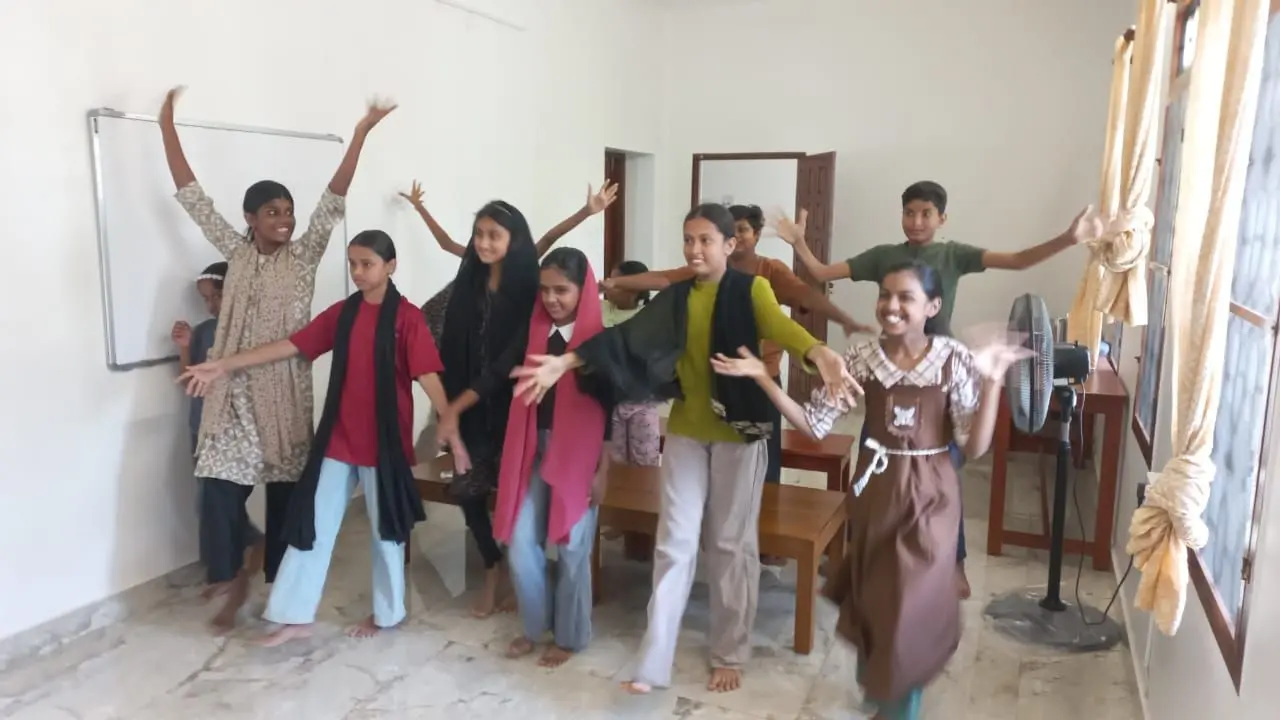
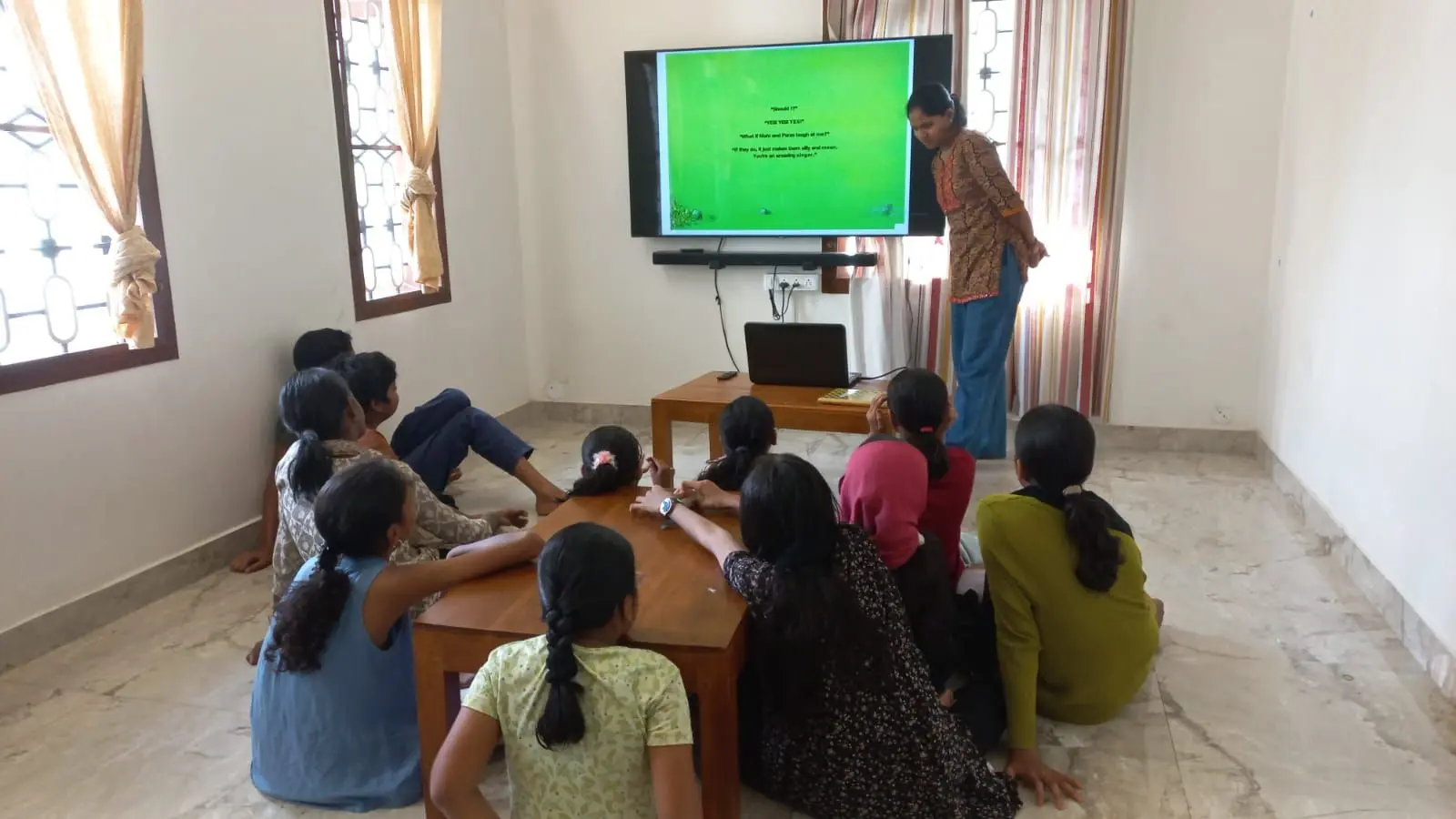
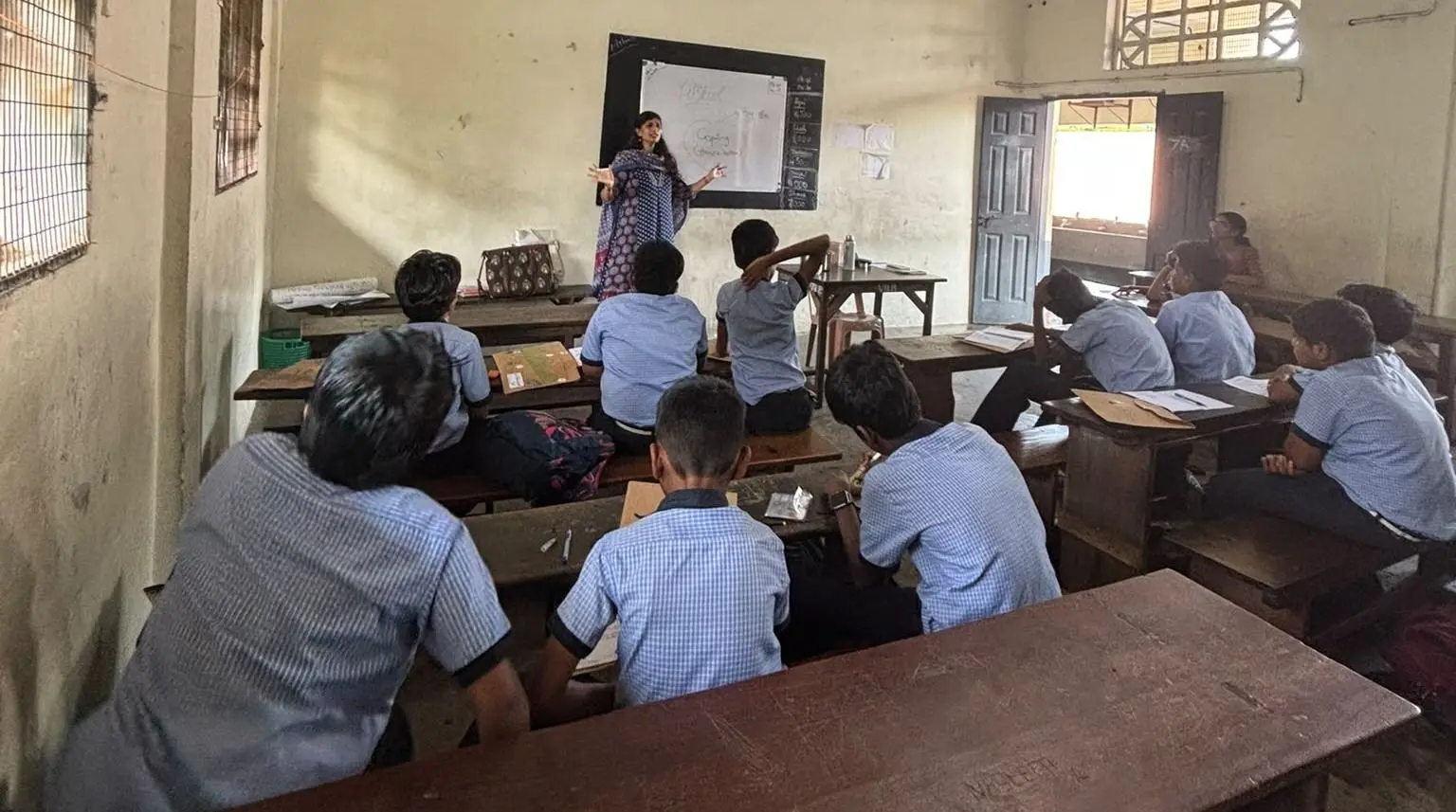
Today's group was smaller than our previous session. After-school football coaching has now started, and some of the boys attended that instead. It is another reminder that after-school programmes have to work alongside the wider rhythm of school life.
We began with a quick recap of emotions and the calming tools the boys had already learnt. We revisited STAR breathing and introduced box breathing before moving into the new topic.
Stress itself was a little harder to explain than we expected. At first, some of the boys struggled to identify what stress might look like in their own lives. Once we started using familiar examples — schoolwork, running late, arguments, tests, or several small things happening at once — the idea began to make more sense.
We used a simple Stress Bucket demonstration with a cut plastic bottle and water to show stress does not always come from one big event. Sometimes lots of smaller things build up over time.
From there, we explored coping strategies as ways of releasing some of that pressure. The boys were especially good at coming up with their own ideas for what might help their body and mind settle.
They then completed a short reflection activity, thinking about what can add to their own stress and what might help them cope.
Our biggest learning today was that abstract ideas need concrete examples with this age group. The word “stress” was difficult to pin down at first, but once the boys could see it, connect it to everyday situations and talk through examples, the conversation became much easier.
A smaller group today, but a useful session. It was a good reminder that sometimes showing an idea works far better than explaining it.
Group: Local Government School | Std 5–7 | 12 boys
Materials: LifSkills workbooks, simple stress and coping activity materials, whiteboard and markers
Space: Regular classroom with tables and benches
Timing: Around 45 minutes available
The boys came up with their own ideas for what helps their body and mind settle, and completed a reflection on what adds to their stress and what helps them cope.
(We observed it)
Abstract ideas need concrete examples with this age group: 'stress' made sense once it was linked to everyday situations and shown with the Stress Bucket. Attendance fell as after-school football coaching started.
Run this activity yourself. You are free to copy, change and share this write-up, as long as you credit aikyam space. Photos are not included. (Creative Commons licence CC BY 4.0)