- What went in
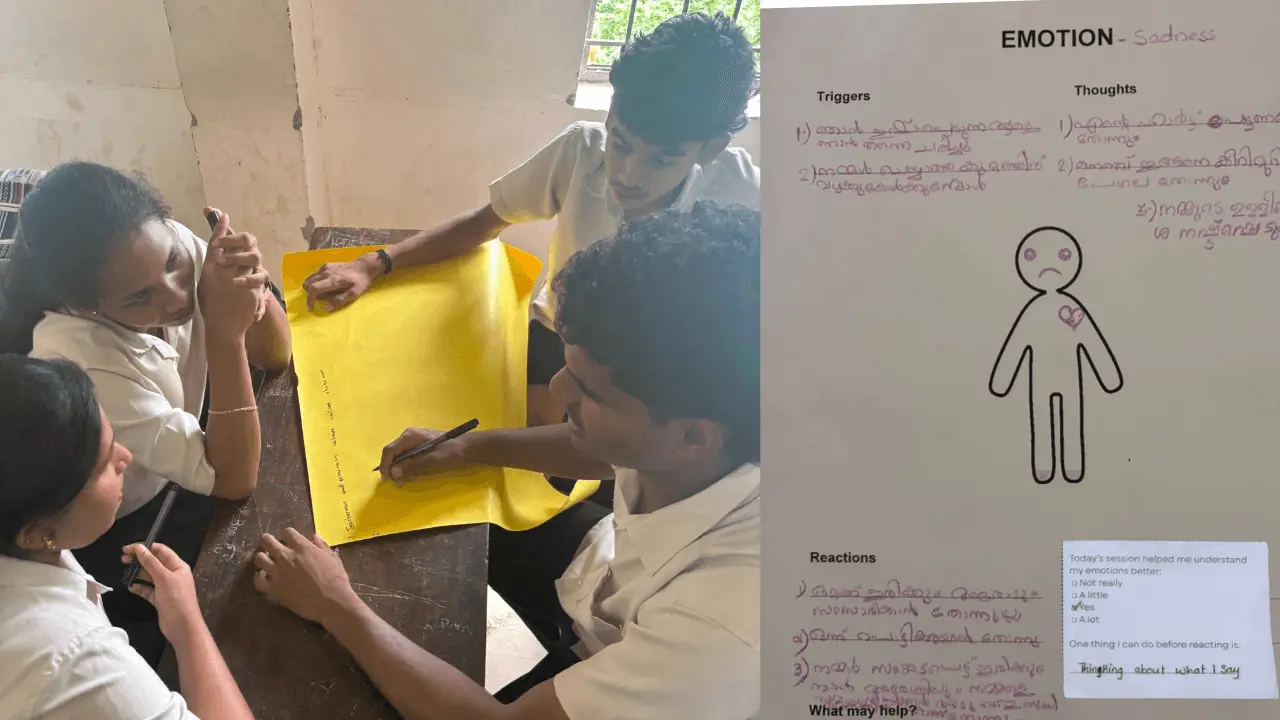
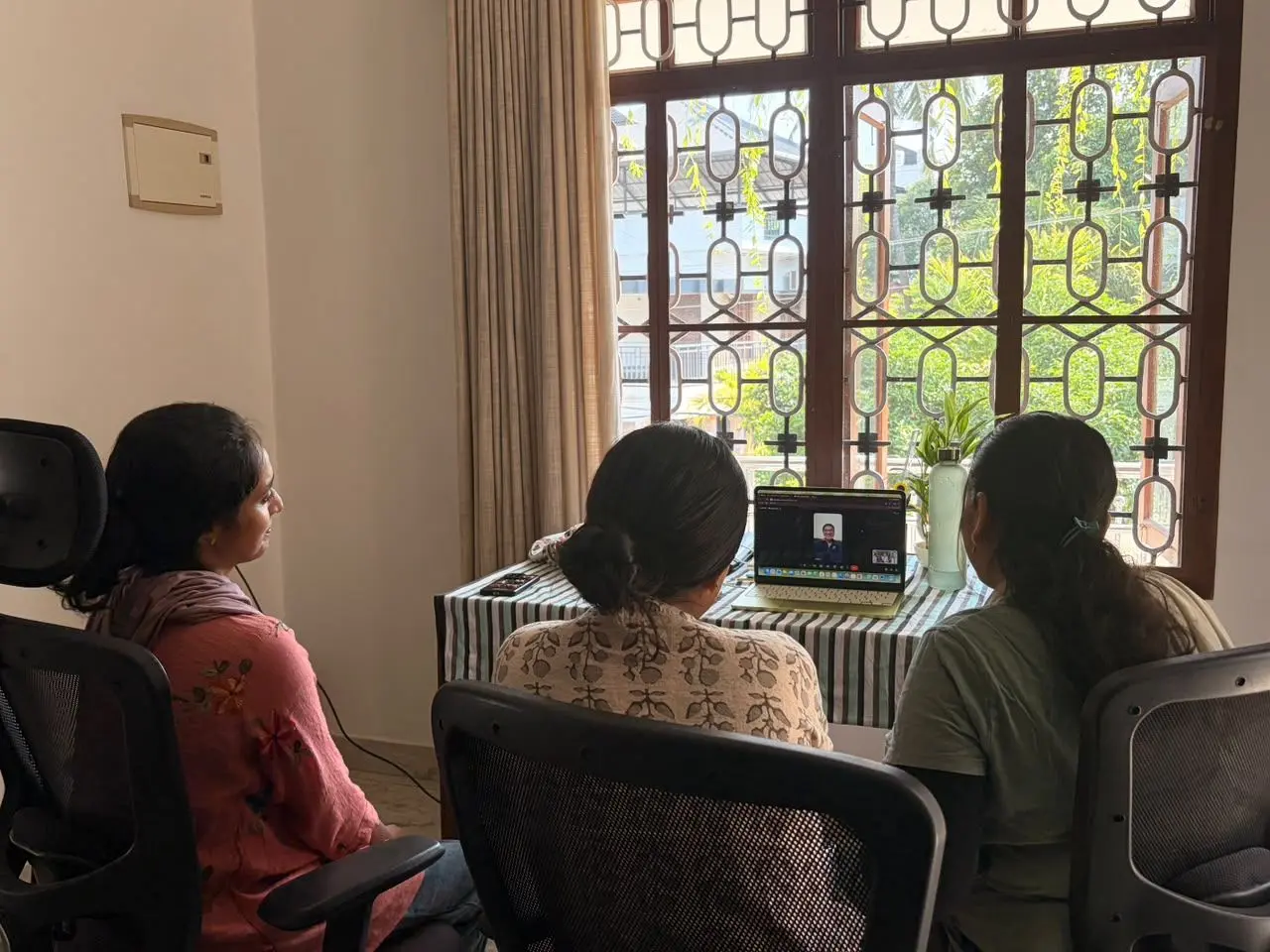
- We reviewed Mission 1 responses. We prepared five two-page colour sets of instructions and worksheets, with labelled envelopes and stickers. The instructions explained the Mission 2 in simple steps. The worksheet asked teams to record their chosen problem, where it happens, who is affected and how, using words or drawings. We used NotebookLM for the animated explainer and WhatsApp for instructions, voice notes, check-ins and submissions.
- Outside help
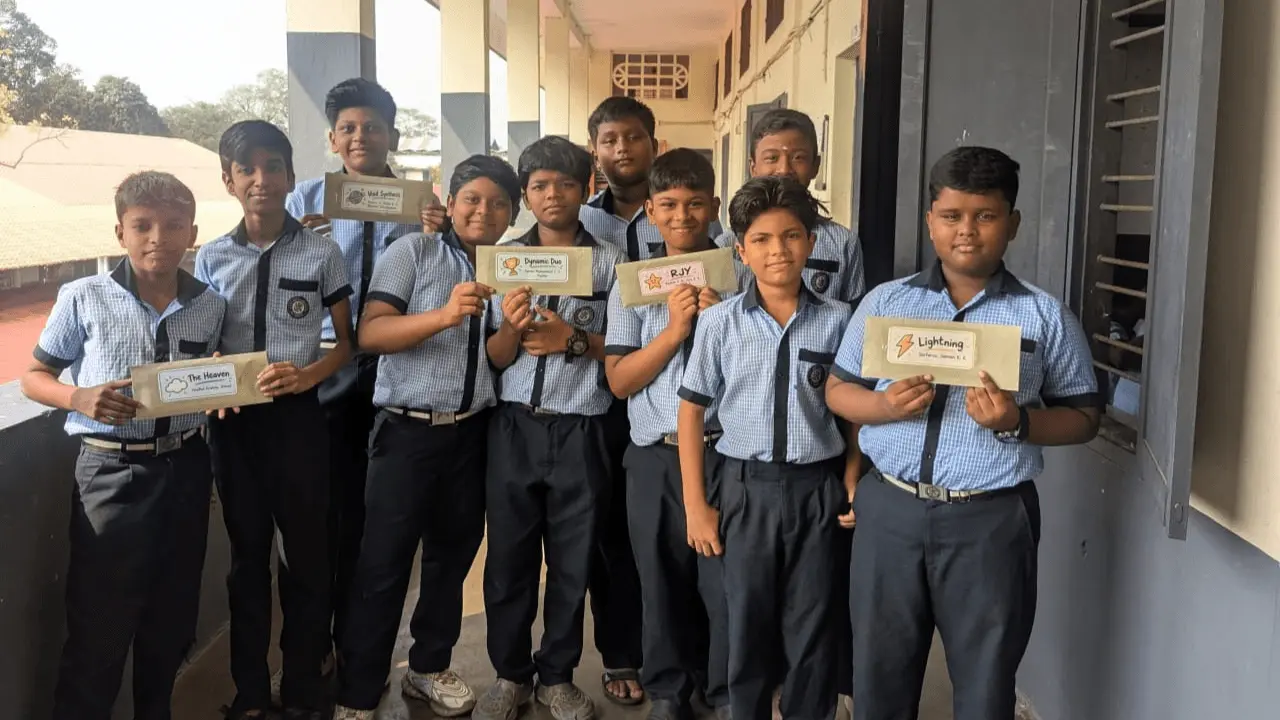
- The school teacher distributed the mission envelopes.
The SPARK Challenge helps students practise their LifSkool skills through five team missions. We send instructions and worksheets in team-labelled envelopes through their teacher. Students work independently in teams, with weekly WhatsApp check-ins for support.
In Mission 1, Spot, teams chose a problem and explained why it mattered. We used voice notes, a short animated explainer and reminders to guide their thinking. Teams shared photos of their worksheets through WhatsApp. We acknowledged their efforts and asked clarifying questions where answers needed more detail.
Their initial choices ranged widely from cutting down trees and stray dogs on roads to local traffic accidents involving children. Because many of these issues started out broad, we added a prompt in Mission 2 asking teams to name the specific place where the problem actually happens.
Mission 2, People, asks teams to identify who is affected and how. This step encourages students to consider how a problem affects themselves and others.
The new envelopes have now been distributed, and we shared a new animated explanation through WhatsApp. Teams have one week to complete and submit one worksheet together.
- 5 Mission 1 team worksheets received and reviewed
- 5 Mission 2 worksheet sets distributed
- 2 Animated explainer made using NotebookLM
Mission 1 worksheets showed teams identifying issues and explaining why they mattered. Their responses also revealed broad choices that needed a more specific focus. We have not yet assessed learning from Mission 2.
(We observed it)
Independent teamwork still needs support. Check-ins, encouragement and clarifying questions helped us stay connected with teams without completing the task for them.
Reviewing responses before preparing the next mission helped us adapt the instructions. We added a location prompt to make broad problems easier to investigate.
Worksheets do not show how everyone contributed. Follow-up conversations will help us understand how teams shared ideas and made decisions.
Run this activity yourself. You are free to copy, change and share this write-up, as long as you credit aikyam space. Photos are not included. (Creative Commons licence CC BY 4.0)