
Others
What happened at Others
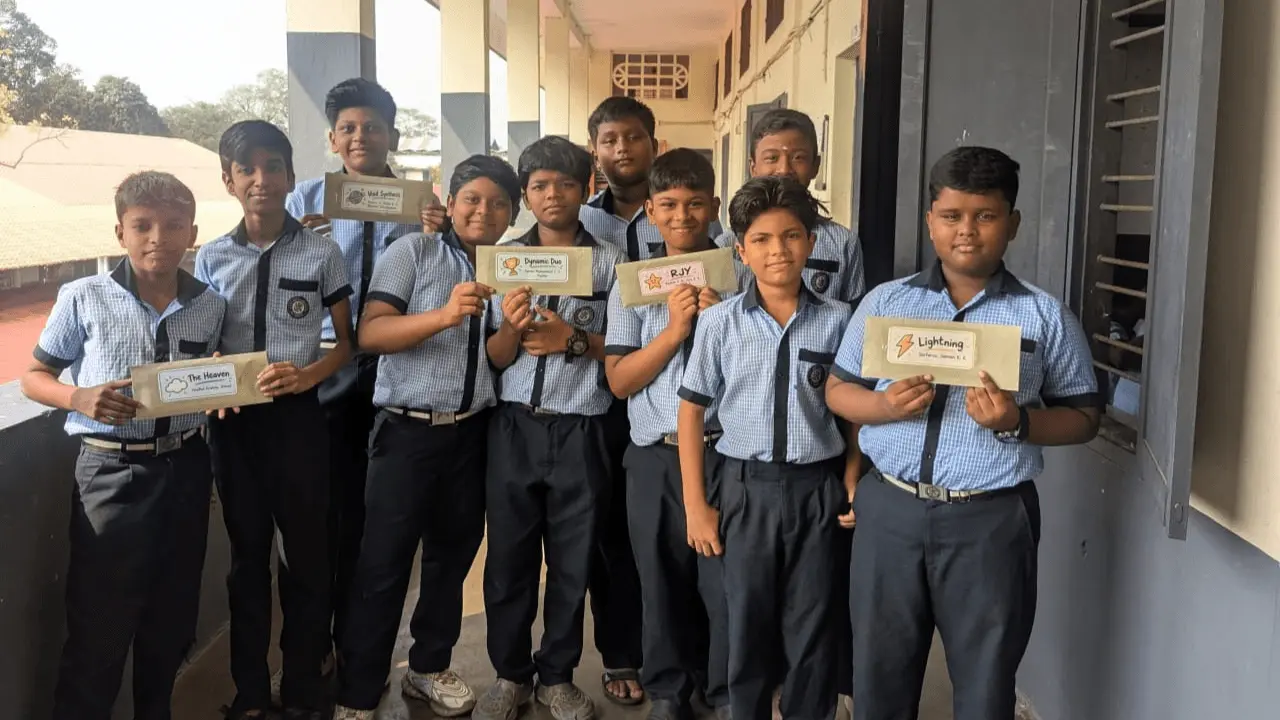
LifSkool students move from observation to empathy in the SPARK Challenge
The SPARK Challenge helps students practise their LifSkool skills through five team missions. We send instructions and worksheets in team-labelled envelopes through their teacher. Students work independently in teams, with weekly WhatsApp check-ins for support. In Mission 1, Spot, teams chose a problem and explained why it mattered. We used voice notes, a short animated explainer and reminders to guide their thinking. Teams shared photos of their worksheets through WhatsApp. We acknowledged their efforts and asked clarifying questions where answers needed more detail. Their initial choices ranged widely from cutting down trees and stray dogs on roads to local traffic accidents involving children. Because many of these issues started out broad, we added a prompt in Mission 2 asking teams to name the specific place where the problem actually happens. Mission 2, People, asks teams to identify who is affected and how. This step encourages students to consider how a problem affects themselves and others. The new envelopes have now been distributed, and we shared a new animated explanation through WhatsApp. Teams have one week to complete and submit one worksheet together.
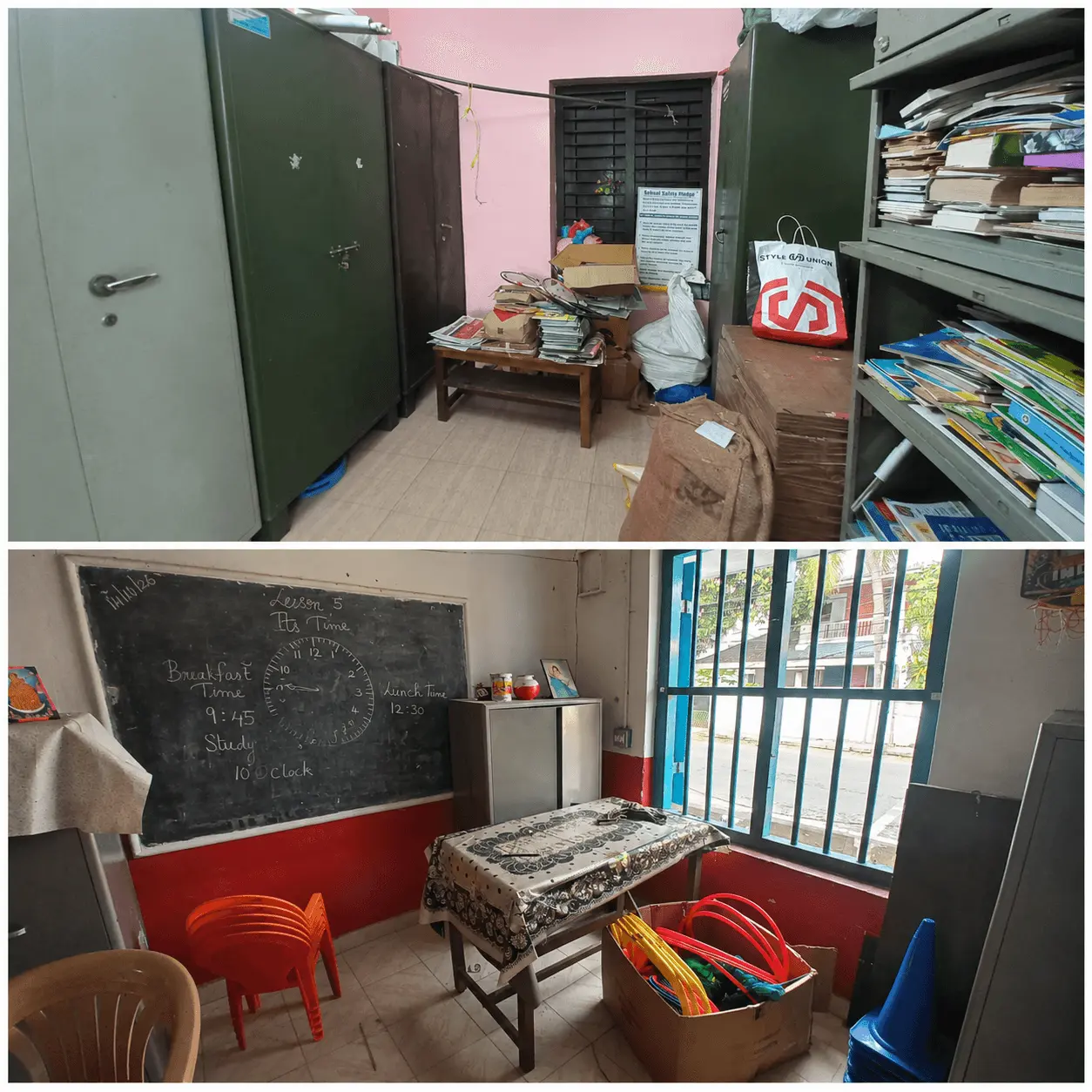
The planning begins for our calm corners
A calm corner is a small, welcoming space where children can pause when upset or overwhelmed. With a teacher’s support, they can use books, sensory materials and visual prompts to practise calming strategies before returning to classroom activities. Evidence reviewed by J-PAL supports teaching emotional and social skills with adult support. A small classroom study also suggests calm corners may help students settle their emotions. This, alongside positive feedback from our pilot at BTS LP School in Edapally, encouraged us to explore the approach in two more schools. We have already worked with St. Antony’s LP School, Saudi and Govt UP School Thamaraparambu through our life-skills workshops and teacher training. We approached the principals directly. We introduced the idea and shared the BTS setup, feedback, research and our process. Both principals and teachers welcomed the proposal. They showed George possible spaces, which he photographed for planning. Next, George will sketch a layout for each calm corner and visit local vendors to explore suitable materials and costs. Once the spaces are ready, we will train teachers and run a workshop with children on using them. We will share updates here as the plans take shape.
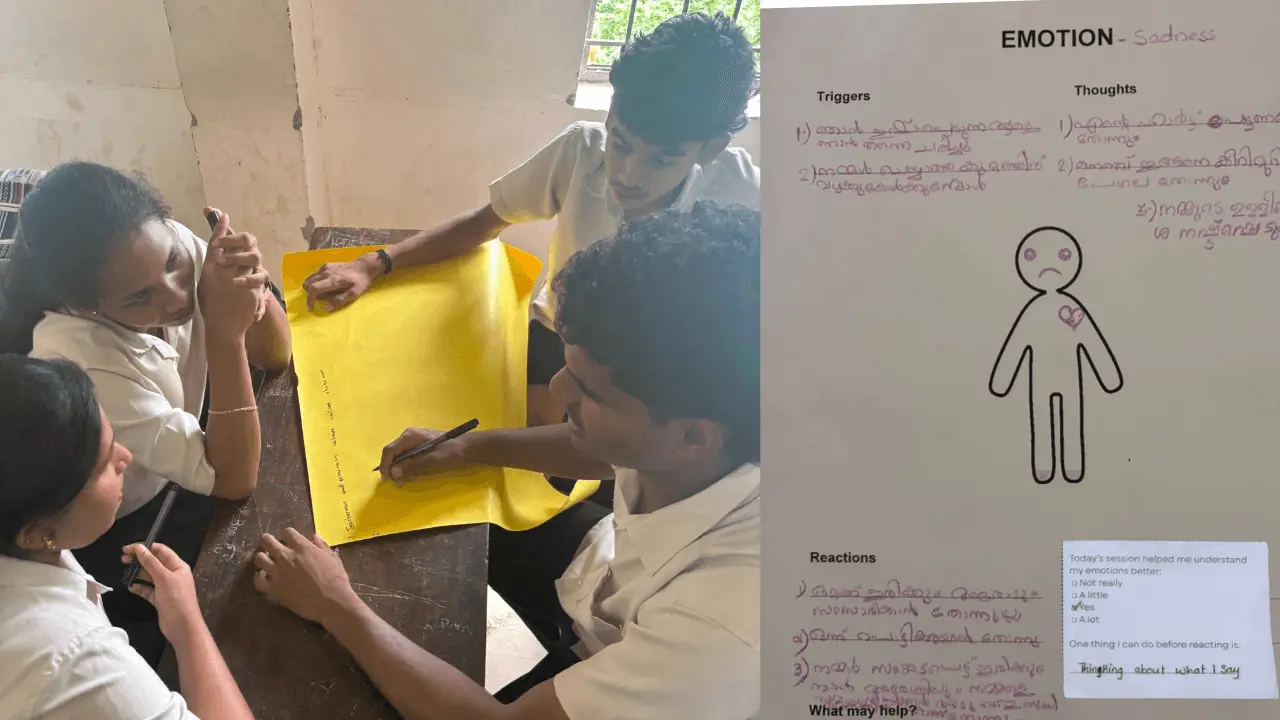
Exploring emotions with students at Kadamakudy
Our Life Skills and Mental Well-being Programme runs at GVHSS Kadamakudy. It brings together Olimalar Foundation, Mind Empowered and Sajeeva Counselling and Coaching Centre. The partners help Plus One students with school pressures, relationships and everyday choices. Topics include self-awareness, emotions, communication, managing stress and making decisions. Olimalar designs the sessions and trains a Mind Empowered facilitator to lead them. We led the opening session. Our aim was to learn about the students and plan the programme to fit what they need. After that, the facilitator ran the sessions. This was our third session. Earlier sessions covered introduction and trust-building, then identity and self-awareness. We prepared worksheets. They had a body outline and spaces for emotional triggers, thoughts, reactions and what might help. The facilitator brought existing visual charts about feelings and coping strategies. Students worked in groups. Each group explored happiness, sadness, anger, fear or disgust. Students used the worksheets to identify situations that might bring up their emotion. They wrote down accompanying thoughts and reactions and marked where the emotion might be felt in the body. This connected the discussion to everyday experiences. The facilitator gave simple explanations in English and Malayalam. Students could write answers in either language. Then they discussed what emotions might tell us and what could help them pause before reacting. They filled in feedback slips. The slips noted whether their understanding had improved and one thing they could try before reacting. Because of delays, we hope to go back to the original schedule. We want to prioritise the most important topics with our partners. George will join the next session. He will hear from the students and the facilitator and find out what support they need.
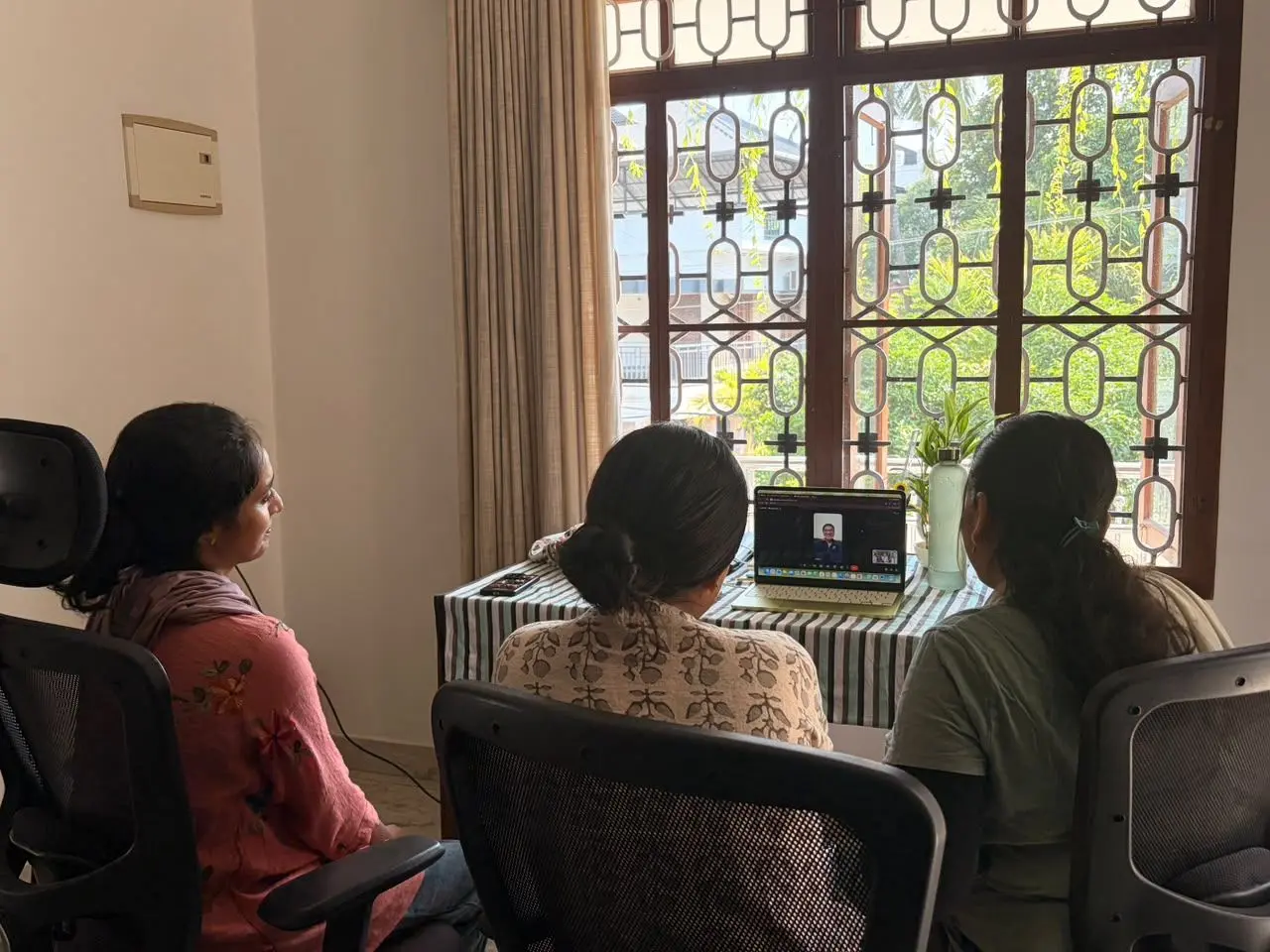
From Lalan Road to London: our weekly check-in
They are miles apart, and still make time to catch up. Shabana from the Stitching Club, Anjali from Thudippu Dance Foundation and Nasrin, a new aikyam fellow, gathered at aikyam. Aarthi from Olimalar Foundation joined online from London. They shared updates on recent activities. Their goal for the month is to find one free, open and safe community space. There they could offer dance, stitching or reading activities. The aim is to bring these activities closer to children and families who might otherwise find them hard to reach.
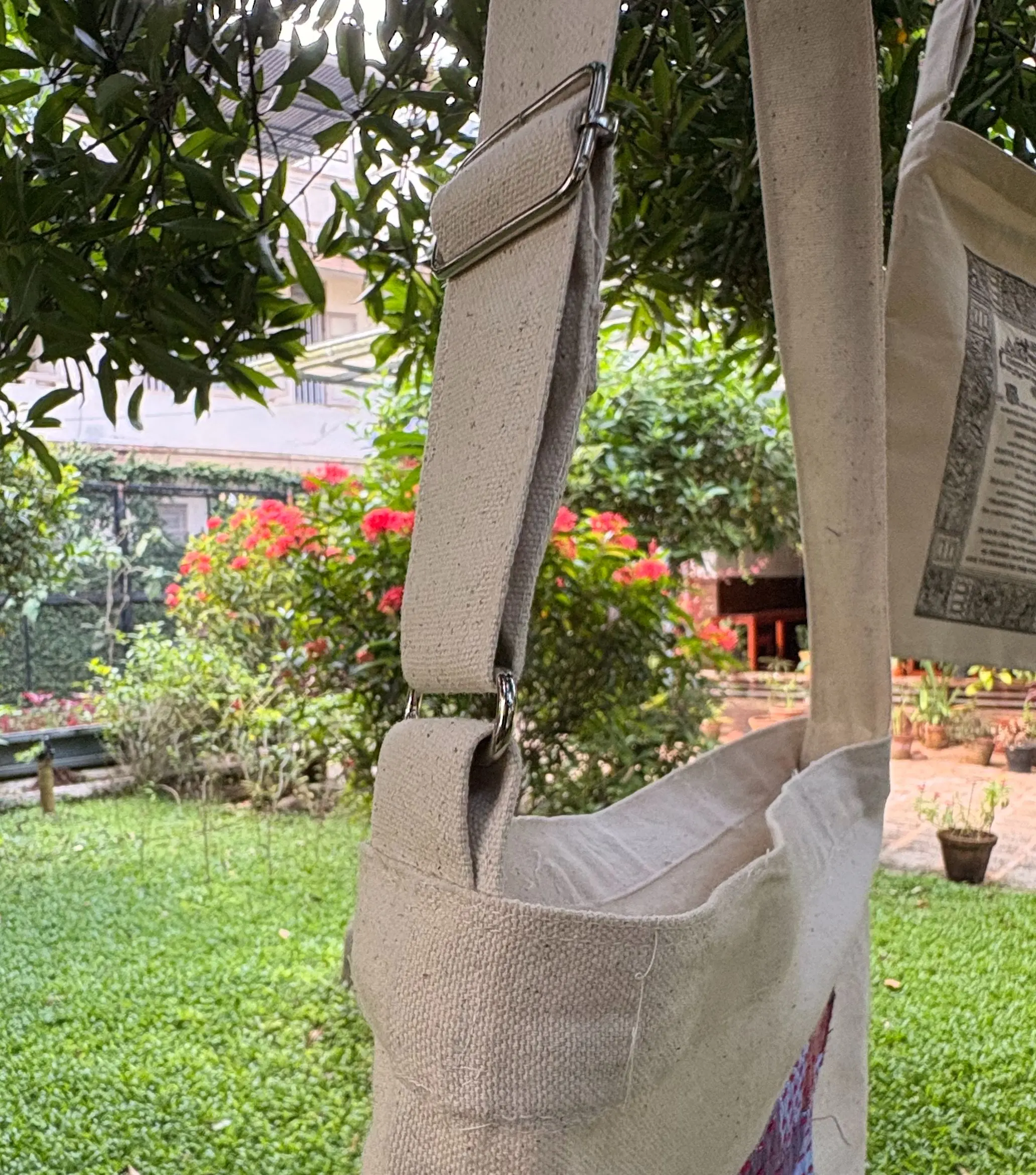
Finding better strap adjusters for our bags
We looked for ways to get better strap adjusters for our bags. We contacted local shops and people to find out where they are sold and whether local workshops could make them. We also explored whether local welding shops could help us identify the material and make the adjusters. After these enquiries, we decided on good-quality stainless steel adjusters with local chrome plating for a better finish. Buying the adjusters and getting them plated are the next steps.
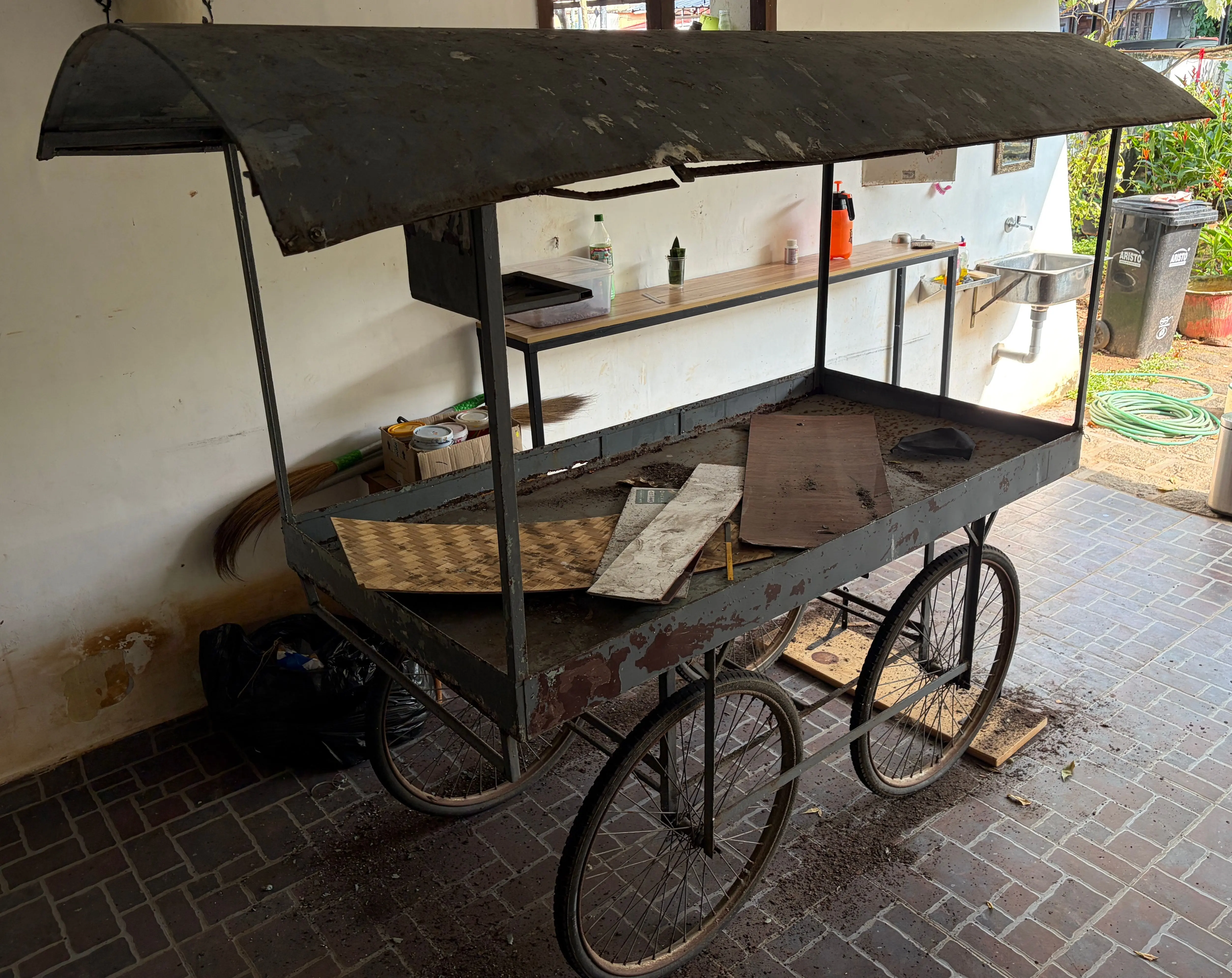
An old pushcart for a new community tea space
We bought an old pushcart that was going to be sold as scrap. We plan to repair it and use it for a tea space in aikyam’s Verandah. The idea is to create a familiar place for women and children, especially those from marginalised communities. Women should feel comfortable coming here to meet, talk, rest and have tea. We are still planning how to make this a place they feel is their own.
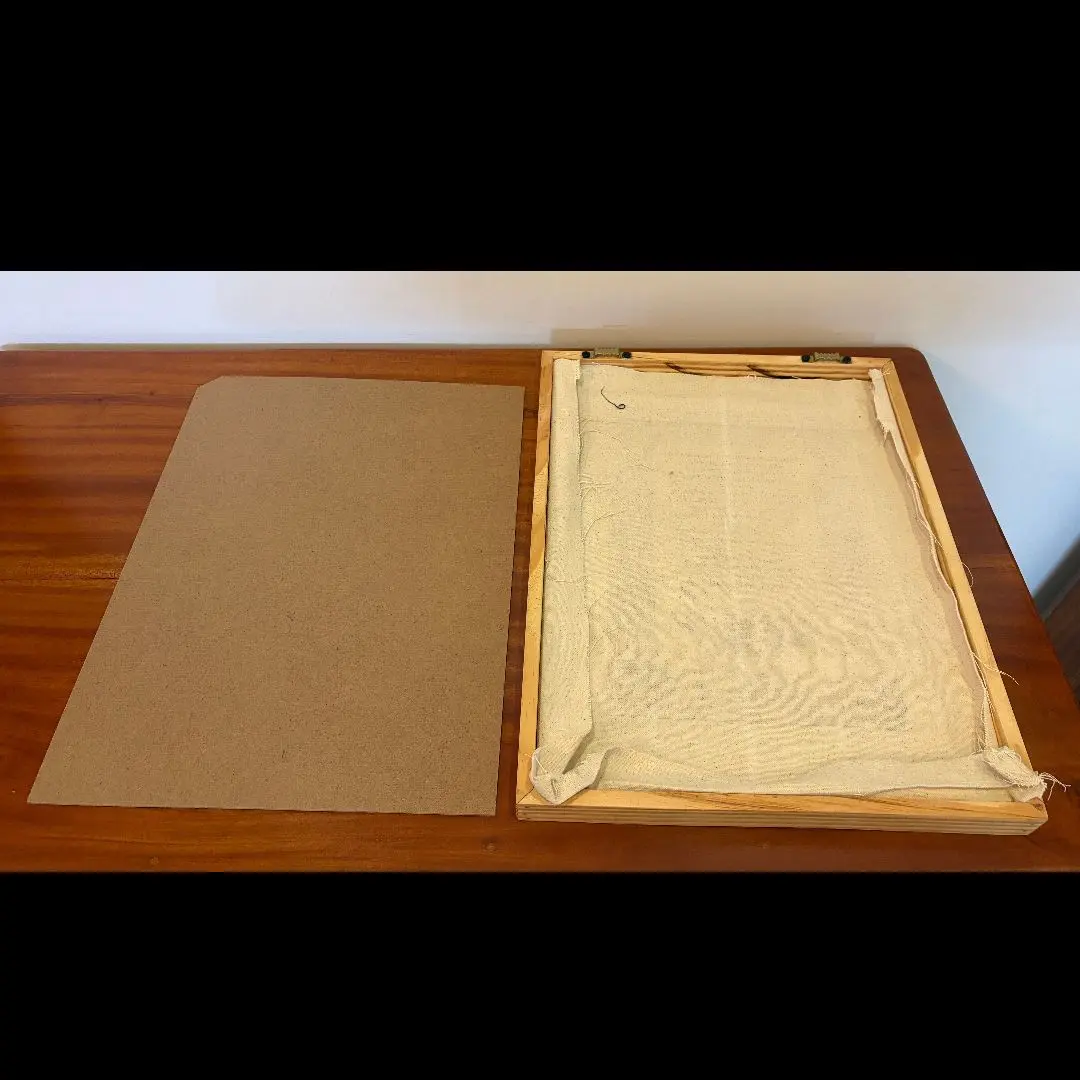
Exploring pine wood for a more sustainable frame backing
We talked about the backing panel for our Preamble frames. We wanted it to be sturdy, long-lasting and sustainable, while protecting what the frame shows. We first thought about recycled paper. Then we explored whether we could cut pine wood pieces to about 3 millimetres thick and join them to make the backing. We discussed this with our frame maker, Mr. Jacob. He was positive about trying the idea. We are waiting for a sample. We will decide whether to use it once we see it.
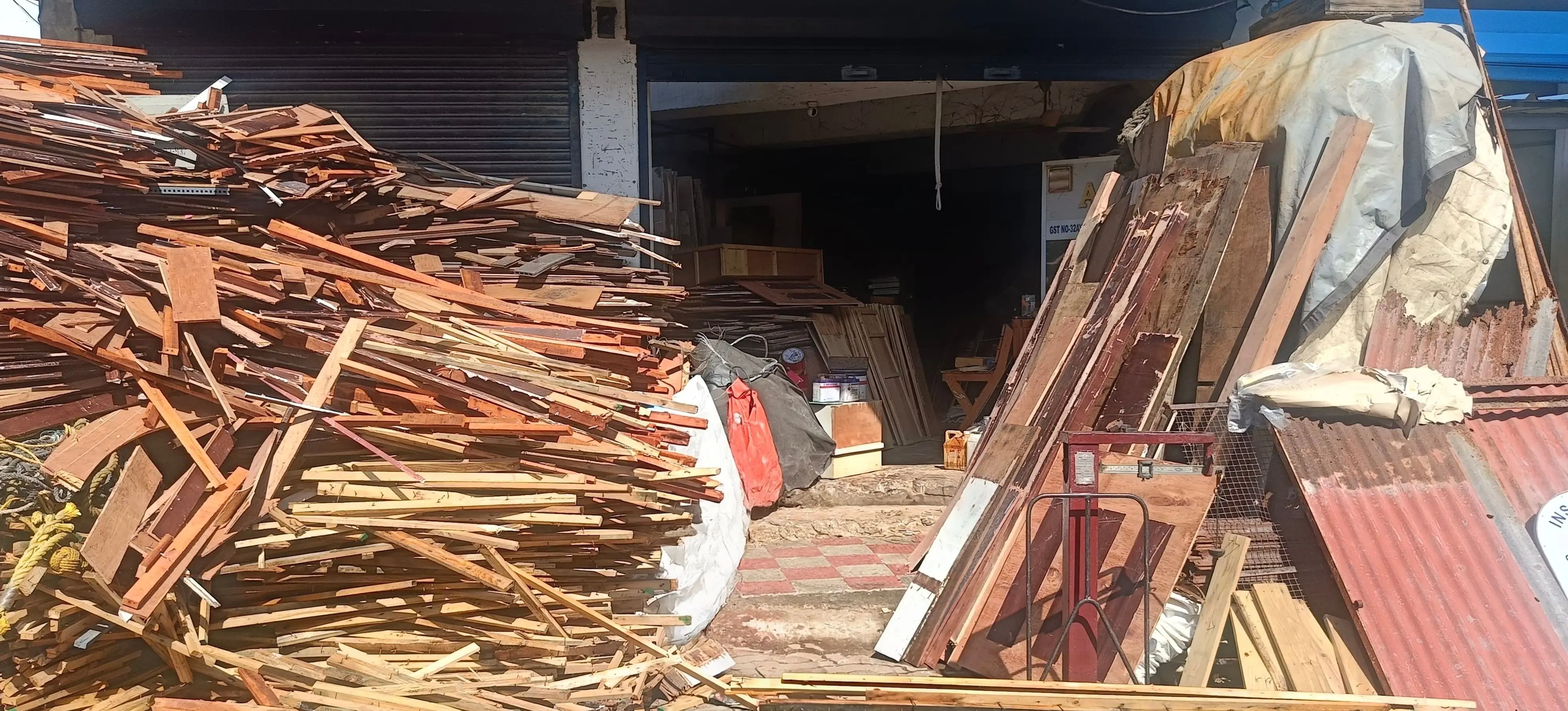
Looking for a suitable backing board for our frames
We visited several shops to find a backing board for our frames. We wanted to explore recycled and recyclable materials that could support and protect what goes inside the frame. We looked at MDF, Multiwood, plywood, foam boards and other options. We also came across WPC panels, a material that was new to us. The options we found raised concerns about plastic content or how they could be recycled. We have not yet found a suitable board locally and are continuing the search.
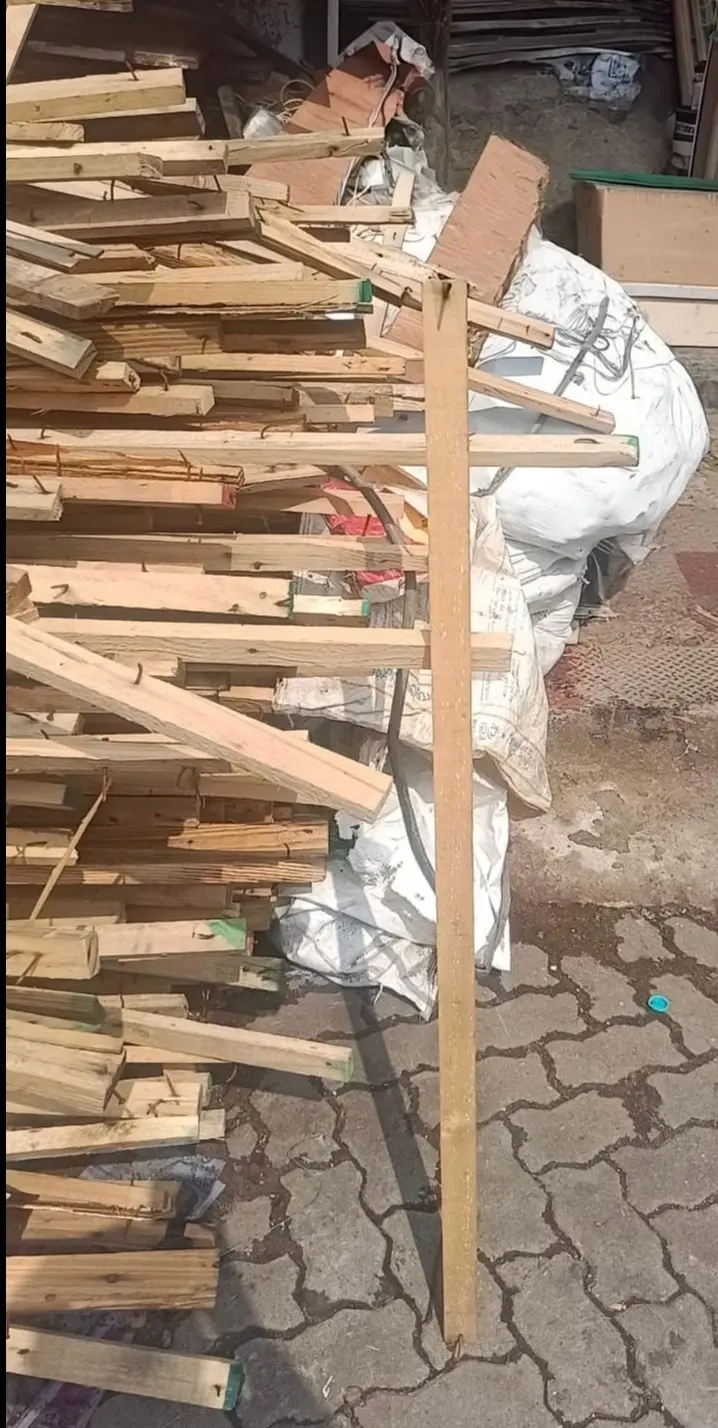
Reclaimed wood delivered for first batch of Preamble frames
Reclaimed wood delivered We delivered reclaimed wood to our carpenter, Mr. Jacob, for the first production batch of Preamble frames. Acrylic sheets We have ordered recyclable acrylic sheets. Cutting them to size will take two more days. We expect the recyclable foam backing sheets to arrive with them.
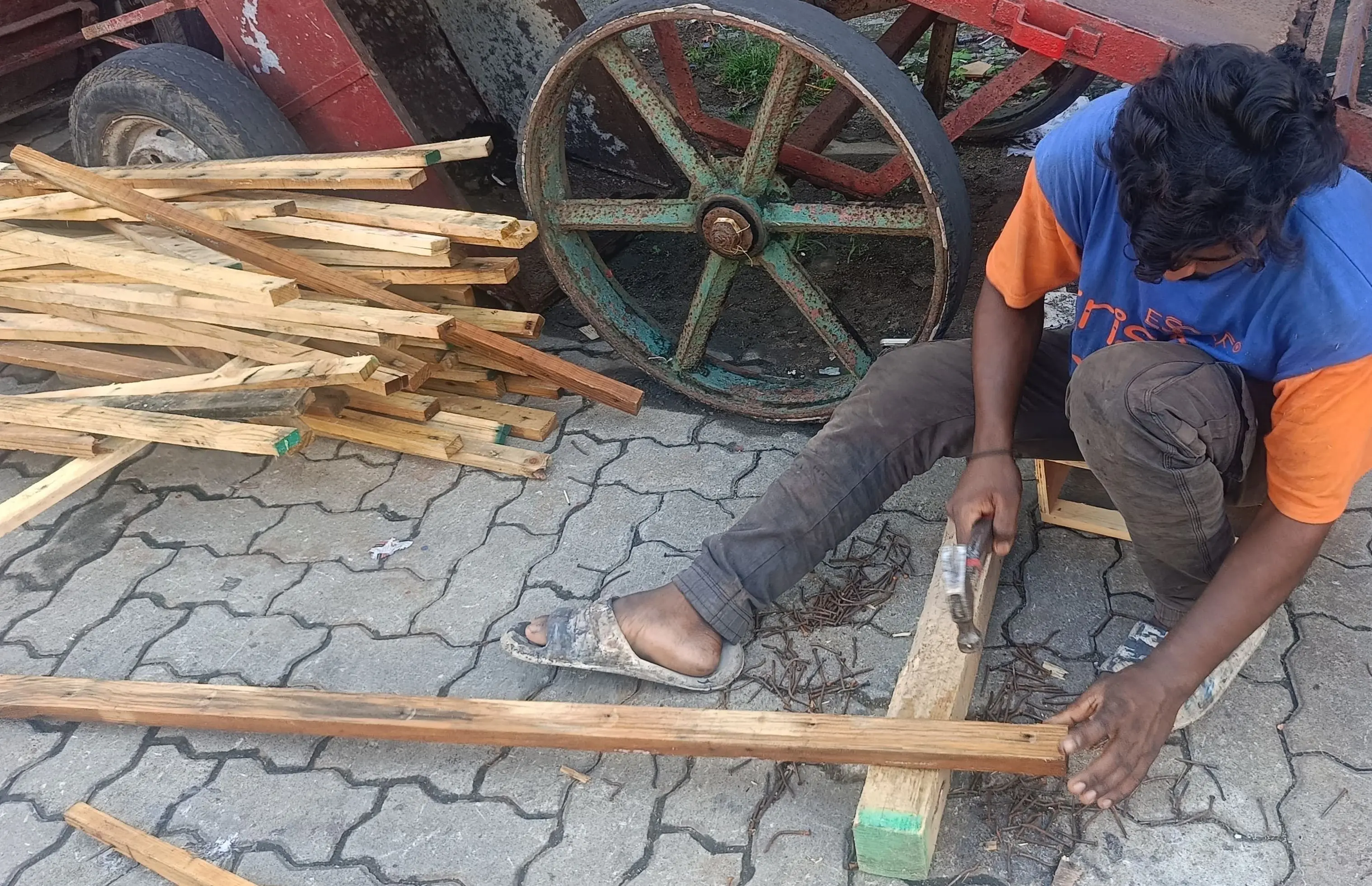
Preparing reclaimed wood for Preamble frames
We removed nails from reclaimed wood to prepare frames for the Preamble to the Indian Constitution. This was time-consuming, but it is an important step. If the wood has nails inside it, carpenters who cut the wood to size will be at risk. Power tools that hit hidden nails create a serious risk.
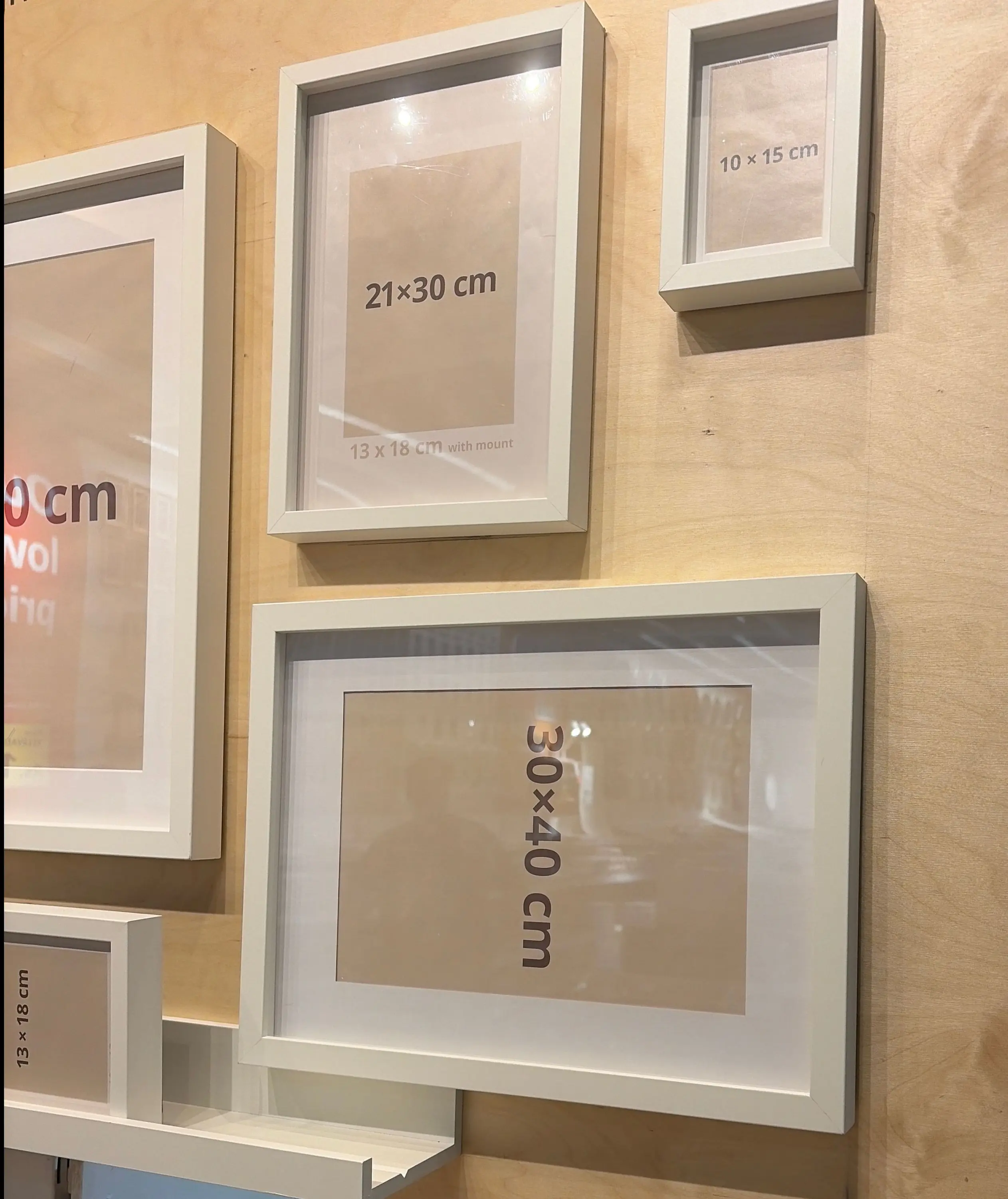
Exploring photo frame designs for the Constitution’s Preamble
We are exploring how to make frames from sustainable materials. The frames would display the Preamble to the Indian Constitution. We visited IKEA to compare frame designs and chose one as our reference. We plan to make a similar model with carpenters from Fort Kochi and Mattancherry. We will use local materials where possible. This supports local craftsmanship and makes the frames more sustainable.