
George P J
What George P J did here
Art stations and a talent showcase to welcome children back
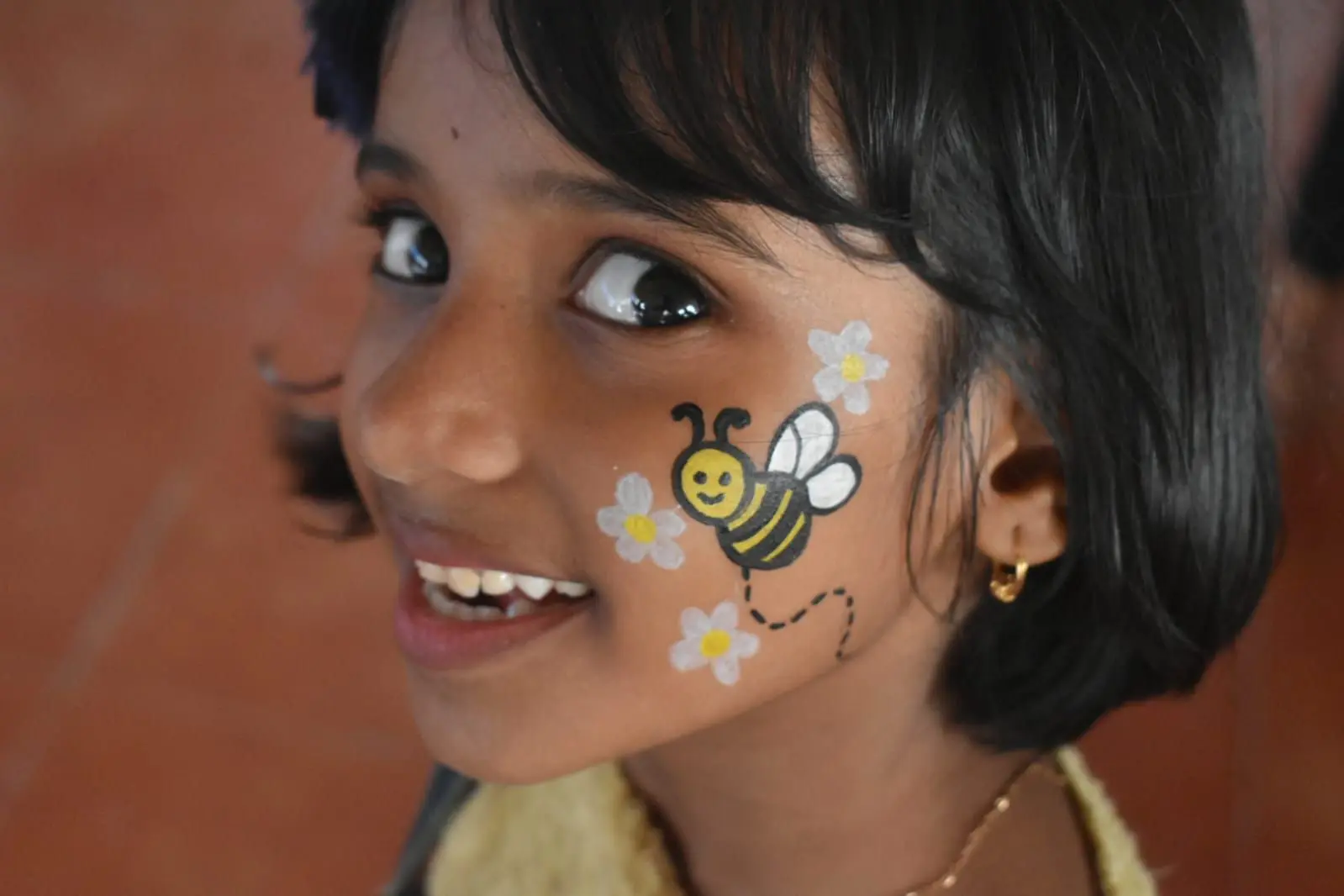
For Children’s Day, we ran an open art afternoon at aikyam space. There was a warm-up, art stations children could move between freely, and a showcase of their work and talents. Parents were invited too. It was the day we had been working towards. For weeks, fewer children had been coming to Curiosity Club. We didn’t know why. After reconnecting with children and families, we hoped familiar faces would return. We planned for about 15 children. 24 came, about double our usual, many for the first time in weeks and several parents came with them too. George and Sreena ran the afternoon, with Diya, an external facilitator, on face painting. Warm-up (2 pm). “Heads, Shoulders, Knees and Toes” got everyone moving. Sign-up. We listed the activities on the whiteboard and children wrote their names under the ones they wanted. Art stations. Children moved between the three stations on the terrace. Some tried every one. Others made one piece and were happy with that. Clay was the favourite. We ran out and had to buy more. Getting ready to perform. We had asked children to tell us if they wanted to perform. On the day, few put themselves forward. Around 3:30, Sreena went round and suggested small groups of three to five. That way, no one had to perform alone. Groups chose a song, dance, story or speech and practised. Snacks and display (4:15pm). Downstairs, we had snacks and laid out everything the children had made. Showcase (4:45–5:20pm). Face painting took longer than planned. So we moved it downstairs and ran it alongside the showcase. Children gave speeches and dances, including two or three group dances. Then they presented their own work. Some children missed the day because of school cultural festivals, but others came along afterwards and joined in. Letting children choose what to make, and whether to perform, meant every child found their own way to take part. Everyone left happy, and with a painted face. It was lovely to see them again.
Reconnecting with Curiosity Club children and families
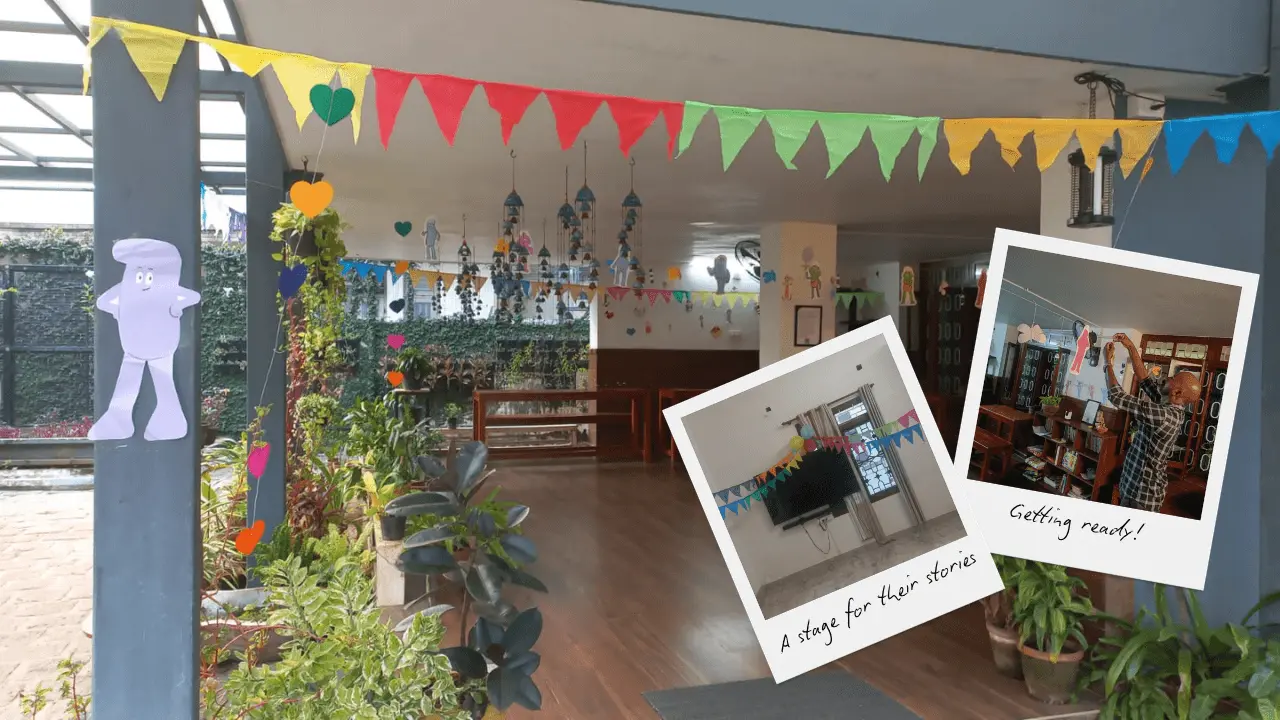
Attendance at Curiosity Club has been uneven. We wanted to find children we had lost touch with. We also wanted to reconnect with their families and understand what makes attending difficult. Over a week, we brought existing records into one master register. This helped us identify children who had not returned recently. We corrected names and removed duplicates. We also added every family to WhatsApp. Children's Day gave us a welcoming reason to reach out. We individually invited all families through messages and voice notes. We kept the invitation separate from questions about absence. We will follow up next week to understand what might help children return. We have planned games and art. We also planned crafts and clay modelling. We will offer face painting and opportunities to perform. We want children to enjoy themselves and choose how to take part. We also want them to feel welcome to come back. Today, we decorated aikyam, ready to welcome everyone tomorrow.
LifSkool students move from observation to empathy in the SPARK Challenge
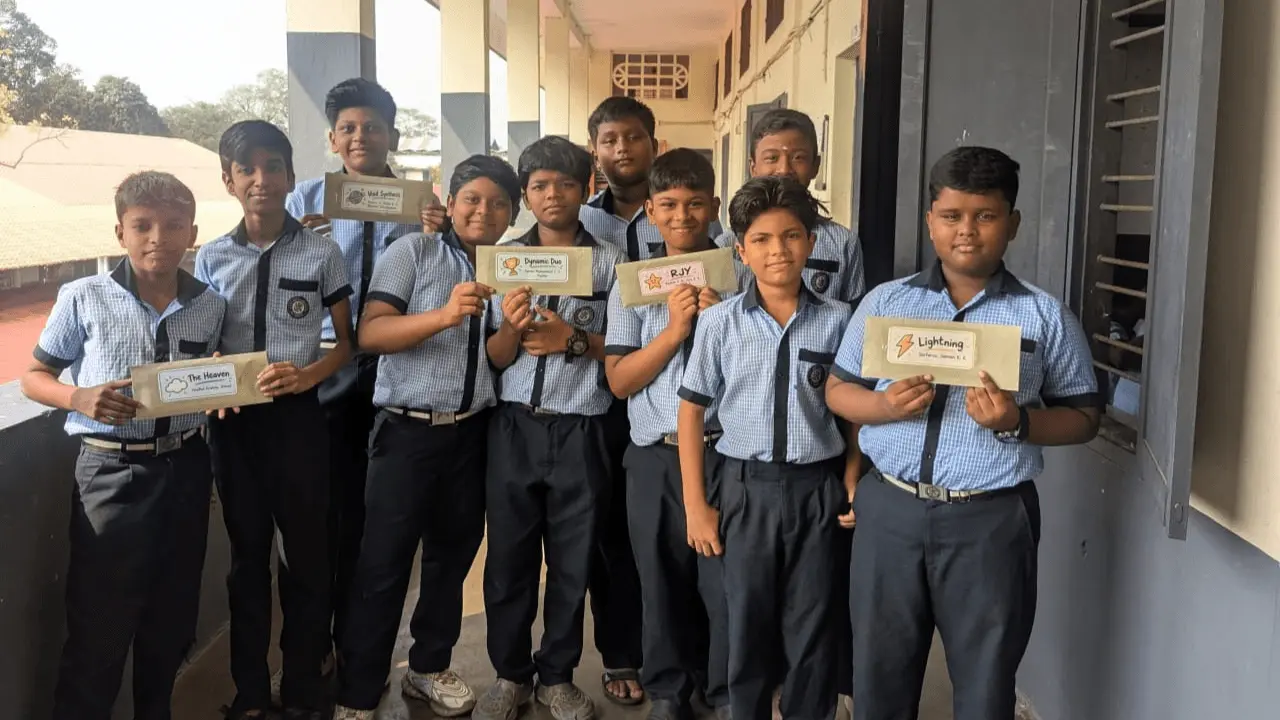
The SPARK Challenge helps students practise their LifSkool skills through five team missions. We send instructions and worksheets in team-labelled envelopes through their teacher. Students work independently in teams, with weekly WhatsApp check-ins for support. In Mission 1, Spot, teams chose a problem and explained why it mattered. We used voice notes, a short animated explainer and reminders to guide their thinking. Teams shared photos of their worksheets through WhatsApp. We acknowledged their efforts and asked clarifying questions where answers needed more detail. Their initial choices ranged widely from cutting down trees and stray dogs on roads to local traffic accidents involving children. Many of these issues started out broad. In Mission 2, we added a prompt asking teams to name the specific place where the problem happens. Mission 2, People, asks teams to identify who the problem affects and how. This step encourages students to consider how a problem affects themselves and others. We have now distributed the new envelopes. We shared a new animated explanation through WhatsApp. Teams have one week to complete and submit one worksheet together.
Show all 16 sessions
A Friday reading club agreed at SDPY Girls High School
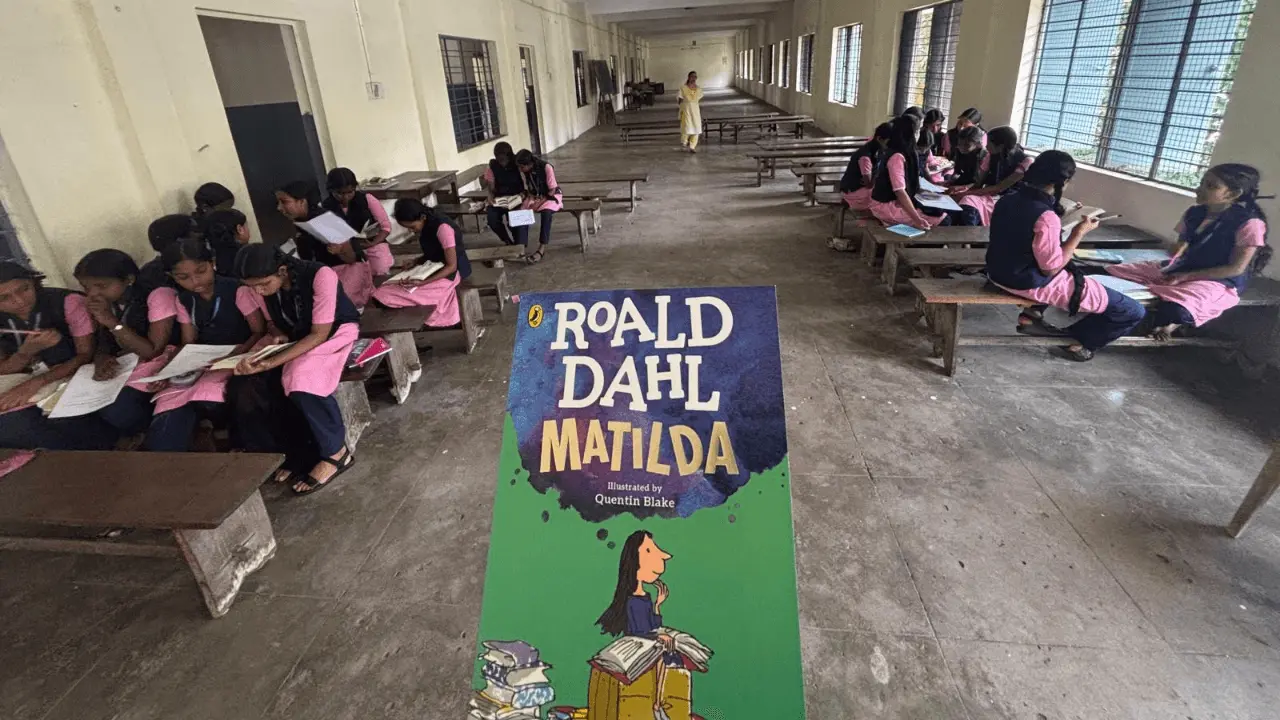
After our attempts to continue reading online, we spoke with SDPY Girls High School about how we could help students take part. One parent had told the teacher that network issues prevented her child from joining. Students use their parents' phones, so availability matters too. The school highlighted other possible barriers, including limited data and evening commitments. Some students needed help to join. Finding time in school was still a challenge, as we needed our previous slot for other activities. Together, we agreed a shorter, 45-minute Friday slot for a Reading Club with 7 std students, starting next week. We will plan smaller sections of "Matilda". We will include discussion and short activities to check understanding. We will also explore using the bilingual Reading Room during school sessions, depending on device and internet access. We are looking forward to reading together again!
Finding a way to stay connected
We have been reading Roald Dahl’s "Matilda" with Standard 7 students at SDPY Girls High School. We help them understand the story and feel comfortable sharing ideas. Since our last session in September, we have been trying to keep reading together. Youth festivals, fairs and other preparations took up the reading period. We agreed with the school to move online. The school coordinator explained the plan in class, created a parents' WhatsApp group and informed families. We shared short weekly activities, including story recaps, English and Malayalam vocabulary, and reading and listening tasks. We did not receive responses, so we tried another approach. We offered weekly online sessions on Saturdays at 8 p.m. To support these sessions, we created the Reading Room. It is our first mobile-friendly reading website built with AI support. It offered word meanings, questions and creative activities in English and Malayalam. Students could complete these after each session so we could check their understanding. We planned our first online meeting as a chance to reconnect, revisit the story and explore the website together. But when the time came, the students did not join. It was disappointing. We had prepared a way to continue, but we still needed to understand whether it worked for families. We plan to meet the school coordinator to hear suggestions. We will ask the coordinator to gather feedback from students and families. Together, we will explore what could work, including reading before or after school.
The planning begins for our calm corners
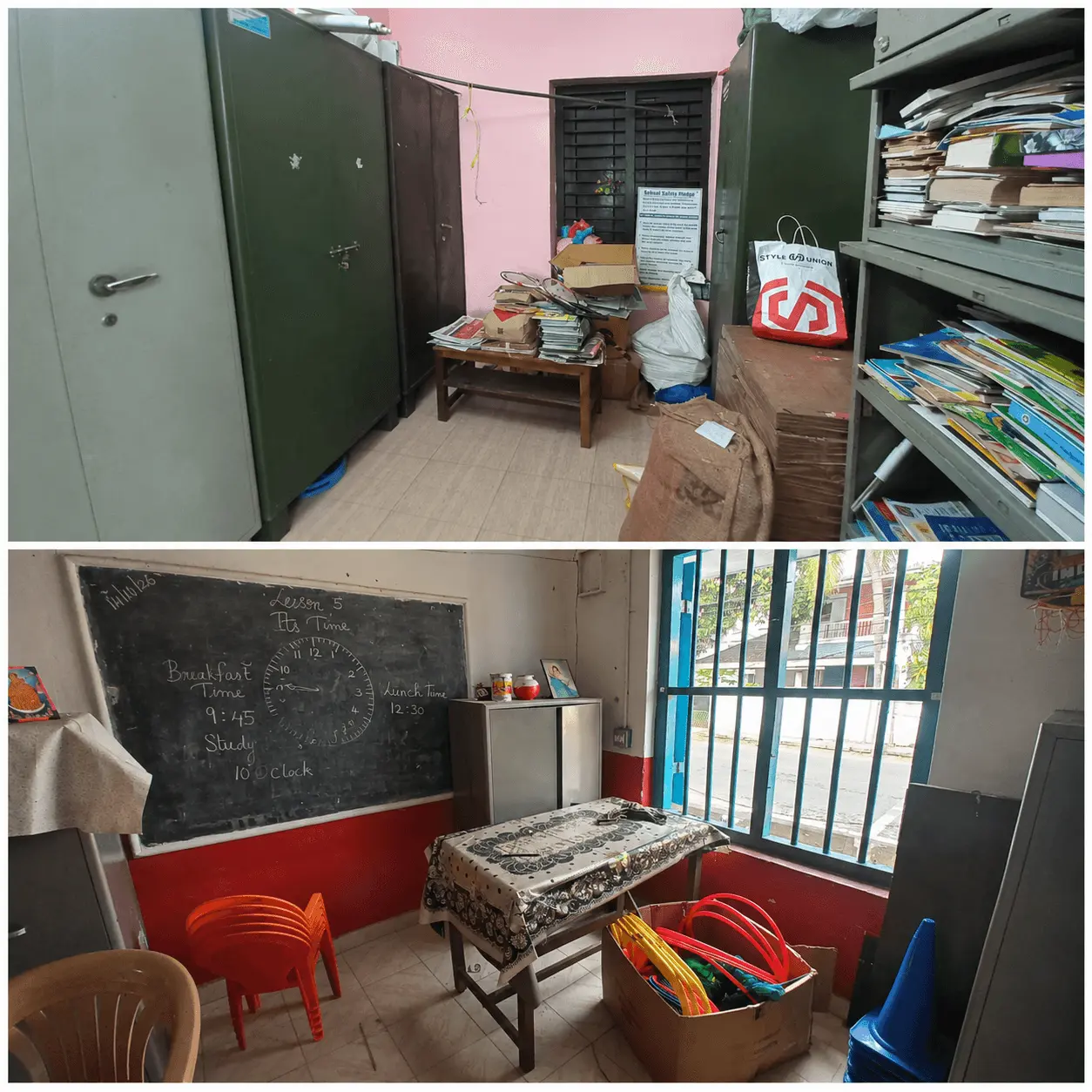
A calm corner is a small, welcoming space where children can pause when upset or overwhelmed. With a teacher’s support, they can use books, sensory materials and visual prompts to practise calming strategies before returning to classroom activities. Evidence reviewed by J-PAL supports teaching emotional and social skills with adult support. A small classroom study also suggests calm corners may help students settle their emotions. This, alongside positive feedback from our pilot at BTS LP School in Edapally, encouraged us to explore the approach in two more schools. We have already worked with St. Antony’s LP School, Saudi and Govt UP School Thamaraparambu through our life-skills workshops and teacher training. We approached the principals directly. We introduced the idea and shared the BTS setup, feedback, research and our process. Both principals and teachers welcomed the proposal. They showed George possible spaces, which he photographed for planning. Next, George will sketch a layout for each calm corner and visit local vendors to explore suitable materials and costs. Once the spaces are ready, we will train teachers and run a workshop with children on using them. We will share updates here as the plans take shape.
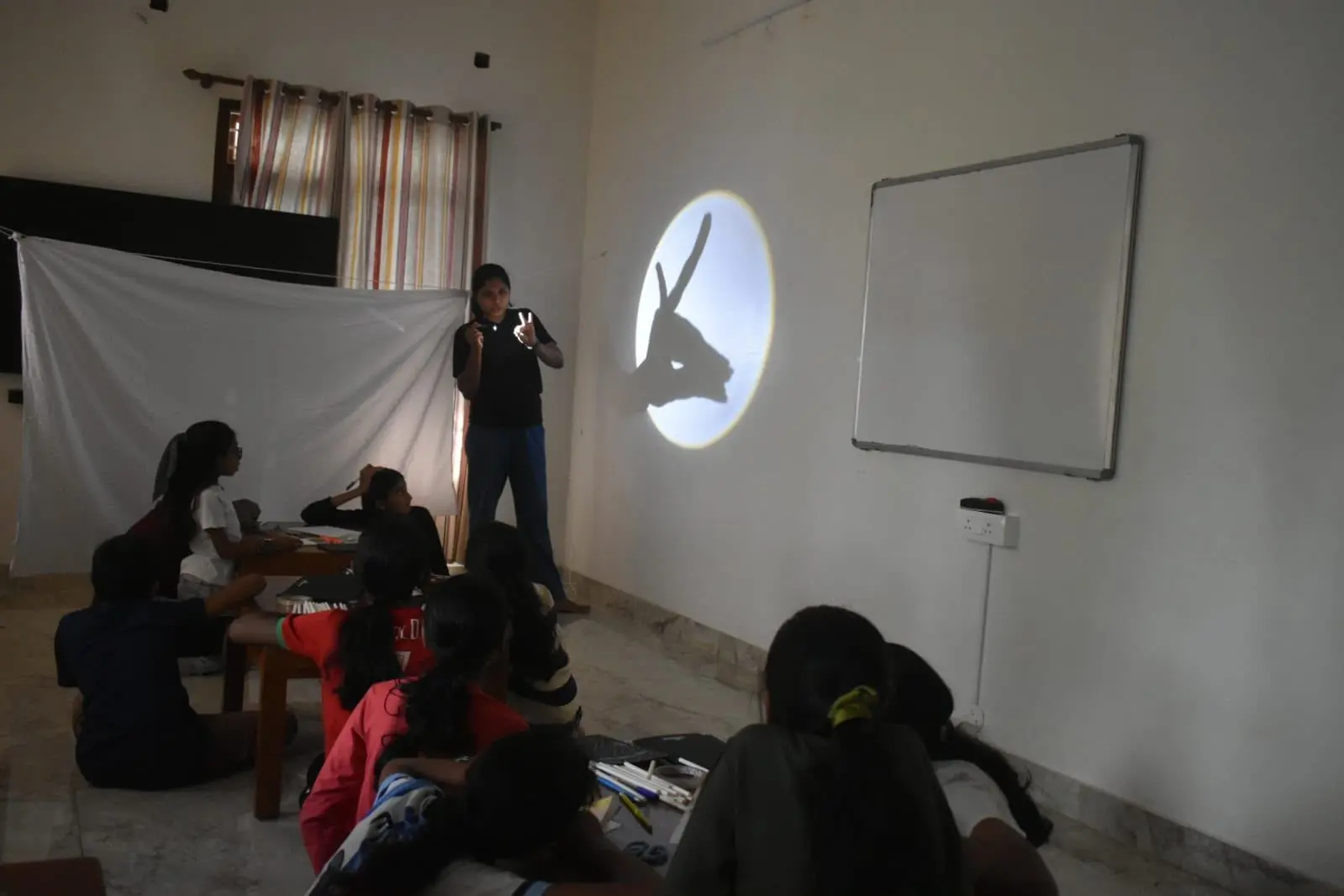
Shadow puppetry returned at the children's request, giving those who missed the earlier session a chance to try it. After free play, we brought reading and puppet-making together. We formed three groups and gave each a short storybook to turn into a shadow show. Children read together, wrote simple scene plans and cut out characters and shapes from paper and card saved from previous activities. We explained how shadows form when an object blocks light and how moving puppets between the light and screen changes their shadow's size. Each group performed its story. One group cut out letters for a "Thank you" ending and worked out how to arrange them so the audience could read the message. We treated the shows as a first trial, with room to practise and improve. We closed by asking what children enjoyed about recent sessions and what they wanted to explore next.
LifSkool: the SPARK Challenge begins
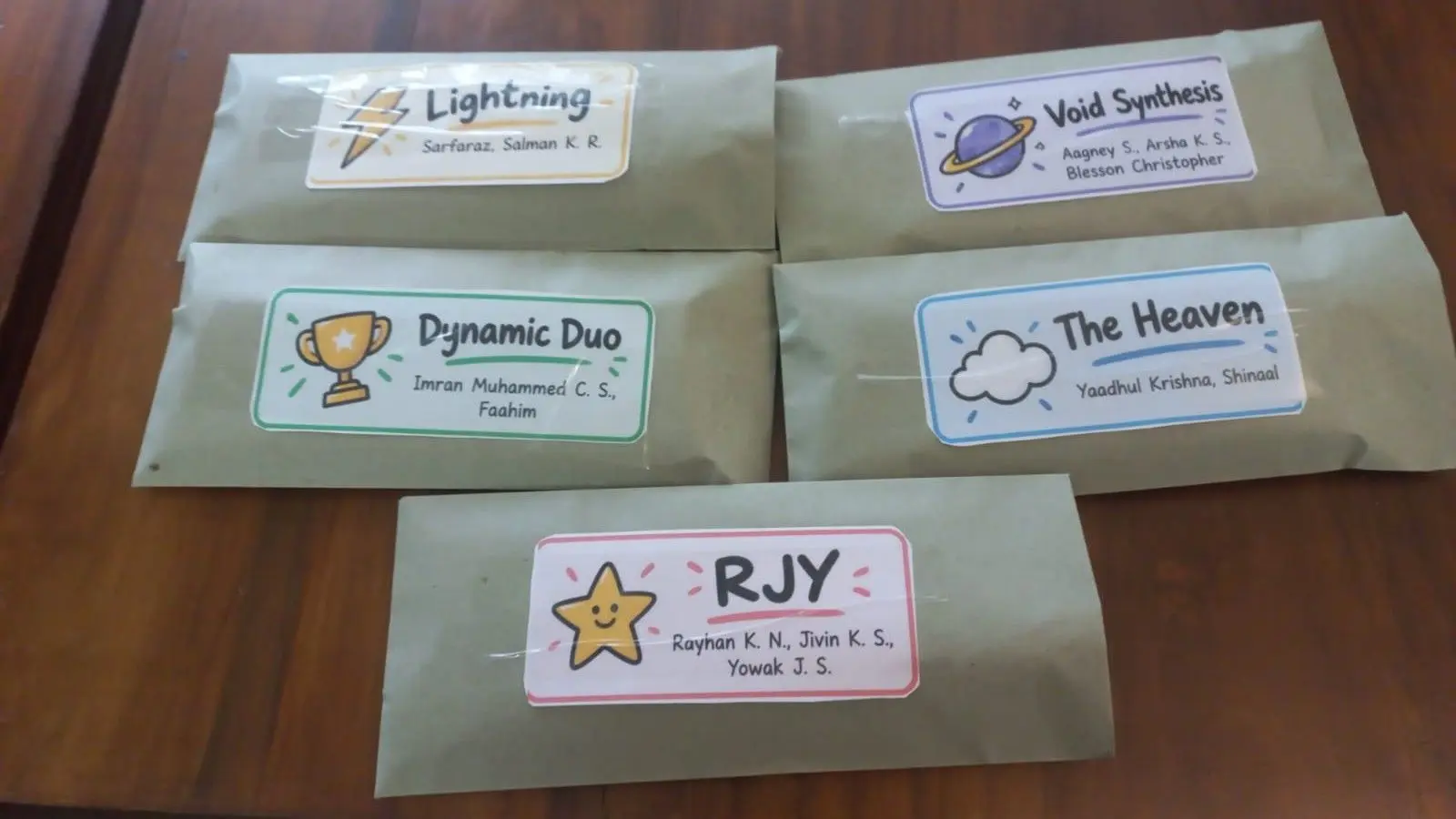
At SDPY Boys High School, students spent five weeks exploring life skills through games and discussions, and through hands-on challenges. They practised recognising and managing emotions, and they practised thinking creatively. They also practised solving problems and communicating, and they worked with others. What happens when there is no facilitator guiding the activity? Can students recognise when to use these skills and put them into practice themselves? This is what we wanted to explore next. During our final LifSkool session, we introduced the SPARK Challenge. The SPARK Challenge is a series of weekly team missions that help students apply what they have learned to everyday situations. The students formed five teams and chose their own names. We also created a WhatsApp group with parents to share the weekly challenges and stay connected with the students. This week, we began with Mission 1, Spot it. Each team received an envelope containing an illustrated instruction sheet and a worksheet. We also shared a Malayalam voice note to explain the mission. The students have one week to look around their school, home or community and notice small problems. We encourage each student to identify at least one problem independently before sharing their observations with their teammates. Together, they will discuss up to three problems. Then they will choose one they would like to explore further and explain why they selected it. They can write or draw their responses in Malayalam or English. Each team submits one completed worksheet at the end of the week. We have deliberately asked them not to find solutions yet. They start by observing and listening to different ideas. They then make a decision together. Over the coming weeks, the missions will build on one another. They give students opportunities to practise the skills they learned during LifSkool without us directing each step. The SPARK Challenge gives students their first opportunity to apply their life skills through an independently managed team activity.
A quiet Saturday of drawing and making
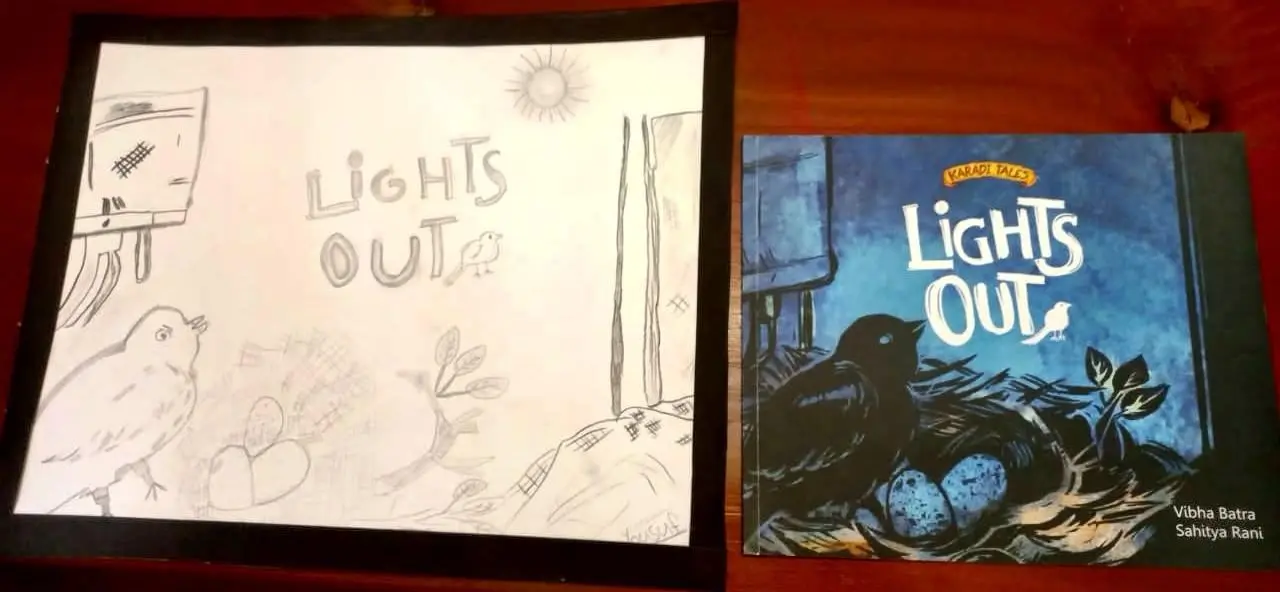
We had prepared a full afternoon. The children would begin with a word activity. Then they would choose books and read together in pairs. After that they would work in teams to invent something that could solve a problem they had noticed at home or around Kochi. This Saturday, just one child arrived. We waited until 2:30 p.m. in case others were coming late. When no one else came, we asked whether he was happy to stay and what he would like to do. He chose drawing. As he had missed the previous session, the word activity was unfamiliar to him. Instead, he tried the Circles Challenge. He turned the empty circles into faces, planets, balls and other pictures. Afterwards, he picked up "Lights Out" written by Vibha Batra and illustrated by Sahitya Rani. He asked whether he could draw his own version of the cover. We gave him chart paper and colours and let him work. When he finished, we cut strips from black paper and added them around his drawing to make a frame. He was curious about what else we could make, so we tried cutting and folding paper into a small cube. While his hands were busy, we talked. He told us about his drawing at school and the prizes he had won. It was not the session we had planned. It became a quiet afternoon of drawing and making, and we got to know one child a little better.
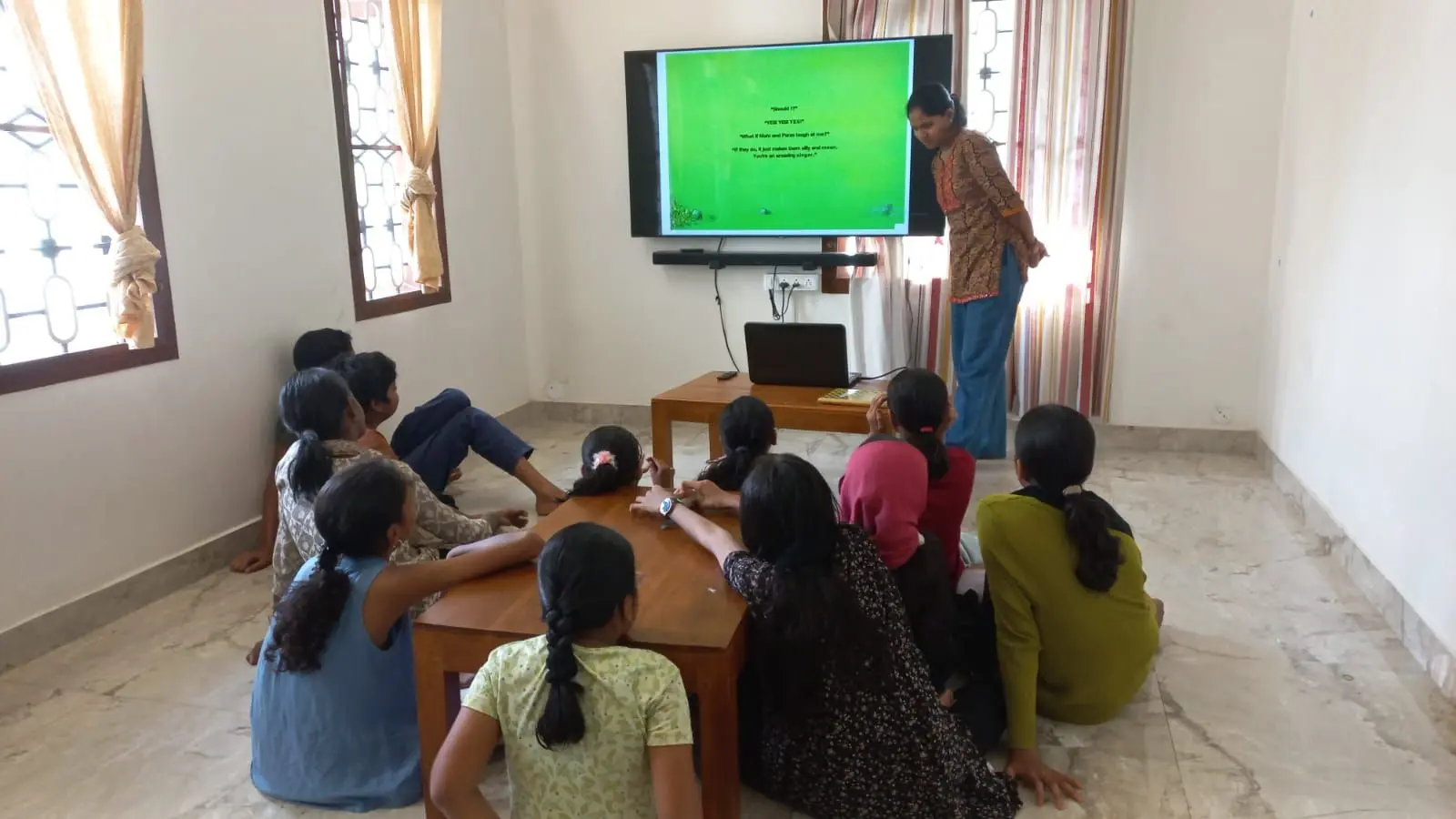
In earlier sessions, some children could read words aloud without fully understanding them. This week, we changed from paired reading to reading aloud together. We paused to explore unfamiliar words and discuss the story's meaning. We chose "Stage Fright" by Pratham Books. It is a story about Champa, who loves singing but is afraid to perform on stage. We prepared slides with selected tricky words. Children guessed their meanings from the story before we revealed the Malayalam explanations. We discussed why Champa felt scared. We asked who had felt like her before. Children shared their own experiences of nervousness. They connected the story to their lives and explored the feelings behind the words.
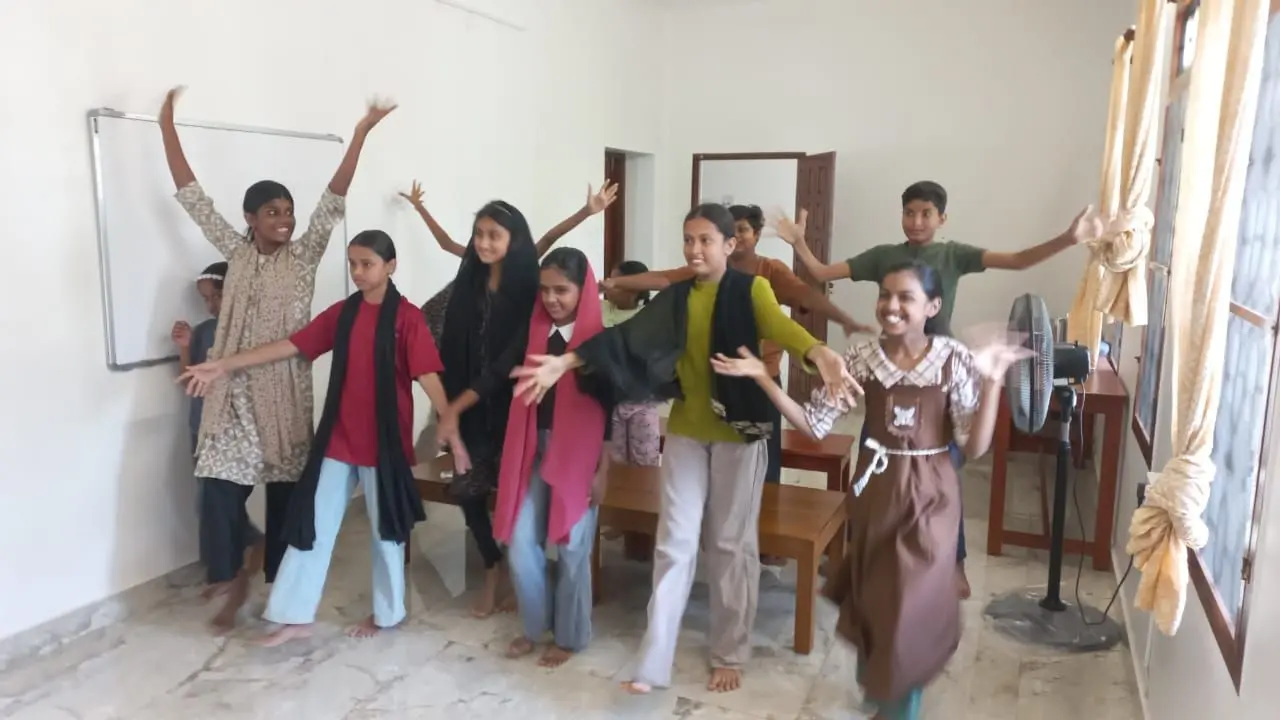
This week at Curiosity Club, we explored a question. What helps us share our ideas when we feel nervous? We began with Champa from "Stage Fright", a story about a child who loves singing but is afraid to perform. Her worries helped children talk about their own feelings when facing an audience. We prepared slides with prompts and examples. We set up a microphone for practice. We started by inviting each child to introduce themselves with an action. Afterwards, we asked how it felt to stand up and speak. Children described shaking hands, trembling legs and sweaty palms. Their experience matched Champa's. This led us to practise breathing to calm our bodies and shaking out our arms and legs to release tension. We then warmed up our voices with tongue twisters and tried changing our volume and expressing different emotions. A facilitator demonstrated different speaking styles, and children noticed the difference posture, voice and energy made. They then chose topics for short talks in Malayalam or English. We introduced PREP, which stands for point, reason, example, point. It helped children organise their thoughts. We provided paper for notes. They then came to the front and used the microphone to share their ideas with the group. We closed by reflecting on how it felt to speak and what had changed after trying.
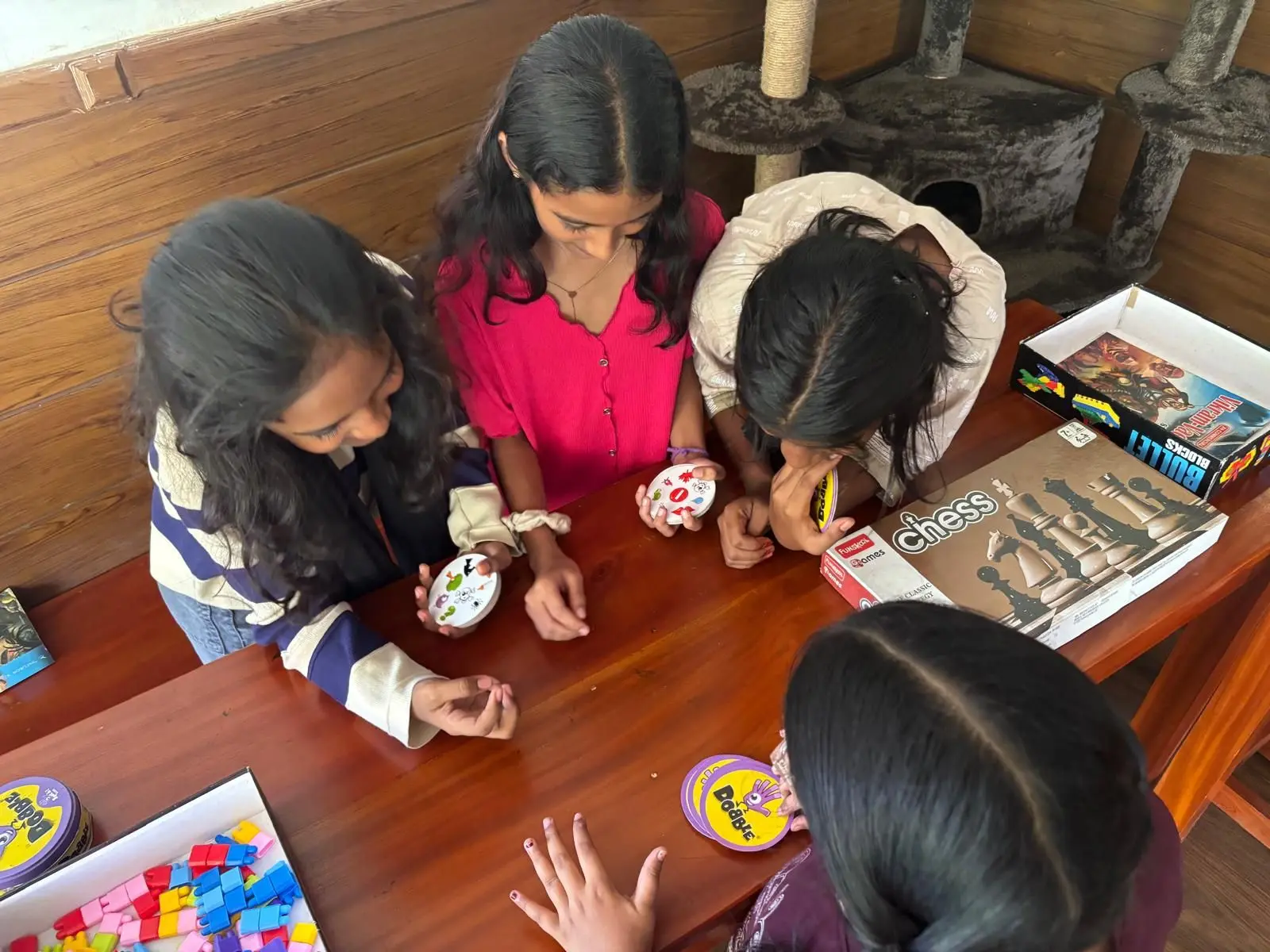
We start our Curiosity Club with free play as children arrive. They choose games and building materials, then play together. This gives everyone time to arrive before we gather for the guided activity. We asked children what they wanted to play and added games based on their suggestions. The children were excited to see their choices. They started setting the games up themselves. With six games going on at once, children could choose what interested them. On their first visit, two older children were unsure how to join in. Our facilitator invited them into an "UNO" game with others. As they played, they became more involved and helped explain the rules to younger children. The group later learned dominoes together too. Another group prepared "Guess Who" for next week. "Jenga", "LEGO" and "Dobble" were also popular.
LifSkool: last in-person session and the SPARK Challenge
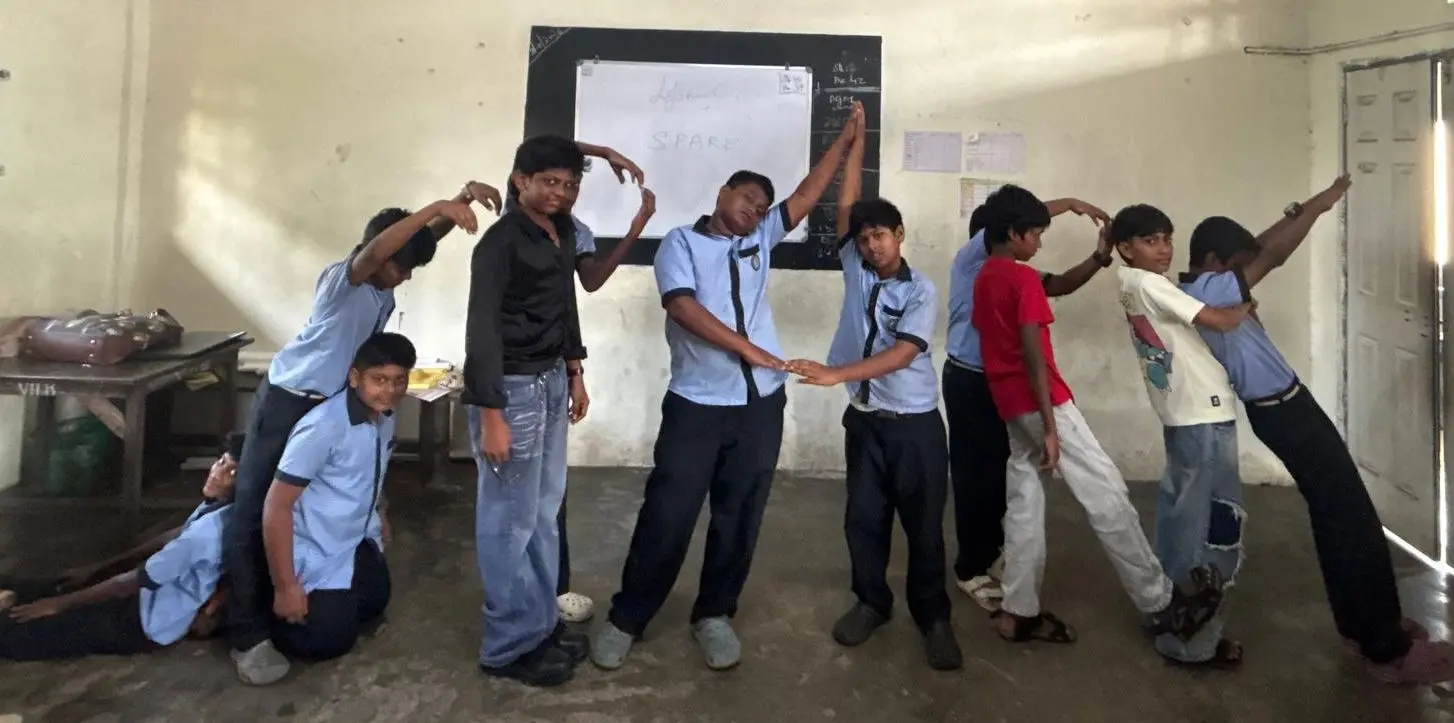
Students were ready to go with our familiar movement and mindful breathing routine and settled into the session quickly. Today was our last in-person LifSkool session before a break and it brought together the skills we had explored throughout the programme. Students revisited what they had learned, why the skills mattered and how they could use them in everyday life. It was encouraging to hear their reflections in their own words. We introduced the SPARK Challenge. Students notice a small, real problem at school, at home or in the neighbourhood. They use their life skills together to try making a difference with a buddy. Students will receive weekly SPARK challenge envelopes in person to complete with their buddies. They will share updates through our WhatsApp group, where we will stay connected and support them. At their graduation day in January 2027, they will present their work and learning. To finish, students worked together to spell SPARK using their bodies. It was a playful, emotional close to this part of our programme, with more learning ahead.
Understanding each other at LifSkool
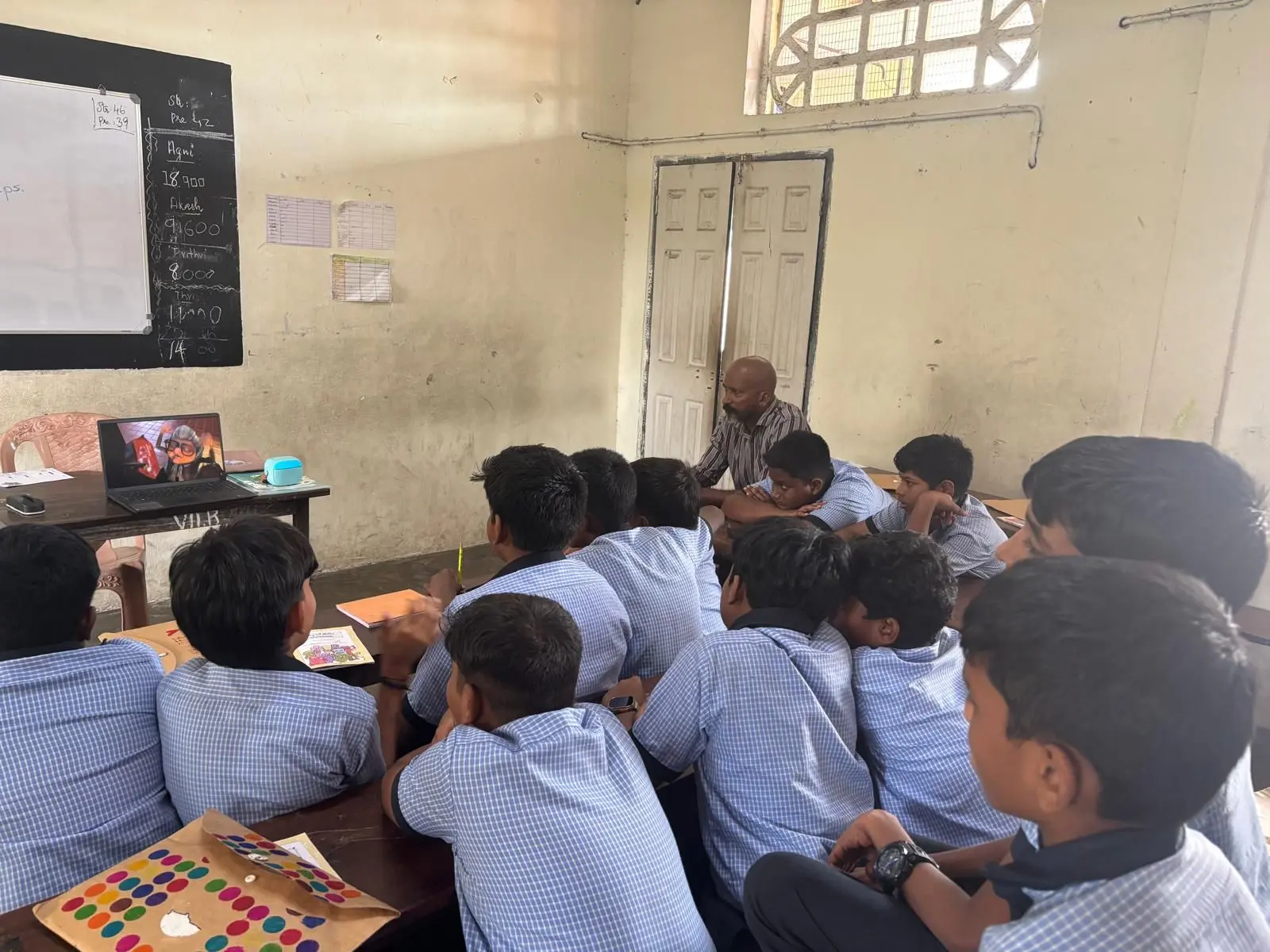
We began by revisiting The Egg Drop Challenge. Why had some designs protected their eggs, and how had the teams worked together? This connected our previous session to interpersonal relationships. We explored how we listen, share ideas and make decisions together. We explored the relationships in our lives and what strengthens or damages them. The idea of a "relation-ship" helped us talk about trust, listening and respect, and how to work through disagreements. We changed the pace this time. We watched two short films, Snack Attack and Purl, and came together for circle discussions. We explored misunderstandings, feeling left out and the pressure to change ourselves to fit in. We connected the stories to everyday school situations. Students practised asking directly before making assumptions and inviting someone to join their group. We closed with a reflection on being themselves and responding to peer pressure. We brought the discussion back to everyday choices in their relationships.
Malarvattam: making space to share
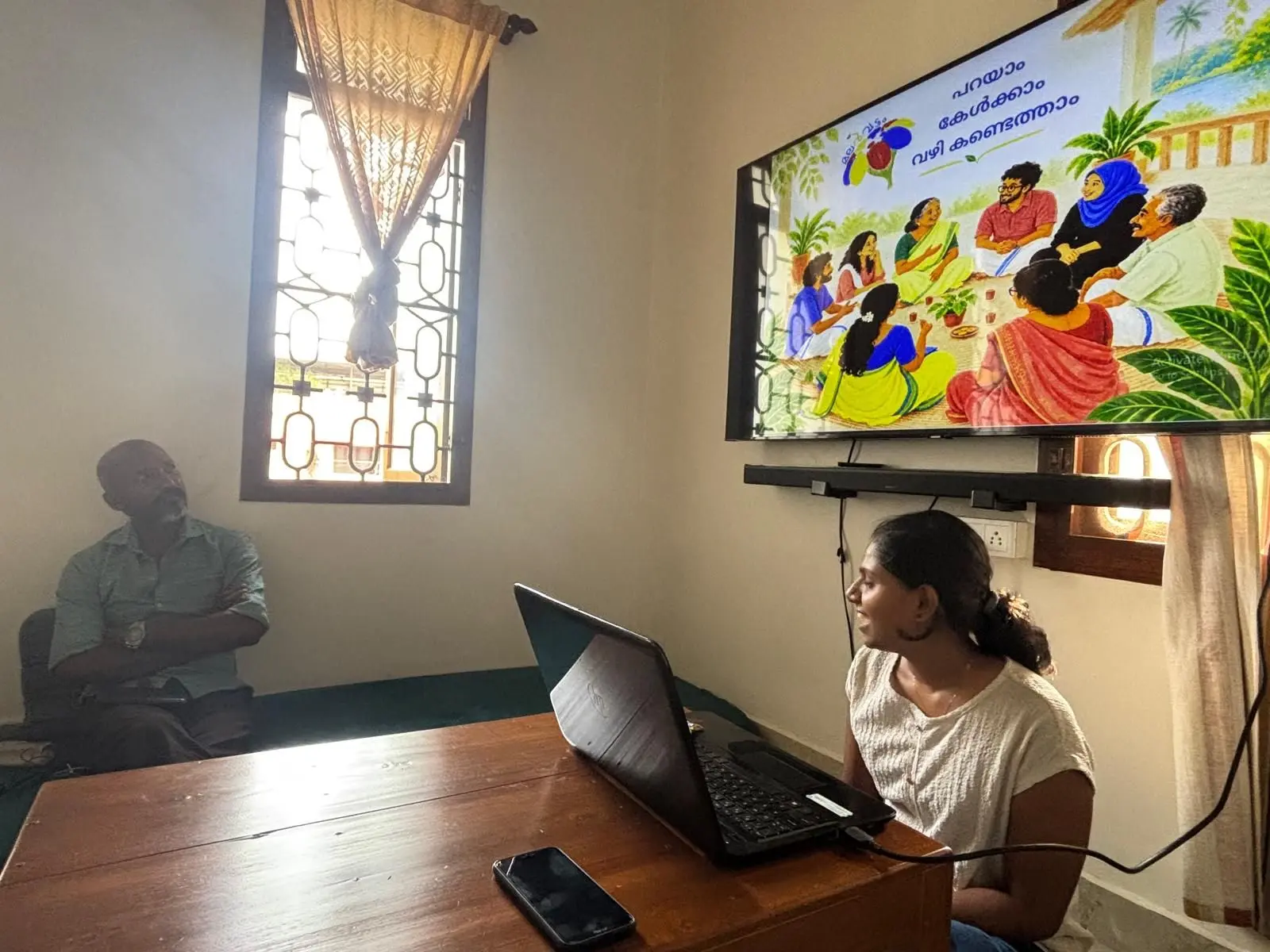
We surveyed nearly 100 people in Fort Kochi and Mattancherry to find out what support parents and caregivers wanted. They told us they wanted to share experiences, feel heard and support one another. This led us to create and name Malarvattam ("flower circle"), a monthly circle for parents and caregivers. For the first gathering, we chose a get-to-know-you conversation. The facilitators reviewed the survey together, developed discussion prompts and prepared slides. Their role was to make space for everyone to contribute, listen and summarise what participants shared. They did not give expert parenting advice. We designed a poster and shared it widely through partners and community contacts. On Saturday, the facilitators ran a mock circle. They worked through the slides and practised how they would introduce questions and guide the discussion. They also prepared their own scripts for Sunday's session. The first circle had two participants. Together, we explored memories of childhood, children's lives today and experiences of parenting and caregiving.
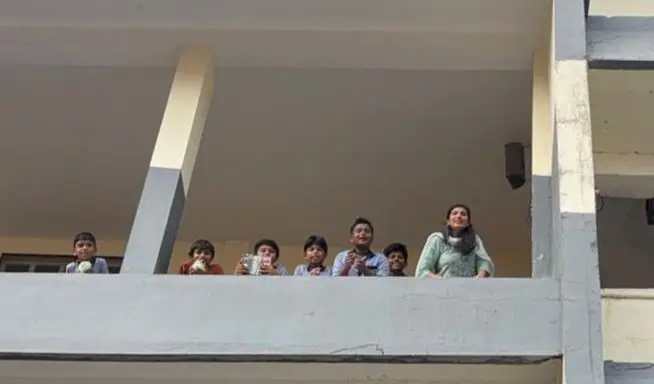
Students returned with creations they had continued at home after "LifSkool: What Else?" — photo frames, a little fan, a house, a puzzle and chopsticks. It was lovely to see their ideas develop beyond the session. We began with our routine movement break and mindful breathing, giving students time to shake off the school day and settle. The class split into six teams for the Egg Drop Challenge. Each team tried to protect an egg from a fall. We chose the task to bring problem-solving, effective communication, decision-making and creative thinking together through discussing ideas, choosing a design and testing it. Students combined recycled materials from home with supplies from our inventory to create their egg carrier. We planned a second-floor drop, but their confidence went one floor higher and they asked to test from the third floor. From each team, a student stayed with a facilitator to drop their design. The others went downstairs to watch and check how their egg fared. Much to their amazement, two of the six eggs appeared to remain intact. We had little time left after returning to class. We planned to revisit why some designs worked and how the teams worked together in the next session.