- What went in
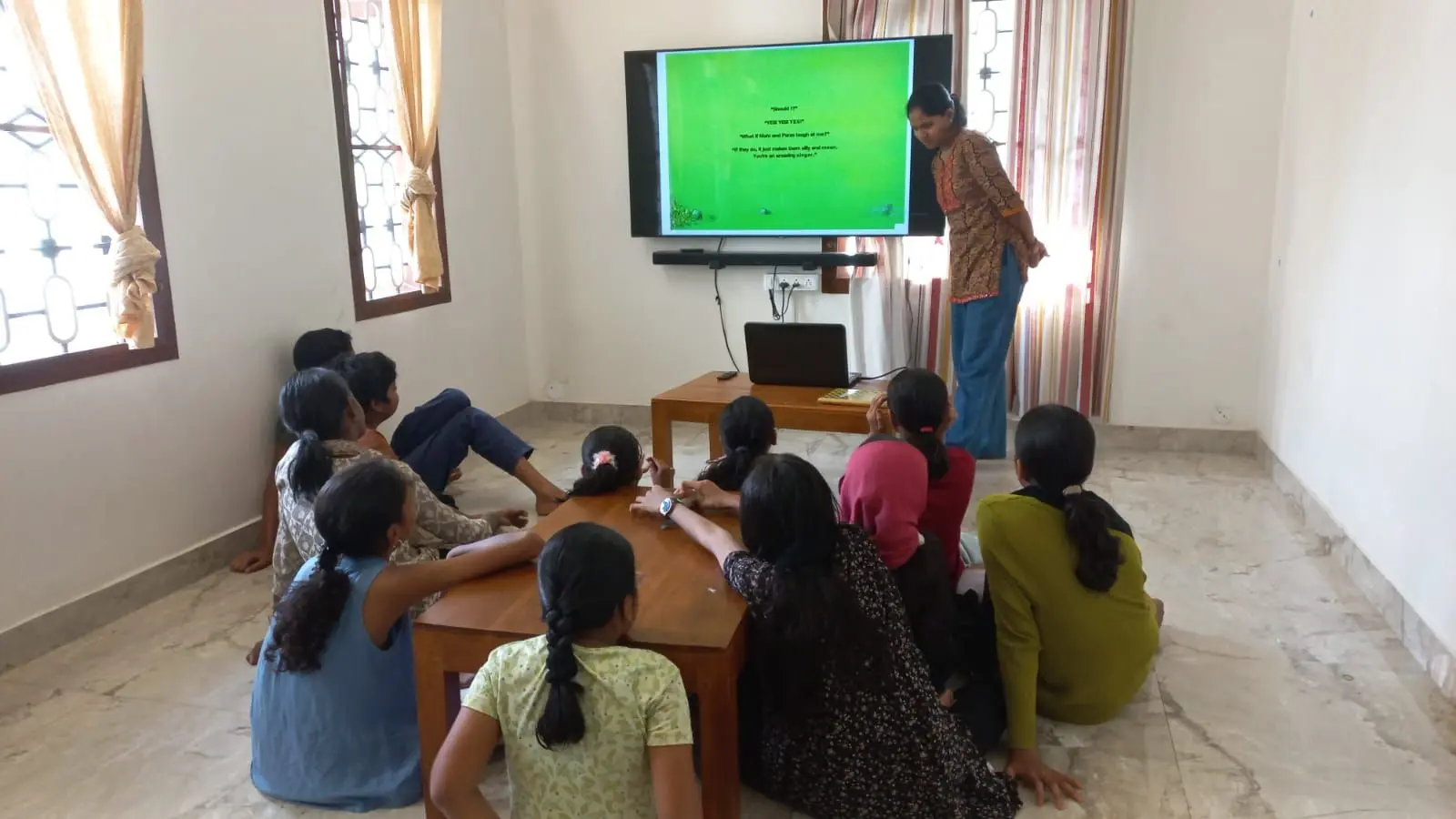
- Prepared slides with speaking prompts and examples, screen, microphone, speaker, small sheets of paper and pens.
- Time
- 1 hour
This week at Curiosity Club, we explored a question. What helps us share our ideas when we feel nervous?
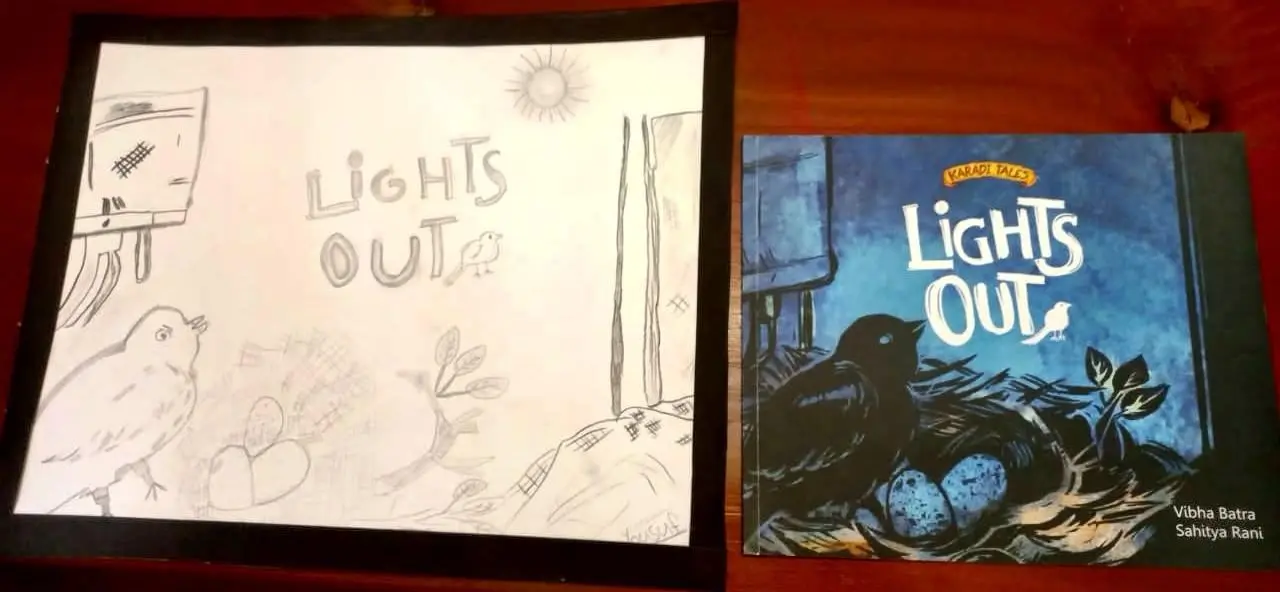
We began with Champa from "Stage Fright", a story about a child who loves singing but is afraid to perform. Her worries helped children talk about their own feelings when facing an audience. We prepared slides with prompts and examples. We set up a microphone for practice.
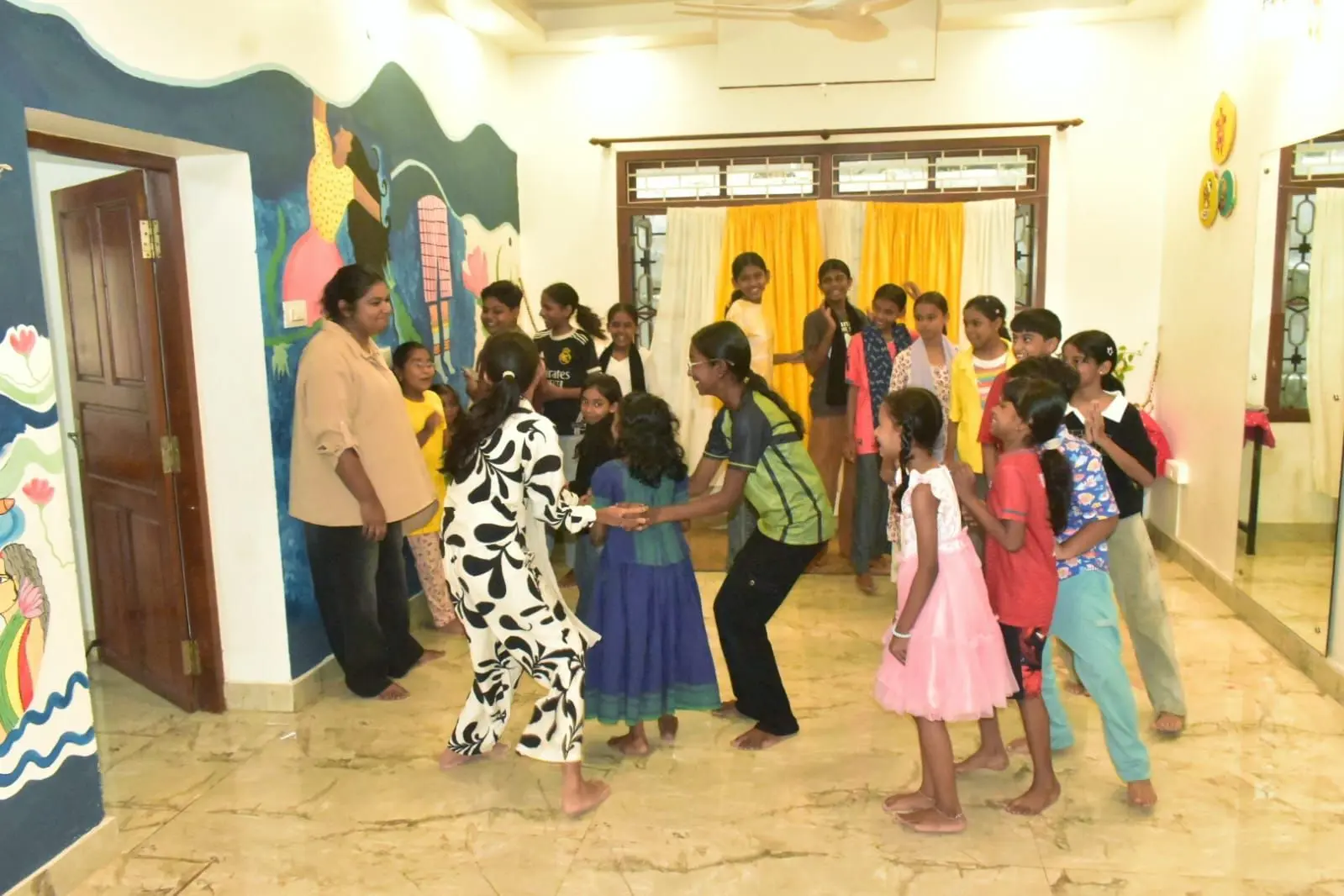
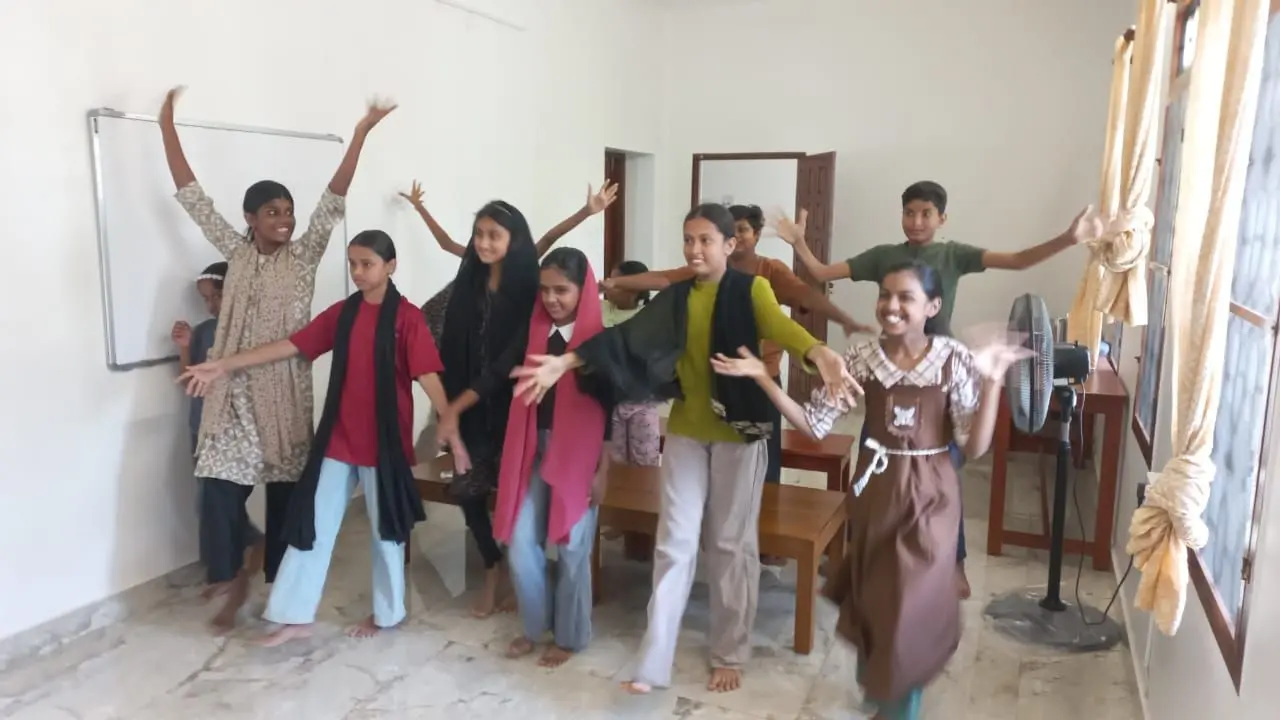
We started by inviting each child to introduce themselves with an action. Afterwards, we asked how it felt to stand up and speak. Children described shaking hands, trembling legs and sweaty palms. Their experience matched Champa's. This led us to practise breathing to calm our bodies and shaking out our arms and legs to release tension.
We then warmed up our voices with tongue twisters and tried changing our volume and expressing different emotions.
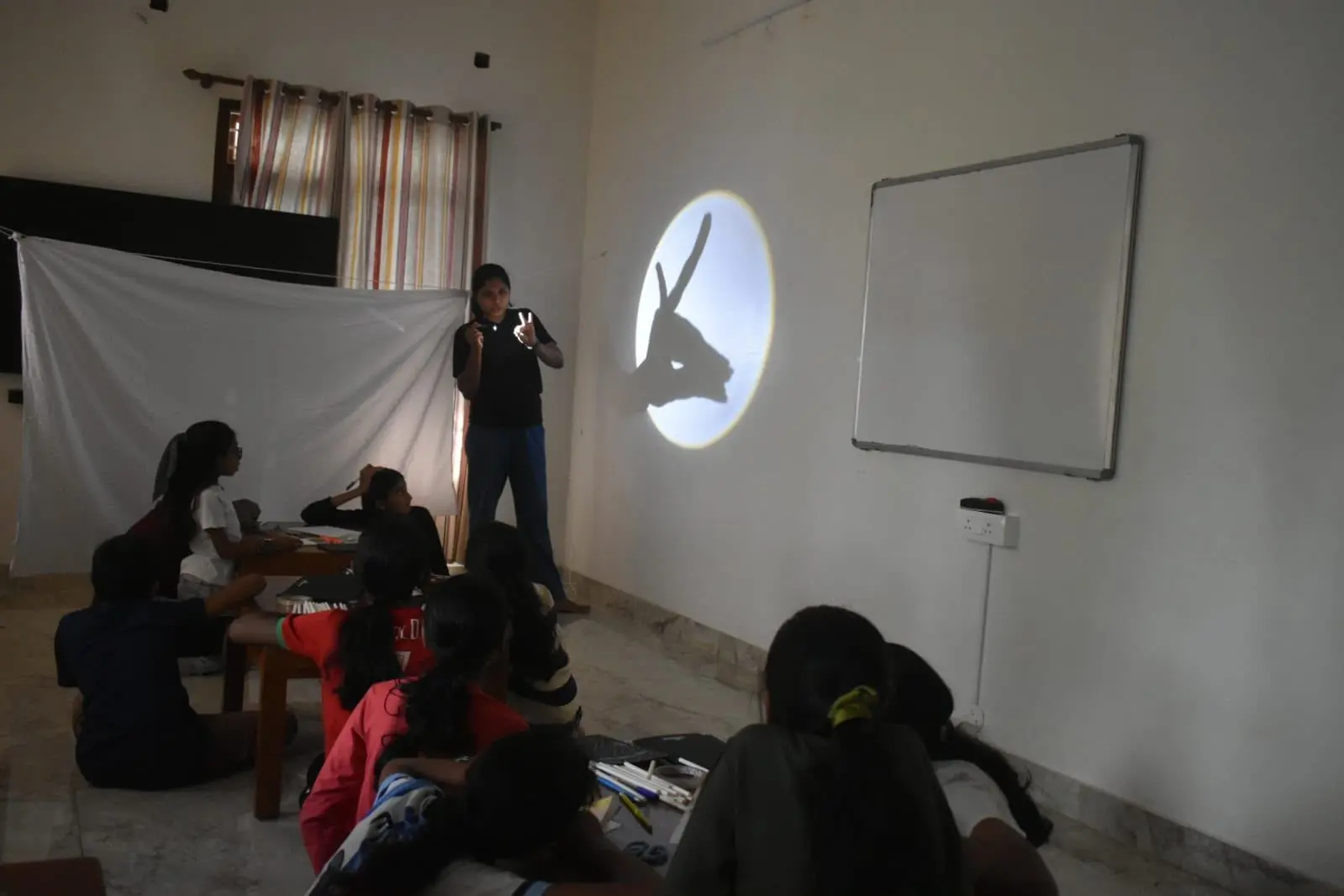
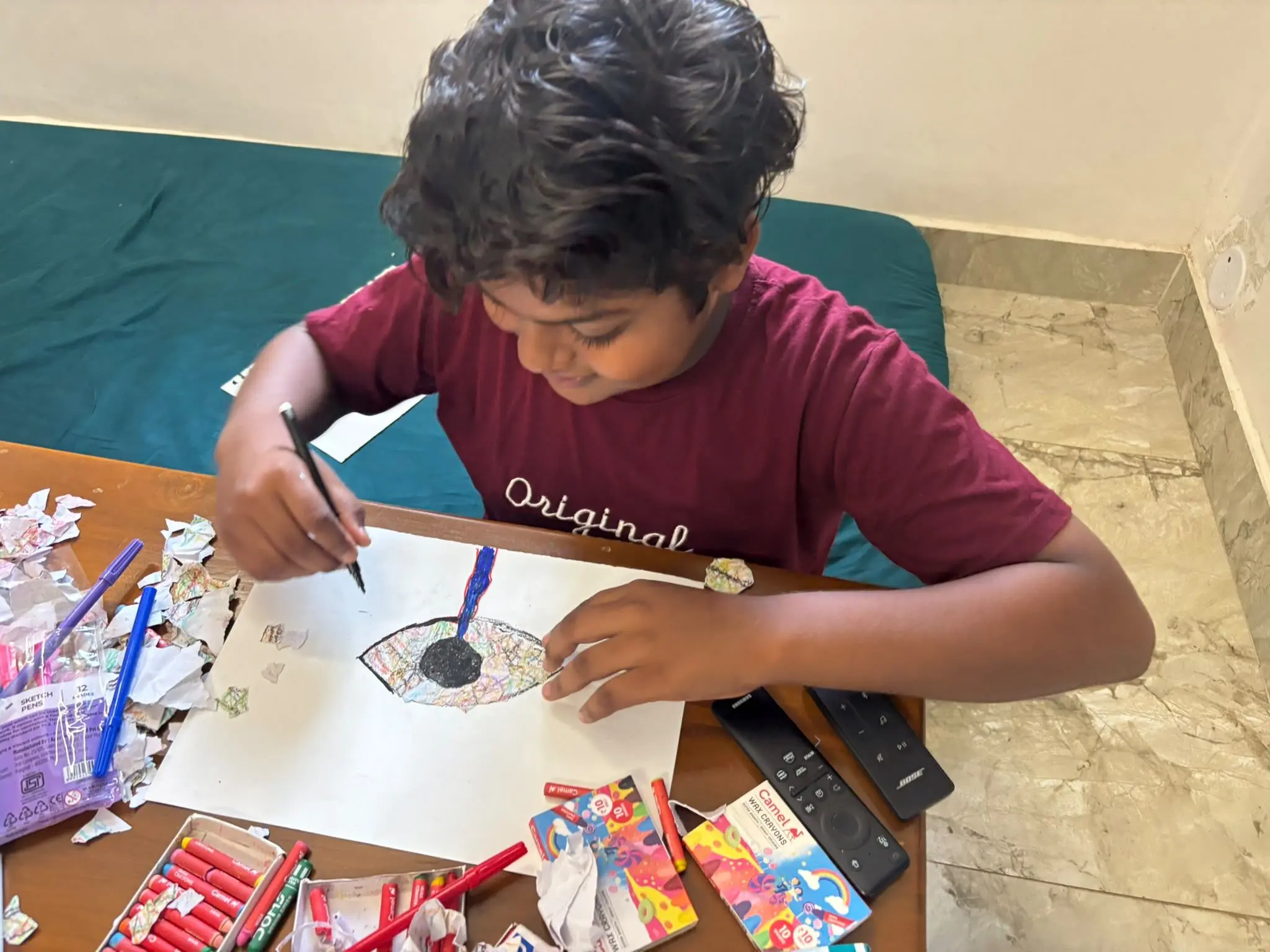
A facilitator demonstrated different speaking styles, and children noticed the difference posture, voice and energy made. They then chose topics for short talks in Malayalam or English. We introduced PREP, which stands for point, reason, example, point. It helped children organise their thoughts. We provided paper for notes.
They then came to the front and used the microphone to share their ideas with the group. We closed by reflecting on how it felt to speak and what had changed after trying.
- 10 Short talks presented
Children reported feeling a little more confident about speaking by the end, although some nervousness remained. After the session, they continued picking up the microphone and trying to speak, showing willingness to practise further.
(Participants told us)
The microphone sparked excitement, but some children worried that others would laugh at them. Next time, we will agree on how to be a supportive audience before speaking and offer partner practice or paired presentations as a first step.
PREP needed more time and explanation. Children had ideas but struggled to fit them into the structure. Next time, we will model it step by step using a familiar topic and allow more time for support.
Free play ran into the planned session time. The final activities felt rushed. We will make the transition clearer. We will leave more time for speaking practice and individual feedback, so we hear quieter children's experiences too.
Run this activity yourself. You are free to copy, change and share this write-up, as long as you credit aikyam space. Photos are not included. (Creative Commons licence CC BY 4.0)