- What went in
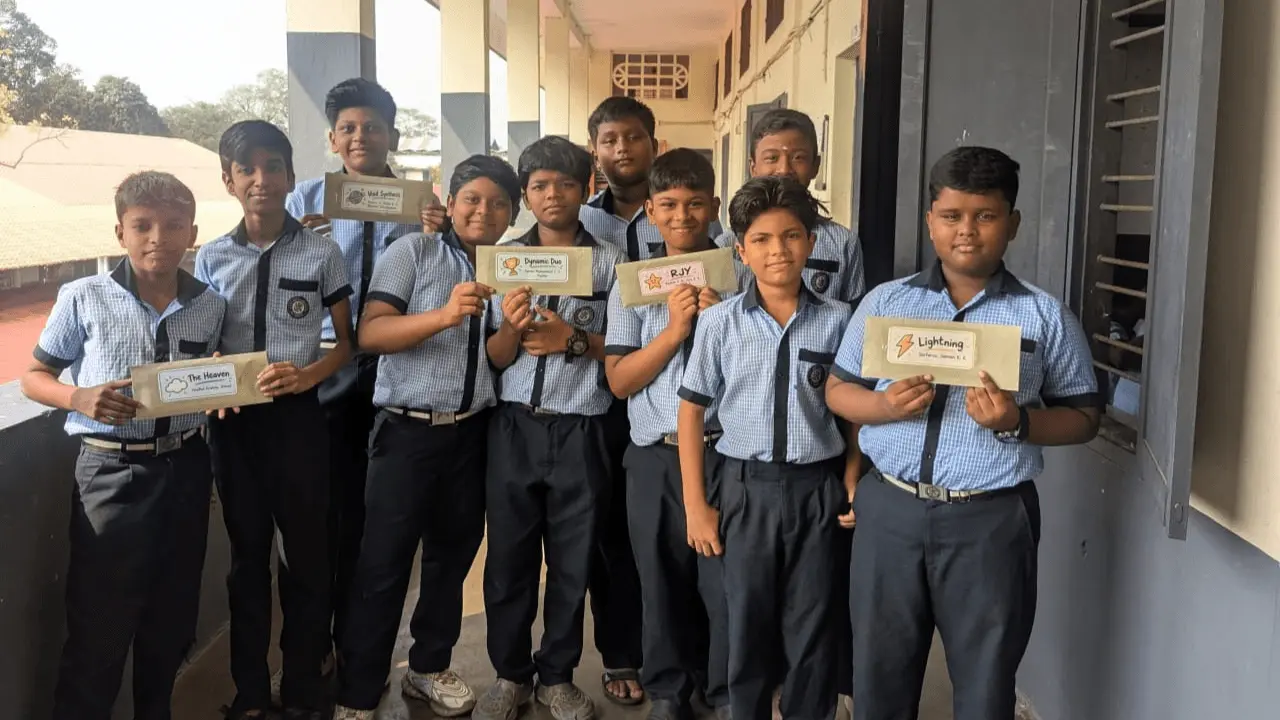
- The materials were worksheets, in five two-page colour sets, with team-labelled envelopes and stickers. We also used the existing WhatsApp group to share instructions and voice notes.
- Outside help
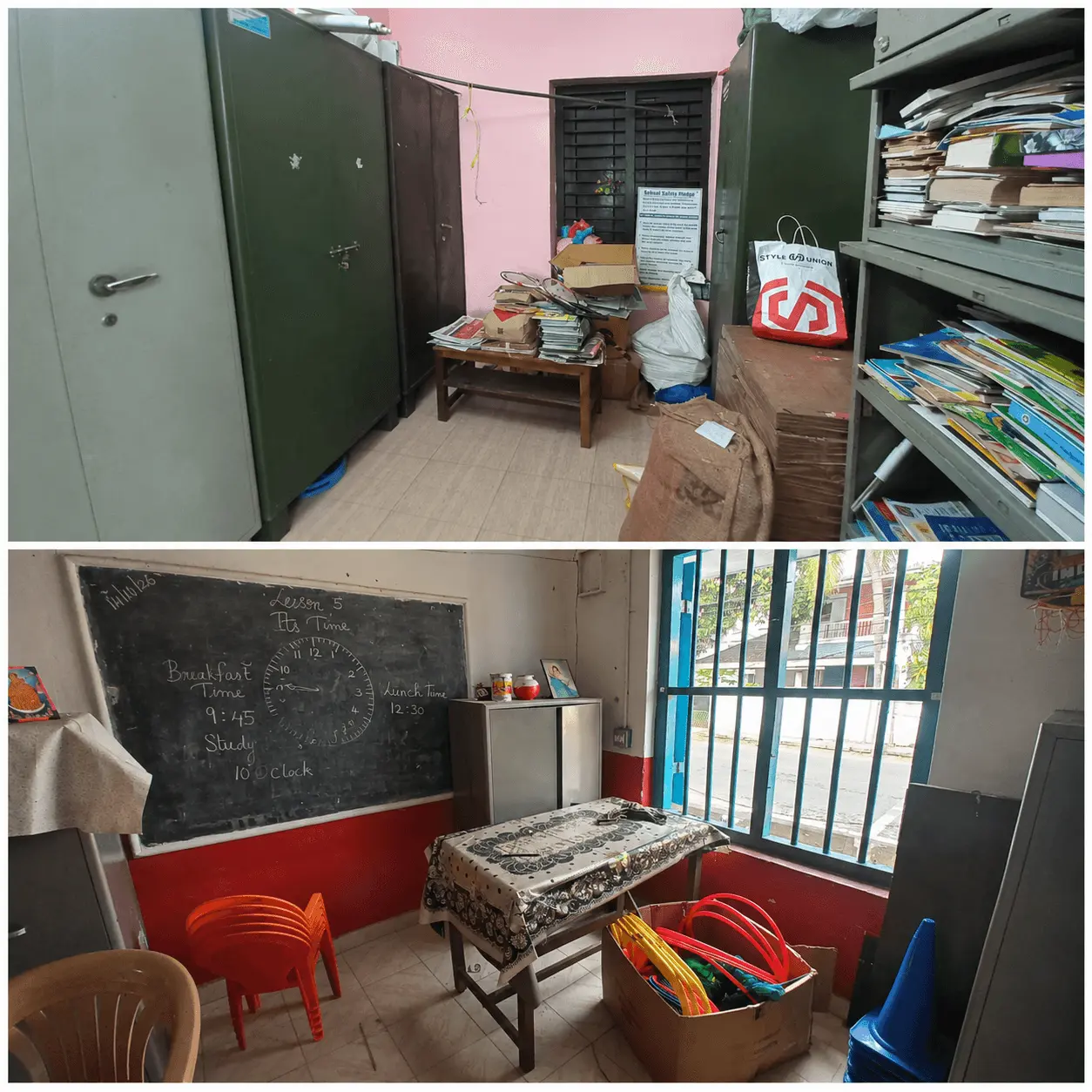
- School support for distributing the activity materials.
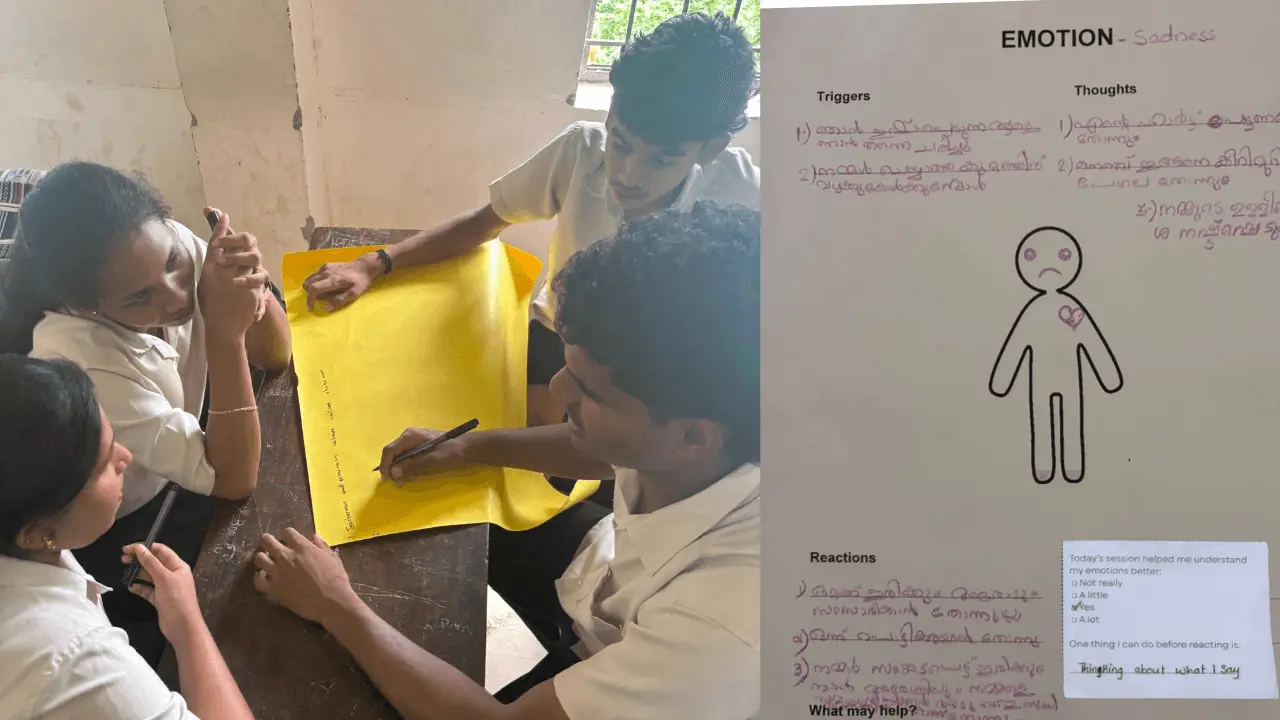
At SDPY Boys High School, students spent five weeks exploring life skills through games and discussions, and through hands-on challenges. They practised recognising and managing emotions, and they practised thinking creatively. They also practised solving problems and communicating, and they worked with others.
What happens when there is no facilitator guiding the activity? Can students recognise when to use these skills and put them into practice themselves?
This is what we wanted to explore next.
During our final LifSkool session, we introduced the SPARK Challenge. The SPARK Challenge is a series of weekly team missions that help students apply what they have learned to everyday situations.
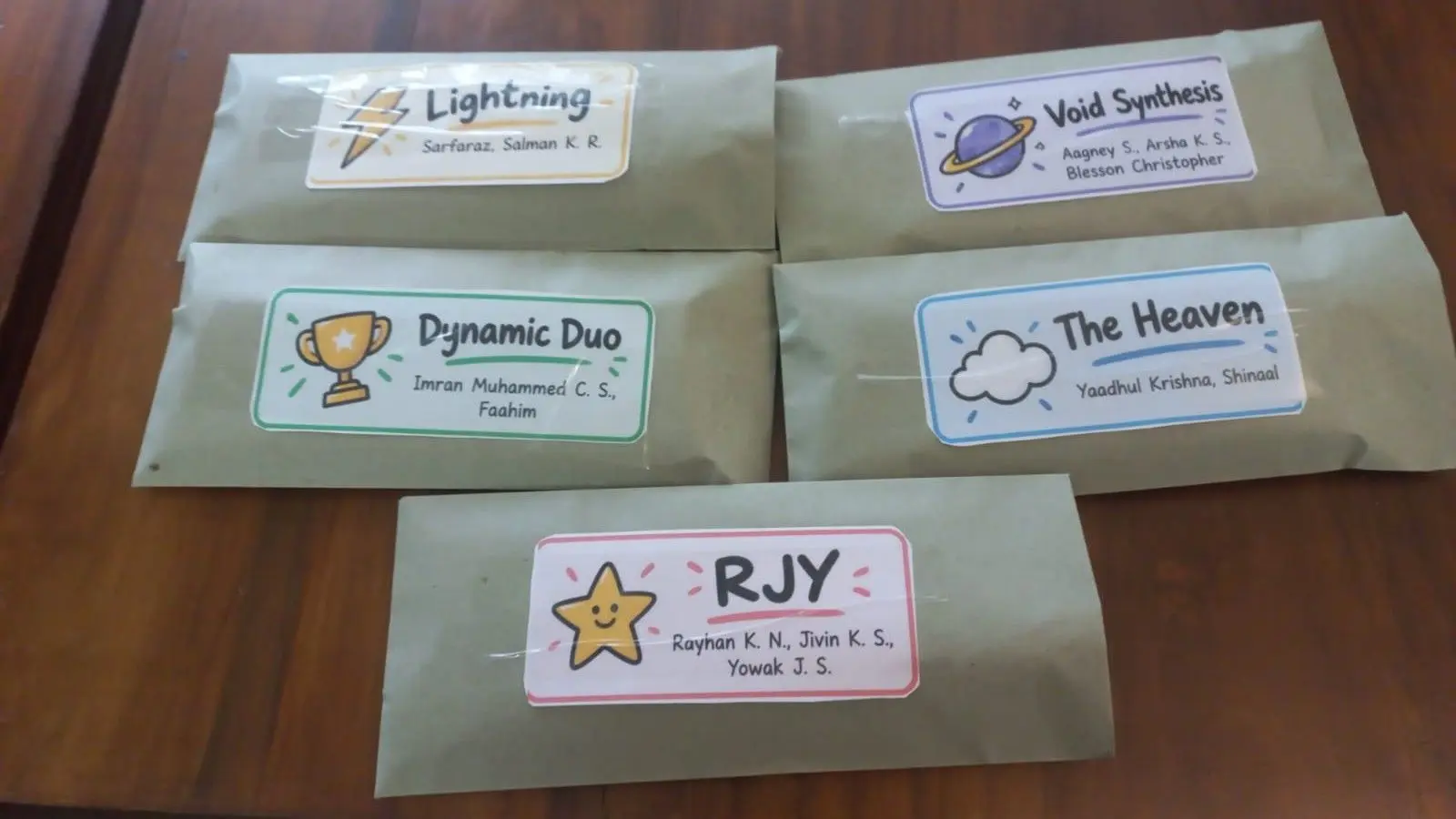
The students formed five teams and chose their own names. We also created a WhatsApp group with parents to share the weekly challenges and stay connected with the students.
This week, we began with Mission 1, Spot it.
Each team received an envelope containing an illustrated instruction sheet and a worksheet. We also shared a Malayalam voice note to explain the mission.
The students have one week to look around their school, home or community and notice small problems. We encourage each student to identify at least one problem independently before sharing their observations with their teammates.
Together, they will discuss up to three problems. Then they will choose one they would like to explore further and explain why they selected it. They can write or draw their responses in Malayalam or English. Each team submits one completed worksheet at the end of the week.
We have deliberately asked them not to find solutions yet.
They start by observing and listening to different ideas. They then make a decision together.
Over the coming weeks, the missions will build on one another. They give students opportunities to practise the skills they learned during LifSkool without us directing each step.
The SPARK Challenge gives students their first opportunity to apply their life skills through an independently managed team activity.
- 5 Mission 1 worksheet sets
- 5 Team envelopes and labels
- 5 Student teams
We will look at whether they can identify everyday problems, share their observations, consider different ideas and agree on one problem to explore.
The challenge has just begun, so we cannot yet say how successfully students have applied these skills. We will review the completed team worksheets and gather feedback from students about how they worked together and reached their decisions.
During LifSkool, students practised life skills through activities guided by facilitators. With SPARK, we want to see how they use those skills on their own, working together as a team. We started with a simple observation challenge, giving students the freedom to identify problems that matter to them rather than providing examples. The first mission will help us understand how students organise themselves and share ideas, and how they make decisions without us guiding each step. Their responses and feedback will help us plan the next challenge.
Run this activity yourself. You are free to copy, change and share this write-up, as long as you credit aikyam space. Photos are not included. (Creative Commons licence CC BY 4.0)