
Curiosity Club
Mon–Sat, 2–6 PM
Free
In Malayalam, English.
Inspired by MOSAIC
About the Sessions: Curiosity Club encourages children to learn through exploration rather than memorisation. Every session may introduce a different topic, from science experiments and nature to maths, crafts, problem-solving, communication, or everyday life skills. Children observe, ask questions, build, create, and learn together through hands-on activities.
What happened at Curiosity Club
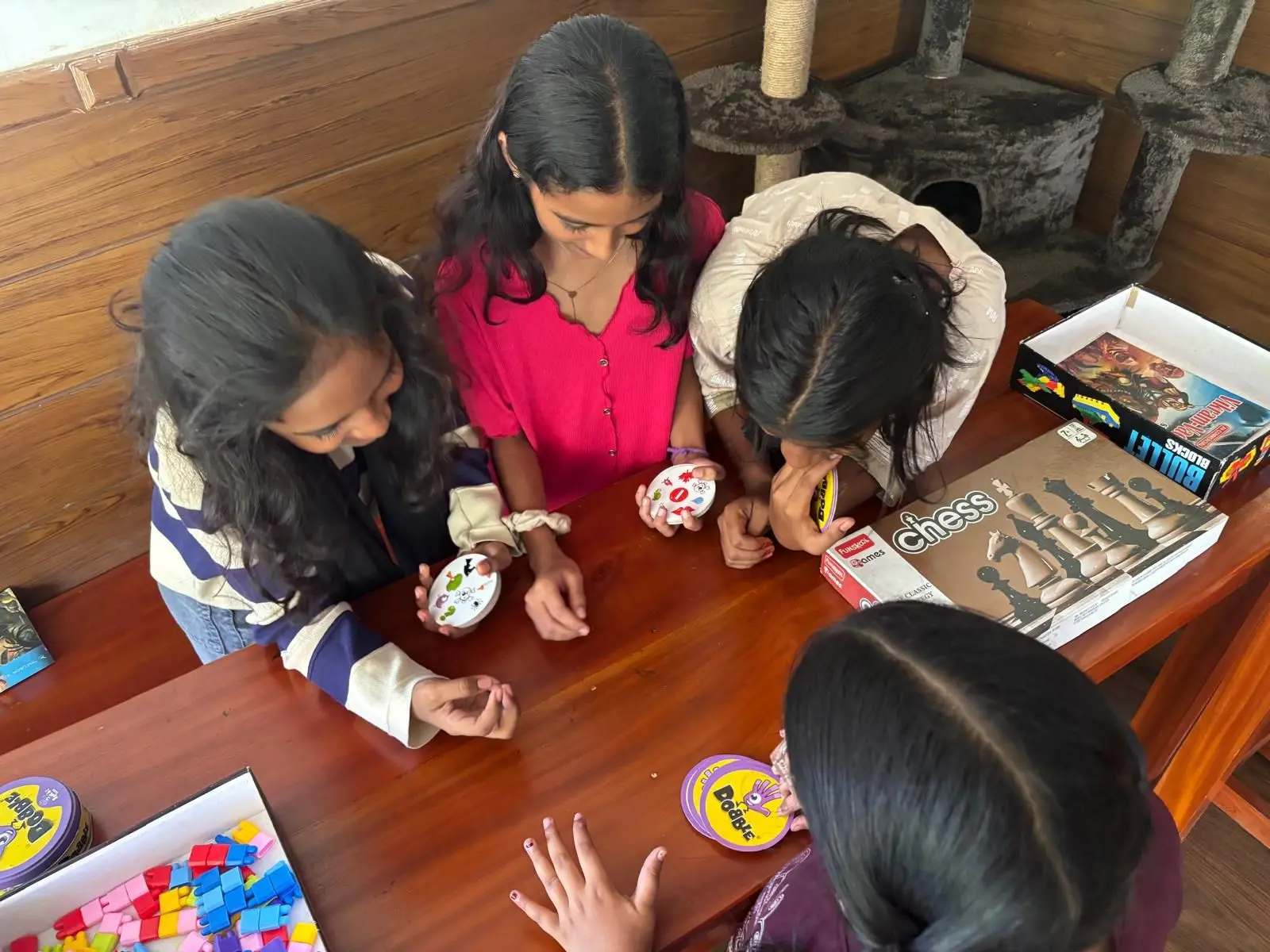
We begin our Curiosity Club with free play as children arrive. They choose games and building materials and play together, giving everyone time to arrive before we gather for the guided activity. We had asked children what they wanted to play and added games based on their suggestions. They were excited to see their choices and began setting them up themselves. With six games going on at once, children could choose what interested them. Two older children attending for the first time were initially unsure how to join in. Our facilitator invited them into an UNO game with others. As they played, they became more involved and helped explain the rules to younger children. The group later learned dominoes together too. Another group prepared Guess Who for next week, helping each other when the setup became frustrating. Jenga, LEGO and Dobble were also very popular.
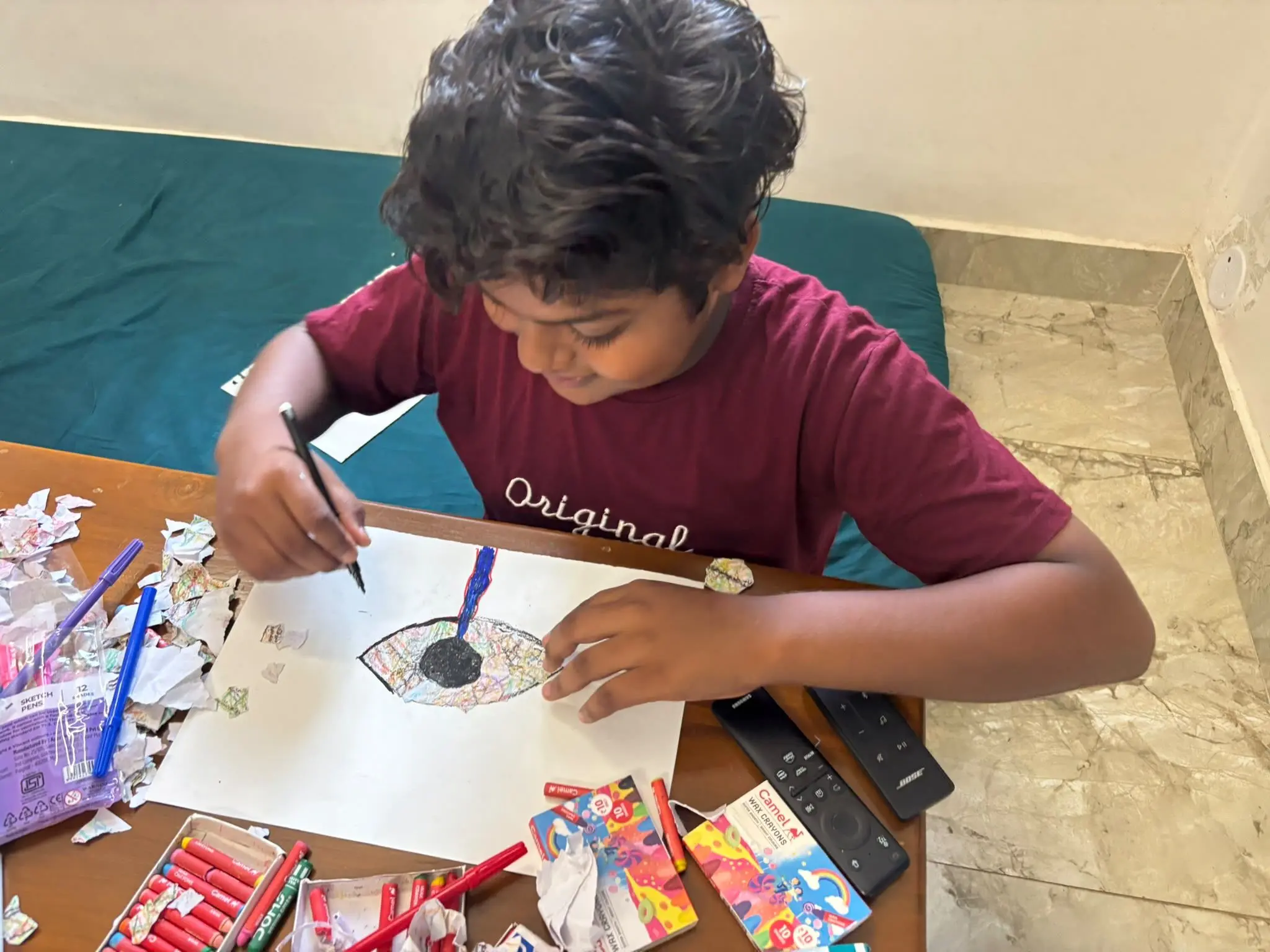
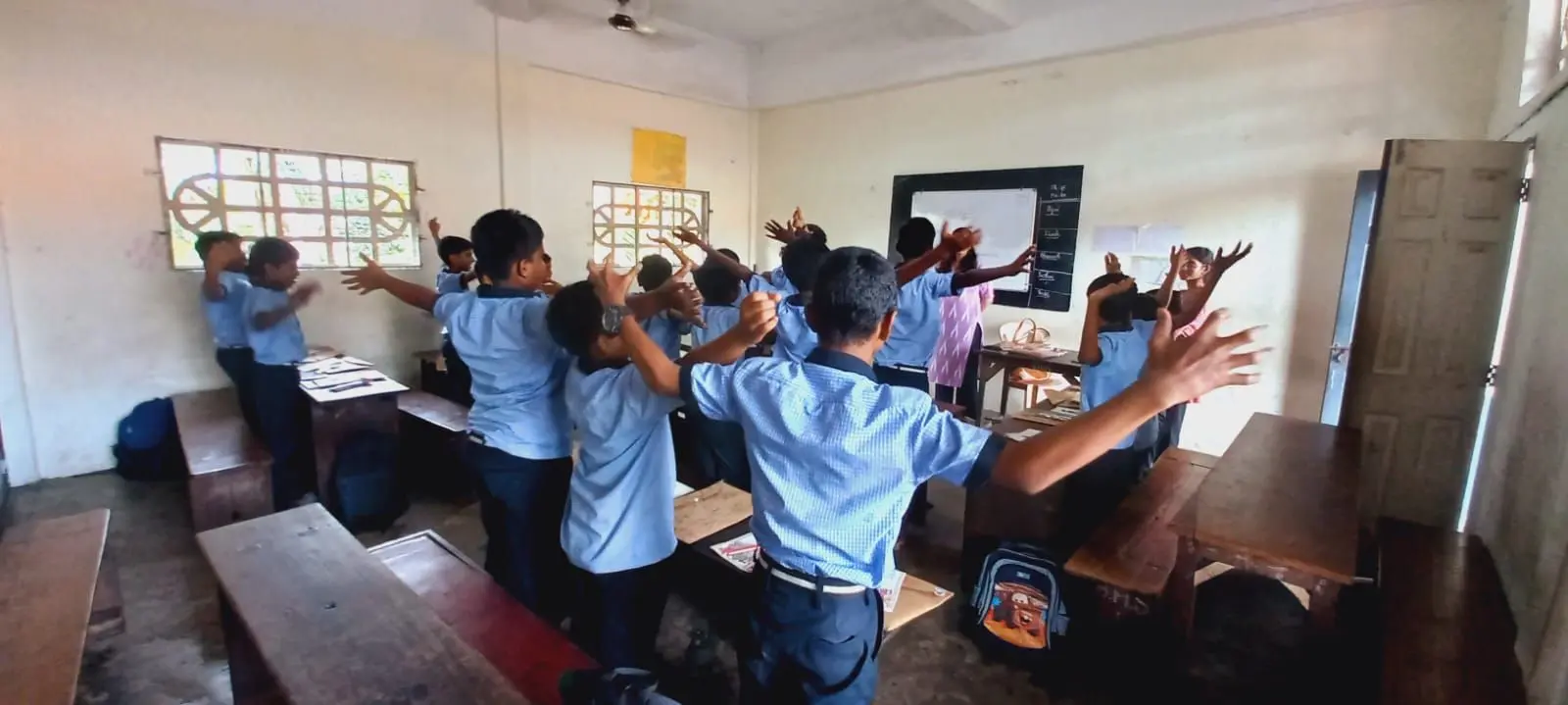
Our Saturday Curiosity Club fell on World Mental Health Day, making it a fitting time to explore caring for our thoughts and feelings. We prepared slides, art materials and our first Malayalam explainer video created using NotebookLM about the hand-brain model, explaining why big feelings can make thinking clearly difficult. After a rainstorm movement activity, children and facilitators shared their emotional “weather”. We discussed how feelings change and used think, pair and share to explore when and where big feelings arise. We talked about making a plan when something can be changed, and coping when it is outside our control: Breathe through bee breathing, Move through gentle movement and a body scan, and Create through art. For Create, children used crayons to scribble their stress or big feelings onto paper, pressing down and making marks freely. They tore the paper into smaller pieces, then arranged and glued them onto a fresh sheet to create a design of their choice. They added words to encourage themselves, such as “You are amazing”, “Never give up” and “I love you”. We were surprised by the messages they chose. On the back, they traced a hand and added people they could reach out to when they needed support. We closed with a recap of the model and ways to care for our mental health.
LifSkool: Taking Our Learning Forward
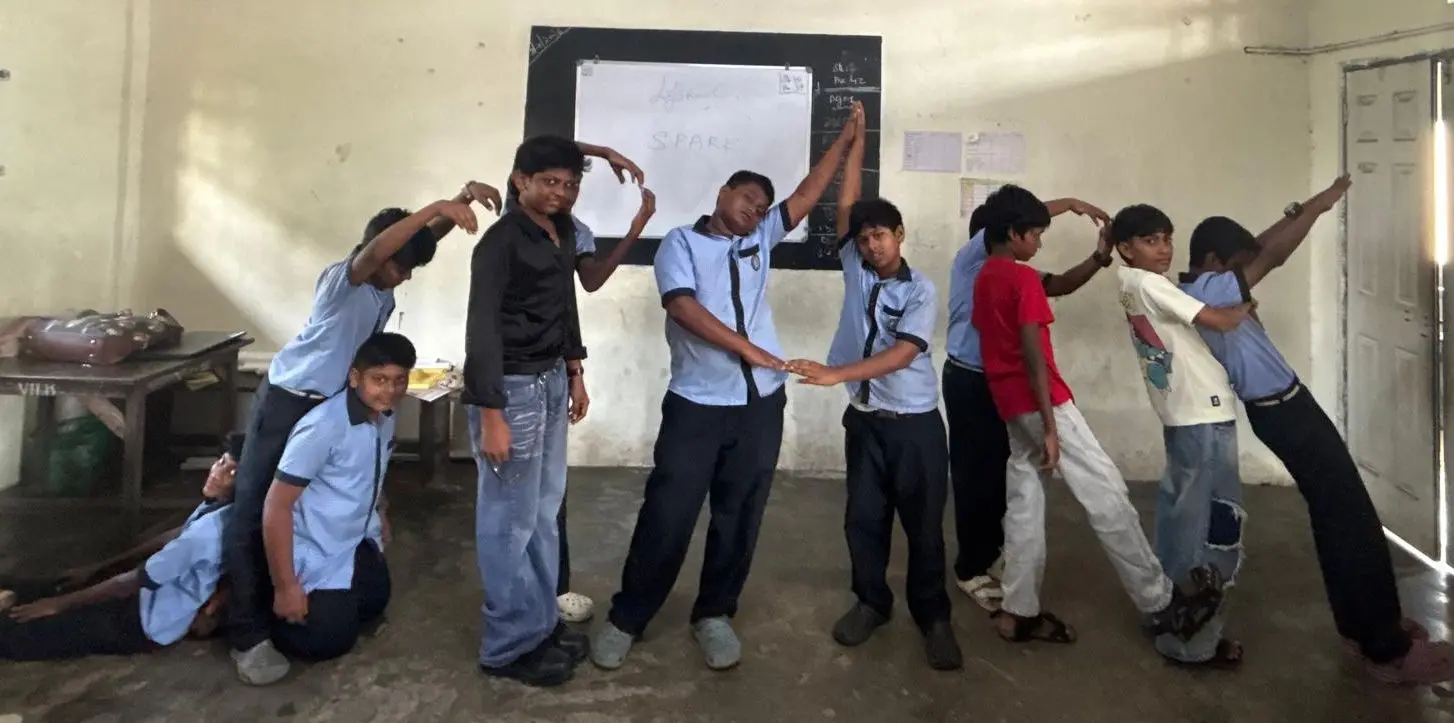
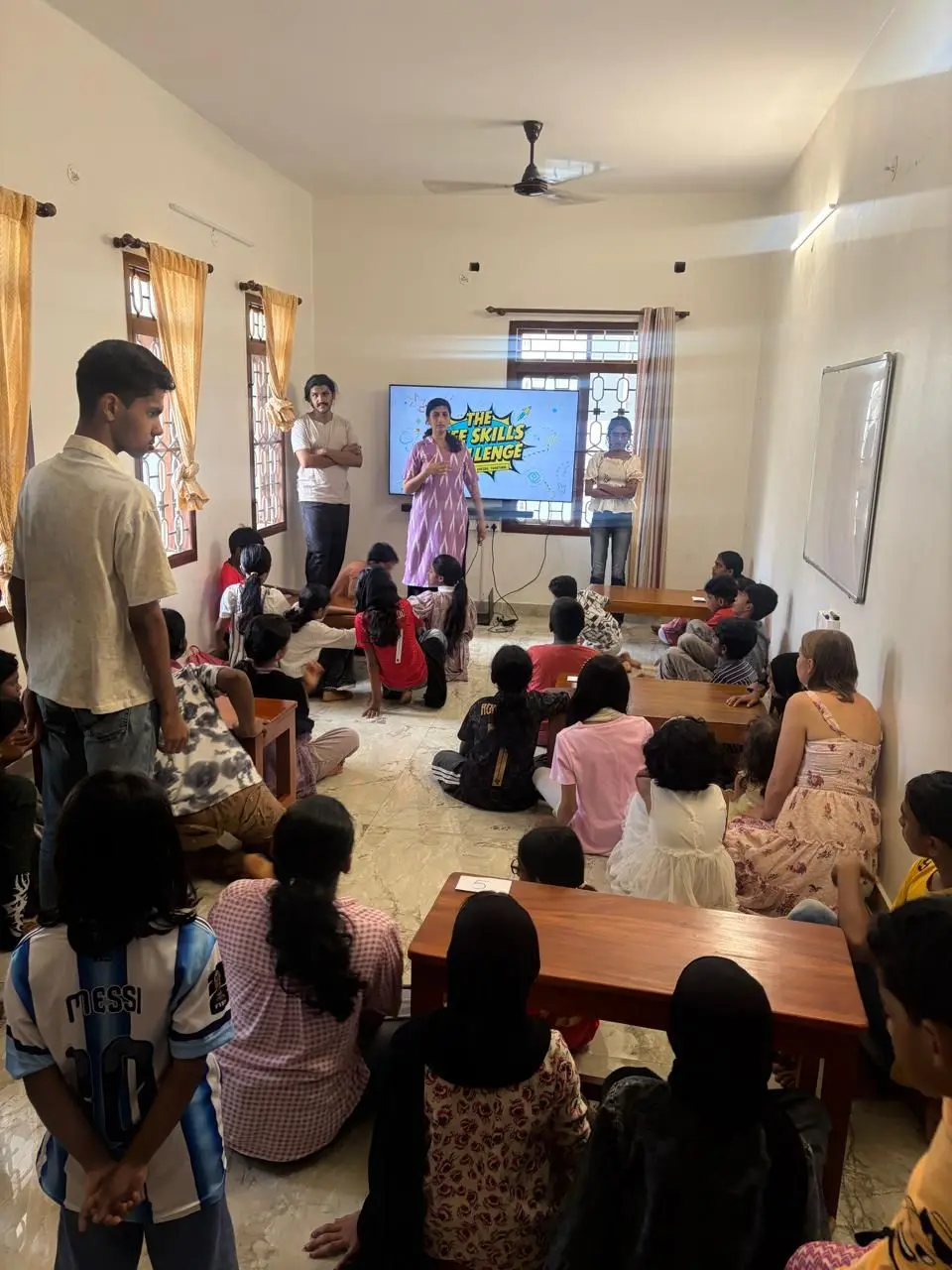
Students were ready to go with our familiar movement and mindful breathing routine and settled into the session quickly. Today was our last in-person LifSkool session before a break and it brought together the skills we had explored throughout the programme. Students revisited what they had learned, why the skills mattered and how they could use them in everyday life. It was encouraging to hear their reflections in their own words. We introduced the SPARK Challenge: noticing a small, real problem at school, at home or in the neighbourhood, and using their life skills together to try making a difference with a buddy. Students will receive weekly SPARK challenge envelopes in person to complete with their buddies. They will share updates through our WhatsApp group, where we will stay connected and support them. At their graduation day in January 2027, they will present their work and learning. To finish, students worked together to spell SPARK using their bodies. It was a playful, emotional close to this part of our journey, with more learning ahead.
LifSkool: Understanding Each Other
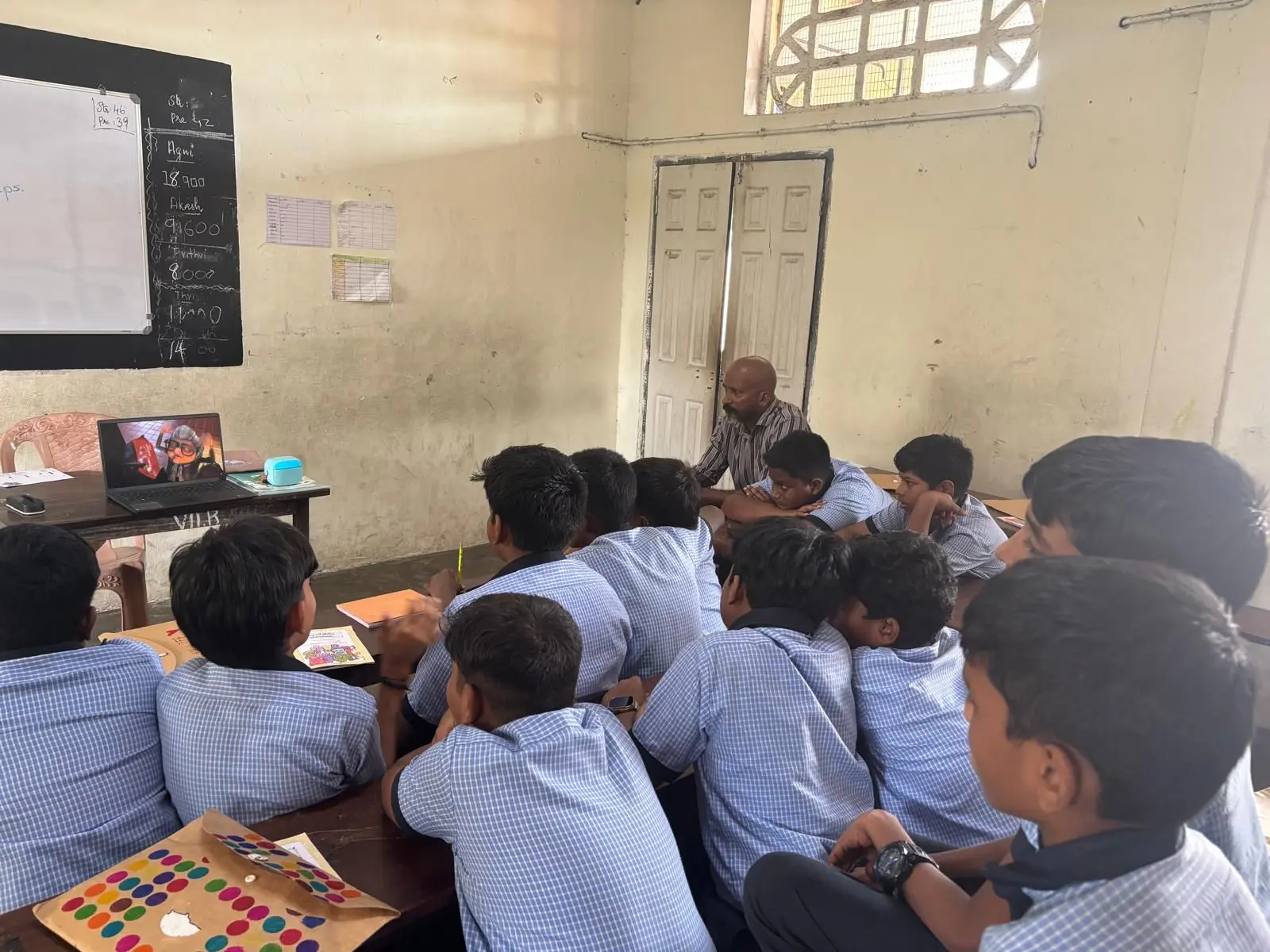
We began by revisiting The Egg Drop Challenge: why had some designs protected their eggs, and how had the teams worked together? This connected our previous session to interpersonal relationships - how we listen, share ideas and make decisions together. We explored the relationships in our lives and what strengthens or damages them. The idea of a “relation-ship” helped us talk about trust, listening and respect, and how to work through disagreements. This time, we changed the pace, watching two short films, Snack Attack and Purl, and coming together for circle discussions. We explored misunderstandings, being left out and the pressure to change ourselves to fit in, connecting the stories to everyday school situations. Students practised asking directly before making assumptions and inviting someone to join their group. We closed with a reflection on being themselves and responding to peer pressure, bringing the discussion back to everyday choices in their relationships.
LifSkool: The Egg Drop Challenge
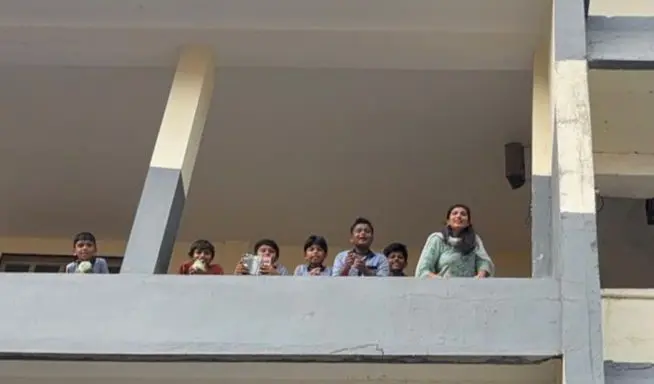
Students returned with creations they had continued at home after “LifSkool: What Else?”—photo frames, a little fan, a house, a puzzle and chopsticks. It was lovely to see their ideas develop beyond the session. We began with our routine movement break and mindful breathing, giving students time to shake off the school day and settle. Then six teams took on The Egg Drop Challenge: protect your egg from a fall. We chose the task to bring problem-solving, effective communication, decision-making and creative thinking together through discussing ideas, choosing a design and testing it. Students combined recycled materials from home with supplies from our inventory to create their egg carrier. We planned a second-floor drop, but their confidence went one floor higher and they asked to test from the third! One student from each team stayed with a facilitator to drop their design, while the others went downstairs to watch and check whether their egg survived. Much to their amazement, two of the six eggs appeared to remain intact. With little time left after returning to class, we planned to revisit why some designs worked and how the teams worked together in the next session.
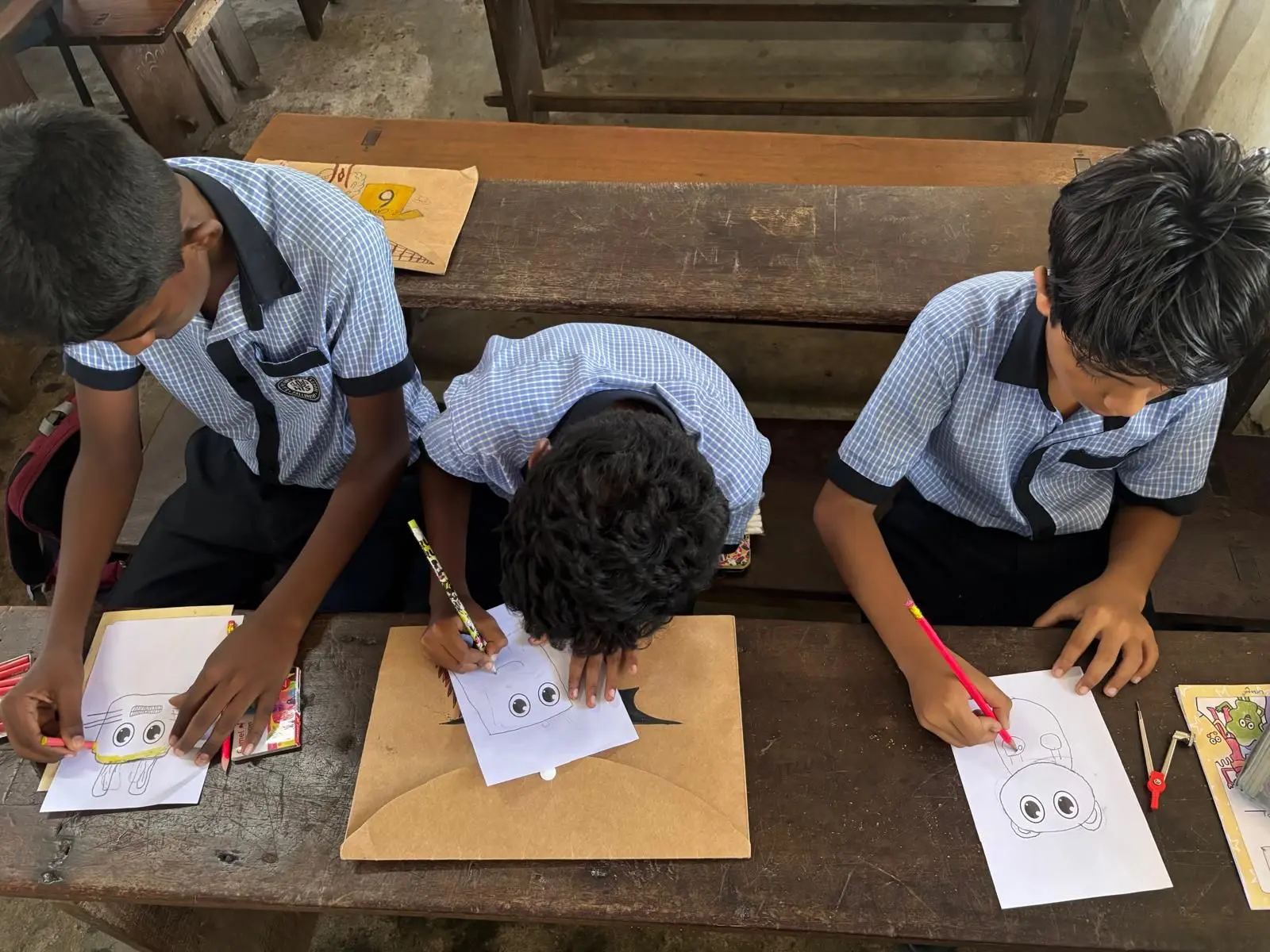
Today's LifSkool session explored creative thinking. We revisited last week's question, "How do you know?", and tried a new one: "What else?" The boys turned the same pairs of eyes into completely different drawings. In pairs, they then found new uses for everyday objects and combined two objects into a new invention. Finally, each pair got the same ice cream sticks and joiners and was free to build anything. Every creation went in a different direction, showing how one starting point can lead to many possibilities. In discussion, the students shared what helped when an idea ran out: keep thinking, listen to a partner, combine ideas and try something unusual. As they worked through the challenges, they began to see how “What else could I try?” might help them find another way through everyday problems. Some creations were still in progress, so they took them home to continue.
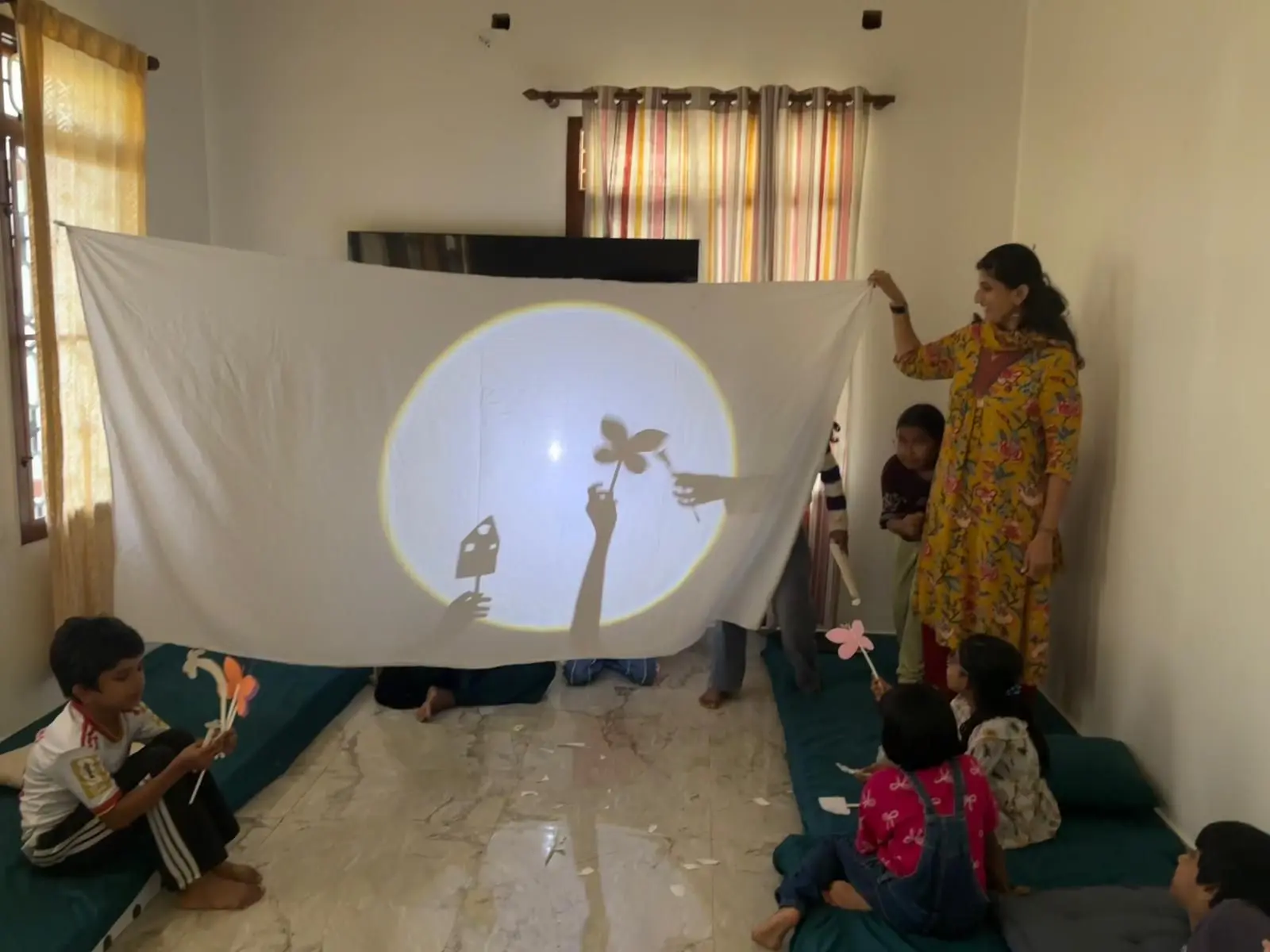
Nine children joined us this week, as schools were holding make-up classes. We began with LEGO, Dobble and building blocks. When the children asked to try body percussion, we set aside the planned reading activity and made a rhythm to We Will Rock You. We then explored what causes shadows, watched a video about the history of shadow puppetry in China and connected it to traditions in Kerala. Using materials left from previous sessions, the children made people, houses, a cat, a coconut tree, bees and an ant. For our theatre, we tied one side of a white blanket to the window while a facilitator held the other side. A torch lit the puppets from behind, with the audience seated in front. The children worked in teams to create and present three short shadow puppet stories. It was lovely to see them combine their ideas and bring their characters to life.
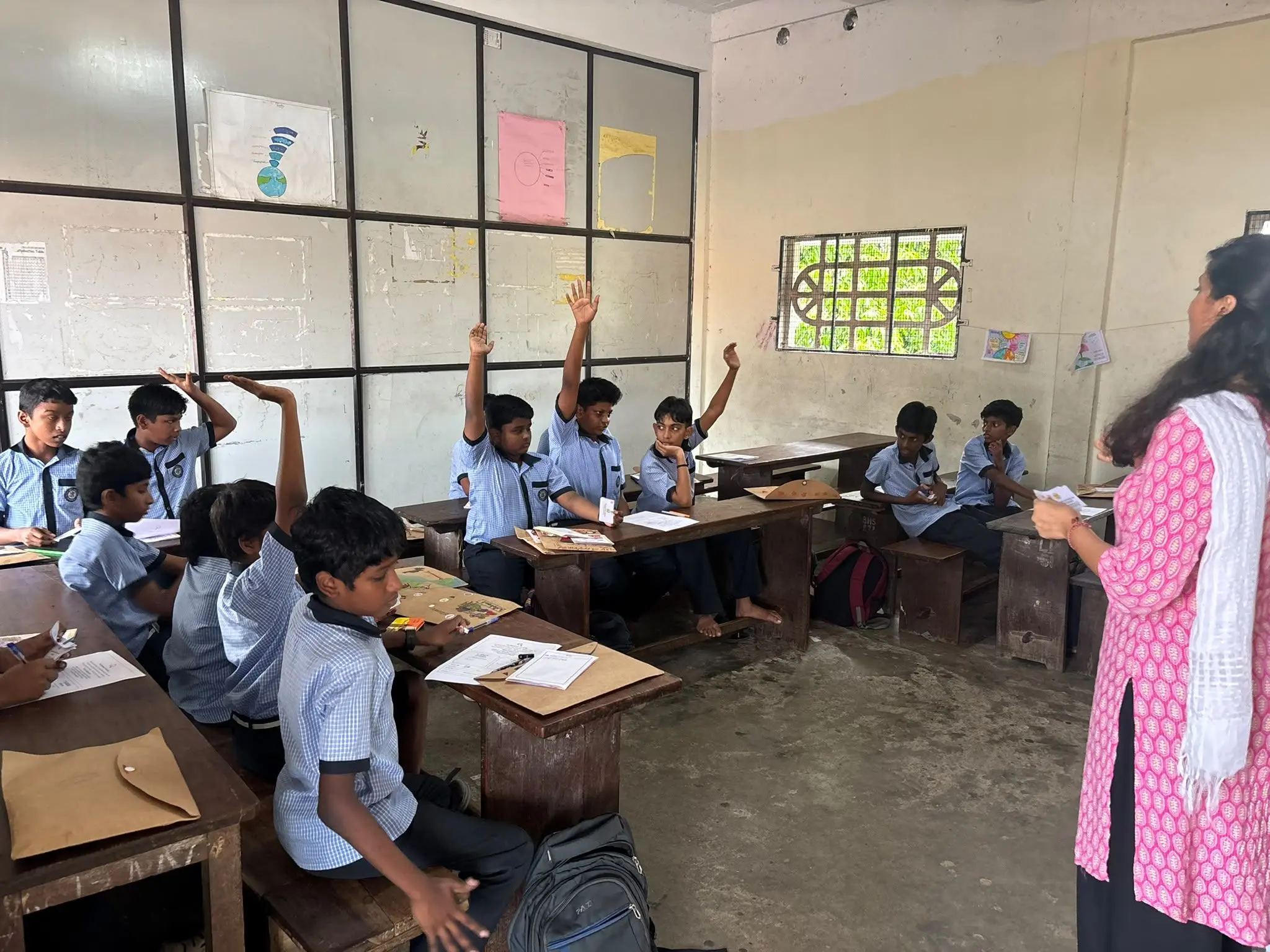
LifSkool: Think Like a Detective
Our hour began by looking back at the previous LifSkool sessions and asking the boys what they remembered. They were able to recall the activities and connect them to skills they had already been practising, including communication, problem-solving and decision-making. Today’s LifSkool session focused on critical thinking. We invited the boys to think like detectives, using short thinking challenges and a collaborative investigation. Rather than explaining the skill first, they were encouraged to ask questions, examine information and work out what they thought had happened. What worked particularly well was the balance between pace and reflection. Having the activities and materials prepared in advance meant we could move quickly from one challenge to the next without losing momentum. But we also paused briefly between activities to ask the boys how they reached an answer, what they were assuming, or what made them change their mind. The boys responded strongly to this format. They were curious, eager to talk and ask questions, and every child contributed. The detective-style investigation gave them something concrete to think through together rather than simply listening to an explanation about critical thinking. Only afterwards did we name the skill and connect it to a simple idea: ask questions and check what you know before deciding what you think. Our main learning was that a fast-moving session does not have to mean rushing the learning. Good preparation helped us keep the energy up, while short reflection moments gave the boys space to notice how they were thinking. In future, we would like to build on this with slightly more challenging investigation-style activities. Group: Local Government School | Std 5–7 boys | 15 boys Materials: Simple thinking challenges, investigation materials, whiteboard and LifSkills workbooks. Space: Regular classroom with tables and benches Timing: Around 45 minutes
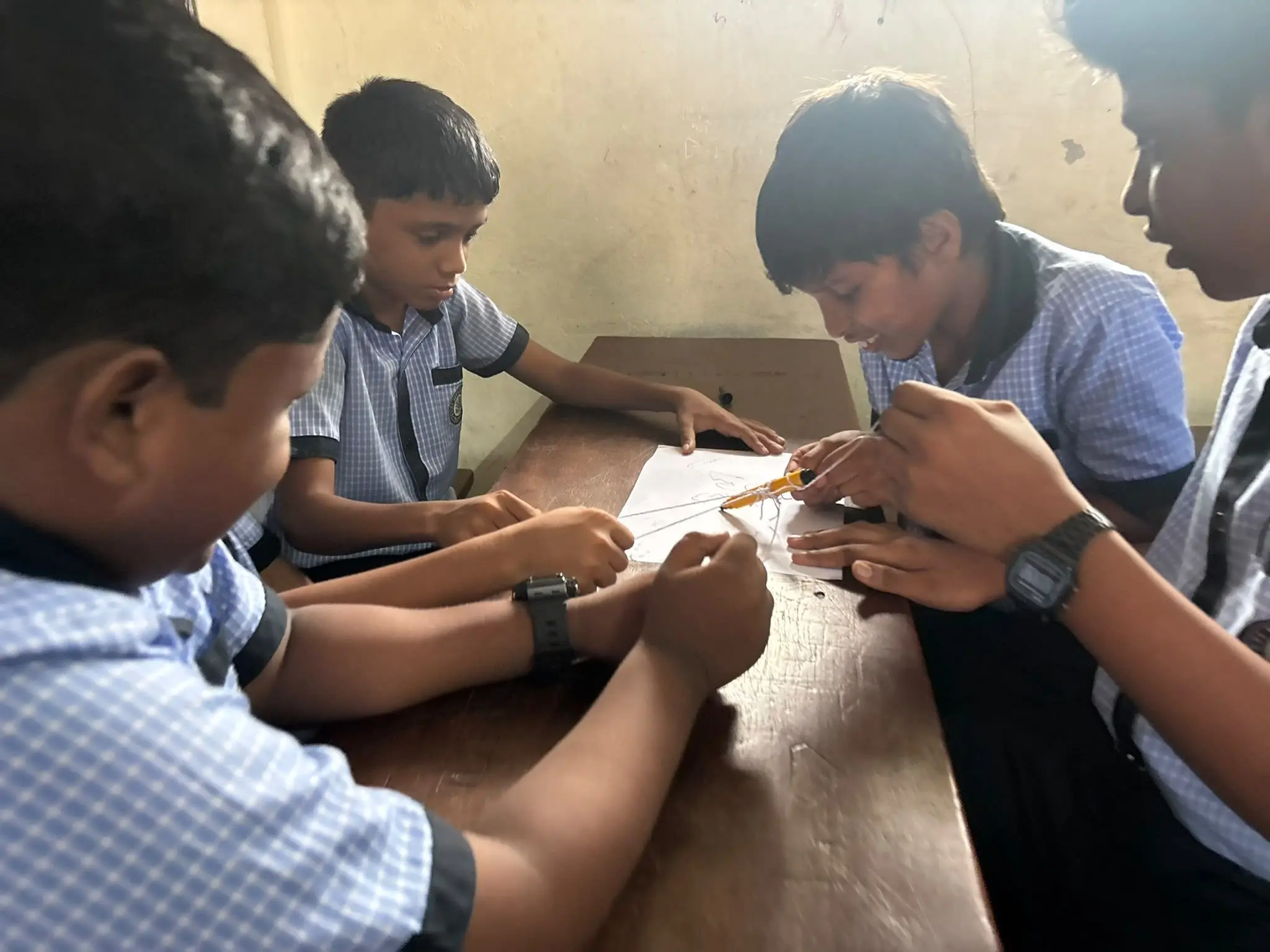
Today we changed the pace of LifSkool with a Team Challenge Day. The boys worked in pairs and small groups through a series of short challenges involving memory, coordination, problem-solving and communication. From the start, the boys were curious and eager to take part. They had to listen to one another, make quick plans, try different ideas and change their approach when something did not work. In earlier sessions, we had noticed that transitions and side conversations could quickly eat into the limited time we had. So today, we introduced a simple attention routine to support smoother transitions between activities. It worked well. The boys responded quickly, and the transitions between challenges felt much smoother. One of the strongest parts of the session was seeing how naturally the life skills appeared through the games. The boys were not only talking about communication, problem-solving and decision-making — they were having to use them in real time. This session also brought together several things we had been learning over the previous weeks. We had already seen that too much explanation could reduce participation, especially when the ideas themselves were quite abstract. Today, we deliberately flipped that around: less explaining, clearer routines, more doing, and more space for the boys to work things out themselves. Timing also worked well, and we were able to complete all the planned challenges within the session. Our main takeaway was simple: when children experience a skill first, it can be much easier to talk about the learning afterwards. A lively session, lots of curiosity, and a good reminder that the programme itself should keep adapting to what we learn in the room. Group: Local Government School | Std 5–7 | 14 boys Materials: Simple team-challenge materials, paper, markers and LifSkills workbooks Space: Regular classroom with tables and benches Timing: Around 45 minutes
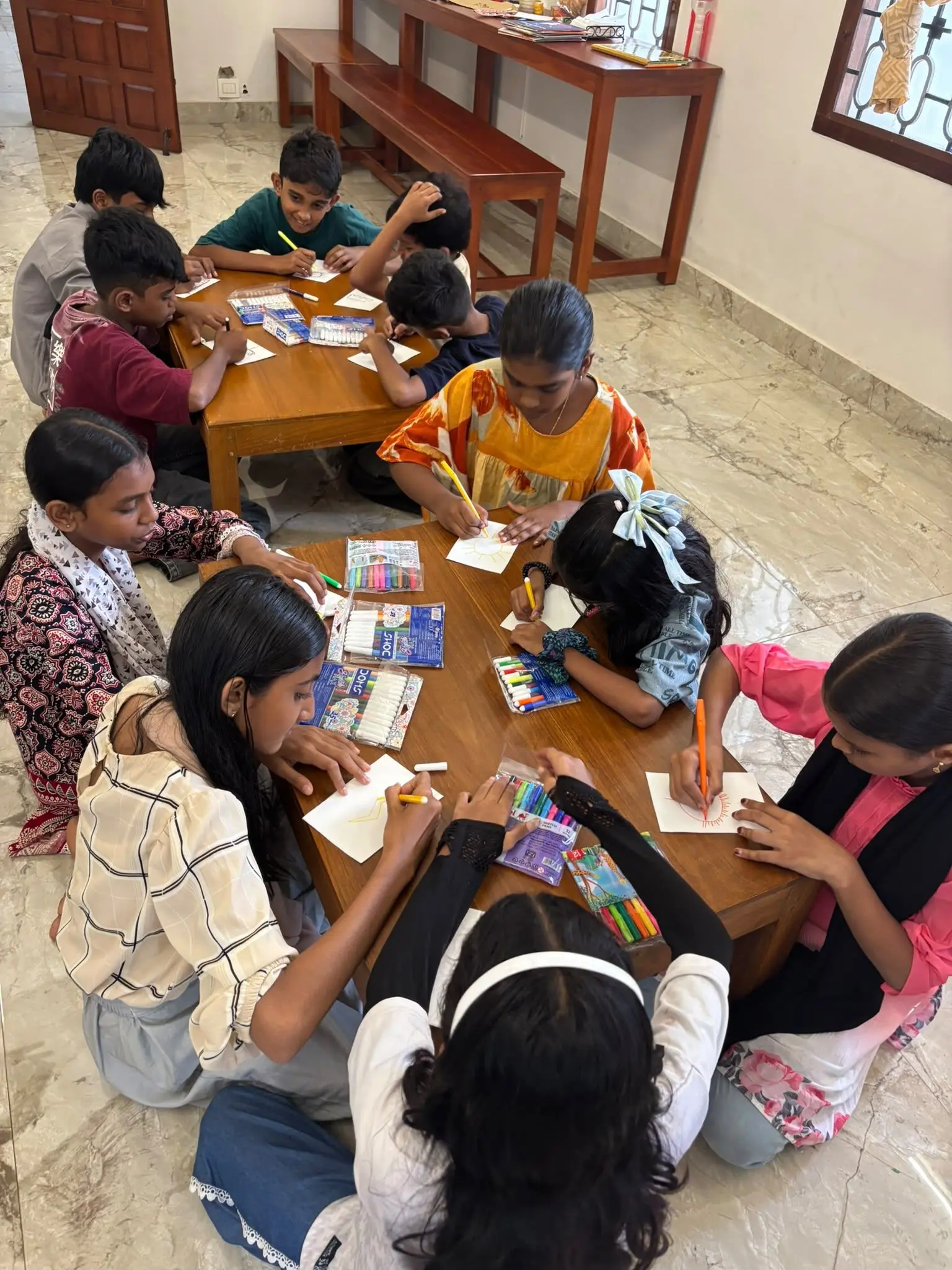
We usually begin Curiosity Club with a question rather than an explanation. This week, holding up a battery and a small LED, we asked: “What do you think we need to do to make this light turn on?” The children shared their ideas first, and from there we introduced a few simple concepts around atoms, electrons and circuits. We used a short game and a digital simulation to help make the invisible parts of electricity a little easier to imagine. Then came the real test: could they make the light turn on themselves? Each child built a paper circuit using a battery, LED and conductive tape, then turned it into their own design. We had traffic lights, lightning bolts and cars with working lights. Not every circuit worked first time. We had been unable to source copper tape, so we used aluminium tape instead, and some connections needed to be adjusted or rebuilt. We also noticed that some children used quite a lot of sellotape to hold things in place, which sometimes interrupted the connection and stopped the circuit from working. That ended up being one of the best parts of the session. Instead of giving up, the children kept checking, changing and trying again. One boy struggled for quite a while, but stayed with it until his light finally came on. The look on his face when it worked said everything. By the end, every child who stayed to complete the activity managed to light their LED. We came away with a few practical learnings. Next time, we would slow the build down further and demonstrate one step at a time before everyone moves on. We are also curious to try reversing the order altogether — letting the children attempt the circuit first, notice what works and what doesn’t, and then using their questions and mistakes to introduce the science behind it. For a concept as abstract as electricity, experiencing the problem first may make the explanation easier to understand. A messy, hands-on session with plenty of trial and error — which, in the end, was exactly where much of the learning happened.
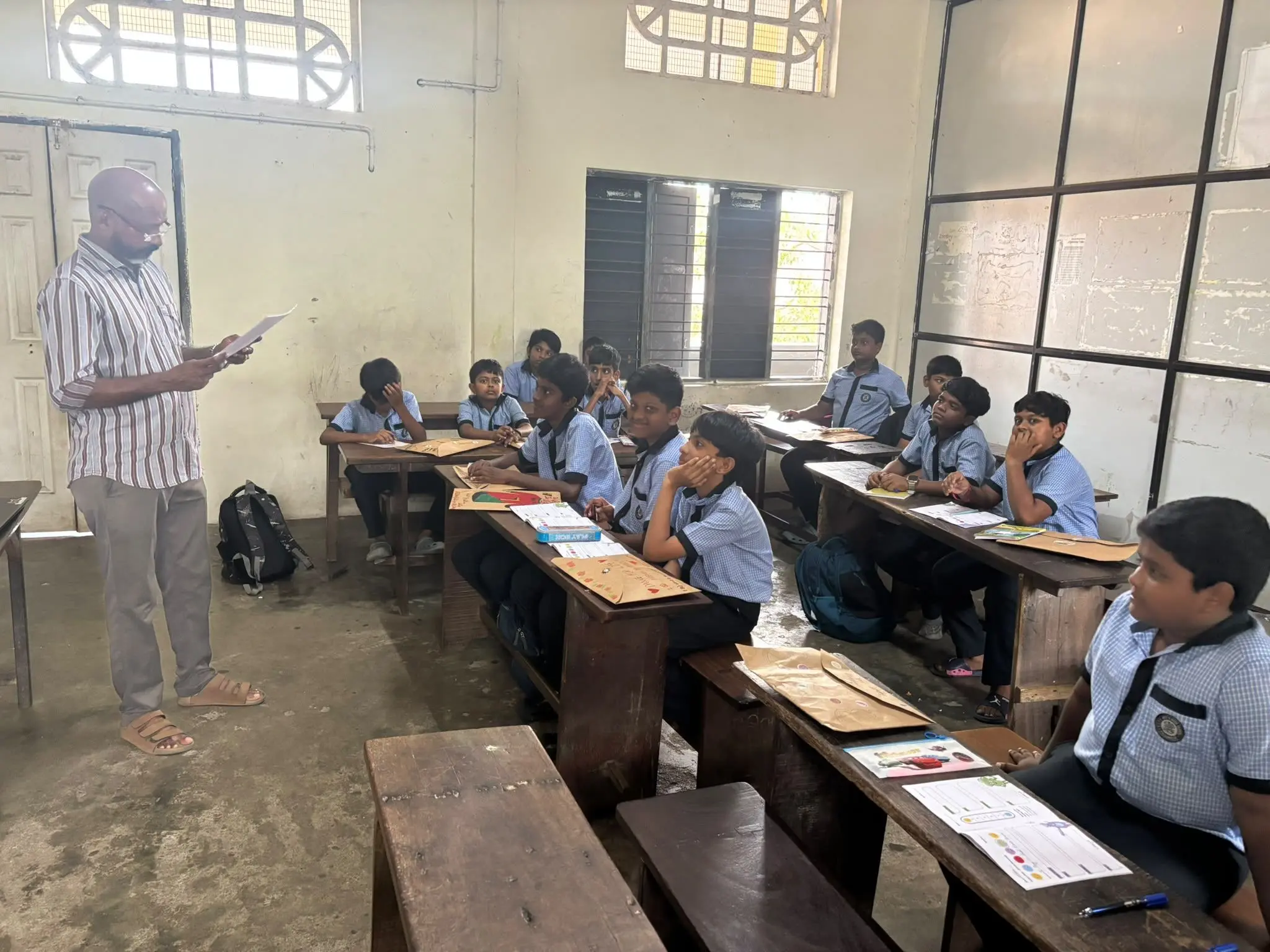
This session focused on empathy and kindness — understanding how someone else might be feeling and thinking about how our words and actions affect others. It was also a learning session for us as facilitators. This was George’s first time leading a LifSkool class. He had prepared carefully beforehand, but nerves meant he relied quite closely on the printed lesson plan. We began with a movement energiser, which helped bring some energy into the room. A few boys were shy at first, but most gradually joined in. From there, we explored empathy through familiar situations and conversations about how another person might feel, what support could look like, and how small acts of kindness can make a difference. The boys were able to contribute examples and seemed to understand the core ideas. The biggest learning for us was around facilitation. Following a script closely can help a new facilitator feel prepared, but it can also reduce eye contact, interaction and responsiveness in the room. Attention drifted at times, and side conversations became more noticeable. It reminded us that the lesson plan is there to support the facilitator, not replace the connection with the students. The session also highlighted the need to revisit classroom routines and transitions. With an after-school group, chatter and changing energy levels are part of the reality, so clearer signals and expectations should help us protect more time for participation. At the end, each student chose a LifSkool buddy, who they will work with during upcoming team challenges. Attendance was again lower than the full cohort, with 12 of 20 boys attending, which remains an ongoing challenge for the after-school programme. Overall, the boys understood the ideas of empathy and kindness, while the session gave us useful learning about facilitation, engagement and classroom rhythm too. Group: Local Government School | Std 5–7 | 12 boys Materials: LifSkills workbooks, lesson-plan materials, speaker/music Space: Regular classroom with tables and benches Timing: Around 45 minutes
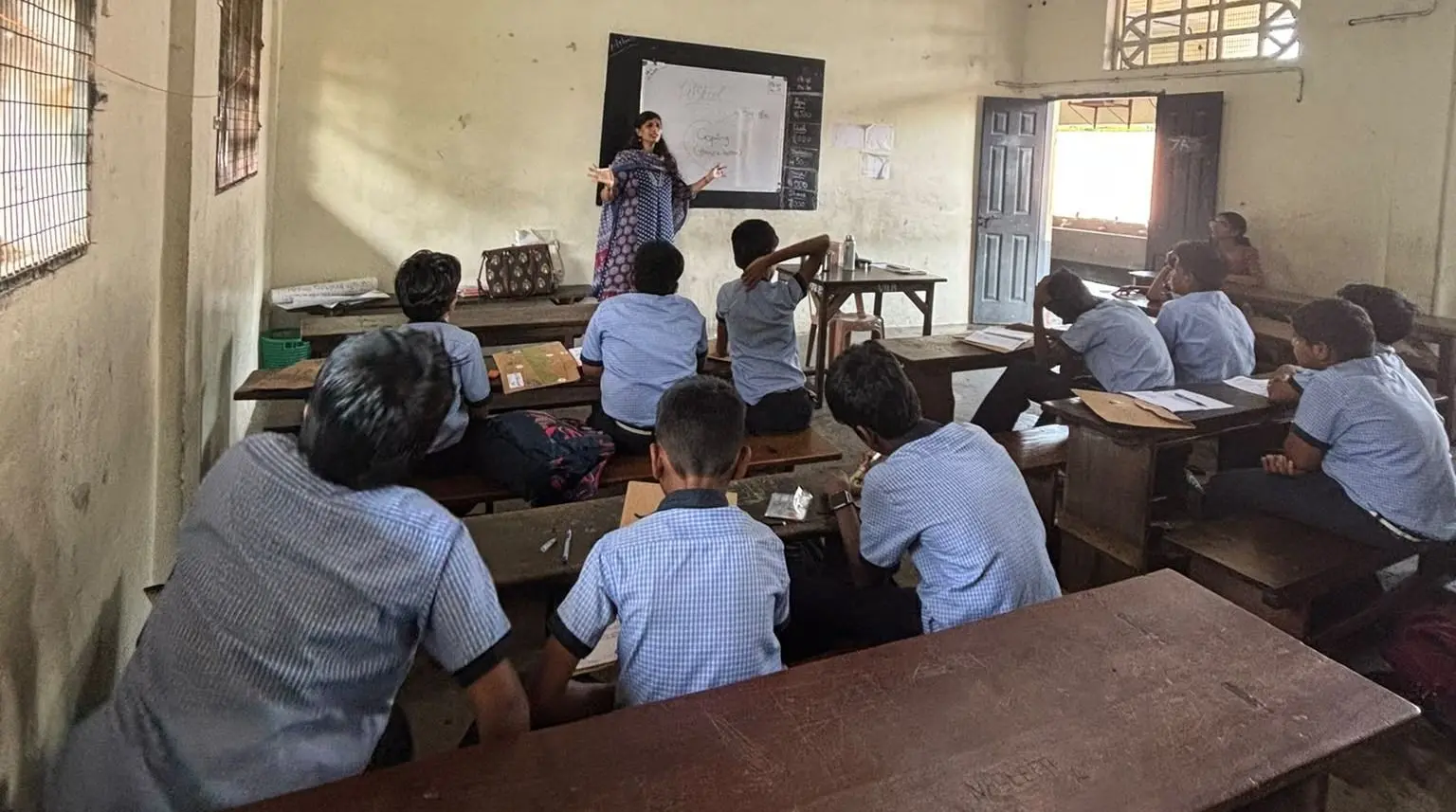
After exploring coping with emotions last week, today we moved into coping with stress. Today’s group was smaller than our previous session, as after-school football coaching has now started and some of the boys were attending that instead. It’s another reminder that after-school programmes have to work alongside the wider rhythm of school life. We began with a quick recap of emotions and the calming tools the boys had already learnt. We revisited STAR breathing and also introduced box breathing before moving into the new topic. Stress itself was a little harder to explain than we expected. At first, some of the boys struggled to identify what stress might look like in their own lives. Once we started using familiar examples — schoolwork, running late, arguments, tests, or several small things happening at once — the idea began to make more sense. To make it more concrete, we used a simple Stress Bucket demonstration with a cut plastic bottle and water. It helped show that stress does not always come from one big event — sometimes lots of smaller things build up over time. From there, we explored coping strategies as ways of releasing some of that pressure. The boys were especially good at coming up with their own ideas for what might help their body and mind settle. They then completed a short reflection activity, thinking about what can add to their own stress and what might help them cope. Our biggest learning today was that abstract ideas need concrete examples with this age group. The word “stress” was difficult to pin down at first, but once the boys could see it, connect it to everyday situations and talk through examples, the conversation became much easier. A smaller group today, but a useful session — and a good reminder that sometimes showing an idea works far better than explaining it. Group: Local Government School | Std 5–7 | 12 boys Materials: LifSkills workbooks, simple stress and coping activity materials, whiteboard and markers Space: Regular classroom with tables and benches Timing: Around 45 minutes available
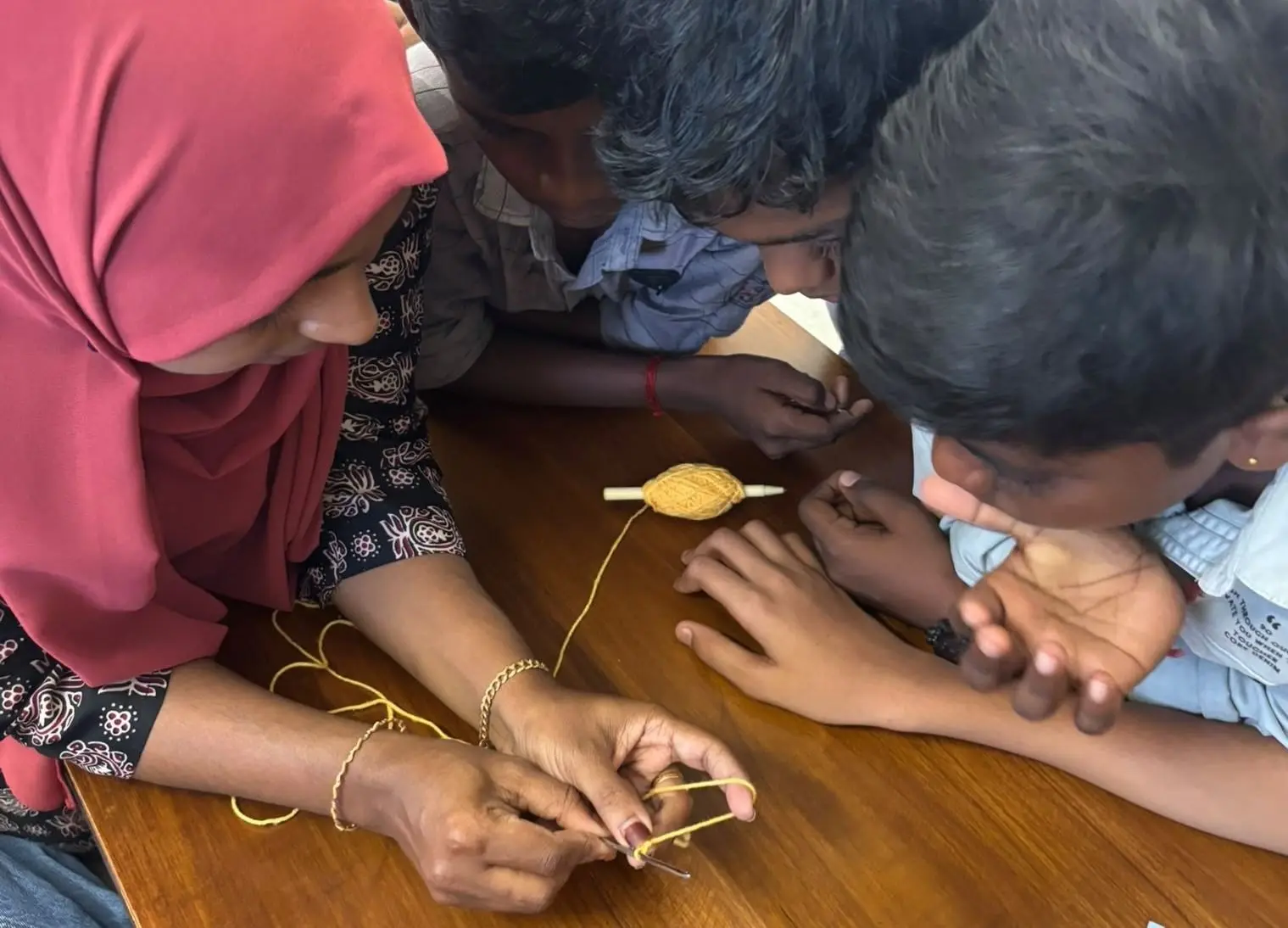
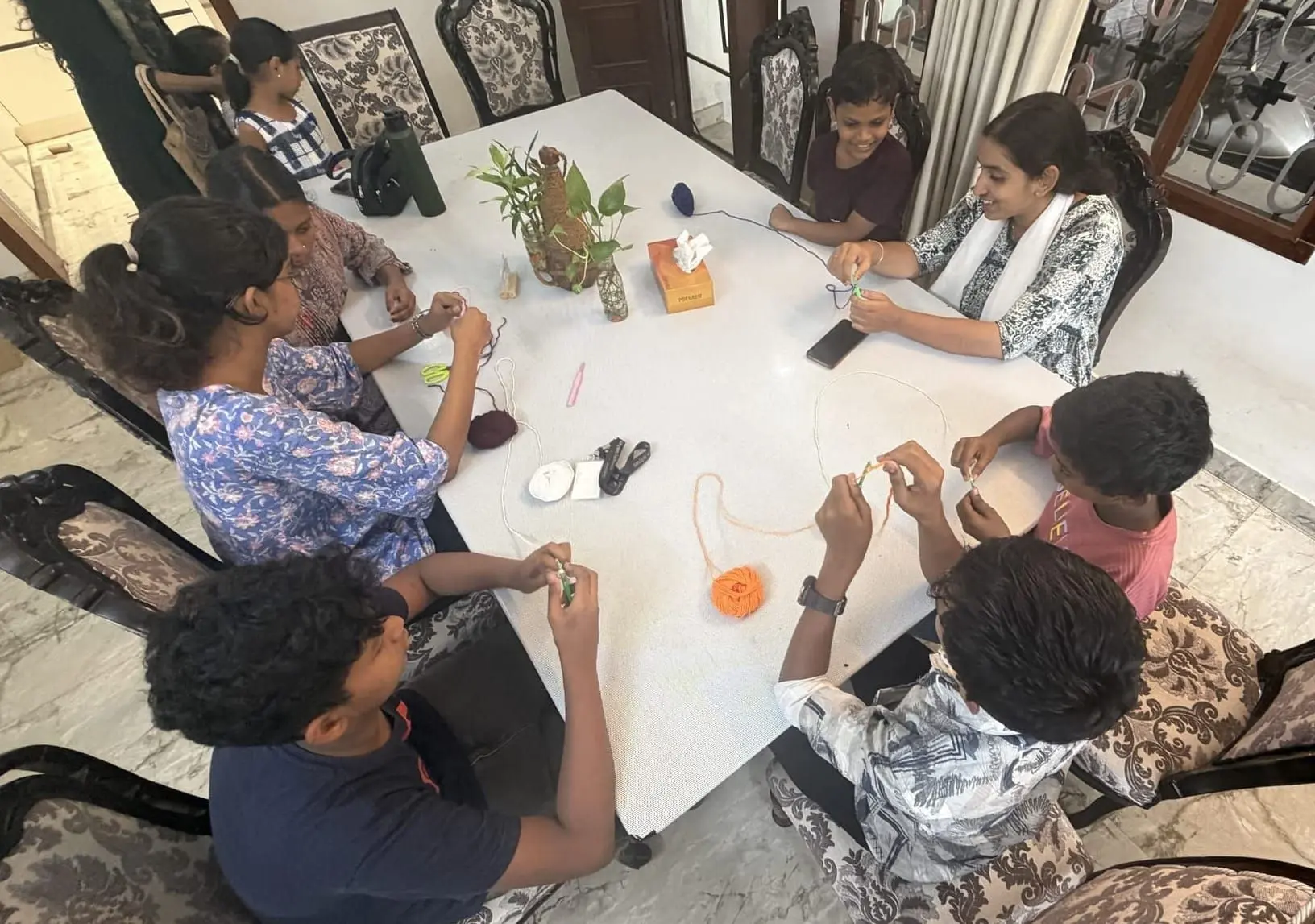
This Saturday, 21 children learned to crochet. A facilitator from aikyam’s stitching unit led the session, bringing a skill already present within the community into the Curiosity Club. We organised the children into three groups of approximately seven and gave everyone a crochet hook and colourful yarn. Some of the boys hesitated at first, saying they did not want to try crochet. Once they had the materials, their interest grew quickly. Most of the children concentrated and tried to understand the movements. Supporting everyone with one crochet facilitator was challenging. She explained the technique to one table at a time, meaning some children had to wait. Several children already knew how to crochet, so we encouraged them to help someone else. They demonstrated the movements, encouraging and patiently supporting their friends. What began as a practical challenge became an example of peer learning, cooperation and children sharing skills. Our main learning was that an activity like crochet needs a clear whole-group demonstration at the beginning. Next time, we would first show the basic movement where everyone can see it before moving into smaller-group and individual support. We would also identify children with previous experience earlier and pair them with those needing additional help. Initial hesitation soon turned into concentration, conversation and shared learning. The session reminded us of the value of drawing on skills from within the community and giving children the opportunity to learn from both adults and one another.
LifSkool: Coping with Emotions
Tuesday was about self-awareness; by Thursday, we were ready to explore coping with emotions. Meeting the boys twice a week during this 5-week programme helps us build naturally on the previous session. We started by revisiting the previous session and asking the boys what they remembered about self-awareness. A short movement game helped bring energy into the room before we moved into a discussion about emotions, how they can show up in the body, and the difference between reacting immediately and taking a moment to respond. We introduced a simple pause-and-breathe strategy and used familiar situations to explore how taking a moment can help us choose what to do next. We ended with a short story about feelings and ways of responding to them. One of our main reflections was that we spoke more than we wanted to. When time is tight, explaining can feel quicker, but it leaves students less space to connect the skill to their own lives, share ideas and practise for themselves. We are also still finding the best classroom rhythm. Getting everyone together and settled can easily take five or ten minutes, so clearer routines and shorter activity blocks should help us protect more time for participation. A lively second session, plenty of laughs, and a useful reminder to keep the learning active and student-led. Group: Local Government School | Std 5–7 | 19 boys Materials: LifSkills workbooks, completed “This Is Me” folders, whiteboard & markers, Find Your Happy by Emily Coxhead Space: Regular classroom with tables and benches Timing: 45 minutes available
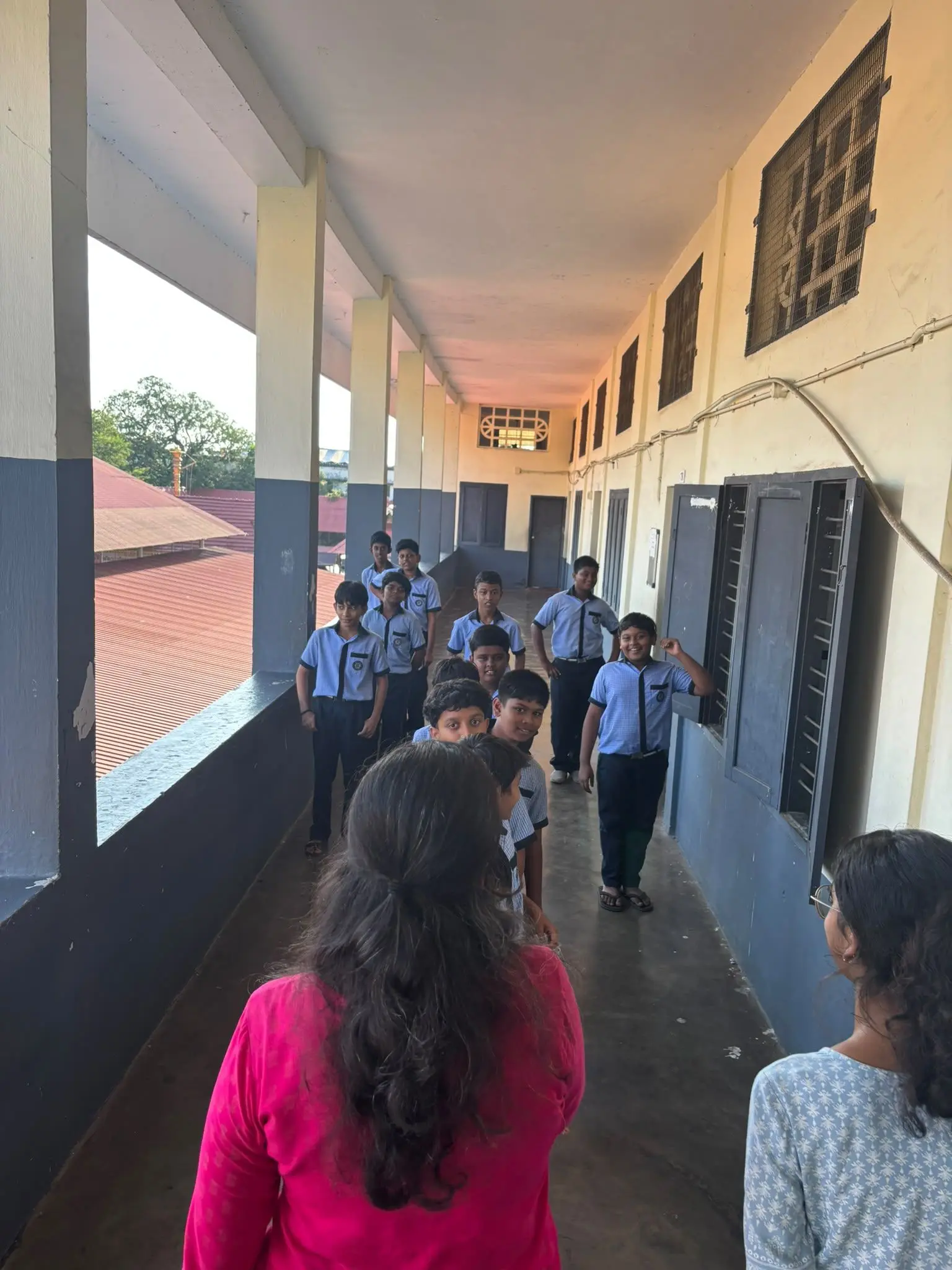
LifSkool is Olimalar Foundation’s school-based life skills programme, helping young people build practical skills for everyday life. This week, we began a 5-week programme with our Std 5–7 boys from a local government school. We chose to return because this is one of the schools we already have an established partnership with, and continuing here allows us to build on the trust and relationships formed last year. It was lovely to walk back into the classroom and see a few familiar faces — boys we had met in Std 5 last year, now in Std 6, a little taller but still remembering us. For our first session, our goal was simple: break the ice, reconnect, and begin exploring our first life skill — self-awareness. We started with “This or That.” As the classroom benches left little room to move, we took the boys into the corridor, stood them in a line, and called out two choices at a time. They moved left or right depending on their preference. It was a simple way to share something about themselves and notice where they were similar to or different from others. Back inside, we introduced the LifSkills workbooks and the LifSkool Promise. We read the promise together, each student signed it, and a member of the LifSkool team signed alongside them. Co-signing helped make the expectations feel shared rather than simply a list of rules. Each student also received their own folder and materials. Their first activity, “This Is Me,” was to begin decorating the folder with drawings, words and symbols showing what they like, what they are good at and what matters to them. A late start meant the boys only had around 15 minutes to sketch their ideas, so they took the folders home to complete. Day 1 also handed us a very practical field lesson: the classroom had a whiteboard, but no markers. We had planned to map out the activity visually on the board, so “bring whiteboard markers” went straight to the top of our prep list for Thursday. Our biggest takeaway was simple: creative, low-pressure activities made it easier to start conversations and begin getting to know the boys without putting anyone on the spot. It was a simple first session, but a lovely way to begin — and a grounding reminder to always work with the actual time, space, and resources we have on the ground. Group: Local Government School | Std 5–7 | 13 boys Materials: Kraft envelope folders, LifSkills workbooks, crayons, sketch pens, stationery kits Space: Regular classroom with students seated on benches; movement activity moved to the corridor Timing: 45 minutes available (60 minutes planned)
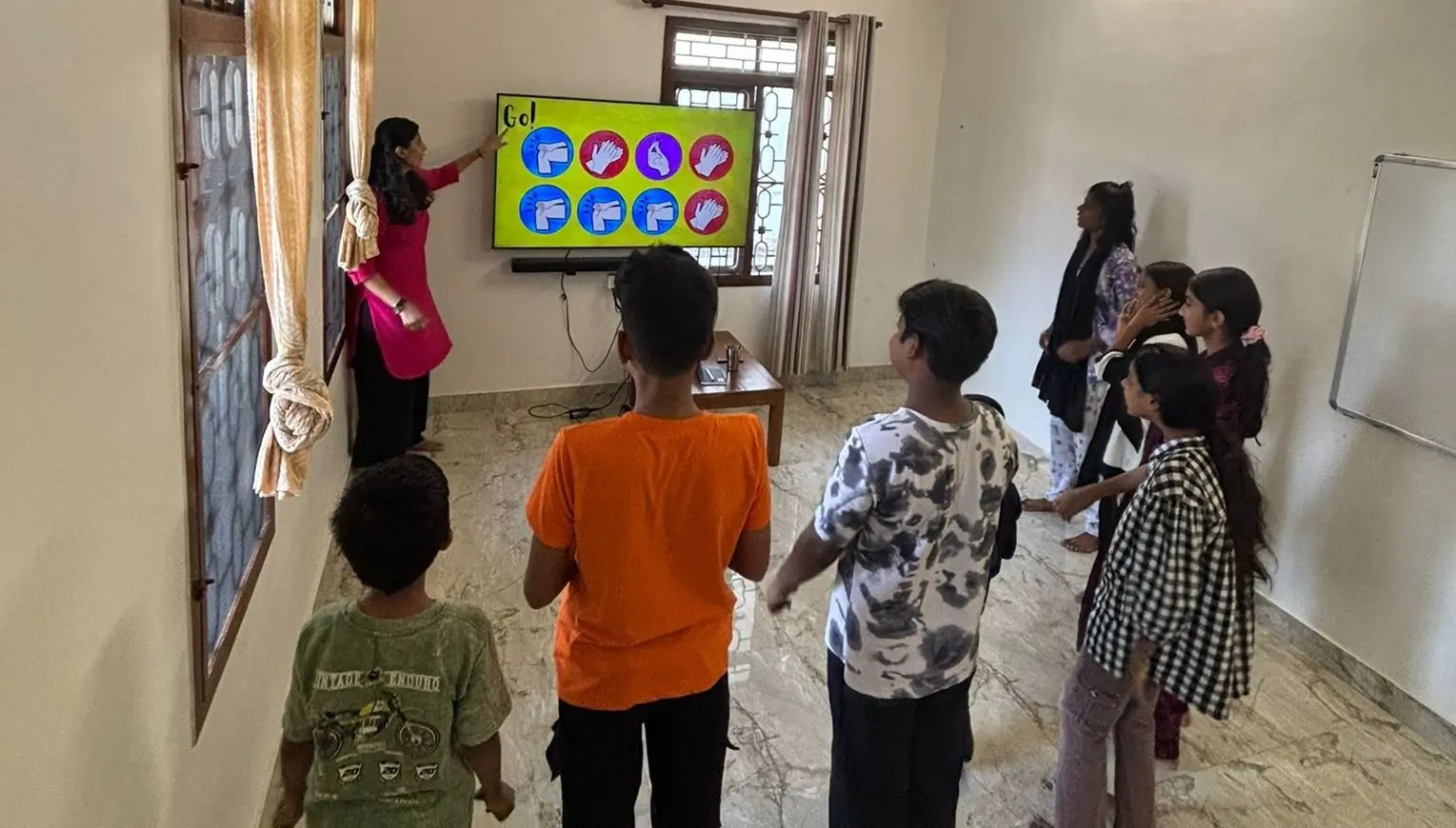
Body percussion and group games get children moving together
We ran a session on 14 March 2024 with 12 children. We did body percussion, movement, and group games. The children listened, responded, and participated. They explored rhythm, coordination, attention, and teamwork.
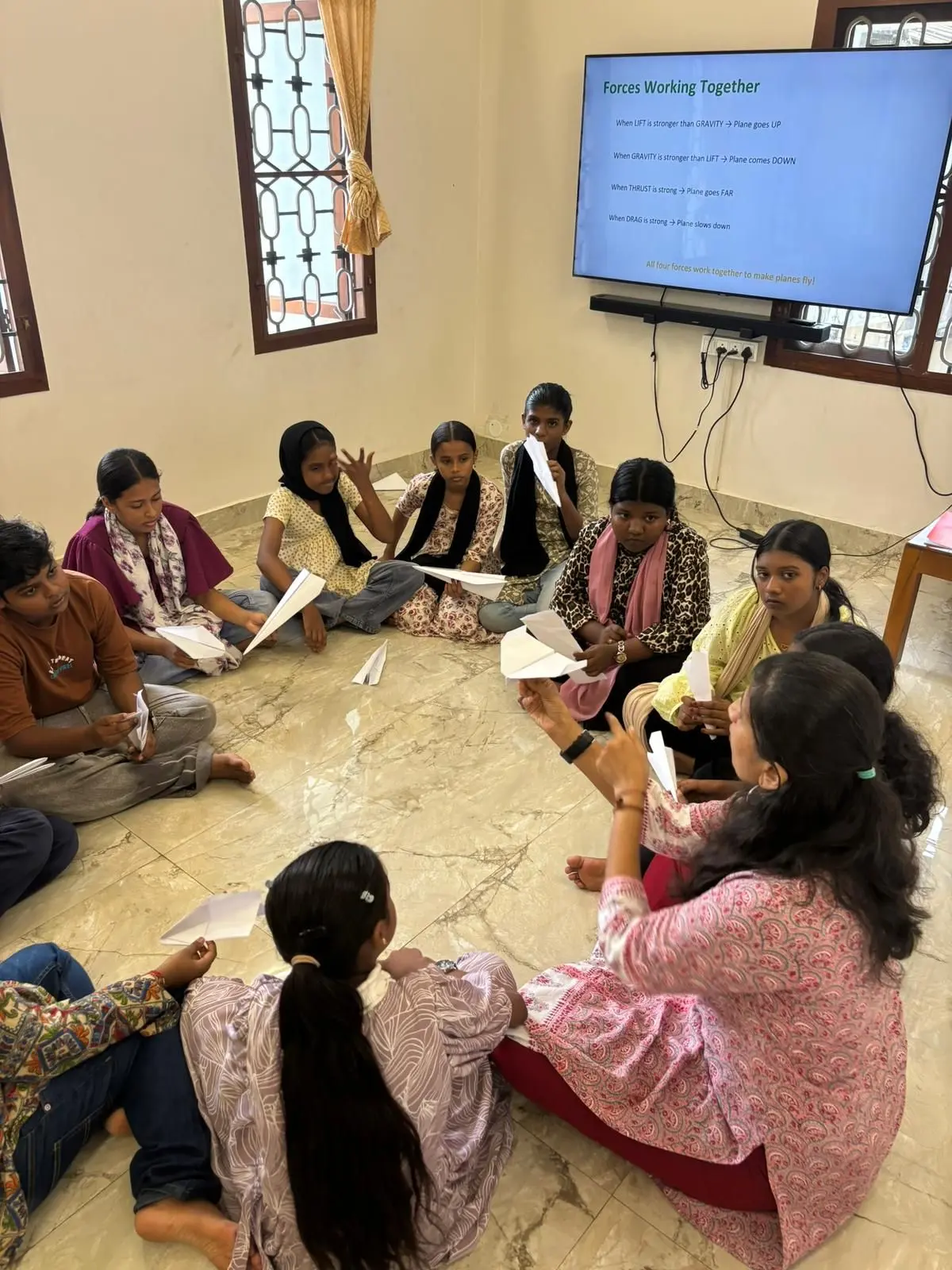
Paper planes help children explore how things fly
We started a Curiosity Club activity about flight using the wings from Perfectly Norman. Children explored the basic forces that help things fly. Then they made different paper planes and tested how changes in shape affected how far and how well they flew.
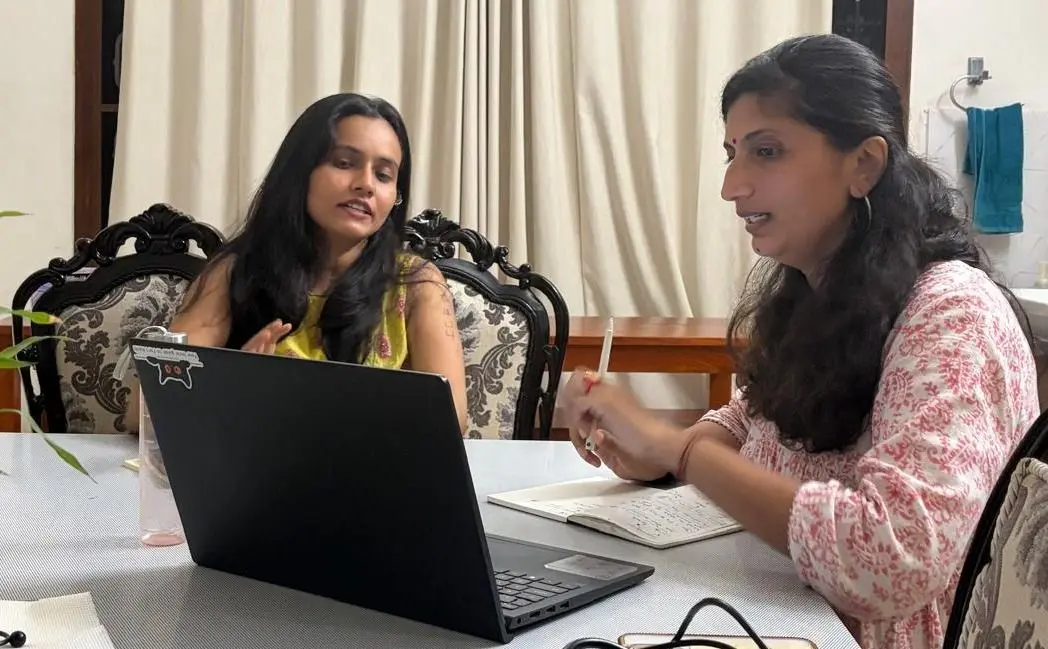
Olimalar and Thudippu discuss how to support children better
Aarthi from Olimalar Foundation and Anjali Krishnadas from Thudippu Dance Foundation met at aikyam space to discuss how we could work together to help the children from the community. We talked about understanding the children better and finding ways to support their learning, confidence, creativity, and participation through future activities.
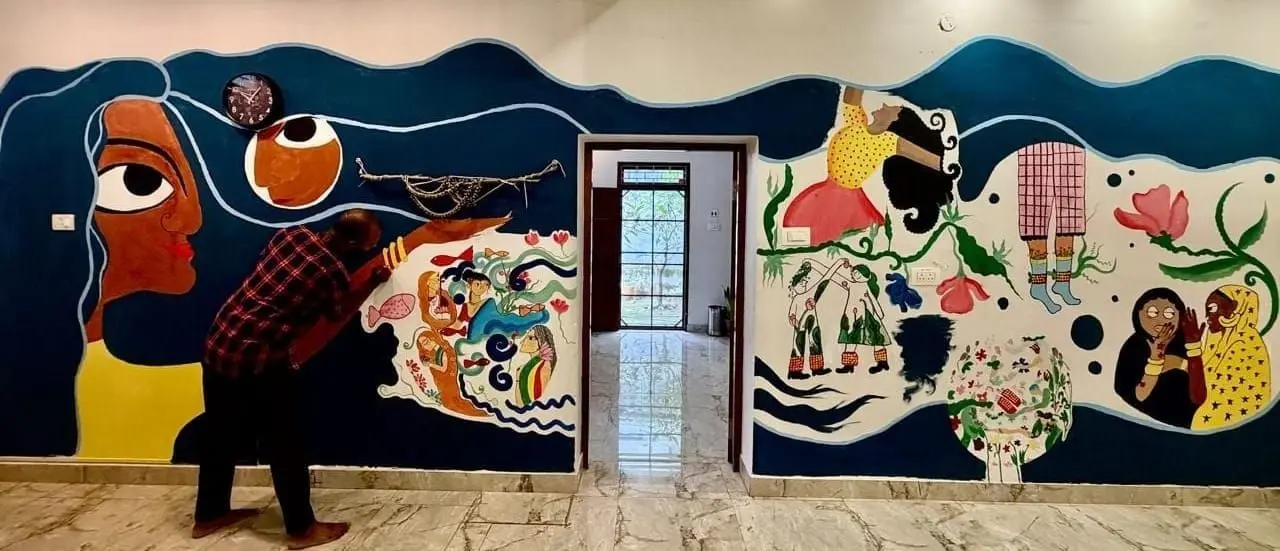
A mural of sea and dance began on the walls
Mr. Krishnan Ghosh painted a new mural on the walls of aikyam space. The artwork was inspired by the sea and dance, and it made the space more colourful and welcoming.
Children built spaghetti towers and drew as a team
On 14 March 2024, we ran two team-based life skills challenges for children. In the Spaghetti Tower, they used spaghetti, tape, string and a marshmallow to build the tallest free-standing tower they could. In Draw Together, they relied on observation and clear communication to recreate a picture as a team. Both challenges encouraged teamwork, communication, creativity and problem-solving through hands-on learning.
Another craft session for the children
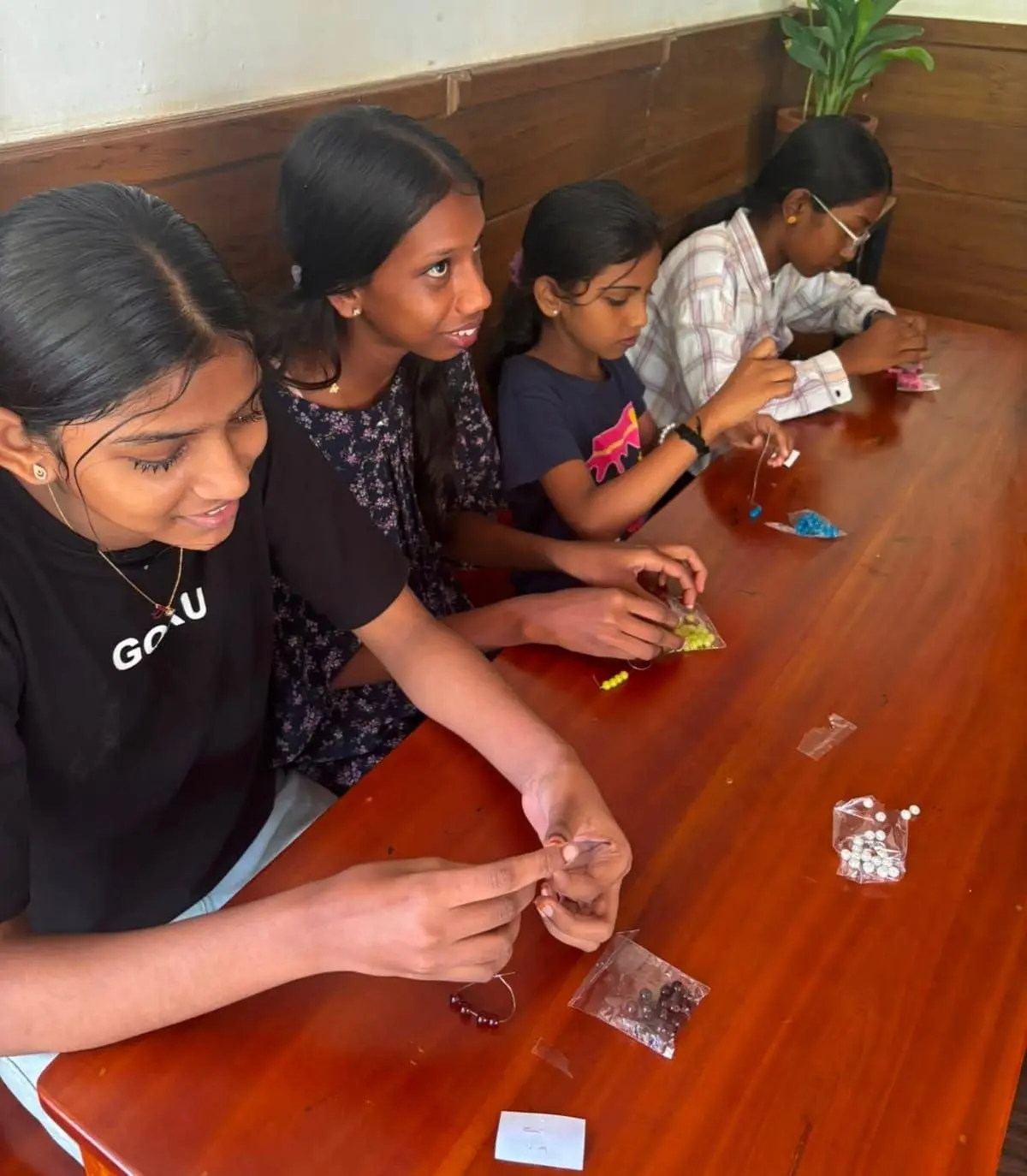
The children had another craft session. They explored their creativity while learning through hands-on activities.
A craft session for children ran again
On 14 March 2024, we ran a craft session for children. The children made things with their hands. It encouraged creativity, patience, and learning.
Children made things from simple materials
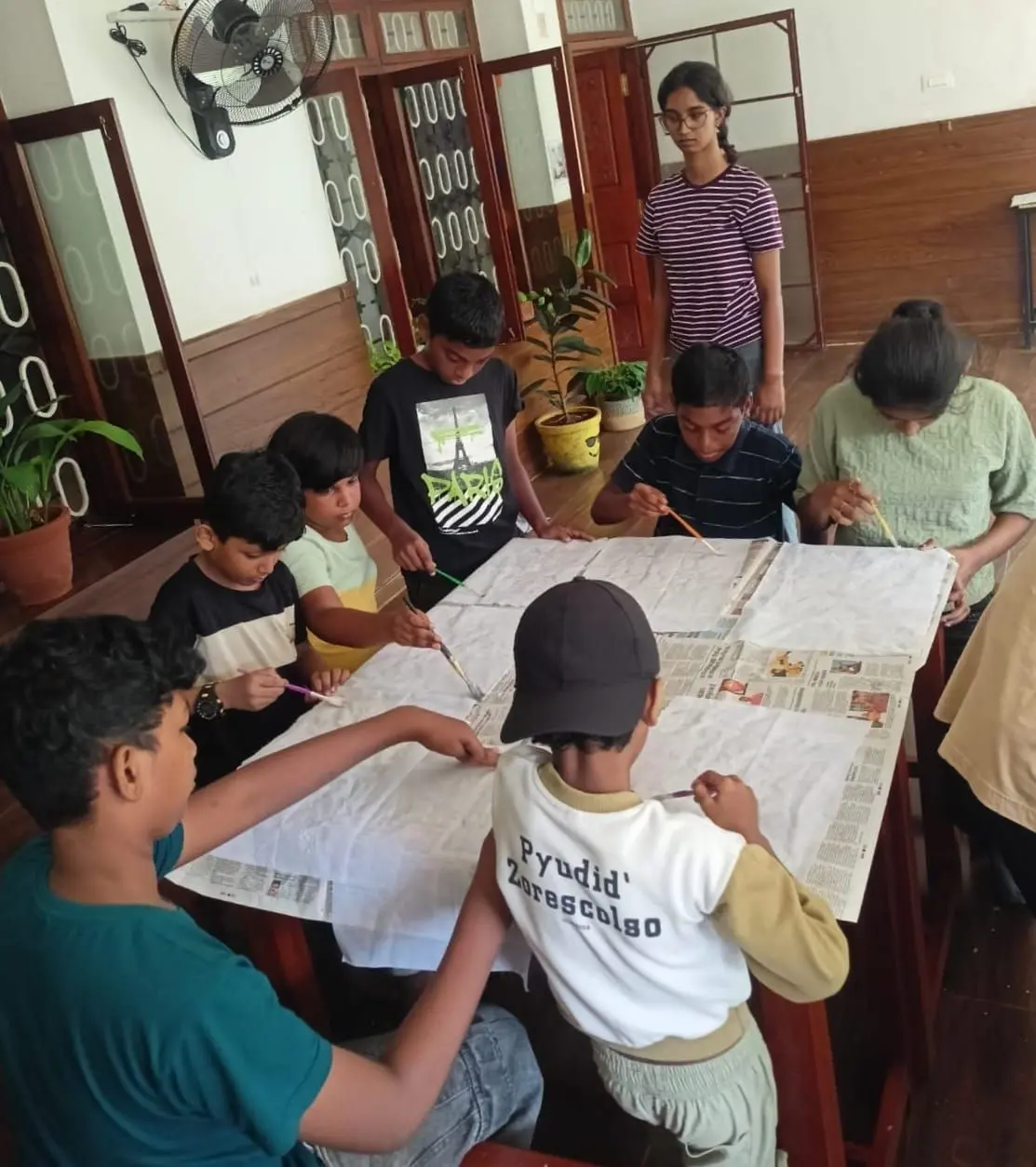
On 14 March 2024, we ran a craft session for children. They used basic materials to explore new ideas. We encouraged creativity, patience, and learning through making things.
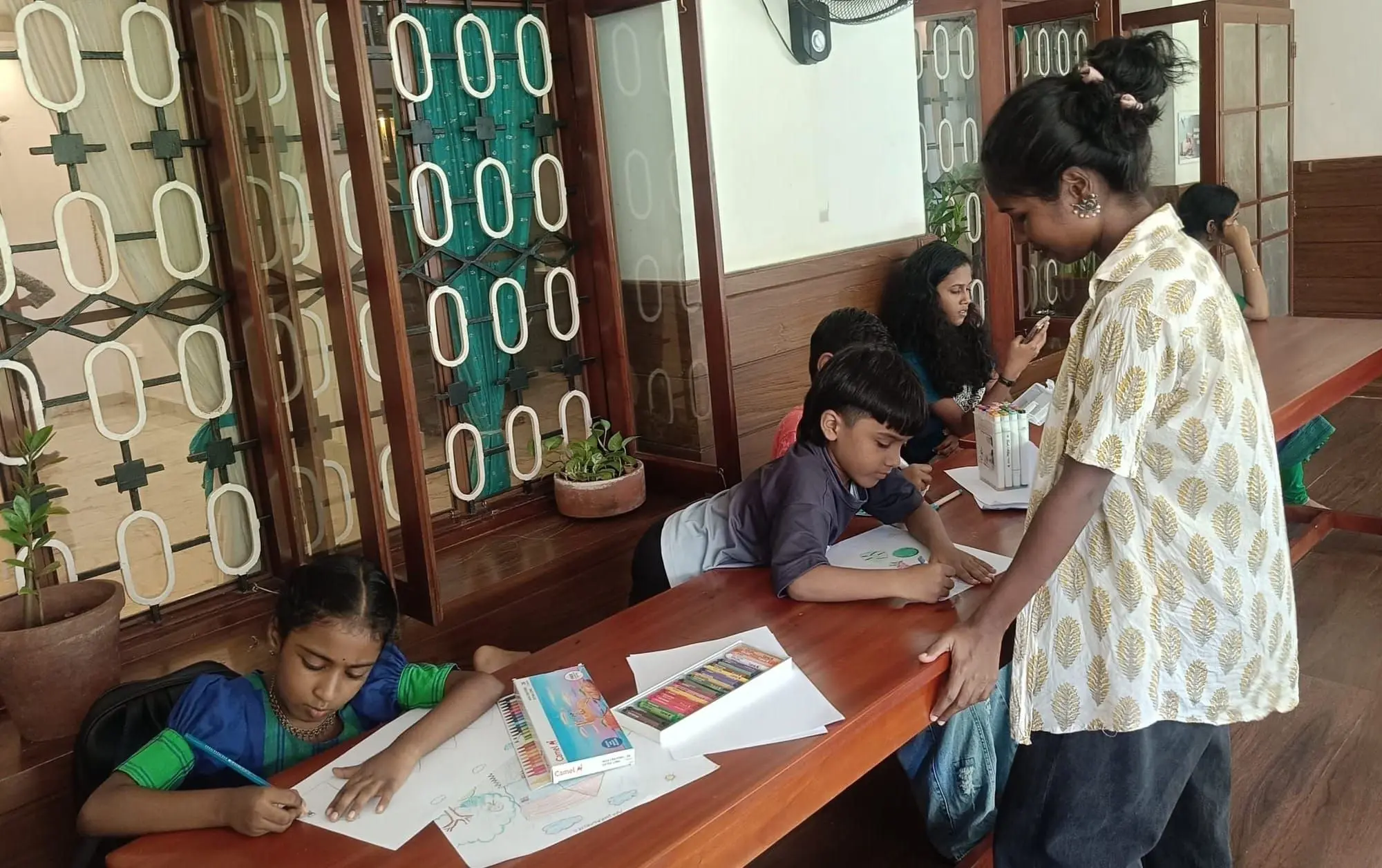
Children drew and made things in the craft session
We ran a craft session for children on 14 July 2024. They drew, made things, and explored ideas. The activity let them be creative and express themselves through art.
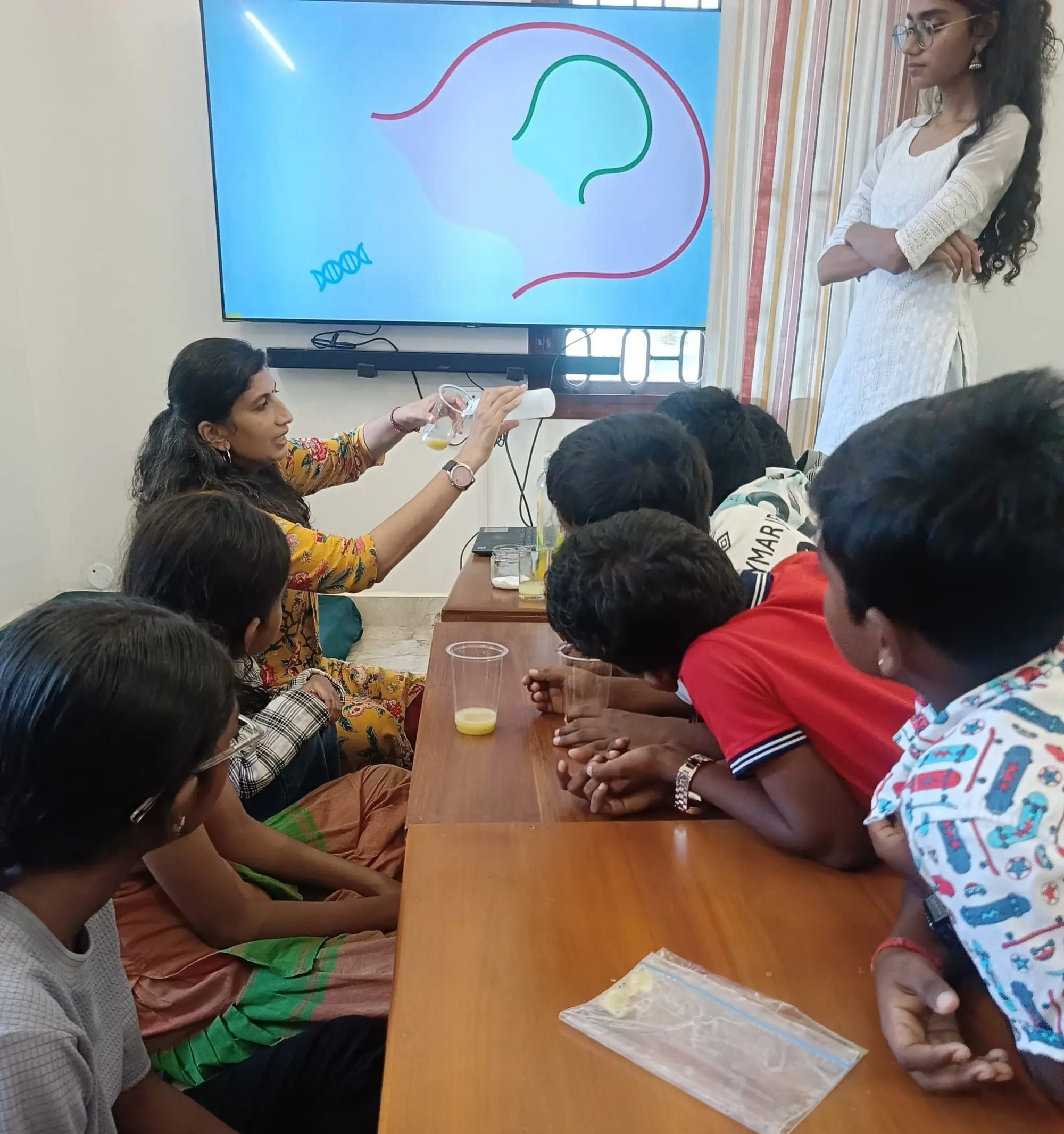
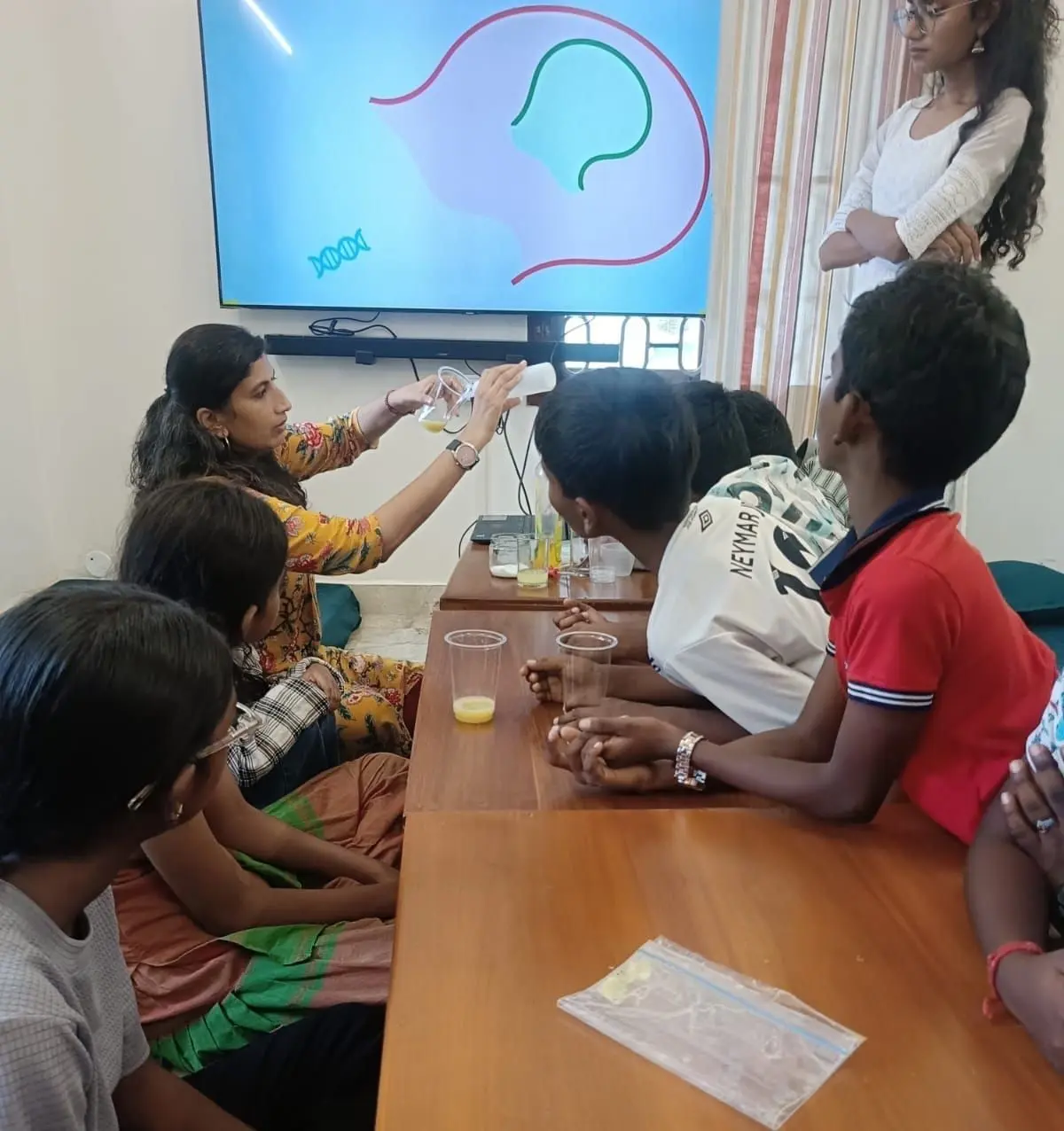
Children pulled DNA out of a kiwi fruit
The science class explored cells and DNA, helping children understand how living things are built. During the session, students took part in a hands-on experiment to extract DNA from a kiwi fruit. The activity generated a lot of curiosity and questions, showing that practical experiments can make science easier to understand and more engaging for children.
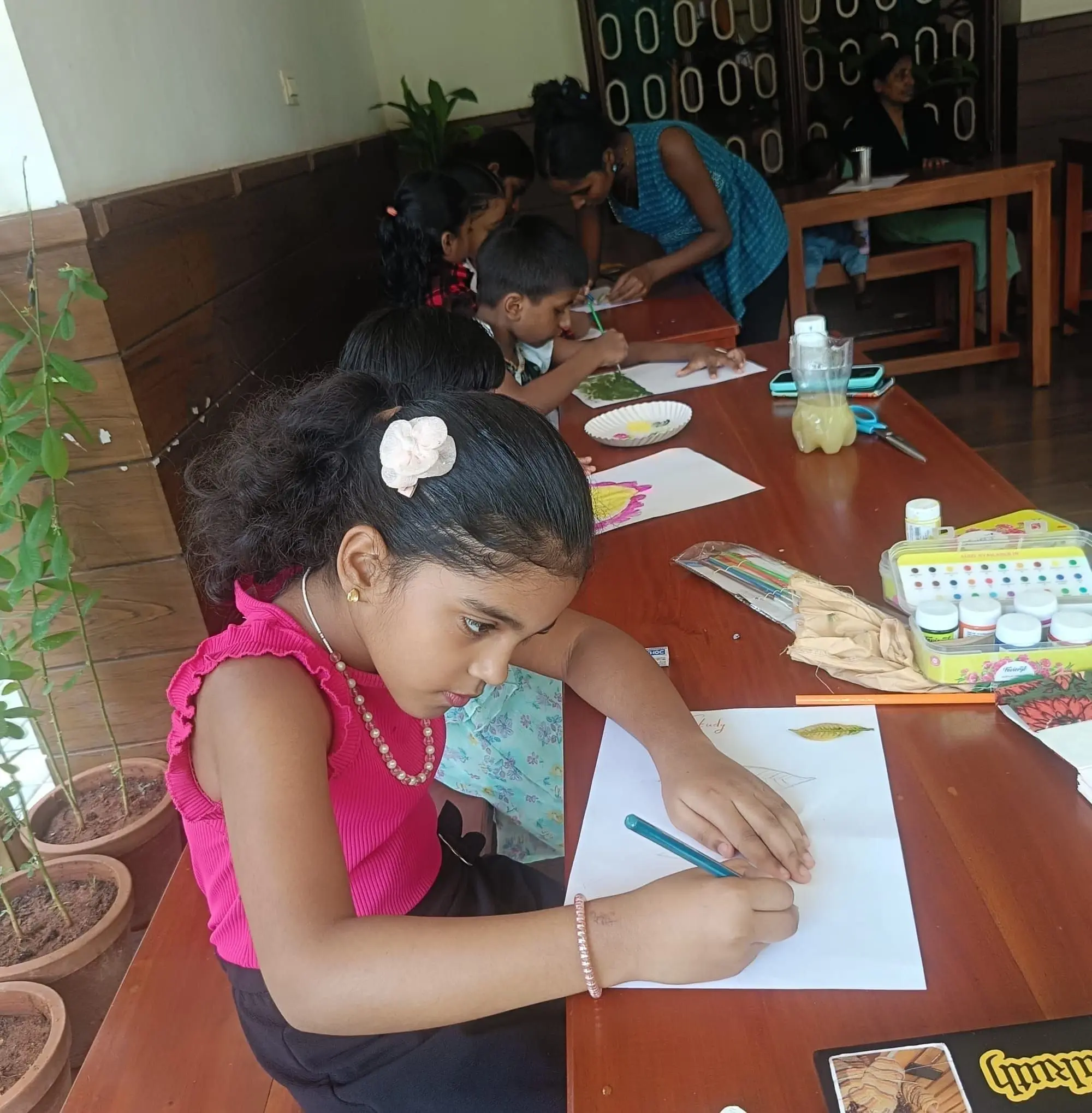
Another day of craft with new ideas and materials
The children did craft activities. They tried new ideas, materials and designs.
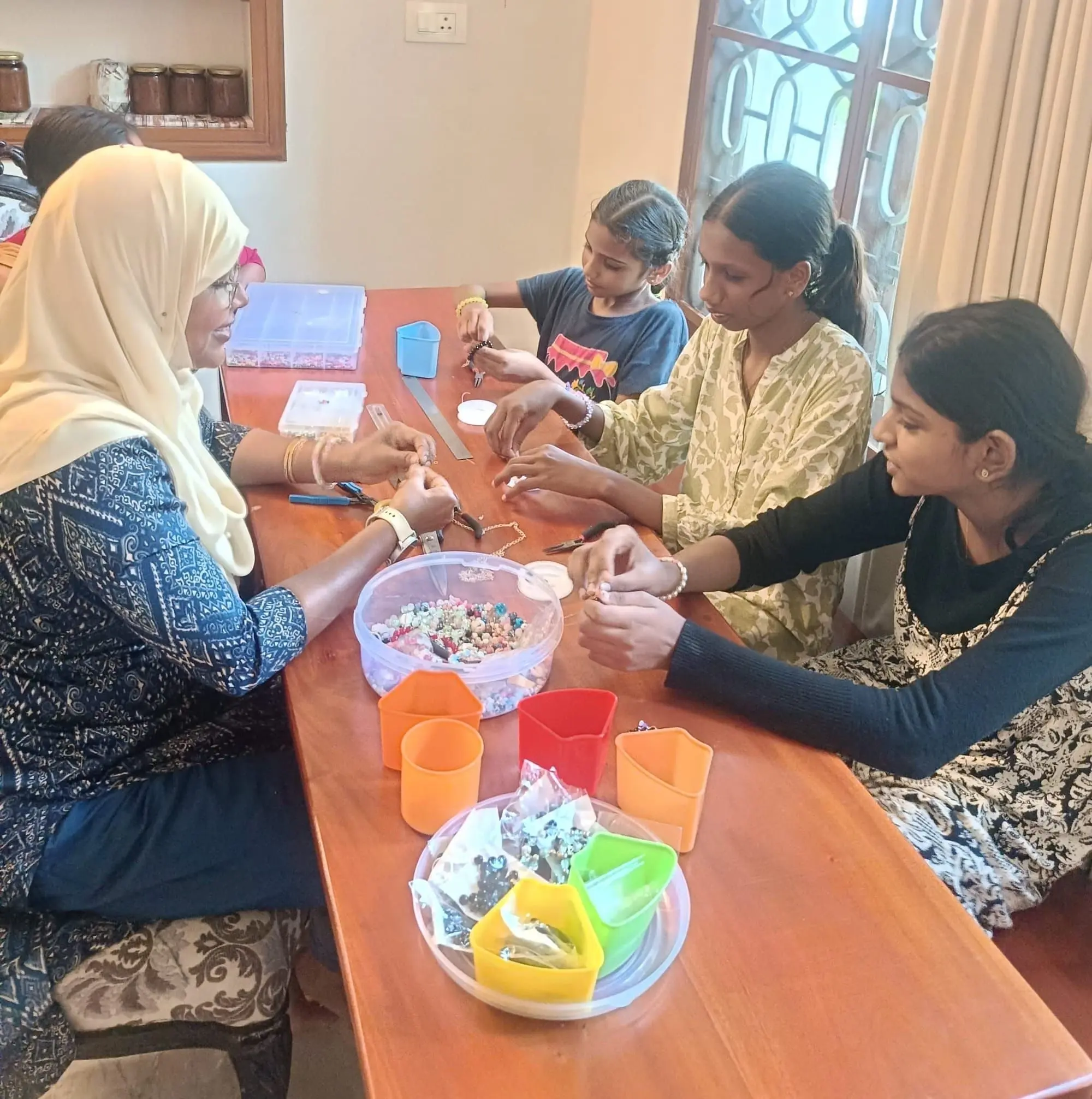
Beading was shown as a possible way to earn
Children participated in a beading session, where they learned basic techniques while enjoying the creative process. The class also introduced the idea that such skills could become a livelihood opportunity for those interested in developing them further.
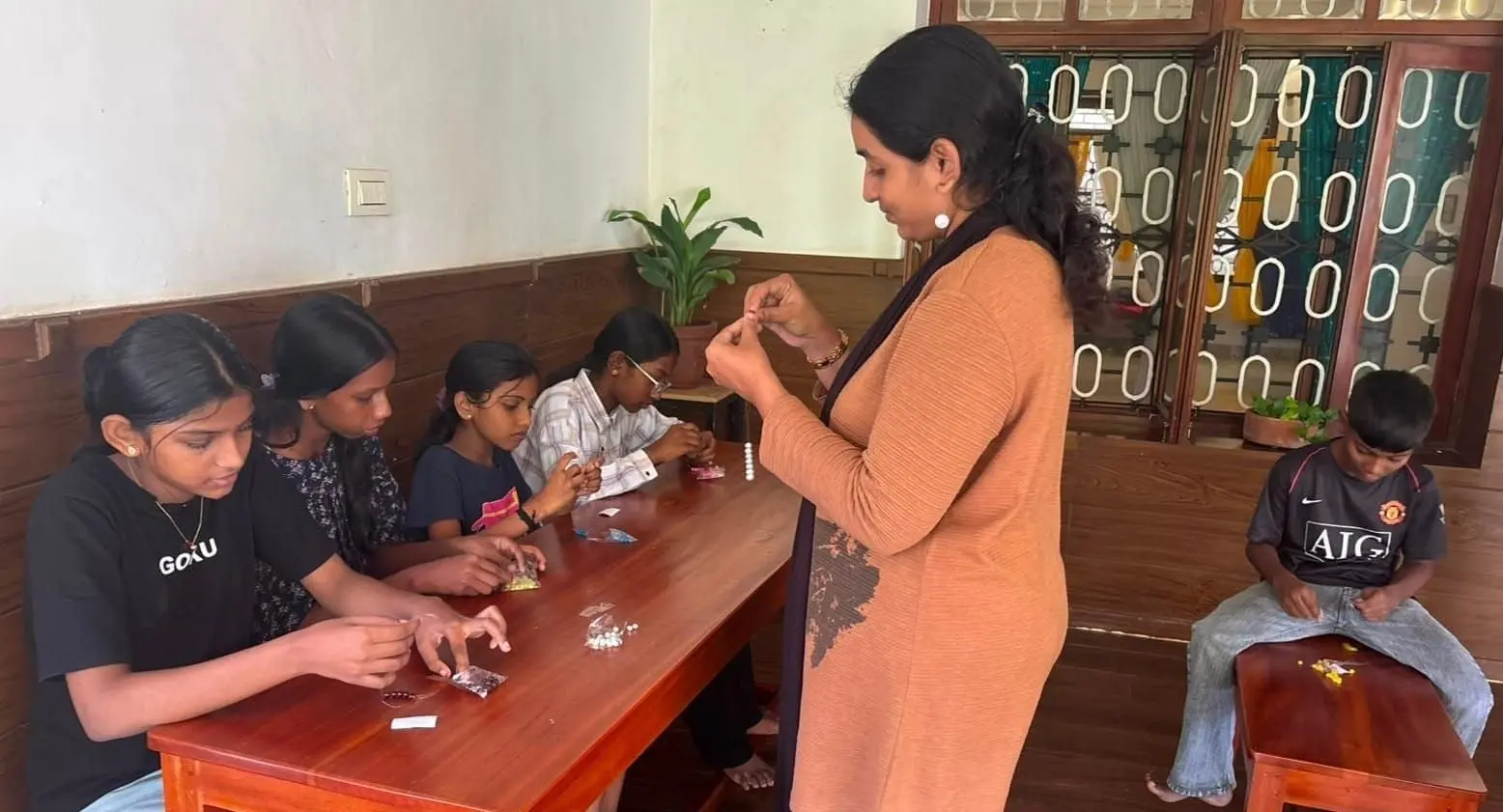
Children learned beading patterns and techniques
On 14 March 2024, we ran a beading session for children. We showed them different patterns, colours, and techniques. The children made their own creations and practised concentration, creativity, and fine motor skills. They also expressed their own ideas.
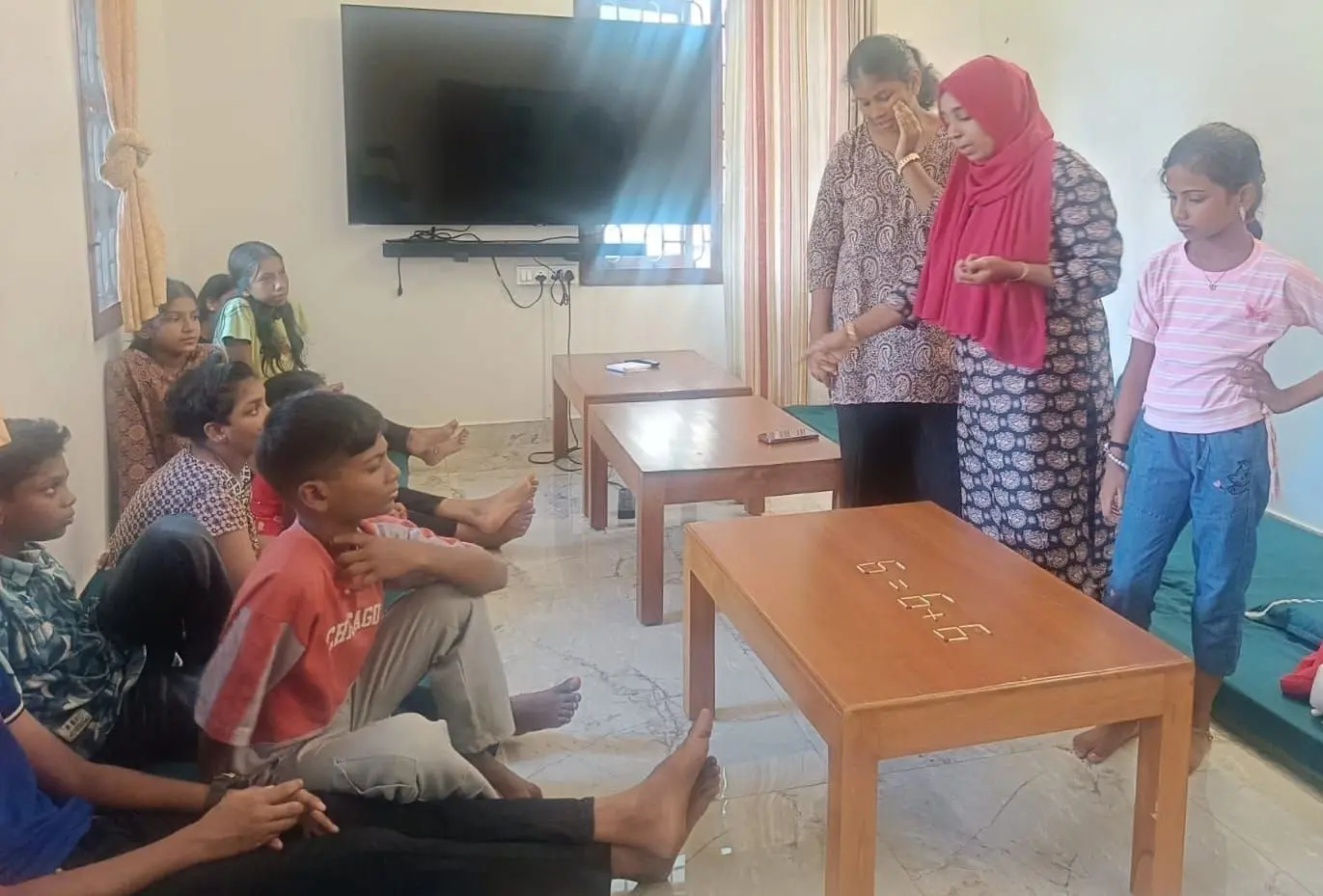
Children worked out maths by doing, not memorising
We ran a maths session for children on 14 March 2024. We did interactive activities, discussions, and problem-solving exercises. The session encouraged curiosity, teamwork, and confidence. Children understood concepts by participating instead of memorising. We made learning enjoyable and hands-on. The class created a space where children could explore mathematics with enthusiasm and ask questions freely.
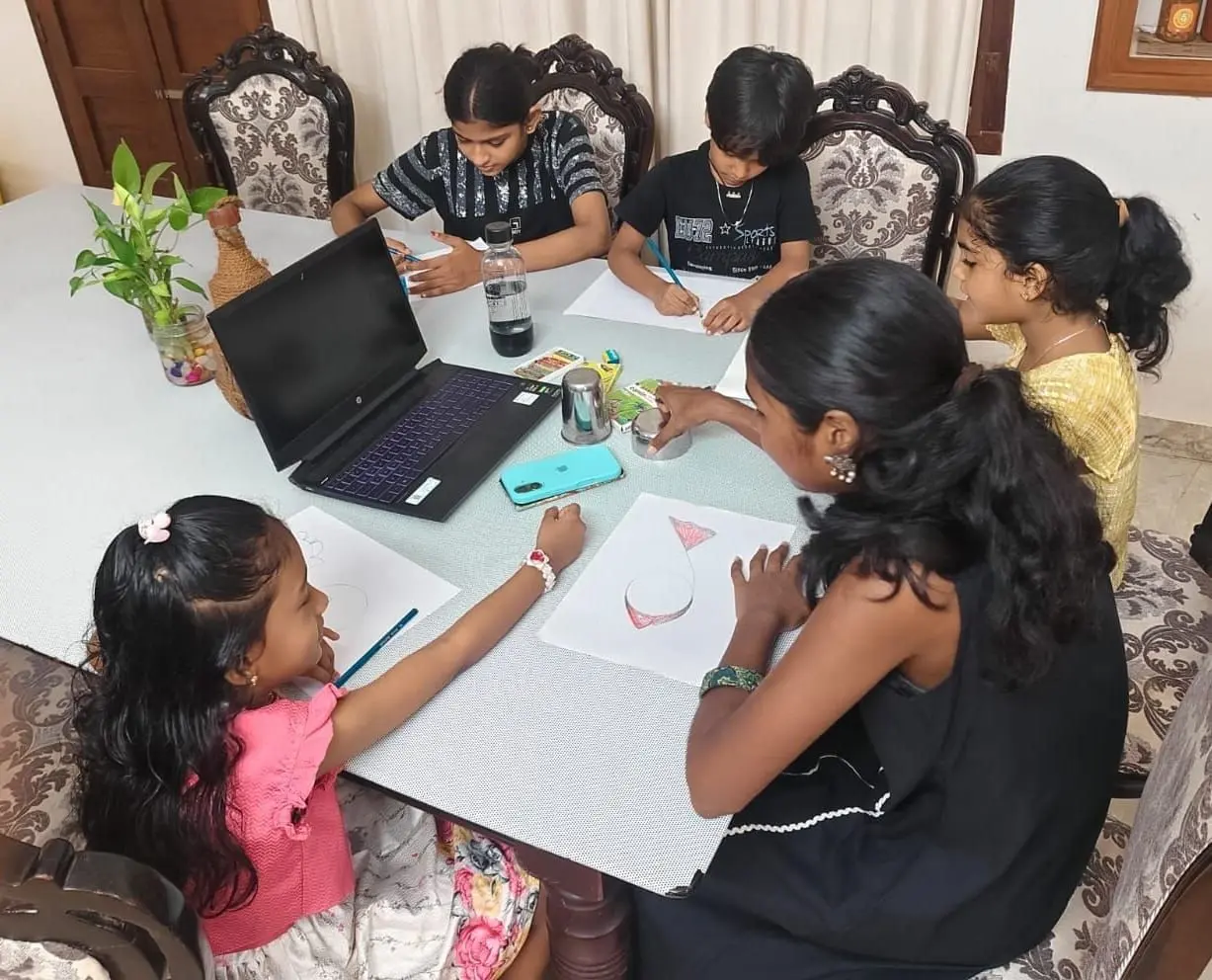
Children experimented in another hands-on craft session
The children spent time making things, trying things out, and learning through simple crafts. They used their imaginations, concentrated, and got their hands dirty.
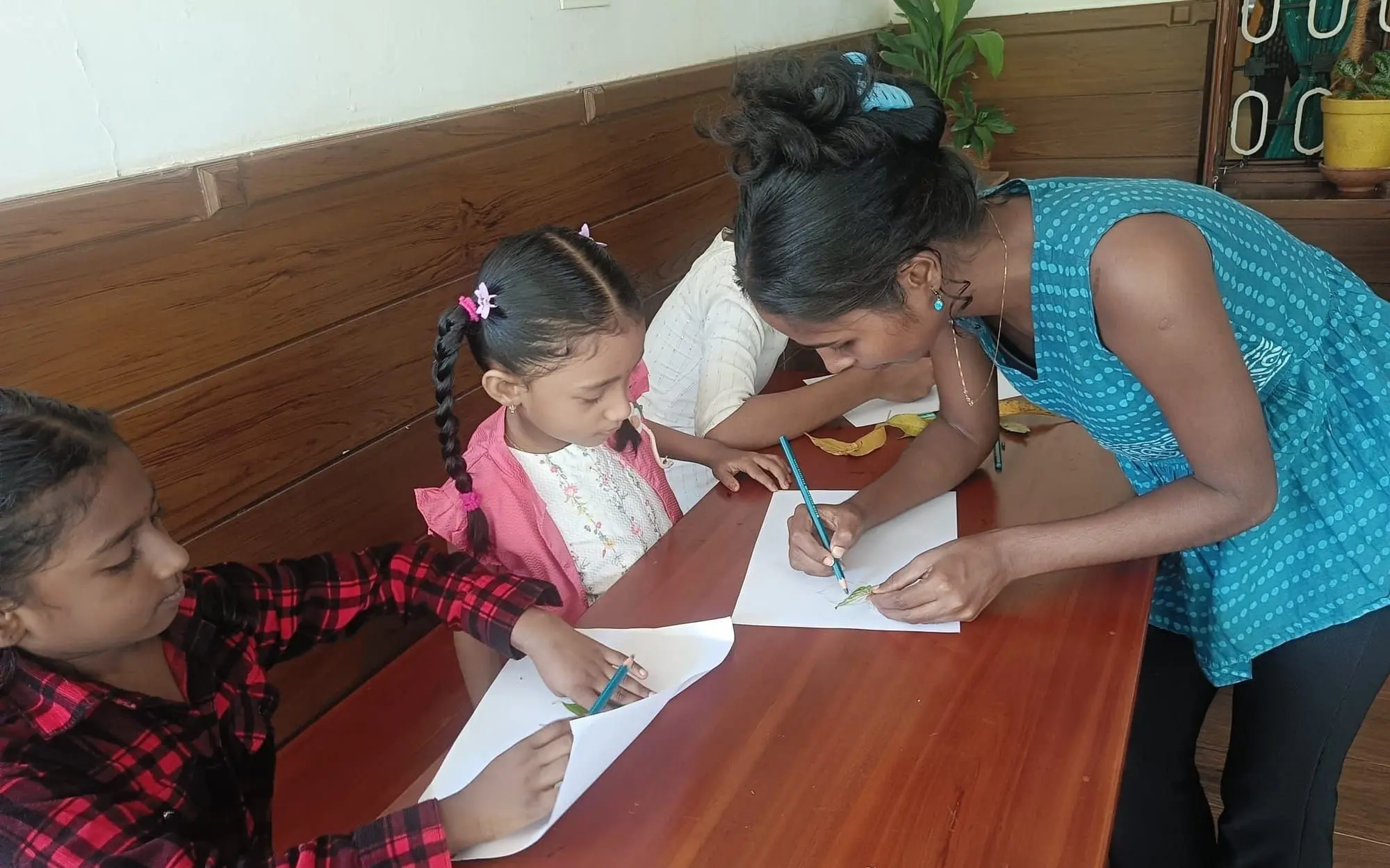
Thudippu started craft-making sessions for children
Thudippu started craft-making sessions for children at the space, led by Shilpa VS. We gave the children simple hands-on activities so they could explore creativity, learn new skills, and enjoy making things together in a fun and welcoming environment.
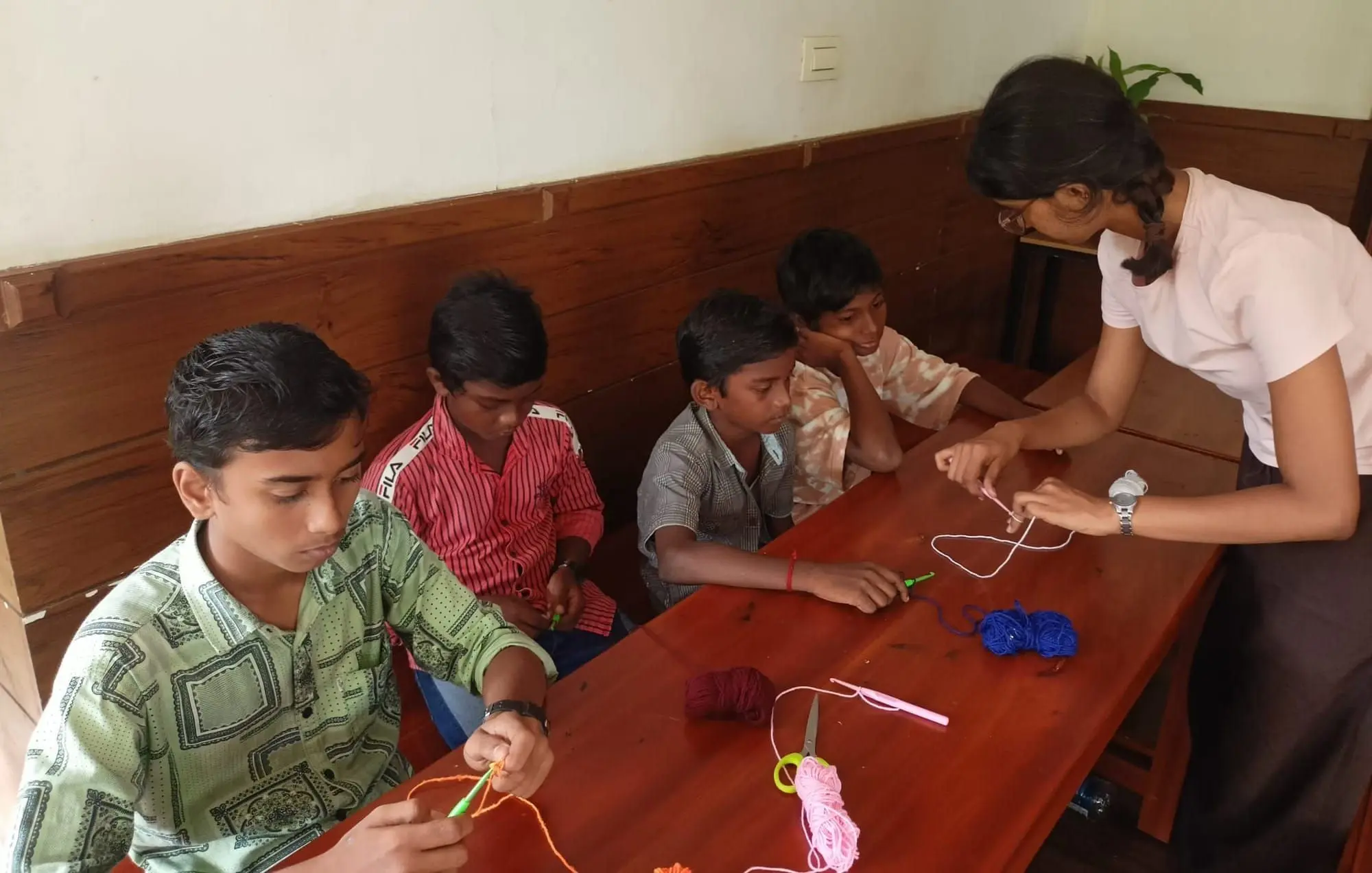
The children finished the rest of the crochet class
The children gathered again for the final crochet class. They learned knots, loops, and simple patterns together. The session included curious questions, mindful concentration, and cheerful conversation.
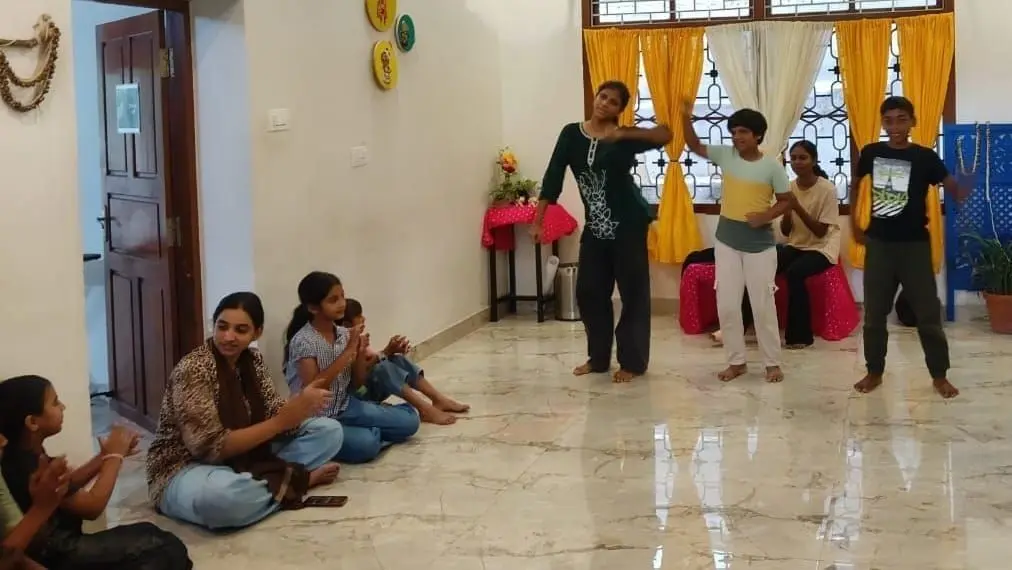
Role play taught the children to work as a group
The children learned to work as a group through movement, role play, and expression.
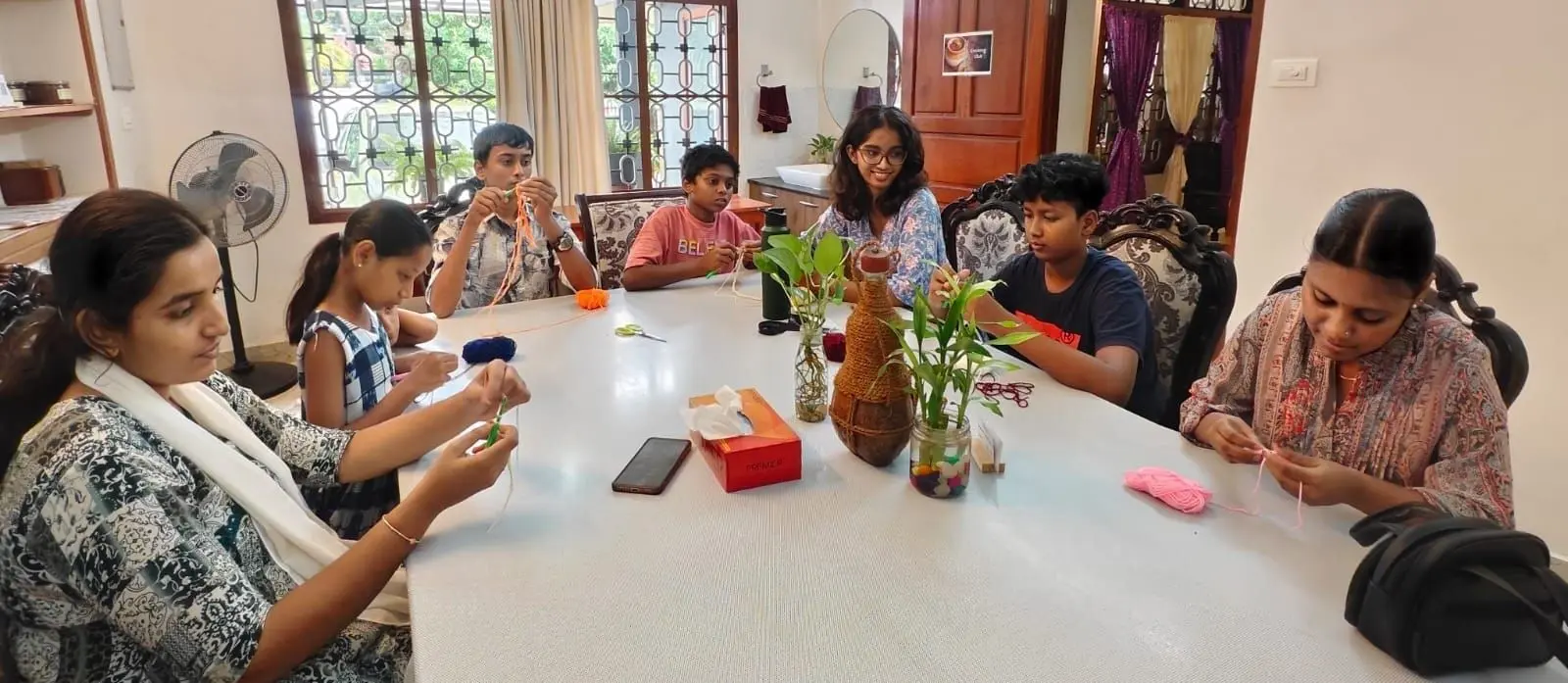
Children picked up their first crochet loops and knots
The children gathered for the crochet class on 14 March 2024. We taught them simple looping and knotting techniques using colourful yarn. They practised patiently and helped each other. They made things with their own hands.
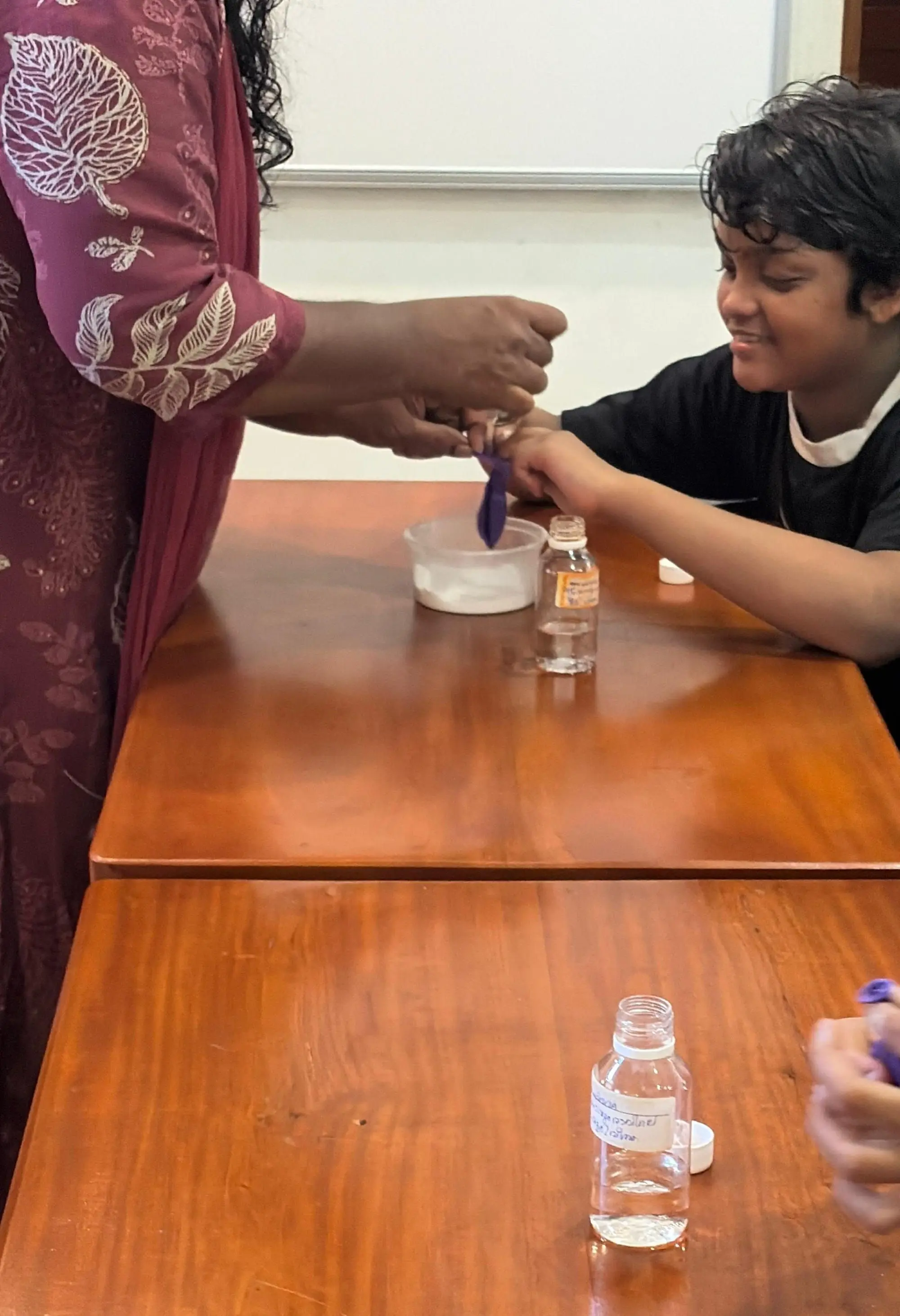
Children learned how air pressure works
The children gathered for the science class on 14 March 2024 and we taught them about air pressure using simple examples and activities. We then ran a game session to make the learning more engaging.
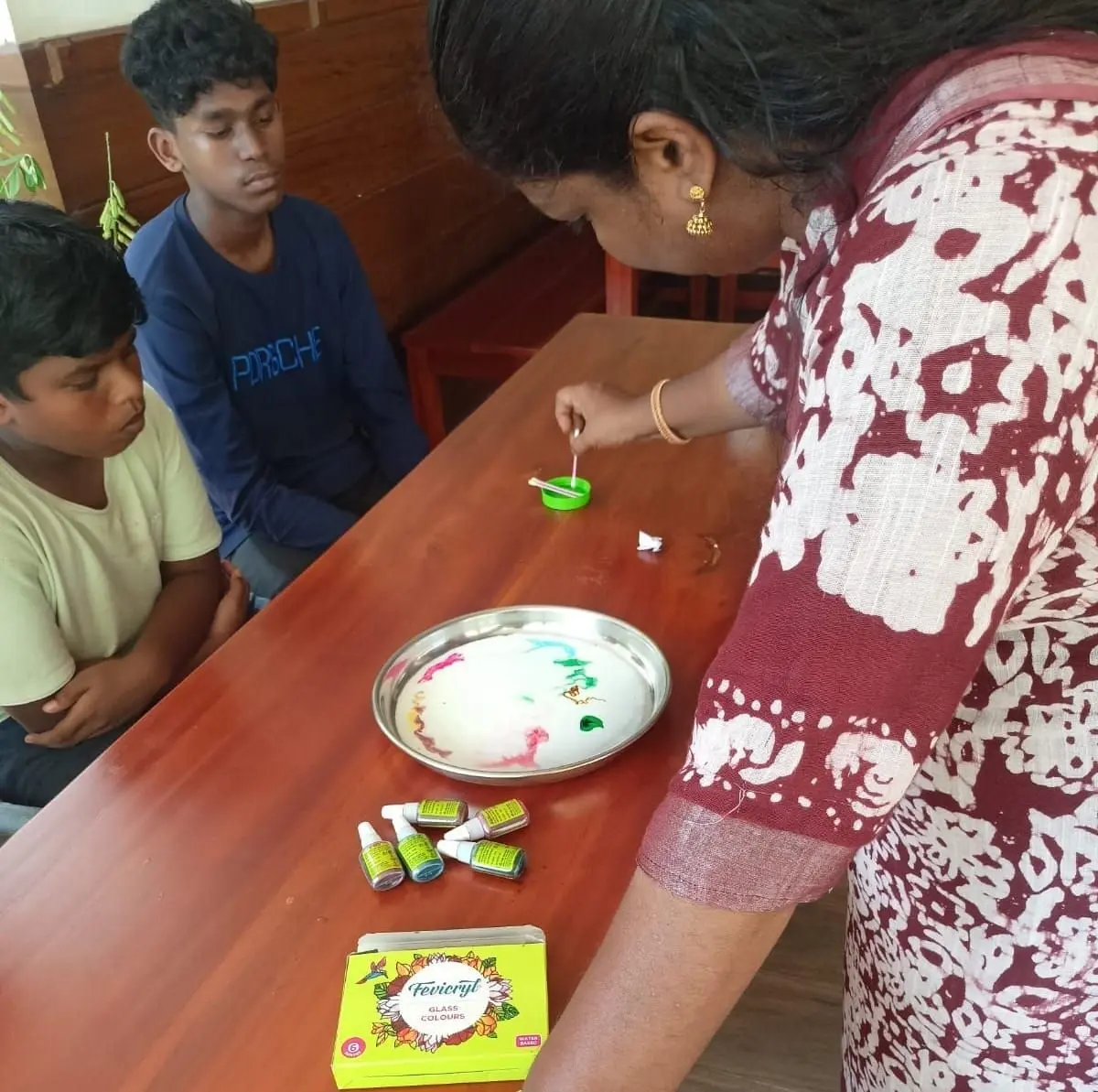
Children mixed colours to see science at work
Students watched and took part in a simple experiment using colours. By mixing and observing, they learned how small changes can show important science concepts.
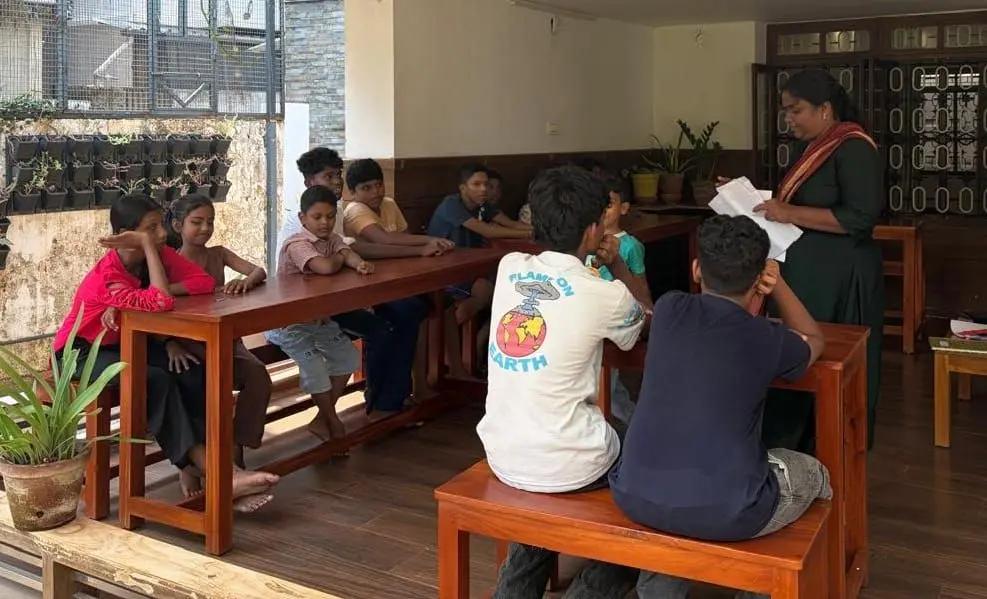
Children explored the brain through hands-on experiments
On 14 March 2024, we ran a workshop for children about the brain. They did experiments to see how different parts worked. We made it practical so they could understand the ideas better.
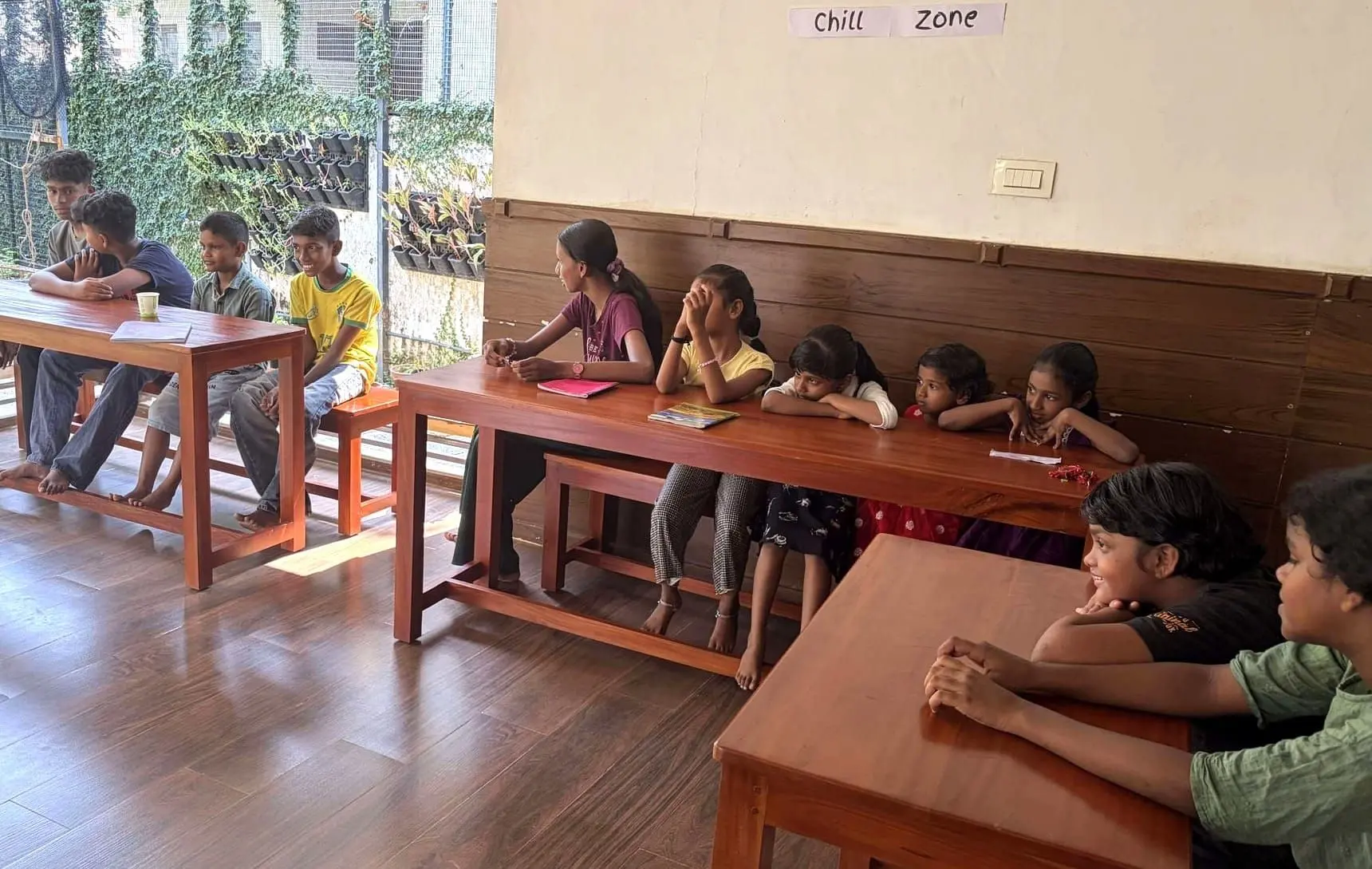
Students saw the laws of motion for themselves
On 14 March 2024, we ran a session on the basic laws of motion. The students came to the workshop with curiosity and excitement. We set up experiments so they could see and feel the laws firsthand.
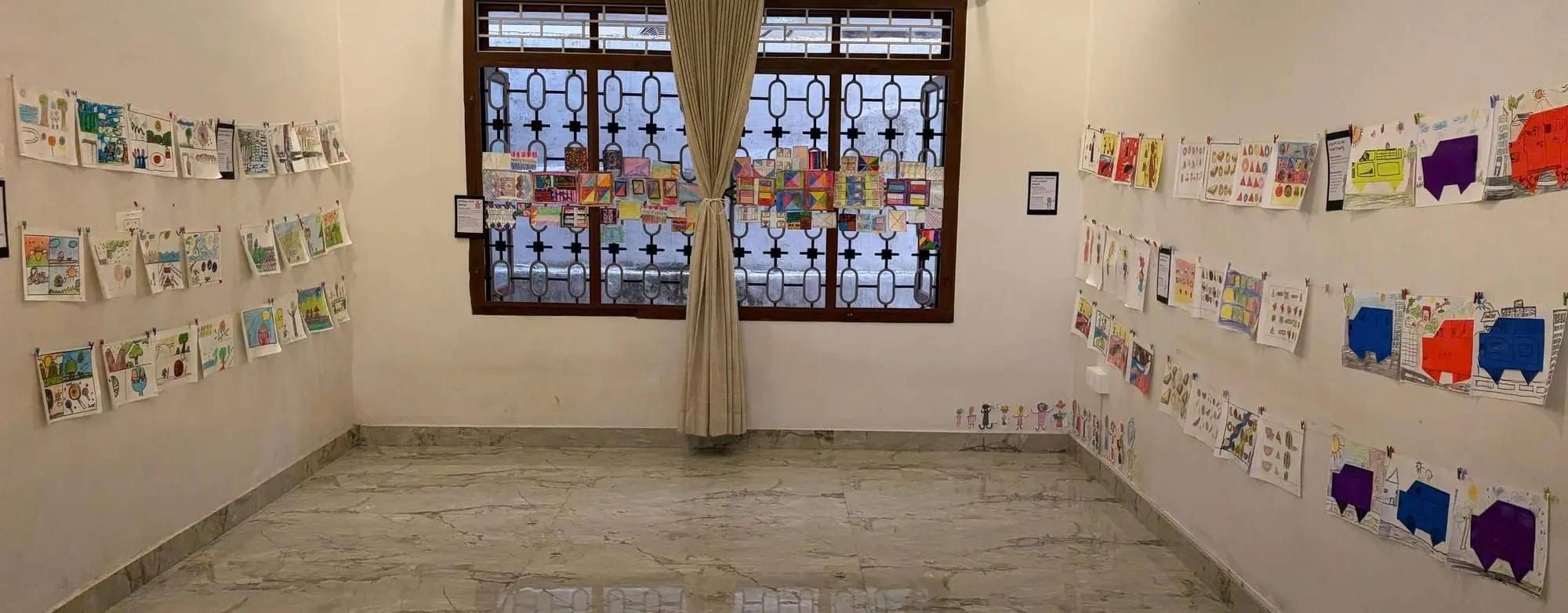
The children's art exhibition filled the walls with colour
The walls slowly filled with colour. The space became somewhere children could feel seen, appreciated, and proud of what they had created.
Olimalar prepared its eighth children's art exhibition
The Olimalar team organised its 8th children's art exhibition and workshop. We made a colourful space for children to express and share their art.
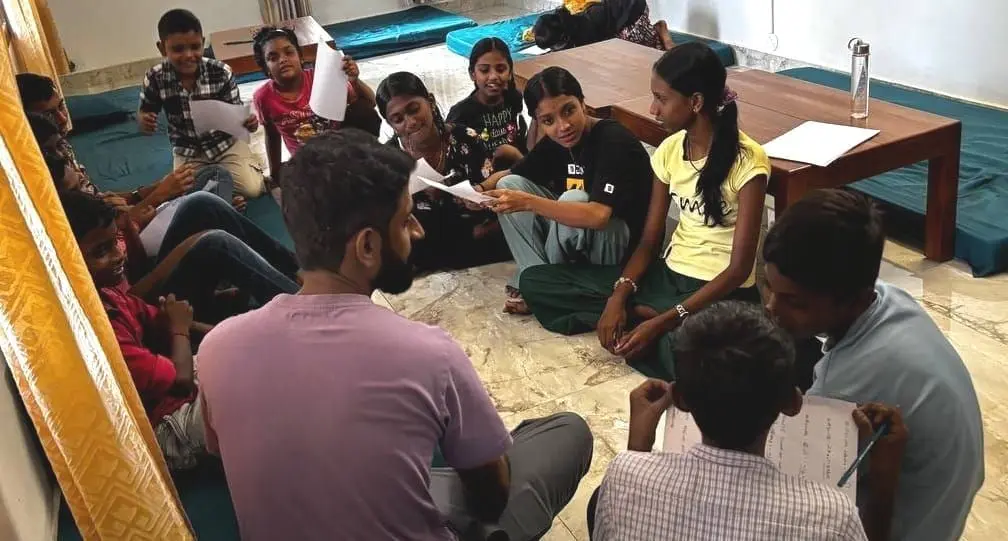
Twelve children explored gravity and electricity at science club
Twelve children from the community came together for the science club. We spent time on games, conversations to get to know each other, and a simple session exploring how gravity and electricity work.
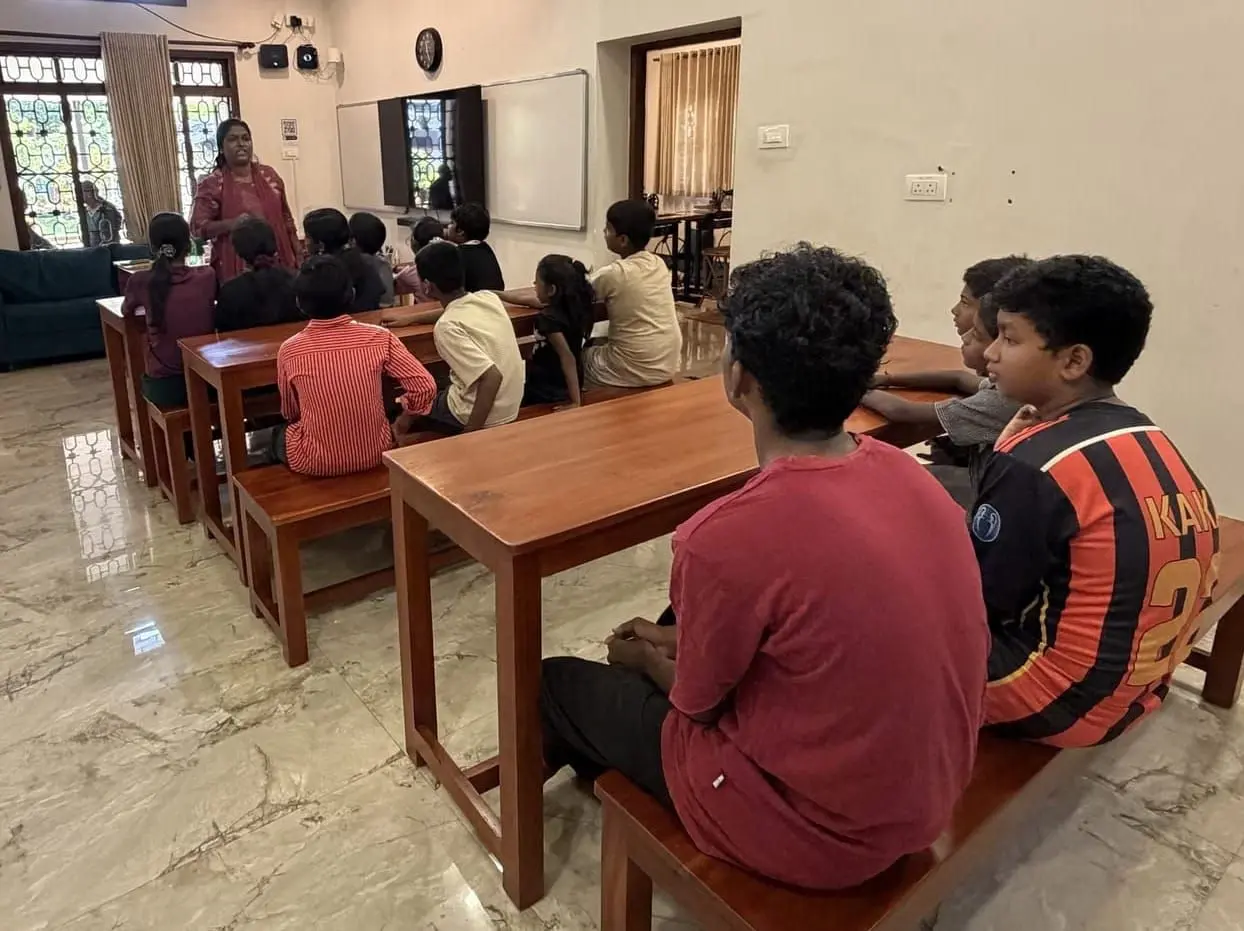
Nine children learned about the nervous system hands-on
Nine children from our community came together to learn about the human nervous system through simple explanations and hands-on activities.
What people said
Aarthi Veerupillai, founder of the Olimalar Foundation
“I realised how much I would have benefited from these lessons growing up.”