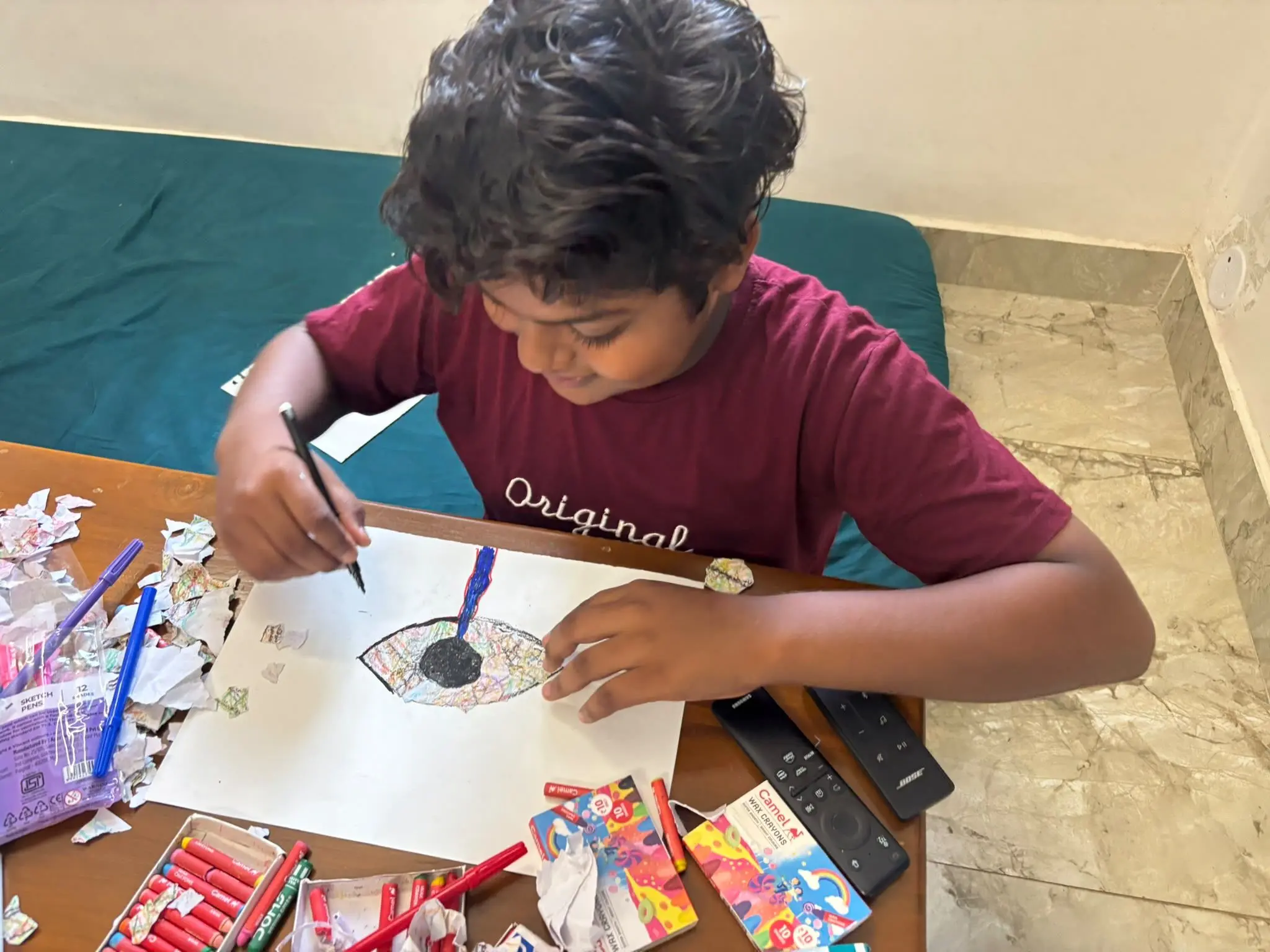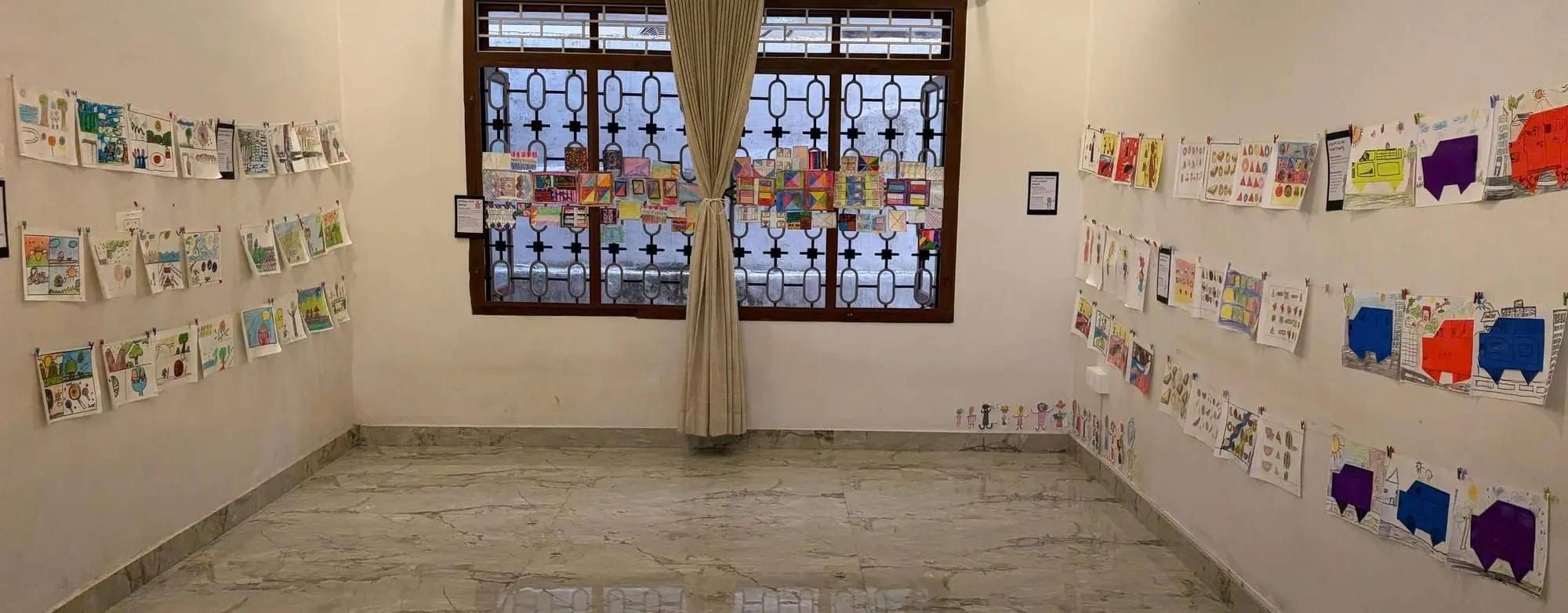
Children's art exhibition and workshop is taking shape, as the Olimalar team prepares for its 8th event, creating a colourful space for children to express and share their art.
Who was here
- 3 Took part
- 1 Facilitator
Education
Children's art exhibition and workshop is taking shape, as the Olimalar team prepares for its 8th event, creating a colourful space for children to express and share their art.
Education
You could support us, or, if you have a room that sits empty, start an open space of your own.
LifSkool: Coping with Emotions
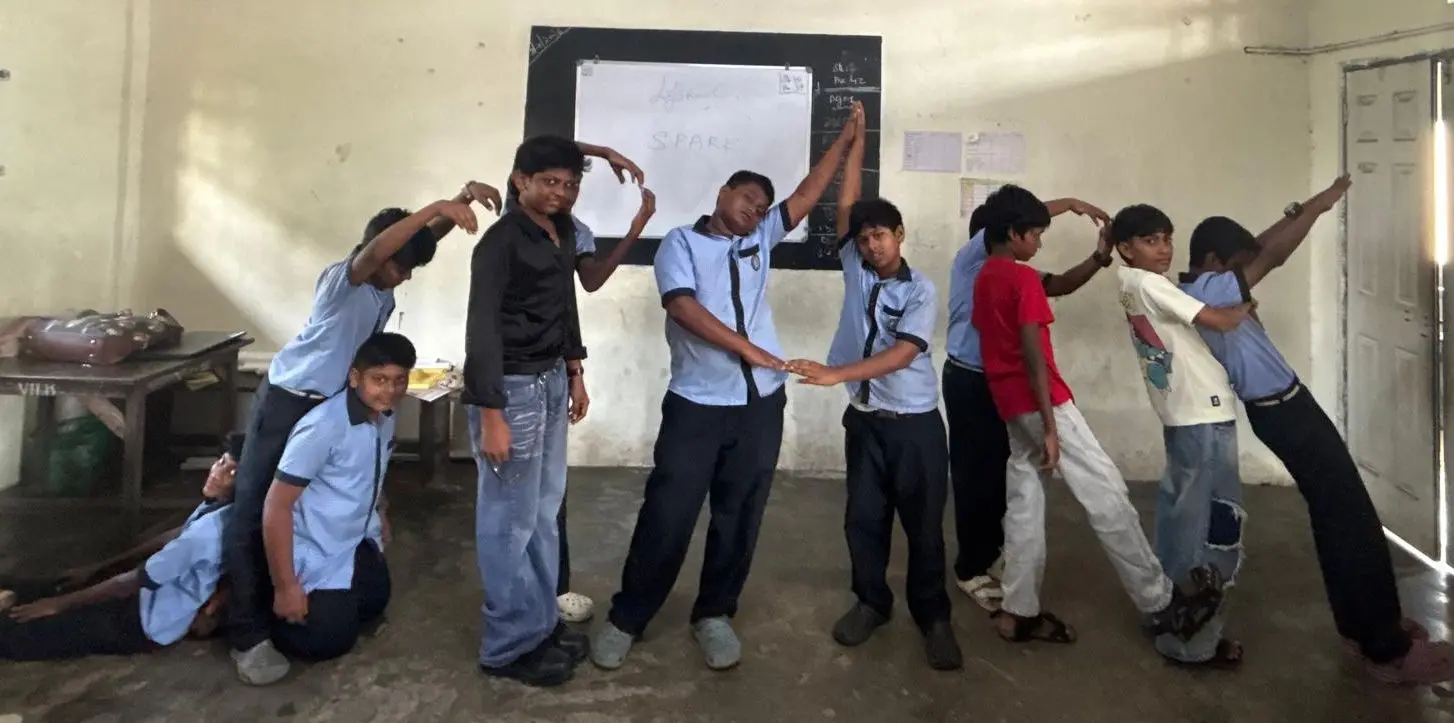
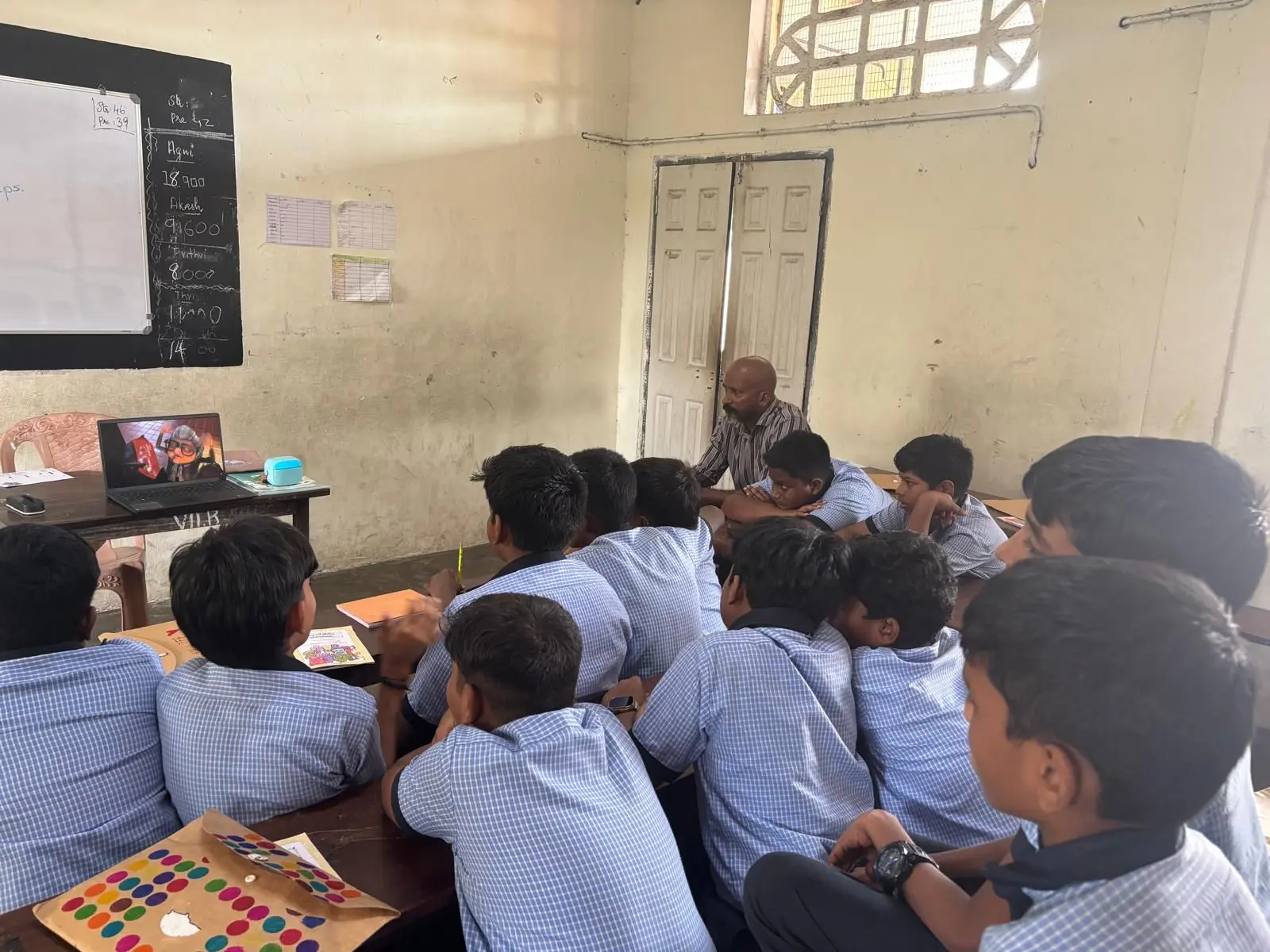
Local Government School | Std 5–7 | 19 boys Materials: LifSkills workbooks, completed “This Is Me” folders, whiteboard & markers, Find Your Happy by Emily Coxhead Space: Regular classroom with tables and benches Timing: 45 minutes available Tuesday was about self-awareness; by Thursday, we were ready to explore coping with emotions. Meeting the boys twice a week during this 5-week programme helps us build naturally on the previous session. We started by looking at their completed “This Is Me” folders and asking a few students to recap what self-awareness meant. To get everyone moving, we played “Do the Opposite.” “Stand up” meant stay seated, “hands up” meant hands down, and “happy” meant showing a sad face. We gradually added emotions into the game, which gave us a fun bridge into the topic. There were plenty of giggles and confused faces, and it was lovely to see the boys come alive. From there, we explored what emotions are, why we have them, and how they can show up in the body. We also talked about the difference between reacting immediately and taking a moment to respond. This time, we came prepared with whiteboard markers after missing them on Tuesday. Being able to write and draw ideas as we spoke made the discussion much easier to follow. We then introduced STAR as a simple coping process: Stop and notice → Take a breath → Acknowledge what you’re feeling → Respond As part of this, we practised STAR breathing. The boys held one hand up like a star and traced around it with the index finger of the other hand — breathing in as they moved up a finger, pausing at the top, and breathing out as they moved down. We used a few everyday situations to think about how taking that pause might help us choose what to do next. To close, we read Emily Coxhead’s Find Your Happy together — a gentle book about feelings and simple ways children can notice and respond to them. The boys were then asked to complete their workbook reflection at home and try the related activity with a family member. One of our main reflections was that we spoke more than we wanted to. When time is tight, explaining feels quicker, but it gives students less space to connect the skill to their own lives, share ideas and practise for themselves. Next time, we want to ask more, use simple role-play, and give the boys more time to share their own examples. We’re also still finding the best classroom rhythm. Even when we arrive on time, getting everyone together and settled can easily take five or ten minutes. A clearer arrival routine, visual prompts on the board and shorter activity blocks should help us protect more time for participation. A lively second session, plenty of laughs, and a useful reminder to keep the learning active and student-led.
Local Government School | Std 5-7 | 13 boys Materials: Kraft envelope folders, LifSkills workbooks, crayons, sketch pens, stationery kits Space: Regular classroom with students seated on benches Timing: 45 minutes available (60 minutes planned) LifSkool is Olimalar Foundation’s school-based life skills programme, helping young people build practical skills for everyday life. This week, we began a 5-week programme with our Std 5–7 boys from a local government school. This is one of the schools we already have an established partnership with, and continuing here allows us to build on the trust and relationships formed last year. It was lovely to walk into the classroom and see a few familiar faces — boys we had met in Std 5 last year, now in Std 6, a little taller, but still remembering us. For our first session, our main goal was simple: break the ice, re-establish our connection, and start exploring our first life skill — self-awareness. We started with a quick “This or That” game. As the classroom benches left very little room to move, we took the boys out into the corridor and asked them to stand in a line. We called out two choices at a time — for example, football or cricket, dogs or cats — and they moved left or right depending on their choice. It was a simple way for everyone to share something about themselves and notice where they were similar to or different from others. Once back inside, we introduced the boys to their LifSkills workbooks and introduced the LifSkool Promise. Rather than handing down a rigid list of rules, we read through the promise together — to show up, try, listen, share ideas respectfully, ask for help when needed, and participate fully. Every student signed their name, and a member of our team signed alongside them. Co-signing made the expectations feel shared, creating a sense of mutual respect right from day one. Next came their tools: an eco-friendly brown kraft folder equipped with crayons, a sketch pen, and a small stationery kit. The workbook gives them a place to reflect on what they do and learn, while the folder is something personal they can make their own and build on throughout the programme. Their first assignment, “This Is Me,” was to start decorating their folder with drawings, words, and symbols representing what they love, what they are good at, and what matters most to them. As our start was delayed, the boys only had about 15 minutes to sketch their ideas before packing the folders into their bags to complete at home. Day 1 also handed us a very practical field lesson: the classroom had a whiteboard, but no markers. We had planned to map out the activity visually on the board, so “bring whiteboard markers” went straight to the top of our prep list for Thursday. Our biggest takeaway was simple: creative, low-pressure activities made it easier to start conversations and begin getting to know the boys without putting anyone on the spot. It was a simple first session, but a lovely way to begin — and a grounding reminder to always work with the actual time, space, and resources we have on the ground.
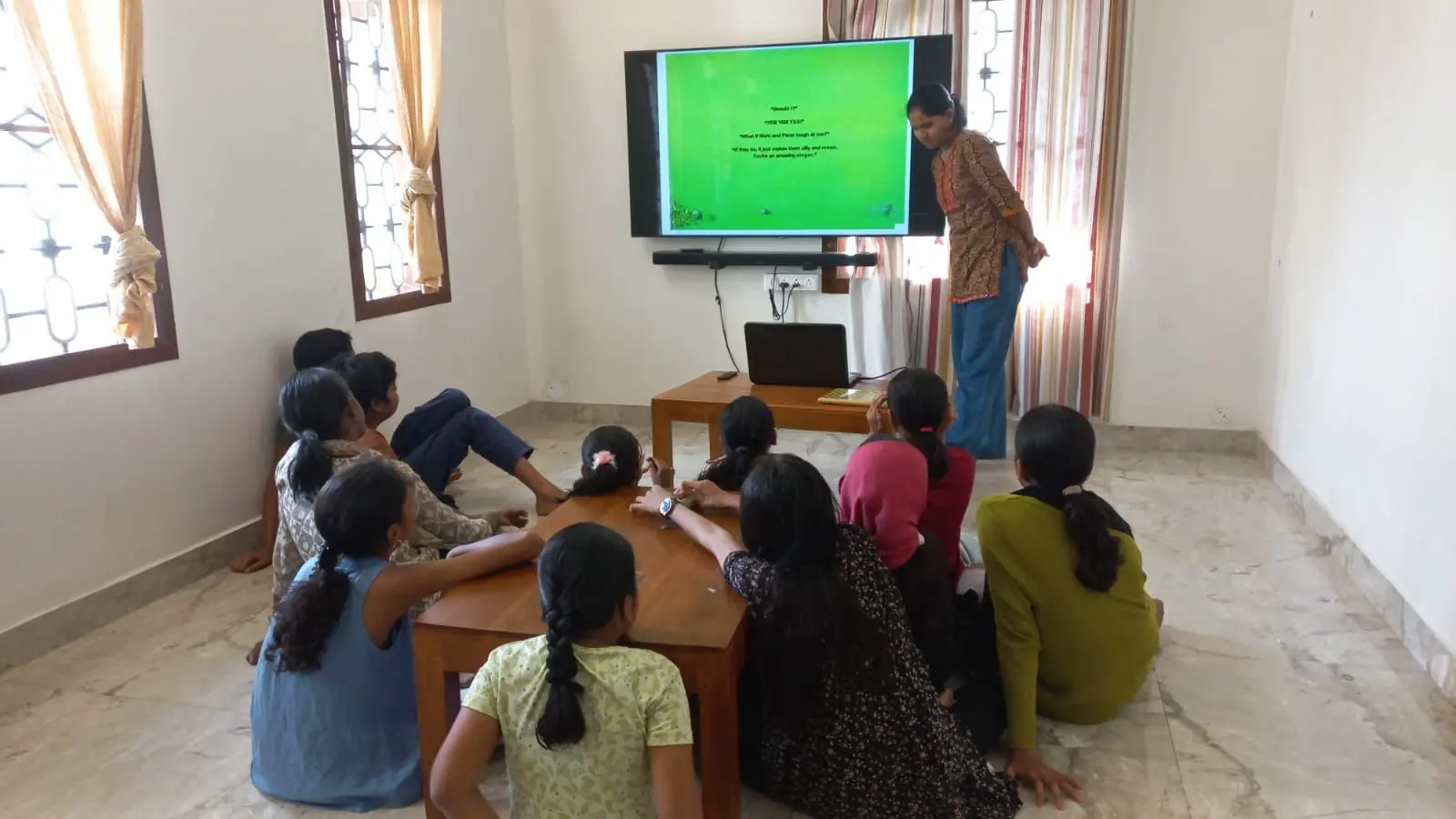
A Wrinkled Heart opens a conversation about kindness
The children read A Wrinkled Heart by Tracy Hoexter and talked about how words and actions can affect other people. The story helped them think about kindness, feelings, and the importance of speaking to others with care.
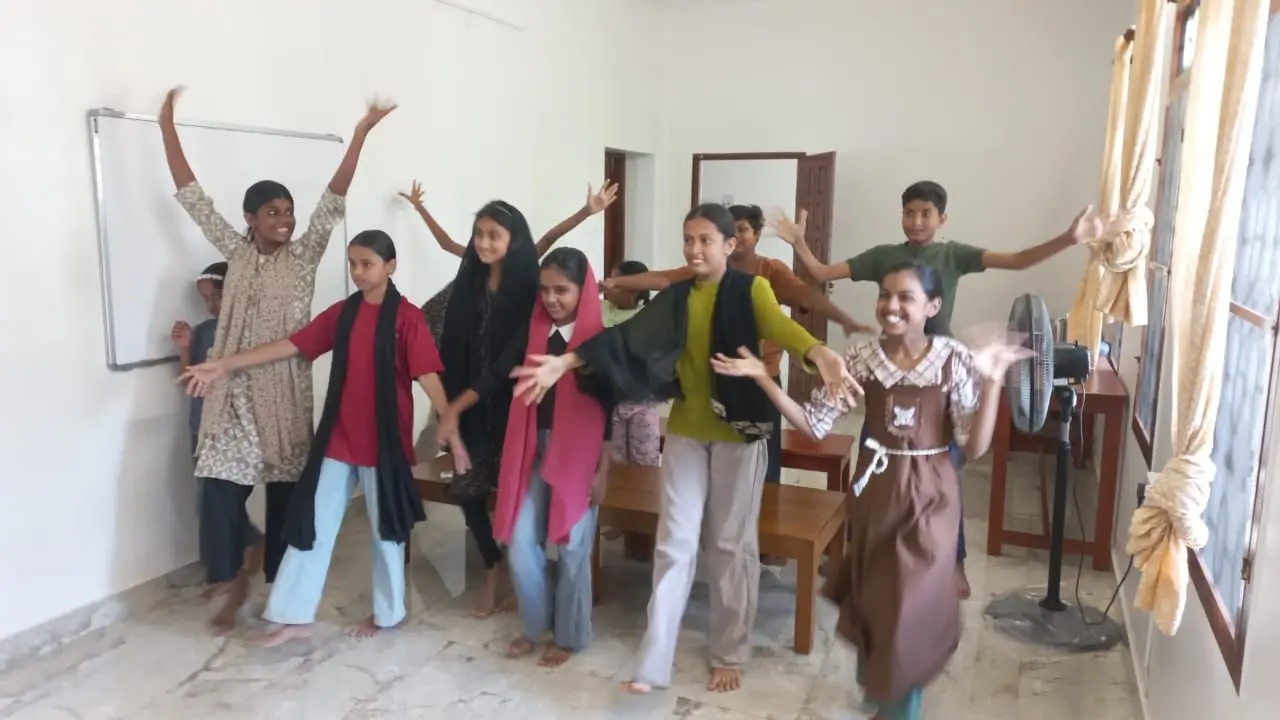
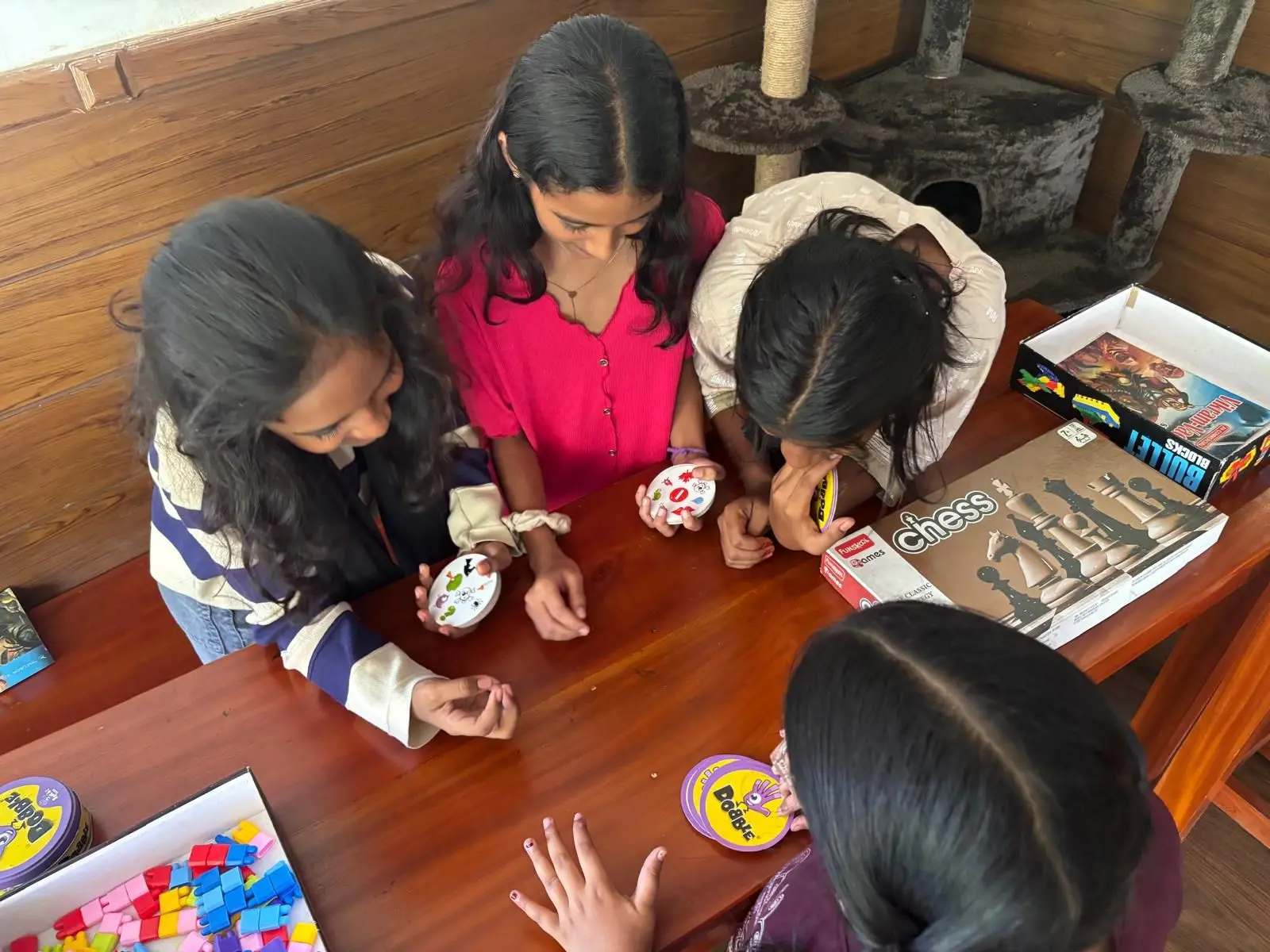
Body percussion and group games get children moving together
The session included body percussion, movement, and group games that encouraged children to listen, respond, and participate together. The activities gave them a fun way to explore rhythm, coordination, attention, and teamwork.