Input
- What went in
- Simple team-challenge materials, paper, markers and LifSkills workbooks
- Time
- 45 minutes
Activity
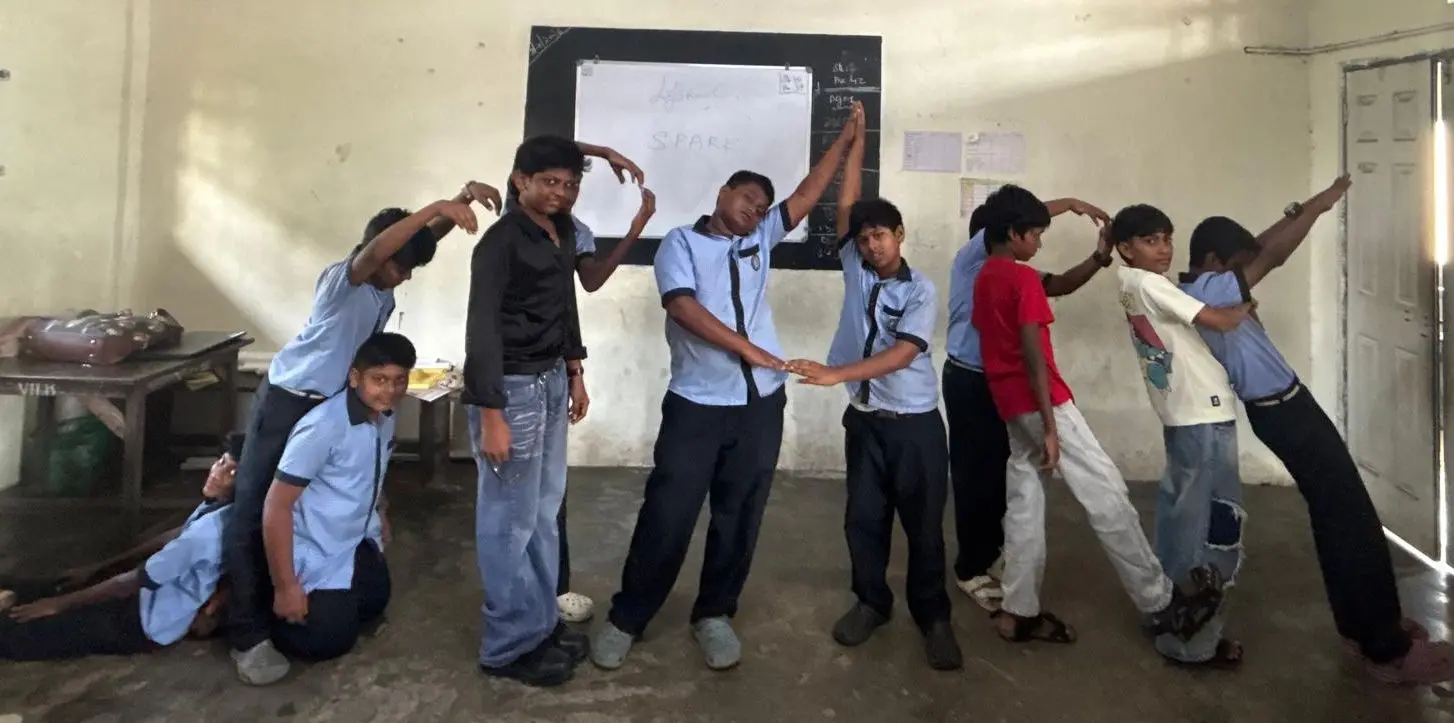
Today we changed the pace of LifSkool with a Team Challenge Day.
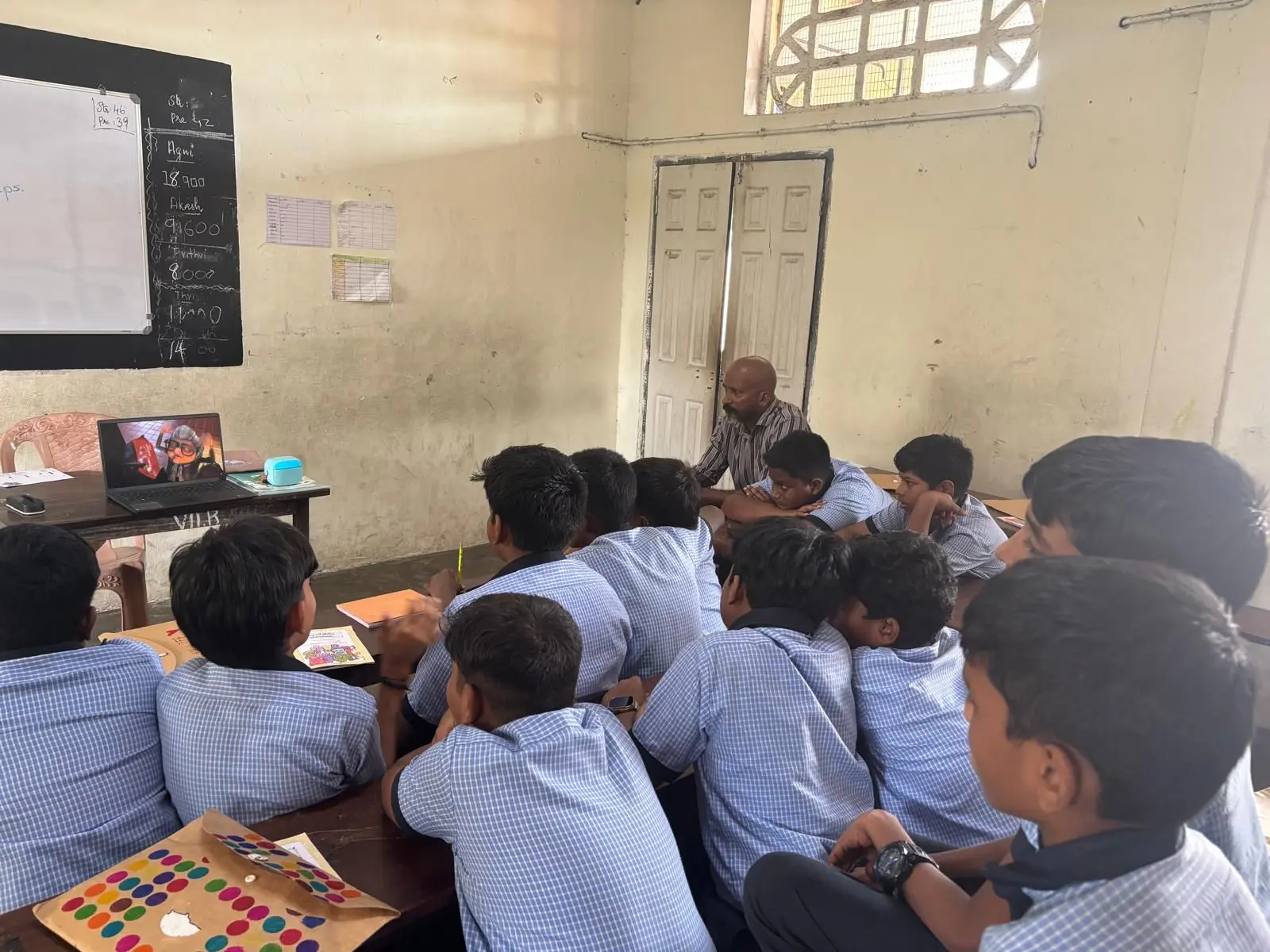
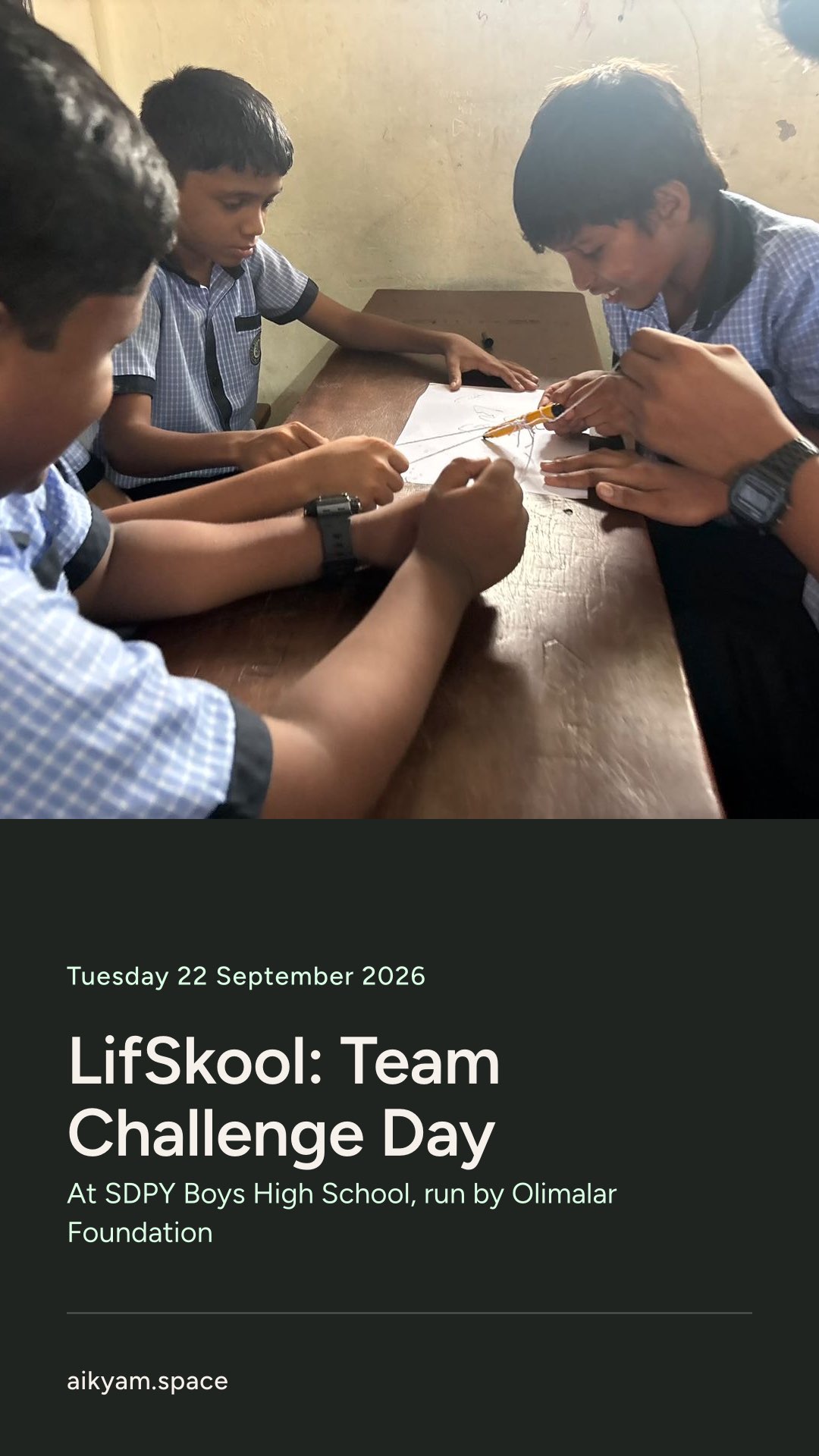
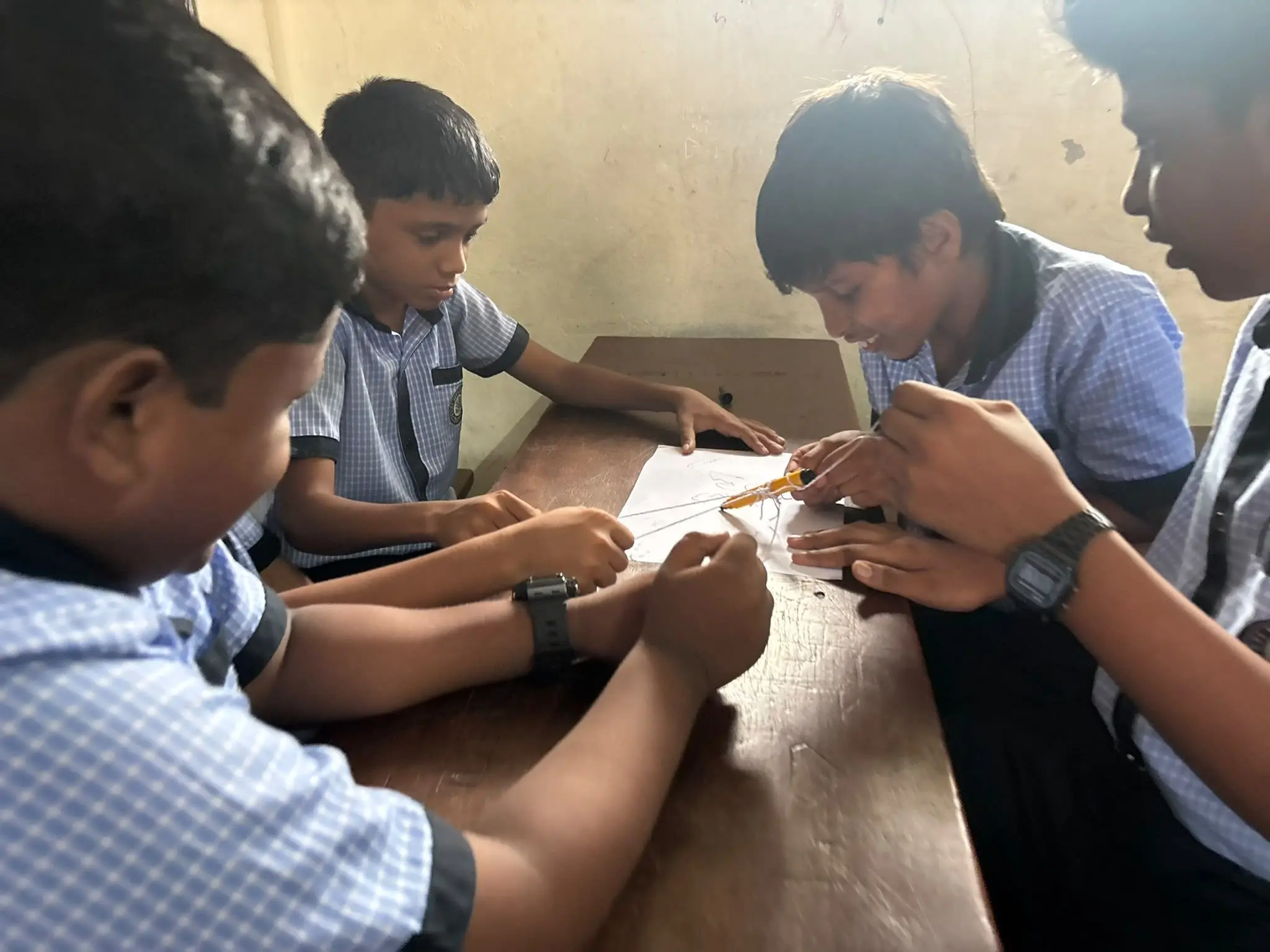
The boys worked in pairs and small groups through a series of short challenges involving memory, coordination, problem-solving and communication.
From the start, the boys were curious and eager to take part. They had to listen to one another, make quick plans, try different ideas and change their approach when something did not work.
In earlier sessions, we had noticed that transitions and side conversations could quickly eat into the limited time we had. So today, we introduced a simple attention routine to support smoother transitions between activities.
It worked well. The boys responded quickly, and the transitions between challenges felt much smoother.
One of the strongest parts of the session was seeing how naturally the life skills appeared through the games. The boys were not only talking about communication, problem-solving and decision-making — they were having to use them in real time.
This session also brought together several things we had been learning over the previous weeks. We had already seen that too much explanation could reduce participation, especially when the ideas themselves were quite abstract. Today, we deliberately flipped that around: less explaining, clearer routines, more doing, and more space for the boys to work things out themselves.
Timing also worked well, and we were able to complete all the planned challenges within the session.
Our main takeaway was simple: when children experience a skill first, it can be much easier to talk about the learning afterwards.
A lively session, lots of curiosity, and a good reminder that the programme itself should keep adapting to what we learn in the room.
Group: Local Government School | Std 5–7 | 14 boys
Materials: Simple team-challenge materials, paper, markers and LifSkills workbooks
Space: Regular classroom with tables and benches
Timing: Around 45 minutes
Outcome
The boys listened to one another, made quick plans, tried different ideas and changed their approach when something did not work. All the planned challenges were completed.
(We observed it)
Learnings
When children experience a skill first, it is easier to talk about the learning afterwards. A simple attention routine made the transitions between activities much smoother.
Run this activity yourself. You are free to copy, change and share this write-up, as long as you credit aikyam space. Photos are not included. (Creative Commons licence CC BY 4.0)