- What went in
- Materials: session slides. A Malayalam hand-brain explainer video made with NotebookLM. Crayons, sketch pens, A4 paper, A4 craft paper and glue.
- Time
- 1 hour
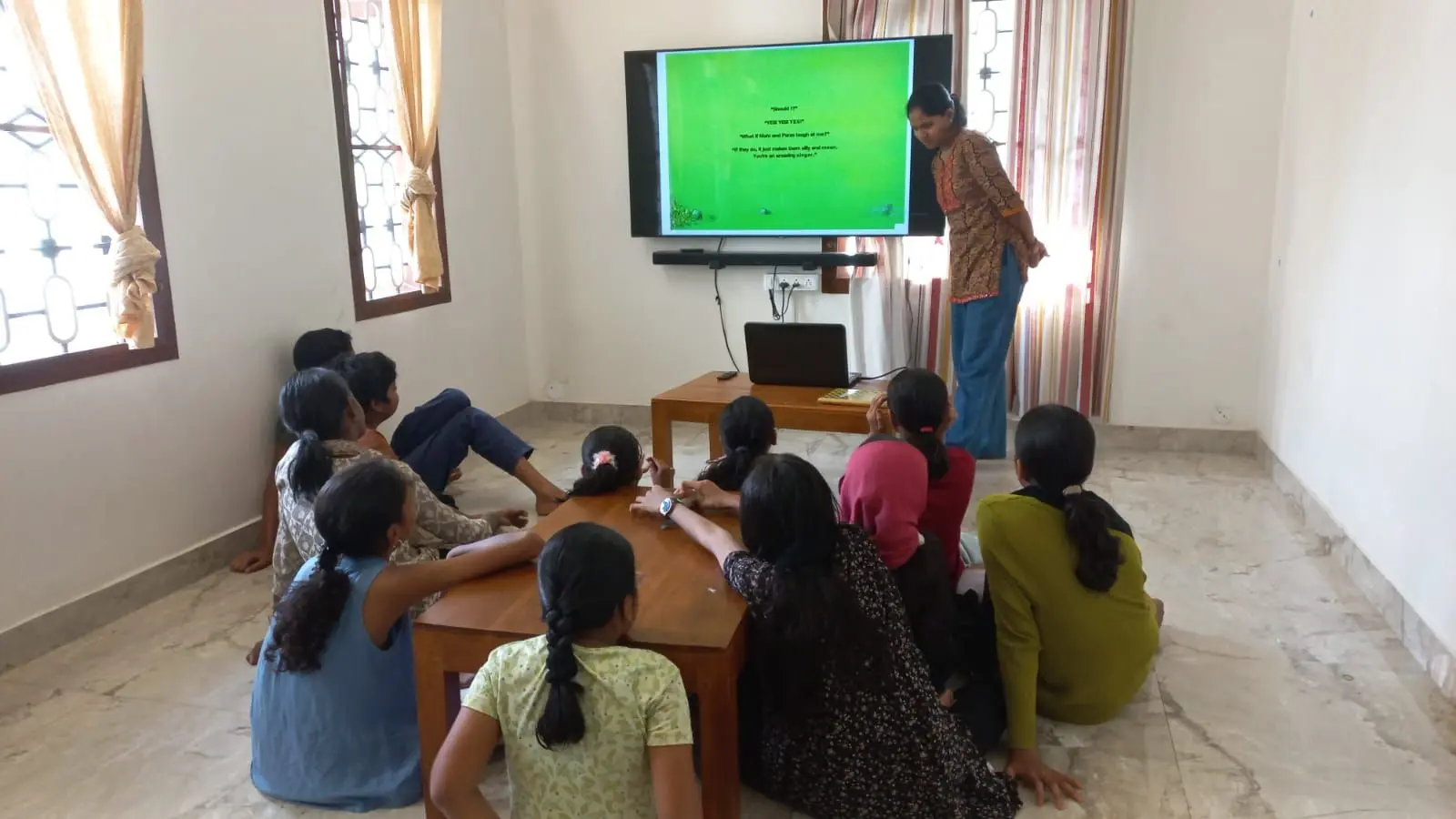
Our Saturday Curiosity Club fell on World Mental Health Day. This made it a fitting time to explore caring for our thoughts and feelings. We prepared slides, art materials and our first Malayalam explainer video made with NotebookLM. The video was about the hand-brain model. It explained why big feelings can make thinking difficult.
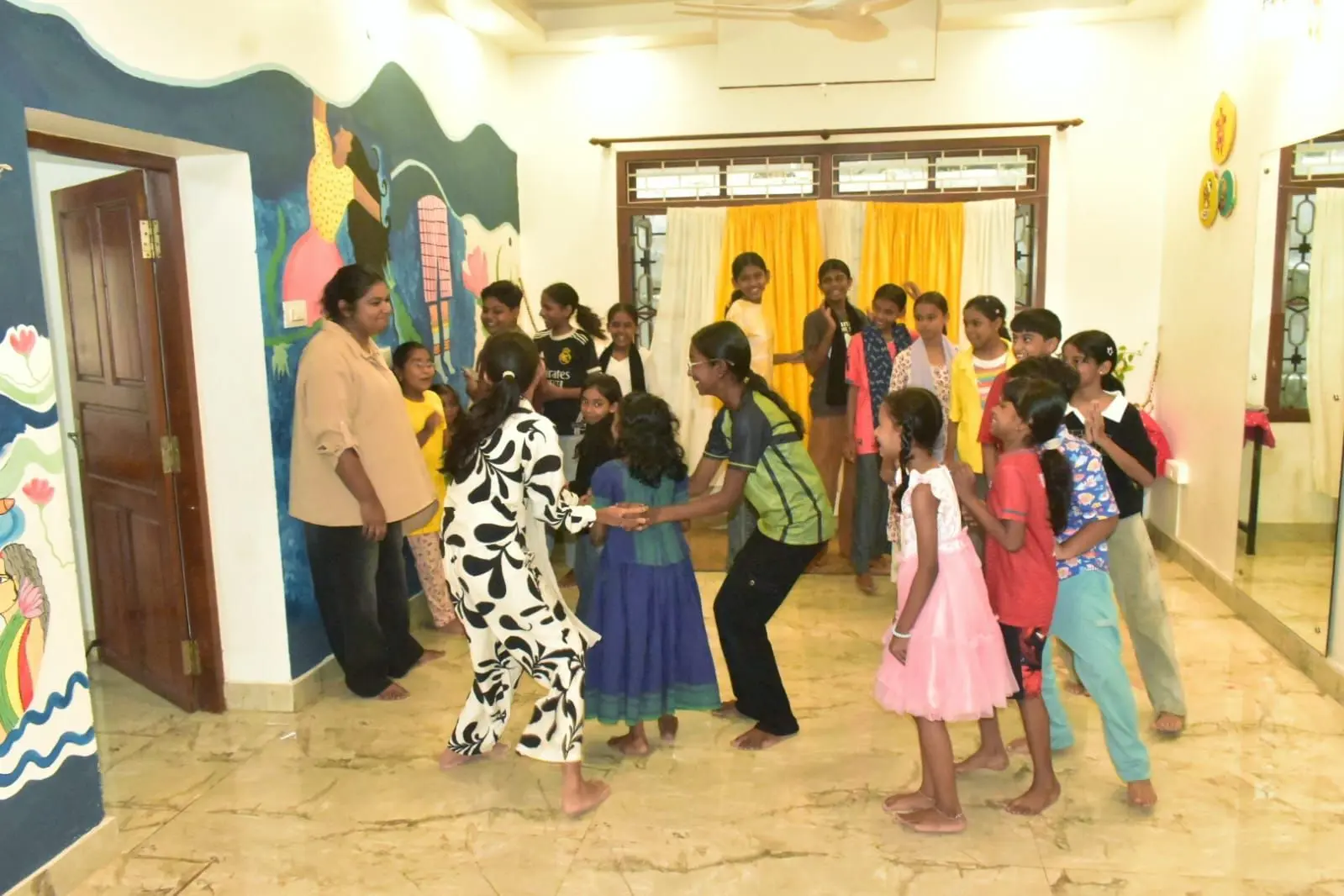
After a rainstorm movement activity, children and facilitators shared their emotional “weather”. We discussed how feelings change. We used think, pair and share to explore when and where big feelings arise.
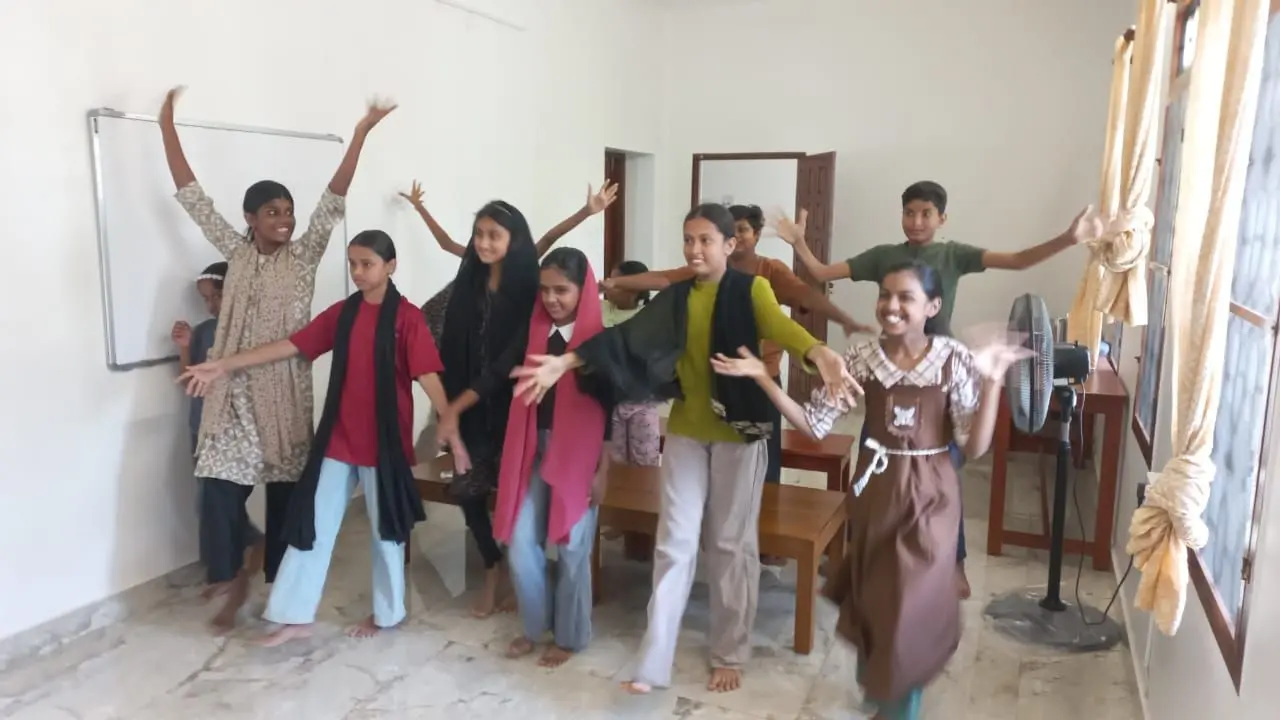
We talked about making a plan when we can change something. We also talked about coping when it is outside our control. We used three ways to cope: Breathe through bee breathing, Move through gentle movement and a body scan, and Create through art.
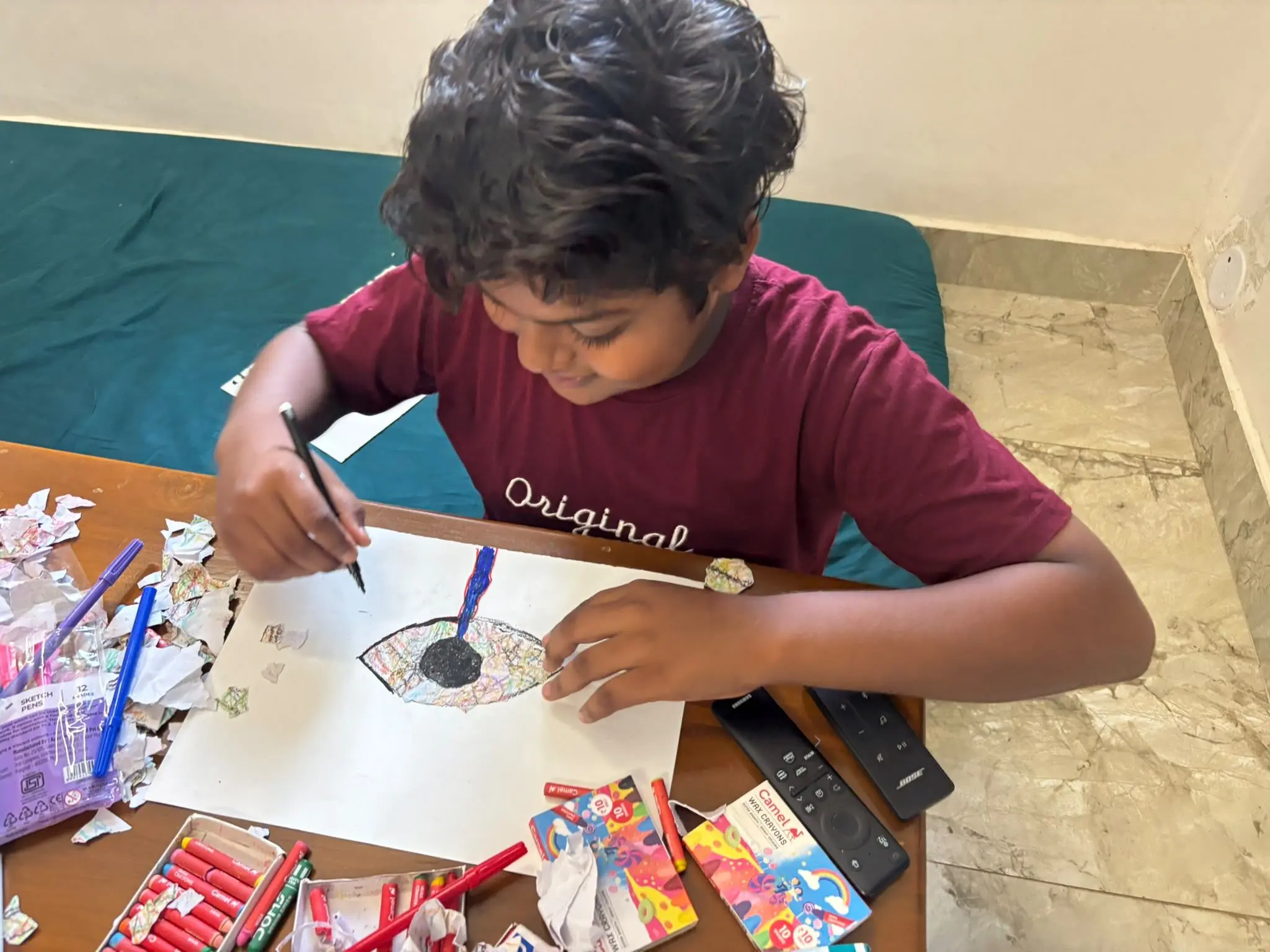
For Create, children used crayons to scribble their stress or big feelings onto paper. They pressed down and made marks freely. They tore the paper into smaller pieces. Then they arranged and glued the pieces onto a fresh sheet. This created a design of their choice.
They added words to encourage themselves. The words included “You are amazing”, “Never give up” and “I love you”. The messages children chose surprised us. On the back, they traced a hand. They added people they could reach out to when they needed support.
We closed with a recap of the model and ways to care for our mental health.
- 12 Artwork with encouraging messages and trusted-hand drawings
Children learned bee breathing and practised movement and an art activity they could try when feeling stressed. During discussion, they were surprised by how similar their experiences of big feelings were.
All children contributed to the closing recap, recalling the hand-brain model and naming ways to respond to big feelings and care for their mental health. They identified people they could approach for support and chose encouraging messages, including “You are amazing”, “Never give up” and “I love you”.
(We observed it)
The Malayalam video engaged the group. The playful “kutti pulli” description of the amygdala drew laughter. The recap helped us check what children remembered. Having facilitators join the weather check-in made it a shared activity.
The encouraging messages children chose surprised us. This reminded us to leave room for their own words and ideas. The creative activity took longer than expected. We completed the recap but missed the weather check-out. Next time, we will leave time for both and revisit the coping strategies in future sessions.
Run this activity yourself. You are free to copy, change and share this write-up, as long as you credit aikyam space. Photos are not included. (Creative Commons licence CC BY 4.0)