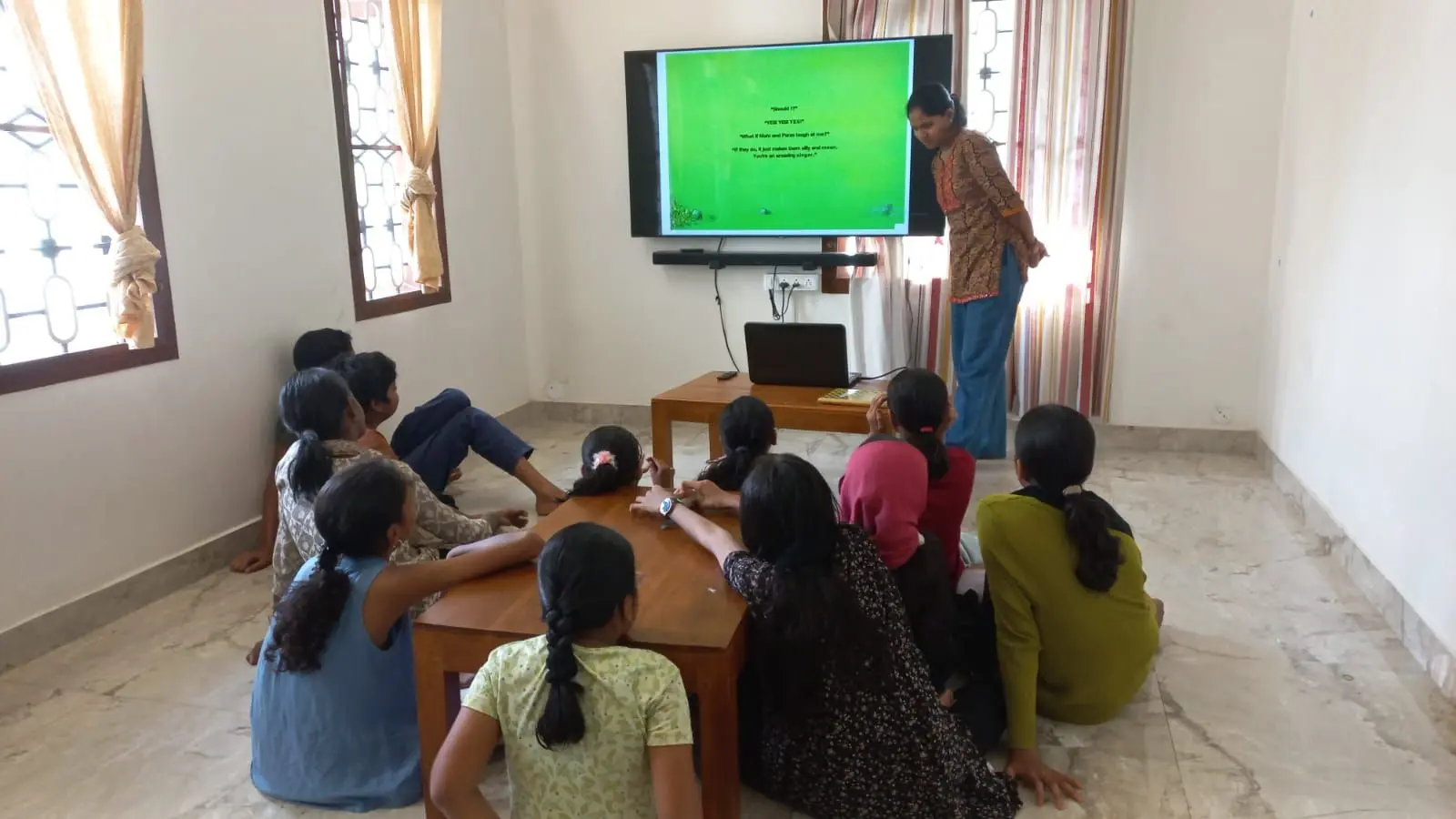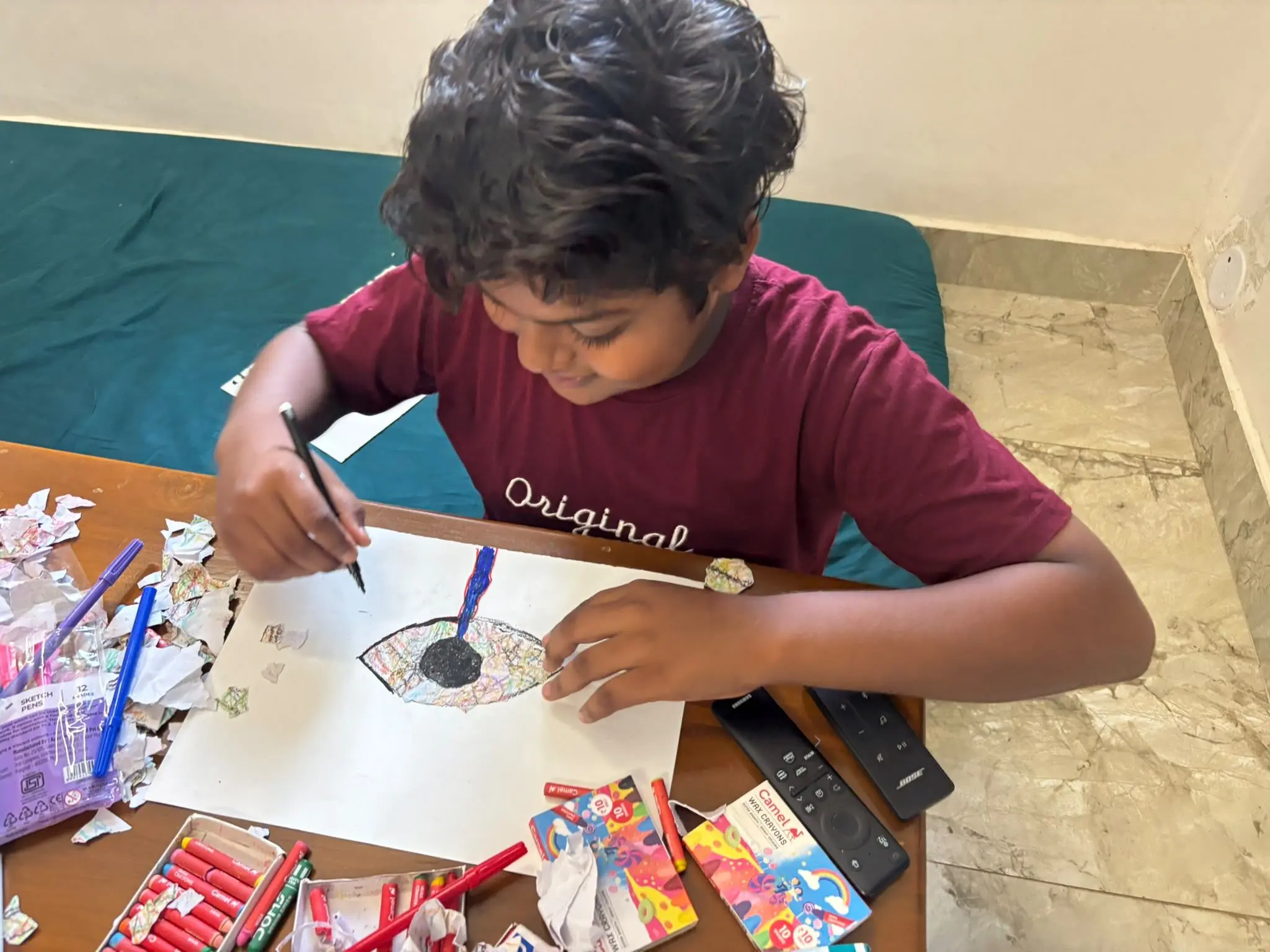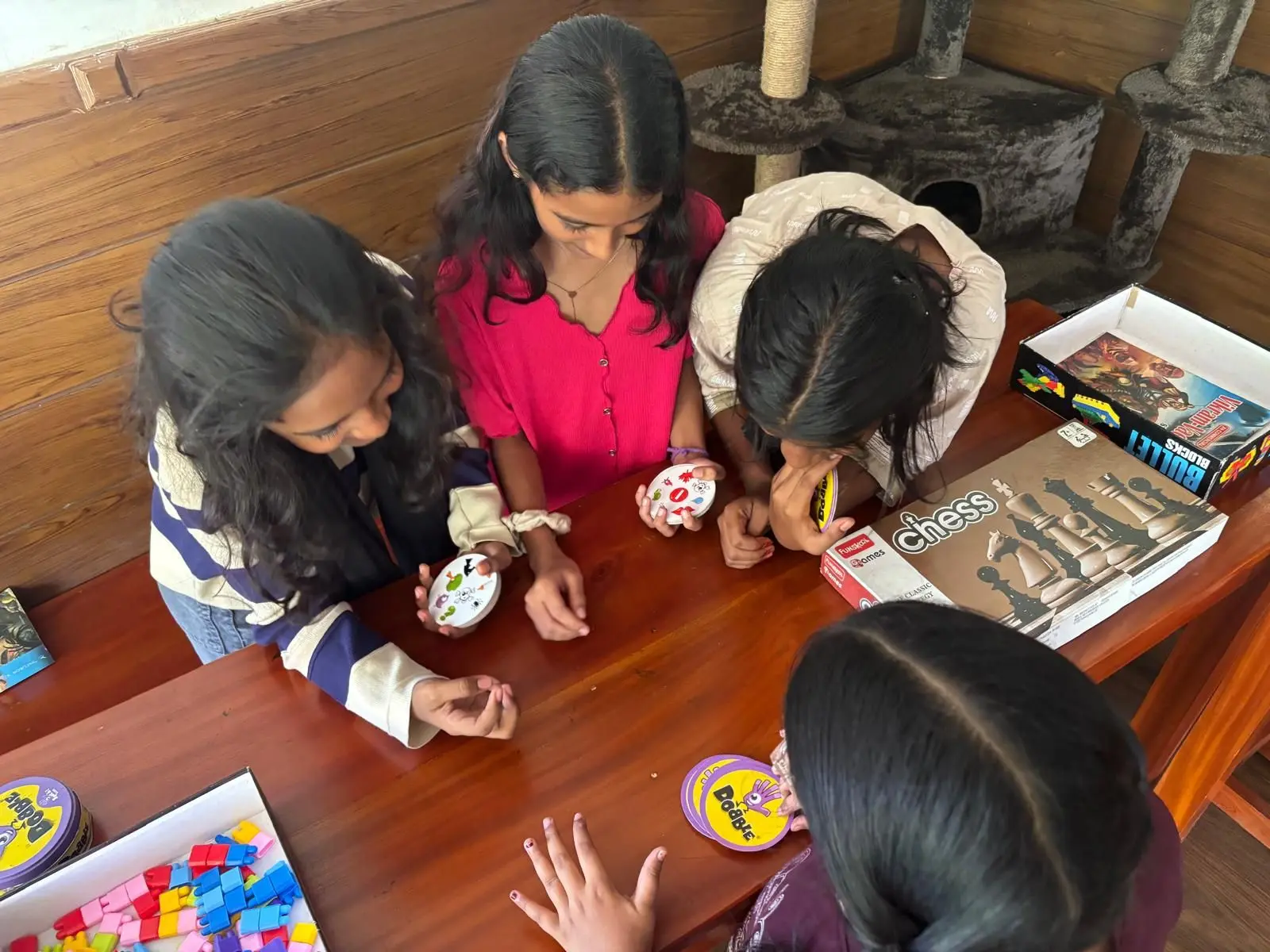
- What went in
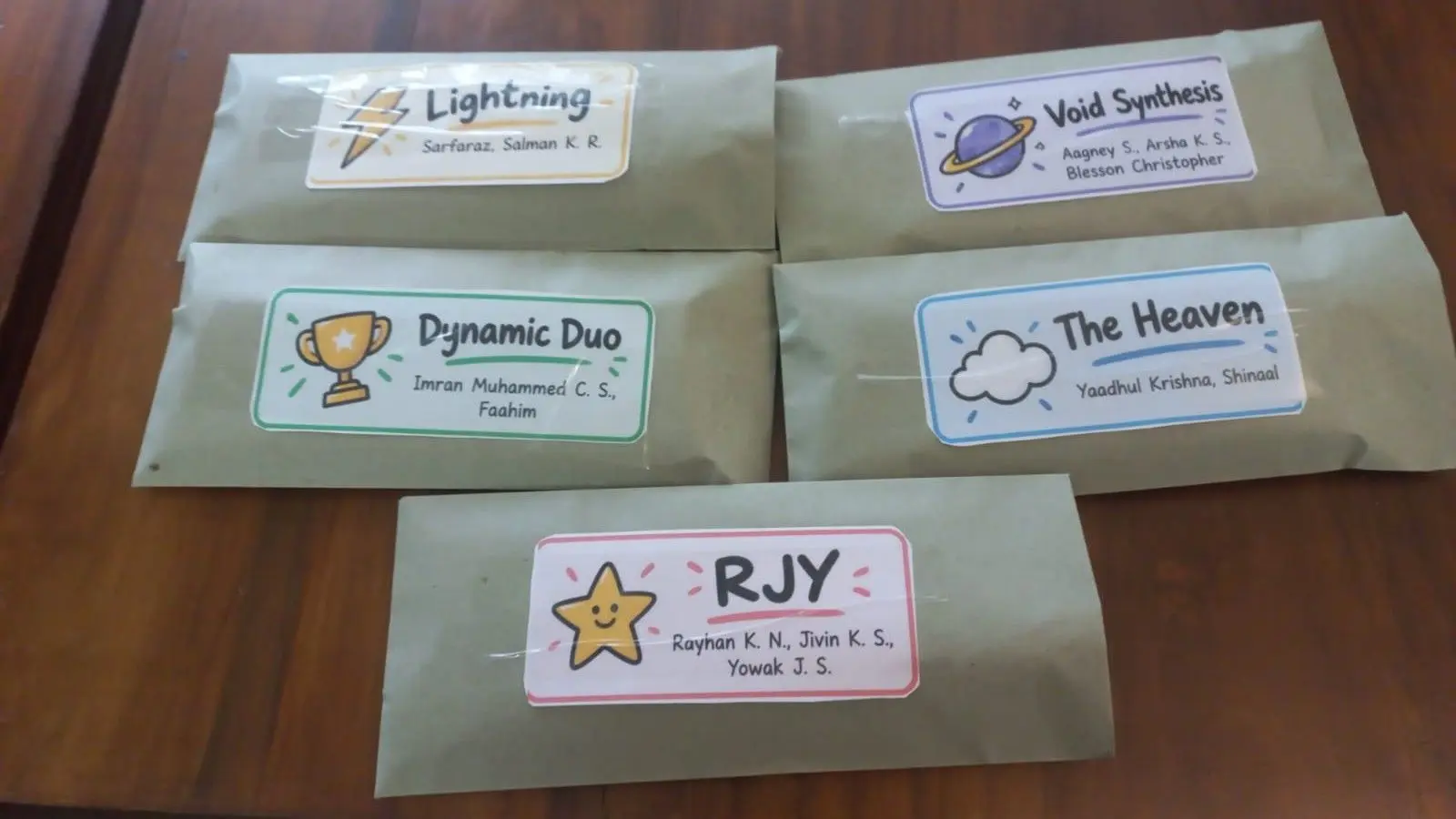
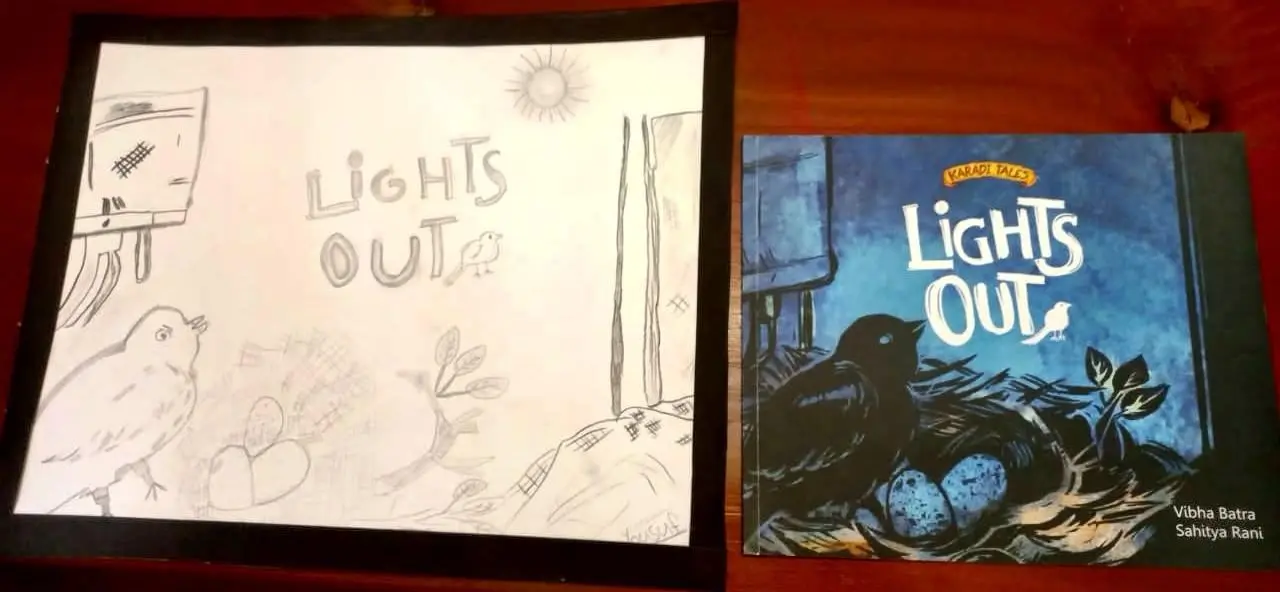
- Simple thinking challenges, investigation materials, whiteboard and LifSkills workbooks
- Time
- 45 minutes
Our hour began by looking back at the previous LifSkool sessions and asking the boys what they remembered. They were able to recall the activities and connect them to skills they had already been practising, including communication, problem-solving and decision-making.
Today’s LifSkool session focused on critical thinking.
We invited the boys to think like detectives, using short thinking challenges and a collaborative investigation. Rather than explaining the skill first, they were encouraged to ask questions, examine information and work out what they thought had happened.
What worked particularly well was the balance between pace and reflection. Having the activities and materials prepared in advance meant we could move quickly from one challenge to the next without losing momentum. But we also paused briefly between activities to ask the boys how they reached an answer, what they were assuming, or what made them change their mind.
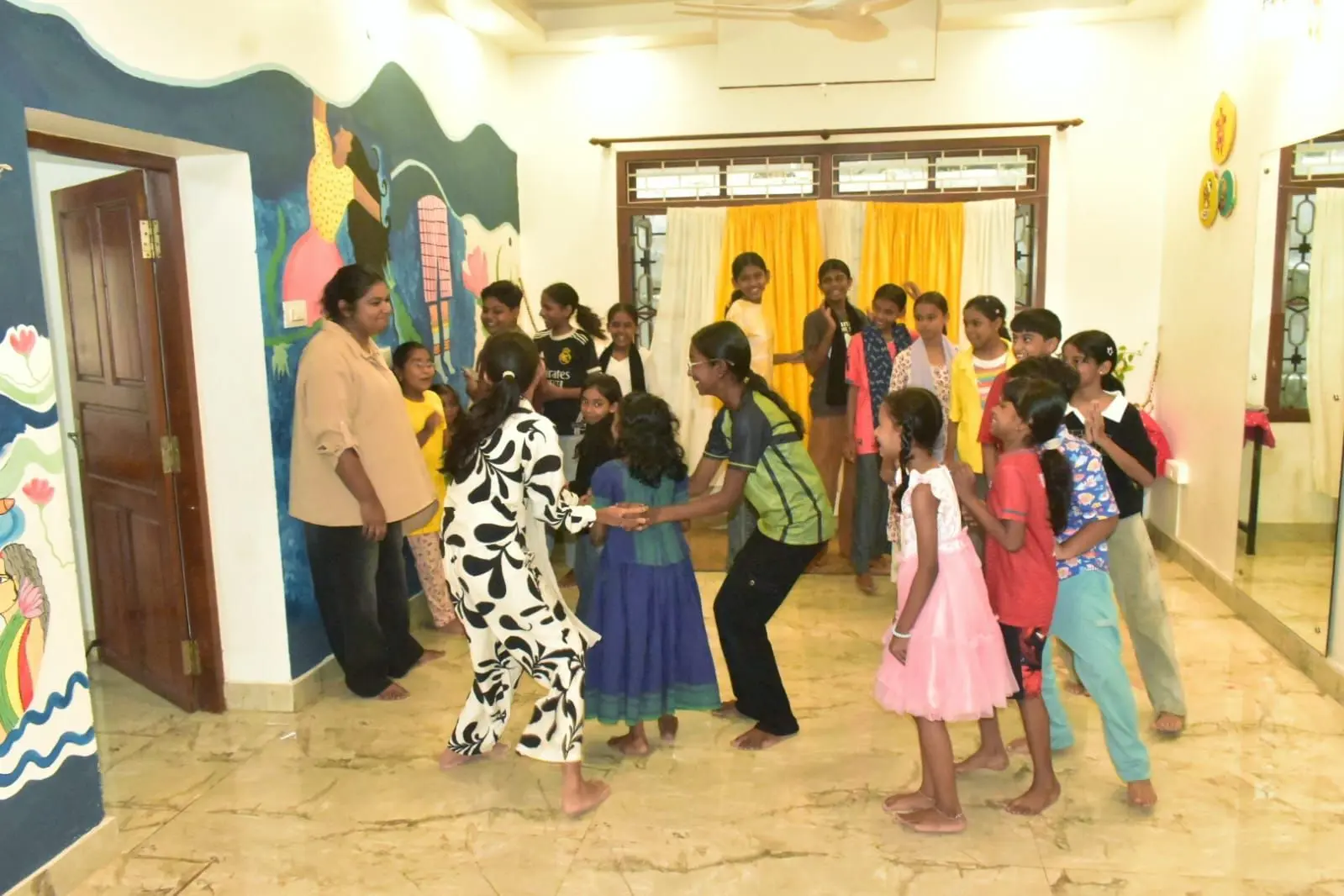
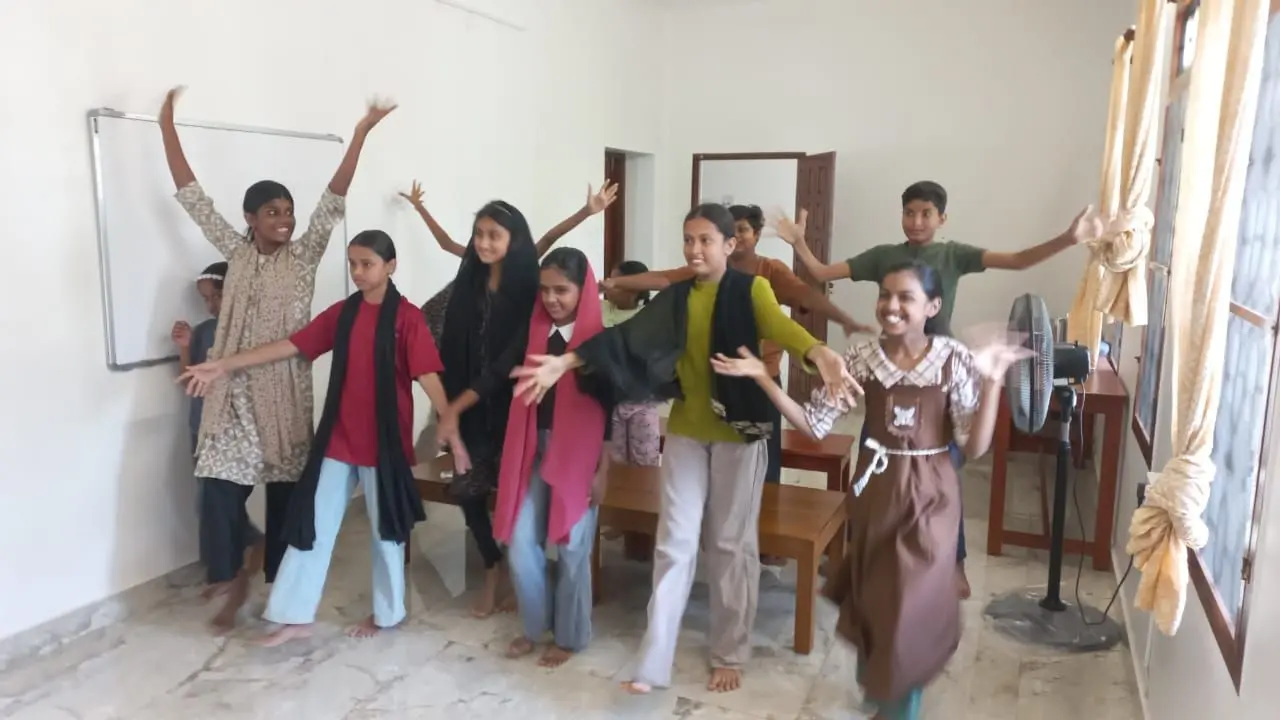
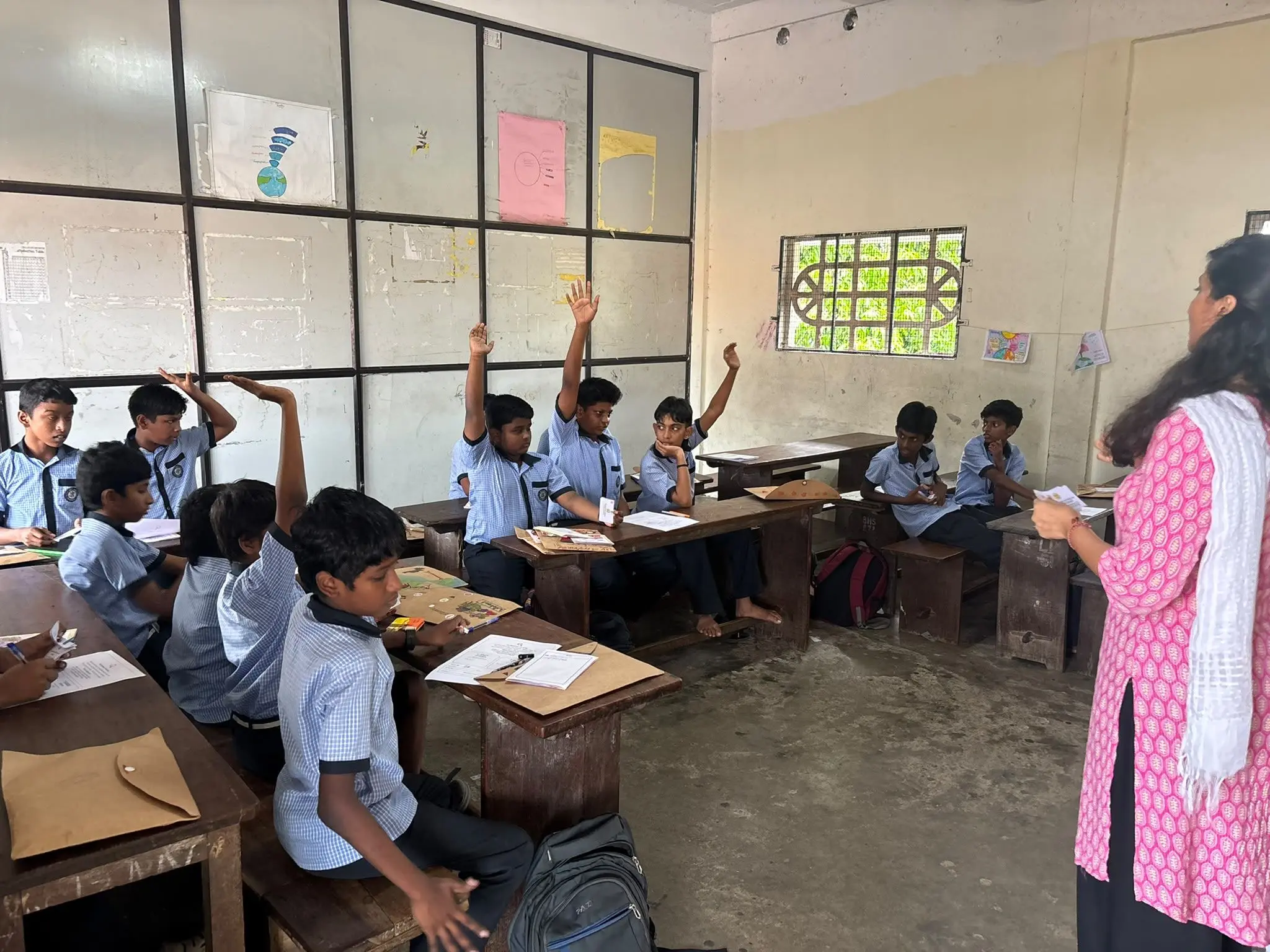
The boys responded strongly to this format. They were curious, eager to talk and ask questions, and every child contributed. The detective-style investigation gave them something concrete to think through together rather than simply listening to an explanation about critical thinking.
Only afterwards did we name the skill and connect it to a simple idea: ask questions and check what you know before deciding what you think.
Our main learning was that a fast-moving session does not have to mean rushing the learning. Good preparation helped us keep the energy up, while short reflection moments gave the boys space to notice how they were thinking. In future, we would like to build on this with slightly more challenging investigation-style activities.
Group: Local Government School | Std 5–7 boys | 15 boys
Materials: Simple thinking challenges, investigation materials, whiteboard and LifSkills workbooks.
Space: Regular classroom with tables and benches
Timing: Around 45 minutes
Every child contributed, asking questions and examining information to work out what had happened. The boys also recalled earlier sessions and linked them to communication, problem-solving and decision-making.
(We observed it)
A fast-moving session does not have to mean rushing the learning: good preparation kept the energy up, and short reflection moments gave the boys space to notice how they were thinking. Next time: slightly more challenging investigation-style activities.
Run this activity yourself. You are free to copy, change and share this write-up, as long as you credit aikyam space. Photos are not included. (Creative Commons licence CC BY 4.0)