- What went in
- LifSkills workbooks, lesson-plan materials, speaker and music
- Time
- 45 minutes
This session focused on empathy and kindness, understanding how someone else might be feeling and thinking about how our words and actions affect others.
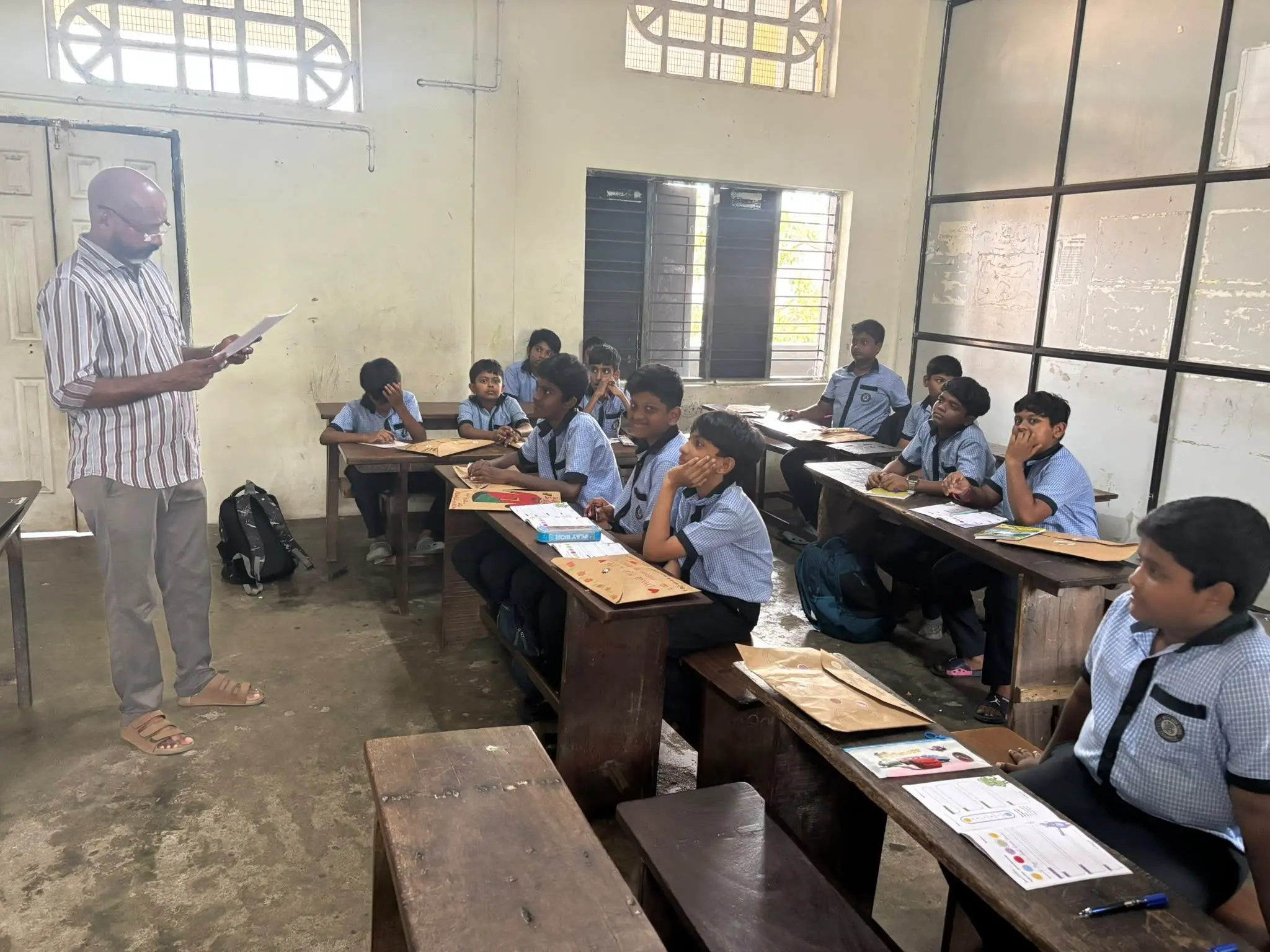
It was also a learning session for us as facilitators. This was George’s first time leading a LifSkool class. He had prepared carefully beforehand, but nerves meant he relied quite closely on the printed lesson plan.
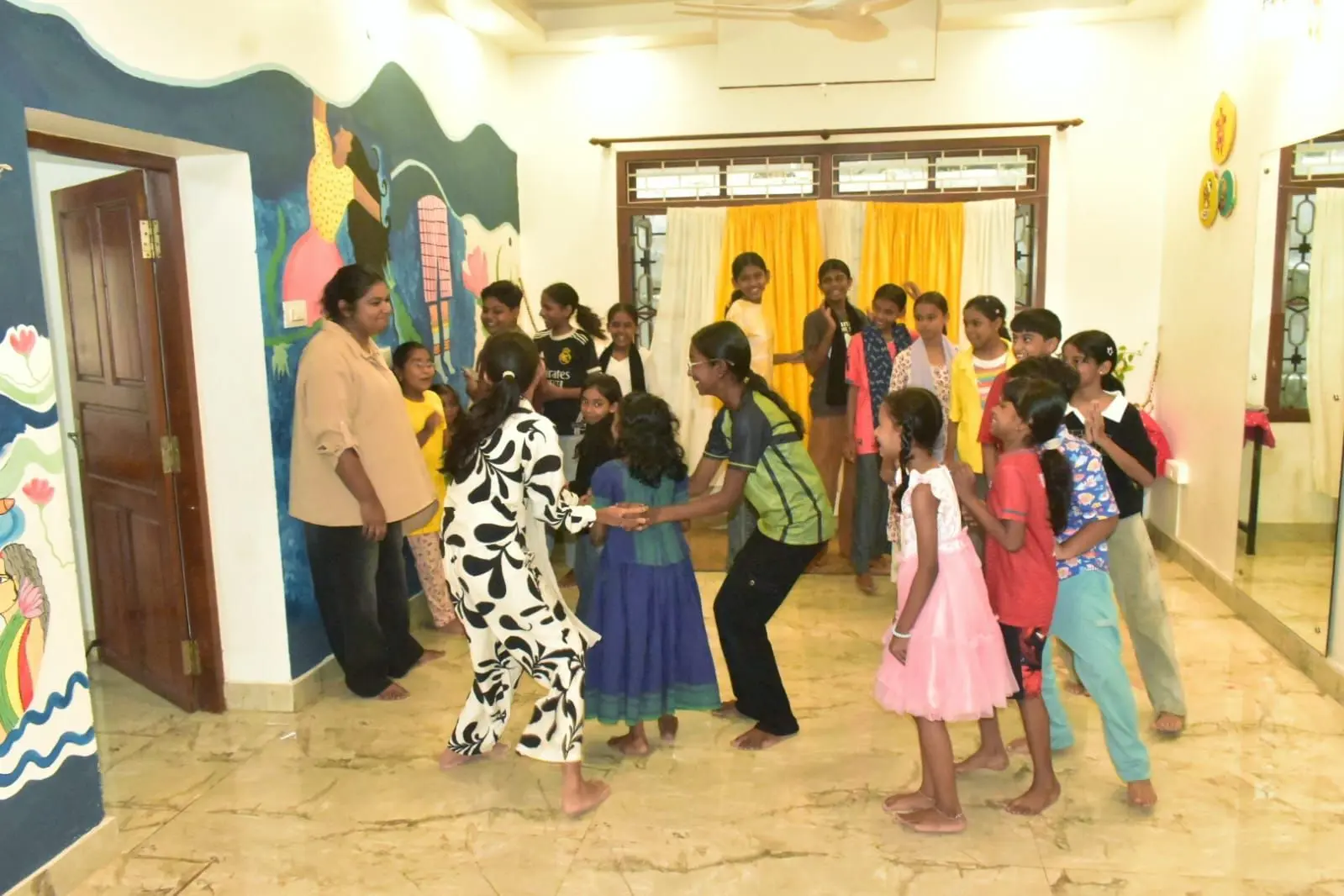
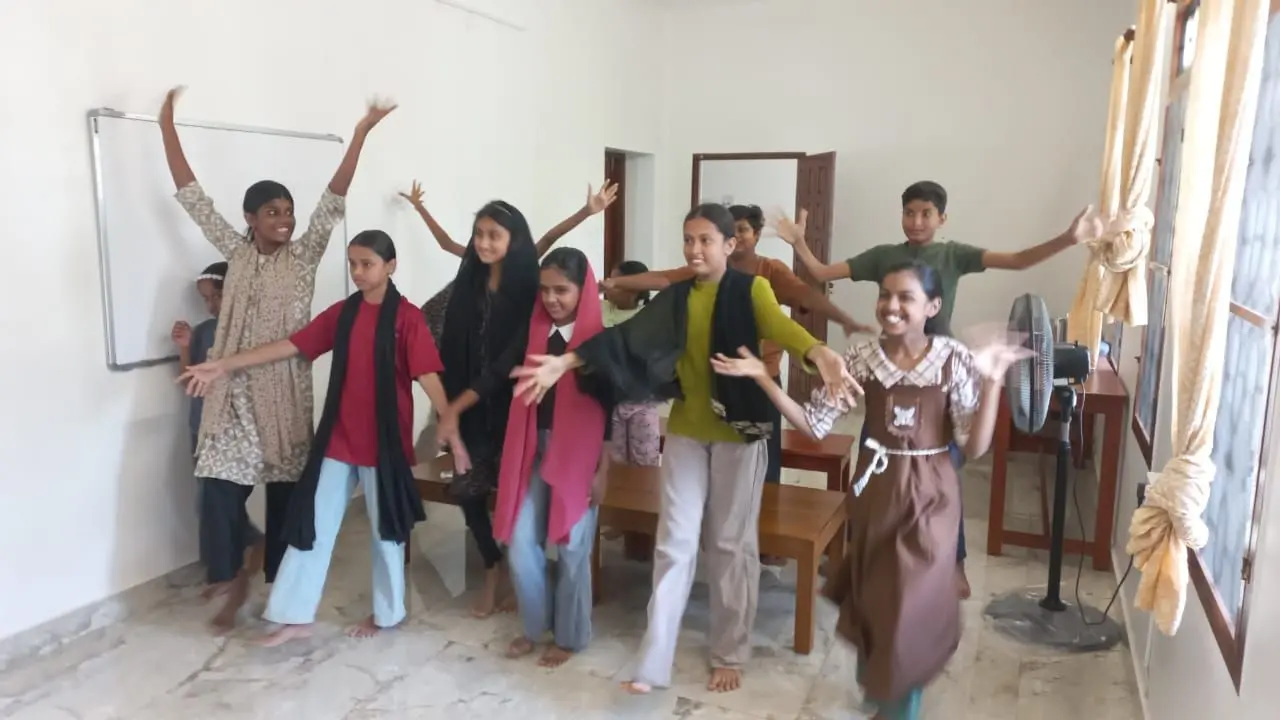
We began with a movement energiser, which helped bring some energy into the room. A few boys were shy at first, but most gradually joined in.
From there, we explored empathy through familiar situations and conversations about how another person might feel, what support could look like, and how small acts of kindness can make a difference. The boys were able to contribute examples and seemed to understand the core ideas.
The biggest learning for us was around facilitation. Following a script closely can help a new facilitator feel prepared, but it can also reduce eye contact, interaction and responsiveness in the room. Attention drifted at times, and side conversations became more noticeable.
It reminded us that the lesson plan is there to support the facilitator, not replace the connection with the students.
The session also highlighted the need to revisit classroom routines and transitions. With an after-school group, chatter and changing energy levels are part of the reality, so clearer signals and expectations should help us protect more time for participation.
At the end, each student chose a LifSkool buddy, who they will work with during upcoming team challenges.
Attendance was again lower than the full cohort, with 12 of 20 boys attending, which remains an ongoing challenge for the after-school programme.
Overall, the boys understood the ideas of empathy and kindness, while the session gave us useful learning about facilitation, engagement and classroom rhythm too.
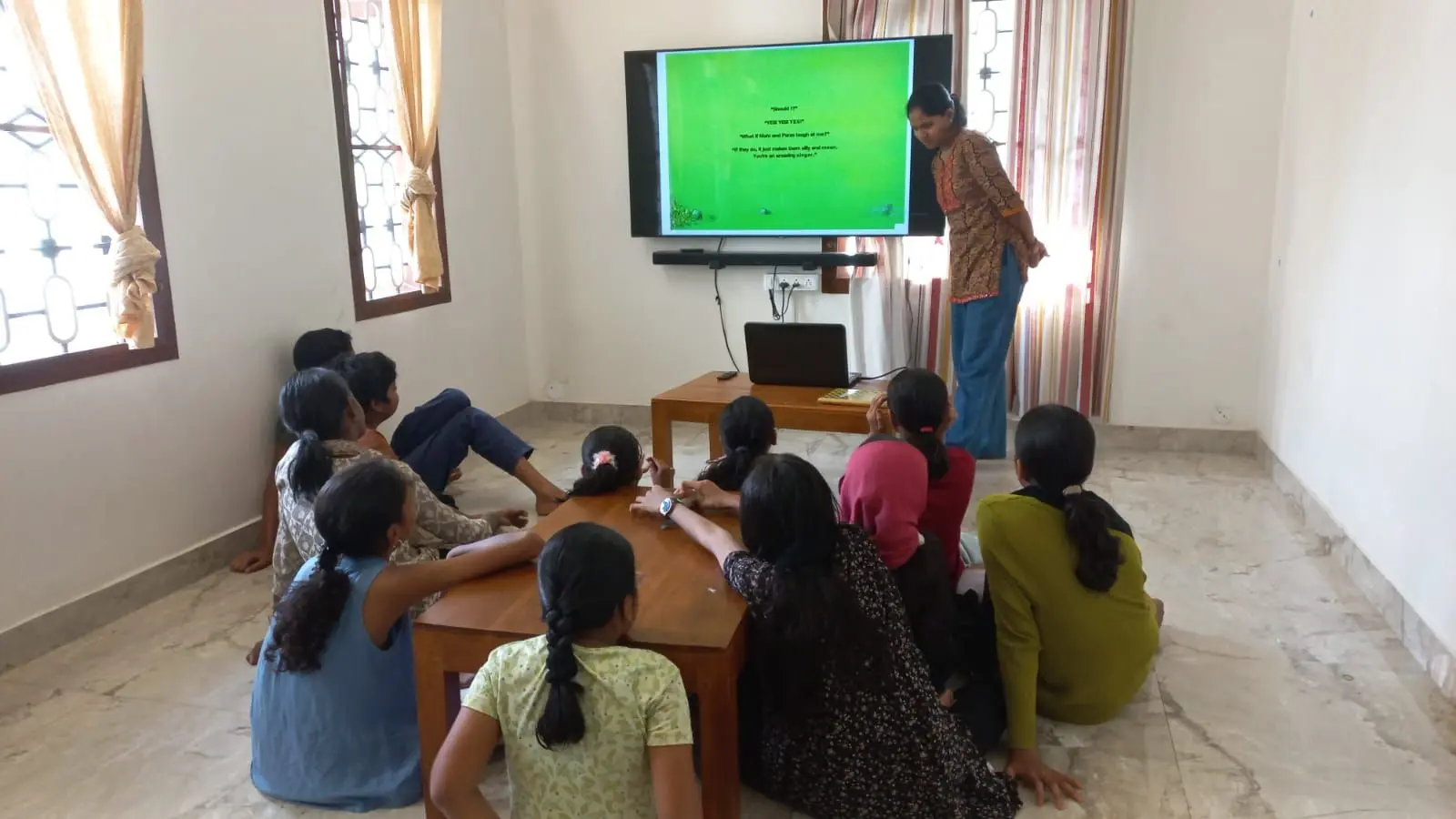
The group was 12 boys in Std 5 to 7 at a local government school. The materials were LifSkills workbooks, lesson-plan materials, speaker and music. The space was a regular classroom with tables and benches. The session took around 45 minutes.
The boys contributed their own examples and seemed to understand the core ideas of empathy and kindness.
(We observed it)
A lesson plan should support the facilitator, not replace the connection with the students: following it closely reduced eye contact and interaction. Classroom routines and transitions need revisiting. Attendance, 12 of 20 boys, remains a challenge.
Run this activity yourself. You are free to copy, change and share this write-up, as long as you credit aikyam space. Photos are not included. (Creative Commons licence CC BY 4.0)