ചൊവ്വാഴ്ച സ്വയം അവബോധത്തെക്കുറിച്ചായിരുന്നു; വ്യാഴാഴ്ചയോടെ, വികാരങ്ങളെ കൈകാര്യം ചെയ്യുന്നതിനെക്കുറിച്ച് പര്യവേക്ഷണം ചെയ്യാൻ ഞങ്ങൾ തയ്യാറായി. ഈ 5 ആഴ്ചത്തെ പ്രോഗ്രാമിൽ ആഴ്ചയിൽ രണ്ടുതവണ ആൺകുട്ടികളെ കാണുന്നത് മുൻ സെഷന്റെ തുടർച്ചയായി കാര്യങ്ങൾ സ്വാഭാവികമായി കെട്ടിപ്പടുക്കാൻ സഹായിക്കുന്നു.
കഴിഞ്ഞ സെഷനെക്കുറിച്ച് വീണ്ടും ഓർത്തെടുത്തുകൊണ്ടും, സ്വയം തിരിച്ചറിവിനെക്കുറിച്ച് (self-awareness) എന്തൊക്കെ ഓർക്കുന്നുണ്ടെന്ന് കുട്ടികളോട് ചോദിച്ചുകൊണ്ടുമാണ് ഞങ്ങൾ ആരംഭിച്ചത്.
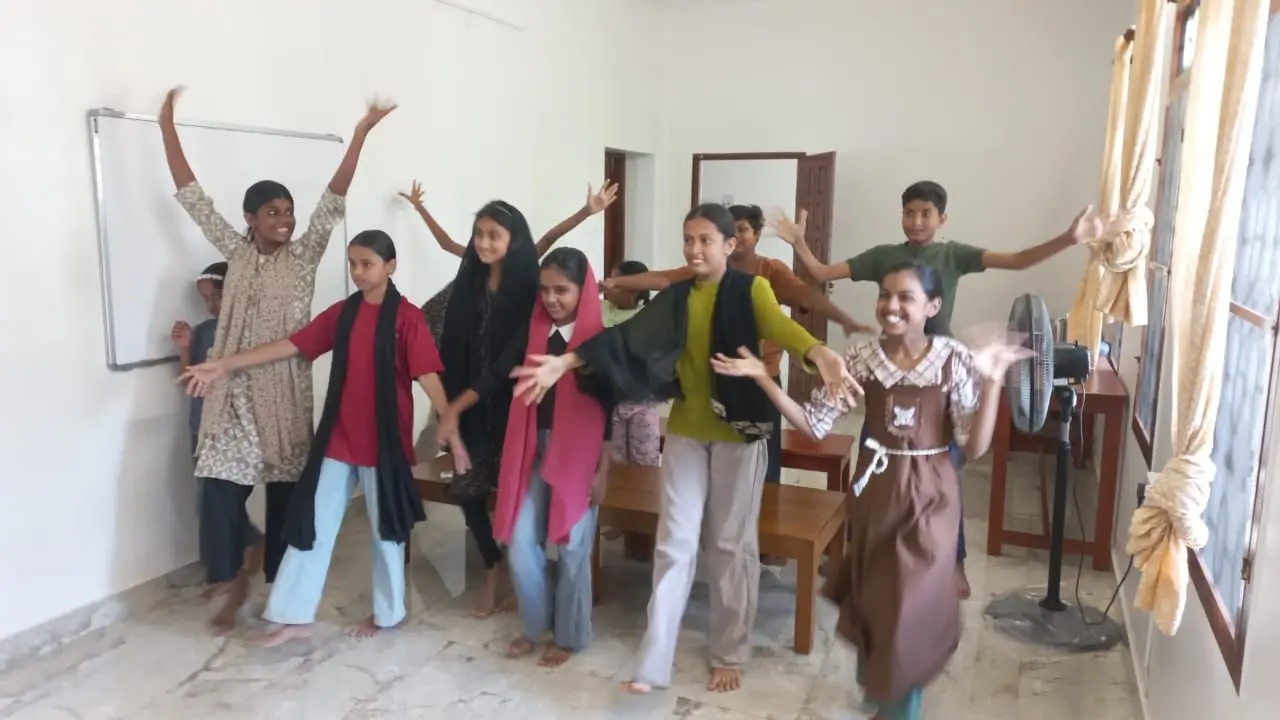
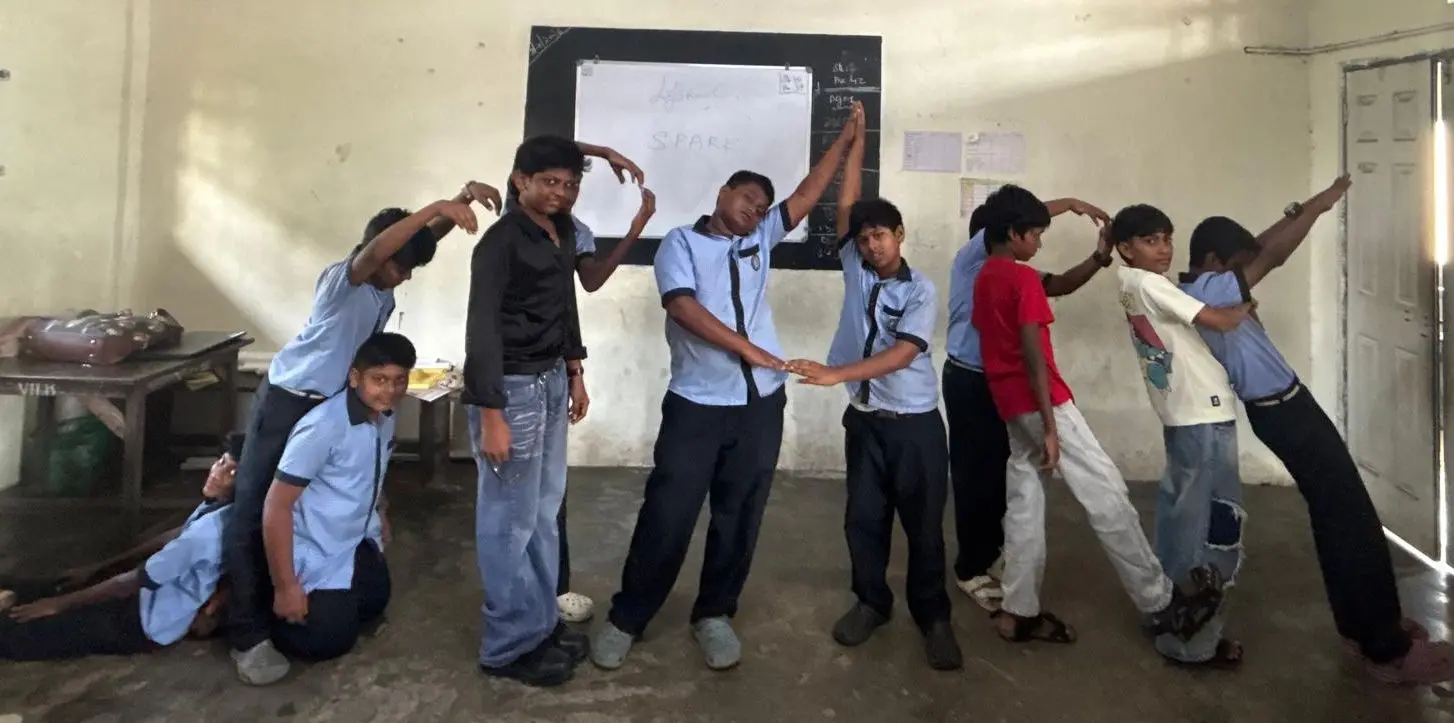
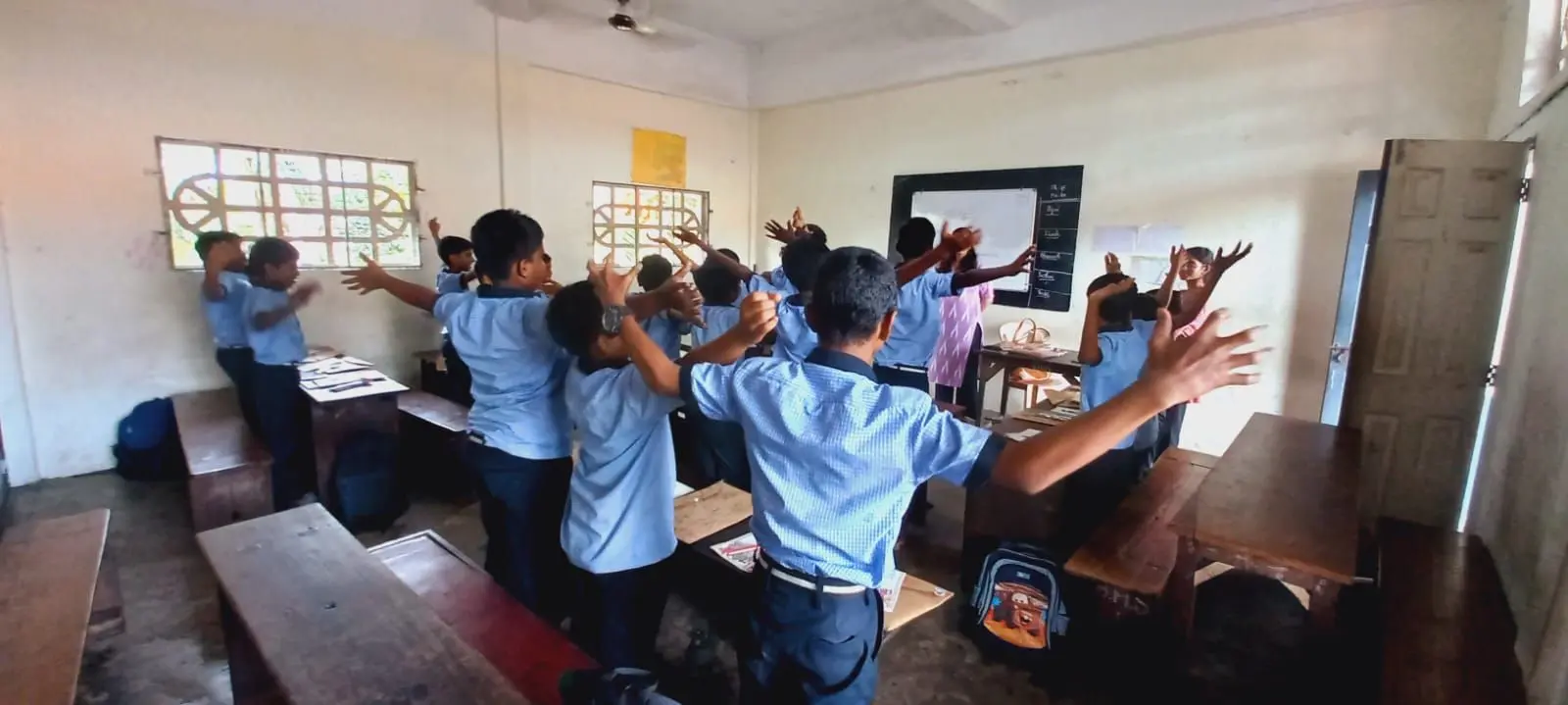
വികാരങ്ങളെക്കുറിച്ചും (emotions) അവ ശരീരത്തിൽ എങ്ങനെ പ്രകടമാകുന്നു എന്നും, പെട്ടെന്ന് പ്രതികരിക്കുന്നതും (reacting immediately) ഒരു നിമിഷം ആലോചിച്ച് മറുപടി നൽകുന്നതും (taking a moment to respond) തമ്മിലുള്ള വ്യത്യാസത്തെക്കുറിച്ചുമുള്ള ചർച്ചയിലേക്ക് കടക്കുന്നതിന് മുൻപ്, ഊർജ്ജസ്വലത നിലനിർത്താൻ ഒരു ചെറിയ കായിക കളി ഞങ്ങൾ സംഘടിപ്പിച്ചു.
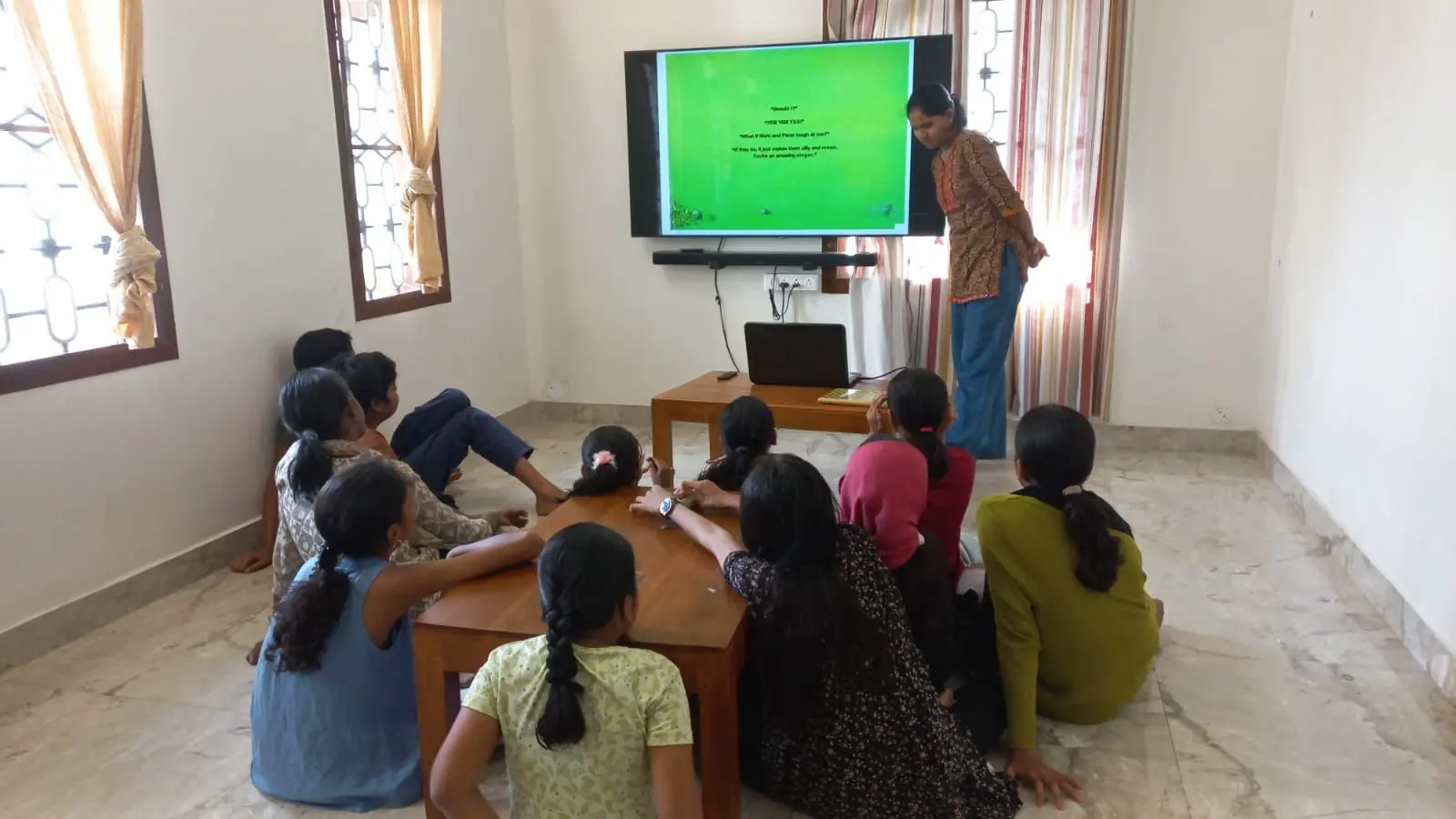
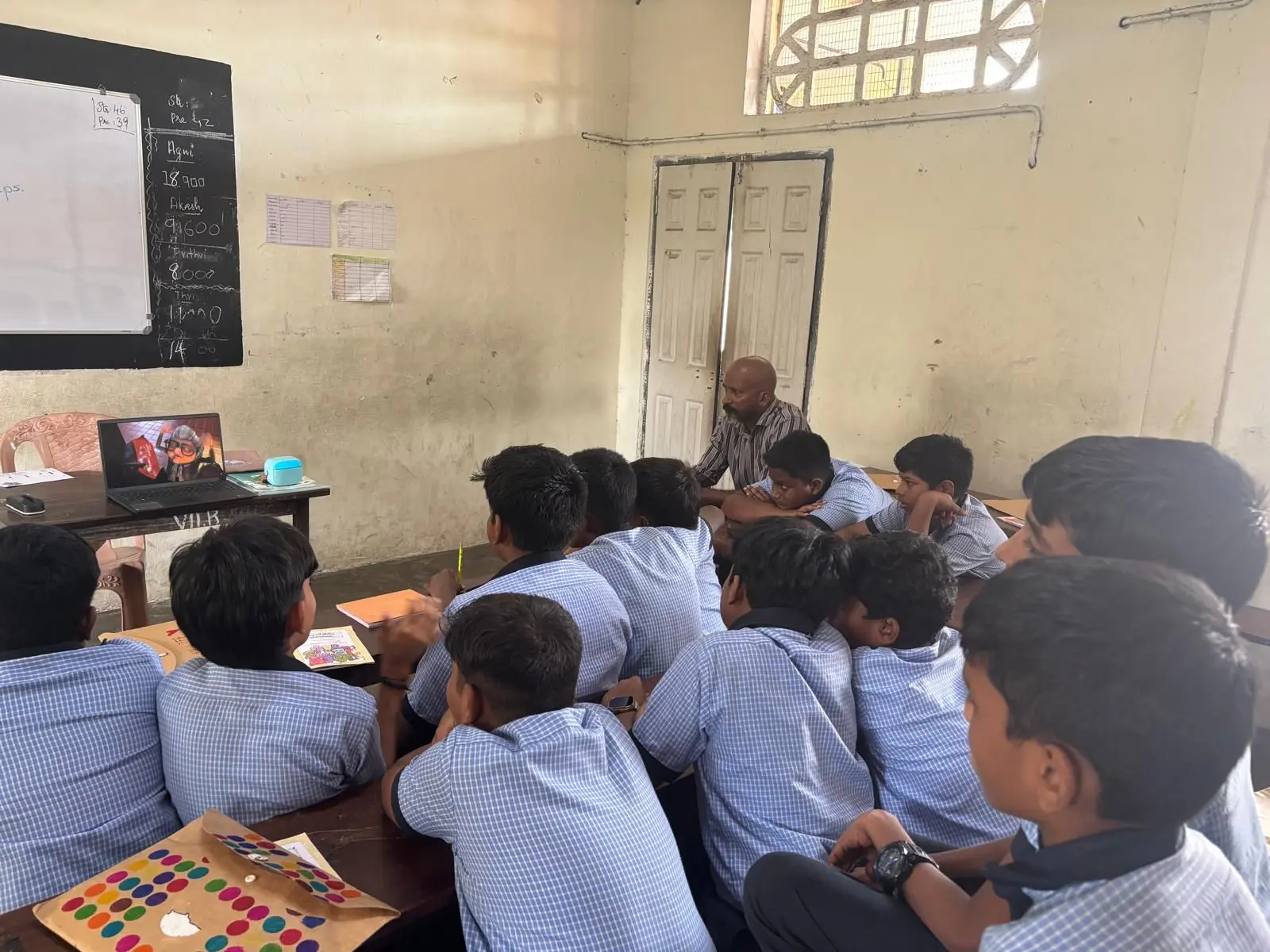
'ശ്വാസമെടുത്ത് ഒരു നിമിഷം നിൽക്കുക' (pause-and-breathe) എന്ന ലളിതമായ ഒരു രീതി ഞങ്ങൾ പരിചയപ്പെടുത്തുകയും, ഒരു നിമിഷം ആലോചിക്കുന്നത് അടുത്തതായി എന്ത് ചെയ്യണമെന്ന് തിരഞ്ഞെടുക്കാൻ എങ്ങനെ സഹായിക്കുമെന്ന് ചില ദൈനംദിന ഉദാഹരണങ്ങളിലൂടെ കാണിച്ചുകൊടുക്കുകയും ചെയ്തു. വികാരങ്ങളെക്കുറിച്ചും അവയോട് പ്രതികരിക്കേണ്ട രീതികളെക്കുറിച്ചുമുള്ള ഒരു ചെറിയ കഥയോടെയാണ് ഞങ്ങൾ സെഷൻ അവസാനിപ്പിച്ചത്.
ഞങ്ങൾ ആഗ്രഹിച്ചതിനേക്കാൾ കൂടുതൽ സംസാരിക്കേണ്ടി വന്നു എന്നതാണ് ഇന്നത്തെ പ്രധാന ചിന്ത. സമയം കുറവായിരിക്കുമ്പോൾ കാര്യങ്ങൾ വിശദീകരിച്ച് നൽകുന്നതാണ് എളുപ്പമെന്ന് തോന്നാമെങ്കിലും, അത് കുട്ടികൾക്ക് ഈ കഴിവുകൾ സ്വന്തം ജീവിതവുമായി ബന്ധപ്പെടുത്താനും ആശയങ്ങൾ പങ്കുവെക്കാനും സ്വയം പരിശീലിക്കാനും ഉള്ള അവസരം കുറയ്ക്കുന്നു.
ക്ലാസ് മുറിയുടെ മികച്ചൊരു താളം (rhythm) കണ്ടെത്താൻ ഞങ്ങൾ ഇപ്പോഴും ശ്രമിച്ചുകൊണ്ടിരിക്കുകയാണ്. എല്ലാവരെയും ഒരുമിച്ചുകൂട്ടി ശാന്തരാക്കി ഇരുത്താൻ തന്നെ അഞ്ചോ പത്തോ മിനിറ്റ് എടുത്തേക്കാം. അതിനാൽ കൂടുതൽ വ്യക്തമായ ദിനചര്യകളും (routines) ചെറിയ പ്രവർത്തന സമയങ്ങളും ക്രമീകരിക്കുന്നത് കുട്ടികളുടെ പങ്കാളിത്തത്തിന് കൂടുതൽ സമയം കണ്ടെത്താൻ സഹായിക്കും.
ധാരാളം ചിരികളും സന്തോഷവും നിറഞ്ഞ ഊർജ്ജസ്വലമായ രണ്ടാമത്തെ സെഷൻ... പഠനം എപ്പോഴും പ്രായോഗികവും കുട്ടികൾക്ക് മുൻഗണന നൽകുന്നതുമായിരിക്കണം എന്നതിന്റെ നല്ലൊരു ഓർമ്മപ്പെടുത്തൽ കൂടിയായിരുന്നു ഇത്.
Summary Sentence Translation:
ഗ്രൂപ്പ്: ലോക്കൽ ഗവൺമെന്റ് സ്കൂൾ | ക്ലാസ് 5–7 | 19 ആൺകുട്ടികൾ
സാമഗ്രികൾ: ലൈഫ് സ്കിൽസ് വർക്ക് ബുക്കുകൾ, പൂർത്തിയാക്കിയ “ഇതാണ് ഞാൻ” ഫോൾഡറുകൾ, വൈറ്റ് ബോർഡ് & മാർക്കറുകൾ, എമിലി കോക്സ്ഹെഡിന്റെ ഫൈൻഡ് യുവർ ഹാപ്പി
സ്ഥലം: ഡെസ്കും ബെഞ്ചുകളുമുള്ള സാധാരണ ക്ലാസ് മുറി
സമയം: 45 മിനിറ്റ് ലഭ്യമാണ്
ഈ പ്രവർത്തനം നിങ്ങൾക്കും നടത്താം. aikyam space-ന് കടപ്പാട് നൽകുന്നിടത്തോളം, ഈ കുറിപ്പ് പകർത്താനും മാറ്റം വരുത്താനും പങ്കുവെക്കാനും നിങ്ങൾക്ക് സ്വാതന്ത്ര്യമുണ്ട്. ഫോട്ടോകൾ ഇതിൽ ഉൾപ്പെടുന്നില്ല. (Creative Commons ലൈസൻസ് CC BY 4.0)