
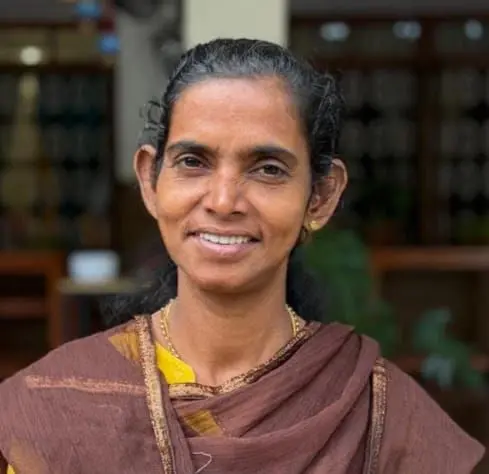
Mary Gracy
Mary brought years of tailoring experience to aikyam but little confidence in herself as a teacher. Today she trains community members in stitching and bag-making, turning waste cloth saved from landfills into tote bags and pouches.
What Mary Gracy did here
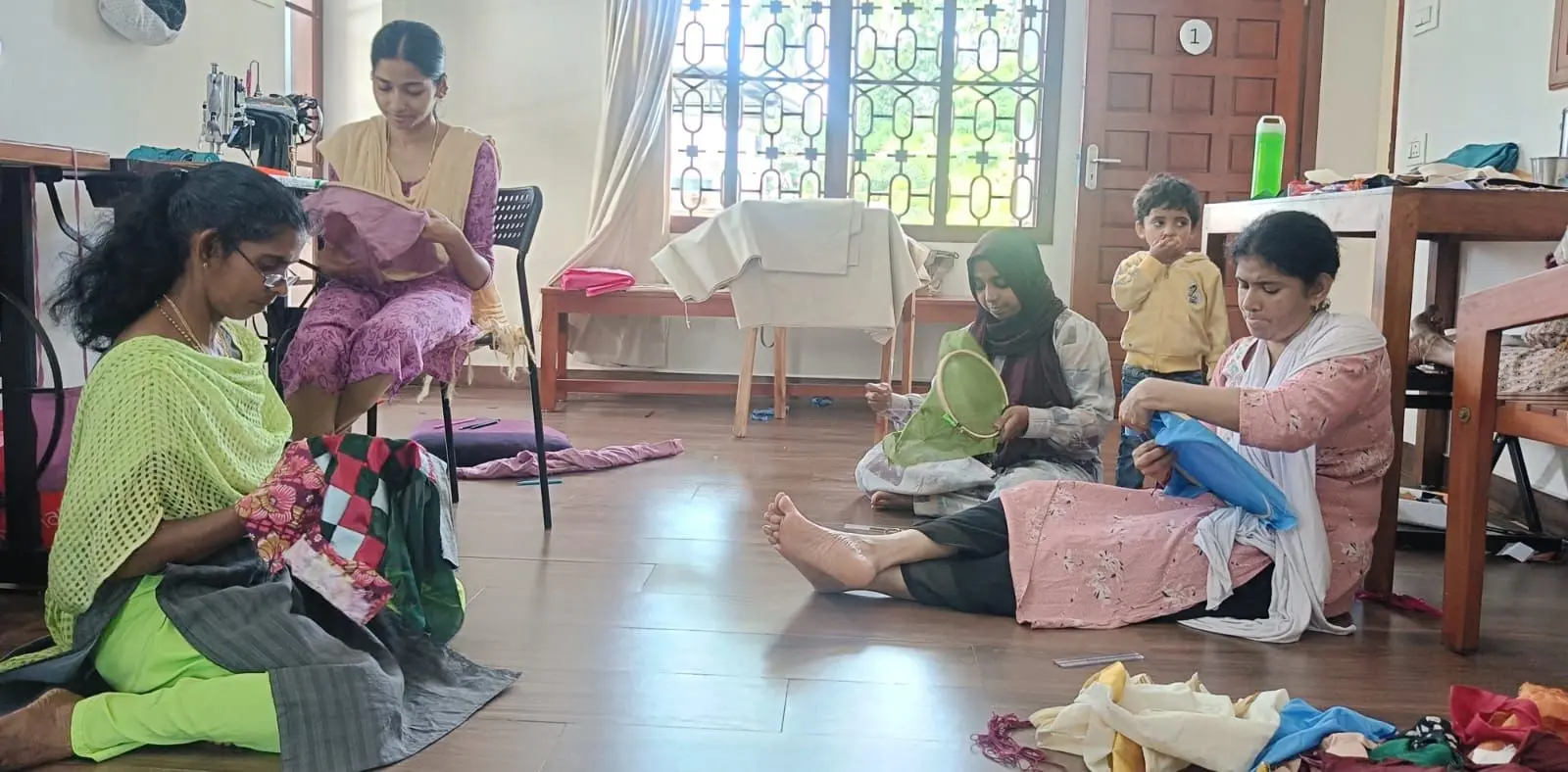
Building Stitch Precision: Guided Line Practice for Kantha Mastery
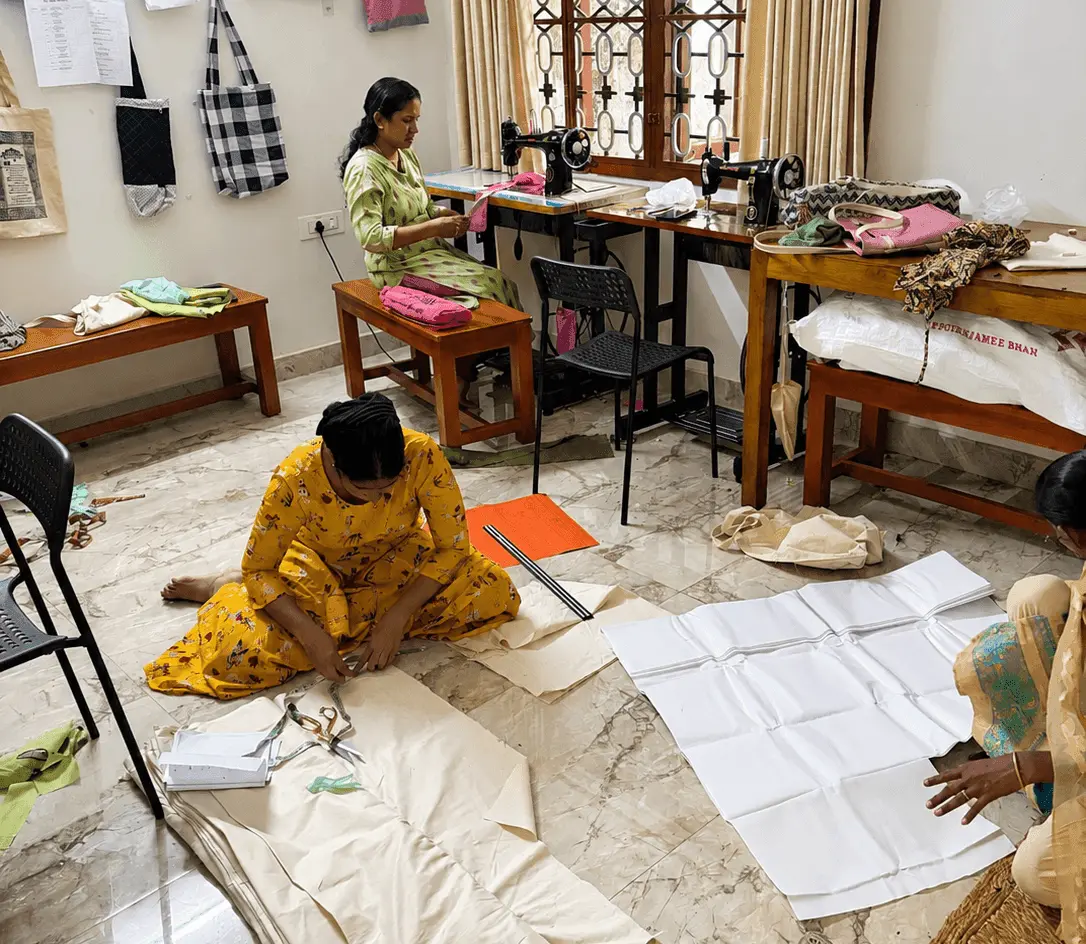
Today, the focus shifted toward building stitch accuracy and spacing consistency in Kantha hand embroidery. Transitioning away from small scrap pieces, the artisans began practicing on a single, larger fabric panel. To train their eye for even spacing, guided parallel lines were drawn across the surface, serving as visual markers for stitch length and gap distance. Working along these measured lines allowed the artisans to develop steady rhythm and control. The visual structure significantly improved stitch uniformity, yielding a cleaner, more cohesive texture across the panel. Trainers noted that with an additional three to four days of focused line-guided practice, the team will develop the muscle memory needed to execute flawless, evenly spaced Kantha stitching freehand without relying on drawn guides.
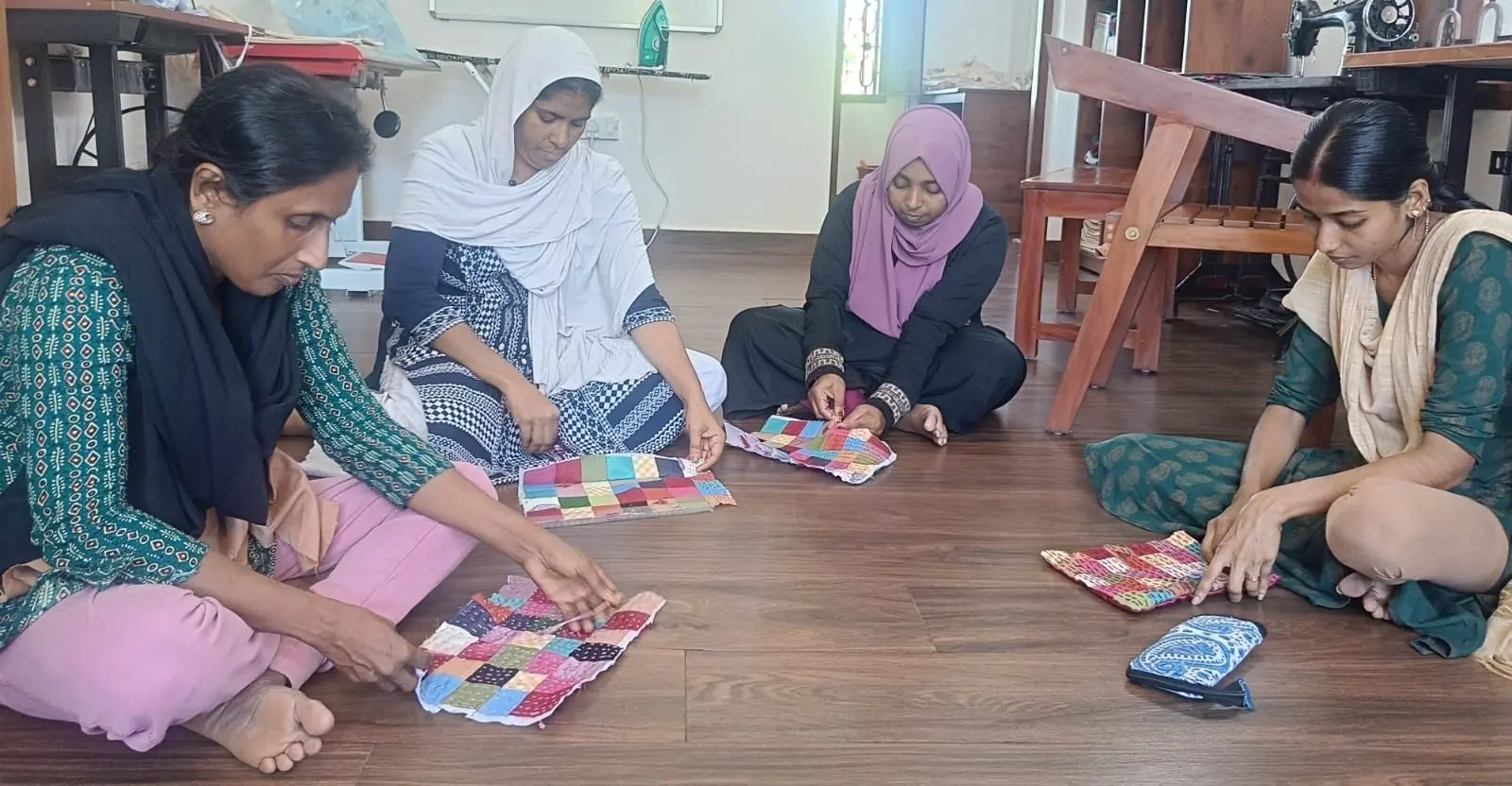
Method Testing in Kantha Stitching: Finding the Perfect Thread and Spacing
Today, the artisans at the stitching unit began crafting a new piece using selected and washed fabric pieces. During the process, questions arose regarding the ideal distance between stitches, thread thickness, and strand counts for Kantha work. To eliminate guesswork and establish a clear quality benchmark, the team decided to run a structured A/B testing approach across four different techniques. Four artisans each took on a specific variation: one tested closely spaced stitches with thinner thread; another maintained small, uniform gaps using the full thread; a third tested three-strand thread layers for a bolder look; and a fourth variation was set up for full comparison. With the test panels partially completed, the team paused for the day and plans to finish them tomorrow. A side-by-side evaluation of neatness, stitch density, and visual finish will help finalize our standardized Kantha stitching protocol.
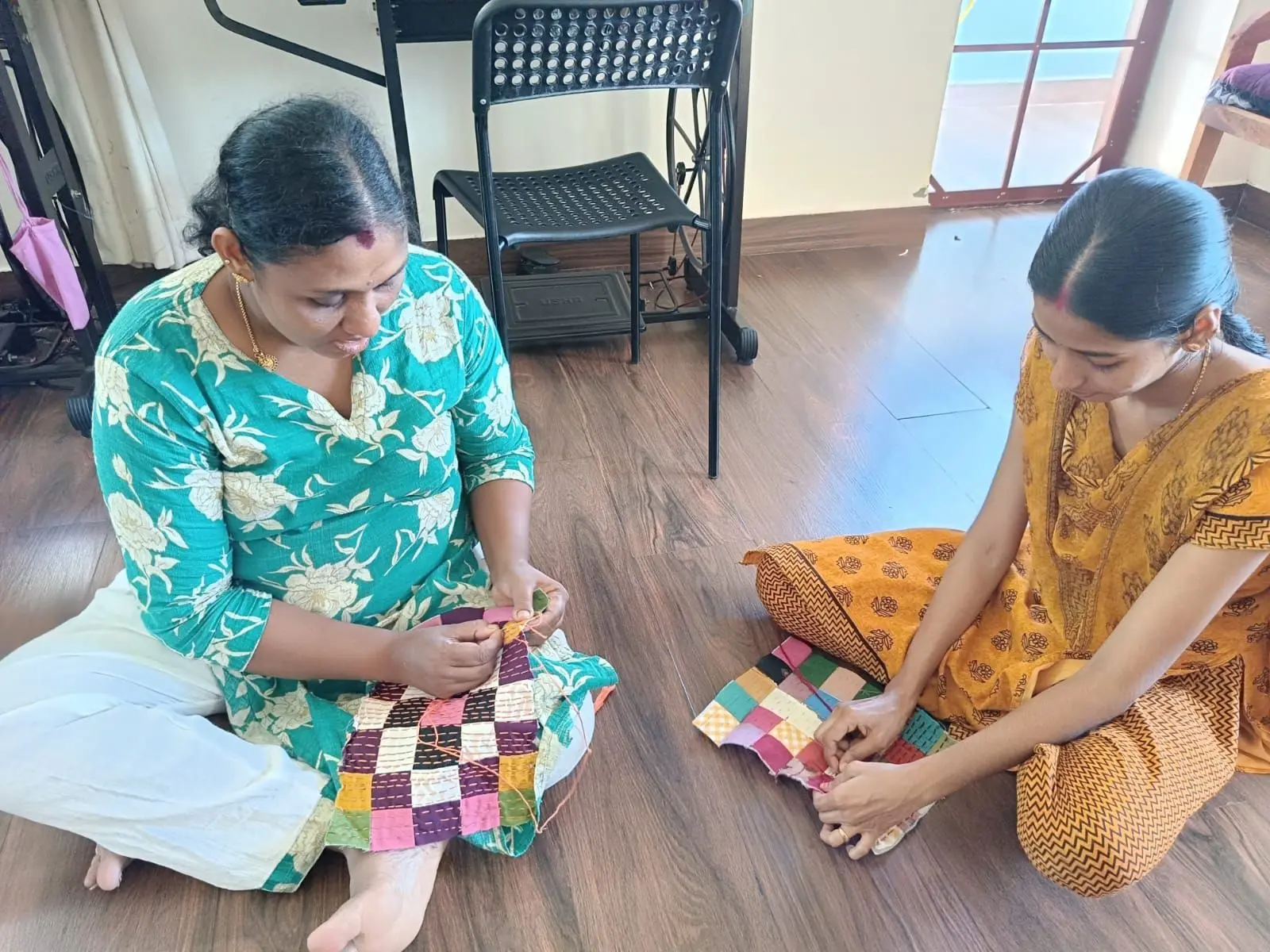
Reflecting on Progress: Organization Sparks Pride and Precision in Kantha Craft
The stitching room felt bright, spacious, and filled with fresh, positive energy today, thanks to the thorough cleanup and reorganization done by the team yesterday. Stepping into a beautifully structured workspace set an upbeat, focused tone for the afternoon. The artisans eagerly jumped into practicing Kantha stitching, tackling two to three distinct new patterns. Their dedication was on full display as every stitch turned out noticeably neater, tighter, and more precise than before. Each completed sample was carefully archived inside their individual portfolio files. The true highlight of the day came when the team pulled out their earliest trials and placed them side-by-side with today's work. Seeing their tangible progress filled the room with visible pride and joy. Realizing how far patience and steady practice have brought them gave everyone a deep boost of confidence in their growing craftsmanship.
Show all 99 sessions
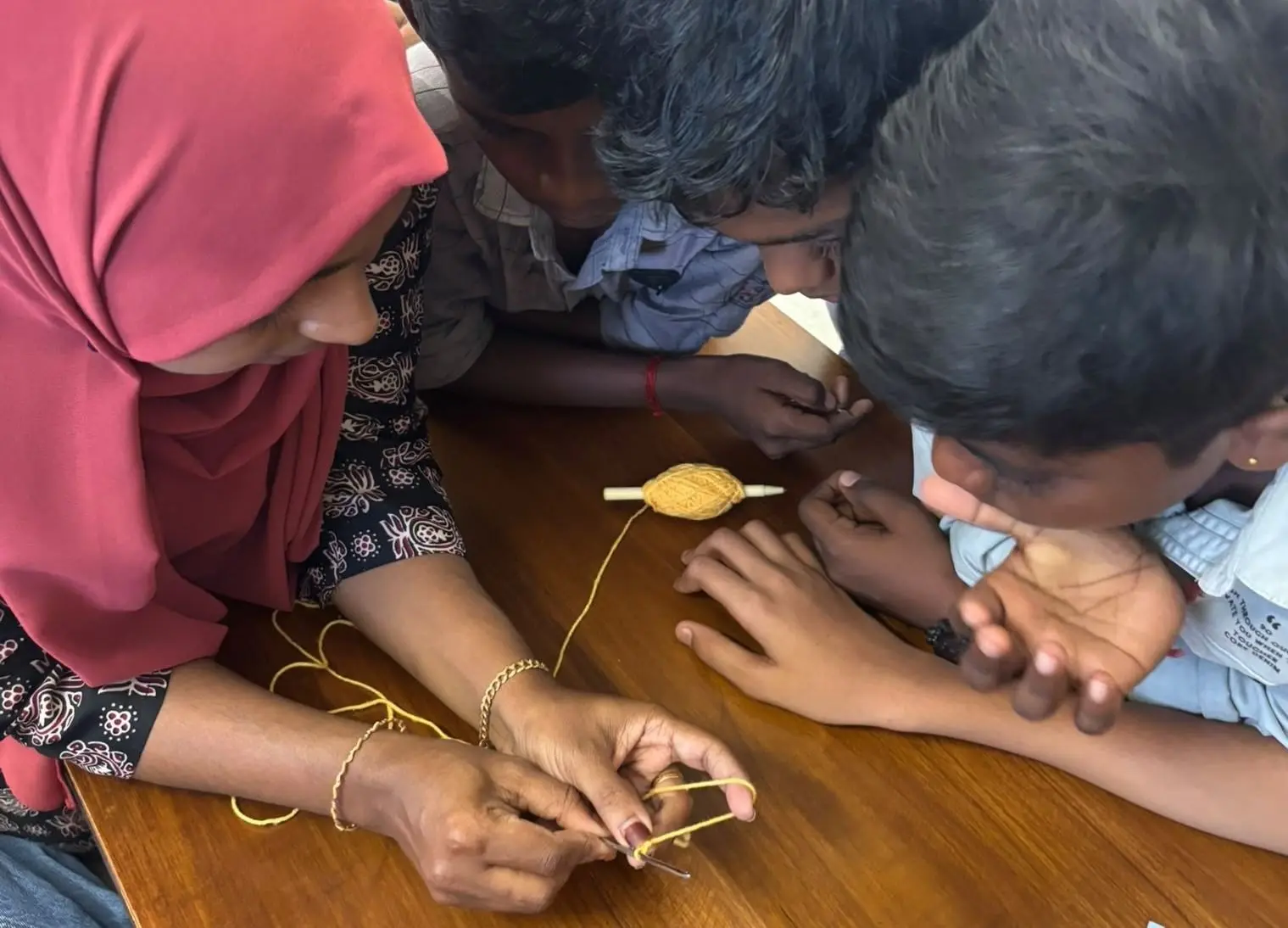
This Saturday, 21 children learned to crochet. A facilitator from aikyam’s stitching unit led the session, bringing a skill already present within the community into the Curiosity Club. We organised the children into three groups of approximately seven and gave everyone a crochet hook and colourful yarn. Some of the boys hesitated at first, saying they did not want to try crochet. Once they had the materials, their interest grew quickly. Most of the children concentrated and tried to understand the movements. Supporting everyone with one crochet facilitator was challenging. She explained the technique to one table at a time, meaning some children had to wait. Several children already knew how to crochet, so we encouraged them to help someone else. They demonstrated the movements, encouraging and patiently supporting their friends. What began as a practical challenge became an example of peer learning, cooperation and children sharing skills. Our main learning was that an activity like crochet needs a clear whole-group demonstration at the beginning. Next time, we would first show the basic movement where everyone can see it before moving into smaller-group and individual support. We would also identify children with previous experience earlier and pair them with those needing additional help. Initial hesitation soon turned into concentration, conversation and shared learning. The session reminded us of the value of drawing on skills from within the community and giving children the opportunity to learn from both adults and one another.
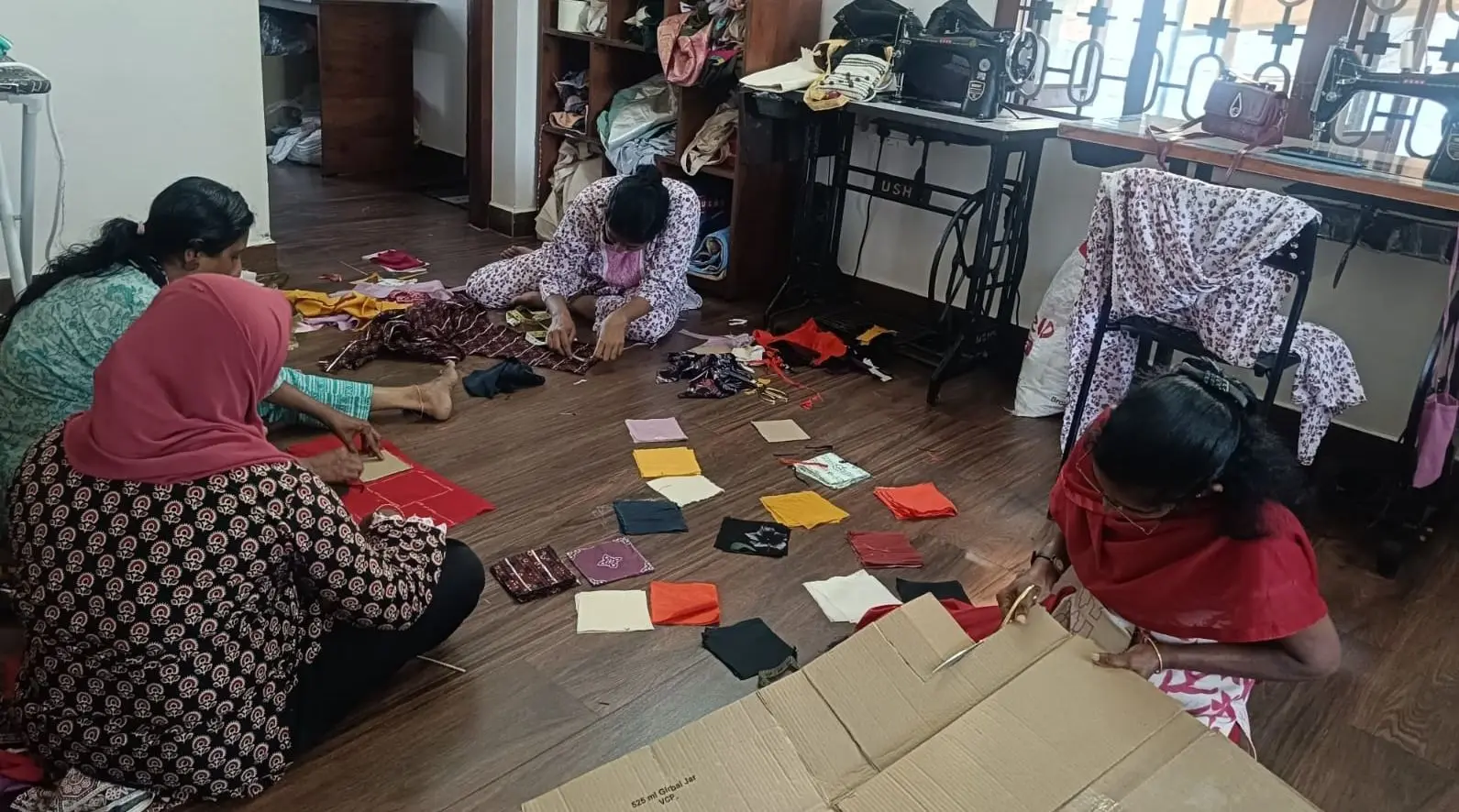
Techniques for balancing puzzle pieces
During the Kantha workshop, the team faced challenges in aligning puzzle pieces, which led to experimenting with black and white contrasts as well as dark and light shades to achieve proper layout balance. Once the layout was finalized, participants developed technical precision by systematically ironing, cutting fabrics into 4.5 cm pieces, and sorting them by color palette. Lay the pieces out on paper before cutting fabric. Small differences in shade change how the whole layout reads, and paper is the cheap place to find that out.
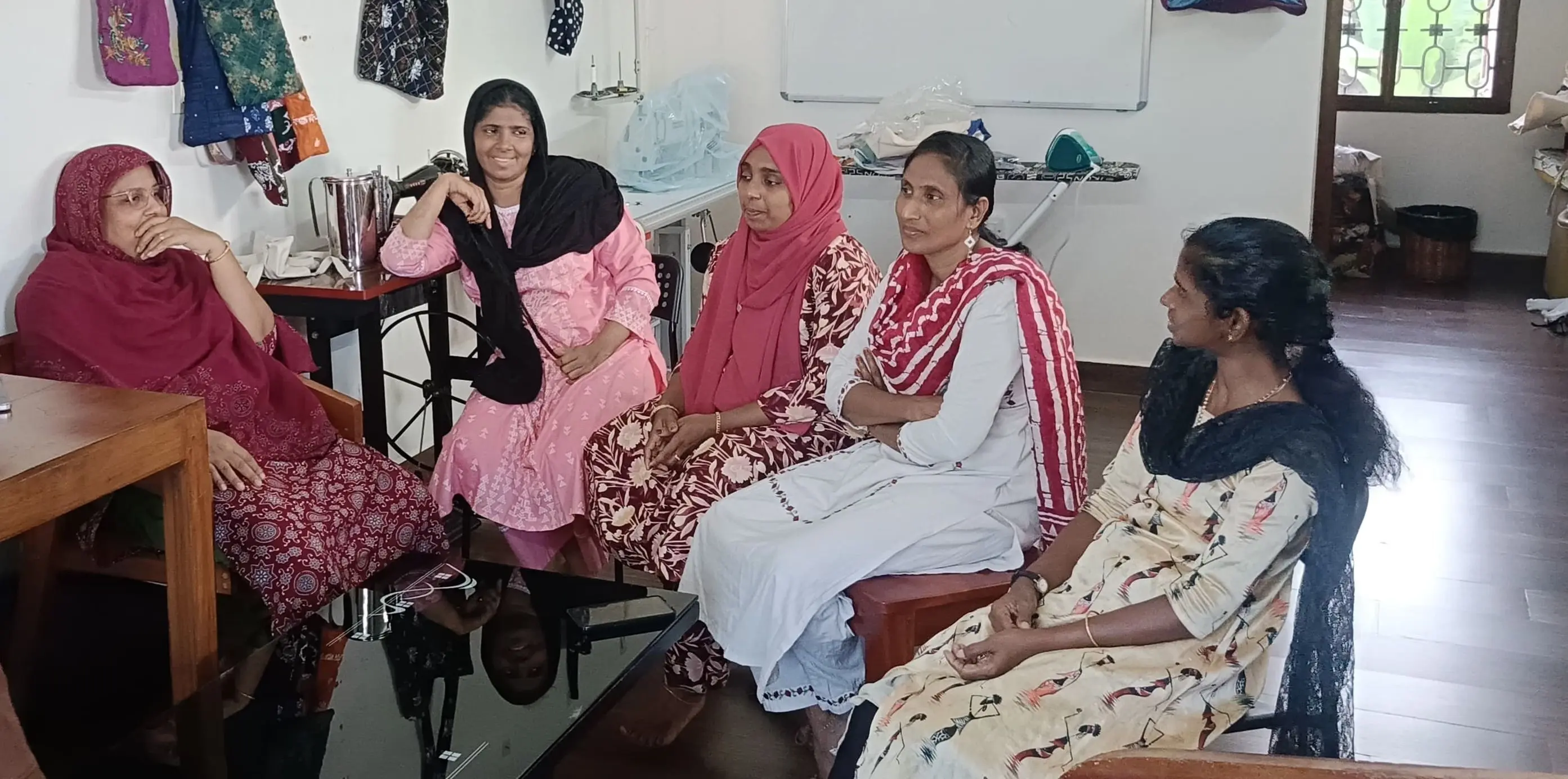
Stitching team plans how to share production work
Shabana met with the stitching team to discuss the new designs, current orders, and the concerns members were facing while handling different tasks. The main challenge was managing time and coordinating several duties at once. We divided responsibilities across the team, from sorting cut pieces and ironing fabric to stitching the final products.
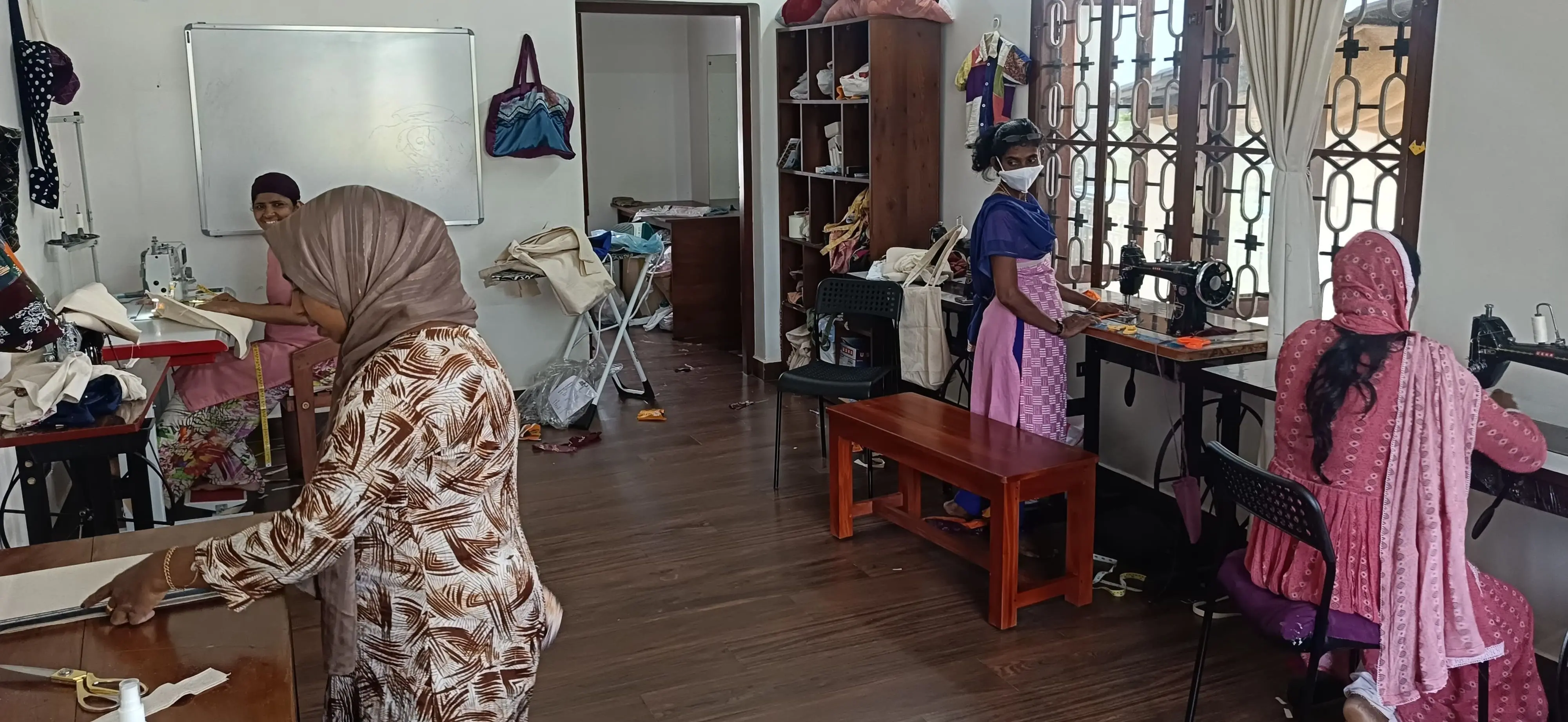
Stitching team balances new designs with current orders
The stitching team learned to work on current orders while also practising new bag designs. This helped the members understand how to manage regular production without stopping the learning and development of new products.
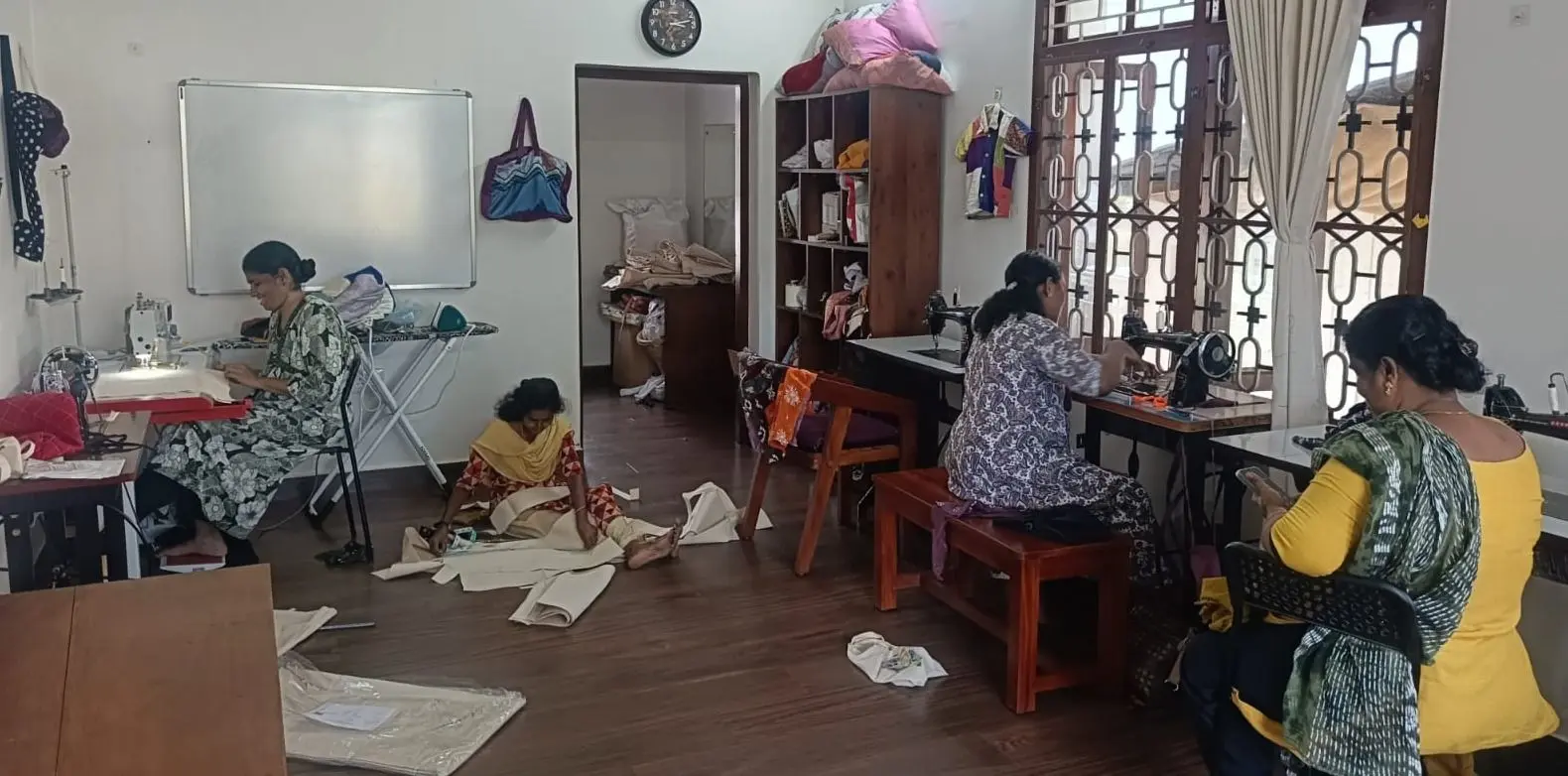
Stitching team starts another 50-bag order for FOSS United
The stitching team started work on another order of 50 bags for FOSS United. The bags are being prepared for an upcoming festival in Bengaluru, giving the team another opportunity to work together on production, quality and timely delivery.
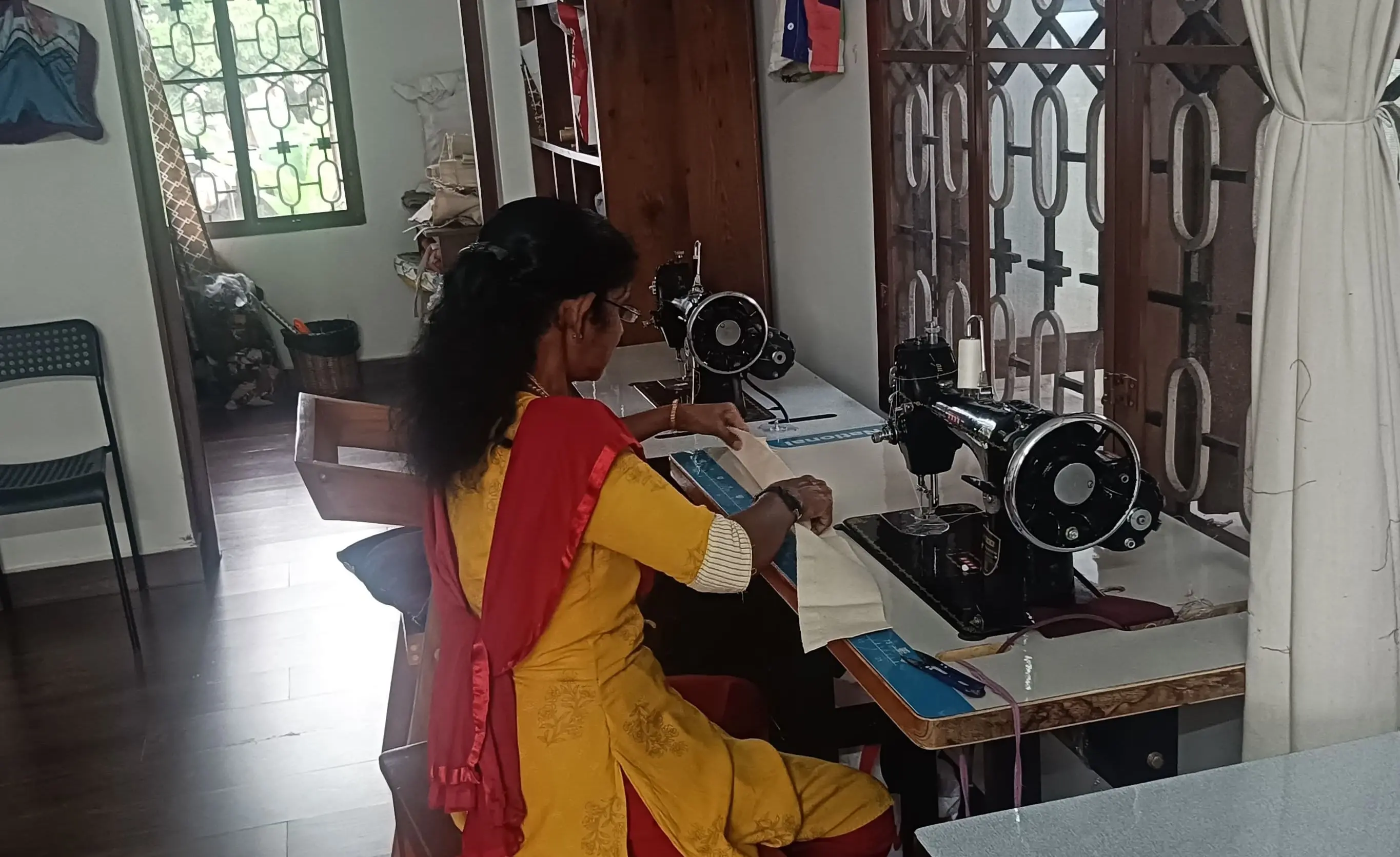
Stitching team narrows its focus to two bag designs
We tried several designs and collected feedback. We are now planning to focus on two bags. Mary is working on the next round of samples to improve every detail — material, stitching, comfort, strength and finishing — before the designs are finalised.
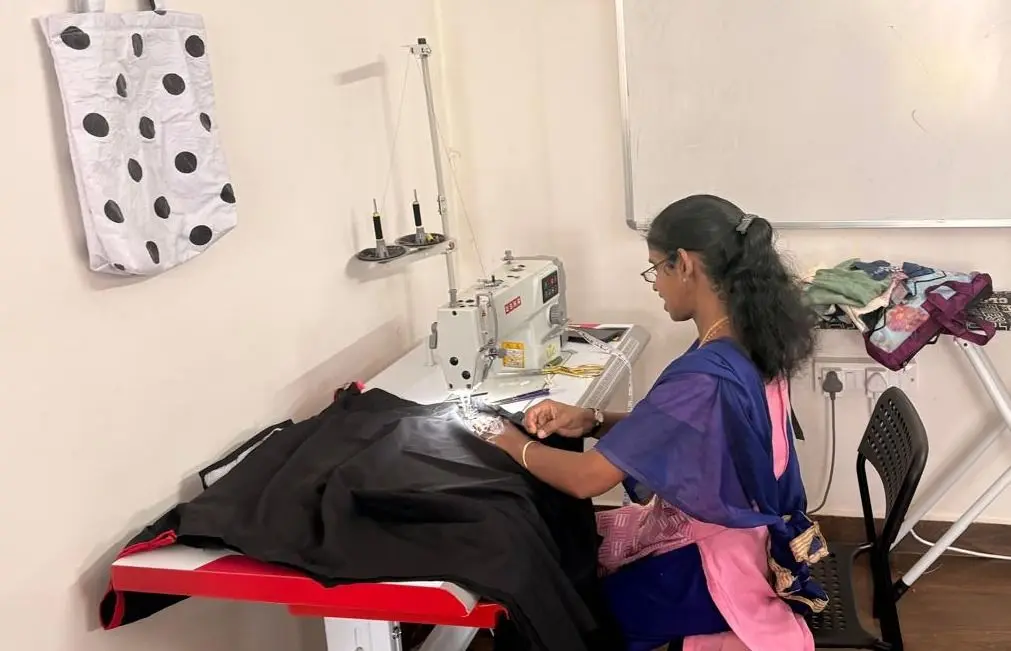
Stitching faculty prepares a new cut-piece bag sample
The stitching faculty - Mary Gracy worked on a new cut-piece bag sample to introduce another model to the students. Once the sample is ready, it will be used to teach the design step by step and help students practise the new pattern.
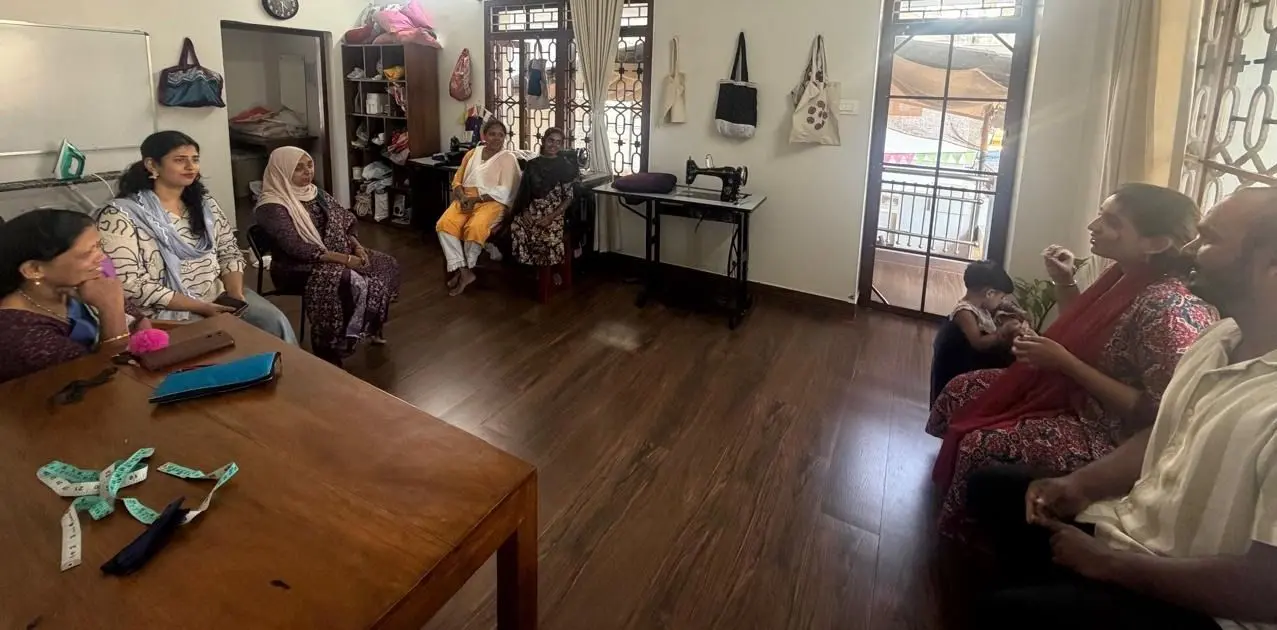
Stitching team reviews designs, stock and upcoming stalls
We met as the stitching team to look at the current bag designs, change a few of them, and decide on the lowest number we needed in stock for regular sales. We also talked about upcoming events and stalls, what we needed to make, and how much money we needed to prepare and sell the products.
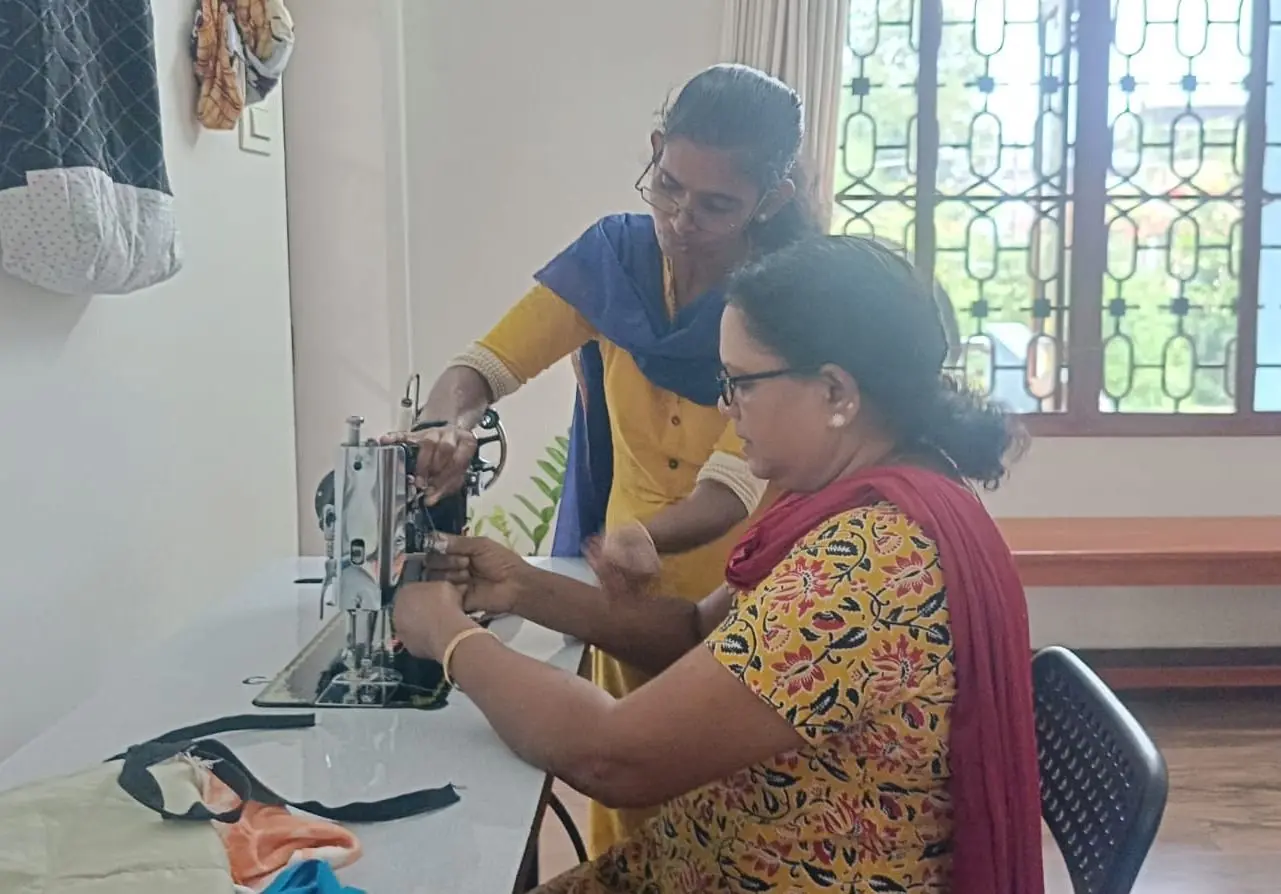
A new student starts learning the sewing machine
A new student joined the Stitching Club and began learning how to use the sewing machine with Mary Gracy. The session started with the basics, helping her understand the machine and build confidence before moving on to stitching practice.
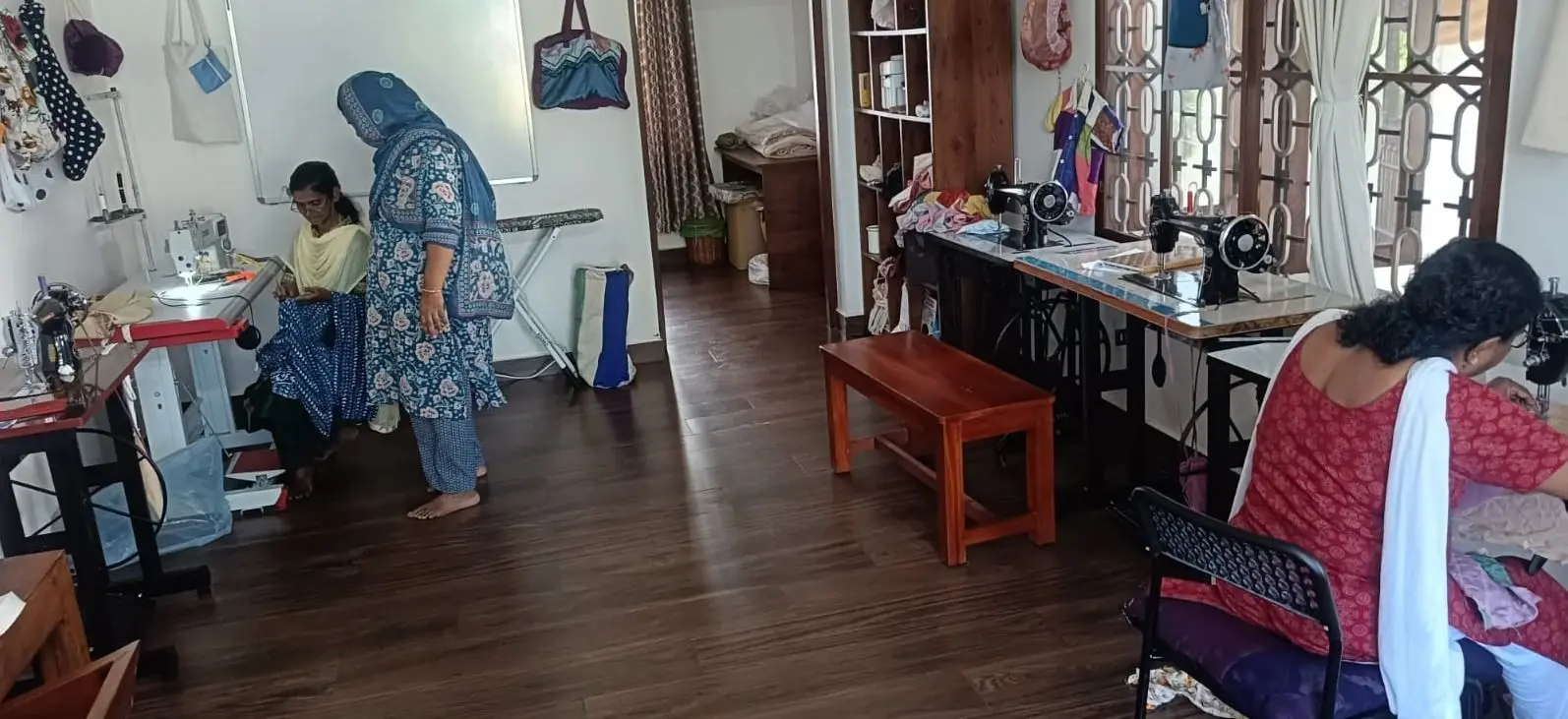
Five bag designs being prepared for regular stock
The stitching team practised five bag designs and improved the finishing on each one before moving into regular production. We planned to maintain a minimum stock of these designs every month so that we were ready for new orders and sales opportunities.
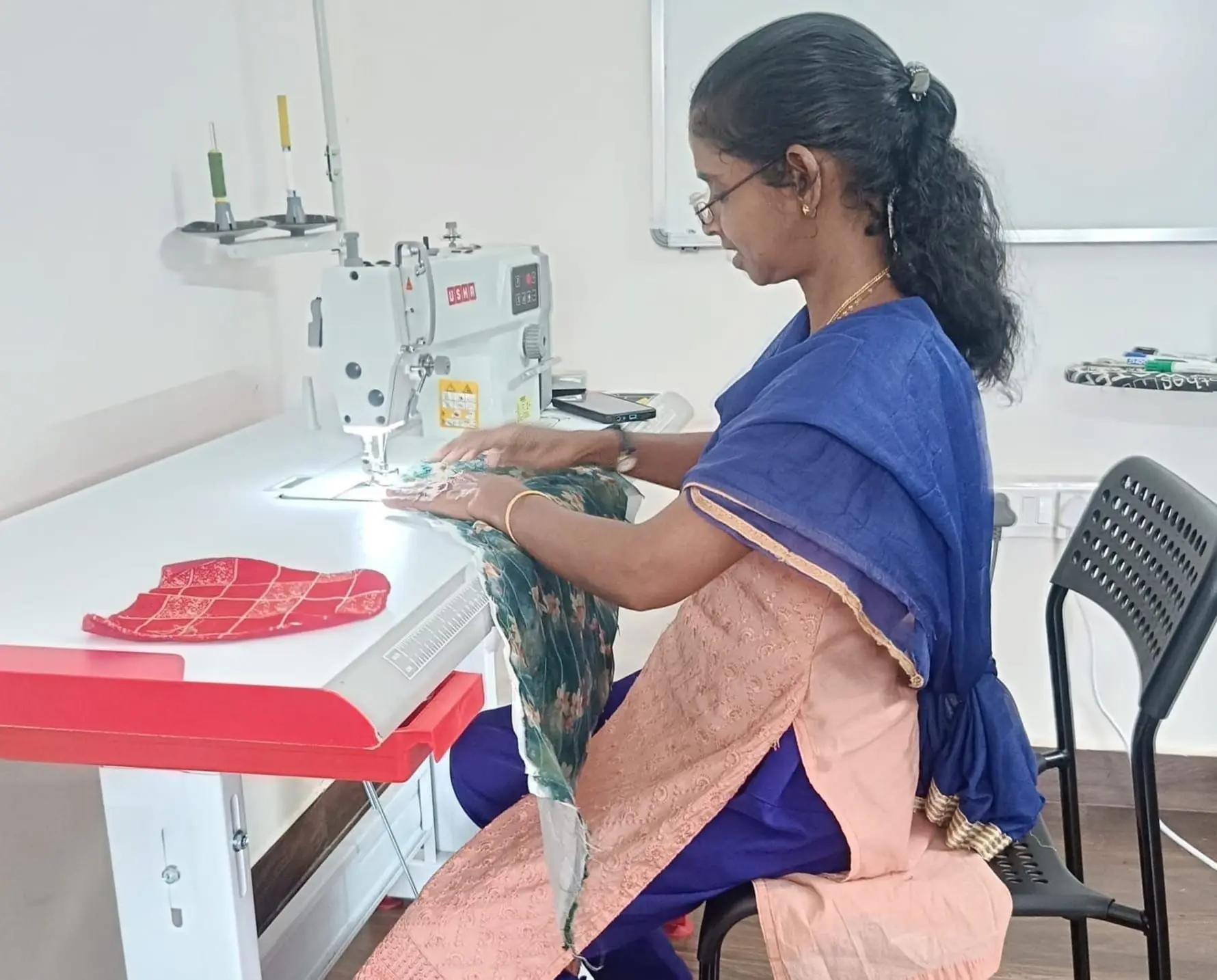
Tote and duffle bags placed at Local Sustainable Living
The stitching team put their cut-piece tote bags and duffle bags at Local Sustainable Living on 14 March 2024. We wanted to see how people reacted to them. If enough people buy them, we’ll make more.
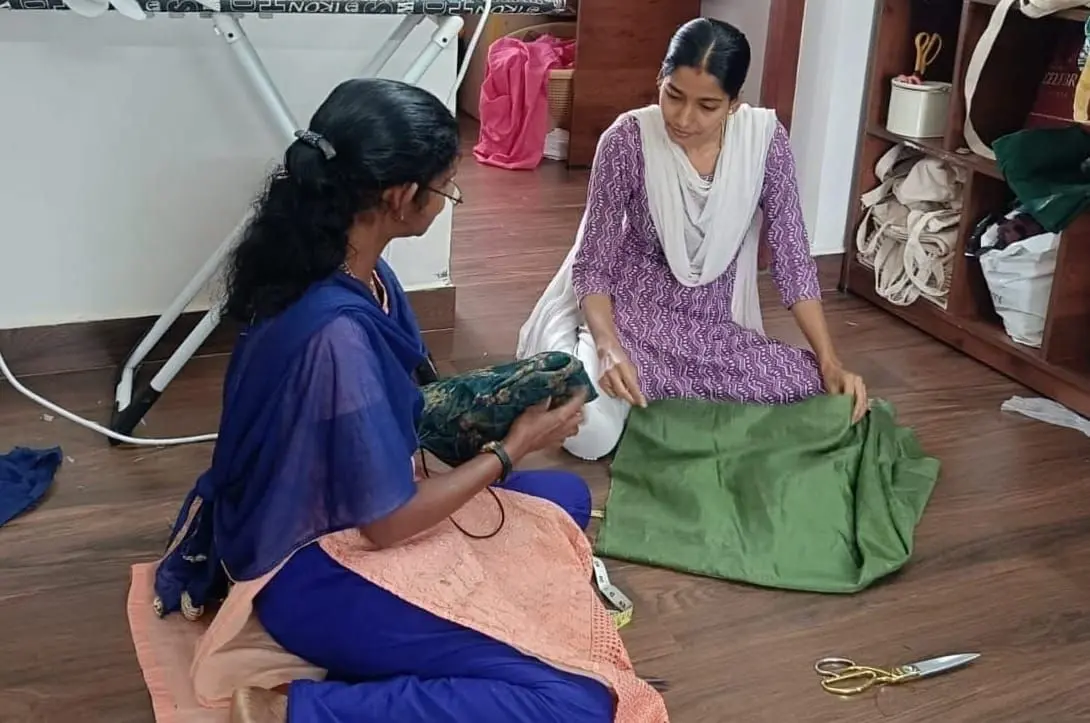
Five new bag designs started for an Onam event
The stitching team worked on five new bag designs for the upcoming Onam event by Local Sustainable Living. We made the bags using handloom fabric and fabric cut pieces.
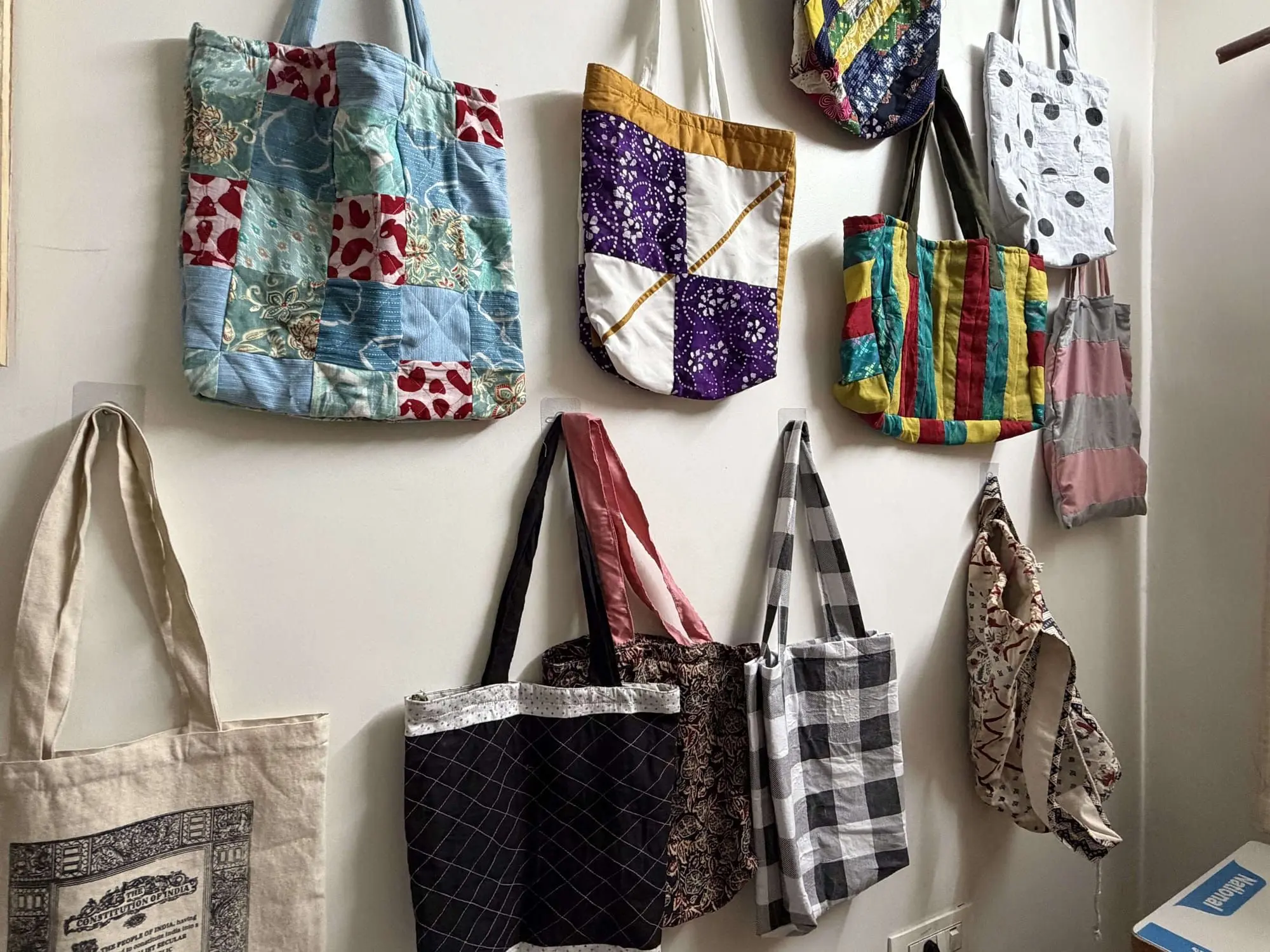
The bag collection for sale kept growing
Members collaborated to create a range of unique bag designs, with each session helping improve the collection for future sales.
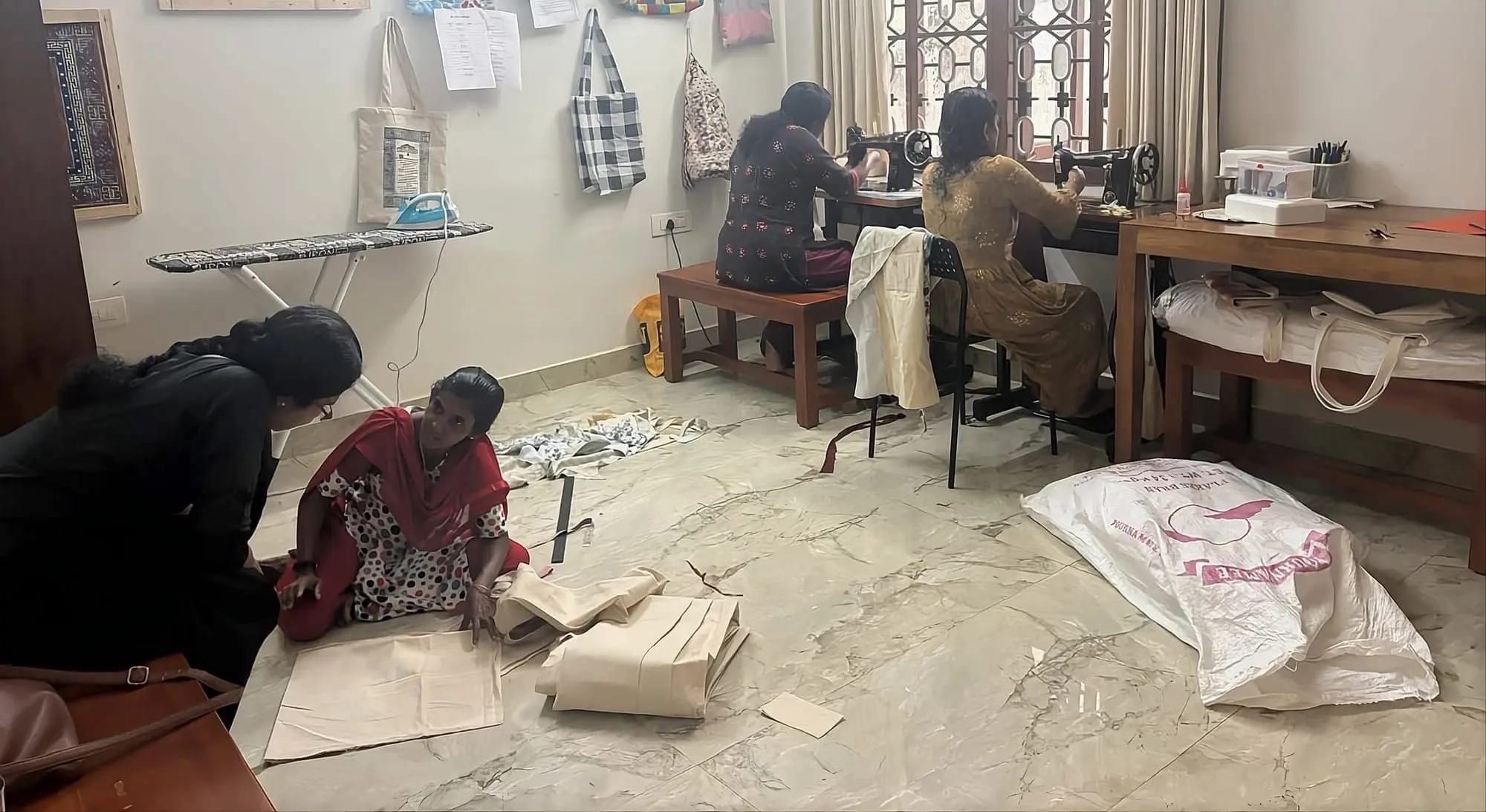
Ten new bag designs are being developed for sale
The stitching team is working together to develop 10 unique bag designs that can be introduced to the market. The focus is on creating products that are practical, well-finished, and made using sustainable materials.
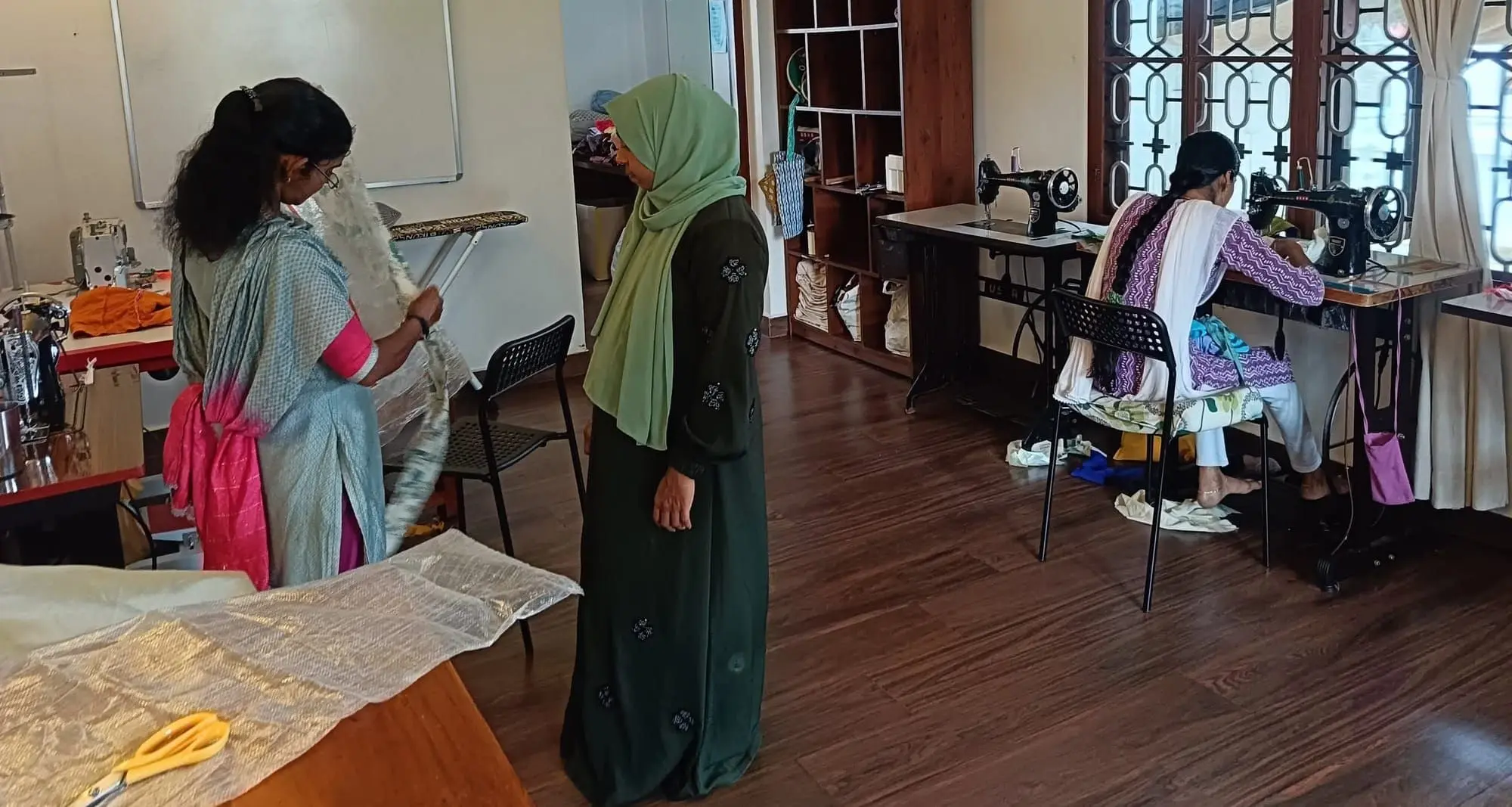
Stitching techniques refined while new designs took shape
The team continued refining their stitching techniques while exploring new product designs.
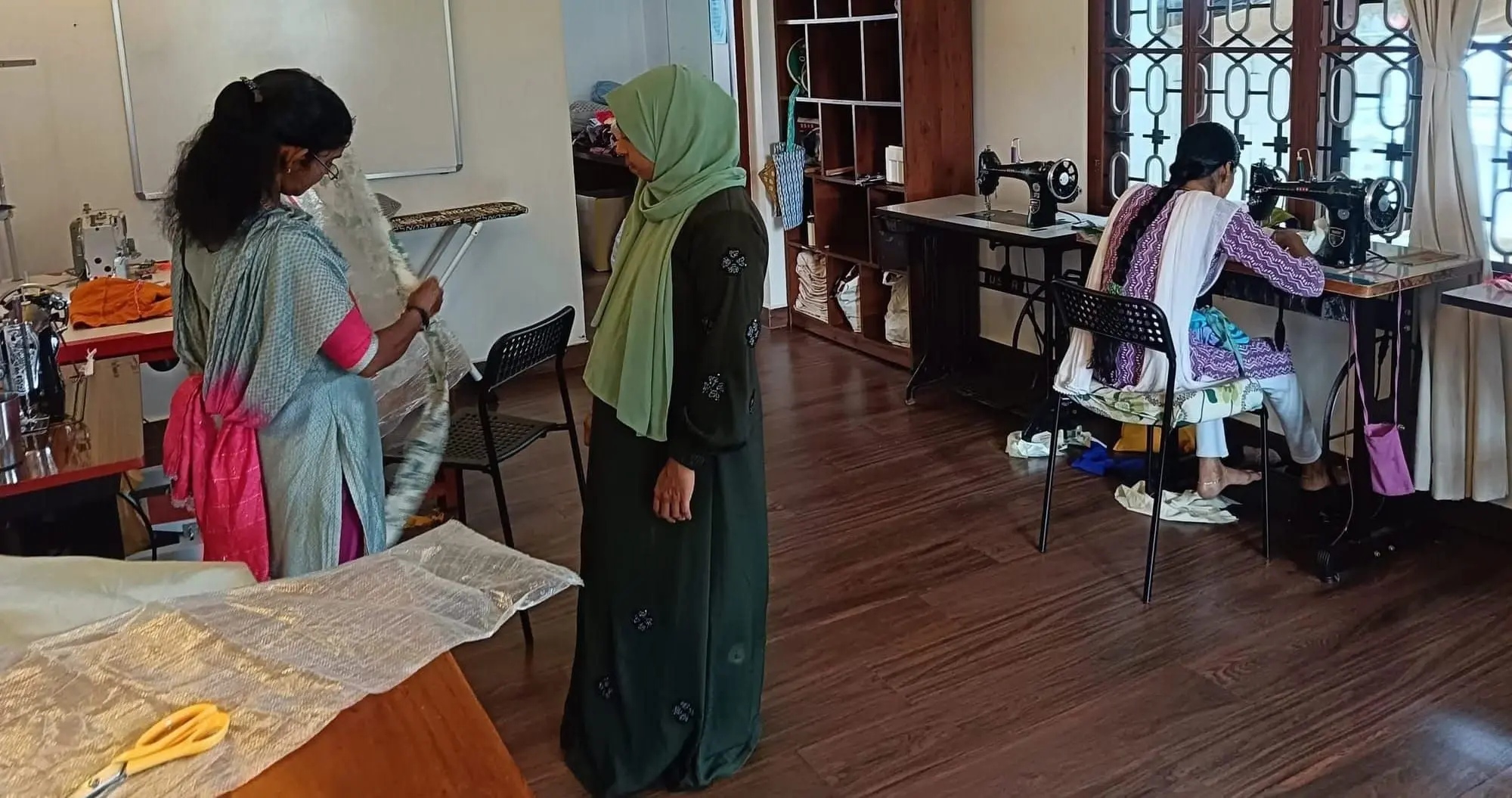
The stitching lab moved upstairs to a bigger room
We moved the stitching team upstairs to a larger room on 14 March 2024. The new space gave us more room for teaching, sorting materials, and working comfortably as more people joined the sessions. The move helped us prepare for future growth.
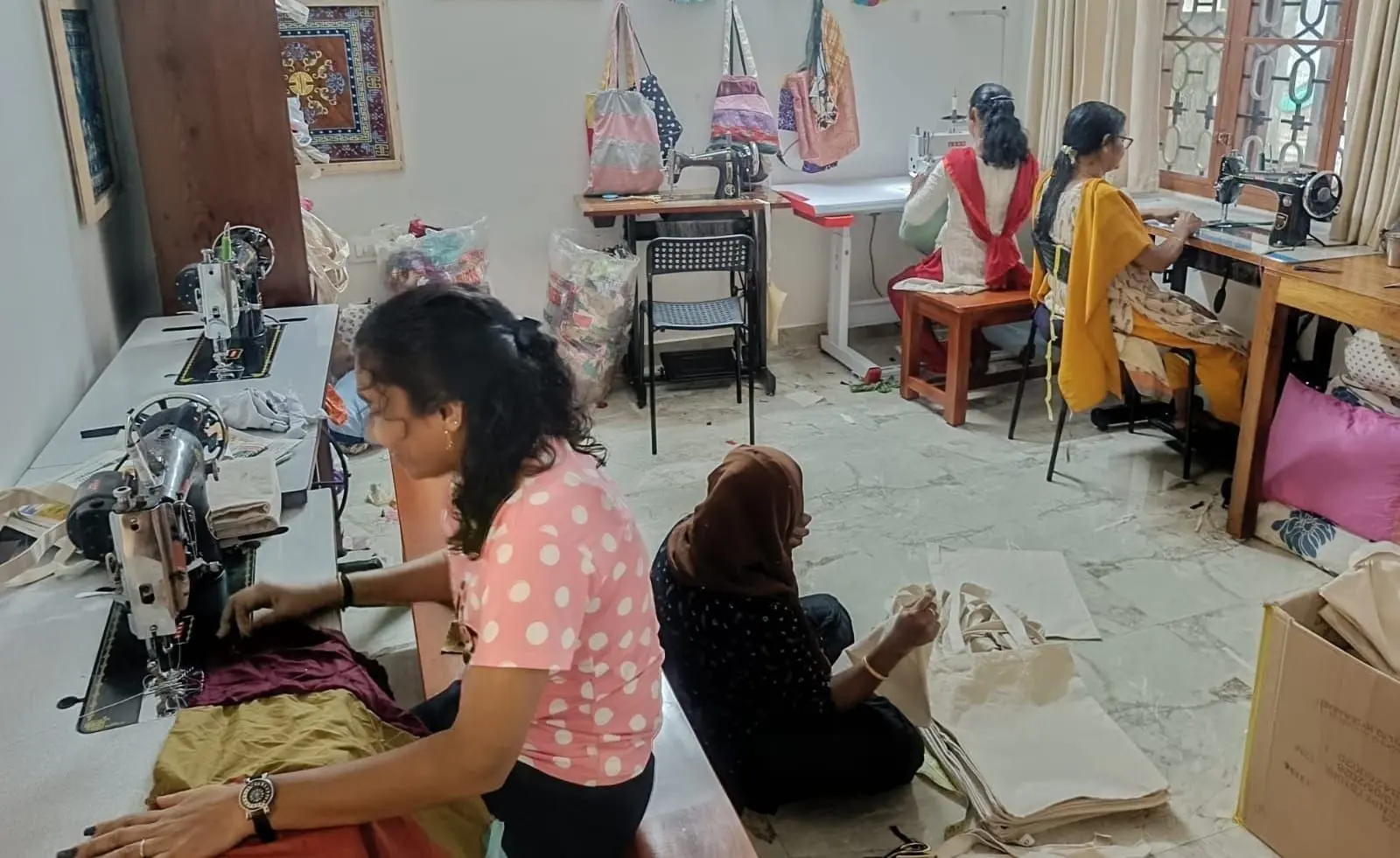
Growing numbers pushed the stitching team to plan a move
We discussed moving the stitching team to a larger room because more community members are joining the programme. The extra space will help us organise materials better and make the learning and production environment more comfortable.
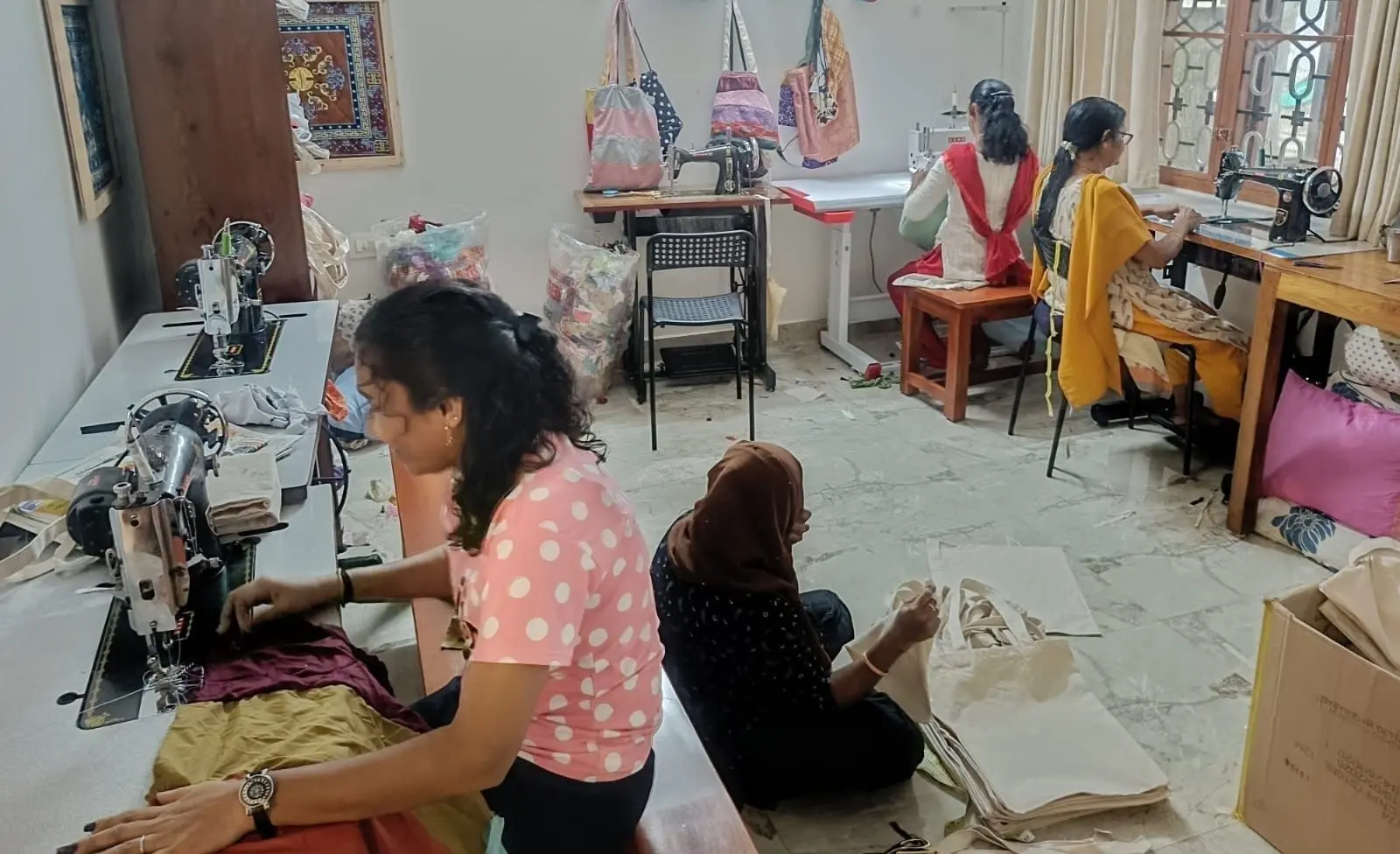
Practice went on with the new designs
The stitching team continued practicing new designs and improving their skills through regular hands-on sessions.
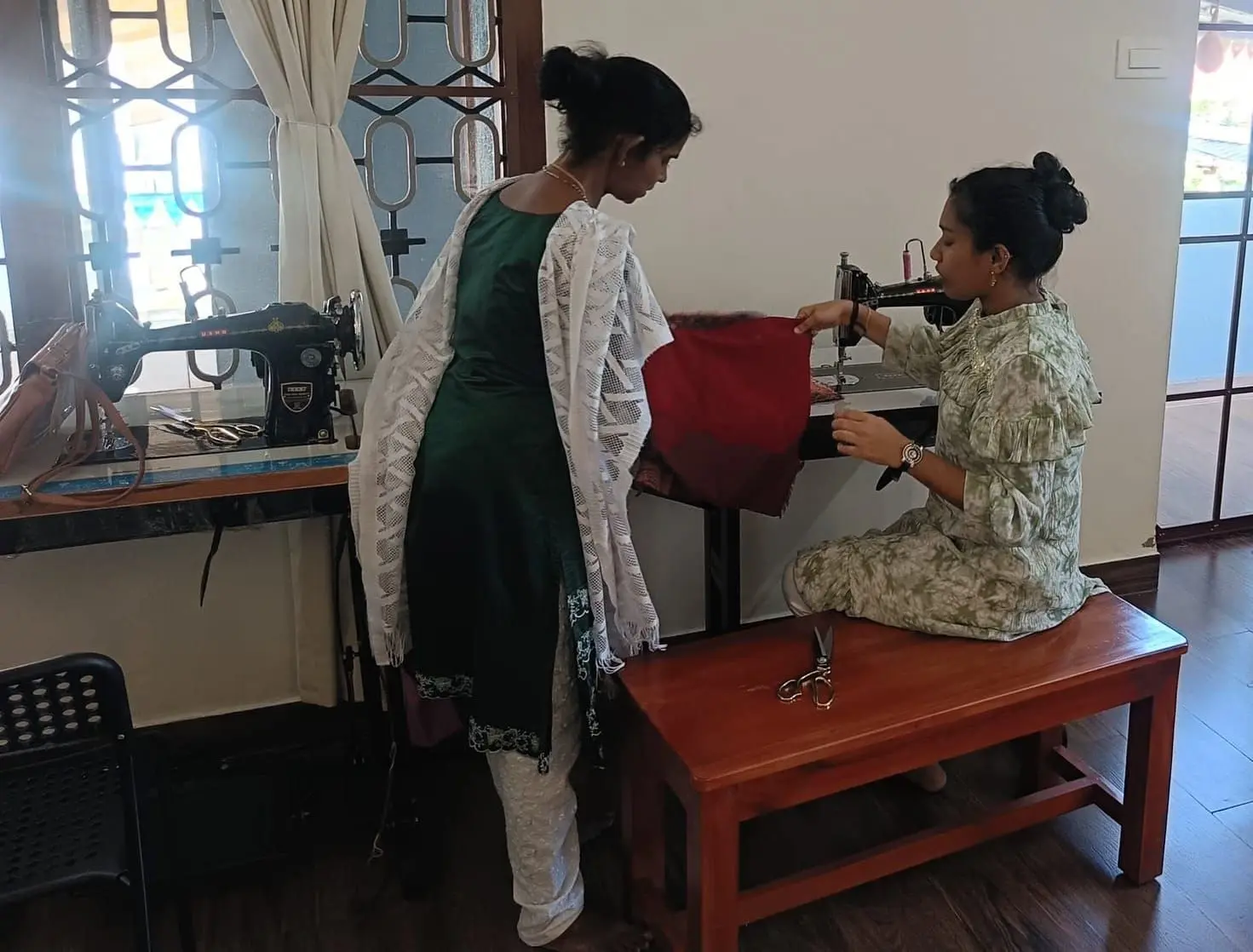
New product ideas tested at the stitching table
Members spent the session testing new product ideas and refining their stitching skills with each attempt.
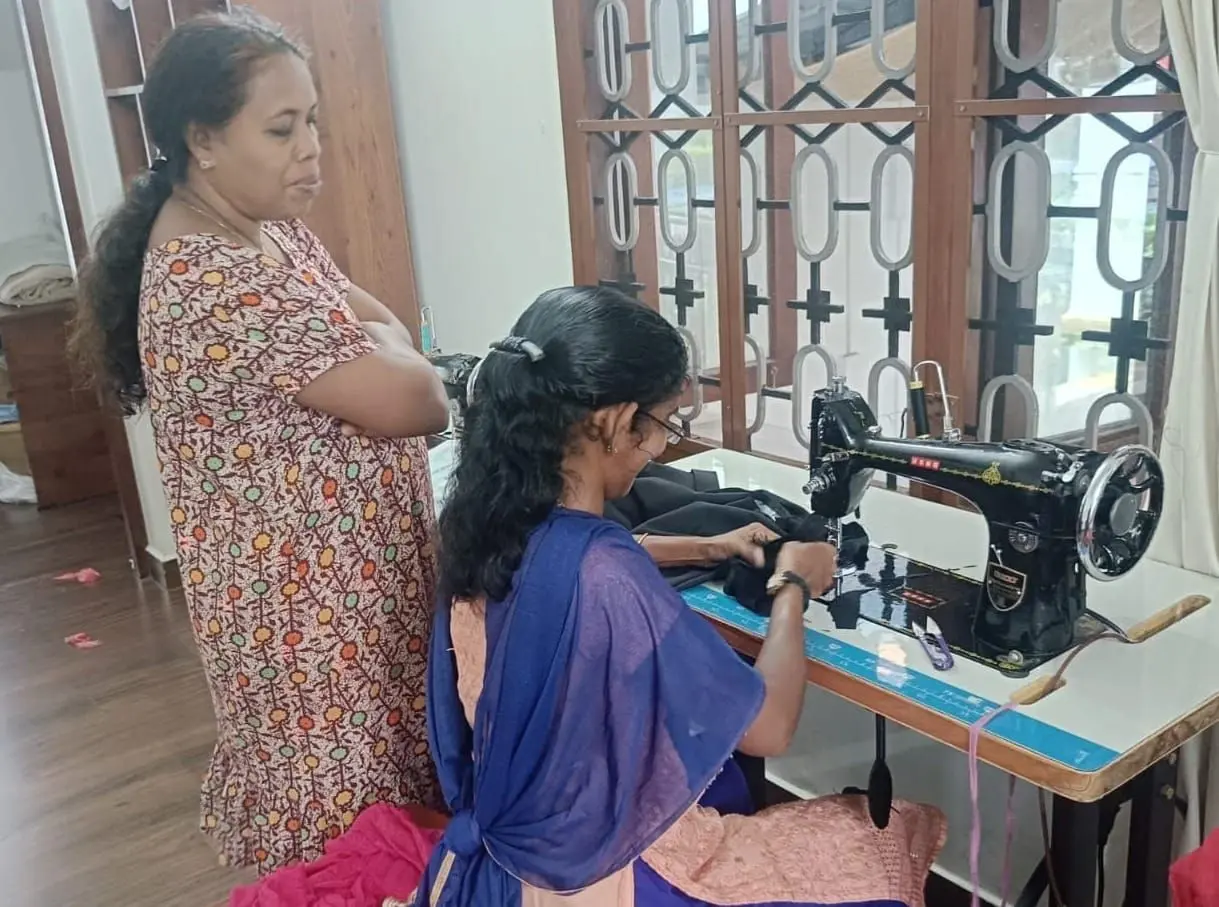
Patterns tested for turning leftover fabric into products
We tested different patterns for turning leftover fabric into useful products. New product designs came from fabric cut pieces, and our stitching skills improved.
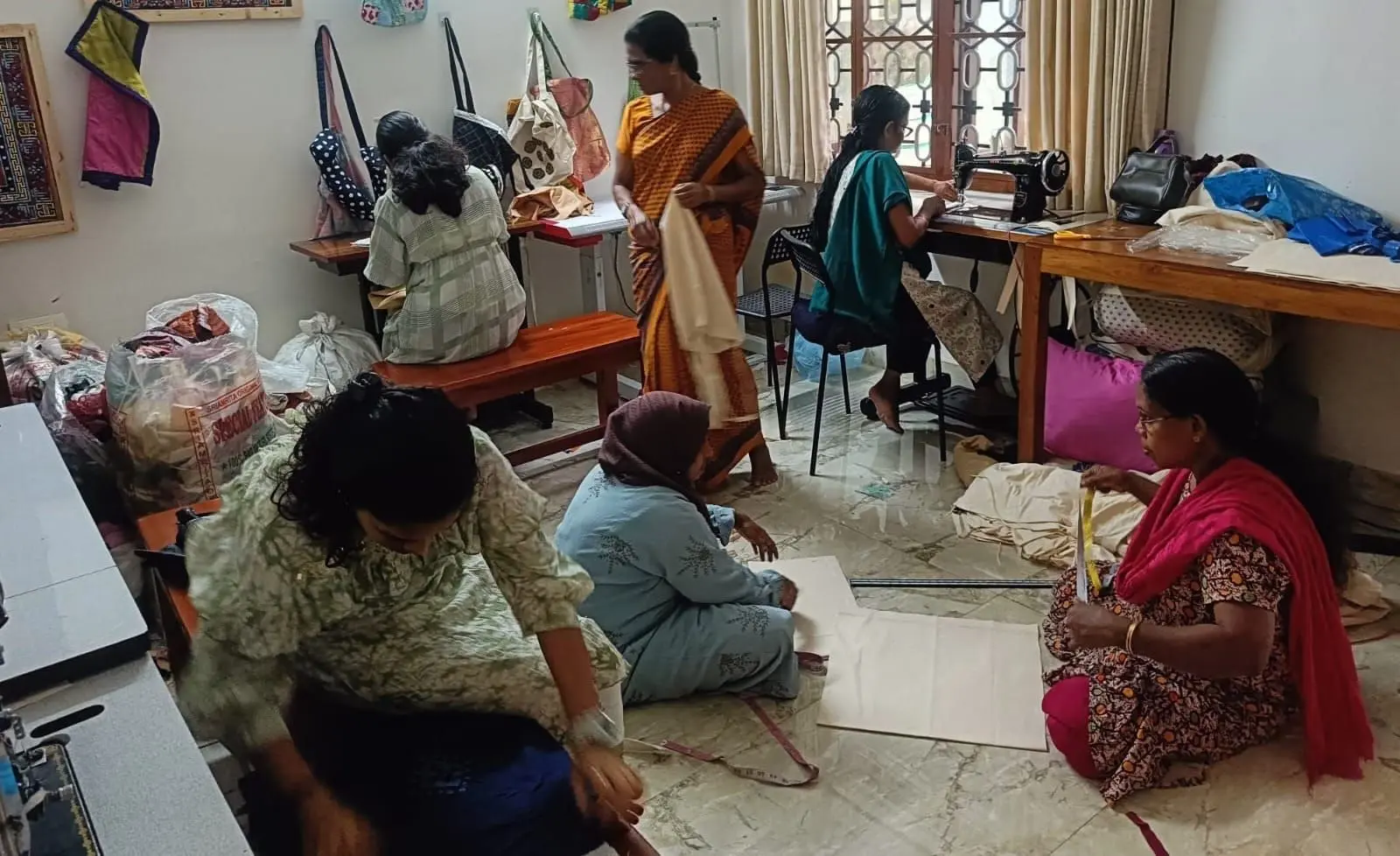
Members went to boutiques hunting better fabric scraps
During the stitching session on 14 March, we visited local boutiques to collect better-quality fabric cut pieces for future products. We also experimented with new travel bag designs, using the session to test ideas and improve our product range. The activity highlighted the importance of finding suitable materials while continuing to develop new designs.
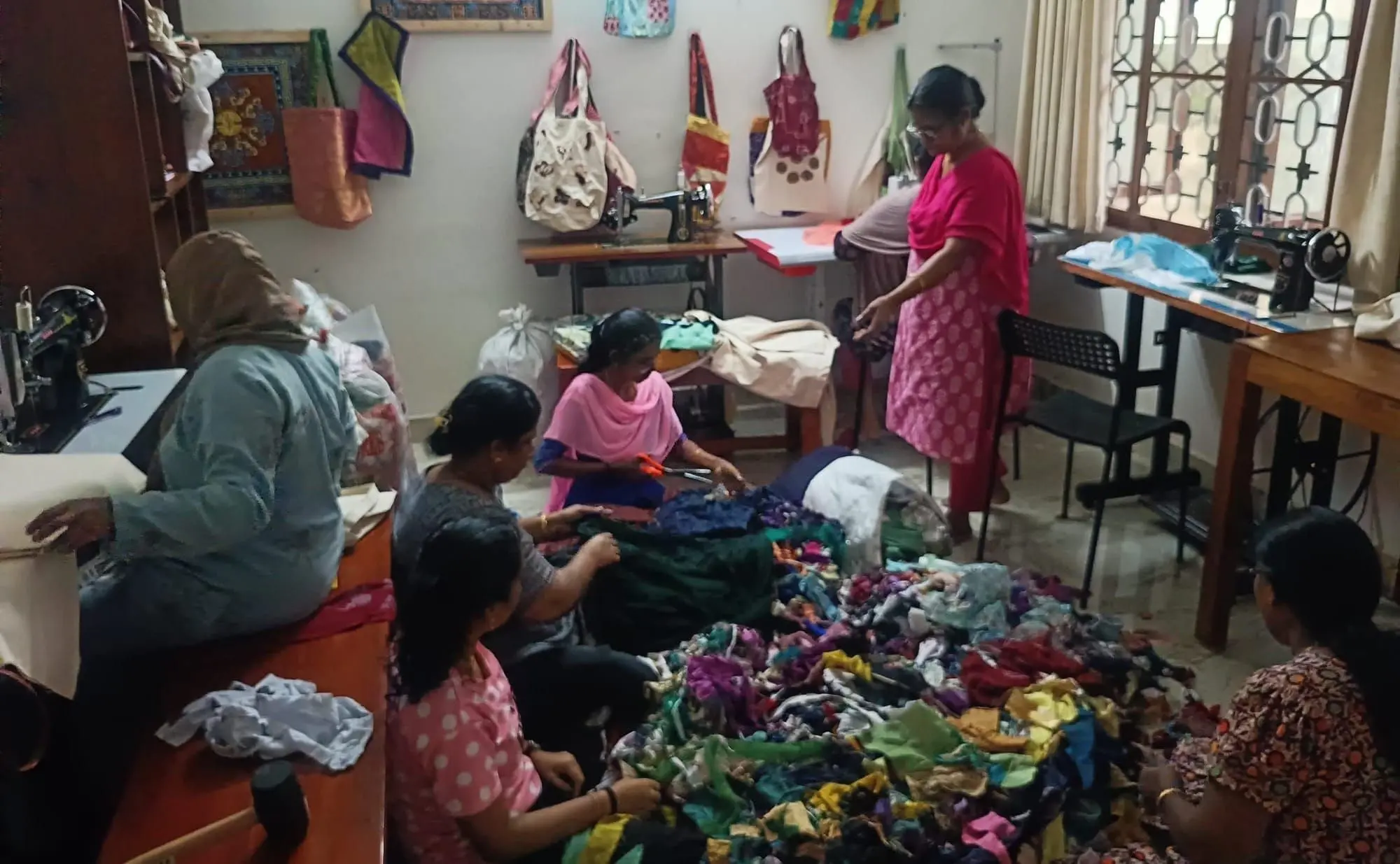
Many of the fabric scraps turned out unusable
During the stitching session, we found that many of the available fabric cut pieces were not suitable for making good-quality products. As a next step, we planned to visit more boutiques to look for better fabric scraps. We also held a discussion on how to better support and engage Level 1 members so they can continue improving their stitching skills and take on more responsibilities in the future.
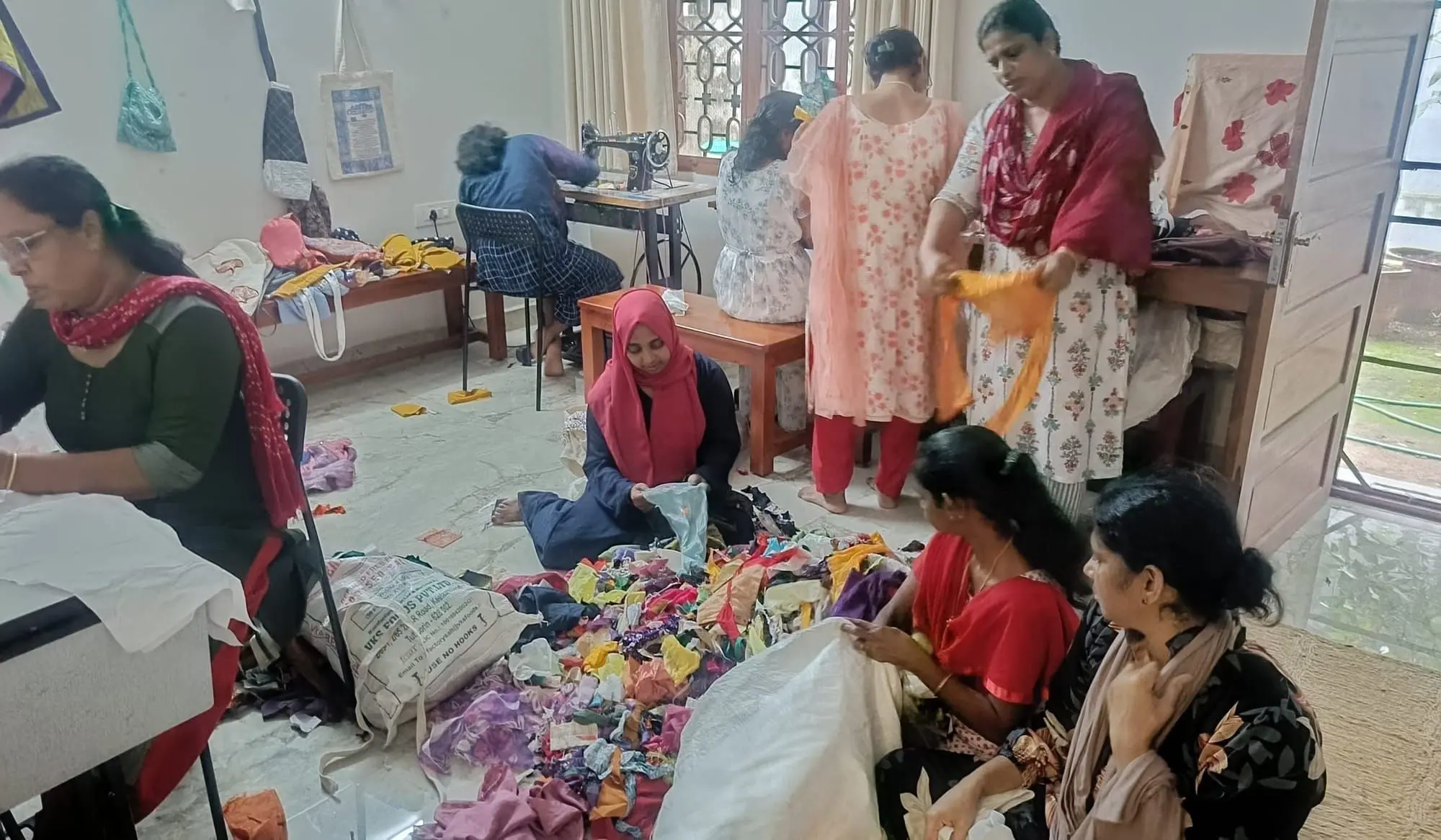
The team planned how to stay busy between orders
The stitching team discussed how to keep members regularly engaged when there were fewer production orders. We talked about developing new products, using fabric cut pieces, and improving existing designs to make better use of the available time.
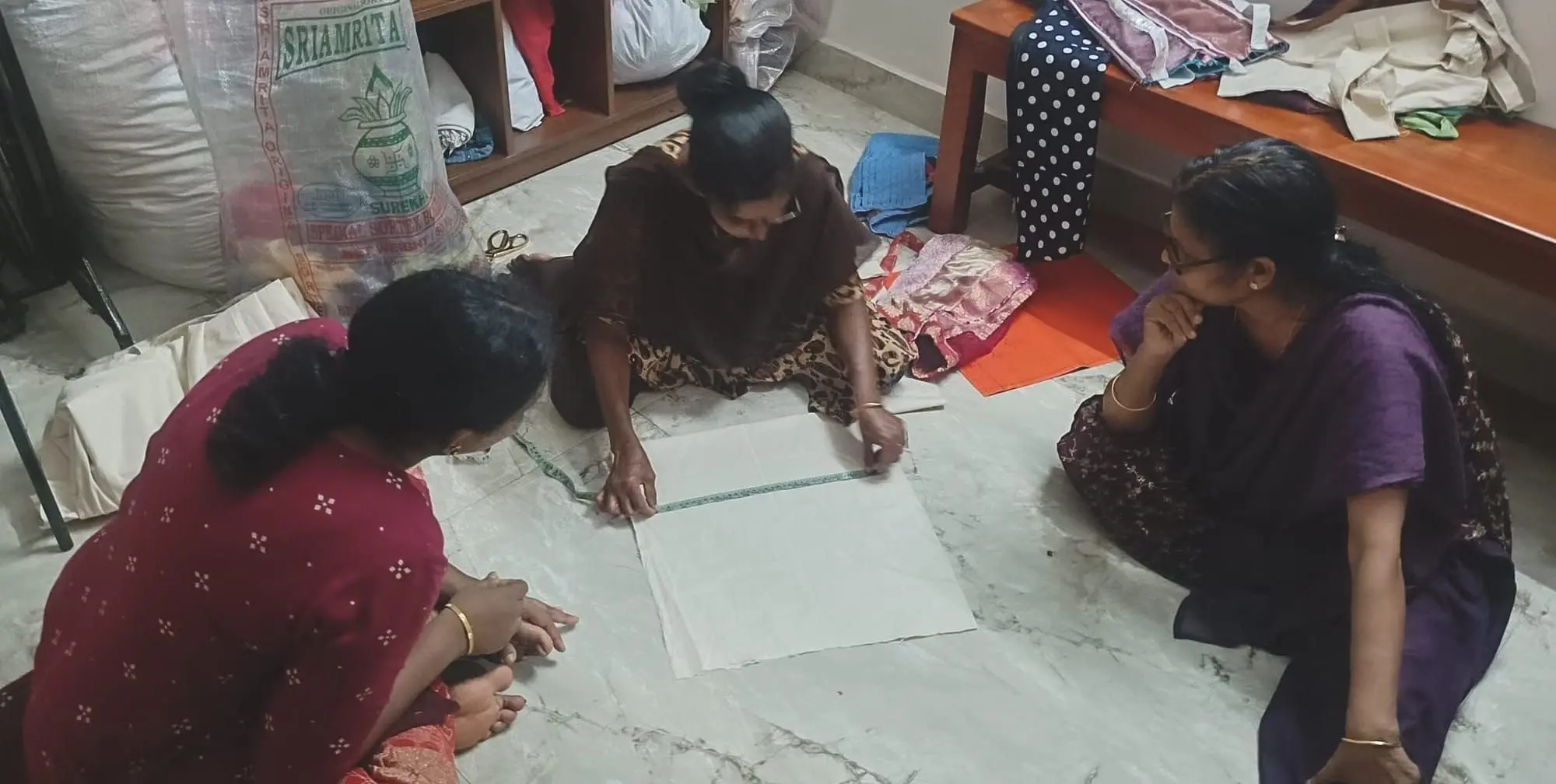
Members practised on fabric scraps and tried out ideas
The stitching team spent the session practicing with fabric cut pieces and experimenting with different ideas. These exercises helped members improve their skills while finding creative ways to turn leftover fabric into useful products.
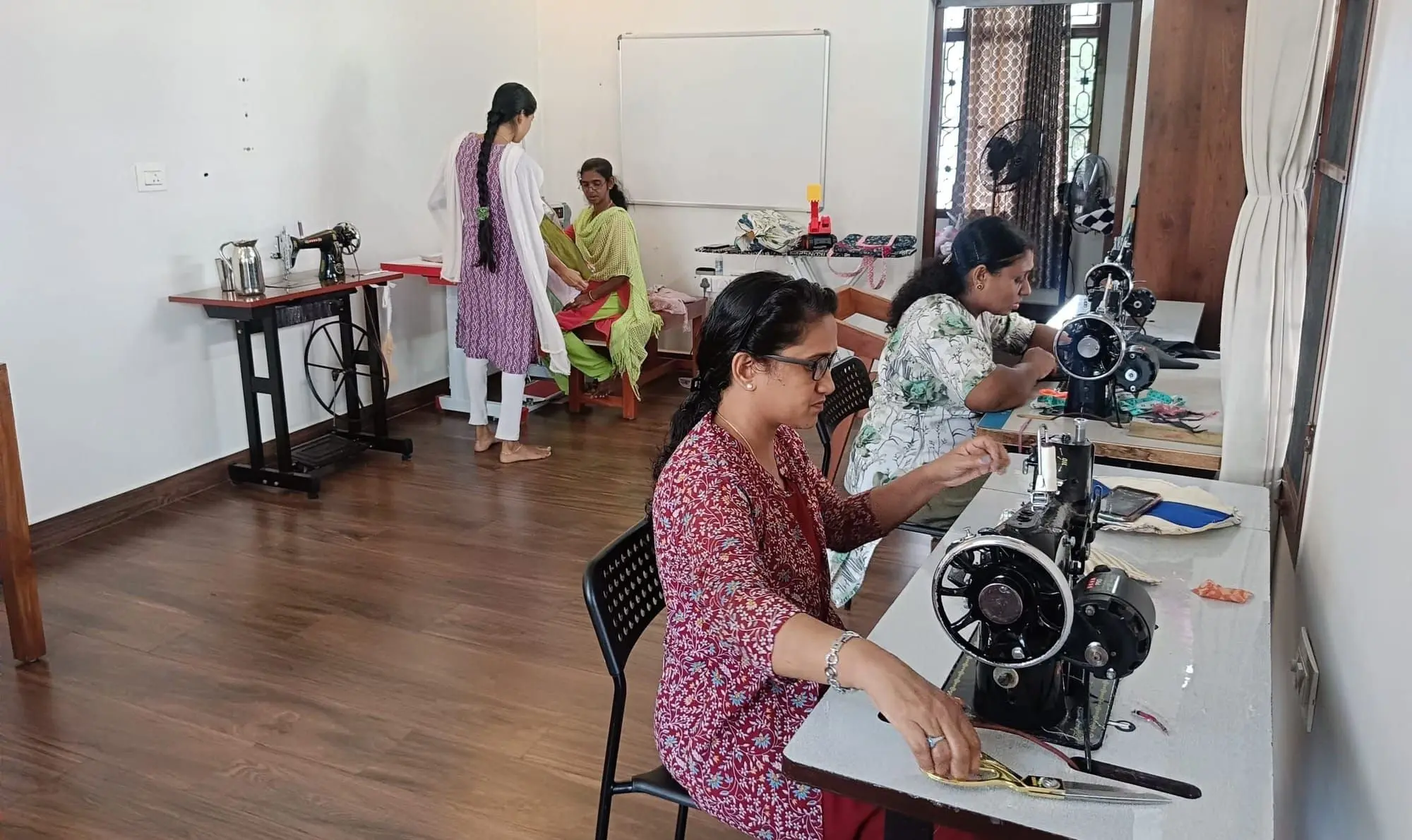
The stitching team pushed on with new products
The stitching team continued working on new products while improving quality and exploring better production techniques.
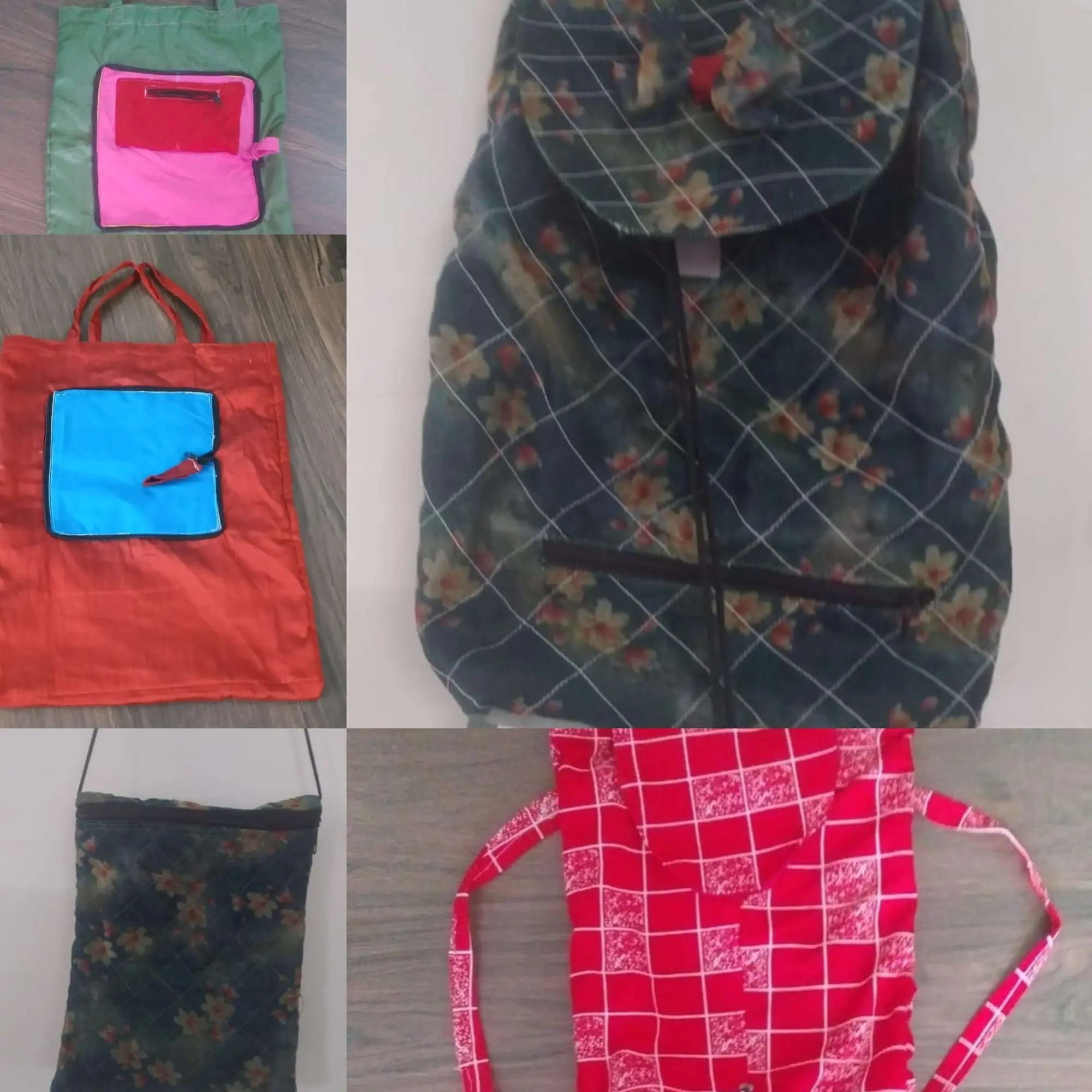
More new designs, still made from fabric scraps
The stitching team continued exploring new designs while finding creative ways to use fabric cut pieces.
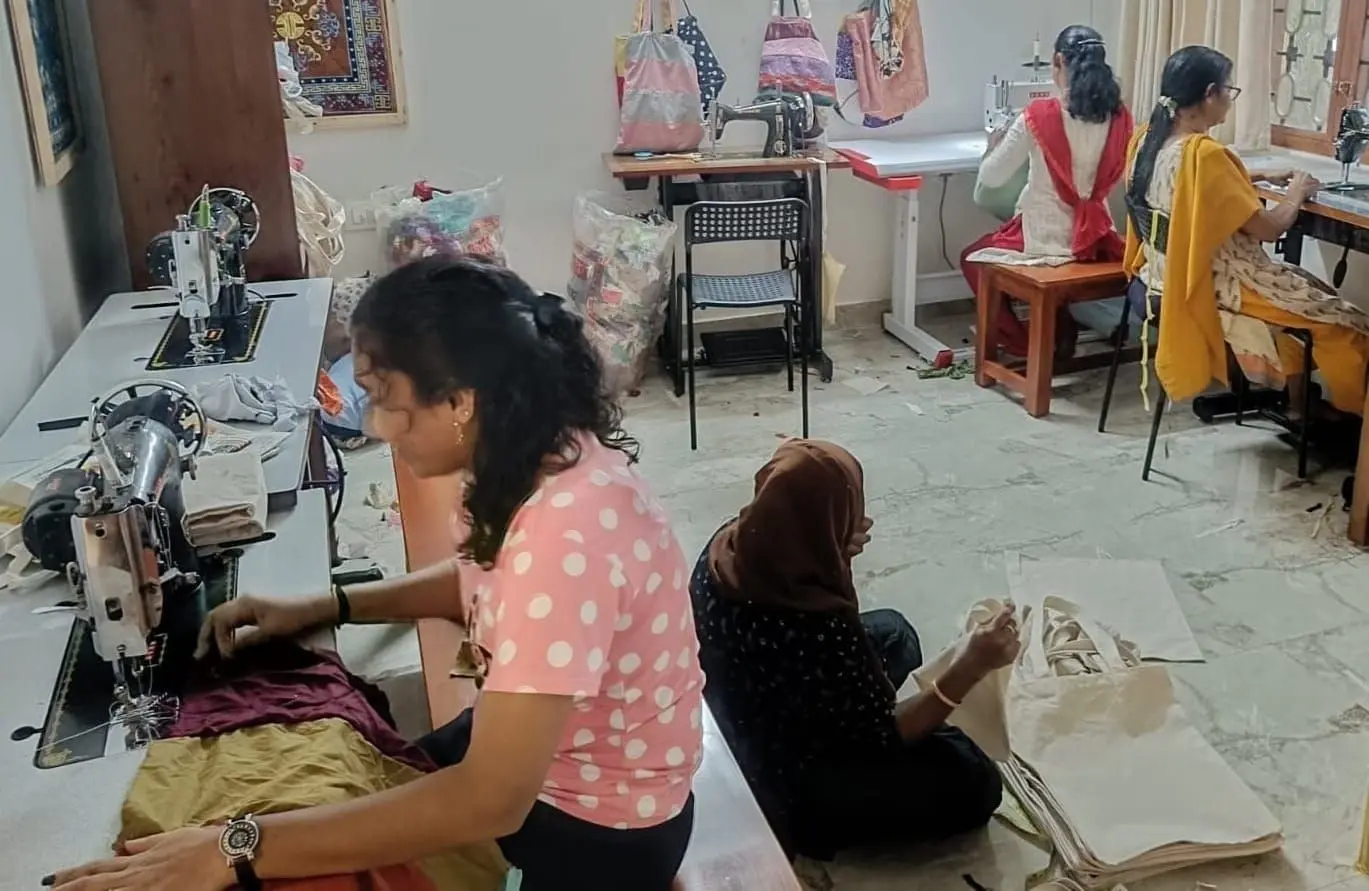
After the second batch, work began on new designs
We finished the second batch and started looking at new bag designs and products. We're now focusing on making better use of fabric cut pieces by turning them into useful items instead of letting them go to waste. We're experimenting with new ideas while finding practical ways to reduce material waste.
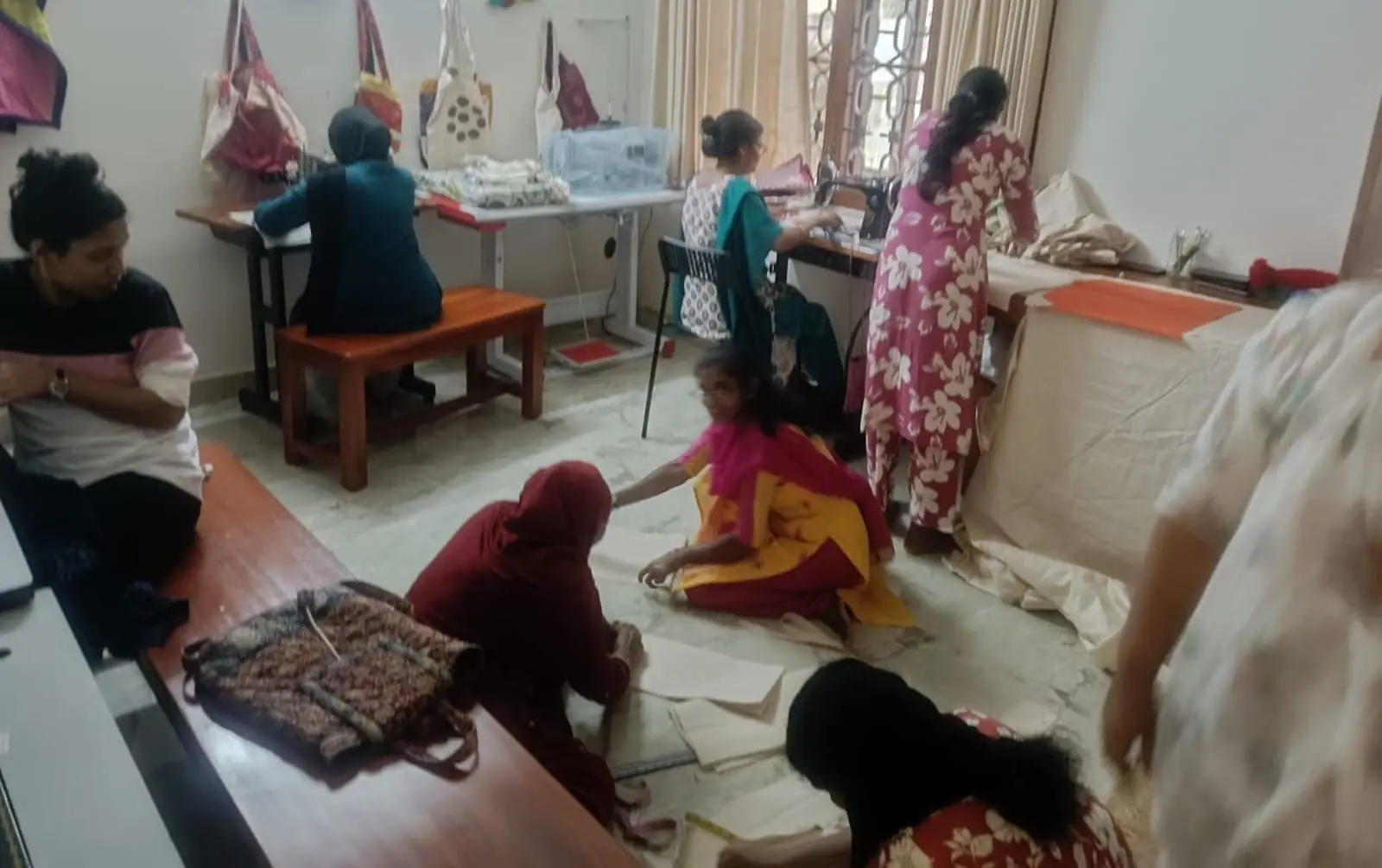
The second batch of bags is ready to deliver
The stitching team completed the second batch of bags, and the order is now being prepared for delivery. The team improved their skills, teamwork, and quality with every batch.
The month closed with another production round done
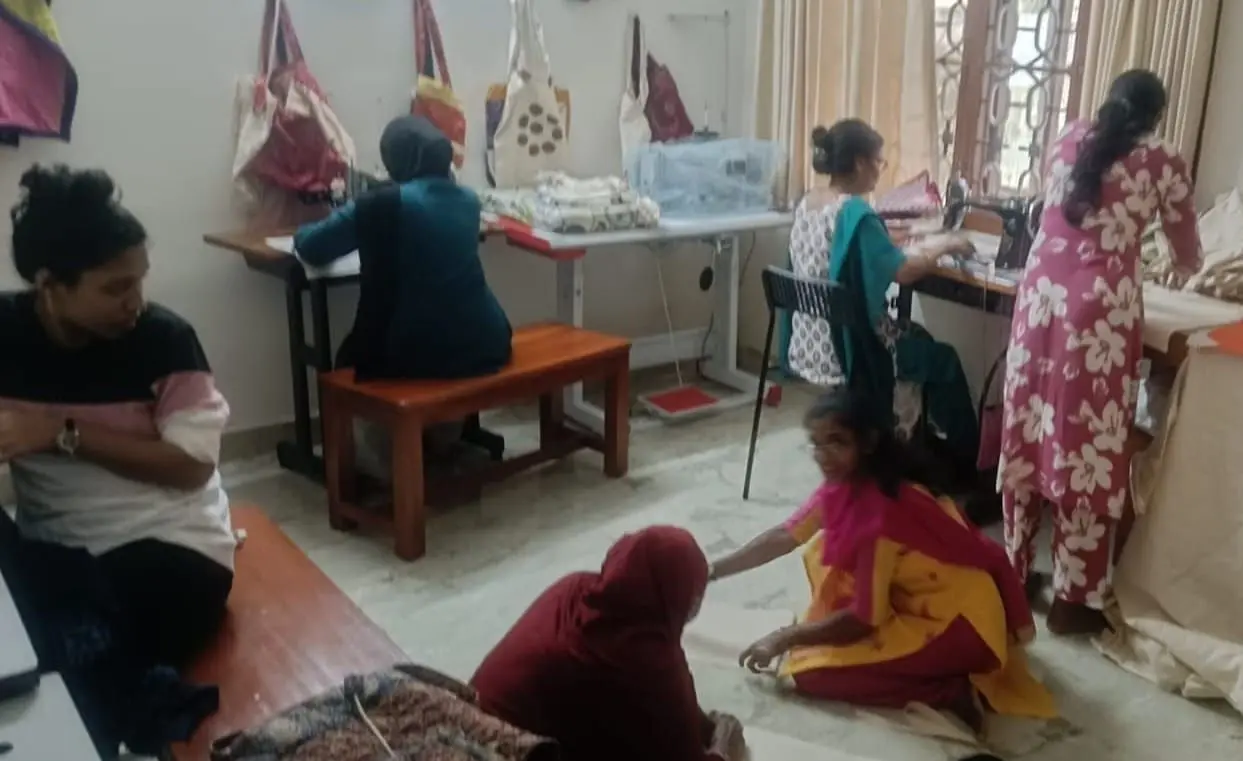
The stitching team finished the month by completing another round of production and thinking about what we learned. We went from learning basic stitching to handling customer orders. The month showed we worked better as a team and we focused more on quality for the next batches.
The second batch of bags was finished
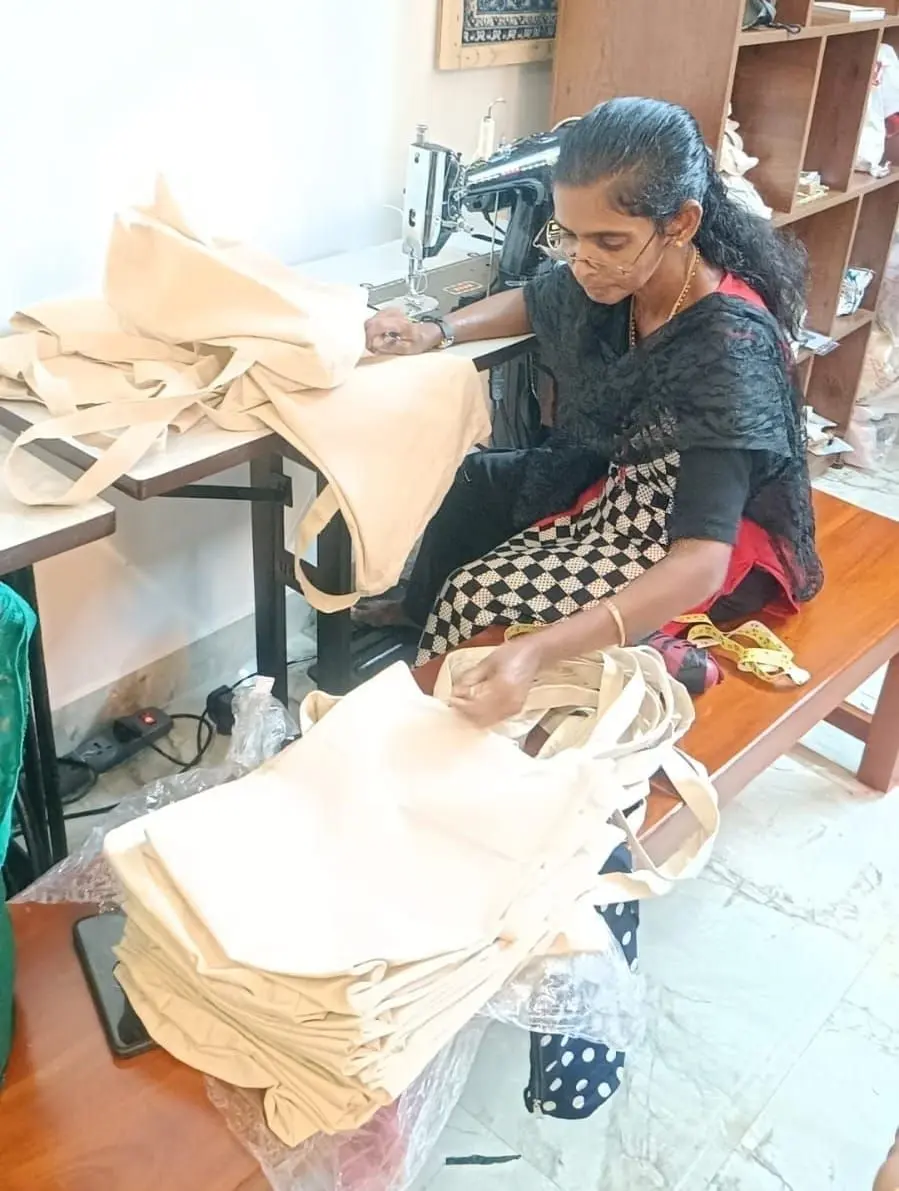
The stitching team completed the second batch of bags, marking another milestone in the programme. With each order, the team continues to build confidence, improve quality, and strengthen their production process.
Two bags were pulled out for iron stains
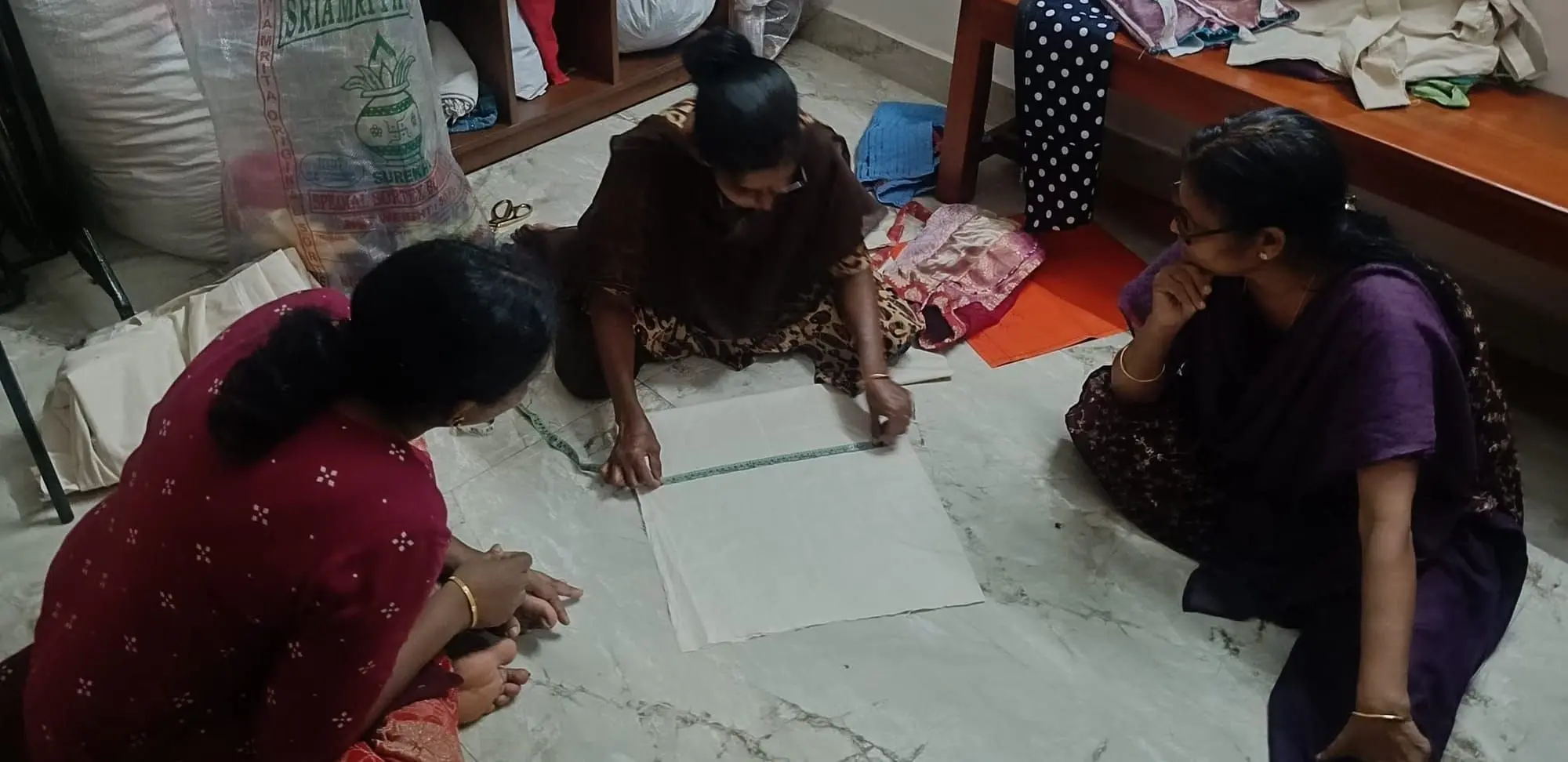
Two bags picked up water stains from the iron box during finishing and we pulled them from the batch — they did not meet our standards. The rest of the order moved on.
A zipper's stitch line kept showing on the outside
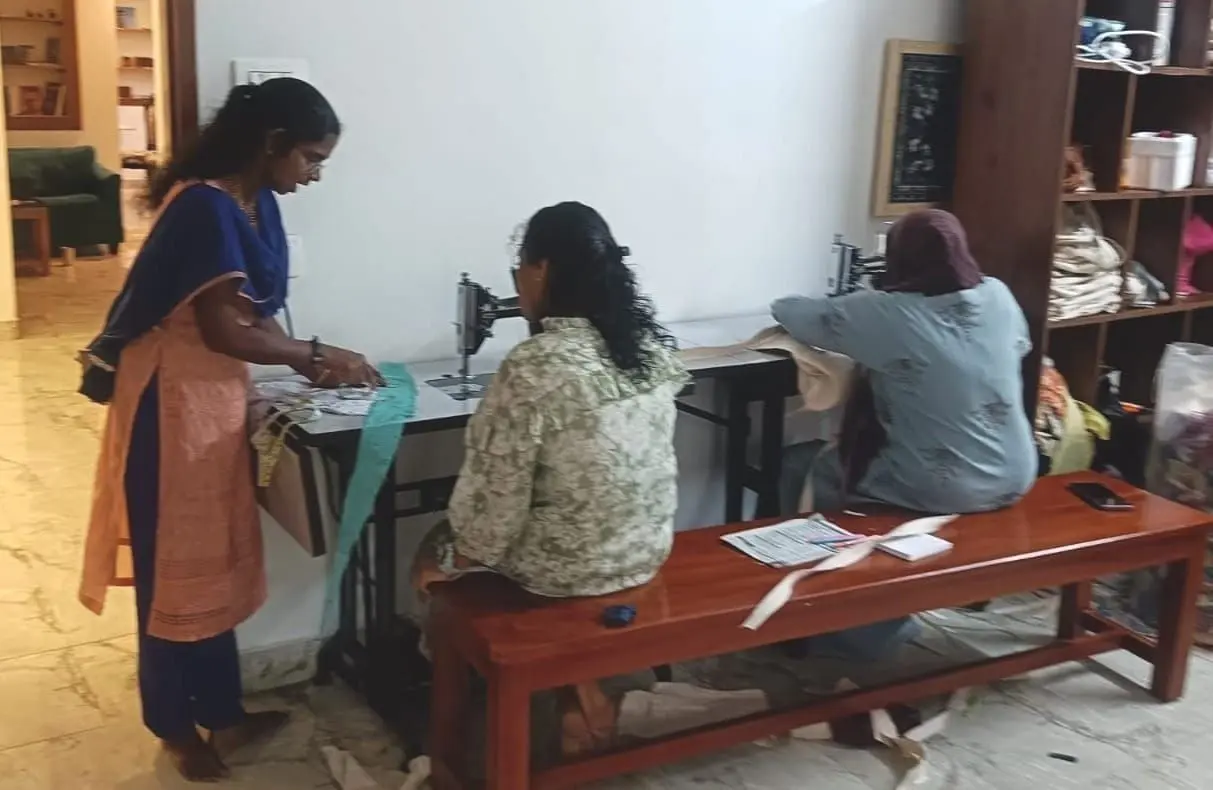
The stitching team continued working on the new bag design while trying to attach the zipper neatly. We found the stitching line became visible on the outside of the bag, which affected the final look. We spent time discussing different methods and sharing ideas to achieve a cleaner finish without compromising the strength of the bag.
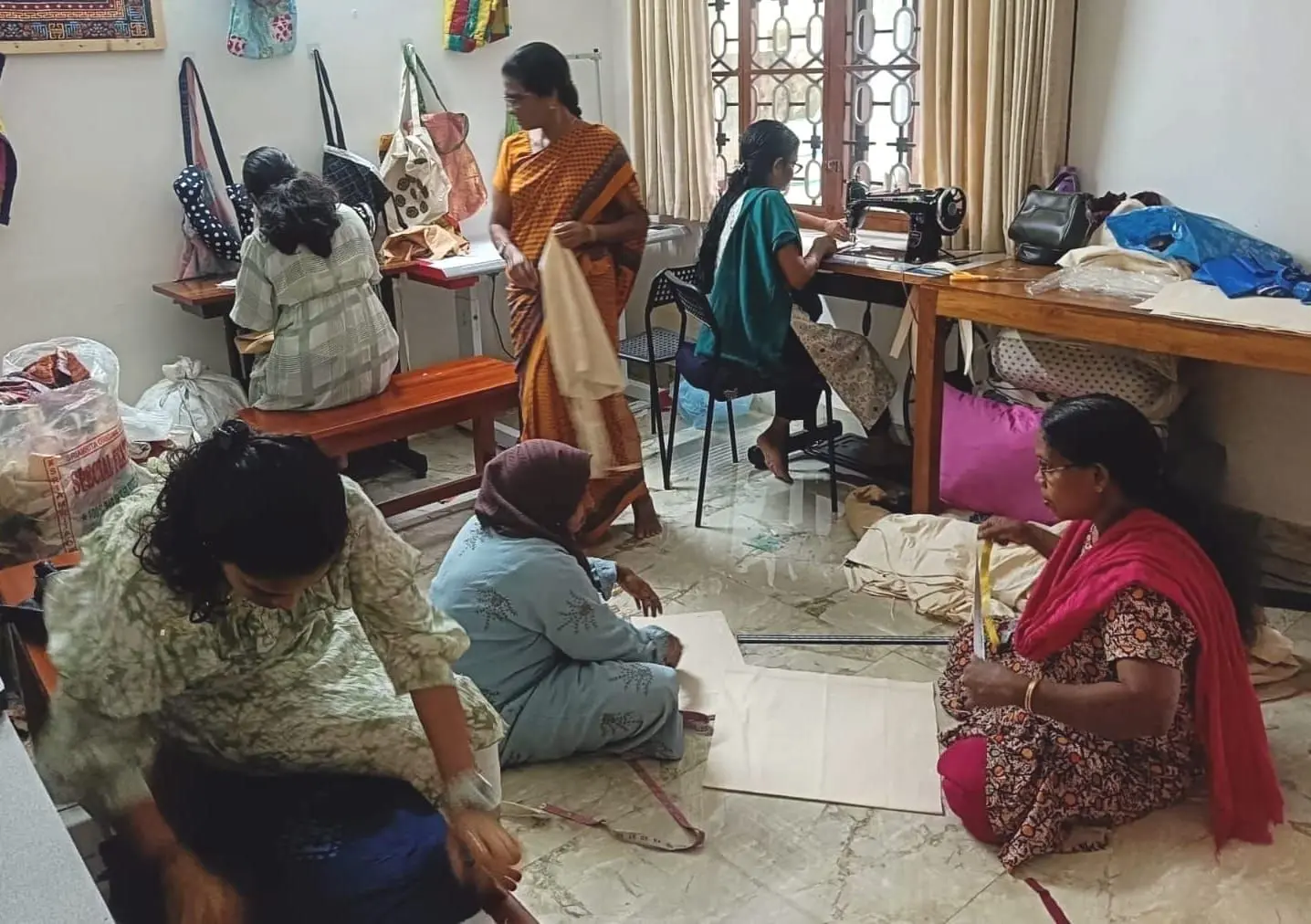
Everyone took a job to keep the order moving
We measured, cut, stitched and quality-checked to keep the next production order moving. We focused and worked as a team.
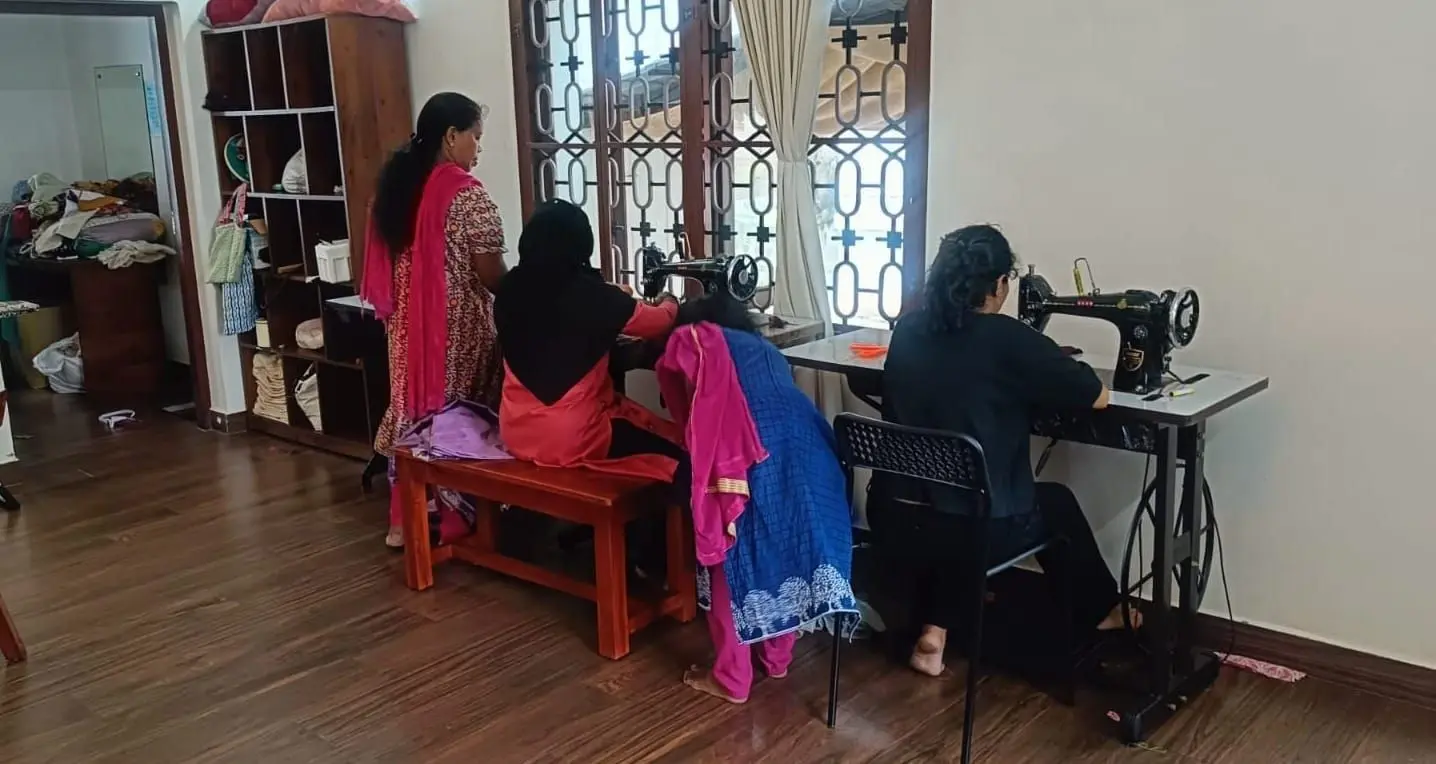
Speed and teamwork improved on the current batch
The stitching team continued working on the current production batch. We improved our speed and teamwork with each session. Regular practice helped us gain confidence while maintaining product quality.
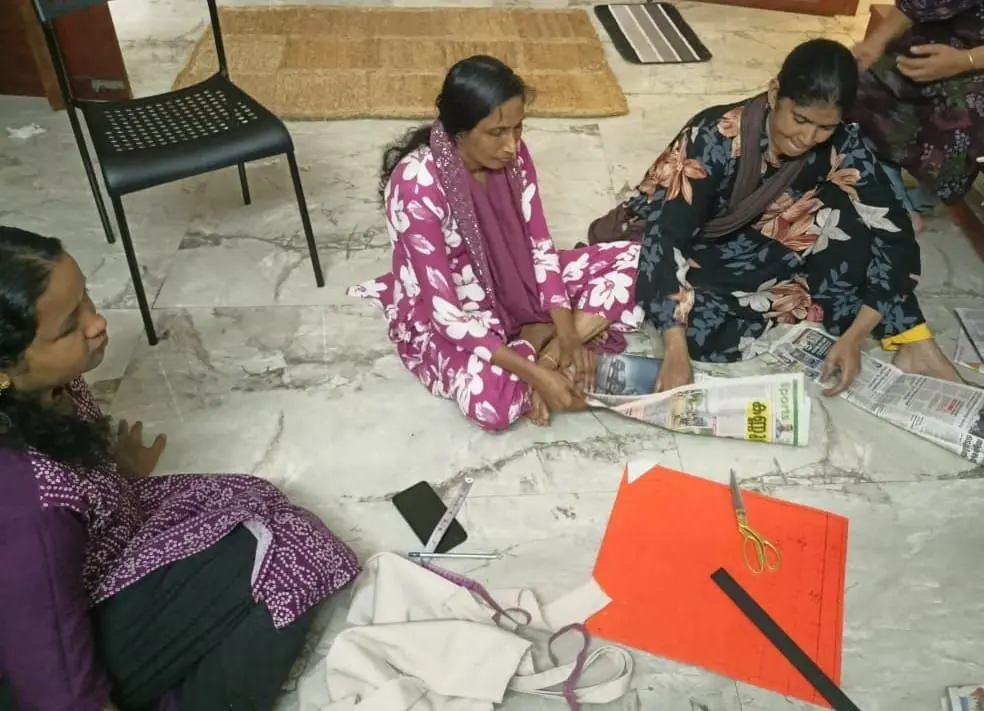
Curved cuts on handloom fabric are still not clean
We still haven't solved cutting smooth curves on the handloom fabric. It's thicker and more rigid than regular cloth. The team tested several methods without finding one that gives a clean finish without wasting material. This is part of a new curved tote bag design.
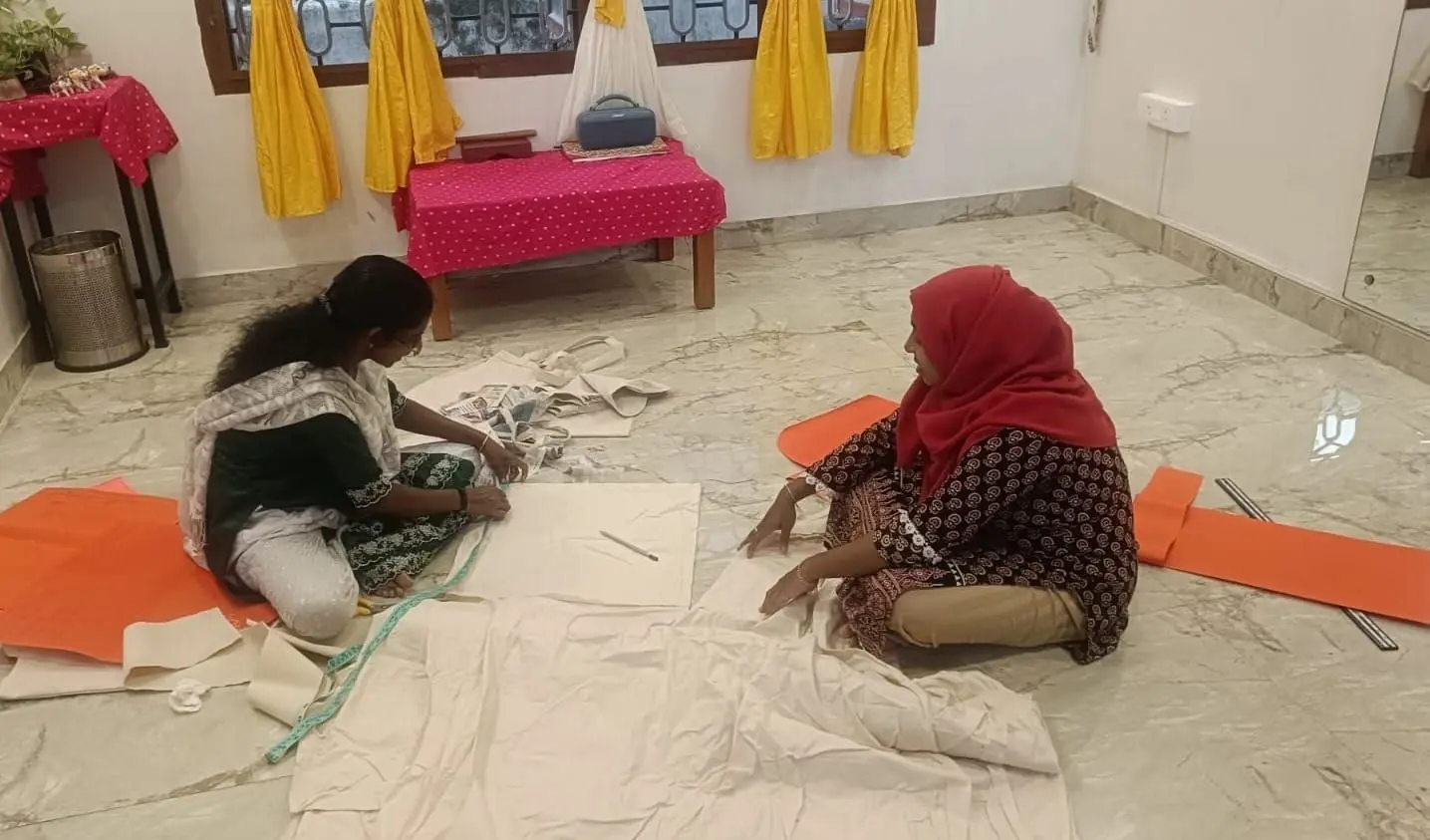
Cutting techniques rehearsed before the next batch
Members of the stitching team spent the session practicing different cutting techniques for the next batch of bags. By testing patterns and measurements before production, they hoped to reduce mistakes and improve consistency.
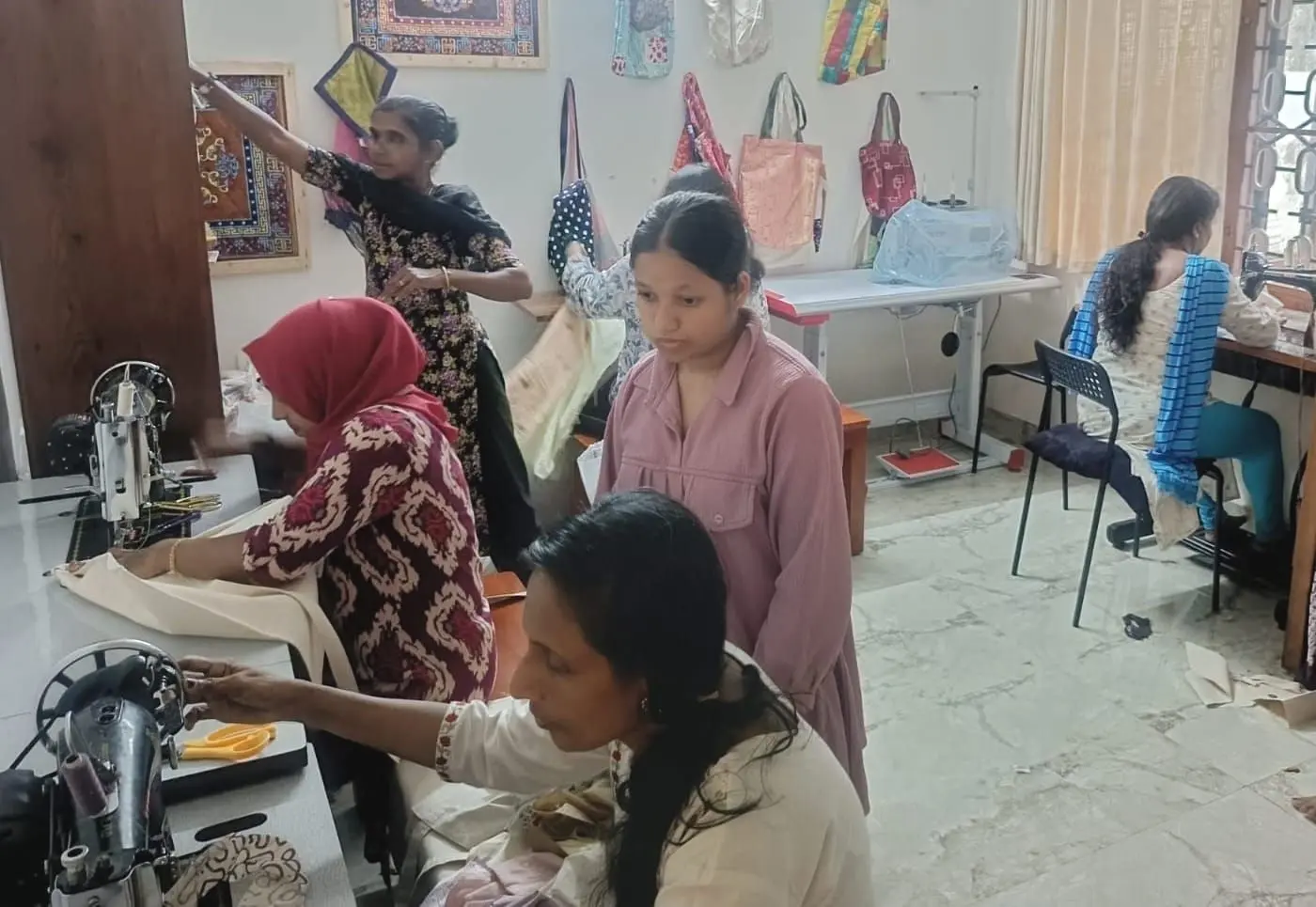
Three bags came out the wrong shape
Three bags came out the wrong shape because we misunderstood the design brief. This caused extra work, but we learned a new bag pattern and started talking about checking instructions properly before we began production. The rest of the second bag order continued as planned.
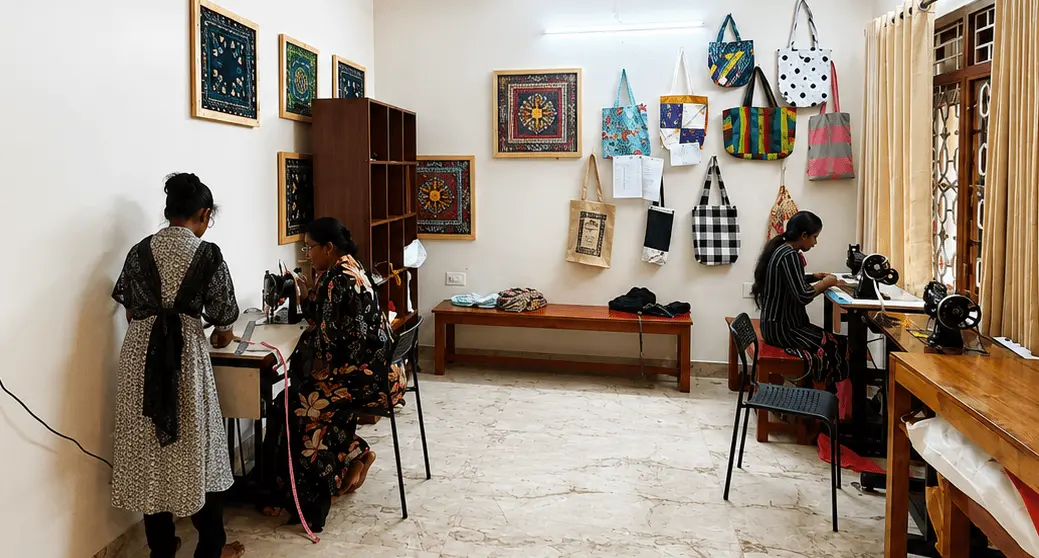
New members practised while seniors worked the bag order
New members worked on simple craft items from fabric cut pieces — basic stitching, and a sense of how materials get reused — while senior members carried on with the second bag order. The session split between learning and production.
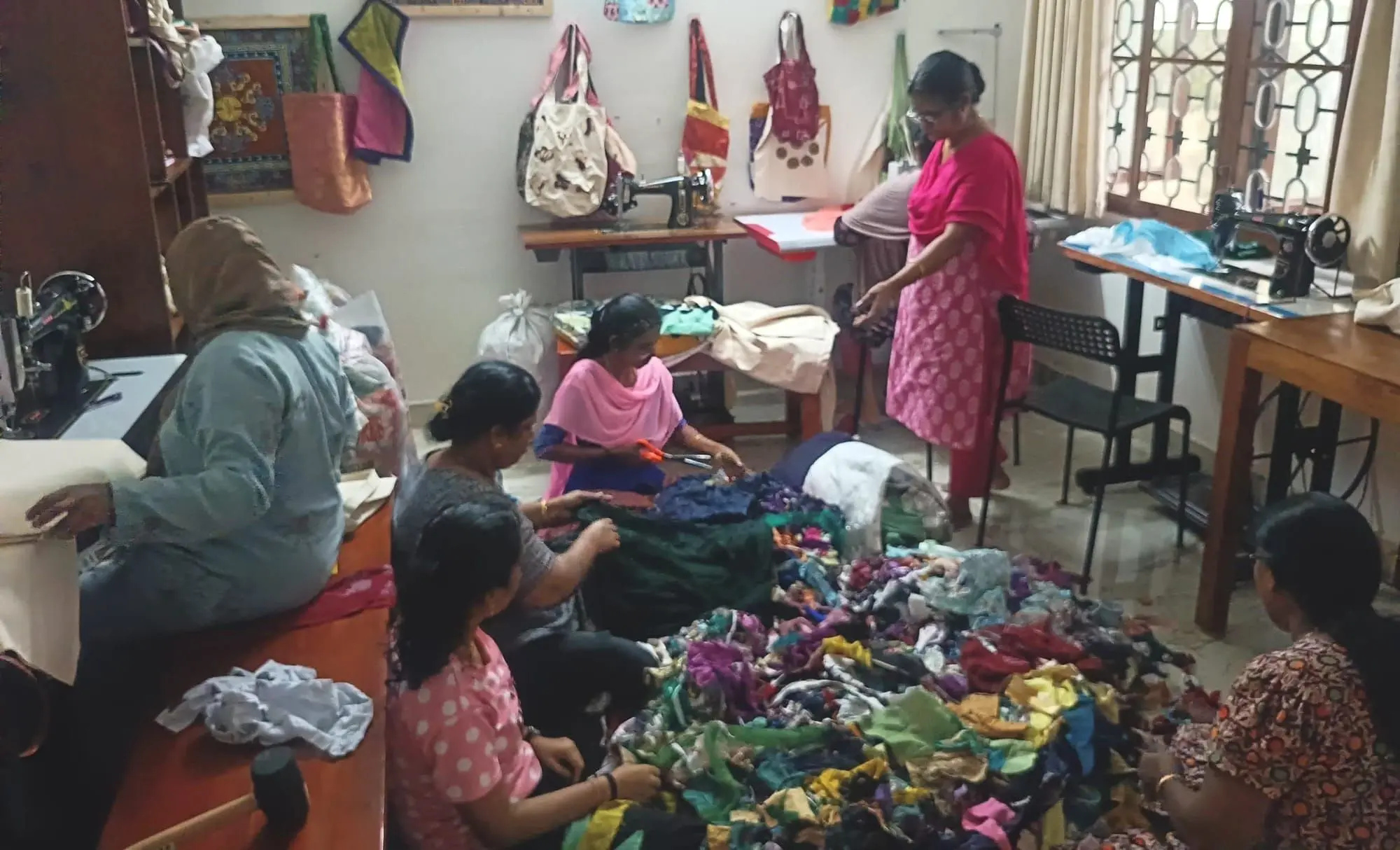
Scraps put to use alongside the second tote batch
The stitching team continued working on the second batch of tote bags. We also looked at how to turn fabric cut pieces into useful products instead of throwing them away. The session focused on reducing waste while creating new learning and livelihood opportunities.
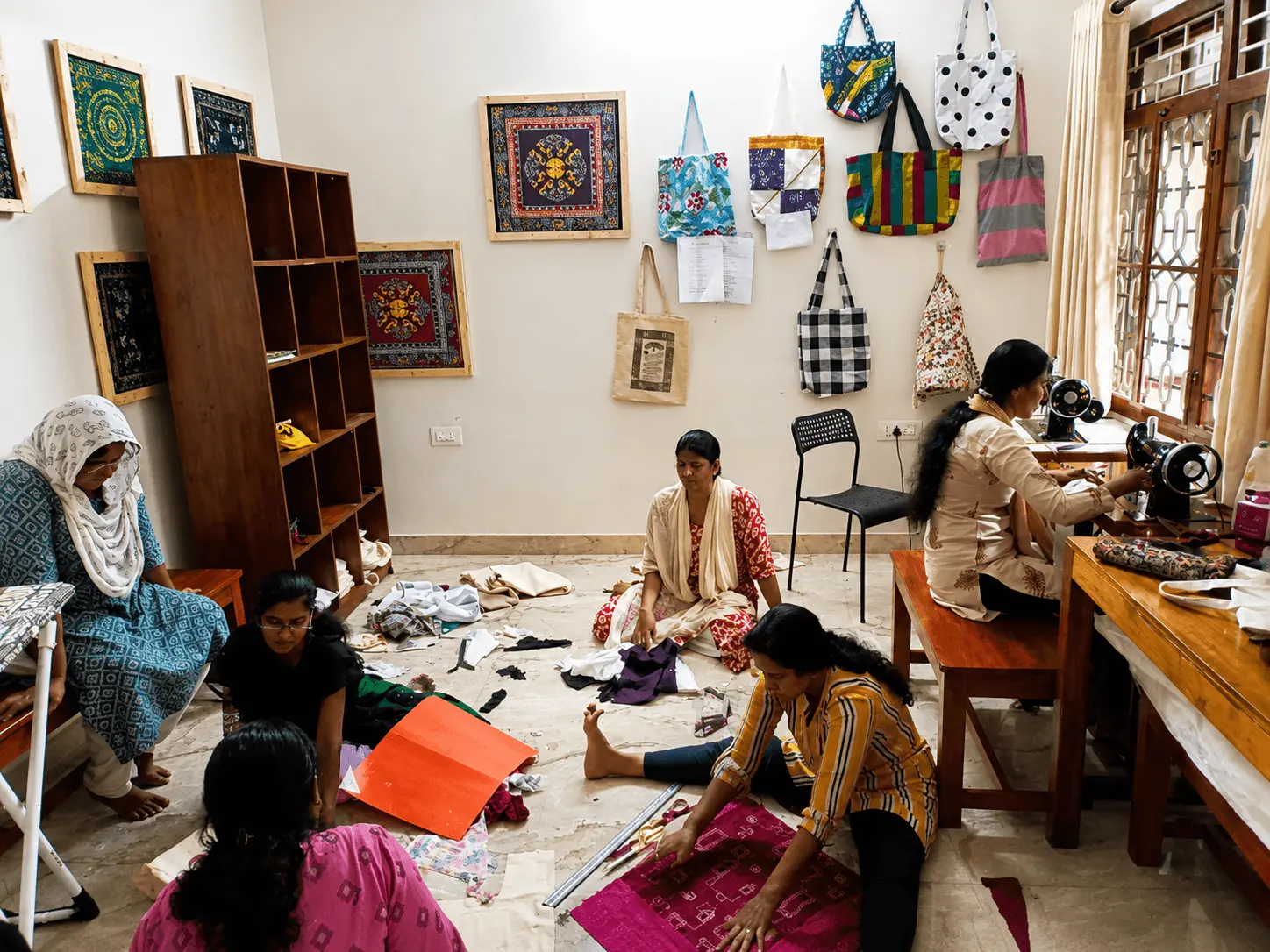
A plastic-free zipper proved hard to find
We found it hard to source a zipper without plastic; most options had it. We kept looking. The session involved designing a laptop bag and thinking about proper padding for protection.
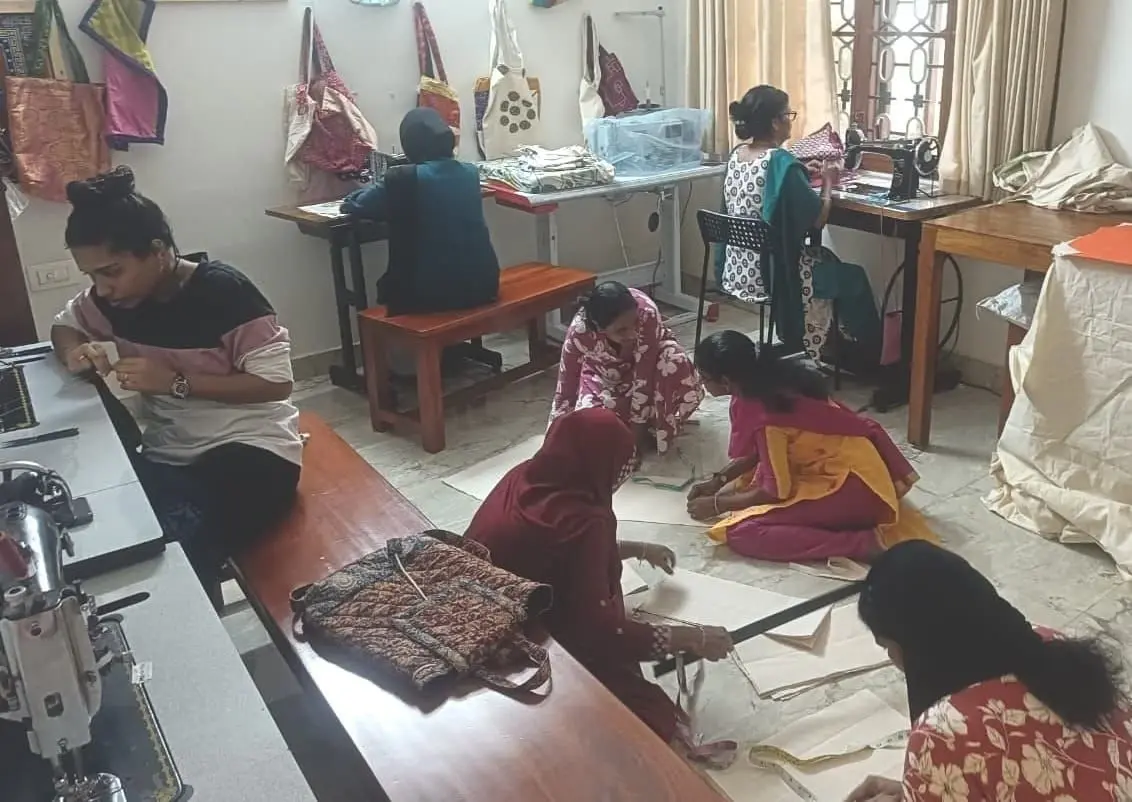
A seventeen-year-old joined the stitching class on her vacation
The stitching session welcomed a new participant: a 17-year-old student who joined during her vacation with the goal of learning stitching skills. Existing members warmly supported and guided her as she took her first steps in mastering the craft.
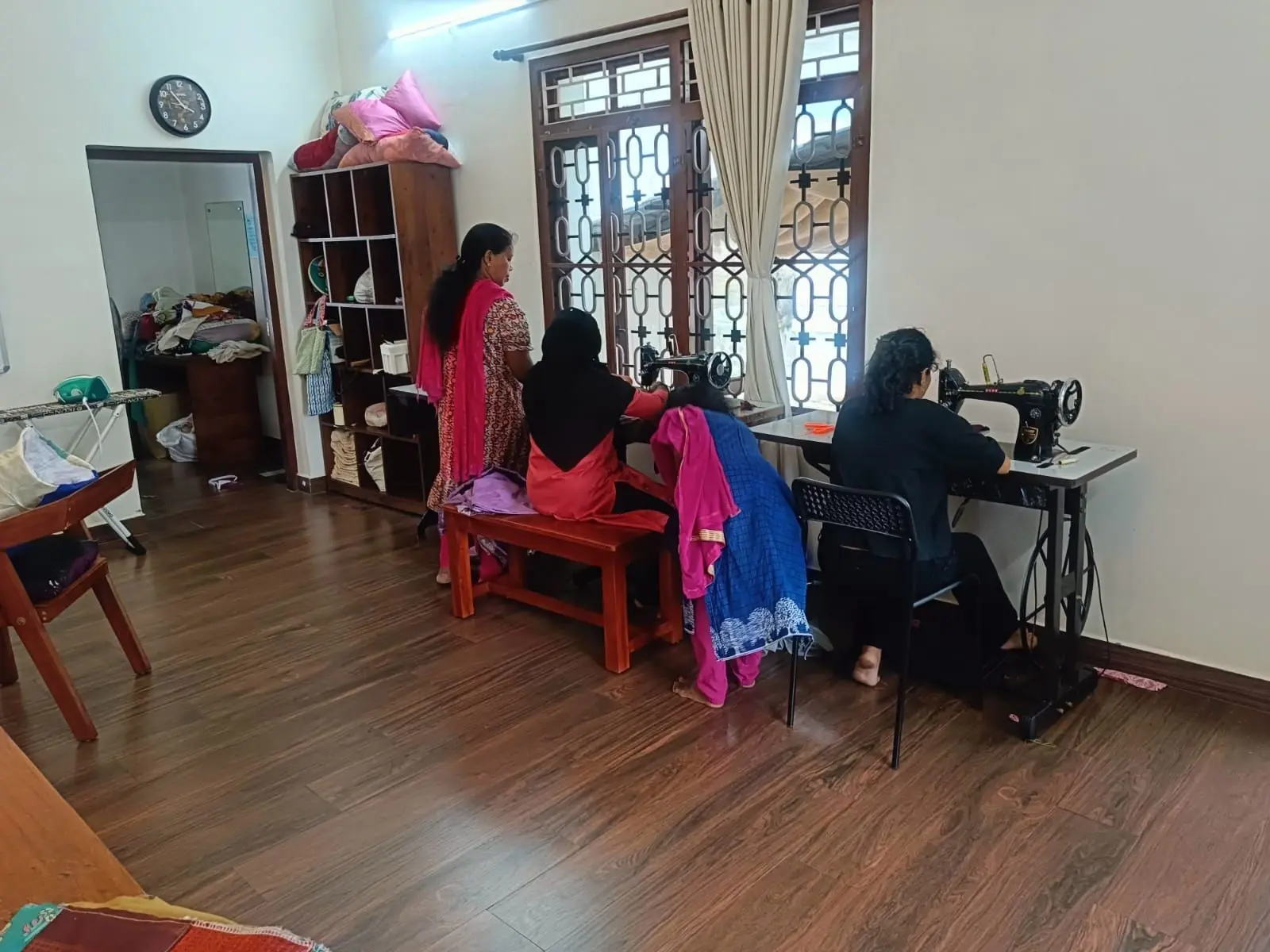
Fever slowed work on the second batch
Meanwhile, we continued working on the second production batch. Progress was slower than anticipated, as several members were unable to attend regularly due to having fever. Despite this, the session reflected the growing interest in the programme and highlighted the importance of developing strategies to ensure continuity when key members were unavailable.
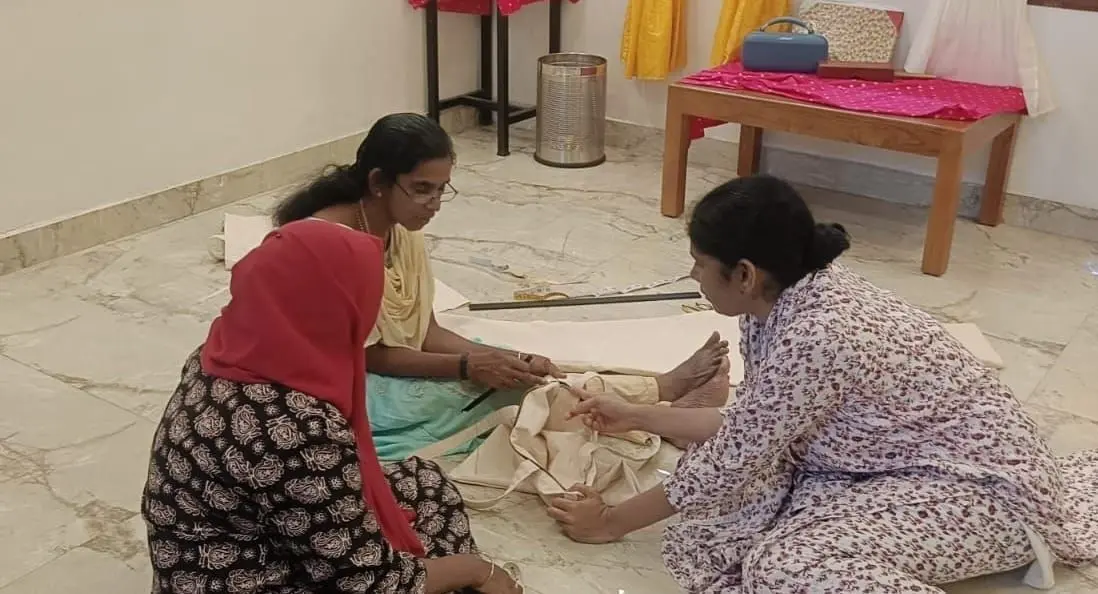
The second production order got under way
The stitching team started work on their second production order. Compared to the first batch, participants were more confident with the process and began to take greater ownership of quality checks and production planning. The experience helped the group understand both the opportunities and challenges involved in creating products for real-world use.
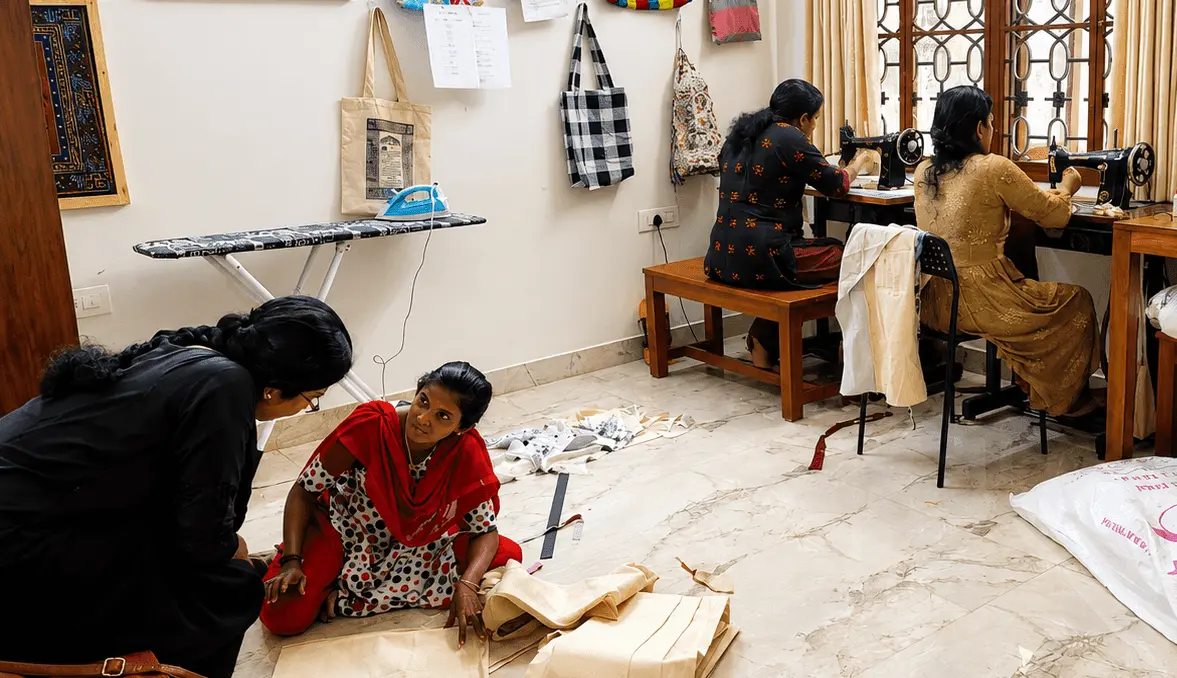
Canvas samples tested shapes and sizes for a buyer
We tested sample bags in canvas cloth, checking shapes, sizes and construction against the buyer's requirements. The exercise showed us what we needed to improve before production started.
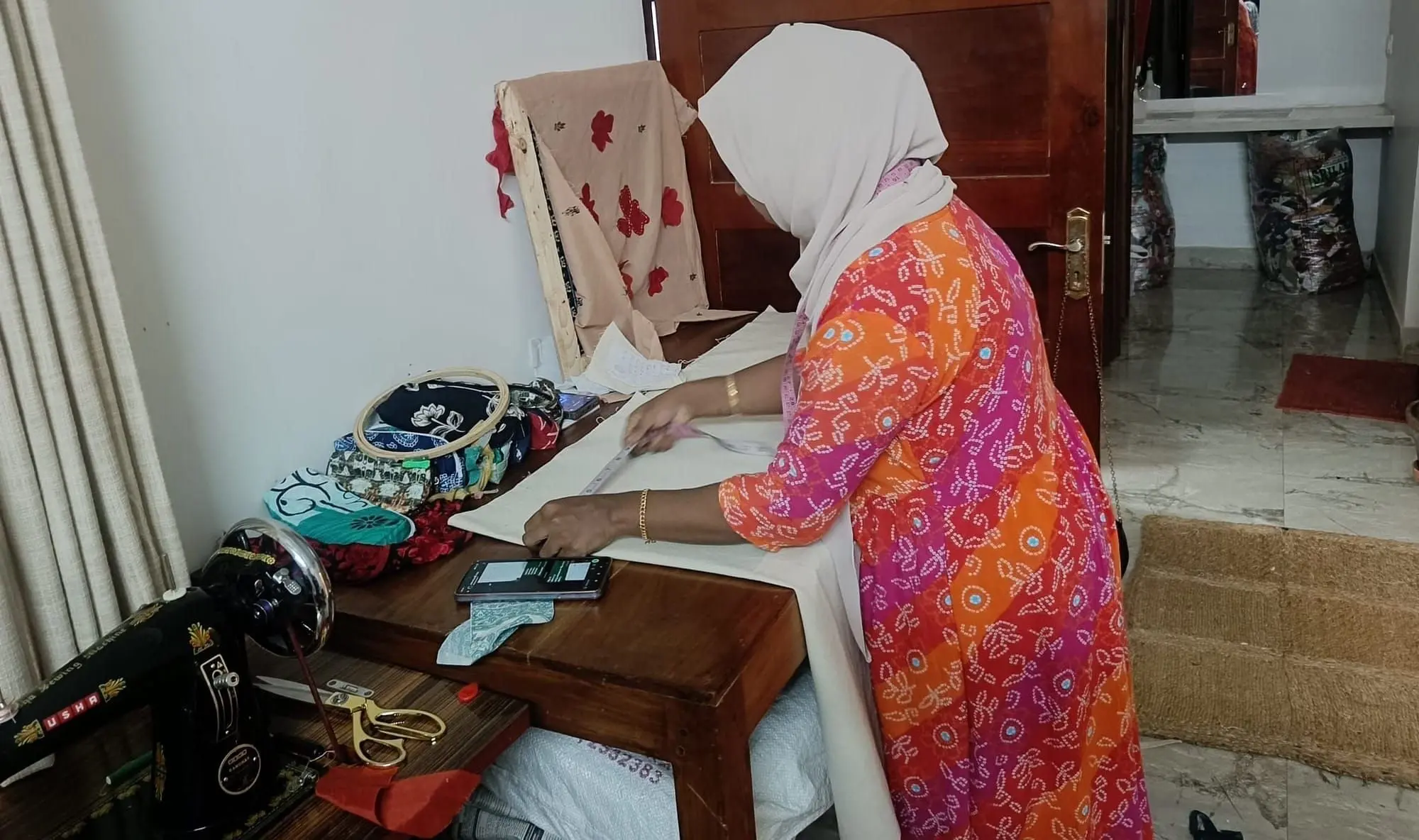
A second tote bag order has begun
We finished the first batch of tote bags and started another one. We're handling this new order with more confidence, learning from the first batch. We're committed to quality and teamwork.
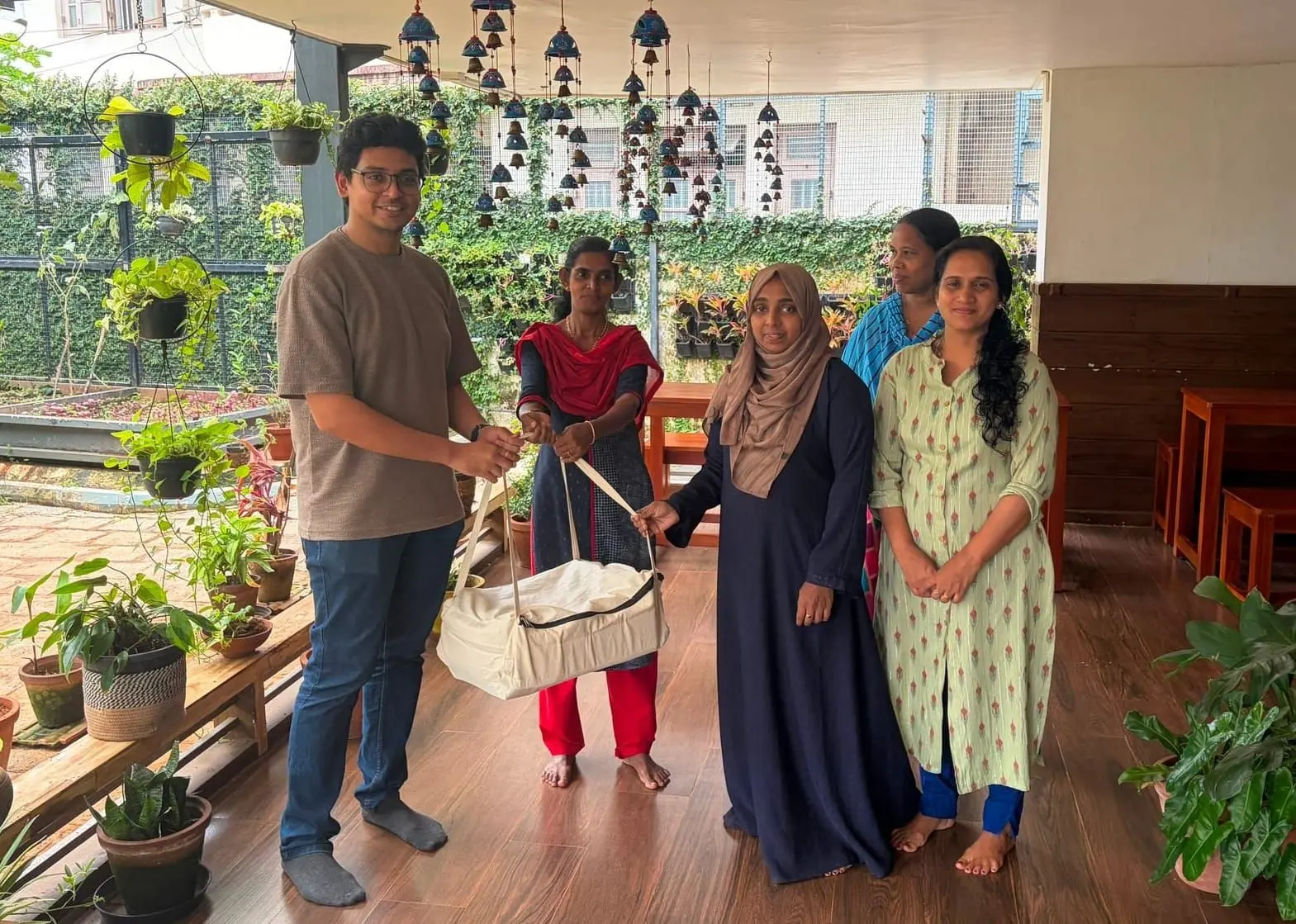
The first fifteen bags went to FOSS United
The completion of the first batch of 15 tote bags was a major milestone for the Stitching Club. The bags were handed over to Siddharth Shivkumar from FOSS United , celebrating the collective effort of everyone who contributed.
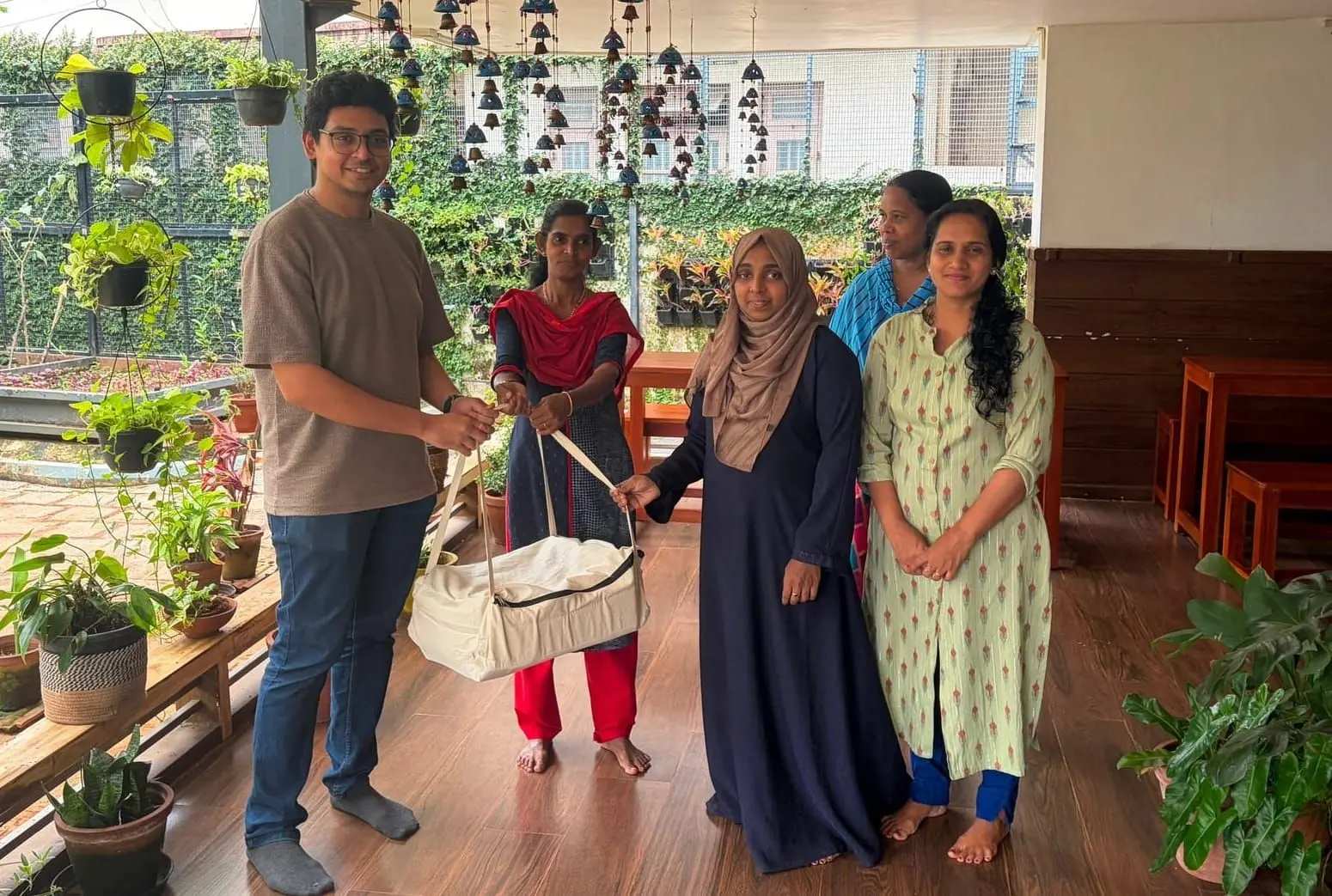
Fifteen tote bags are ready for delivery
The stitching team is getting ready to deliver its first batch of 15 tote bags. From fabric cutting and stitching to finishing and quality checks, every step has been carried out by the participants themselves. This is definitely an exciting step in their learning and livelihood journey!
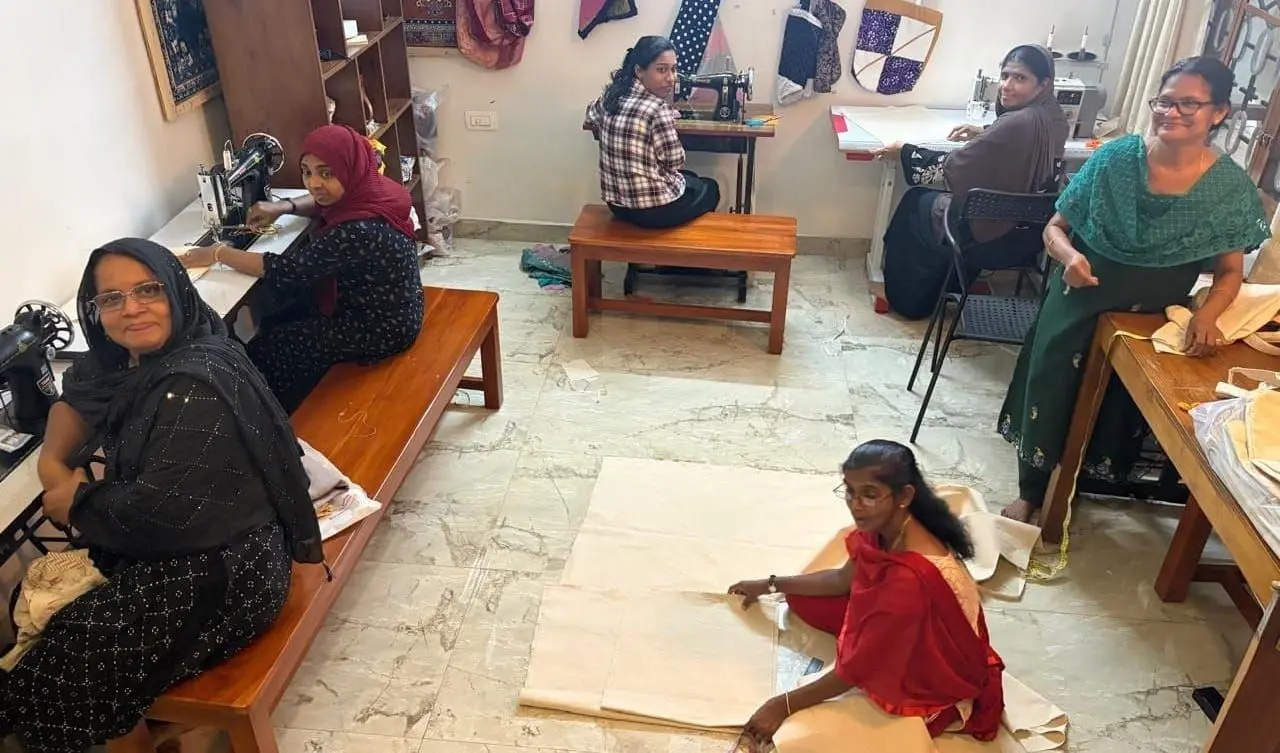
Roles split across measuring, cutting, stitching and finishing
The stitching group continued working together on bag production. Participants measured, cut, stitched, and finished the bags. We improved our skills through teamwork and regular practice while preparing products for customer orders.
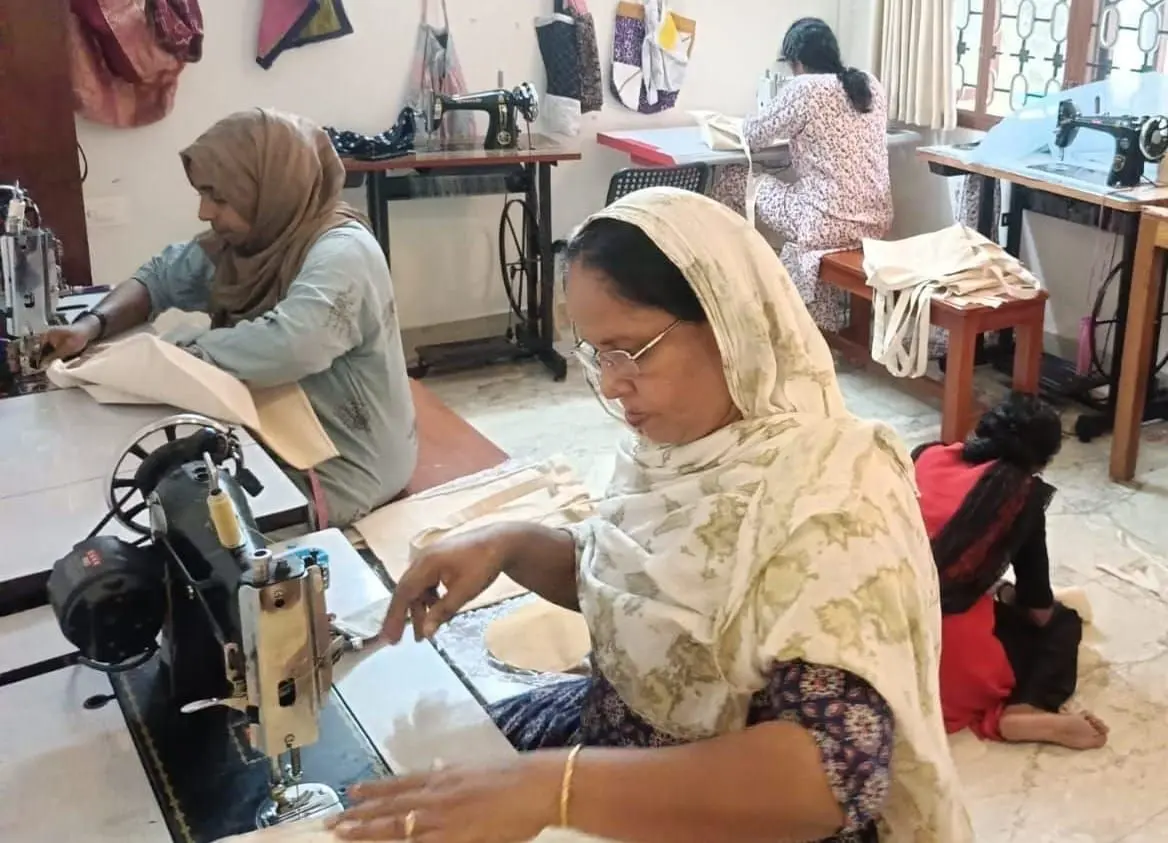
Bag production moved on with the team owning each stage
The stitching team continued making bags on 14 March 2024. We cut, stitched, finished and checked the quality of each bag. We worked together and supported each other. We built confidence, strengthened skills and gained experience from customer orders.
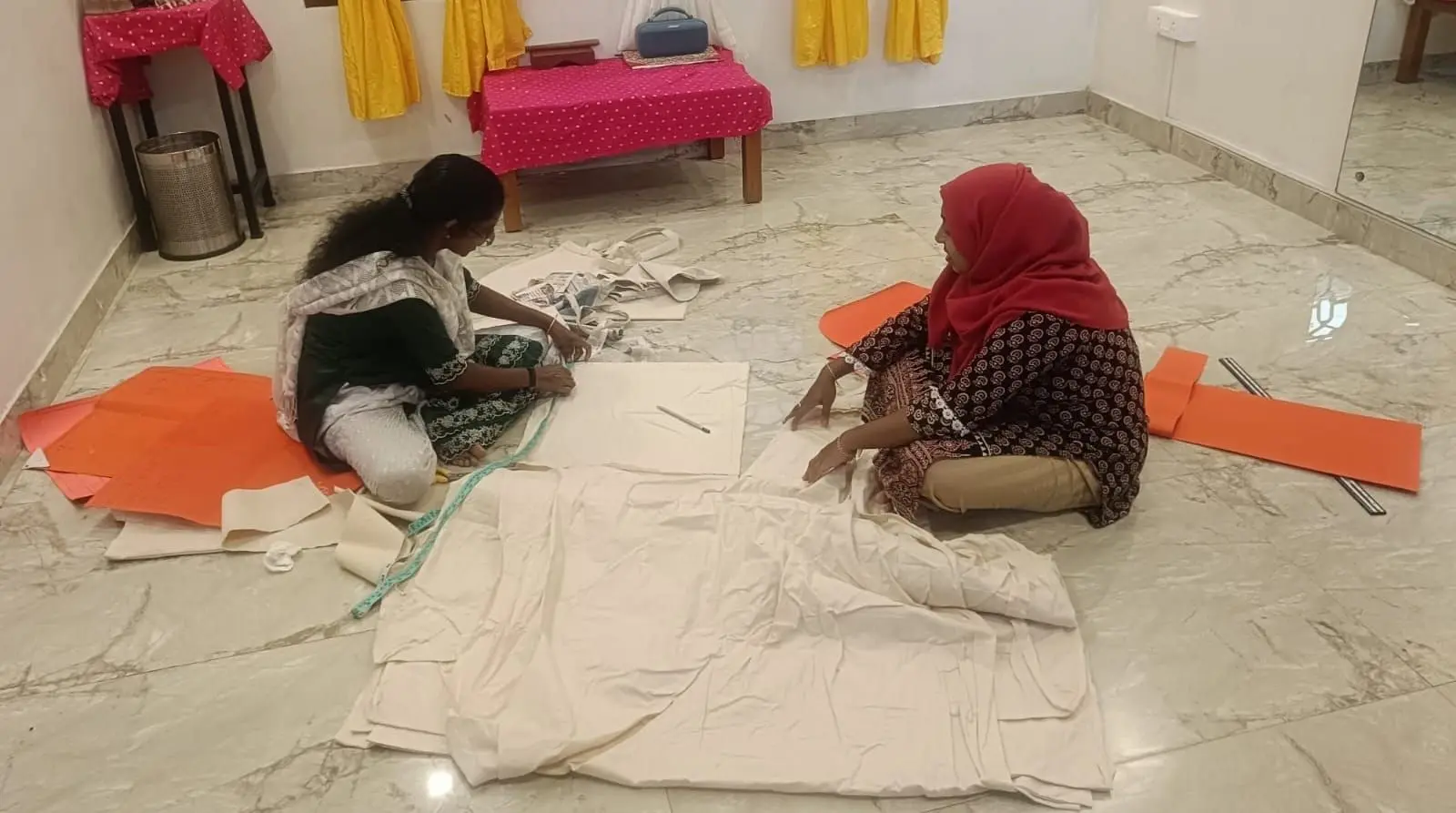
Work continued on the club's first customer order
The stitching team continued work on their first customer order, carefully bringing each piece together. The process gave participants hands-on experience and helped them build confidence while working collaboratively.
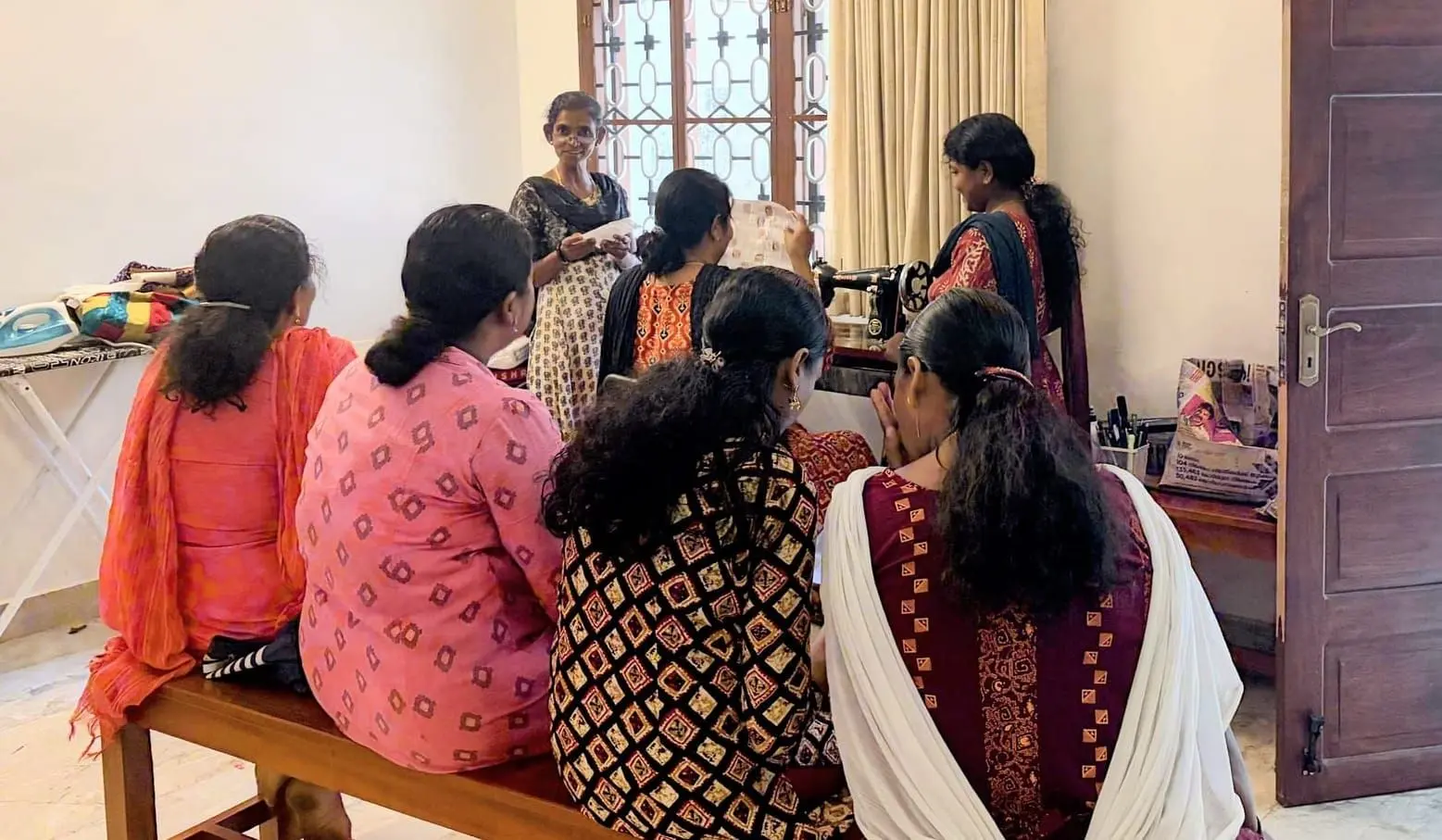
Supplies prepared and techniques tried on the fabric at hand
We prepared supplies, explored stitching techniques, and worked together to imagine new possibilities for the fabric.
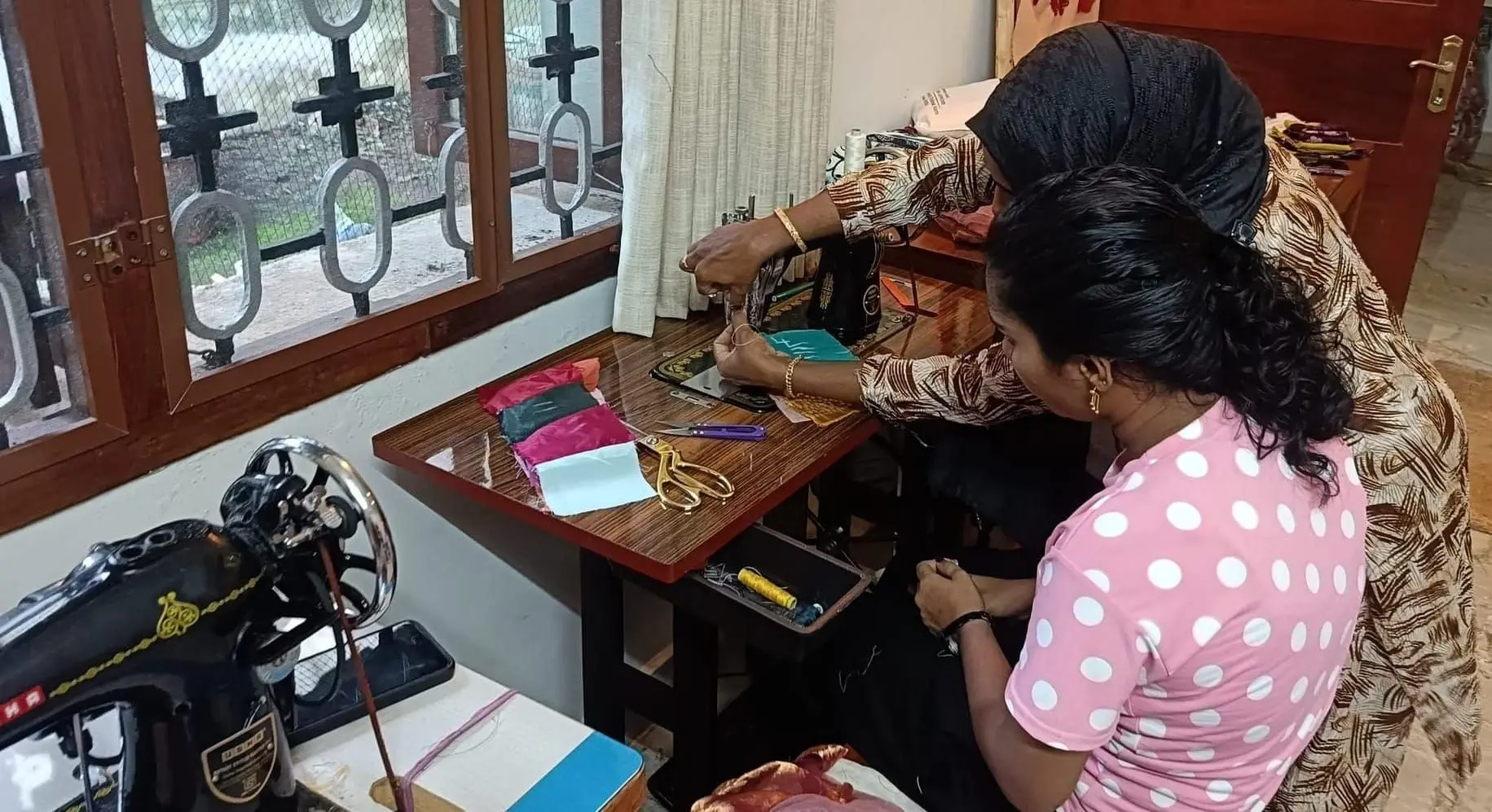
One-to-one coaching on handling the sewing machines
Participants continued their stitching practice with one-on-one guidance. The session focused on improving basic techniques, understanding machine handling, and building confidence through regular practice.
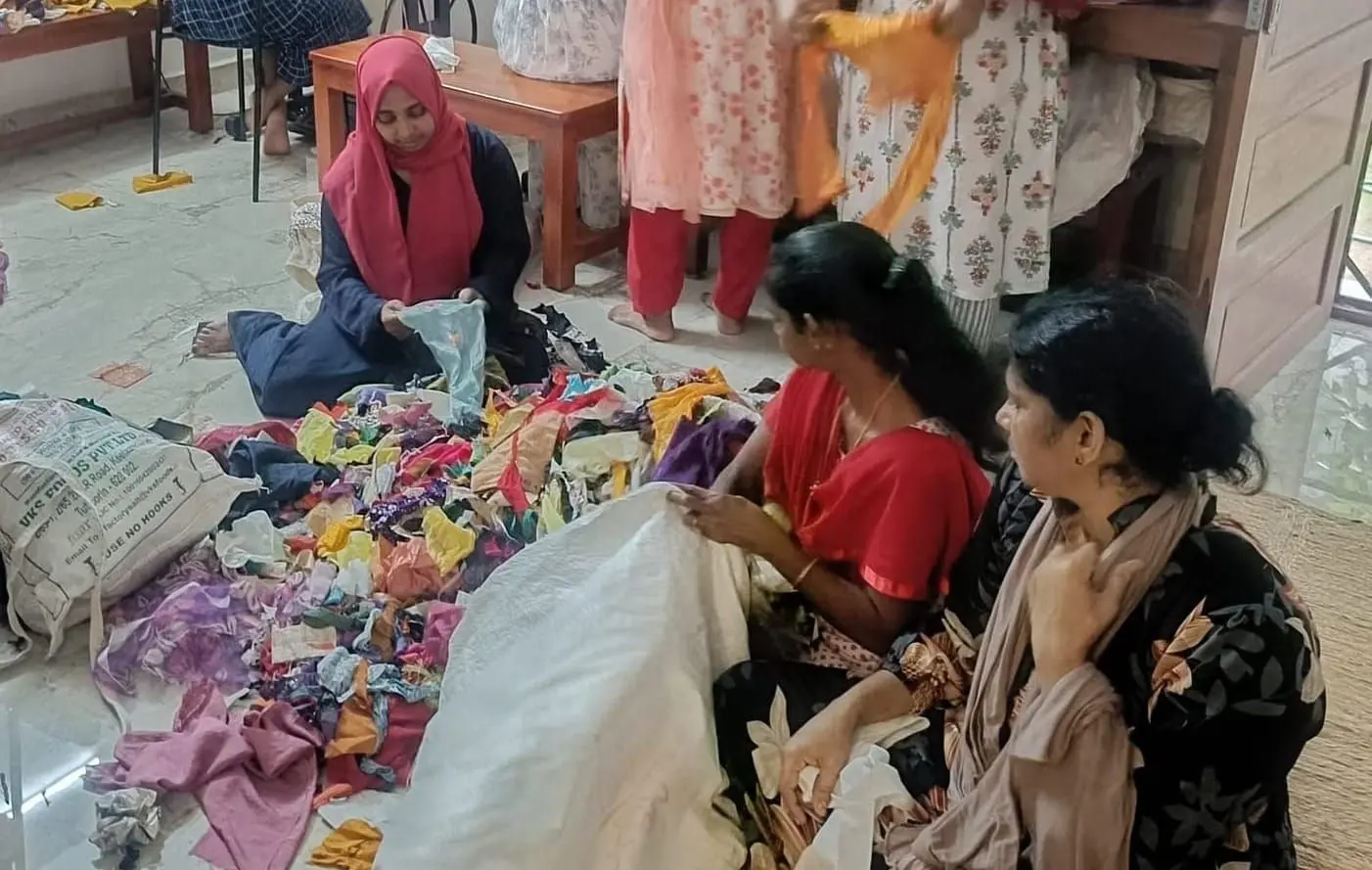
A relaxed session of sorting fabric and practising stitches
We sorted fabric pieces, prepared materials, and practised stitches. We worked together, learned from each other, and talked about what the fabric could become.
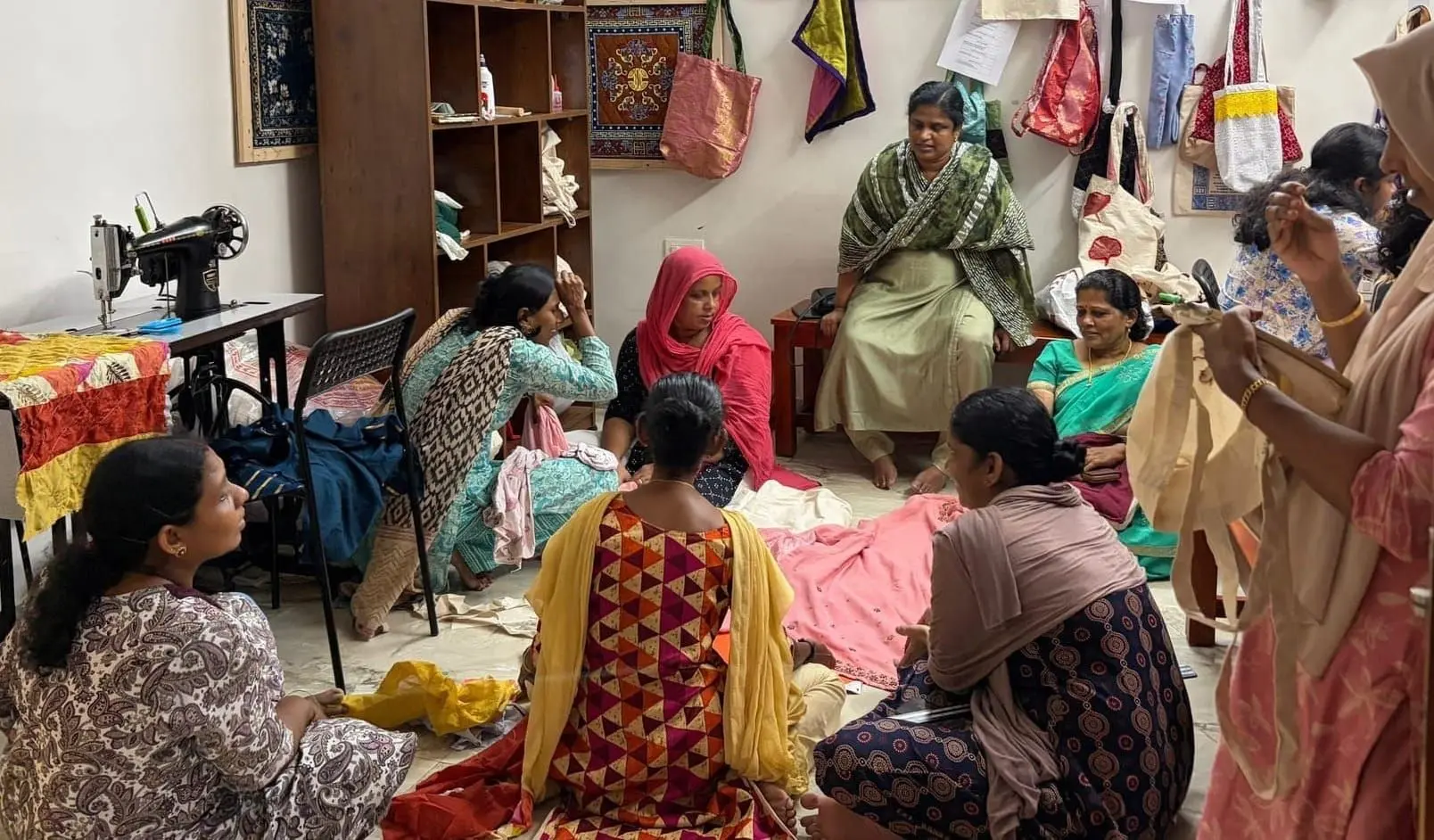
Stitchers were grouped by skill for a coming bag order
We grouped participants by skill level, from beginners to experienced members who can support and teach others, ahead of an upcoming bag order. The group discussed roles and responsibilities, production planning and quality checks. Members are taking on more responsibility as their skills build.
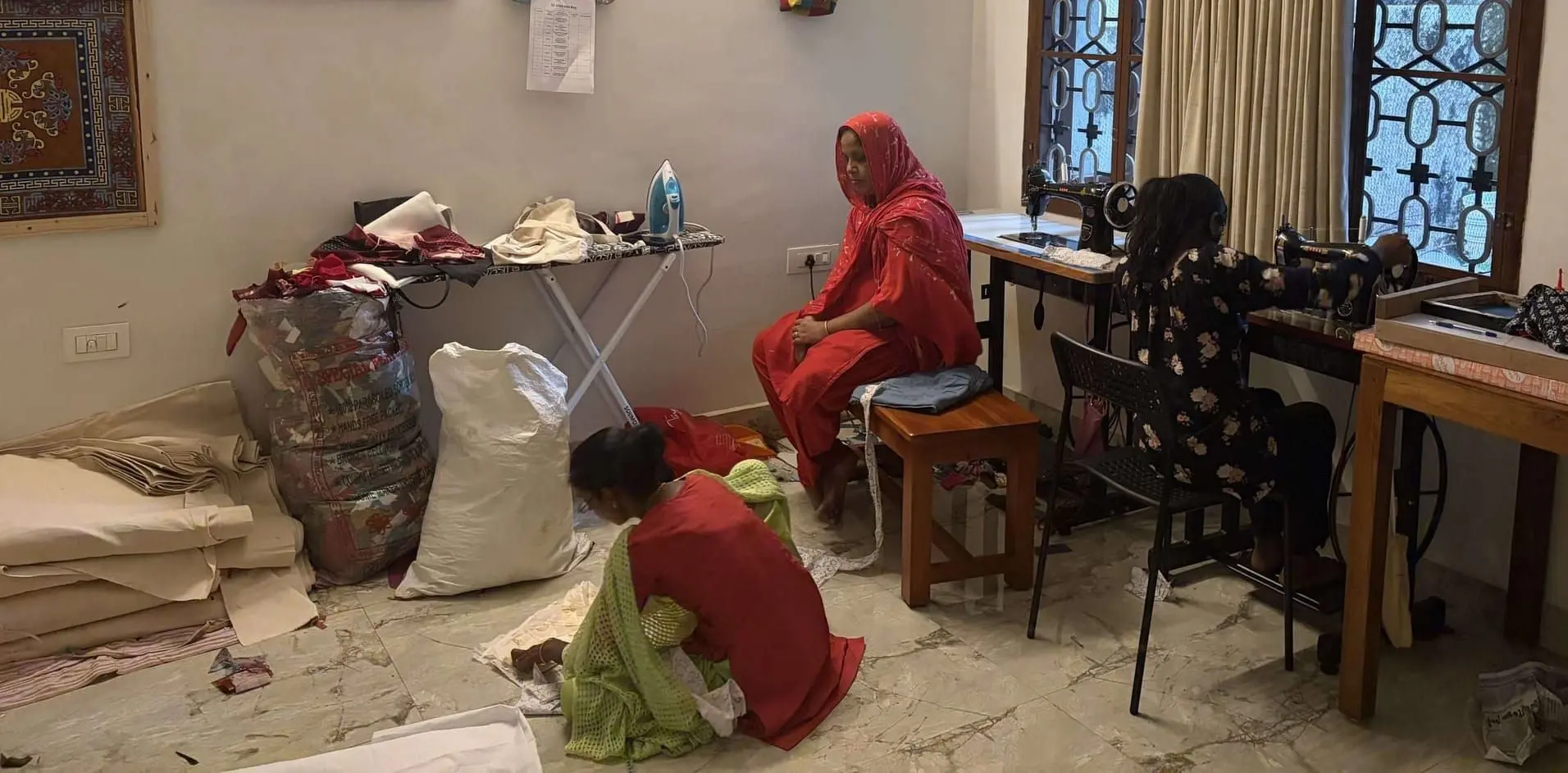
Another day of practice on finishing techniques
We ran the stitching class again today. Students kept practising, measuring and cutting fabric, and working on finishing techniques. Each session seemed to make them more confident and better at details.
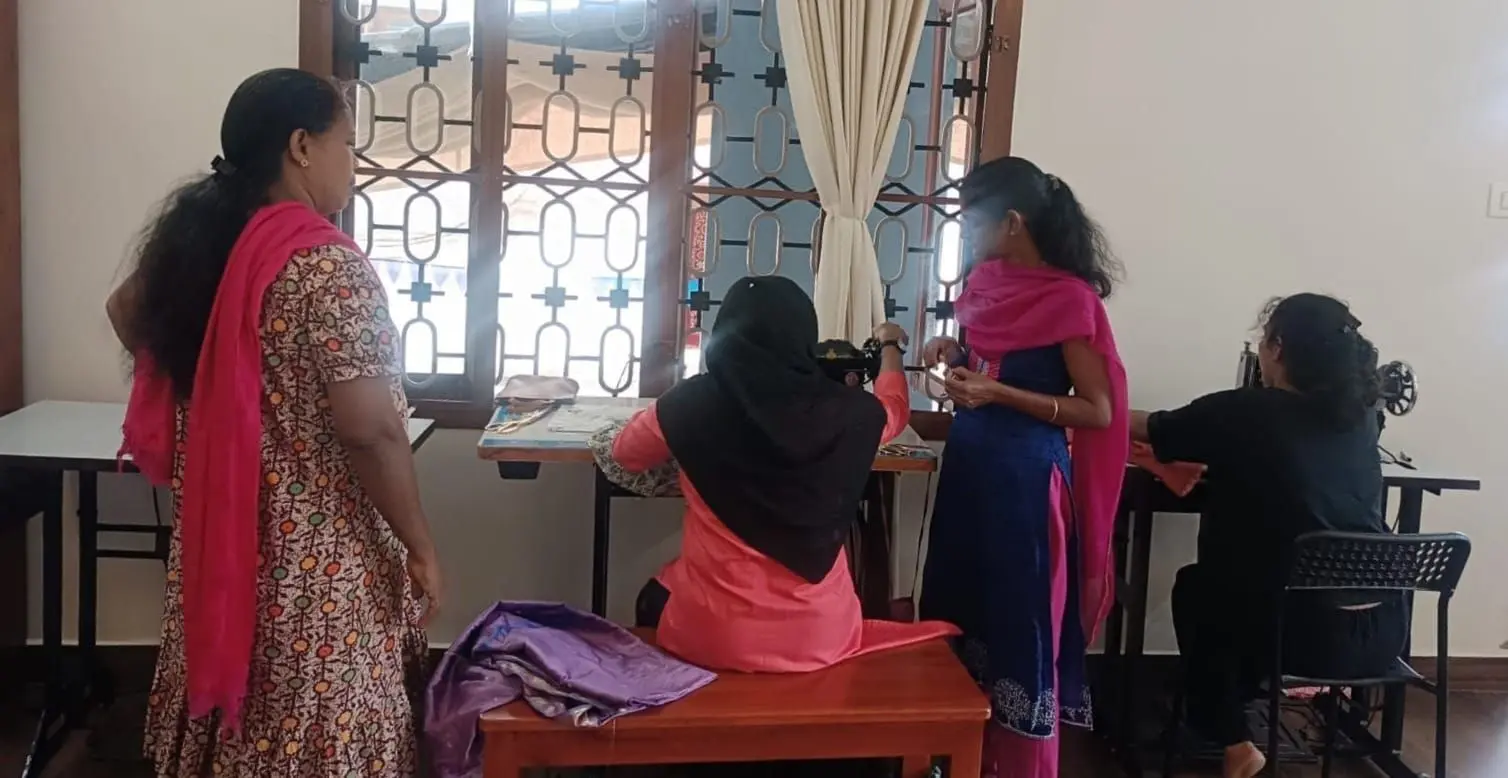
Beginners learned by watching the more experienced
Beginners watched and learned. More experienced learners shared tips and techniques. The session became a space for skill-building and mutual support.
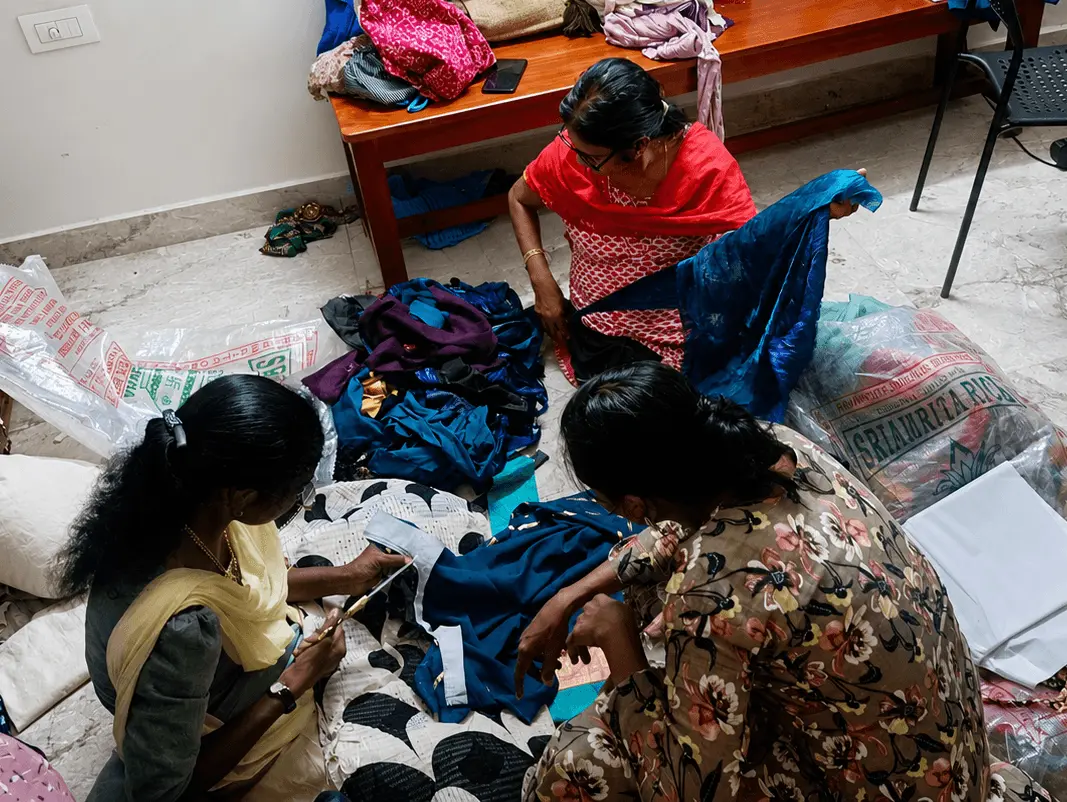
The class edged towards production-quality work
The class worked on cutting, sorting and preparing materials. We improved step by step. It was a session of teamwork, fabric and learning.
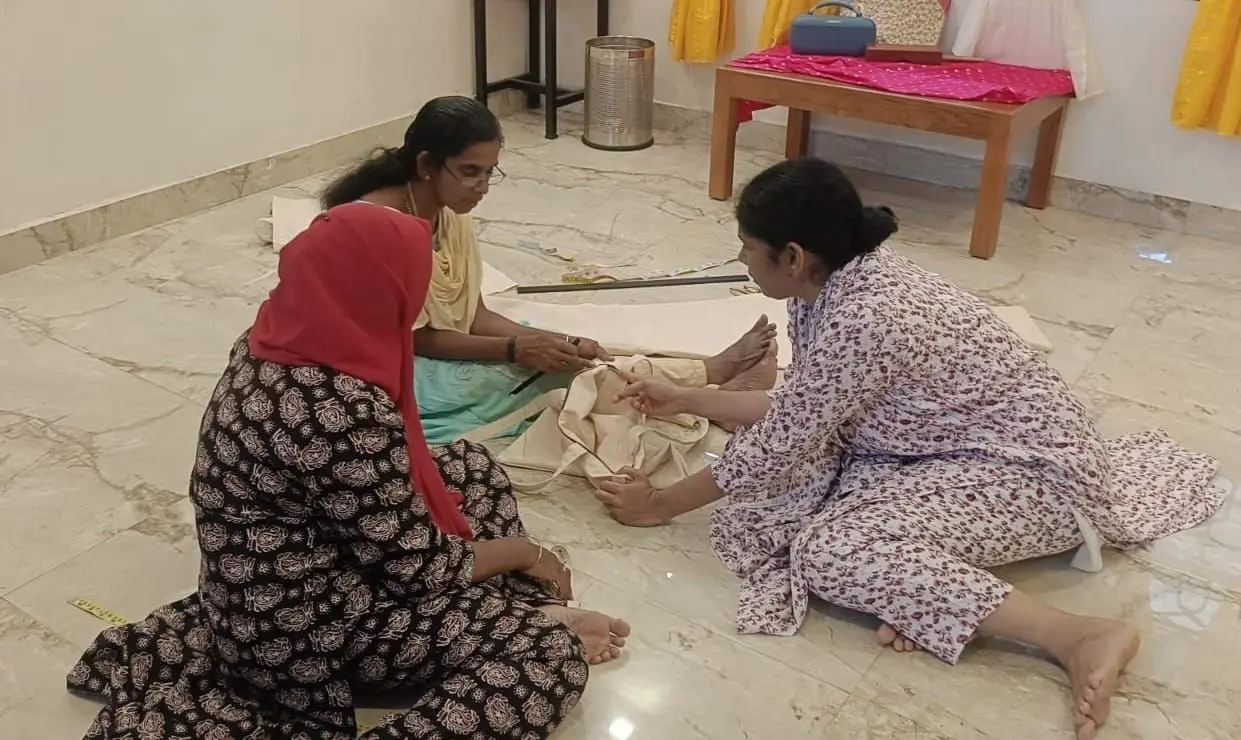
Intermediate students began teaching the beginners
Intermediate students guided beginners step by step through techniques and confidence-building. The class slowly became a shared learning space where students supported one another.
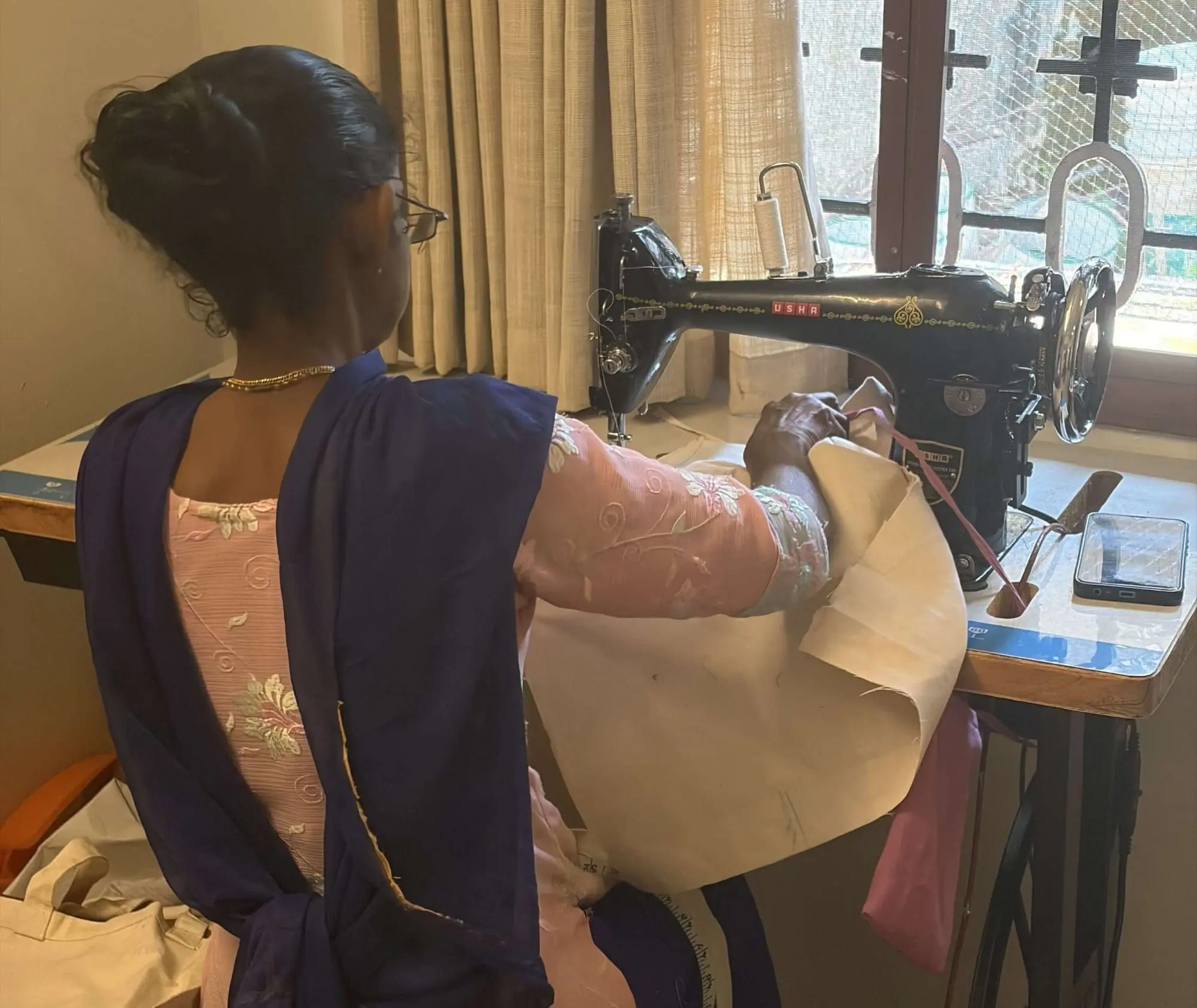
The bags are getting neater and stronger
The bags are getting stronger and neater, and closer to production quality. Regular practice is showing in the skills, the finishing and the teamwork.
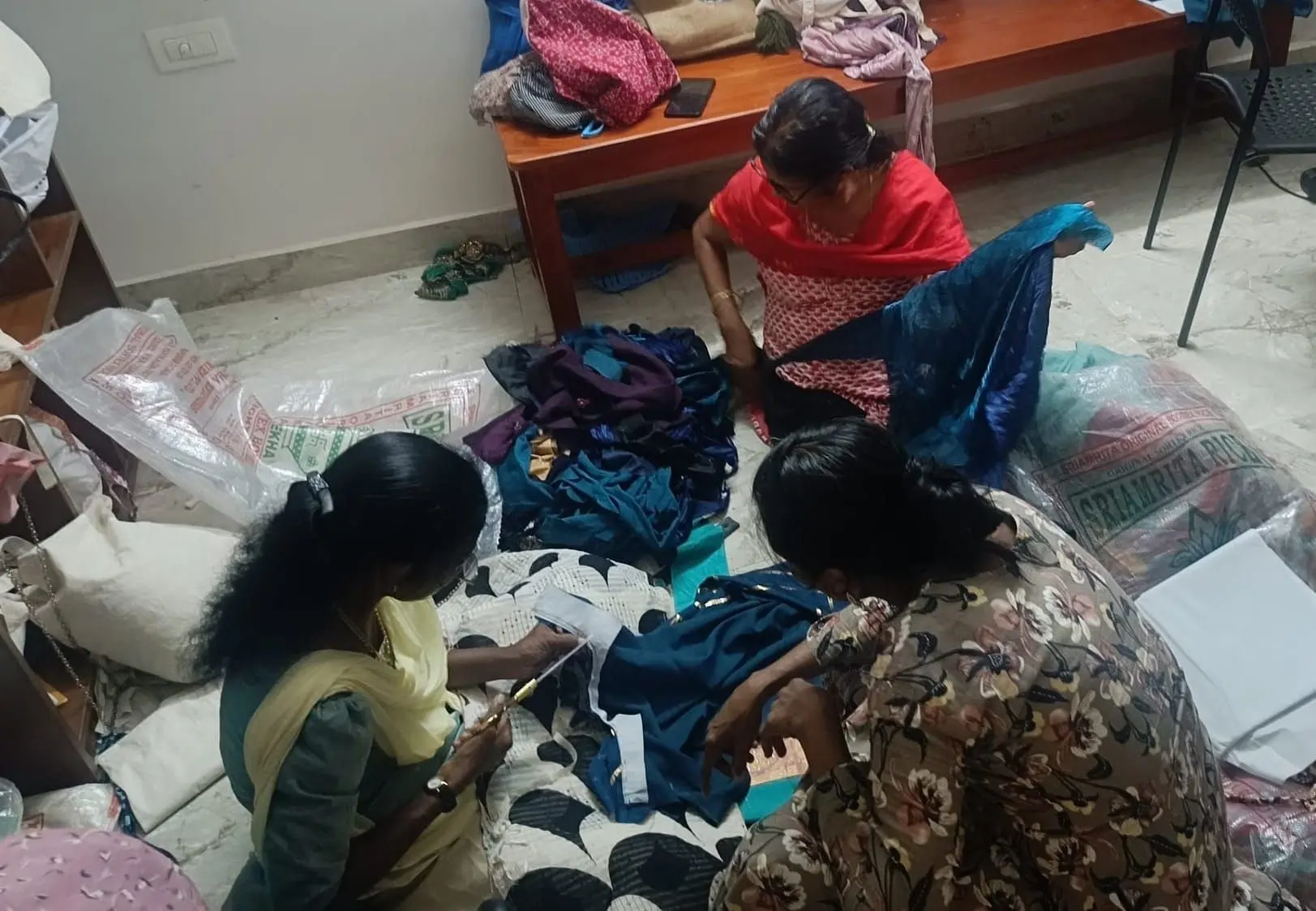
Women practised making production-quality bags from leftover fabric
Women gathered to practise cutting, measuring and stitching. We learned to make strong, production-quality tote bags from leftover fabric. The class keeps growing as a space for learning, teamwork and creativity.
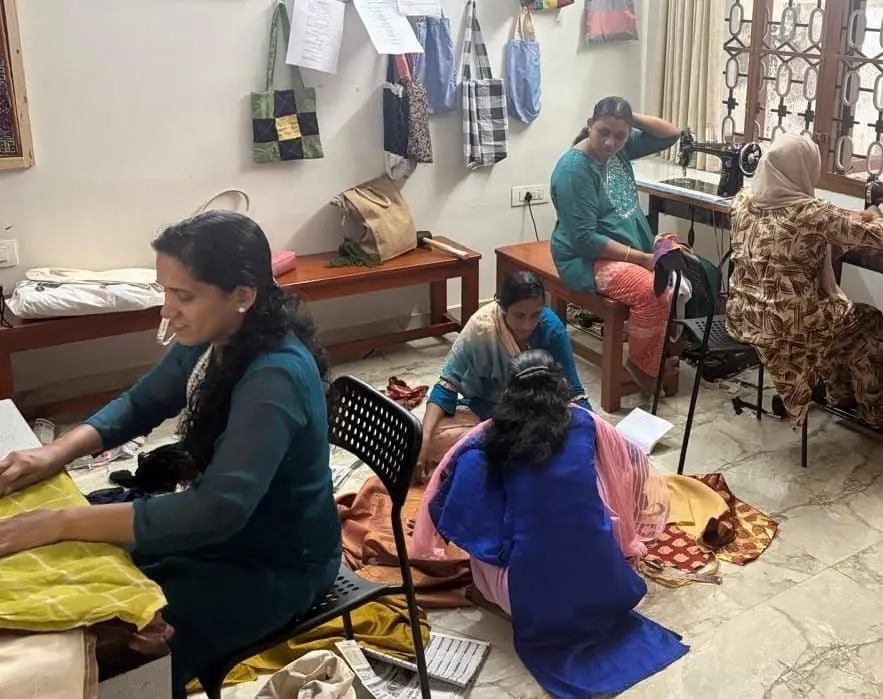
Students worked from sorting scraps to neat finishing
The stitching class continued. Students learned each step patiently, from sorting fabric pieces to finishing neat stitches. With the teacher’s support, simple materials slowly turned into strong and colourful tote bags made with care and teamwork.
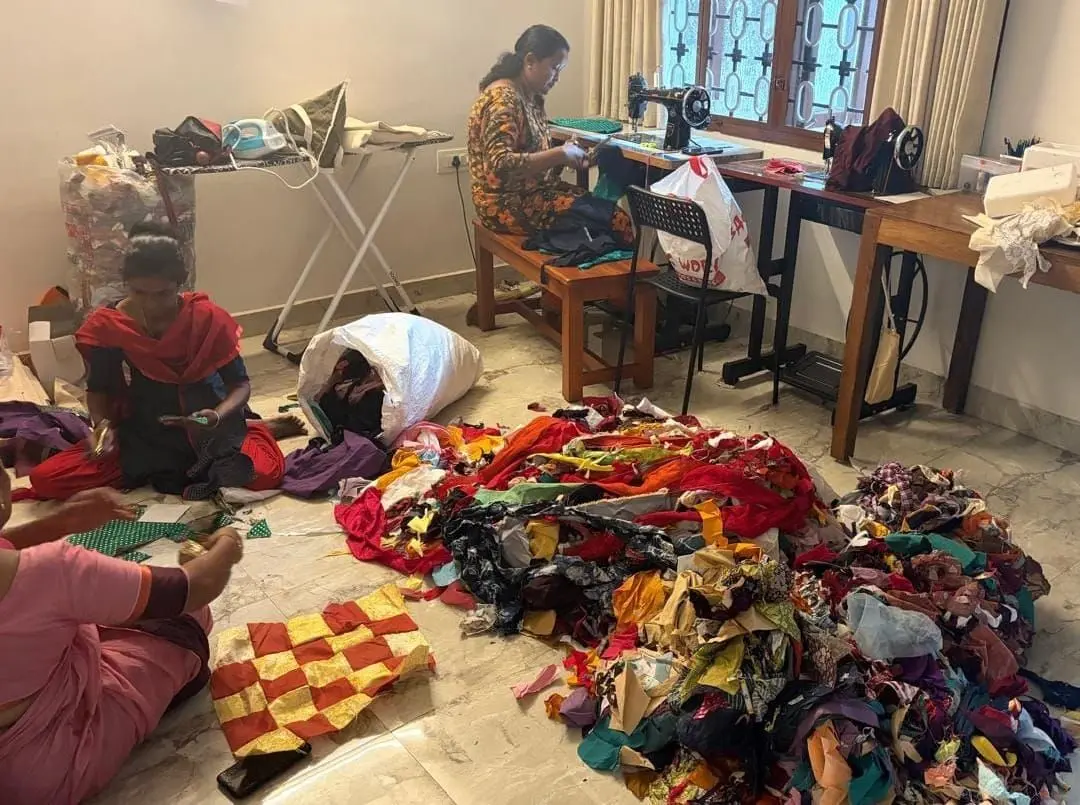
Cutting, measuring and stitching practised under the teacher
Under the teacher's guidance, students practised cutting, measuring and stitching with care. The room was full of learning, teamwork and quiet concentration. We are working towards production-quality tote bags, building confidence a step at a time.
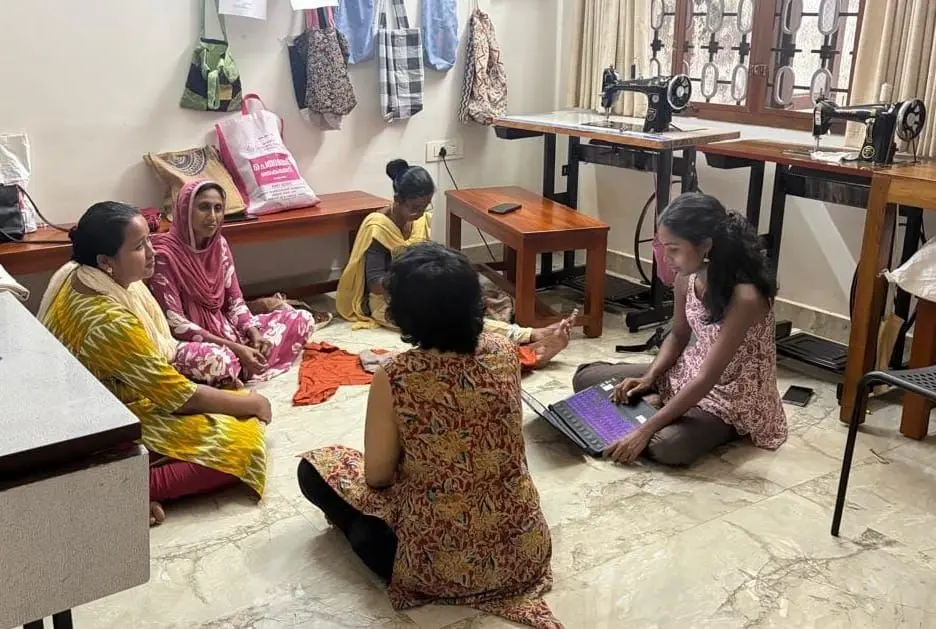
The stitching class talked designs, not just sewing
The stitching class became a space for discussion, sharing ideas, and learning together beyond just sewing. Students spent time understanding designs, materials, and different ways to improve their bag making skills step by step.
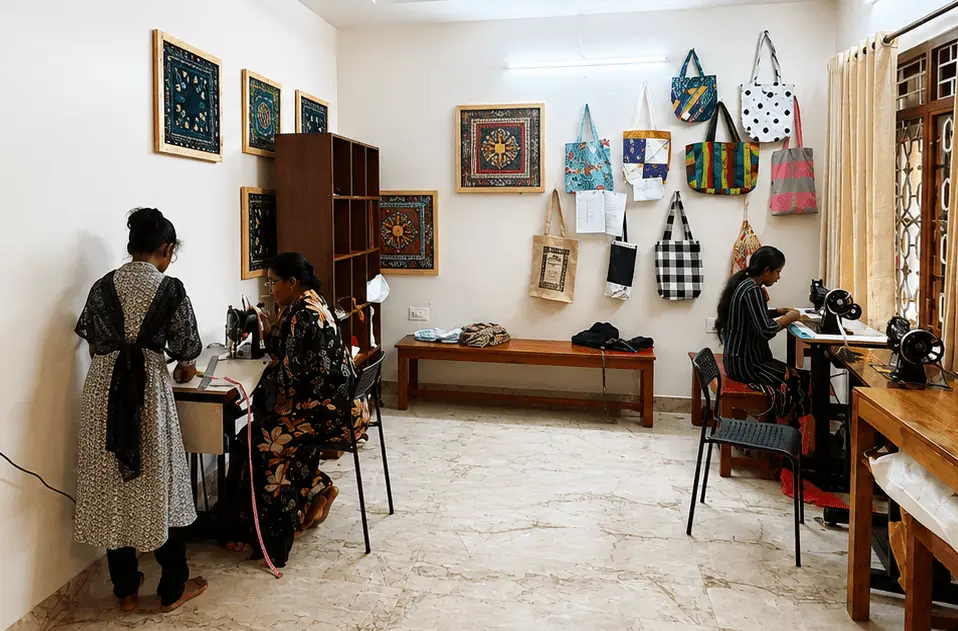
Members followed a product through the whole process
The stitching class continued with members getting to know the complete process behind making a product. From handling fabric carefully to practicing clean stitching, each session helped turn learning into confidence.
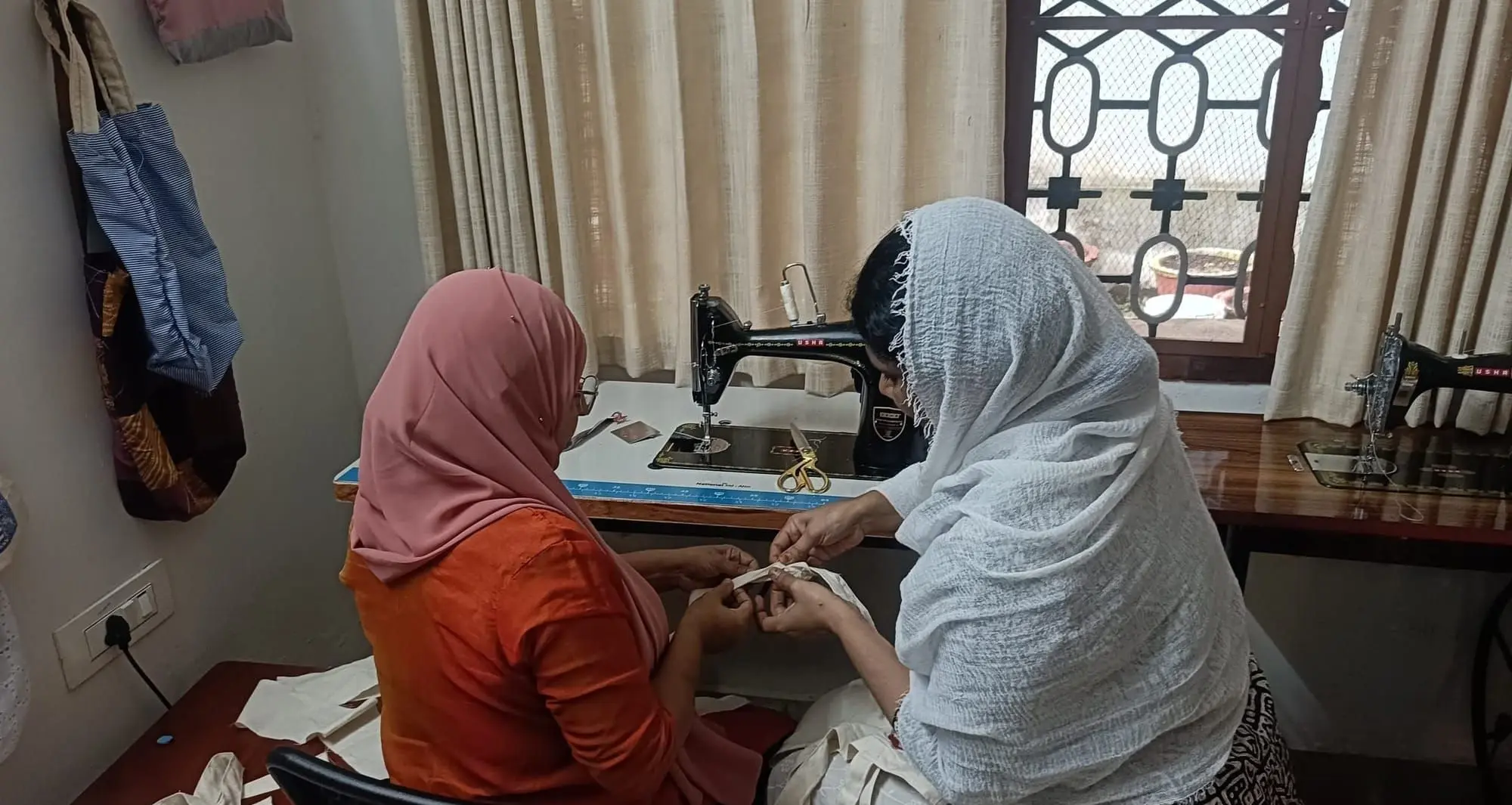
Fabric slowly turned into bags and pouches
We turned fabric into bags and pouches. We practised, and we were patient. We made small improvements at every step. The space became one of learning, support and shared creativity.
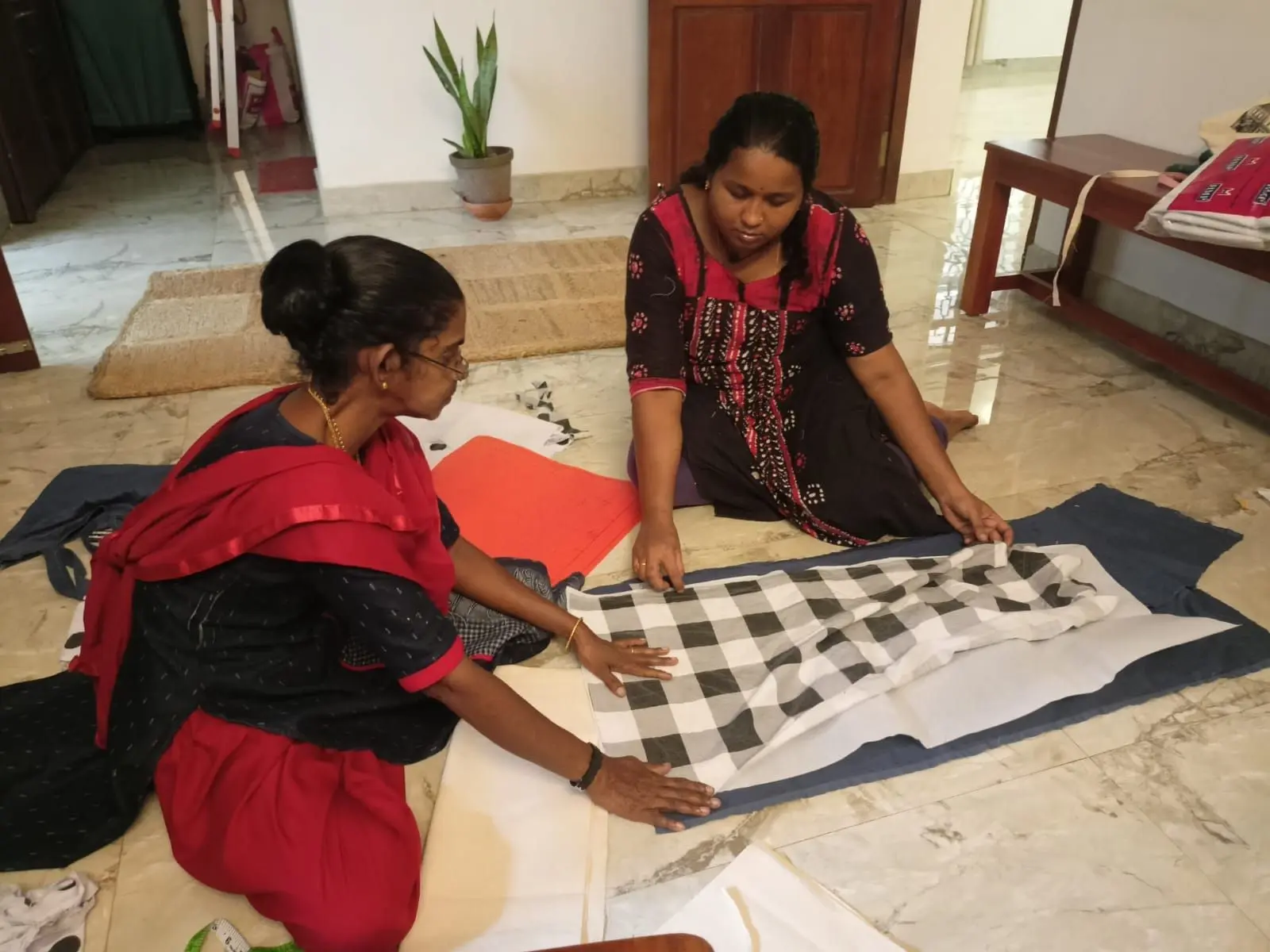
Students grew more confident handling fabric
The stitching class continued. Students learned how to work with fabric more confidently each day. From cutting cloth to finishing small details, the sessions helped the community slowly build practical skills through regular practice.
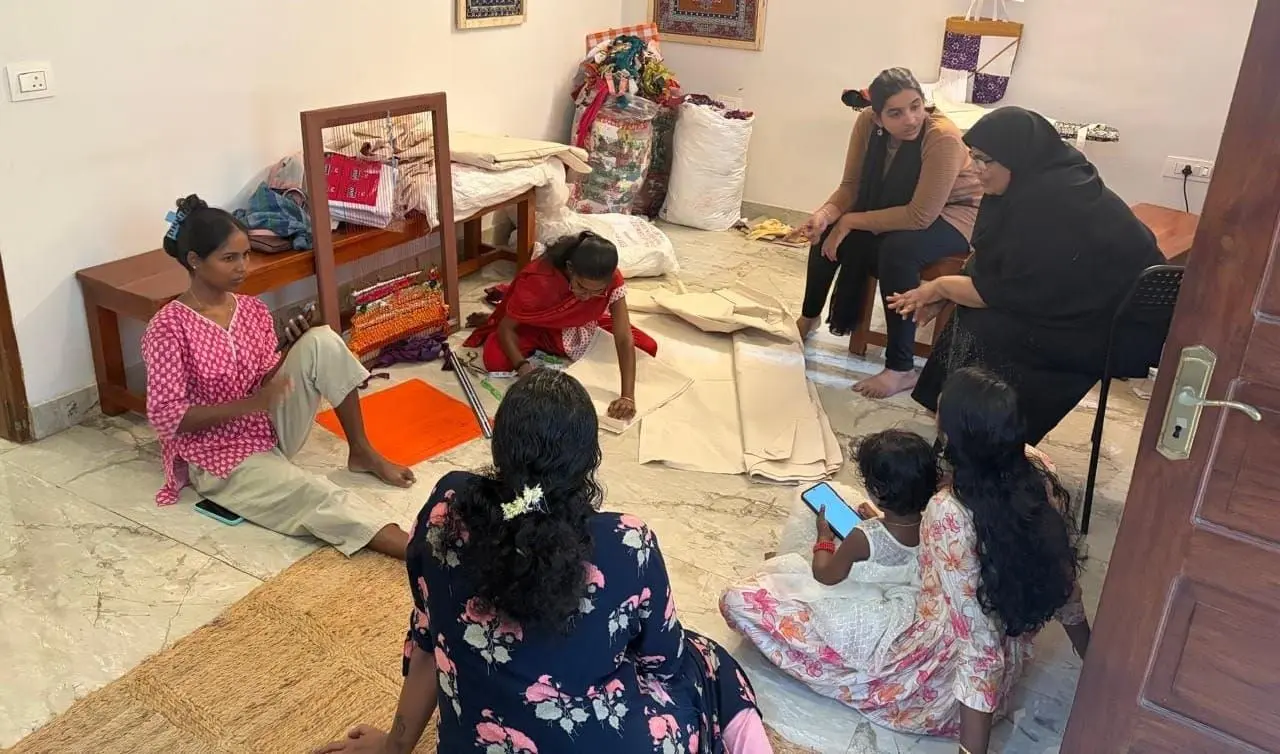
Measurements, cutting and patterns taught from the basics
The stitching class covered measurements, fabric cutting, and bag patterns from the start. Students worked together carefully, practising each step slowly. The room filled with learning, teamwork, and creativity.
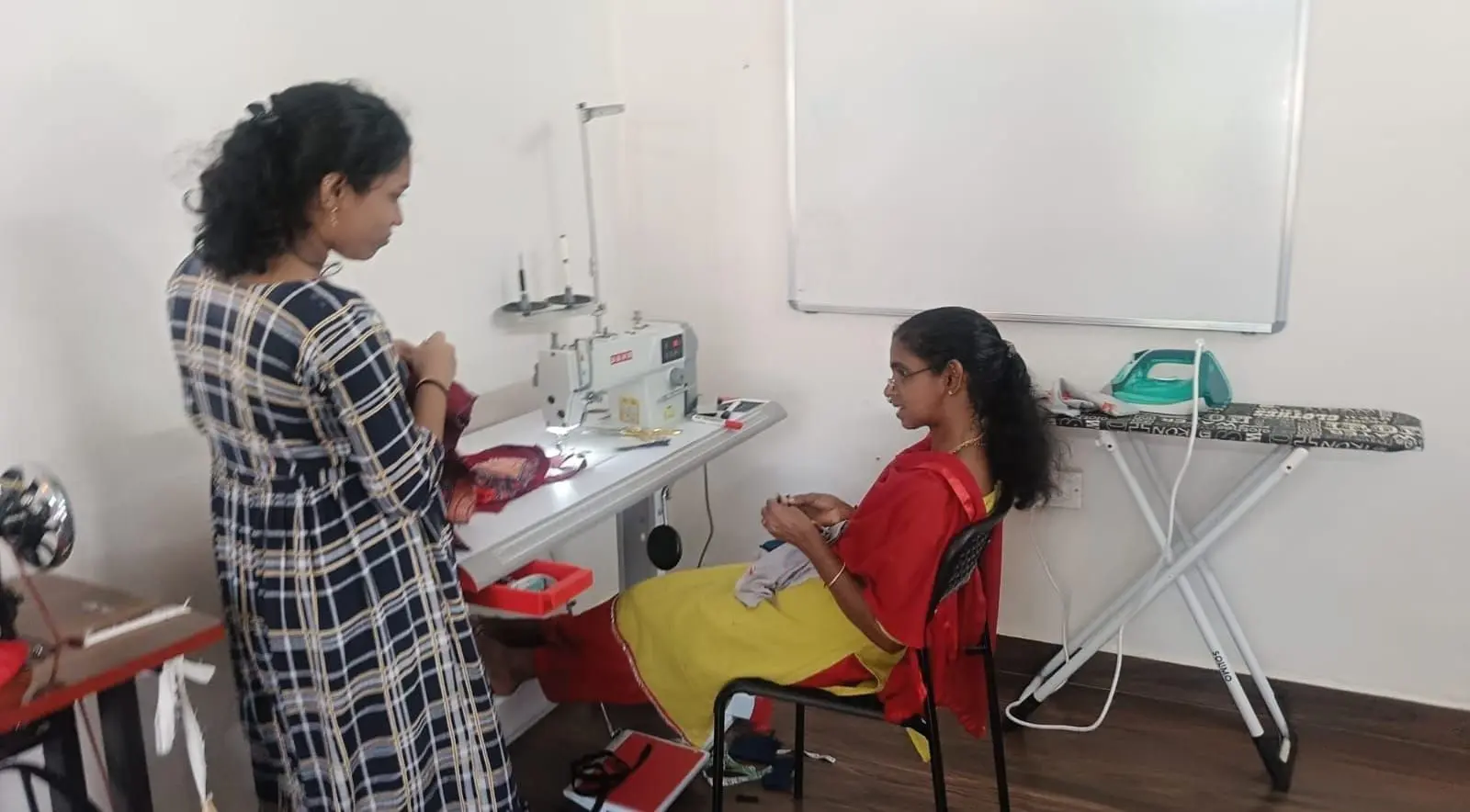
Tracing patterns and preparing cloth for the machines
We traced patterns, then prepared cloth for the machines. The room contained fabric pieces and measurement tapes, and everyone concentrated. Each session left them more confident with the process.
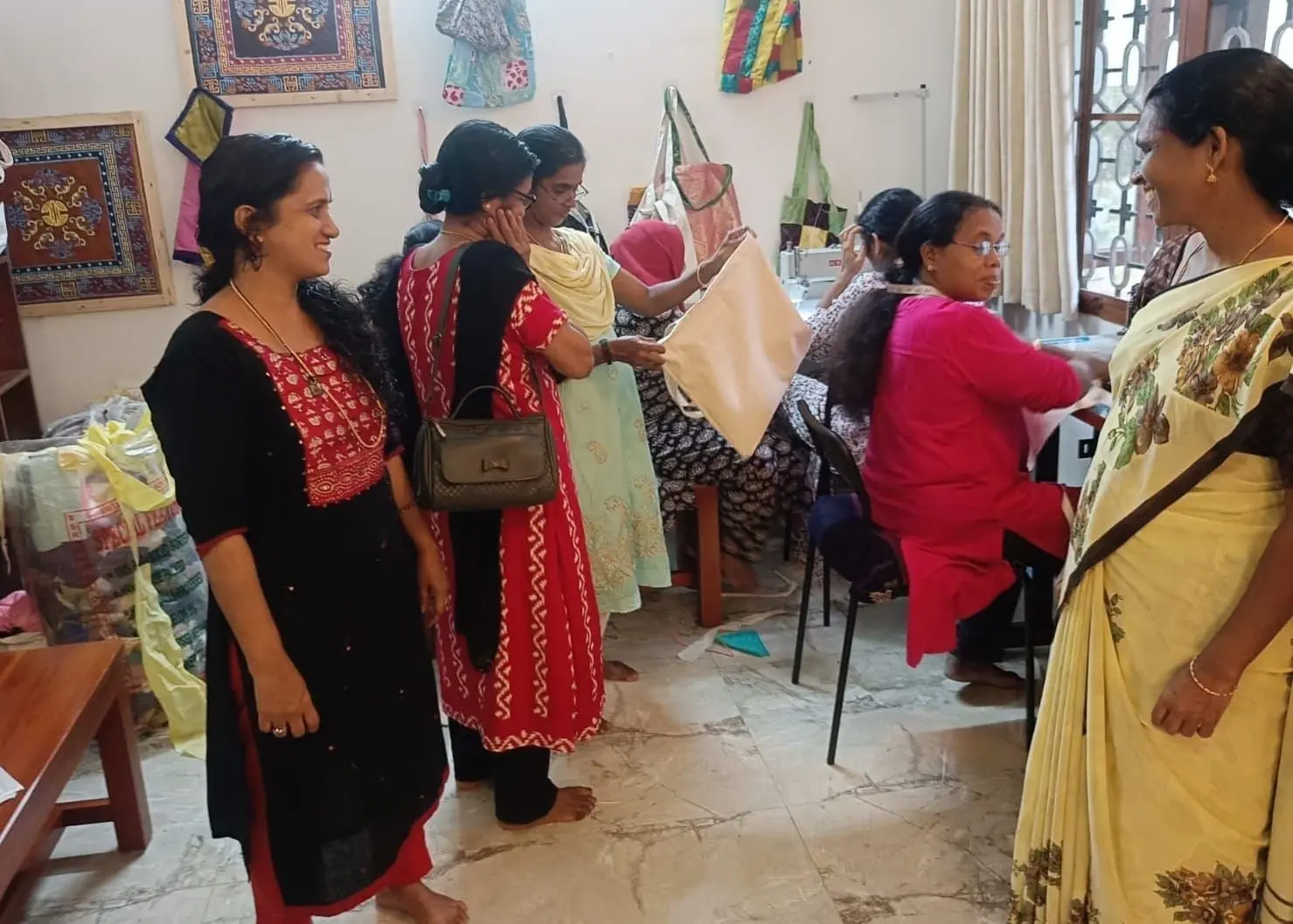
The stitching room fills up every day
The stitching space was busy every day with practice, conversations, and learning. Beginners and more confident machine users each attended sessions which helped the community build skills.
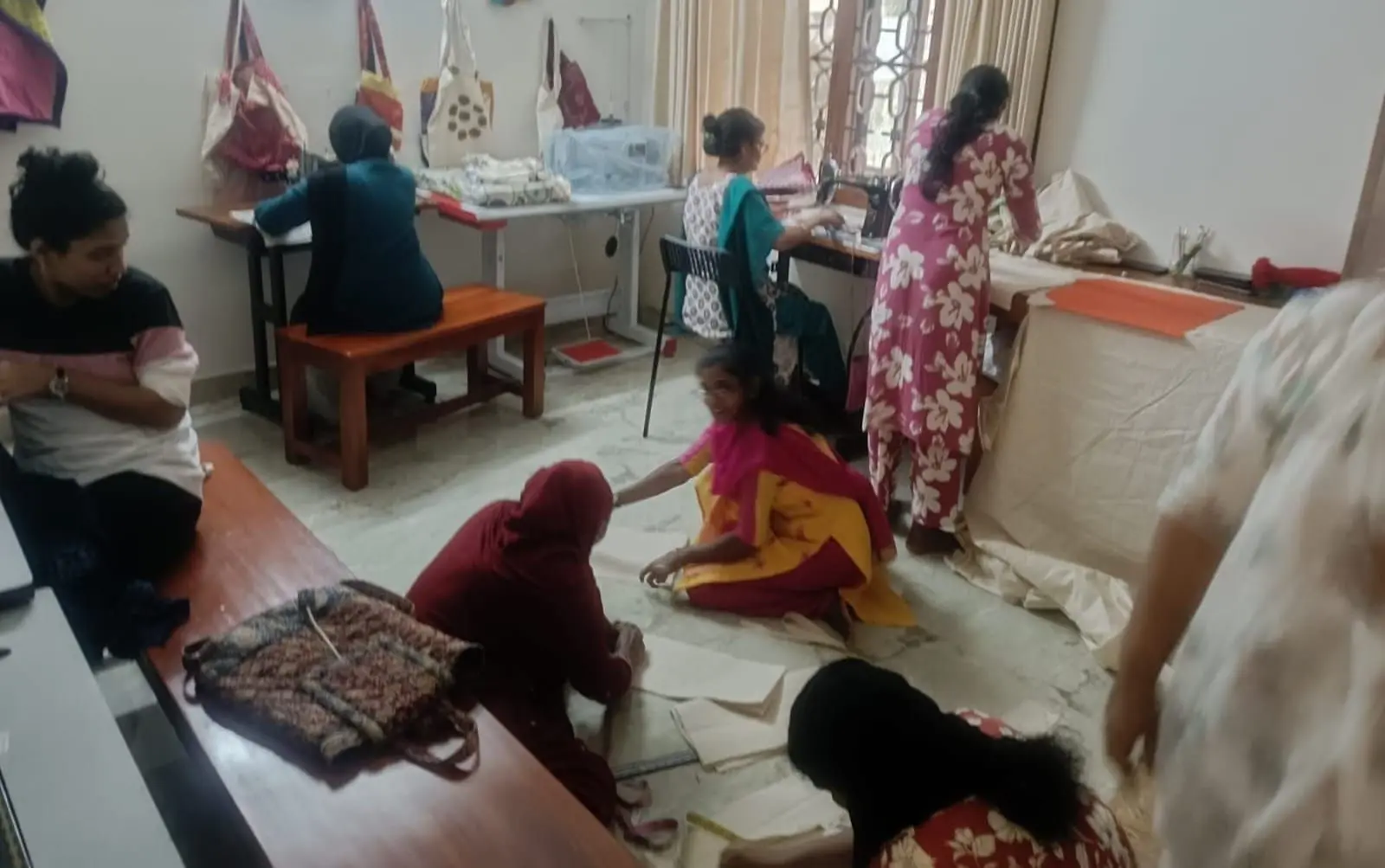
Members learned to make a tote bag from scratch
We taught members to make tote bags from scratch. They measured fabric, cut it out, then stitched it on the sewing machines. We gave practice, guidance and teamwork every week.
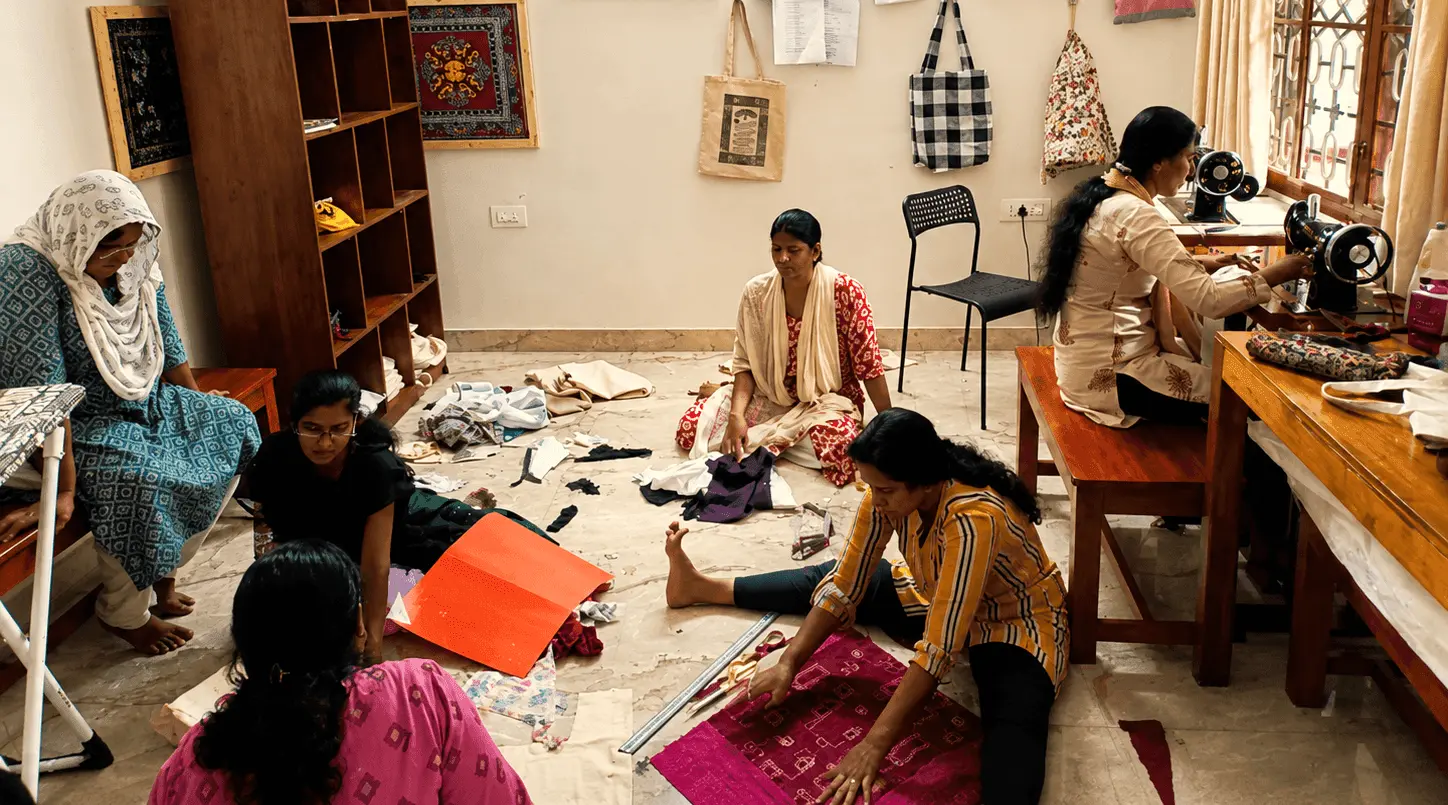
Stitching classes got set timings and checklists
The stitching classes ran with set times and checklists for students to use. We started with the basics, and members learned slowly with more clarity and consistency.
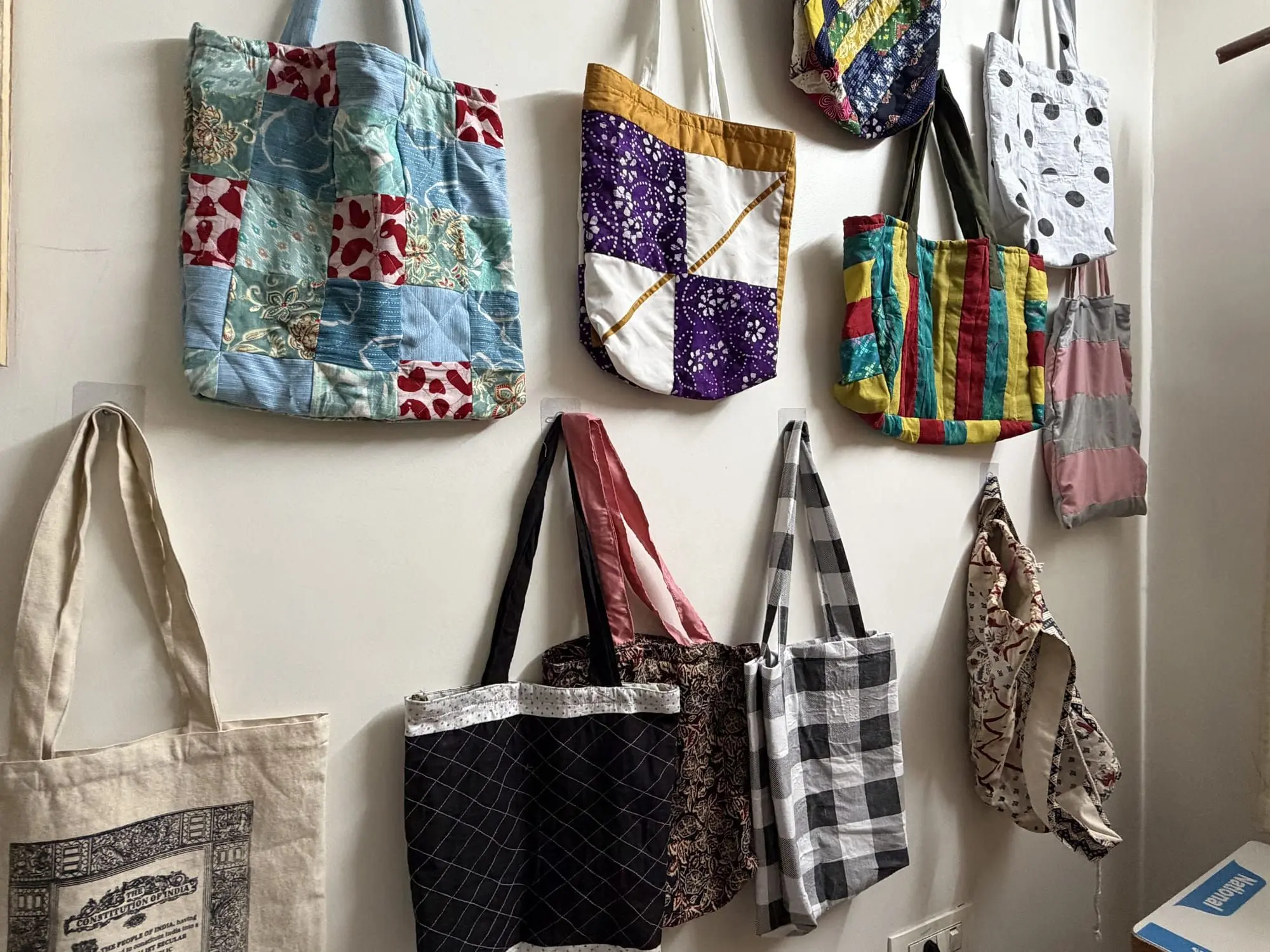
The wall of finished bags shows the class's progress
We ran a stitching class. The work is on the wall. Each bag shows what people learned. Some designs were simple, some were more creative. Every piece shows the effort people put in.
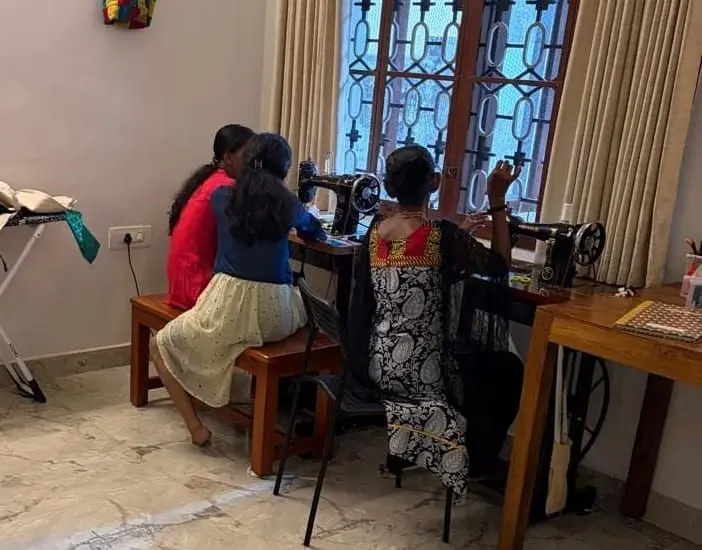
Practical stitching sessions for tote bags started from the basics
We started practical stitching sessions for tote bags on 14 March 2024. We used straight cutting and measuring, and everyone learned step by step, helping each other.
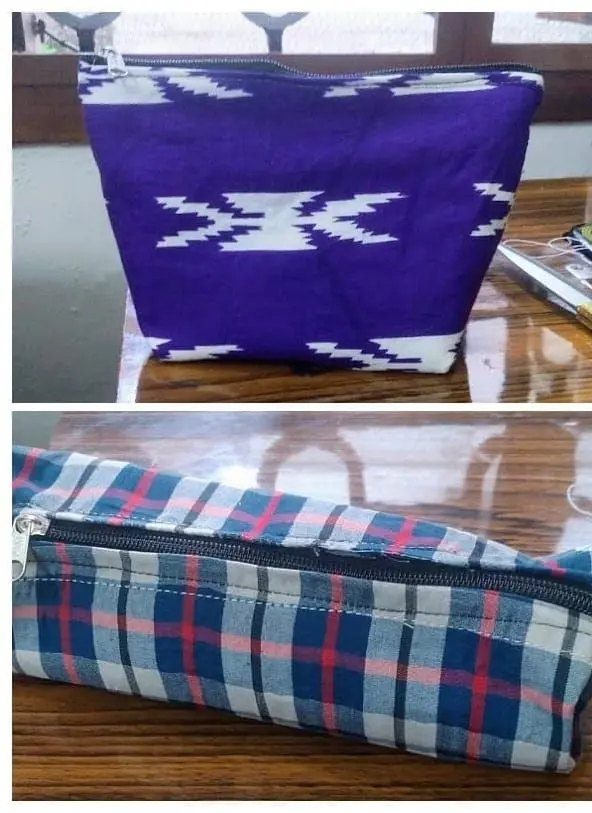
New fabrics and patterns tried out on zip pouches
In the stitching class, we tried different fabrics and patterns to create zip pouches in new styles. Each piece reflects practice and experimentation.
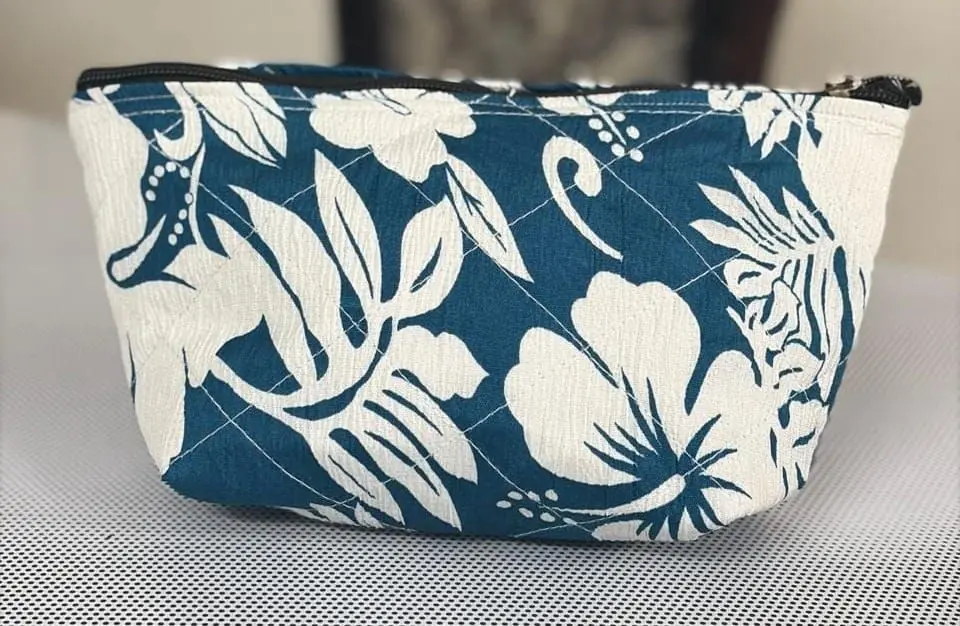
A plain piece of fabric became a zip pouch
In the stitching class, we shaped a piece of fabric into a neat pouch with a zip. With practice and attention to detail, it became a small but complete product made by hand.
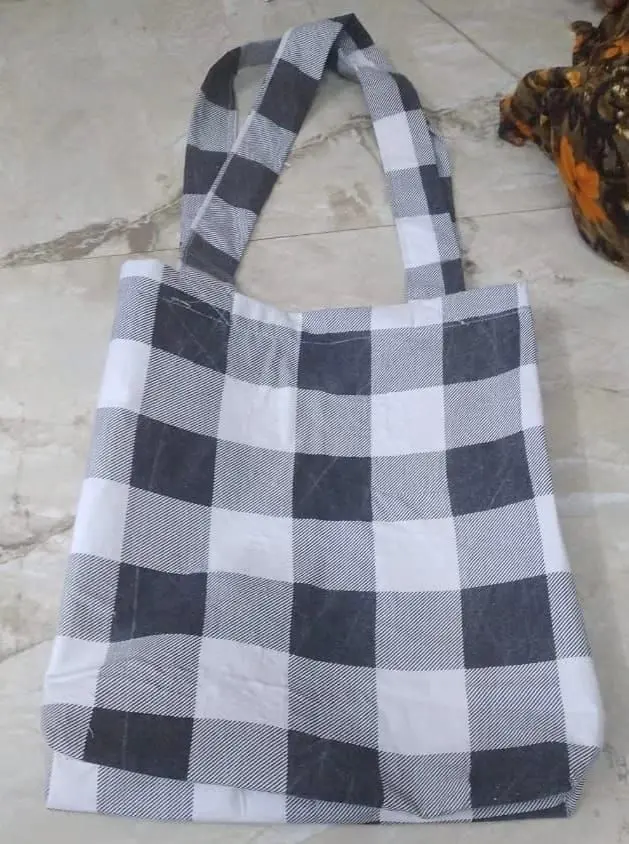
Practice turned into a finished piece
With each stitch, the design came together—turning practice into a finished piece.
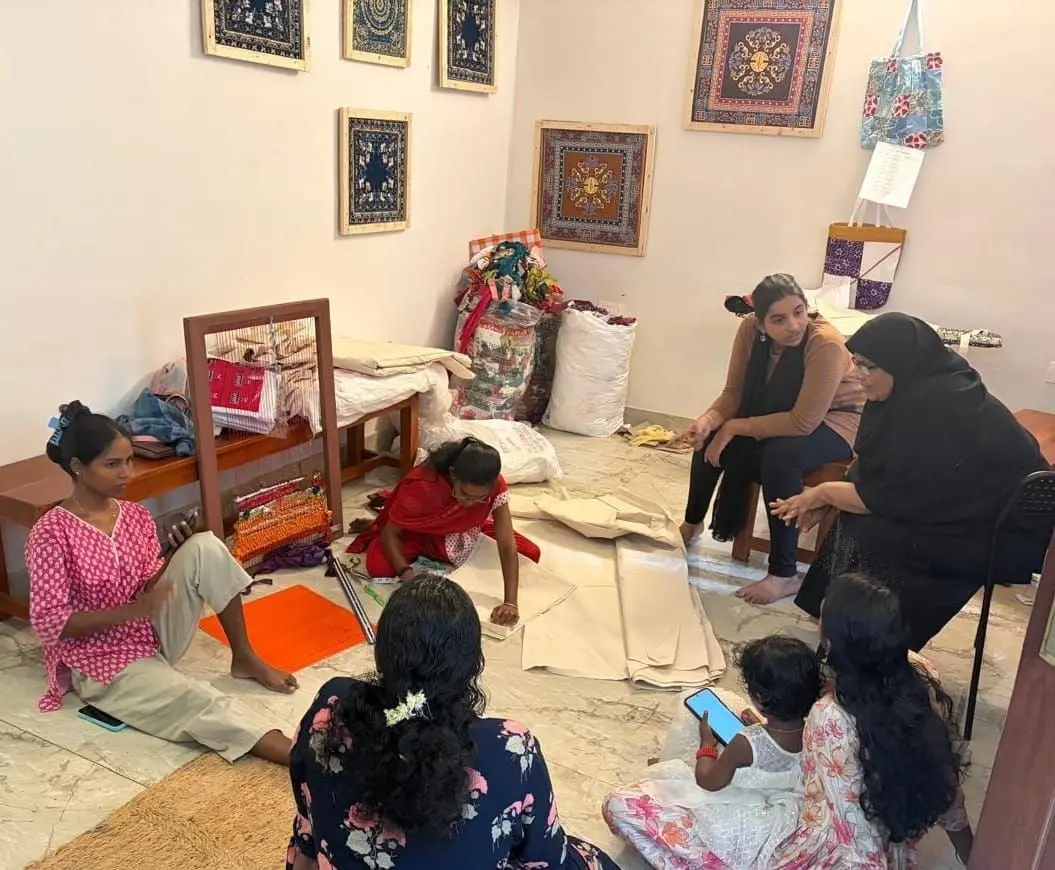
The stitching teacher trained while members watched and helped
We ran a training session for the stitching faculty on making tote bags. Around this, community members came along and helped, giving ideas, watching, and learning.
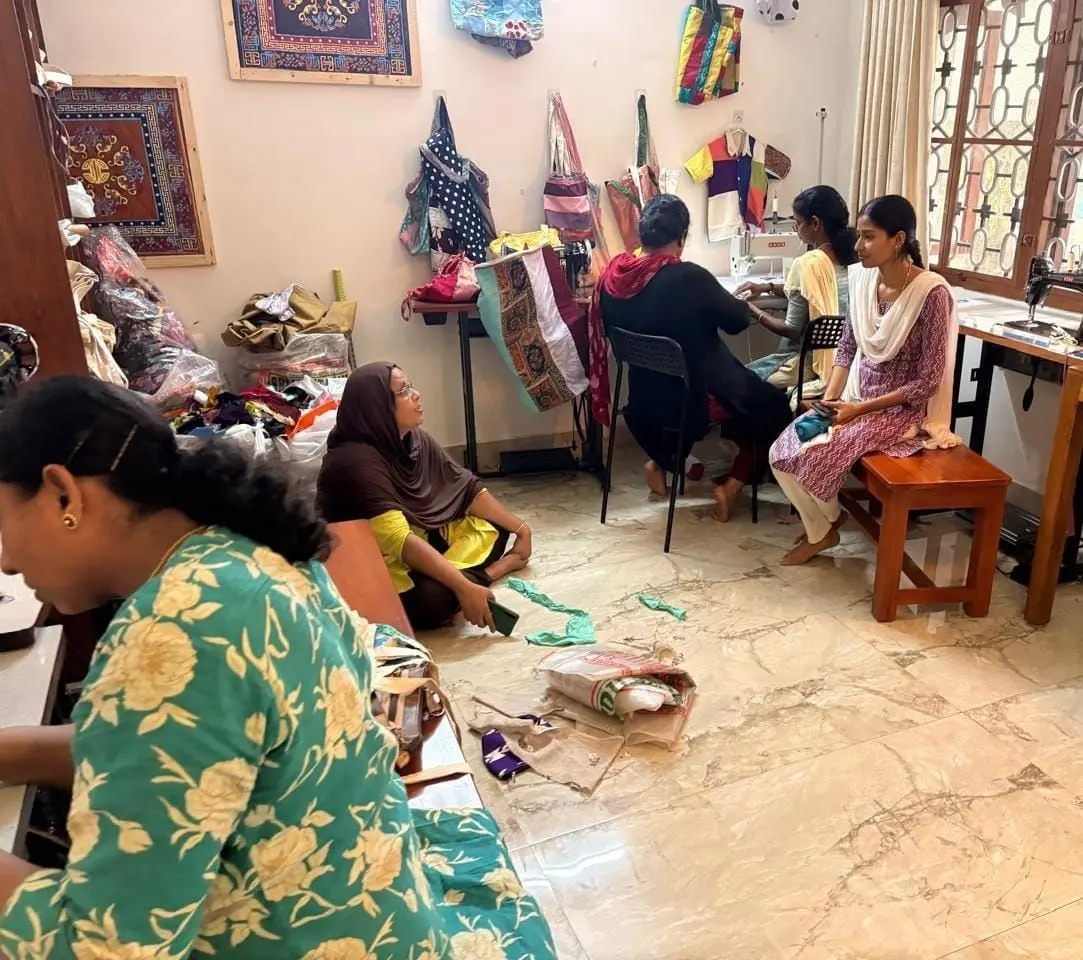
A new group started with tote bags and repairs
We gathered on 14 March 2024 to begin learning stitching. We started with tote bags and simple repairs. We built skills and supported each other. We made something useful together.
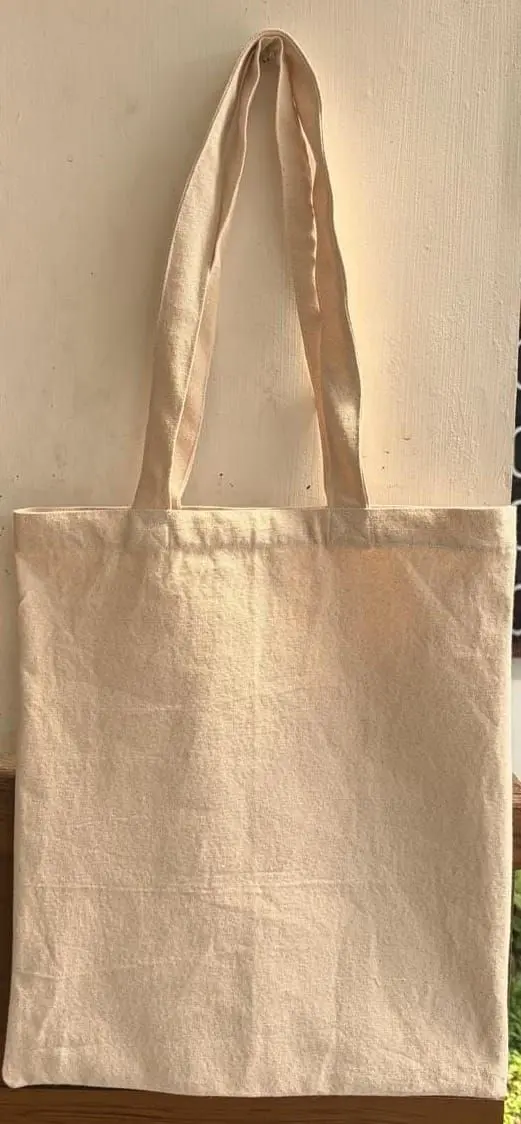
Neater zips and edges show the skills improving
Small details like the zip and neat edges show how skills are slowly improving with each session.
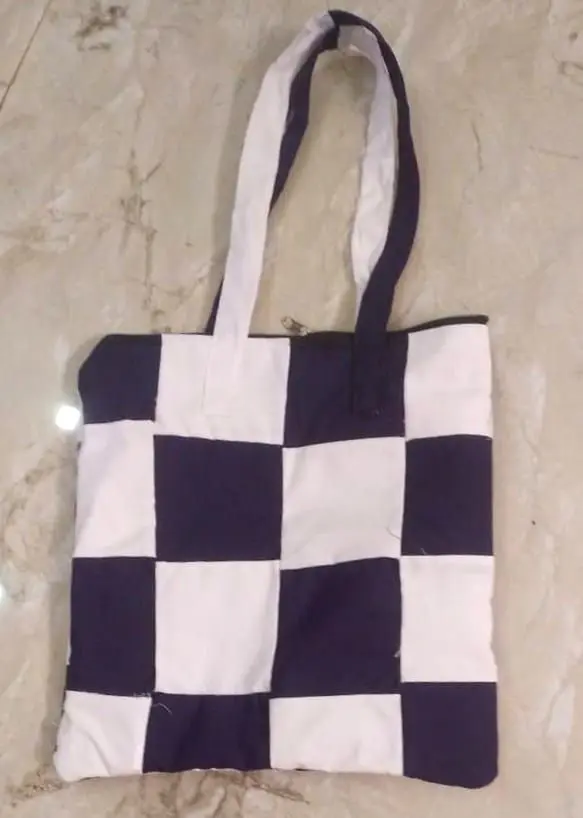
A student made a whole bag on their own
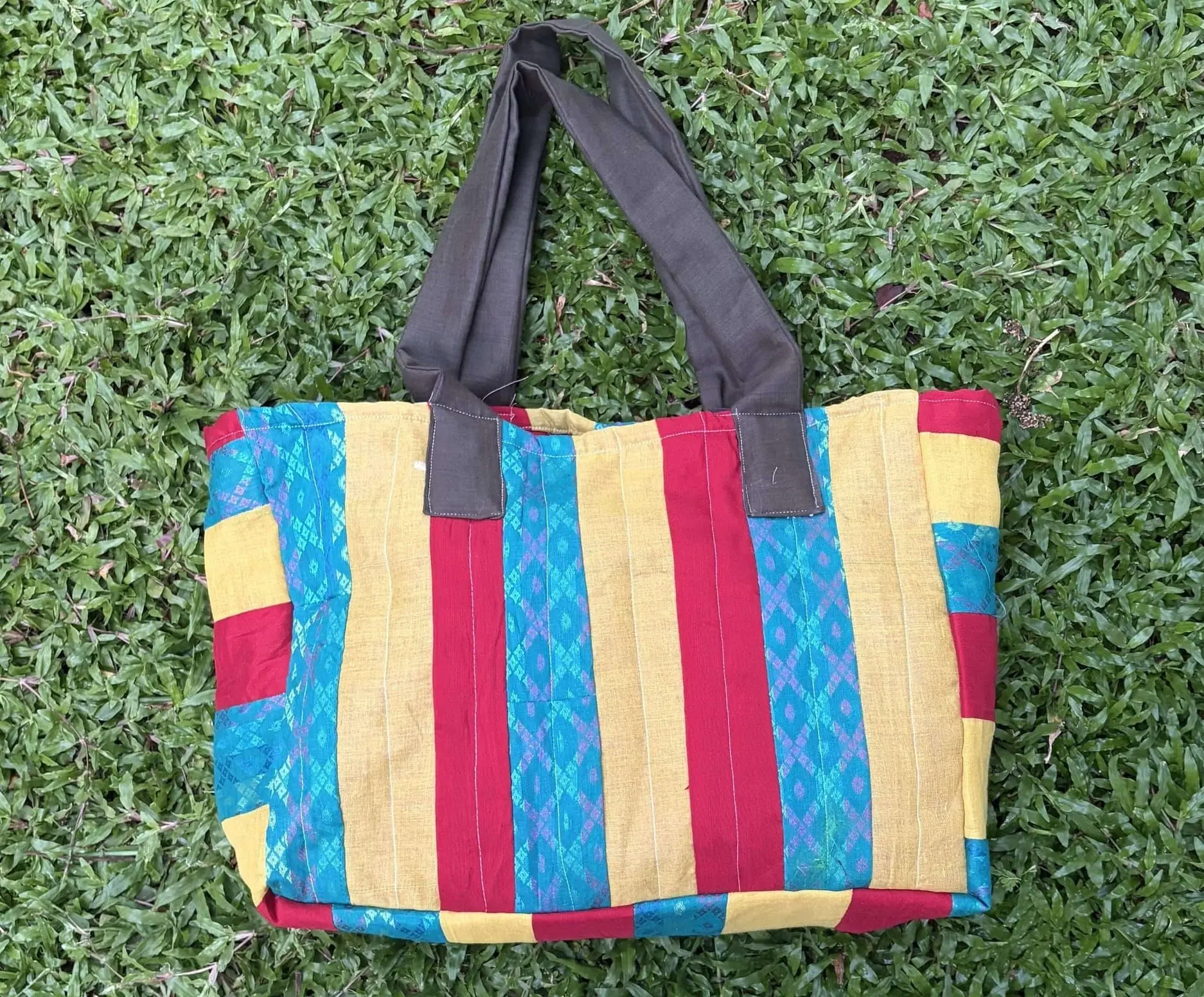
One of our students said at first they didn't know how to stitch. Today, they made a bag on their own.
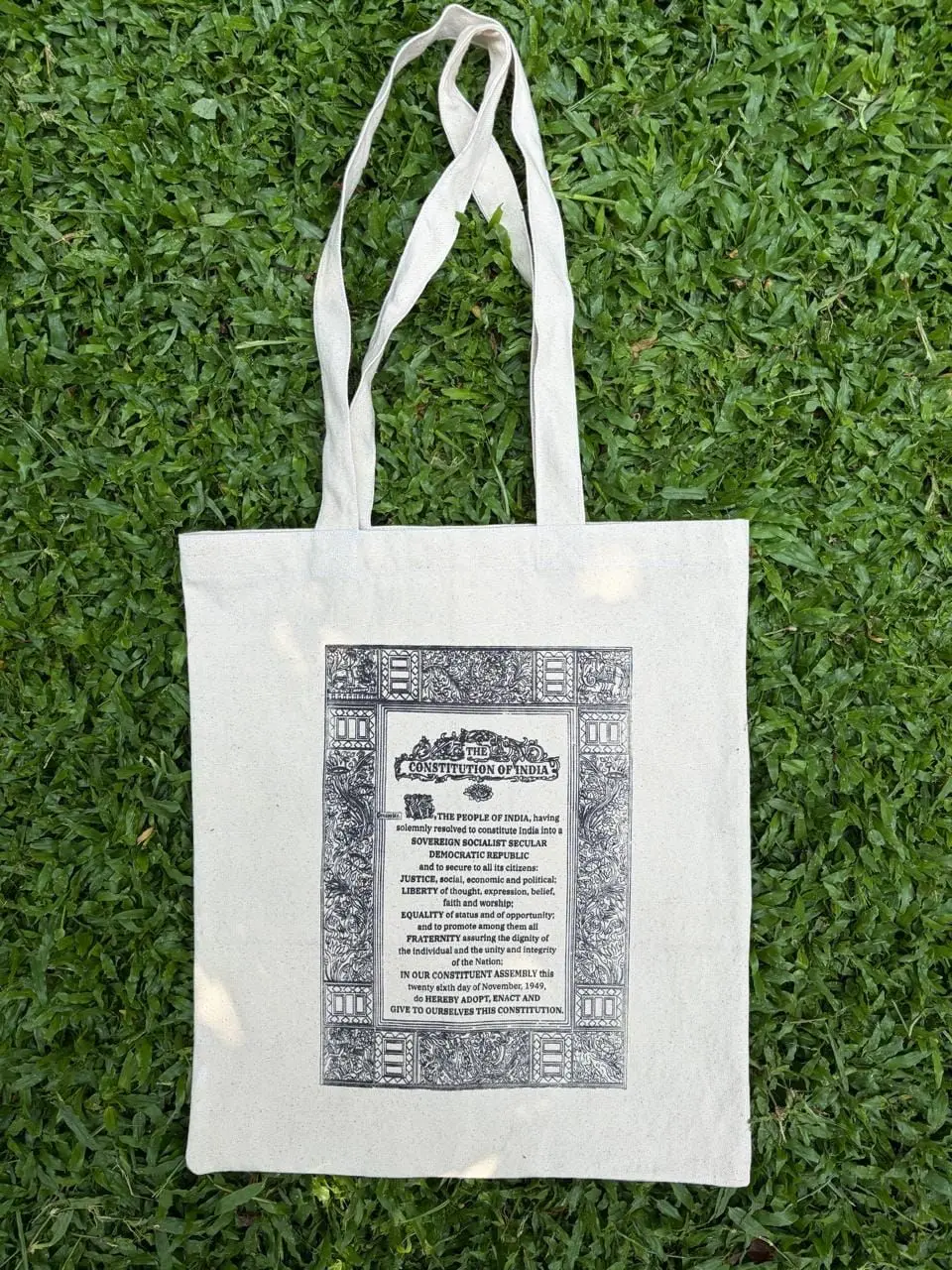
The first Constitution tote bag sample was made
We made a first sample tote bag with the Constitution printed on it. It was simple, but we thought it carried the values we believe in.
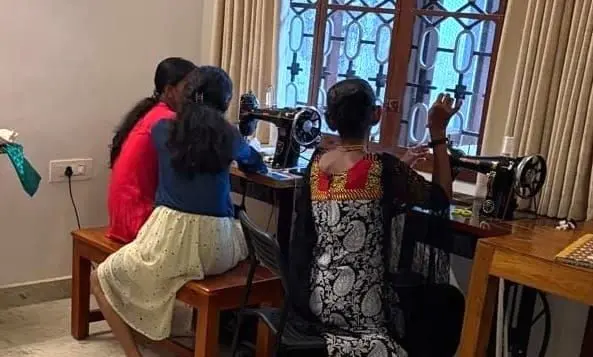
Children started learning to stitch, step by step
We ran stitching sessions where children learned the basics step by step. It was a space for them to learn with their hands, build patience, and slowly gain confidence in creating on their own.
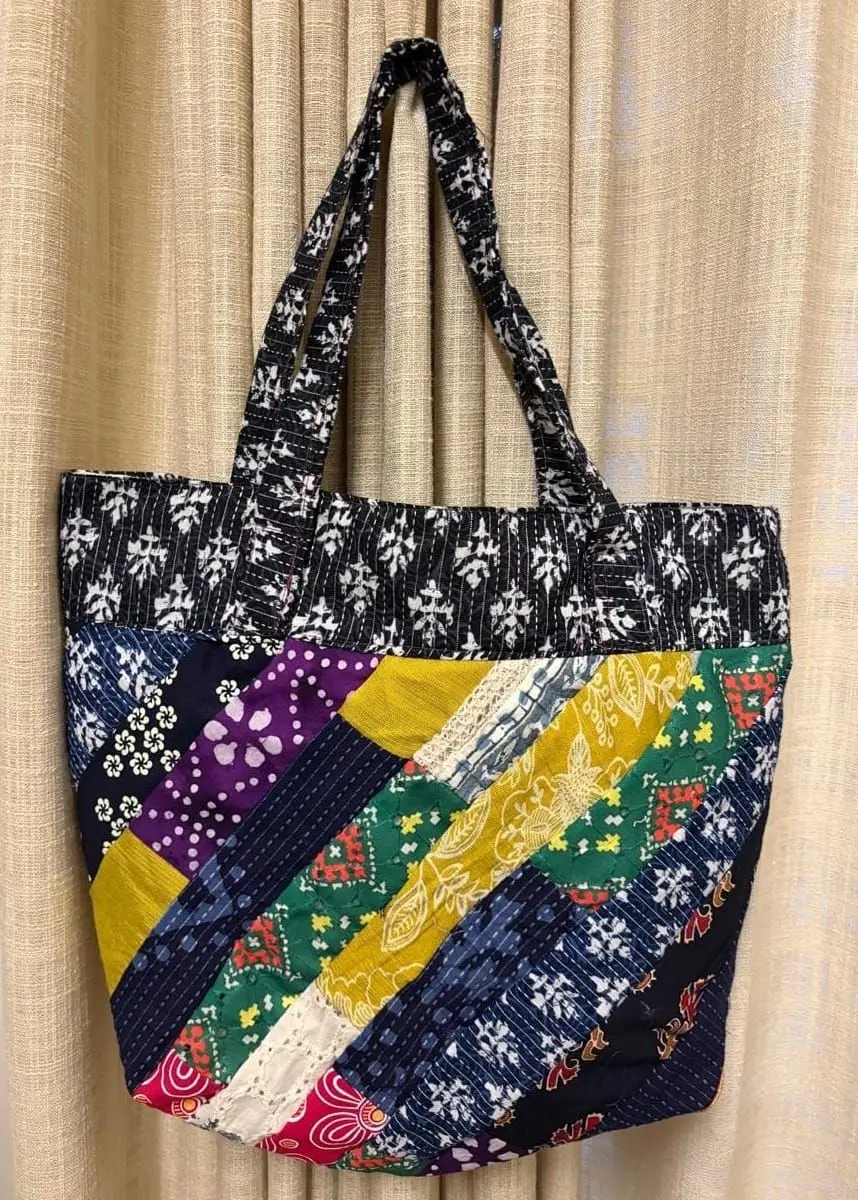
One member turned collected scraps into a single bag
One of the community members brought together collected fabric cut pieces to create a unique bag. She used colors, patterns, and ideas. What could have been waste is now a thoughtful piece, shaped by creativity, patience, and skill.
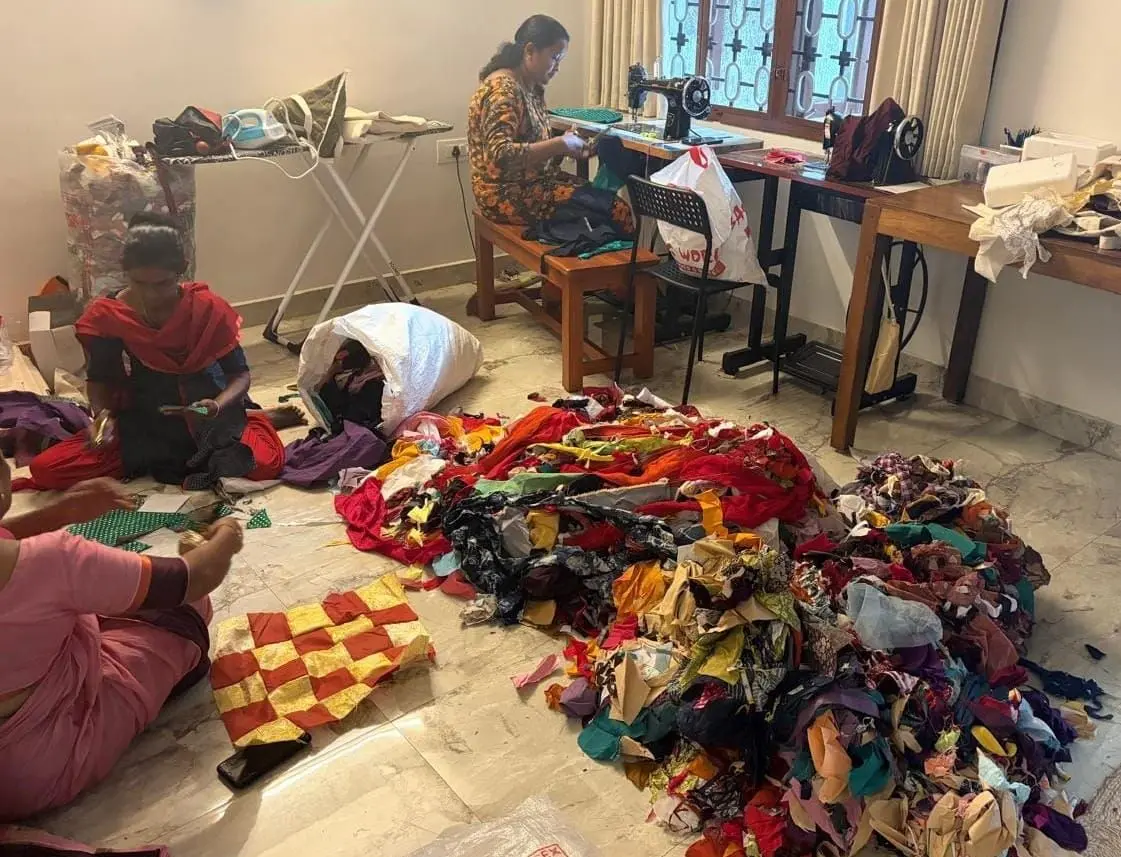
Scrap fabric sorted and given a new purpose
We sorted scrap fabric, stitched it and reimagined it. What once seemed like waste found a purpose; every small piece, leftovers turned into possibilities.
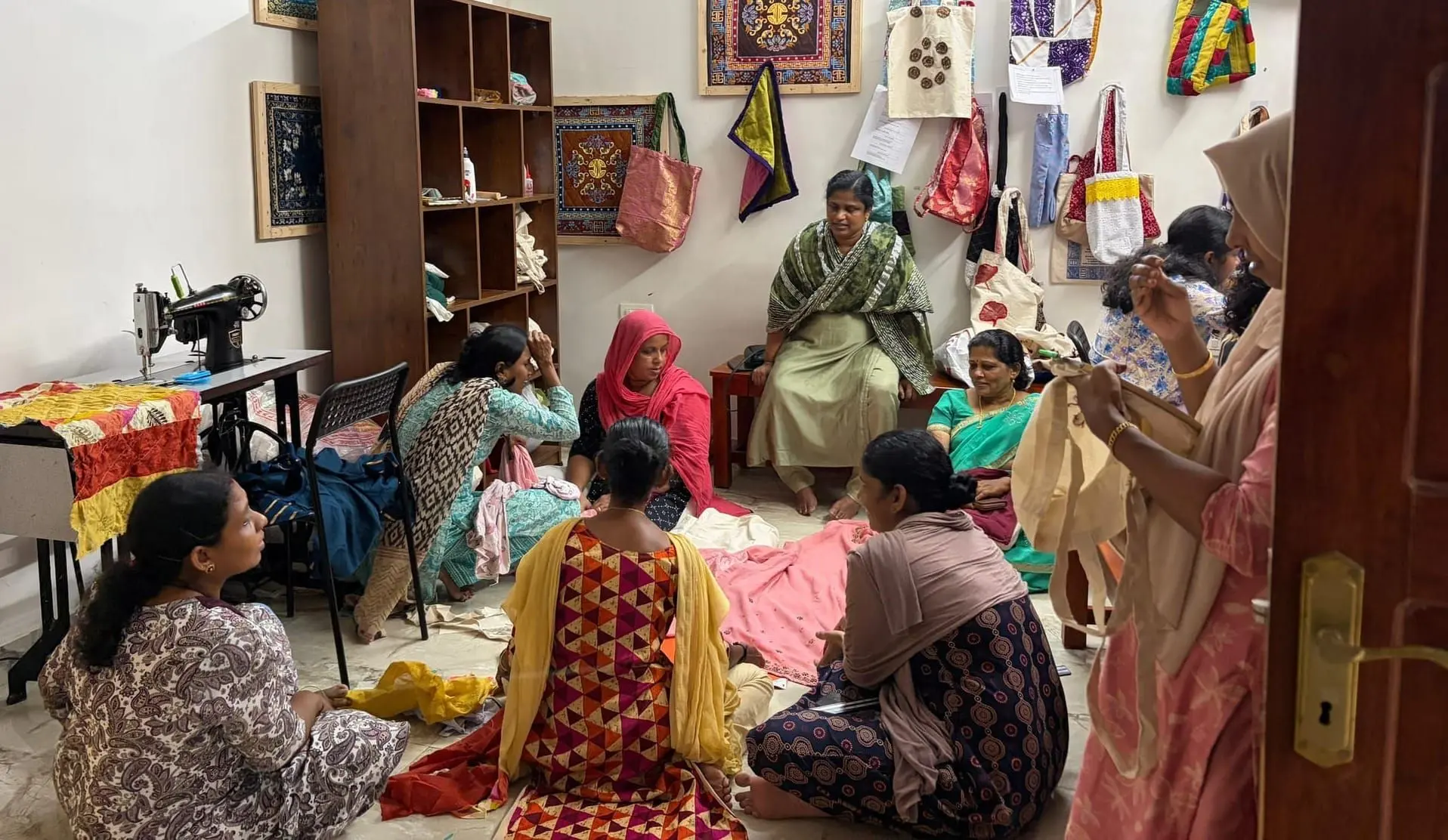
Community members shared skills at the stitching session
Community members came together for a stitching session, sharing skills, ideas, and time. With each stitch, confidence grew and creativity began to take shape.
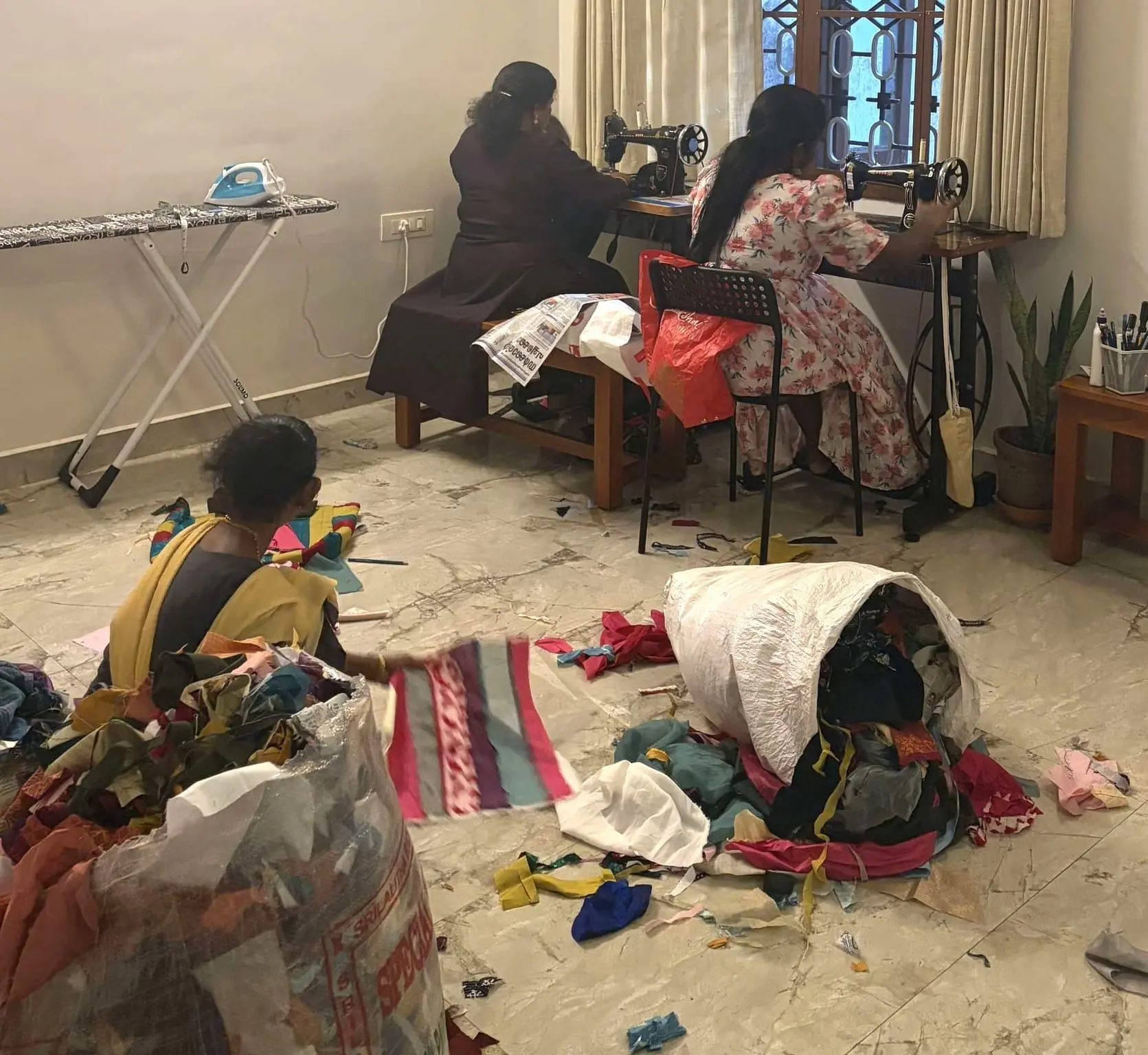
Fabric bound for landfill was collected from tailor shops
Fabric pieces once headed for landfills were collected from local tailor shops and boutiques by a community member. Now, through sorting and care, they are being given a second life, slowly turning waste into something meaningful.
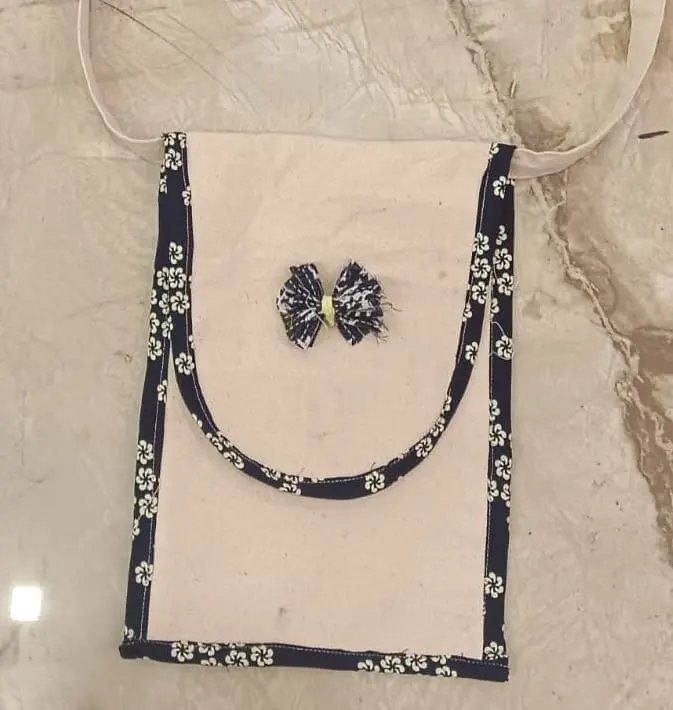
A member's own idea became a small bag
An idea from one of the community members turned into this beautiful little bag. With excitement and curiosity, it was brought to life, one stitch at a time, full of personal touch and joy.
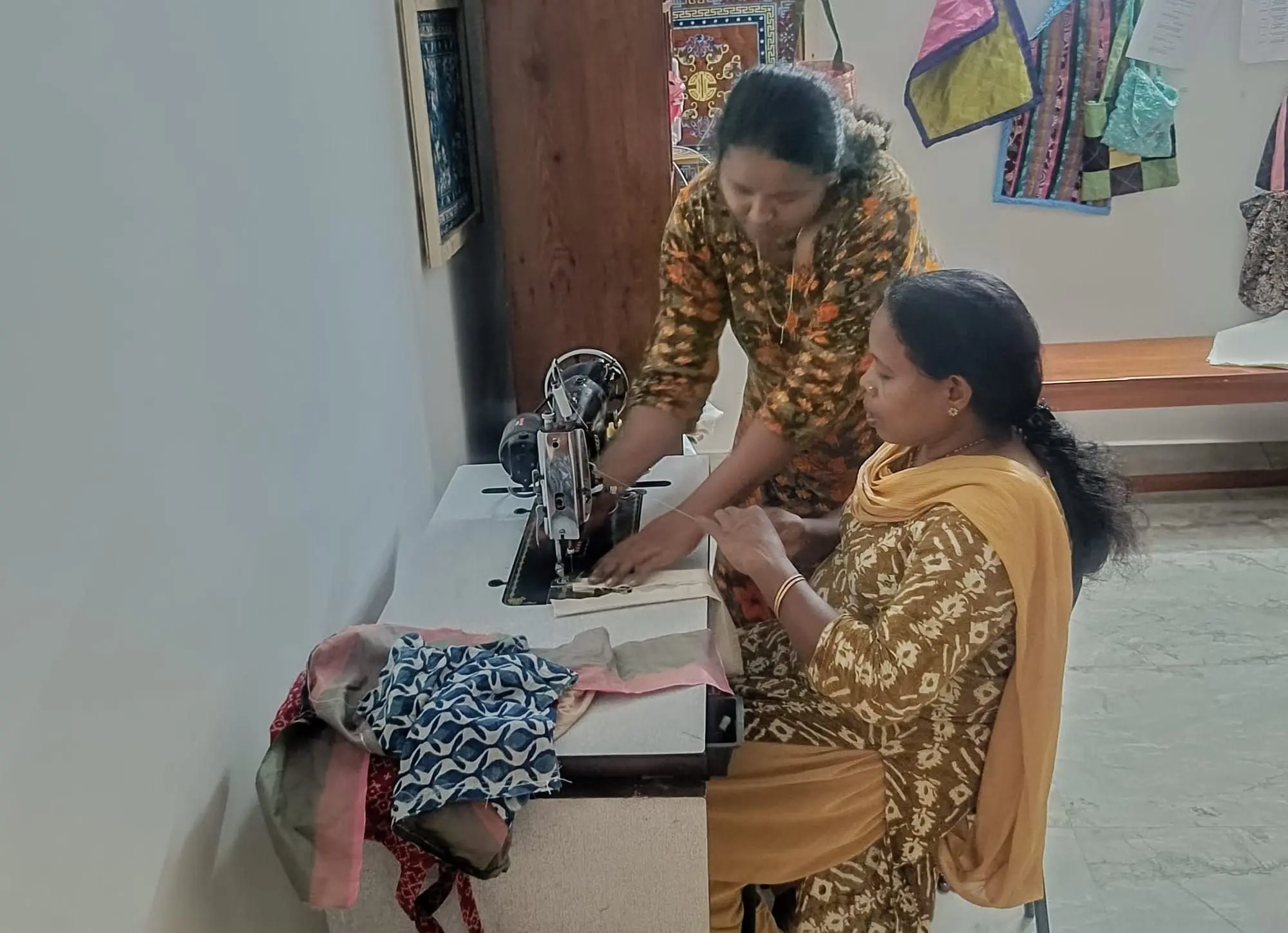
Groundwork laid for tote bag production, stitch by stitch
We laid the groundwork for tote bag production, one stitch at a time.
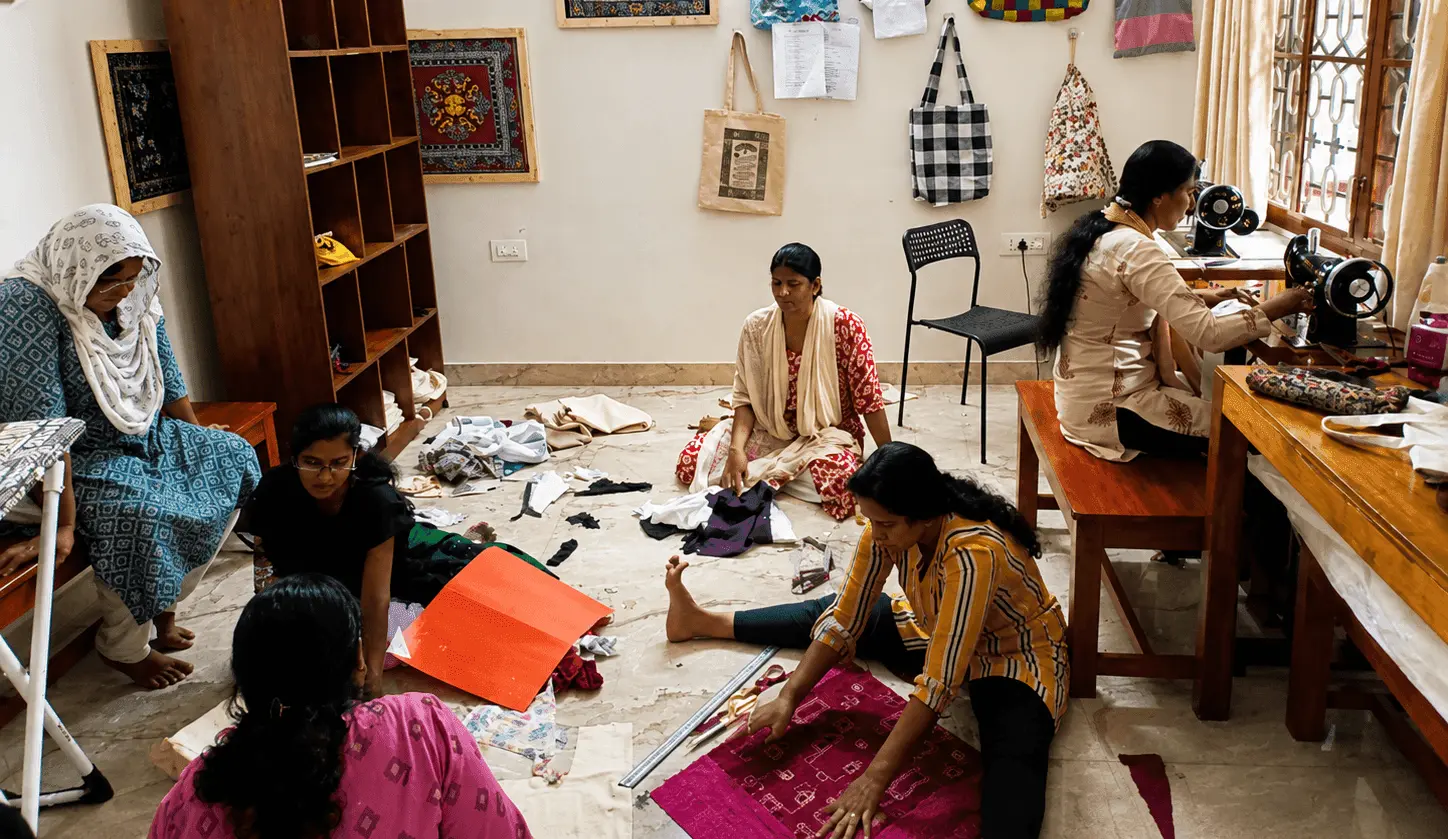
From measurements to single stitches, a patient session
We measured and learned each stitch with patience and focus. We enjoyed making things by hand.
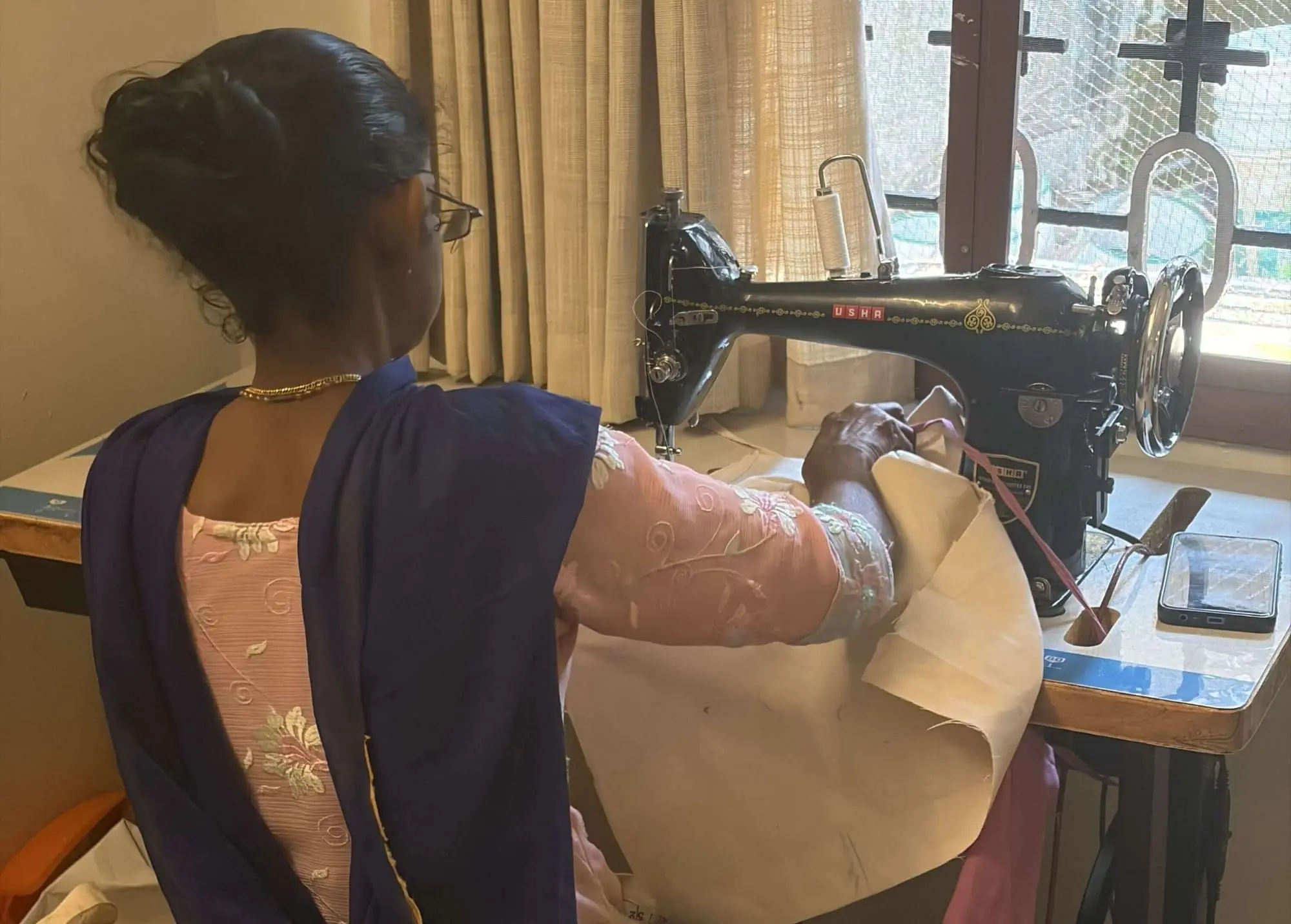
Careful practice ahead of bulk tote bag production
We prepared for bulk tote bag production by practising stitching carefully and precisely.
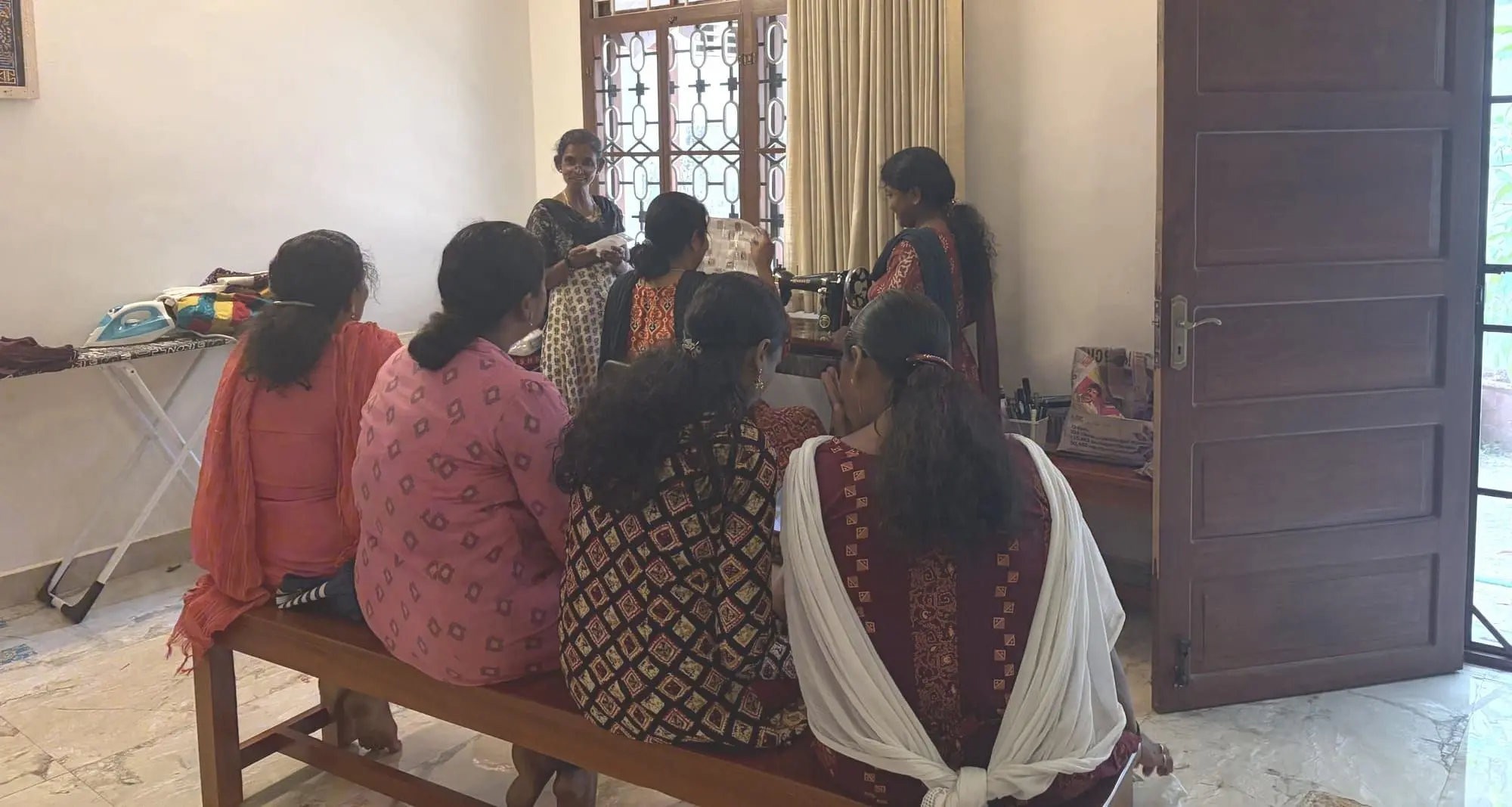
Five women want to design their own tote bags
Five community women came together to make tote bags, and they now expressed interest in creating their own designs for a few of them.
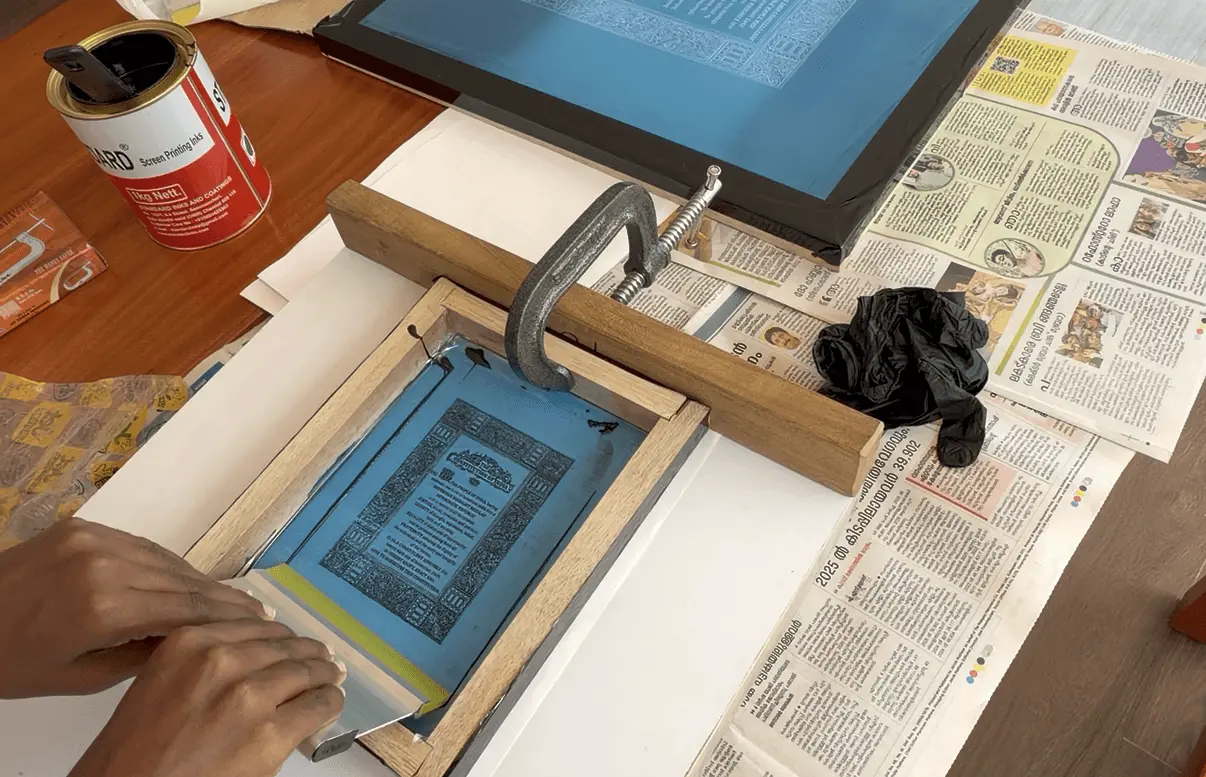
Screen printing practice started for Preamble bags and shirts
We started screen printing practice on 24th October 2024. We're working towards putting the Constitutional Preamble onto tote bags and T-shirts.
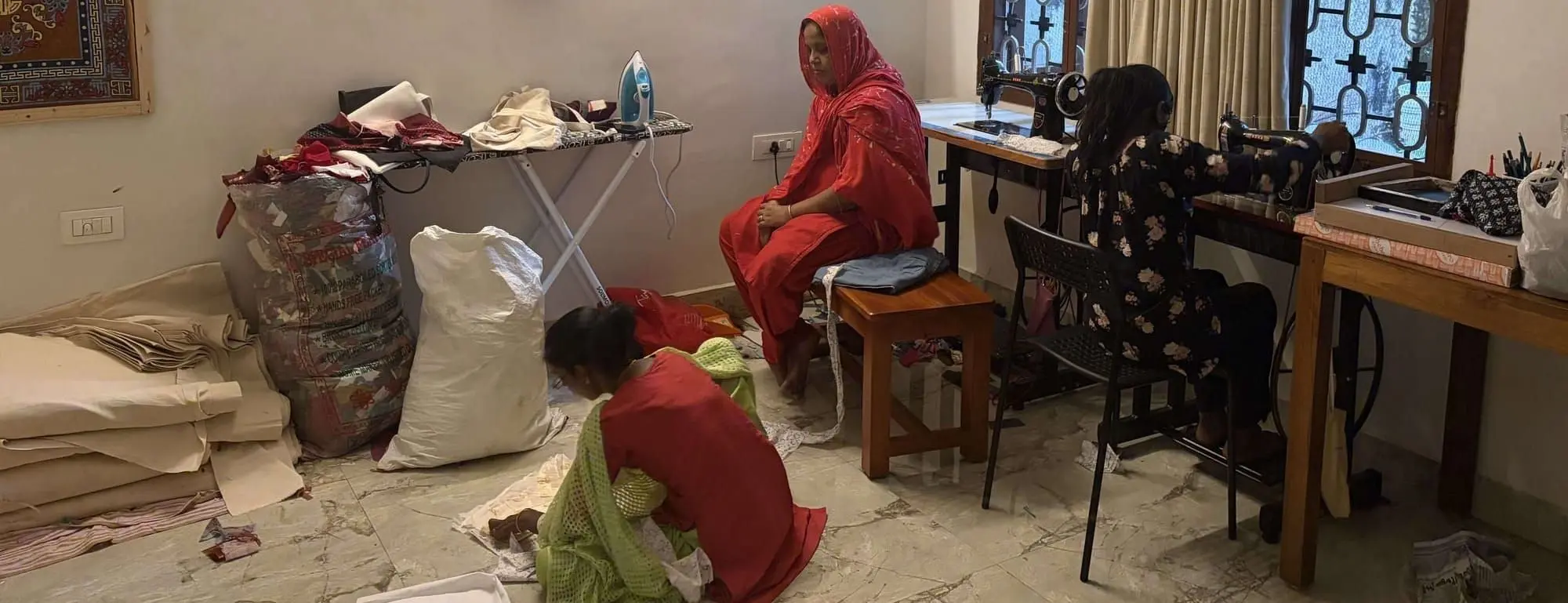
Community women made tote bags and learned basic repairs
On 14 March 2024, the community women got together and made tote bags. We learned basic stitching and repair skills.
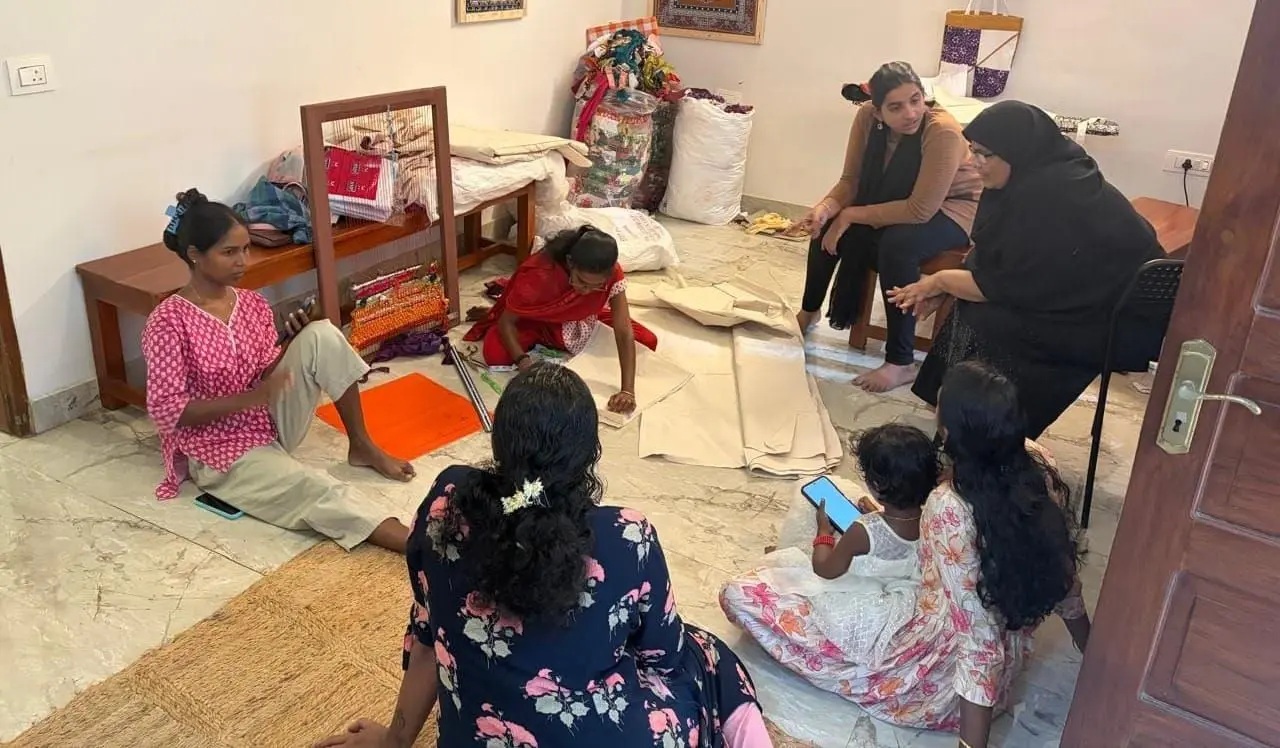
Three members turned boutique offcuts into tote bags
Three Community Members worked with Mary Gracy and Haseena in the Lab. We worked on Tote Bags from Cut Pieces collected from Boutiques.
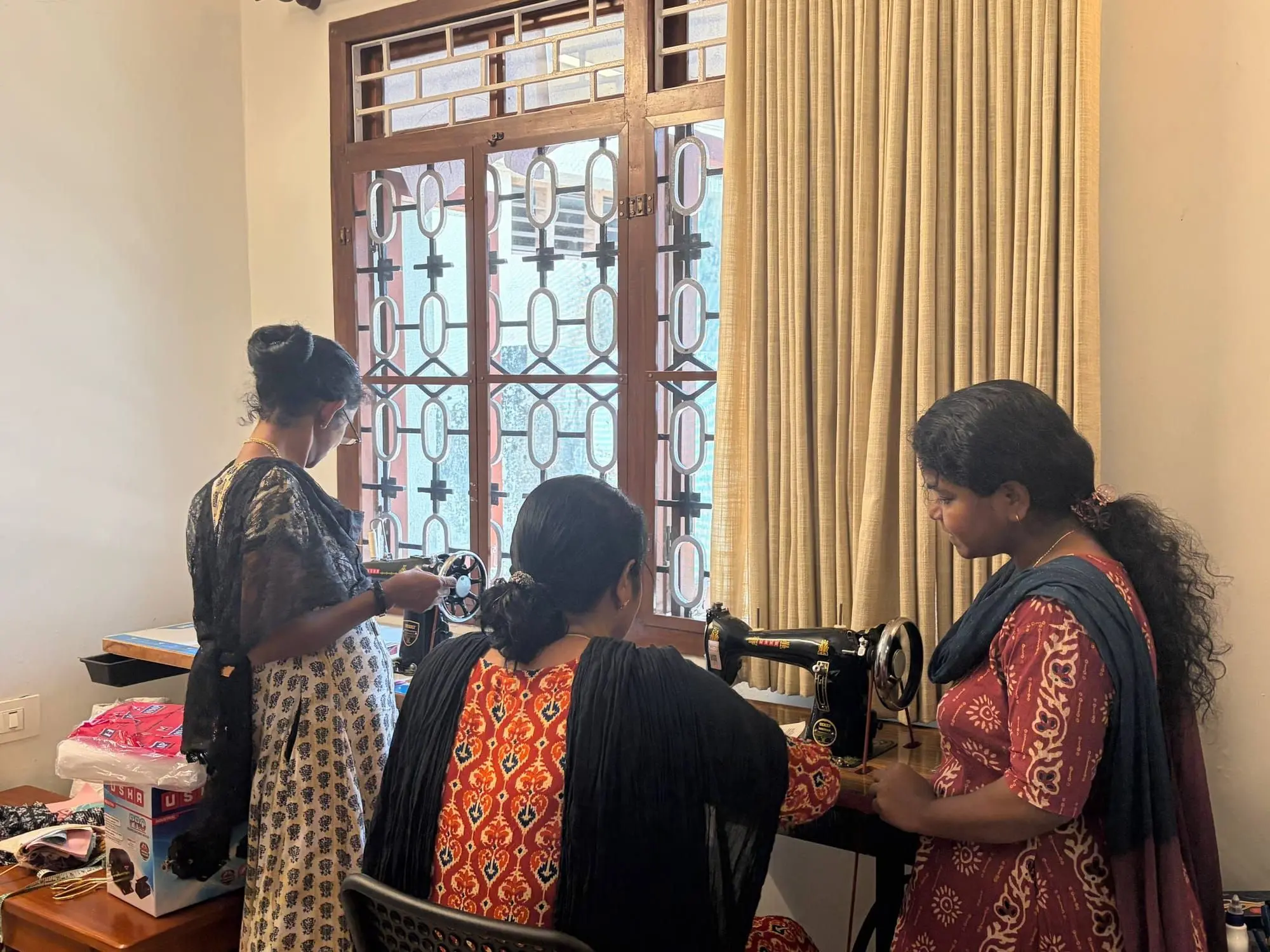
Six members mended their own clothes in the stitching lab
Six Community Members worked with Mary Gracy in the Lab. We started stitching our own clothes using materials we already had at home, taking time to fix and finish each part neatly.
The Stitching Club runs daily except Mondays, free and in Malayalam
A free stitching club, facilitated by Mary Gracy, runs daily from 2 to 6 pm except Mondays, in Malayalam, with all tools and equipment provided. Seats are limited, with preference to low income and underserved households from Fort Kochi, Mattancherry and nearby. It runs across four levels: repair, upcycling boutique offcuts into bags and pouches, earning 2K–5K a month from what you make, and setting up your own club.
Their story
What people said
One of our students
“At first, I didn't know how to stitch. Today, I made this bag on my own.”