Inside a modest government classroom in Kochi, students sat shoulder to shoulder, repeating lessons in unison while volunteers drifted in and out of the school. Aarthi Veerupillai had arrived from London as a volunteer with an international organisation, intending to stay briefly, teach a few classes, and return home. Instead, she found herself captivated by the warmth of the people, the chaos and charm of Kerala’s schools, and the possibility that education could be something more than textbooks and exams.
“I came with no real plan,” she recalls. “But those first few weeks in Kerala were some of the happiest days of my life.”
The unexpected journey would eventually lead to the birth of the Olimalar Foundation, a Kochi-based initiative focused on social-emotional learning and life skills education for children. Among the people Aarthi met during her early stint at volunteering was George, a local programme coordinator who quietly became one of the most important figures in her journey. Long after work ended, the two would sit talking about ideas, music, and the future of education in Kerala.
“We worked perfectly as a team,” she says. “I would plan things and dream up ideas, and George would go and make them happen.”
Together, they began designing activities that translated complicated life concepts into simple, engaging exercises for children. Drawing on her communications background, she focused on making emotional learning accessible and interactive.
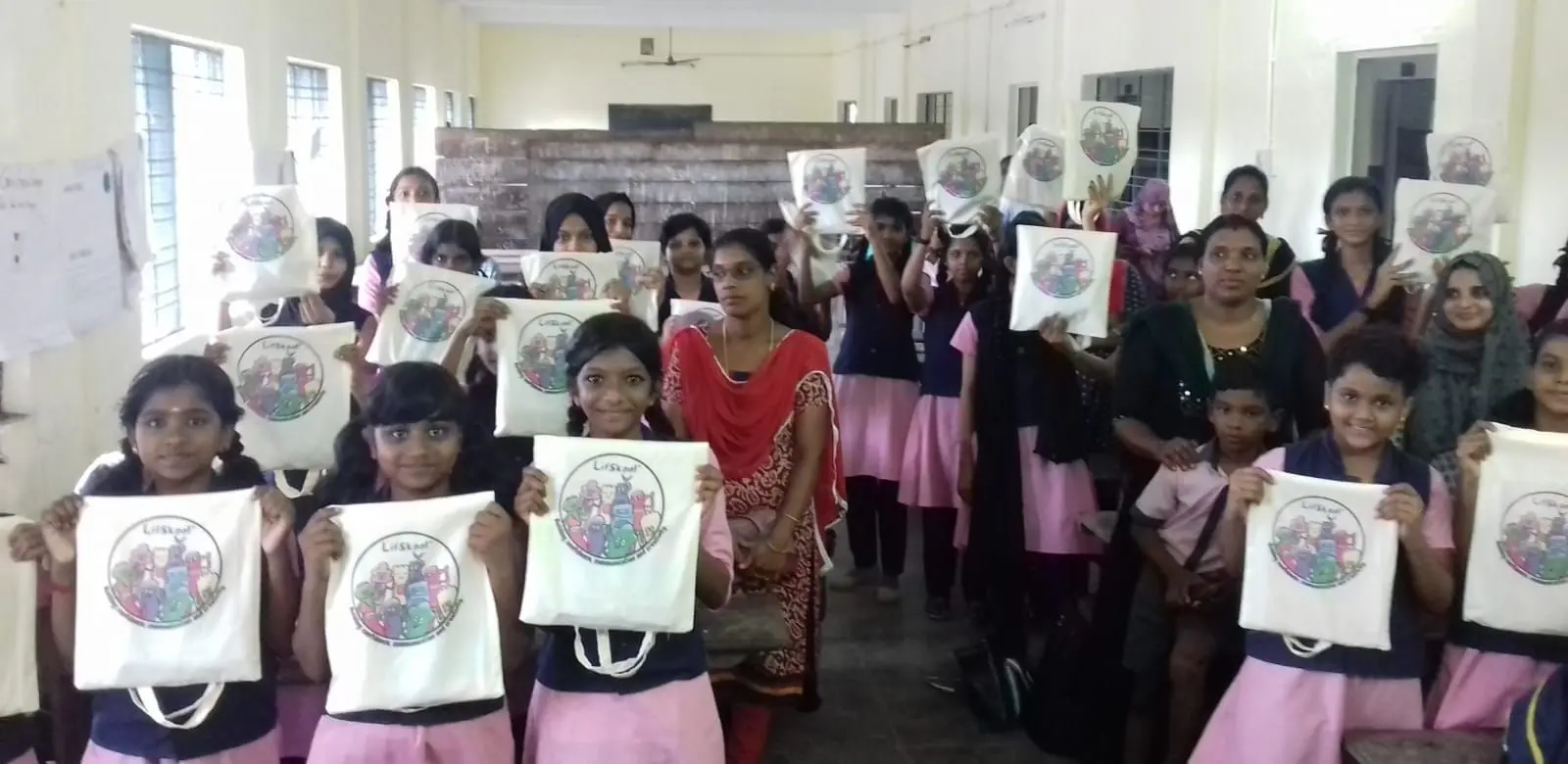
One of the patterns she observed was that she met bright, capable students who could solve maths problems and memorise textbook answers with ease. But many struggled with confidence, emotional well-being, relationships, stress and self-belief.
“I realised how much I would have benefited from these lessons growing up,” she says. “No one teaches children how to handle emotions, relationships, stress, or self-worth.”
As she spent more time in schools, Aarthi began noticing a bigger issue. Many children were navigating academic pressure, family expectations, friendship challenges, and growing emotional stress. Yet, few opportunities existed within the school system to develop the life skills needed to manage these experiences. This gap would later become the foundation of Olimalar's work.
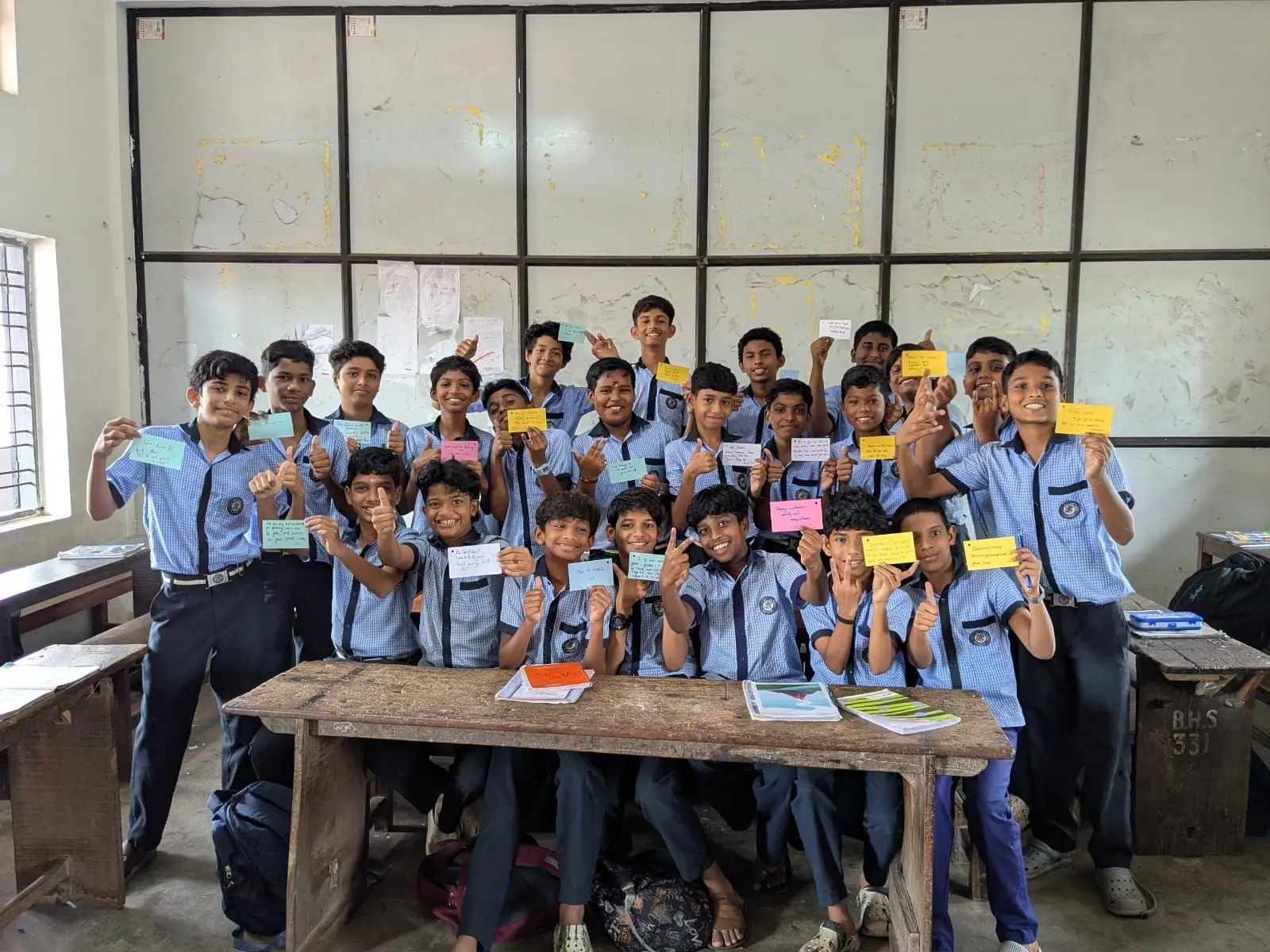
But the work came with difficult realities. Children often formed strong connections with the adults around them, only to see people move on as projects ended or circumstances changed. The experience reinforced Aarthi's belief that for emotional learning to truly stick, it needed to be sustainable, professional, and deeply embedded in the local culture.
Then came an unexpected administrative restructuring. The international programs were abruptly paused, and local projects were suspended mid-cycle. With a heavy heart, Aarthi had to leave Kerala and return to London, unsure when she would be able to return to the classrooms she had grown to love.
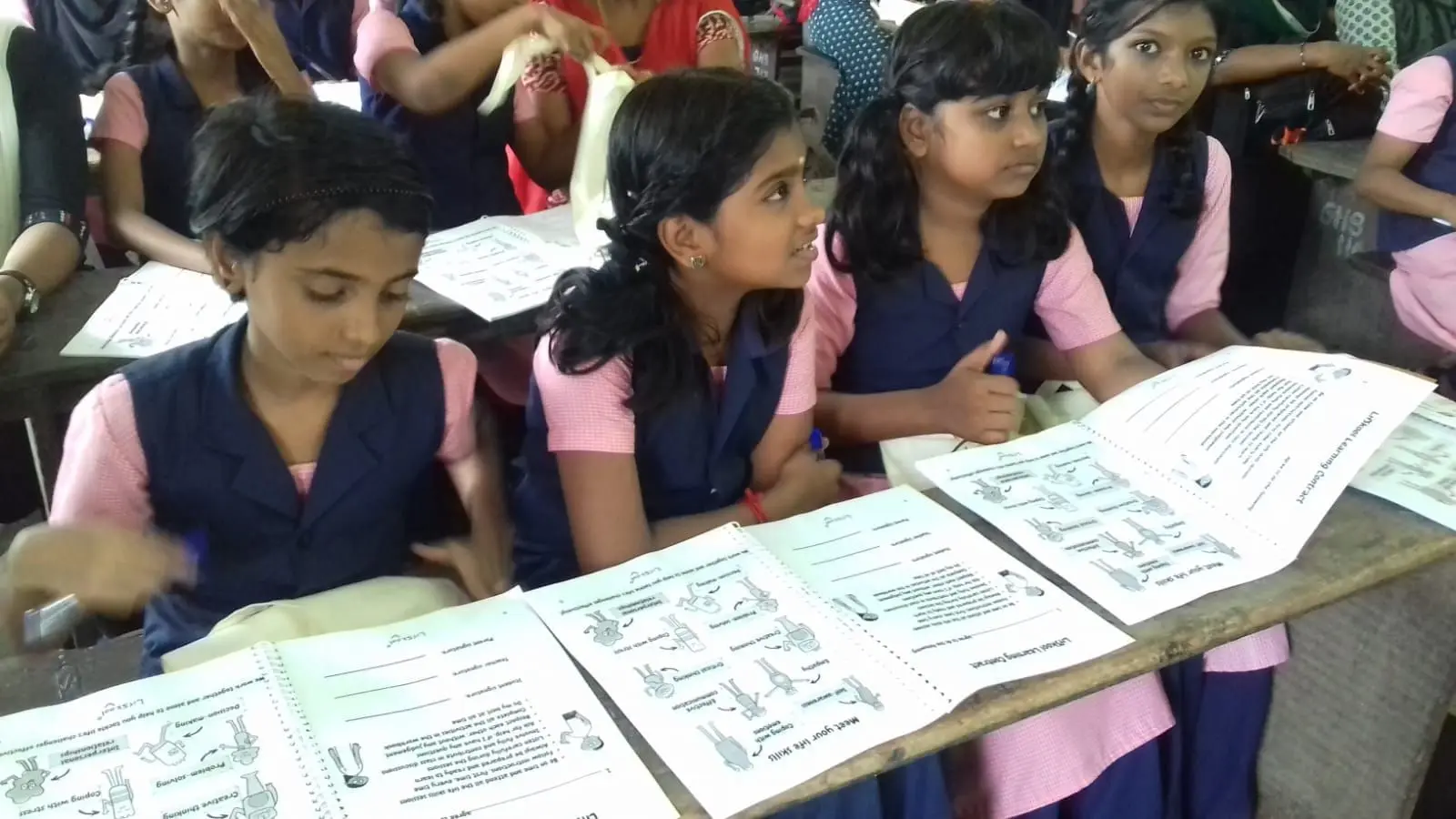
Yet, Kerala never left her mind. Even while working in London, she spent her evenings researching education models, mental health programmes, and social entrepreneurship. Determined to create something more sustainable, she joined a startup accelerator to learn how to build an organisation from scratch and trained as a mental health educator. She also reached out to organisations such as Dream a Dream and trained with Apni Shala, known for their work in social-emotional learning in India.
By February 2020, she was ready to return. She resigned from her corporate job once again. Kerala was calling her back. Then the pandemic arrived. The lockdown disrupted her travel plans, but it also sparked a new beginning. Determined not to lose momentum, she launched “LifSkool” online on March 31, 2020.
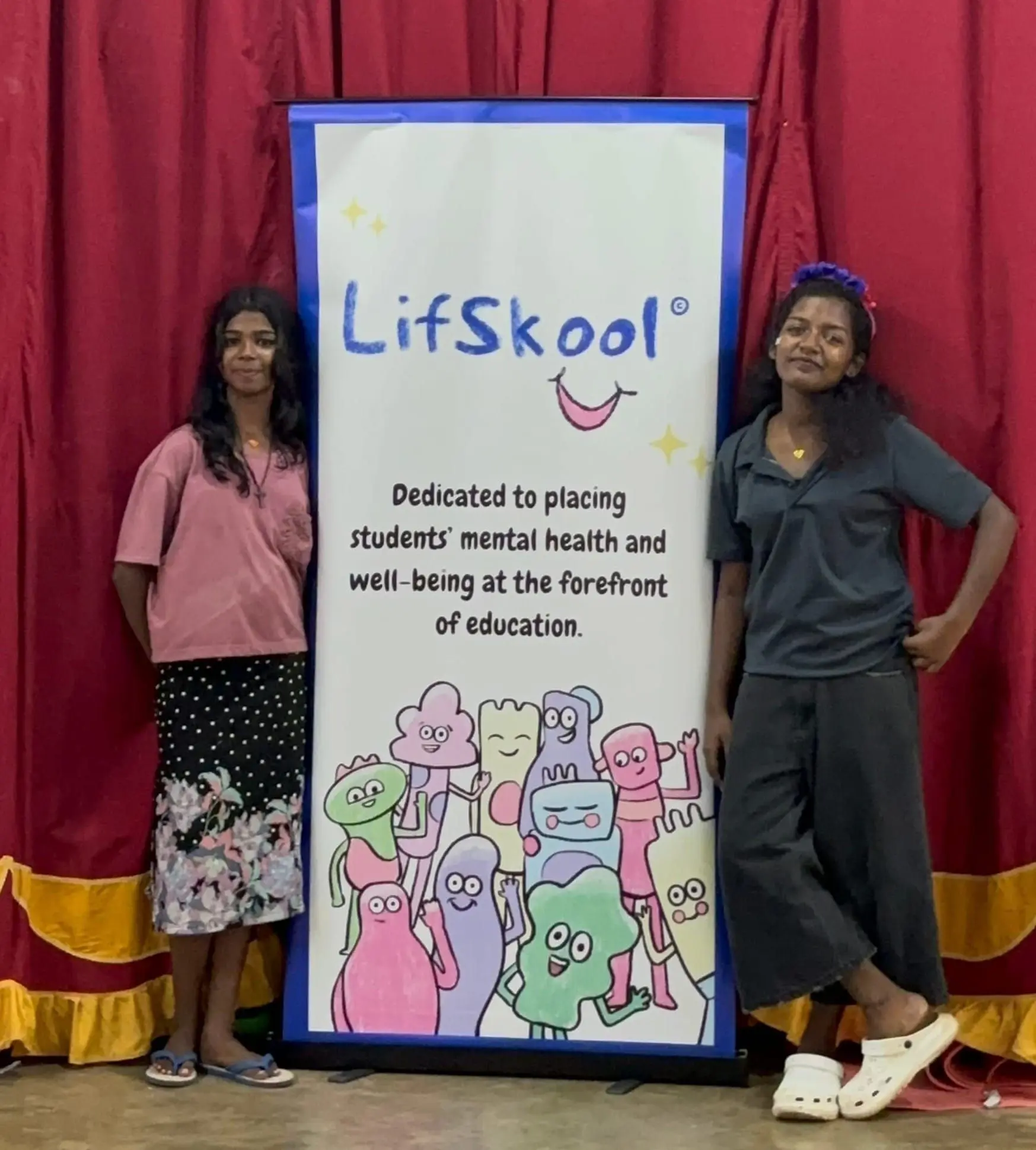
What began as small mental health videos and breathing exercises soon evolved into something much bigger. Working remotely with George in Kerala, she organised fundraising initiatives to support local schools struggling during the pandemic. One project, called “Zoom-tastic,” brought together circus performers and artists from around the world for a virtual fundraiser that helped provide mobile phones and learning materials to children unable to access online education.
Soon, Lifskool was running online summer camps, WhatsApp sessions, and structured weekly programmes for students across Kerala. Through storytelling, games, reflection activities, creative exercises, and mindfulness practices, children explored topics such as emotions, communication, resilience, teamwork, empathy, and decision-making. Slowly, shy children who initially refused to switch on their cameras began participating confidently. To support the sessions, she designed a 10-week curriculum focused on emotional well-being, communication, resilience, teamwork, and self-awareness.
Yet criticism followed. Online trolls questioned her credentials and dismissed her as unqualified. Instead of discouraging her, the backlash pushed her toward formal teacher training. She enrolled in the Teach First programme in the UK, where she worked in low-resource schools and gained valuable classroom experience, an experience she describes as a “baptism by fire.”
After completing her teacher training, Aarthi returned to Kerala with a clearer sense of purpose. Through a partnership with the Kochi Community Action Foundation, LifSkool moved from screens into classrooms, running as one of their community programmes. It was here that she met Anumol, a school teacher who began volunteering alongside George in sessions.
The three quickly found a natural rhythm together: Aarthi designing the programmes, George bringing his warmth and music into the classrooms, and Anumol grounding everything in her deep knowledge of how children learn.
As the initiative grew, the three decided to start an organisation of their own. Here, another challenge emerged: the name “LifSkool” was already trademarked. After endless brainstorming sessions, inspiration came unexpectedly through Tamil music lyrics. They discovered the word “Olimalar”, combining “Oli,” meaning light, and “Malar,” meaning flower.
The name reflected the organisation’s philosophy perfectly: children flourish when given the right environment, care, and guidance. The Olimalar Foundation was officially registered on October 3, 2024. Kerala is often celebrated for its educational achievements, yet many young people continue to face rising levels of stress, anxiety, social pressures, and emotional challenges. Olimalar was established to support children in building the confidence, resilience, and life skills needed to thrive both within and beyond the classroom.
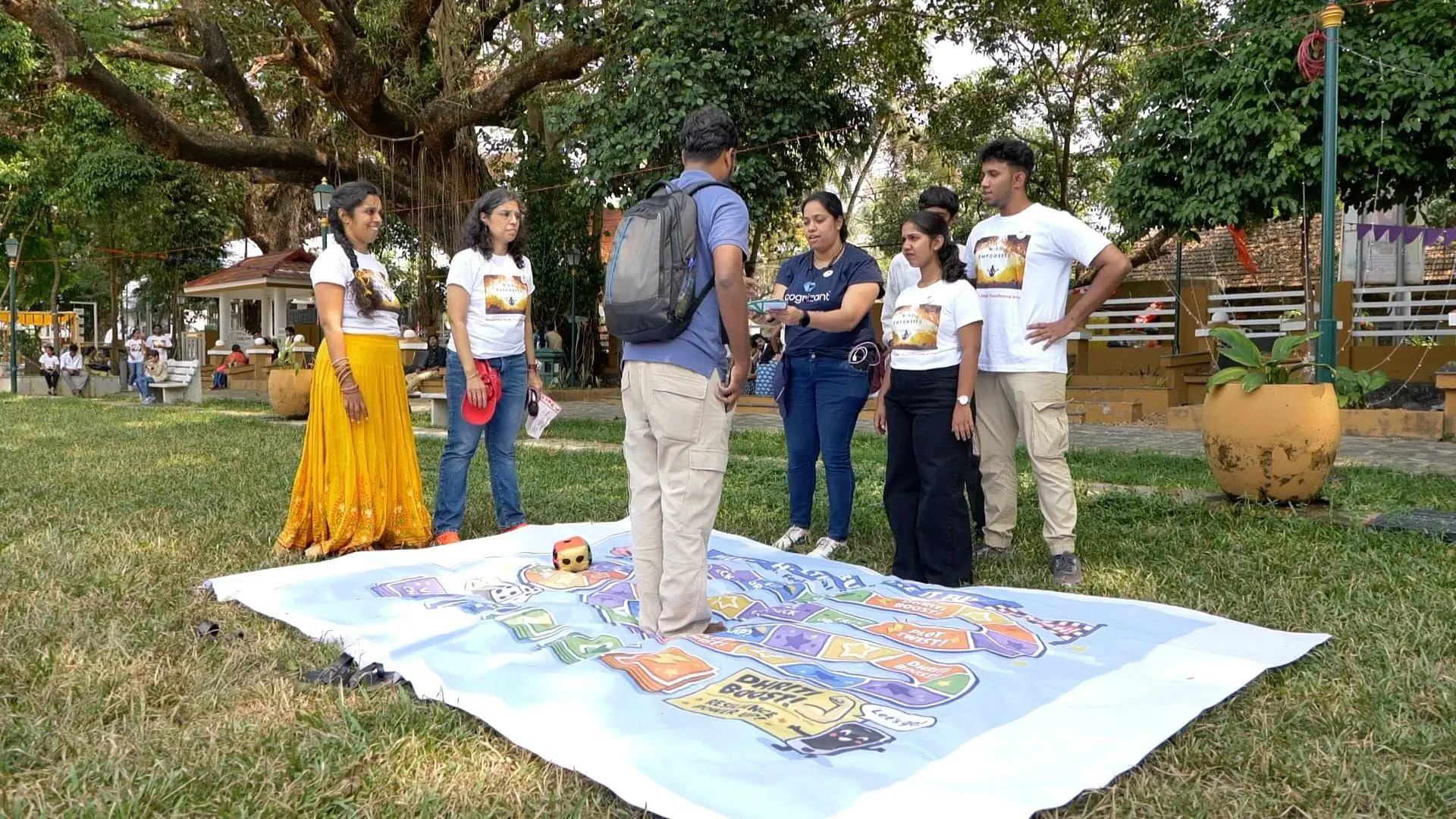
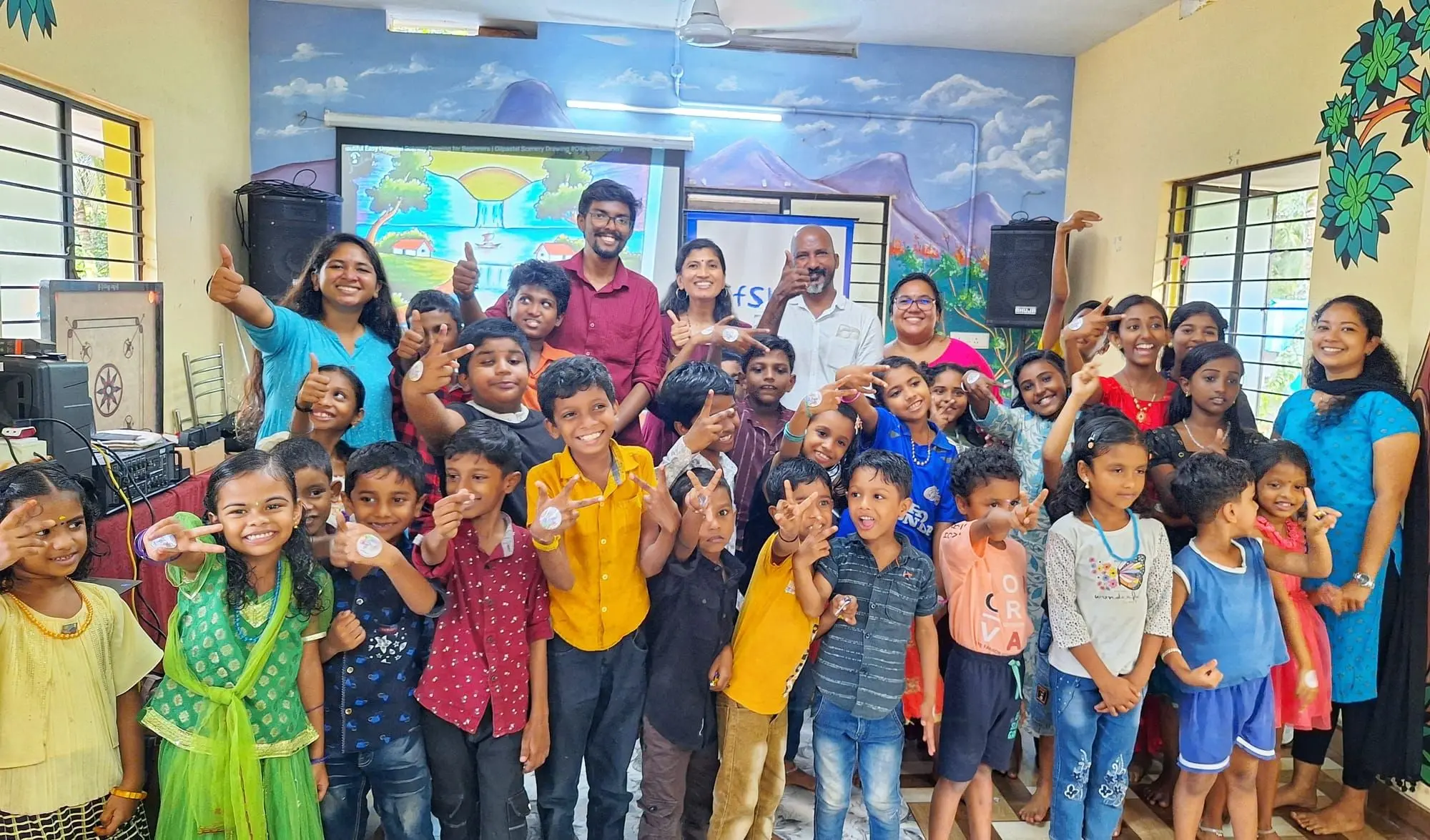
Today, the foundation works closely with schools and communities in Kerala, conducting structured sessions focused on social-emotional learning and life skills education. Rather than concentrating only on high-performing students, the programmes intentionally support children who need additional emotional and behavioural guidance. The session curricula make use of research-backed approaches to social-emotional learning, mindfulness, and the WHO life skills framework. The programmes are also tailored to the cultural context of Kerala.
In a typical LifSkool session, a classroom might be filled with students debating solutions to a problem, acting out a scenario with friends, reflecting on their emotions through art, or learning simple mindfulness techniques to manage stress. Using storytelling, games, movement, creativity, and discussion, the programme helps young people build confidence, communication skills, resilience, empathy, and self-awareness. The aim is not simply to teach information, but to create safe spaces where children can explore, express themselves, and develop skills for life.
The foundation has also launched “LifConnect,” a parent and community engagement initiative designed to create stronger support systems for children beyond the classroom. Together, LifSkool and LifConnect reflect Olimalar's belief that building resilient young people requires more than working with students alone. By engaging schools, families, and communities, the organisation aims to create an ecosystem of support around every child.
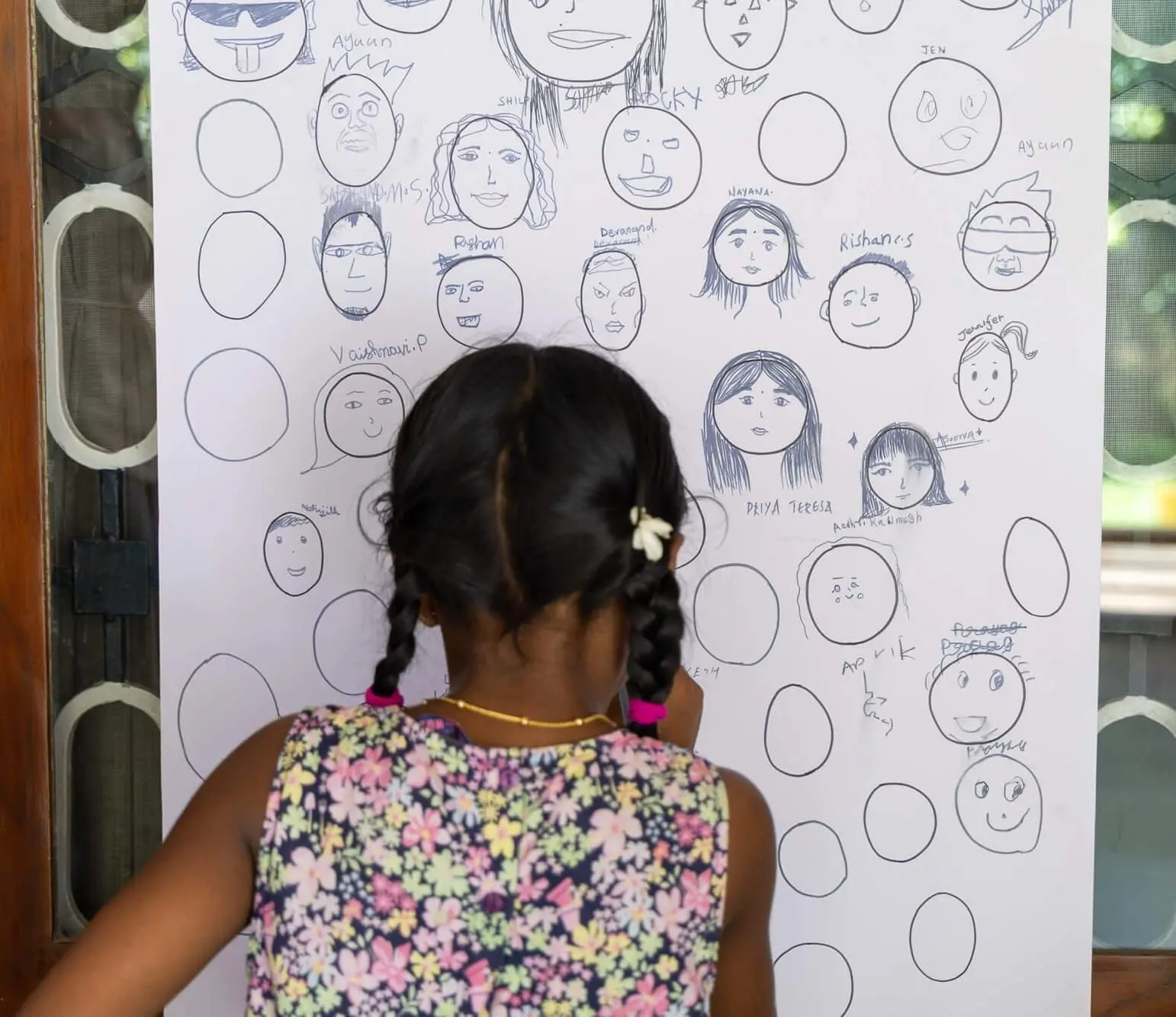
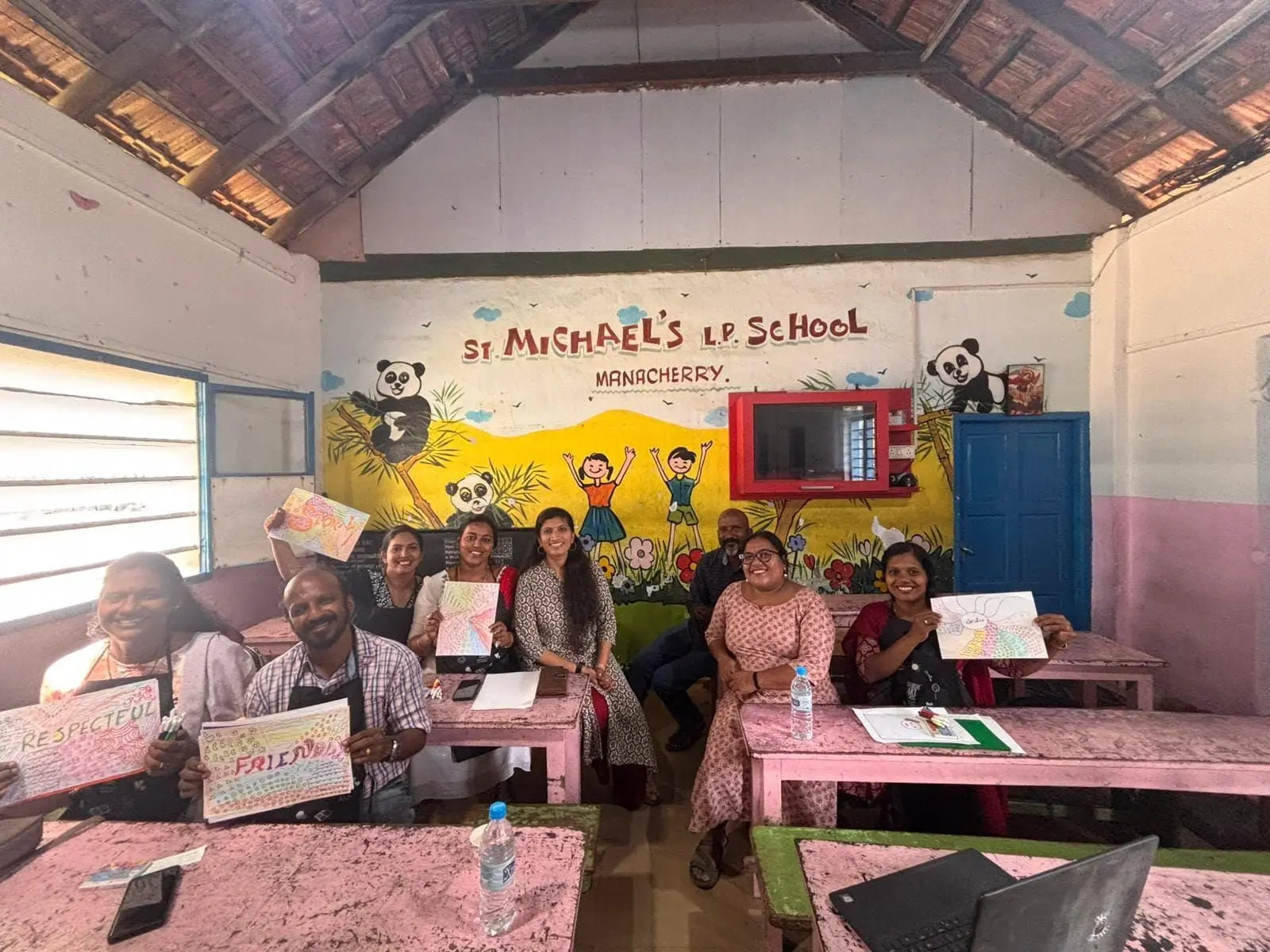
Recently, Olimalar collaborated with Saturday Art Class to train local teachers in social-emotional learning through art. The programme culminated in a public exhibition showcasing students’ work and emotional expression called Made with HeART.
So far, the organisation estimates it has reached nearly 3,000 people through workshops, school programmes, and community initiatives. Aarthi adds that their impact is best seen in small moments. What excites them more than huge numbers is the one comment from a parent about how their child is now more confident or talks more openly, or how a shy student stood in front of the whole class and presented their opinions clearly.
Today, from her base in Kochi, Aarthi dreams of expanding Olimalar into a sustainable, community-led ecosystem for children’s wellbeing. Plans include training more local educators, building culturally relevant curricula, and creating long-term programmes rooted in creativity and emotional safety.
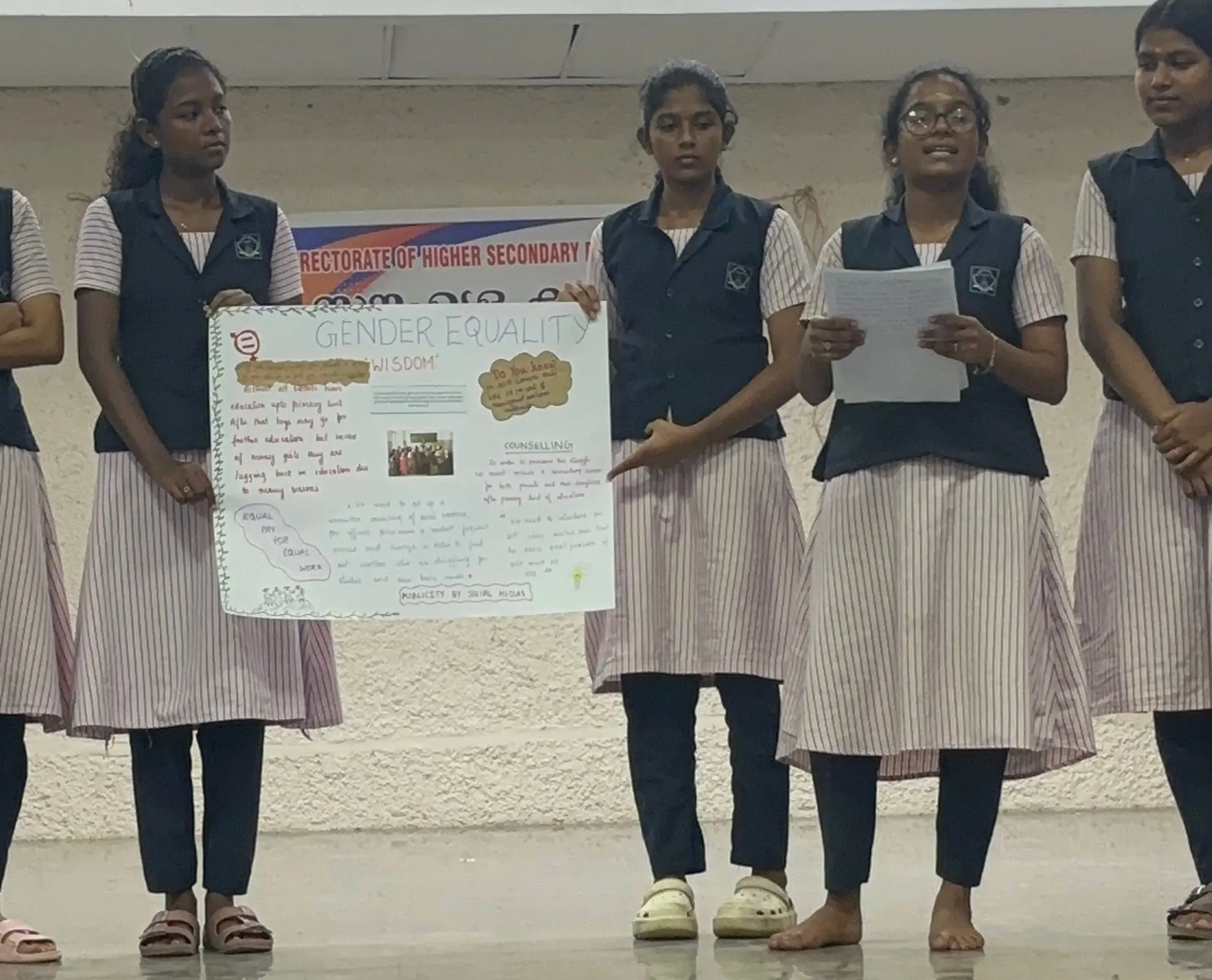
At its core, Olimalar is not simply about education. It is about helping children feel seen. And perhaps that is exactly why Kerala, the place Aarthi once arrived at with no plan, eventually became a home away from home.