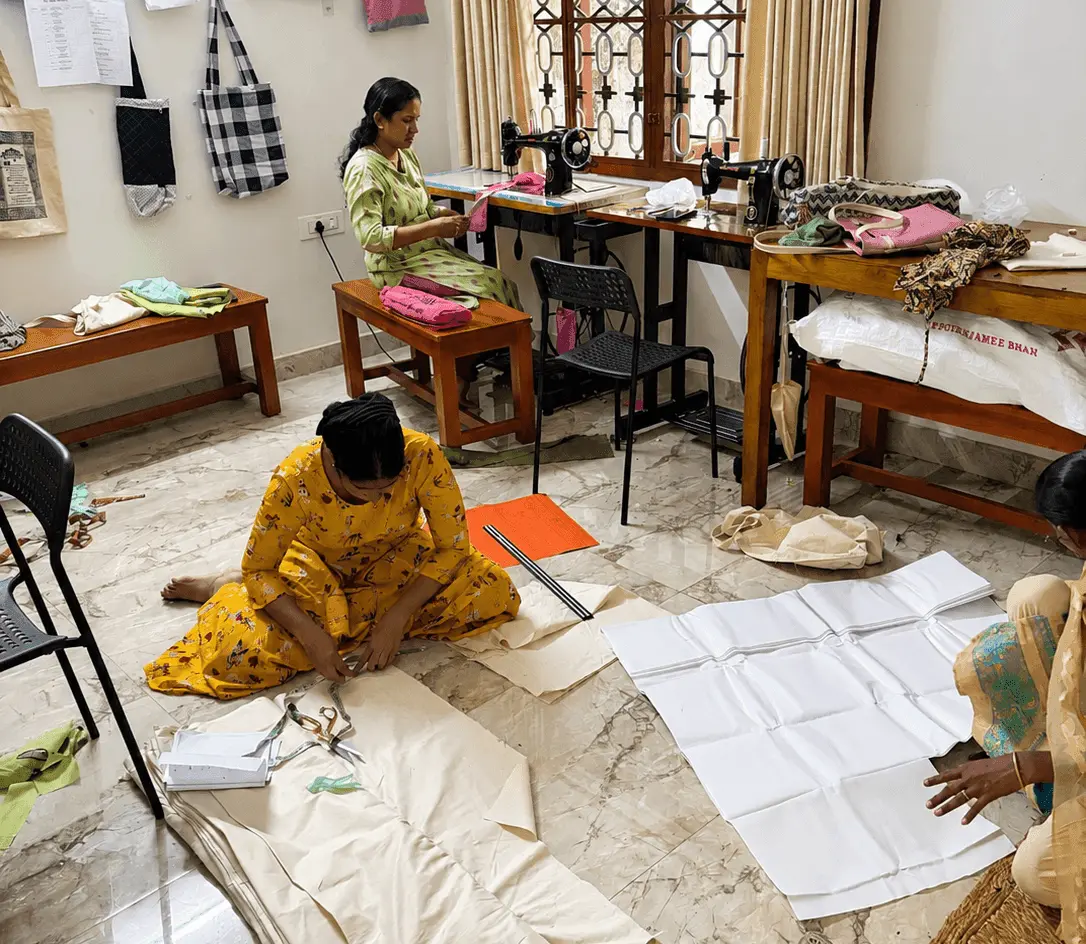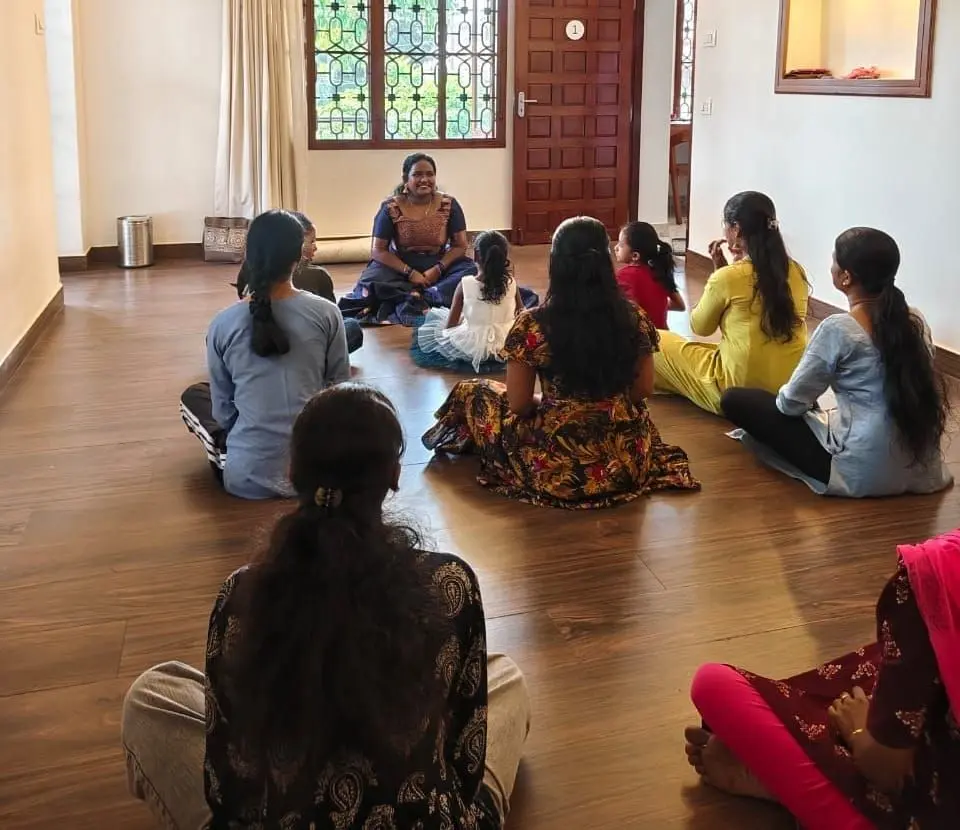
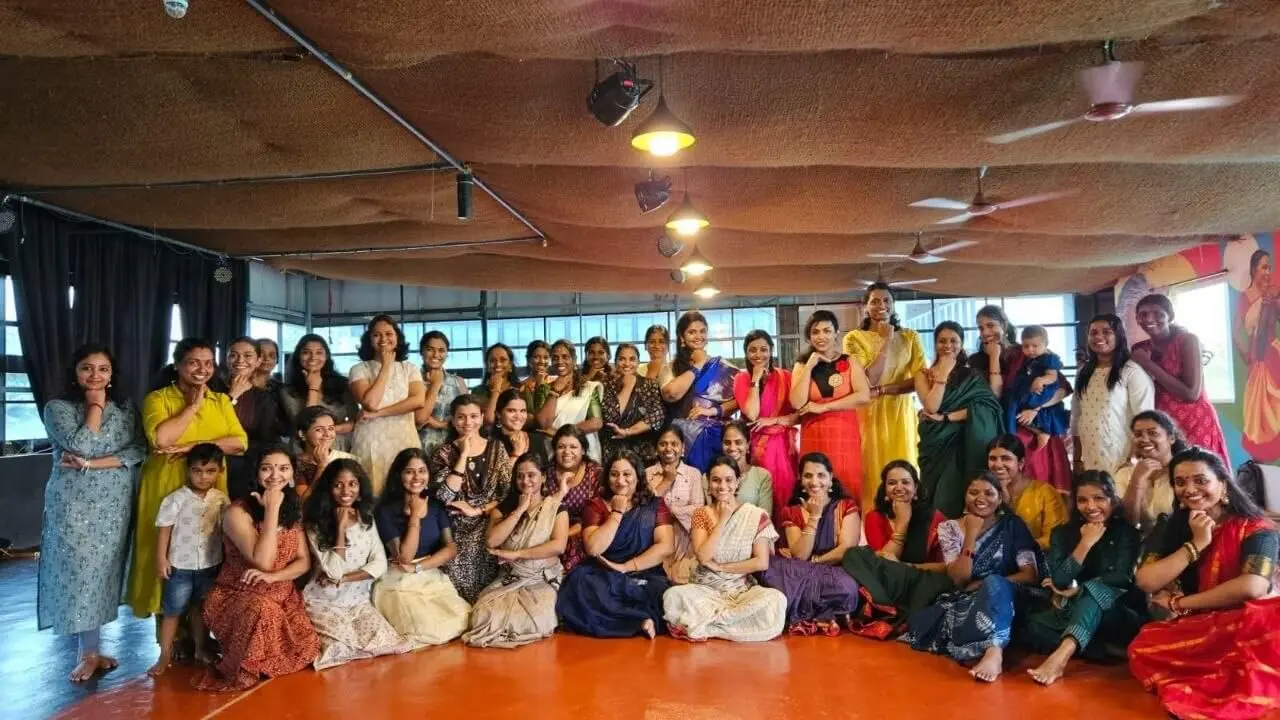
On the fourth floor of a building in one of the busy junctions in Vennala, dancers stretch quietly before class. Some are teenagers discovering movement for the first time. Others are women over 30 returning to dance after years of family responsibilities. There are children, working professionals, and people who once believed the arts were never meant for them. Seven years ago, none of this existed.
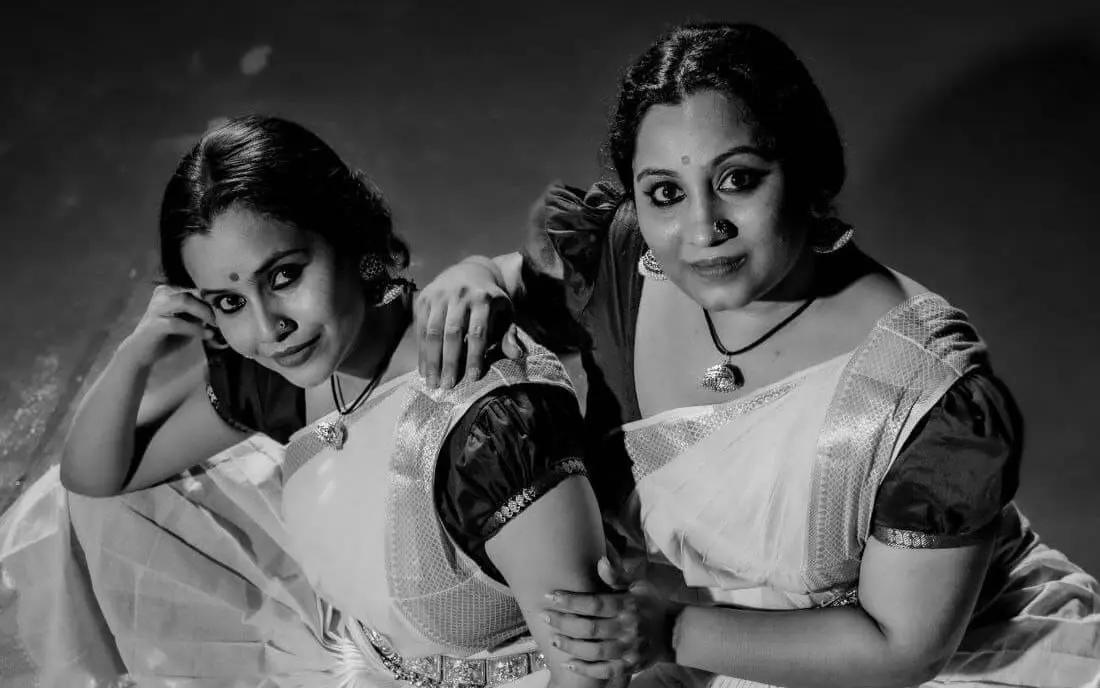
Thudippu began as a small idea shared between two friends in their early twenties — Anjali Thudippu and Ponnu Sanjeev — who believed art should feel less intimidating and more human. Today, it has grown into a thriving arts collective with nearly 250 students, teaching multiple art forms, and a deeply loyal community built around inclusivity, care, and conversation. But the road here was far from easy.
How It All Began
When Anjali speaks about the beginning of Thudippu, she laughs at how clueless they were. “We started when we were around 24 years old,” she says. “Honestly, we had no idea how to run an organisation.” Neither she nor Ponnu came from business backgrounds. There was no model to follow, no blueprint for the kind of inclusive arts space they imagined building. “We were just two friends who strongly felt that art should be accessible to everyone,” she says.
The early years were messy and uncertain. Every decision felt experimental. Some ideas worked. Many didn’t. “We failed often,” Anjali admits. “But we kept learning while doing it.” What kept them going was the clarity of their intention. They were not trying to create a conventional dance school with rigid structures and intimidating expectations. They wanted something softer, more open.
“We were trying to imagine a space where people could enter without fear or judgment,” she says. “That was always the starting point.
Inclusivity, Anjali explains, was never an afterthought. It shaped Thudippu from the very beginning. Their first major workshop was organised for the transgender community in Kerala. In many institutions, she says, there is an invisible but powerful idea of who “belongs” in art. “People feel they need a certain body type, caste identity, class background, or training history to enter the room,” she explains. “We wanted to challenge that from the beginning.”
Art, she says simply, “should not function like a closed club.”
Art For All
As Thudippu grew, so did their understanding of the systems they were trying to challenge. “The biggest challenge was dismantling gatekeeping,” Anjali says. Art education is, most often, deeply rigid and exclusive. There are fixed expectations about who gets recognition, how dance should look, and who is considered worthy of practice.
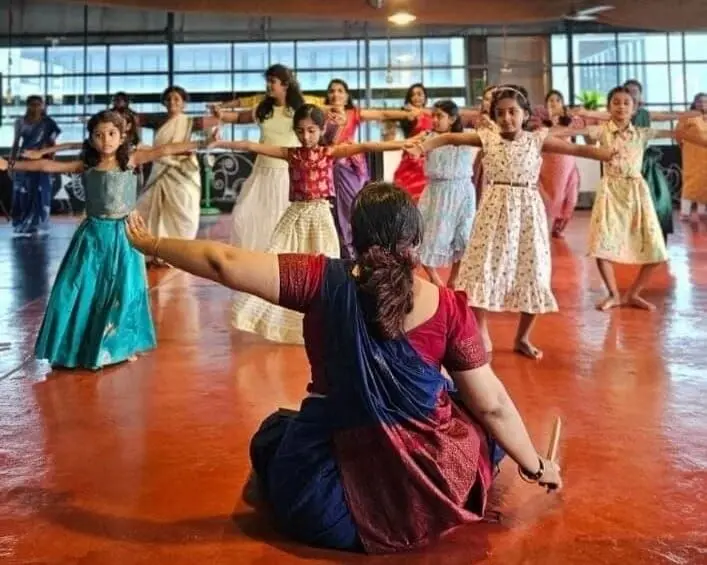
“We were searching for an alternative,” she says. “A place where exploration was possible. Where people could move without constantly being measured against some ‘correct’ standard.” But undoing those systems isn’t easy. “These ideas are socially and historically rooted,” she says. “You realise very quickly that exclusion in art is not accidental.”
One of the most important conversations within Thudippu revolves around history — especially the histories often left untold in classical dance forms like Mohiniyattam. “Many of us were never taught the full history ourselves,” Anjali says. She speaks about the erasure of hereditary dancers historically connected to these art forms. Over time, she explains, these traditions were reshaped and absorbed into privileged spaces under narratives of “purity.”
“Most institutions teach the form without discussing any of this,” she says. At Thudippu, they try to approach teaching differently. “For us, the first step is simply acknowledging that these hereditary dancers existed — that the art was built on their labour and contributions.” She pauses before adding, “Even now, we’re still learning and unlearning ourselves.” That humility, she says, is important. They do not claim to have all the answers. But they believe art education should include context, questioning, and awareness — not just technique.
“When people from very different backgrounds share the same floor, sweat together, and occupy the same artistic space, it becomes a quiet form of protest against exclusion.” Historically, many people were denied access to these spaces altogether. “So simply allowing people to belong here matters,” she says. “Everyone has a right to these art forms and these histories.”
Building from Scratch
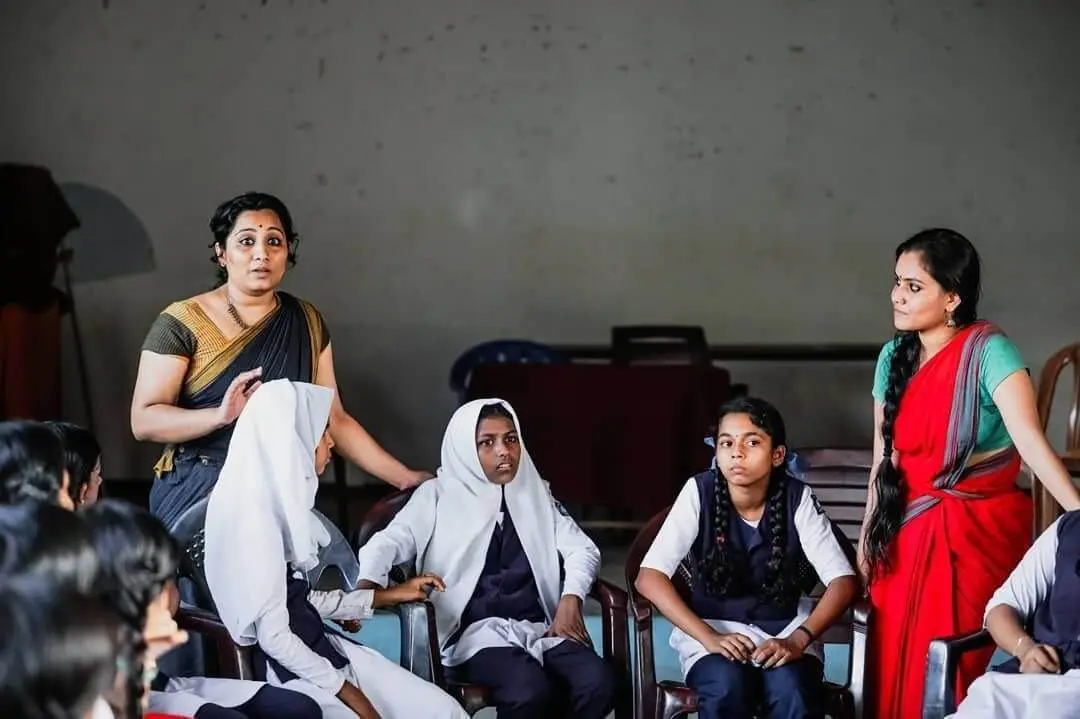
The practical realities of running Thudippu were often exhausting. “Everything was difficult financially,” Anjali says with a laugh that sounds equal parts amused and tired. In the beginning, they couldn't afford a permanent studio. So they travelled constantly across Kerala, conducting classes wherever space was available, such as government schools, colleges, and borrowed halls.
There was also another challenge: Kochi did not yet have a strong culture of intimate performance spaces. “Now people are more familiar with small, interactive art events,” she says. “But when we started, that format was still very new.” Building audiences took time. So did building trust.
Even after seven years, sustainability remains one of the hardest parts of running the collective. “People assume that once an organisation survives for a few years, things become stable,” Anjali says. “But honestly, the anxiety never disappears.”
Running an arts organisation means constantly balancing creativity with survival. Student numbers fluctuate. Expenses continue. Salaries must be paid. “You can never fully switch your brain off,” she says quietly. Behind every class and performance is a constant mental calculation about rent, staff, schedules, and sustainability. “There’s always responsibility sitting somewhere in your mind.”
Juggling Art and Administration
One of the biggest transitions for the founders was learning how to move beyond being artists. “In the beginning, we approached everything emotionally and creatively because that’s who we were,” Anjali says. “But eventually we realised passion alone cannot sustain an institution.”
They had to teach themselves management, finance, communication, policy-making, and administration — all while continuing to create and teach art. And because the organisation was founded between friends, they quickly realised structure mattered. “It would have been easy to function casually,” she says. “But that creates problems over time.”
Today, they hold proper board meetings, document decisions carefully, and maintain clear boundaries around responsibilities. “It’s actually more respectful that way,” she says. Being young women founders also meant they were often underestimated. “People sometimes see young women working together and assume it’s informal or unserious,” she says. “Structure helped us protect the organisation.”
As the collective expanded, Anjali and Ponnu brought in a third board member, Aiswarya S, who comes from the social sector. “Outside perspective matters,” Anjali says. Aiswarya’s experience working with communities and institutions helped ground the collective’s decision-making. “When something is built through friendship and imagination, you can become emotionally attached to your own ideas,” she says. “External guidance helps you see things more clearly.”
Creating Safe Spaces
Throughout the conversation, Anjali repeatedly returns to one phrase: safe space. But for her, safety is not just a comforting word. “Safety cannot remain just a slogan,” she says firmly.
From the beginning, Thudippu wanted to be free from discrimination based on caste, gender, sexuality, body type, or economic background. But good intentions alone, she says, are not enough. “Systems matter.” The collective implemented community guidelines and formal PoSH protocols for the prevention of sexual harassment. Accountability, she believes, must exist structurally, not just emotionally.
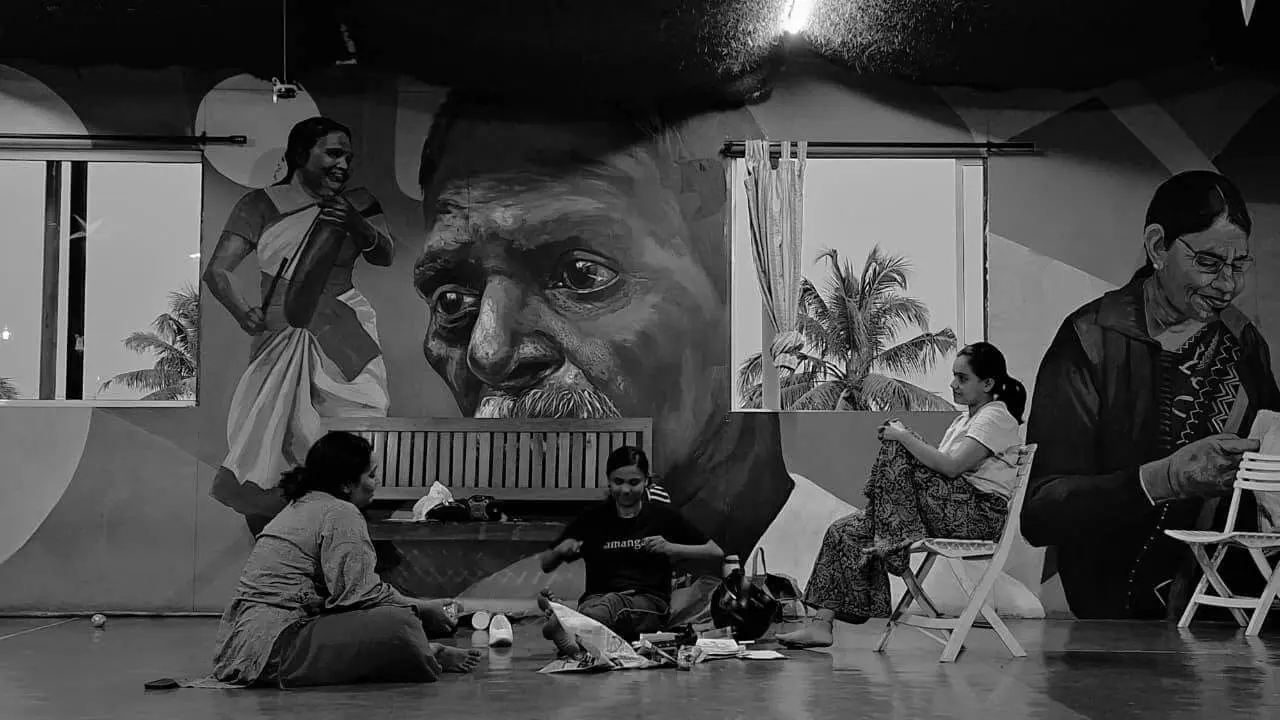
The organisation also prioritises employing women from socio-economically underserved communities. “We didn’t want people to feel like they were merely receiving support from us,” she says. “We wanted them to feel ownership.There’s a difference between helping someone and letting them fully belong.”
Navigating Gender
Being women founders came with its own set of challenges.“In the arts, professionalism often gets undermined for women,” Anjali says. “Sometimes people respond to women artists through personal admiration rather than professional respect.” That emotional labour, she says, becomes exhausting over time.
She also speaks about the difficulties many women students face in sustaining artistic practice. “Many women over 30 are balancing childcare, domestic responsibilities, work — everything at once,” she says. “Learning any art form requires consistency, and society rarely creates the conditions for women to sustain that journey.” It is something they witness constantly inside the space.
The Road Ahead
After seven years of uncertainty, struggle, and growth, what keeps them going? Anjali doesn’t need time to answer. “The people,” she says immediately. She speaks about watching students slowly become comfortable in their bodies. About seeing people who once felt excluded finally feel ownership over a space. About friendships forming between people who otherwise may never have met. “Those moments matter,” she says, with conviction.
At the same time, she insists that Thudippu is still evolving. “If someone tells us we are doing something in a harmful or exclusionary way, we want to listen and correct ourselves,” she says. “We don’t believe we have perfected anything.”
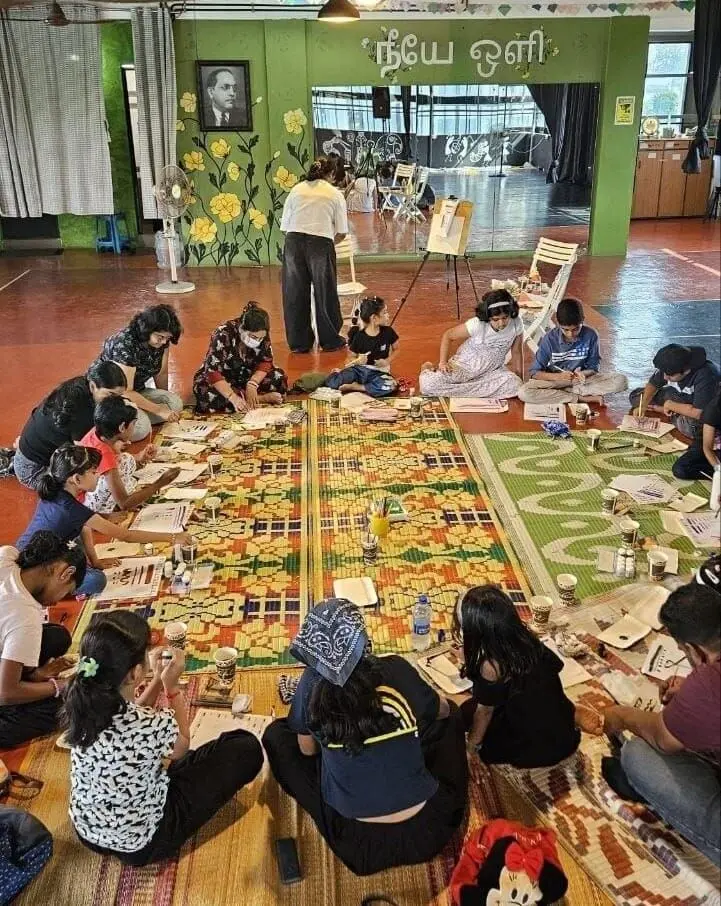
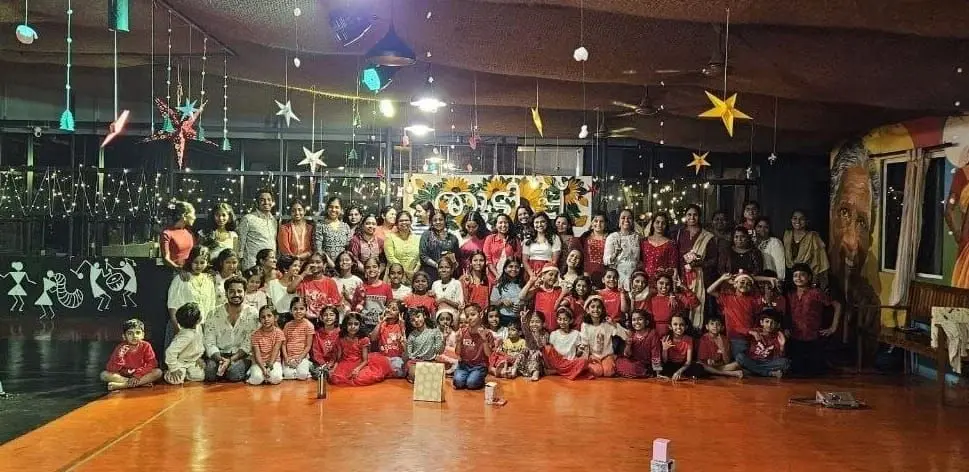
Today, Thudippu supports hundreds of students and hosts multiple art forms including Bharatanatyam, Mohiniyattam, Semi-classical, Kathak, Hip-hop, Music, and Drawing. They came out with two dance productions of their own in these past years— Otta and an all-female production, Gossip. They have also recently started a branch at aikyam space, Fort Kochi, with dance classes on the weekends. What began as a mobile teaching experiment has become a structured collective with its own intimate cultural spaces in Kochi.
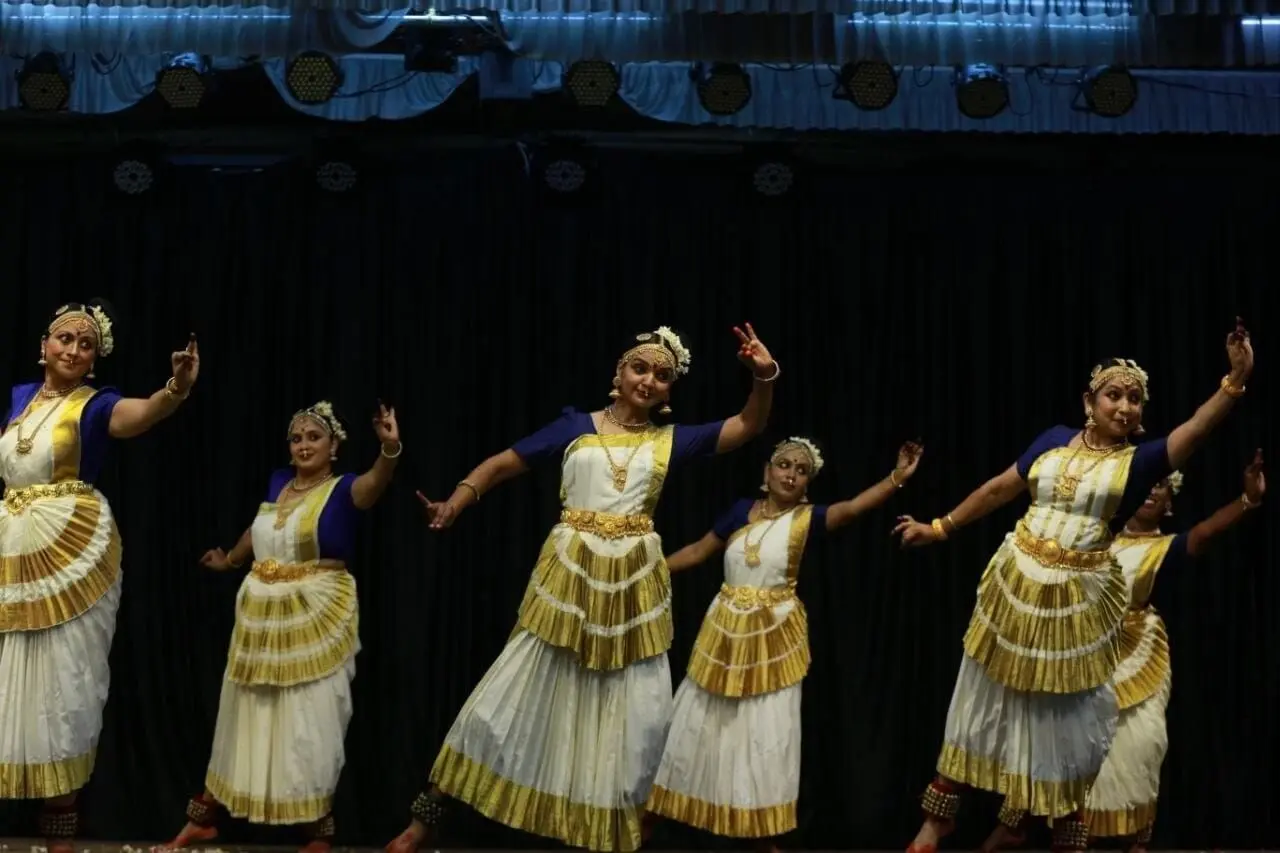
Yet the founders continue to describe the organisation not as a success story, but as an ongoing process of learning, adaptation, and care. Their journey reflects a broader truth about grassroots cultural organisations in Kerala and beyond: small institutions are often built not through funding or infrastructure, but through emotional labour, persistence, and imagination.
In many ways, there was no established model for what Thudippu set out to do. Just two young women asking a difficult question:
What would an art space look like if everyone truly belonged there?
Seven years later, they are still building the answer.